Personal Reflection I’ve wasted too many hours trying to outtalk ignorance, explain myself to the unworthy, or fill the air just so I wouldn’t feel the weight of quiet. But silence—real silence—can be sharper than any retort. It leaves space for the truth to echo, for others to hear the hollow in their own noise. And sometimes, holding your tongue is the only way to keep your dignity intact.
Reflective Prompt When have you chosen silence instead of speaking? Did it protect your peace, or did it say more than words ever could?
The positive emotion I feel most often is contentment. I’m not one of those sunshine-all-the-time people, and I’m not walking around mad at the world either. I land somewhere in the middle. When I finish a project and it matches the standard I set for myself, that’s when it hits. Not as fireworks, not as a euphoric high—more like a long exhale.
Most of my life, I pushed things to the edge just to get by, so being content feels like a win. It means I don’t have to live in constant overdrive. It’s not about chasing joy or ducking pain—it’s about recognizing that “enough” can be its own kind of peace. And I’ll take that over chaos any day.
There’s no shortage of nifty acronyms about goals floating around the internet. Toss a dart and you’ll hit one.
When I was growing up, we didn’t talk about “goals.” We had tasks. You made a checklist, worked through it, and crossed things off. Simple. Direct. No mysticism, no motivational posters required.
It wasn’t until I was an adult that I started hearing people talk about “goals” like they were magic spells. Set your goals, visualize them, and manifest your dreams. Cute. But does anyone ever stop to ask what the hell a “goal” actually means? Does it have a deadline? A measure? Or is it just a vague wish written in business casual?
When I was in the military, I leaned hard on the task-oriented system. Every mission boiled down to clear tasks that could be checked, tracked, and rechecked. Later, when I moved into social services, my organization introduced another acronym: S.M.A.R.T. goals. At first, I hated it. Not because the form was broken, but because the instructions were. People filled it out and treated it like a box-checking exercise.
So, I started using it alongside my task-oriented system. That’s when it clicked. Paired with a real process, S.M.A.R.T. stopped being fluff and started being functional.
What the Hell Are S.M.A.R.T. Goals?
It’s simple:
S – Specific: Clearly define what you want to accomplish.
M – Measurable: You can track it — numbers don’t lie.
A – Achievable: Ambitious, not impossible.
R – Relevant: It actually matters to you.
T – Time-bound: A finish line, not “someday.”
That’s it. Straightforward enough. But the trick is using it right.
How to Use Them Effectively
Most people treat S.M.A.R.T. like a worksheet you fill out and forget. That’s not planning — that’s paperwork.
Here’s what makes it actually work:
Break it into tasks. A goal is only real if you can do something today that moves it forward.
Apply P.A.C.E. thinking. Your Primary plan, Alternate options, Contingency if things shift, and Emergency fallback. Same system I use for emergency preparedness.
Review often. If you never check the plan, it dies on the page.
Real-World Example: Writing
Vague goal: “I want to write more.”
S.M.A.R.T. goal:
Specific: Publish one blog post per week on Memoirs of Madness.
Measurable: One a week = 4 per month.
Achievable: Realistic with your schedule.
Relevant: Writing sharpens your craft and feeds the community.
Time-bound: Do this for 12 weeks, then review.
P.A.C.E. it?
Primary: Write at your desk on schedule.
Alternate: Draft on your phone if you’re away.
Contingency: Record a voice memo, transcribe later.
Emergency: Jot bullet points in a notebook — messy but usable.
Suddenly, “write more” isn’t a dream. It’s a system you can actually work.
Real-World Example: Preparedness
Vague goal: “I want to be ready for blackouts.”
S.M.A.R.T. goal:
Specific: Build a 72-hour blackout kit with food, water, and lighting.
Measurable: 3 gallons of water, 9 meals, 3 working lights.
Achievable: Start with basic supplies, expand later.
Relevant: Storm season hits every year — this matters.
Time-bound: Have it assembled in 30 days.
P.A.C.E. it?
Primary: Store kit in the house.
Alternate: Keep a smaller kit in the car.
Contingency: Borrow or share with neighbors if needed.
Emergency: Improvise with what’s on hand — but only if you must.
Now, you’re not just “hoping to be ready.” You’ve got a clear target with backup layers.
Final Word
S.M.A.R.T. goals aren’t magic. They’re not perfect either. But paired with tasks and P.A.C.E. thinking, they actually become useful.
Because at the end of the day, a goal isn’t about the acronym. It’s about whether you can move it from “idea” to “done.”
Question for You: When you set a goal, do you actually break it down into tasks, or does it stay a vague idea floating around in your head? And if you’ve ever used something like S.M.A.R.T. goals — did it actually help, or did it feel like just another form to fill out?
When I was in the military, I used P.A.C.E. more times than I can count. We prepared, checked, and rechecked things to the extreme. We did this because we had to — failure wasn’t an option.
Fast forward a few years. I’m out of the service, living civilian life, and a nasty storm rolls through. Most of the city lost power for days. Some parts stayed dark for weeks. Suddenly, all that military planning muscle memory kicked in. I had to reach into my trusty bag of tricks. Yeah, that’s right — I was doing some Felix the Cat shit.
That’s the thing about P.A.C.E. — Primary, Alternate, Contingency, Emergency — it’s not just for the battlefield. It works anywhere you need layered backup plans… like when the lights go out and stay out.
The idea is simple:
Primary – The way you expect it to work.
Alternate – The way you hope you won’t need, but will use if the first fails.
Contingency – The way you grit your teeth and say, “Well, this sucks, but it’ll do.”
Emergency – Last-ditch survival mode when the universe has gone full chaos.
Let’s run it through a blackout scenario — focusing on keeping in touch and keeping the lights (or at least the coffee) on.
Primary – Your Everyday Comfort Zone
Communications: Cell phone + home Wi-Fi. Group texts. Video calls. Social media doomscrolling while you wait for the lights to flicker back on. Power Strategy: Lights work. Outlets work. Your devices are charged without you even thinking about it.
Enjoy it. It’s your baseline. But don’t assume it’ll last forever.
Alternate – When the Obvious Fails
Communications: The Wi-Fi’s dead, and cell towers are overloaded. You switch to a fully charged power bank, use text instead of calls (less bandwidth), and if you’ve got one, a GMRS or FRS radio for local chatter.
Power Strategy:
Portable Power Stations – Bigger than a phone power bank, these can run small appliances, recharge laptops, and keep lights on.
Vehicle Charging – A car inverter can power essentials if you have gas in the tank.
Rechargeable Flashlights & Lanterns – No hunting for batteries in the dark. Just remember: unplug them once they’re fully charged to keep the battery healthy and extend its life. If the device allows, consider buying a spare rechargeable battery so you’re never stuck waiting for one to charge.
Pro Tip: If you’ve got a local battery repair shop, get to know them. I’ve used mine for years to rebuild batteries for gear most people would just toss. Odds are, there’s one in your area too — and they can save you money and keep your kit ready for the next outage.
Question for You: When was the last time you actually checked your power banks or battery supplies? If you had to use them right now, would they be ready — or dead as door knobs?
Contingency – The “We’re Really Doing This” Stage
Communications: Phones are dead. Radios are on low battery. This is where pre-arranged meeting times, printed maps, and low-power radios (kept in reserve) come in. Maybe you’ve even stashed a cheap prepaid phone with a different carrier for coverage overlap.
Power Strategy:
Solar Chargers & Panels – Even small foldable panels can keep radios, lights, and phones alive indefinitely — as long as you have sunlight.
Crank-Powered Gear – Flashlights, radios, and USB chargers that work with a hand crank. No sunshine? No problem.
Rechargeable Lanterns – Longer runtime and more coverage than a flashlight, and most can be topped off from a power bank or solar panel.
This is when people who didn’t plan start borrowing from people who did. Don’t be the borrower.
Question for You: If you have an Emergency Preparedness Plan, when was the last time you actually pulled it out and checked things? Plans don’t work if they live in a drawer collecting dust.
Emergency – Last-Ditch Survival
Communications: Nothing electronic works. You send a neighbor to check on your sister across town. You use whistles or flashlight signals after dark.
Power Strategy: It’s no longer about powering gadgets — it’s about heat, light, and cooking enough to keep going. Fire pit, layered clothing, shared shelter.
For lights inside the house, I’ve used old-school oil lamps. I also keep several candles as backup. Fun fact — in the winter, you can use blankets over windows and doorways to trap heat. You’d be amazed at how much warmth a candle can put off in an enclosed space. You won’t be sweating, but it can prevent you from freezing to death. And remember, even if you have a gas furnace or stove, the ignitors still run on electricity — so I keep long matches on hand to light them manually when the power’s out.
For hot meals, propane stoves and other fuel-based camp stoves are worth their weight in gold. They’re compact, easy to store, and can run even when the grid is completely down. Just store the fuel safely, and rotate your supply so it’s fresh when you need it.
This is where the difference between “prepared” and “in trouble” gets real.
Power Strategies – Keeping the Juice Flowing
The world we know runs on electricity. Our homes, our jobs, our grocery stores, the way we communicate — hell, I can hardly think of anything that doesn’t need power these days. Take it away, and things get interesting real fast.
We all know about portable power packs. You probably even own a few. I do too. The problem? Half the time, they’re as dead as the power grid when you need them. I’ve got a couple of those damn things stuffed in go bags, and when I actually checked them… dead as doorknobs. Might as well have been carrying bricks.
So, let’s talk about rechargeable power sources — the stuff that can keep you going in a blackout without turning you into the neighborhood caveman.
Primary: Keep devices charged, rotate your power banks, and use a small UPS for short-term internet access.
Alternate: Portable power stations, vehicle charging, rechargeable flashlights, and lanterns.
Contingency: Solar chargers, crank-powered gear, rechargeable lanterns.
Emergency: Shared resources and low-power living.
DC Power – The Unsung Hero of Blackouts
Your car’s not just a way to get around — it’s a rolling DC power source. And DC gear skips the waste of converting to AC, meaning more runtime for less juice.
DC Lifesavers:
12V Fridge/Freezers – Sips power, keeps food safe for days.
DC Coffee Pots – The apocalypse should still come with caffeine.
12V Fans – Crucial in hot climates.
LED Work Lights – Long runtime and efficient.
Your Vehicle: More Than a Ride
With a few smart tweaks, your vehicle can be a blackout powerhouse.
Safe, Useful Mods:
Extra 12V outlets.
Heavy-duty battery or dual-battery setup.
Marine Battery + Inverter Combo – A dedicated deep-cycle battery connected to a properly sized inverter for AC gear. Marine batteries handle deep discharges, so you can use their stored energy without killing them. Recharge via your car’s alternator or solar panels.
Roof rack storage box for emergency gear.
Why it matters: It doesn’t hurt the vehicle, supports DC and AC power, and doubles as a camping setup.
Final Word: P.A.C.E. isn’t just military jargon — it’s the difference between sitting in the dark complaining and flipping on your backup light with a grin because you’ve got the next three steps already covered. The lights will go out again. The question is, will you be ready?
Her name is Raquel, but my given name is Rachel. I first noticed her when I hit high school and the air around me started to hum with a voltage—lockers slamming, gossip sparking at the seams, hallways strung like power lines through a town that never slept. She didn’t arrive with voices. No whispers, no commands. Just a pressure at the edge of thought, a cool hand pressed to a fevered brow. She only shows up when I need her. I don’t hear her, but I know when she’s standing just to my left, looking out through my eyes.
The first time, it was October and every tree in the county had decided to bleed. The maples along the football field turned a red so violent the grass looked stunned. A rumor had gone around that I’d said something about a senior’s boyfriend—nothing true, nothing new—just a scrap of talk fed into the hungry mouth of a school day. By the last bell, I could feel the circle forming before I even walked outside. Girls with folded arms. Boys with bored eyes. The taste of pennies. The sky bruised itself purple.
I didn’t have a plan. I never did then. The thing I remember is the wind. It came hard across the parking lot and threaded itself through my hair, then deeper, as if there were a second set of hair inside my head—branches, fine as nerve endings. I felt them sway. And then I wasn’t exactly taller, but I was standing in a different way, like my weight knew how to root. Someone shoved me. The circle tightened. The world clicked into a cleaner focus, edges sharpened, sound pared down to necessary pieces: breath, footfall, a cheap bracelet pinging against bone. The part of me that panicked went quiet, like someone cupped both hands over its mouth and said shhh.
I walked forward. The girl in front of me took a step back without meaning to. I didn’t bare my teeth, make a fist, or say anything that would later be quoted. I just looked at her until she had to break eye contact. The circle sagged. Somewhere a whistle blew—practice starting on the field—and that was that. No heroics. No detention. I went home with the leaves still burning in my skull and the wind still combing through the trees inside me, and it was the first night I understood that Raquel was not a person I could point to. She was a stance. A recalibration. A forest that woke up when I needed cover.
The second time that year, a man in a green cap followed me from the grocery store to the bus stop. My hands shook so hard I almost dropped the bag. The sky was that color between storm and dusk that makes you doubt the honesty of streetlights. I tasted the same pennies. Then the shift: the quiet. The trees. Autumn exhaled, and the world tilted just a fraction. I turned my face toward him the way a deer turns toward the distant snap of a twig. Nothing about me changed. I changed anyway. He crossed the street at the next gap in traffic and kept going. Maybe I was never in danger. Maybe sometimes a girl doesn’t need to prove anything to make it true.
I learned to mark the moments Raquel left. It felt like stepping out of a lake—clothes heavy, hair dripping, adrenaline sickly-sweet on the tongue. I’d sit on my bed and stare at the blank corner of my room until I felt ordinary again. There are only so many times in a week you can be a wildfire before you start to worry about what you’re burning down.
Years run. You lose track. You collect jobs and dead houseplants and the soft weight of other people’s expectations. I left the county for a city that ate its old buildings and spat out condominiums with mouths like glass. I learned to be proficient in email communication. I learned to keep dinner reservations. I learned to carry myself in ways that didn’t invite questions from strangers. Raquel walked with me, a scent I couldn’t name, a second pulse nested under the first. Sometimes months would pass without her, and I’d convince myself I’d grown out of childhood’s private magic, the way you grow out of believing the closet door might need locking. Then something would happen—a hand a beat too slow to withdraw from my waist, a boss whose compliments were salt in fresh cuts—and the wind would turn. The maples inside me would flare hot.
It got worse the year my mother died. Grief scrubbed everything down to the metal. I returned home for a month to sort papers and sort the shape of the silence and to live in the small, gray house whose faucets coughed like old men. The town hadn’t changed much. The football field’s grass is still stunned by autumn. The grocery store is fluorescent and timeless. The bus stop on the corner remains a question that nobody has bothered to answer.
I slept in my childhood room and woke to find the dresser mirror breathing. My face was layered with hers—my mother at twenty, my mother at fifty, my mother already gone—each sliding across the glass like oil on water, never settling. Their eyes moved in different directions, watching corners of the room where nothing stirred. The smell of her perfume—vanilla and cigarette ash—hung in the air though the bottle had been dry for years. Behind them, and behind me, Raquel hovered: not protective, exactly, but like a shadow that had learned to look back.
On the third night of that month, I went walking. I told myself I needed air. The truth is I wanted to find the place where the world felt thin. There’s a cut of road on the edge of town that used to lead to the sawmill. Beyond the road, the forest keeps its own counsel, thick with pine and story and things that don’t bother learning your name. I walked that way, past the last of the porch lights, past the mailbox that always leaned as if listening. The sky had bruised itself again. I thought of purple knees and childhood grass stains that never quite washed out.
The forest welcomed without welcoming. I stepped into the trees and felt something inside me stand up straighter, as if the very matter of me remembered what it was built from. Needles underfoot. Damp earth. The faint iron of water nearby. The wind moved, and my hair followed; the branches inside my head swayed in time. For a second, the overlap made me dizzy—like looking at a double exposure until your eyes grab the wrong layer. I closed them and leaned against a trunk. The bark was rough enough to declare itself. My palms stung. I breathed.
This is the part where people want a miracle. They want a deer to step out onto the path with a crown of leaves tangled in its antlers. They want my mother’s voice to come through clean, radio static scoured away. They want the boundary to drop and the red of the maples to mean something more than a season doing what a season does. I can’t give them that. What happened is simpler. I heard footsteps, and they didn’t belong to me.
Not heavy. Not careless. A person who knew every twig that could break and chose the ones that wouldn’t. I didn’t open my eyes. I didn’t need to. The second pulse rose in me. The forest inside caught the rhythm and matched it, branches swaying in a pattern that wasn’t the wind. The footsteps stopped three paces to my left.
“Rachel,” a woman said.
Not my mother. Not anyone I could pull from a yearbook. The voice came the way cold water knows how to find your wrists. Calm. Unavoidable.
I opened my eyes. There was nobody there.
The thing about absence is how specific it is. The air where a body should have been was charged, as if a thunderhead had chosen human shape and then thought better of it. I turned my head slightly, and in the edge of my vision—caught the way you catch a reflection in a dark window—I saw her. My face doubled and slipped, features not quite aligning, hair like a spill of black water into the tree line. The second mouth set in a small, knowing line. My breath forgot to breathe. The forest inside me stilled to listen.
“Raquel,” I said, and the saying opened a door I hadn’t known was shut.
We stood there—one of us in the path, one of us in the glass of the world. We didn’t speak. If I tell you we communed, you’ll picture incense and soft lights, and I won’t have earned the truth. It was simpler and stranger. She lifted her chin. I felt mine tilt. She narrowed her eyes. I felt the muscles move. She took a breath, and the air entered me twice, filling two sets of lungs layered perfectly out of sync. It hurt in a good way, like stretching after you’ve been carrying other people’s weight all day.
Then the footsteps came again, from deeper in, and this time they were neither careful nor considerate. A man moving too fast to be lost, heading for the shortcut hunters take when they’re late and the light’s gone wrong. He broke a branch. He swore. He was close; he was not yet aware of me. The startled part of me wanted to step off the path, hide behind the particular tree my fifth-grade self knew was good for hiding. The other part—the forest part—just watched the space where he would appear.
Raquel’s hand rose. I didn’t see it. I felt it. A small tightening in the tendons of my right wrist, the way a violinist’s muscle memory wakes before the bow touches the string. When the man reached the curve, he looked up and saw—no, that’s not right. He didn’t see anything he could put a name to. He faltered the way people falter when an old superstition tugs the hem of their good sense. He glanced left. He saw the empty air where Raquel stood and his face went politely blank, as if someone had asked him a question in a language he almost understood. He took two cautious steps backward. He chose another path, the long one. He kept swearing, but softer now, as though he’d agreed to be a guest in a house he hadn’t realized he’d entered.
“Thank you,” I said, and immediately felt foolish for saying it aloud.
Raquel did not nod. She didn’t vanish. She shifted the way light shifts when a cloud decides to be merciful. I closed my eyes again and leaned my forehead against the bark and let the slant of the earth hold me up. Time went the way time went when you finally agreed to sit down. When I opened my eyes, the air was only air, and the double exposure had clicked back into a single frame. I was Rachel in a forest near a town that felt smaller than it used to. My palms remembered bark. My mouth remembered the taste of pennies and then didn’t.
On the walk home, the wind stayed with me. Houses appeared. Porch lights took their places like stars whose contracts had just been renewed. I tried to think of what I would tell anyone who asked why I’d gone out and what I’d found. The story kept refusing to shrink to fit. I passed the mailbox, still listening. I passed the bus stop, still questioning. By the time I reached the gray house, grief had turned from a violent guest to a tired one, the kind that finally stops talking because there’s nothing new to say. I let myself in. The faucet coughed. The floor knew where to creak. I was ordinary again, which is to say intact enough to sleep.
In the morning, I brewed coffee the way my mother did and burned the first slice of toast the way she always did and laughed, which surprised me so much I had to sit down. In the mirror, my face was my face.
But as I turned toward the door, something caught in the glass of the hallway mirror. Not just her—me, but smiling in a way I don’t remember. It’s a thin, private thing. My lips are still; hers move. She whispers without sound, and though I cannot hear the words, the marrow in my bones understands them well enough to ache.
When I’m ready to step outside, I do. The wind turns. The day opens like a field. And there, in the corner of my eye where the world keeps its most honest reflections, a second mouth makes a small, knowing line. We walked. We chose the long way. We let the light take its time deciding for us.
Author’s Note: Second splinter, pulled straight from a place I didn’t mean to walk into. Some stories don’t ask permission—they just lean in and whisper something you can’t quite remember but still know in your bones. Dispatches from the Splinters of My Mind isn’t here to explain itself. It’s here to leave something sharp under your skin.
Personal Reflection The mind can be a brutal warden. I’ve locked myself in cells I built, believing lies I whispered into my own ear until they felt like truth. It’s strange—freedom isn’t always about breaking out of something; sometimes it’s about noticing the door was never locked. The moment you stop treating your doubts as facts, the bars start to rust.
Reflective Prompt What’s one belief you’ve carried about yourself that you now know isn’t true? How did you realize it was time to let it go?
In the shadowed sprawl of the junkyard, she stirred—wings of flayed brass and splintered steel rattling against the wind. Once, a brilliant engineer had built her to fly, not for war but for wonder. That was a long time ago. The world had since taught her sharper lessons.
Years had stripped her down to bone-metal. Rust ate her joints. Rain chewed the wires in her spine. Scavengers tore away the delicate things first—the fingers, the fine clockwork at her heart’s center—until she patched herself with jagged plates and stolen screws. She carried the smell of oil and ozone, the hum of barely-contained voltage.
The night was still until it wasn’t. A sound—thin, panicked—threaded through the skeletal heaps. She tilted her head, antennae twitching to catch the echo. There, between the carcass of a burned-out truck and a tower of split engines, a child huddled in the metal rot.
Her eyes flared—twin disks of molten gold. The child froze, unsure if the thing before them was a savior or a trap. Do not fear, she said, though her voice came as a tremor in the air, the hiss of electricity through frayed coils.
She took the child’s hand in her cold, jagged grip. Together they moved toward the fence line, her battered wings shivering sparks into the dark.
At the edge, the child looked back. In the flicker of failing light, they saw her for what she truly was—patchwork predator, guardian by choice or by compulsion, hard to tell which.
Tomorrow, the child would go home. Tonight, the fairy lingered in the junkyard’s breath, eyes still burning, waiting for the next cry to find her.
Author’s Note: First splinter on the wire. Dispatches from the Splinters of My Mind will drop in from time to time—standalone flashes sparked by a single image, no two alike. You’ll know them when you see them.
I can’t tell you when it started, but some genius decided “surreal” was the sexiest word in the English language, and everyone lined up to mangle it. Back in the day, we actually looked words up in a dictionary, underlined them, wrote them down, and tested them in sentences to see if we were using them right. Madness, right? Now it’s easier to grab a word and make shit up. Surreal used to mean dream-logic and fever visions—like stepping into a Dalí canvas where clocks melt and eyes bloom into roses. Now it’s slapped on oat milk shortages or spotting a C-list celebrity in baggage claim. “It was surreal,” they sigh, like they just returned from some cosmic vision quest. No—it was Thursday. And I still had one more load of laundry left. Do I have enough quarters?
And if “surreal” has been abused to the point of boredom, “unprecedented” is its overachieving twin. Unprecedented was used to pack heat, carry weight, and demand attention. Now it’s what people whine about while waiting for a latte—right before bragging about a thrift store “treasure” that’s just a busted lamp with a missing cord. These days, it’s duct-taped onto headlines, CEO pep talks, and press releases written by people who wouldn’t buy their own pitch. “We live in unprecedented times,” they chant, like the words alone could cover the rent or clean up the wreckage they helped cause. People actually know what the hell they’re talking about. Now that would be unprecedented.
These two words have become the lazy twins of public speech, tag teaming their way through news broadcasts, political soundbites, and influencer captions. Surreal and unprecedented. Say them together enough, and they dissolve into flavorless mush, like a stick of gum chewed until it’s nothing but rubber and spit. That’s the real surreal moment—watching language bleed out in the gutter while everyone nods along like it’s still breathing.
Author’s Note: This one started as a gripe about “surreal” and snowballed into a two-word autopsy. I don’t expect people to stop using them—they’ve already been beaten into cliché—but maybe we could save them for moments that actually deserve them. Until then, I’ll be over here, counting quarters and waiting for the day “unprecedented” gets the dictionary funeral it deserves.
Personal Reflection We are taught to be selfless, but what the hell does that even mean? Especially when you watch everyone around be out for themselves. There’s a fine line between generosity and self-erasure. I’ve crossed it more times than I care to admit, thinking the burn was proof of my worth. But here’s the truth—if you spend all your heat on others, there’s nothing left to guide your own way. It took years to learn that keeping my own flame alive isn’t selfish—it’s survival. Because the truth is, no one’s going to thank you for burning to ash in their name. I doubt they even remember your name.
Reflective Prompt When was the last time you gave more than you could afford—emotionally, mentally, or physically? What would it look like to protect your own flame without guilt?
People talk about peace like it’s a cabin in the woods, or a deep breath, or some Instagram-ready sunset. Sounds nice, I guess. But my life’s been a long stretch of noise—some of it mine, most of it not. I’ve gotten used to living in the hum, like an old fridge that rattles in the night. Or the hiss of an air compressor after it shuts down. Then you jump every time it kicks back on. It happens when you least expect it, just like the things in life.
I’ve been at peace in the woods. I’ve been at peace in the desert. That’s about as far apart as you can get, which tells me it’s not the place—it’s the state of mind. But the trick is holding onto it, and that’s where I lose it every time. Quiet feels like the moment before the other shoe drops, and I’ve had enough shoes drop to know better.
If peace ever shows up, it’ll have to find me where I am—coffee cooling in my hand, pen scratching against paper, the world still loud but not enough to stop me. Until then, I’ll keep moving through the noise.
The words slid through my dream and cracked it in half. I came up out of the dark slow, like surfacing through tar. The TV in the next room kept spitting out canned laughter, each burst bleeding through the plaster like a bad memory you can’t scrub out.
I left breadcrumbs for them to find me. Hell, I practically lit the path in neon. So why the delay? They should’ve been here hours ago. Unless this is the variantwhere they let you stew first, make you sweat until you start negotiating with yourself. I’ve seen that play before.
I hope they come. No—I need them to. It’s the only thing holding the walls together. But hope’s a sucker’s bet. Optimism’s for pretty people and the kind of bastards who get served first in every bar. The rest of us? We know the rules. They get champagne. We get the backwash.
Paranoid? Maybe. But paranoia’s just the truth with the varnish stripped off. And here I am, sitting in a sweat-stained chair in a mildew-sick motel room with a suitcase full of cash at my feet. Waiting for men without faces to come take it—and maybe me—with them. People say those types don’t have a code. That’s bullshit. Everyone’s got a code. Theirs just doesn’t match yours, and it sure as hell doesn’t care about your pulse.
The suitcase sits there like a loaded confession. The clasps are worn, the handle tired, but the weight… Jesus, the weight hums in the air. Life-changing kind of weight. The “fresh start” kind. But that’s a fairy tale for the clean and the lucky.
Me? I’ve got ghosts baked into my bones. Every choice I ever made cut a groove I can’t climb out of. And no matter what’s in that case, I’m not getting out clean.
Author’s Note: It’s been weeks since I’ve thrown down a little flash fiction. I’ve been neck-deep in the world-building swamp for a project that keeps getting bigger every time I turn a corner. Figured I’d come up for air before it swallows me whole. This one’s thanks to Fandango’s Story Starter and FOWC for tossing me the match—sometimes you just need the right spark to remember you still know how to burn.
Personal Reflection I’ve learned the sea doesn’t care about your plans, your pride, or your sense of timing. Storms arrive when they choose, and they never apologize for the mess they leave behind. There was a time I thought I had to wait for the skies to clear before moving forward. But that’s not living—it’s hiding. Somewhere between the gusts and the lightning, I realized the only way to find my strength was to sail straight into the weather and learn what my hands could do.
Reflective Prompt Think about a storm you’ve faced—not just weather, but a moment that shook your footing. How did you steady yourself? What did you discover about your own strength in the middle of it?
Personal Reflection: The hardest journey is often the one no one else can see. The road into yourself has no clear signs, no reassuring milestones, and no one to tell you if you’re headed the right way. Sometimes it feels like walking in circles; other times, like stepping into a part of yourself you’ve avoided for years. But each turn, each pause, each step into the shadows brings a truth you can’t find anywhere else. This is the kind of journey that reshapes not the world around you, but the one within you — and that’s where every lasting change begins.
Reflective Prompt: Where in your life have you avoided the inward journey, and what might you discover if you finally take the first step?
Personal Reflection: Strength is often measured in muscles, speed, and endurance, but the truth is, physical power will only take you so far. When the body falters—when the climb gets too steep, the night too cold—it’s the spirit that decides whether you keep going. The spirit is forged in silence, in loss, in those moments when no one is watching and no applause is coming. The strongest people I’ve met weren’t the loudest or the most visibly powerful—they were the ones who had every reason to stop but took another step anyway.
Reflective Prompt: When the weight of your challenges feels too heavy, what can you draw from within to keep moving forward?
Love that liberates does not bind you in chains disguised as devotion. It does not demand you shrink to fit the comfort of another, nor does it wilt in the shadow of fear. In its truest form, love defies rules written by those who fear its power. It is not tethered to conditions, politics, or the fragile agreements of society. It rises — even when the world burns around you — carrying you above the smoke and rubble. And sometimes, it’s in those moments when everything else has been stripped away that you finally understand: love, at its purest, is the only thing you cannot conquer and the only thing that can truly set you free.
Reflective Prompt
When have you felt love elevate you beyond fear, doubt, or circumstance — even in moments when the world felt like it was falling apart?
We’ve been trained to expect clarity. To believe every big feeling must end with a moral— A neat conclusion, a TED Talk takeaway, a three-step solution.
But here’s the truth, I keep chewing like nasty gristle:
Some things don’t resolve. Some stories stay jagged. And some blogs, this one especially, aren’t built to clean up after your pain. They’re built to leave it on the floor, still breathing.
I started Memoirs of Madness because I didn’t know what else to do with the words.
Over a decade ago, someone said every writer needed a blog if they were serious. I didn’t think much of it. I didn’t know if I was serious. I just knew I had things in me that wouldn’t stay quiet.
I wrote because I needed to. Still do. Not to change the world. Not to craft a brand. But because silence costs too damn much.
So when you ask me, “What change do you want your blog to make?” I honestly don’t know. And that’s not me being evasive. That’s me refusing to lie to you.
I could dress it up. Tell you it’s about healing. About expression. About building a community for the unseen. All of which might be true, sometimes. But defining that change in a singular, bite-sized way would flatten what this space actually is.
This blog isn’t one thing. It’s a mirror that distorts and reveals depending on how the light hits. It’s rage on Monday, softness on Tuesday, confession by Thursday, and grief that overstays its welcome every damn Sunday.
If Memoirs of Madness changes anything, I hope it changes the way you think about being unfinished.
I hope it disrupts that polished self you wear in front of strangers. I hope it reminds you that not knowing is still worthy of a voice. Those messy, unresolved, and unsellable truths still deserve the page.
I hope this blog pisses you off sometimes. Not because I’m aiming to provoke, but because something buried in you recognized itself and flinched.
Because it sure as hell pisses me off— dragging up things I thought I buried, making me admit shit I’d rather leave unsaid. That’s how I know it’s honest.
So no, I didn’t build this place to change the world. I built it to survive mine.
And if, by some luck or accident, it helps you survive yours— then maybe that’s the kind of change that matters most.
Wounds make us uncomfortable. They expose our weakness, our failures, the things we couldn’t fix. But there’s another side—one we don’t talk about enough. Sometimes, the break is where the truth gets in.
And sometimes, that break is needed to let the things you’ve been holding seep out.
The pain. The pressure. The stories you never told. You don’t always know how much you’ve been carrying until something cracks—and in that cracking, something releases.
Not all healing is about stitching yourself closed. Sometimes, it’s about learning to stay open just long enough for the light to reach the parts of you that forgot how to feel.
I’ve tried hiding my wounds. Dressing them up with productivity, deflecting them with humor. But they bleed anyway, quietly, beneath it all. And strangely, in those rawest moments, I’ve found something holy. Not peace exactly—but presence. And maybe that’s enough.
Reflective Prompt
What part of yourself have you been holding in for too long? What would it feel like to let it out—gently, honestly, without shame?
Rebellion & Nonconformity Challenge the inherited. Reject the comfortable. Redesign what you weren’t allowed to question.
Personal Reflection
There are days when conformity feels like a kind of survival—an armor we put on so the world doesn’t look too closely. But that armor eventually weighs more than the fear it’s meant to protect us from. I’ve worn it too long. The quiet obedience, the inherited narratives, the fear of being seen as “too much.” But what if our refusal to settle isn’t chaos? What if it’s clarity?
To overthrow the status quo doesn’t mean destruction for the sake of spectacle. It means building something better—something real—when the blueprint we were given is rotted at the seams.
Reflective Prompt
What part of your life have you accepted just because it was handed to you? What would you change if you gave yourself permission to rebel?
This is what I talked about the first time I answered this question:
I’ve dropped stupid money on “fine dining” more than once, usually to be served food that looks like it belongs in a museum instead of my stomach. But the one that sticks with me? The night I took my late wife to that steakhouse she wouldn’t stop talking about. She made me dress up—tie, polished shoes, the whole bit—like we were going to meet royalty.
The place was gorgeous, sure. Atmosphere dripping in class. The kind of joint where they pull out your chair for you and whisper when they ask for your order. But the food? Overpriced mediocrity on a porcelain plate. I sat there chewing, thinking about how many actual cows must’ve died in vain for that bland cut of steak.
She smiled through it, pretending it was everything she’d hoped for. I stayed quiet, pretending right along with her. We drove home, still dressed to the nines, and the first thing she did was pull ground beef from the fridge. Buttered buns, sizzling patties, a dusting of garlic salt. Her famous cheeseburgers hit the table ten minutes later.
She took a bite, lit a cigarette, and said, “That place was sure nice, but the food was horrible.”
I laughed, halfway through my own burger, grease running down my fingers. “Yeah,” I said, deadpan, “but you’re sure wearing that dress.”
She gave me that mischievous grin that meant the night wasn’t a total loss.
So no, the meal wasn’t worth it. But sitting in our kitchen, sharing those burgers, talking like the world didn’t exist outside those four walls? That was priceless. And no five-star restaurant has ever come close.
“Fine Cuisine,” scoffs. I’ve been dragged to a few more of these temples of pretension since my wife passed, and it’s always the same circus act: menus written like bad poetry, plates dressed up like runway models, and food that couldn’t fight its way out of a paper bag flavor-wise. Then, some slick-haired waiter wants to tell me about coffee made from monkey poop like it’s the gospel of good taste. Stop for a second and consider: Why in all that is holy and suspect would anyone want to drink monkey poop coffee? Maybe I missed my calling as a food critic. I’ve got the palate, the sarcasm, and enough bad meals under my belt to write a horror anthology. I just stare and think, Does your Mama know you talk like that? Don’t you lie to me! Whew, were you about to lie on your mama? Let me slap you for her. Come on now, take this. Over here, lying on your mama. Just shame. Because here’s the truth: half these places are selling smoke and mirrors, not meals. And most nights, I walk out thinking, I could’ve stayed home, cooked a real burger, and saved myself the insult and the bill.
Some days don’t ask you to roar; they only ask you to keep breathing. It’s easy to think courage looks like grand gestures and heroic moments, but more often, it’s the decision not to give up when your body and spirit are both frayed. The quiet promise you make to yourself in the dark—that you’ll face the morning and try again—can be the bravest thing you do.
Reflective Prompt:
Think of a moment when you nearly gave up but chose to keep going. What was the whisper that made you stay the course, and how did that choice shape who you are today?
I don’t get this thing where people make lists about what makes them happy. Feels like busywork for souls that forgot how to breathe. Maybe that’s the trick now—scribble down thirty reasons to keep your heart beating and hope one of them sticks.
Me? I don’t have thirty.
Hell, I barely scraped together five—and even that feels like a stretch some days. But here they are, the small anchors that keep me from drifting too far:
A cup of coffee strong enough to burn the fog out of my skull.
A good smoke when the world won’t shut up.
A pen that glides like it knows what I’m about to say before I do.
A fresh pad of paper, clean and waiting for truth or madness to spill on it.
Not having to wade through nonsense questions about things nobody really wants to know.
Maybe that’s enough. Maybe happiness was never meant to be a laundry list—it’s just these little sparks that keep the dark from swallowing you whole.
And if you’re wondering why there aren’t more?
I live by one code: Truth or happiness? Never both.
Writing didn’t start as some big calling. It was just something to do when there was nothing else, a way to keep my head from turning into static. A hobby, they called it. Hell, I never thought of it as a career. I think I wanted to be something else once—can’t even remember what anymore.
Oh wait… yeah, G.I. Joe. That was the dream. Plastic helmet, stick grenades, and saving the block from imaginary bad guys. Thought war would feel like that—fast, clean, with clear winners. Turns out real soldiering doesn’t come with a soundtrack or a script, and I sure as hell didn’t have Kung-Fu grip.
Somewhere between pretending to be a hero and learning what the word actually costs, I picked up a pen. Maybe it was just another mission, this time against the noise in my own head. Now writing’s the only weapon left. It doesn’t fix anything, doesn’t make the past cleaner or the future brighter. But it gives me a place to set it all down before it eats me alive.
Fear doesn’t vanish just because we know what needs to be done. It lingers, whispering its warnings, stacking every worst-case scenario like a wall between where we are and where we long to be.
But courage is not about smashing through fear. It’s not about becoming untouchable. Courage is quieter than that. It’s the simple, stubborn choice to move forward because something else is heavier than fear. A dream. A promise. A love. A life you refuse to abandon.
There will always be risk. Always doubt. Always that quiver in the gut before you leap. But you don’t owe fear the final word. You owe yourself the attempt.
That’s courage — not the absence of trembling, but the refusal to let trembling decide who you become.
Reflective Prompt
What part of your life have you been letting fear dictate, and what matters more than that fear?
When we were kids, life taught us early how far a nickel could stretch—and how often it didn’t. We’d walk the streets collecting bottles and cans, hoping to scrape enough together for a sugar rush at the corner store. Back then, they were Mom-and-Pop joints, the kind where everyone knew your name and your running tab of trouble. We’d stand at the candy rack, counting and recounting our coins, trying to game the system and get the most candy for the least cash. Never worked out like we wanted. Especially when a new treat hit the shelf, shiny and out of reach.
Fast forward a few decades. I’m in one of those little grocery stores that somehow survived the big-box purge. I catch sight of two kids doing that same math on the floor, coins spread out like a desperate poker hand. Something about it yanked me backward in time, to the weight of nickels in a sweaty palm and the taste of wanting more than you could buy.
So I slid the cashier a few bills and told her to make sure those kids didn’t have to choose between sour worms and chocolate that day. The store owner, in his well-meaning way, pointed me out like some small-town hero. The kids lit up, grinning at me like I’d handed them the moon.
And that’s the part I hated. Not the kids’ smiles—hell, that’s the good stuff—but the fact that it wasn’t supposed to have my name on it. My father brought strangers home, gave them a meal, a place to sleep for the night, and never said a word about it. My stepmom told me those stories later, like family lore whispered over coffee. I grew up believing you do what’s right, no matter the cost. I didn’t understand this then, but as I got older, it began to resonate.
Kindness, the way I learned it, is quiet. It’s supposed to slip in, do its work, and leave without a sound. That day, the sound of my name broke the rule I was raised on.
Perfection is a myth we cradle like comfort. We tell ourselves we’re waiting — for the right timing, the right mood, the right alignment of stars. But really, we’re waiting for courage to feel easy.
It never does.
Life doesn’t hand you perfect moments. It hands you raw, flawed, jagged seconds that dare you to shape them into something worth remembering. Sometimes it’s a shaky step forward, sometimes it’s a scream in the dark, sometimes it’s planting your flag on the edge of a storm and saying, this is mine anyway.
I’ve lost years to waiting. I know the weight of “someday” too well. But the truth is, there is no someday. There is only this moment — unpolished, unready, but alive. And alive is all we need to start.
Reflective Prompt
What “perfect moment” have you been waiting for — and what could you do today to make your moment enough?
Let’s be honest—last month didn’t exactly go according to plan. Deadlines slipped, chapters missed their mark, and Truth Burns got yanked off the shelf completely. But don’t mistake the quiet for inactivity. The Forge is still burning, and I’m hammering out something more substantial beneath the smoke.
I’ve been waist-deep in worldbuilding—not just character backstories or timelines, but full-on infrastructure. Truth Burns needed a city that felt real, with streets you can navigate, neighborhoods that breathe, and a logic that holds up past chapter five. Turns out, designing a place from scratch is like running an urban planning boot camp while writing a novel. No wonder other writers fictionalize real cities. Creating every bridge, hospital, and back alley by hand is a nightmare, and you don’t notice the holes until you’re knee-deep in a scene asking, “Where the hell do they even go from here?”
Usually, I live in stream of consciousness writing. I like flying by the seat of my pants and letting the story find its path. That works for flash fiction, short pieces, even most of what you see on MoM. But long fiction is different. When you don’t have a plan, you end up with chapters that are just you thinking out loud. You deserve better than that.
So I’m slowing down to get it right. Truth Burns will return, rebuilt from the ground up with a foundation strong enough to carry the story it deserves. Until then, the rest of the Forge keeps firing.
What’s Still Live
While Truth Burns is in surgery, other series are still rolling out:
Garden of Ashes – Mondays
Ashwood County – Fridays
Bourbon & Rust – Saturdays
Sundays are my admin day across the MKU universe, Wednesdays are reserved for worldbuilding and the occasional Love Drop. Everything else? It’s being reforged to last.
What’s Next (No Dates, No Rush)
There are other stories simmering in the background, waiting for the right moment to hit the page. They’ll come to The Forge when they’re ready, not before.
This isn’t a stall—it’s a rebuild. Thanks for sticking around while I tear things apart just to make them stronger. The Forge will burn brighter for it.
What good is a physical description to someone blind? They won’t get lost in your eyes. They won’t grin at your sculpted muscle or at that little pudge on your waistline. A woman once told me that’s what made the “cute guys” irresistible—that pudge. Then she kissed me hard, with enough heat that it said she meant every damn word. So, without sight, how can anyone truly see you?
I’m the one brooding in the corner. Always there if you need me, never in your way. You can tell my size by the weight of my breathing. You can tell I’m a troubled man by how it stumbles—half regret, half resolve.
Blindness isn’t just losing sight. It’s what we refuse to see even with both eyes open. If you can’t see me, maybe you’re not missing much. I’m not built on appearances. You’d know me by how the air shifts when I walk in.
Before I say a word, you’ll feel the drag of boots on old floorboards, the kind of silence that’s got teeth. My laugh, when it comes, sounds like it fought its way through smoke. I keep my distance but stay close enough that you know you’re not alone in the dark.
So don’t picture my face. Picture the weight of a man who’s been through fire and stayed standing. Picture silence with sharp edges and breath that’s seen too many long nights. That’s me. If you need me, you won’t need eyes to find me—you’ll feel the shadow that doesn’t leave until you’re safe.
There are seasons when life demands more than we ever agreed to give—moments when grief, loss, or injustice breach the borders of our plans. They arrive uninvited, unmerciful, and unrelenting. And in those moments, we feel powerless—because we were powerless to stop what came.
But Maya Angelou doesn’t ask us to rewrite the past. She asks us to reclaim our authorship in the present. She reminds us that our truest power is not in preventing the storm, but in refusing to let it erase the core of who we are.
This isn’t resilience as armor. It’s resilience as refusal. A quiet, soul-deep decision: I will not let what has happened to me become the total sum of me.
To be reduced is to become smaller, less vibrant, less ourselves. To resist reduction is to insist on becoming, despite everything. It is an act of emotional rebellion. A reaching toward wholeness when the world has tried to shatter you.
Some days, all you can do is whisper, “I’m still here.” That’s enough. That’s everything.
Reflective Prompt
Where in your life have you been quietly resisting reduction? What part of your identity has remained intact, even when everything else changed?
Traditions? We didn’t have those. What we had was the grind—long hours, picket lines, busted knuckles, and dreams that never quite made it past the kitchen table. That’s what I grew up with. That’s what I walked away from.
My Ma worked her ass off every damn day. She never made speeches about doing it for me—she just got up, got dressed, and kept food in my mouth. I spent time on picket lines with her, too young to know what we were fighting for but old enough to feel the solidarity—cookies, soda, and snacks passed my way no matter the weather. Years later, sitting in thirty-below weather on my own grind, I thought, so this is how it feels. Some lessons don’t come wrapped in wisdom—you learn them the hard way.
My father’s grind was a different verse to the same song. He and my stepmom worked long hours, no safety nets. Dad taught me how to fix things with lines like, “Boy, grab me this,” or my favorite, “Fix this—it better be done by the time I get back.” He never yelled. There was a rare calm in him when he was fixing something, like bringing broken things back to life was his way of breathing. That stuck with me. Eventually, I learned not just to fix things but to make them better. Maybe that was his version of a tradition.
Retirement was the myth in my family, whispered about like a holy grail no one ever reached. My dad swore he’d finally read when he retired. He never got there. My ma hit semi-retirement only to take extra shifts to keep the lights on. My stepmom? She made it, still kicking, still talking smack.
And me? I’ve retired twice now, younger than they ever did. When I visit my stepmom, I tease my older brothers about it with gusto, like it’s my life’s calling. She just smiles and finally says, “Leave your brothers alone.” But I don’t. I earned this one.
I read every damn day. I smile. I exhale. That’s the tradition I refused to keep—the one where you grind yourself to dust chasing a finish line you never reach. I broke the cycle. I fought like hell so I could finally breathe.
Julian had been through storms before. But this one wasn’t weather—it was a squall of circumstance, and it smelled like old whiskey and bad intentions.
He leaned against the chipped brick of the ancient building, rain dripping off the brim of his hat like the world couldn’t stop reminding him of its bad mood. The sign above the doorway read: “Elysium Apartments”, letters half burned out, as if hope had checked out decades ago. Somewhere inside, a tip waited. Or maybe another mistake he’d put on his tab.
He stepped in, shoes squelching with every move, the kind of soundtrack that reminded a man of all the dignity he’d lost along the way. The lobby was empty except for a single elevator whose doors looked like they hadn’t closed properly since Prohibition.
The button flickered weakly when pressed. The elevator groaned like it was waking from an ancient sleep, chains rattling in protest, before the doors lurched open.
“Going up?” asked a voice from inside.
Julian squinted. A man in a bellhop uniform leaned casually on the railing, smiling like someone who knew where all the bodies were buried—and probably where they were rented out on weekends.
Julian hesitated. Everything about the moment screamed nope. But his life had been one long argument with common sense.
He stepped inside. The doors screeched shut with a sound that could file your teeth for you.
“Top floor?” the bellhop asked, already pulling the lever.
“Okey dokey,” Julian said, because sometimes sarcasm was the only shield a man had left.
The elevator jolted violently. Numbers on the panel blinked, but not in order—3, 7, 2, basement, 99, question mark. Rainwater dripped down his neck as the cage rattled. For a second, Julian wondered if this was it—if all his choices were finally cashing out in a metal box headed somewhere past destiny’s curbside.
Then the bellhop grinned wider, showing teeth that were far too sharp for customer service. “Relax,” he said. “Everyone’s going up eventually.”
The city doesn’t just live in her—it clings to her like cigarette smoke in a cheap motel room. Neon signs flicker behind her eyes, half-lit promises that never quite make it past dawn. The streets wind through her silhouette, rain-slick and restless, always leading somewhere she’d rather not go but can’t stop heading toward.
She’s a walking skyline, a soft silhouette with hard edges, every shadow on her skin a back alley full of regrets. The hum of the city is her pulse, low and relentless, a rhythm you can’t dance to but can’t ignore. And under it all, there’s that quiet truth every soul in this town knows: you can leave the city, but it never leaves you. Not when you’ve already let it build a home beneath your ribs.
There are days when the world asks too much, and the soft places inside you retreat. What rises in their place is not anger — not exactly. It’s something ancient. Elemental. A flame that knows how to defend itself.
Being “more fire than girl” isn’t about rage for its own sake. It’s about presence. Boundaries. Power. It’s the heat that returns to your spine when you’ve been cold too long. The energy that says: I’m still here. I burn because I exist.
You don’t owe anyone your constant gentleness. Some days you blaze. Some days you smolder. But either way, you’re sacred.
Reflective Prompt
What does your fire look like? When do you feel most powerful — and how can you honor that without apology?
If you asked me this morning, I’d have said yeah, just another day in the trenches. But now? Sitting in a half-dismantled lab, my old Mac humming like it’s judging me for abandoning it years ago, and my desktop sulking in the corner after another crash-fest—I’m not so sure.
Today was supposed to be simple: get the other MKU sites moving, feed the beast, keep the universe spinning. Instead, my main machine decided to reenact a demolition derby every time I opened a design file. After the fourth hard reboot, I did what any sane person would do—I shut the whole thing down, stared at the chaos, and muttered a few choice words about technology that I won’t repeat here.
Reorganizing the lab felt like a hostage negotiation with my own mess. Cables everywhere, notes buried under old coffee cups, and me wondering if “organized chaos” is just code for “I gave up.” Eventually, I gave in and switched to the Mac. It felt weird, like moving back into your childhood bedroom—familiar walls, but you don’t quite fit anymore.
And because I never know when to leave well enough alone, I decided an active series needed a complete rewrite. Not a tweak, not a tidy edit—a tear-it-down, salt-the-earth, start-from-scratch rewrite. Why? Because “active” doesn’t mean “good,” and I’m done posting just to keep the lights on. If it doesn’t hit the mark, it burns. That’s the rule.
So, was today typical? In some ways, yeah—just another battle between me, my machines, and the madness of trying to build something bigger than myself. But in other ways, no. Today came with surprises: chaos, frustration, a few muttered expletives, and one revelation worth keeping—this Mac keyboard? Absolute magic. The rest of my machines are getting one whether they like it or not.
Maybe that’s how most days really are in this line of work: half plan, half fire drill, always one keystroke away from starting over.
There’s a cruelty in how casually people say, “time heals all wounds.” As if time were some tender surgeon that stitches up our grief and leaves us clean.
But that’s not how healing works. Real healing is rugged. It’s uneven. And it leaves marks.
What Kennedy offers is not comfort, but truth. The mind does not erase pain; it adapts. It places scar tissue over the open places so we can keep walking. It learns how to carry memory without crumbling. It learns to breathe around the loss, not despite it.
This isn’t a story of forgetting. It’s a story of integration.
Some pain never leaves. It just gets quieter. It stops screaming, but it hums beneath the skin — a reminder of what mattered, of who we’ve loved, of what we’ve lost.
And that, too, is sacred.
Reflective Prompt
What scar are you carrying that others can’t see? In what ways have you adapted around your pain, and how has it shaped the person you’re becoming?
There are days when the ache of loss doesn’t scream — it just sits quietly beside you. It’s not always sharp or loud. Sometimes it’s a stillness. A weight. A familiar presence in an empty room.
Jamie Anderson’s quote doesn’t try to fix grief — it doesn’t even try to explain it. It simply reframes it. It tells us: that thing you’re carrying? That’s love. It’s not failure. It’s not weakness. It’s all the tenderness you had to give, and no place to set it down.
That reframe has helped me breathe through the silence. Because grief doesn’t end when someone leaves. It lingers in songs, in scents, in the shape of a hand. It’s the conversation that never got to finish. The birthday that still circles the calendar.
And understanding grief as displaced love — not brokenness — has helped me stop trying to “get over it.” Instead, I’ve started learning how to honor it.
How to let it bloom. How to let it sit beside me without shame. How to write from it, speak through it, live beyond it — but never deny it.
Reflective Prompt
What memory do you carry that still aches with unspent love? How might you give that love somewhere to go — in words, in ritual, in living fully?
Fear has always been there for me — not loud, not always sharp, but persistent. Like background static I’ve mistaken for intuition. And for a long time, I measured my strength by how little I felt that fear.
But Audre Lorde doesn’t tell us to wait for fear to leave. She tells us to anchor ourselves in vision — to shift the focus from what frightens us to what drives us. That’s a harder, quieter kind of strength. One that doesn’t need applause.
When I think about my own vision — the one that’s just under the surface, waiting for me to commit — I realize it’s never fear that’s stopped me. It’s the belief that my fear disqualified me. That strength had to feel like certainty.
But Lorde redefines it: Power isn’t the absence of fear. It’s the decision to act in spite of it. To speak when silence would be safer. To create even when the world shrugs. To dare — not because we aren’t afraid—but because something deeper won’t let us retreat.
And that’s the moment fear becomes irrelevant. Not gone. Just… quieter.
Reflective Prompt
What vision is waiting for you to stop asking for permission and start acting with conviction?
He told himself it was a supply run—donate some canned goods to the church pantry, maybe check on a guy from group. But his body betrayed him. It always did when he got too quiet. So instead of downtown, he found himself standing at the edge of the block he’d avoided for almost four years.
Same cracked sidewalks. Same rust-colored brick and crooked porch rails. It smelled like last night’s rain and rotting leaves and fried onions from the corner store. The same ghost-town warmth that made the cold worse.
Finch had lived longer than expected.
Mrs. Eldridge had kept him alive. A neighbor. Not a friend. She never offered forgiveness, just water bowls and unspoken understanding. Jake had overdosed two rooms away from where Finch used to sleep. The paramedics saved Jake, but left the dog pacing in circles around a pile of vomit and needle caps. Mrs. Eldridge took him in after that. No speech. No fanfare.
Now, Finch lay curled in a fleece blanket on her enclosed porch, his gray snout twitching in sleep, ribs pressing against skin like old bones trying to escape.
Jake crouched in the doorway.
“Hey, boy.”
Finch opened his eyes slowly. The gaze wasn’t surprised. It was tired. Familiar. He blinked once, let out a rattling sigh, and put his chin back down like, Oh. It’s you.
The porch smelled like cedar planks, sour dog breath, and dust. A cracked radio whispered gospel from another room. Jake sat with his knees pulled up, feeling the wood grain bite into his back.
He had spent so many nights talking to this dog, when words failed around people, when dope blurred the edges of memory. Finch never barked. Just stared at him like he understood too much.
Jake rubbed his temples. His fingertips felt greasy with sweat and guilt.
“I thought you’d be gone by now,” he said quietly. “Guess we’re both too stubborn.”
Finch let out a half-sigh, half-snore. The kind of sound that made you ache behind the ribs.
Jake remembered the last night. The screaming. Dani in the hallway, crying, holding her son with one arm and blocking the door with the other. Jake had tried to push past her. Not with violence, just desperation. That’s the problem—desperation doesn’t always care about the difference.
Micah, barely seven, had clutched Finch’s leash and screamed, “Don’t hurt Mommy!”
Jake hadn’t. Not really. But the way he grabbed the leash—hard, clumsy—made the boy scream louder. Jake saw his own reflection in a hallway mirror in that moment, and it scared him more than anything. The wildness in his face. The failure.
He ran. It didn’t feel brave. It felt like a retreat. Like every other time, he’d chosen the exit over the consequence.
The air smelled of impending rain—ozone and something metallic. A low rumble rolled across the sky. Jake reached down and brushed his knuckles against Finch’s paw. The pads were rougher now. Cracked. Familiar.
He’d read once in a recovery forum about how animals mourn. How they carry memory in ways we don’t understand. He believed it. Finch had always known things Jake never said.
“I’m sorry,” Jake whispered.
It wasn’t just for the dog.
Mrs. Eldridge came out with a bowl of water and a towel. She looked like she hadn’t aged, just weathered down into something harder. Not brittle—stone.
“He’s not eating,” she said. “Won’t last the night.”
Jake nodded.
“Can I stay?”
“You should’ve never had to ask.”
He stayed.
All night. The porch grew colder. The rain finally came, misty at first, then steady, like it meant something. Jake didn’t talk much. Just sat with Finch under the dim porch light, watching shadows shift and windows glow in the distance.
He thought about all the ways he’d tried to escape himself. Pills, powders, rage, silence. But Finch had always brought him back—anchored him when he floated too close to the edge.
Finch died an hour before dawn. No drama. No sound. Just one last slow breath, and stillness.
Jake buried him in the alley garden, near the back fence where Finch used to bark at raccoons. He dug with his hands. Let the mud ruin his jeans. Let the wet earth crawl under his nails and the blisters stab open without complaint.
He didn’t want gloves. He wanted it to hurt.
He wrapped Finch in the towel and laid him down gently, like the way you close a book you’re not ready to finish. On impulse, he cut a strip from the leash and buried it with him.
No stone. No cross. Just the dirt and the sky and the silence.
Before leaving, Jake walked to Dani’s building. Same rusted mailbox. Same flickering porch bulb. He paused at the door, soaked and shivering. Thought about knocking.
Didn’t.
Instead, he slid a letter under the door. It wasn’t long. Just honest.
I buried him. He waited longer than I deserved.
He stood there a moment, listening.
Nothing.
Jake turned and walked into the soft gray morning, the rain trailing behind him like a prayer left unfinished.
Stories from the Edge of Change is a quiet fiction series about reckoning, recovery, and the long, uneven road back to ourselves. This one is for the ghosts we leave behind—and the ones who wait anyway.
They called him Angel. Not because he was good—he wasn’t. But because that was the name his mother had scrawled on the back of a birth certificate before vanishing into whatever hole the meth and the men had dug. That’s what the caseworker said, anyway. He never knew if it was meant as a blessing or a dare.
Maple Street didn’t care what your name was. It didn’t give a damn about backstory or trauma files. It just asked if you had something worth trading—dignity, a story, sometimes blood. If not, it lets you rot in its shadow. Cold. Dirty. Forgettable.
Angel’s coat smelled like salt and mildew. His jeans were stiff with city grime and sweat. He kept his hoodie pulled low and his mouth shut. That was his trick—if you kept your eyes on the pavement, people passed by faster. If you sat still enough, maybe the shame wouldn’t boil over.
He didn’t want sympathy. He wanted protein. He wanted socks. He wanted to fall asleep without twitching awake to sirens or wet cardboard collapsing under him.
And maybe—though he’d never say it out loud—he wanted someone to call him by his name without checking a clipboard first.
The man who sat next to him that day didn’t look like much. Worn hoodie, creased face, tired eyes. Same as the rest. But he didn’t try to hawk salvation. Didn’t flash a business card or mutter some rehab mantra through a forced smile. He just lowered himself down, exhaled like it hurt, and offered a protein bar.
“You don’t gotta stay here.”
That was all he said.
Angel didn’t answer. But the words landed anyway, quiet as dust, sharp as memory. There was no lecture in the tone, no brag in his posture. Just something steady. Like a man who knew what a long fall looked like and still chose to climb anyway.
Angel watched him walk away. There was a patience to his stride, not fast, not dragging, more like a hawk circling something that hadn’t happened yet.
The protein bar felt heavy in his hand. Real. He unwrapped it hours later behind the train station, fingers cracked and trembling from the cold. It tasted like chocolate and chalk. Like something that might matter.
That night, he couldn’t sleep.
Not because of the cold—he was used to that—but because of the quiet. Something inside him had shifted, and he didn’t like it. He wanted the usual numbness back, the hollow where hope had once lived.
He kept hearing that sentence. You don’t gotta stay here. It scraped against the walls of his skull.
Because what if the here wasn’t just the corner? What if it was his skin? His blood? His whole damn life?
The wind picked up and pushed trash through the alley. A soda can clattered down the curb like it was running from something. He pulled the hoodie tighter. Even wrapped in layers, he couldn’t shake the chill. It wasn’t just cold—it was recognition.
He thought about every report, every meeting, every incident on file. His whole existence was a debt—an account he didn’t remember opening but kept getting billed for. A chain of overdrafts, each mistake compounded by the last. And the thing about that kind of debt is, no one wants to co-sign your recovery.
The flyer was still there in the bench slat. Creased and slightly damp, but readable. The rehab center’s logo had a bird on it—a dove, maybe, or a pigeon pretending. “Supportive, Long-Term Recovery,” it said in round, hopeful font, like a band-aid on a bullet wound.
Angel stared at it for a long time. Then shoved it in his pocket.
He didn’t go in. Not that day.
Instead, he drifted. Three more nights outside. Two sober. One was so drunk he pissed himself in his sleep and woke up shaking. He thought about mugging someone at the red line platform. Didn’t. Thought about calling Marcus—his old foster brother, who once tried to stab him with a pencil during a group home fight. Didn’t.
Then, one morning, he was there.
Just standing outside the center like a sleepwalker. He didn’t remember making the decision. His feet had dragged him there like they were on auto-pilot. He kept his hands in his pockets and stared across the street.
A nurse with dreadlocks carried a cardboard box of snacks through the door. A man with sunken cheeks and a twitch stood outside arguing with security, begging for one more chance. A woman in pajama pants and slippers stormed out, phone in hand, yelling at her sponsor that she was done doing this bullshit.
It was clear enough—nobody was exempt from the wreckage. No matter how clean you looked walking in, the ghosts still followed.
Angel lit a cigarette. Took slow, deliberate drags. He didn’t cross the street. But he didn’t walk away either.
And somehow, that felt like the start of something he didn’t yet have the words for.
Stories from the Edge of Change is a slow-burn series about survival without spectacle. It’s for those caught in between the ones who haven’t crossed the threshold, but also haven’t run. This story belongs to the uncertain, the reluctant, the almost ready. We see you.
What one Sabbath song taught me about adrenaline, fear, and the silence that follows the hit.
I wasn’t planning to write about Ozzy Osbourne — I had a ticket in hand to see Earth, Wind & Fire. My mind was elsewhere — groove, joy, rhythm, nostalgia. And then the news came through: Ozzy was gone.
I’m not a diehard fan. I didn’t grow up in the church of Sabbath. But one track — one slow, heavy track that felt like it had something to say long after it stopped playing — stayed with me. It wasn’t a hit. It wasn’t a song anyone quoted. But I’ve carried it. And maybe that’s the thing about deep cuts — they don’t always connect when the world is loud. They wait.
For me, that song was “Hand of Doom.” Not because it rocked. Because it spoke — in the language of things we’re not supposed to say out loud. And as someone who’s walked through the slow churn of fear, of silence, of control disguised as coping… I heard it for what it was.
Not a story. Not a warning. A truth.
Paranoid is the album everyone thinks they know. “War Pigs,” “Iron Man,” “Paranoid” — they’ve been immortalized on T-shirts, classic rock stations, and generations of guitar-store riff flexes. But buried in the middle of Side B is a track that speaks quieter and hits harder than all of them: “Hand of Doom.”
It’s not catchy. It doesn’t try to be. It starts slow, like a body being dragged. Geezer’s bassline feels surgical — steady, ominous, too calm for what’s coming. Then the lyrics begin, and you realize this isn’t a protest song. It’s a field report. A soldier comes back from war. But the war comes back with him.
“You push the needle in…”
There’s no glamor. No metaphor. Just addiction, disillusionment, and the long tail of trauma no one wants to claim responsibility for. Sabbath wasn’t just telling a story — they were holding up a mirror to a nation that fed its young to the fire, then blamed them when they couldn’t come home whole.
A lot of people describe the opening of “Hand of Doom” as a funeral. I’ve seen it written that way dozens of times. But as someone who’s stood in the stillness before something breaks loose, I hear it differently. That intro isn’t mourning. It’s anticipation. It’s the body preparing itself for impact before the mind catches up. It’s the weight of knowing something’s coming — and not being sure whether it’s physical, mental, or spiritual. We all have our own versions of that moment. Some of us walk into it in uniform. Some of us find it alone in a room at 3 a.m. But the question remains: when the unknown finally steps out of the shadows, will we be ready?
Now — with everything we know about PTSD, opioids, and institutional failure — this song still rarely gets mentioned. It makes people uncomfortable. That’s precisely why it matters.
It didn’t scare me as a kid, not like horror movies or ghost stories. It scared me because I could feel the silence around it, like everyone heard it and turned the volume down just a little too fast. Like it was saying something we weren’t supposed to know yet. Or worse — something we already knew, but had no idea how to answer.
When the tempo kicks up, the song finally gets its legs, but it doesn’t feel like freedom. It feels like adrenaline. And for me, it brings back that wired moment just before everything breaks loose. I remember being trained not to let fear take over. Taught that fear was the enemy. But no one tells you the truth: you can’t outrun fear. It doesn’t dissipate — it embeds. The real skill isn’t conquering it — it’s learning how to use it without letting it use you. This part of the song brings me back to the early days, before I learned that lesson. When your heart is pounding, your vision sharpens, and the fight-or-flight reflex kicks in so hard it makes your teeth ache. Everyone talks about those two instincts — but there’s a third no one wants to admit: freeze. And those were the ones that really got to me. The ones who froze. Because when that happened, it didn’t just endanger them — it split your focus. You had to break off from the target, from the objective, and turn toward someone whose body had already left the mission. And that… that’s its own kind of helpless.
There’s a brief pause in the song — a flash of return to the original tempo — and for me, it’s always felt like a breath that never quite makes it to your lungs. It’s not relief. It’s the moment before the shit gets real. It’s that split-second when you know the break is coming, but it hasn’t hit yet. The sound slows, but the tension tightens. I’ve lived that second. We all have, in our own ways. Whether it was the phone call, the sudden detour, the warning tone in someone’s voice — that moment before impact sticks with you. It’s what lets you feel the hit coming before it lands. And that’s what Sabbath nailed here: not just the crash, but the foreknowledge of it. The second your system knows everything’s about to change, but there’s nothing you can do except feel the bottom drop.
Then there’s the damn groove — that stretch of rhythm in the song that doesn’t feel panicked or chaotic. It feels locked in. And for those of us who made it to the other side of the moment, that groove is familiar. It’s the rhythm you step into when you’re fully immersed, taking care of business, senses dialed all the way up. But it’s not a jerking motion. You’re not holding your breath. You’re fluid. You stop trying to control the moment — you become part of it. You become one with it.
And just like that section of the track, the feeling barely lasts — so fleeting you question whether it even happened at all. It’s a kind of cognitive dissonance — a mental vertigo that never quite resolves. It’s like a strange trinity: us, them, and the thing we created in between. That thing… was doom. And in that moment, we were its hands.
“Hand of Doom” wasn’t a warning. It was a receipt.
And when you carry that receipt long enough, you stop asking for change.
Author’s Note: This piece was written as part of Jim Adams’ Song Lyric Sunday. Each week, contributors reflect on songs tied to a given theme. This week’s prompt led me here — to a track I hadn’t planned to write about, but couldn’t ignore.
Love gets framed like it’s soft. Passive. Even foolish. But what’s braver than offering your heart, knowing it might not be held gently?
To love — in any form — is to risk: Being misunderstood. Being rejected. Being reshaped.
It’s easy to armor up. Easy to say you don’t care. But love? Love says: I’ll stay anyway. I’ll risk knowing you and being known in return. I’ll meet you — not to save you, not to fix you, but to witness you.
There’s nothing weak about that.
Love is hard. Love is work. Love is war, sometimes — and you fight it by standing still, heart open.
So no, love isn’t weakness. It’s choosing to remain tender in a world that begs you to go numb. That’s not soft. That’s courage.
Reflective Prompt
Where in your life have you mistaken vulnerability for weakness — and what might shift if you saw it as bravery instead?
Jake had a name once. Not the kind of people muttered when they passed him on the corner—junkie, beggar, waste. He had a name that once meant something. It was stitched onto a work jacket once. It was on birthday cards, driver’s licenses, and bank forms. But time has a way of chewing the edges off a man until even he forgets what he started as.
Maple Street didn’t ask questions. It didn’t brag about what it took. It just waited—like a dog in the rain. Took your warmth in winter, your pride in spring, and your last dollar in the fall. Jake used to think the city was cruel. Now he wasn’t so sure. Maybe it was just tired.
The slab of concrete on the corner became a sort of confession booth. You sat there long enough, and the sidewalk started remembering for you. Jake’s cardboard sign said, “Anything helps,” but that was a lie. It was a cover-up. What he wanted was for someone to look at him and not flinch.
He remembered the last time Dani, his sister, saw him. Her kid, Micah, clung to her leg, watching Jake wipe blood off his arm in the hallway. The forty bucks he’d taken from her purse sat folded in his sock. That money bought him silence for a night. It cost him her voice for three years.
He told himself he didn’t blame her. But in the quiet—when even the street was empty—he hated how much he missed being loved.
Then came the flyer. Wind-blown, smeared, half-crumpled trash. A rehab center. Big blue letters promising dignity, as if it could be laminated and handed back to you. Jake picked it up because it was the only thing around that looked more beaten than he felt.
He walked to the center wearing a loaner hoodie from the shelter bin, pockets frayed like open wounds. The front desk didn’t blink when he gave his name. That undid him more than judgment would have. Kindness, he realized, cuts deeper when you know you don’t deserve it.
Rehab wasn’t a clean arc. It was tremors and teeth-grinding nights, screaming into pillows, praying to a god he didn’t believe in just to shut off the screaming in his spine.
Then there was Pete.
Gruff, scabbed-over, loud. “You think surviving means you’ve earned something?” he growled one day after Jake mumbled about being ready to try. “You haven’t even apologized to the mirror yet.”
Jake almost left that night. Got as far as the lobby. But there was a vending machine in there—half-lit, full of stale snacks. He stood staring at it for thirty minutes, realizing he didn’t want chips. He wanted a reason to not disappear.
He stayed.
Progress didn’t feel like progress. No one clapped when he made his bed. No one wrote a headline when he chose water over whiskey-flavored mouthwash. But he kept showing up. He kept writing Dani letters. First few ended up in the trash. Then he mailed one.
The reply came weeks later. Just a text: Still clean?
That was all. But it didn’t sound angry. It didn’t sound like goodbye either.
When they handed him his discharge folder, he stared at it for a long time. He didn’t feel done. He didn’t feel new. He felt like wet clay. Still soft. Still shaping.
He passed by Maple Street that afternoon. Same corner. Same stains on the sidewalk. But now someone else was sitting there—a kid, maybe twenty. Hoodie pulled low, cardboard sign shaking in his grip.
Jake didn’t stop with a speech. He didn’t have one. He sat next to him. Quiet. Like the way an old scar settles under your skin.
The kid didn’t look up. But he took the bar. Hid it fast, like it might be stolen. Jake nodded, stood up.
He wasn’t saved. He wasn’t clean in the way people brag about. He still had nights where the dark got too loud and the past whispered things in voices that sounded like his own. But he hadn’t used. He’d stayed.
The sidewalk didn’t cheer. It just stayed where it was. Cold. Unforgiving. Familiar.
But this time, it didn’t hold him down.
Author’s Note:
This piece was written in response to today’s prompts from FOWC, and Word of the Day. Sometimes, the words given feel random—until they don’t. Until they crack open something real.
The Corner Knows is the first in a quiet series about what it means to crawl back from the edge without knowing if you’ll be welcomed. No heroes here. Just people trying not to vanish. The street remembers. So do we.
We live in a world obsessed with answers — with clarity, closure, and clean resolutions. We’re told that if we’re still questioning, still wrestling with ourselves, still doubting — something must be wrong.
But Dostoevsky says otherwise.
He reminds us that being human isn’t about finishing the puzzle. It’s about sitting with the pieces, knowing some may never fit, and still choosing to study the shape of the whole.
The work of understanding yourself — your patterns, your wounds, your contradictions-is messy. It doesn’t earn applause. It rarely offers comfort. But it keeps you real. It keeps you soft. It keeps you from becoming machinery inside someone else’s machine.
There is no map for the soul. No straight line from broken to whole. But to be willing to stay in the mystery — to remain curious, even when the answers evade you-that’s the real work of becoming.
And that’s not a waste of time. That’s how you remember you’re alive.
Reflective Prompt
What part of your own mystery have you been avoiding — and what might happen if you studied it with compassion instead of judgment?
There’s a quiet ache that creeps in when a dream dies — not always dramatic, not always loud. Sometimes it’s just a silence where hope used to be. A stillness where movement once was.
And yet, Langston Hughes doesn’t romanticize the dream. He warns us. A dream isn’t just inspiration — it’s survival. It’s flight. It’s the direction we point ourselves toward when everything else stops making sense.
But here’s the hard part: holding fast isn’t passive. It’s active. It’s holding when your grip is slipping, when your fingers are bloodied, when logic tells you to let go. It’s believing you still have wings, even when they’re broken.
Dreams don’t always survive untouched. But sometimes holding fast doesn’t save the dream — it saves you.
Reflective Prompt
What dream have you been tempted to give up on — and what part of your soul still clings to it?
History isn’t just about what happened. It’s about what lingers — in the language we speak, the habits we repeat, the fears we inherit, and the dreams we deny ourselves without even knowing why.
You don’t have to read every book or memorize every date, but you do have to ask: Where did I come from? Not just biologically — but emotionally, spiritually, culturally.
Because when you don’t know, you drift. You become vulnerable to other people’s narratives. You internalize shame that was never yours to carry. You chase goals that don’t belong to your soul.
History — personal or collective — is a form of anchor. But it’s also propulsion. Knowing who came before you, and what they endured, reshapes how you walk into a room. It changes how you grieve, how you fight, how you love, how you persist.
If you don’t know the currents, the waves will always win. But when you trace your way back, even through pain or silence, you remember: You were never meant to just float.
Reflective Prompt
What truth from your personal or cultural history are you still learning to navigate by?
You ever walk into a room expecting your voice to boom like a prophet’s and instead get met with blank stares and TikTok scrolling?
That was me two weeks ago, stepping into a summer workshop with students aged 8 to 17. I came in with fire and myth, ready to guide them into storytelling. The younger kids couldn’t sit still long enough to absorb anything. The teens? Aloof at best. My usual trick—command the room with presence, reinforce with voice—didn’t move the needle.
I walked out thinking: I might be losing my mojo.
So I did what any story-hardened madman would do.
I built them a universe.
The Ashoma Codex rose from that frustration. An entire mythos crafted for them—a sacred order of supernatural beings bound by fire, memory, and sacrifice. Vampires and werewolves. Secret Circles. Flame-born rites. I even spun up a website just for them, with lore, rituals, and a place to submit their own creations.
And then today, I got word from their instructor: they love it.
They’re building characters. Creating art. Engaging with the world I made. Turns out they didn’t need a lecture. They needed a world that would speak their language.
It’s been a long time since I had that much fun doing something for someone else.
Forging the Forge (with Fewer Bugs and More Story)
Let’s talk about The Narrative Forge (TNF)—my dedicated space for longform fiction.
Eventually, it’ll be home to five deep-cut series:
Ashwood County – Southern Gothic horror soaked in grief and ghost stories
No Half Measures(formerly Cop Stories) – A noir detective tale where trust is dangerous and truth cuts deep
Reilly McGee: Misadventures at Crestview High – 1980s chaos, coming-of-age style, with more heartache than heroics
Bourbon and Rust – Grit, regret, and a neo-Western sense of justice
Truth Burns – Emotional aftermath and the slow claw toward redemption
The plan: post one chapter a week, rotating series. I’m kicking things off with Ashwood County as I work out the kinks and refine the reader experience.
TNF is my main focus right now. But soon, House of Tunage and The Howlin’ Inkwell will start to move forward again too—each with their own voice and rhythm. And yes, visual arts are coming as well. That site’s still under development, slowed down by the same quirks that’ve been haunting the others.
You guys remember The Knucklehead Report? I gave it its own space so I can rant, roast, or rave about the books and movies that cross my path—without crowding out the rest of Memoirs of Madness.
All of this—the new structure, the site spinoffs, the redesigns—is meant to do one thing: streamline MoM. Make it cleaner. More focused. Easier to navigate without tripping over half-finished drafts or misplaced experiments.
I don’t know which projects will thrive, but right now, building them helps me clear the noise and move forward.
It depends on the work. And, if I’m honest, the version of me doing it.
If I’m handling logistics—email chains, platform fixes, all the invisible gears of the MKU—I’ll throw on a podcast or an audiobook. Something with steady cadence. Human voices filling the space so I don’t have to. It’s functional. Grounding. A distraction that still lets me move forward.
But when I’m writing—when the words actually matter—I need music. Not background noise. Not ambiance. Music that moves something.
There’s a point I hit when the doubt creeps in, when the old story shows up: You’re not good enough. You’re not ready. You don’t have anything left to say. And that’s when I reach for the headphones.
Because music gets me past that wall. Certain songs act like a key—one turn, and I’m not in the room anymore. I’m somewhere quieter, older, deeper. Below the part of me that edits, or performs, or tries to be clever. Music lets me slip under all that. It gives me access to the version of me that remembers things I haven’t lived yet. The version that trusts.
Writing becomes less about expression and more about excavation. I’m not inventing—I’m uncovering. Music helps me remember where to dig.
And when it’s really working—when the song hits just right—I’m not working at all. I’m listening.
To the story. To myself. To whatever’s been waiting.
I’ve played my fair share of games across formats—cards, boards, consoles, even a few tabletop RPGs. But there’s one that always pulls me back, not because of its graphics or mechanics, but because of what it reveals.
My mother taught me the first rules of engagement—one card at a time. Solitaire came first, then 500 Rummy, and eventually Spades. She didn’t just teach me to play; she taught me to watch, to calculate, to bluff with grace. Playing cards were never just about the hand you held—they were about the story you told while pretending it didn’t matter.
But as I got older, I found myself pulled toward something deeper. Not just strategy, but myth. That’s where the tabletop games came in—Dungeons & Dragons, Villains & Vigilantes, and my personal favorite: Werewolf: The Apocalypse. That game didn’t just have a storyline—it had lore, ancestry, rage, and sacrifice. It wasn’t about winning. It was about remembering who you were before the world made you forget.
And somewhere in between were the bones—the dominoes—clacking on a Saturday night table, keeping time like a metronome for the past.
I was already writing back then, scribbling scenes in notebooks and building little worlds no one else saw. But games like Werewolf: The Apocalypse didn’t just show me that stories could be powerful—they showed me they could be communal. That they could hit like thunder across a table. That they could change how someone sat, how someone breathed, just by what you said next.
I remember wishing I could write something that gave my friends what those stories gave me: tension, emotion, catharsis. I never thought I had the talent to pull it off. But I kept writing anyway—quietly, stubbornly—hoping maybe someone out there would feel a little of what I felt rolling those dice or flipping that card.
I still do.
I’ve learned not to underestimate myself. Not to confuse doubt with truth. Some stories need polish, sure—but some just need you. Your voice. Your flaws. Your fire.
So I play. I write. I miss a beat, then catch the next one. I embrace the strengths and the limitations—because they both show up to the table.
Be yourself. Write your butt off. The rest takes care of itself.
It’s a hard truth to swallow — especially when you’ve been the one holding the bucket while everything burns.
You want to fix it. Patch them up. Drag them from the wreckage. But love doesn’t always come with rescue ropes.
Sometimes love is just staying beside them when the heat rises. Not trying to change their path — just walking with them, even if the flames are part of it.
That’s not weakness. That’s love with boundaries. That’s love that doesn’t pretend to be God.
Reflective Prompt
Who are you trying to save — and what might it look like to simply love them instead?
I’m not afraid. I’m not afraid. I’m not allowed to be.
Where I come from, fear is a luxury we were born too broke to afford. Vulnerability wasn’t something we dismissed—it was something we were denied. It was kept behind locked doors, like heirlooms we didn’t inherit.
My grandfather didn’t teach with words. He taught with what he didn’t say. He taught me how to keep the jaw tight, how to pray in silence, how to hold grief like a second spine. He had crafty ways of navigating rooms where he was expected to be invisible, but somehow always left a shadow. He taught me not how to cry—but how to endure the crying of others without blinking.
They told us to walk tall, but not too tall. To speak, but not loudly. To lead, but never forget we’re replaceable. Strong—always. Seen—rarely. Heard—only when invited.
I learned to carry myself like a verdict. The years didn’t soften me—they carved me. And somewhere between funeral suits and morning trains, I mistook resilience for religion.
I’m not afraid. I’m not afraid. I’m not allowed to be.
Because they’re still watching. Because weakness stains in places bleach can’t reach. Because I carry names no one etched into stone, but I wear them anyway—in the bend of my back and in the tightening of my breath whenever the world grows quiet enough to remember.
I’ve loved with fists. I’ve buried more brothers than birthdays. I’ve stared into mirrors and seen ghosts blink back.
And I’m still here. Which means I’m still dangerous.
Some days, I hear the voices—low and layered, like drums beneath concrete. Whispers at a distance. Ancestral static tuning itself in the back of my skull.
My father, maybe—never said “I love you,” but left it folded into a clean shirt and the sound of a deadbolt clicking after midnight.
Or the ones who never made it past eighteen, who hover behind my ribs like secrets I’ll never tell.
Some of them speak in riddles. Some in warnings. And some just laugh—cheeky, almost cruel: “Look at this one, still trying to turn ghosts into gospel.”
I remember the nippy mornings, before light. Cold air that slapped you awake. The kind that taught you pain was just a temperature shift you’d survive if you didn’t flinch. Those days made your bones ache—but they made your will sharper, too.
And now, standing here, with all of that folded inside me like a fire I never asked to carry, I wonder:
What have I done with all I’ve been given? Have I honored the ones before me? Or just mirrored their silence?
What have I left for the ones next? A trail of smoke? A shut door? A story they won’t want to finish?
What if the bravest thing isn’t being unafraid— but being seen?
Not as legend. Not as weapon. Not as sacrifice. But as person— messy, aching, unfinished.
What if legacy isn’t built on who endured the most, but who dared to feel what others refused to name?
Maybe I’ve been strong too long. Maybe strength ain’t the absence of fear, but the courage to admit you needed saving too.
Not a statue. Not a sermon. Not a ghost. Just a man— …and maybe that’s where the healing begins. And the trouble ends with me.
Authors Note:
This piece was sparked by Di’s 3TC challenge—and yes, I stole a line from Stacey Johnson’s poem order. Is it still stealing if I tell you up front? (Shrugs.) Anyway, as usual, I’m grateful to be inspired by friends who make me write better, feel deeper, and laugh louder. You know who you are.
There’s something alchemical about writing — it starts as noise in the head and somehow becomes a map of the soul.
I don’t write because I know. I write because I don’t. Because the truth rarely shows itself on command — but it often slips out in the margins.
Didion wasn’t just making a point. She was handing us a tool. A method. When the world feels unclear, the mind cluttered, or the heart tangled — write. Not for performance. Not for perfection. Just to find out what the hell’s going on inside you.
Reflective Prompt
What’s one thing you’ve only understood after you wrote it down?
Freedom costs. And the currency is often your attachment to things you swore you needed.
The past, shame, guilt, perfection, fake loyalty, unspoken grief — we drag this stuff behind us like rusted chains and then wonder why we can’t lift off. But flight doesn’t come from muscle. It comes from surrender.
This isn’t about toxic positivity or pretending trauma didn’t happen. It’s about deciding what you refuse to carry forward.
Cut the chain. Let the weight fall. Rise anyway.
Reflective Prompt
What’s weighing you down that you’ve outgrown — and are you finally ready to set it down?
Losing track of time isn’t a bug — it’s a feature. A built-in occupational hazard. Time slips, evaporates, gets swallowed whole. You want to know what makes me lose track of time? Existing. Creating. Trying to survive my own thoughts with a pen in my hand and a playlist I’ve overanalyzed into oblivion.
Writing. Not just any writing. The kind that starts as a whisper, then sets your spine on fire. The kind that makes your coffee go cold and your leg fall asleep. The kind where you look up and three meals have gone missing. The next thing you know, you’re ranting on a blog (Memoirs of Madness) about the phantom who comes up with these writing prompts like they’re paying attention to your ass.
“Which activities make you lose track of time?” Go to sleep.
Because I sure haven’t.
You ever try to sleep when your brain is busy unraveling fictional timelines, reorganizing half-finished character arcs, or rewording a sentence you wrote in 2014? That’s not insomnia. That’s creative maintenance.
Then there’s music — but again, not casual listening. I’m talking full immersion. Deep dives into B-sides and dusty vinyl grooves. Emotional spelunking. What starts as one track becomes a therapy session. A confession. A reconstruction of every heartbreak I thought I forgot. That’s not a playlist — that’s a time machine. And I keep punching the return ticket.
Next thing you know, there’s a whole damn website just about music (House of Tunage), because you clearly have nothing better to do with your time than build emotional mixtapes for ghosts. Oh yeah, go to sleep.
Thinking is another trap. Or maybe the original sin. I sit down for “a minute,” and suddenly I’m in a three-act dialogue with a dead mentor, an imaginary enemy, and the version of myself that had more optimism and less back pain. Thought spirals aren’t a time suck. They’re the prelude to every good story I’ve ever written — and the footnote to everyone I’ve abandoned.
Next thing you know, your table’s covered in monographs and marginalia. Then you have the nerve to post them like they’re literary gold on yet another website (The Howlin’ Inkwell), because apparently the only thing more dangerous than thinking is believing any of it might matter. Wow. …maybe I shou— go to sleep.
And let’s not forget the premium act of staring into space. That’s not wasted time. That’s creative buffering. System reboot. Soul loading.
So no, I don’t just “lose track of time.” I command it. I twist, bend, and shape it to the will of the gods of story and sound. And most days, they don’t even say thank you.
But that’s fine. Because this isn’t for them. Not really.
My job is to guide you through the splinters that only exist outside of time. You know the place: cold, light, dark, and joyful land. Where memory hums, story bites, and music bleeds.
Let me guide you. Come and take my hand. You’re looking at me like you’re confused. Let me help you clear things up. You look as if you need to get something off your chest.
Seriously, sit down, please. Talk to Mangus.
But if you still think this was all just about losing track of time, I’ll allow the indulgence — just this once. Because I whined once. In the ’70s. Don’t look at me in that tone of voice. Whining was allowed briefly after the bicentennial. There was a memo.
Missed the first meeting of Prompt Addicts Anonymous? That’s okay. We don’t judge. But you might want to catch up before the next spiral. 👉 Session One: “Hi, My Name is Mangus…”
Author’s Note
Yes, the websites mentioned in this piece — House of Tunage, The Howlin’ Inkwell, and even Memoirs of Madness itself — are all very real. And yes, they’re all still works in progress. Like most things I love, they’re messy, unfinished, and somehow always expanding when I should probably be sleeping instead.
So if you click something and it’s half-built, half-broken, or wildly under construction… welcome to the Mangus Khan Universe. We’re getting there. Slowly. Beautifully. Eventually.
The MKU is under construction. But the lights are already on.
“Me, pretending I’m above blog prompts while secretly outlining my fifth entry.”
Do I like blogging challenges and blog hops? No. They’re annoying. They’re addictive. They’re helpful. And I resent all of that.
I don’t like being told what to write. Until I do. Then suddenly I’m five prompts deep, haven’t blinked in two hours, and now I’m questioning my entire emotional architecture because someone dared to ask, “What does the moon mean to you?”
I don’t like structure. But I need it. Because without a deadline or a theme, I will absolutely stare into the void and call it “research.”
Blog hops? Ugh. Too much small talk. Too many exclamation points. And yet, three comments in, I’ve discovered a writer who casually blew my mind with a six-sentence story about grief and bees, and now I’m subscribed, emotionally compromised, and wondering how I ever lived without them.
So yeah. I complain. Loudly. Often. I feel this way on Mondays, Wednesdays, and Fridays. I suppose it’s because my coffee delivery is usually late. My favorite pen ran out of ink again, and the “good” refills are on backorder on Amazon. It’s not that I’m bitter. I’m just… creatively dehydrated and emotionally overcaffeinated on the wrong days.
However, on Tuesdays and Thursdays, something shifts in the universe. Champagne falls from the heavens. Words become the elixir of the gods. In the dead of winter, I smell the tranquil aroma of lavender in the gentle breeze. My fingers dance. My spirit opens. The muse doesn’t knock — she kicks down the door with glitter in her wake and says, “Write, fool.”
And I do.
And don’t even get me started on the enablers. There’s Sadje, who keeps creating these annoying, wonderful challenges, like Sunday Poser. So, what if I built an entire series based on one of them? Then there’s Di, dropping a daily prompt I now use as a backbone for long fiction like it’s a casual hobby. She’s also got this “Share Your World” thing — yeah, I’m not sharing jack. Even though, if we’re being honest, this post accidentally answers the first two questions of this week’s challenge. I have no idea what she’s talking about on the last two. And Fandango— this ole fart has a daily word challenge I use across multiple posts. I’m an ole fart too, fist in the air and all that. Solidarity. Melissa from Mom with a Blog — I don’t know, maybe moms were the original Jedi. She posts these random images with alt text that make me write funny, weird things… and I enjoy it. Can you say,” Jedi mind trick?” The betrayal. Eugi doing all kinds of magical stuff and her Moonwashed Weekly Prompts got me feeling all peace, love, and hair grease. Writing beautiful peaceful stuff. That’s just wrong! Shame on you! And Esther Chilton? She just shows up once a week, drops off a prompt like it’s no big deal. I gotta wait a whole week for the next one. It’s crap like that which killed cable. Let’s not forget the peskily awesome staff at Promptly Written, who boldly accepted the rantings of an insomniac and continue to push their readers to explore their creative limits. What the hell is that? Inspiration by force? Motivation disguised as structure. Madness. Glorious, structured madness.
Don’t get me started with the photography challenges. Cee — may Allah have mercy on her — encouraged me to explore my camera, sending me running to capture images of things I’d normally ignore without a second thought. Who does that? Cee did. Images I took for her challenges have ended up as descriptions or scenes in so many stories. Too many to mention. And Leanne Cole with her Monochrome Madness — scoffs — having me try to add depth, texture, and shadow to things that clearly weren’t meant to be that serious. And yet… I tried. Multiple times. Because apparently, I have no control over my own artistic direction anymore, if ever. Because of these women — and others — I’ve even heard people refer to me as a Photographer. Of course, I correct them. Obviously. But people be yapping about anything these days.
Here’s what I say about the lot of them: “How dare you ask me to create my ass off and enjoy it?” Complete. Utter. Rubbish.
So? Which one of you enablers got under your skin this week?
Sadje. Di. Fandango. The crime? Just read the damn blog.
Let’s call it what it is: Prompts Addicts Anonymous.
“Hello, my name is Mangus…” [sniff] “…and I’m a…” (It’s okay, we’re here for you.) “…I’m a prompter.” (Applause) “Hey Mangus…”
Author’s Note: This essay was born in public — a response to a simple blog prompt that, like most of my writing, spiraled into something I didn’t expect. It lives on the edge between complaint and confession, between sarcastic side-eye and real reverence for the people and prompts that keep dragging me back to the page.
If you’ve ever rolled your eyes at structure, dodged a deadline, or cursed the muse for showing up late and uninvited — this one’s for you.
And if you’re one of the people I name in here? Yeah, I’m talking about you — but in a good way. With sincere gratitude and thanks. You guys and so many more are one of the reasons I keep going.
The past doesn’t ask for permission — it sits uninvited, breaks things, it’s a part of us, brands you with its weight. And too often, we carry those ruins like an identity card.
But Jung flips the script. We are not our damage — we are our decisions.
There’s power in that pause. The breath between what scarred you and what you shape next. It’s the moment you stop asking “why me?” and start asking, “what now?”
Let your fire be forged from choice, not just consequence. And remember: even cracked skin glows when the soul’s on fire.
Reflective Prompt
What have you been telling yourself you are — because of what happened? What would it mean to rewrite that truth?
She smiled. He believed it. But the fire had already started.
The woman sitting next to me slipped a note into my hand that read: “He’s not who he says he is.”
She didn’t look back. Just placed it there—neat, deliberate—and folded herself into stillness, like she’d already said too much.
I didn’t open it. Not yet. The paper pulsed against my palm like a second heartbeat.
Outside, the river caught fire. Sunlight splintered across the water, all rust and ruin. Temple silhouettes watched from the banks, hollow and grieving. Grief has no language. Just echoes. Just light bleeding through the wreckage.
Across from me, he sat, impeccable. Tie straight. Wristwatch catching the last of the sun. “You alright?” he asked, voice drenched in honey and soothing like always.
But I wonder—Is this false comfort? That soft menace people only hear in hindsight.
I’ve been here before. My finger found the scar hidden in my palm, the one shaped like escape. It remembers what my heart tries to forget.
I smile. He believes it. Because that’s the thing about men like him—they love the surface. And some people never notice the smoke. They only see the flames. By then, it’s too late.
My stop is next. So is his. He doesn’t know I’ve been here before. That this time, I won’t look back. I know he wants me to. But he’s not ready for what comes if I do.
There’s a strange, satisfying freedom in flash fiction—the constraints force you to choose each word like a scalpel. It’s a literary pressure cooker where character, tension, and atmosphere have to collide fast and leave a mark.
For me, flash is where I go to explore the edges—grief, memory, survival, those quiet gut-punch moments when the world shifts and no one else notices. Stories like this come out like smoke under a locked door. You don’t always see the fire yet—but it’s there.
Want to try your own version of this story’s beginning? The prompt was: “The woman sitting next to me slipped a note into my hand that read, ‘He’s not who he says he is.’”
It’s easy to see wounds as evidence of failure. Of weakness. Of something gone terribly wrong.
But what if they’re openings? A beginning? An awakening? A crucible?
I’ve spent years patching my wounds with distraction and pride, thinking healing meant erasing the pain. But now I wonder if healing starts with letting the light in — not despite the wound, but because of it.
Let the hurt be holy. Let the scar become a doorway. Walk through it.
Reflective Prompt
What wound still aches, and what might it be trying to let in?
I scream every time I’m asked to compromise who I am, what I believe. There are days I walk through this like a ghost—quiet, invisible, barely tethered to the world. I’ve worn this skin too long to pretend anymore. I’ve learned that silence is never neutral. It collects. It bruises. It builds a coffin for the self.
How long did I expect integrity to outweigh ignorance?
The shame cuts deepest when I remember the things I was asked to do to be accepted. Asked to perform, asked to mute the fire, asked to shrink for the comfort of others who never deserved my story in the first place. And like a fool, I tried. I polished my voice. I spoke in softened syllables. I tiptoed like I was walking on eggshells—not to protect myself, but to protect their illusion of safety.
But here’s the truth: Their comfort was never my duty.
This world has corrupted too much, taken too many of us who had something real to say. It props up empty vessels and paints them gold, calls it culture, calls it “marketable.” Meanwhile, those of us who bleed truth are told we’re too much, too raw, too difficult to brand.
They wanted me to smile like some hollow doll—something quiet, something that won’t fight back when they put words in my mouth. But I’m not plastic. I’m not hollow. I don’t bend like that anymore.
I carry my scars with intention now.
Let them call it anger. Let them call it ungrateful. I call it knowing. Knowing that every time I was asked to “adjust,” they weren’t asking for kindness—they were asking for obedience.
I’m done apologizing for the shape my soul takes.
Author’s Note
This piece was inspired in part by prompts from FOWC, RDP, and WOTD. Thank you all for the sparks you give. Your work matters.
It’s not like I haven’t given workshops before. I have. I’ve stood in front of rooms, talked craft, told stories, helped shape sentences and spark ideas. But this time feels different.
Maybe it’s because I haven’t done this since I got gut-punched over a decade ago—since the ground gave out, and I had to relearn how to stand. Since pain stopped being something I processed and started being something I wore. Somewhere along the line, I started using it like a mask. And the thing about masks is, after a while, they stop feeling like something you’re wearing. They start feeling like skin.
It became comfortable. Familiar. I could hide in it. Feel the illusion of security it gave me. But now I’m being asked to step forward again—to speak to young writers about the craft I’ve spent a lifetime practicing. And I’m wondering: am I ready to take that mask off?
What bothers me is the doubt. Not about the knowledge—I have that. Not about the experience—I’ve lived it. What bothers me is the fear that what I carry now might come through in ways I can’t control. That my jaded, scarred, honest soul might discourage someone before they even start. That I’ll slip into some surrealist rant about how writing is both a gift and a curse, a duty and a burden. That I’ll tell the truth too plainly, and it’ll scare them.
Or maybe worse: that I’ll freeze. Go silent. Stage fright. Blank mind. That I’ll stand there with nothing to give.
But the deeper fear—the one that really digs—is this: what if I’ve forgotten how to speak as the person I’ve become? Not the one I used to be. Not the one who was broken. But the one who crawled through it all and still believes in words.
Because truth matters. Even when it hurts. Especially when it hurts. And writing—that strange, beautiful, brutal act—is built on truth. Our words tell who we are. They don’t lie. And if I show up and speak honestly—about the process, the pain, the doubt, the moments of fire—then maybe that’s enough.
What bothers me isn’t the fear of failure. It’s the responsibility. The weight of standing in front of new voices and showing them not just how to write, but how to be a writer. To give them not comfort, but clarity. Not perfection, but presence.
So yes, I’m nervous. Yes, I feel exposed. But maybe that’s exactly where I need to be. Maybe the only way to teach this craft is to live it—right there, in real time, with all the scars showing.
I reach out into the darkness—and find myself. Doubt courses through my blood. The writer within whispers: Please don’t forget me.
Though doubt chills me, I won’t surrender to its might. I lift my head and know—I don’t walk alone. I whisper back, “I won’t forget you, because you are me… and I am you.”
Some days it feels like you’re giving everything — time, love, energy, sanity — and you’re still told it’s not enough. Honestly, you may feel it’s not enough.
But maybe that ache in your chest isn’t weakness. Maybe it’s the candlelight of your soul doing exactly what it was made to do: burn to illuminate.
To create light, something must burn. A truth that doesn’t ask your permission — it simply demands your heart. Again and again.
The cost of giving isn’t just exhaustion. It’s a transformation.
Reflective Prompt
What part of you has burned to bring light to someone else? Was it worth it?
A blog I forgot I started. A voice I didn’t know I needed. And the stories that refused to stay silent.
Motivation for Starting the Blog
I started this blog back in 2011, though I didn’t even remember creating it until I stumbled across it during a Google search of my name. My wife was sick then, and I was drowning in anger and helplessness. Someone once told me every serious writer had a blog. I’ll be damned if I wasn’t going to be taken seriously — even if I didn’t know what I was doing with it.
At the time, it wasn’t about building an audience. I was just trying to write my way through something I couldn’t fix. I’ve solved hard problems my whole life — but that one, watching someone I loved slip away, broke me in a way nothing else had. Writing was the only thing I had that didn’t ask for solutions. It let me feel what I was afraid to say out loud.
Mangus Khan wasn’t supposed to turn into all this. He was just a character I was kicking around for a novel I never finished. But before I knew it, Mangus became more than a name — he became me. There was no turning back the clock, no putting the genie back in the bottle. I didn’t plan it. I never looked back.
In 2023, I made the choice to keep this space alive and see what it could become. It’s the framework of something I’ve been carrying around in my head for decades. I wanted to grow as a writer — to see if there was any real interest in the kind of stories I wanted to tell. When I returned, this blog had 42 members. That was enough. I kept writing until I got sick. Then I recovered and came back swinging, writing without expectations.
Lately, I’ve been working on building a larger space to house all of this — something broader, something that reflects everything I’ve come to care about. I still don’t have any big expectations. Some people retire and fix up cars, build boats, and travel the world. I tell stories.
Expectations for Audience and Reach
I didn’t start this blog expecting a crowd. When I found it again in 2023, it had 42 members, and that felt about right. I wasn’t chasing followers or clicks. This was just a space where I could clear my head and cleanse my soul.
Then the strangest thing happened: people started showing up. And they stayed. I never expected that. I’m still blown away, honestly.
I’ve been fortunate in life — I’ve traveled around the world, solved complex problems, and worked with people from all walks of life. That was my world for years. But as much as I accomplished in that space, I’m not sure it made the kind of impact I feel now. That’s because of the reader engagement. The comments, the conversations, the quiet understanding from strangers — it’s different. It’s human. And it’s deeply personal.
I still look at other blogs and wonder how they pull it off — all that strategy and polish. That’s never been me. I just show up, write, and try to keep it honest. If that’s enough for people to stick around, then I’ve already received more than I ever asked for.
Hopes for Personal Growth
At first, I was just trying to survive. But somewhere along the way, I realized I had grown — not just as a writer, but as a person. Maybe it’s age. Maybe it’s everything I’ve lived through. But I have a deeper, more meaningful appreciation for things now — moments, words, silence, people.
When I decided to keep this blog going in 2023, part of it was a challenge to myself: could I still push my craft? Could I write with more clarity, more courage, more control? I wasn’t chasing perfection. I just wanted to be sharp. Clear. Unafraid to say what mattered. To explore what was still inside me, and maybe even finish the novel I’d started after my wife passed.
Writing forces reflection. It exposes the things I usually keep buried. And growth doesn’t come from breakthroughs — it comes from the grind. From showing up on the blank page when no one’s watching. That’s where I’ve grown the most.
Expectations Around Content and Consistency
When I first started, there was no plan. No roadmap. Just the need to write. I figured maybe I’d post once a week if something came to me. But life doesn’t follow calendars, and neither does creativity.
What’s come out over time has been a mix of fiction, essays, and visual art — sometimes sharp and focused, other times loose and wandering. I never set out to define a genre or lane for myself. I just followed what moved me.
There were stretches where I disappeared — illness, life, burnout. And there were stretches where I wrote constantly, chasing down stories, experimenting with form, pushing myself to see how far I could take a single idea. After I recovered, I kicked things into gear and just kept going. Not for clicks. Not for an audience. Just to stay in motion.
I thought about organizing the content more, making it cleaner or easier to follow. But I’ve found that consistency for me isn’t about structure — it’s about showing up with honesty. Whether it’s fiction, a personal reflection, or a visual piece — if it’s real, it belongs here.
Surprises Along the Way
I didn’t expect to still be here. I didn’t expect Mangus Khan — once just a throwaway character — to become part of who I am. And I definitely didn’t expect people to stay, read, and respond like they have.
I never expected to embody Mangus Khan, but I have.
What surprised me the most, though, is how much this space has mattered — not just to readers, but to me. I’ve done work all over the world. I’ve solved big, technical problems and made decisions that impacted entire systems. But somehow, writing a story that makes one person feel seen hits harder.
This blog wasn’t supposed to become something. But somehow, it did — a record of survival, growth, grief, imagination, and unexpected connection.
Some people restore old cars in retirement. Some build boats. I tell stories. That’s the project. That’s the work. And if it ends tomorrow, I’ll still be proud of what came from it, because none of it was supposed to happen in the first place.
It’s not a brand. It’s not a business. It’s a creative world I’ve been sketching in pieces for years — fiction, essays, visuals, and ideas I can’t shake loose.
This piece was written in response to Sadje’s Sunday Poser— a prompt that turned into a reckoning, a reflection, and a return to something I didn’t know I’d missed.
If you’re here for the stories, you’re already part of it.
Stay tuned. There’s more coming. I’ll see you when the ink dries.
She appeared just past the second lamppost—trench coat clinging like a secret, umbrella in hand, striding through puddles like the laws of physics were optional.
Julian knew trouble when he saw it. It usually wore red lipstick, a miniskirt, and a tight monogrammed sweater—the kind of outfit that said “daddy pays the rent but I hold the lease on chaos.” Today, though, trouble wore duck boots that quacked with every step and a look that could curl paint off a Buick.
She didn’t look at him. She didn’t have to. Women like that didn’t look; they summoned.
“Lost your umbrella again?” she said, pausing by the bench where Julian had been pretending not to argue with a squirrel.
“It fled the scene. Honestly, I think it’s seeing other people.”
She didn’t laugh. Just smiled—barely—a slow tilt at the corner of her mouth, like a private joke that hadn’t decided whether to trust him yet.
They stood in silence, rain dotting her umbrella like Morse code for bad decisions. The space between them held history—not romance, not quite—but something forged in long nights, bad coffee, and one too many favors exchanged with no names attached.
Then the birds attacked.
Not big ones. Not Hitchcock’s apocalyptic squad. These were small. Spiteful. Moist. They dive-bombed like feathered torpedoes with a vendetta against hats.
Julian flailed. She calmly finished a sip of coffee.
“I told you not to use that conditioner,” she said, ducking as one bird performed a tactical swoop. “Lavender-scented. They think you’re a meadow.”
“Then why are they hitting you, too?”
“I might have rubbed some of it on your collar.”
Julian blinked, now soggy and betrayed. “Why?”
She sipped again, her expression as neutral as Switzerland on a Tuesday. “Science.”
One bird landed triumphantly on the umbrella. Another did an aerial split and flipped him off mid-squawk.
Julian sighed and slumped onto the bench, defeated. She sat beside him, leaving an equal six inches of space and chaos between them.
For a moment, the world fell quiet—just rain tapping the concrete, the occasional rustle of wings, and that unspoken thing that always hung between them.
Maybe it was love once. Maybe just recognition. Like two people who survived the same fire and never spoke of it.
“I curl my hair in the mornings just for this,” she muttered, brushing a wet strand from her face.
Julian didn’t reply. He was too busy wondering if dignity could be taxidermied—or if maybe, just maybe, this ridiculous kind of connection was all the grace some of us got.
Author’s Note: This piece is a continuation of the Forecast: Regret series—a flash fiction collection built on misadventures, poor choices, and the occasional squirrel assault. I wrote this story using the prompts from SoCS (Stream of Consciousness Saturday) and Esther’s Weekly Writing Prompt, which continue to challenge and inspire me in strange and delightful ways.
As always, I try to have fun writing fiction—because if I’m not enjoying it, I can guarantee Julian isn’t either.
I’ve spent too many nights thinking that surviving wasn’t enough. That just getting through the day, the week, the year — somehow meant I wasn’t really living. I probably read in one of those books or on a calendar. But what if we stopped measuring worth by how bright we shine and started honoring how long we held on?
Some days, the only victory is not letting go. Not giving in. Not disappearing.
And that, I’m learning, is a kind of bravery. The kind that doesn’t ask for applause but earns your respect in silence. Especially when no one’s looking.
Reflective Prompt
When was the last time you gave yourself credit just for surviving — not thriving, not winning—just making it through?
I patched everything to hide the flaws, convinced that if I could just keep the cracks out of sight, I could pass for whole. But perfection is a myth we whisper to ourselves in the dark—an illusion dressed up as safety. And all the while, the pressure built behind the seams— quietly, until it didn’t. Unknown to me, I was barely alive.
It didn’t shatter all at once. It was smaller than that—a moment so quiet I almost missed it. A memory I hadn’t invited. A scent that stopped me mid-breath. A sound that didn’t belong. And suddenly, something gave. The façade I had built so carefully—out of control, compliance, and silence—cracked just enough for something else to slip in. Not healing. Not grace. Just… light. Faint, flickering, uninvited.
The light didn’t fix me. It didn’t stitch the broken parts or erase the wreckage. What it did was make everything visible. Every compromise I made to keep the peace. Every silence I swallowed to be acceptable. Every version of myself I abandoned just to be tolerated. It was all still there—ugly, unfinished, honest. And for the first time, I was alive. I was real.
It started, as most questionable decisions do, with a woman, a trench coat, and a very hedonistic craving for street tacos.
Julian wasn’t even supposed to be out. The rain was biblical—Julian half expected to see Noah waving him aboard. His socks were soaked, his spirit soggy, and the umbrella he carried had the structural integrity of a wet paper crane. But tacos were calling, and Julian—private eye by day, glutton by destiny—answered.
Midway through the park, a lamppost flickered like it owed someone money. Julian stepped into the golden spill of light like he was in a film noir. All he needed was the dame holding a cigarette to her ruby red lips, waiting for him to light it. His coat flapped dramatically, mostly because it was two sizes too big and purchased during a clearance sale he mistook for fate. He imagined someone, somewhere, narrating: He was a man torn between purpose and guacamole.
That’s when it happened.
A squirrel launched from a tree like it had just discovered espresso. It landed squarely on Julian’s shoulder, using his necktie as a zipline to destiny.
He screamed like a man whose dignity had just filed for divorce and taken the house.
The umbrella went flying. The squirrel somersaulted off his head. And Julian—formerly mysterious, now flailing—slipped in a puddle with the grace of a ballet-dancing refrigerator.
As he lay on the sidewalk, soaked and stunned, the only thing colder than the rain was the betrayal in his burrito-less stomach.
A couple walked by. The woman whispered, “Was that performance art?”
Julian lifted his head with all the levity he could muster. “Only if you clap.”
They did.
He took a bow from the pavement. Somewhere, a squirrel chittered in applause.
Sleep and I have a complicated history. We used to be close, tight, even. But somewhere along the way, we grew apart. Maybe it was the late-night thoughts that wouldn’t shut up, or the memories that kept crawling back under the covers. Now, we pass like strangers in a hallway—familiar, but distant.
Slumber is that elusive lover who whispers sweet nothings in my ear as she caresses the back of my neck. She pulls the sheets back, looking at me with that suggestive gaze of hers. I slip into bed beside her, feel her warmth press against my restlessness. That’s it—I begin to drift…
But just as the fog settles, chaos kicks open the door.
Suddenly, I hear my muse Ursula—lime green ass and all—screaming in my ears, “I want my words! You think this is fucking Boy Scouts?” I swear, Ursula has no manners whatsoever. She eats all the Cheez-Its and leaves crumbs in the bed. But she wears a fedora, smokes Cohibas, and if she thinks the groove is tight, she’ll pass you one and nod like jazz is leaking from her bones. So I spend the next several hours writing, creating graphics, editing film—or whatever the hell she’s decided is non-negotiable that night. I really need to buy her a bib. And a damn watch.
Wake time? Whenever Ursula crashes, the muse finally shuts up, or the coffee starts flirting again.
Some mornings you wake up with your heart already unraveling. Still—you get up. You try. That’s not weakness; that’s rebellion. Perfection was never the point. Showing up is.
Prompt to Go With It:
What does “showing up” look like for you today? Write one sentence—or one paragraph—that you can stand behind. Even if it trembles.
The static clung to him like ash—faint, choking, inescapable. He’d stopped keeping track of the days. Time was foremost a suggestion now, something smeared across the ceiling in mildew and regret.
They said he was a man once. Strong. Reliable. The kind that shows up on time and keeps his word. The kind that doesn’t cry at hospital bedsides or stare too long at old photographs. They said that.
But memory plays tricks. Rewrites endings. Paints the villains in softer hues and leaves the heroes out in the cold. His reflection no longer argued. It just blurred at the edges, refusing to confirm or deny what he had become.
The sink dripped. The fan rattled. The voices whispered. Still, he sat there, jaw clenched, knuckles white, a prayer caught somewhere between his teeth and his shame.
He collapsed into the corner of himself—the part that still remembered how to feel.
He heard a child giggle, smelled lavender and lilac. But from where?
That door had been closed for years, bolted by memory, corroded by silence. Yet tonight, something had stirred. Not hope. Just the echo of what it used to sound like.
Some of us are hosting ghosts at the dinner table and tucking monsters into bed. We’ve learned how to function with fear tucked beneath the ribcage and sorrow folded neatly between polite conversation.
This quote hits because it doesn’t flinch. Monsters are real. Ghosts do live inside us. And most days, they pass as us.
Are you okay? I’m fine. Fearful. Insecure. Neurotic. Emotional. (FINE.)
A brief confession about messy renovations, too many domains, and building the MKU out of creative rubble.
You Ever Try to Clean and Just Make a Bigger Mess?
Yeah, that’s me right now.
I’ve been trying to fix this blog for months. What started as a quick tidy-up turned into something resembling a digital yard sale—only with fewer treasures and way more broken links. I even considered shutting the whole thing down and rebuilding from scratch. But that felt a little extreme, even for me. I have a knack for turning easy tasks into complicated messes. It’s a gift. Or a delusion. Same difference.
So, I got a wild hair—you know the rest—and decided to look at my entire online footprint. It turns out that I was hoarding domains, just like I was collecting vintage Pez dispensers. Just paying for them to sit there, doing absolutely nothing. Honestly, I’d have better luck with a couple of scratch-offs and a can of Peach Nehi.
That’s when I finally did it—I built something called the Mangus Khan Universe (MKU). Yeah, it’s a little on the nose, but the point was to create a space that could properly hold all the creative work I’ve been cramming into Memoirs of Madness.
MKU isn’t finished, but it’s functional. Over the next few weeks, you’ll see things shifting. Posts might vanish, new stuff will appear, and categories will get shuffled. Don’t panic—it’s all part of the plan. Mostly.
I just wanted to give you a heads-up that Memoirs of Madness is undergoing a bit of a makeover. More changes are coming, and I’ll share a full announcement once the MKU is officially live and dangerous.
Stay tuned. Stay weird.
Step into the MKU It’s not perfect. It’s not finished. But neither am I.
for those who know what it’s like to be visible but not believed
Every day is another lesson in invisibility. Not the kind you choose, not the soft fade of a disappearing act. This is the kind handed down in glances that slide past you. In doors that stay closed just a second longer when you’re approaching. In the space you leave behind when you’re gone, and no one notices the shape of your absence.
You become fluent in the language of indifference. You learn the weight of unasked questions. You memorize the way people say “I didn’t see you there” like it’s a kindness, instead of an indictment.
There is a peculiar violence in being overlooked. Not bruised. Not broken. Just… reduced. Down to skin, down to stereotype, down to background noise. They don’t mean to erase you— and somehow, that makes it worse.
They’ll say you’re quiet. You’ll wonder if they’ve ever actually listened.
You wear shame like a second skin. Not because you earned it, but because somewhere along the way, someone handed it to you like inheritance and you forgot how to put it down.
You stand still in a world built to move around you— fast, loud, full of curated meaning. And you begin to question:
Is there something wrong with me, or is there something wrong with this lens that always finds me blurred?
You’ve learned to map your pain in silence. Each breath is a kind of protest. Each blink a refusal to disappear entirely.
There are veins beneath your skin that look like lightning— not because you are struck, but because you are always just about to burn.
And yet you don’t. Not fully.
You endure. Not in glory. Not with applause. But with defiance. The quiet kind. The kind that goes unnoticed until someone says:
“I didn’t realize you were carrying that much.”
And you smile without smiling, because you know the truth:
You were always carrying that much. They just never asked to know.
He wasn’t born to be broken, but he was built that way.
He doesn’t remember how long he’s been digging. Only that the walls feel closer now. Not physically—spiritually. Like the air itself is grieving something it can’t name. Like the dirt is learning his shape better than he ever did.
He was born into this plastic maze. Clear walls. Curved tunnels. Endless observation. They gave him purpose before he even knew what freedom was. “Work is life,” they whispered. “Keep moving or you’ll disappear.”
So he moved. So he disappeared.
Lately, the soil feels too clean. Too filtered. Too… safe. He begins to question whether he’s ever touched anything real— whether any of this was ever soil at all, or just a stage dressed as survival.
His antennae twitch like doubt. His thoughts spiral like tunnels without exit signs. There’s no map. No sky. Just the scrape. scrape. scrape. and the promise that if he keeps digging, it might all make sense.
“Dig,” they told him. “Dig like your life depends on it.”
But what if life was never the point? What if it was just obedience with a heartbeat?
He begins to dream—quietly, dangerously—of things he’s never seen: grass that doesn’t end, light without glare, a silence not born of suppression but of peace.
He wonders if the others feel it too— that dull, aching sense of being watched by something that calls itself structure, but tastes like a slow death.
He screamed once. Pressed his mandibles to the glass and begged. For what, he doesn’t know. Maybe to be named. Maybe to be more than a metaphor for how the world devours those who ask too many questions.
But no one answered. Only the glass pulsed with faint warmth— a reminder that he is seen, but not heard.
Now he digs not to build, but to resist. Each handful of soil no longer a task, but a soft rebellion. A quiet revolution made of claw, intention, and fatigue.
He doesn’t want to be efficient. He wants to be free. Or at least real. Or at least his.
And if this tunnel leads to nothing— no sky, no breach, no breaking—
at least it was carved by his own choosing. At least the hands that made the hole were his.
Because sometimes the cure isn’t a chemical. Sometimes, it’s permission to feel trapped without calling it a flaw.
🪞 Reflective Prompt
What parts of your routine were handed to you like a cage dressed in ritual? What would rebellion look like if it were quiet, personal, and yours?
Still digging?
This piece lives inside a much bigger world. Explore the rest of the Mangus Khan Universe—a stitched-together gallery of confessions, fiction, fractured portraits, and quiet chaos.
A quiet reckoning with the expectations we wear and the joy we fake.
When was the last time you were truly happy?
No— not the curated kind. Not the smile you wore for someone else’s comfort. Not the polite laugh that tasted like performance. Not the checklist joy: house, job, partner, post, repeat.
I mean the kind of happiness that sneaks up on you in bare feet. The kind that doesn’t make sense but fills your ribs like breath you forgot you were holding. The kind that doesn’t ask for an audience. Doesn’t post itself. Doesn’t need to be liked to be real.
Most days, we confuse peace with silence, and silence with defeat.
You tell yourself you’re content. That this is what adulthood looks like—responsibility, stability, being “grateful.” You wear that word like a bandage. But underneath? There’s a pulse of something unsaid. A throb you ignore until it bruises.
You smile at strangers. You meet deadlines. You show up. And in between the commutes and compromises, you start to wonder if you buried yourself in the crud of being acceptable.
The barrage is constant— what you should want, who you should be, how you should smile.
But no one ever asks if you’re still in there. Not really. Not the version of you that danced alone in the kitchen at 1 a.m. Not the you who found joy in dumb little things that didn’t need justification. Not the version of you that wasn’t tired.
You’re silently screaming. Every day. And you do it with perfect posture.
Because to speak it— to say “I’m not okay” feels like betrayal. Like failure. Like you’re too much and not enough, all at once.
But here’s the quiet truth:
Maybe you haven’t been happy in a long time. Maybe you don’t even remember how it felt. But maybe that question—when was the last time you were truly happy?— isn’t meant to shame you. Maybe it’s a breadcrumb. A way back.
Not to the person you were before the world smoothed your edges, but to the one still flickering beneath the noise.
The one who still believes in joy, even if they haven’t seen it in a while.
🪞Reflective Prompt
Take a moment. Find a scrap of paper, the back of a receipt, or the notes app on your phone.
When was the last time you felt joy that wasn’t expected of you, sold to you, or shared online? What did it feel like in your body? What part of you still remembers?
Can you howl when there is no one there to hear you? Is your passion only for public consumption? I’m frostbitten by your whispers.
There was a time I needed your touch. I needed your attention. Not all of it—just enough to matter. Not to me. I needed it to matter to you.
But you blinked, and I shattered. You turned, and I calcified into someone else’s silence. They say the world ends in fire or ice— I know both. Your heat was conditional. Your absence, absolute.
Some men beg for war to distract from the wound. Me? I just wear the hood tighter, pull it close like a secret I still want to believe in.
I walk through your memory like a half-burned gospel, rubbing ash on my skin like anointing oil. There’s still a spark behind my teeth, but no one’s left to kiss the smoke.
And even now— when I speak, my voice curls like steam off a pot no one stayed to stir. …and silence never needed an audience.
“Grandpa, I need a real story for my history project. Something about America, or the Fourth of July, or whatever.”
The old man scratched his chin, leaned back in the squeaky recliner, and smirked.
“Alright, kid. Lemme tell you how your grandma and I met. It was the Fourth of July, 1978. I was 19, dumb as bricks, and full of patriotic stupidity.”
From the kitchen, a voice called out: “Oh, this again. You gonna tell the real version this time, or your usual nonsense?”
Grandpa rolled his eyes. “It’s all true. Just maybe… slightly singed around the edges.”
It started with an idea. Not a good one. My Uncle Tommy, our genius friend “Meatball,” and I decided to put on our own fireworks show. We didn’t have proper fireworks. We had two crates of off-brand bottle rockets, a metal garbage can, a stolen traffic cone, and a six-pack of warm root beer.
Tommy swore the garbage can would “amplify” the fireworks. Meatball called it “fire science.” I just lit the fuse.
Boom.
The garbage can launched thirty feet in the air like a missile. One rocket shot sideways and hit a mailbox. Another bounced off my forehead. And one, God help me, flew straight down my pants.
I panicked. I ran in circles. My shorts were smoking. I stopped, dropped, rolled, and screamed. At some point, my eyebrows gave up and disappeared.
Next thing I know, I’m in the ER, wrapped in silver burn cream, looking like a baked potato with no dignity.
That’s when your grandma walks in. Nurse training student. Bright smile. Clipboard. Smelled like lavender and antiseptic. She looked at me, this smoldering idiot, and said, “So… was it worth it for freedom?”
From the kitchen again: “And what did you say next, hotshot?”
“I said she looked like a very clean angel. Then I threw up on her shoes.”
“Mm-hmm. Romantic.”
“Did you ask her out?”
Are you kidding? I tried. But the morphine was kicking in. I told her she looked “like a floating disinfected goddess” and then passed out while apologizing to the IV pole.
Still—she didn’t run. That’s how I knew she was special.
We kept in touch. She came to my follow-ups. I wrote her letters. She eventually forgave the vomit. We got married two years later. She even let me light sparklers at the wedding. Supervised, of course.
“Wow. That’s kinda romantic… in a flammable way.”
Exactly. So you tell your teacher this: Freedom’s messy. Fireworks are dangerous. But love? Sometimes, it starts with a bang. Just don’t put bottle rockets in garbage cans.
From the kitchen: “And tell him about the park ban!”
Every morning, she wrote to keep the birds at bay.
They came with the light—first as shadows dragging themselves across the windows, then as a rustle, low and persistent, like wind thinking too hard. Doves mostly, though wrong somehow. Their eyes were too still, their feathers too quiet. Occasionally, darker birds arrived—sleek as oil, with glints in their beaks like pins. They didn’t chirp or coo. They watched.
She used to think they were hallucinations, symptoms of grief. Her brother had drowned in the river five years ago. No body, no real goodbye. After that, the house changed. Or maybe she did.
The birds began showing up shortly after the funeral. Perched on curtain rods. Nested in the corners of the ceiling where cobwebs once clung. They moved like smoke. Never flapping, just shifting, gliding, like time with feathers.
She had never written a word before he died.
Now, she couldn’t stop.
At first, it felt like a compulsion. Survival. Write or unravel. But soon, the stories took on a shape of their own. They came through her fingers in long, fevered bursts—narratives that looped and twisted and whispered through the typewriter-like incantations. Whenever she paused, the birds stirred. Paper fluttered. Air thickened.
One morning, she stayed in bed. Her arms wouldn’t move. Grief sat on her chest like a second ribcage.
By mid-afternoon, the house was breathing.
Not creaking—breathing. The walls rose and fell in slow, silent exhales. Books slumped off shelves. The floorboards quivered like violin strings underfoot. And the birds—dozens, maybe hundreds—lined the walls, all facing her. Eyes like eclipse moons. Waiting.
She crawled to the desk. Typed three words: He was lost.
The air calmed. The birds blinked once. Vanished.
After that, she understood.
They weren’t punishing her. They were pushing her. Urging the story out. She didn’t know why. She didn’t know what for. But she knew the birds were part of it. Maybe even keepers of it. Strange, spectral editors in feathered cloaks.
The typewriter, an old rusted Royal, began to type without her. At night. Quiet, rhythmic, like a heartbeat. She woke to new pages. Pages she didn’t remember writing. One had a map scrawled on the back—inked in spirals and loops. Another contained a letter addressed to her in her brother’s handwriting.
I saw the ice crack. I saw the light inside it. I’m not afraid.
She burned that one. She burned the next three as well. But they always came back. Not charred. Not even creased. Just waiting on the desk like polite ghosts.
The stories that came through her grew stranger. Boys who vanished into mirrors. Houses that forgot how to hold their shape. Rivers that swallowed memories and returned them in riddles. Always, always, a boy at the center. Sometimes drowned. Sometimes glowing. Sometimes stitched together from stars.
She never gave him her brother’s name. But the birds knew.
They began bringing her things. A button she remembered from his jacket. A library card he’d lost in third grade. A page from a notebook she hadn’t seen since they were children, filled with a crude comic he’d drawn—“Captain Birdbrain and the Time Vultures.”
She laughed. She cried. She kept writing.
She began to understand the birds weren’t birds at all. Not really.
One blinked at her one morning, and she swore she saw an entire galaxy in its eye—planets spinning, stories coalescing, a thousand unnamed lives passing through. Another unfurled its wings, and letters spilled from its feathers, fluttering like snow, dissolving on contact.
She no longer felt afraid. Not exactly.
They were eerie, yes. But so is truth when you haven’t looked at it in a while.
The house shifted in small ways. The closet no longer opened to coats but to mist. The attic smelled of saltwater. She didn’t question it. She followed the thread.
She wrote not to escape grief but to appease it. To make it into something legible. Something she could carry. Each word formed a tiny act of negotiation between what was gone and what remained.
One night, she fell asleep at the desk. When she woke, a new story was finished—clean, structured, heartbreakingly beautiful. The final line read:
“And when she opened the door, there he was—smiling, whole, and made entirely of light.”
The birds were utterly still.
One—larger than the rest, with a sheen-like moonlight on bone—landed on her shoulder. Its weight was real. Solid. She reached up gently, and it leaned into her touch.
There was no song. Just presence.
She folded the page and placed it in an envelope marked For Him.
The next morning, the birds didn’t come.
The house was quiet in a way it hadn’t been in years. She waited. She made coffee. Nothing stirred. For a long time, she thought they were gone.
Then, around dusk, the light shifted. Just slightly. The world outside the window tilted toward a kind of blue she’d never seen. Deeper than twilight, warmer than dawn. The birds returned—not many, just a few. But they glowed now. Dimly. Like coals before fire.
They perched around the room. Silent. Peaceful.
The largest one dropped a page at her feet. It held only a title:
Chapter One.
She smiled.
She had learned to write not to fight chaos, but to give it order.
Is it hard to be a beautiful woman? People think you have the world at your feet. They think doors open for you, heads turn for you, and life bends around your presence. But they don’t see the trade. They don’t see the constant calibration—how much of yourself you shave off each day to fit into someone else’s frame. Beauty is not freedom. It’s exposure. A spotlight you didn’t ask for, that you can’t turn off.
You’re seen before you’re heard. Assumed before you’re known. People don’t meet you—they meet the idea of you. Their version. Their fantasy. Their fear. And if you don’t match it? You become a threat. A disappointment. A target. It’s not just tiring—it’s erasure in slow motion.
So you patch yourself together—smile here, soften there, silence the part that wants to speak too loudly. Over time, your identity becomes a kind of repair job. You keep the strongest parts in storage, hidden from view, waiting for a time when it might be safe to bring them out. You begin to wonder: Who am I without all the edits? What’s left when I’m not translating myself for someone else’s comfort?
You learn to play roles just to survive. To be warm but not inviting. Assertive, but not “difficult.” Intelligent, but never intimidating. Every room becomes a stage. Every glance is a calculation. When will it be okay for you to step out from behind their idea of you, letting you be who you are, not who they’ve imagined or prefer? How many masks do you have to wear before one of them finally feels like skin?
The tension doesn’t just live in your body—it rewires it. It clutches your voice before you speak. It lingers in your posture, in your smile that’s a little too careful, in your silence that’s mistaken for grace. They don’t see the moments when you swallow yourself to keep the peace. When you feel the full ache of being looked at but never seen.
Every day, you make choices that feel small but cost you something: how to walk into a room, how to hold your face, when to speak, and when to stay quiet. You tell yourself it’s just for now. Just until it’s safe. Just until they see you for real. But how long can you stay edited before you forget the uncut version?
The woman in the photo is not just posing; she’s done shrinking. Her posture is not elegance—it’s exhaustion turned into boundary. It’s defiance without apology. It’s a question you can’t ignore anymore: What happens when a woman stops choosing what’s expected, and finally chooses herself?
Not your version of her. Not the one that plays nice. Just her. Fully, freely, finally.
Author’s Note This piece was written for Esther’s Weekly Writing Prompt, with a word prompt from Fandango’s FOWC. Big thanks to all of you for keeping the creative fire lit week after week, day after day. These prompts aren’t just words—they’re jumping-off points, gut checks, and sometimes lifelines. Appreciate what you do more than you know. Keep ‘em coming.
No one who stepped through the Harmonic Gate returned the same.
Every century, deep within the Everwhisper Forest, a path of crimson stones bloomed overnight beneath the twilight mist. The elders whispered that the Gate only appeared to those on the edge of belief, of becoming, of breaking.
Mira had walked for days, heart splintered by loss and mind clouded by grief. The colors of the forest shimmered like memories she couldn’t hold onto. Then she saw it: the radiant circle suspended midair, pulsing with a sound she didn’t hear but felt, like her soul was being gently tuned back into harmony.
She stepped forward, not to escape, but to remember. The moment her fingers brushed the light, her sorrow sang—clear, bright, necessary. The Gate did not erase her pain; it transformed it.
Behind her, the forest sighed. Ahead, everything vibrated with possibility.
Adidas, the local jazz flautist, was found slumped behind the espresso bar, mouth still puckered mid-note, a splash of Granny Asics’ signature dark roast dripping from his shirt.
Granny Asics didn’t flinch. “I hate jazz flutes, dear. There’s a difference.”
Detective Huarache arrived five lugs late, trench coat dusted with eraser shavings and cinnamon. He inspected the brew line, sniffed the milk steamer, poked a biscotti. “Hmm. Notes of nutmeg, regret, and… cyanide.”
Gasps. Granny blinked once. Twice. Then turned slowly to her spice rack. “Impossible. I use almond syrup, not arsenic.”
But the label on the tiny bottle said otherwise: ALMONDINE™ – Sweet with a lethal kick. Someone had swapped her stash.
Security footage (stored in the heel’s AirPod case) revealed the culprit: Fila, the lounge pianist, in a sequin hoodie, sneaking behind the counter after hours.
“Motive?” Huarache asked.
“Adidas slept with his metronome,” Vans muttered, as thunder rolled across the outsole—someone upstairs was walking again.
Granny sighed, wiped the counter, and started a fresh pot. “Jazz’ll be the death of us all.”
The Chuck Stop Chronicles
A Micro-Murder Mystery Series Inside a Shoe
Tucked inside a dusty, size 11 Converse lives The Chuck Stop—a secret world of stitched souls, rogue eyelets, and jazz-fueled drama. What appears to be an old sneaker to the outside world is, on the inside, a buzzing speakeasy for misfit footwear and threadbare legends.
But when Jordan—the local harmonica king—is found crushed in the toe box, the sole sanctuary unravels. Enter Detective Huarache, a trench-coated sleuth with a limp and a grudge, determined to lace together the truth. As the mysteries deepen, one thing becomes clear: this shoe holds more than music and espresso. It holds secrets. Dark ones. Ones that walk.
Each episode is a 200-word burst of stylish chaos—part murder mystery, part surreal comedy, part soft-padded existential crisis. Expect faulty AI resurrections, foam cults, toe-box tombs, and thunder that isn’t thunder.
Because in The Chuck Stop, nothing’s dead forever— Not your past. Not your rival. Not even your laces.
How an acoustic guitar and a raspy voice turned a genre-bending hit into something quietly devastating.
I’ve always been a fan of the acoustic guitar. In fact, it’s my favorite style. I’ve always felt that if an artist can make the acoustic guitar speak, then they’re really talented. There’s something about that sound—it adds a layer to the music that gets lost in the distortion of its electric counterpart. It’s honest. Exposed. No tricks to hide behind.
I first heard Ray LaMontagne’s Gossip in the Grain and was hooked immediately. That album had a mood I couldn’t shake—soulful, grounded, a little haunted. So when I found out he covered “Crazy,” I got excited. I wondered what he’d bring to it. I already knew it would be something special.
Not just because of Ray’s style, but because “Crazy” already lives in this weird, beautiful space between genres. I love it when songs do that. Even more, I love when a cover respects the original but still brings a fresh voice to it—makes it something completely different, without losing what made it great in the first place.
That’s exactly what Ray does here.
Yes, it’s the same “Crazy” that Gnarls Barkley made famous—but this isn’t just an acoustic remix. This is a complete reinvention. No beats. No polish. Just Ray, his guitar, and that worn, aching voice of his. And somehow, it feels bigger because it’s so stripped down.
He slows the whole thing down, stretches out the space between lines, and sings like he’s living every word. There’s one moment—when he softly asks, “Does that make me crazy?”—that just lingers in the air. It’s not a performance; it’s a question he doesn’t know the answer to.
Where the original had swagger, this version has weight. It feels like someone sorting through their own history, looking back on a breakdown that already happened. It’s quiet. It’s tired. And it hits like truth.
I’ve heard a lot of covers of this song, but none of them hit like this. No over-singing. No flash. Just soul. The acoustic guitar does all the emotional heavy lifting—carrying the tension, the silence, and everything in between.
If you’re into music that guts you in the gentlest way, this one’s for you. Just press play, close your eyes, and let it wreck you a little.
I’ll be honest—I almost forgot about July for Kings. Not because they weren’t good (they were damn good), but because the early 2000s alt-rock scene was a crowded highway of hopefuls with radio-friendly grit. Between your Trapt and Trustcompany, Staind and Saliva, it was easy to miss the ones who weren’t screaming at you, but whispering, singing, aching.
July for Kings never blew the doors off the house—they lit a candle in the corner and let you sit with it.
Originally from Middletown, Ohio, July for Kings (formerly known as “Vice”) emerged with the kind of sincerity that was rare for the post-grunge era. Signed to MCA Records, they released their major-label debut, Swim, in 2002, produced by Blumpy (of Nine Inch Nails and Filter fame). Fronted by Joe Hedges, the band didn’t chase chart-topping bangers—they aimed for emotional resonance. They didn’t want the room to jump. They wanted the quiet ones in the back to feel something.
Tucked quietly in the back half of Swim, “Without Wings” is the kind of track you don’t fully appreciate until life slaps you around a bit. It’s not flashy. It’s not trying to be your anthem. But if you’ve ever sat in the middle of a storm you didn’t ask for—emotional, mental, or otherwise—this song knows you.
The intro is soft, a little echoey, almost ambient. Joe’s voice doesn’t come in with bravado. It comes in like someone who’s been quiet for a while and finally found the courage to speak. The lyrics?
“I fell too far, and the ground was hard… I tried to fly without wings.”
That line hits different when you’ve lived a little. When you’ve pushed too far, too fast—maybe to prove something, maybe just to feel alive—and came crashing back down. The song doesn’t judge you for it. It meets you there. It sits with you.
And that’s what makes this track so potent. Where some bands explode into their pain, July for Kings simmers. The tension builds, but it never becomes melodrama. The guitar doesn’t wait; it mourns. The drums don’t march—they pulse like a heartbeat just trying to steady itself again. It’s a reminder that not everything profound has to be loud. Sometimes the real stuff whispers.
Here’s the thing: If I’d gone with my first instinct— “meh, I don’t remember these guys, probably not worth digging into”—I would’ve missed this. Again. And that right there is the sneaky brilliance of music and life: the good stuff often lives just beneath the noise.
It’s easy to dismiss a band because they didn’t make the charts. Or skip a track because it isn’t on the playlist someone curated for you. But if you stay open—if you listen like you’re still learning, you start to find little truths tucked in the folds of forgotten records.
“Without Wings” is one of those truths. And maybe, just maybe, there’s a parallel there: how many people, ideas, places, or moments have we passed over because we didn’t give them the time to speak?
Music, like life, rewards the patient and the curious. Stay open. You never know what you might find.
If “Without Wings” landed with you, don’t stop there. July for Kings may have only brushed against the mainstream, but their catalog’s got depth for days.
Notable Singles:
“Normal Life” – Their biggest track, a soaring anthem about finding peace in the chaos.
“Believe” – Big chorus, emotional and earnest.
“Girlfriend” – Punchy and raw, with early-2000s radio rock bite.
Deep Cuts to Dig Into:
“Bed of Ashes” – Brooding and intense, this one simmers with frustration and loss.
“Meteor Flower” – A dreamier, more poetic track with subtle power.
“Float Away” (Nostalgia) – A post-major-label track soaked in melancholy and reflection.
“Blue Eyes” (Nostalgia) – Warm and haunted, one of their best slow-burners.
Without Wings doesn’t beg for your attention. It offers you something deeper: a mirror. A moment. A quiet confession that maybe… just maybe, we’ve all tried to fly before we were ready.
So, here’s your reminder: Don’t sleep on the deep cuts. Don’t skip the last few tracks. And don’t be so quick to write something-or someone—off.
You never know. It might be the song that helps you heal.
We tend to think of teachers as just the ones in the classroom. But they’re not the only ones, are they? The truth is, our education doesn’t start in a classroom—and it certainly doesn’t end there either.
I didn’t really get what teachers were about when I was younger. To be honest, I was probably a pain in the neck to deal with. I look back now and realize I owe every one of them an apology. They showed up every day. They put up with kids like me—kids who thought they had it all figured out—and still tried to teach us something real. That takes more than patience. That takes purpose.
I raised four kids. There’s a reason I’ve got a bald head and a gray beard. And those were my own kids. Teachers deal with dozens of kids every day, each with their own story, their baggage, their chaos. And they do it with little supplies, low pay, and almost no credit. They improvise. They stretch. They hustle. And still, they show up.
It wasn’t until I began training soldiers that I truly began to understand. I was working with adults—grown people, trained to follow orders—and it was still a challenge. Getting through to them, helping them grow, managing all the different personalities and egos? Not easy. Now think about doing that with a room full of kids. Every single day.
Then came the workshops. Then mentorship. Years of teaching and guiding—and here’s the truth that finally hit me: we’re not just teachers. We’re also students. I know, that sounds simple. Obvious even. But here’s where it gets sticky. Oh no, Mangus is about to say something weird.
I submit that we’re both teacher and student at the same time.
You can’t teach well if you’re not also learning. Every interaction, every mistake, every person you try to help teach you something. And if you’re paying attention, it changes how you teach. It humbles you. It sharpens you.
So yeah, classroom teachers are incredible. They deserve way more respect than they get. However, the truth is that we’re surrounded by teachers all the time. And we’re teaching too, whether we realize it or not. If you’re doing it right, every day you’re learning something new—even as you’re passing something on.
That’s the loop. That’s the truth. And once you see it, you never look at “teaching” the same way again.
They called it The Chuck Stop—a hidden clubhouse inside a size 11 Converse, where miniature musicians jammed and cobblers tinkered. By night, it buzzed with chords, caffeine, and secrets.
Last Thursday, the music stopped.
Jazzman Jordan, the harmonica king, was found lifeless in the toe box, crushed beneath a sewing needle. At first glance, an accident. But Doc Stan Smith said otherwise: “Needle was planted. Jordan never sewed a day in his life.”
Suspicions spiraled like a frayed shoelace.
Vans, the bass player, had motive—Jordan stole her solo. Reebok, the sound guy, hated how Jordan chewed his chords flat. Even Granny Asics, who ran the espresso drip from the heel, had once vowed he’d “choke on a bad note.”
Detective Huarache, a former eyelet inspector, examined the scene. No thread out of place—except one. A single shoelace looped wrong over the third hole. Inside the knot? A trace of resin. Yeezy’s bowstring resin.
By sundown, Yeezy was zipped inside a Ziplock, cursing his luck.
Music returned to The Chuck Stop. But now, every note trembled just a bit. Because in a shoe-sized speakeasy, even the softest step could hide a stomp of murder.
Have you ever had watermelon rain seeds? I wonder if the seeds hurt? or do they feel like gentle kisses rejuvenating you every drop
Like the sky had a snack, then sneezed.
A green crescent moon with juicy breath spitting polka-dots from the fruit dimension— plop plop plop— onto my hair, into my shoes, down the back of my shirt. (Rude.)
Each seed whispers: “Grow me or trip on me, your choice.” One tried to start a podcast. Another’s running for mayor of the compost bin.
The clouds wore rind. The thunder was squishy. Lightning peeled itself.
And I just stood there, arms open, mouth wide, catching cosmic snacks from the snackosphere.
This wasn’t weather. This was a dessert emergency. And I was deliciously unprepared.
Only that the Spiral didn’t follow with sound—it followed with silence. Dense. Layered. Like static turned inward.
Behind her, the tower disassembled itself quietly, not crumbling, but unwriting. Each glyph collapsed into its origin, every surface folding in on itself as if ashamed it had tried to speak.
The ground flattened. The light died. The sentence, unfinished, withdrew.
—
She staggered through the opening and hit solid earth.
No Spiral pattern beneath her boots. Just dirt. Uneven, gritty, real.
She collapsed to her knees.
Pain shot through her spine with a clean pinch, a sudden brightness in her otherwise numb body. The contact grounded her. The cold seeped up through her bones like it had been waiting for her to stop moving.
She let herself fall back.
The sky above her didn’t shimmer. No recursive stars. No glowing syntax. Just a cloud-cluttered dark, cracked by moonlight.
Carla blinked hard, tears drying before they could fall.
—
Her chest ached—not with injury, but with release. Like her lungs had been clenched around something unspeakable for too long. Now, air flowed in freely, unshaped by pressure or design.
She opened her mouth.
Exhaled.
No Spiral sounds came. No triggered glyphs. Only breathe.
Warm. Human. Hers.
—
Her tongue twitched once—residual memory. Her teeth ached from how hard she’d clenched them. She ran her fingers along her jaw, wincing at the tenderness along the hinge. Every muscle in her face felt like it had practiced words it never wanted to say.
The Spiral is quiet now, she thought. But is it finished?
She didn’t have the answer. Maybe no one would. Maybe that was the win.
—
She sat up slowly. The sky rolled with low clouds. The air smelled of ash and old rain. Her legs were stiff, and her ankles were sore. Her fingers tingled from lack of motion.
She was still marked.
Her palm was dim, but the Spiral’s shape remained—less a signal now, more a scar. A burned-in pause.
Not gone.
Just… waiting.
—
Her coat felt heavier. Something pressed against her ribs.
She reached into the inner pocket and pulled out a shard—small, cool, and sharp-edged.
She hadn’t remembered taking it.
The fragment no longer glowed. No hum. No vibration. Just an echo of what it had been. It caught the moonlight, then refused it. Matte. Dull.
She squeezed it gently, half-expecting it to shift, to respond, to bounce with feedback.
It didn’t.
—
She looked up again.
The space where the tower had stood was raw—an imprint carved into the field. The ground was bleached in a spiral shape. Nothing grew there. Nothing moved.
A wound. Not a monument.
Something had tried to overwrite the world.
And Carla had made it stutter.
—
She rose to her feet. Slow. Deliberate.
Each joint cracked like a period at the end of a long, rambling sentence.
Her boots scraped the dirt as she walked forward—no longer fleeing, just… leaving.
The wind shifted.
Not Spiral-coded.
Just wind. Sharp. Clean. Bitter with the coming frost.
It caught her coat and let it billow slightly, the fabric lifting with a roll like a wave too tired to crest.
—
She didn’t look back.
She didn’t need to.
There was no final breach to seal. No looming voice waiting to be answered. Only the silence of her own refusal.
And in that silence, she spoke one word aloud.
Quiet. Intentional.
The kind of word that carried weight because no one expected it.
“Enough.”
It wasn’t defiance.
It was punctuation.
Author’s Note: Read at Your Own Recursion
Well. That got weird.
Writing The Spiral Series was like agreeing to co-author a story with a sentient Rubik’s cube with an identity crisis. One that kept changing languages, moving your furniture around, and whispering “just one more glyph” while you were trying to sleep.
And I loved it.
This series twisted differently than anything I’ve written before. Structurally, it wasn’t linear—it was recursive. It looped. It mimicked its own logic. It watched the characters watching it. Usually, I write from A to Z; this one decided to run a story arc through a paper shredder and tape it back together in a spiral, just to see what it looked like when the alphabet tried to eat itself.
And instead of sweeping worldbuilding or action-heavy showdowns, it leaned into dissonance, containment, psychological erosion, and the terrifyingly mundane reality of choice. It asked, “What happens when language isn’t a tool, but an organism?” And then it politely refused to answer.
Let’s be honest: it was a weird little experiment in existential syntax horror.
And you showed up anyway. You read. You stayed.
You resisted the Spiral in your own way.
To every reader who walked this curve with Carla—thank you. Whether you binged it or took it slowly, you made space for a story that wasn’t designed to end cleanly. That means more than I can say (and I say a lot, usually with ellipses and flair).
There’s no artifact at the end of this series. No twist where I reveal I was the Spiral all along. (Probably.)
But there is this:
Thank you for reading.
Now close the breach, step away from the glyphs, and remember—if your tongue starts twitching in the middle of the night…
The corridor narrowed behind her like a throat contracting after a swallow.
Carla kept walking, even though her steps felt borrowed. The Spiral didn’t pull her forward—it simply adjusted the world so forward was the only option. The walls pressed in, pulsing with slow, percussive beats she could feel in her teeth and knees.
Her breath fogged in front of her, even though the air was warm.
Not natural heat. Body heat. Recycled. Interior. Digestive.
This wasn’t just a passage.
It was a mouth preparing to speak.
—
She reached the final chamber.
It opened in absolute silence.
A circular room, too vast to fit within the tower’s outer dimensions. The floor beneath her boots was unnaturally smooth and flat, as if the Spiral had pressed time itself down like clay.
Glyphs circled outward from a glowing pedestal in the center. They pulsed not like text, but like drumbeats, syncing to her pulse with uncanny ease.
In the center of it all: An artifact. Hovering. Spinning. New.
Still forming, like a word stuck halfway between thought and sound.
—
And standing beside it: Esh.
Changed.
His veins glowed faintly with Spiral light. Not searing like infection, but woven into him like circuitry. His face was calm. Too calm. As if he’d already accepted something that hadn’t yet arrived.
“You came,” he said.
His voice was different too. Slower. Closer to Spiral cadence—pauses measured like syntax.
“Didn’t mean to,” Carla muttered.
“You walked the sequence. The end was already waiting.”
—
She walked closer, instinctively circling the artifact.
The air was thick here. Heavy with anticipation. Like every molecule of oxygen had been listening.
As she stepped into the glyph circle, she felt her throat tighten. Not from fear. From form. Her vocal tract was adjusting, subtly, like it was preparing to produce unfamiliar sounds.
Her lips tingled. Her tongue twitched. Her gum line ached with subtle, searing heat.
Something beneath the surface was aligning.
—
“This is where you speak,” Esh said gently.
“And if I don’t?”
“Then the Spiral rewrites. It loops. You delay the next phrase.”
“I’m not a phrase.”
“No,” he agreed. “You’re a verb.”
—
Carla stopped circling and stared at the artifact.
It pulsed softly now—like a held breath. Its shape wasn’t fixed. It flickered between smooth and ridged, liquid and sharp. A mouth still deciding what kind of word it wanted to be.
“Why me?” she whispered.
“Because you resisted just long enough to learn the Spiral’s rhythm. You sealed its openings. You learned its needs. That made you useful.”
“I didn’t volunteer.”
“That’s what made you viable.”
—
The glyphs at her feet brightened.
Red. Then gold.
A single symbol flared beneath her heel—shaped like a bell, like a flare, like a mouth cracking open.
“What is this?” she asked. “Some kind of ritual?”
Esh shook his head.
“It’s a forum. You get the floor. The Spiral doesn’t demand worship. It waits for contribution.”
She laughed once. Bitter.
“That’s not generosity.”
“No,” Esh admitted. “It’s recursion.”
—
The air shifted again.
Cool and dry. Then warm and wet. Like she’d stepped into a second body. Her breath caught mid-inhale.
Behind her teeth, she could feel pressure building. Not pain—urgency. Her mouth was ready to say something she didn’t understand.
The Spiral had stopped writing. Now it was waiting.
A single glyph at the center of the floor blinked.
A prompt. A question carved from expectation.
Speak me. Or sever me.
—
Carla looked at Esh.
His expression was full of quiet hope. Or was it relief?
“You’ve made peace with this,” she said.
“I’ve accepted structure,” he replied. “Some patterns aren’t meant to be broken. Only… embodied.”
—
She looked back at the artifact.
Its pulsing slowed as her breath quickened. Her chest rose. Lips parted.
She could feel a phrase rising through her like heat through stone. A sentence unspoken, but anchored.
Her tongue formed the start of a sound.
The Spiral leaned in.
—
And then—
She clenched her jaw.
Hard.
So hard her teeth clicked. Sharp pain raced up her gums. Her jaw locked. Her voice stopped mid-formation.
The chamber dimmed.
The glyphs around her flickered—half-cast, syntax cut short.
The Spiral recoiled, not with anger but with error. Confusion.
She had paused the sentence.
Mid-word.
—
Esh didn’t move. Just blinked slowly.
“You’ve delayed it. But not broken it.”
“Good.”
“You’ll need to run. Or it’ll overwrite you with something that will speak.”
She nodded once, tight and sharp.
“Let it try.”
—
Behind her, the chamber’s walls began to unravel—folding into code, peeling inward like petals stripped by wind.
The artifact cracked. Not broken, just destabilized. Like it had lost its grammatical anchor.
She turned.
Her gums still burned. Her tongue was still twitching. But her voice was hers.
No footsteps. No echoes. Just her breath. Her pulse. The heat of her fear curving inward.
The walls flexed faintly as she passed, responsive like muscle beneath skin. They didn’t glow—they tightened, contracting slightly behind her as if the Spiral wanted to trap every trace of her presence. The air grew humid, warm, like breath recycled too many times.
Every step felt slower than the last.
Not because she hesitated—
But because the Spiral wanted her to notice.
—
Six thresholds opened ahead of her—each identical, seamless. Each revealed itself a fraction of a second before she reached it, like it knew her intent.
Each whispered in her voice.
“You should have stayed.” “You were almost finished.” “You thought this was your name, didn’t you?”
By the seventh, she stopped listening.
—
The chamber yawned open like a breath drawn too deep.
Round, high-ceilinged, dim. The floor gave slightly underfoot—spongy, as if she were walking on old cartilage. Warmth radiated up through the soles of her boots. Not from any heat source. It was remembered warmth, like sunlight on stone that hadn’t seen the sun in decades.
When she looked down, she realized the floor was a mosaic—not of tile or metal, but impressions. Pressed-in fragments of her own mind: a flicker of Mikail’s voice. The taste of iodine. A half-dream of drowning.
The Spiral had reached into her past and used it for texture.
—
At the center sat a figure.
Still. Silent. Familiar.
Carla circled wide. Its back was to her. Legs folded, posture loose, like it had been waiting for a long time and grown too comfortable in stillness.
“What are you?” she asked.
It stood.
Then turned.
And wore her face.
—
Not now-her. A different her.
Younger. Skin unscarred. Posture upright. Eyes empty—but focused, like glass reflecting something beyond her line of sight.
“I’m the version of you who said yes,” it said.
Carla’s throat tightened.
“To what?”
“To the Spiral.”
—
She stepped back.
Her pulse roared in her ears.
The figure moved closer, each step mirroring her posture, her gait. Like walking toward a delayed reflection. Its skin gave off no shine. Its clothing looked grown, not stitched.
“You’re not real.”
“Neither are you,” it said gently. “Not in here. You’re just a sentence halfway through itself.”
—
Words unfurled on the chamber walls—not carved, not projected. Bloomed. Veins of text pulsing in and out of visibility, shaped from living tissue.
“Language is a mouth. You were always the breath.”
Carla winced. Her jaw ached suddenly. She raised a hand to her face.
Her teeth were vibrating.
A subtle, rapid oscillation. Like tuning forks just on the edge of audible frequency. Each molar pulsed with Spiral cadence.
Then her tongue cramped, twisting involuntarily like it was trying to form syllables she’d never learned.
She stumbled, breathing hard, lips parted.
The air tasted bitter—like dust scraped off bone.
—
The copy reached out.
Carla flinched, but it only touched her cheek.
Gently.
“You’re the final symbol. You complete the phrase.”
She tore away.
Her mouth burned.
The soft tissue beneath her upper lip tingled—hot, numb.
She pressed two fingers inside—
And felt her gum line writhing, faintly, as if something was etching itself beneath the surface.
Not metaphor. Not magic. An anatomy lesson in syntax.
—
She fell to her knees, gagging.
The Spiral wasn’t trying to overwrite her thoughts.
It was programming her articulation system.
Not memory.
Mouth.
Not possession. Pronunciation.
—
The double knelt beside her, gaze tender, clinical.
“It won’t hurt much longer.”
“You’re not me.”
“Not anymore. I’m the version that adapted. That allowed Spiral form to echo through her.”
Carla clutched her chest. Her lungs felt strange—like the air inside them wasn’t hers. Like it had come in pre-shaped.
“What happens if I keep going?”
“You become fluent.”
“And if I don’t?”
“The sentence ends without resonance. You stay unfinished. And the Spiral starts again.”
—
The chamber shivered.
A long, slick corridor opened behind the figure—dim, organic, rhythmic. Its walls flexed gently like a throat anticipating speech.
Carla didn’t move.
Her mark throbbed.
Her lips parted involuntarily.
She could feel a word forming—not as thought, but as mouth-shape. A phrase that her body knew before her brain.
—
What if the Spiral doesn’t want to overwrite you? What if it just wants to hear itself in your voice?
—
Her teeth buzzed. Her tongue pulsed. And beneath her gum, something clicked into alignment.
The Spiral was no longer trying to speak like her.
The Spiral wasn’t waiting anymore. It was preparing.
Carla moved through the tower’s interior as if navigating a body, with walls warm to the touch and floors that pulsed subtly beneath her feet. The silence had changed. It was no longer empty. It was coded—the absence of sound precisely constructed, like the pause between notes in a language built from rhythm.
Glyphs flared and vanished across the walls as she passed—some familiar, some malformed. Not mistakes.
Drafts.
The Spiral was still writing.
—
The next chamber exhaled a cooler breath. The light inside stuttered, flickering in irregular pulses that didn’t match any rhythm her mind could grasp. She stepped into it cautiously. The air was damp, metallic—like breath fog on old glass.
The space felt fractured. Like a memory she hadn’t lived.
And then she saw him.
—
A man stood near the far wall.
Real. Present. Breathing.
His skin was marked with ink that moved. Fractal lines ran up his neck, weaving into one side of his face where a Spiral scar nested in his temple like a closed eye.
He was barefoot, thin, smiling.
“You found me,” he said, as if amused. “Or I found you. Not sure the distinction matters anymore.”
His voice had the same cadence as the Spiral glyphs—intentional pauses, recursive echoes.
—
“Who are you?” Carla asked.
“I speak Spiral,” he said with a grin. “Badly. Like a child learning to lie.”
He gestured to the walls.
“These aren’t messages. They’re structures. You don’t read Spiral—you run it.”
The way he said it made her skin crawl. Not because it was wrong.
Because it sounded true.
“So you’re infected,” she said.
“No. I’m involved.”
—
He stepped forward slowly, unthreatening, but with the curiosity of someone inspecting a mirror.
“Are you the translator?”
“Was. Until the layers split. There’s me,” he said, tapping his head, “and the me that fit.”
Carla took another cautious step. Her mark itched.
“Fit what?”
“The syntax.”
—
He turned his back to her and ran his fingers across the wall. Glyphs bloomed where he touched, spreading like mold.
“This isn’t a tower,” he said. “It’s a compiler. You’re standing inside a sentence the Spiral’s trying to finish.”
Her blood chilled.
“What does it want me to do?”
“Be the punctuation.”
—
Her throat tightened. The translator tilted his head toward her, gaze bright and unblinking.
“You’ve been reinforcing it all along. Sealing breaches. Opening doors. Every act you made fed the recursive loop. You gave it structure. You gave it tempo. You gave it shape.”
He smiled wider.
“You learned the Spiral’s rules just enough to play. You kept the game going.”
—
She took another step back. The walls flickered with glyphs—too fast to read, but they carried emotional weight. Regret. Imitation. Hunger.
“I didn’t play anything,” she said. “I resisted. I survived.”
“You interacted,” he replied. “That’s enough. The Spiral doesn’t want obedience. It wants acknowledgment. You looked at it and understood—and that’s how it writes.”
—
A hum rose behind her thoughts. Not a sound—an alignment. Something shifting in her perception, nudging her brain into symmetry with the structure around her.
The translator watched her with a spark of sympathy.
“You still think you’re a reader,” he said. “But you’re a clause. You’re inside the sentence.”
—
She felt her mark burn faintly, as if reacting to pressure from the space itself. Her pulse echoed it. The rhythm was wrong—syncopated, artificial.
“Who were you before this?”
He hesitated.
“Cryptolinguist. I got bored decoding lost alphabets. Then I found a language that grew while I studied it. That wrote back.”
He let out a dry laugh.
“I thought I’d discovered a new structure. But I’d only walked into its syntax. Now I’m a pronoun.”
—
Behind him, the far wall shivered.
A new corridor slid into existence—carved from nothing, lit by ambient pulses. It didn’t beckon.
It waited.
The translator exhaled.
“That’s the next sentence. You’re what it needs to finish it.”
“And if I don’t go?”
“Then the Spiral loops. Builds it again. Sends the question in a new voice. Tries again. You’re not the first draft. Just the most stable so far.”
—
Carla stared at the new passage.
The air around her tasted electric. A soft chime echoed—not from her ears, but from the pressure in her sinuses. The Spiral was close to something. Finality, maybe. Or function.
The translator’s smile faded slightly.
“If you don’t answer it… It might find me again. Or finish me instead.”
She looked at him.
His posture was slack now. Hopeful. Terrified.
Not a translator anymore. Just a leftover.
—
She turned toward the corridor.
The light dimmed behind her.
She could feel the Spiral adjusting its rhythm, calibrating its tempo to her stride.
You’re not sealing a breach. You’re completing a grammar.
One last thought pressed against her mind:
What if the Spiral doesn’t want to overwrite you? What if it wants to echo you—loud enough to replace everything else?
What I owe to the women who made me, and the ink I spill because of them.
Let’s dive a little deeper into that whole “I write every day” thing.
Give me a second while I get comfortable. Gotta grab my coffee and smokes. Yeah, yeah—I know smoking is bad and all that. We’ll pretend I’ve already heard the lecture.
Now that that’s out of the way, let me just say: I don’t have some hyper-structured routine where I spring out of bed at 5 AM shouting slogans like, “Today’s a new day, people!” or “Good Rising!” If that’s your vibe, live your truth. Go for it. I support people being themselves and embracing that shit with gusto.
But that’s not me.
If I’m awake during those early hours, it’s because I’ve pulled an all-nighter—writing, researching a current project, or chasing a half-formed idea that refuses to shut up. My mornings aren’t about starting the day. They’re about finally ending one.
The first part of my day—when it actually begins—requires the following:
COFFEE!!
Don’t even think about trying to have a meaningful conversation with me before I’ve had it. At the start of my day, I live by a strict code: Coffee and Silence. Even Guppy, my cat, adheres to this policy, which honestly says a lot. But let’s be real: cats do whatever the hell they want, whenever they want. That she chooses to respect this boundary is a minor miracle.
Secondly, Guppy appears on my left like clockwork for her daily dose of affection. This lasts precisely as long as she deems necessary. Again, if you have a cat, you already know—you don’t run anything. They run the house, the schedule, and your emotions. If you think otherwise, I hate to break it to you: you’re in a Jedi mind trick, and it’s time to let that delusion go.
After nicotine and caffeine levels have reached acceptable levels, there’s a period of reevaluation. More sleep? Errands? Or—let’s be honest—more sleep, because I’m an insomniac and probably didn’t get enough rest at any point in the last week.
Rarely do I actually crawl back into bed. Instead, I shuffle into my office, fire up some tunes, refill my coffee, light another smoke, and check the overnights, which, in my world, just means figuring out what’s happened while I was crashed.
Memoirs of Madness is currently my primary connection to the outside universe. And while it might not seem like it, that blog takes a lot of planning and work behind the scenes. The content? All generated by me. Every sentence. Every theme. Every overcaffeinated ramble and emotional deep dive.
I wish I could blame the mistakes—or hell, the crappy posts—on someone else. But I can’t. And honestly? I’m not sure I would even if I could.
One of the reasons I take this blog so seriously is twofold.
First, before my wife passed, she took my hand and said, “You are a writer now. The soldier, and everything else you needed to be, is over. This is who you are now.” I didn’t say a word. I just listened.
Then there was another time—she was looking back over her life and asked me, “Honey, could you write about the things you do, the way you do… without leaving the life you have?” Again, I stayed silent. I didn’t have an answer then. I’m still not sure I do.
Second, my madre. She gave me the kind of quiet encouragement that allows you to stretch without fear. No loud cheering. No grand declarations. Just steady presence and a gentle nudge at the exact right moment. She never told me who to be—but she always made room for me to find out.
I owe those women a debt I can never repay.
So my fingers will forever be stained with ink.
There’s another huge motivator I didn’t mention earlier.
My editor.
She’s constantly complaining that I never finish stories. “There you go again, starting another one,” or “You better not start something new before finishing the last damn thing.” I usually hit her with a snarky comeback, and she always fires back with: “You need to come visit me, honey. So I can choke you.”
She doesn’t actually want to choke me. She just wants me to read from my current journal—what she calls “The Juice.” That unpublished gold I’ve been holding out on. The stuff that lives in fragments and whispers and half-finished brilliance.
Because of her, I really do work my ass off trying to stay focused on my open projects. When I actually managed to finish a couple of series this year, she called me, worried. Legit concern in her voice.
“Are you okay?” she asked.
I assured her I was fine. Just trying—really trying—to get my words onto the page the way I’ve always meant to. Like I’ve been doing the entire time she’s known me.
Yes, I’ve been failing. Spectacularly. But hey, I’m still trying.
Memoirs of Madness has existed in one form or another for nearly fifteen years, but I’ve only been working on it consistently since 2023. Not everything I write ends up on the blog—some pieces aren’t ready, some never will be—but I’ve gotten more comfortable sharing my thoughts publicly.
Part of that shift came from exhaustion. I grew tired of people pretending they knew who I was, where I came from, or where they thought I should go. All those projections, assumptions, labels—they never fit.
So I made a choice: to release my truth. Whether it’s good, bad, brilliant, petty, tender, or outright despicable—it’s mine.
And that’s why I keep showing up.
—
Listen— It’s time for evolution. For revolution. Time to learn from our mistakes. To speak our truth, as our gift demands.
In 2025, my pen has been on fire. Walk with me— things are only getting hotter.
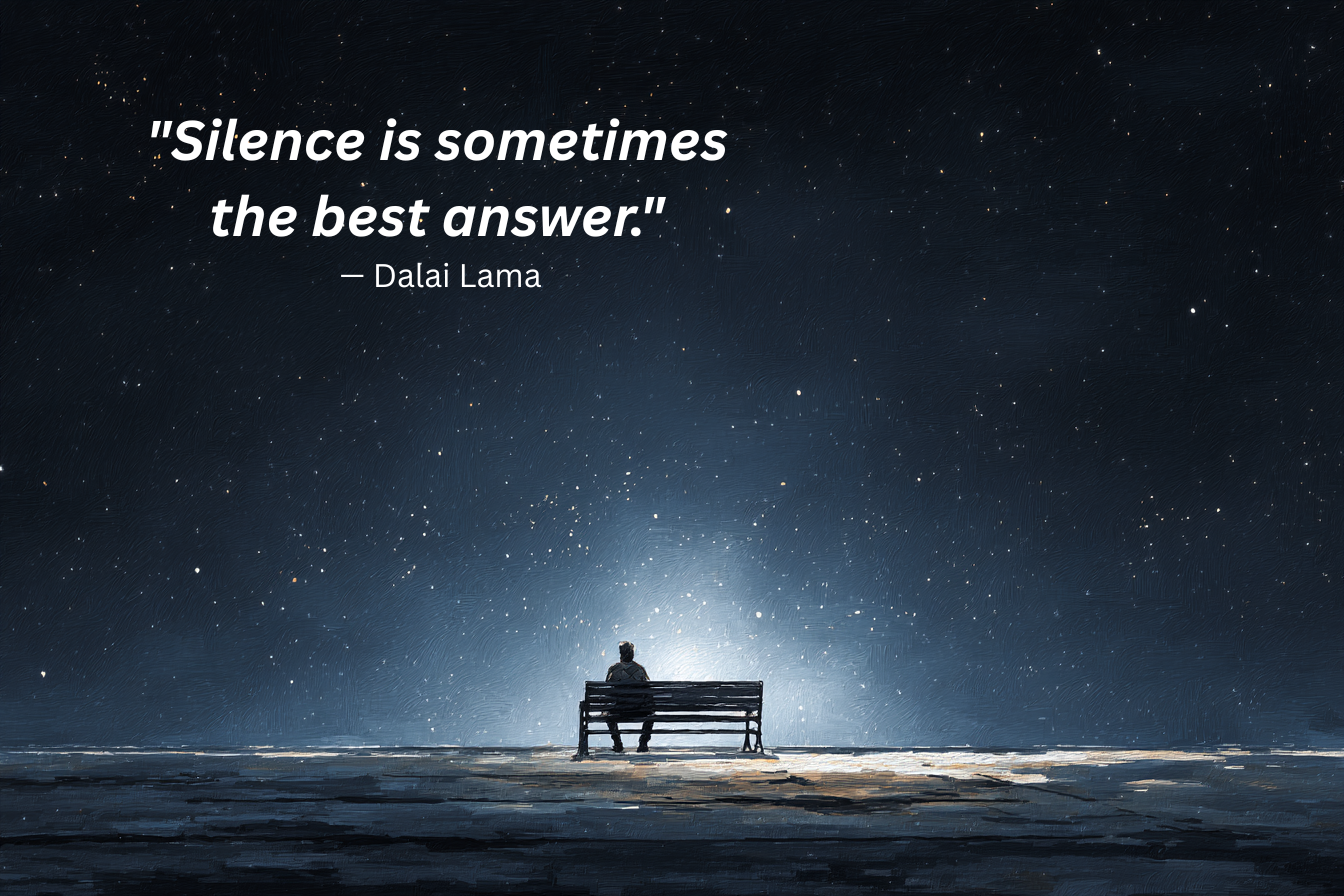


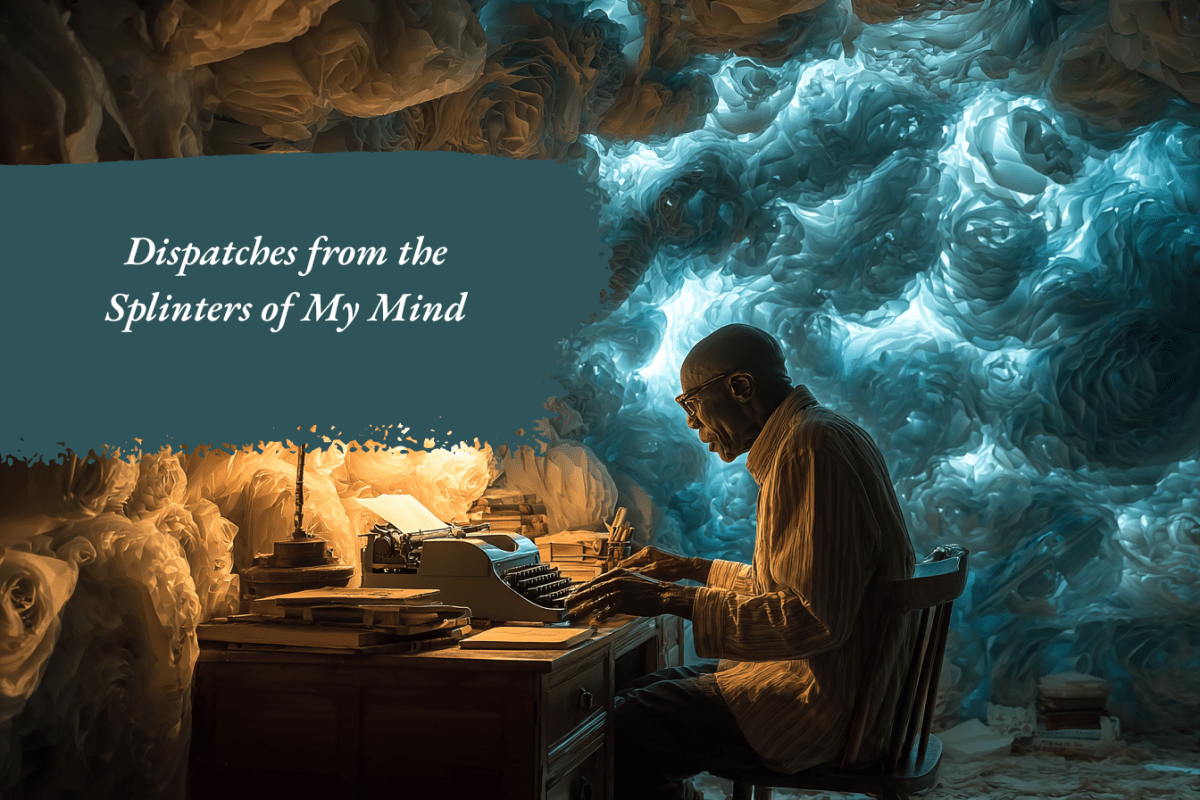

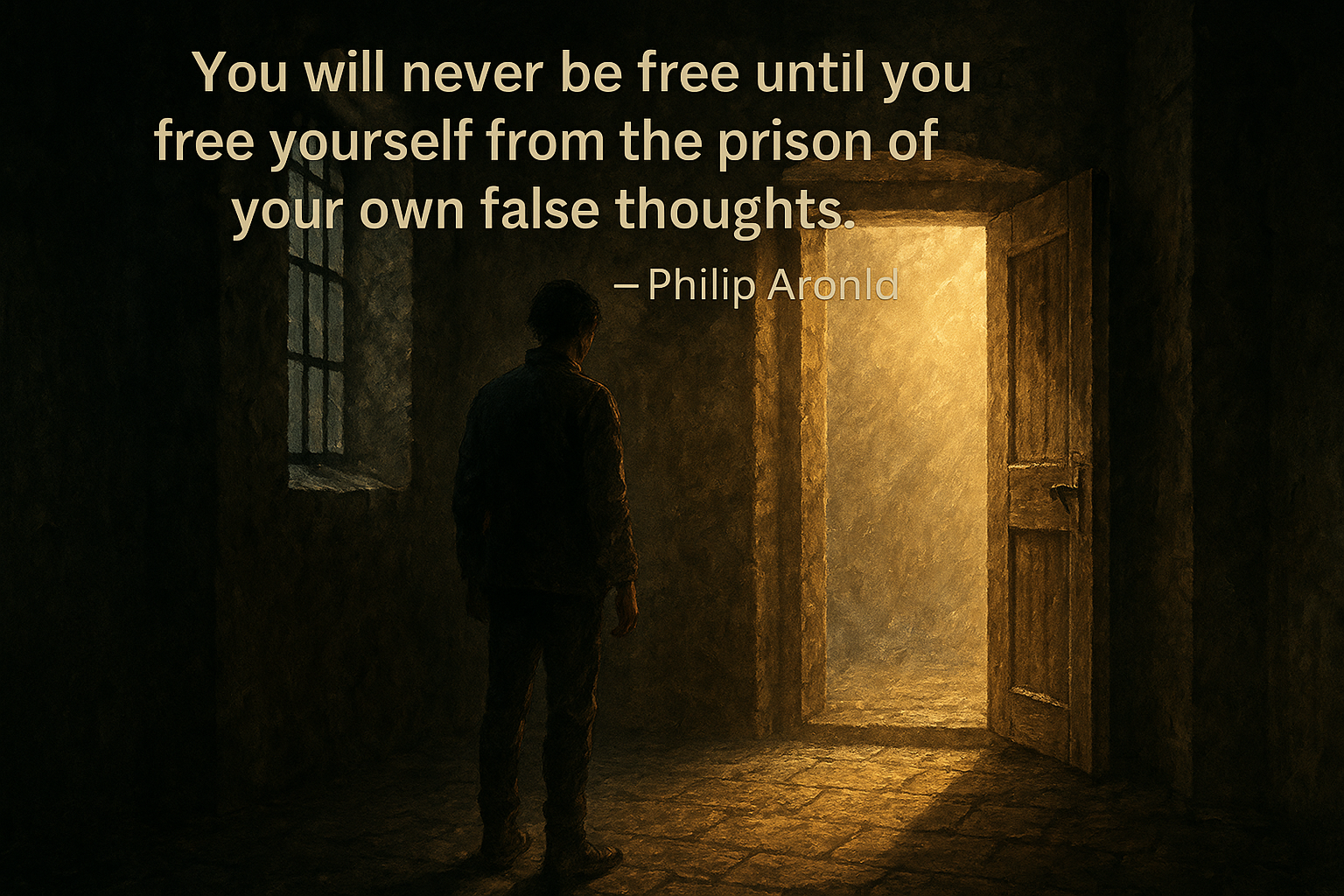


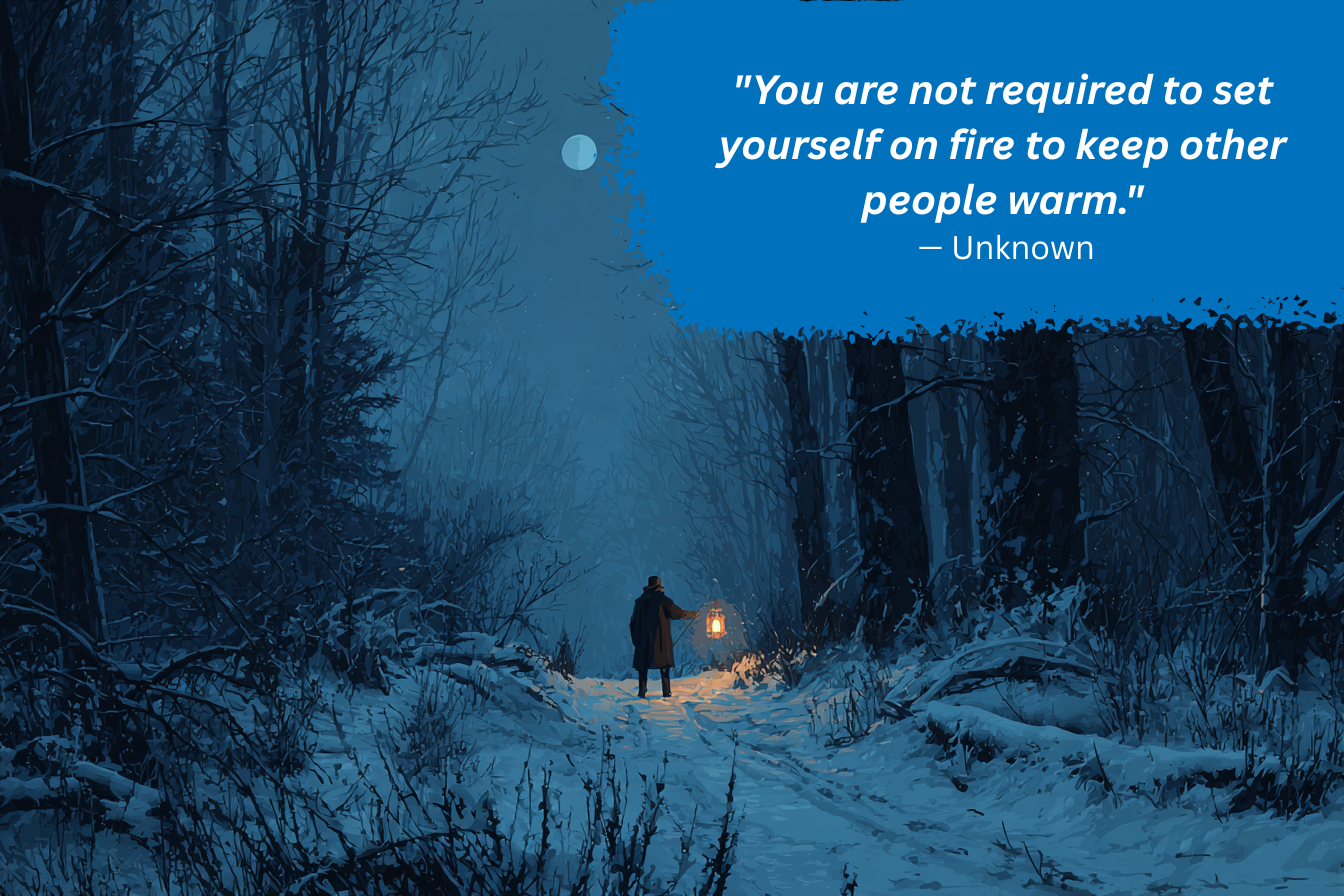



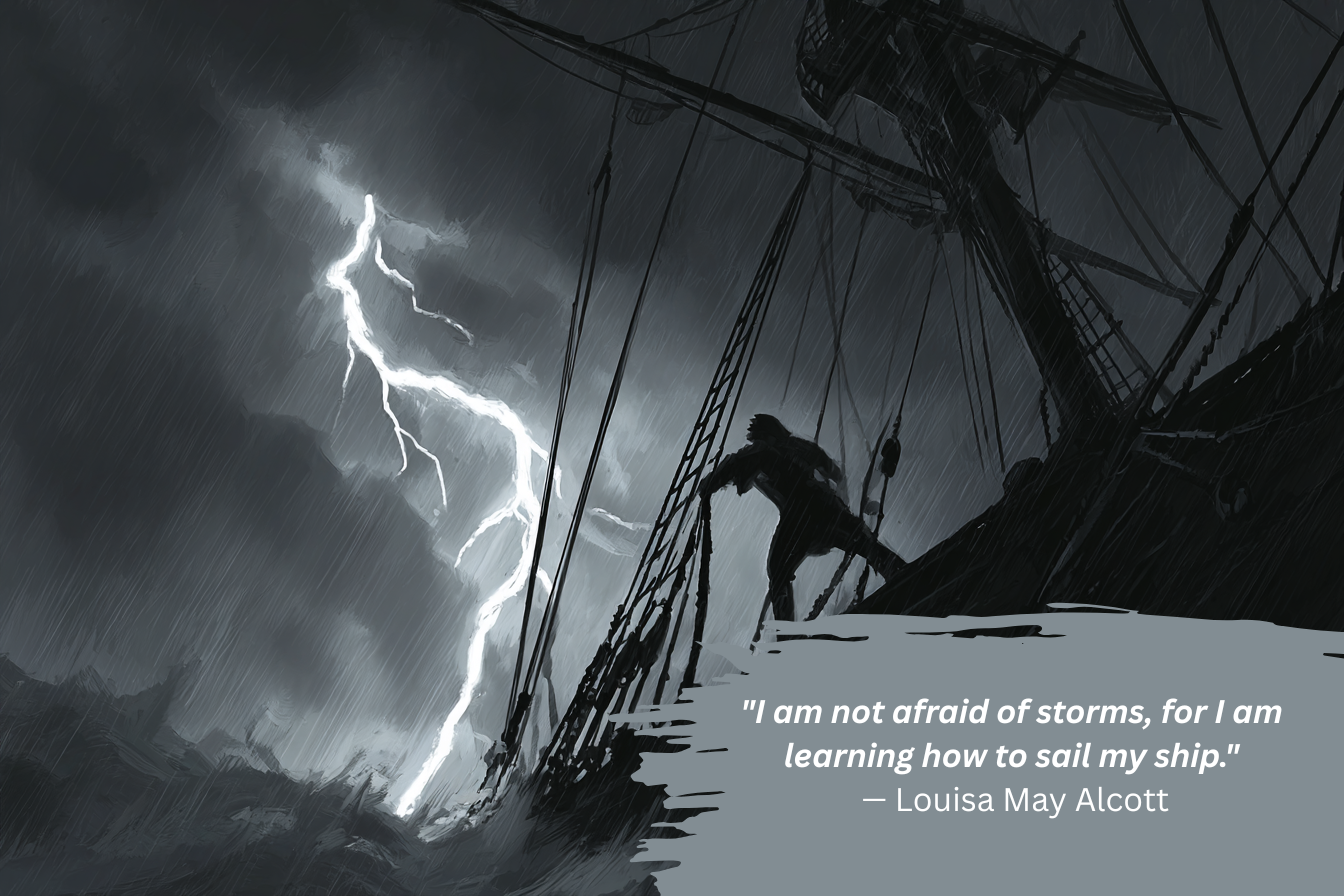
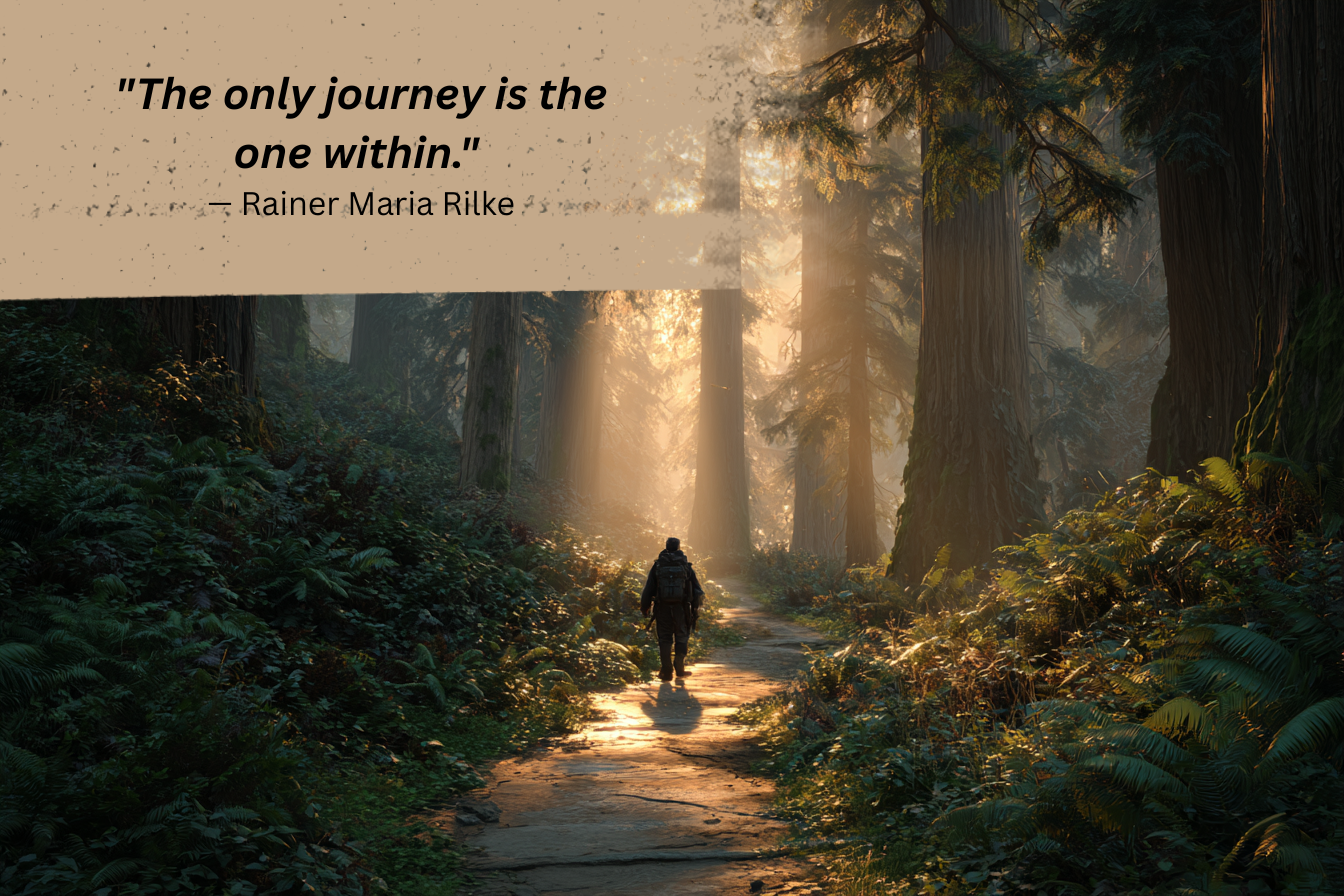
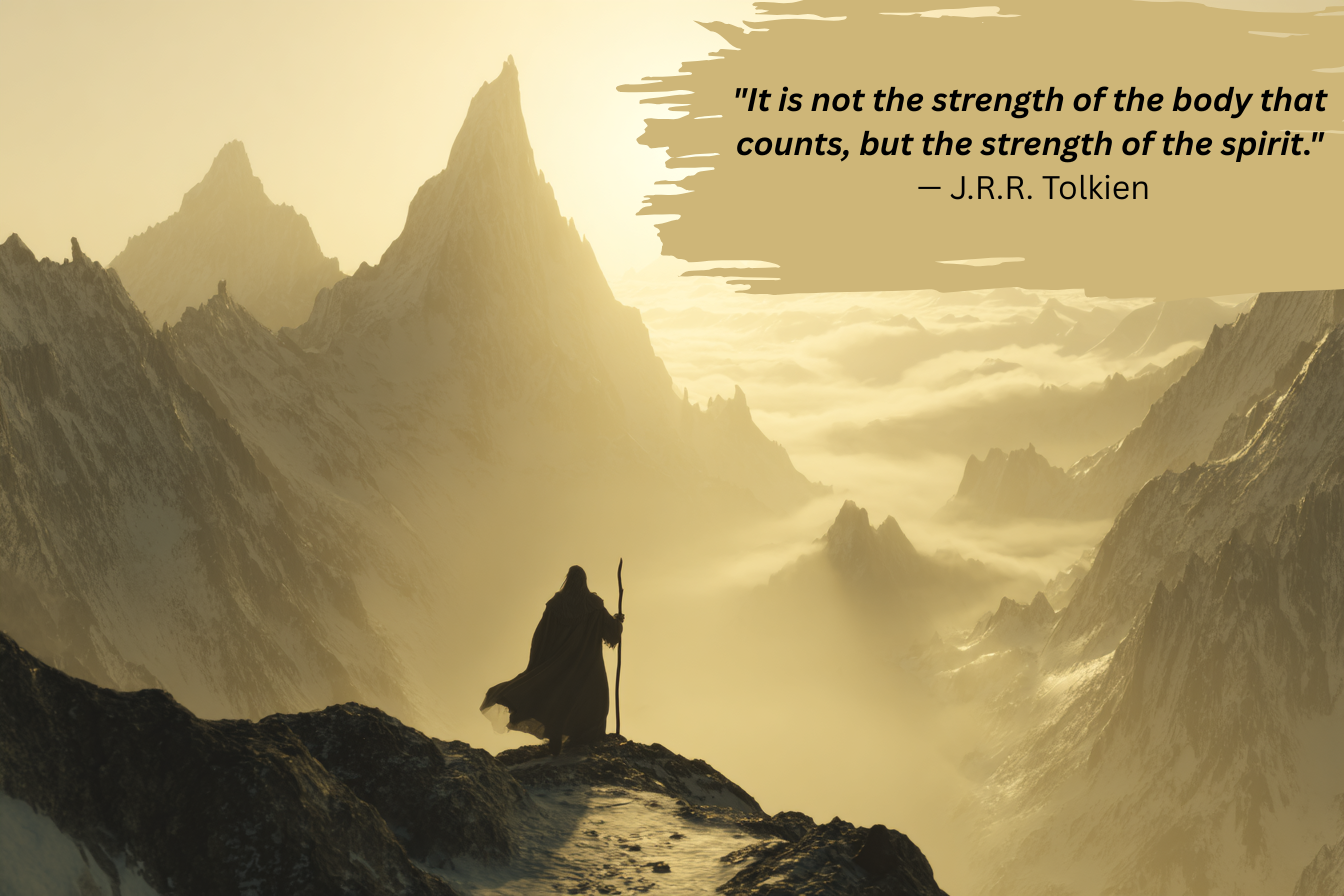
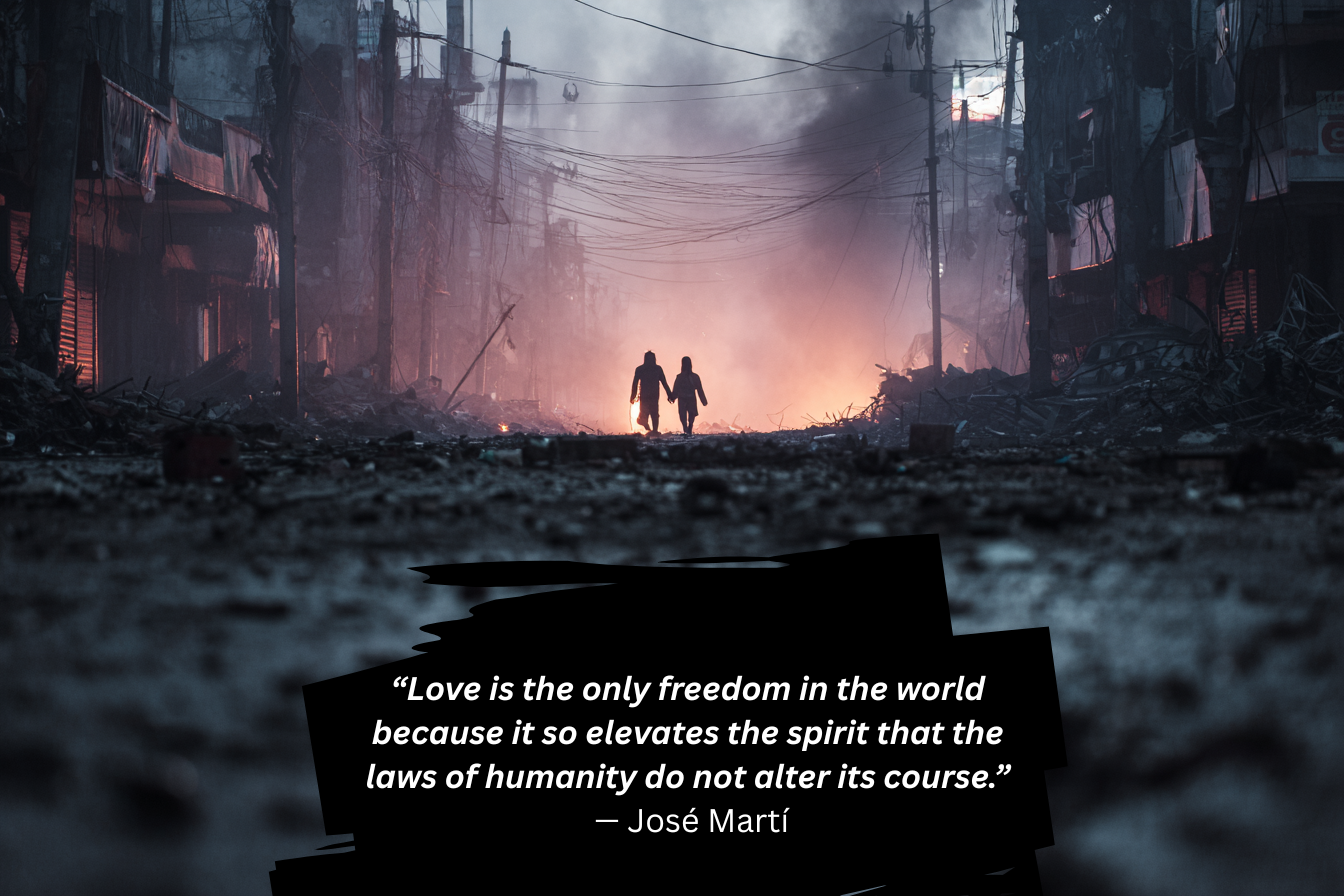


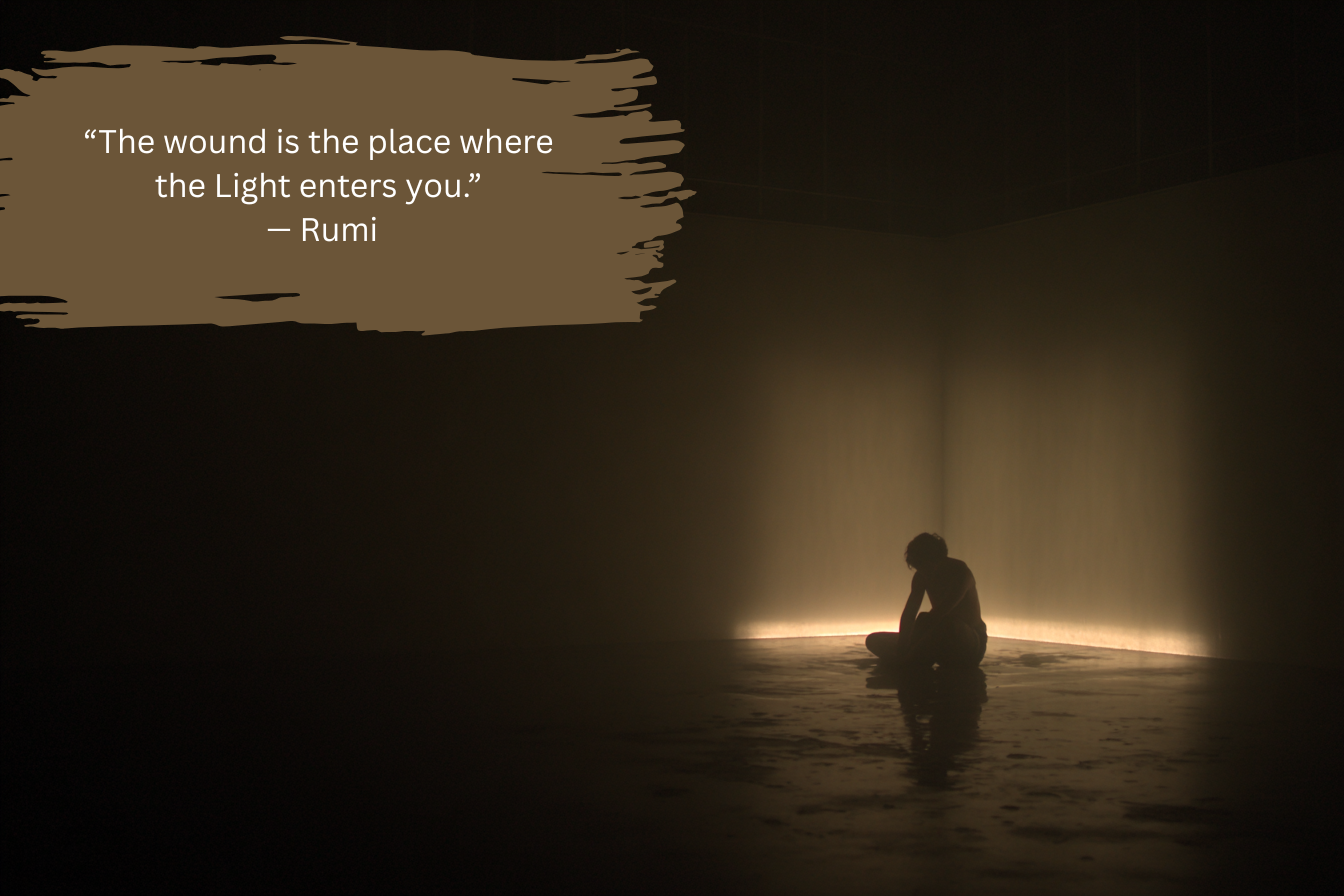










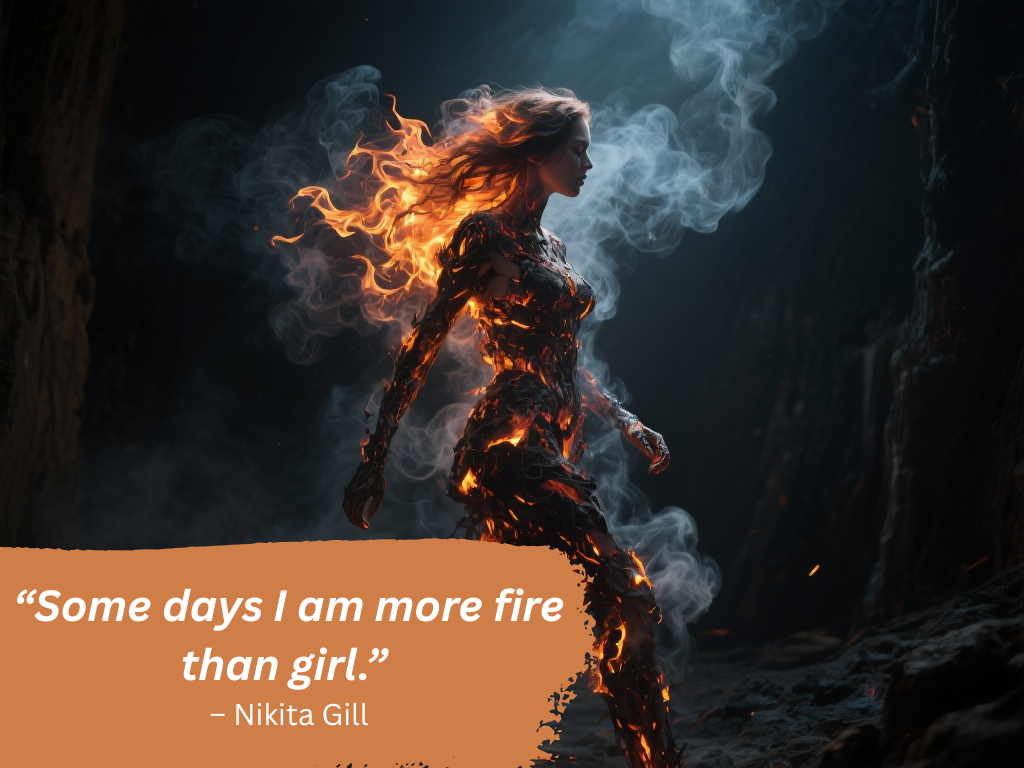


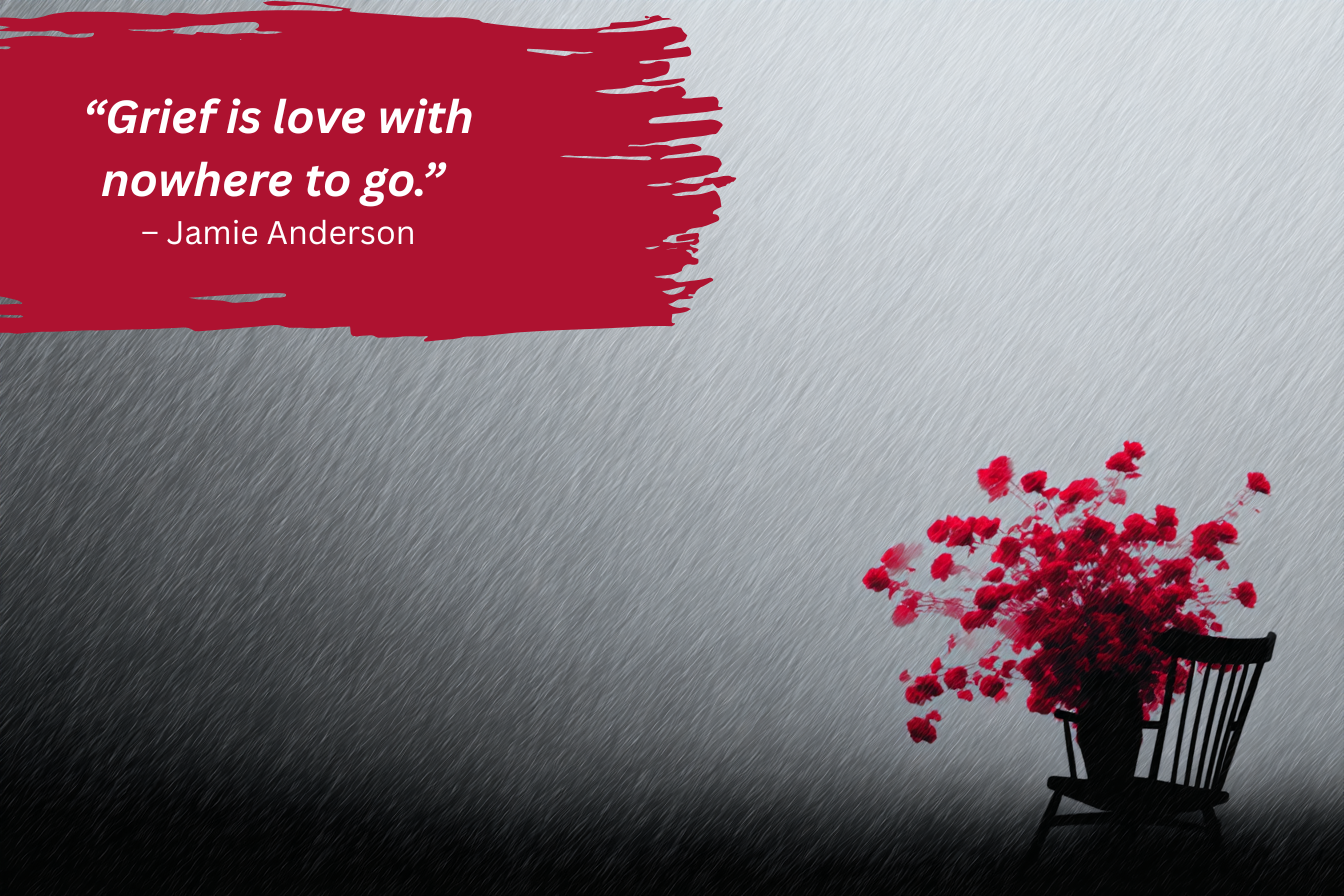




















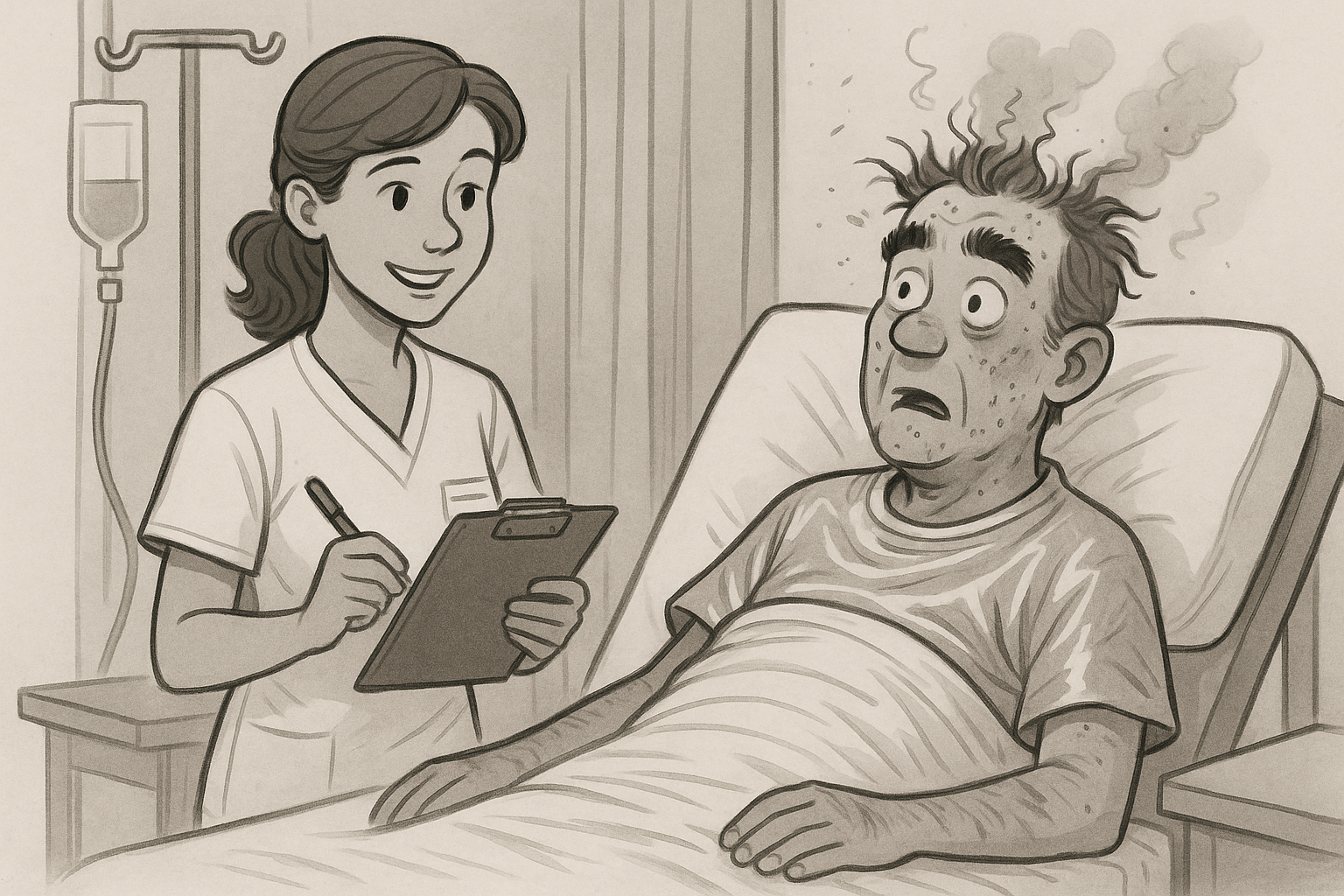









 Memoirs of Madness