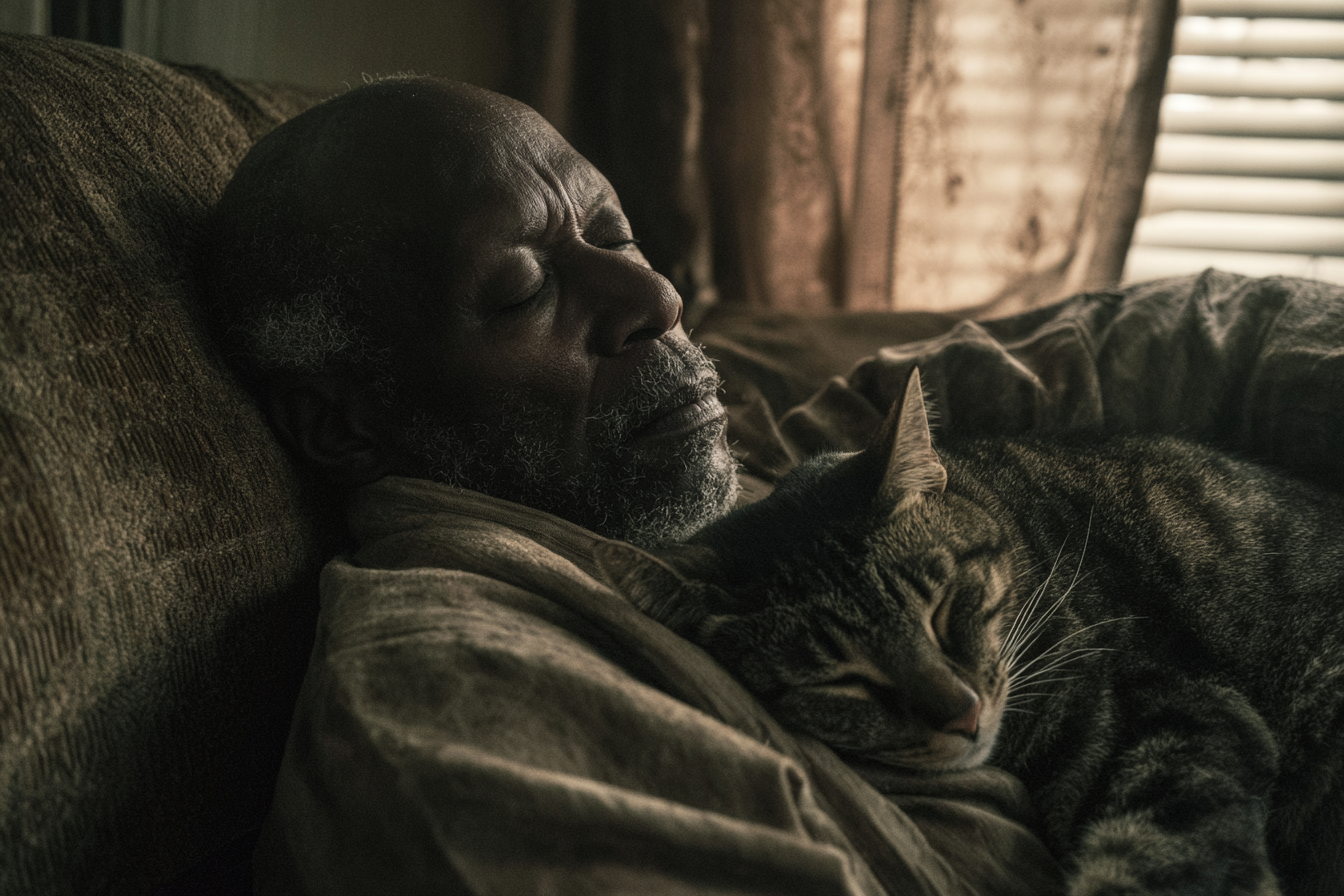
I Haven’t Slept Since the First Bush

If you didn’t need sleep, what would you do with all the extra time?


I had to laugh when I read this question.
Asking an insomniac what they would do if they didn’t need sleep is cute.

I haven’t slept since the first Bush.
Bush 2 didn’t exactly improve the situation.

Hmm… what day is it?
Oh, it’s Sunday? Why didn’t you say so.
Hold on, let me pull out my calendar and see what’s on the agenda.

Yeah… I’m booked solid. I’ve only got a few minutes.

People always think if they didn’t need sleep, they’d finally get their life together.
Write more. Read more. Exercise. Clean the garage. Become the person they keep talking about.

That’s not how it works.

Extra hours don’t fix anything.
They just leave you sitting there… awake longer.

Your eyes burn, you yawn nonstop, and you forget what you were doing while you’re still doing it.
Then you pass out… and miss the appointment you waited six months to get.

You get drowsy and start talking to someone who isn’t there.
She’s gorgeous, of course. Nobody hallucinates about ugly people.
I think they call that a nightmare… only you’re still awake for it.

Guppy comes over whining about something, like she’s worn out from a full day of naps.
She gets more sleep than I do.
The second I lay down, she climbs on me and goes to sleep like she’s been waiting for it all day.
She’s snoring in no time.
I’m still laying there staring at the ceiling, fully awake, questioning every decision I’ve ever made.

No-Doz, Five Hour Energy, all those miracle fixes just make you pee.
After a while the color starts changing too.
That’s not something you want to be thinking about in the wee hours of the morning.

I fill notebooks with fragmented ideas that never get finished.
But the second I actually need a blank page, I sit there staring at it like it’s supposed to magically start speaking to me.
It never does. It just sits there… judging me.

I wouldn’t have an excuse anymore.
Just me, a grumpy cat, and a coffee grinder that sounds like it’s about to die.

I even thought about yoga once, but I couldn’t get past “Downward Dog.”
Tight leggings and weird poses don’t fit my dude wheel.

And I know exactly how that would end.

Not with a finished novel.
Not with a clean garage.
Not with some perfectly organized life.

It would end the same way it always does…

…waking up with drool stuck to a notebook page, coffee stains everywhere, and a cigarette burning in the ashtray like it refuses to enable your insomnia.

REBLOG: A Very Interesting Read

During my daily reading, I came across this article. I think it’s worth a read

Opinion/Guest column: Keep anti-obesity meds available to all

by Heidi L. Freeman; Worcester Telegram & Gazette

Typical? Not Even Close.

Daily writing prompt
Was today typical?

If you asked me this morning, I’d have said yeah, just another day in the trenches. But now? Sitting in a half-dismantled lab, my old Mac humming like it’s judging me for abandoning it years ago, and my desktop sulking in the corner after another crash-fest—I’m not so sure.

Today was supposed to be simple: get the other MKU sites moving, feed the beast, keep the universe spinning. Instead, my main machine decided to reenact a demolition derby every time I opened a design file. After the fourth hard reboot, I did what any sane person would do—I shut the whole thing down, stared at the chaos, and muttered a few choice words about technology that I won’t repeat here.

Reorganizing the lab felt like a hostage negotiation with my own mess. Cables everywhere, notes buried under old coffee cups, and me wondering if “organized chaos” is just code for “I gave up.” Eventually, I gave in and switched to the Mac. It felt weird, like moving back into your childhood bedroom—familiar walls, but you don’t quite fit anymore.

And because I never know when to leave well enough alone, I decided an active series needed a complete rewrite. Not a tweak, not a tidy edit—a tear-it-down, salt-the-earth, start-from-scratch rewrite. Why? Because “active” doesn’t mean “good,” and I’m done posting just to keep the lights on. If it doesn’t hit the mark, it burns. That’s the rule.

So, was today typical? In some ways, yeah—just another battle between me, my machines, and the madness of trying to build something bigger than myself. But in other ways, no. Today came with surprises: chaos, frustration, a few muttered expletives, and one revelation worth keeping—this Mac keyboard? Absolute magic. The rest of my machines are getting one whether they like it or not.

Maybe that’s how most days really are in this line of work: half plan, half fire drill, always one keystroke away from starting over.

Late Night Grooves # 157

WHOT Episode 157 – “Whatever Lets You Cope” by Black Foxxes

Hosted by Mangus Khan

[Static. Then silence. Then the guitar stumbles in—tentative, cracked. You already know this isn’t going to be easy.]

“This is Late Night Grooves.
WHOT.

Episode 157.

And I’m Mangus Khan.

Still here.

And tonight… we’re not trying to rise above anything.

We’re just trying to make it to the other side.

Black Foxxes – “Whatever Lets You Cope.”

And this one?
This one isn’t loud until it has to be.

It’s about the way grief leaks into routine.

It’s about how some days survival looks like pretending to be okay just long enough to avoid the questions.

“I’ve been lying to my friends / For a little while now…”

That lyric?
That’s not drama.
That’s self-defense.

This song is the internal monologue most of us have learned how to bury.

The guitar barely hangs on.

The drums move like breath—shaky, uneven.

The voice?
It’s not asking you to feel bad for it.

It’s just telling the truth.

And here’s the truth this track gets right:

Coping doesn’t always look healthy.

Sometimes it’s detachment.
Sometimes it’s sarcasm.
Sometimes it’s not returning the call.

But it’s what gets you from one breath to the next.

And that’s what this episode is for.

Not healing.

Just honesty.

So if you’re here right now, listening in the dark—
Trying to make sense of the pieces that haven’t come back together yet—
This one’s for you.

Episode 157.
Black Foxxes.
Whatever Lets You Cope.

This is Late Night Grooves.
WHOT.

And I’m Mangus Khan—
Not asking you to be okay.
Just here to remind you:

***Whatever lets you cope…
Is enough.

Tonight.***”


Morning Vibe: No Rush, Just Breath

Track: “February Sea” – George Winston

Some mornings don’t need a soundtrack that lifts you up—they need one that lets you sink in. That’s what “February Sea” by George Winston does. It doesn’t try to motivate you. It doesn’t chase drama. It just exists, quietly, patiently, like it knows exactly what kind of emotional weather you’re in and doesn’t mind sitting with you in it. It’s one of those pieces that doesn’t build toward anything grand. No climax. No message wrapped in a bow. It’s spacious and soft, full of pauses and held breath. Honestly, it sounds like memory in musical form—tentative, slow, a little cold around the edges, but still incredibly human.

I keep coming back to this track on Sundays, especially when the world feels like too much. There’s something sacred about its stillness. Not in the performative, overly dramatic way we sometimes package the word “sacred,” but in the deeply personal, quietly necessary way. This is reflection music—not the kind you put on to feel wise or aesthetic, but the kind that helps you actually stop and feel something real. Sometimes you don’t even realize how much you’ve been holding until you hear a song like this and finally, finally, exhale.

And let’s talk about that exhale for a second. Because we’re not just talking breath—we’re talking release. The kind of release that hits your shoulders, your chest, your heart. This track gives you permission to stop bracing. To unclench. To admit that maybe the week wore you out more than you let on. Reflection like this isn’t indulgent; it’s maintenance. It’s how we gather up all the pieces we scattered during the hustle and say, “Okay, this is where I’m at. Let’s begin again.”

George Winston doesn’t give us answers in this song. He gives us space. And sometimes, that’s so much more valuable. “February Sea” feels like someone leaving the door open while you sit in your feelings—no judgment, just presence. There’s an emotional honesty to that kind of soundscape. No fluff. No manipulation. Just you and your thoughts, floating together in a room full of soft piano and the kind of air that feels a little heavy, but safe.

So if you need a track that won’t tell you how to feel but will let you feel whatever rises, this is the one. Not flashy. Not fast. But true. And on a Sunday morning, sometimes that’s exactly what you need.


Suggested Pairings (for a quiet morning arc):

  • “Weather Storm” – Craig Armstrong
    Moody and cinematic, like walking through fog with intention.
  • “Be Still My Soul” – Liz Story
    A hymn reimagined as a gentle unraveling of emotion.
  • “Only” – RY X
    Minimal vocals and breathy vulnerability.
  • “Georgia” – Vance Joy
    That moment when emotional warmth returns, slow and steady.
  • “Hope” – Michael Giacchino
    A film score whispers that feels like the edge of something new.

Closing Thought:
Another morning. Another chance.
Sometimes what you need most isn’t movement—it’s stillness.
Let this be your breath, your mirror, your reset.
Carry it with you.


Common Sense: Missing. Presumed Ghosting.

RANDOM THOUGHTS – SUNDAY POSER #236

Do most people possess common sense? Technically, yes — in the same way most people technically have a brain. It’s there, but how often it’s used is another conversation. Do we have enough time for that conversation? Absolutely. Will it change anything? Highly doubtful.

See, Voltaire wasn’t just tossing out a witty one-liner when he said, “Common sense is not so common.” He was diagnosing a condition that, centuries later, still plagues society like an expired meme.

Common sense, by definition, should be the basic ability to make sound judgments. Simple, right? But here’s the catch: what counts as “sound judgment” depends on where you grew up, what you’ve lived through, and whether you think TikTok life hacks are a credible source of advice.

And let’s not kid ourselves — emotions are the silent saboteurs. Stress, pride, laziness — they hijack reason faster than you can say “bad idea.” It’s not that people can’t be rational; it’s that they often choose not to be. Rationality takes effort. Effort is wildly overrated these days.

Plus, humans come preloaded with some lovely mental software bugs. Take overconfidence bias — the tendency to think we’re way smarter and more capable than we really are. It’s why your coworker with a GED believes he’s a financial genius after one good week in the stock market. Or why Karen from Facebook suddenly feels qualified to rewrite the CDC guidelines after reading one half-baked blog post. Overconfidence blinds people to their own poor judgment, rendering common sense optional, such as using a turn signal.

Then there’s normalcy bias — our charming ability to assume that because things have been fine, they will be fine. It’s the psychological equivalent of whistling past the graveyard. People often ignore flashing warning signs — both figurative and literal — because facing reality would require them to take uncomfortable action. Why evacuate when you can assume the hurricane will magically change course? Why stop texting while driving when you’ve never crashed before? Common sense doesn’t stand a chance against that kind of wishful thinking.

Even Oliver Wendell Holmes Jr., one of the sharpest legal minds in American history, saw through the myth of pure rationality. Holmes didn’t believe the law was built on logic — he famously wrote, “The life of the law has not been logic; it has been experience.” And when courts invoke the “reasonable man” to judge behavior, they’re really invoking a legal unicorn — an imaginary figure of perfect average judgment. Spoiler: that person does not exist.

Reality? The reasonable man would be rear-ended by someone arguing with their GPS, and then sued for “stopping too suddenly.”

So no, common sense isn’t common. It’s a delicate, context-riddled figment of collective imagination, constantly trampled by human bias and stubbornness. Expecting it from everyone is like expecting a glitch-free Zoom call: a beautiful dream, consistently crushed by reality.

Common sense isn’t dead — it’s just ghosting us. I feel disrespected.

Cut That Shit Out!

Daily writing prompt
What’s the most fun way to exercise?

DAILY PROMPT RESPONSE


A journey through fitness, false identities, and finally figuring your shit out


Fun Way to Exercise, You Say? Let’s Get Delusional.

Let’s start here: Olivia Newton-John basically rewired an entire generation’s brains with “Let’s Get Physical.” She morphed from wholesome sweetheart to headband-wearing fever dream, and somehow we all collectively agreed that writhing in a leotard was fitness. We never really recovered, emotionally or sartorially.

Then there was Jennifer Beals in Flashdance, reminding us that it’s totally fine—encouraged, even—to be obsessive about your passions. Especially if your passion includes dumping water on yourself mid-dance. That “Maniac” scene wasn’t just exercise—it was aspirational chaos. It made sweating look like a personality trait.

Even Popeye tried to get in on it. He wasn’t just pushing spinach; he was pushing the idea that vegetables could give you freakish forearm strength and the confidence to punch boats. No one wanted to be the 90-pound weakling on the beach getting sand kicked in their face. We worked out—not for health, not for longevity—but for the attention of a girl who may or may not even know our name.

Jane Fonda came along and made aerobics a spiritual obligation. Suddenly we were all cult members, grapevining for our lives, and gym bros looked at us like we were losing our minds. You tried aerobics? RESPECT. That’s not cardio. That’s performance art.

And Richard Simmons? That was a whole vibe we still don’t fully understand. Sequins, shouting, sincere encouragement—somewhere between motivational speaker and glitter elemental. Whatever it was, it worked. People moved. They sweat. They cried. They believed.

My step-madre? She was in the trenches with Tae-Bo. Billy Blanks screaming from the TV, and her throwing punches in the living room like a woman possessed. I still don’t know if it was for fitness or because she thought Billy was fine. She’ll never say. She holds secrets like a vault, and no one has the access code.


Supplements & Shenanigans

Just when you thought the movement was enough—enter the supplement era.

We started popping Flintstone Chewables like they were candy (because they were), then graduated to Centrum when we wanted to feel like grownups who still couldn’t swallow pills. Then came Geritol Tonic—that was the truth. Took a sip and blacked out in enlightenment.

Protein shakes replaced food. Creatine replaced logic. Ginseng, ginkgo biloba, and questionable powders scooped into shaker bottles at 6am because someone on the internet said it would “enhance vitality.”

We were building bodies. Fueling potential.
And slowly, maybe accidentally, getting nowhere near wholeness.


Mind, Body, Spirit… and Other Marketing Buzzwords

(Now With 12 Unnecessary Challenges, Just Like Hercules!)

Eventually, the workouts and pills and VHS tapes weren’t enough. People started exercising their minds. Started researching things like inner peace, balance, self-actualization—whatever that is. People wanted to genuinely like themselves. Be whole. Mind, body, and spirit.

Sounds good, right?

But come on—is that even real?
Is that obtainable?
With the flood of curated nonsense, the influencers, the unsolicited life advice, the algorithmic chaos—how does anyone even begin to weed out the bullshit?

Hercules had twelve trials. You? You’ve got:

  • Unread emails,
  • Burnout,
  • Repressed childhood trauma,
  • And a morning routine you’re too tired to follow after Day 3.

He had to slay lions and capture magical deer. You have to:

  • Journal without spiraling,
  • Set boundaries with your toxic cousin,
  • And drink water instead of iced coffee for once.

Same energy.

We all want to feel better. More “aligned.” But instead of holy quests, we get wellness content. Instead of oracles, we have mood boards and moon water. Instead of epiphanies, we get an Instagram carousel of “ways to raise your vibration.”

You started exercising your body.
Then your mind.
Then your spirit—probably via breathwork, moon phases, or a yoga class in a converted warehouse with exposed brick and emotional lighting.

And when that didn’t quite fix the aching void?

People started turning to God.
Or the Universe. Or Source. Or the Vibe Manager in the Sky, depending on your belief system.

Every path, every name—people started reaching out, up, and through, looking for a way to cleanse the demons and purify their spirits. Not just the metaphorical demons either—like, the real ones. The ones whispering, “You’re not enough,” while you’re trying to do a downward dog and not weep into your yoga mat.

Prayer, meditation, sacred texts, incense, tarot, gospel, gospel-adjacent YouTube playlists—anything to feel like you’re not just a sentient to-do list trying to find peace in a collapsing world.

Because after you’ve tried all the earthbound answers, sometimes the only thing left is the divine shrug of surrender.


The Real Labor: Showing Up For Yourself

So here’s the thing.

Exercising isn’t fun.
If you think it is—cut that shit out. Seriously. Stop lying to the rest of us who are dragging our carcasses through spin class wondering if our souls are leaking out with every drop of sweat.

But exercising your entire being?
Taking the time to figure out what you actually need?
That’s different.
That’s hard. That’s a process. That’s showing up and sitting in the silence. It’s being real enough with yourself to stop pretending. And yeah, you need to cut that shit out, too.

This isn’t a 30-day fix.
It’s a lifelong pursuit.
One that changes as you do. One that requires you to keep showing up, even when you don’t feel like it, even when no playlist or dopamine hit is waiting.

But if you do it?

If you do the real work?

The reward… it has no words.

It’s a feeling.
Quiet. Deep.
Solid as bedrock.

The feeling of becoming whole—not perfect, not pure, not finished—just complete in the way only honesty can make you.

And at the center of all of this is one simple truth:
The point of this is to Do You.
No qualifiers. No “better” or “best” or whatever recycled buzzword is trending this week. Just you, fully and unapologetically.

As the great Oscar Wilde said,

“Be yourself; everyone else is already taken.”

You are enough. You always have been.

And if someone tries to tell you otherwise, or if your own brain starts slipping back into that goofy self-hating soundtrack?

Cut that shit out.


About the Author

Mangus Khan did a yoga pose once, and it hurt like hellrespect to anyone still doing that on purpose. He owns a towering stack of unread self-help books, which now function as either a faux end table or a regal perch for his cat, who loves him unconditionally despite the obvious madness. He believes in growth, sort of. He believes in showing up, sometimes. And he definitely believes in cutting that shit out.

Small Scene Addiction

Daily writing prompt
How do you manage screen time for yourself?

DAILY PROMPT RESPONSE

Several years ago, I posted the following somewhere on one of my socials.

“Curb your addiction; Netflix is not a lifestyle.”

I said this because, at the time, Netflix was the hottest new thing. I believe we should read and spend with our families instead of having faces glued to a screen. It remains my opinion on the matter. However, the current trends and versatility of mobile devices aren’t lost on me. I read the other day and posted on this blog every day for over six months. Looking back at that period, I realize it was done using one of my mobile devices.

My preferences are my desktop for any major creative endeavor, such as video or photo editing, and my laptop when I’m writing fiction. One can’t go anywhere without observing someone lost on their screens. I suppose it is the way of the world, as they say. However, I was amazed when I discovered that someone studied this behavior and named it. It’s called Small Screen Addiction.

Here are the particulars:

Understanding Small Screen Addiction

Overview of the Issue:

Small screen addiction, often referred to as screen dependency disorder, is a growing concern among children and adolescents. This phenomenon encompasses excessive use of devices such as smartphones, tablets, and computers, leading to compulsive behaviors that can negatively impact mental and physical health. As technology becomes increasingly integrated into daily life, understanding the implications of screen addiction is crucial for parents, educators, and health professionals.

Extent of Screen Addiction:

Research indicates that a significant number of young people exhibit signs of screen addiction. A 2021 survey by Common Sense Media revealed that 75% of teenagers felt compelled to respond immediately to notifications, while another study found that teens checked their smartphones a median of 51 times per day. Symptoms of screen addiction include preoccupation with screens, withdrawal symptoms when not using devices, and a loss of interest in activities previously enjoyed. The American Academy of Pediatrics has raised alarms about the detrimental effects of excessive screen time on children’s development and well-being.

Mental and Physical Health Consequences:

The consequences of small screen addiction are multifaceted. Physically, children may experience issues such as insomnia, back pain, vision problems, and headaches due to prolonged screen exposure. Psychologically, increased screen time is linked to higher rates of anxiety, depression, and social isolation. Studies have shown that children who spend excessive time gaming or on social media are at greater risk for mental health issues. Furthermore, the addictive nature of screens can disrupt normal brain development in children, affecting areas responsible for impulse control and empathy.

Behavioral Indicators:

Parents and guardians should be vigilant for signs that may indicate a child is struggling with screen addiction. Key indicators include:

  • Preoccupation with screens: Constantly thinking about or planning to use devices.
  • Withdrawal symptoms: Experiencing irritability or anxiety when unable to access screens.
  • Loss of interest in other activities: Neglecting hobbies or interests that do not involve screens.
  • Aggressive behavior: Increased irritability or aggression when screen time is limited.

Strategies for MitigationTo combat small screen addiction, experts recommend several strategies:

  • Establish Screen Time Limits: Setting clear boundaries on daily screen usage can help manage exposure.
  • Encourage Alternative Activities: Promoting physical activities or hobbies that do not involve screens can foster healthier habits.
  • Model Healthy Behavior: Parents should demonstrate balanced screen use to set a positive example for children.
  • Utilize Technology Mindfully: Encourage mindful engagement with technology using apps that track usage and promote breaks.

When reading this information, I was taken back primarily by the initial data focusing on the small-scene addiction effect on children. It makes me want to visit all the grandchildren and snatch their phones away. “Gave a damn book!” I see myself yelling in my rant. Of course, my grandchildren would look at me and wonder what Peepaw was going on as they glanced up from their screens. I’d have no hope of assistance from my children because they would wonder about the recipe, outfit, and lifestyle of a person they haven’t a clue about.

However, this got me wondering about the effects of small-screen addiction in adults. Here’s what I found.

Physical Health Effects

Eye Strain and Vision Problems

  • Prolonged screen use can cause digital eye strain, leading to symptoms like dry eyes, blurred vision, and headaches.
  • Excessive screen time may increase the risk of myopia (nearsightedness).

Musculoskeletal Issues

  • Poor posture from prolonged screen use can result in neck, shoulder, and back pain.
  • Repetitive motions can lead to conditions like carpal tunnel syndrome.

Sleep Disruption

  • Blue light emitted by screens can interfere with melatonin production, disrupting natural sleep cycles.
  • This can lead to insomnia and poor sleep quality.

Sedentary Lifestyle

  • Excessive screen time often correlates with reduced physical activity, potentially contributing to obesity and related health issues.

Mental Health Effects

Anxiety and Depression

  • Studies have shown a link between excessive screen time and increased risks of anxiety and depression in adults.

Cognitive Changes

  • Screen addiction can lead to structural changes in the brain, particularly in the frontal lobe, affecting attention span, decision-making, and emotional control.

Social Isolation

  • Excessive screen use can lead to withdrawal from real-world social interactions, potentially causing feelings of loneliness and social isolation.

Stress and Mood Disturbances

  • Constant connectivity and information overload can increase stress levels.
  • Compulsive checking of devices can lead to mood swings and irritability.

Reduced Productivity

  • Screen addiction can interfere with work performance and daily responsibilities.

Attention and Focus Issues

  • Frequent multitasking across devices can lead to difficulty maintaining focus and reduced cognitive control.

Other Effects

Dopamine Feedback Loop

  • Screen use can activate the brain’s dopamine reward system, creating addictive patterns similar to substance addictions.

Altered Brain Chemistry

  • Prolonged screen addiction can potentially alter brain chemistry and structure, affecting areas responsible for cognitive control and emotional regulation.

Well damn! This is the only thing I could say after reading this data. Excuse me while I charge my phone and iPad and process this data.

The Legendary Redd Foxx: A Pioneer of Comedy

ARTICLE – MINI BIOGRAPHY

Redd Foxx, born John Elroy Sanford on December 9, 1922, in St. Louis, Missouri, was a trailblazing comedian whose influence on American comedy remains unparalleled. Known for his quick wit, distinctive voice, and unapologetically bold humor, Foxx broke barriers and paved the way for future generations of comedians.

Early Life and Career Beginnings

Redd Foxx’s journey to stardom was anything but straightforward. He grew up in poverty, and his early years were marked by hardship and struggle. However, his natural talent for making people laugh became evident early on. He moved to Chicago in the 1940s and began performing in local nightclubs. During this time, he adopted the stage name Redd Foxx, a combination of his nickname “Redd” due to his complexion and admiration for the great baseball player Jimmie Foxx.

The Rise to Fame

Foxx’s big break came in the 1950s when he began recording a series of “party records.” These were risqué, adult-themed comedy albums that were sold under the counter due to their explicit content. Despite—or perhaps because of—their controversial nature, these records gained immense popularity. They showcased Foxx’s raw comedic talent and fearless approach to humor, earning him a dedicated following.

“Sanford and Son”: A Cultural Phenomenon

In 1972, Foxx’s career skyrocketed with the debut of “Sanford and Son,” a sitcom that would cement his status as a comedy legend. The show, produced by Norman Lear, featured Foxx as Fred G. Sanford, a cantankerous junk dealer with a sharp tongue and a heart of gold. “Sanford and Son” was groundbreaking in portraying African American life, blending humor with social commentary.

Redd Foxx with his older brother Fred G. Sanford Jr.

Most of Redd Foxx fans are unaware that his brother’s real name is Fred G. Sanford. Now wonderfully Redd Foxx made sure that the executives for the hit television show Sanford and Son allowed him to name his character so that he could honor the memory of his brother, Fred, who’d died five years before the show premiered.

Legacy and Impact

Redd Foxx’s impact on comedy and popular culture is profound. He was a pioneer in addressing issues of race and social justice through humor, using his platform to challenge stereotypes and advocate for equality. His style of comedy, characterized by its boldness and honesty, influenced countless comedians, including Richard Pryor, Eddie Murphy, and Chris Rock.

Foxx’s contributions to comedy were recognized with numerous accolades, including an induction into the NAACP Image Awards Hall of Fame. Beyond his professional achievements, he was known for his generosity and willingness to mentor young comedians.

Personal Life and Challenges

Despite his professional success, Foxx’s personal life was marked by financial difficulties and legal troubles. He was known for his lavish lifestyle and generosity, often giving money to friends and family. These habits, coupled with poor financial management, led to several bankruptcies. Yet, through it all, Foxx remained a beloved figure, admired for his resilience and indomitable spirit.

Conclusion

Redd Foxx’s legacy is one of groundbreaking achievements and enduring influence. His fearless approach to comedy and ability to find humor in the most challenging circumstances made him a beloved figure in American culture. As we look back on his life and career, we celebrate Redd Foxx not only as a pioneer of comedy but as a trailblazer who opened doors for future generations of performers. His humor, honesty, and humanity continues to inspire and entertain audiences worldwide.

Anemia: It’s More Complex than We think.

Initially, Anemia was a condition you had heard of, but you didn’t know what it was or how it affected people. At any rate, it happened to someone else. During, my cancer battle mentioned I had anemia. Immediately, I protested as if it was something to be ashamed of. However, it isn’t and can be managed effectively if you take the time to understand the condition and give it just respect. Here are the particulars.

Here are the different types of Anemia:

Anemia is a condition characterized by a deficiency of red blood cells or hemoglobin in the blood, leading to reduced oxygen-carrying capacity and often resulting in symptoms such as fatigue, weakness, and pale skin. There are several types of anemia, each with different causes and characteristics. Some of the most common types include:

  1. Iron-deficiency anemia: This is the most common type of anemia, caused by a lack of iron in the body. Iron is essential for the production of hemoglobin, which carries oxygen in the blood. Iron-deficiency anemia can occur due to inadequate dietary intake of iron, poor absorption of iron from the diet, or blood loss (such as from menstruation or gastrointestinal bleeding).
  2. Vitamin B12 deficiency anemia: Also known as pernicious anemia, this type of anemia occurs when there is insufficient vitamin B12 in the body. Vitamin B12 is necessary for the production of red blood cells. Deficiency can result from dietary factors (such as a vegan diet lacking in animal products), malabsorption (such as in pernicious anemia), or certain medical conditions affecting the stomach or intestines.
  3. Folate deficiency anemia: Folate (vitamin B9) is another essential nutrient required for red blood cell production. Folate deficiency anemia can occur due to inadequate dietary intake of folate, malabsorption, or increased demand for folate (such as during pregnancy or in certain medical conditions).
  4. Hemolytic anemia: This type of anemia occurs when red blood cells are destroyed or removed from the bloodstream at a faster rate than they can be produced. Hemolytic anemia can be inherited (as in sickle cell anemia or thalassemia) or acquired (due to autoimmune disorders, infections, medications, or toxins).
  5. Aplastic anemia: Aplastic anemia is a rare but serious condition characterized by a failure of the bone marrow to produce an adequate number of red blood cells, white blood cells, and platelets. It can be caused by exposure to toxins, radiation, chemotherapy, certain medications, or autoimmune disorders.
  6. Anemia of chronic disease: Also known as anemia of inflammation, this type of anemia occurs as a result of chronic inflammatory conditions such as chronic infections, autoimmune diseases, or cancer. Inflammation can disrupt the body’s ability to use iron and produce red blood cells.
  7. Sickle cell anemia: Sickle cell anemia is an inherited form of hemolytic anemia caused by a mutation in the gene responsible for producing hemoglobin. This results in the production of abnormal hemoglobin (hemoglobin S), leading to the characteristic sickle-shaped red blood cells that are prone to premature destruction, causing anemia and other complications.

Causes of Anemia:

Various factors can cause anemia. One common cause is a deficiency in essential nutrients such as iron, vitamin B12, or folate. These nutrients are vital for the production of red blood cells, and their deficiency can lead to anemia. Iron deficiency anemia, for example, is the most common type and is often caused by a lack of iron-rich foods in the diet or poor iron absorption. Other causes of anemia include chronic diseases like kidney disease or cancer, genetic disorders like sickle cell anemia, and certain medications that interfere with the production or function of red blood cells.

The primary causes of anemia include:

1. Iron deficiency is the most common cause of anemia globally. It impairs the body’s ability to produce hemoglobin. Insufficient dietary iron, poor absorption, or chronic bleeding (such as in gastrointestinal disorders) can lead to iron-deficiency anemia.

2. Vitamin Deficiencies: Deficiencies in other essential vitamins, such as vitamin B12 and folic acid, can also contribute to anemia. These nutrients play a crucial role in red blood cell production, and their absence can lead to impaired cell development.

3. Chronic Diseases: Certain chronic conditions, such as chronic kidney disease, inflammatory disorders, and autoimmune diseases, can interfere with the production and lifespan of red blood cells, leading to anemia.

4. Hemolytic Anemias: In these conditions, red blood cells are destroyed prematurely due to an inherited genetic defect, autoimmune reactions, or exposure to certain medications or toxins.

5. Genetic Disorders: Some individuals may inherit genetic conditions affecting hemoglobin production, such as thalassemia or sickle cell anemia, which can lead to chronic anemia.

Symptoms of Anemia:

The symptoms of anemia can vary depending on the severity and underlying cause. Anemia reduces the blood’s ability to carry oxygen to the body’s tissues, resulting in a lack of energy and oxygen supply. In addition to these common symptoms, some individuals may experience chest pain, headaches, difficulty concentrating, and an increased risk of infections.

The symptoms of anemia can vary in severity and may include:

1. Fatigue: One of the most common symptoms is persistent fatigue, as reduced oxygen-carrying capacity affects overall energy levels.

2. Pale Skin and Mucous Membranes: Anemic individuals may exhibit pallor in their skin and mucous membranes, such as the inside of the mouth.

3. Shortness of Breath: Insufficient oxygen supply to tissues can lead to shortness of breath and increased heart rate, especially during physical activity.

4. Dizziness and Weakness: Anemia can cause dizziness, weakness, and difficulty concentrating due to reduced blood flow and oxygen delivery to the brain.

5. Cold Hands and Feet: Poor circulation can lead to a sensation of coldness in the extremities.

Treatment Options:

The treatment of anemia depends on the underlying cause and may include:

1. Iron Supplements: Oral or intravenous iron supplements may be prescribed to replenish iron levels for iron deficiency anemia.

2. Vitamin Supplements: Vitamin B12 and folic acid supplements are recommended for anemia caused by deficiencies in these nutrients.

3. Treatment of Underlying Conditions: Addressing chronic diseases or genetic disorders contributing to anemia is crucial for effective management.

4. Blood Transfusions: In severe cases or emergencies, blood transfusions may be necessary to quickly increase red blood cell count.

5. Lifestyle Changes: Adopting a balanced and nutrient-rich diet, particularly one that includes iron-rich foods, can help prevent and manage certain types of anemia.

Conclusion:

Anemia is a widespread health condition with various underlying causes, impacting individuals of all ages and backgrounds. Recognizing the symptoms and seeking timely medical attention is crucial for accurate diagnosis and appropriate treatment. Whether the reason is nutritional deficiencies, chronic diseases, or genetic factors, healthcare professionals can provide tailored interventions to manage anemia effectively and improve the quality of life for those affected. As ongoing research advances our understanding of anemia, continued awareness, and proactive healthcare measures will play a vital role in mitigating its impact on global health.

I Don’t Have Time for This … I’m a Grown @$$ Man.

Do you play in your daily life? What says “playtime” to you?

While working on my undergraduate degree, I had the Psychology of Play course. I immediately tried to drop the course as a grown-ass man; I had no time for play. The idea was ridiculous. The whole affair was an utter waste of time. It was a required course, so I had no choice but to complete this buffoonery. Over the preceding weeks, I actually learned a great deal about “play,” and the only buffoon; was me.

Play is a fundamental aspect of human behavior that has intrigued psychologists for decades. From childhood to adulthood, play serves various purposes and significantly impacts our mental and emotional well-being.

The Benefits of Play

Play is not just a frivolous activity; it serves several important purposes. One of the primary benefits of play is its role in promoting cognitive development. When we engage in play, our brains are actively processing information, problem-solving, and enhancing our creativity. Play provides:

  • A stimulating environment for learning and exploration.
  • Allowing us to develop essential cognitive skills such as problem-solving.
  • Critical thinking.
  • Decision-making.

Moreover, play also aids in the development of social skills. Through play, we have interaction, cooperation, and conflict-resolution opportunities. Whether playing team sports, engaging in cooperative board games, or participating in imaginative play, we learn how to communicate effectively, work together, negotiate, and compromise. These social skills acquired through play are crucial for building and maintaining relationships in childhood and adulthood.

Play as a Stress Reliever

Play has the remarkable ability to alleviate stress and promote relaxation. When we immerse ourselves in play through sports, games, or hobbies, our minds focus on the present moment, diverting attention from daily worries and concerns. This mental shift allows us to recharge, reduce anxiety, and improve our overall mood.

Engaging in play also activates the release of endorphins, commonly known as “feel-good” hormones, which further contribute to stress reduction and a sense of well-being. The enjoyment and pleasure derived from play can act as a natural antidote to the pressures and demands of everyday life, providing us with a much-needed escape and a sense of rejuvenation.

The Therapeutic Power of Play

In recent years, psychologists have recognized the therapeutic potential of play. Play therapy has emerged as a valuable tool in helping individuals, particularly children, express their emotions, cope with traumatic experiences, and develop problem-solving skills. Playing allows individuals to explore difficult situations in a safe and non-threatening environment, leading to emotional healing and personal growth.

Play therapy allows individuals to communicate their thoughts and feelings symbolically, making expressing and processing complex emotions easier. Through play, children can act out scenarios, create narratives, and use various play materials to represent their experiences and emotions. This process helps them gain insight, develop coping strategies, and resolve their challenges. Play therapy can be a transformative experience, enabling individuals to overcome difficulties, build resilience, and improve their overall well-being.

Conclusion: Nurturing the Playful Spirit

In conclusion, the psychology of play reveals its profound impact on our lives. Play enriches our mental and emotional well-being, from cognitive development to stress relief and therapeutic benefits. As we navigate through the complexities of life, it is essential to nurture our playful spirit and make time for activities that bring us joy and fulfillment.

We should embrace play as an integral part of our lives, regardless of age or responsibilities. Whether it’s engaging in recreational activities, pursuing hobbies, or simply allowing ourselves to be spontaneous and playful in our daily lives, we can experience the transformative effects of play.

So, let us prioritize play, create opportunities for playfulness, and uncover the immense benefits it has to offer. We can enhance our cognitive abilities, strengthen social connections, reduce stress, and promote emotional well-being by fostering our playful spirit. Let play be a source of joy, creativity, and personal growth.

The Memory Palace

Photo by Suzy Hazelwood on Pexels.com

As we get older, we often find we don’t remember things the way we used to. I asked a doctor once about my failing memory, and his response was less than gratifying. I’ve never been one who took sweeping generalizations seriously. Despite aging, several conditions have an impact on memory. I’ve listed a few.

  • Alzheimer’s disease is a progressive brain disorder that affects memory, thinking, and behavior.
  • Dementia is a general term for a decline in cognitive ability severe enough to interfere with daily life.
  • Mild cognitive impairment is a condition that involves a slight decline in cognitive abilities but is not severe enough to interfere with daily functioning.
  • Stroke occurs when the blood supply is disrupted to the brain, leading to damage in brain function, including memory.
  • Traumatic brain injury is a brain injury that occurs as a result of a blow or jolt to the head and can lead to various cognitive impairments, including memory problems.
  • Depression is a mood disorder that can affect memory and cognitive functioning.
  • Anxiety disorders are mental health conditions that can contribute to memory difficulties.

As a person living with PTSD, I have issues with my short-term memory. Through researching the different conditions that affect my memory, I discovered several techniques that can assist with any memory issues one may be experiencing. One of the techniques I found that sounded sort of cool was a technique called a Memory Palace. Let’s take a look at an overview of the technique.

AI-Generated by Author

Memory Palace, also known as the Method of Loci, is a powerful technique used for centuries to enhance memory and recall. This technique involves creating a mental map or imaginary location, such as a house or a palace, and associating each piece of information with a specific location within that space. Individuals can effectively store and retrieve vast amounts of data by visualizing and navigating through this memory palace.

History of the Memory Palace Technique

The Memory Palace technique dates back to ancient Greece and Rome, where orators and scholars widely used it to memorize speeches, poems, and other important information. The Roman orator Cicero popularized the method, who believed associating ideas with vivid mental images created a lasting impression in the mind. This technique has been employed by many notable figures throughout history, including Aristotle, Sherlock Holmes, and even modern memory champions. Understanding the historical roots of the Memory Palace technique provides insight into its longevity and effectiveness as a memory enhancement tool.

How the Memory Palace Technique Works

The Memory Palace technique leverages the brain’s ability to remember spatial information. It capitalizes on the fact that our minds are naturally adept at recalling physical locations and their details. By mentally placing pieces of information in specific locations within a familiar or imagined space, we create a structured and organized system for storing and retrieving information. The process involves choosing a memory palace, mentally walking through it, and associating data with different locations. This technique allows readily recalling stored information by navigating through the memory palace. Understanding the inner workings of the Memory Palace technique helps individuals grasp its effectiveness and apply it to their own memory improvement goals.

Applications of the Memory Palace Technique

The Memory Palace technique has a wide range of applications and can enhance memory in various areas of life. Students can utilize this technique to remember complex subjects, such as history timelines or scientific formulas. Professionals can employ it to remember important details for presentations or speeches, ensuring a confident and accurate delivery. The Memory Palace technique can also improve language learning, memorizing scripts for acting or public speaking, or even remembering a grocery list. The versatility of the Memory Palace technique makes it applicable to various fields and everyday life scenarios.

Benefits of the Memory Palace Technique

The Memory Palace technique offers several benefits for memory improvement. Firstly, it provides a structured and organized system for storing and retrieving information, making it easier to recall. Individuals create strong mental connections that aid in memory retention by associating information with specific locations within a memory palace. Additionally, the visualization and navigation involved in the Memory Palace technique engage multiple senses, further enhancing memory and recall. This technique also promotes creativity and imagination, as individuals create vivid mental images to associate with the information they want to remember. Lastly, the Memory Palace technique is a practical and effective approach to enhancing cognitive abilities, regardless of age or educational background.

Conclusion

In conclusion, the Memory Palace technique is powerful for enhancing memory and recall. Its historical roots, working principles, applications, and benefits highlight its effectiveness as a memory enhancement technique. By leveraging the brain’s natural ability to remember spatial information, individuals can create a mental map that serves as a structured system for storing and retrieving information. Whether you are a student, professional, or simply looking to improve your memory, the Memory Palace technique offers a practical and effective approach to enhancing your cognitive abilities. Embrace the power of the Memory Palace and unlock your full memory potential.

If you find yourself or someone close to you experiencing cognitive issues, please seek assistance from a healthcare professional.