I’ve always enjoyed the little things most people walk past without giving them a second thought. A cluster of flowers. The way sunlight catches a leaf. The shadows that gather beneath something beautiful.
Sometimes, all it takes is slowing down long enough to notice.
Photography has taught me that beauty doesn’t always arrive dressed for the occasion. Sometimes it’s hiding in plain sight, waiting for somebody with a camera and a little curiosity.
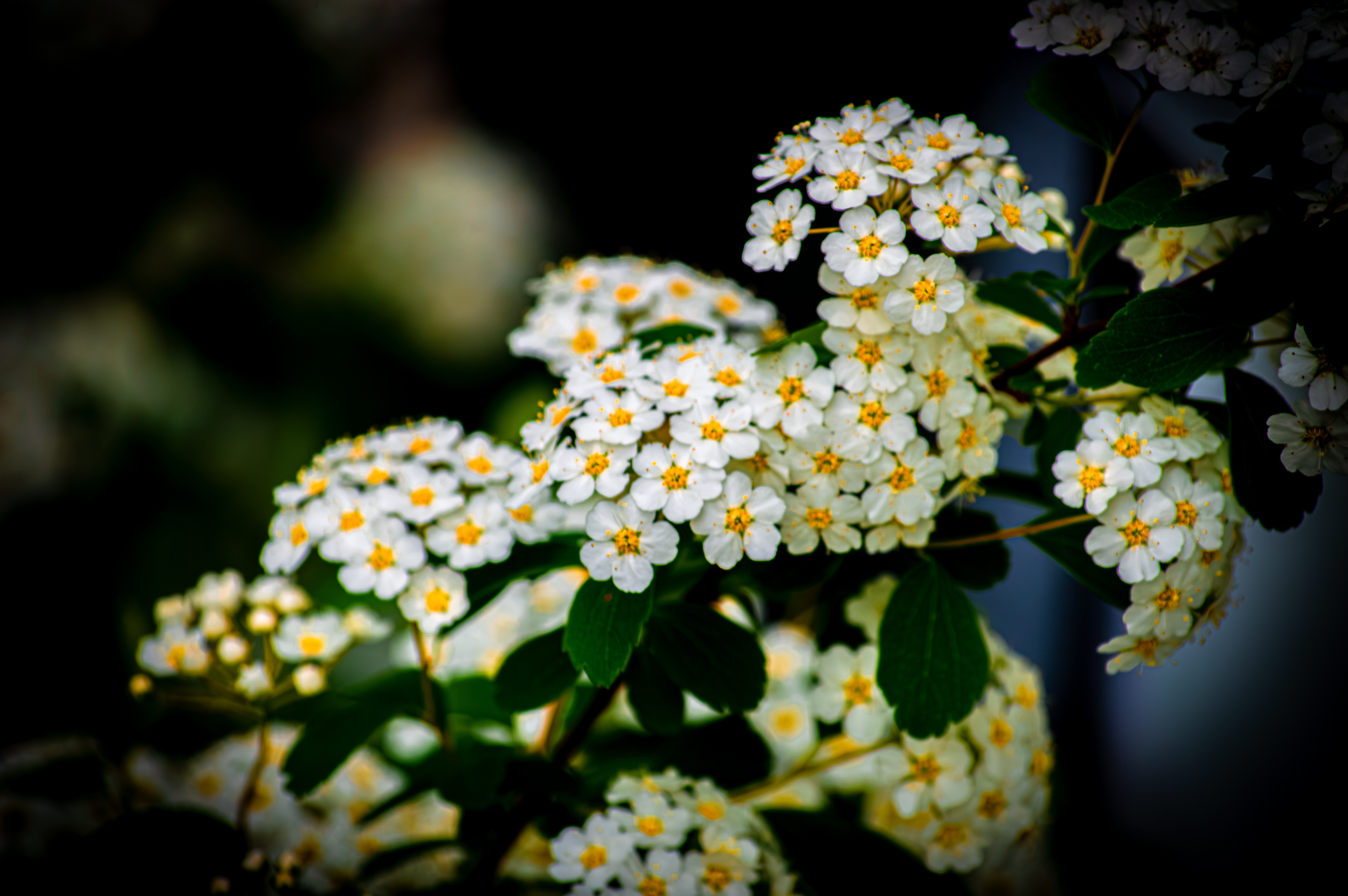
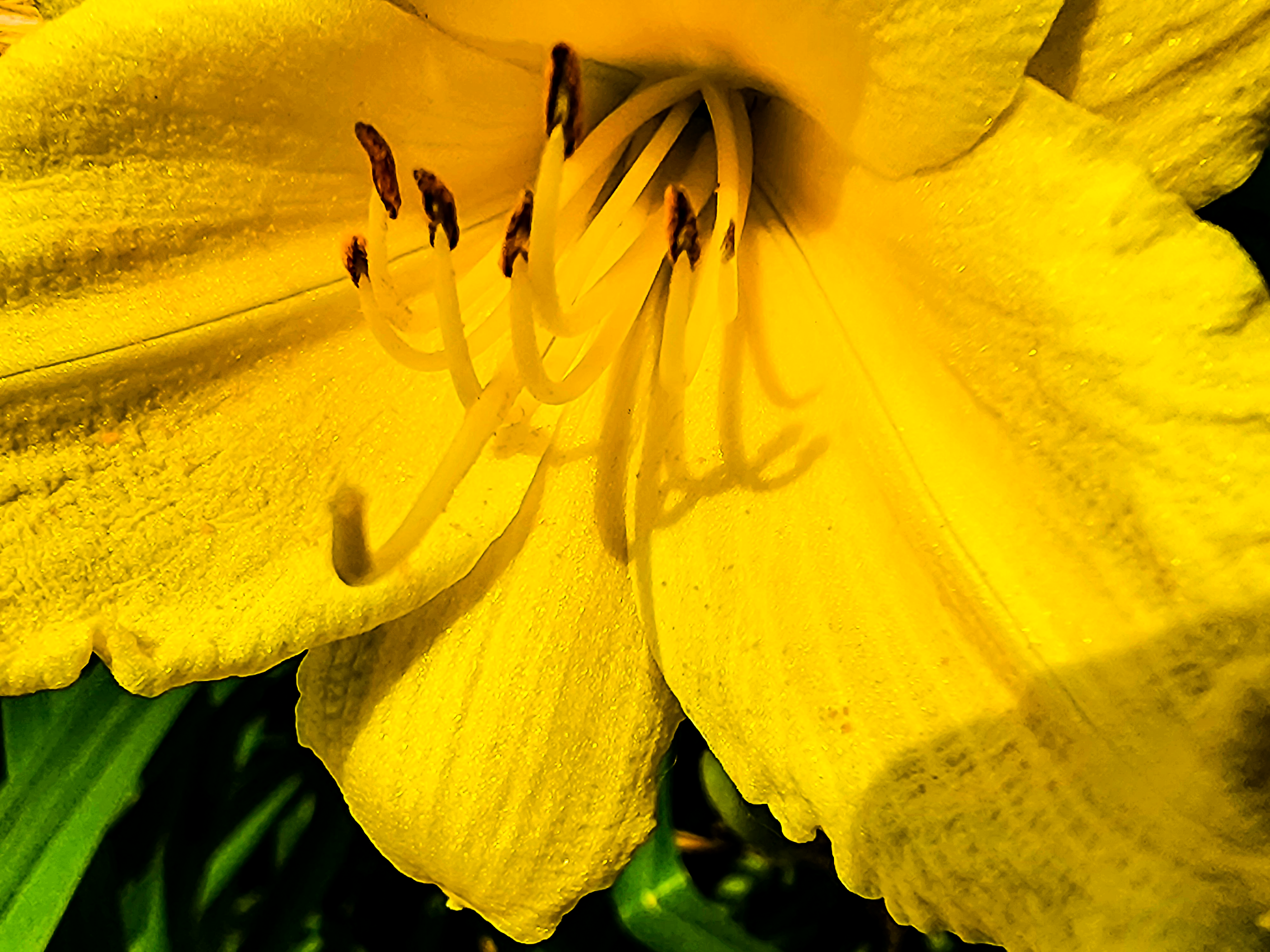
These tiny white blossoms caught my attention because of the way they stood against the darkness. Nothing particularly dramatic about them. Just a little white, a little yellow, and a whole lot of shadow.
But that’s the thing about photography. You’re not always looking for something extraordinary. Sometimes you’re discovering that the ordinary was extraordinary all along.
And perhaps that’s not such a bad way to look at life, either.
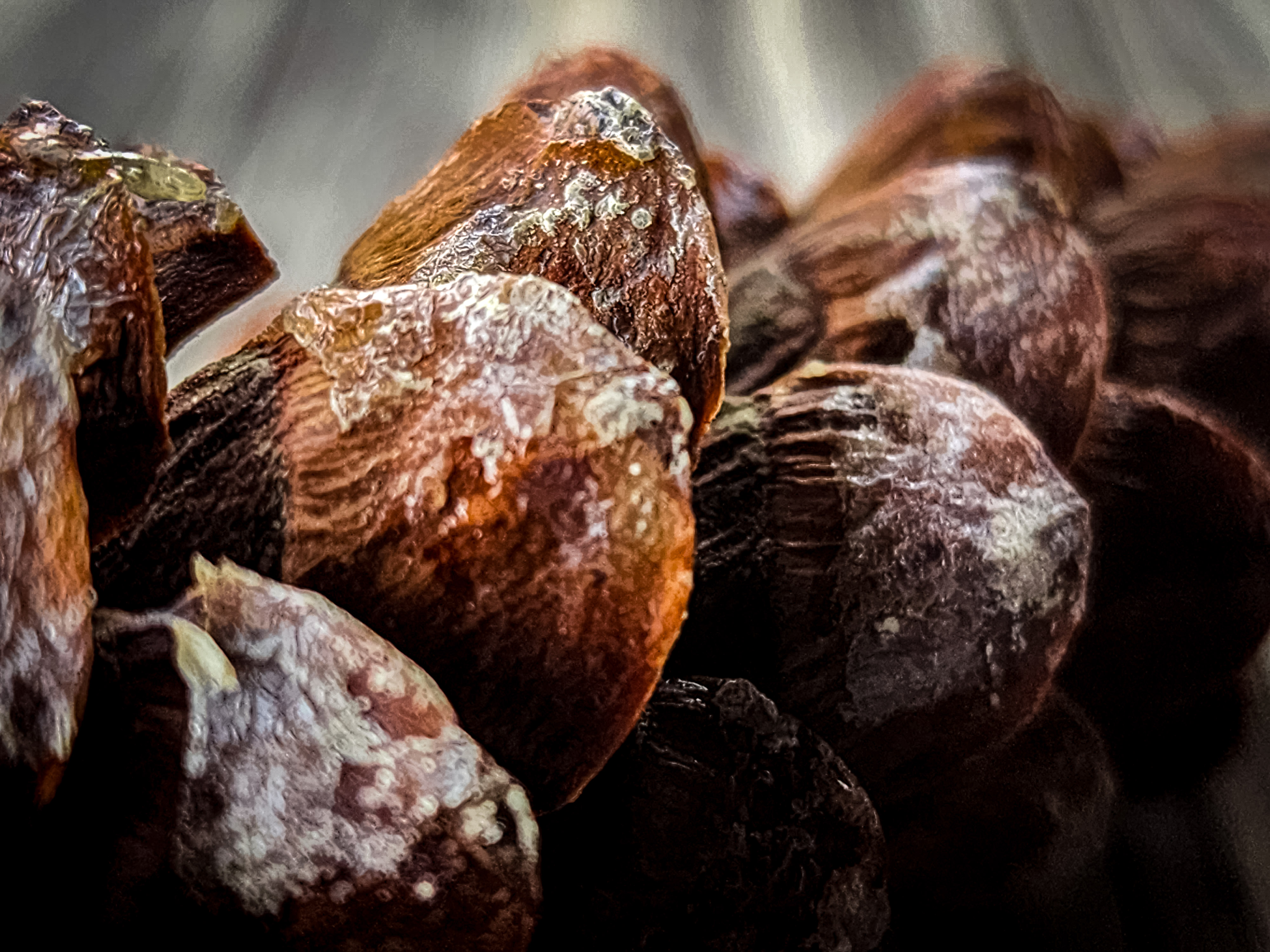
Macro Monday | October 26, 2026 There is an entire world hidden beneath the surface of things we barely notice. Sometimes, it takes a camera lens and a few moments of curiosity to remind us just how much we overlook. Take these little fellows, for example. A collection of nuts, huddled together as though they’re attending some clandestine meeting beneath the autumn sun. Nothing particularly remarkable about them at first glance. Brown, weathered, a little rough around the edges, and certainly not the sort of thing that would stop traffic. Yet, when I moved closer and began examining their surfaces through my camera, an entirely different landscape emerged. There were ridges, fractures, subtle variations in color, and intricate patterns that reminded me of weathered mountain ranges. Each carried its own imperfections, its own history, and something hidden beneath an exterior that offered very few clues about what might be waiting inside.
I suppose that’s the trouble with appearances. They tell us just enough to convince us we understand something, while withholding nearly everything that might prove us wrong.
We humans are particularly talented at making judgments based on appearances. Give us a few seconds with a stranger, and we’ll construct an entire biography without so much as exchanging a greeting. Clothing, posture, facial expressions, the vehicle someone drives, or even the neighborhood they happen to live in become evidence in a trial nobody knew was taking place. We examine the packaging, reach a conclusion, and congratulate ourselves on our remarkable powers of observation. Never mind that we might be spectacularly wrong. Apparently, confidence and accuracy are not required to occupy the same room.
I’ve encountered enough people throughout my life to understand that the most interesting things about someone are rarely visible when you first meet them. A quiet person might possess an extraordinary imagination. Someone who appears confident may be holding together a thousand private uncertainties. The fellow sitting alone at the end of the counter, drinking coffee and minding his own business, might have enough stories to fill a library. Or perhaps he’s simply waiting for his eggs. Both possibilities deserve consideration, although I suspect he’d prefer you leave him alone until breakfast arrives.
The point is that we seldom know what another person carries.
Some carry ambitions they’ve never spoken aloud. Others carry regrets, unfinished conversations, memories of people who no longer occupy a place at their dinner table, and dreams that have survived long after circumstances suggested they should have been abandoned. There are people walking among us who have endured things we cannot imagine, yet they continue showing up for work, buying groceries, laughing at ridiculous jokes, and participating in the ordinary business of living. Their burdens don’t announce themselves. Neither do their strengths. Both remain tucked away beneath the surface, waiting for circumstances that may or may not reveal them.
And that brings me back to these humble little nuts.
Depending on the species, a seed can contain the beginnings of something far larger than itself. Beneath that unassuming exterior lies a remarkably complicated arrangement of stored energy, biological instructions, and the machinery necessary to begin another stage of life. Under suitable conditions, what appears to be a dormant object can become a living plant. Given enough time, favorable circumstances, and a fair amount of luck, something small enough to fit between two fingers might eventually become something that casts a shadow across the ground.
Of course, that’s the romantic version.
Nature, as it turns out, is considerably less sentimental about potential than we are. Not every seed germinates. Some are eaten, some decay, and others find themselves deposited somewhere so inhospitable that even a determined weed would consider relocating. Potential is not a promise. It is a possibility, and possibilities require more than simply existing.
I think we sometimes forget that when talking about people.
We’re fond of telling one another that we can become anything we want if we work hard enough, believe strongly enough, and refuse to surrender. It’s an appealing sentiment, particularly when printed across a photograph of a mountain at sunrise. Unfortunately, mountains have never been especially forthcoming about the realities of rent, medical bills, family obligations, or the countless circumstances that influence what a person can accomplish.
Determination matters. So does opportunity. So does timing. And occasionally, so does having someone willing to open a door that has remained stubbornly closed.
I’ve known people with extraordinary talents who never received the opportunity to develop them. I’ve also known individuals who were handed every conceivable advantage and somehow managed to accomplish remarkably little beyond making everyone else’s life more complicated. Life has never been particularly interested in distributing its resources according to merit. If it were, we’d probably have considerably fewer incompetent people occupying positions of authority.
But I digress.
What fascinates me about these small, weathered objects is how little their surfaces reveal about what they contain. Their rough exteriors suggest age and exposure, but they tell us almost nothing about what remains viable inside. One might hold the beginning of new growth. Another might be empty, damaged, or long past its opportunity. Looking at them from the outside, we cannot always distinguish between the two.
And perhaps that is where the photograph begins to say something about us.
We are not seeds, of course. Human lives are infinitely more complicated than the biological instructions tucked inside a protective shell. Our possibilities are shaped by experience, relationships, choices, circumstances, and the occasional catastrophic lapse in judgment. We grow in unexpected directions. Sometimes, we discover abilities late in life that would have surprised our younger selves. Other times, we spend years pursuing something only to realize that what we wanted at twenty bears little resemblance to what matters at fifty.
I can certainly attest to that last part.
The younger version of me had some rather interesting ideas about how life was supposed to unfold. He was confident, occasionally reckless, and possessed the remarkable ability to make decisions without consulting anyone who might have known better. I suspect that if we met today, we’d have a lengthy discussion about priorities, patience, and the wisdom of occasionally keeping one’s mouth shut. He would probably ignore most of my advice, which would explain a great deal about how I arrived here in the first place.
Still, I wouldn’t dismiss him.
That younger fellow carried possibilities I hadn’t yet discovered. Some developed into things I value deeply. Others disappeared along the way, either through circumstance or choices that seemed perfectly reasonable at the time. A few remain tucked away somewhere, waiting for me to stop making excuses and give them another look.
Perhaps that’s another misconception we carry about potential. We imagine it belongs primarily to the young, as though possibilities come with an expiration date printed somewhere beneath the packaging. Childhood is filled with questions about what we want to become, while adulthood gradually replaces those questions with inquiries about what we’ve accomplished. Eventually, if we live long enough, people begin asking what we used to do.
Used to.
Two small words capable of making an entire lifetime sound like a completed transaction.
I have never particularly cared for that arrangement. There is something fundamentally absurd about suggesting that curiosity, creativity, or the desire to discover something new should diminish simply because we’ve accumulated a few decades of experience. If anything, those experiences ought to give us more material to work with. We may not possess the same energy we had at twenty, and certain parts of the body have developed an unfortunate habit of filing complaints without consulting management, but that doesn’t mean the mind has surrendered its capacity for discovery.
Sometimes, the things we carry inside ourselves are not waiting to become something entirely new. They’re waiting to be recognized for what they have already become.
That distinction matters.
We live in a culture fascinated by transformation. Reinvent yourself. Become a better version. Unlock your potential. Apparently, being a reasonably decent human being who is still figuring things out isn’t sufficiently marketable. There must always be another level, another achievement, another mountain waiting to be conquered. Somewhere along the way, we began treating existence as though it were a never-ending performance evaluation.
And heaven forbid we simply enjoy an afternoon without accomplishing something that can be entered into a spreadsheet.
Yet, the more I examine the world through my camera, the less convinced I become that everything needs to justify its existence through accomplishment. These nuts don’t have to become towering trees to deserve a moment of attention. Their textures are interesting now. Their shapes and imperfections have value within the photograph regardless of what might eventually emerge from them. Whatever possibilities they contain do not erase the significance of what they already are.
The same consideration ought to extend to people.
A person’s worth should not depend entirely upon what they might accomplish tomorrow, any more than it should be reduced to what they accomplished yesterday. There is dignity in simply being, in surviving difficult seasons, in maintaining kindness when circumstances have provided every excuse to abandon it. There is value in the quiet work of raising a family, caring for someone who cannot care for themselves, listening when another person needs to be heard, or finding the courage to begin again after life has thoroughly rearranged the furniture.
Not everything meaningful announces itself with applause.
Some of the most important things we carry remain invisible to everyone except those who have taken the time to know us. Compassion developed through suffering. Patience learned through disappointment. Wisdom acquired by making mistakes we’d rather not discuss in polite company. A sense of humor that somehow survived experiences that weren’t particularly funny at the time.
And yes, occasionally, a stubborn streak that refuses to acknowledge when the universe has made a perfectly reasonable argument against our plans.
I may know a little something about that.
When I look at this photograph, I see more than a collection of weathered surfaces. I see layers, contradictions, and possibilities that cannot be determined by appearance alone. The light reveals the smallest fractures and ridges, but it cannot penetrate the shells to tell me everything they contain. There are limits to what even the finest lens can reveal.
Photography teaches us to look more carefully, but it should also remind us that seeing something clearly is not the same as understanding it completely.
That’s a lesson worth carrying beyond the viewfinder.
We can examine the world in extraordinary detail and still misunderstand what we’re looking at. We can know someone’s history without knowing their heart. We can recognize their accomplishments without appreciating their sacrifices. We can witness their struggles without understanding the strength required to endure them. And we can spend years believing we understand ourselves, only to discover another possibility waiting beneath a layer we hadn’t thought to examine.
Perhaps that is why I continue reaching for my camera.
Not because I expect every photograph to reveal some profound universal truth. Sometimes, I’m simply fascinated by the way sunlight catches an interesting surface. Sometimes, the subject is there, the camera is handy, and curiosity gets the better of me. There doesn’t always have to be a philosophical explanation for taking a picture.
Although, considering how often I manage to turn an innocent photograph into several pages of reflection, I suspect my camera might disagree.
Nevertheless, I’m grateful for these little interruptions. They remind me that the world contains more than what we notice during our hurried passage through it. Every ordinary object has details we haven’t examined. Every person has experiences we haven’t heard. And somewhere beneath the familiar surfaces of our own lives, there may still be possibilities we haven’t considered.
Not all of them will develop into something extraordinary. Some may never amount to anything beyond a passing thought or an unfinished experiment.
That’s all right.
Possibility doesn’t need to become greatness to have meaning. Sometimes, its greatest gift is reminding us that the story isn’t necessarily finished.
I don’t know what these little nuts contain, or what circumstances brought them together. I only know that their weathered surfaces caught my attention long enough for me to stop, look closer, and appreciate something I might otherwise have ignored.
And perhaps that’s enough for one Monday morning.
After all, there’s no telling what we might discover if we stop judging everything by its packaging and take a little time to consider what lies beneath.
Including ourselves.
Because the things we carry inside are not always burdens, regrets, or memories of what has been lost.
Sometimes, they’re the beginnings of something we haven’t yet imagined.
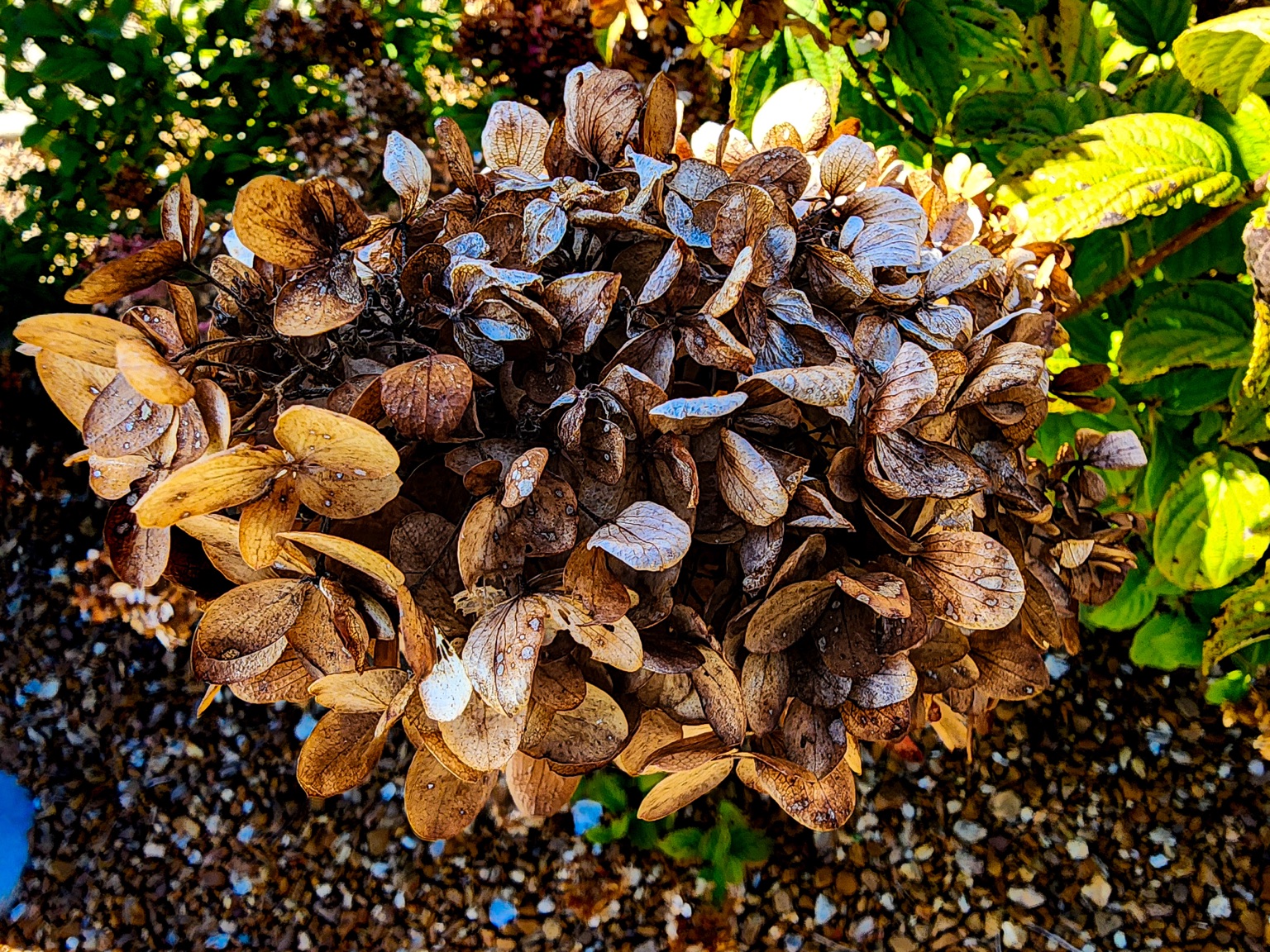
There is something rather stubborn about a flower that refuses to disappear simply because its season has ended. Long after the vibrant colors have surrendered to the changing weather, after the bees have moved on to more promising neighborhoods and the butterflies have abandoned their summer romances, these hydrangeas remain. Their petals have curled, their colors have faded into shades of bronze and weathered parchment, and the soft elegance that once defined them has given way to something considerably more rugged. Yet, standing there beneath the autumn sunlight, they possess a character that their younger selves could never have imagined.
I have always found it interesting how quickly we dismiss something once it no longer resembles what we believe it should be. A flower is supposed to bloom, a tree is supposed to provide shade, and people, apparently, are supposed to spend their entire lives pretending they haven’t aged a day beyond thirty-five. We have developed an extraordinary talent for celebrating beginnings while treating everything that follows as a slow march toward irrelevance. There are entire industries dedicated to convincing us that growing older is some sort of personal failure. Wrinkles must be erased, gray hair concealed, and every visible indication of a life actually lived treated as an unfortunate manufacturing defect.
Meanwhile, nature appears entirely unconcerned with our ridiculous expectations.
These hydrangeas have no intention of apologizing for their appearance. Their petals bear the marks of sunlight, wind, and changing temperatures. Some have folded inward, others have developed tiny imperfections, and a few appear to be hanging on through sheer determination. The delicate veins running through their papery surfaces have become more pronounced, revealing details that were less noticeable when the blossoms were younger and their colors more vibrant. What was once soft has become textured. What was once delicate has developed a certain rough dignity.
And I find that rather beautiful.
Perhaps it has something to do with getting older myself. There comes a point in life when you begin to appreciate things differently. The shine of something new becomes less impressive than the character of something that has endured. You begin to understand that perfection is often a temporary condition, assuming it ever existed in the first place. A weathered wooden bench, an old leather jacket, the creases surrounding someone’s eyes when they laugh—these things carry stories. They have been somewhere, survived something, and returned with evidence of the journey.
Of course, I wouldn’t mind if my knees would occasionally stop reminding me of every questionable decision I’ve made since the age of twelve. Apparently, the human body maintains a remarkably detailed accounting system, and the collection department has no interest in negotiating.
But I digress.
Looking closely at these dried blossoms, I was struck by how much detail remained after their most celebrated qualities had disappeared. The colors may have changed, but the intricate structure of each petal was still there. The overlapping layers created pockets of shadow, while the sunlight caught the curled edges and illuminated their delicate veins. Against the surrounding green leaves, the faded blossoms seemed almost defiant, as though they were making one final argument against the notion that beauty belongs exclusively to spring and summer.
Photography has a way of revealing these quiet contradictions. Through the lens, things we might ordinarily dismiss become worthy of examination. The cracked surface of an old wall, the weathered hands of someone who has worked for decades, or a cluster of blossoms that most gardeners would have removed weeks ago. Each contains a kind of honesty that polished perfection often lacks. There is no pretense in the texture of something that has endured the elements. It simply exists as it has become.
I suppose that is what makes autumn such an interesting season. Spring arrives with promises, summer spends them extravagantly, and autumn comes along to examine what remains. It is a season of reckoning, but not necessarily one of sorrow. There is generosity in its fading light, richness in its subdued colors, and a peculiar sort of freedom in the realization that not everything must remain as it once was.
We sometimes confuse change with loss because we are so attached to familiar appearances. We remember the blossom at its brightest and assume everything afterward must be a lesser version of the same thing. Yet these flowers are not attempting to recreate their summer glory. They have entered another stage of their existence, one with its own textures, colors, and quiet significance.
There is a lesson somewhere in that, although I hesitate to suggest that every flower, fallen leaf, and crooked branch is secretly waiting to deliver a philosophical lecture. Sometimes a dried flower is simply a dried flower, and the universe has no obligation to provide commentary.
Still, I cannot help wondering how much of life we overlook because we have already decided its finest moments are behind it.
We do this with places, with possessions, and sometimes, rather cruelly, with people. We assign value according to usefulness, appearance, or the promise of what something might become. Once those expectations are no longer met, our attention wanders elsewhere. We forget that usefulness is not the same as worth, that beauty can exist without an audience, and that a thing does not become meaningless simply because its purpose has changed.
These hydrangeas will eventually crumble. The wind will carry away their fragile petals, the stems will weaken, and winter will finish what autumn has begun. There is no avoiding that conclusion, nor would I particularly want to. Nature does not preserve everything indefinitely, and perhaps that is part of what makes these moments worth noticing. Their impermanence gives them a certain urgency. We have this morning, this patch of sunlight, these weathered petals, and the opportunity to look before the scene changes again.
I raised my camera because something about those faded blossoms caught my attention. Not because they were perfect, not because they were particularly colorful, and certainly not because they were trying to impress anyone. They had simply remained long enough for me to notice what time had written upon them.
And perhaps that is enough.
Autumn does not keep the brilliance of summer, nor does it promise to restore what has already passed. What it keeps is the evidence—the textures, the scars, the quiet dignity of things that have lived through their season and become something different.
There is beauty in that transformation, even when we are reluctant to recognize it.
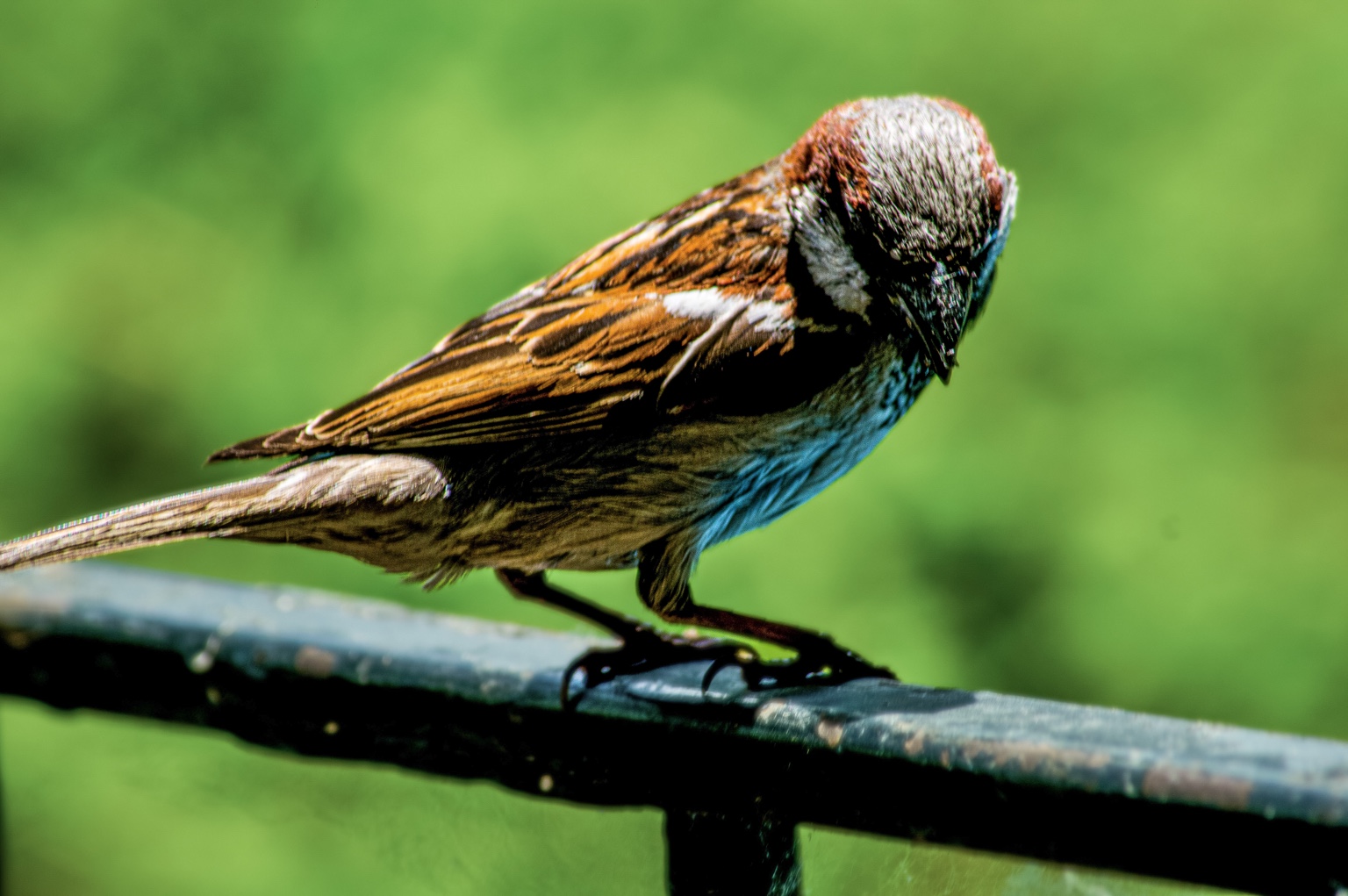
Sometimes, the smallest creatures seem to carry the greatest mysteries. A sparrow pauses upon an old iron railing, its head bowed beneath the morning sun, seemingly oblivious to the world unfolding around it. There is no grand spectacle, no dramatic display of nature’s magnificence, only a handful of feathers, a fragile heartbeat, and a moment of stillness in a world that rarely bothers to stand still.
I watched this little fellow for a moment, wondering what had captured his attention. Perhaps he had spotted something beneath his feet, or maybe he was simply enjoying a brief respite from the endless business of being a sparrow. After all, life cannot be particularly easy when you spend your days dodging predators, searching for your next meal, and arguing with every other bird in the neighborhood over who owns a particular patch of dirt. Come to think of it, that doesn’t sound terribly different from being human.
There is something remarkable about the details we overlook. The intricate arrangement of his feathers, each one overlapping another with a precision no human hand could easily duplicate. The delicate claws wrapped around weathered iron, holding a creature that weighs next to nothing against a world considerably larger than itself. Even the subtle variations of brown, charcoal, and cream tell a story written by nature long before we invented words to describe its beauty.
Perhaps that is what draws me to photography. Not merely the opportunity to capture something beautiful, but the chance to interrupt my own hurried existence long enough to notice what has been there all along. We spend so much of our lives searching for extraordinary things that we sometimes forget how much wonder exists in the ordinary. A bird on a railing. A shaft of sunlight. A quiet morning when nothing particularly important seems to be happening.
And yet, something important is happening. Life is continuing, quietly and without ceremony, whether we acknowledge it or not.
I cannot tell you what this sparrow was thinking, or whether birds contemplate anything beyond their next meal and the occasional disagreement with a neighbor. Perhaps I am guilty of assigning human emotions to a creature that would undoubtedly prefer I mind my own business. Fair enough. I suspect he would have a few choice words about the fellow standing nearby with a camera, too.
Still, I like to imagine that, for one fleeting moment, we were both doing the same thing.
Taking stock of the world.
And finding a little peace in the weight of small things.
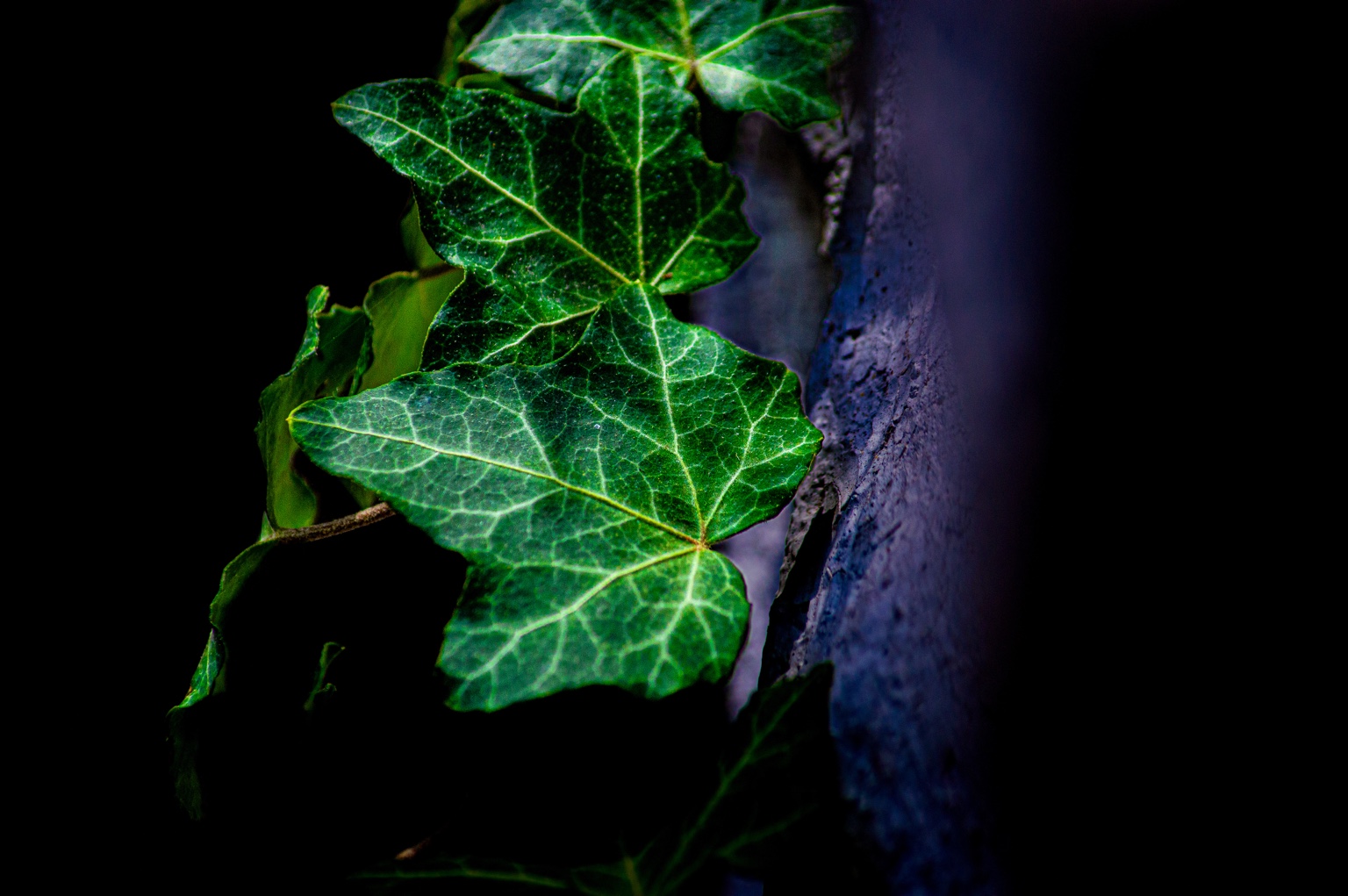
Corners where stone stays cold, where rain lingers in the cracks, and the world seems to have decided nothing beautiful belongs there. Yet something always reaches through.
A root finds purchase. A vine catches hold. A leaf unfolds where no one thought to look.
Growth has never required permission.
It does not wait for better weather, softer ground, or someone to declare the conditions favorable. It simply works with what remains—an inch of soil, a scar in the concrete, a sliver of light slipping beneath the door.
Perhaps we have misunderstood darkness.
We treat it as an ending when sometimes it is merely the place where our eyes have not adjusted yet. Beneath it, things are still moving. Still becoming. Still pushing themselves toward whatever warmth they can find.
The darkness may slow the growing.
It may twist the branches and leave scars along the way.
But it does not get the final word.
The dark does not stop the growing.
Sometimes, it teaches us how badly we want the light.
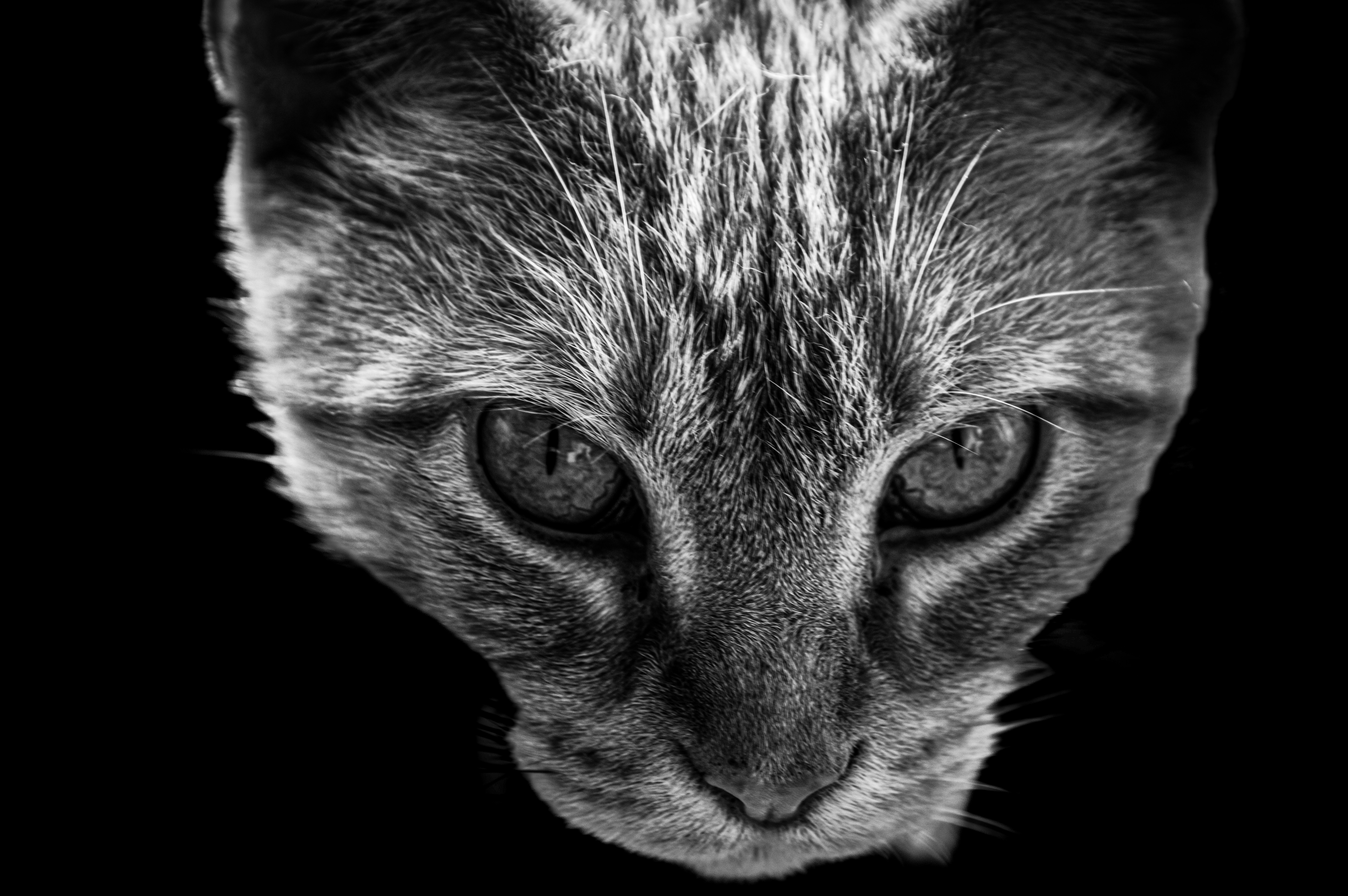
Marlow started staring at the corner three nights after we buried my mother.
Not the window. Not the door. The corner.
There was nothing there except two walls meeting behind an old floor lamp I had inherited from her because apparently grief came with furniture. The lamp hadn’t worked in years, but I kept forgetting to throw it away, which was how most of my mother’s things had survived her.
The first night, I didn’t think anything of it.
Cats stare at things.
They stare at dust. They stare at insects. They stare at walls with the solemn concentration of priests deciphering scripture. Once, I watched Marlow spend forty minutes studying a grocery bag before climbing inside and falling asleep. I wasn’t about to assign cosmic significance to the habits of an animal who occasionally became frightened by his own tail.
But the second night he was there again.
Same place.
Same position.
Front paws together. Body perfectly still. Eyes fixed on the corner.
“Marlow.”
His ears moved toward me.
His eyes didn’t.
I followed his gaze.
Nothing.
“Good talk.”
I went to bed.
The third night I woke at 3:17 because something had knocked over a glass in the kitchen.
At least, that’s what I told myself.
I lay there listening to the house settle around me. Pipes contracting. Refrigerator humming. Wind worrying something loose along the gutter. The collection of ordinary noises every old house makes when it wants to remind you that silence doesn’t actually exist.
Then I heard Marlow growl.
I’d owned him eleven years.
I had never heard him growl.
I found him in the living room.
He wasn’t sitting anymore.
His belly was pressed against the floor. His shoulders were raised. Every strand of fur along his spine stood rigid.
He was staring at the corner.
I turned on the light.
Nothing.
I walked over and put my hand against the wall.
Cold.
Not cool.
Cold.
The kind of cold that hurts your teeth.
Marlow hissed.
I jerked my hand away.
“Okay.”
He looked at me then.
Just for a second.
There was something in his expression I didn’t like. Something beyond fear. I know people say we project human emotions onto animals, and they’re probably right, but I knew that cat.
Marlow wasn’t afraid.
He was warning me.
I unplugged the lamp.
I don’t know why.
It hadn’t worked since 2019.
The bulb flashed.
Once.
Marlow screamed.
I stumbled backward hard enough to knock a photograph from the wall. The frame struck the hardwood and broke. By the time I looked toward the corner again, Marlow was gone.
The lamp was dark.
I found him beneath my bed twenty minutes later.
He wouldn’t come out.
The photograph on the floor was of my mother.
Of course it was.
I left it there until morning.
For the next four nights, Marlow refused to enter the living room.
On the fifth, he returned to his spot.
Sat down.
Watched the corner.
Whatever had frightened him apparently wasn’t frightening anymore.
That should have made me feel better.
It didn’t.
Because now, every night at exactly 3:17, Marlow walks into the living room and sits facing that dead lamp.
Sometimes his tail moves.
Sometimes his ears twitch.
Once, I swear he purred.
Last night, I sat beside him.
We stayed there together for almost an hour.
Nothing happened.
Eventually I felt ridiculous and stood to leave.
That’s when Marlow looked up at me.
Then back toward the corner.
And from somewhere behind the dead lamp, my mother whispered,
“He can see me.”
Marlow blinked.
Slowly.
Then he looked at me again.
And for the first time since this started, I understood.
He hadn’t been watching the corner.
He’d been watching her.
And judging by the way his eyes moved toward the empty chair beside me—
The 1960 DiDia 150 is a one-of-a-kind, hand-built luxury car designed by Detroit clothing designer Andy DiDia. Taking seven years to complete (1953–1960) and costing over $150,000 (around $1.5 million today), the car was known for its bold, unconventional style. It became the dream car of singer Bobby Darin, who drove it to the Academy Awards and featured it in movies. Darin donated the car to the Museum of Transportation in 1970, three years before his death. The vehicle features a V8 engine, a 125-inch wheelbase, and was originally built in Detroit, Michigan.
Yesterday, before the sky opened up and unleashed all kinds of nastiness, it was a beautiful serene day. Though, it was a little on the hot, I pulled out my phone and took a few shots. It felt good.
When I found these photos, I had chucked them up as a loss. There wasn’t anything I was going to use them for. I’m surprised I hadn’t deleted them. Then, this morning I saw this challenge and remembered I had these shots.
Most of the time, my brothers and I don’t have any problems. We deal with the normal issues in this strange, cryptic thing called life. However, from time to time, an asshat appears out of nowhere. It’s almost like they waiting in the shadows for the precise moment to be a nuisance. It’s quite difficult to avoid asshats because you can recognize them from sight. However, once open their mouths, they are now easily recognizable.
They say things like, “How are guys related?” Or some other variant of dumbness.
I felt good the other day and decided to take a walk at a local park. It was spur of the moment thing, so I didn’t have my Nikon. I whipped my trusty Samsung and started snapping away. Before I knew it, I was looking up at the picturesque sky because I had tripped over the pavers, falling right into a nearby flower bed. I looked around to see if anyone had noticed, and the entire affair was witnessed. Is it a requirement for someone to witness someone fall to be a fall? Otherwise, a firm denial works. Here is what I got before I bit the dust.
i listened to track as collected myself. A Stevie can do wonders for the soul.
I enjoy taking two types of photos more than any other composition; candids and close-ups. In these photos are close-ups of a project my brother worked on last fall. He was working on a fuel tank for a motorcycle. I kept getting in the way of photographing the entire process. I complained about not being able to catch the shot I wanted. Sometimes, you get lucky a find something you weren’t looking for.
I love to drive. It is one of the most relaxing things for me. However, I usually can’t take pictures of what I see while on the road. Here are a few I was able to catch.
One of things I enjoy about photography is the ability to make the mundane into something interesting. Well, it works out that way sometimes. I compare it writing. Sometimes you just can’t get a sentence the way you want. Or you write this complicated sentence when a simple will do just fine.
So, this is what I come with for today…
Top of a toolbox
I was walking into an office and saw this toolbox. Nothing about it is unique. I’ve owned several of the years. However, that day I just stopped snapped a photo. I wondered what I would do with it. I’m sure I’m not finished with it either. Well, at least I don’t think so.
As I look at this picture, I’m drawn to the symmetry of the pattern and the surface’s texture. I also notice a slight reflection of the adjacent building I hadn’t noticed before. At any rate, to me, what I’m seeing just illustrates the point I’m trying to make.
Insomnia has a hold on me, so I decided to play around with image generation. I used the text from the post In the Wee Hours and it generated the following images. I enjoyed difference within each image, but the general concept is the same.
I haven’t been taking many photos for the last few months. However, last month, I snapped a couple of decent images. They aren’t my best work but call it me working my way back into it.
I love this challenge. Although, I probably have never done it correctly. I find it challenging to find a photo that truly speaks for itself. However, each week, I attempt to discover the undiscovered.
Over the last several weeks, I have been playing catch-up. Since retiring, I’ve sat back and enjoyed the wonderful world of blogging. I don’t have to tell you about the fantastic posts from around the world. When it came to finding images for this post, I had to do a little digging. Trust me, that was the fun part. Here is what I discovered.
Random shot of a body of WaterWater Fountain Wallclock Texture
I was trying to get my camera to focus during a shoot and had no idea I accidentally snapped this shot. I remember hearing the shutter. I immediately went to work and did not pay attention to all the pictures.
I was doing research last week and discovered groundhogs are also called woodchucks. So, here is one of the first pictures I took of my woodchuck, “Emmitt.” He was so shy back then. We’ve come a long way together over the years.
Woodchuck
This last photo fits several categories. It basically depends on the mood I’m in at the moment. So, today, As I gaze upon this photo of me and a few of my granddaughters, I think “Weirdo’s”.
When I hear the word tools, I immediately think of the various instruments I’ve used over the years for countless projects. So, for this post, I wanted to look at things a little different. Today, I will not only display tools, you know standard one’s people know. I’m display some pictures of things created by various tools.
Brother preparing a fender for painting.
Pop working on a car Me mixing old and new techniquesUs wondering if crazy idea was going to work A new fuel primed for paint Brother airbrushing
As a tradesman we use so many tools and sometimes we have to make the tools we need in order to complete the job. We use a sander in body work. I use a different type of sander in woodworking. Those drivers you see in the picture of the wood project, in that shop I’ve used those drivers in various other projects, such as mechanical, hydraulics, electrical, and pneumatics.
Writer of all things:
As a writer, one of my most important tools is a laptop. I do most of writing, research, and general clowning on it. Also, I edit video and photos on it. I love my laptop and iPad, but the tool I use for writing the most are books. I can’t describe how valuable books have made a better craftsman, writer, and visual artist.
Visual Arts
Cinematography
As a visual artist, I spend a ridiculous amount of time behind the camera. In cinematography, I’m involved in aspects of filmmaking, such as Pre-production, production, and postproduction.
Still Photography
Initially, I doubted my abilities as a still photographer. So, I would hire a photographer for location scouting and various shots I needed. I found myself arguing with them more than getting any work done. This disagreement occurred because I had vision in my mind, and they weren’t capturing what I wanted for the project. Each of them were good photographers, but I couldn’t get them to understand what I wanted.
One day, I worked on a project where I was just a camera operator. I got an opportunity to work with a couple of still photographers. One photographer handed me a camera and said ” show me”. I started taking pictures. Now my framing and composition was a little off, because I was used to video where we would just cut out the useable portions. They gave me some tips and told to go buy a camera and the rest is history.
The most important tool I have learned over the years is that every skill I learn is another tool in my toolbox. I just have to remember to be patient enough to use the right tool for the job.
A toddler unleashes a shriek of glee as he shoots past an elderly gentleman with his unsure footing. He balances himself with his tiny arms outstretched. He giggles a little more with each step. We stand silently, watching him go. My soul churned in the warmth of his happiness as it spurred my own. His happiness brought back vivid memories of my grandchildren learning to walk and run. I missed my children’s milestones; otherwise, I was engaged.
I stopped to fuel up pickup before heading to a photo shoot. I’m excited about this one because it is the first time in months I’ve been well enough to even consider pulling out my camera. I’m startled back in the present by a metallic clang of debris hitting a dumpster. I watch the trash chutes flex as the waste finds its way down. AC/DC’s Shoot to Thrill starts the road trip playlist.
After, a few minutes of chatting after arriving at shop I discover I have everything in my camera bag, but an SD card. We laugh about the ridiculousness. I finally got myself together to do the shoot and realized I’m so rusty I have no idea if any pictures will be good enough to post. I show a few to the fellas and assure me that concerns are justified.
Here are a couple shots:
My brother skim coating a new gas tank.
Today was first day all three been in the shop in months. The first time in forever, where there wasn’t constant look of concern on whether I was going face plant at any moment. I lasted several hours before I plain tuckered out and needed to make the drive home.
My first photo shoot back was disaster as photo shoot’s go, but it felt damn good to be working in the shop again. Round 2 is tomorrow; wish me luck
Towards the end of fall, my brother and I decided to take a trip downtown for some sightseeing. It was a welcomed distraction from our usual agenda as of late. Doctor’s office, Hospital, and doctor’s office again. I have a thing for pocket watches, so we stopped at this store to see what they had in stock.
A local clock shop The windows caught my attention, so picture timeSadly, no pocket watches, but the sign did say “clock shop”I love windows
One of the things I love about photography is you never know why you take a picture. There’s something about the lighting, the feel, or something else that captures you and makes you snap the shutter. I’ve had these photos for years. When I first took these photos, I had no idea what I would do with them. Yet, I hung onto them, wondering If I would see something different the next time I looked at them.
Participating in this challenge last year, I actually learned the names of a few flowers. I’ve been organizing my photos and found a few archived photos of the bearded iris that grows in my front yard. I find this flower interesting because it just showed up one year. I didn’t plant it and I haven’t done anything to get it going.
I’d completely forgotten taking this shot and I’m pleased how well it came out. According to my records, I took this picture in the spring of 2020. I hope you guys enjoy it.
Yesterday, I felt better than I had in weeks. I’m not sure if I actually felt better or was it more of not letting my illness mess with me during the holidays. In any case, I looked up at the sky and saw a beautiful cloudy sky. Such a wonderful cloud pattern. I’m a junkie for a cloudy day. There’s no snow, but the day is good all around. I feel pretty good today as well, so I will take the opportunity and get some writing done. Who knows? I might get crazy and take a few photos while the getting is good.
So, wherever you are in the world, happy holidays to you. Enjoy the break, do your thing, and be blessed.
Here is my entry for Cee’s – CFFC – Fun colors – Blue.
When I discovered this challenge, I got excited because it was an opportunity to use some of the photos I took at a car show earlier this year. It was the first photo shoot I did this year that wasn’t for my personal use. I was nervous, to say the least. My photos from earlier this year have a little lack of luster, in my opinion. Mainly because I have been out of practice. However, like most things in life, the more you practice, the better you become.
Throughout the year, I developed an obsession with the patterns in the sky. So, I took an obscene amount of photos of clouds this year. Here are a few of my favorites. I hope enjoy them.
For the last few weeks of the month, I’ve been ill. So, I haven’t been on top of my posts. I haven’t done any real shooting with my camera and haven’t been writing. I’m not 100 percent, but I do feel much better than I have in weeks. I was going through my files this morning and found some photos I snapped during the month. Some have been posted, but I found that were shot at the end of the month.
I know clouds can’t be on fire, but the reflection is epic. It reminded me of sitting in front of the fireplace watching the embers fight for life. Just a corner at first. Slowly, it stretches until the entire clouds in engulfed
I’ve said on this blog that we have two families in life. The one we are born with and the one we choose. This concept has always been more than words for me. It’s been the way I was raised, and I live still. Today, Veteran’s Day, I going to take a moment and showcase my brothers.
These yahoo’s on each side of me are veterans.
The above picture is one of the few times we were together. Our lives are hectic, but we made it happen that day. The gentleman flashing the peace sign is the oldest. He was in the Marine Corps and whipped my skinny butt into shape before Army basic training. On the opposite side, he was in the Army Signal Corps and taught me what it meant to be a member of the Signal Corps. Their guidance and toughness laid the cornerstone of who I am.
Brother Brother Brother Cousin
Each of these men also served in the military; the top three were in the Navy, and my cousin was in the Army. These men helped me put the pieces back together again after my wife died. They reminded me who I was and what I stood for. I’m indebted to them for life.
As veterans, service and duty aren’t things we are born to; it’s what we learn. In many ways, we are the better for it. In others, that is a cost. Some more than others, but a cost, just the same. During the time we wore the uniform, we did our thang. Nothing or no one can take that away from us. It’s an honor to be among you all.
Here’s my response to XingfuMama’s One-To-Three Photo Processing Challenge – November 2023
I’ve been working on a daily prompt response for nearly a week, and I can’t quite figure out what I want to say. All I know is that I wanted a tree in the post. So, I have been taking photos of trees. However, none of them entirely do the trick for the original I took them for. Yet, I ran across this challenge and they may work for this challenge.
Let’s take a look.
For this photo, I used Photoshop Express on my iPad
Original
Silvered
Charm 7
Carmine
I’m not sure how the challenge works, but I posted three different processes from the original. I hope I got it right. Either way, it was fun playing around with the various presets.
I’ve always had difficulty capturing motion in stills. Perhaps, this may be an underline reason I chose to work into with video. However, I can’t conceal my work love for still photography. Often, I look for ways to incorporate the two mediums.
However, every now and then I get lucky and capture an image that can be viewed by the public.
Here are a few:
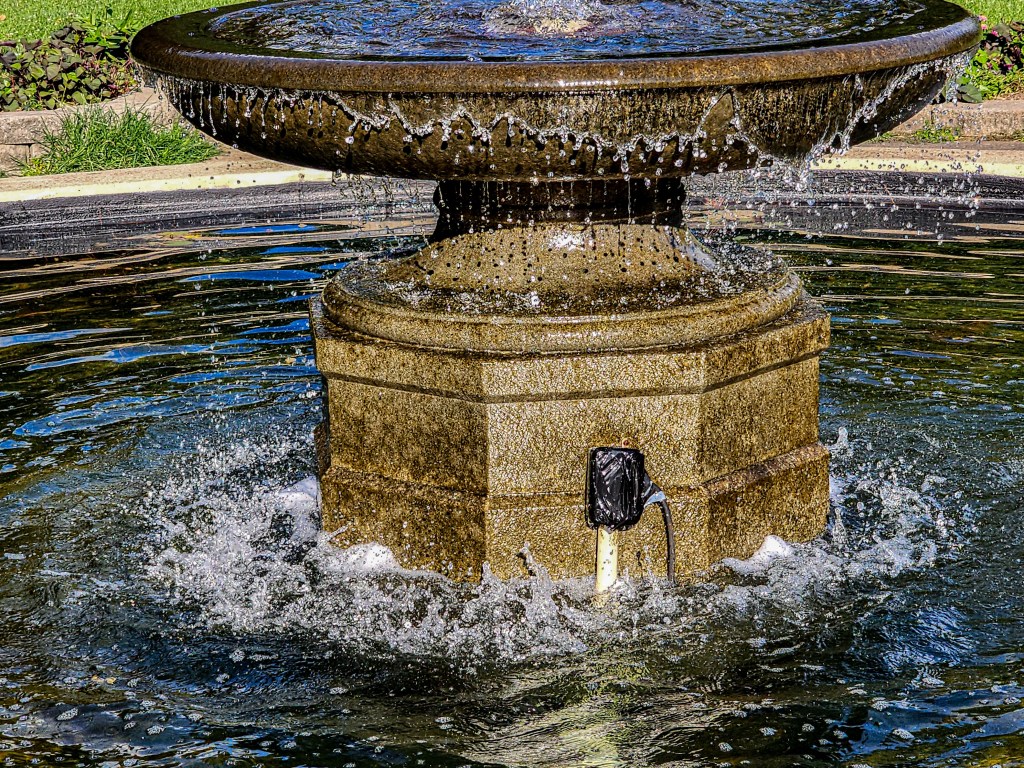
Fountain at the local botanical gardenCaught this fella running along the fence line
Usually, I use a technique called Photo Roman.
Photo Roman is a mesmerizing photography technique that combines the art of visual storytelling with stunning imagery. Its ability to captivate and engage viewers has made it popular among photographers in the digital age. With its origins in France and its growing popularity worldwide, Photo Roman continues to push the boundaries of traditional photography, offering a unique and immersive experience for both creators and viewers alike. As we look to the future, the possibilities for this captivating technique are endless, and we can’t wait to see what lies ahead in the world of Photo Roman.
Here is an example:
My first attempt of Photo Roman done five years ago
Thank you for being patient and letting getting all this out. It’s not often I get to talk about a topic in photography I actually know about.
I did a lot work with my cell phone camera last month. More than I usually do. I always have it on it with me, so there is a convenience factor. But, I wanted to capture ordinary things and see if I could make a decent shot with the photos.
Nikon D3200
First shots with this Macro Lens attachment
Yeah, I’m struggling with understanding how macro photography works. I probably should have done more research before I brought something. However, I get these wild hairs from time to time and do things willy-nilly. I do it ain’t right. The Madre said it’s understandable from now and again, but get that it check.