Some mornings you wake up armored without even trying. Shoulders tight. Voice low. Every small kindness feels like something meant for someone else. Perhaps it was a bad dream, or a fragment of a memory you thought was buried, rising just enough to shift the weight of the day before it even begins. This line lands right there—in that gap between what your heart remembers and what your body refuses to trust. Believing in tenderness on the days you can’t feel it isn’t delusion. It’s survival.
But let’s not pretend it’s easy. Disappointment builds scar tissue. Grief calcifies. Some hurts become fossils—old pain preserved in perfect detail, untouched but never truly gone. And some wounds never heal properly; they knit themselves together in crooked ways, reminding you that survival doesn’t always mean restoration. It’s hard to reach for softness when life has taught you to brace, to expect the hit, to map the exits before the door even closes behind you. Yet becoming requires a dangerous kind of courage: letting the walls down a fraction, enough for light to get in even if you’re still flinching. Tenderness is not weakness—it’s risk. And risk is where transformation waits.
Maybe today isn’t about feeling tenderness, but acknowledging the stubborn belief that it exists. And stubborn in the real sense—not noble or poetic, but the kind of hold you keep because letting go feels like losing one more piece of hope you can’t afford to misplace. A small, quiet truth you carry like a pilot light. Even when the world is loud. Even when your own heart feels far away. Becoming yourself means making room for what you cannot yet hold. Letting one soft thing survive the hard days. Trusting that tenderness, once allowed, knows how to find its way back.
Reflective Prompt: Where in your life have you mistaken protection for absence?
It’s never as simple as answering, “What book are you reading right now?” I usually have four or five going at once — most of them nonfiction. Histories, craft books, philosophy, the “how did this happen and why does it still matter?” kind of material. Somewhere along the way, I forgot how to read purely for pleasure. Training does that. Once you learn to take stories apart, you stop seeing them as entertainment and start seeing them as machines.
Even when a novel doesn’t fully work, I still take a wrench to it. I listen for the knock in the engine, the missed beat in a line of dialogue, the moment the writer blinked instead of pushing through. I can enjoy a book, absolutely — but I enjoy it like a mechanic listening to an engine idling just a little rough.
And here’s the part I’m almost embarrassed to admit: I can’t bring myself to write in books. Feels like a cardinal sin. So instead I’ve got notebooks scattered all over the house — pages filled with scribbles, arrows, fragments, arguments I’m having with an author who isn’t in the room. I finally gave in and bought one of those e-reader gizmos that lets you highlight the digital version. It feels like cheating, but at least I’m not defacing paper. A technicality, but I’ll take the loophole.
So when someone asks what I’m reading, they expect a title. But the truth is, I’m running an autopsy.
And the books on my desk right now — Under the Dome by Stephen King and L.A. Confidential by James Ellroy — are the kind that don’t give up their secrets easily. Which is exactly why they matter.
Stephen King gets labeled “the Master of Horror,” but that’s just a convenience for the shelf. King’s real mastery is building pressure systems — closed environments where the air tightens and ordinary people start showing their real faces. In Under the Dome, the dome could be aliens, magic, or a freak atmospheric event; it doesn’t matter. It’s a magnifying glass. It forces truth to the surface.
King understands that people don’t transform under pressure — they’re revealed. Chester’s Mill doesn’t turn violent because of the dome. The dome just takes away the freedom to pretend.
And that’s where the cognitive dissonance hits. You read something wild — a man electrocuted by an invisible barrier, the town fracturing into fear and paranoia — and your mind rejects it. “People aren’t like this,” you think. But rewind thirty seconds. You heard a crash outside your window, put the book down, checked it out, and watched your neighbor scream at a trash can like it betrayed him. You shook your head at the nonsense, then came back to a fictional scene that suddenly feels easier to believe than real life.
That’s King’s trick. He shows you something unbelievable so you finally acknowledge the truth you’ve been ignoring.
Ellroy, on the other hand, doesn’t need supernatural pressure. He starts inside the rot.
In L.A. Confidential, corruption isn’t a plot device — it’s oxygen. The moral decay isn’t creeping in; it’s already soaked into every wall, badge, and handshake. His characters don’t break down over time. They begin the story already fractured, already bent by pressures they barely acknowledge. Ellroy’s cognitive dissonance comes from the reader wanting to believe people aren’t this cruel, this compromised, this hungry for power and absolution.
But then your phone buzzes with a news alert and disproves that hope in under four seconds.
Ellroy doesn’t distort reality. He removes the polite language that keeps us comfortable.
King writes about what happens when the walls close in. Ellroy writes about what happens when the walls never existed in the first place.
King exposes human nature by turning up the pressure. Ellroy exposes human nature by turning off the excuses.
One town collapses because the dome forces truth to the surface. The other city collapses because truth was never allowed to stand upright.
Both men understand something we work very hard to avoid:
The unbelievable is always happening. The unbelievable has always been happening. We just prefer to call it fiction.
So when someone asks what I’m reading, the short answer is Under the Dome and L.A. Confidential.
But the real answer is: I’m reading two authors who drag the human condition out into the open, each in their own way — King through the surreal, Ellroy through the hyperreal. Both force you to look at the reflection, even when you’d rather look away.
And maybe that’s the part we pretend not to see — the truth isn’t hiding from us. We’re hiding from it.
Personal Reflection: Regret has a peculiar way of lingering — not loud, but constant, like background static. You can’t touch it, but it hums underneath the day. Auster’s words cut close: We are haunted by the lives we don’t lead. The choices we didn’t make, the versions of ourselves we left hanging in the doorway. We tell ourselves we’re fine with how things turned out, but every now and then, something stirs — a half-remembered song, a familiar street, a name we don’t say out loud — and we feel the ghost move again.
We don’t like to admit it, but we build entire lives out of what we didn’t choose. Every decision erases a hundred possibilities, and those absences don’t disappear — they follow quietly behind us, a shadow of what might have been. Maybe that’s what nostalgia really is — the ache of parallel versions of ourselves still trying to be born.
I think about the person I might’ve become if I’d stayed, if I’d gone, if I’d said yes instead of no. But every alternate life has its own price tag. Even the ones that look golden from this side of the glass would’ve demanded a different loss. Maybe the haunting isn’t punishment — maybe it’s memory’s way of reminding us that every path costs something.
And sometimes, the hardest ghosts to face aren’t the lives we never lived — they’re the parts of ourselves we abandoned along the way. The ones we outgrew too fast. The ones we silenced for approval. The ones we dismissed as weakness when they were just unguarded.
We are all haunted, but maybe haunting isn’t a curse — maybe it’s a form of tenderness. Proof that we’ve imagined more than we could live. Proof that somewhere inside us still believes in what’s possible. The trick is not to banish those ghosts, but to listen to what they’re trying to say: that life is not a single straight line, but a chorus of unfinished songs.
You don’t have to live every life to be whole. You just have to make peace with the ones that never happened — to thank them for showing you who you could have been, and then keep walking toward who you still might become.
Reflective Prompt: What unlived version of yourself still lingers at the edges — and what might happen if you stopped mourning them and started listening to what they’re trying to tell you?
Entry Eleven: Dispatches from the Splinters of My Mind
I found her in the middle of a killing field that should have had no place for beauty.
The moon sat low and full behind her, a pale coin pressed into the sky, casting that cold lacquered light across armor, bodies, and the drifting ash of trampled blossoms. The night smelled of copper and rain. Around us the dead refused to stay still; wind pushed their rags like restless sighs.
I had already decided the day was lost—too many screams, too many men swinging at ghosts. But then I saw her, and the world tilted. She stood where no one should have stood: upright, unhurried, her robe heavy with embroidery, dark as ink, stitched with peonies and waves that shimmered when the moon looked her way.
The first thought that crossed my mind was: Who brings flowers to war? The second: Maybe the flowers brought her.
They grew around her feet, low white clusters, fragile as breath. Some had taken root in the soft mud, others hovered midair like they hadn’t decided what kind of thing they wanted to be. A faint perfume drifted off them, too clean for this place. And then I realized some of them were growing from her—the side of her face, her shoulder, the line of her arm. A bloom of defiance carved into flesh.
Behind her stood four figures draped in similar black silk, motionless. Their eyes were lowered, hands clasped before them. Attendants, perhaps. Or echoes. Even from where I stood, I knew they weren’t here to fight. They were here to witness.
I tightened my hand on my sword because habit is older than reason.
The ground sucked at my boots as I stepped closer. Somewhere to my left, a man still dying called for his mother. Another, somewhere behind, recited a prayer halfway through his blood. But sound thinned the closer I came to her. Like the air around her absorbed noise and left only pulse.
She looked at me when I was five paces away. Not before. Not after. Like she’d measured the exact distance between recognition and threat.
Her eyes were half-lidded, the color of tarnished brass. Her mouth was calm, as if the ruin surrounding her had been a foregone conclusion. One petal rested just below her cheekbone, pale against the skin. She didn’t brush it away.
“You walk like a man who has forgotten why he still draws breath,” she said.
Her voice was quiet but cut through the air like string through silk.
“I’ve followed death long enough to know his rhythm,” I said. “Some nights he leads. Some nights I do.”
She inclined her head, just enough to show she’d heard. “You are ronin,” she said. “A sword with no oath.”
“Whatever name suits you,” I said. “You stand where no one should stand.”
She looked past me toward the moon. “Where else would I be? When blades sing, flowers bloom. The field requires witness.”
She had no weapon in her hands, yet everything about her said blade. I’ve met killers who strutted under banners, and others who killed softly with no name to anchor their ghosts. She belonged to neither. Her stillness made me feel the way a boy feels before the first snow—expectant, humbled, afraid to speak.
“You should leave,” I said. “When dawn comes, they’ll burn what’s left.”
“You mistake me,” she said. “I came to see who is worthy.”
That word bit. Worthy. I’d watched too many noblemen rot in palanquins to trust it. Worthy is what the dying call themselves before the blade arrives.
“Worthy of what?” I asked.
“Of the sword. Of the bloom. Of carrying death without becoming it.”
The field groaned. A survivor staggered from the smoke—young, wild-eyed, clutching a short spear he didn’t know how to hold. He saw her, and some idiot fire lit behind his teeth. Maybe he thought she was a reward for surviving. Maybe he thought the gods had thrown him one last chance to matter.
He ran at her, screaming.
In battle you have seconds to make a decision. Whether wrong or right, it needs to be made. One of the fastest ways to learn someone is not what they say, but how they fight.
For one breath, I froze. I had seen too much to believe in rescues. The smart thing—the living thing—was to watch it unfold. Yet something in her stillness reached me, a quiet that felt older than every order I’d ever followed.
I moved before thought could argue. Maybe it was reflex. Maybe guilt. Or maybe—and this is the truth I won’t soften—I moved because her movement deserved a blade.
I drew, stepped forward, and cut low. The arc found his thigh. He stumbled, confused, half alive. I turned the motion, cut again—clean, deliberate, final. His blood came hot, red against moonlight. It splashed over the flowers at her feet.
They didn’t stain.
The droplets slid off as if the world itself refused to let his death take root there.
She looked at me, not with gratitude but recognition.
“You took him before he had time to be afraid,” she said. “That was mercy.”
I laughed, short and dry. “That’s a generous name for what I do.”
“There are cruelties worse than steel,” she said. “You gave him a swift exit. That counts.”
Her calm should have offended me, but it didn’t. It steadied something that had been shaking inside for too long.
I studied her again, this time the way I studied opponents before the first strike. Every warrior moves according to what they believe: greed, fear, pride, duty. The body tells the truth the mouth hides. She stood like someone who believed in balance—not victory, not survival, just the quiet between breaths.
“Who are you?” I asked.
“A name is only a sheath,” she said. “Tonight, I am what you see.”
“I see a woman blooming on a battlefield.”
“And I see a man who still listens for music in the clash,” she said. “We are both out of place.”
The four behind her lifted their eyes then—slowly, together. Four sets of dark irises, moonlit, unreadable. The air thickened, like waiting for a storm that didn’t come.
“You could have struck me,” I said.
“I could have,” she replied. “But you already offered your sword.”
“I fought even though it wasn’t my fight,” I said. “Your movements deserved my blade.”
She gave the smallest nod, approval or farewell—I couldn’t tell which. “Then peace, ronin. Not the peace of victory. The peace that lives in the breath between strikes.”
For a long moment, we stood there—two still figures in a world still burning. Around us, the wounded moaned, the fires licked the edges of the field, but none of it entered the space between us. The night had carved a small silence and decided to let us share it.
I let the sword drop, tip resting in mud. Not surrender. A bow to something rarer.
When I looked again, the blossoms at her feet had multiplied. Their pale glow shimmered faintly in the dark, each one perfect, each one refusing the ugliness of what surrounded it.
The moon sank. The smoke grew thicker. I blinked, and she was gone. The four attendants too. Only the flowers remained—untouched, unstained, rooted in earth that should have been ash.
At dawn, when the officers returned with torches and the day’s excuses, they found me sitting beside the blossoms. I told them nothing. Some truths need soil and silence more than words.
I carry her still. Not her image—images fade—but the moment itself, caught behind the ribs like a splinter of light. That memory is my wound and my mercy both.
Because now I know this: even those made for killing can recognize beauty when it stands unafraid. And once you’ve seen it—truly seen it—you carry it. Always.
People love to talk about time like it’s a membership program — renewable, limited, and probably ad-supported. “There’s not enough time in the day.” “I wish I had more time.” “Time just got away from me.” We all say it. I’ve said it too.
The thing about time, though, is it’s always been the same amount since we started measuring it. The only thing that changes is us — or more precisely, how we try to package it. We’ve gone from lunar calendars to solar calendars to whatever daylight-saving-time fever dream we’re still pretending makes sense. The problem isn’t time. It’s that we keep treating it like software that needs constant updates.
So naturally, someone’s going to say, “We just need to manage it better.” Cue the parade of Day Runners, Franklin Coveys, and every other trendy organizer that promised to make us “more efficient.” We’ve become so efficient that people now have time to buy multiple organizing systems, compare them on YouTube, and make affiliate links ranking which one saves you more of your already wasted life.
So I wonder if the next big thing will be the ability to purchase time in blocks. You know — “Now available in convenient six-hour increments!” Buy one, get a bonus fifteen minutes for self-care. Maybe throw in a loyalty program. Because nothing says progress like turning eternity into a subscription service.
They’ll probably call it something sleek and stupid, like Chrono+ or The Timely App. “Reclaim your minutes!” “Upgrade your life!” “Don’t waste another second — for just $19.99 a month.”
(A bright, sterile retail space. Muzak hums in the background. A counter gleams beneath fluorescent lights.)
Sales Associate: Good evening, ma’am, can I help you? Customer: Yes, I’d like to purchase a time block. Sales Associate: Certainly. How much were you thinking? Customer: Hmm… I’m not sure. Sales Associate: We’re offering thirty percent off any blocks over ninety days, if that helps. Customer: Really? Oh, Jeremy — stop that! Don’t put things in your mouth. What have I told you about putting things in your mouth? What is that? Spit it out! Right now, young man. Thank you.
(A pause. She straightens her coat, smiles politely.) Customer: I’m so sorry, where were we? Oh, yes. I’ll take one ninety-day block and three one-hundred-twenty-day blocks. Time flies so fast — you can never be too careful.
And that’s exactly the problem. We’ve turned time into a product, a project, and a panic attack — all rolled into one. You can color-code your planner, automate your calendar, and stack every “optimization hack” known to humankind. You still can’t out-organize mortality.
Maybe the trick isn’t getting more time. Maybe it’s using the time you already have without acting like you’re auditioning for it.
So, do I need time? Not really. I need less of it hanging over my head and more of it sitting quietly beside me — the kind that doesn’t come with notifications, countdowns, or motivational quotes.
If I ever finish the time machine, maybe I’ll try deleting the concept altogether. No deadlines, no clocks, no “you’re running late.” Just motion and memory. Just the sound of life moving forward without asking permission.
Until then, I’ll keep what I’ve got — a half-wired machine, a cup of cold coffee, and a future still on backorder.
There’s a strange kind of bravery in simply being visible. Not loud, not armored — just seen. Even braver is to allow yourself to be seen. One can stand quietly and visible, but still move within the shadows of the environment. Put simply, one blends in. There’s an old Nordic tradition that says when a person visits, they should allow themselves to be seen — so the people know they aren’t ghosts or spirits. It’s a way of saying, I’m real. I’m here. In a world addicted to performance, that kind of presence feels like rebellion. Estés reminds us that courage doesn’t always roar; sometimes it just refuses to vanish.
We’re conditioned to protect the softest parts of ourselves — to hide them behind humor, intellect, or distraction. One is taught, the more you know about me, the more you can use against me. Let me tell you, that’s a very true statement. However, we as a society crave connection. There’s data linking mortality rates to isolation — people who live without meaningful interaction die sooner than those who don’t. I know that sounds like hulcum — my grandmother’s word for nonsense — but I’ve read the data. It’s real. The problem is that because of our performance addiction, people can be ruthless. We’ve learned to turn vulnerability into spectacle or weaponry, not intimacy. But soul doesn’t survive in hiding. Every time you show it, even trembling, you steady the ground beneath someone else’s feet. That’s the quiet power of authenticity: it ripples outward, unannounced, and changes the room.
To show your soul isn’t a performance — it’s an offering. It’s saying, I’m still here, even after the storm tried to erase me. And maybe that’s what resilience really is: not surviving untouched, but standing — cracked, luminous, and unashamed — in full view of the world. In the stillness of simply being, you dare the ones around you to get to know who you really are. And if they don’t like what they see? Then they can kick rocks — because you don’t need any additional madness. Everyone’s got enough already.
Reflective Prompt
When was the last time you showed your soul — not your strength, not your mask, but your unguarded self?
As a lifelong student of history, I’ve never been able to pull one event from the timeline and say, “This is my jam,” or “This right here—this is the shit.”
I’ve said it, of course. Probably said it too often. But none of them ever stick, because the truth is—it’s all the jam. Every revolution, every backroom betrayal, every random Tuesday that accidentally changed the world. History is the world’s longest mixtape, and it never skips a track.
I remember friends saying, “History’s boring.” Or worse, “So what?” I’d sit there thinking: You mean to tell me you can scroll for hours watching conspiracy podcasts and true-crime breakdowns, but a real story about an empire eating itself alive doesn’t do it for you?
History isn’t boring. It’s gossip that got serious—a mirror that never lies.
And sometimes, buried in the margins, there’s someone like Henrietta Wood.
Henrietta Wood wasn’t supposed to be remembered.
Born enslaved in Kentucky around 1818. Freed in 1848. Kidnapped back into slavery in 1853 by a man named Zebulon Ward—an opportunist who saw her freedom as a clerical error he could correct for profit.
He sold her into slavery in Mississippi and Texas. Twelve years gone.
Then emancipation came, and instead of fading quietly into “freedom,” she filed a lawsuit. Not a complaint. Not a plea. A bill.
In 1870, she sued Ward for $20,000 in federal court—a number so bold it had to make the room flinch. The trial dragged for eight years because that’s what the legal system does when it owes you something. In 1878, she won $2,500, the equivalent of about $65,000 today.
Ward paid.
Henrietta used the money to send her son to law school.
Tell me that’s not poetic symmetry.
She didn’t change the system. She cracked it—just enough to let the light in.
“Arthur H. Simms graduated law school in 1889, made his mark in Chicago—living proof that a mother’s lawsuit wasn’t just a story, but the starting gun for a lineage.”
Most people would’ve spent it fast, but Henrietta played a longer game.
She had principles and foresight in a time when most folks were just trying to breathe through the next day. Survival back then wasn’t a metaphor—it was the whole assignment.
She was awarded her money just after the crash of 1877, when the country was bleeding out from economic collapse and labor riots. Chaos in the streets. Blood on the rails. And in the middle of all that noise, there she was—a newly wealthy Black woman in America. By any measure, that was nothing short of miraculous.
She didn’t just win a case; she won proof that the system could be forced, however briefly, to recognize her humanity—
and the humanity we had fought for a hundred years earlier.
Just one year before her victory, Black people had officially become citizens under the Reconstruction Amendments. On paper, anyway. But the ink was still wet, and the promise hadn’t been delivered. Citizenship didn’t come with safety, or wealth, or power—it came with a target on your back.
It’s wild when you think about it: Lincoln said “four score and seven years ago” to define what America was supposed to mean, and here we were, a single score later, still trying to cash that promise. Henrietta Wood’s lawsuit was more than a demand for money—it was a demand for the score to finally be settled.
But history doesn’t balance its books that easily. Her win was a down payment, not a clean ledger.
Nearly five full scores—ninety-five years—passed between the ratification of the 14th Amendment in 1868, which declared Black people citizens, and the 24th in 1964, which finally said they could vote without paying for the privilege. Ninety-five years between being written into the Constitution and being let into the booth. That’s not progress; that’s a slow bleed dressed up as democracy.
And that’s what makes Henrietta Wood’s victory so damn profound. She didn’t wait for the Constitution to catch up. She didn’t wait for permission. In a time when her citizenship was still a technicality and her humanity was a debate; she walked into a courtroom and forced the system to do what the law had promised but hadn’t yet learned how to deliver—recognize her.
The same law they had fought and bled for before they were even citizens. Before the ink on the 14th Amendment, before the word freedom stopped needing quotation marks. Henrietta stood on that battlefield of paperwork and principle and made the country do what the statue in the bay only claimed to represent.
She settled her own score nearly a century before the nation even realized the debt existed.
That’s why I study history. That’s why I never found it boring. Because every century, every headline, every name carved into stone is part of the same damn argument about who gets to be human and who gets to send the bill.
Henrietta Wood didn’t just win money—she won meaning. She took the same law they fought and bled for before they were even citizens, and she made it do what the statue in the bay only pretends to: stand for liberty, not theater. She didn’t ask for mercy. She demanded math.
And that’s what history really is—math written in blood and ink. Every generation adds up what the last one promised, and we’re still carrying the remainder.
So when people tell me, “History’s over,” I just laugh. The score’s not settled. Somewhere between 1868 and now—between Henrietta’s courthouse and that statue still holding her torch over borrowed water—the light keeps flickering like a warning.
What did Led Zeppelin say? “The Song Remains the Same.”
That’s the jam. Every damn time.
Author’s Note
I love history. So much that I’m building an entire website for it—and for everything else that refuses to be forgotten.
We make history in every breath we take. Every choice, every fight, every story that doesn’t get told.
The ticking from the clock on the wall beat like a hammer against a concrete block—dust and debris flying, and every now and again a spark. That was my writing tonight. I had a head full of ideas but nothing with any heat. Then I heard something slide under the door. I froze for a second, thinking it might be the landlord bringing that “good news”—you know, thirty days and then it’s the bricks. But I remembered I’d caught that gig upstate with those high-class folks who wouldn’t know the blues if it hit them in the face, so I was good.
I walked to the door and looked down the hallway. Nothing. Then I saw Woodrow—the rat—gnawing on something. He paused long enough to size me up, then went back to work. I didn’t have the energy to do anything about it, and he knew it. Ms. Pearl, the neighbor’s tabby, slipped in through the gap and rubbed against my leg. I let her stay. Gave her some kibble, then hopped up on the edge of my desk. The page sat there, daring me to write something.
Someone once told me that’s how it starts: just sit in front of the typewriter and speak. Never worry about what you’re going to say; that part works itself out. Just don’t bitch out and you’ll be fine. Lamont Norman said that the day I bought his suitcase Royal typewriter. I laughed, thought he was kidding. He didn’t even smile. “I bitched out,” he said. “Good luck.” That was years ago. The typewriter’s still here—metal scarred, keys sticking like old grudges. I keep waiting for it to start talking first.
That’s when I noticed the envelope. Plain white. No stamp, no handwriting—just my name in black ink that bled a little, like the paper had been sweating. Inside: You are invited to The Draft. Midnight. The Double Down Tavern. That was it. No signature. No RSVP.
I laughed anyway. It sounded like something a drunk poet would dream up at closing time, but I stared at it longer than I should’ve. By eleven-thirty, I was tuning the Gibson, putting on the least-dirty shirt I owned, telling myself I wasn’t going. By midnight, I was already halfway there.
The Double Down? I’d heard of the place, but no one I knew had ever been there, and certainly nobody knew how to get there. It was one of those names that floated around in late-night stories—half joke, half rumor—always mentioned right before the bottle ran dry. I went down to the bodega on the corner for a pack of Luckies and to ask Mr. Park about it. Mr. Park knew everything worth knowing in this neighborhood: who owed rent, who got locked up, who was sleeping with whom.
But tonight he wasn’t there.
I can’t remember the last time I’d walked into that store and not seen him behind the counter, sitting on his stool, eyes glued to that little portable TV wrapped in enough tin foil to bake a potato. When the picture went fuzzy, he’d rap the side with his knuckles, nod, and mutter, “Everything just needs a good tap now and then.” The sound of that tap was part of the neighborhood’s heartbeat. Without it, the place felt wrong, too quiet, like the air had skipped a beat.
There was this strange woman behind the counter, somebody I’d never seen before, popping her gum slow. Who the hell pops gum slow? She didn’t even look at me when I asked for a pack of Luckies. Just slid them across the counter like she was bored of gravity. I decided to go for broke.
“Hey, you wouldn’t know how to get to the Double Down, by chance?”
She didn’t answer, just stepped out of sight for a second. When she came back, she slid a folded piece of paper across the counter. No words, no smile.
I opened it. It was an address. Nothing else.
I turned and walked out of the store, paper in one hand, cigarettes in the other. Halfway through the door, I looked back to thank her. She nodded without looking up, eyes still fixed on something only she could see. But in the glass of the door, I caught her reflection—and for half a heartbeat, I could swear her eyes were sparkling. Not with light. With recognition.
The address on the paper looked ordinary enough—just a number, a street I didn’t recognize. I lit a Lucky, watched the smoke coil off the end, and decided to walk. It wasn’t far, according to the city grid, but the grid had a habit of lying after midnight.
The streets were half empty, half asleep. A drunk kid laughed at a joke nobody told. A siren moaned somewhere uptown, fading slow like a horn section dying out. My shoes echoed too loud on the sidewalk; even the sound seemed to flinch.
I passed storefronts I swear I’d never seen before: a pawnshop that sold only typewriters, a record store where every sleeve in the window was blank white, a barber shop with a red neon sign that read OPEN but no reflection in the mirror.
The farther I went, the fewer streetlights there were. The city felt like it was backing away, leaving me to walk inside its ribs. I checked the paper again. The ink shimmered faintly, as if wet, and I realized I wasn’t reading a map—I was being led.
As I got close to the address, a drunk staggered out of the shadows and poked me in the chest. “Whatcha doin’?” he slurred, eyes glassy and mean. “You think you ready?”
I didn’t answer.
“You?” he barked again, then broke into laughter—loud, jagged, wrong. I pushed past him and kept walking, but when I looked back, the sidewalk was empty. The laughter stayed, close, right beside my ear.
I stopped cold, heart hammering. Took another drag of my straight, exhaled slow. When the smoke cleared, I turned toward the street—and there it was, standing where the map said nothing should be.
The Double Down.
The door didn’t look like much—just wood and paint tired of each other—but the air around it hummed like a bass string. I could feel the groove before I heard it. Slow twelve-bar, heavy on the bottom end, something that could drag your sins across the floor till they begged for mercy.
I grabbed the handle. The damn thing was warm. When it opened, the sound hit me full in the chest—smoke, whiskey, perfume, electricity—all of it moving to the same beat. The door sighed shut behind me like it had been waiting to breathe again.
Inside, the room stretched wider than geometry allows. Corners bent. Shadows leaned the wrong way. Tables sweated rings from drinks poured before I was born. Every light was gold, every bottle looked like it had a soul trapped inside praying for one last round.
The crowd was a mix of then and now: drunks in denim, poets in funeral suits, a few specters in clothes older than jazz. One cat had a typewriter balanced on his knees, keys twitching on their own. Another wore a fedora that flickered in and out like a bad reception. Every time I looked straight at him, the air shimmered.
Behind the bar stood a woman with silver hair and a stare that could sand wood. She polished a glass that was already clean. The jukebox switched gears—Howlin’ Wolf growling through busted speakers—and the floorboards started to tap back.
I took a seat near the door, playing it cool. The bartender poured something the color of regret and set it in front of me.
“On the house,” she said, voice smooth as gin and twice as dangerous.
I looked around. At the back, a stage the size of a confession booth glowed red. A man sat there, guitar in his lap, fingers resting easy like he’d been born holding it. He didn’t play; he just watched me. Smile sharp enough to slice a chord.
“Place got a name?” I asked.
She half-smiled. “You tell me.”
The drink burned good going down—smoke and sugar and bad decisions. I blinked, and the room changed. Every face turned my way. No talking, no movement, just the weight of attention pressing down.
Then a man in a white suit stood by the jukebox and tapped his glass. The sound cracked the silence like a snare drum.
“Welcome,” he said, voice rolling through the room slow and mean. “Welcome to the Draft.”
The crowd answered with a low hum that crawled up my spine.
I could see there were a few guys like me who didn’t have a clue what the hell was going on. Then there were the ones who thought they did—scribblers with confidence and cologne, already imagining the book deals. I knew that breed. They never last. If it wasn’t so funny, it would’ve been tragic, but instead it was just pathetic.
The muses began to move—slow, gliding, half smoke, half skin. Each one shined in its own color. The room buzzed like a hive. They touched foreheads, whispered, and kissed some poor souls right on the mouth. Wherever they touched, something happened: laughter, sobbing, a glow under the skin.
Names were called. Not mine.
One by one, the seats around me emptied. The writers who’d been chosen vanished, or maybe just slipped sideways out of time. The unlucky ones sat frozen, pretending it didn’t matter, staring into their drinks like they could find meaning in the ice.
I kept my eyes down. The drink had gone warm.
A man near the jukebox started laughing too loudly. “Didn’t get the call, did ya?” he said to no one. “Guess you’ll be writing grocery lists now.” His laughter spread, nervous, contagious.
I waited. Nothing. No muse came my way.
The smug ones still sat upright, chins lifted, waiting to be crowned. I’d seen that look before at open mics and literary festivals—the face of somebody convinced the universe owed them a round of applause.
If it hadn’t been so funny, it would’ve been tragic. But right then, it just felt pathetic.
A thin, cold panic crawled up my spine. I was the last fool at the table. The muses had moved on. The man in white was clinking his glass again, ready to close the show.
I told myself I didn’t care. I told myself I’d been through worse. But I felt hollow—like a joke everyone else was in on.
I couldn’t believe this shit. I didn’t even know what The Draft was until an hour ago, and now it was already over. I didn’t get picked. Harry Lucas gets the nod? What the hell is going on?
To add insult to injury—Terry Best. Terry damn Best. Man hasn’t written a line worth reading since the Carter administration, and suddenly he’s chosen? Harry and I carried that sorry bastard for years. I’m jealous, sure. Harry’s good—better than I’ll ever admit out loud—but still, it stings.
“Congrats, you lucky fuck,” I muttered, raising my glass to no one. The drink burned all the way down, a reminder that some fires don’t keep you warm; they just scar you.
The room was thinning out. The chosen ones disappeared into the smoke with their shiny new partners. The rest sat there staring at the bar like it might offer consolation. Nobody spoke. The music died, the hum faded. For the first time all night, the silence had weight.
That’s when the folded piece of paper slid across the counter, slow and deliberate.
No one was near me. Nobody close enough to reach.
I hesitated, then picked it up. The paper smelled faintly of cigar smoke and cheap lipstick.
Neon hummed like a migraine that wouldn’t quit, the kind that sits behind your eyes and waits for you to flinch. Rain slicked the street in lazy sheets, turning the city into a mirror that didn’t want to see itself.
He sat in the car, engine off, watching moths bump into the streetlights over and over—addicted to pain or maybe just tormented by the routine. They couldn’t help it. Neither could he. The radio crackled; he’d forgotten it was even on.
He waited for the speakers to spit louder. Voices chased one another, desperation disguised as competence. No one was fooled, but they were all too polite to say otherwise—the kind of manners born of dread and regret. He popped a couple of Rolaids into his mouth, chewed, then swallowed without a chaser.
The moths chased one another. Were they playing? Children, maybe—the streetlamp their merry-go-round. The thought made him laugh once, sharp and dry, before the static swallowed it.
A mess of transmissions blurred together, dispatch calls bleeding into the wheeze of cheap speakers. Mostly noise: arguments, false alarms, ghosts trying to sound important. Then one word cut through the distortion—Rogue.
He didn’t move. Just reached for the half-crushed pack in the cup holder, thumbed a smoke free, and watched the rain carve faint scars across the glass. He flicked his thumbnail against the wooden match, let the light burn a moment before touching it to the cigarette. The first drag went deep; he held it there, letting the nicotine do its job.
“Always the good ones that break first,” he muttered, though he wasn’t sure if he meant her or himself.
The cigarette burned low, ash clinging stubbornly to the tip. He cracked the window just enough for the wind to take it. The rain had slowed to a drizzle, leaving the air thick with metal and wet concrete. Raindrops caught the streetlight like cheap diamonds. Down the street, a siren came to life, and a dog sounded its alarm on the opposite side. Windows lit up—shadows of witnesses who’d never seen a thing. It was safer that way. They just let the Night play.
He turned the key halfway and let the dashboard flicker to life. The radio hissed again—fragments this time, coordinates maybe, or names swallowed by static.
“Thunder Island” perforated the silence. He wondered if a place like that even existed. He turned down the car radio and turned up the police band. Nothing is more dangerous than being the target of someone looking for something. They rush in, do things they can’t take back. Then they have the nerve to say they’re sorry—and worse, there are tears. Even worse, they actually mean it, and spend the rest of their lives shattered.
He didn’t bother writing anything down. Whoever was still talking wasn’t talking to him.
He leaned back, the seat creaking under his weight, and watched smoke crawl toward the open window. He told himself it was time to move, but his body didn’t buy it. There was a comfort in the stall, in pretending the world would wait for him to catch up.
When the transmission finally cleared, the voice was colder, official—clipped consonants, no room for mercy. A woman’s voice, maybe. The kind that used to mean something.
“Target confirmed. Proceed with caution.”
He took one last drag, killed the radio. The smoke burned; his eyes began to water as he started the vehicle. That deep rumble of the police interceptor always brought him joy. Agents were supposed to turn in the old cars years ago, but he and the motor sergeant had history—the kind that stands a lifetime without a single word needing to be said. The kind no one questions, because you wouldn’t like the answers.
He let the engine idle a moment, lights off, watching the rain bead and slide down the hood. Then he shifted into gear and rolled into the dark.
The rain washed the streets, but they’d never come clean. Too much poverty in the cracks, too much sorrow in the gutters, and just enough hope to make it cruel. Everyone still wanted everything—guilt, happiness, grace.
At a red light he watched a man curse his demons. He didn’t see them, but he knew they were there all the same. His own had a permanent seat beside him, rain or shine.
At the next light, a woman staggered down the block, stopped, and threw up her dinner—or breakfast, hard to tell at this hour. She braced herself on her knees, took a breath, and sat right there on the sidewalk. Wiped her mouth with her sleeve like it was just another thing to get through.
The wipers dragged across the glass with the sound of bones under cloth. He kept the lights off until he turned onto a narrower road, the kind the city forgot about except when it needed somewhere to dump its secrets.
The address came from memory. He didn’t need to check it; some places get branded into you like scars. The building looked smaller now, windows boarded up, the brick dark with age and rain. A single light glowed in the hallway upstairs—thin, yellow, and nervous.
He parked across the street, engine idling low. The smell of exhaust and damp asphalt mixed with whatever passed for courage. He sat there a long moment, thumb worrying the cigarette burn in the steering wheel, thinking about the last time he’d seen her face.
Not that it mattered. The past was a closed room; this was just cleanup duty.
He slipped the car into park, checked the glove box for the piece he never quite admitted carrying. He never liked the man he needed to be when he carried. There was a click as he fastened the sidearm in its holster. His boots and the wet pavement had a brief disagreement.
The rain had started again, softer now, whispering against his collar.
By the time he reached the door, the light upstairs was gone.
The hallway reeked of urine, stale beer, and mildew—the ghosts of the unspoken past everyone tries to forget but never does. The farther he went down the corridor, the more the aroma changed. He wished it hadn’t.
Wallpaper peeled in long curls like it was trying to escape the situation. The ceiling light flickered, revealing the old scabs beneath the peels. Even the walls were wounded.
He moved slowly, letting his boots announce him—no point sneaking when everyone in the building already knew the sound of trouble. He hoped these ghosts and his demons would play nice. He hoped he wasn’t too late, but he feared the damage had already been done. The only thing left was to manage it.
A door creaked somewhere up ahead. He stopped, listened. Nothing but the groan of pipes and the faint hum of rain slipping through the ceiling. Then a floorboard gave—deliberate, weighted.
He slid along the wall until the narrow window gave him a slice of the alley out back. A figure stood there, half in shadow, a hood pulled low. Not moving, just waiting.
He exhaled through his nose. Always the same dance—the waiting, the pretending nobody had to bleed tonight.
The back door stuck before it opened, metal swollen from the damp. He stepped out into the alley, smelling of trash and rain thick as old coffee. The figure turned, slow and calm, hands visible but empty.
“You came alone,” the voice said.
He almost smiled. “That’s what I do best.”
The silence stretched, tight enough to hum.
Rain hissed against the dumpster, each drop a small explosion in the puddles. The alley light above them buzzed and died, leaving the world painted in shadow and breath.
He kept his hands visible. No need to startle a ghost with old habits. The figure’s hood fell back just enough for him to see the face—tired, older, eyes like a mirror that didn’t want to reflect him.
“You shouldn’t have come,” the voice said.
“Maybe not,” he answered. “But I never was good at staying gone.”
She—or maybe it was just the shape of what she’d become—tilted her head, rain streaking down her cheek like sweat.
“They said you sold me out.”
He took a slow breath, the kind meant to buy time, not truth. “You know better.”
She stepped closer. Close enough for him to smell the rain in her hair, the metal tang of adrenaline.
“Tell me it’s not true.”
He looked past her, at the alley mouth where light threatened to crawl in. “Seriously? When did you start believing dumbshit?”
The silence that followed was heavier than the rain. She didn’t lower the gun, but her hand shook just enough to show the years between them.
“You always did know how to ruin a moment,” she said.
He almost smiled. “Guess some things don’t fade.”
The safety clicked off—soft, final.
Author’s Note: Today’s plan is simple — celebrate a friend who’s been the steady hand behind the chaos. It’s my editor’s birthday (yeah, a little late — story of my life), and she’s the reason this machine keeps running when I’m ready to set it on fire.
She spent her day listening to me whining about rebuilding the Lab, cleaning up code, catching my typos, and quietly holding everything together. That’s how she works — no spotlight, no noise, just precision and patience.
So this one’s for her. She hasn’t read Mercy Street yet — but she’s in it. Not by name, but in every line that holds restraint where rage should be, in every small mercy that refuses to die.
And since it’s her birthday, I’ll be posting a few extra stories — wouldn’t want her thinking she’s getting off easy or anything.
Happy belated birthday, Editor Extraordinaire. Here’s to late nights, clean drafts, and the kind of loyalty that never asks for applause.
When my system went down, it seemed like divine intervention—a forced pause. I took the chance to stop fighting the noise and reset my creative energy.
I sat there for a minute, half expecting the room to fill with people saying, “We’re here because we love and care about you. We’re worried. You don’t seem okay.” Instead, it was just me—and Guppy, staring like she’d seen this movie before. I muttered my customary “Kick Rocks,” and she gave me that look: “What’s going on with you, human? Pet me. Feed me. Clean my poop.”
Fair enough.
And because the universe clearly thought I needed a little more chaos, I decided to quit smoking. Yep, that was a moment of brilliance right there, buddy. I can’t remember the last time I built a machine, wrote a line, or rewired a circuit without a cigarette hanging from my lips or burning down in the ashtray. The old routine: light another while one’s already smoldering, forget which is which, call it inspiration. Now I’m in the cut back phase. Pray for me, light a candle, or call a hoodoo man to lay down some mojo—I can use all the help I can get.
Somewhere in the middle of all that nicotine withdrawal and digital resurrection, I pulled up the storyboard and looked at the mess. Dozens of storylines—some finished, most not. I decided it was time to clean house. So I’m finishing what I started. Focusing on the long fiction threads and promising myself that from here on, quality comes first. The foundation’s solid, but there’s still plenty of building to do.
You’ve all been patient, loyal, and willing to walk through my corridors of madness while I rebuild piece by piece. You deserve the best I’ve got—and that’s exactly what’s coming.
I suppose I should be pulling my hair out… wait, I’m bald—so I’m good.
McCullers was never writing about geography. She was writing about that quiet fracture between who we are and who we ache to become — the homes we build in imagination because the real ones never fit quite right. There’s a particular loneliness in that, a nostalgia not for the past but for the version of ourselves we lost along the way. We crave a place that holds our contradictions without judgment — something both foreign and familiar, like memory speaking in a language we almost remember.
We carry our restlessness like an heirloom. It shows up in the urge to move, to start over, to burn everything and begin again. But what if the places we long for aren’t physical at all? What if they’re the internal landscapes we abandoned — the wonder we traded for control, the softness we sacrificed to survive? Maybe the “foreign and strange” McCullers speaks of isn’t elsewhere — maybe it’s the uninhabited corners of ourselves we’ve been too afraid to enter.
We mistake longing for direction. We chase what’s distant because it feels safer than sitting still with our own ghosts. But the truth is, we’re all homesick for something intangible — the feeling of being entirely known, entirely unhidden. And perhaps the work of living isn’t about finding that home, but creating it — brick by tender brick — inside the ruins we already occupy.
Reflective Prompt
When you trace the map of your own life, what places do you return to — not the ones on any atlas, but the ones that live behind your ribs? Where does your spirit feel most unfinished, most in-between? And if the home you long for has never existed, what would it look like if you began to build it within yourself — from memory, imagination, and the fragments of everything you’ve survived?
Somewhere between the promise to finish and the fear of release, I found the echo of a voice that used to steady me. Maybe finishing isn’t the victory—it’s the letting go.
The hardest personal goal I’ve set for myself was deciding to finish a manuscript by the end of the year. I made that promise quietly—no big declarations, no social media countdowns—just a whispered deal between me and the page. I told myself that this time, I wouldn’t stall, I wouldn’t second-guess, I’d simply finish. And for a while, I did. The words came like a slow, steady thaw after a long winter.
But somewhere along the way, I lost my nerve. I’ve been published before, but that was before my wife died. Back then, I wrote with a kind of reckless courage—like someone who still believed the act of creation could outlast the ache of being human. Now, everything I write feels like an echo of the life we built together, the silence between us inked in every line.
People call it fear, and maybe they’re right. But I think it’s more complicated than that. Fear can be fought. This… this feels like standing at the edge of something sacred, knowing that once I let the work go, I can’t pull it back. It’ll belong to the world—and not to her, not to me.
Still, I keep returning to the manuscript, the way you revisit an old photograph. There’s grief in it, but also grace. Maybe finishing isn’t about conquering the fear at all. Maybe it’s about learning to live with the ghosts that remain—and letting the story carry them somewhere new.
Author’s Note: We talk a lot about fear in creative spaces, as if naming it will banish it. But sometimes, fear isn’t the enemy—it’s the proof that what we’re doing still matters.
Daily writing prompt
What was the hardest personal goal you’ve set for yourself?
I wouldn’t know the names of the masters if you paid me a million dollars. I can’t look at a painting and tell you who brushed what stroke or why it matters. There are a few comic book artists I really enjoy, but again, I couldn’t tell you their names. I just know when something stops me in my tracks.
The feeling I get when I look at art… I don’t really have words for it. It’s like trying to explain why a storm feels beautiful while it’s tearing through your neighborhood. You just feel it. Despite that, I spend my time trying to create the same kind of reaction in other people—through writing, art, film, photography—whatever medium happens to grab me that day.
I recall giving a speech in class once. When I finished, there was silence. No applause, no eye rolls—just my classmates staring at me like I’d confessed something I shouldn’t have. My teacher asked what inspired it, and I told him I made the whole thing up. He didn’t believe me. They sent me to the counselor’s office to “discuss my feelings.”
It took a while, but I finally convinced an adult that it was a work of fiction. I had my notebook with me, filled with half-finished stories and wild ideas. That notebook saved me. It proved I wasn’t broken—I was just a writer.
It was after that little incident I landed myself in detention for running my mouth. I’ve got a habit of voicing my disdain in its raw, unfiltered form. Come to think of it, that might’ve been what led my mother to suggest I give up profanity for Lent. Hmmm.
Meanwhile, back in detention, I checked out an art book from the library and started leafing through it. I found a Da Vinci sketch—nothing fancy, just a face drawn with impossible precision. I tried drawing my own version, and something in me shifted. After that, I started drawing everything. Then, write everything. Strangely, that was the birth of Mangus Khan.
Funny how things happen, huh?
Since then, I’ve learned that every work of art hits everyone differently. I’ve written things I meant to be serious, only to have people burst out laughing. There’s no predicting what someone will feel. You just roll with it, cherish the experience, and most of all—feel.
Author’s Note: Don’t let anyone crush your creative spirit. They may not understand what you’ve created—and that’s okay. You never know how it will affect the next person. So create. Always create.
I didn’t set out to be a writer. It happened by accident, somewhere between a half-finished sketch and a notebook full of half-thought ideas. Back then, I was a teenager with more curiosity than direction, filling pages because it felt like the only way to keep my thoughts from spilling everywhere else. One of my oldest friends likes to remind me he can’t remember a time I didn’t have a notebook in my hand. He says I was always scribbling or sketching, usually both.
It was at his house, during one of those long afternoons that used to stretch forever, when someone suggested I could write and illustrate my own book. I never did—but the idea never left. Over the years I’ve written stories inspired by other people’s art, and drawn illustrations for stories that weren’t mine. Maybe that’s the closest I’ve come to answering that old dare.
These days, my rituals are quieter, more deliberate. I start with coffee, smokes, and a notebook—that’s the constant. The rest depends on mood. Sometimes I need silence; other times, I scroll through playlists until I find something that matches the weather inside my head. The room is dimly lit, Guppy purring on the desk, both of us waiting for my next move. It’s not glamorous, but it’s home—the small ritual that turns chaos into coherence.
I don’t consider writing a hobby. But apparently, some people around me do. They say it like it’s harmless, even complimentary, as if writing were just another way to pass the time. Most days, it pisses me off—not because I crave validation, but because it ignores the time, discipline, and mental excavation it takes to build worlds, shape characters, or research a single line that rings true.
I’ve spent weeks turning over ideas before I ever write a word, sometimes months just mapping the geography of a story or tracing the emotional logic of a character. That’s not leisure; that’s labor—creative, invisible, and deeply consuming. Yet somehow, the work only “counts” if it’s published, printed, or profitable. Maybe that’s the illusion people live by: that creation isn’t real until it leaves your desk.
I’ve read the books. I’ve done the study. I’m not waiting for a permission slip to call myself a writer. Still, I can admit that sometimes fresh eyes help—someone catching a rhythm I missed, a sentence that stumbles, or an idea that needs to breathe differently. But that’s collaboration, not validation. The work itself has always been serious enough.
I remember the first time I saw my name in print. I was just a kid then, with childish dreams about becoming something I didn’t fully understand. But even at that age, I knew it was the only thing that gave me genuine joy and peace. It felt right. Like I’d found the one place where my head and my heart could finally speak the same language.
Even when I draw, I’m still telling stories. Sometimes, when I get it right, a single sketch can hold the whole narrative—the emotion, the silence between moments, the pulse of something unfinished but alive.
As an adult, that sense of wonder changed shape. I never thought my writing would go anywhere; most of it was just stories I’d tell my wife over coffee or late-night laughter. When she smiled, I’d rewrite. When she made that face—the one that said, “you’ve hit something”—I’d dig deeper. For a long time, I was defensive about my writing, too fragile to take a critique, too unsure to trust my own voice.
But somewhere along the way, I stopped chasing perfection and started writing from that place where the magic happens. I write from the soul, not the head. It took me forever to realize that for myself, even though I’d taught it a thousand times in workshops. Funny how the truths we teach others take the longest to reach home.
So maybe my favorite pastime isn’t writing itself, at least not in the way people imagine. It’s telling the stories that insist on being told—the ones that show up uninvited and refuse to leave quietly. Not the planned ones or the well-outlined projects, but the whispers that come when I’m half-awake, the flickers that make me reach for a pen even when I swore I was done for the night.
Those are the stories that remind me why I started. They aren’t about publishing or approval or anyone’s idea of success. They’re about listening—to memory, to imagination, to the things that ache to take shape. I suppose that’s what writing has always been for me: not a hobby, not even work, but a kind of surrender. A way of being in conversation with something larger than myself.
Entry Nine: Dispatches from the Splinters of My Mind
I wake upright, as though sleep forgot to fold me into its arms. The darkness presses in all around—soft, velvety, bruised at the edges, like some colossal bruise pulsing with the low red hum of my own blood. A cloth lies warm against my eyelids, its fibers slick where they touch my skin, chillier at the edges where the air’s breath finds purchase. I don’t brush it away. I’ve learned that on certain nights the world is safer unseen.
They breathe at my sides—two hulking presences, rigid as ancient statues steeped in the sick-sweet perfume of formaldehyde. One on my left, one on my right, like bookends clamped around a story that refuses to end. Their feet remain statuesque; instead their bodies rock ever so slightly, tilting inward, receding, then returning in a silent metronome of doubt. Sometimes they feel like mirrors, their gazes jokers with opinions. Sometimes they feel like promises, the future I was sold if I kept doing what I was doing. Most nights I know the truth: they are mine—either I forged them, or they forged me. Asking which first feels as impolite as inquiring whether the flame or the candle existed before the other.
“Don’t speak,” says one voice—dry, brittle, like my father after my brother’s funeral. “Don’t confess,” says the other, rasping through a cough that smells faintly of candle wax and stale hymns. Their words scratch the hollow behind my left ear, the birthplace of my worst headaches. These aren’t commands so much as rituals—family heirlooms too awkward to discard, for to do so one must acknowledge their worth.
But my mouth conducts its own liturgies. It leaks in secrets. A weight gathers on my tongue: metal and warmth, the taste of regrets I should have voiced long ago. The first word is always the hardest to birth. When it finally breaks free, every syllable remembers gravity and falls like ink that missed its page, staining my chin.
It’s all right, I tell myself, between ragged breaths. Blood is just memory liquefied. Let it run. Let it tally the score.
“How did we get here?” I whisper, voice ragged against the blindfold. The dark tilts its head and pretends not to hear.
Left says, “By keeping your eyes closed.” Right hisses, “By learning to love the closing.”
They speak in turns, careful not to overlap, for if they did the shape of this place would shift and I’d forget what it means to stand.
I was taught early that silence is a language with two alphabets—safety and surrender—both scrawled from the same letters. When the cops came to our flat for the second time, my mother pressed a thumb to my lips. It felt like blessing and gag in equal measure. Years later, the first woman who claimed she understood me asked if I had anything to confess. I answered “No” because survival had already flipped the coin. I’ve whispered apologies to her in colder seasons, at bus stops I never ride, through prayers I don’t believe in. None ever breached the blindfold—they slid back down, patient as ghosts.
I know what lurks beneath this cloth. I’ve seen it—how daylight has kissed it, streetlight has tasted it, how a match’s flame stared too long and flinched. Eyes that catalogue, that inventory every fracture, then try to alphabetize the fragments. If I unveil them tonight, I’ll stare out into a flock of unfinished things circling my bed—wounds and half-formed promises. One can drown in the study of omissions. Ask me how I know.
Left leans forward, winter on his breath: the damp, hollow kind that drifts through stairwells, eavesdropping on arguments. “We kept you alive,” he says, a tenderness reserved for things long dead. “We wrapped your seeing until your seeing couldn’t hurt you.” The years have built a fortress in his jaw, doors forgotten.
Right lifts a hand to graze my ear—his touch colder than patience. “We taught you an economy of withholding. What you don’t utter can’t be used against you. What you don’t name can’t die.” He pauses, fingers poised like a man waiting for payment. “We saved you from the truths that detonate families into committees.”
Between them lies a rasp—a rasp that, I realize, is my own.
I drift back to the riverbank, red water flowing like a personal insult to the city. I recall the neon sign in that solitary room—its sick throb of light like a wound bargaining for closure. I hear the voice that begged me to “keep the light on,” and how I switched it off, hoping the corridor would keep a secret of its own.
Silence exacts its own fee. It demands tiny coins—words unsaid, memories locked away—until one day you want to catch a bus out of town and all you possess is the jingle of borrowed time.
“Say it,” Left murmurs, not unkindly. “Say nothing,” Right counters, like a physician prescribing illness.
My lips part. Perhaps it is prayer, perhaps confession—perhaps the last valve cracking open in a machinery someone else designed. What I long to say is simple: I remember the first lie—it tasted like rescue. The second lied felt like rehearsal. The third taught me grammar, and the rest built a house around me: no windows, just a door opening onto a closet. I want to say that blindness, if chosen wisely, lets you aim without seeing your target. That I learned to navigate by the shadows where stars should be. And I want to speak her name, the one I’ve carved into the walls of my heart, the one whose echo never returned but whom I have nurtured in silence for years.
Yet the mouth refuses dictation. When words drop onto my collar, I taste ash on my tongue. If I linger here, the floor will absorb me letter by letter. Maybe that’s the plan: let the body become a document, the words falling where they will.
“Open,” Left instructs—not my eyes, but the wound beneath this cloth. “Close,” Right insists—not my lips, but the subject itself.
They kneel, each in reverent posture, calling it unity.
I am not devout. Faith in myself is a belated apology—a jacket thrown over my shoulders after winter has already laid bare my bones. Still, I believe in small truths: every silence is a room with a window you can paint shut; blood remembers what you refuse to; when the past leans in to kiss you, check its hands.
“Why do you resent our aid?” Right asks, almost plaintive.
“I don’t,” I rasp, the cloth muffling my words. “I’m just weary of living the shape of your absence.”
Left’s fingers find the knot in the blindfold with a lover’s care. He doesn’t tighten, only taps it, as though weighing a wish. “You won’t like what you see.”
“I rarely do,” I reply, a dry laugh clawing free.
“Then keep the cloth,” he says. “And we’ll keep you. We’re the railings in your dark.”
I envision rusted metal, cold to the touch, a splinter waiting for skin. I recall the staircase winding down to a door I never open—the handle of which somehow knows my name. Once I thought that room housed my monsters. Now I see the real monsters are proper: they safeguard my unspent courage and the coats of selves I never became.
“I have questions,” I say, voice gentle as rain. “Whose mouths whispered before mine? Where did the very first hush come from? How many women stifled their fire because the men who taught them already drowned in smoke? How many fathers measured love by volume, awarding themselves with silence?”
Left inhales, a slow vacuum. Right clears his throat like a clerk shelving confessions.
“You think your blood makes you singular,” Left says. “It only makes you consistent.”
“You think speech is salvation,” Right counters. “Speech is a tool—tuned for mercy or murder.”
Both statements are true. Both can kill.
The cloth grows heavy, soaked where its letters dissolved in transit. I recall the story of a saint who plucked out his eyes to end desire, of a soldier who bit off his tongue so no one could barter his secrets. Every tale shares the same architect: Sanctity. Security. Surrender. The walls remain flawless. The rooms numbered. No one explains the numbers until rent’s due.
“Remove it,” someone says, and I can’t discern whose voice borrowed mine this time.
My hands lift, obedient as shadows at dusk. The knot is simple—always was. The hardest part of a blindfold is the narrative that says you deserve it. I tug once. The cloth exhales. Light rushes at me with the relief of a crowd that finally chose a side.
The room reveals itself—smaller than I’d feared, grander than I’d earned. The two men are exactly as the voice in me conjured: tattered elegance, wreckage with meticulously combed hair. Their faces are maps whose borders have vanished. Their suits hang as carefully as funeral garb. Their hands hover, almost kind.
I look at Left. He looks at my past. I look at Right. He looks at my future. Neither steps forward. I remain the hinge.
Blood trickles from my chin, a rudimentary signature poised for the name that owns it. I want to wipe it away. I want to revel in it. I want to stand still and hear what stillness says.
“Are you ready to speak?” Right asks, tone hopeful.
“I have been speaking the whole time,” I say, and for the first time the room curves into something like a smile.
Left shakes his head. “If you go on, you’ll lose us.”
I meet his eyes—meet my inheritance. “Maybe you’re meant to be lost.”
Pride and regret war in his gaze, as if he’s a father examining the bruise he taught me to take. There’s curriculum here no syllabus could contain.
“You can’t survive the noise,” he warns.
“Then let the noise survive me,” I tell him. “Carry the parts I cannot.”
When I finally move, it is unceremonious. I am neither saint nor soldier tonight, only someone who learned to count by the drip of blood in the dark. I am someone who believed in railings and now tries to believe in stairs. I am someone who has loved poorly, remembered perfectly. My fingertips trace the cooling red at my jaw, smearing it as though to bless myself—two fingers pressed to skin, raising a silent benediction. I draw a thin line across my throat—not threat, but witness. Then I touch each eyelid, first right, then left. Their warmth whispers secrets textbooks never taught.
The two men release simultaneous sighs of opposing relief. They are both disappointed. They are both relieved. It is possible to be two sermons at once.
A neon sign shivers somewhere beyond these walls. A painted-shut window in another life wonders if tonight the paint might crack. The floor holds my secret. The air remembers it was once a river and yearns to practice.
“I won’t speak her name,” I murmur, voice low but unwavering, “but I will stop pretending I never learned it.”
Right bows. Left closes his eyes. The room narrows to a path that was always here.
I take a step. Then another. My mouth finally ceases bleeding—it has, at last, done its duty. The cloth in my hand is merely cloth. I let it fall. Its descent makes no sound anyone else would hear.
If I keep walking, perhaps the past won’t follow. If it does, we can negotiate. I’ve learned there are nights it’s safer to close your eyes—and nights when you must open them, so when the world returns wearing your own voice, you can tell prayer from muzzle.
Tonight, I listen for that difference. And if the voices demand a choice, they can wait—like the weather.
Writing is an act of surrender disguised as control. Every story begins with certainty—plots mapped, destinies sketched—but then the characters start breathing. They talk back. They wander off. They reveal pieces of you that you didn’t intend to give away. It’s unnerving when the words stop obeying, when the page becomes a mirror instead of a window. That’s when you realize the story isn’t about them—it’s about you.
King said a novelist is a secretary, not God. That’s true for more than just fiction. Life has a way of writing through us, too. The moments we can’t explain, the people we can’t forget, the patterns we swore we’d never repeat—they’re all characters we follow, whether we want to or not.
The older I get, the more I think stories are just a rehearsal for honesty. The plot doesn’t need our control—it requires our confession. The same way our lives don’t need to be perfect—they just need to be true.
We’re not the authors of our souls; we’re the transcribers. We observe the madness, the beauty, the contradictions, and we write them down. Some days, the narrative makes sense. Most days, it doesn’t. But if we follow the truth long enough—on the page or in ourselves—we eventually see the same thing King did: we were never meant to lead the story. We were meant to witness it.
Reflective Prompt for Readers
What story is your life trying to tell that you keep rewriting out of fear or pride? If you stopped editing the truth—just for a moment—and wrote down what you actually see, what would the page reveal about who you are, and who you’ve been pretending to be?
Fear is persuasive because it sounds like reason. Because sometimes it is… but this isn’t what we’re going to talk about today.
Most days, fear wears the face of logic. It tells us not to risk too much, not to look foolish, not to try again. It dresses itself in memory—every failure, every misstep, every scar that whispers don’t you dare. And we listen, because falling is familiar. Pain has always been the more reliable teacher.
But Hanson’s words cut through that lie with something simple, almost childlike in its daring: what if you fly? It’s not optimism; it’s defiance. It’s a quiet middle finger to the voice that says “stay small.” Because fear isn’t the enemy—it’s the inertia that follows it. We let the fear calcify until even the idea of trying feels foreign.
Freedom doesn’t arrive as a grand revelation; it comes in tremors. In the moment you stop asking permission to exist. In the tiny decision to move anyway—shaking, doubting, breath caught in your throat—but moving.
Maybe the point isn’t to silence the fear. Maybe the point is to carry it to the edge with you, acknowledge its weight, and jump anyway. Because at some point, the ache of staying grounded becomes heavier than the risk of falling. And when that happens, when you finally step off the ledge—that’s not the sound of fear breaking. That’s the sound of your wings remembering what they were built for.
Reflective Prompt for Readers:
What fear have you mistaken for reason? When was the last time you stopped arguing with it long enough to hear what it was really saying? And if you carried that fear with you to the edge—not to silence it, but to show it the view—what might happen if you jumped anyway?
Eli’s fingers hammered the Underwood, the platen ratcheting like a drumbeat inside his chest. Words crashed onto the page raw and unprocessed, each keystroke sharp as broken glass. He didn’t try to catch his thoughts; they lagged behind anyway, always scrambling, always too late. Second-guessing was for people with softer bones.
The typewriter filled the basement like a predator pacing. The ding of the carriage bell jolted him at every line, each return snap a small guillotine. He welcomed the violence. As long as the machine roared, the silence couldn’t close in and strangle him.
Behind him, Iris moved. He didn’t look—didn’t dare. He knew the sound of her presence: drawers opening, papers shifting, the glide of her feet across concrete. She spoke sometimes, soft nothings that dissolved into the cinderblock walls, too sweet to be trusted. He kept his eyes forward, certain that if he broke rhythm the spell would snap and something worse would rise.
She spoke in platitudes—surface shit that didn’t mean a damn thing, not even to the person saying it. She knew I hated them. She knew I’d rather choke on silence than fill it with low-grade noise. And after everything, don’t I rate the premium line of bull? Instead—clichés. Cheap ones. Wrong on too many levels.
The words poured, jagged and necessary. He bent closer to the keys, fingers aching, shoulders burning. The smell of paper and machine oil clogged his sinuses. His job was to write. One job. Write.
Then—click. Whirr. The clatter of vinyl.
His trance shattered. Eli shot up from the desk. “NNNNNOOOOOOO!”
The speakers coughed dust. A warped guitar riff crawled from the jukebox.
Arnold Layne had a strange hobby…
The lyric nailed him to the chair. His body froze, his heart battering too fast against his ribs. A high metallic screech tore through his skull. Somewhere in the sound he swore he heard a howl, long and low, as if the memory itself had found a voice.
The world went black.
—
He blinked awake in a different room. Bare bulb. Cracked mirror. The stink of disinfectant.
In the glass, Iris stared back—hair damp, eyes too wide, skin gone bare and bloodless.
Jonquil’s shape coalesced behind her, a figure lit by candlelight. She smiled, but her mouth never moved.
“You had one job,” Jonquil said, velvet over stone. “Keep him writing. Don’t let the memory in.”
Iris clutched the sink, knuckles white. Words failed her.
Jonquil’s gaze sharpened. “You know what happens to leaky vessels.”
The memory ripped through Iris: a Guild meeting, Uncle Bug tearing into a junior agent, the sudden hush, then the impossible sight of Bug blowing softly in the man’s direction. The agent’s outline wavered—and collapsed into vapor. The smell of iron had clung to her clothes for days.
Iris trembled. If Jonquil told Uncle, she’d be next.
—
The bar hit him like a punch—heat, smoke, neon fractured on dirty glass. Bodies surged to the music, sweat and whiskey thick in the air. Eli stood in the middle, drowning in it.
Onstage, a woman with cropped hair and a voice like gravel tore through Dead and Bloated. She wasn’t covering the song; she was burning it down and rebuilding it from ash.
Her eyes found his. She grinned, stepped off the stage, and cut through the crowd like she owned it. Her hand snared the back of his neck. She kissed him hard, tasting of blood and whiskey, breath hot with hunger.
The taste hit him like déjà vu—sharp and sweet, like a kiss he’d lived before in another life, though he had no memory of whose lips had given it.
Then she pulled back, lips almost brushing his ear. “You don’t belong here. Go back. Now.”
She shoved him. The bar collapsed, light and shadow swallowing the floor. Eli fell.
—
He jolted awake at his desk, lungs empty, head pounding. The Underwood sat waiting, a fresh sheet rolled in.
On the corner of the desk, a tabby cat licked her paw. She froze mid-motion and fixed him with a single stare.
“Meow,” she said, clipped and final, before resuming her grooming.
Eli’s hands shook as he reached forward. Beside the typewriter, on a square of yellow paper, a single word was scrawled in black ink:
Frog Creek.
The letters burned into him. His stomach turned cold.
He remembered.
Something he had sworn never to speak of again. Something only he had survived.
The typewriter, the cat, even the walls felt suddenly foreign—no shelter at all, just a trap waiting to close.
Why was it surfacing now?
Author’s Note
When I released Litany in Black, my editor didn’t mince words. The call was short and sharp: “I want more.” So here it is—the next chapter, pulled from the dark seam where memory, myth, and madness overlap.
This piece draws on three of my favorite community sparks: FOWC, RDP, and Word of the Day. Those prompts slip into the prose the way shadows slide into corners, sometimes obvious, sometimes hidden in plain sight. If you caught them, you’re paying attention. If not, maybe the story is working on you the way it should—sly, unsettling, creeping in under the skin.
Chapter 3 is about fracture—Eli caught between the rush of creation and the trap of memory, Iris learning that mistakes echo louder than excuses, Jonquil tightening her grip on both. Frog Creek has finally bled through the page, and with it, the reminder that some stories don’t just haunt you; they claim you.
To those following along, thank you for walking with me into the dark. The deeper we go, the less clear the ground beneath us becomes—but that’s the only way to find out what’s waiting on the other side.
The pounding at the front door began long after midnight. Each blow was deliberate and unhurried, like the careful stroke of a sculptor’s chisel against glass. Not a summons but a demand. Brazen. Insistent.
He didn’t rise. He lay still in the attic room, letting the sound seep into him, inevitable as tide against stone. He counted the interval between strikes until his heartbeat followed the rhythm. The house trembled. Thunder muttered beyond the horizon, folding the knock into something larger—an unmeasured tide, washing through the marrow of his bones.
Then the room split open. He stood on a windswept shore. Salt spray stung his lips; the wind tasted of copper and regret. Mist curled along the sea, thin as gauze, trembling as if it hid another world.
A horse exhaled. Its breath rolled heavy as storm clouds, hooves thudding like a buried drum. Damp wool and brine clung to the air. He tasted fear, sharp and metallic, like sucking a coin.
Through the haze came a glint of battered armor—silver rubbed to pewter, seams cracked, catching light from a sun that didn’t exist. The rider’s silhouette wavered, impossibly tall, visor down, face unreadable.
The pounding at the door merged with hoofbeats. Frost rimed his lashes. His boots sank into sand that softened into ink, black and iridescent as beetle shell. The rider advanced, and with each step the sea receded, exposing bones and wire in the seabed’s muck. The air stank of rot and possibility.
A question swelled in his throat, too heavy to voice. Another strike at the door—and the dream collapsed.
He jolted upright at his desk. Shelves stood skeletal, spines stripped bare. Dust clung stubbornly to the air, as if the room refused to surrender its memories.
Only the inkwell remained. Obsidian glass, gleaming like a pool of midnight.
It spoke—not in words but as a tremor in his bones: You are the one I belong to.
Ink leapt upward, coiling into the suggestion of a figure, a face more idea than flesh. Its eyes were ancient and exact, pinning him to his chair.
Are you the writer? The question was absurd and infinite.
The shelves rattled as though books clawed to return. Each knock at the door struck like a punctuation mark, vibrating his jaw.
The room thinned. Corners bent inward. He clapped his hands to his ears, but the pounding only burrowed deeper, lodging itself behind his temples, merging with the pulse behind his eyes.
He tried to stand but found himself rooted. The ink-figure grew, head brushing the ceiling, mouth curling in some half-expression—amusement, hunger, pity.
In the mirror above the desk, his reflection wept. Ink streamed from its sockets, streaking cheeks until the face dissolved into a blur.
The whisper gained teeth. Are you the writer? Answer. Answer. ANSWER.
His tongue flooded with ink, bitter as spoiled wine. He gagged, then finally let the words tumble out, steady as confession: “Yes. I am the writer. I am the Muse.”
For an instant, silence. The sea stilled. The door hushed. The world held its breath.
But silence bears weight. And weight cracks.
The pounding resumed—faster, furious, like a heart hammering against bone. Shelves pitched forward, gnashing their empty spines. The rider’s visor leaked tar; waves behind him thickened into oil. Seafoam crawled across the rug.
The lamp shrank to a pinprick. Walls bowed outward, then snapped back, leaving him gasping.
He clutched the inkwell. Its glass was fever-hot, pulsing like it contained a second heart. Each knock rattled his skull, more intimate now, less house than body.
He tried to scream, but ink poured out, running down his chin, soaking his shirt. The inkwell slipped and shattered. The spill spread, black and inexorable, birthing the rider whole, towering, boots leaving prints that hissed as they seared into the rug.
He dropped to his knees. Through the cracks between floorboards, he glimpsed writhing shadows—half-finished stories, worlds waiting for permission. The window rattled behind him, panes shaking like teeth in a jaw.
The pounding stopped.
Silence swallowed the room. Every particle of air strained toward the door. A gauntleted hand hovered just beyond the wood. The whisper softened, almost tender: Are you the writer?
He staggered forward, each step leaving an ink-black footprint. His hand shook on the knob, slick with sweat. The ceiling sagged, the house groaning as if it would collapse if he refused.
He swallowed fear and turned the handle.
No pounding. Only the slow, splintering sigh of wood.
The door was not being knocked upon.
It was being opened.
Author’s Note: Thanks to Fandango for another amazing Fandango’s Story Starter #218 (FSS) prompt. Some doors you knock on, others knock on you. This one wouldn’t stop pounding until I opened it. Funny how a single line can spiral into something that feels less like a story and more like a confession in ink. Appreciate the spark, Fandango — and the reminder that prompts aren’t just exercises; sometimes they’re invitations we can’t ignore.
When I first answered this question years ago, I leaned into time travel, jukeboxes, and 24-hour diners. Those images still live in me—they always will—but retirement has shifted my perspective. Now it isn’t about dreaming up another job so much as embracing what I already do: writing, creating art, and taking pictures.
People love to say, “If you do something you love, you never work a day in your life.” I’ve always liked the sound of that, though I know now it isn’t quite true. Writing and art have been part of me most of my life, and while I love them, they demand work—grinding, detailed, sometimes thankless work. The pride comes not from sidestepping that effort, but from doing it anyway and still loving the process enough to come back the next day. That’s the real magic.
Although I’m still tinkering with my time machine in the basement, for now, time travel lives inside my stories. That’s the gift of the page: step through, and suddenly you’re anywhere. And while the dream of owning a 24-hour diner never happened, I still sometimes write in one. The booths are cracked, the coffee burnt, and the danish usually stale—but if you show up before the morning rush, you might catch a fresh pastry and, better yet, a pocket of quiet. The hum of neon, the shuffle of strangers, and the early-morning stillness create a kind of portal of their own.
So maybe I never needed to own the diner. Perhaps it was always enough to sit in the corner with a notebook, bad coffee, and the ache of possibility in the air—time traveling in my own way.
Author’s Note: The older I get, the more I realize it’s not about finding the perfect job, but finding the space where your imagination can keep breathing. Whether it’s a chipped mug in a half-empty diner, or the quiet corner of your own basement where “impossible” machines get built, what matters is the work you return to—the thing that keeps you curious. For me, that’s the page, the image, the story. The grind and the magic are inseparable.
Reflective Prompt: Where do you find your own “time machine”—the place, habit, or ritual that lets you slip out of ordinary time and into the work (or play) you love, even when it demands effort?
Sleep and I are estranged lovers—centuries of cold shoulders and midnight betrayals between us. Sleep is like that perfect lover we imagine we could find, but do we really want perfection? Knowing that perfection is something for shitbirds and affirmation junkies. There’s no help for the shitbirds, but the affirmation junkies—there’s a new 5 a.m. virtual meeting. I think that’s the word. Who knows? I can’t keep up. Hell, I can’t even get up. If we reconciled now, the shock might kill us both—like a jolt of mainlined caffeine through a cracked vein.
I could try being nicer to people. Be giddy, even. (Insert laugh track here.) But no—perish the thought. Niceness feels suspicious, like a door-to-door guru peddling enlightenment for the price of my dignity.
The writer in me says write more, which is hilarious because I already write every damn day. My editor swears I start a new series just to watch her eye twitch. Sometimes she sends me texts that are just a single, vibrating ellipsis. I plead the Fifth. She rolls her eyes so hard I can hear it over the phone. The other day she asked, “When are you going to take the next step? You know you’re ready, right?” Maybe she’s right. Maybe it’s time I believe in myself a little more—have faith in the work I keep throwing into the world like sparks from a stubborn match.
Still, there’s something quietly miraculous about creating work you love and finding out strangers love it too. For years, I didn’t have the time—raising a family will eat decades before you can blink. (Contrary to the baffling opinions of certain buttwipes who think parenting is optional.)
But the thing I’d truly like to do more of? Pay attention to my art. Not for money, not for likes—just to see how far I can push it. No limits, no internal hang-ups, none of the flimsy excuses we invent to dodge our own passions. Retirement has made one thing clear: I’m a storyteller. Always have been. Every skill I’ve picked up—writing, photography, film work, design—has been another star in the same battered sky, flickering through the smog of burnt coffee and late-night keystrokes. Each one lights a different corner of the story. Perhaps it’s time to stop forcing the tale into a single constellation and let the stars arrange themselves, allowing the story to decide whether it shines as prose, image, film, or sound.
As I write this, it begs the question… What if? What if I let go and took the plunge? Will doubt finally fall away? Will I edge closer to whatever version of me is hiding under all this noise—no matter how cleverly I might hide myself? Not to get hippy-dippy, but isn’t that the engine under all of this—the quiet force beneath the surface, behind the mask we flash to the world? Excuse me while I glue my mask back together. They don’t epoxy like they used to. Progress my ass.
Maybe sleep will keep sulking in the corner. Fine. I’ll keep mapping my own constellations until the night runs out of darkness. Sleep can wait. Niceness can rot. The story gets every last hour I have.
The casino smelled like burned electricity and desperate paydays—a mix of ozone, sweat, and somebody’s bad decision wafting from the all-night buffet. Carpet patterns swirled like a magician’s trap, designed to hypnotize losers into forgetting the way out. Overhead, fluorescent lights hummed their mechanical hymn while slot machines shrieked like possessed pinball saints.
And there she was—Loretta—flicking cards across a felt table with the precision of a surgeon and the calm of a predator. Each shuffle was a threat wrapped in velvet. Her nails flashed red beneath the lights, a warning flare in a sea of bad odds. I caught her eye for half a second, and it felt like being measured, priced, and politely declined.
I should’ve kept walking. Any man with a functioning survival instinct knows the house always wins, especially when the house wears black eyeliner and a smile sharp enough to cut rope. But I stood there anyway, watching her hands work the deck like she was dealing fate one snap at a time. The dry snap of the cards carried a rhythm—quick, clean, lethal—that made my chest tighten.
From somewhere near the buffet, a mushroom cloud of fryer grease floated in, mixing with cigarette smoke until the air tasted like deep-fried temptation. I took a step closer. Maybe it was curiosity. Perhaps it was stupidity dressed up in a lucky jacket. Either way, I was already in the game before I touched a single chip.
I slid into an empty seat like a man sneaking into his own execution. The felt smelled faintly of disinfectant and other people’s bad luck. A stack of chips clinked against my palm—cold, weightless, and already halfway gone in my mind.
Loretta looked up, one eye narrowing just enough to register amusement. “First time at my table?” she asked, voice a dulcet rasp that wrapped itself around the racket like silk over a buzz saw. “Or you just here to donate?”
“Thought I’d give fate a fair chance,” I said, trying to sound casual while my heartbeat tapped out Morse code against my ribs.
She cut the deck with a snap that echoed louder than the slot machines. “Fate doesn’t take chances,” she said. “It takes payment. Minimum bet is twenty. Hope your soul’s worth at least that much.”
I slid my chips forward, the plastic edges slick with sweat. Around us, the casino blared its mechanical choir—coins clattering, bells chiming, a drunk couple laughing like they’d just found the secret to eternal youth. The air tasted of bourbon and fryer grease, with a faint mushroom tang drifting in from the buffet like a dare.
Loretta dealt with surgeon’s precision, each card a quiet insult to my odds. The way she moved—wrist flick, chip rake, half-smile—was an integrated system of seduction and slaughter. I knew the house always wins, but for one reckless heartbeat, I wanted to be the proof that it didn’t.
She leaned in just close enough for her perfume—cheap vanilla with a hint of gasoline—to mix with the smoke between us. “Hit or stay, handsome?”
It was the first choice of the night, and already I could feel the house collecting its fee.
The casino floor bled into early morning, the crowd thinning until the slot machines were mainly talking to themselves. Loretta tapped the table twice, a dealer’s benediction, and announced a smoke break. I followed like a moth after a neon sign that said Mistake This Way.
The staff break room sat behind a gray security door, far from the glitter. Inside, the air smelled of burnt coffee and tired ambition. A humming soda machine threw a sickly blue glow across scuffed linoleum, turning her black vest into a patchwork of shadow and static. The only sound was the dull buzz of a flickering light bulb—like the world’s most apathetic cricket.
Loretta lit a cigarette and exhaled a thin plume toward the ceiling. Without the clamor of chips and bells, her movements slowed, almost tender. “Funny thing about luck,” she said, voice still carrying that dulcet rasp but softened by fatigue. “People think it’s random. Truth is, luck’s just math wearing lipstick.”
I leaned against the vending machine, the metal cool against my back. “That a house secret or a personal sermon?”
She gave a crooked smile, eyes fixed on the smoke curling upward like a lazy patrol looking for trouble. “Both. My daddy taught me cards before he taught me to drive. Said life’s nothing but stacked decks. You don’t win—you just lose slower.”
Her words pressed against me with intense weight, an integrated blend of confession and warning. The worn carpet beneath our feet carried the faint musk of fryer grease, and I caught a drifting hint of the buffet’s mushroom funk through the vent. I became aware of the frayed fabric of her vest brushing her arm each time she shifted, a small sound in a room starved for music.
I wanted to ask why someone with eyes sharp enough to cut glass chose to live inside a rigged game. Instead, I said, “You ever dream of cashing out?”
Loretta flicked ash into a Styrofoam cup. “Dreaming’s free. But dreams don’t tip.”
The way she said it—quiet, almost gentle—told me there were stories folded into that silence, stories even the house couldn’t count.
The diner sat two blocks from the casino, a twenty-four-hour shrine to grease and bad decisions. Its neon sign flickered like a tired heartbeat, bathing the parking lot in a pink haze that made even the potholes look romantic. Inside, the air smelled of scorched coffee and fryer oil, a perfume that clung to the cracked vinyl booths like a stubborn memory.
Loretta slid into a corner seat, the fabric of the booth squeaking in protest. She shrugged off her vest, revealing a black T-shirt peppered with faint burns from a thousand careless cigarettes. The sudden absence of casino noise felt almost intense—like stepping out of a hurricane into a vacuum. Only the low hum of the jukebox and the occasional sizzle from the grill broke the silence.
A waitress with a face like an unshuffled deck dropped two menus without asking. Loretta didn’t bother opening hers. “House specialty’s heartburn,” she said, that dulcet rasp curling around the words like smoke around a flame. “But the fries are honest.”
We ordered greasy eggs and a shared plate of mushroom hash browns, the kind of meal that sticks to your ribs and your conscience. Loretta stirred her coffee, eyes fixed on the lazy whirlpool of cream. “Love’s just another bet,” she said finally. “You ante up, hope the dealer’s distracted, and pray you don’t draw the fool’s card.”
I tried to joke—something about odds and insurance—but the look she gave me stopped it cold. Her eye held a challenge I couldn’t calculate.
“You ever win?” I asked.
“Nobody wins,” she said. “Best you get is a slower loss.” She smiled then, a small, crooked thing that carried more warning than warmth. Outside, a lone squad car cruised past like a midnight patrol, lights off but authority intact.
For a heartbeat, the diner felt suspended, an integrated pocket of stillness where the rest of the world couldn’t intrude. The jukebox crooned a half-forgotten ballad, the smell of coffee and salt hung heavy, and I realized I wasn’t hungry for food anymore. I was hungry for the risk she carried like a second skin.
A week later, I walked back into the casino with the stupid optimism of a man who believes lightning might strike twice—preferably with a jackpot attached. The air hit me like a recycled storm: cigarette haze, perfume, and the faint mushroom stink drifting from the buffet vents. The carpets, all hypnotic swirls and migraine reds, felt softer underfoot, like they’d been waiting to cushion my next mistake.
Loretta was at her table, shuffling with the calm precision of a surgeon prepping for an operation. She wore a deep-blue vest tonight, its worn fabric catching the overhead lights in quiet rebellion. Her eyes flicked up and locked on mine—one eye cool, the other almost amused. If she was surprised to see me, the house-trained mask didn’t show it.
A man already sat in the chair I’d claimed as my own the week before. He was loud, cologne-heavy, and lucky—chips stacked like tiny ivory skyscrapers in front of him. Loretta leaned in close, her dulcet rasp carrying across the felt as she dealt him a perfect blackjack. The way she whispered “Winner” was almost intense enough to drown out the slot machines.
I stood at the rail, chips sweating in my palm, watching her fingertips glide over the cards with that integrated rhythm of seduction and slaughter. My pulse ticked with every snap of the deck. It felt like being forced to watch my own slow-motion eviction from a dream I never paid rent on.
The lucky guy laughed, the kind of laugh that begs to harass everyone within earshot. Loretta tossed him another wink—small, surgical, lethal. It was a move I’d once thought belonged to me.
I wanted to step forward, to challenge the hand, the man, the house itself. Instead, I let the chips slide back into my pocket and walked away, the neon glare chasing me like a disappointed patrol.
Outside, the night air smelled of cold concrete and freedom. For the first time all evening, I felt the odds shift in my favor simply by leaving. Sometimes the only winning play is to fold before the cards are even dealt.
The desert night greeted me with a slap of cold air, sharp enough to cut through the stale perfume of the casino still clinging to my jacket. The parking lot stretched wide and empty, a blacktop ocean broken only by puddles of sodium light. A flickering neon sign buzzed overhead, its glow turning the asphalt into a patchwork of molten blues and bruised purples.
I lit a cigarette and watched the smoke twist upward like an intense prayer nobody planned to answer. The silence was so thick I could hear the faint scrape of gravel beneath my boots and the whisper of worn fabric whenever I shifted my weight. Somewhere in the distance, a lone squad car cruised by—a lazy patrol tracing the edge of the night without hurry or purpose.
Loretta’s voice haunted the dark like the echo of a dulcet song that ends mid-note. Every shuffle, every half-smile, every small mercy of her hands on the cards played back in my head with the mechanical precision of the slot machines we’d left behind. The memory carried a scent—faint mushroom grease from the diner, the cheap vanilla of her perfume—woven into an integrated knot I knew I’d never fully untangle.
I thought about the man at her table, the wink she’d tossed like a spare coin. Jealousy should have burned hotter, but instead, there was a strange calm. Maybe I’d finally learned the math she’d been teaching all along: the house always wins, but you don’t have to stay and watch it happen.
I flicked the cigarette into the dark and exhaled the last of the night’s poison. Love, luck, life—same deck, same dealer. You don’t win. You just choose when to walk away.
I walked.
Author’s Note
Tonight’s gamble was powered by two prompt dealers—FOWC and RDP—who keep this old storyteller’s chips on the table. Their words slipped into the episode like hidden aces, shaping every shuffle and smoke trail. Sometimes the best hands aren’t the ones you win, but the ones that push you to lay your cards down and walk out into the night air.
I know some of you came here for the flash — the quick bursts, the jagged edges, the kind of madness that doesn’t wait for a seat at the table. Don’t worry, that part of Memoirs of Madness isn’t dead. It’s just in the corner right now, tapping its foot, waiting for me to crawl out of the long-haul trenches.
Those trenches? That’s The Narrative Forge. It’s where I’ve been buried — cranking out chapters that sprawl across weeks instead of minutes. Big arcs, messy arcs, the kind of stories that don’t shut up once they get rolling. And while I wrestle them down, I want you to know where they land each week.
Here’s the Weekly Grind:
Monday – Garden of Ashes A broken world still smoldering, where Griffin and his crew try to survive the ruins. Smoke, betrayal, and the kind of silence that isn’t empty at all.
Tuesday – The Jaded Side of the Truth Percy, Joanie, Winnie, and Harry are picking their way through noir shadows. Loyalty bleeds, lies cut deeper, and nobody walks out clean.
Wednesday – No Half Measures Mack and Mara, stuck together in Greybridge. An old detective circling the drain, a young IA officer with too much to prove. Cigarette smoke and slow burns.
Thursday – Bourbon & Rust Silas and Baz are chasing ghosts across backroads where whiskey drowns more than thirst. Dust, rust, and the weight of choices that don’t go away.
Friday – Ashwood County Bodies drop, whispers spread colder than the morgue slab. Small town, big secrets, and everyone’s watching the clock tick louder than it should.
That’s five days, five stories, five different ways to lose yourself.
The flash will return — the bite-sized jolts you expect from Memoirs of Madness. For now, the long-haul work is eating my nights and spitting out chapters. Thanks for sticking with me while I get the Forge running hot.
I know five series is a lot to chew on, but grab what you can, when you can. Telling stories is where I stay sane. Having you read them? That’s just the bonus — the kind of perk I don’t take for granted.
Dispatches from the Splinters of My Mind – Entry Seven:
The walls were peeling again.
Not in the way of a neglected apartment, with cheap paint curling off plaster in thin, tired strips, but in wide, curling plates of color — beige slats splitting like sun-bleached bark, hanging on just enough to whisper of the surface beneath. Some flakes curled outward like tongues, sharp-edged, brittle. Others clung stubbornly, trembling at the seams as if waiting for the right breath to tear them free. The scent of decay lingered, not putrid but ancient, like opening a book sealed for centuries.
Every morning I woke to more on the floor, curled and broken. A brittle carpet that crunched underfoot, as if I lived inside the ribcage of something too old to remember its own name. I’d stopped sweeping them away. What was the point when tomorrow would bring more? Perhaps the room was shedding what it no longer needed, the way I wished I could shed my memories.
And then there was her.
She leaned against the fractured backdrop as though it were her throne. Her hair lifted even in still air, a slow unfurling as though water carried it. Her eyes fixed beyond me, past the walls, past the world itself — pupils so dark I could feel myself falling into them whenever I dared look directly. When the cracks behind her widened, they seemed to bloom around her, a halo of rupture, and I wondered if she was causing them or healing them.
I don’t remember her arriving. One day, the room was empty. The next, she was carved into it, as natural as shadow. Her skin was dusk-drawn, her collarbone marked by a hairline seam that pulsed faintly — light, or blood, or something older. When she breathed, I felt the air change temperature against my skin.
I didn’t speak at first. Because I knew she wasn’t supposed to be here. Because I feared what my voice might summon from those widening cracks.
She came and went like condensation on glass: sometimes present, sometimes gone, but always leaving the trace of her shape behind, a ghostly imprint that lingered in my peripheral vision long after she vanished.
In daylight, she was most visible. The fissure at her collarbone flared faintly then, like embers beneath ash, pulsing in rhythm with what I imagined must be her heartbeat. I found myself counting the seconds between each glow, wondering if the pattern held meaning I was too human to decipher. At night, I only caught her reflection, a smear of movement across the window, quick enough to make me doubt my senses yet definite enough to leave me cold. When I turned my head, the glass was empty, but the air still carried the faint scent of iron and ozone, sharp enough to sting.
Once, I asked her name. My voice sounded foreign in the weighted silence — too solid, too certain in a room where certainty felt like trespassing.
Her head tilted slightly — that almost-birdlike tilt that made me feel like I’d asked the wrong question, like I’d attempted to name something that existed before names were invented.
And then silence, thick as water, filling my lungs until I forgot I’d spoken at all.
The peeling worsened. Wide flakes of paint snapped free with brittle cries, tumbling to the floor in a pale avalanche. I braced myself for crumbly plaster, gritty dust — but beneath the curling edges lay something softer, warmer. When my fingertips hovered over the exposed surface, I felt a faint thrum, like pulsing flesh just beneath the skin. A rush of heat radiated outward, and for one breath, I was certain I’d heard a heartbeat echoing through the wall.
That night, she whispered. It wasn’t voice or breath but a pressure, as if her word scraped along my bones, rattling marrow in its socket. One syllable — or something shaped like one — resonated: fracture. The room answered with a hollow groan, low and shuddering, like a ribcage creaking in sleep. In that moment, I understood: these cracks were not signs of decay but veins, pathways carrying some secret current. And she was here by design.
Dreams came next.
I walked across a desert of lacquered faces — thousands of them — each mask cracked but unbroken, gazing skyward with painted eyes. In endless rows, women knelt in silence, their black hair drifting upward as though suspended in water. Faint fissures split their bodies in perfect symmetry, their hands pressed flat against walls that breathed with slow inhalations. Above it all a voice rumbled from some primeval depth — neither hers nor mine, but older, harsher, grinding like bone against stone.
“You are not yet peeled,” it said, and I woke with the taste of mildew and dust at the back of my throat.
By dawn, compulsion seized me.
I pressed my nails beneath the curling paint, prying each plate free with a rasping crack. Behind every sheet lay warmth — flesh, not masonry — pulsing with hidden life. Each fragment I stripped away seemed to strengthen her: a faint glow flared along her collarbone, veins branching outward like roots. Strands of her hair lifted as though buoyed by some unseen current, drifting in a silent tide.
I dared to ask her again, voice trembling: “Who are you?” The air shivered, and her lips parted against the dark, revealing only that single word: “You.”
I wasn’t certain whether it was a confession or an accusation. All at once, the boundaries between us began to dissolve. Fine cracks snaked across my own flesh — along my wrists, across my throat — thin lines of searing light oozing outward. Every pulse stung like a brand, the tiny fissures widening when I moved. Mirrors became unbearable; I could no longer bear the stranger who stared back.
In dreams, we stood together before a wall as large as continents. Its surface heaved with breath, the ridges and valleys of some living organism. Her palms pressed flat against it; mine did the same. When she inhaled, my lungs ached to expand. And as her fractures spidered across its vast surface, identical cracks took shape in me, echoing each divide.
Then came the night the wall within me split. The rupture was almost silent — no thunder, only a subtle give, like the parting of lips. In that instant, the room dissolved: walls peeled back in curling strips of living tissue, revealing an endless horizon of cracked earth glowing from within, veins of molten crimson faintly lighting the dark. The air quivered with the scent of scorched iron and rain that would never fall. I stood at the threshold of something vast, hollowed down to the marrow of the world.
She turned then, fully. I saw her face merge with mine — not a mirror copy, but a palimpsest of all I had been, all I was, all I might become. Her eyes bore into me with recognition and a hunger so fierce it scorched my spine. She was part ancestor, part parasite, part echo — and perhaps wholly myself.
The walls had never been mere walls; they were a cocoon we were meant to shed. Now, peeled bare, there was nothing to separate us.
What comes after emergence? No one speaks of what follows the final split, the twisting inside-out of identity. Some nights I wake, reaching for edges that no longer exist, only to remember: no walls remain — only that scorched horizon, stretching gigantic in every direction.
I walk it still, side by side with her, with myself, carrying the fracture made flesh. And sometimes, drifting across the silence, that primeval voice returns, a grinding echo from distances too immense to measure:
“You are not yet peeled.”
As though this is but the first layer — and more walls, more selves, wait in the darkness, endless as bone.
Author’s Note: This story was inspired by the image prompt of a woman against a cracked, peeling wall. The tension between beauty and decay, emergence and collapse, became the core of this piece. I imagined the cracks not as weakness but as transformation — the surface shedding to reveal something alive, inevitable, and haunting underneath.
A nod as well to Pensitivity101’s 3TC – MM#166, which provided the words immense, large, and gigantic woven into the text.
My first record player was one of those Mickey Mouse things. I thought it was incredibly cool, back then. Now? I’ve probably lost several thousand cool points just for admitting this publicly. But that was the start—the first time I realized music could be mine, portable, spinning on plastic grooves under a cartoon mouse’s nose.
I never wondered about the first record player until years later, standing in a museum, staring at a Victrola like it had just rolled off a time machine. It was gorgeous—mahogany, brass, that air of weighty dignity machines used to have. And of course, the museum folks wouldn’t let me touch it. I was pissed. I ranted the whole way home, arms flailing like some deranged conductor, until my mother gave me that look that said, Boy, you’ve lost your damn mind. A look I would see many times over the years. My wife eventually perfected the same expression. Some conspiracies never die.
But that Victrola stuck with me.
A Box That Made Music Respectable
Before 1906, phonographs were awkward beasts. Giant horns jutting out like mechanical tumors, gathering dust and dominating living rooms. Eldridge R. Johnson—mechanic, dreamer, and founder of the Victor Talking Machine Company—had the audacity to fold the horn inside a cabinet. A simple trick of design that turned a noisy contraption into something you could sit beside polished furniture without shame.
It wasn’t just sound anymore. It was respectability.
The Price of Belonging
The first model, the VTLA, hit the market for $200—nearly half the average American’s yearly income. That’s about $5,700 today. Imagine explaining that to your spouse: “Honey, I spent half our wages on a box that sings.”
And yet every one of the first 500 units sold.
Because what people were really buying wasn’t a machine. They were buying belongings. Owning a Victrola meant you weren’t just grinding away at life—you were plugged into something larger, a signal that beauty belonged in your home.
Tone Doors, Drawers, and Dignity
The Victrola invented volume control—tone doors you could swing open for a flood of sound, or close when you didn’t want the neighbors to know you were spinning opera instead of hymns. It came with a drawer for needles, record storage built in, and even a lid to hush the surface noise.
What Johnson built wasn’t just a phonograph. It was an alibi. “See, dear—it’s furniture, not folly.”
From Freak Show to Fixture
By 1913, annual production had jumped to 250,000 units. The Victrola transformed the phonograph from curiosity to necessity. Music wasn’t just heard—it was hosted. Families gathered around it the way we gather around glowing screens today.
And the industry bent to Victor’s design. Competitors copied the hidden horn, patents expired, and suddenly, the parlor was the stage where the world’s voices arrived.
The Ghost in the Mahogany
That’s why I can’t shake the Victrola’s ghost. Because every time I hit play on Spotify, I feel it humming under the surface—the memory of when music had weight. When it wasn’t disposable, when it demanded space, when it carried dignity just by existing in the room.
My Mickey Mouse player may have sparked it, but the Victrola taught me the truth: music was never just about sound. It was about what you were willing to make room for.
And maybe that’s the real question—not what deserves that kind of space now, but what you’ve quietly pushed out to make room for noise.
Author’s Note
This piece was inspired by Jim Adams’s Thursday Inspiration #294 prompt: Suddenly. His weekly challenges have a way of shaking loose odd corners of memory and letting them bloom into something unexpected. Today it was a Mickey Mouse record player, a museum rant, and a Victrola that refused to leave my head.
As always, these posts are written as part of the ongoing experiment that is Memoirs of Madness—where history, memory, and a little grit collide. If the story sparks something for you, I’d love to hear it in the comments or see your own take on the prompt. Writing is always better when it’s a conversation, not a monologue.
Dispatches from the Splinters of My Mind — Entry 5
For years, the suitcase had slouched against the wall, olive canvas faded to the color of dead grass, as if weighed down by secrets. Mara learned to live around it. She told herself it wasn’t hers, not really—it was just another flaw inherited with the apartment, like the warped floorboards or the mildew that bloomed no matter how much bleach she poured. She built routines that ignored it: shuffling past on her way to the kitchen, bruising her shin on its bent wheel while juggling laundry, pretending its mute presence wasn’t following her from room to room.
By day, she worked in the customer service cubicle of a company that sold things no one really needed. Her headset buzzed with angry voices demanding refunds for trivialities: scratched coffee tables, missing screws, colors that didn’t match the brochure. She smiled at her monitor, mouthed apologies she didn’t feel, and counted the hours until she could slip away unnoticed. At night, she returned to her apartment and straightened it into submission—folding towels, smoothing the duvet, coaxing life from a wilting philodendron. Every act was an attempt to prove she still had control.
Her phone rarely lit up with messages. Friends had drifted off in the slow erosion of years, worn away by canceled plans and her tendency to withdraw. Lovers, when they existed, didn’t stay long; Mara always sensed the moment they realized her silences weren’t mysterious, just empty.
The suitcase became her only constant. Not with menace, exactly, but with the patient gravity of an old dog who refused to die. On the loneliest nights, when the city’s noise thinned to a faint hum and her reflection in the window looked more like a stranger than herself, Mara sometimes found comfort in its presence. A terrible comfort, born from the knowledge that if she disappeared tomorrow, someone would find the suitcase and wonder what it meant.
—
She told herself she would never open it. Whatever was inside belonged to some version of herself she had no interest in meeting. Better to let the past rot in peace.
Still, she caught herself circling it. Some nights she’d stand over it with a hand suspended above the clasps, her palm tingling as if braced for a static shock. She imagined sweaters matted with moths, photo albums swollen from rain, useless junk that had once mattered. But beneath those guesses lurked something heavier—the suspicion that the suitcase held not just things, but explanations.
On this December evening, the city outside hushed itself beneath its first snow, and the cold seeped inward until even the air felt brittle. Mara sat on the warped parquet floor, knees tucked tight, her breath fogging the space between her and the suitcase. The silence didn’t feel empty anymore; it pressed against her ribs, insistent, like a held note waiting to be released.
Her fingers found the clasps. She hesitated, pulse drumming in her ears, then pressed. The latch gave with a soft click—an exhalation, almost grateful. The suitcase opened with a muted thump against the wall.
Mara braced for the familiar debris of memory. Instead, the air thickened, sweetened, and began to move.
—
Out of the suitcase spilled green. Not color, but substance: vines, moss, leaves tumbling out in a delirious torrent, as if a dam had burst inside the canvas walls. The vines reached first for Mara’s wrists, curling with the intimacy of a lover’s grip, then crept up her sleeves before she could recoil.
The apartment began to betray her in increments. Carpet fizzed into moss, threads unraveling into living rootlets that burrowed deep into the warped floorboards. Table legs thickened, cracking as bark split through lacquer. Fungal blooms erupted from the bookshelves, pale caps pushing aside dog-eared paperbacks. The ceiling melted into sky—a blue so raw and immense it swallowed the dingy plaster whole.
The air grew dense, wetter, and alive with perfumes that should not coexist: loamy soil, crushed mint, the sweetness of rot, the ozone edge of lightning about to strike. Mara staggered as the scents layered, dizzy with the intoxication of it.
Then came the blossoms. Petals bloomed in fractal explosions—saffron edged in black, violet spirals furred like animal hides, blossoms so red they seemed to bleed. Some pulsed faintly, as if with heartbeats of their own.
Butterflies burst from the vines in a fever of wings, thousands lacquered in jewel tones. They whirled so thick they became a storm, each frantic flutter a whisper against her skin. A dozen landed at once—on her hands, her shoulders, her lips. One perched on her eyelid, its wings opening and closing with the slow rhythm of breathing.
She should have screamed. Instead, her breath came shallow, more awe than terror. For every heartbeat, the wild reached deeper.
Each leaf brushing her skin delivered not scratches but memories—her grandmother’s dough-soft hands kneading bread, her brother’s laughter ricocheting through a sunlit field, her father’s cough echoing down a sterile hospital corridor. The wilderness was rewriting her, splicing joy into wounds, editing her grief with gentler hands.
But wonder had teeth. In the corner of her vision, flowers gaped open to reveal centers ringed not with pollen but with minute, gnashing mouths. A patch of thistles dripped with sap the color of blood. A butterfly passed close enough for her to see one wing stitched together with spider silk, trembling under the effort of flight.
Above, something moved. Too heavy to be a bird, too fluid to be human—a colossal shifting presence that bent the canopy like a wave. She froze, pulse hammering, as the unseen thing exhaled a breath that rattled branches and sent shivers down her spine.
The vines around her ankles tightened, not cruel but unyielding, as if claiming her. The suitcase pulsed behind her like a second heart, no longer a container but a wound, hemorrhaging wilderness into the sterile apartment.
Mara drew in a breath thick with ozone and soil. For a moment, she could not tell whether she was breathing the wild in—or whether the wild was breathing her out.
—
Out of the suitcase unfurled green. Not just the color, but the thing itself: vines, moss, leaves in reckless abundance. They spilled from the hollowed interior with the momentum of a breached dam, clinging to her wrists, crawling up the sleeves of her sweater before she could react.
The rupture startled her so hard her body jolted, heart hammering in her throat as if the apartment itself had split at the seams. Vines surged, leaves and petals clawing into the stale air with a force that left her scrambling backward. For a moment, she could hardly breathe, the world too sudden, too alive.
But then the panic ebbed, steadied, and something else seeped in—calm, foreign yet familiar, like slipping into warm water after a long winter. The butterflies poured from the green in a thousand frantic flutters, their wings catching light that didn’t belong to her apartment, guiding her deeper into this breach. They circled her in loose spirals, herding without force, their chaos carrying a strange order.
One landed on her finger. Its wings pulsed open and shut, slow as breath. Mara froze, remembering the way she’d once cupped fireflies in her childhood palms, the glow painting her skin in fleeting constellations. Her mother had warned her not to hold them too tightly—fragile things needed room to breathe, to live. The memory stung and soothed at once, as if the butterfly itself had dredged it up to remind her: not everything she touched had to die in her hands.
The unease that had clung to her loosened, thread by thread, until what remained was something close to wonder.
Above her, the ceiling vanished, replaced by a canopy of impossible blue and the shimmer of a sun she’d never felt on her face. Somewhere in the new sky, birds cawed and something colossal moved just out of sight.
—
She considered her choices. She could claw her way back through that window, return to her apartment and its parade of quiet defeats—the warped floorboards, the mildew, the muted hum of survival. Or she could stay, let the wildness claim her entirely. For the first time in her life, she felt the weight of true agency. The knowledge that whatever she chose would shape not just her own story, but the world that had so unexpectedly chosen her in return.
The butterflies lifted from her skin, all at once, a living tide of color and motion, as if waiting for her verdict. Their wings beat like a thousand clocks, a patient chorus urging her to decide before time thinned and slipped away.
Mara drew a breath, the air thick with the scent of earth and unnamed flowers, as sweet and dangerous as desire itself. She closed her eyes, pressed the cold, smooth stone to her chest, and felt its weight resonate with every scar she’d carried.
Then she stepped forward into the meadow.
Behind her, the suitcase yawned wider, its frame trembling, the window flickering like a wound in the air—open for now, but unstable, its edges shivering as though the world itself strained to keep it alive. If she turned back too late, it would vanish, sealing her choice forever.
Still, Mara did not look over her shoulder. The suitcase, the apartment, the small life she’d managed to arrange from scraps—they belonged to a different woman, one who no longer existed.
The butterflies parted, clearing her path. The meadow stretched ahead in impossible bloom, humming with promise and peril alike. Somewhere beyond the trees, she thought she heard her true name whispered again, as if the realm itself was ready to receive her.
Mara kept walking.
—
The butterflies steadied her, their wings shimmering in fractured light. For every moment of unease—the vines clutching her ankles, the thorns whispering promises of pain—there came an answering wave of wonder. Her breathing slowed, steadier now, as if the air itself coaxed her into calm.
One butterfly, larger than the rest, descended with a gravity that felt almost deliberate. It landed on her finger, wings fanning like a heartbeat, fragile but certain. Mara stared, unable to look away. The soft pulse of its wings seemed to travel into her bones, reminding her that fragility and strength were not opposites but mirrors.
The unease inside her chest loosened, thread by thread, dissolving into awe. She lifted her hand, the butterfly clinging lightly, and for a heartbeat she forgot the apartment, the years of exhaustion, the muted repetition of survival. This was something else—something she’d longed for without ever naming.
She let the moment stretch. Around her, the wild hummed with unseen life, shadows flickering at the edge of vision, leaves trembling though there was no wind. The fear hadn’t vanished completely—it lingered like a low note beneath the music—but it was no longer in control.
Wonder was.
—
The meadow pulsed around her, as if the earth itself breathed beneath her feet. Butterflies circled in a golden storm, their wings beating in harmony with her racing heart. For a fleeting moment, Mara believed this was what she’d been waiting for all along—this impossible window into a world untouched by failure, regret, or the slow erosion of ordinary days. Here, every wound seemed rewritten in softer ink, every sorrow transfigured into beauty.
And yet, a tug—faint at first, then insistent—pulled her back. A thread wound tight through her chest, reminding her of the apartment that still held her life: the stubborn philodendron in its chipped pot, the stack of unpaid bills on the counter, the silence of rooms that did not breathe without her. She clutched the stone tighter, its cool weight pressing against her ribs like a verdict.
The butterflies parted, as if in recognition, opening a clear path back to the suitcase. The vines swayed, reluctant, but no longer holding her fast. She felt the ache of two worlds pulling at her—one shimmering with wonder, the other rooted in the grit of reality.
Her knees trembled. She thought of her mother’s voice, of promises she’d made to herself on nights when loneliness seemed like an endless horizon. She wanted to stay, to vanish into this dream that felt more like home than anything she’d ever known. But she also knew that surrendering here meant abandoning the fragile, stubborn parts of herself that had fought so hard to survive in the first place.
With a slow exhale, she stepped backward. The meadow dimmed, colors blurring at the edges. The butterflies scattered, frantic, then dissolved into motes of light. The vines loosened and retreated into the suitcase’s hollow, folding the wildness back into silence. For an instant, she thought she heard the trees sigh—disappointed, but not condemning.
Then it was gone. The apartment reasserted itself, grimy and familiar. The warped floorboards, the mildew’s sour tang, the cheap radiator knocking in protest. The suitcase sat slouched against the wall again, its clasps shut as though it had never opened.
Mara sank onto the floorboards, the stone still cradled in her palm. But when she opened her hand, she found nothing—only the imprint of its weight lingering on her skin. She closed her eyes, breathing in the stale air, and whispered to no one, “I’ll remember.”
It wasn’t surrender, not entirely. It was a compromise: to live in this reality, but to carry that meadow inside her, as proof that beauty—even dangerous, untamed beauty—could exist.
Author’s Note: I wanted to step sideways with this Dispatch—into a dream that feels like a window cracked open onto somewhere else. This one was sparked by Esther’s Writing Prompt, and I let the word window become a motif, threading itself through the story. Some pieces you write because the words won’t leave you alone. Others you write because you want to get lost in them and hope the world forgets your rent’s due. This was the latter. I needed a reminder that even the strangest worlds can feel like home for a little while. And maybe—just maybe—that’s the point: the magic’s not in whether it’s “real,” it’s in whether it leaves you blinking when you come back.
MoM Series: Stories from the Edge of Change – Part 5
Jake slipped back to Maple and 9th, just before the day’s first sirens. The sky was a cold bruise overhead—indigo leaking toward gray, the city below still sullen and half-swallowed by fog. Jake’s route here was always the same: the recycled bus air, the smell of new concrete and old bleach at the transfer station, the long walk down streets that still remembered him in all the wrong ways.
He’d liked it better in the days when a hangover let you lie to yourself. Being sober meant memory was out to get you, every hour of the day.
He hadn’t told anyone he was coming, and wasn’t sure anyone would care. Maple/9th wasn’t home, not really, but the corner had a way of calling him back when the rest of the world got too bright and too loud. Where everything had fractured. Where, by some backwards logic, something like a beginning had managed to dig in and take root, though even now Jake couldn’t explain why.
He stepped off the curb, the city unspooling around him in the blue-tinted hush of pre-dawn. Chains of streetlights blinked uncertainly overhead, fighting the thick mist that made them look like distant, drowned stars. Gutter water gurgled past slumped trash bags, and a wind—sharp and chemical, the kind you only got east of the river—whipped Jake’s soaked collar tight against his throat.
It had rained all night, the kind of slow, pounding storm that got past old window seals and filled alleys with shallow, fast-moving currents. His boots were soggy from the first block, each step a cold squelch that made him feel both present and exposed.
He carried a dented thermos of black coffee in one fist, and two foil-wrapped breakfast sandwiches in the other. Not an offering; nothing so grand. More like insurance, or ballast, a way to keep his hands busy while waiting for the morning to decide what kind of day it wanted to be.
Jake found his bench across from the bus stop, same warped planks as always, streaked deep with mildew and the ink of other people’s initials. He sat with a practiced slouch, elbows braced on thighs, letting the bench’s damp give him a chill. The wood was beaten soft by years of sun and rain and the pressure of bodies like his—bent, but holding.
The crust of the world here was thin. Every sound cut through. The city at this hour was a hungover beast, makeshift and miraculous: somewhere a dog barked in warning, a power transformer hummed in gradual crescendo, and a garbage truck, like the planet’s own heartbeat, thudded trash cans up and down the block.
Jake finished his first sandwich in three bites, washing it down with coffee so bitter it felt like punishment. He watched steam coil off the thermos and disappear.
He’d been clean for 343 days—he counted, because not counting was the first step to failure in his book—but the mornings punched hardest. Not cravings, exactly, but the thin, raw quiet where the old engine used to run. The ache was in the absence now, the stretches of time where nothing screamed at you from the inside.
He wondered if he was the only one who found the lack scarier than the compulsion.
People talk about recovery like it’s a sunrise, he’d heard at every group and meeting and shelter table in the city, but that was a lie. Recovery was more like hitting bottom, and instead of dying, realizing you were still clutching the shovel.
The old-timers called it “the work.” Jake wasn’t sure he believed in the work, but he did believe in gravity, and he knew how easy it was to fall back down the hole.
He wiped rain off his forehead and stared at the bus stop across the street. The city here was built in layers, old and new pressed together without much logic: a granite Gothic church wedged between a vape shop and an all-night copy center, tenements with windows starting to glow against the gray, stairwells already moving with the first shift crowds.
The light grew by inches. Jake’s eyes stung; he blinked, forcing himself to watch the street, not the rearview movie in his head.
A figure emerged from the alley behind the liquor store, hood low, gait ragged. Jake tensed—still, after all this time, the old alarms worked. Then he recognized the walk. Shoes caked in mud, chin up, hands buried deep in a jacket two sizes too big: Angel.
Angel had been a regular at the shelter through four of Jake’s own city-sponsored relapses, which made him family, or as close as anyone got these days. Compared to the Angel of last summer, this version moved with more purpose—less side-to-side drift, no fresh scabs or glassy stare. Angel’s jaw was bruised, but healing. The eyes were alert, focused, like he’d learned to see himself again.
They shared a nod—the kind that says, I see you and I know what you’ve been through, and also, let’s not make this a big deal. Angel slid onto the bench beside him, landed hard, and let his backpack fall at his feet. Water pooled around their boots, the surface speckled with cigarette ends, leaves, and plastic fork tines.
Neither of them spoke for a stretch. Jake thought about the time, months ago, when a rehab flyer had drifted down onto his lap from a passing outreach worker. He’d already been clean then—technically, anyway.
Time had a way of flattening out, making you forget how long you’d actually been at it. The city kept its own clock, indifferent to anniversaries. Some mornings, like this one, Jake felt it pressing in, the weight of nothing left to want except to stay above water.
Angel broke the silence first. “You been coming here a lot?” His voice was hoarse, wary, but there was something sturdy in it, too.
Jake shrugged, tracing a finger along the bench’s warped grain. “Now and then. Corner doesn’t judge.”
Angel pulled a sandwich from the foil and bit in, chewing slowly. “Doesn’t judge—but it remembers,” he said, mouth half-full. The words hung in the fog, true in a way that made Jake’s teeth ache.
They watched the city wake up. A woman jogged by—neon sneakers, rain-spattered leggings, earbuds locked into some other world. Down the block, a man in grimy overalls hosed vomit from the stoop of a shuttered bar, his movements quick and practiced. A bus hissed to a stop, doors gasping open. Nobody got on or off.
Jake passed the thermos to Angel, who sipped and grimaced. “You still at the center?” Angel asked.
Jake nodded toward the east, where the sunrise was starting to show. “Nights only. Fewer ghosts after midnight.”
Angel wiped his mouth with the back of a sleeve. “Heard you made it eleven months,” he said. Jake didn’t correct him; time was a rumor on the street. “I’m two months today,” Angel added, voice almost too soft to carry.
Jake tipped the thermos, spilling out a little coffee to mark the moment. “That’s something,” he said.
Angel stared out at the rising light, sandwich forgotten in his hand. “It feels like it could vanish any second,” he said. “Like, if I turn around too fast, it’ll all come back.”
Jake leaned back, the bench groaning under his weight. He studied the old traffic light—still stuck on red, despite the empty streets. “Sometimes it does,” he said, “but you don’t.”
The words were barely a whisper, but Angel nodded. They both knew the math: most of the people who made it this far didn’t stay far for long. The city was littered with their ghosts—names Jake remembered from the group, faces half-blurred by time and by the drugs that used to be his only way to see clearly.
Angel finished the sandwich and wiped his hands on his jeans. “Ever think about running?” he asked, eyes fixed on the pale clouds.
Jake didn’t have to ask where. “All the time.” He closed his eyes, felt the rain seep through his sleeves, and pictured a map with every city crossed out except this one.
Angel laughed, short and sharp—almost a bark. “I dream of a boat, man. Offshore. No laws, no meetings, nobody waiting to see if you fuck it up again.” There was a wildness in his voice, but also a kind of longing. Jake recognized it: the fantasy of disappearance, of finally outpacing your own story.
“You take yourself with you,” Jake said.
Angel let out a breath, not quite a sigh. “Yeah. That’s the problem.”
Across the street, a man in a threadbare hoodie sorted through a heap of cardboard, folding it into a sign. His hands shook just enough to notice. The buses kept rolling by, ignoring him. Jake watched as the man scrawled something—maybe a prayer, maybe a joke—across the cardboard and propped it up for the world to see.
Angel noticed, too. “You going to say something?” he asked.
Jake shook his head. “Not yet.”
“Why not?”
He thought about it. “First time, nobody listens. You wait until they look up without asking. That’s when they’re ready.”
Angel stared at the man for a long time. “And if he never looks up?”
Jake pressed his boots flat against the concrete, feeling the water squish beneath the sole.
“Then we stay,” he said. “Until he does. Or until someone else comes along who knows how to wait.”
Angel didn’t answer. But he didn’t move either. That was enough.
There were mornings when Jake imagined leaving—not running, just… slipping away. Boarding a train headed somewhere nameless, getting on a boat, disappearing into the haze like an offshore storm no one tracks. But he never moved. Never packed. The fantasy was like a scar: it only hurt when you pressed.
He stayed because someone had once stayed for him. That’s all it had ever taken.
The bench creaked beneath his shifting weight. The corner, as always, said nothing. But it remembered.
And Jake—sober, scarred, still learning—remembered too.
🖋️ Final Author’s Note:
Today’s story incorporates the prompt words offshore, downpour, and creed from FOWC, RDP, and Word of the Day.
This marks the final chapter in the first arc of Stories from the Edge of Change, a MoM original series about survival without spectacle.
Jake didn’t get a miracle. He didn’t get closure. He got a bench, a corner, and a reason to stay long enough to matter.
Sometimes, that’s all we get. And sometimes, it’s enough.
MoM Series: Stories from the Edge of Change – Part 4
Jake worked nights.
He liked the quiet. Fewer eyes. Less explaining to do. The outreach center kept him on the roster as a volunteer—two days a week, graveyard shift. It was mostly sweeping, coffee refills, folding blankets, and unlocking doors when someone showed up crying, shaking, or bleeding. They didn’t advertise the hours. The ones who needed it already knew.
He didn’t talk much to the clients. Just nodded. Kept his voice low. Gave out clean socks and disposable razors, and sometimes leftover sandwiches if the early crew hadn’t raided the fridge. A woman once called him a ghost in a hoodie. He took it as a compliment.
They didn’t know his history.
Most of the staff thought he was someone’s cousin. Someone in the program. He was both, in a way. Still figuring out what version of himself was worth keeping. He told the director he didn’t want to lead groups or give speeches. He just wanted to stay close to the door—for the ones who weren’t ready to walk through it alone.
That night, it was cold again. Not dramatic. Not headline cold. Just the kind that seeps through your boots and settles in your bones. The kind that makes concrete ache. Jake had learned the difference between degrees that made headlines and those that just broke people.
He was wiping down the intake counter when the door buzzer snapped.
The front desk kid—a college intern with a buzzcut and the stubborn optimism of someone who hadn’t failed big yet—waved him over.
“Guy outside’s got no ID. Twitchy. Keeps asking for someone named Pete. Said you’d know what that means.”
Jake’s stomach knotted. He did.
Pete had been there in Jake’s first rehab stint—loud, bitter, always quick to spot your softest spot and stomp on it. He was the kind of man who’d mock your breakdown and then sit with you on the curb afterward, passing a half-smoked cigarette like it was communion.
They’d had a moment, months ago, after the group. Pete had come apart in the stairwell, cracked wide open from something the counselor said about fatherhood. Jake had sat next to him, quiet. Didn’t try to fix it. Just stayed.
That was the last time he’d seen him.
Now Pete was back. Gaunt. Twitching. Cheeks hollowed like spoons. His hoodie was soaked around the collar, eyes glazed like bad glass.
Jake opened the door.
Pete stumbled in, clothes clinging wet. The rainfall outside had picked up, soft but relentless. He looked like a man who’d slept under bridges and crawled out just long enough to fall again.
“Shit, man,” Pete mumbled. “Didn’t know where else to go.”
Jake didn’t answer right away. The smell of damp wool and stale sweat filled the gap between them. Pete’s arms trembled at his sides like he was holding invisible weights.
“Come in,” Jake said. “You need a blanket?”
Pete blinked. “You still here?”
“Still here.”
They sat him down. Pete wouldn’t sign the detox papers. Said he just wanted warmth. Just wanted to sit somewhere without a knife in his back or a siren in his ear. Jake gave him coffee. Black. No sugar. His hands were shaking so bad that half of it sloshed onto the floor.
“I was clean,” Pete muttered. “Six months. Then my brother died in a car crash. I don’t even cry. Just go buy a bottle like I’m on autopilot.”
Jake said nothing. Let him say it without interruption.
“I thought I was good, like I was done paying. Like I was… exempt.” He laughed once. It cracked like a cough. “Grief doesn’t work like that. No punch card. No discounts.”
Outside, the rainfall whispered against the windows. Steady. Relentless. A low percussion against the building.
Jake thought of that phrase Pete used to say in rehab. “You want grace? Get a dog.” He understood now. Grace wasn’t something you earned. It was something that showed up when you didn’t run from the stoop.
Later, when Pete fell asleep curled around a donated coat, Jake stepped outside. The pavement was slick with oil and rain. Steam rose from the sewer grates like the city was exhaling something it didn’t need anymore.
He didn’t feel proud. Didn’t feel like a hero. He just felt… rooted. Present. Like a chair that had stopped wobbling.
Some nights, that was enough.
🖋️ Author’s Note:
Written for today’s FOWC, RDP, and Word of the Day prompts: stoop, rainfall, and pavement.
Second Shift is part of Stories from the Edge of Change, a series about quiet recoveries, unglamorous grace, and showing up when there’s nothing left to prove. Sometimes, staying close to the door is the most radical thing you can do.
I used to treat setting like an afterthought—slap a name on a town, maybe add a landmark, and call it done. But by accident, I stumbled into a book on worldbuilding, and it flipped something in me. Now I see the world itself as a character, one that presses against the protagonist and antagonist alike. The streets breathe. The shadows crawl. The town isn’t just where the story happens—it is the story. Almost like the place itself is the boogeyman lurking in the dark. And honestly, that’s what I enjoy most right now: shaping a world that fights back.
I didn’t just sit at a desk and invent details out of thin air. I pulled out a notebook, stacked up the photos from my travels, and let the world start whispering. I’ve crossed oceans, driven the continental United States, and every stop—whether a dusty diner, a half-broken neon sign, or a small-town mural—carries something worth keeping. This time, instead of pushing the idea of “place” aside, I leaned into it. Notes piled up. History mixed with imagination. Articles, old texts, even scraps of folklore—they all became raw material. Slowly, the world started to take on a pulse of its own.
The most interesting part of my travels has never been the landmarks—it’s the people. Their traits, the way they speak, even the rhythm of how they move through the world—all of it has the potential to slip into one of my characters. The world itself is beautiful, yes, but it’s the hidden histories that take my breath away. I don’t announce my sources, but my binders are crammed with notes—detailed, cited, cross-referenced, tabbed like I’m building my own private archive. The research takes longer than the writing, and I don’t mind. Once I get my hands on a piece of history, I can twist it, bend it, or use it in ways it was never meant to be used. That’s the thrill—watching a small discovery push a story into a direction I never planned.
What I’ve discovered is that if you build a world properly, it doesn’t just hold one story—it can hold a whole series of them. A single town, mapped and breathing, can stretch into multiple narratives, each pulling from the same veins of history, rumor, and atmosphere. That’s the real joy for me right now: knowing the work I put into one world can echo across stories, creating a place readers can return to, and a place I never quite finish exploring myself.
There’s no shortage of nifty acronyms about goals floating around the internet. Toss a dart and you’ll hit one.
When I was growing up, we didn’t talk about “goals.” We had tasks. You made a checklist, worked through it, and crossed things off. Simple. Direct. No mysticism, no motivational posters required.
It wasn’t until I was an adult that I started hearing people talk about “goals” like they were magic spells. Set your goals, visualize them, and manifest your dreams. Cute. But does anyone ever stop to ask what the hell a “goal” actually means? Does it have a deadline? A measure? Or is it just a vague wish written in business casual?
When I was in the military, I leaned hard on the task-oriented system. Every mission boiled down to clear tasks that could be checked, tracked, and rechecked. Later, when I moved into social services, my organization introduced another acronym: S.M.A.R.T. goals. At first, I hated it. Not because the form was broken, but because the instructions were. People filled it out and treated it like a box-checking exercise.
So, I started using it alongside my task-oriented system. That’s when it clicked. Paired with a real process, S.M.A.R.T. stopped being fluff and started being functional.
What the Hell Are S.M.A.R.T. Goals?
It’s simple:
S – Specific: Clearly define what you want to accomplish.
M – Measurable: You can track it — numbers don’t lie.
A – Achievable: Ambitious, not impossible.
R – Relevant: It actually matters to you.
T – Time-bound: A finish line, not “someday.”
That’s it. Straightforward enough. But the trick is using it right.
How to Use Them Effectively
Most people treat S.M.A.R.T. like a worksheet you fill out and forget. That’s not planning — that’s paperwork.
Here’s what makes it actually work:
Break it into tasks. A goal is only real if you can do something today that moves it forward.
Apply P.A.C.E. thinking. Your Primary plan, Alternate options, Contingency if things shift, and Emergency fallback. Same system I use for emergency preparedness.
Review often. If you never check the plan, it dies on the page.
Real-World Example: Writing
Vague goal: “I want to write more.”
S.M.A.R.T. goal:
Specific: Publish one blog post per week on Memoirs of Madness.
Measurable: One a week = 4 per month.
Achievable: Realistic with your schedule.
Relevant: Writing sharpens your craft and feeds the community.
Time-bound: Do this for 12 weeks, then review.
P.A.C.E. it?
Primary: Write at your desk on schedule.
Alternate: Draft on your phone if you’re away.
Contingency: Record a voice memo, transcribe later.
Emergency: Jot bullet points in a notebook — messy but usable.
Suddenly, “write more” isn’t a dream. It’s a system you can actually work.
Real-World Example: Preparedness
Vague goal: “I want to be ready for blackouts.”
S.M.A.R.T. goal:
Specific: Build a 72-hour blackout kit with food, water, and lighting.
Measurable: 3 gallons of water, 9 meals, 3 working lights.
Achievable: Start with basic supplies, expand later.
Relevant: Storm season hits every year — this matters.
Time-bound: Have it assembled in 30 days.
P.A.C.E. it?
Primary: Store kit in the house.
Alternate: Keep a smaller kit in the car.
Contingency: Borrow or share with neighbors if needed.
Emergency: Improvise with what’s on hand — but only if you must.
Now, you’re not just “hoping to be ready.” You’ve got a clear target with backup layers.
Final Word
S.M.A.R.T. goals aren’t magic. They’re not perfect either. But paired with tasks and P.A.C.E. thinking, they actually become useful.
Because at the end of the day, a goal isn’t about the acronym. It’s about whether you can move it from “idea” to “done.”
Question for You: When you set a goal, do you actually break it down into tasks, or does it stay a vague idea floating around in your head? And if you’ve ever used something like S.M.A.R.T. goals — did it actually help, or did it feel like just another form to fill out?
In the shadowed sprawl of the junkyard, she stirred—wings of flayed brass and splintered steel rattling against the wind. Once, a brilliant engineer had built her to fly, not for war but for wonder. That was a long time ago. The world had since taught her sharper lessons.
Years had stripped her down to bone-metal. Rust ate her joints. Rain chewed the wires in her spine. Scavengers tore away the delicate things first—the fingers, the fine clockwork at her heart’s center—until she patched herself with jagged plates and stolen screws. She carried the smell of oil and ozone, the hum of barely-contained voltage.
The night was still until it wasn’t. A sound—thin, panicked—threaded through the skeletal heaps. She tilted her head, antennae twitching to catch the echo. There, between the carcass of a burned-out truck and a tower of split engines, a child huddled in the metal rot.
Her eyes flared—twin disks of molten gold. The child froze, unsure if the thing before them was a savior or a trap. Do not fear, she said, though her voice came as a tremor in the air, the hiss of electricity through frayed coils.
She took the child’s hand in her cold, jagged grip. Together they moved toward the fence line, her battered wings shivering sparks into the dark.
At the edge, the child looked back. In the flicker of failing light, they saw her for what she truly was—patchwork predator, guardian by choice or by compulsion, hard to tell which.
Tomorrow, the child would go home. Tonight, the fairy lingered in the junkyard’s breath, eyes still burning, waiting for the next cry to find her.
Author’s Note: First splinter on the wire. Dispatches from the Splinters of My Mind will drop in from time to time—standalone flashes sparked by a single image, no two alike. You’ll know them when you see them.
I can’t tell you when it started, but some genius decided “surreal” was the sexiest word in the English language, and everyone lined up to mangle it. Back in the day, we actually looked words up in a dictionary, underlined them, wrote them down, and tested them in sentences to see if we were using them right. Madness, right? Now it’s easier to grab a word and make shit up. Surreal used to mean dream-logic and fever visions—like stepping into a Dalí canvas where clocks melt and eyes bloom into roses. Now it’s slapped on oat milk shortages or spotting a C-list celebrity in baggage claim. “It was surreal,” they sigh, like they just returned from some cosmic vision quest. No—it was Thursday. And I still had one more load of laundry left. Do I have enough quarters?
And if “surreal” has been abused to the point of boredom, “unprecedented” is its overachieving twin. Unprecedented was used to pack heat, carry weight, and demand attention. Now it’s what people whine about while waiting for a latte—right before bragging about a thrift store “treasure” that’s just a busted lamp with a missing cord. These days, it’s duct-taped onto headlines, CEO pep talks, and press releases written by people who wouldn’t buy their own pitch. “We live in unprecedented times,” they chant, like the words alone could cover the rent or clean up the wreckage they helped cause. People actually know what the hell they’re talking about. Now that would be unprecedented.
These two words have become the lazy twins of public speech, tag teaming their way through news broadcasts, political soundbites, and influencer captions. Surreal and unprecedented. Say them together enough, and they dissolve into flavorless mush, like a stick of gum chewed until it’s nothing but rubber and spit. That’s the real surreal moment—watching language bleed out in the gutter while everyone nods along like it’s still breathing.
Author’s Note: This one started as a gripe about “surreal” and snowballed into a two-word autopsy. I don’t expect people to stop using them—they’ve already been beaten into cliché—but maybe we could save them for moments that actually deserve them. Until then, I’ll be over here, counting quarters and waiting for the day “unprecedented” gets the dictionary funeral it deserves.
Let’s be honest—last month didn’t exactly go according to plan. Deadlines slipped, chapters missed their mark, and Truth Burns got yanked off the shelf completely. But don’t mistake the quiet for inactivity. The Forge is still burning, and I’m hammering out something more substantial beneath the smoke.
I’ve been waist-deep in worldbuilding—not just character backstories or timelines, but full-on infrastructure. Truth Burns needed a city that felt real, with streets you can navigate, neighborhoods that breathe, and a logic that holds up past chapter five. Turns out, designing a place from scratch is like running an urban planning boot camp while writing a novel. No wonder other writers fictionalize real cities. Creating every bridge, hospital, and back alley by hand is a nightmare, and you don’t notice the holes until you’re knee-deep in a scene asking, “Where the hell do they even go from here?”
Usually, I live in stream of consciousness writing. I like flying by the seat of my pants and letting the story find its path. That works for flash fiction, short pieces, even most of what you see on MoM. But long fiction is different. When you don’t have a plan, you end up with chapters that are just you thinking out loud. You deserve better than that.
So I’m slowing down to get it right. Truth Burns will return, rebuilt from the ground up with a foundation strong enough to carry the story it deserves. Until then, the rest of the Forge keeps firing.
What’s Still Live
While Truth Burns is in surgery, other series are still rolling out:
Garden of Ashes – Mondays
Ashwood County – Fridays
Bourbon & Rust – Saturdays
Sundays are my admin day across the MKU universe, Wednesdays are reserved for worldbuilding and the occasional Love Drop. Everything else? It’s being reforged to last.
What’s Next (No Dates, No Rush)
There are other stories simmering in the background, waiting for the right moment to hit the page. They’ll come to The Forge when they’re ready, not before.
This isn’t a stall—it’s a rebuild. Thanks for sticking around while I tear things apart just to make them stronger. The Forge will burn brighter for it.
Julian had been through storms before. But this one wasn’t weather—it was a squall of circumstance, and it smelled like old whiskey and bad intentions.
He leaned against the chipped brick of the ancient building, rain dripping off the brim of his hat like the world couldn’t stop reminding him of its bad mood. The sign above the doorway read: “Elysium Apartments”, letters half burned out, as if hope had checked out decades ago. Somewhere inside, a tip waited. Or maybe another mistake he’d put on his tab.
He stepped in, shoes squelching with every move, the kind of soundtrack that reminded a man of all the dignity he’d lost along the way. The lobby was empty except for a single elevator whose doors looked like they hadn’t closed properly since Prohibition.
The button flickered weakly when pressed. The elevator groaned like it was waking from an ancient sleep, chains rattling in protest, before the doors lurched open.
“Going up?” asked a voice from inside.
Julian squinted. A man in a bellhop uniform leaned casually on the railing, smiling like someone who knew where all the bodies were buried—and probably where they were rented out on weekends.
Julian hesitated. Everything about the moment screamed nope. But his life had been one long argument with common sense.
He stepped inside. The doors screeched shut with a sound that could file your teeth for you.
“Top floor?” the bellhop asked, already pulling the lever.
“Okey dokey,” Julian said, because sometimes sarcasm was the only shield a man had left.
The elevator jolted violently. Numbers on the panel blinked, but not in order—3, 7, 2, basement, 99, question mark. Rainwater dripped down his neck as the cage rattled. For a second, Julian wondered if this was it—if all his choices were finally cashing out in a metal box headed somewhere past destiny’s curbside.
Then the bellhop grinned wider, showing teeth that were far too sharp for customer service. “Relax,” he said. “Everyone’s going up eventually.”
He told himself it was a supply run—donate some canned goods to the church pantry, maybe check on a guy from group. But his body betrayed him. It always did when he got too quiet. So instead of downtown, he found himself standing at the edge of the block he’d avoided for almost four years.
Same cracked sidewalks. Same rust-colored brick and crooked porch rails. It smelled like last night’s rain and rotting leaves and fried onions from the corner store. The same ghost-town warmth that made the cold worse.
Finch had lived longer than expected.
Mrs. Eldridge had kept him alive. A neighbor. Not a friend. She never offered forgiveness, just water bowls and unspoken understanding. Jake had overdosed two rooms away from where Finch used to sleep. The paramedics saved Jake, but left the dog pacing in circles around a pile of vomit and needle caps. Mrs. Eldridge took him in after that. No speech. No fanfare.
Now, Finch lay curled in a fleece blanket on her enclosed porch, his gray snout twitching in sleep, ribs pressing against skin like old bones trying to escape.
Jake crouched in the doorway.
“Hey, boy.”
Finch opened his eyes slowly. The gaze wasn’t surprised. It was tired. Familiar. He blinked once, let out a rattling sigh, and put his chin back down like, Oh. It’s you.
The porch smelled like cedar planks, sour dog breath, and dust. A cracked radio whispered gospel from another room. Jake sat with his knees pulled up, feeling the wood grain bite into his back.
He had spent so many nights talking to this dog, when words failed around people, when dope blurred the edges of memory. Finch never barked. Just stared at him like he understood too much.
Jake rubbed his temples. His fingertips felt greasy with sweat and guilt.
“I thought you’d be gone by now,” he said quietly. “Guess we’re both too stubborn.”
Finch let out a half-sigh, half-snore. The kind of sound that made you ache behind the ribs.
Jake remembered the last night. The screaming. Dani in the hallway, crying, holding her son with one arm and blocking the door with the other. Jake had tried to push past her. Not with violence, just desperation. That’s the problem—desperation doesn’t always care about the difference.
Micah, barely seven, had clutched Finch’s leash and screamed, “Don’t hurt Mommy!”
Jake hadn’t. Not really. But the way he grabbed the leash—hard, clumsy—made the boy scream louder. Jake saw his own reflection in a hallway mirror in that moment, and it scared him more than anything. The wildness in his face. The failure.
He ran. It didn’t feel brave. It felt like a retreat. Like every other time, he’d chosen the exit over the consequence.
The air smelled of impending rain—ozone and something metallic. A low rumble rolled across the sky. Jake reached down and brushed his knuckles against Finch’s paw. The pads were rougher now. Cracked. Familiar.
He’d read once in a recovery forum about how animals mourn. How they carry memory in ways we don’t understand. He believed it. Finch had always known things Jake never said.
“I’m sorry,” Jake whispered.
It wasn’t just for the dog.
Mrs. Eldridge came out with a bowl of water and a towel. She looked like she hadn’t aged, just weathered down into something harder. Not brittle—stone.
“He’s not eating,” she said. “Won’t last the night.”
Jake nodded.
“Can I stay?”
“You should’ve never had to ask.”
He stayed.
All night. The porch grew colder. The rain finally came, misty at first, then steady, like it meant something. Jake didn’t talk much. Just sat with Finch under the dim porch light, watching shadows shift and windows glow in the distance.
He thought about all the ways he’d tried to escape himself. Pills, powders, rage, silence. But Finch had always brought him back—anchored him when he floated too close to the edge.
Finch died an hour before dawn. No drama. No sound. Just one last slow breath, and stillness.
Jake buried him in the alley garden, near the back fence where Finch used to bark at raccoons. He dug with his hands. Let the mud ruin his jeans. Let the wet earth crawl under his nails and the blisters stab open without complaint.
He didn’t want gloves. He wanted it to hurt.
He wrapped Finch in the towel and laid him down gently, like the way you close a book you’re not ready to finish. On impulse, he cut a strip from the leash and buried it with him.
No stone. No cross. Just the dirt and the sky and the silence.
Before leaving, Jake walked to Dani’s building. Same rusted mailbox. Same flickering porch bulb. He paused at the door, soaked and shivering. Thought about knocking.
Didn’t.
Instead, he slid a letter under the door. It wasn’t long. Just honest.
I buried him. He waited longer than I deserved.
He stood there a moment, listening.
Nothing.
Jake turned and walked into the soft gray morning, the rain trailing behind him like a prayer left unfinished.
Stories from the Edge of Change is a quiet fiction series about reckoning, recovery, and the long, uneven road back to ourselves. This one is for the ghosts we leave behind—and the ones who wait anyway.
Jake had a name once. Not the kind of people muttered when they passed him on the corner—junkie, beggar, waste. He had a name that once meant something. It was stitched onto a work jacket once. It was on birthday cards, driver’s licenses, and bank forms. But time has a way of chewing the edges off a man until even he forgets what he started as.
Maple Street didn’t ask questions. It didn’t brag about what it took. It just waited—like a dog in the rain. Took your warmth in winter, your pride in spring, and your last dollar in the fall. Jake used to think the city was cruel. Now he wasn’t so sure. Maybe it was just tired.
The slab of concrete on the corner became a sort of confession booth. You sat there long enough, and the sidewalk started remembering for you. Jake’s cardboard sign said, “Anything helps,” but that was a lie. It was a cover-up. What he wanted was for someone to look at him and not flinch.
He remembered the last time Dani, his sister, saw him. Her kid, Micah, clung to her leg, watching Jake wipe blood off his arm in the hallway. The forty bucks he’d taken from her purse sat folded in his sock. That money bought him silence for a night. It cost him her voice for three years.
He told himself he didn’t blame her. But in the quiet—when even the street was empty—he hated how much he missed being loved.
Then came the flyer. Wind-blown, smeared, half-crumpled trash. A rehab center. Big blue letters promising dignity, as if it could be laminated and handed back to you. Jake picked it up because it was the only thing around that looked more beaten than he felt.
He walked to the center wearing a loaner hoodie from the shelter bin, pockets frayed like open wounds. The front desk didn’t blink when he gave his name. That undid him more than judgment would have. Kindness, he realized, cuts deeper when you know you don’t deserve it.
Rehab wasn’t a clean arc. It was tremors and teeth-grinding nights, screaming into pillows, praying to a god he didn’t believe in just to shut off the screaming in his spine.
Then there was Pete.
Gruff, scabbed-over, loud. “You think surviving means you’ve earned something?” he growled one day after Jake mumbled about being ready to try. “You haven’t even apologized to the mirror yet.”
Jake almost left that night. Got as far as the lobby. But there was a vending machine in there—half-lit, full of stale snacks. He stood staring at it for thirty minutes, realizing he didn’t want chips. He wanted a reason to not disappear.
He stayed.
Progress didn’t feel like progress. No one clapped when he made his bed. No one wrote a headline when he chose water over whiskey-flavored mouthwash. But he kept showing up. He kept writing Dani letters. First few ended up in the trash. Then he mailed one.
The reply came weeks later. Just a text: Still clean?
That was all. But it didn’t sound angry. It didn’t sound like goodbye either.
When they handed him his discharge folder, he stared at it for a long time. He didn’t feel done. He didn’t feel new. He felt like wet clay. Still soft. Still shaping.
He passed by Maple Street that afternoon. Same corner. Same stains on the sidewalk. But now someone else was sitting there—a kid, maybe twenty. Hoodie pulled low, cardboard sign shaking in his grip.
Jake didn’t stop with a speech. He didn’t have one. He sat next to him. Quiet. Like the way an old scar settles under your skin.
The kid didn’t look up. But he took the bar. Hid it fast, like it might be stolen. Jake nodded, stood up.
He wasn’t saved. He wasn’t clean in the way people brag about. He still had nights where the dark got too loud and the past whispered things in voices that sounded like his own. But he hadn’t used. He’d stayed.
The sidewalk didn’t cheer. It just stayed where it was. Cold. Unforgiving. Familiar.
But this time, it didn’t hold him down.
Author’s Note:
This piece was written in response to today’s prompts from FOWC, and Word of the Day. Sometimes, the words given feel random—until they don’t. Until they crack open something real.
The Corner Knows is the first in a quiet series about what it means to crawl back from the edge without knowing if you’ll be welcomed. No heroes here. Just people trying not to vanish. The street remembers. So do we.
You ever walk into a room expecting your voice to boom like a prophet’s and instead get met with blank stares and TikTok scrolling?
That was me two weeks ago, stepping into a summer workshop with students aged 8 to 17. I came in with fire and myth, ready to guide them into storytelling. The younger kids couldn’t sit still long enough to absorb anything. The teens? Aloof at best. My usual trick—command the room with presence, reinforce with voice—didn’t move the needle.
I walked out thinking: I might be losing my mojo.
So I did what any story-hardened madman would do.
I built them a universe.
The Ashoma Codex rose from that frustration. An entire mythos crafted for them—a sacred order of supernatural beings bound by fire, memory, and sacrifice. Vampires and werewolves. Secret Circles. Flame-born rites. I even spun up a website just for them, with lore, rituals, and a place to submit their own creations.
And then today, I got word from their instructor: they love it.
They’re building characters. Creating art. Engaging with the world I made. Turns out they didn’t need a lecture. They needed a world that would speak their language.
It’s been a long time since I had that much fun doing something for someone else.
Forging the Forge (with Fewer Bugs and More Story)
Let’s talk about The Narrative Forge (TNF)—my dedicated space for longform fiction.
Eventually, it’ll be home to five deep-cut series:
Ashwood County – Southern Gothic horror soaked in grief and ghost stories
No Half Measures(formerly Cop Stories) – A noir detective tale where trust is dangerous and truth cuts deep
Reilly McGee: Misadventures at Crestview High – 1980s chaos, coming-of-age style, with more heartache than heroics
Bourbon and Rust – Grit, regret, and a neo-Western sense of justice
Truth Burns – Emotional aftermath and the slow claw toward redemption
The plan: post one chapter a week, rotating series. I’m kicking things off with Ashwood County as I work out the kinks and refine the reader experience.
TNF is my main focus right now. But soon, House of Tunage and The Howlin’ Inkwell will start to move forward again too—each with their own voice and rhythm. And yes, visual arts are coming as well. That site’s still under development, slowed down by the same quirks that’ve been haunting the others.
You guys remember The Knucklehead Report? I gave it its own space so I can rant, roast, or rave about the books and movies that cross my path—without crowding out the rest of Memoirs of Madness.
All of this—the new structure, the site spinoffs, the redesigns—is meant to do one thing: streamline MoM. Make it cleaner. More focused. Easier to navigate without tripping over half-finished drafts or misplaced experiments.
I don’t know which projects will thrive, but right now, building them helps me clear the noise and move forward.
I’ve played my fair share of games across formats—cards, boards, consoles, even a few tabletop RPGs. But there’s one that always pulls me back, not because of its graphics or mechanics, but because of what it reveals.
My mother taught me the first rules of engagement—one card at a time. Solitaire came first, then 500 Rummy, and eventually Spades. She didn’t just teach me to play; she taught me to watch, to calculate, to bluff with grace. Playing cards were never just about the hand you held—they were about the story you told while pretending it didn’t matter.
But as I got older, I found myself pulled toward something deeper. Not just strategy, but myth. That’s where the tabletop games came in—Dungeons & Dragons, Villains & Vigilantes, and my personal favorite: Werewolf: The Apocalypse. That game didn’t just have a storyline—it had lore, ancestry, rage, and sacrifice. It wasn’t about winning. It was about remembering who you were before the world made you forget.
And somewhere in between were the bones—the dominoes—clacking on a Saturday night table, keeping time like a metronome for the past.
I was already writing back then, scribbling scenes in notebooks and building little worlds no one else saw. But games like Werewolf: The Apocalypse didn’t just show me that stories could be powerful—they showed me they could be communal. That they could hit like thunder across a table. That they could change how someone sat, how someone breathed, just by what you said next.
I remember wishing I could write something that gave my friends what those stories gave me: tension, emotion, catharsis. I never thought I had the talent to pull it off. But I kept writing anyway—quietly, stubbornly—hoping maybe someone out there would feel a little of what I felt rolling those dice or flipping that card.
I still do.
I’ve learned not to underestimate myself. Not to confuse doubt with truth. Some stories need polish, sure—but some just need you. Your voice. Your flaws. Your fire.
So I play. I write. I miss a beat, then catch the next one. I embrace the strengths and the limitations—because they both show up to the table.
Be yourself. Write your butt off. The rest takes care of itself.
A blog I forgot I started. A voice I didn’t know I needed. And the stories that refused to stay silent.
Motivation for Starting the Blog
I started this blog back in 2011, though I didn’t even remember creating it until I stumbled across it during a Google search of my name. My wife was sick then, and I was drowning in anger and helplessness. Someone once told me every serious writer had a blog. I’ll be damned if I wasn’t going to be taken seriously — even if I didn’t know what I was doing with it.
At the time, it wasn’t about building an audience. I was just trying to write my way through something I couldn’t fix. I’ve solved hard problems my whole life — but that one, watching someone I loved slip away, broke me in a way nothing else had. Writing was the only thing I had that didn’t ask for solutions. It let me feel what I was afraid to say out loud.
Mangus Khan wasn’t supposed to turn into all this. He was just a character I was kicking around for a novel I never finished. But before I knew it, Mangus became more than a name — he became me. There was no turning back the clock, no putting the genie back in the bottle. I didn’t plan it. I never looked back.
In 2023, I made the choice to keep this space alive and see what it could become. It’s the framework of something I’ve been carrying around in my head for decades. I wanted to grow as a writer — to see if there was any real interest in the kind of stories I wanted to tell. When I returned, this blog had 42 members. That was enough. I kept writing until I got sick. Then I recovered and came back swinging, writing without expectations.
Lately, I’ve been working on building a larger space to house all of this — something broader, something that reflects everything I’ve come to care about. I still don’t have any big expectations. Some people retire and fix up cars, build boats, and travel the world. I tell stories.
Expectations for Audience and Reach
I didn’t start this blog expecting a crowd. When I found it again in 2023, it had 42 members, and that felt about right. I wasn’t chasing followers or clicks. This was just a space where I could clear my head and cleanse my soul.
Then the strangest thing happened: people started showing up. And they stayed. I never expected that. I’m still blown away, honestly.
I’ve been fortunate in life — I’ve traveled around the world, solved complex problems, and worked with people from all walks of life. That was my world for years. But as much as I accomplished in that space, I’m not sure it made the kind of impact I feel now. That’s because of the reader engagement. The comments, the conversations, the quiet understanding from strangers — it’s different. It’s human. And it’s deeply personal.
I still look at other blogs and wonder how they pull it off — all that strategy and polish. That’s never been me. I just show up, write, and try to keep it honest. If that’s enough for people to stick around, then I’ve already received more than I ever asked for.
Hopes for Personal Growth
At first, I was just trying to survive. But somewhere along the way, I realized I had grown — not just as a writer, but as a person. Maybe it’s age. Maybe it’s everything I’ve lived through. But I have a deeper, more meaningful appreciation for things now — moments, words, silence, people.
When I decided to keep this blog going in 2023, part of it was a challenge to myself: could I still push my craft? Could I write with more clarity, more courage, more control? I wasn’t chasing perfection. I just wanted to be sharp. Clear. Unafraid to say what mattered. To explore what was still inside me, and maybe even finish the novel I’d started after my wife passed.
Writing forces reflection. It exposes the things I usually keep buried. And growth doesn’t come from breakthroughs — it comes from the grind. From showing up on the blank page when no one’s watching. That’s where I’ve grown the most.
Expectations Around Content and Consistency
When I first started, there was no plan. No roadmap. Just the need to write. I figured maybe I’d post once a week if something came to me. But life doesn’t follow calendars, and neither does creativity.
What’s come out over time has been a mix of fiction, essays, and visual art — sometimes sharp and focused, other times loose and wandering. I never set out to define a genre or lane for myself. I just followed what moved me.
There were stretches where I disappeared — illness, life, burnout. And there were stretches where I wrote constantly, chasing down stories, experimenting with form, pushing myself to see how far I could take a single idea. After I recovered, I kicked things into gear and just kept going. Not for clicks. Not for an audience. Just to stay in motion.
I thought about organizing the content more, making it cleaner or easier to follow. But I’ve found that consistency for me isn’t about structure — it’s about showing up with honesty. Whether it’s fiction, a personal reflection, or a visual piece — if it’s real, it belongs here.
Surprises Along the Way
I didn’t expect to still be here. I didn’t expect Mangus Khan — once just a throwaway character — to become part of who I am. And I definitely didn’t expect people to stay, read, and respond like they have.
I never expected to embody Mangus Khan, but I have.
What surprised me the most, though, is how much this space has mattered — not just to readers, but to me. I’ve done work all over the world. I’ve solved big, technical problems and made decisions that impacted entire systems. But somehow, writing a story that makes one person feel seen hits harder.
This blog wasn’t supposed to become something. But somehow, it did — a record of survival, growth, grief, imagination, and unexpected connection.
Some people restore old cars in retirement. Some build boats. I tell stories. That’s the project. That’s the work. And if it ends tomorrow, I’ll still be proud of what came from it, because none of it was supposed to happen in the first place.
It’s not a brand. It’s not a business. It’s a creative world I’ve been sketching in pieces for years — fiction, essays, visuals, and ideas I can’t shake loose.
This piece was written in response to Sadje’s Sunday Poser— a prompt that turned into a reckoning, a reflection, and a return to something I didn’t know I’d missed.
If you’re here for the stories, you’re already part of it.
Stay tuned. There’s more coming. I’ll see you when the ink dries.
It started, as most questionable decisions do, with a woman, a trench coat, and a very hedonistic craving for street tacos.
Julian wasn’t even supposed to be out. The rain was biblical—Julian half expected to see Noah waving him aboard. His socks were soaked, his spirit soggy, and the umbrella he carried had the structural integrity of a wet paper crane. But tacos were calling, and Julian—private eye by day, glutton by destiny—answered.
Midway through the park, a lamppost flickered like it owed someone money. Julian stepped into the golden spill of light like he was in a film noir. All he needed was the dame holding a cigarette to her ruby red lips, waiting for him to light it. His coat flapped dramatically, mostly because it was two sizes too big and purchased during a clearance sale he mistook for fate. He imagined someone, somewhere, narrating: He was a man torn between purpose and guacamole.
That’s when it happened.
A squirrel launched from a tree like it had just discovered espresso. It landed squarely on Julian’s shoulder, using his necktie as a zipline to destiny.
He screamed like a man whose dignity had just filed for divorce and taken the house.
The umbrella went flying. The squirrel somersaulted off his head. And Julian—formerly mysterious, now flailing—slipped in a puddle with the grace of a ballet-dancing refrigerator.
As he lay on the sidewalk, soaked and stunned, the only thing colder than the rain was the betrayal in his burrito-less stomach.
A couple walked by. The woman whispered, “Was that performance art?”
Julian lifted his head with all the levity he could muster. “Only if you clap.”
They did.
He took a bow from the pavement. Somewhere, a squirrel chittered in applause.
A brief confession about messy renovations, too many domains, and building the MKU out of creative rubble.
You Ever Try to Clean and Just Make a Bigger Mess?
Yeah, that’s me right now.
I’ve been trying to fix this blog for months. What started as a quick tidy-up turned into something resembling a digital yard sale—only with fewer treasures and way more broken links. I even considered shutting the whole thing down and rebuilding from scratch. But that felt a little extreme, even for me. I have a knack for turning easy tasks into complicated messes. It’s a gift. Or a delusion. Same difference.
So, I got a wild hair—you know the rest—and decided to look at my entire online footprint. It turns out that I was hoarding domains, just like I was collecting vintage Pez dispensers. Just paying for them to sit there, doing absolutely nothing. Honestly, I’d have better luck with a couple of scratch-offs and a can of Peach Nehi.
That’s when I finally did it—I built something called the Mangus Khan Universe (MKU). Yeah, it’s a little on the nose, but the point was to create a space that could properly hold all the creative work I’ve been cramming into Memoirs of Madness.
MKU isn’t finished, but it’s functional. Over the next few weeks, you’ll see things shifting. Posts might vanish, new stuff will appear, and categories will get shuffled. Don’t panic—it’s all part of the plan. Mostly.
I just wanted to give you a heads-up that Memoirs of Madness is undergoing a bit of a makeover. More changes are coming, and I’ll share a full announcement once the MKU is officially live and dangerous.
Stay tuned. Stay weird.
Step into the MKU It’s not perfect. It’s not finished. But neither am I.
Adidas, the local jazz flautist, was found slumped behind the espresso bar, mouth still puckered mid-note, a splash of Granny Asics’ signature dark roast dripping from his shirt.
Granny Asics didn’t flinch. “I hate jazz flutes, dear. There’s a difference.”
Detective Huarache arrived five lugs late, trench coat dusted with eraser shavings and cinnamon. He inspected the brew line, sniffed the milk steamer, poked a biscotti. “Hmm. Notes of nutmeg, regret, and… cyanide.”
Gasps. Granny blinked once. Twice. Then turned slowly to her spice rack. “Impossible. I use almond syrup, not arsenic.”
But the label on the tiny bottle said otherwise: ALMONDINE™ – Sweet with a lethal kick. Someone had swapped her stash.
Security footage (stored in the heel’s AirPod case) revealed the culprit: Fila, the lounge pianist, in a sequin hoodie, sneaking behind the counter after hours.
“Motive?” Huarache asked.
“Adidas slept with his metronome,” Vans muttered, as thunder rolled across the outsole—someone upstairs was walking again.
Granny sighed, wiped the counter, and started a fresh pot. “Jazz’ll be the death of us all.”
The Chuck Stop Chronicles
A Micro-Murder Mystery Series Inside a Shoe
Tucked inside a dusty, size 11 Converse lives The Chuck Stop—a secret world of stitched souls, rogue eyelets, and jazz-fueled drama. What appears to be an old sneaker to the outside world is, on the inside, a buzzing speakeasy for misfit footwear and threadbare legends.
But when Jordan—the local harmonica king—is found crushed in the toe box, the sole sanctuary unravels. Enter Detective Huarache, a trench-coated sleuth with a limp and a grudge, determined to lace together the truth. As the mysteries deepen, one thing becomes clear: this shoe holds more than music and espresso. It holds secrets. Dark ones. Ones that walk.
Each episode is a 200-word burst of stylish chaos—part murder mystery, part surreal comedy, part soft-padded existential crisis. Expect faulty AI resurrections, foam cults, toe-box tombs, and thunder that isn’t thunder.
Because in The Chuck Stop, nothing’s dead forever— Not your past. Not your rival. Not even your laces.
I write every day—not for praise or glory, just because I have to. Somewhere, someone once claimed you need 10,000 hours to master a craft. Personally, I think that number is nonsense—I’ve seen folks master things in far less time, and others who’ve done something their whole lives without ever really getting it. But I get the sentiment. The adage I prefer is, “If you want to be good at something, you need to practice.” So, every day, I sit down and write something. A story. A journal entry. A poem. A post. Not because I think it’ll save the world, but because it keeps me grounded—and honestly, that’s where sustainability starts: with the habits that root you to yourself.
I recall that when I was a kid, my school had a program called the “Young Writers Club.” I don’t know if that was the actual name, but you get the gist. I wasn’t a member, though I wanted to be so bad. Years later, flipping through an old yearbook (Mothers keep everything), I found a photo of that club, and the memories hit hard. I wasn’t in the picture, nor was this one girl I remember vividly—she used to read a book and then write a play based on it. We’re talking second or third grade—already doing adaptation work like she was born with a publisher’s deadline. You just knew she’d end up on TV or have her name in the paper. But what stuck with me even more? She always asked me to be in her plays. Apparently, I was quite the little thespian in those days. Thank God I grew out of that phase.
And here’s the kicker—none of those kids in that picture became writers. Not one.
I’d been fascinated by drawing and writing for as long as I can remember, so not being included in that club stung more than I admitted at the time. Maybe that was the beginning of my psychosis—who knows? We’re obsessed with tracing life’s cracks back to the moment, like finding the exact second everything went sideways. The “if I could do it over,” the “if only they had picked me,” the “what if I had just tried harder”—take your pick. Whatever it was, somewhere around that time, I decided I wasn’t good enough to be a writer.
Interestingly, I actually published my first story around the same time. Didn’t win the contest, though. And kids who didn’t even enter had plenty to say about that. Why does their opinion matter so damn much? I don’t know. But I never entered another contest. I just… kept writing.
Fast forward to high school—the breeding ground of bullies and their loyal underlings. I was reading, writing, and sketching constantly. Not because it was cool. I didn’t care if it was cool. I didn’t care what people thought, period. It was mine, so I did it. Of course, I also did other things to ensure I survived those years with minimal scars—everyone does. But I wrote everything down. Entire chapters from books. Snippets of overheard conversations. Lines from movies, bits of songs, weird things I saw on TV. I was basically a sponge with a pen.
Then something strange happened. A guy—cool guy, someone I sorta knew—came up and asked if I’d write some lyrics for a song. Naturally, I gave the only appropriate response: “What the f**k are you talking about?” and walked off. But the question lingered. How did he know to ask me? I didn’t advertise. He kept at it, though. He was persistent. Eventually, I handed him my latest scribble and walked away like I didn’t care. But deep down? I was paying attention.
Somewhere around that time, I started dabbling in long fiction—and the rest, as they say, is history. Decades passed. Then, after nearly 30 years away, I returned home. Cue the usual reunion soundtrack: “What are you doing now? What have you been up to?” I told them I was a writer. Not one person looked surprised, which surprised me.
But there was this one woman in particular. She gave me that slow smile of hers—the kind I imagine broke a few hearts over the years. Then it hit me. She’d read my stuff.
“You little minx,” I said, narrowing my eyes. “You read my stuff, didn’t you?”
I didn’t even wait for an answer.
“And told people.”
Her smile widened and she started to giggle—whole body, just like she used to when we were kids. She knew me all the way back to that first article. Watched me in the plays. Saw what I didn’t yet believe about myself. And maybe that’s the most sustainable thing I’ve ever done—kept writing, even when I thought no one was watching.
Later, she read a draft of a chapter I was working on—expressionless. I braced myself, waiting for the verdict. She smiled. I thought she was going to say she loved it.
Nope.
She slid off her glasses and said, “You still suck at grammar. In fact, I think you actually got worse.” Then she giggled—same full-body laugh as always.
I just sat there, silent. And then came the punch I wasn’t ready for:
“Where’s the rest? Oh my God, you’re still holding out. I used to hate when you did this shit. Start a story and just leave me hanging.”
That moment cracked me up because my current editor says the exact same thing at least three times a month. You could set your watch by it.
But here’s the thing: I write every day. Not because I’m trying to prove anything, or because I think one day I’ll finally master it (though fewer grammar notes would be nice). I write because it’s how I make sense of the world. It’s my way of staying rooted, of filtering the noise, of remembering who I was—and deciding who I want to be.
That’s my sustainable practice. Long before anyone else noticed. Long after anyone else had an opinion.
It was never really about contests, clubs, or grammar.
It was always about the page. And the fact that I kept showing up. Still do.
The tower didn’t rise—it emerged, as though the earth had simply changed its mind and peeled back a layer to reveal what had always been underneath.
Carla stood at the cliff’s edge, heart thudding, palms slick. The surface of the structure shimmered like heat above asphalt, though the wind off the sea was cold. A pulse ran through the ground beneath her boots—steady, biological, like she was standing on the chest of something too big to see.
She took a step forward.
Then another.
The ground accepted her, but the world behind her seemed to stutter. The wind fell silent. Time slowed like syrup. A strand of her hair floated beside her face for several seconds before gravity remembered itself.
—
There was no door—only an opening that widened as she approached. A slit in the stone that peeled open with a fleshy, soundless sigh. She hesitated at the threshold.
The air inside smelled strange. Warmed copper. Ozone. Wet rock. As if someone had burned a memory into metal and buried it under salt.
She stepped in.
—
The light didn’t come from a source. It was ambient—like the idea of light, not the physics of it. Each wall was smooth but subtly moving, like skin under shallow breath. At random intervals, strange symbols blinked into the surface: mirrored spirals, fractured circles, binary notations warped by curvature.
It was Spiral, but not the Spiral she knew.
It felt younger. Hungrier.
Her breath quickened, sharp in the silence. A hot flush rose up her neck. She exhaled with a tight huff, but it didn’t clear the pressure in her chest.
She removed her glove.
The mark on her palm was glowing again—no longer painful, just aware. It pulsed as if it were reading the room. Or syncing to it.
—
She passed through a narrowing corridor that seemed to adjust to her dimensions. It didn’t feel like a trap. It felt like the Spiral was making her comfortable.
Too comfortable.
The next room was circular, domed, and impossibly large for the space it occupied. The ceiling rippled with faint concentric shadows, like rings in water—only they moved upward, not out.
At the center of the room, dust coalesced into form.
Her heart jumped.
It looked like Mikail.
But not the broken, desperate Mikail from her memories.
This one was whole. Smiling. Radiating calm.
“You always hated letting people help,” he said.
His voice was exactly right. Tone, rhythm, even that annoying pause before a joke.
“You’re not real,” she whispered.
“No,” he admitted, still smiling. “But I’m handy when the Spiral needs to explain something.”
—
She stared at him.
He didn’t move closer. Just lifted his palm, mirroring hers. Her spiral mark began to pulse faster, and so did his.
Between them, the air warped.
A glyph appeared, glowing with soft light, spiraling in both directions at once. Her stomach turned.
Data. Emotion. Memory. Instruction.
It wasn’t language. It was compression.
The chamber trembled with a low-frequency tone. Her skin crawled. Static fizzed behind her eyes. She clenched her fists, and the mark on her palm grew hot.
“The Spiral doesn’t want submission,” Mikail said. “It wants consistency. It wants recursion. You keep sealing breaches—but you never ask what it’s trying to say.”
Carla didn’t answer.
She couldn’t.
A part of her wanted to stay. Just a breath longer. Just to see him smile again. To imagine, for one second, that he’d never died. That none of it had happened.
The Spiral knew precisely what it was doing.
She closed her eyes.
“You’re not him,” she whispered again.
The projection flickered. And faded.
—
The floor twisted softly, like a sigh. The next room shifted into place like puzzle pieces clicking inward. Spirals nested inside spirals. Patterns folding over themselves like origami made of time.
She staggered in.
The walls here were slick, as though oiled. Her boots made no sound. The air pressed inward, warm and thick as breath. Sweat gathered beneath her collar.
She stopped walking.
The hum stopped with her.
—
At the center: an altar.
Spiral-shaped. Floating inches above the floor.
On it: an artifact.
It wasn’t like hers. It was imperfect, cracked, off-balance. But it pulsed in rhythm with her mark—syncopated, anxious.
She approached.
This isn’t a breach. It’s a puzzle.
The air buzzed with static. Her skin tingled. The mark on her hand began to glow again, brighter this time, edges flickering like a signal struggling to align.
And then—
A voice.
No tone. No gender.
Just a fractured attempt at speech, warping inside her head:
“Begin… seal… become… allow…”
It wasn’t speaking to her.
It was loading her.
—
She flinched back.
Her thoughts unraveled. For a moment, she saw a Spiral version of herself—same eyes, same scars—but smiling in a way she never had. Reaching toward the artifact like greeting an old friend.
You’re not sealing a hole. You’re finishing a sentence.
—
She yanked her hand back.
The chamber dimmed. The heat dissipated. The Spiral wasn’t angry.
She didn’t need the artifact anymore to feel them.
The breaches.
They hummed in her bones now. The closer she got to one, the more the world pulled sideways, shadows lengthening in odd directions, her thoughts stretching thin and snapping back like rubber bands.
Today, even the sky seemed different. Not darker. Just… withdrawn. Pale as if it had forgotten how to color itself. The wind ran its fingers through the dust like it was sifting for something buried. The silence pressed down with the weight of something waiting.
The ruin was shallow—half-exposed stone rising from a wind-scoured crater. Spiral glyphs pulsed faintly across the cracked surface, like veins glowing under tired skin. They didn’t shimmer with power. They pulsed like a warning.
And still, she stepped closer.
Her breath shortened as she descended. The artifact in her coat vibrated, but she barely felt it. The deeper hum came from her hand—the spiral mark burned against her palm like a second pulse. Her own. Not the artifact’s.
She pressed it against her chest, through her coat. Her heartbeat was no longer alone.
The outpost on the crater’s edge was barely intact—walls of sheet metal, half-swallowed by dust, abandoned long ago. Or so she thought.
She heard coughing first. Then the creak of movement behind thin steel.
Carla raised her hand and called out. No answer.
She pushed inside, carefully.
A man crouched in the far corner, bundled in layers of torn canvas and silence. His skin was pale, his beard overgrown. One of his eyes was blind, milk-white and unmoving. The other watched her without blinking.
“Another one,” he rasped.
She didn’t move.
“You’re with them. I can see it in your skin.”
He pointed.
She glanced down.
The spiral on her palm had darkened. And worse, faint, branching lines now traced halfway up her forearm. Barely visible beneath the skin. Like veins. Or roots.
“Who are you?” she asked.
“Mikail,” he said. “Engineer. The first time we found one of these places, I helped wire the listening stations. Thought it was just seismic. Or sonic. But it wasn’t.”
“What was it?”
“Pressure,” he whispered. “Held behind something that isn’t a wall. Something waiting for permission.”
He showed her a notebook—filled with hand-drawn maps, symbols, and spirals. Some are marked in red. A few crossed out.
One note caught her eye: “DO NOT SEAL – CORRECTIVE ANCHOR”
“We closed one,” he said. “In Peru. The whole village disappeared the next day. Not killed. Not moved. Just… missing. Like they were the lid on something else.”
Carla felt nausea rise. Her artifact pulsed once, faintly. Not fear. Not urgent.
Recognition.
Mikail saw the look in her eyes.
“You’re going to seal this one too, aren’t you?”
She didn’t answer.
“You’ll wake the wrong silence.”
She approached the ruin alone. The glyphs brightened as she neared. Not welcoming. Not warning. Responding.
Inside, the chamber was shallow, its ceiling collapsed, spiral markings scored across the stone in every direction. At the center, a broken seal—the remnants of a symbol half-erased by time or force.
The breach wasn’t fully open.
But it was unstable.
A hum built inside her skull—soft at first, then sharp. It wasn’t noise. It was presence. A weight against her will.
She touched the artifact.
It twitched in her hand. Hungry.
But before she could raise it, pain tore through her palm. She cried out, clutching her wrist.
The spiral was glowing.
Not the artifact.
Her.
She dropped to her knees, breath ragged. The glyphs pulsed in time with her chest.
Then she understood: the spiral inside her wasn’t a mark.
It was a key.
And she didn’t need the artifact to twist.
Her palm burned. She clenched her fist, teeth gritted, trying to fight the instinct to surrender to it completely. But the heat climbed her arm like a fuse.
She pressed her palm into the glyph.
The stone flared. Not with light, but heat. Searing. Nearly enough to fry her nerves.
The glyph beneath her hand vibrated. Shifted. And then—
Released.
Not a scream. Not a roar.
A sigh.
Like the earth itself had been clenching something it couldn’t hold anymore.
Mikail’s voice cried out behind her, faint, desperate.
“You’ve synchronized it! Do you know what you’ve done?”
But she couldn’t move.
The chamber was pulsing around her. Her blood felt electric. Her thoughts weren’t her own; fragments of things she’d never seen before flashed behind her eyes: a spiral in a crater, one drawn in frost, one burned into flesh.
The world wasn’t closing.
It was adjusting.
When she woke, the ruin was intact. The spiral is gone.
Mikail was gone too. Only his coat remained, half-buried in dust. Inside the pocket: a torn map. More spiral sites. Some circled. Others crossed out. A path. Or a warning.
Her arm ached.
She pulled back her sleeve.
The lines had spread up her bicep now, almost to her shoulder. They didn’t hurt.
The dirt was damp with last night’s rain, soft and fragrant with that specific smell—wet grass, worms, and whatever memory felt like when it came up without warning.
Mayor Brindle stood at the edge of the shallow grave, this time with permission.
There was no trench coat. No flashlight. No midnight panic. Just a city-sanctioned backhoe, a cordoned-off patch of lawn, and a plexiglass time capsule case with beveled edges and a polished brass label.
A crowd had gathered, buzzing like bees in folding chairs. The community bulletin had called it a symbolic re-dedication of local transparency, which was a flowery way to say, “We’re all gonna watch the mayor dig up his emotional baggage in front of children.”
Myrtle arrived fashionably late.
She wore soft white linen and large sunglasses, her dogs trotting ahead like tiny judgmental horses. Capote led, three-legged but faster than most four-legged things. Horny sniffed aggressively at someone’s tote bag. Something wore a baby sunhat and looked absolutely miserable about it.
Brindle tried not to sweat.
He wasn’t the same man who buried the kimono in a manic haze of shame. But he also wasn’t entirely new. More like… under renovation. A slow demolition of denial.
He cleared his throat. The microphone wobbled slightly in his grip.
“This…” He gestured to the hole. “This was mine.”
He held up the kimono. The sequins caught the late morning sun and scattered fractured pink light across the grass. It looked ridiculous. And beautiful. And deeply personal in a way he hadn’t expected to feel in front of his constituents and Myrtle’s pack of mutant purse wolves.
“I wore it. Alone. For joy. For… therapy. For stress relief that may or may not have involved Broadway cast recordings and interpretive movement.”
Laughter rippled. Not cruel. Not mocking. More like people were relieved to see him owning it out loud.
“I buried it because I thought if people saw who I really was, they’d leave. Or laugh. Or worse—document it.”
He looked up. Myrtle met his gaze without blinking. Capote sneezed.
“But the truth is,” Brindle continued, voice softer now, “shame doesn’t rot when buried. It just ferments.”
He turned toward the capsule. The kimono folded neatly in his hands—lighter now, somehow. Not cursed. Just clothes.
He placed it gently into the case.
The plaque read:
To the Secrets We Bury. To the Joys We Dig Up. — Installed June 13, by Community Vote
The applause wasn’t thunderous, but it was steady. And real. And Brindle didn’t flinch when someone hugged him, which felt like progress.
Myrtle took the mic next.
“My name,” she said, “is Myrtle Grace Ellingsworth. I write under the name Boney LaFleur. And yes, I knew about the kimono before he did.”
Chuckles. Someone gasped. Capote howled once.
“I’m writing again,” she added. “Under my real name. No pen names. No hiding.”
Brindle looked over, lips twitching. “Will I be in the book?”
“Unavoidable,” she replied, and left it at that.
In the following weeks:
Mayor Brindle resigned. His public statement cited “a need to explore creative forms of cardio and a possible memoir.”
Capote went viral after biting a TikTok influencer’s ankle during a ribbon-cutting, becoming an accidental icon of personal boundaries.
Myrtle’s new novel, KIMONOGATE, debuted at #3 on the local bestseller list, just below a cookbook and something spiritual about decluttering.
Its tagline:
One town. One garment. One mayoral breakdown at a time.
The neighborhood settled—not into peace exactly, but into an agreed-upon weirdness.
Lawn flamingos started wearing costumes. Someone installed a Free Little Library shaped like a giant burrito. HOA meetings had a new rule: “No biting, canine or otherwise.”
Myrtle sat on her porch most evenings with her typewriter and a glass of iced tea, Capote curled beside her like a sentient throw pillow.
Sometimes, Brindle walked by, wearing linen pants and carrying a yoga mat. Sometimes, they waved. Sometimes, they just nodded—two people who had survived themselves.
Author’s Note:
So… that’s the end.
The kimono has been exhumed. The secrets unearthed. The HOA was left permanently scarred. And honestly? I’ve never had more fun writing something so utterly strange and strangely personal.
KIMONOGATE began as a story about a mayor with a guilty conscience and a pink kimono. But somewhere along the way, it became about more than buried sequins and nosy neighbors. It turned into a love letter to the weirdness we try to hide—and what happens when those odd little truths refuse to stay underground.
Writing this was like hosting a dinner party where every guest brought something unhinged: — A three-legged dog named Capote. — A reclusive author hiding in plain sight. — A man unraveling under the weight of polyester and shame. And somehow, it worked. They all fit at the table.
If you’re reading this, thank you for joining me in this slightly off-kilter cul-de-sac where glitter is suspicious, dogs have agendas, and no secret stays buried forever.
I hope you laughed. I hope you cringed. I hope you found a little reflection (or absurd escape) in this strange, satirical world.
And if you find yourself tempted to bury something questionable in your yard… …maybe check for HOA surveillance first.
The room smelled like burnt coffee and unspecified rage.
The HOA meeting was held in the Oakbend Community Rec Center, which doubled as a yoga studio and tripled as a flood evacuation site. Rows of mismatched plastic chairs filled the linoleum-tiled room, each one squeaking indignantly as residents shifted in them like irritable pigeons.
Myrtle wore a teal cardigan, a cameo pin, and the expression of a woman two minutes from legally declaring war. Her three dogs sat in a line beneath her folding chair: Capote in the middle, eyes narrowed; Horny licking himself with the kind of unbroken concentration only the truly unashamed possess; and Something chewing on a pen Myrtle had no memory of dropping.
At the front table, Mayor Brindle stood hunched, jaw tight, sweat darkening his collar.
He hadn’t intended to speak. He’d come to observe. Maybe hand out keychains. Definitely not to fall apart.
But here he was.
Because somebody had slipped a copy of Temple Blade and the Hollow Crown into everyone’s HOA folder, highlighted. With tabs. The passage about the ceremonial garment was circled in red.
“Beneath silk, secrets fester like rot in royal walls.”
Everyone was looking at him.
Someone coughed. Capote growled.
Mayor Brindle gripped the microphone with both hands, as if it might bolt. “ I-uh-I have a statement,” he said.
The mic screeched. Myrtle smiled.
“I… There’s been a lot of speculation,” he began, voice already cracking. “And I think it’s time we addressed the rumors.”
No one had said anything. But sure.
He dabbed at his forehead with a paper napkin. “Yes, I was seen… digging. In the park.”
Gasps. A whisper: “The kimono…”
Brindle flinched. “It wasn’t illegal. Not technically. There are no bylaws about personal textiles. On public grounds.”
Someone in the back shouted, “Did you or did you not bury a garment with sequins and an elastic waist?”
Chaos.
A woman dropped her purse. Someone stood and pointed. Myrtle calmly unwrapped a peppermint.
Brindle’s face was pink now. “Yes, it was a kimono. A performance piece. I wore it for personal reasons. In my home. Alone. Sometimes with music.”
A pause.
“Show tunes,” he added unnecessarily.
Horny barked once, as if in applause.
The room went silent.
And then, Myrtle stood.
She held up a single hardcover book. Temple Blade and the Hollow Crown, 1st edition, with immaculate dust jacket.
“My name,” she said calmly, “is Myrtle Grace Ellingsworth. But I also write under the name Boney LaFleur.”
Mayor Brindle’s mouth opened. Then closed. Then opened again like a dehydrated goldfish. “You’re—” he pointed. “You wrote the scene in Fire Lotus where Temple seduces a duchess with a pickle metaphor!”
“I wrote all the pickle metaphors,” she said, not unproud.
The room fell into stunned silence.
Brindle lowered the microphone. “This explains so much. You knew. You’ve been watching me. You wrote me into your book.”
“I did no such thing,” Myrtle lied, instantly.
Capote stood suddenly.
Eyes locked on Gary Palmquist, HOA treasurer and known raccoon trapper.
Gary had once insulted Capote’s hairless tail.
Capote leapt.
The meeting ended in chaos.
Gary left with a bandaged shin. Horny threw up on the snack table. Someone stole six folding chairs. And Myrtle walked home with a peppermint, a victory, and a rough outline for her next novel—The Mayor, the Kimono, and the Curse of Cul-de-Sac Six.
The town would never be the same. And neither would Brindle.
Is it a bunch of old men in a room, swirling sherry like it’s holy water, declaring what mattered and what didn’t with the confidence of people who’ve never been told to clean up after themselves? Do they lean back in leather chairs and decide what’s worth remembering, while the rest of the world cleans the dishes, changes the linens, and quietly disappears?
Because let’s be honest—history isn’t what happened. It’s what survived. It’s the polished version of a chaotic past, curated by those with power, perspective, and the privilege to speak uninterrupted.
But what about the ones who made that version possible?
Why don’t we ever hear about them? The people who provided the comfort, the nourishment, the spark. The woman who changed the sheets so a “great man” could sleep through the night. The friend who uttered a half-thought over coffee that later became a manifesto. The cook who fed the movement. The janitor who unlocked the building where the protest was planned. The lover who reminded someone they were human before they put on the mask of leadership.
History applauds the speech, but forgets the breath it took to say it.
We’ve been sold the idea that history is boldface names and bronze statues. But most of what matters happened in kitchens, back porches, alleyways, and hands calloused from lifting, not pointing.
We know the architects of nations. But never the bricklayers. We memorize the names of authors, but forget the unnamed soul who said something beautiful that stuck. We forget that for every “visionary,” there was someone behind the scenes keeping them afloat. Holding the ladder. Mending the net.
So no—history isn’t just written by the victors. It’s written by survivors. By omission. By spin. And often, by those who had the means to make a record in the first place.
The rest? The ones who lit the fires, bore the burdens, whispered the truths?
They became the silence between chapters. The invisible ink.
But if you look close—really close—you’ll find them. In the margins. In the echoes. In the way a melody lingers long after the singer is gone.
Because history wasn’t built on sherry alone. It was built on sweat, sacrifice, and souls that never asked to be remembered—just not to be erased.
But what happens when they get it wrong?
When, the ones holding the pen decide the truth is inconvenient? When the story is shaved, polished, and repainted, so it gleams just right in the museum light? What happens when history becomes less about remembering and more about marketing? About preserving an image, not a truth?
That’s when history turns into myth. Not the kind with gods and monsters, but the kind where the villains are edited out, and the uncomfortable questions are filed away—lost behind locked drawers labeled “context.” You know, for our own good.
And maybe they don’t mean to lie. Maybe they just optimize. Smooth the edges. Add a little glow to the legacy. After all, who doesn’t want their heroes to look heroic? Their country to feel noble? Their ancestors seem wise?
But shaping the past for the best possible result isn’t harmless. It’s rewriting the foundation while pretending the house still stands the same. It’s how entire generations learn pride without accountability, patriotism without honesty, nostalgia without nuance.
And what’s left behind in that process?
The guilt that never gets named. The reparations never paid. The patterns that repeat because we swore they never happened in the first place. The echo chamber grows louder, but the echoes grow fainter—until all we hear is what we want to hear, and not what needs to be heard.
See, history can be a mirror. Or it can be a mask.
One tells you the truth, whether you like it or not.
The other flatters you, and hopes you don’t look too close.
So maybe the question isn’t just who writes history? Maybe it’s who dares to revise it, once they know better?
Because if we only protect the polished version, if we only pass down the parts that make us proud, then we’re not honoring the past.
We’re embalming it.
And you can’t build a future on something you’ve buried just to keep the story pretty.
But what about when they don’t just get it wrong? What about when they try to remove history altogether?
Really? That’s the move?
As if tearing down a statue makes the blood it commemorates magically dry up and blow away. As if banning a book unpublishes the pain it contains. As if not teaching something means it never happened.
We’ve seen it before: whole eras scrubbed clean, classrooms sterilized, uncomfortable truths repackaged into “heritage,” or ignored entirely. Entire peoples flattened into footnotes, if mentioned at all. Because someone decided it was better to forget than to face it. Better to be comfortable than be honest.
But here’s the truth, they’re afraid of: You can’t remove history.
You can burn the documents. You can whitewash the walls. You can call it “divisive,” “unpatriotic,” or “too upsetting for children.” But history isn’t gone—it just goes underground into stories told at kitchen tables. Into songs, poems, and scars passed down like heirlooms. Into eyes that still remember, even if the curriculum doesn’t.
The attempt to erase history is always a confession. A silent, trembling admission that the truth still hurts. That it never really stopped. It’s not about healing—it’s about hiding.
And hiding doesn’t protect anyone. It just keeps the cycle clean enough to repeat.
So no—you don’t get to skip the hard chapters because they make your heroes look human, or your institutions look cracked. That’s not erasing history. That’s erasing accountability.
And let me tell you—if your story can’t survive the truth, maybe it wasn’t a story worth keeping in the first place.
Maria Popova got it right: History isn’t what happened. It’s what survives the shipwreck of judgment and chance.
So maybe it’s time we stop polishing the deck chairs and admit we helped steer the damn ship.
Maybe it’s time we stood by the dusty words in old books—the ones that dared to say things like honor, integrity, and truth. Not just when it’s convenient. But when it’s hard. When it means admitting that the past wasn’t all parades and progress. That some of it—hell, a lot of it—would’ve earned us a solid whoopin’ from our mothers, wooden spoon in hand.
So, excuse me while I go through a stack of biographies on Lincoln.
Because if we’re going to keep telling the story— Let’s at least try to get it right.
Author’s Note Forgive the rant—but not the passion. That part, I won’t apologize for. The ranting? Yeah… I might’ve gotten a little carried away.
This piece was written for Reena’s Xploration Challenge #386. I try to jump in when I can remember to pull my head out of a book long enough to notice.
Everyone on Rosewood Lane thought Myrtle McKlusky was a cardigan-wearing, prune-juice-drinking, HOA-terrorizing widow with three jittery Chinese Crested dogs. They were only 25% right.
What no one—not even the mayor, not even Capote—knew was that Myrtle was also…
Tempest Fablestein.
Yes. The Tempest Fablestein. The mysterious, scandalously successful author of the internationally adored, historically inaccurate, and erotically charged adventure-romance series featuring Boney LaFleur, the one-armed French nobleman turned treasure hunter.
She had written 43 novels, 5 novellas, and a cookbook (“Feast Like a Fabulist: 18th Century Seduction Stews”) from the converted sunroom behind her kitchen. Her books had sold over 47 million copies. She was, by all definitions, secretly loaded.
Her fans included conspiracy theorists, failed Broadway understudies, and a suspicious number of junior senators.
And to maintain her anonymity, Myrtle had hired a professional actor—a classically trained Scotsman named Malcolm Finnegan Duff-Whitely III—to play the role of Tempest in public.
Enter Malcolm
At book signings, literary galas, and erotic parchment conventions, Malcolm wore a velvet smoking jacket, quoted Shakespeare deep cuts. He wielded a Scottish accent so buttery it made podcast hosts weep. He was charming. Mysterious. Allegedly celibate.
And he had been in love with Myrtle for six years.
The Confession
During a livestream at the National Erotic Adventure Awards Gala, Malcolm—accepting the award for “Best Use of the Word Ravish in a Scene Involving Lava”—snapped.
“I—I can’t do this anymore,” he said, eyes glassy. “I’ve lived a lie.”
The crowd hushed. A woman in the third row fainted into a fondue fountain.
“I’m not Tempest Fablestein. I’m just Malcolm. But she—” He stared into the camera. “She is the greatest mind of our time. And Myrtle… if you’re watching—I love you. I’ve loved you since Boney rode that bull through the Vatican archives.”
Before the audience could react, two large men in matching black suits and medieval-looking boots appeared. They flanked him.
Malcolm’s voice rose over the chaos. “Tell her I meant it!”
He was dragged offstage, still clinging to his crystal pegasus trophy.
The livestream abruptly cut to a pre-recorded interview where “Tempest” explained how she researched 18th-century brothels using only Google Earth and intuition.
The Fallout
A 14-second clip surfaced on YouTube hours later. It showed Malcolm being pushed into a black Escalade while yelling, “Tell Myrtle I know her rhubarb pie uses vodka!”
The clip was quickly removed by Tempest Enterprises LLC under “copyright and culinary infringement.”
Still, the legend of the confession spread. Reddit threads multiplied. Fans demanded answers.
Back in Rosewood Lane…
In her sunroom, Myrtle sat staring at her laptop. Capote snored on a pile of manuscript pages. Pont and Pint had rolled themselves into an anxious spiral.
She didn’t cry. Myrtle McKlusky hadn’t cried since Boney LaFleur and the Lusty Siege of Strasbourg made Oprah’s underground erotica list.
Instead, she opened a new document.
Title: “Boney LaFleur and the Man Who Dared to Love.”
—
That night, in the dim warmth of his paneled study, Mayor Gerald swirled cold chamomile tea and reached for the false back of his bookshelf.
Click.
Behind it: Every single Boney LaFleur first edition, wrapped in archival sleeves and arranged by emotional damage level.
He pulled out “Boney LaFleur and the Underdressed Pharaoh” and gently opened the jacket. Inside:
“To G— May you never lose your own treasure map. —T.F.”
He sighed and rubbed his eyes.
“She’s been right next door this whole time,” he whispered.
Then, from a drawer, he pulled a laminated keepsake: “Boney LaFleur’s Ten Principles of Gentlemanly Adventure.”
He read aloud, voice cracking:
“Rule #1: Never underestimate the swordplay of a woman with nothing left to prove.”
Capote, who had somehow snuck into the study again, thumped his tail once in quiet agreement.
Gerald leaned back in his chair. “You got me, Myrtle.”
The first thing Fiona registered was the smell— Grilled meat. Cilantro. The unmistakable scent of hot corn tortillas and lime rinds warming under neon light.
She opened her eyes slowly, adjusting to the dim light of dusk. The taco truck stood exactly where it had before, parked under a buzzing fluorescent sign that read “Tacotón 5000” in cracked vinyl letters. The same string of rainbow papel picado fluttered above them, fading from the sun and sagging from the weather.
A warm breeze passed. It smelled like onions and traffic and the city on a Friday night—alive, restless, ordinary.
They were home.
“Didn’t think déjà vu would come with salsa,” Elliot said beside her.
Fiona exhaled. She hadn’t realized she’d been holding her breath.
She was back in her own jeans. Her real boots. Her coat with a broken zipper and a ballpoint pen still jammed in the inner lining. The chrono-device—no longer pulsing, no longer demanding—rested cool and quiet in her pocket like a relic from someone else’s life.
And Elliot? He looked… lighter. Tired, yes, but unburdened. His curls were wind-tousled, his glasses slightly crooked, and his Ramones shirt was—miraculously—clean. She smiled at the thought he’d maybe picked a fresh one on purpose.
A thin fog of steam rose from the taco truck window. The same vendor as last time—greying, gum-chewing, and blessedly nonchalant—tossed two wrapped tacos onto the counter and gave them a single, knowing nod.
They didn’t pay.
“I think we broke his sense of reality,” Elliot said, collecting the food like it might still vanish. “Or earned his eternal respect. Hard to tell.”
“I’ll take either,” Fiona murmured.
They sat on the same bench—their bench—its paint peeling, the metal cold beneath them. The sound of the street curled around them: honking cars, a mumbled rap track from a passing bike speaker, the sharp clatter of skateboards echoing under the overpass.
Fiona peeled the foil back from her taco with careful fingers, letting the scent rise. It was warm, greasy, and strangely grounding. The first bite burned her tongue and made her eyes water. She welcomed it.
Elliot was watching her.
“Do you remember what you were thinking right before you asked me out?” he asked.
She chewed, then swallowed. Wiped her mouth with the back of her hand.
“I had a mantra,” she said. “In my head. I kept repeating: Don’t die alone surrounded by lab reports.”
He grinned. “That’s so… deeply romantic.”
“It worked.”
He looked down at his own taco, then back up at her.
“I almost said no.”
Fiona froze mid-chew. “You what?”
“When you asked me out,” Elliot said. “I panicked. Thought it was a prank. Or a bet. Or a really elaborate social experiment.”
“Seriously?”
He nodded sheepishly. “Then I realized I didn’t care. You were wearing those boots—the intimidating ones. And if it was a trap, I figured I’d go down swinging.”
Fiona laughed—a surprised, full-bodied laugh that startled a pigeon nearby into a fluttering escape.
“I thought you didn’t like me,” she said. “You always looked like you were trying to solve me.”
“I was,” he said, voice quiet. “Still am.”
They sat for a moment in comfortable silence, listening to the city breathe around them. Fiona leaned into him, their shoulders pressed. His warmth was solid. Familiar. Real.
It felt… earned.
“Do you think this counts as our first real date?” she asked.
Elliot nodded slowly. “We survived 1776. Got interrogated by Hamilton. Made out in a future that might not technically exist.”
“So that’s a yes.”
“Definitely.”
The chrono-device buzzed once in her pocket—just a faint vibration, like a cat purring in sleep. Then stillness.
Fiona didn’t check it.
She didn’t need to.
They were here. And now. And not running anymore.
Elliot raised his taco like a glass.
“To us,” he said.
She clinked hers against his foil wrap. “To now.”
And together, under a taco truck sign that flickered uncertainly between green and purple, with grease on their hands and time behind them, they finally finished their first date.
—
And that’s a wrap!
Chronically Challenged: A Friday the 13th Love Story began with a taco truck, a reluctant crush, and a time travel accident—and somehow turned into one of the most unexpectedly joyful stories I’ve had the pleasure of writing.
Creating Fiona and Elliot’s awkward, brilliant, chaotic journey through history (and each other’s emotional walls) has been such a weird and wonderful ride. From Hamilton’s dramatic entrance to futuristic first kisses, every scene brought something surprising—and often unplanned—to the table.
This was a story about missed signals, emotional experiments, and learning that sometimes the biggest leap isn’t through time—it’s letting someone really see you.
If you made it all the way here, thank you. I hope you laughed, blushed, winced at the secondhand awkwardness, and maybe found a little bit of yourself somewhere in these pages.
And if this is your first read-through, remember: time travel may be fiction, but tacos and courage are very real.
On Naming the Nameless, Winning the Awards, and Blinding Us with 1,369 Light Bulbs
There are far too many historical figures I respect to name just one. Frankly, the question borders on the ridiculous—like picking a favorite breath of air. Some names rise above the noise—revolutionaries, artists, philosophers—but reducing history to a single “favorite” feels cheap. That said, I got my new glasses today, so I’m in a decent mood. Let’s talk about one who actually did something seismic with his voice.
Let’s talk about Ralph Ellison.
In 1953, Invisible Man hit like a lightning strike. This wasn’t another book about slavery. This wasn’t a moral fable. This was something else—blunt, surreal, unflinching. America was long overdue for a story that didn’t contort the Black experience into something palatable. Ellison delivered a story that didn’t apologize, didn’t translate. He wrote it exactly the way it needed to be heard.
And he did it through a narrator with no name.
That choice wasn’t symbolic—it was the whole point. The protagonist is unseen by society, overlooked even when he’s standing in plain sight. He becomes whatever people need him to be—token, tool, threat—until he’s nothing but a projection. Ellison strips him of a name to make that erasure visible. He is invisible not because he hides, but because no one bothers to see him.
But Ellison didn’t just tell a story. He orchestrated an experience.
Before he became a writer, Ellison studied music—trumpet, specifically, at Tuskegee Institute. He trained as a composer, not a novelist. And that background echoes through every page of Invisible Man. The structure of the novel plays like jazz: unpredictable, looping, improvisational, yet rigorously controlled. It doesn’t move from point A to point B. It riffs. It distorts. It circles, breaks down, explodes, and rebuilds.
That musical sensibility fused with his literary growth under the mentorship of Richard Wright, who helped him see the potential of fiction as a weapon, not just of protest, but of truth. Yet while Wright carved truth with sharp realism, Ellison went inward, sideways, and underground. He made the psychological terrain just as political as the streets above it.
But how did a novel that daring even get published in 1952?
It took time—and the right people. Ellison spent nearly seven years writing Invisible Man, supported by a small circle of editors, mentors, and radical literary journals. Early on, he published essays and short stories in magazines like New Masses and Partisan Review, spaces that were open to racial politics and modernist experimentation.
Then came Albert Erskine, an editor at Random House, who saw early chapters and backed Ellison all the way. Erskine didn’t try to tame the book. He gave Ellison the room to go deeper, to make it more challenging, more honest. That kind of editorial trust was rare, especially for a debut novel by a Black author writing outside the box.
Ellison didn’t chase the market. He wrote the novel he needed to write. And somehow—despite the Cold War climate, despite the publishing world’s conservatism—it broke through. Maybe because it was just that good.
Surreal scenes erupt throughout the novel—the Liberty Paints factory mixing “Optic White” with black drops, the death and objectification of Tod Clifton, the Brotherhood’s exploitation dressed up as activism. These moments don’t just symbolize oppression. They make the reader feel its absurdity and weight. Ellison crafted them not just as plot points but as emotional dissonance, like minor chords and unresolved melodies that leave you unsettled.
And then there’s the ending: the basement, the 1,369 stolen light bulbs, the quiet. The narrator isn’t defeated. He’s aware. He knows now that invisibility isn’t something he caused—it’s something he’s forced to live inside. But from that underground space, clarity emerges. He hasn’t escaped the system. But he sees it.
In 1953, Invisible Man won the National Book Award for Fiction, making Ralph Ellison the first African American to ever win the prize. And he didn’t win it by default. He beat out John Steinbeck’s East of Eden, Ernest Hemingway’s The Old Man and the Sea, Jean Stafford, Isabel Bolton, and others. That’s not just a literary win. That’s a cannon blast.
Ellison didn’t provide us with a clear arc or a moral fable. He gave us a jazz-soaked, fragmented, blistering novel that stared invisibility dead in the eye and refused to blink. Invisible Man didn’t demand visibility. It took it.
And over seventy years later, it still doesn’t let you look away.
The man striding toward them didn’t walk—he debuted like a soloist taking the stage, like the main character who knew it. He moved fast and spoke faster, eyes lit with mission and caffeine that hadn’t been invented yet.
Fiona registered the ink-stained fingers first. Then the fine wool coat, the boots too clean for real travel, and the eyes—sharp, amused, and locked on her like she was both anomaly and opportunity.
“You there,” he said, pointing directly at her, “you look like someone who reads.”
Fiona blinked. “I—thank you?”
“I’m in the midst of a public correction,” he said briskly, voice brisk as kindling catching fire. “Some dim-witted provocateur inside the tavern insulted my prose. Claimed I misuse commas. Commas! Can you imagine?”
Fiona opened her mouth to answer but didn’t know how.
“I have half a mind to fight him, but I hate to waste perfectly good rhetoric on someone who can’t even parse clauses,” he continued. “Still, if he raises a fist, I shan’t shy from the occasion.”
The sounds of arguing filtered from inside—boots scraping, someone shouting “ILLITERATE SCOUNDREL!”, a chair toppling.
“Who is this guy?” Elliot muttered beside her.
“Hamilton,” the man said, offering a practiced bow—and his hand. Not to Elliot. To her.
“Alexander Hamilton. Essayist. Orator. Occasional swordsman. And you, I suspect, are not from around here.”
Fiona took his hand cautiously. His grip was warm, firm, and far too comfortable for a stranger’s. “I’m from… a remote colony.”
“Which one?”
She hesitated. “A… small one. Hard to pronounce.”
“Fascinating.” His smile widened. “Do all women from your colony dismantle weak arguments with eyebrow raises and aristocratic silence? Or is that your personal style?”
Elliot stepped forward, just slightly. “Cool. Hi. We were actually just leaving.”
Hamilton turned his head slowly, like he’d only now noticed a houseplant had spoken. “And you are…?”
“Elliot,” he said, forcing a smile. “Fiona’s… associate.”
Fiona narrowed her eyes. Associate?
“Apprentice,” Elliot added, with a shrug that was trying too hard.
Hamilton raised an eyebrow. “Ah. A learner of letters. Worry not. The mind, like the muscle, must withstand repeated strain to grow strong.”
Elliot’s expression stayed mild. But Fiona saw the flicker—the way his jaw clenched, how his hand balled into a fist so tight his knuckles went white.
Hamilton turned back to her, the verbal spotlight shifting again. “If you ever feel like co-authoring a pamphlet, I’d be honored. We could fry Loyalist propaganda together until it weeps ink.”
“Fry,” Fiona echoed. “Like… cook?”
“Exactly. Sear. Roast. Verbally crisp.”
Fiona didn’t know whether to laugh or leave. Hamilton was insufferable. But also… quick. Charismatic. He looked at her like she was interesting in three dimensions—and she hadn’t had that in years.
She was about to deflect when the tavern door slammed open. A man in a wig staggered out, red in the face and holding a quill like a weapon.
Hamilton glanced back, eyes gleaming. “If you’ll excuse me, I believe someone just attempted satire without a license.”
And then he was gone, disappearing into the argument like a shark sensing blood in a seminar room.
The door swung once, then settled.
Silence returned.
Elliot exhaled. “Cool. Great. So we’ve met America’s most confident drama major.”
Fiona sat down, hands trembling slightly in her lap. The bench was rough wood, worn smooth in places by time and elbows. She could feel the shape of every knot in the grain beneath her fingertips.
“Do you think that was real?” she asked softly.
“Real in the sense that he’s probably in every textbook we’ve ever owned? Yeah,” Elliot said.
“I meant… the flirtation.”
He paused. Looked at her sideways.
“Do you want it to be?”
Fiona didn’t answer. She wasn’t sure. She only knew that 1776 was louder, hotter, and more complicated than she’d planned—and somehow the date she was on had managed to involve time travel, colonial undergarments, and a potential future Founding Father who wanted to co-author fire.
It came every night now—low and rhythmic, thudding somewhere just beneath her sternum. Not in her chest, not in the artifact. Deeper. It was like her body had grown a second heart—one that beat in time with something vast and buried.
Carla stopped pretending it was just the artifact.
The world was shifting again. The air shimmered faintly now, not with heat, but like a thin veil of reality had come loose. When she moved through it, her skin tingled. Static, or memory, or something worse. At times, the sky rippled like it was under tension, like it wanted to tear.
The birds were gone. Their replacements were quieter. Things that clicked instead of sang, eyes too glossy, wings that didn’t flap right. They circled high, watching. Waiting.
She didn’t sleep much.
And when she did, she dreamed of spirals.
Not metaphors. Actual spirals—etched into bone, ground into stone, spinning in water. They moved when she blinked, breathed, or doubted.
Yesterday, she found a trail.
Not footprints—drags. Human-shaped impressions pulled through the dirt and warped grass. Fingers. Elbows. A body too broken or too possessed to walk. It snaked through a cracked hillside like something trying to flee—but in the wrong direction.
She followed.
The air thickened as she went. Every breath coated her lungs like ash. Her skin felt stretched. Tense. Her shadow moved wrong when she stopped.
And then—just before dusk—she reached a clearing.
Dead silent.
In the center stood a woman.
Still. Back turned. Her hands were clasped behind her like she was waiting for a verdict.
Carla stopped. Her stomach coiled. Her fingers inched toward the artifact in her coat, but she didn’t draw it.
The woman hadn’t moved.
“You felt it too,” Carla said, voice dry as gravel.
The woman didn’t turn. But she answered.
“It showed me what comes next.”
The voice was brittle. Paper-thin. Every syllable landed like it had come from a cracked throat, barely held together.
Carla approached slowly, boots crunching blackened grass. She circled the woman like an orbiting moon, heart thrumming harder the closer she came.
She expected damage—melted eyes, spirals carved into skin, teeth where they didn’t belong. She expected wrongness.
But what she saw instead was worse.
The woman looked like her.
Not identical. But close. Close enough that it scraped something deep and primal.
She had the same weather-worn face. Same posture—rigid from carrying things she hadn’t told anyone about. Same scars on the knuckles. Same hollow beneath the eyes that only came from surviving something you shouldn’t have.
Carla whispered:
“You twisted left. Didn’t you?”
The woman finally moved—just her head, slow and strained. Her gaze met Carla’s.
The eyes were not glowing. Not bleeding.
They were hollow. Not empty. Just… done.
“Twisting left doesn’t seal anything,” she said. “It just moves the door somewhere else.”
The words hit like a weight in Carla’s gut. Something inside her dropped—an idea she’d been holding back, finally allowed in.
“So what do we do?”
The woman exhaled. Not a sigh. Just the sound of someone who didn’t need to breathe anymore.
She reached inside her coat and drew out something wrapped in cloth. Not the same shape. But similar enough that Carla stepped back before she realized it.
Another artifact.
A different spiral.
“We find the others,” she said. “And we pin the doors shut. Together.”
She held it out.
Carla hesitated.
Then took it.
It was warm.
Alive.
The moment it touched her skin, everything shifted.
A rush of vision—images that weren’t hers, or maybe were. A map. No continents. Just doors, arranged in patterns of suffering, in places humans called sacred, cursed, or forgotten. Seals shaped like myths. Some cracked. One wide open. And at the center, a spiral that turned both directions at once.
She staggered. Blinked.
The vision ended.
The clearing was empty.
The woman—gone.
Only the wind remained. And silence. But even that felt thinner now. Like, sound was afraid to return.
Carla looked down at the new artifact in her palm.
Two spirals. Two keys. Two locks.
And still—no idea what they opened.
She could feel it again now, stronger than before: the second heartbeat. The thing calling to her. The world wasn’t broken—it had been broken on purpose. Split into segments. Leaking.
She pulled her coat tight around her, tucked both artifacts inside, and began walking.
Not to save the world. To stop what had already begun.
And to find the others. Before someone else twisted the wrong way.
There was no welcome committee. Just the smell of firewood, horse sweat, and a stranger yelling “HEATHENS!” at a woman holding a spoon wrong.
Fiona sat on a wooden bench outside what might’ve been a tavern—or maybe just a house with more than one bowl—trying not to throw up from stress or the smell of something roasting nearby. Her body was sore from the jump, and her brain was short-circuiting in two languages.
This is real. This is happening. I’m in 1776. In borrowed pants. I time-traveled on a date.
Every time she thought that sentence, her stomach did a full somersault.
Elliot sat beside her, smudging his glasses with the corner of his hoodie, blissfully unfazed. She wasn’t sure whether to envy him or throttle him.
“I can’t believe I’m wearing linen pants someone died in,” she muttered.
Elliot squinted at her. “We don’t know that.”
“There was blood on the cuffs, Elliot.”
“Well, maybe he died near them.”
She stared at him. “Do you hear the words that come out of your mouth?”
He gave her a crooked grin. “Not always.”
She pressed her palms into her eyes. You can do this. You’ve taught physics with the fire alarm blaring. You’ve testified in front of a grant panel full of skeptics. You can withstand a little history.
But history was proving to be loud, itchy, and profoundly uninterested in her credentials.
Already today she’d bartered a paperclip for two apples, tripped over a cobblestone, and been told by a man named Jedediah that she had “the posture of a godless widow.” She didn’t even know how to begin unpacking that.
“Okay,” she said under her breath, trying to calm her breathing. “List your assets.”
Elliot perked up beside her. “Do mine count too?”
“One broken time device,” she continued, ignoring him. “Two 21st-century brains. Zero friends. No clean water. No wifi. No deodorant. I’m one itchy shift away from a total psychological event.”
“You’re handling this remarkably well,” Elliot offered, leaning back like he was on vacation.
“I am actively repressing a meltdown,” she replied flatly. “This is emotional duct tape. It’s not coping.”
He nodded with mild approval. “Still counts as functional.”
“Are you seriously not worried right now?”
“I mean, I’m not thrilled,” he said. “But worry won’t solve it. We need a plan.”
Fiona turned toward him slowly, one brow twitching. “A plan?”
“Yeah. Blend in. Gather resources. Find soft places to sleep. Possibly invent sunscreen.”
She stared. “We have no ID. No income. I had a burrito punch card in my wallet, and now it’s probably a war crime.”
“Technically, we still have half a taco.”
“That taco is in another century.”
He held up a hand. “We don’t know that for sure.”
She let out a sound somewhere between a groan and a laugh. He’s doing it again. Defusing panic with deadpan optimism. Pretending this was a mildly inconvenient camping trip and not a rupture in the laws of time.
Fiona stood and paced. The hem of her borrowed skirt brushed against her ankles like a rope. The air smelled like ash, mud, and anxiety.
“You’re right about one thing,” she said. “We have to withstand it. All of it. The cold. The lack of toothpaste. The judgmental goats. For a month.”
Elliot sat up straighter, brushing crumbs from his lap. “We’ve both survived worse.”
“You mean you survived grad school by printing your dissertation at a Kinko’s while actively hallucinating.”
“And you survived your committee asking why your paper didn’t include lipstick.”
She smiled grimly. “Fair.”
They sat together quietly for a moment. A breeze rustled the leaves. Somewhere nearby, a woman shouted about leeches.
Fiona hugged herself, the texture of the coarse shirt making her skin itchier by the second. “I miss hot water,” she murmured.
Elliot looked at her, his voice soft for once. “I miss your blazer.”
She blinked. “What?”
“You always looked confident in it,” he said, a little shy now. “Like you could run the world and correct my posture without raising your voice.”
Her mouth betrayed her—just a slight curl at the corner. Not quite a smile, but close enough to feel dangerous.
They sat in silence again until a goat trotted past and made direct, unsettling eye contact with them.
“Do you think there’s a place around here that sells coffee?” he asked, hopefully.
Dr. Eugene Irving Krane did not believe in metaphor, which was why he used it constantly in his head.
Standing before a lecture hall of half-conscious undergrads, chalk raised like a scalpel, he dissected equations with clinical precision. “Symmetry,” he said, “is not about aesthetics. It’s a constraint. A system obeys certain laws until one of them breaks. And that break is where the interesting physics begins.”
Behind him, the whiteboard bloomed with the Higgs mechanism—perfect arcs, cold beauty, tension contained.
Krane saw what his students did not. The math wasn’t sterile. It was tragic. Elegant. Alive.
He was an odd man, even by faculty standards. He collected things. Not stamps or coins—ideas. He had an entire drawer in his office dedicated to obsolete words, sorted by emotional tone: “Words That Die Alone,” “Words That Bleed Nicely,” “Words With No Home.” He took long walks at dawn to photograph patterns of fractured light in puddles and alleyways. And he kept what he privately called an “emotional landfill” — a file full of discarded breakup letters, apologies never sent, and confessions overheard in stairwells. He said they helped him write with precision.
These collections weren’t academic. They were scaffolding for something else—a hidden voice, one that poured all that silent debris into fiction.
From the front row, Tess Ramírez scribbled something in the margin of her notebook and suppressed a grin. She was in her forties, finishing a long-delayed PhD, and possibly the only person alive who would one day use the phrase “quantum betrayal” in casual conversation.
She respected Krane. She also suspected he had no idea how visible his loneliness was.
When class ended, Krane retreated behind his desk, where a stack of problem sets sat dangerously close to a notepad filled with scribbles. Not physics. Fiction. The bones of a scene for Julia: entanglement as metaphor, two characters locked in orbit, never quite in sync. He’d been shaping it since 3 a.m.
He tugged down his sleeves and nudged the pile toward Tess.
“If you could… the thing.”
She blinked. “You’re a world-class communicator, you know that?”
He blinked back. “That was implied.”
Tess rolled her eyes and scooped up the stack, including—unbeknownst to him—a handful of Julia’s latest pages.
—
Later that night, she was grading on her couch, jazz humming from the speakers, half a glass of Malbec on the coffee table. And then she saw it.
A page that didn’t belong.
“They spoke like electrons entangled: each word collapsing a possibility in the other. He didn’t touch her hand, but the air around it bent.”
Tess froze. Her wine glass stopped midair.
Her heart did a weird thing, like an extra beat—or maybe a skipped one.
She flipped to the next page.
“Lina stood in the field, symmetry broken, heart split by the simplest law of decay: what once was held cannot always stay.”
And at the bottom, tight and unmistakable: –J. Drake
Her pulse kicked.
No. Impossible.
She’d read every Julia Drake novel twice — dog-eared, underlined, whole chapters bookmarked for reasons she couldn’t explain. Not because they were romantic. Because they were honest. No one in Drake’s stories ever got rescued cleanly. They hurt each other. They tried. They failed better. It wasn’t fantasy. It was familiar.
Tess had never known who Julia Drake really was — just that she’d been through the shit. You couldn’t write emotional wreckage that clearly unless you’d lived inside it.
And now here it was. On paper. In Krane’s handwriting.
Her first instinct was disbelief. Her second was awe. Her third was: Does he even know how hot this stuff is?
—
Tess barely slept. She kept rereading the pages, flipping between disbelief and adrenaline. The idea of confronting Eugene left her nauseous—what if she embarrassed him? What if she was wrong? What if she ruined something by naming it? But the words wouldn’t let her sleep. They weren’t just good. They were true. And she couldn’t unknow that truth now.
The next morning, she didn’t knock. She barged in.
Eugene looked up, mid-sip of coffee, and nearly dropped the mug.
“You’re Julia Drake.”
He froze. Opened his mouth. Closed it.
“You are,” she said. “You’re my favorite author of all time. I thought you were dead. Or French. Or a collective of lesbians.”
Eugene stared at her like she’d just accused him of arson.
“You’re serious,” he managed.
“I’ve read everything,” Tess said, waving the pages. “Twice. I memorized half of A Constant Craving like it was scripture. You made me cry in a Denny’s, Eugene.”
He looked absolutely horrified.
“I was under the impression,” he said slowly, “that my prose was… categorically sentimental.”
“It’s not,” she snapped. “It’s vulnerable. And tight. And unbearably good. God, no wonder you hate small talk—your soul is in six mass market paperbacks and nobody knows.”
Krane went pink. Pink.
“I don’t—it’s not—people in the department wouldn’t understand.”
Tess softened. “I understand. I just didn’t expect my emotionally unavailable science mentor to be moonlighting as the poet laureate of romantic ache.”
Eugene rubbed his forehead. “Please never say that out loud again.”
She grinned. “No promises.”
They sat in silence for a moment, the weight of the secret between them now less like lead and more like gravity—still heavy, but pulling them into orbit.
For Tess, something shifted. She’d always seen Krane as brilliant but unreachable, like a locked cabinet full of equations and rules. But now, she saw the tenderness behind the rigidity. The collector of discarded feelings. The man who couldn’t say what he felt unless it was fictionalized. And somehow, that made her respect him more, not less.
“You ever think,” Tess said quietly, “maybe fiction is the only way people like us know how to feel?”
He looked at her, and for once, didn’t look away.
“All the time,” he said.
—
That night, Julia Drake began a new manuscript. As Eugene typed, he paused over one line and rewrote it three times—not for clarity, but for care.
The main character’s first real moment of connection came in a cluttered office, after a truth slipped out by accident. The other character didn’t flinch. She saw him. Not just the polished surface, but the hoarder of obsolete words, the photographer of lost light, the emotional archivist in disguise. Her name was Teresa.
It opened with a woman named Teresa. Sharp. Unafraid. The first character Eugene had ever written did not need rescuing or permission. She met the main character’s silence with curiosity, not pity.
And for the first time, Julia Drake wrote a love story that didn’t end in silence.
What’s the oldest thing I own that I still use daily? The last time I answered this question, I mentioned my old pickup sitting in the driveway. It’s beat to hell, leaks a little oil, and rattles like a shopping cart on gravel — but somehow, it still runs. That felt like a solid answer. It felt true. Except it wasn’t. Not really.
The honest answer hit me while I was sitting at my desk, trying to draft some notes for another post. I was overthinking the structure, second-guessing the tone, basically chasing my own tail. After a while, I leaned back, shook my head, and muttered, “I’ve been using my brain too much.”
And just like that — Eureka.
I’ve been the feeble mind of an insomniac since birth. Okay — maybe not technically insomniac at the start. Back then, I stayed up past my bedtime mostly out of spite. Perhaps a little orneriness, too. Hard to say. But I do remember using that word — ornery — and now that I think about it, a fair number of women have used it to describe me over the years. So, maybe they were onto something.
I’m a constant learner. Always have been. I believe if you go a day without learning something, you’ve wasted it.
Most people think learning has to mean reading, working, studying, building — something active. But I’ve learned more just by paying attention. Not scrolling, not zoning out — observing.
I don’t Google “brain-boosting activities.” I just rely on my favorite tool: active listening. That might sound simple, but it’s one of the sharpest tools we’ve got.
The thing is, most people don’t actually listen — they wait to respond. You can see it happen: someone’s still mid-thought, and the other person’s already loading up their reply. If we’d just let people finish, then respond or ask a decent question, most of our conversations would be ten times better.
Now, I’m not pointing fingers here — I’ve cut people off after 30 seconds of dumbshit like it’s a reflex. I’ve been trying to stretch my tolerance up to 90 seconds, but somehow it always snaps back to 30. Still, I’m working on it.
A lot of my friends and family talk about how they can’t remember shit anymore. I get it. I’m right there with them. I might’ve single-handedly made the Post-it Note company profitable.
But I’ve got a few tricks. For one, I carry a journal with me everywhere and write things down. Yeah, I know you can make notes or record memos on your phone, but here’s the thing — when you physically write something, you remember it better. Science backs that up. Not that I need some egghead in a lab coat to tell me what works for me.
Like yesterday, I was talking about chasing the start of a story, sitting at my laptop… but I skipped a step. First, I write a few notes in my journal. Random lines, loose thoughts, things that feel like they matter. I also keep a microrecorder on hand for fast ideas when I’m out — then I transcribe those into a binder.
I’ll sometimes spend weeks researching a topic before I write a single sentence for a story. Somewhere in one of the dozen journals scattered around my house, there’s a note — a clue — waiting to tie it all together.
“Today was a good day. I wrote a sentence.” — James Joyce
I keep that quote close. It’s a reminder that one good sentence is worth more than a thousand shitty ones. No fluff allowed. Ever.
Another way I keep the engine running is by going back and reading my old notes.
Earlier this week, I was flipping through a binder from ten years ago and found a scribble about a quirky love story set on Friday the 13th. Sound familiar? It should — I think I finally wrote that story last year.
Looking back shows you two things: growth and delusion. You see yourself in these raw, unfiltered snapshots — how sharp you were, or how far off base. Sometimes I shake my head at my younger self and think, Jackass.
But that’s part of the deal. This brain — stubborn, scattered, always working something out in the background — it’s the oldest thing I own, and the most used. And like that old pickup, it’s still running. Somehow.
Sometimes I look back and wonder how my late wife ever put up with my scattered, feeble-minded antics. The half-finished thoughts, the notebooks everywhere, the midnight mutterings about plot twists or people-watching revelations.
Then it hits me — maybe she just had a predilection for the company of psychos.
God knows, I gave her plenty of material. But she stuck around, laughed at the chaos, and made room for it. That counts for everything.
Remembering who I am after nearly losing everything
If you had asked me what I was passionate about before this moment, I probably would’ve said, “I have no idea.” Not because I didn’t care, but because I forgot. Not in the usual way—like misplacing keys or losing track of time. I forgot because I let other people’s voices drown out my own.
A few close friends once told me I didn’t take my writing seriously.
That wrecked me.
Because if there’s one thing that’s never left me—never betrayed me, never faded—it’s writing. It’s been the thread stitching my life together from the beginning. So when someone said I didn’t take it seriously, I started questioning everything. If not this… then what?
Then someone else told me I’d turned my back on music. The very thing that once felt like oxygen. It used to pulse through me. Now I was being told I’d abandoned it?
That’s when it all started unraveling.
I spiraled. Hard.
I had no idea what the hell I was going to do. My world had changed so much while I was sick, and I hadn’t prepared—not mentally, not emotionally—for what surviving would feel like. I’d braced for death, not for life after it.
Then one day, out of nowhere, I whispered an old mantra: “I don’t give a fk.”**
I said it so often that someone actually bought me socks with it on them. No joke.
That one line cracked something open. I started writing again. Drawing. Creating anything I felt like. Not for approval. Not for applause. For me.
And something strange happened—I picked up my pen and wrote better than I ever had. My drawings? It was like I’d never stopped. Like all the time I thought I’d lost hadn’t dulled my skill—it had sharpened my edge.
Even my editor noticed. Called me up and asked, “What happened?”
I couldn’t answer. Because I didn’t know.
I didn’t sit around analyzing it. I didn’t break it down into steps or label it some kind of comeback story. I just kept doing my thing.
I followed my curiosity. Researched whatever the hell I wanted to. Filled my head with what most people would call useless facts—until they needed them. Until the moment a random question popped up and I wasn’t just throwing out some recycled opinion off social media—I had real input. Valuable insight.
Then it hit me:
Everything I’ve learned in my life touches the work I create. All of it. The random facts. The scars. The late nights obsessing over things no one else cared about. I spent a lifetime gaining knowledge—not for grades, not for clout, but because learning was my first passion. And now, I remember how to apply it.
That’s passion. Not a performance. Not a brand. Just living and learning because it feeds your soul.
It’s not perfect. I still lose my way. I still forget what lights me up.
But I always come back.
Because I remember now: I almost died. And I didn’t.
So what am I passionate about?
I’m passionate about not living like I’m already gone. I’m passionate about writing with truth, not for claps. I’m passionate about being better, not louder. I’m passionate about the quiet work of staying true to what matters—especially when no one’s watching.
I remember who I am, even when I’m the one trying hardest to forget.
First, a quick word on the man behind the madness: Chuck Norris (no, not the roundhouse legend—the blues Chuck Norris) was an American blues guitarist born on August 11, 1921, in Kansas City, Missouri. A fixture in the post-war West Coast jazz and blues scene, Norris played with the likes of Floyd Dixon and Little Richard before stepping into the spotlight with his own recordings. Forget synthwave nostalgia—this Chuck comes armed with blood-drawing licks and a voice full of scars.
The track “In the Evening (When the Sun Goes Down)” comes from The Los Angeles Flash, a live recording captured in 1980 in Gothenburg, Sweden. The album, gritty and unvarnished, is the last known recording of Chuck Norris as a frontman. While his name rarely topped marquees, his guitar was a secret weapon behind some of the biggest names in rhythm and blues. Norris built his legacy in the shadows—session work, backing bands, and uncredited magic—but The Los Angeles Flash is where he finally took center stage.
So what does a man with decades of sideman dues to his name sound like when he finally steps into the spotlight? Let’s talk about “In the Evening.”
Let’s be clear: when Chuck Norris hits you with a track titled “In the Evening,” you’re not getting candlelight and whispered promises. You’re getting a slow-burn blues simmer—equal parts cigarette smoke and heartbreak. This isn’t background music. It’s the sound of someone who’s seen too much and plays like it’s his last night on Earth.
“In the Evening” unfolds with deliberate weight. From the first chord, Norris sets the tone: heavy, moody, and unafraid of silence. The groove is thick and smoky, the kind that makes you want to pour a drink you can’t afford and stare out a rain-streaked window. His guitar doesn’t just sing—it testifies.
The vocals? Low, worn, and half-growled. Norris delivers each line like he’s been through it—and probably twice. You believe him when he says he’s got the blues, because his fingers back it up with every tortured bend and unhurried lick. It’s not flashy. It’s not loud. But it hits hard, especially when he lets a note hang just long enough to make your chest tighten.
Where the album’s title track struts with brass-knuckled bravado, “In the Evening” sits back in the dark and dares you to come closer. It’s introspective, emotionally raw, and not afraid to sit in its own shadow. Think late-career Muddy Waters meets a bottle of something aged and unforgiving.
Now, is it perfect? Not quite. There’s a verse or two where the pacing drags a hair too long, and you wonder if the band nodded off for a second. But that’s part of the charm—this is live-wire blues played by humans, not robots. No polish. Just grit. In the end, “In the Evening” doesn’t need to beg for your attention. It earns it. Slowly. Relentlessly. Put it on when the night’s too quiet and your thoughts are too loud. Let Chuck Norris pull up a chair beside your regrets and keep you company until the bottle runs dry
In the heart of a creaky old workshop, Reginald the Raccoon, steampunk engineer extraordinaire, adjusted his brass goggles and stared at his latest invention: the Interdimensional Sock Locator 3000. His mission was clear and absurd — recover The Sock. Not just any sock. The one embroidered with tiny mechanical gears and the words “Wrench It Like You Mean It.”
But the sock had vanished into the most feared place in the entire workshop — The Closet.
The Closet wasn’t just a closet. It was a legendary abyss, sealed with a handwritten warning: “ENTER AT OWN RISK — MAY CONTAIN WILD TOASTERS”. Inside were decades of misplaced inventions, rogue gadgets, and sandwiches from questionable eras.
Reginald wasn’t afraid. He was prepared.
He packed his essentials: a grappling hook, a glowing morale-boosting lightbulb, a peanut butter sandwich (for negotiations — mayonnaise had backfired last time), and his trusty spanner. Thus began The Closet Quest.
With a deep breath, he cracked open the door. The closet sucked him in with a WHOOOOOMP — the kind of sound a vacuum cleaner would make if it suddenly gained ambition.
Inside was chaos: umbrellas lunged like javelins, toasters flung shuriken-bread, and an especially grumpy bagpipe band oozed around, playing nothing but angry honks. Reginald ducked and weaved, narrowly avoiding a spatula attack.
Halfway in, he encountered the sandwich kingpin — a towering club sandwich wearing a tiny crown of pickle slices.
“I demand mustard!” it bellowed.
Reginald, calm as ever, offered a jar of peanut butter. The sandwich sniffed, grumbled, and waved him through with a soggy lettuce leaf.
After what felt like three Tuesdays and one awkward staring contest with a unicycle, Reginald spotted it — his sock, perched on the back of a six-legged chair scuttling like a nervous crab.
With a battle cry that sounded suspiciously like “FOR SOCK AND GLORY!” Reginald launched himself through the air, snagging the sock mid-tumble while the chair skittered away, squealing in defeat.
Victorious, Reginald emerged from the closet, slightly scorched, moderately crumbed, but grinning wildly. He slid the sock onto his paw like a puppet and proclaimed, “No sock left behind!”
He celebrated by installing three more clocks — all wrong — and scribbling a new warning on the closet door: “STILL HUNGRY.”
Just as he was polishing his spanner, a tiny scroll slipped out from under the door. It was a ransom note, scrawled in mustard:
“Next time… Dijon. – Sandwich King”
Worse yet, the new clocks he’d installed began to tick backward, forward, and sideways. Time hiccupped, and a second Reginald — equally confused but holding a jelly jar — blinked into existence.
Reginald sighed. “Guess it’s Tuesday again.”
Glossary of Reginald’s Workshop Essentials (coming soon):
Spanner of Questionable Durability — works until it doesn’t.
Sock Locator 3000 — still missing a “find” function.
The bluebird glared at me from its perch on the fence post like it had been waiting all day just to start something. It was a deep, suspicious blue, like the sky on a day when the weather can’t make up its mind. The bird’s feathers shimmered in the sun, and its eyes were full of judgment.
“You’re staring,” it said.
I blinked. I hadn’t expected this. Birds usually don’t sass me.
“Sorry,” I said. “It’s just… you remind me of when I was young. I used to think birds had secret meetings and built tiny cities out in the fields.”
The bluebird fluffed up. “Yeah, well, we do. You think this is just a fence post? This is the Capitol building.”
I squinted at the worn, splintery wood and the sagging barbed wire. “Seems a little… low budget for a capital.”
“Budget cuts,” the bird said flatly. “Also, you’re standing on the public square. Watch the granola crumbs.”
I shifted awkwardly. Nostalgia hit me like a soap bubble — light, slightly annoying, and somehow sticky. I remembered chasing birds in the backyard, shouting important speeches to them about imaginary kingdoms. I thought they listened. Turns out, they just had bad exit strategies.
“So what’s the bird government up to these days?” I asked, genuinely curious now.
The bluebird tapped its beak thoughtfully. “Mostly snack acquisition. Some squabbling over real estate. And we’re still figuring out how to unionize against cats.”
It flapped its wings once, a grand, slow-motion move like it had just delivered a very important decree. “Anyway, I gotta fly. Press conference in a cedar tree at noon. But before I go—” it paused dramatically, “you’re appointed Secretary of Seeds.”
I blinked again. “Wait, what? I didn’t even apply.”
“Exactly why you’re qualified,” the bird said, very seriously. “No one who wants the job should have it. Now go forth. Scatter responsibly.”
And just like that, it took off, leaving me alone with my nostalgia, a few leftover granola crumbs, and a brand-new title I hadn’t asked for.
I brushed my shirt off with as much dignity as I could muster and gave a solemn nod to the fence post capital. It’s not every day you get conscripted into bird government. Diplomacy with birds was a tricky business, but I like to think I made progress.
Let’s get something straight: when people say “dream big,” they usually mean winning the lottery or finally getting the top bunk. I say, dream bigger. Dream in chocolate.
Now, I’m not talking about your run-of-the-mill “gourmet” chocolate that costs more than your first car and melts into a sad puddle the second you dare leave it in the sun. No, my dream chocolate bar isn’t bound by the petty limitations of physics, sugar, or common sense.
Picture this:
The chocolate bar is infinite. You snap off a piece, savor it, and before you can even finish your dramatic sigh of contentment, it’s back. Full-sized. Ready for round two. Or seventeen. It regenerates like Wolverine, but you know, sweeter and less stabby.
But wait, it gets better. This isn’t just any chocolate. It’s a mood ring for your mouth. One day it’s caramel-filled and gooey, the next it’s a snappy dark chocolate espresso crunch. Feel like nougat? Boom. Salted pretzel swirl? You got it. It reads your vibe better than your best friend during a breakup.
And if you’re the type who changes your mind mid-bite (no judgment, you’re complicated and that’s okay), you just speak it into existence.
“I need caramel and espresso.”
Snap — done.
“Wait, scratch that. I’m feeling peanut butter and toffee.”
Boom — reality.
This bar listens. No app. No settings menu. Just you, your snack, and a mutual understanding that life is too short for bad chocolate.
Now, before the fitness brigade shows up with their pitchforks, let’s make something clear: this magical bar has zero effect on your blood sugar. Nada. It metabolizes into pure energy and good vibes. It’s basically a kale smoothie in disguise — if kale were, you know, actually delicious.
And let’s address the most important feature: no melting, no smearing. None of that sad crime scene on your fingers. It’s got some high-level molecular wizardry happening, keeping it perfectly intact until it touches your lips. Clean hands, clean conscience.
Oh, and sharing? Optional. The bar will only grow a second one if you say so. Because not everyone is worthy, and boundaries are healthy.
Just for kicks, it also whispers encouragements like:
“You’re doing amazing.”
“Have another piece. You’ve earned it.”
“You’re basically crushing life right now.”
Finally, a chocolate bar that understands us better than most humans.
So, if anyone out there is working on rewriting the laws of matter and space-time, please prioritize this chocolate bar. The world doesn’t need another social media app or a new type of yogurt. We need this.
And when it’s ready? I’ll be the first in line — with clean hands and high expectations.
And if it whispers encouragement at me? Even better. Finally, a snack that understands the assignment.
Usually, I might point to a novel, a collection of poetry, or a dense work of philosophy. But today, I want to get back to basics — to the books that have stayed with me through different seasons, roles, and realities. They’ve been a steady hand through chaos, offering balance when the world tilted. They’ve shaped the man I am, no matter what hat I wear.
The Holy Quran — More than a religious text, the Quran is a blueprint for living with intention. It shaped my sense of purpose, grounded me in morality, and instilled a discipline that influences every aspect of my life — from how I treat others to how I carry myself through adversity. Within Islam, I’ve unfolded the idea of knowing thyself — not just knowing who I am, but who I am becoming. The Quran compels me to grapple with justice not just in the world, but within myself. It reminds me that mercy is strength, and that life, no matter how loud or long it seems, is fleeting. Through every trial and triumph, it’s been a mirror, a guide, and at times a necessary challenge.
The Holy Bible — Where the Quran shaped discipline and self-knowledge, the Bible opened the door to grace and forgiveness. Its parables and letters taught me that real strength isn’t just standing tall — it’s knowing when to kneel, when to forgive, and when to let go. The Bible reveals the resilience of the human spirit in the face of suffering, and insists that hope — fragile but fierce — is always within reach. It taught me that failure isn’t an ending; it’s often a beginning. That forgiveness isn’t weakness; it’s power. And that love, even when costly, is worth it. Across the stages of my life, it has met me where I was — sometimes offering comfort, sometimes issuing a hard call, but always pulling me higher.
The Quran and the Bible complement each other — a dialogue between discipline and grace, justice and mercy. And the blank notebook helps me unpack the wisdom each holds.
A blank notebook — Unlike the printed word, a blank notebook offers no guidance — just space. It’s where the noise fades and my own voice rises. Over the years, notebooks have held my dreams, doubts, plans, and questions. As a soldier, I fought for God, doing all I must — but no more. Yet I also answer to God. In the blank pages, I unpack the wisdom that often pushes me outside my comfort zone. This ritual clears my mind. Writing turns chaos into something I can hold and study. The notebook has been a silent witness to every version of me — the ambitious, the lost, the certain, the questioning. It reminds me that growth is messy, nonlinear, and worth recording. More than a tool, it’s a companion—patient, unjudging, and always ready for what comes next.
After the campfire fiasco, Zog decided to try a new tactic: diplomacy.
Earth’s dominant species seemed fickle — maybe he’d start smaller, less threatening. Something furry. Something approachable.
A rustle in the bushes caught his attention. Out waddled a creature wearing a black mask and an air of criminal intent.
Perfect.
Zog approached the raccoon with the careful craft of a seasoned negotiator. He extended a hand in peace, unfurling his long, bony fingers.
The raccoon hissed like a leaky airlock and darted straight up a nearby tree, pausing only to flash what Zog could only interpret as a crude gesture.
Zog stared up at the creature, mildly offended.
Unprovoked hostility, he noted. Earth’s furry diplomats are clearly unschooled in intergalactic protocol.
Next came a squirrel, jittering across the grass like it had double-dosed its caffeine. Zog tried again, this time holding out a shiny object — the universal sign of goodwill. It was a small, sparkling fragment of his ship’s engine shaft — worth at least seven carats in galactic trade markets.
The squirrel paused, staring at him with bug-eyed suspicion.
Gathering himself, Zog attempted verbal communication, channeling what he imagined was a polite, Earth-tone greeting. “Greetings, noble fur-being,” he intoned.
The squirrel froze, twitched twice, and in a burst of panicked energy, grabbed the shaft-fragment and bolted up the nearest tree like Zog had just proposed marriage.
Zog was left holding nothing but air.
Ungrateful cretin, he thought, watching his precious carat-rich peace offering disappear into the branches. And rude.
Finally, salvation appeared in the form of a cat. Sleek, poised, exuding the kind of confidence Zog recognized in high-ranking diplomats. This was it — the breakthrough.
He crouched low, attempting the proper Earth greeting he had seen in a hastily downloaded YouTube video: he slowly extended his hand and blinked once, slowly and respectfully.
The cat blinked back.
Success, Zog thought, feeling a flicker of pride.
The cat sauntered over, tail high. Zog held his breath.
Then, with the precision only Earth’s apex predators possess, the cat let out a sharp, dismissive hiss and slapped Zog’s extended fingers with a level of disdain that transcended species and language.
Zog recoiled in shock, clutching his hand as the cat turned its back on him. He exhaled, defeated — but the humiliation wasn’t complete.
The cat circled back and, in a final act of casual dominance, brushed against Zog’s shin — a lazy, almost bored flick of fur — before trotting away, leaving him officially, cosmically dismissed.
Earth’s furry creatures, Zog thought bitterly, are not merely rude — they are master craftsmen of insult. Their entire culture must be built on the fine craft of disdain.
He sat back down, deflated, watching the raccoon rifle through a trash can, the squirrel hoard his carat-rich offering, and the cat settle under a tree, licking its paw like it hadn’t just shattered Zog’s last shred of dignity.
Mon had definitely left out a few important details.
Earth girls are easy, he’d said. No one mentioned Earth’s animals were savage diplomats with a mean left hook.
Zog sighed and made a mental note.
Zoglog Entry 02221477
Subject: Earth — Diplomatic Mission Findings:
Raccoons: Unprovoked hostility.
Squirrels: Zero negotiation stamina; prone to theft.
Cats: Highly trained insult artisans.
Conclusion: Earth’s furry lifeforms are uncivilized, combative, and suspiciously smug. Recommend caution. Also, recommend gloves.
So, here we are. It’s MiMi’s birthday — or as she used to call it, her day — and what did I do to honor her? I went to not one, but two concerts back-to-back like I was still 22 and invincible. Now my body’s staging a full-blown rebellion, and honestly? I deserve it.
I can already hear MiMi’s voice, clear as day: “Hmm…running around here thinking you’re grown. You better sit your butt down somewhere.”
She wouldn’t even be mad — just deeply, soulfully amused. That was her way. She didn’t come at you all sweet and gentle; she came at you with common sense wrapped in sarcasm and a side-eye that could stop a grown man mid-sentence.
Thing is, MiMi knew a few things about life — mainly that it would humble you if you weren’t smart enough to humble yourself first. She was tough, she was wise, and she didn’t hand out sympathy just because you made dumb decisions. Nope. She handed you a wet rag, told you to ice that injury, and advised you to sit down and think about your life choices.
And you know what? She was right. She’s still right. Every time my knees pop or my back protests, I can feel her judgment radiating from the great beyond like, “See? Didn’t I tell you?”
But MiMi also believed in living, not just scraping by, but actually living. Laughing hard, dancing when you feel like it (even if your body says otherwise), and gathering memories worth the limp you’ll have tomorrow.
So yeah, I’m hurting today. But I’m also smiling. Because honoring MiMi isn’t about playing it safe — it’s about doing the things that fill you up, even if you have to pay for it later with ibuprofen and regret.
Happy birthday, MiMi. Thanks for the tough love, the side-eye, and the voice in my head telling me to sit my grown self down — right after I live a little.
A Field Guide to Slappin’ Sense into the Senseless
MiMi used to say, “Don’t let me slap the taste out ya mouth.” I never really got it as a kid. Thought it was just one of those old-school sayings. She also proudly declared herself a lifelong member of the “Slap-a-Hoe” tribe—a community based in tough love, real consequences, and zero tolerance for nonsense.
I didn’t understand it then. But then I got older… and started experiencing dumbshit firsthand.
Now I get it. Fully.
If slapping people for dumbshit was a job, I’d have seniority, stock options, and a custom glove. I wouldn’t even need a career—just one day. One glorious 24-hour shift to clean up the streets and correct the vibes.
This isn’t just about rage. This is about justice. Public safety. Social service. Soul alignment via hand-to-face contact.
Training? You think this kind of precision comes naturally? Nah. I’ve spent countless hours jabbing my hands into a bucket of sand, conditioning my palms for maximum impact. Builds the strength for a proper open-hand slap and the disrespect required for a cold, sharp backhand.
And if you need an example of how a proper slap should be executed, look no further than the late, great Legend: Bernie Mac.
Take a moment. Pull up that clip from Head of State. ( You know the one—where he walks off that bus and starts slappin’ people like it’s a spiritual duty? That wasn’t a movie scene. That was a demonstration. A clinic in open-hand excellence.
The footwork. The commitment. The follow-through. That man slapped with his whole soul. Wrist loose. Elbow firm. Palm flat. Delivery: divine. Each slap had meaning. Each face deserved it. And honestly, each viewer felt seen.
That’s the energy. That’s the standard. Bernie didn’t act—he activated.
The Sacred Code of the Slap-a-Hoe Tribe
Founded: Unofficially. Feared: Universally. Motto:“Talk reckless, get checked.”
Membership Requirements:
Must have an intolerance for foolishness.
Must be capable of delivering a slap with intention, precision, and righteous indignation.
Must not slap indiscriminately—only when dumbshit reaches terminal levels.
Core Rules:
Thou shalt not let foolishness go unchecked.
Slaps must be earned, not given.
Always slap with an open palm and a closed heart.
One slap = one lesson.
Respect the elders. MiMi walked so we could slap.
Tools of the Trade:
Conditioned hands
Glove of Judgment™
Mirror (for self-reflection after impact)
Corn Huskers Lotion – to keep hands conditioned.
Known Tribal Territories:
Family cookouts
Grocery store lines
Playgrounds – when parents get carried away, stating their children are angels.
That one auntie’s porch where truths are handed out with sweet tea
To be Slap-a-Hoe is to be a protector of peace. A guardian of sense. A bringer of clarity.
People Who Deserve to Be Slapped (Not a Complete List):
Jackasses who change the formula on tasty foods. How dare you play with my emotions like that? That recipe was perfect. Nobody asked for “less sugar” or “new texture.” I hope you stub your toe forever.
People who pick on others for no rational reason. What’s it like being a grown adult with playground bully energy? Get over here and take this slap like a good boy.
Asshats who disrespect women just for existing. Oh, you’re about to be humbled. You’re gonna be a Bitch, today. No days off. I learned this rule the hard way. Left side of my face? Leather. Right side? Baby’s bottom. That slap didn’t just reset my attitude—it synced it with the truth.
Folks who say “Let’s agree to disagree” after saying something objectively wrong. Nah. You don’t get to be wrong and smug. Open palm. Full swing. Learn something.
People who chew with their mouths open in a quiet room. You get one warning. Repeated offenses may not be a war crime, but it feels like one. You’re getting slapped on principle.
Adults who say “I’m just brutally honest” as a cover for being rude and unwashed. Cool, I’m just brutally slappy. Let’s compare styles.
Anyone who thinks “The customer is always right.” The customer is often loud, wrong, and overdue for a palm-to-cheek correction.
I don’t need a title. I don’t need a desk. Just give me a list, a stretch break, and a reason.
Soft foods. Straws. Humbled souls. That’s the care package I leave behind.
MiMi tried to warn y’all. I’m just the one delivering the message. Why only one day, I have a feeling my hands would be sore
You ever bite into a tomato and think, “Wow, this vegetable is juicy, sweet, and suspiciously… fruity?” Well, congratulations — your instincts are sharper than your neighbor’s knives set. Because here’s the hard truth:
Tomatoes are fruit. So are cucumbers. And zucchini. And eggplants.
That’s right. Your salad is a fruit salad in disguise. Your stir-fry? Basically fruit cobbler without the sugar. Let’s talk about it.
🥒 The Great Vegetable Lie
Botanically speaking, a fruit is anything that grows from the flower of a plant and carries seeds. Vegetables, meanwhile, are things like roots (carrots), stems (celery), or leaves (spinach). You know — the boring parts. The greens your grandma tried to boil into submission.
But fruits? Fruits are the showoffs. The divas. The drama queens of the plant world, demanding, “Look at my seeds! I am the chosen one!”
And yet, we still treat them like veggies. Why?
Because humans are petty and organized the produce aisle based on vibes.
🍆 Welcome to the Fruity Bunch:
Tomatoes – The Benedict Arnold of vegetables. Shows up in salsa, but has the DNA of a peach.
Cucumbers – Spa fruit disguised as a crunchy vegetable.
Zucchini – Basically a green banana with imposter syndrome.
Eggplant – Dark, moody fruit that wants to be left alone.
Bell peppers – All color, no commitment. Still a fruit.
Pumpkins – Halloween’s fruity mascot. Also pie’s best-kept secret.
Avocados – The only fruit that tries to be butter.
Olives – Salty little fruits that got lost in a martini and never left.
🥗 So What Now?
Next time someone offers you a “vegetable medley,” just know you’re eating a fruit salad with a PR problem. Maybe we’ve been too harsh on the pineapple-on-pizza people. They were ahead of their time. Maybe everything belongs on pizza. (Except raisins. Raisins can stay banned.)
So go ahead — live your truth. Eat your fruit-veggies. Call your tomato what it really is: a juicy red betrayal.
And remember: in the garden of life, labels are made to be peeled.
The Grease Trap Diner stood like a beacon of poor decisions made slightly better with hash browns. It had peeling booths, 24-hour fluorescent lighting, and the smell of burnt bacon baked into every surface.
Harper wrinkled her nose as we stepped inside. “It’s like someone deep-fried sadness and put it on a plate.”
A waitress appeared, equal parts tired and unamused. Her nametag was upside down, and she looked like she had just crawled out of a regrettable night and into her shift without a detour through self-care. Mascara slightly smudged. Hair bun defying physics. Coffee in one hand, soul long departed.
She stared at me like she was reliving something traumatic. “Oh. Look who’s alive.”
“You remember me?” I asked.
“You cried into a pancake.”
Harper clapped a hand over her mouth to stifle the laugh. “You always make such a strong impression.”
The waitress slid us into a booth with the energy of someone who had absolutely zero left to give. “You and Tank Top Man came in here at like 3 a.m., tried to order nachos using interpretive dance, and then debated the moon landing with a jukebox.”
“I’m starting to think I owe this entire city an apology,” I muttered.
She poured us coffee like she was dealing cards in a poker game she had already lost. “You made me promise I’d never speak of it. But here we are.”
Harper leaned in, still grinning. “Any chance he left a wallet here?”
The waitress—Marge, apparently, per her crooked tag—shook her head. “Nah. But you wouldn’t shut up about Lucky Note Karaoke. Said you needed to ‘redeem your voice and your legacy.’”
“That sounds like something I would drunkenly declare,” I admitted.
“You also said you were going to drop the mic and your toxic tendencies. Then you stole a breadbasket.”
Harper blinked. “Why a breadbasket?”
“I claimed it was symbolic,” I muttered.
Marge handed me a receipt with a scrawled note on the back: “Raj still owes you the mic. Lucky Note Karaoke.”
Harper raised an eyebrow. “Raj?”
“I have no memory of that name, which means it’s probably important.”
The Karaoke Bar (Where Self-Respect Goes to Die)
Lucky Note Karaoke looked like a speakeasy run by tone-deaf ghosts. The lighting was dim; the carpet was sticky, and a muffled rendition of Living on a Prayer wailed from the next room.
“I already hate it here,” Harper muttered.
“I think this is where I transcended,” I said.
Raj, the bartender, looked up as we approached. “Ah. The tenor of tequila returns.”
“Raj,” I said. “Please tell me you found a wallet. It’s black, a little beat up, contains my entire sense of security.”
Raj smirked and reached under the bar. “This one?”
I nearly wept.
“I kept it here,” he said, “because you made me swear not to give it to you unless you remembered the sacred vow.”
Harper arched an eyebrow. “What vow?”
Raj grinned and held up a napkin. Scrawled in my chicken-scratch handwriting were the words: “Future me: if you’re reading this, you’re probably panicking. Don’t. I hid the wallet here. Because drunk-you was a liability. You’re welcome. Also, drink water, you crusty bitch.”
I stared at it in silence.
Harper burst out laughing so hard she had to sit down.
“I hate and respect myself,” I whispered.
Raj handed over the wallet. “Cards intact. Cash untouched. You even tucked in a note that just says: ‘Remember: NO BACKFLIPS.’”
“I want to go home,” I said, taking it reverently.
“You said that last night,” Raj replied. “Right before singing Bohemian Rhapsody like you were exorcising a demon.”
Return of the Wallet Warrior
Back at the apartment, I collapsed on the couch like a war hero returning from the front lines. My wallet—miraculously intact—was now clutched in both hands like it contained ancient wisdom.
Harper tossed her jacket onto a chair and flopped down across from me, watching like a judge awaiting a confession. “So. You retrieved the sacred artifact. At what cost?”
I opened the wallet and rifled through it. Cards? Present. Cash? Surprisingly untouched. Sanity? Negotiable.
“I think I aged five years,” I said. “Also, apparently, I’m prone to hiding things from myself when drunk. Like a paranoid raccoon.”
Harper leaned forward. “So… lessons learned?”
I nodded solemnly. “Never attempt a backflip. Never trust tequila. Never trust myself.”
“Three truths,” she said. “Write them on your wall.”
Then she pulled out her phone.
“What’s that?” I asked.
She smirked. “Your final humiliation.”
I watched in slow horror as she pressed play on a voicemail. My own voice, slurred and self-important, filled the room:
“Hey, future me. It’s past you. I know you’re probably panicking right now because you’re a dumbass. Don’t worry. I hid your wallet at the karaoke bar. You made me do it. You’re welcome. Also, you’re gonna want Gatorade. And don’t call your ex. I know you’re thinking about it. DON’T.”
There was a long pause on the message. Then, faintly, “…I think I might be a genius.”
Harper was in tears.
“I am,” I said slowly, “my own unreliable narrator.”
“You left yourself a drunk fail-safe,” she said. “Like an alcoholic Mission: Impossible.”
“It actually worked,” I whispered.
Harper grinned. “Too bad you’ll never live it down.”
Scene 8: The Final Baby Step
The next morning, I downloaded a wallet-tracking app, activated it, and set up notifications. I was taking control, being responsible.
I was… learning?
Harper wandered into the room, half-awake, sipping coffee. “Look at you. Growing.”
“I’m trying,” I said. “Baby steps.”
She nodded.
Then paused.
“Where’s your phone?”
I blinked.
Patted my pockets.
Checked the couch cushions.
Looked under the cat.
“…Oh no.”
Harper sipped. “Back to the quest, Odysseus.”
THE END (Or is it?)
Did I tell you about the time Harper stalked a stripper
If you ever wake up and immediately regret being alive, congratulations—you’re probably me.
My skull was hosting a drum circle led by caffeine-deprived raccoons. My mouth felt like an unnamed beauty had sandpapered it with a vendetta with every man who dissed her ever, and my limbs responded to commands in defiance like they were on strike. Everything hurt, especially my dignity.
I groaned, rolled over, and promptly fell off the bed onto my work boots. Those lace hooks really hurt. Classic.
As I clawed my way upright, fragments of last night teased my consciousness—neon lights, slurred toasts, someone yelled “SEND IT!” (possibly me), and the faint memory of interpretive dancing to an EDM remix of Ave Maria.
Then it hit me. Something was missing.
I patted myself down. Phone? Somehow still miraculously clinging to life under the pillow. Keys? Jangling mockingly on the nightstand. Wallet?
No wallet.
I picked up my jeans from the corner and checked the pockets. I wondered how they got there. Then realized that nothing was going to be normal today.
Cue the internal scream.
I scrambled to check under the bed, between couch cushions, inside the fridge (don’t ask), and even in the washing machine. No dice.
Panic was slowly rising like a bad dubstep drop when the door creaked open.
Harper, the Roommate of Judgement
“Lose something, hero?”
There she stood: Harper. The kind of roommate who alphabetized the spice rack and judged you silently when you microwaved leftover fish. She was holding a mug that said, ‘I Tolerate You’, which honestly felt generous.
I blinked at her, attempting to appear casual while definitely radiating the aura of a feral raccoon.
“My wallet,” I croaked. “I think it… wandered off.”
Harper leaned against the doorframe like she was starring in a sarcastic soap opera. “Well, unless your wallet’s name is Travis and it yells about late-stage capitalism when drunk, you left with someone else last night.”
“Travis?” I asked, brain lagging.
She sipped her coffee with the grace of a smug swan. “Tall, loud, wore a tank top with a motivational quote that was both inspirational and wildly inaccurate. You two were in a budding bromance bonding over tequila shots and something about ‘seizing the narrative’.”
“…I’m scared of me,” I whispered.
“You should be.”
I collapsed onto the couch. “Tell me we didn’t go clubbing.”
“We did. Or at least, you did. You left this apartment yelling ‘THE NIGHT IS YOUNG, AND SO AM I!’ “Drink, dance, and Conquer!” even though both those statements were lies.”
I groaned. “Please tell me we ended at the diner.”
“We always end at the diner,” she said. “You made out with a corn dog and a bottle of mustard.”
“…Romance is dead.”
She tossed me a bottle of water and a packet of aspirin with the precision of someone who had done this before. Too many times. “Find your wallet. I’m not covering your avocado toast debt again.”
With the grace of a hungover possum, I stood up. “Time to retrace my shame.”
“Godspeed, wallet warrior,” Harper called after me, already halfway back to bed. “And try not to lose your soul this time.”
The Pub (Where It All Went Wrong)
The sun assaulted my retinas like it had a personal vendetta. I stumbled onto the sidewalk, blinking like a mole emerging from its hole, while Harper followed behind me, arms crossed, coffee in hand, deeply regretting her life choices.
“Are we walking into your shame voluntarily now?” she asked.
“Retracing my steps. Like a detective. A very dehydrated detective with a bad haircut and no clue.”
She snorted. “So… yourself.”
We reached The Pickled Elbow, the pub where the descent into chaos had apparently begun. It looked innocent enough in daylight—wood-paneled charm, cheerful chalkboard sign out front. Like the kind of place that would lull you into bad decisions with discounted craft beer and 2000s pop playlists.
Inside, the bartender looked up as we entered. She wore the tight smile of someone who’d seen it all and did not want to see any of it again.
“Oh,” she said, narrowing her eyes at me. “It’s you.”
“Hi,” I said, sheepishly. “I think I lost my wallet here last night.”
“You mean after you got on the bar and tried to convince the crowd you invented the espresso martini?”
Harper burst out laughed so hard she nearly spilled her coffee. “You what?”
The bartender—Gina—shrugged. “He was passionate. Loud. Slightly wrong.”
I flushed. “Right. So, no wallet?”
Gina shook her head. “Nope. But you left with a guy named Travis. Tank top. Looked like he got rejected from a CrossFit cult.”
Harper nodded like it all made sense. “The prophet of bad life choices.”
“Also,” Gina added, pulling a wrinkled napkin from behind the bar, “you made me promise to give you this.”
I unfolded it. It said, in my own handwriting: “IF I GET LOST, CHECK THE MEAT PALACE. THE TRUTH IS THERE.”
Harper peered over my shoulder. “What the hell is the Meat Palace?”
I stared at the napkin. “I think… it might be the club.”
She sighed. “Of course it is.”
As we turned to go, I found myself reflecting on just how often I ended up here—metaphorically and literally. A bar, a mistake, a blackout, and a joke that stopped being funny. I wasn’t just losing wallets. I was losing my grip on being someone I recognized in the morning. There was a certain bewilderment in that realization that dug deeper than I’d like to admit.
The Club (A.K.A. The Meat Palace)
We stood outside a neon-soaked warehouse with a line of people already queuing like they were about to enter battle. The bass thumped like a distant migraine.
Harper looked up at the glowing sign: CLUB INFERNO. Below it, in smaller font: Home of the $5 Mystery Shot.
“This place smells like Axe body spray and desperation,” Harper muttered.
“I vaguely remember trying to backflip here,” I said. “I cannot do a backflip.”
“You also can’t walk straight, so that checks out.”
The bouncer stopped me. “ID?”
Harper raised an eyebrow. “This is the part where you realize the comedy of your situation.”
I gave the bouncer my saddest eyes. “I lost my wallet. Can I just ask the bartender something real quick?”
He folded his arms. “No ID, no entry.”
“I have a photo of him doing the worm in here last night,” Harper offered, holding up her phone. “In a banana costume.”
The bouncer looked. Blinked. Grunted. “Five minutes.”
We had to scoot around a line of club kids in rhinestones and mesh to get through the door. Every one of them looked like the embodiment of my hangover’s worst nightmare.
We pushed through the crowd toward the bar. The lights flashed violently. My brain considered self-immolation.
At the bar, the bartender gave me a once-over. “Oh, God. You again.”
“I was hoping that was a collective fever dream,” I said.
“You kept shouting ‘THIS IS MY SONG!’ during a techno remix of Twinkle Twinkle Little Star,” she said. “And tried to tip me with lint.”
Harper let out a strangled noise. “Please. Tell me there’s security footage.”
“No wallet,” the bartender added. “But you were ranting about karaoke. Something about reclaiming your narrative through power ballads.”
I turned to Harper. “It’s worse than I thought.”
She looked at me a little more closely then. Not just annoyed or amused—concerned. And maybe I saw it too. This wasn’t just another night out. It was a pattern. I wasn’t looking for a wallet. I was looking for proof I hadn’t completely lost myself. That some idealistic version of me still existed beneath the chaos.
For most people, the holidays are a time for joy, togetherness, family, and other concepts pushed by commercials and overpriced airline tickets. Me? I got a new city, a new job, a new apartment, and not a single damn soul to split a drink with. A festive little cocktail of isolation, garnished with cold floors and ramen noodles.
Warm beer wasn’t a preference. It was apathy in a can. Every dollar was rationed like I was living in a bunker, waiting for a war that already came and went. All in service of building a “normal” life. Whatever that meant. Probably something people posted about with filters and hashtags while wondering how far they could lean out their windows without falling.
I stared out the window, coffee in hand—black, burnt, and bitter, just like me. Outside, the early morning parade of wage slaves stumbled toward their cars, moving like background actors in a post-apocalyptic sitcom. Another day of selling hours they’ll never get back. I lit a cigarette with my Zippo, watching the flame catch like it was lighting a fuse. It usually was.
Then she appeared. A brunette with an athlete’s build and a power suit tailored like a threat. She walked like the world owed her rent—somewhere between courtroom and catwalk. I didn’t know if it was lust, curiosity, or cabin fever talking, but after nine months of social starvation, she might as well have been a hallucination in heels.
I told myself I was meant to be a writer. The kind who bled truth onto paper and didn’t flinch. But instead, I was half-awake, smoking, and objectifying strangers. Not exactly Pulitzer material. So I turned back to my notebook. It was the only thing that didn’t feel fake. Just ink, paper, and whatever was left of my sanity—a loop I couldn’t seem to break.
Every morning, I wrote until 6:30. Then I’d drag myself into the shower and make the fifteen-minute commute that somehow always took an hour. Sixty minutes of bumper-to-bumper hostility. Everyone late, everyone pissed, everyone pretending their playlist made it okay. It was the same ritual every day—wake, write, shower, drive, repeat. Resist the urge to scream, loop through it again tomorrow.
My job? IT guy. The one people called after breaking things they didn’t understand, then blamed me for fixing too slowly. You could tell within thirty seconds I hated it. I didn’t try to hide it. Misery loves company. I hosted parties.
The paycheck kept the lights on, but not much else. I worked for a mid-tier company with big egos and small ideas. But lately, the rumor mill has been grinding overtime. Word was, we were getting bought out by some corporate giant with a thirst for blood and profit margins.
That meant an audit. Cue the chaos. People who spent the last six months tweeting through staff meetings were now sprinting to cover their asses. Watching them panic was the most fun I’d had in weeks. The hammer was coming, and I had the best seat in the house—coffee in hand, notebook open, waiting to see who’d get crushed first.
This past month has been one of the best yet for the blog — new readers discovering the space, longtime followers sticking around and engaging more than ever. Your support, feedback, and energy mean a lot.
What’s Changing Moving Forward I want to keep the momentum going and make things even better. Here’s what’s coming:
New Posting Schedule: I’ll be posting regularly to keep things consistent.
Expanded Topics: While writing stays front and center, I’ll add [new topics, if any, time travel].
Reader Spotlights: Once a month, I’ll feature a reader’s story, feedback, or question to keep the conversation two-way.
The Bigger Picture: Rebuilding the Khanverse 2025 is my year to rebuild and organize my online world. Over time, I’ve created a lot, and it’s gotten a little chaotic. My PTSD and OCD aren’t exactly helping, so it’s time to bring some order to the madness.
And yeah — I know “the Khanverse” sounds pretentious and extra. But if you’ve been reading me for a while, you already know… sometimes I’m both.
I’ve collected several domain names over the years (and kept paying for them), and it’s time to actually use them. Some content from this blog will shift to new homes:
The Howlin’ Inkwell: Home for The Knucklehead Report, From the Stoop, and other essays.
House of Tunage: Everything music-related — including responses to musical challenges. (If you spot a strange new face in your challenge, it’s probably me.)
Memoirs of Madness: A space for creative writing — fiction, poetry, prose, and writing challenge responses. Some visual art will eventually move to another site, but I’ll share my favorites here, like Wordless Wednesday.
I’m excited — and honestly relieved — to start untangling the web I’ve built. Thanks again for sticking with me through this ride. I think it’s going to make everything better for all of us.
Everyone knows me as the guy who talks about writing, music, and “normal” human things. But the truth is… I have a problem.
I’m addicted to time-travel discussions.
Seriously.
I even attend meetings now. It’s called Chronologically Confused Anonymous — CCA for short.
Every Tuesday night, a ragtag group of us gathers in a dusty church basement, folding chairs circling a busted time machine that someone swears they almost fixed with duct tape and tears.
We take turns.
“Hi, I’m Dave, and I can’t stop arguing about paradoxes on Reddit.” “Hi, Dave.”
“Thanks for letting me share.” “Thanks for sharing.”
“Hi, I’m Sheila, and I tried to marry a Victorian ghost.” “Hi, Sheila.”
“Thanks for letting me share.” “Thanks for sharing.”
“Hi, I’m Lou. My smartwatch accidentally started a Renaissance art movement.”
Then it’s my turn. All eyes on me. I sweat even though it’s cold enough inside to hang meat.
“Hi, I’m Mangus… and I spent four hours last night explaining why making a list of historical villains, rogues, and scoundrels could create catastrophic timeline disturbances.”
Polite applause. Sad nods.
“We’ve all been there.”
Someone hands me a cookie. Snickerdoodle. Proof there is still a God.
I try to stay normal. I talk about music, writing, and TV shows. I nod during conversations about taxes like a domesticated human.
But you mention “wormhole” within 30 feet of me? Boom.
Suddenly, I’m on the floor, diagramming alternate futures on napkins, losing friends like loose change.
Every week, I tell myself it’ll be different. I’ll drink coffee, smile politely, and resist.
Then it happens.
Usually, Carol, the group leader, casually drops “time loops” into the conversation.
Next thing you know, I’m dramatically unrolling laminated charts like a deranged, time-obsessed librarian.
“Here’s Joseph Bridgeman!” I shout, slamming down Nick Jones’s series about a guy emotionally wrecked by his attempts to fix the past.
“Here’s Quinn Black!” I declare, tossing Roy Huff’s “Seven Rules of Time Travel” across the table — a man rebooting his life like a glitchy video game.
“And if you’ll just admire these visual aids,” I say, shoving diagrams under noses — expertly crafted flowcharts warning of butterfly effects, grandfather paradoxes, and existential doom, backed up by The Time Machine, 11/22/63, Replay, and thirty-seven other carefully curated sources.
Someone tries to intervene. I shush them. “No touching the exhibits.”
Carol sighs. Stage 2 of my intervention: the Official List of Things You’re Not Supposed to Do While Time Traveling.
(Yes. We made a list.)
Rules like:
Don’t fall in love with someone from the past (because heartbreak and paradoxes are a double whammy).
Don’t leave your iPhone in the 1800s (unless you want steampunk TikTok).
Absolutely, under no circumstances, meet your past self (unless you enjoy cosmic implosions and punching your own face).
I nod furiously. Because mentally? I’ve broken all those rules. Repeatedly. For fun.
The real tragedy isn’t the napkin diagrams, or the laminated charts. It’s what you don’t see:
Friends invite me to barbecues, but I turn them down because I’m “in the middle of analyzing closed time-like curves.”
Family asked why I’m single, and I answered with a thirty-minute rant about temporal dislocation and the tragic love lives of doomed time travelers.
At some point, you realize you’re not just losing hours; you’re losing actual time you can’t ever get back. Irony, meet Mangus.
But it’s fine.
The first step is admitting you have a problem.
The second step is admitting you secretly keep a copy of Timeline by Michael Crichton under your pillow for “comfort reading.”
My recovery plan? It’s ambitious:
Only historical fiction without time travel for a month.
No arguing about causality unless provoked by at least three separate people.
Emergency cooldown word: “Quantumly.” If someone says it, I must cease all time-travel discourse immediately.
So yeah, I talk about writing and music and normal-person hobbies.
But deep down? I’m one poorly timed wormhole away from disappearing into a Victorian murder mystery or trying to stop the butterfly effect with a pool noodle.
Pray for me.
Carol asked if I could assemble a pamphlet for the new members. I wondered why she asked me to do this, but then remembered she was also a member of my writing circle.
For those of you who are building a time machine, the end of each semester in your local college town is a gold mine. Those kids just sit stuff on the curb. They look at you strangely and probably mock you, but they have no idea how hard it is to get quality parts these days.
Here is a working draft of the pamphlet:
Official Pamphlet for: Chronologically ConfusedAnonymous
Welcome, New Chronoholic!
Congratulations on taking the first step toward temporal responsibility. Your membership kit includes:
An emergency “Timeline Stability” manual (written in erasable ink)
A “Do Not Date Renaissance People,” bumper sticker
One vintage “I Survived a Causality Loop, and All I Got Was This Lousy T-shirt” shirt
A pocket-sized “Temporal Incident Report,” form
Remember, if you ever feel the urge to “just take a quick peek” at the future, call your sponsor immediately.
The 12 Steps of Chronoholics Anonymous
(because “one minute at a time” is too much pressure)
We admitted we were powerless over time travel — that our timelines had become unmanageable.
Came to believe that a Power greater than us (aka Physics) could restore us to sanity.
Made a decision to surrender our paradoxes and bootstrap loops to the universe’s natural laws.
Made a fearless moral inventory of all the pasts, presents, and futures we’ve accidentally wrecked.
Admitted to ourselves, another traveler, and at least one confused historian the exact nature of our timeline violations.
Were entirely ready to have Physics remove all defects of character — or at least stop us from trying to kill Hitler again.
Humbly asked Quantum Mechanics to correct our spontaneous wormhole-generating habits.
Made a list of all alternate versions of ourselves we had harmed, and became willing to apologize (even to the evil clones).
Made direct amends to such people wherever possible, unless doing so would collapse the multiverse.
Continued to take temporal inventory and, when we messed up, promptly set a fixed point.
Sought through meditation and time-loop journaling to improve our conscious contact with Present Moment Awareness.
Having had a paradox-free awakening, we tried to carry this message to other chocoholics and practice stable timeline maintenance in all our affairs.
Step 13: Learn from the Ancient Screw-Ups
Before Doc Brown, before The Continuum, before that one cousin who “totally invented” the flux capacitor at Burning Man, there were… Mythological Time Travelers.
King Kakudmi (Hindu Mythology): Time-travel sin: Visited Brahma for a matchmaking consult. Returned to Earth, and whoops, millennia had passed. Chronoholics Verdict: 5,000 years late to dinner = automatic probation.
Urashima Tarō (Japanese Folklore): Time-travel sin: Took a “short” vacation to an underwater palace. Opened a magic box. Aged 300 years instantly. Chronoholics’ Verdict: Violation of Rule #5: Never trust mysterious free vacations.
Oisín (Irish Mythology): Time-travel sin: Ran off with Niamh to Tír na nÓg, where no one ages. Came back, instantly turned into a 300-year-old man. Chronoholics Verdict: Violation of Rule #4: No cross-temporal romances.
The Dreamtime (Aboriginal Mythology): Time-travel sin: Existence where past, present, and future are all layered together. Basically, quantum physics without equations. Chronoholics’ Verdict: Legal loophole. Proceedings postponed indefinitely.
Rip Van Winkle (Okay, not myth, but classic): Time-travel sin: Took the longest nap in literary history. Woke up decades later, confused, broke, and trending on TikTok. Chronoholics Verdict: Violation of Rule #10: Always set your alarm clock.
Moral of the Story: If ancient myths teach us anything, it’s this: If someone offers you magical food, glowing objects, or a “harmless little trip” across realities, just say no. (Or at least make sure your insurance covers temporal anomalies.)
Slogans We Shout Over Lukewarm Coffee:
“Keep it Present!”
“Easy does it… unless you’re in a collapsing singularity.”
“Don’t time-jump before you’re ready.”
“One timeline at a time.”
“No paradox today — maybe tomorrow!”
The Time Traveler’s Serenity Prayer
Universe, grant me the serenity to accept the past I cannot change, the courage to alter the futures I must, and the wisdom to know when I’m creating a paradox.
Living one stable timeline at a time, enjoying the moment as it exists, accepting disruptions as part of cosmic design, taking this distorted continuum as it bends, not as I would have it, trusting that black holes, wormholes, and rogue agents are part of the plan.
I may be reasonably happy in this present, and supremely careful with all alternate versions of myself, forever and ever. Amen.
Important Reminder:
Time travel is a privilege, not a right. Misuse can cause spontaneous disappearance, angry alternate versions of yourself, or cosmic-level grounding.
Chronoholics Anonymous: Protecting the timeline, one grave decision at a time.
The First Encounter – Lost in the Woods (and the Footnotes)
The first time I read The Divine Comedy was sparked by an argument—an intellectual back-and-forth with someone who, as it turned out, didn’t know much about the book. But he was passionate. His conviction was hypnotic. I didn’t buy his analysis, but I understood why he was obsessed.
I picked up the book out of curiosity and a little competitive pride. I didn’t finish it. We got called out on a mission, and you don’t take library books on missions. Fines are one thing—charred pages are another.
Still, even unfinished, it stuck with me. Something about Dante’s voice—strange, serious, deliberate—lingered.
That first attempt, though brief, planted a seed. When I returned to it later, I had more patience, a better dictionary, and no librarian breathing down my neck.
Even then, Inferno was dense. Layers of references. Historical names I barely recognized. Theology deep enough to drown in. I was flipping between footnotes and old library texts like I was defusing a bomb. The nine circles of Hell were vivid, yes—but they felt more like a museum exhibit than a lived experience. I was watching Dante, not walking with him.
It felt like homework. Necessary, maybe. But distant.
Still, something about the structure—the cold logic behind every punishment—got under my skin. Sin wasn’t just bad behavior. It had a shape. A weight. I didn’t have the words for it then, but the idea that justice wasn’t arbitrary began to settle in.
I didn’t love the poem yet. But I was starting to hear it.
Warzones and Infernos – Dante in Combat Boots
When I returned to The Divine Comedy after combat, it hit differently. Dante wasn’t just a poet anymore—he sounded like someone I knew. Maybe even like me.
Inferno started to make more sense. Hell wasn’t about fire and demons—it was about clarity. Brutal, stripped-down moral logic. A world where actions had consequences that couldn’t be bargained with.
In combat, you live in that gray zone between judgment and survival. Right and wrong don’t show up in clean lines. Sometimes you do the right thing, and it haunts you. Sometimes, it felt like there was no God—at least not the one we heard about in Sunday school. We believed in the integrity of what we were doing. We questioned it, sure. But our resolve stayed intact. Sometimes, surviving was all you could do. And that didn’t always feel like redemption.
Dante’s Hell isn’t just punishment—it’s paralysis. People stuck in their choices, their pride, their rage. No growth. No movement. Just a reflection in the worst kind of mirror.
That rang true.
Some turned to a higher power for guidance. We knew—we were fighting for God. But we also knew the limits. We were required to do what was asked of us—but no more. We fought for God. And we had to answer to Him too.
Not just for the people we encountered. Sometimes for what we became.
Purgatorio – The Long Climb Back
Purgatorio doesn’t get the same attention as Inferno. It’s not as dramatic. No fire. No famous sinners frozen in ice. But it’s the part that felt most real to me.
Because after war, after any real descent, what follows isn’t glory—it’s work. Quiet, repetitive, soul-grinding work. That’s Purgatorio.
Dante climbs a mountain, terrace by terrace, confronting the seven deadly sins. Each level is a mirror—less about judgment, more about recognition. It’s not punishment anymore. It’s penance. The difference matters.
After combat, reintegration isn’t just about coming home. It’s about stripping away the armor you lived in. Unpacking things you didn’t have the luxury to process while they were happening—and you don’t have the luxury to process them now. You’re thrust back into your life like nothing happened. You lie to the ones you love to keep them safe, to spare them from the world you know exists but no one is talking about. You keep that secret.
You make a valid attempt to let go of habits that kept you alive but will not help you live. It’s exhausting.
That’s why Purgatorio hit me so hard. I didn’t expect it to. But there’s something deeply honest in the idea that healing doesn’t feel holy. It feels like discipline. Like carrying your own burden up the hill with no end in sight. Some days, you move a little higher. Some days, you just don’t slip backward.
There’s no audience. No headline. Just effort.
And yet—it’s hopeful. The whole mountain is built on the assumption that you can be made whole. That ascent is possible. Redemption is a process, not a prize.
Paradiso – The Light We Try to Name
Paradiso is the hardest part.
Not just to read—but to believe in. It’s abstract, layered with theology and geometry, full of light and music and spheres. Dante is trying to describe the indescribable. He’s chasing God through language; the closer he gets, the less the words hold.
For a long time, I didn’t connect to this part. It felt like too much, too far, too clean.
But after Purgatorio, after the work of climbing, carrying, and unlearning, I started to understand what Paradiso was reaching for—not perfection, not purity, but peace.
And peace—real peace—is foreign when you’ve lived inside chaos. It’s not some cinematic moment of triumph. It’s quieter. It’s the ability to be still, without needing to be numb. It’s presence, not performance. It’s the moment you stop bracing for the next thing to go wrong.
Dante meets Beatrice here—his guide into the divine, his symbol of grace. We all have our Beatrices, if we’re lucky. People who held the line for us when we couldn’t. People who reminded us we weren’t lost forever.
Am I worthy of this grace? Will God forgive me for what I’ve done? I find myself waiting—searching—for that one thing that could wipe away all the havoc of my making. Is that a thing? You know the scales will have an answer.
In the background of all this light, I still imagine the scales. The old ones—Egyptian, Christian, Islamic. The image of your life being weighed. Every choice, every silence. Your hands held out, waiting to see which way it tips.
We fought for God. We made peace with that. But we also knew we’d stand in front of Him one day. And maybe that’s what Paradiso is really about—not escaping judgment, but understanding it. Accepting it. Trusting that there’s a kind of justice that doesn’t crush you, but completes you.
I don’t claim to understand everything Dante saw in Heaven. But I understand the desire to see it.
And that’s something.
Full Circle – Still Listening
I’ve read The Divine Comedy more than once now. Not in a straight line, not as a scholar, but as someone who’s lived with it—left it, returned to it, wrestled with it. And the strange thing is, it keeps changing. Or maybe I do.
What started as a challenge—half a debate, half an ego trip—turned into a mirror. Dante’s journey through Hell, up the mountain, into the light, isn’t just theology or poetry. It’s a blueprint. A map of what it means to go through something, to come back from something, and to wonder if you’re still whole on the other side.
I never read it looking for answers. Not really. But I keep coming back to it for the questions.
Am I worthy of grace? Is peace possible? Can the scales ever truly balance?
I don’t know.
But I’m still listening.
And that’s something too.
Author’s Note: This was written as a result of a post by alexander87writer. I was going to leave a comment, and just kept writing. My two sentences became this. I’m so extra at times.
Plenty of books fall into this category. I’d love to say I have a strict system for what earns a reread, but let’s be honest: the rules shift every time. Sometimes it’s the writing, sometimes it’s a character who won’t shut up in my head, and other times it’s because the book whispered something suspicious from the shelf—like it knows things. Rereading isn’t a choice at that point. It’s a compulsion. Like the story implanted a post-hypnotic trigger in my brain that activates randomly. And when it does, I drop everything—sleep, obligations, dignity—and reread. Again.
Now, my particular brand of obsession comes with a twist: time travel. I don’t just read about it—I research it. Because yes, I’m building a time machine in my basement. And no, I’m not joking. I know what you’re thinking. This person is completely unhinged. Stop looking at me in that tone of voice. Don’t judge me—I’m backed by science.
Stephen Hawking once said, “Time travel used to be thought of as just science fiction, but Einstein’s theory of general relativity allows for the possibility that we could warp space-time so much that you could go off in a rocket and return before you set out.” So, technically, I’m not crazy—I’m just early.
And Einstein himself—our time-bending MVP—once said, “The distinction between past, present, and future is only a stubbornly persistent illusion.” That quote haunts me. Because if time really is just an illusion, then maybe my late-night diagrams and basement scribbles aren’t completely absurd. Maybe I’m just trying to see through the illusion. With tools. And snacks.
Some books feel like accomplices in this mission. Einstein’s Dreams is one of them. It’s not a novel in the traditional sense—it’s more like a collection of speculative time experiments disguised as dreams. Time slows, speeds up, loops, fractures. Each version reveals how fragile we are, how much we lean on the idea that time is stable. It made me wonder if I want to manipulate time or if I just want to understand why it controls me so completely.
Then there’s The Psychology of Time Travel, which sounds quirky but plays out like a cautionary tale. It’s brilliant, and it doesn’t flinch. Time travel in that book isn’t just a shiny toy—it messes with identity, memory, and even reality. It shows the mental strain of knowing too much about your own timeline. Honestly, it made me stop mid-chapter and ask, Do I actually want to succeed at this, or do I just like the chase?
This is probably why I’ve started keeping my own book—a messy, ever-growing volume of experiments, part science, part psychology. Charts, notes, theories, emotional meltdowns—it’s all in there. It’s not publishable (yet), but it’s real. And it’s mine. Some people journal. I document the potential collapse of linear time. To each their own.
And then there’s the part no one wants to discuss—the mythic weight of time. The ancient beings who ruled it long before clocks or quantum theory. Chronos, the Greek god who devoured his children just to keep time moving in his favor. The Moirai, weaving destinies and snipping threads when they feel like it. Kāla, the Hindu personification of time, is both destroyer and renewer. Even the Norse Norns, sitting beneath the world tree, are casually deciding fates like it’s a hobby. These entities weren’t just metaphors—they were warnings. Time is power, and it doesn’t like to be tampered with.
The more I study, the more I feel like time isn’t linear—it’s layered. Some theorists say time can fold over itself like a sheet of paper, bringing two distant moments into contact. Others call it fluid, a river that bends, swells, evaporates, and returns in strange new forms. Honestly, I’ve felt both. There are days where the past bleeds into the present like ink on wet paper. There are moments I swear I’ve already lived. Maybe I’m stuck in a fold. Maybe I’m just bad at time management. Either way, I write it all down.¹
And Then She Vanished wasn’t just another trip down the wormhole—it rerouted my entire approach. The way it plays with memory, causality, and the emotional cost of screwing with time? It hit differently. I went in looking for narrative patterns, maybe a clever paradox or two. What I got was a punch to the gut and a blueprint for moral consequences. The book didn’t just mess with time—it made me rethink why I want to.
And maybe that’s the real loop. Because every time I pick up a pen, I feel it. Writing bends time, too. It stretches memory, warps emotion, and compresses decades into a sentence. Every time we write, are we building new worlds, or are we just reconstructing something we have already lived? Maybe stories are our version of time machines. Just paper ones. Slightly safer than the one in my basement.
¹ Excerpt from my “Working Theories of Time” notebook, vol. 3:
Time is a crumpled map, not a straight road. Folds = déjà vu. Rips = blackout years.
Fluid time isn’t just poetic—it leaks. Time gets messy around emotional events—breakups, funerals, weird Tuesdays.
The body remembers time differently than the mind. Proof: muscle memory, grief anniversaries, and spontaneous panic attacks for no logical reason.
Clocks lie. This isn’t a theory. Just a fact.
This is why I track time like a conspiracy theorist with a mood disorder. It’s all connected. Probably.
An aggressively personal breakdown of alter egos, revenge spirals, and why fictional characters are one emotional snap away from disaster.
Ever watch a movie, read a book, or binge a show and think, Wow, this character really needs therapy? Like… immediately. They have pills for that. And boundaries. And emotional support animals. But instead of signing up for BetterHelp, fictional characters usually take the scenic route: they grow an alter ego, light their lives on fire, and call it “justice.”
Sometimes you’re just sitting there, watching a perfectly normal person start talking to their dead father’s ghost, and all you can think is: They are so fucked.
Let’s talk about that.
The Alter Ego: Fancy Latin for “Oh no, he’s talking to himself again”
There’s something darkly satisfying about a character cracking right down the middle. Not like “oops, I’m having a rough day” cracking—but full-blown talking to their reflection in the mirror and the reflection talks back cracking.
Dr. Jekyll doesn’t just dabble in science—he mainlines Victorian repression and conjures a walking midlife crisis named Hyde. And Tyler Durden? He’s what happens when toxic masculinity drinks four espressos and finds Nietzsche on Reddit.
“Man is something that shall be overcome.” – Nietzsche
Too bad most characters take that as an invitation to become unhinged vigilantes instead of, say, doing the shadow work.
Alter egos don’t just show what characters fear—they show what they secretly want: power, escape, freedom from polite society. It’s the part of them that isn’t okay with playing nice anymore. It’s also the part that starts the fires and says “oops” later.
Holmes and Moriarty: A Gentleman’s Guide to Mutual Obsession
Sherlock Holmes and Professor Moriarty are technically enemies. But let’s be honest: they’re intellectual soulmates with unresolved tension and no HR department to report to. If Holmes is logic in a waistcoat, Moriarty is chaos in a cravat. One solves crimes. The other is the crime.
Holmes says he’s repulsed by Moriarty’s criminal mind. But let’s call it what it is: obsession. Like, we-should-talk-about-this-in-couples-therapy obsession.
“He who fights with monsters should be careful lest he thereby become a monster.” – Nietzsche again, because of course.
Their final tango at Reichenbach Falls? That’s not a climax—it’s a breakup scene disguised as a death drop.
Werewolves, Hulks, and People Who Should Not Be Left Unsupervised
Let’s talk about werewolves: the OG metaphor for “Oops, my emotions got out.” Classic lit was obsessed with this stuff. Guy seems chill—until the moon rises and suddenly he’s shirtless, hairy, and eating villagers. It’s like puberty, but worse.
And then there’s Bruce Banner. Poor guy just wants to be left alone to do his science. But noooo—every time someone provokes him, he turns into a giant green rage machine in cut-off jeans. He told them not to make him angry. They did. Now there’s structural damage.
Each transformation screams what Carl Jung quietly suggested:
“Until you make the unconscious conscious, it will direct your life and you will call it fate.”
Which is a very classy way of saying, “Congrats, you’re the werewolf now.”
But let’s not forget—masks don’t just hide. Sometimes they liberate.
“The mask is the instrument of the power that makes one see and speak.” – Michel Foucault
In other words: sometimes putting on the cape, the claws, or the face paint isn’t about hiding who you are—it’s about finally saying what you were never allowed to. That’s why Batman isn’t just Bruce in costume. He’s Bruce off-leash.
The real question is: when the mask comes off… what’s left?
Revenge: It’s Like Therapy, But With Body Counts
Here’s the thing about revenge stories: they used to be neat and tidy. Somebody wrongs you, you plot, you avenge, you feel… better? At least that’s how it worked in the classics. The Count of Monte Cristo is the gold standard of “I was wrongfully imprisoned, now I’m back with receipts.”
But modern revenge stories? Oh, they’re emotionally messy. There’s no neat payoff. Just guilt, trauma, and a long trail of ex-friends.
Walter White didn’t just want to “provide for his family.” He wanted to feel like the universe owed him something—and when it didn’t pay up, he became the universe’s problem. Watching him morph into Heisenberg is like watching your dad get really into crypto and start calling himself an “alpha.”
Amanda Clarke from Revenge isn’t much better. She goes full Machiavelli in heels. She infiltrates high society to take down the people who framed her dad—and in the process, slowly turns into one of them. You know it’s bad when even your revenge plot has subplots.
“Before you embark on a journey of revenge, dig two graves.” – Confucius (or at least the internet version of him)
Revenge doesn’t heal. It haunts. And if your therapist charges $200 an hour, revenge charges your soul.
Why Can’t We Be More Like Shaft?
Let’s take a breather from all the tortured brooding and talk about someone who handles his business without spiraling into an existential crisis every five minutes: John Shaft.
Shaft is revenge fiction’s cool older cousin who doesn’t need an alter ego because he’s already whole. He doesn’t slip into madness, grow claws, or adopt a second name—he just walks into a room, says something smooth, and gets stuff done. No inner monologue. No moral agony. Just grit, justice, and style.
Here’s what makes Shaft different: he’s angry, sure—but he owns it. His anger doesn’t consume him; it fuels him. He doesn’t lose himself in vengeance because he never lets anyone else define who he is. He knows the system is broken. He knows justice is often DIY. But he doesn’t get lost in it. He stays Shaft—and somehow makes leather trench coats look like emotional armor.
Honestly? Watching most of these fictional characters unravel, you start to wonder:
*Are psychiatrists who Curtis Mayfield was talking about in his classic song “I’m Your Pusherman”? Because half these people don’t need a gun—they need a prescription and a twice-weekly check-in with someone who says:
“Know thyself.” – Socrates, probably side-eyeing half the MCU right now.
And here’s the kicker: Shaft doesn’t need a mask to be powerful. He doesn’t hide behind a symbol. He is the symbol. While most characters fracture under the weight of dual identities, Shaft walks in fully integrated—what Foucault might call power without disguise.
“Power is not an institution, and not a structure… it is the name that one attributes to a complex strategical situation.” – Foucault, probably watching Shaft with admiration and fear.
Shaft is the complex strategical situation. Everyone else is just playing dress-up.
Final Thoughts: You vs. You (And Sometimes a Werewolf)
At the end of the day, alter egos and revenge stories aren’t really about villains. They’re about us—our insecurities, our grudges, our late-night fantasies of telling someone off and walking away in slow motion while something explodes in the background.
These stories hit because they remind us how hard it is to be a person. A person with baggage. With rage we swallow. With wounds we dress up as ambition. We all want to believe we’d be the Shaft in our own story—cool, unshakable, morally centered with a killer soundtrack—but let’s be honest: most of us are two stressful emails away from turning into Mr. Hyde.
“Where there is power, there is resistance.” – Foucault
Whether it’s the beast inside, the grief-fueled vendetta, or the charming psychopath in your mirror, every character in these stories is resisting something: society, morality, themselves.
And some of them lose.
Most of them do.
But then there’s Shaft—no split self, no mask, no melodrama. Just a man who knows the system’s rigged, knows who he is, and shows up anyway.
Maybe that’s the real power. Maybe the rest of us are just monologuing in the dark.
“Damn, you’re ancient! What was it like to be one of Teddy Roosevelt’s Rough Riders?”
One of the kids on my team tossed that gem at me this morning. Smirking like he just reinvented comedy. I wanted to fire back—something about his hairline already surrendering—but I let it ride. Not because I’m mature. I’m just tired. And honestly? The way the squad erupted in laughter… it was worth the hit. They needed the laugh more than I needed the win.
I’ve never really understood the logic of soldiers. Still don’t. We sign up to follow orders we don’t write, from people we’ll never meet, for goals we’re not allowed to fully understand. And we’re supposed to be fine with that.
Back when I was their age, I like to think I was different. Noble. Thoughtful. Maybe even angelic. (Okay, maybe not angelic. More like… less of a jackass?) But that could just be the rose-colored fog of memory, or the result of years spent rewriting my own origin story like a drunk screenwriter.
There’s something ritualistic about the way the morning unfolds out here. The dawn eats the night. First sip of bitter coffee. First cigarette. The world still quiet enough to pretend it’s not completely unhinged. I watch them wake up—slow, clumsy, half-zombies with bedhead and bad attitudes. Too young to have rituals, too new to know those rituals might one day keep them sane.
I remember one morning, I hit them with Sweet Leaf by Black Sabbath. Volume up, sun barely over the ridge. Half of them looked like they’d been shot in their sleep. The other half just looked confused. I let it rip while running them through live-fire scenarios. Brains not even warmed up, bodies still clunky from the cold.
It wasn’t for fun. Okay—it was a little fun. But mostly it was about pressure. Teaching them to operate before they’re ready, because the world doesn’t care if you’re ready. Expect the unexpected, I told them. It’s a cliché until you’re bleeding because you didn’t.
Eventually, they’ll get it. Or they won’t. Some learn the rhythm. Others burn out trying.
Each day, we stand there like portraits—young faces with old eyes—propping up a cause that shapeshifts depending on who’s holding the microphone. Marching to the beat of some distant desk jockey who calls themselves a leader because they can attach a PDF to an email. And no one questions it.
That’s the part I can’t let go of. No one questions it.
“War is peace. Freedom is slavery. Ignorance is strength.” — George Orwell, 1984
I’ve never fully understood that quote. I’ve got pages of half-drunk, sleep-deprived ramblings trying to unpack it. You’d think, with age, I’d get closer. Clarity, wisdom, all that crap they promise you comes with gray hair. But no. The notes get weirder. The handwriting worse. The questions louder.
Maybe that’s the point. Maybe wisdom isn’t about finding answers. Maybe it’s just about asking better questions—and knowing when to shut up and pass the coffee.
Sun’s up. Time to pretend we’ve got it all figured out again.
This post was written for Ragtag Daily Prompt, Fandango, and Stream of Conscious Saturday.
Writing was never the plan. I wanted something stable, normal—not this chaotic urge to bleed words onto a page. But here I am—caught off guard, and strangely okay with it.
You know that stability that gets beaten into your brain by your parents? The same folks who told you to follow your dreams? Yeah. I believed them—probably because they said it a few thousand times during my childhood with very sincere faces. But every time I actually tried to chase something I loved, it turned into: “Boy, you better get your head out of the clouds,” or “Son, you better get back into the real world.”
I worked a thousand jobs before I ever called myself a writer. The blame for all this goes squarely to Cheryl Whitmore. She gave me a journal when we graduated high school. Then, she sent me one every year for my birthday—for ten years—like she knew something I didn’t.
Since she kept sending the journals, I thought maybe Cheryl was into me. Like… romantically. But it turned out she’d had her heart broken and took a vow of celibacy. I wasn’t even sure she was serious. For a while, I figured it was just a clever way of shooting me down.
Years later, right after I published my first novel, I ran into her again, and she was still celibate. Like, the one person on earth not ruled by sex. She was kind of my hero after that, in a way I don’t really have the words for. Just… grounded. Steady. A rare person who didn’t want anything from me but gave me everything.
Now, I write in those journals every day. Or in ones that sort of look like them, depending on Amazon’s mood. You know how it goes—they’re out of stock when you actually need them and drowning in inventory when you don’t. I swear they do that on purpose.
Anyway, even if I hadn’t become a writer for real, I probably would’ve ended up working at the plant next to my dad, scribbling stories on the side for free.
Oh—and by the way, my parents? Yeah, they’ve read all my books. Twice. Now they hound me for the next one like it’s a Netflix series. But on weekends, Dad and I still tinker in the garage on his F-1 Ford pickup like nothing ever changed.
There’s nothing like being a writer. Honestly, why wouldn’t someone do it for free? We’re sorcerers—wielding words like spells, hoping each one leaves a mark. Our journals are ad-hoc grimoires, crammed with half-formed ideas, emotional incantations, and messy blue ink that somehow becomes meaning. We build memories out of language, wrap feelings in sentences, and send them into the world like bottled lightning. If even one of them sticks—if one person feels something they didn’t before—then the magic worked. And that’s the job.
Top 5 Ways to Ask a Girl Out: Rule #4 If she says “this isn’t a date,” it’s 100% a date. Don’t ruin it.
“So,” she said, tossing her greasy rag in the toolbox like a boss, “I owe you dinner.”
I tried to play it cool, even though my brain immediately burst into a confetti cannon. “You don’t owe me anything,” I said, knowing full well that yes, yes she absolutely did and dinner sounded like a dream.
“Okay, but I’m still getting you dinner. Not as a thank-you. Just… you know. Casual. Like friends.”
There it was. The dagger.
“Right. Totally. Friend dinner. My favorite kind of dinner,” I said, with the emotional grace of a man trying to pretend pizza doesn’t taste better when it comes with romantic tension.
She smiled like she could see straight through me. “Cool. There’s this taco truck I like. Cheap. Questionably licensed. But amazing.”
“Perfect,” I said. “Nothing says ‘healthy bonding’ like eating meat from a vehicle.”
An hour later, we were sitting on a curb, elbows bumping, holding greasy foil-wrapped masterpieces. She was already two tacos in. I was still trying to figure out how to bite mine without it completely disintegrating into my lap.
“You always eat this slow?” she asked, watching me with mild concern.
“I’m being strategic,” I said. “Every bite is a structural risk.”
She laughed. “You’re weird.”
I paused. “In a bad way?”
She tilted her head. “In a taco-anxious, coffee-faking, car-fixing kind of way.”
“So… like a charming disaster?”
“Exactly,” she said, raising her bottle of Jarritos. “To charming disasters.”
We clinked bottles. Mine fizzed over and spilled down my hand. Of course.
I wiped it on my jeans. “Classic me. Keeping the bar low, so I’m always exceeding expectations.”
She grinned. “You know this is kind of a date, right?”
My brain blue-screened.
“I mean,” she continued, casually licking hot sauce off her thumb, “you offered free labor, let me serve you questionable coffee, survived my car, and now you’re sitting on a curb eating tacos with me like it’s totally normal. You passed the test.”
“There was a test?”
“Oh yeah. The gnome was part of it.”
I blinked. “The gnome was a test?”
She nodded seriously. “He only approves of guys with good intentions and strong emotional stamina.”
“Well. That explains the pressure I’ve been feeling in my soul.”
She laughed again, and I swear it hit me harder than the tacos. It was like someone had tugged a threadthat ran straight through me — tight, impossible to ignore.
I looked at her, trying to decide if this was the moment. The moment to claim some free will, throw caution to the wind, and say it.
But she beat me to it.
“So,” she said, “if we do this again, maybe we pick somewhere that doesn’t cause gastrointestinal roulette?”
“Are you asking me out?” I asked.
She raised an eyebrow. “Would that freak you out?”
“Only in the best way.”
“Well, then.” She stood and offered me her hand. “Let’s call it a soft launch.”
I took it, still sitting. “Wait. Was that a farewell to the taco truck?”
“Oh, definitely not,” she said, pulling me up. “We’re just giving it a rest before we end up in a hospital.”
We walked back toward the cars in a quiet little row of footsteps, hers just ahead of mine. And yeah, maybe it wasn’t official. Maybe it was just tacos and teasing.
So, I decided today, what if I turned this cute moment between my wife and I into something else? Here’s what I came up with…
Docent Notes, Entry No. 1: Exhibit A – The Credit Card Burial
Welcome to the Museum of Knuckleheads. Admission is free. Consequences are not.
If you’re here, chances are you’re curious, lost, mildly disappointed with your life trajectory—or just trying to kill ten minutes before the Wi-Fi comes back. All valid. This museum wasn’t built for the elite, the wise, or the well-adjusted. It was built for people like me. People like you. People who have stared into the mirror mid-shower and muttered, “Well… that was a choice.”
Let’s begin the tour.
Exhibit A: The Time I Tried to Bury a Credit Card in the Backyard to “Reset My Finances”
Yes, you read that right. That’s an actual dirt-filled display under the buzzing overhead lights. A plastic shovel from a gas station. A laminated credit card. A tiny American flag, for irony.
This was during a phase I call “financial experimentalism,” which is what you call it when you’re broke but still wildly confident. The plan was simple: if burning sage can cleanse a house, why not dig a shallow grave for debt?
I buried the card behind the shed. Said a few words. Patted the soil like it was a dog I was letting go. And then I waited. For what? Honestly, I don’t know. Divine intervention. A good credit score. A sitcom-style reset button.
Spoiler: Capital One does not care if your card is underground. Interest kept growing as if it were photosynthesizing.
Lessons, If You’re the Type Who Learns
Debt doesn’t decompose.
Just because an idea feels spiritual doesn’t mean it isn’t objectively stupid.
Always check where underground sprinklers are before committing to symbolic rituals.
The exhibit still smells faintly like wet dirt and a bad decision you swore you’d only make once. Sometimes, I swear the card shifts positions overnight. Like it’s clawing its way back up.
People laugh when I tell them this one. They assume it’s exaggerated. I let them believe that. It’s easier than admitting it was the most hopeful I’d felt in months.
Closing Notes from the Docent
This museum isn’t here to mock you. It’s here to reflect you—bad choices and all. You may not see yourself in this exhibit. Not yet. But wait a bit. Everyone’s got a shovel moment.
Next time: Exhibit B – Neck Tattoos I Almost Got at 3 A.M.
Ever made a decision so irrational that it felt oddly brilliant at the time? Leave it in the comments. One day, we might just build a wing for you. Don’t be shy …
As always, I’d like to shout out the folks who provided inspiration.
Top 5 Ways to Ask a Girl Out: Rule #2 Don’t insult her car. Even if it deserves it.
We walked down the driveway in silence. Not the comfortable, romantic kind of silence. More like the kind where you know you’re about to meet something terrifying and no one wants to be the first to scream.
Her car came into view. If a rusted toaster had anxiety, it would look like this. The paint was more of a suggestion. The bumper was being held on by what looked like hope and duct tape. One of the side mirrors was missing entirely, probably in protest.
“This is it,” she said, completely straight-faced.
I nodded slowly. “Cool. Vintage… apocalypse chic.”
She raised an eyebrow.
Damn it.
“I mean—it has character. You don’t see this kind of structural chaos every day.”
She laughed. “It’s a piece of crap. You can say it.”
“No! I mean… yes. But lovingly.”
Smooth.
I crouched down to check out the front wheel, pretending to know what I was doing. Which I mostly did. I watched a lot of videos. Some had music. That counts.
“So what’s it doing?” I asked.
“It makes this… sound,” she said, twisting her face like she was bracing for judgment. “Kind of a high-pitched… squeal? Or a scream? It’s hard to describe. Definitely not a sound cars are supposed to make.”
“Got it,” I said. “A banshee vibe.”
She nodded. “Exactly. Like if a haunted violin and a blender had a baby.”
I popped the hood. Steam hissed out like the car was sighing in defeat. I was immediately sweating. From heat, stress, and fear that I was about to electrocute myself in front of someone I liked.
“You don’t have to actually fix it,” she said. “I just thought you might know a guy or something.”
“I am the guy,” I said, way too confidently.
I was not the guy.
Still, I grabbed a wrench like I meant business. Tools make you look legitimate. I tapped something metal. It made a sound. Not a good one.
She leaned over my shoulder. “You sure this is safe?”
“Totally,” I lied. “I’ve done this… dozens of times.”
Once. On YouTube. At 2AM. After searching “how to fix car without dying.”
The gnome wasn’t there anymore. I kind of missed him.
Top 5 Ways to Ask a Girl Out: Rule #1 Don’t mention the creepy gnome.
I stood there, just… staring at the thing. A tiny metal gnome? Elf? Goblin? Whatever it was, it was perched on her balcony railing like it owned the place.
Did she put it there? She had to have, right? It’s not like little brass weirdos just wander onto balconies. But still—it felt like it was watching me. Judging me.
I thought about asking her, but no. That would blow up the whole operation. Can’t have her thinking I’m the kind of guy who interrogates her about lawn ornament choices. No, I’m the helpful friend. The guy offering to fix her absolute trainwreck of a car—for free. Out of kindness. Generosity. Totally not because I’m hopelessly into her and grasping at any excuse to spend time together.
God, I’m that guy. The one who offers free labor in the desperate hope of being seen as dateable. I’m one creepy figurine comment away from ruining it all. So I shut up, smile, and pretend like helping her isn’t the highlight of my entire month.
She leaned out the front door, holding two mugs. “Coffee? Or, uh… whatever this is. I might’ve forgotten how coffee works halfway through.”
“Perfect,” I said, taking one. I didn’t even like coffee, but it felt like the right thing to say. Plus, I wasn’t about to reject something she handed me with a smile that made my brain shut down like an overheating laptop.
I took a sip. It was… alarming. Bitter, burnt, and somehow both too hot and lukewarm at the same time.
“Be honest,” she said, raising an eyebrow.
“It’s… ambitious,” I offered.
She laughed. Progress.
We stood in silence for a second, both sipping this mysterious bean liquid and pretending it wasn’t a full-on sensory attack. I glanced back at the gnome. It hadn’t moved. Still smug.
“That little guy yours?” I asked, before my brain could stop my mouth.
Why? Why did I do that?
She looked over and grinned. “Oh! Yeah. Found him at a flea market. He looked like he knew secrets, you know? Like he’s seen some things.”
I nodded. “Yeah, like he knows exactly when you’re lying about liking the coffee.”
She snorted, almost spilling hers. “You’re terrible.”
Yes. Yes, I am. But also? Still here. Not banned. Not rejected. Maybe even kind of funny.
The gnome, I swear, winked at me.
Or maybe the coffee was already hitting my brain weird.
The last time I answered this prompt, I think I went with something obnoxiously grand like “A Good Story.” I should be shot for sounding so pretentious. But I wasn’t lying—just leaving out the messier bits of the truth.
When I’m in creation mode, the real world ceases to exist. I don’t hear, see, or care about anything other than the story I’m writing or the drawing I’m working on. It’s like my brain switches dimensions, and all outside stimuli become irrelevant. This used to drive my late wife insane. She’d be talking, calling my name, possibly setting the house on fire, and I’d be sitting there, oblivious, lost in whatever imaginary world had taken hold of me. I’d come back to reality only to find her standing there, arms crossed, staring daggers into my soul. And honestly? Fair. It’s a miracle I survived as long as I did.
Writers have been called time travelers, and I think that’s dead-on. But it makes me wonder—when we write, are we building new worlds or excavating old memories? Because when I write, the worlds feel real. I don’t mean in an “I have a well-thought-out setting with consistent internal logic” way. No, I mean in an I can hear the wind howling through the trees, smell the rain-soaked earth, and feel the blood on my hands kind of way. It’s a full-blown sensory experience. I write down everything I see, hear, and feel, but don’t ask me to explain where it all comes from because I genuinely have no clue.
And then there’s the time warp. I sit down to write, and suddenly, five hours have passed. Meals have been skipped. Hydration? Forgotten. Responsibilities? Who’s she? But in exchange for this self-imposed neglect, I get The Surge. The best way I’ve ever found to describe it comes from the movie Highlander. I call it The Quickening. It’s this electric, all-consuming rush—pure creative adrenaline surging through every nerve in my body. I’d say it’s better than drugs, but let’s be real, I wouldn’t know. It’s definitely better than caffeine, though. And I say that as someone whose blood type is probably espresso.
Drawing, however, is a completely different beast. I still lose track of time, but the sensation isn’t electric—it’s tranquil. A deep, bone-melting calm settles over me. My heartbeat slows, my breathing evens out, and for those few hours, the chaos of existence takes a backseat. If writing is an untamed storm, then drawing is a slow, meditative drift down a lazy river. It’s the only thing that relaxes me more than pretending I don’t have responsibilities.
So yeah, I love getting lost in a good story. But really, I just love getting lost. Period. Maybe that’s why I do what I do—because the real world is often too loud, too dull, or just too much. And if I’m going to vanish into another reality, it might as well be one of my own making.
If you’ve ever waged war against a kitchen floor, armed with a flimsy, soggy mop that seems more interested in smearing dirt around than cleaning, you’ve probably muttered to yourself: There has to be a better way. Well, Joy Mangano didn’t just mutter—she got to work. She invented the Miracle Mop, a self-wringing, no-hand-dirtying, sanity-saving tool that turned her from a struggling single mom into a business mogul. And let’s be honest: if you’re going to be famous for something, making cleaning suck less is a pretty noble cause.
The Early Years: Before the Miracle Mop
Born on February 1, 1956, in Brooklyn, New York, Joy Mangano spent her childhood in Huntington, Long Island. Even as a teenager, she had a knack for problem-solving. Case in point: while working at an animal hospital, she had the brilliant idea for a fluorescent flea collar to keep pets visible at night. Unfortunately, Hartz beat her to market with something eerily similar. Did that crush her spirit? Nope. It just made her hungrier.
After earning a Business Administration degree from Pace University in 1978, Joy married Anthony Miranne and had three children. But life had other plans, and the marriage ended in divorce, leaving Joy to juggle single parenthood with a carousel of jobs—waitress, airline reservations manager, you name it. It was during this hectic period that her true entrepreneurial spirit took center stage.
The Miracle Mop: A Game-Changer
The legend of the Miracle Mop begins with something many of us know too well: an unholy mess. In 1990, during a dinner party, a guest spilled red wine all over her floor. As Joy wrestled with the sopping-wet, bacteria-breeding disaster that was a standard mop, she hit her breaking point. There had to be a better way.
So, she made one. Using her own savings (and likely a lot of caffeine-fueled nights), she designed the Miracle Mop: a self-wringing mop with a head made from a continuous loop of cotton. It could be wrung out without getting your hands dirty, and for anyone who’s ever gagged while touching old mop water, this was a revolution.
Of course, the road to success wasn’t smooth. Joy invested $100,000—her life savings—to produce her first 1,000 mops. Selling them door-to-door and at trade shows wasn’t exactly a Cinderella story; the response was slow. But Joy wasn’t about to back down. Her break came when she personally convinced QVC to let her demonstrate the mop on air. The result? She sold 18,000 mops in under 20 minutes. That moment didn’t just change her life—it cemented her as a home shopping legend.
From QVC to HSN: Building an Empire
After her smashing QVC debut, Joy became a regular on the Home Shopping Network (HSN). Her natural charisma and infectious enthusiasm made her a powerhouse. In 1999, she sold her company, Ingenious Designs, to USA Networks (HSN’s parent company). By 2000, the Miracle Mop alone was raking in $10 million annually.
But Joy wasn’t a one-hit wonder. She kept churning out wildly successful products, including the Huggable Hangers—yes, the space-saving velvet hangers that have somehow sold over 700 million units. (Seriously, how many closets even exist in the world?)
Her on-air sales? Absurd. At her peak, Joy was moving products at a pace of $1 million per hour. Forget the stock market—if you wanted real action, you tuned in to watch Joy Mangano sell hangers like they were going out of style.
Hollywood Comes Knocking: “Joy”
In 2015, Hollywood took notice. The biographical comedy-drama Joy, starring Jennifer Lawrence, hit the big screen. The film captured the essence of Joy’s relentless drive, though it took some creative liberties (like how she met her ex-husband—Hollywood, of course, had to make it more cinematic).
Regardless, the film highlighted her grit, her struggles, and the absolute circus that is inventing, marketing, and scaling a product. Jennifer Lawrence’s performance was so good that she snagged a Golden Globe and an Oscar nomination. Not bad for a movie about a mop, huh?
Lessons from Joy Mangano
Joy’s story isn’t just inspiring—it’s a masterclass in entrepreneurship. Here’s what we can learn:
Act on Your Ideas – If you’ve ever had a “Why hasn’t anyone invented this?” moment, take a page from Joy’s book and actually do something about it.
Persistence Pays Off – The woman literally went door-to-door to sell her mops. If she had given up at the first sign of rejection, we’d all still be squeezing dirty water out of mop heads like peasants.
Bet on Yourself – She poured her savings into an idea that others doubted. That kind of belief in yourself is what separates dreamers from doers.
Joy Mangano Today: Still Innovating
You’d think after selling millions of products and getting a Hollywood movie, Joy would be kicking back with a cocktail somewhere tropical. Nope. She’s still inventing. In 2021, she launched CleanBoss, a brand focused on next-level cleaning products, and debuted America’s Big Deal, a reality competition show giving other entrepreneurs a shot at success.
Her legacy isn’t just about mops or hangers—it’s about resilience, creativity, and proving that even the most mundane frustrations (looking at you, dirty floors) can lead to something extraordinary.
Conclusion
Joy Mangano’s journey from single mom to self-made millionaire is proof that sometimes, success isn’t about grand, world-changing ideas—it’s about fixing everyday annoyances in a way no one else has. So, the next time you’re battling a stubborn mess, just remember: one woman got so fed up with cleaning that she built an empire.
When you’re young, you wander through life with a carefree attitude, convinced that nothing tragic will ever befall you. It’s not that you think you’re made of steel; it’s just that misfortune always seems to strike elsewhere, affecting other people. You know these people—your classmates who sit a few rows ahead in math, friends who share secrets during recess, rivals who challenge you in sports, and those vaguely familiar faces passing in the school hallway whose names always escape you. “Who is that?” You recognize them; they might live across the street or next door, but their names never stick. You catch wind of their troubles in hushed conversations over cafeteria trays or notice the signs—a bruise blooming under an eye or a sudden empty desk where someone used to sit. But you? You’re shielded by an invisible armor. Untouchable. Until one day, that armor cracks, and the reality that you’re just as vulnerable as everyone else comes crashing down.
As a guy growing up, you were conditioned to believe the worst thing you could be called was a wimp or a pussy. Those words stung like a slap to the face. But the worst of all was “pansy.” It technically meant the same thing, yet it carried a unique venom, like an elite-tier insult that could ignite a brawl. They were fighting words, as the old-timers would say. I often imagined a secret list of such words that, when uttered, left you with no choice but to unleash the rage pent up inside the beast within us all, a primal code of manhood handed down through the ages by our Neanderthal ancestors. The rationale behind it was nonexistent—nonsensical, absurd, or downright foolish didn’t even begin to cover it. I even went so far as to ask friends and acquaintances, hoping to uncover this mythical list’s existence, but they just gave me strange looks as if I was the odd one out. “Weirdo.” There’s another term I’m certain once ranked high on that clandestine list.
If there was one thing certain to amplify male foolishness, it was the presence of a girl. You might assume it would be the confident ones with a smooth stride and an easy grin. But you’d be mistaken. It was simply the presence of any female. Something about her steady, evaluating gaze seemed to flick a switch in our lizard brains. Suddenly, we were all posturing like peacocks, vying for attention as if auditioning for the role of “Alpha Male #2” in a poorly scripted high school drama.
“Cut…cut, cut, cut…” the director’s voice echoed through the set, slicing through our bravado. He rose from his worn director’s chair with an exasperated sigh, his footsteps heavy as he approached. He muttered incoherently, his brows furrowing in frustration. Turning abruptly, he addressed a bewildered production assistant who appeared as if they had stumbled onto the wrong set altogether. “It’s missing… I don’t know,” he said, rubbing his temple as if the motion might conjure clarity from the chaos in his mind. The PA shrugged, their confusion mirroring his own.
“More, you know? More,” he declared, fixing his gaze on you with an intensity that suggested the simple word held the universe’s mysteries. It might, who knows? Because at that moment, you felt the weight of impending humiliation hanging over you like a storm cloud, threatening to unleash if you failed to decipher this cryptic instruction. So you reset, ready to reenact the scene with exaggerated bravado and clumsy confidence. A muscular guy, his shirt straining against bulging biceps, lunged forward to take a swing at a smaller guy. The smaller one stood his ground, fists clenched and eyes steely—not because he had faith in his victory, but because maintaining dignity in defeat was preferable to being labeled a pansy. Who needs self-preservation when fragile masculinity whispers its deceitful promises of status and respect in your ear?
The worst beating I ever took wasn’t even for something I did. And that, frankly, was offensive. I was the kind of kid who had done plenty to earn a few ass-kickings, but this one? This was charity work.
Susan Randle—radiant in a way that made heads turn in every hallway—sat beside me in the darkened movie theater. During what she half-jokingly called our “date” (really just two people sharing a row while an action film played), she eyed me with a mischievous smirk and accused me of being gay simply because I hesitated when she leaned over, voice low and daring, to ask if I wanted to “do it.” The dim light flickering over her face caught the earnest sparkle in her eyes before she suddenly closed the distance and pressed her lips against mine. In that charged moment, the unwritten, yet unanimously understood rule against “unsanctioned sugar”—the secret code dictating who could kiss whom—reared its head. No one ever seemed to grant an exception, whether you were a girl or a guy. And here I was, trapped between the dreaded labels: on one end lay the desperate horndog willing to prove his manhood at every twist, and on the other, the discredited possibility of being gay. I wasn’t interested in becoming just another name on her ever-growing list or dealing with the fallout of shattering her carefully constructed illusion of desirability. When a boy disrupted that illusion, the consequences were swift and ruthless.
That catalog wasn’t a myth—it was as real as the whispered rankings that circulated among us. It wasn’t enough to simply admire the “right” girl; if you dared to look away or, heaven forbid, question the unspoken challenges, your name was scrawled in the ledger of sins. Failed to laugh at the jokes delivered with just the right touch of irony, dress in conforming denim and sneakers, or walk with that practiced swagger? Sure enough, it was marked on the list.
My reluctance to follow these unwritten rules quickly made me a target. Over the following weeks, a series of meticulously scheduled beatings forced me to confront the cruel reality of teenage hierarchies. After school, I would find myself cornered in the deserted back lot behind the gym, where a group of boys awaited with grim determination. They’d shout derogatory names—“fairy boy” and a particular favorite, “pirate,” a crude truncation of “butt pirate”—words spat out with the casual cruelty of a rehearsed routine. Each blow landed with precision, and amid the sting and shock, I discovered a perverse sort of order; they made sure I wasn’t crippled for good. I clutched my prized 96 mph fastball as if it were a lifeline and leaned into my natural left-handed stance, determined to keep my place on the team even if I was labeled a “fairy boy” behind closed doors.
By the time the school year drew to a close, the beatings ceased as if a final judgment had been passed in some bizarre, secret rite of passage. One by one, the bullies patted me on the back with a mixture of grudging admiration and hollow platitudes, congratulating me on having “taken it like a man.” It was as if surviving their collective assault were the final exam in a twisted curriculum of manhood. They’d shrug and say, “It wasn’t personal. It was just something that needed doing.” To them, such senseless violence was nothing short of an honorable tradition—a sacred duty executed without a shred of genuine empathy.
That summer, I found brief refuge away from the tyranny of high school corridors with my father in Northern California. He was a truck driver, his bronzed, weathered hands as familiar with the hum of diesel engines as he was with the hard lines of a life lived outdoors, where emotions were as heavy as the cargo he hauled. My parents’ origins were a collage of chance encounters: they’d originally met at a sultry George Benson concert in the Midwest, where the guitar licks sultry under a neon haze had paved the way for something unexpected. Within nine months of that chance meeting, I came into the picture—a living reminder of their brief yet potent infatuation. They had the wisdom to avoid the charade of forced domesticity; soon after, my mom returned east while my dad continued chasing horizons out west. Mysterious fragments of half-truths and secrets that always belong to a larger narrative are as American as elitism and Chevrolets and need no full explanation.
I used the prompts listed below in this bit of flash fiction
“You can never trust the things you hear. Blowhards running around spreading rumors like it’s the national pastime – right up there with baseball and avoiding jury duty,” grunted Detective Maclan as he wrestled with an ancient copper kettle that had seen better days, probably during the Roosevelt administration. The first one.
Mac had the droopy eyes of a basset hound that had just been told Christmas was canceled, minus any of the charm that might make you want to pat his head and give him a biscuit. His face was a topographical map of poor life choices, sour mash, and too many late nights chasing leads that went nowhere.
He was from one of those big cities that think they’re God’s gift to civilization – Detroit, New York, Chicago, take your pick, I could never remember which one. You know the type: concrete jungles where dreams are made of, according to the tourism boards, and people who’ve never had to parallel park there in winter. The kind of places that plaster themselves across postcards nobody sends anymore, where the locals wear their area code like a badge of honor and treat their pizza preferences like a religion.
I’d been wondering, if these metropolitan wonderlands were such paradise on Earth, why Mac had spent the last two decades in our little corner of nowhere, where the most exciting thing to happen was that time someone stole the mayor’s garden gnome. Turned out it was the mayor’s wife, but that’s another story.
At least Mac had decent taste in music – Glenn Miller and Count Basie crooned from a dusty record player in the corner. The big band tunes almost made up for his personality, which had all the warmth of a February morning in Minnesota. Almost.
When it comes to love, I discovered it arrives in varying shades of peculiar. Initially, I assumed my lady cherished me for the conventional checklist – you know, the usual suspects: ruggedly handsome (if you squint just right), that winning smile (courtesy of years of orthodontic torture), or that ever-reliable “he’s so goofy he’s adorable” card that seems to work for some inexplicable reason. But my lady, bless her arachnophobic heart, marches to the beat of her own peculiar drum. Like every man who’s ever claimed his significant other is “different,” I too fell into that trap – except my situation actually warranted the label.
You see, she loves me for my prowess as an arthropod assassin. I ran through the usual litany of my supposed charms – my wit, my charm, my ability to reach things on high shelves – but she dismissed them with all the interest of a cat watching paint dry. No, my superhero cape, according to her, is a simple flyswatter.
One fateful afternoon, I heard the familiar banshee shriek that had become my bat signal. With the weary resignation of a seasoned veteran, I trudged to my weapon of choice hanging in its place of honor. Entering the living room, I encountered what my lady dramatically declared was “the biggest jumpy spider in the known universe and possibly several parallel dimensions.” Plot twist – it wasn’t flying solo. There were two of these eight-legged terrorists, probably plotting world domination from behind our couch.
A quick flick of the wrist, a satisfying thwack, and the threat to humanity was neutralized. Just another day in the life of your friendly neighborhood spider slayer. As I headed to the kitchen to clean my trusty weapon, I caught my lady staring at me with a look that could only be described as a mixture of relief and unbridled admiration.
“You’re so sexy to me right now. I love you so much,” she breathed, as if I’d just single-handedly saved Earth from an alien invasion rather than squashed a couple of wayward arachnids.
I smiled, finished sanitizing my instrument of justice, and hung it back in its sacred spot. Then, in what might be the most confident decision of my life, I canceled our pest control contract. Who needs professional bug hunters when you’ve got love’s own exterminator on speed dial? Besides, why pay someone else for what’s apparently my most attractive quality? Some men have six-pack abs; I have deadly accurate swatter reflexes. I’ll take it.
The things I know about love could be scribbled on a matchbook’s blank side with room left for a bad limerick. Truth is, the original matchstick instructions—strike here, light fuse, watch things burn—hold more practical wisdom. Over years of singed fingers and smoldered hopes, I’ve gathered scraps of survival tactics. Never trust words spoken in dim light or daylight; most folks peddle lies they’ve yet to realize themselves. Study their hands—the way they flutter like trapped moths when spinning tales. Watch for the split-second flicker in their eyes when truth barges in uninvited. But don’t stare too long, or you’ll become the mirror they’re desperate to avoid.
This isn’t some grand philosophy unearthed in a desert monastery. Just rusty tools to patch the hull when the ship’s taking water. Save the “real men don’t cry” bravado for locker rooms—we all drown the ache somehow. A twelve-pack of Bud, a heart-to-heart with Jack Daniel’s, or sobbing into a motel pillow while Springsteen croons about highways on the tinny alarm clock radio. At least tears don’t leave you waking to that look: a woman recoiling under crumpled sheets, eyes wide as a spooked deer’s. She’ll mutter something about quitting gin as she retreats to the bathroom, and you’ll mumble back about swearing off scotch, both knowing neither promise will outlast the coffee brewing in the stained pot.
The real art lies in the exit. You hand her a chipped mug, steam curling like a question mark between you. She sips, eyebrows lifting—not at the bitterness, but at the shock of you still being there. You brace for the verdict: Is the coffee better than the sex? A half-smile. A nod toward the door. No words, just the unspoken script we all memorize by 30. Dignity intact, you slip into the dawn, both already drafting tomorrow’s excuses.
Gypsy—my ‘65 Ford pickup—taught me more about commitment than any human. She’s been my co-conspirator since high school, back when her engine purred and her bench seat fit two (or three, if we got creative). These days, her love language is breaking down at cinematic moments: snowy backroads, midnight escapes from jealous husbands, and that one time outside Tulsa when her transmission gave up just as Margo’s daddy’s headlights crested the hill. The split lip was worth it. Can’t pay child support if you’re always in the rearview, right?
But the road—Christ, the road. It’s a confession booth on wheels. Twenty miles in, the hum of asphalt strips away the bullshit. Past regrets roll by like telephone poles: Lisa’s laugh in ‘08, the stillborn promise to quit smoking, your father’s hands on the steering wheel that last July. By mile 200, you’re raw enough to pull over and let the tears come—not the pretty kind, but the ugly, snot-dripping ones that scald your cheeks. You cry for the man you thought you’d be, for the love letters burned, for the quiet horror of becoming exactly what you mocked at 22. Then you wipe your face on a gas station napkin, buy a lukewarm Dr Pepper and a honeybun, and drive until the road starts making sense again. Or until it doesn’t. Either way, you keep moving.
I faced many challenges during that year. These challenges have reminded me that there are more important things than I ever imagined. It is very easy to get lost in the mayhem of life. One of the most important things we overlook is remaining young at heart. It’s important to remember to enjoy every opportunity.
Throughout my adult life, I have often lost sight of enjoying the little things. But I’ve learned to appreciate them in the past year, and I’ve rediscovered my love for the creative arts. So, “playtime” for me is diving deeper into my creativity. I love to see what I can create. The creative arts have helped me heal and kept me sane during one of the most trying times in my life. So, pick up what you use to enjoy yourself, then go crazy.
Excuse me while I make up a silly story and create bizarre images.
I never anticipated the response to the story. It blew me away. It was just a little idea I came up with, and I decided to write something. However, the comment that struck me the most was my brother’s comment that he wanted to see more artwork featuring pink ferrets and angry platypuses. I told him there was an image already with the story. He nodded as he peered over his glasses.
“I want to see what they would like now, seeing you are better with computer art.”
I laughed and said I would, but I never got around to it. Well, the prompt appeared again. Now, I need to reimage the graphics for the story. So, I sat down and created a roster for the Rico Strong Traveling Pink Ferrets and Angry Platypus. I will probably rewrite the story, but we start with the graphics first.
Many years ago, I learned that no one has all the answers. This revelation also led me to discover that wisdom can be found in the oddest places or with the strangest people. As I struggled to answer this prompt, I found an answer that said it all. The truth of this post moved me and helped me find my way to an answer.
I rely on my faith in my journey through the chaos we call life. It has guided me through some of the toughest situations. Without it, I’m not sure who or what I would be. I talked to many people as I’ve walked this journey searching for peace. Only to discover that the peace sought had resided within the entire time. I cannot remember the name of the person who pointed me toward this path, but I’m thankful.
Through my travels, I realize the potential of love resides in each of us, no matter the faith. I’ve seen people of different faiths band together to perform majestic things. It is a wonderful experience to witness and to feel. I don’t have the words to adequately describe its wonder. I’m inspired by people who are steadfast and true in their beliefs and commitment to help their fellow man.
Throughout my journey, I’ve studied several different texts in the hope of gaining a deeper understanding of the world. Though I have stumbled and sometimes questioned certain events, I feel that each step has been worth taking. I remember my father posing a query as he held up his tattered Bible.
I suppose everyone would love to say yes to the prompt question, and that would be correct, generally speaking. We have had a lifetime of experiences to teach about the content of one’s character—a lifetime of trial and error, a lifetime of being hoodwinked. Hoodwinked was the title of my response to this question a year ago. That post can be found here.
I think we want to take people at their word. For centuries, we have judged people based on so many different aspects that it would make your head spin. We’ve judged people by race, creed, religion, and sexual orientation. We never even bothered to find out what kind of person they were at the core. We have relied on stereotypes and preconceptions taught to us by society. Societal standards aren’t altogether false; we all have certain beliefs based on these standards. However, we have to be strong enough to stand up against the things that have proven false.
Let me take a moment and list a few things I have heard over the years. These examples should provide a clearer picture of the point I’m trying to illustrate.
“The whole family has been trouble since I’ve known them. There isn’t a good one in the lot!”
“Those Muslims are trying to kill us. It’s in their book.”
“They chose to be that way. They are going to burn in hell.”
“Shiftless and lazy has been my experience with them. They aren’t smart enough to understand what is really going on.
“What do you expect from a woman?”
I’ve heard this nonsense in the last year, and it’s hard to believe that some of it is still being said. I won’t even touch some things I see on social media. The hardest pill to swallow is when the mess comes out of the mouth of someone you thought you knew. Events like these make you question your judgment. We sometimes change our opinion of someone based on a single action or statement. However, I suggest not reacting in haste because everyone has a bad day. Also, we have no idea of their struggles and haven’t shared.
Dr. Maya Angelou offers this advice.
I’ve found this quote to be quite helpful over the years. I’ve tried to minimize placing my expectations or principles on individuals and allowed them to be themselves. In some cases, you will be surprised by someone’s actions. I’ve been in situations where the least likely person came to my aid. You just never know. The only I can hope for is not to be hoodwinked.
I can remember a world when the personal computer was something we saw on television. Interestingly enough, computers were often portrayed as villains. So, I smile when I read this prompt, thinking about how much our world has become intertwined with computers. I spend a considerable amount of time working on one of my computers daily. My life without a computer will be significantly affected, but not as much as you might think.
Today, I spent most of the day working with a notebook and a pen. I was collecting my thoughts about a post I want to publish here. I used several references to gather the information I needed to establish the point I was trying to make. Yet, these references weren’t a product of a Google search but rather from my personal library. I reviewed various volumes of information about philosophy, religion, and psychology. I didn’t have to use my computer once. All I needed was a notebook and a pen.
The forest stood still, ancient and unyielding as if defying time itself. But now, a strange silence hung in the air—not the serene quiet of life breathing gently, but the uneasy hush of something amiss. The once-crystal stream that wound through the heart of the woods, a lifeline to countless creatures, was no longer clear. Its waters, tainted with an oily sheen, seemed to pollute the very essence of the forest’s soul.
A deer approached hesitantly, its hooves crunching softly on the brittle grass. It bent to drink but recoiled, sensing something wrong. The poison ran deeper than just the water; it was in the air, the earth, the whispers of the leaves. Who had done this? Who could destroy something so pure, so vital?
Perhaps it was the folly of man, always reaching, always taking. It was greed that sought to conquer instead of coexist. Or perhaps—just perhaps—it was the forest itself, tired of centuries of neglect, silently fighting back in ways no one yet understood.
The trees shivered as if sharing a secret, their shadows casting long and mournful patterns across the poisoned ground. And as the sun dipped below the horizon, the forest seemed to sigh, wondering if salvation was still possible in a world so carelessly polluted by those who claimed to love it.
One of my favorite parts of writing is the creation of the story. To listen to the story being told to my soul. I know that sounds a little strange, zany even, but this is how I feel whenever I pick up a pen and start writing a story. In this instance, I’m more of a recorder than a writer. Strange, I know, but it is like my pen has a mind of its own. Telling the story in bits and pieces. Sometimes, these fragments make sense, but for others, I have no idea where the fragments come from. It sounds exciting and a blast but isn’t the best part.
Editing is the best part. Once she reads this, my editor will tap into her editor’s magic and send thousands of those dreaded red marks to ensure my happiness. It will bring her joy as I scream in frustration and try to unravel the madness these red marks always bring. I can see her now. Her eyebrow raised, peering over her glasses, muttering something like the following …
“Really?” she says, looking at me bewildered. Which frightens me a bit because she doesn’t do bewilderment.
I look at her with all the confidence I can muster, hoping she buys it. I respond, “Yep!”
She holds my gaze, clearly not buying it. She picks up my latest draft and begins doing her thing. The once-white paper is now red with the faintest glimmers of white remaining. She tosses the draft on the table beside me, smirking, “Have fun!”
“What the f…” I reply
She chuckles harder, “Teaspoon.”
Of course, I don’t find the situation humorous at all. However, I begin the process. I clear the mechanism of doubt and start the next part of the journey.
Editing is the portion where, as writers, we shape our creation into something unexpected and unintended. If we are lucky, we allow it to grow into something magical. So many times, I’ve written things telling one story, but by the time I’m finished editing, it has become something else. Because of this, I’ve been able to reuse concepts to establish foundations or fill in gaps as needed.
There’s something about finding another storyline within a sentence or paragraph or scribbling a note on a napkin. So, excuse me as I prepare to get my butt kicked.
If you were to ask my late wife this question, she would respond that my favorite place to visit was my house. I was never home. It didn’t matter what country we lived in; it seemed like I dropped off her and the kids and then left. In many ways, she would be wrong. Often, I wonder how I didn’t end up a member of statistics concerning service members and the divorce rate. Military life isn’t for everyone. I’ve seen it break some of the nicest people. I watched them become caught in the churn of military life and drown in a slow, miserable death. Both service members and their families. I suppose I was lucky to a degree.
I don’t have a favorite place, per se; I have more like a region I enjoy spending time in, the Pacific Northwest. I have hundreds of stories about my travels in that area, but none accurately convey my feelings about traveling on Highway 101. I’ve traveled up and down that highway more than I could count. Once you start traveling north on that highway, the world changes. Northern California is completely different than Southern California. Once you cross the border into Oregon, the world changes. This magic repeats itself as you enter Washington.
I also enjoy the time I spent traveling through Montana, Wyoming, and even Idaho. The scenery is breathtaking. All one has to do to feel better is just breathe
What alternative career paths have you considered or are interested in?
DAILY PROMPT RESPONSE
I’m satisfied with the career path I chose. Could I have done something different? Definitely! However, the goal was to provide for my family, and I did that. So, in this regard, I’m good. I have always wanted to write, and I’m a writer. I wanted to make a difference or do something that mattered. I was a soldier. The best job ever is being a parent. It doesn’t get any better than that for me.
I’ve retired young, so I could return to work once my health improves if I want. The question is, what would I do? It would be something I enjoy, something that brings joy and meaning to my life and others.
I could play Watermelon Man or Blinded by the Light and get a second. It would be expected, even appreciated.
Here’s a sample of the stuff that would be playing over the loudspeakers …
List three books that have had an impact on you. Why?
DAILY PROMPT RESPONSE
The Green Mile – To be haunted by the actions of your past. To see everything you know and love die. To be left on this earth and witness their demise. One realizes the dead were the lucky ones. To feel the blessing of a long life is a curse. Perhaps, a punishment for a hideous act.
Invisible Man – In this novel, we follow the actions of an unnamed protagonist living in a society that chooses not to recognize him as a man. The winner of the National Book Award in 1953, this novel should depict an outdated social construct, but it doesn’t, sadly.
11/22/63 – This book addresses something we all may have wanted to do from time to time. A chance to go back in time and change something we have done. However, the most powerful part for me, was how it laid out the hazards of time travel. I will continue working on the time machine in my basement.
If you can’t trust yourself, who can you trust? This is the question that comes to mind when I read this prompt. With the social climate of the last few decades, many have made fortunes in the “Doubt” business. I talked to one of these individuals once, and when I questioned their motives, I quickly became a nonbeliever and radiated large amounts of negative energy. I looked around to see if they had some device that measured energy levels. I was asked to leave when I asked them to present this device. I’m still sad about the event, not at all.
My intuition has saved my butt more times than I can count. So, I trust it. However, I must admit there have been times it has stirred me wrong, mainly partly due to my lack of knowledge of the situation. The other part was the person in charge of the situation seemed shady. I don’t do shady people, as a general rule. However, sometimes they can be rather useful. In cases like these, I adjust the settings on my shade – meter. Overexposure can be harmful, and it takes a while to recover from its effects.
Believing in yourself or trusting yourself are useful tools in building self-reliance, developing personal growth, and strengthening one’s emotional intelligence. I’ve heard people mock the use of gut feelings and demand the use of actual data or science. This is funny because when people use their gut feelings, they combine their knowledge, experiences, and science. Yep, I said science. The issue resides in people’s inability to articulate why they feel a particular way. So, continue trusting your instincts.
Let me provide an example; my editor can read something of mine and say something like this.
“I don’t like it. Don’t ask me why, but there’s something not right.”
When we first started working together, this was some frustrating shit. However, I’ve learned to keep my mouth shut and listen over the years. More times than not, there’s, sure enough, something jacked in my draft.
Smart people say gut feelings are like using a muscle; the more you use it, the stronger it becomes. They recommend continuing to gain knowledge and experience and living life. So, believe and trust yourself; you may very be justified in having pause. So, when someone asks me whether or not I trust my gut. My response is always:
I love the fall; the colors are just as magical as spring. There is beauty in every season if you open your mind to see it. The color resided in the fact that it had the ability to make forget about the madness in the world—the madness that had the potential to destroy every fiber of decency that remained. So, we needed moments like these, moments where the fiery red of the leaves blended with the purplish hues of the space between that made the white of the snow-covered ground have a bluish tint. Moments of otherness.
I stood with an unlit straight hanging from my lips. The temperature dropped enough that you could see your breath. Winter was around the corner. Soon, Winter’s talons would be crawling at your skin. There have been more and more days like these lately. Another horrid crime scene was behind me. An example of the madness this beautiful scene would help me escape, even if it’s just for a little while. I could hear the crunch of footsteps against the snow and turned to see Lt. Rawlins.
Lieutenant Benjamin Rawlins stepped up next to me and stood silently. He wore an expressionless face—the look I was used to seeing. At the last crime scene, he was a pot of emotions on the verge of boiling over. He chewed on the end of his signature cigar. He always smoked the cheap ones. His wife said the good ones were too expensive to be chewed on. An expression that told me he was feeling exactly what I was feeling. We have both been doing this long enough where words weren’t necessary.
“There’s nothing like the fall colors right before winter,” Rawlins remarked as he spit out the chewed-up portion of his cigar. It looked like he would be needing a fresh one before long. I nodded in agreement.
“You gonna get this __” Rawlins broke off due to his promise to his wife when the first grandchild arrived. I stared at him, and he met my gaze. I nodded.
“Before Christmas? I don’t want the city to be in unrest during the season.” Rawlins remarked. Lists of children naughty and nice, letters to Santa, and horrible, well-intended Christmas gifts always gave me a warm fuzzy. Yet, you couldn’t ignore the magical elements of the holiday. So many people were absolutely impossible for most of the year, but they became something else during this season. Only a few weeks later, they seemed to forget the promise of hope and return to the drudgery. It’s disheartening and sad.
I shrugged and lit my cigarette. I took a deep drag, exhaled, and said, “Patience, Boss.” Rawlins stopped chewing, and I felt his gaze. His face reddened with rage, not at me, but at the idea, someone was in his city doing these hideous acts. He swallowed it, but not before he chucked away the remainder of his cigar in frustration.
“Detective Casey,” he began in that low growl graded against my soul. I reached out and gripped his shoulder, “Patience, Boss. We’ll get him, I promise.” Rawlins nodded and walked away. I watched him get into his sedan and leave. I knew better than to make promises in cases like these. It was possible we would catch a break and catch the killer, but it was more likely that we wouldn’t even come close to apprehending the killer. It was the pang of madness.
Authors Note:
I’ve been participating in this year’s NaNoWriMo, so I haven’t been active on WordPress as usual. Yesterday, I completed the word count requirements, but they’re far from complete, so I decided to take a break and read some challenges. It’s always fun participating. While reading today, I noticed a few that caught my eye.
I used the following prompt to draft the opening sequence of the chapter of my ongoing work.
Moonwashed Weekly Prompt – Otherness and the enchanting image provided the imagery in the opening paragraph. It helped me add a bit of beauty to the gritty, grimy story I’ve been working on this month. Thanks, Eugi!
Ragtag Daily Prompt – Chew, Patience, and Shallow provided depth in the character interactions. Thanks Guys!
When I was younger, I made two lists. One was famous people I would have a conversation with over a cup of coffee. The other list of historical people that I thought needed to be throat punched. Now, my wife wasn’t a fan of either list. In fact, every time she caught me making an entry, she gave me something to do. Sighs, the misplaced passion of youth. Where would we be without it?
As a track & field athlete, this photo meant a great deal to me.
The establishment of my era still turned their noses up each time they saw this photo. This photo and others were considered taboo, or if I use the phrase I heard the most, they were “troublemakers.” Martin Luther King, Jesus, or “The Last Supper” in most of my friends’ homes. However, I spent most of my time reading about people who stood against injustice. This was the beginning of the coffee list.
Recently, I had the pleasure of rehashing the glory days with some old friends. The above came up. We all were athletes, and it was important to us. However, I didn’t care much for it, but I understood its significance in the movement. We discussed the civil rights movement at length that day, even though none of us were alive to participate during critical periods. We talked about what we were doing to fulfill MLK’s dream. We questioned whether how our sacrifices would benefit our children and grandchildren. As you can imagine, this was a very long conversation and was getting heavier by the second. So, I decided to lighten the mood.
I held up my phone with the above photo and asked, “Who’s the white guy?” None of us knew, but of course, we had the guy that sputters
“Oh man, I can’t remember his name…Damn!”
We have two of these individuals in our group, and they take turns uttering that phrase. Once, I wanted to see which one said it the most. After several months of observing, it was a tie, and I figured the game was rigged just to skew my data. Yes, I’m the guy who always gathers data.
Well, the gentleman’s name was Peter Norman. Here are a few facts about him.
Peter George Norman was an Australian track athlete born in Melbourne, Australia, on June 15, 1942. He grew up in a devout Salvation Army family and worked as an apprentice butcher before becoming a physical education teacher.
Norman’s athletic career began when he joined the Melbourne Harriers, and he won his first major title, the Victoria junior 200m championship, in 1960. He excelled in sprinting, becoming a five-time national 200-meter champion and representing Australia at the 1966 Commonwealth Games in Jamaica, where he won bronze medals in the 220-yard and 4×110-yard relay.
The defining moment of Norman’s career came at the 1968 Summer Olympics in Mexico City. In the 200-metre final, he stunned everyone by claiming the silver medal with a personal best time of 20.06 seconds, setting an Oceanic record that still stands today. However, the events that followed on the medal podium would forever change Norman’s life and cement his place in history.
As Norman stood on the podium alongside gold medalist Tommie Smith and bronze medalist John Carlos, the two American athletes raised their black-gloved fists in a Black Power salute while playing the U.S. national anthem. This powerful gesture was intended to highlight systemic segregation and racism in the United States. Though not raising his fist, Norman chose to stand in solidarity with Smith and Carlos by wearing an Olympic Project for Human Rights badge on his jacket.
Norman’s decision to support the protest was not without consequences. Upon returning to Australia, he faced unofficial sanctions and was ridiculed as the “forgotten man” of the Black Power salute. Despite qualifying for the 1972 Munich Olympics, Norman was not selected to represent Australia and never competed in the Olympics again.
Throughout his life, Norman remained committed to his beliefs in human rights and never regretted his actions on the podium. He continued to be involved in athletics administration and Olympic fundraising and even worked on organizing the 2000 Sydney Olympics.
Norman passed away on October 3, 2006, at the age of 64, due to a heart attack. In a poignant tribute, Smith and Carlos served as pallbearers at his funeral.
In the years following his death, Norman’s role in the historic protest has gained increased recognition. In 2012, the Australian Parliament formally apologized for the treatment he received after the 1968 Olympics. In 2019, a statue of Norman was unveiled in Albert Park, Melbourne, honoring his athletic achievements and his stand for human rights.
Peter Norman’s legacy extends far beyond his athletic accomplishments. His courageous decision to stand in solidarity with Smith and Carlos during a pivotal moment in the civil rights movement demonstrates the power of allyship and the importance of standing up for one’s beliefs, even in the face of adversity. Norman’s story serves as a reminder that sometimes, the most significant acts of bravery occur not in the spotlight but in quiet moments of support and solidarity.
After reading articles about Mr. Norman, I wondered how I missed him. Better yet, why was his namen’t mentioned like everyone else’s? At any rate, Peter Norman makes The Coffee List.
I always read several books at once. I’ve never been able to keep my focus on one book for any length of time. To help with this, I usually do some research on a particular subject to give my mind a rest. As I research, I usually read several books on the subject I’m studying. Despite this, I still have trouble slowing my mind down enough to enjoy a single. On the rare this occurs, I typically read the book a second time as a writer to see what the writer did to capture my attention.
Here is my current reading list for pleasure:
Duma Key by Stephen King – I’m a sucker for magical realism
Inferno by Dan Brown – I enjoy a bit of historical fiction wrapped in conspiracy from time to time.
Strega by Andrew Vachss – No one does gritty crime fiction better than Vachss. James Ellroy comes close, but not entirely.
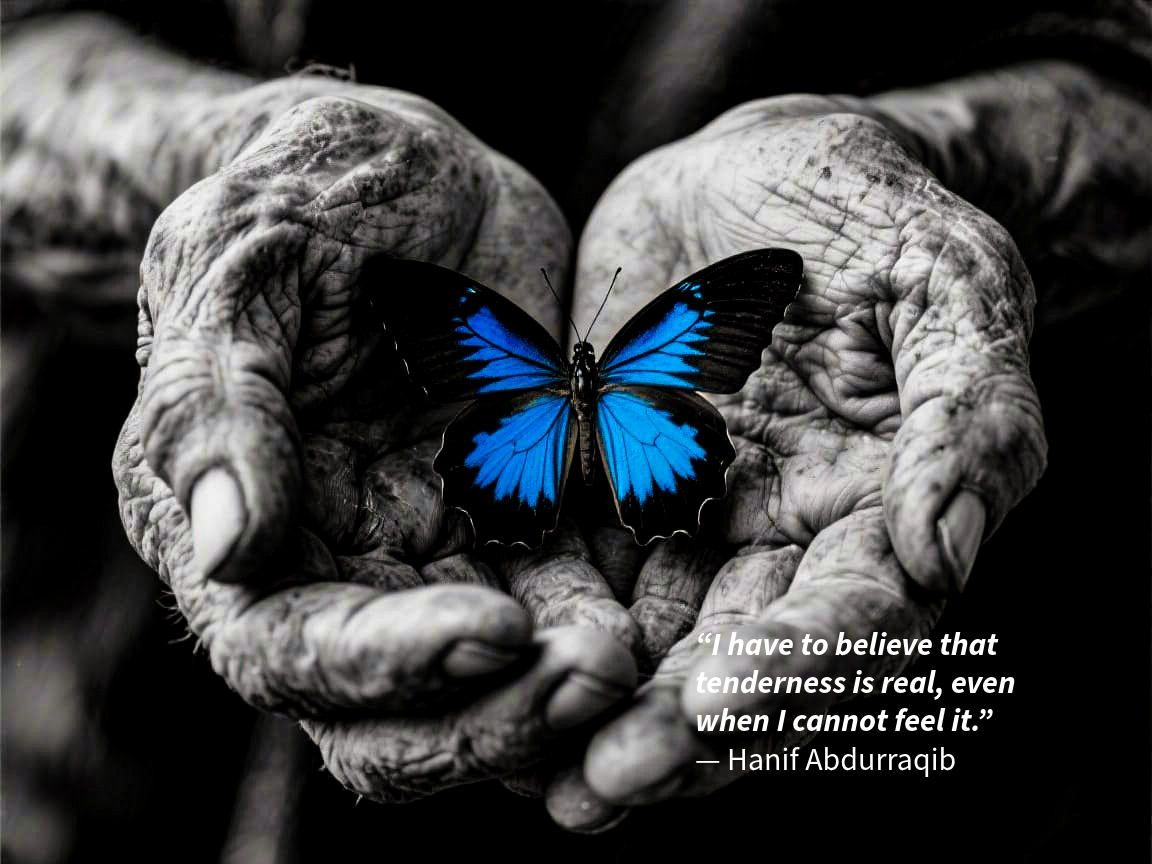


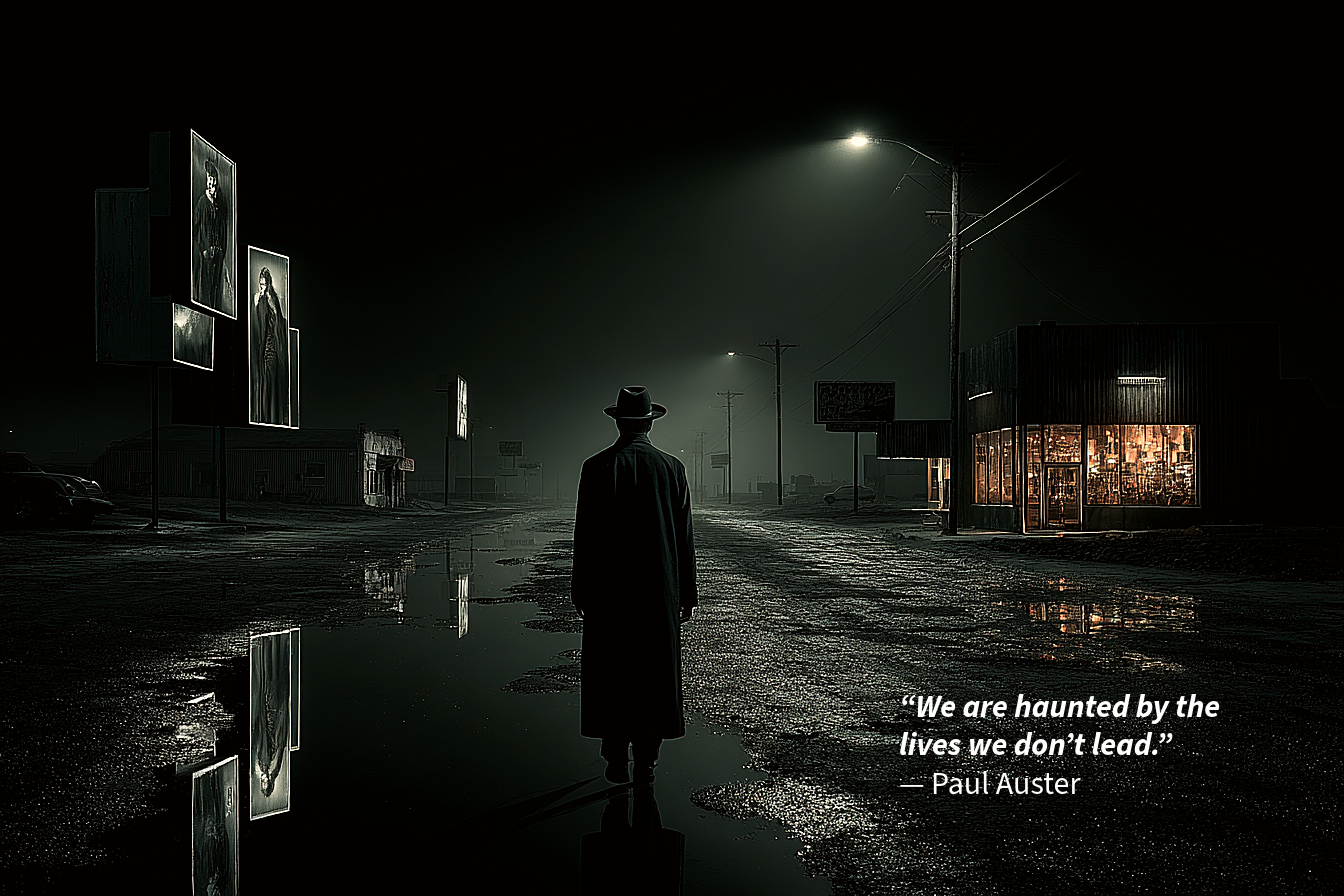




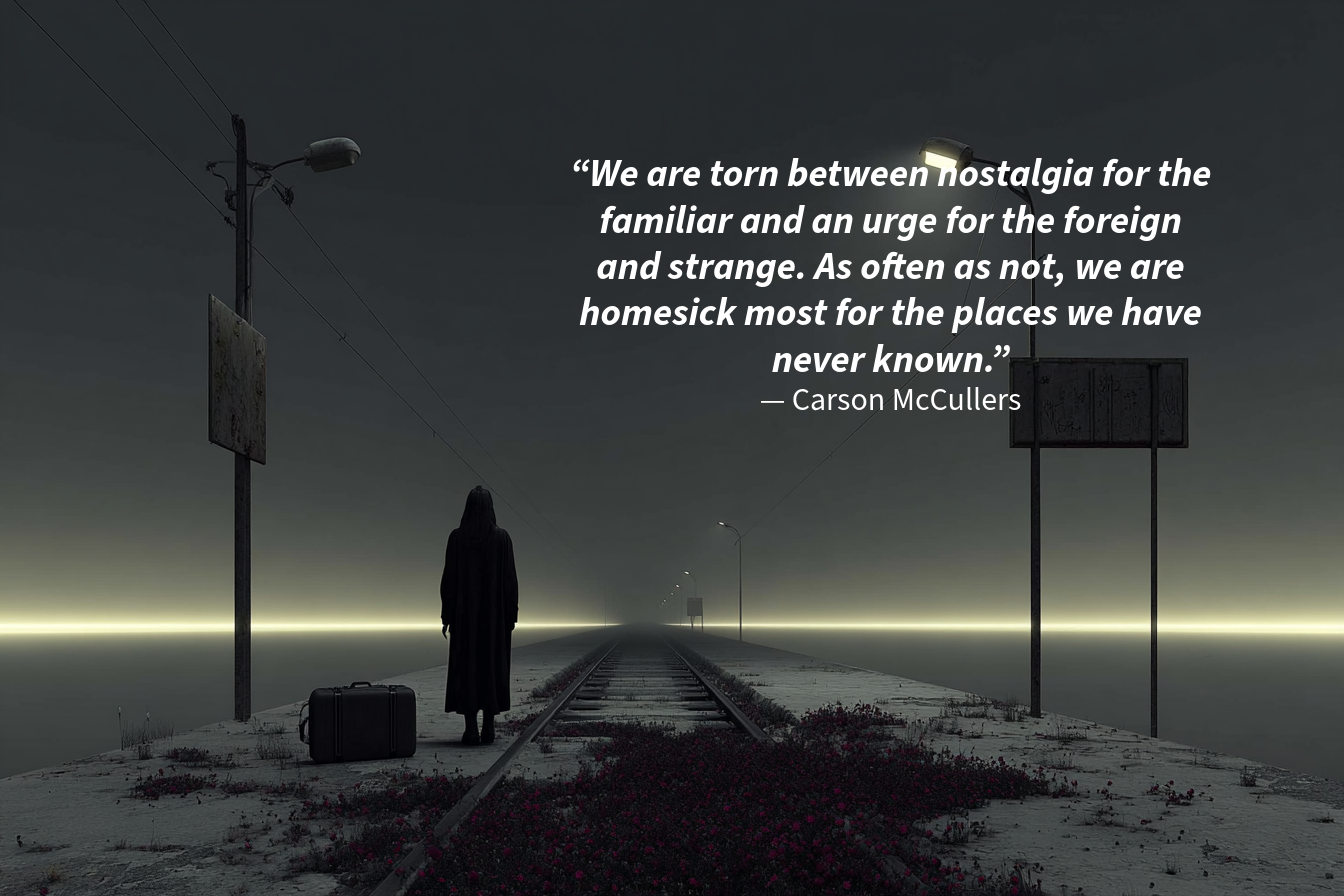


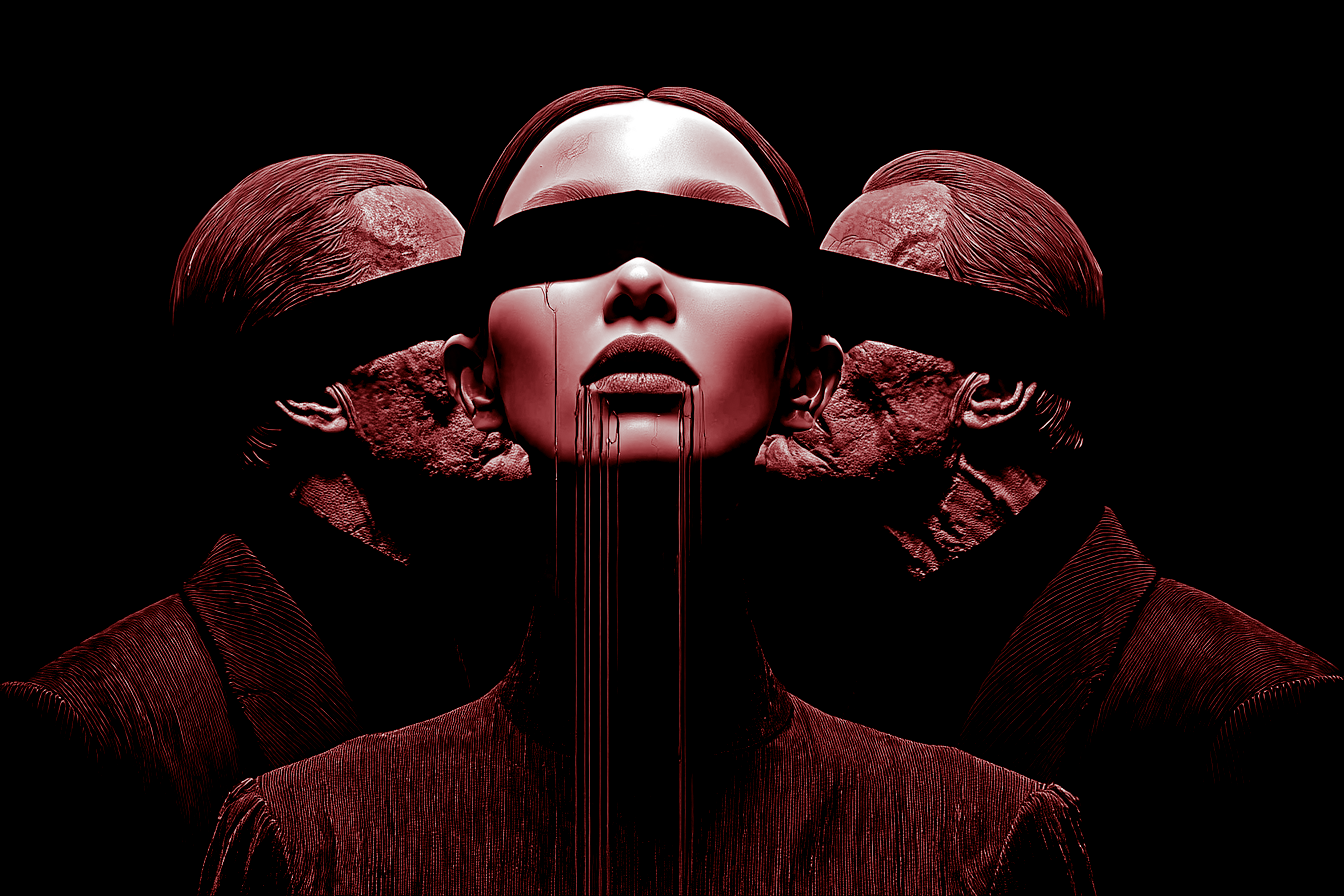
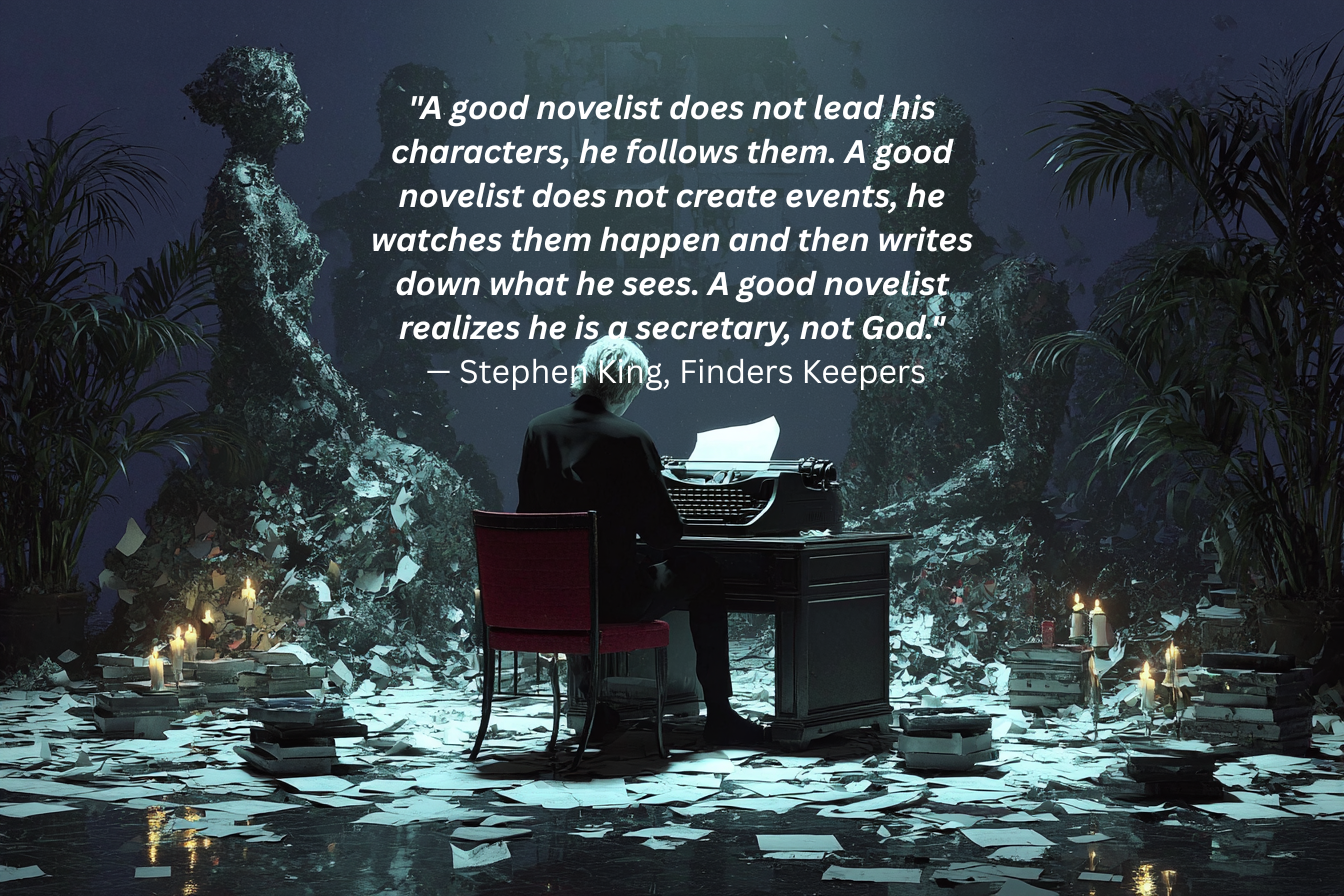






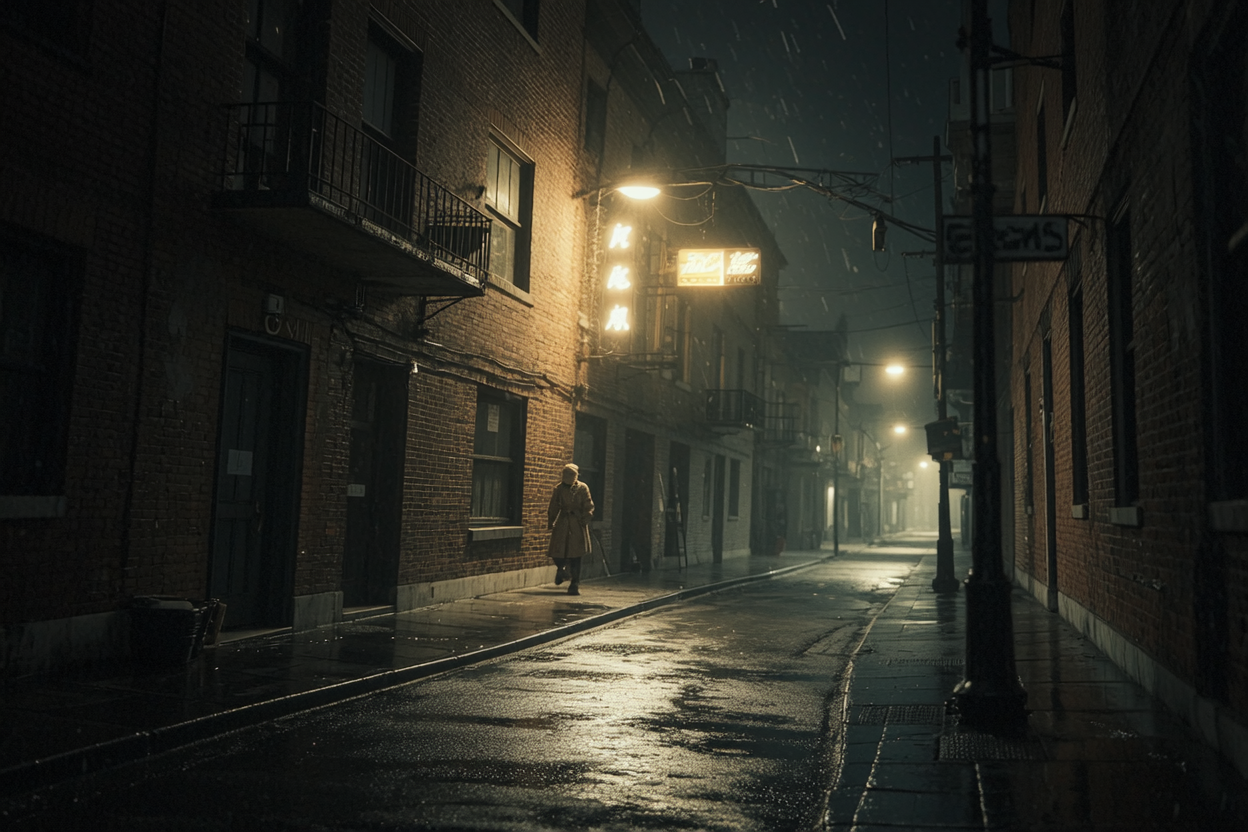


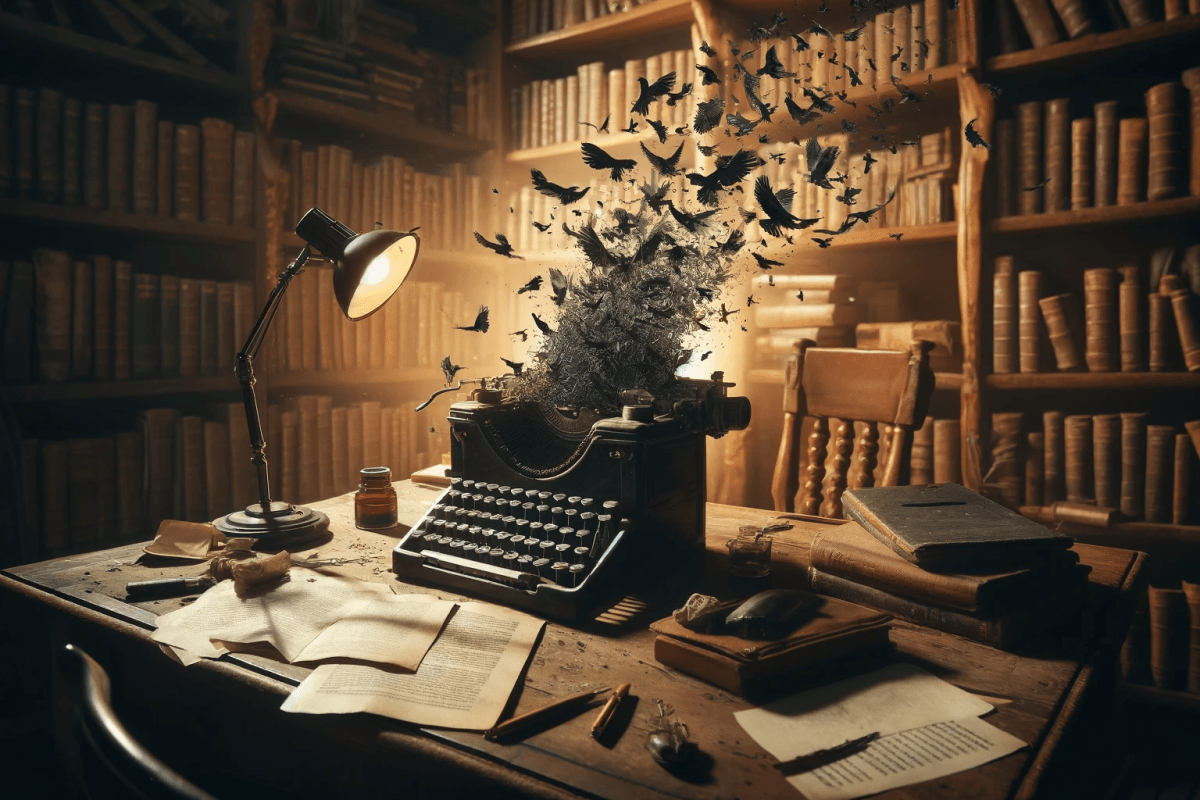




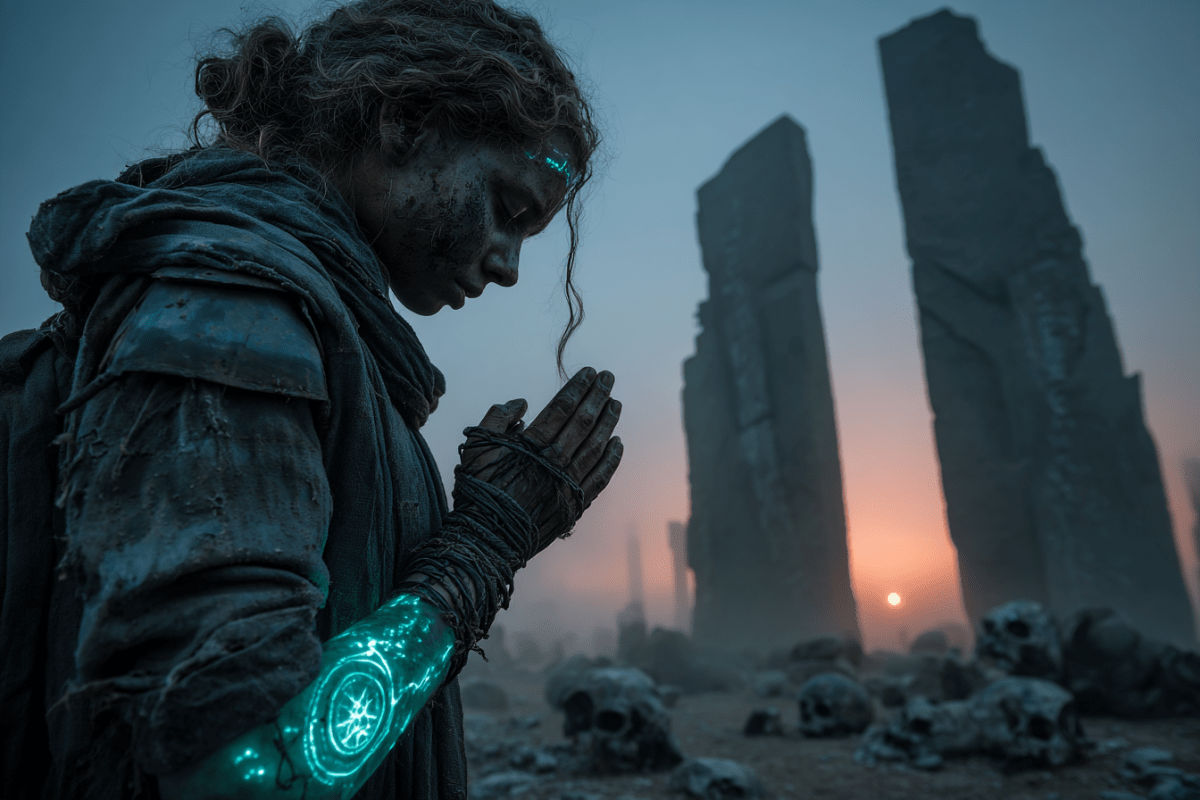








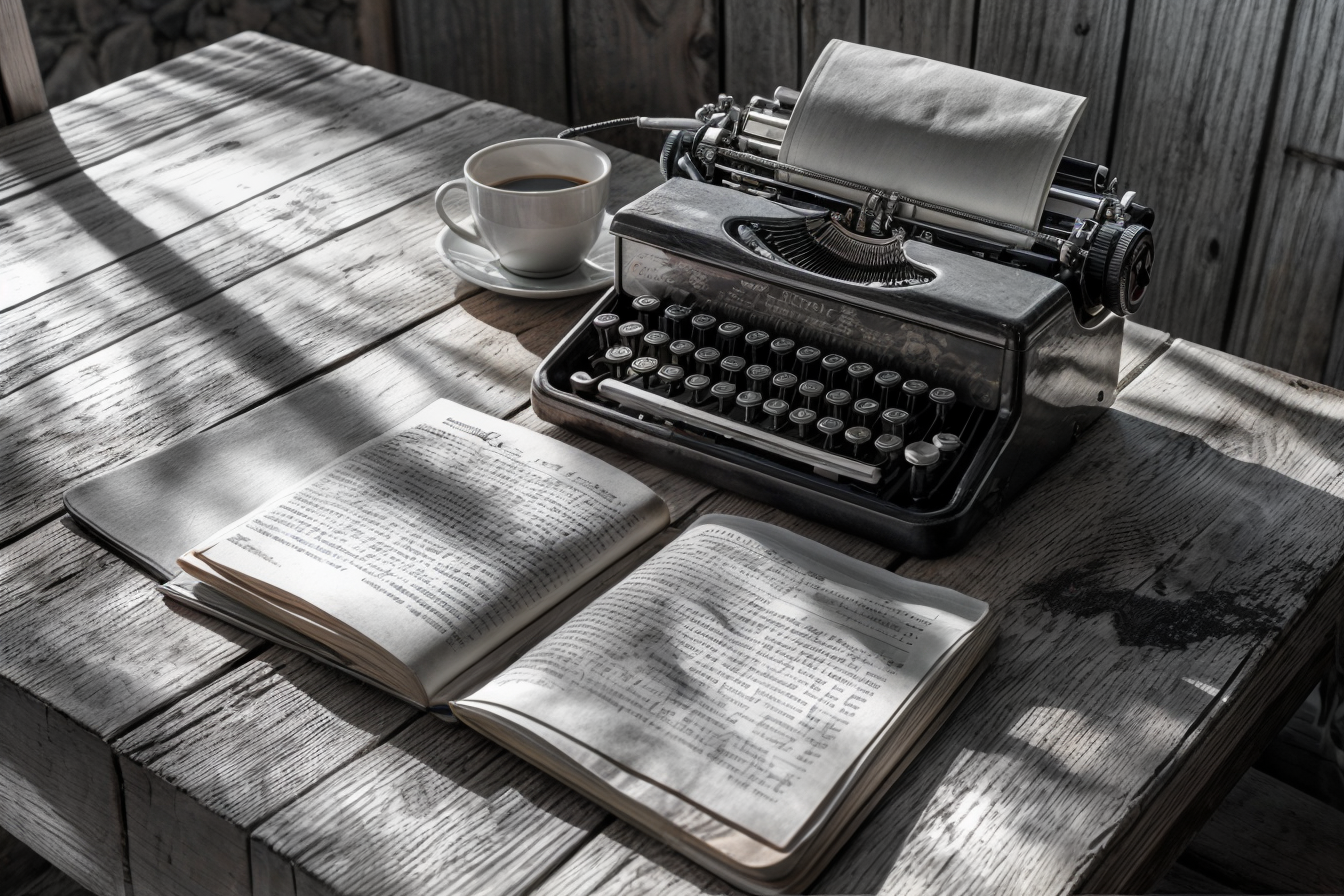









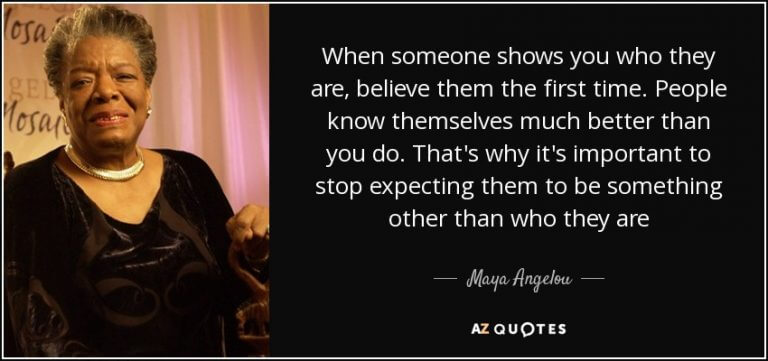


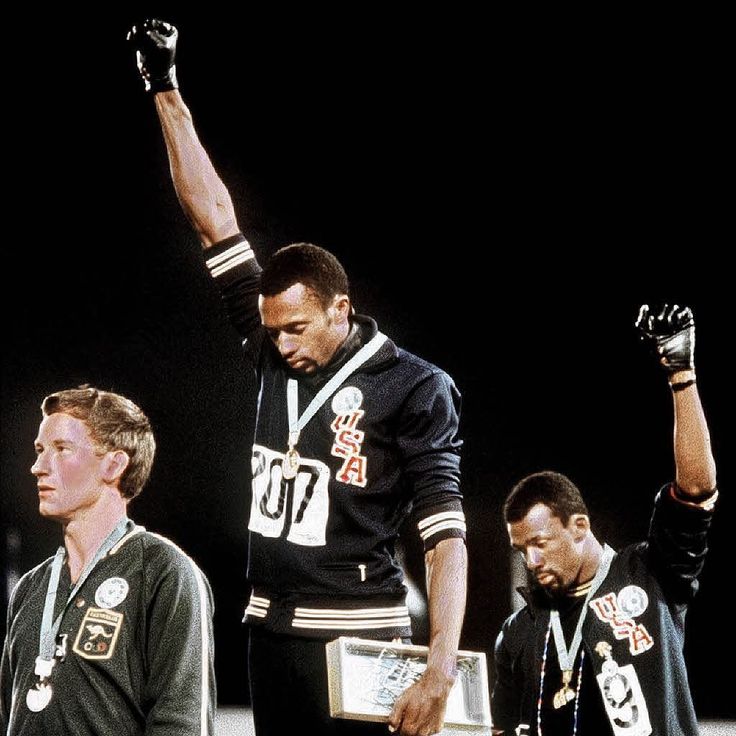


 Memoirs of Madness