CHALLENGE RESPONSE – WWP #396
A place where I post unscripted, unedited, soulless rants of a insomniac madman
This time last year, I was ill, so my posts were pretty lame. But here they go
The last time I took a real risk, I didn’t jump out of a plane—or onto one with three Camel cigarettes, a dime, a suit a size too small, and a half-whispered prayer. You know the kind of move you make when desperation’s gnawing at your ribs and pride’s already dead.
No, I did something worse.
I posted my writing online.
Voluntarily.
Like a lunatic begging for public execution, dragging my entire bloodline down with me.
Go ahead. Pile up the rocks. Light the torches.
Here comes some fool named Mangus Khan—half dead from alcohol withdrawal, twitching on caffeine, clinging to bad decisions and a blog password like they’re body armor.
You’re not just tossing words into the void—you’re stepping out from cover, wide open, daring every hidden sniper in your own mind to take the shot.
The ground gives out beneath you, and suddenly you’re swallowed by a wraith screaming, “Disrespectful twit!”
PTSD flares up like a tripwire.
You can’t do that. You’ve got to stay safe. You can’t expose yourself like that.
Then comes the voice—the one that always shows up.
The one that tells you, “You’re a fraud, that you’re embarrassing yourself, that no one asked for this, and no one cares.”
It’s all there. Waiting.
It feels less like posting and more like being a fugitive, hunted for the crime of being seen.
Self-doubt is a masked assassin, cutting you a thousand times and spraying iodine on every wound.
You feel the burn every time you open a document. Some days, it’s enough to make you scream.
And yet—there’s something stubborn. Something deep down.
A fire that refuses to die, screaming, “Come on! Face me!”
Still swinging, no matter how much shame you pour on it.
It spits back at the doubt.
It says: Maybe this isn’t perfect. Maybe it’s not even good. But it’s mine. And it’s real.
The fight never ends. Some days you lose. Some days you swing back harder.
But if you’re lucky, you stop waiting for the permission slip that’s never coming—and you start writing anyway.
I clicked the button.
Not because I felt brave. Not because I silenced the voices.
I clicked it because if I didn’t, they would win.
It wasn’t some Hollywood moment. No slow clap. No flood of praise.
Just the hollow thud of silence at first.
I startled like I’d been caught doing something I wasn’t supposed to.
What was that?
Could it be?
A sound. A signal. A crack in the wall I thought would never break.
If you’re lucky—and if your courage holds—you hear something.
A whisper from the ether.
I see you.
I’m not fearless now. I never will be.
To think otherwise is the act of a fool.
I am a great many things, but a fool isn’t one of them.
Every time I sit down to write, Doubt whispers sweet nothings in my ear, stroking my hair like an old lover.
I moan at the comfort of it. Yes, that’s it. A little to the left.
But I know something she doesn’t:
I made it through once.
I can do it again.
Sentence after sentence.
And that’s enough.
The outcome? Unknown to me.
It’s entirely up to you.
One thing’s certain:
I am Mangus Khan.
And I write the Memoirs of Madness.

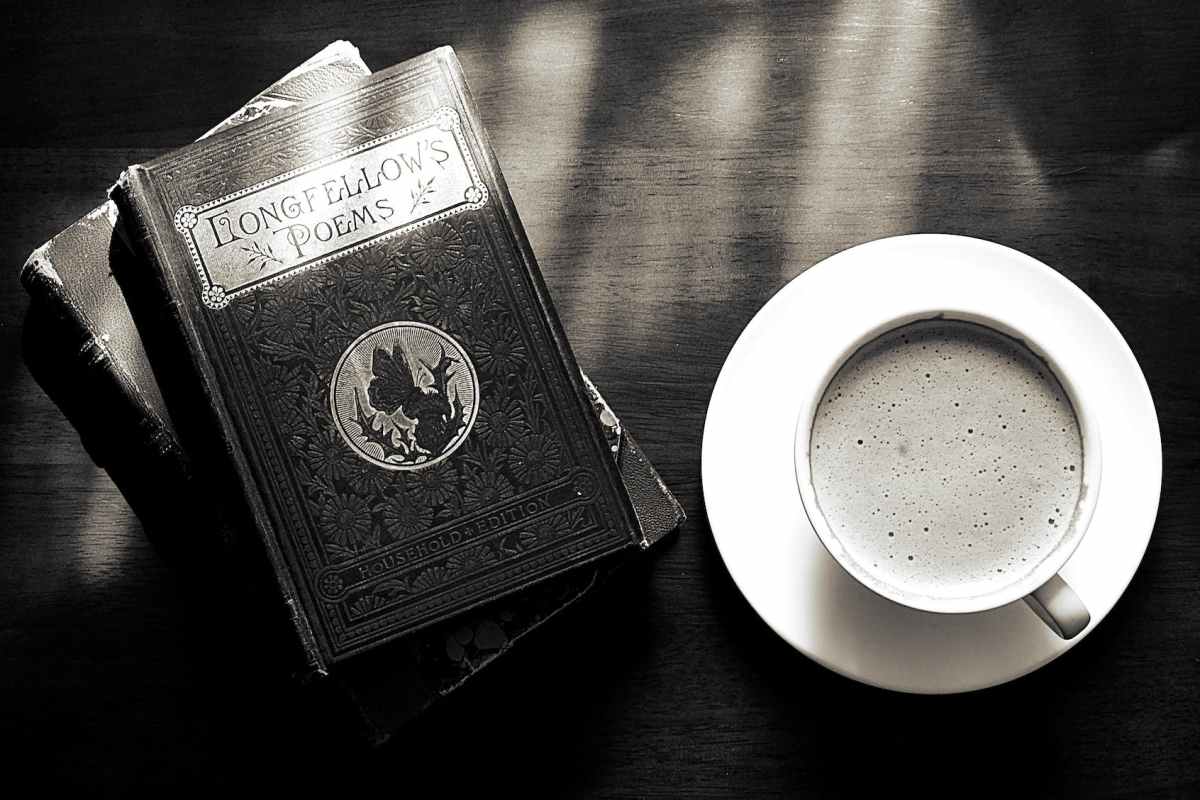
What if greatness in poetry isn’t about your feelings, but your ability to disappear? T. S. Eliot thought so. And he said it with the intellectual force of a literary wrecking ball.
The Essay That Keeps Haunting Me
An English professor once handed me a stack of literary theories, as if they were polite interventions. I was emotionally raw, so naturally, I assumed the worst. One of the texts was T. S. Eliot’s Tradition and the Individual Talent—a dense, icy essay I’ve come back to over the years, especially when I start thinking my writing is getting good.
Spoiler: Eliot never lets me feel good for long.
Tradition: Now with 90% More Dead Guys
Eliot opens by dragging the English for treating “tradition” as a brag or an excuse to never change. He’s not here for that. For him, tradition isn’t a safety blanket—it’s literary CrossFit. You don’t inherit it; you earn it. You read so much Dante and Shakespeare that their ghosts start charging rent in your brain. That’s Eliot’s idea of a “historical sense.”
“The historical sense involves a perception, not only of the pastness of the past, but of its presence.”
If you’re not writing while haunted by the canon, Eliot’s judging you from his perch in the great library in the sky.
Your Poem Isn’t That Special
Next, Eliot drops the literary version of “you didn’t build that.” Your new poem? Cute. But it only matters in relation to what came before it. Tradition isn’t a one-way street—it’s a remix. Every time you drop a new metaphor, the canon must make room, like a snobby dinner party where you just showed up in a hoodie. The past adjusts—but only if your work is good enough to make it flinch.
Kill Your Ego, Save the Poem
Now for Eliot’s hottest take: great poetry isn’t about you. It’s not your diary entry. It’s not your breakup in verse. The poet should be like platinum in a chemical reaction—an invisible catalyst. You cause the emotional explosion, but leave no trace of yourself.
“The progress of an artist is a continual self-sacrifice, a continual extinction of personality.”
Your angst? Irrelevant. Your personality? A liability. Eliot’s poetic hero is the anti-snowflake: invisible, ego-free, and built like a Greek grammar book.
He’s not just dunking on confessional poets—he’s challenging the cult of authenticity. Writing as therapy? Valid. Writing as art? That’s a different game. Great poetry doesn’t wallow in feeling; it refines it. And yes, it takes someone deeply emotional to understand the need to flee from emotion. Cue the mic drop.
Feelings? Meh.
Eliot closes by swinging at sincerity. Feeling something doesn’t mean you’ve written something worth reading. You can mean every word and still write a dud.
“Poetry is not a turning loose of emotion, but an escape from emotion.”
The emotion belongs to the poem, not the poet. So if you’re writing about your fifth breakup in six months, maybe skip the sad-girl sonnet and channel Ovid’s exile or the fall of Rome instead. Just a thought.
Final Thoughts: Eliot vs. Instagram Poets
In a world obsessed with “finding your voice” and “speaking your truth,” Eliot reads like a literary curmudgeon with a PhD in gatekeeping. But there’s a weird freedom in his elitism. He doesn’t want you to be original—he wants you to be excellent. That means burying your ego, studying like a maniac, and writing like you’ve time-traveled through the entire Western canon.
So, don’t ask, “How do I feel next time you write?” Ask, “Would this make Virgil roll over in his grave?”
And if that sounds exhausting, good. Eliot didn’t write for quitters. He wrote for ghosts with PhDs.
This post was written for Reena’s Xploration Challenge #378
You ever hear a song and think, “Wow, this really makes me want to lay in a ditch and feel things”? Enter: “True Love Way” by Kings of Leon, the musical equivalent of watching the rainfall on a rusted-out pickup truck while chain-smoking Marlboros and remembering a girl who ghosted you in 2006.
Let’s be honest—this track didn’t show up to party. It showed up to sulk on the porch at 2 a.m., crying into the void while a symbolic tumbleweed rolls by… in the middle of your city apartment courtyard. Cigarettes smolder in an overstuffed ashtray like tiny, bitter torches of regret, and the acrid stench of burning filters assaults your senses like a personal attack. Your dog and your cat sit nearby, silently judging you—united for the first time in weeks by their mutual disappointment in your life choices.
The vibe? Sluggish Southern heartbreak, dragged across gravel and dipped in bourbon. The tempo moves like it’s legally not allowed to go over 25 BPM. Caleb Followill’s voice sounds like he gargled sandpaper and emotion for three days straight—so pretty on brand.
The lyrics are vague enough to mean everything and nothing, which is perfect for when you’re too emotionally exhausted to explain what you’re feeling, so you just say, “this song gets it” and stare at the wall.
“True Love Way” doesn’t hold your hand through heartbreak. It drags you by the collar through a swamp of longing, stares deep into your soul, and says, “Yeah… you do still miss her.”
So naturally, once you’ve hit emotional rock bottom, it’s time to switch to “Molly’s Chambers.” Because if you’re going to wallow in your feelings, you might as well wallow while dancing like a drunken tumbleweed in boots that don’t fit anymore.
You’re out there on the porch, hips moving like you’re being exorcised, spinning under a streetlight like a sad little moth. And now your neighbor’s lights flick on. Curtains rustle. There’s Mr. Patel, confused. There’s Mrs. Johnson, concerned. They’re all watching—but they say nothing. Because they feel your pain. Or possibly they’re filming you. It’s unclear.
And let’s not forget: Mrs. Johnson is absolutely going to show up at your door at 6:47 a.m. with a basket of “feel-good muffins,” as if carbs can fix whatever’s going on with you emotionally (which, let’s be honest, they absolutely can). Because apparently, octogenarians don’t sleep. They just hover near windows like maternal ghosts waiting to pounce with baked goods and unsolicited life advice.
Introducing: Emotional Support Carbs™
The real MVPs of any midnight breakdown. Move over therapy dogs—there’s a new comfort system in town and it’s made entirely of banana bread and passive-aggressive neighborly concern.
Picture this:
You’re standing on your porch, barefoot, emotionally disheveled, probably wearing a bathrobe that hasn’t known joy since 2019. the dog looks embarrassed for you, and “Molly’s Chambers” is blasting like it’s a personal exorcism. Then—ding dong—it happens.
Mrs. Johnson, 84 years old and running on pure fiber and divine intuition, shows up with a basket lined in a gingham cloth. Inside? Emotional Support Carbs.
She doesn’t say a word. She just looks at you, nods in a way that says, “I, too, once had a porch breakdown,” and vanishes into the mist like some sort of suburban baked-goods cryptid.
This is your life now. And honestly? You earned that muffin.
This is the morning vibe …
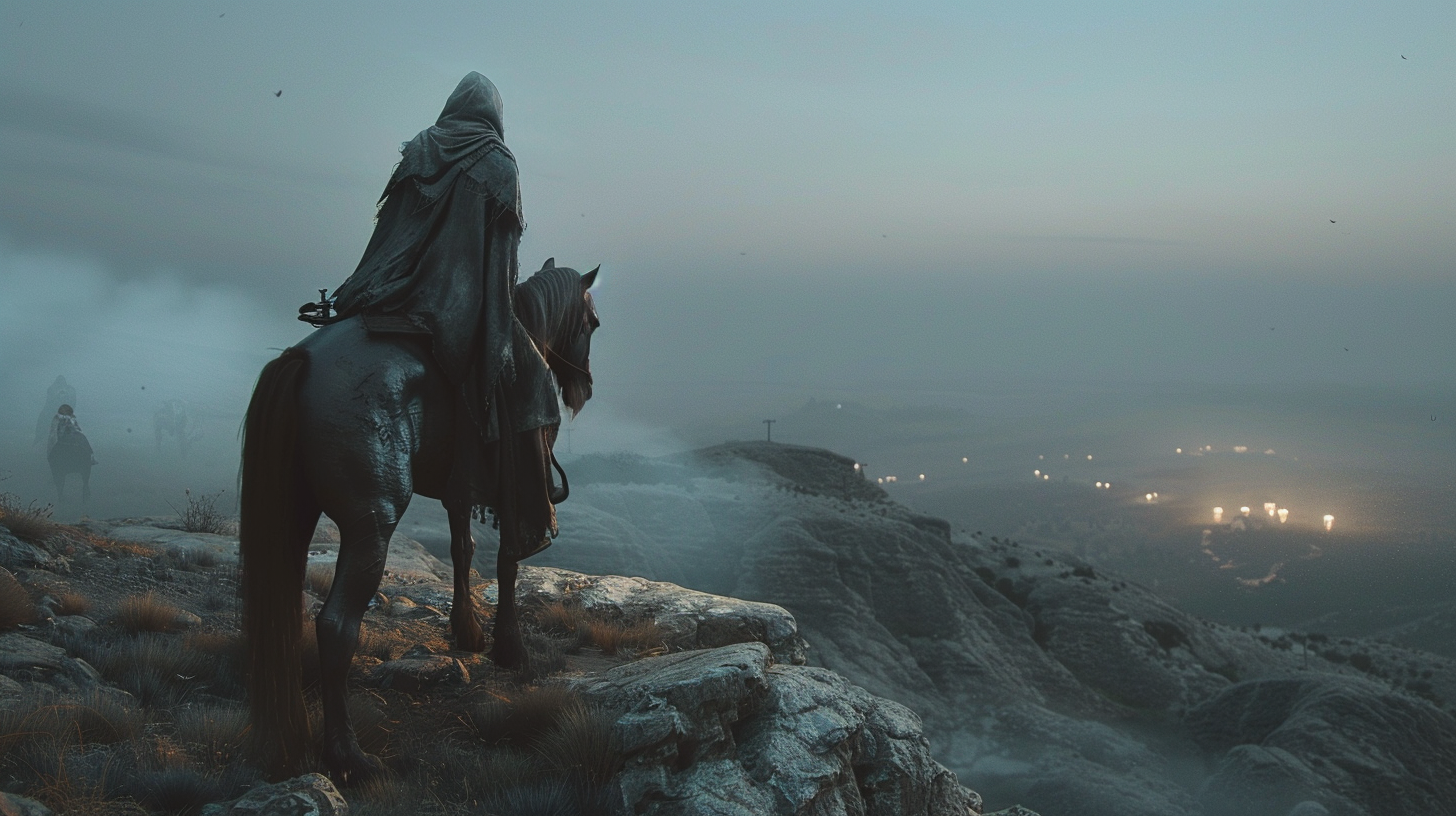
Dawn unfolds like a hesitant prayer, its soft light unspooling over the bones of the hills. The stars, one by one, retreat into the folds of daylight, as though ashamed of what they bore witness to through the long, silent hours. Still, I remain at the crest of the ridge, a lone silhouette etched against the slow bloom of morning. I have not slept. I could not—not with the weight of forgotten omens pressing down on me like ancient armor.
The saddle beneath me creaks as I shift, leather complaining in a language only the wind can answer. My limbs ache, not just from the vigil, but from something deeper—an unraveling. I am more wreck than man, hollowed by longing and the quiet violence of loss. My voice, once sure, now drifts somewhere in the ether, unreachable. Even if I could summon the will to speak, I no longer trust the shape of my own words.
Below, the keepers stir. I hear the sharp clash of their voices, rising in petty squabble over rituals they no longer question. Their movements are brisk, their concerns tethered to earth and duty. I do not begrudge them this. But I cannot descend, not yet. I am no longer bound to the cadence of the living. Not while something in me still listens for a call that may never come again.
For I have lost the vision.
Once, it came to me like thunder through a cathedral—blinding, holy, terrible in its beauty. It lit my mind with purpose, set my hands aflame with creation. But that light has dimmed, flickered, vanished. Last night it sang, soft and clear through the bones of the wind. Now it is gone, and in its place: silence, vast and unrelenting.
I reach inward, desperate for a glimmer, a fragment of that divine echo, but find only echoes of my own fear. My compass is shattered. My quill is waiting in some distant place I no longer know how to reach. The path to it—if it still exists—has been swallowed by mist and regret.
And yet, there is no peace in surrender. Only the chill of a fate whispered by unseen mouths, breath like ice on the back of my neck. They murmur not of endings, but of reckonings. Of a soul unmoored of a promise made long ago beneath stranger skies.
Perhaps this is what becoming untethered feels like—not a fall, but a float. Not a silence, but a waiting breath.
The ridge hums beneath me, and I close my eyes.
If the light returns, I will know it by the way the wind shifts. I will feel it in the marrow. I will rise, not with certainty, but with faith scorched into my bones like forgotten scripture.
But until then, I remain.
A shadow made flesh.
A watcher at the edge of memory.
A ghost, listening for the sound of his own return.
I can’t believe WordPress repeatedly asks the same question: “Describe a risk you took that you do not regret.” But this post is still valid, because it was the catalyst for so much more.
In “Boy! What’s that Sh** on your lip, dirt?” I recount my first day in the military, highlighting my challenges and fears. Despite the repetitive nature of the prompt, the story remains relevant as it marks the beginning of a transformative journey.
So, while WordPress may be stuck in a loop, this post is a testament to the enduring power of personal growth.
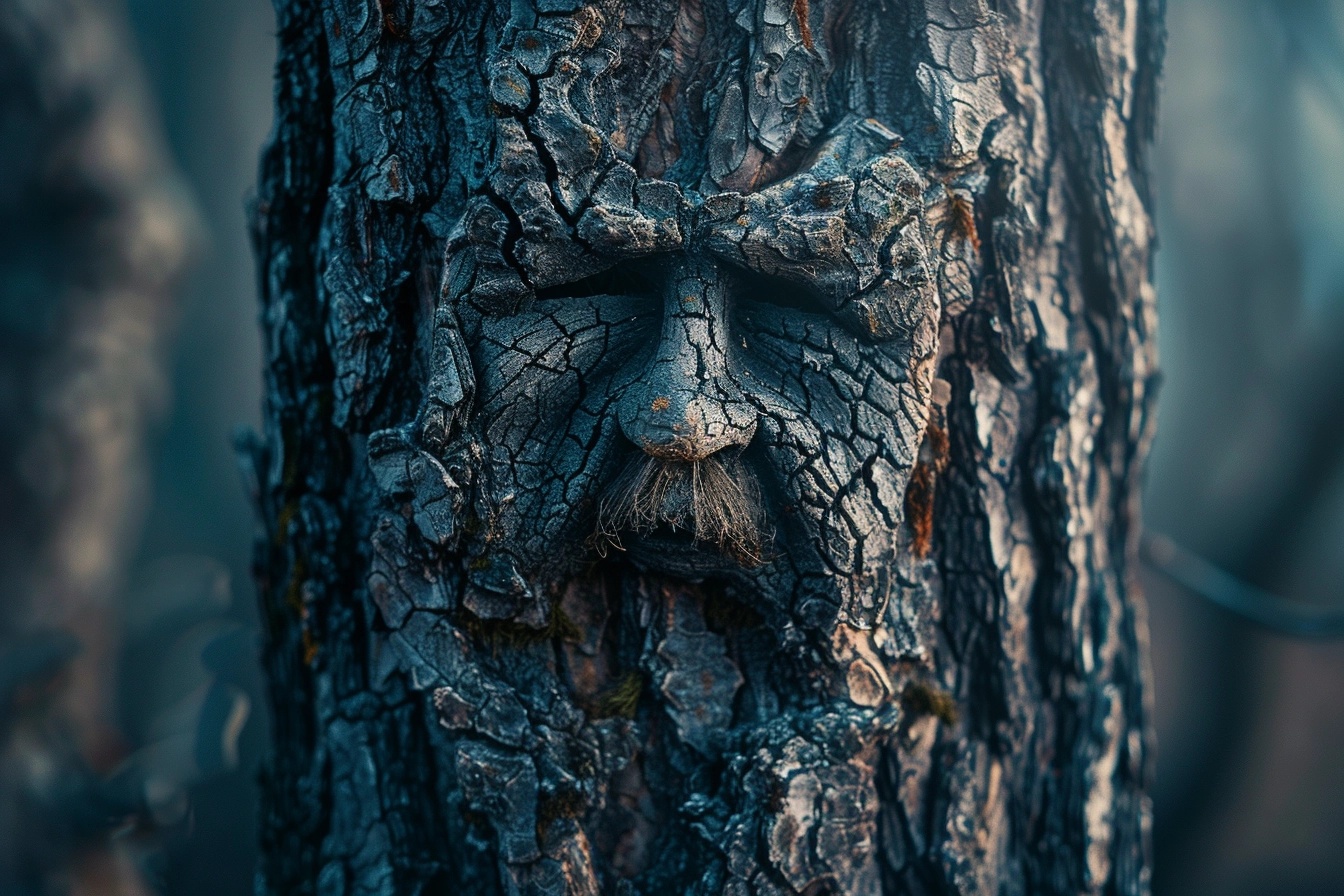
Every morning, Elías stood before the vow tree—the one with his father’s face etched in bark. Its eyes never moved, but somehow, it watched. When Elías broke a promise, the mouth curled in silent disapproval. He learned to speak carefully, act deliberately. To commit was no longer abstract. It was rooted, ancient, and watching. The tree remembered. And it never forgave.

They say purple was born
from crushed murex shells—
a thousand lives
for a single thread
worthy of gods.
It was never meant for the ordinary.
Worn by emperors,
draped on deities,
spoken only in whispers
or prayers.
But you—
you carry it quiet
in the marrow,
like something ancient remembered
not with words,
but with ache.
Growth, in purple,
is not soft.
It is ceremonial.
A coronation no one sees—
a crown of silence,
not gold.
It is the color of trials,
of nights that stretch too long
and still end in morning.
Of scars turned sacred
and stories no longer told
for approval.
You are not blooming.
You are being
enthroned.
In every slow step,
every time you chose stillness
over spectacle,
you stitched yourself
in the lineage
of the violet divine.
And when you sit now,
not reaching—
just radiating—
it is not peace you’ve found,
but power
disguised as peace.
This piece was written for Eugi’s Moonwashed Weekly Prompts and Weekly Prompts Wednesday
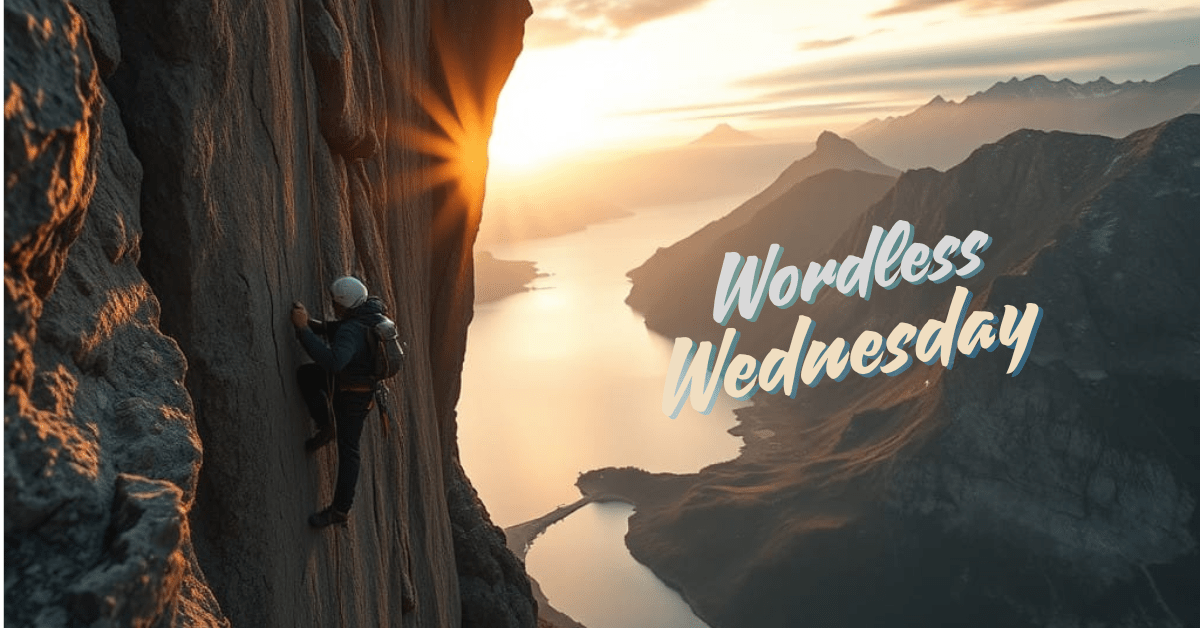
My submission for Hugh’s Views & News blog, Wordless Wednesday post.

I never meant for things to turn out like this. Not that I had a plan—God forbid I be that organized. Life just… happened. Like a lopsided bundt cake with all the chocolate chips sunk to the bottom. Turns out you’re supposed to mix them into the batter. Would’ve been good to know before I tried to impress Rachel Largo—the most beautiful girl in three counties, maybe the entire eastern seaboard under the right lighting.
I didn’t check the expiration dates either. The cake tasted like regret and powdered disappointment. Rachel smiled and said it was “very creative,” which is high school girl code for this is awful, but I admire the attempt. She took one bite, chewed like she was processing trauma, and excused herself to “call her mom”—translation: you’ll never see me again.
I stood there in my mom’s kitchen, holding a dented bundt pan, wondering what exactly had led me to that moment. And I realized maybe I was just that guy. Not the one who gets the girl—just the one who learns not to bake without instructions.
Most of my life’s been like that. Spent in service to others. Not because I’m noble. I wasn’t raised by monks. No lightning bolt of altruism hit me over a bowl of cereal. If anything, I swore I wouldn’t end up outside a convenience store with a paper bag and a cigarette, crashing on my mother’s couch.
Spoiler: I did. More than once.
But service? That just kind of… happened. One favor turned into another. One crisis became two. Suddenly people were looking at me like I had answers. Like I was someone you could lean on. A functional adult. Which was optimistic, honestly.
Do I regret it? No. Do I feel good about it? Also no. I made mistakes—some loud and theatrical, others slow and corrosive. The loud ones make for stories. The quiet ones wear you down. And despite my best efforts and my many failures—usually delivered in the same week—it all still feels like it adds up to… nothing.
And that’s the part that really sticks. I might be the only one who thinks that. Everyone else moved on. I’m still here, counting ghosts.
I was in the Philly airport once when I saw her. The girl in uniform. Back then we traveled in dress—polished boots, pressed collars, trying to look like recruitment posters. She had that look: sharp, composed, untouchable. Every guy nearby tried to catch her attention. I didn’t bother. I wasn’t nervous—I was realistic. Women like her didn’t talk to guys like me. We carried bags. Maybe threw a punch if needed. But conversation? That wasn’t in the playbook.
Then the flight got canceled.
Instead of sleeping on a chair under fluorescent lights, they put us up in a hotel. Which meant one thing: party. Some guy who needed attention like oxygen threw a room bash together. I wasn’t old enough to buy beer, but I’d been doing it long enough to qualify as a supplier. I grabbed a few six-packs and slipped outside to the pool, which was closed for the season—quiet, gated, empty.
That’s where she found me.
Out of uniform, hoodie up, hair tied back. She looked more real than before. She spotted me, gave a half-smile, and walked over.
“You hiding too?” she asked.
“Strategic withdrawal,” I said.
She laughed. Sat down next to me. I handed her a beer.
We didn’t talk about much—music, food, home. No names. No stories. Just two strangers in the quiet, trading small things. But for the first time in a long time, I didn’t feel like background noise. I felt seen.
That should’ve been it. A memory, sealed off and fading. But a few years later, after deployment, I was sitting on an exam table at the clinic, in a paper gown, waiting for some overworked doc to clear me.
The door opened.
Rachel walked in.
Yes, that Rachel. Bundt cake Rachel.
And behind her? The nurse?
The girl from the pool.
I didn’t know whether to laugh, panic, or check if I was still in the desert hallucinating. Rachel was flipping through my chart. The nurse was wrapping a cuff around my arm like this was just another Tuesday.
And then she asked, casually, “How’ve you been sleeping?”
Like we hadn’t shared a beer under dead stars. Like we hadn’t sat together in silence while the world spun out behind us.
I opened my mouth. Lied like I’d been trained to.
“Sleeping fine,” I said.
But the truth?
I would never sleep again.
What is the moment when I scream into silence?
But I’m silent, really—
no sound, no voice,
just a mouth stretched wide around something too big to name.
My eyes glaze—not with calm, but with shock.
A thin film of disbelief over everything.
My heart races.
I’m wrecked like a tsunami with no quarter,
flung breathless against the shore.
It’s not quiet.
Not truly.
It’s a silence that throbs,
that undresses me,
strips me down to the rawest nerve.
Why?
Am I afraid to speak what I feel?
I push it down until I crack.
Swallow the pain, the misery, the grief—
like that’s what strength is.
As if silence means control.
But inside, it never stops screaming.
I’ve built a prison with no walls.
I’m both prisoner and warden.
Every emotion I swallow—another brick.
My tears, the mortar.
The longer I hold on,
the harder the mortar sets.
Letting go should be simple.
But I can’t.
I won’t.
I have to be strong.
Another brick.
The chains tear into me.
I pull and pull,
begging for clemency I know isn’t coming.
Skin breaks.
Something deeper frays.
Still I pull.
Still I scream.
Another brick.
How did I get here?
I slump into the abyss of agony.
Its waves strangely soft,
almost soothing.
The ghosts of my past wrap around me,
pulling me under.
Is this peace?
Is this what I deserve?
No.
I scream NOOOOO!!!
A final act of defiance.
A rupture in the silence.
A crack in the wall.
I scream again—louder.
Louder than the pain.
Louder than the ghosts.
Louder than everything that told me to stay quiet.
The final word is no longer a whisper.
The silence and I become one.
And we finally—
SPEAK.


I’ve never had a set way to unwind. It depends on the day. A long drive helps—something about being on the highway, the hypnotic rhythm of the road. It pulls the weight off your shoulders. You end up having a conversation with yourself, and for once, you actually listen.
Other days, it’s music and a large cup of coffee. You sit back and let the artist take you on a ten-minute adventure. When the album’s good, each track feels like a new chapter in a bigger story. What’s beautiful is that the story shifts every time you hear it. Same songs, different journey.
There are moments when I turn to tea. I use the Chinese tea ceremony. It’s a slow, methodical process—but that’s what makes it calming. There’s peace in the ritual, and the tea is always worth it. Some of what I have is aged, so there’s history in every sip. For me, the experience has a quiet, mystical quality.
And at times, I just pick up a pen and start scribbling. Maybe a story begins to take shape, or a sketch forms. I let myself drift into the corners of my mind to see what’s there. On a good day, I snap a few photos and fold them into whatever narrative is growing with each stroke of the pen.
Whatever the method, I do my best to find peace.
I spent a lot of time taking crappy photos before I got lucky and snapped a good one—total fluke. That’s when I realized I had no idea what actually made a photo work. If that sounds familiar, this post is for you. Whether you’re just starting out or you’ve been at it for years and need a refresher, it breaks down simple, practical composition tips—like leading lines, framing, and the Rule of Thirds—that actually make your shots look better. Doesn’t matter if you’re shooting with a phone or a DSLR. Check it out—you’ll be surprised how much a few small changes can improve your photos.
At my core? Still me. Still sarcastic. Still curious. Still low-key allergic to group think and people who say “per my last email.” But life—especially this past year—shifted something in me. A life-altering moment has a way of stripping you down to the truth, whether you’re ready or not.
It made me realize I’ve been sitting on a set of gifts I’ve treated like party tricks. I can do more. I should do more. Sure, I could keep yelling into the void about the uncultured swine running the world (still baffled by how that happened). And if I accidentally handed them the keys somewhere along the way, then yeah—I’ve got some things to atone for. Maybe even finish the time machine in the basement.
But mostly, I’ve just changed in the way that matters: I’ve started trying. Less coasting, more choosing. Less needing to be right, more needing to be honest.
Wisdom? Not exactly my department. I’ll never be that guy. Never been that smart, and I’m okay with that. What I am is honest enough to admit I’m a deeply flawed man. Whatever good I carry, I got from my mother. The rest is a work in progress.
Marcus Aurelius said, “Waste no more time arguing what a good man should be. Be one.” I’m trying. Some days better than others. And like in Sufism, where they speak of the nafs—the lower ego—it’s a constant fight. Not to eliminate your ego, but to tame it. To bring it into balance. Peace doesn’t come from pretending to be pure—it comes from wrestling with your own chaos and not letting it win.
And honestly? If King Solomon—the wisest man to ever live—couldn’t get it all right…
I think I’m good.

Episode 1: Apparently, I’m “Doing It Wrong”
I don’t know how to use social media. That’s not false modesty—it’s a fact. And my grandkids make sure I never forget it.
“Peepaw, I just don’t understand,” is something I hear far too often, usually after I’ve posted something harmless like a photo of my cat licking a plate of spaghetti. The photo’s blurry (again), the caption’s too long, and apparently I’m using hashtags like I just discovered them yesterday. Which, to be fair, I kind of did.
What really riles them up are those blurry photos. “You literally have a good camera!” they protest, as if I’m dishonoring a sacred artifact. And they’re not wrong. I do have a good camera—it’s a sturdy old DSLR that doesn’t connect to the cloud, but it’s seen more family moments than most smartphones. It just takes a little work to upload. That’s what USB cables are for, right?
And let’s not forget—they got their start in tech by watching me work. I had wires running through the garage office before they could spell “HTML.” I was the one patching together PCs, fixing drivers, and explaining what RAM was. Now they’ve got degrees and job titles like “UI/UX designer,” and suddenly I’m the tech-challenged grandparent who needs an intervention.
I never set out to be the cool grandpa. I just wanted to share a few thoughts. Maybe post a picture of my chili (my chili is the truth). I wanted to cheer them on when they land a new job or adopt another rescue dog. But apparently, there are rules—unspoken, constantly shifting rules—and I’m breaking all of them.
That’s okay. I’ve made peace with being their favorite internet punchline. If “Peepaw doesn’t get it” gives them something to laugh about, I’m happy to play the part.
Besides, this is just the beginning. There’s a whole internet out there for me to misunderstand.


How can we feel peace in a society based on fear? A society where hysteria is the most addictive drug on the planet.
It’s not sold in bags or bottles—it’s pumped through headlines, algorithms, and dinner table arguments. Fear keeps people alert, afraid, and obedient. It tells them who to hate, what to buy, and why they should never trust their neighbor. It whispers that safety is submission, and freedom is recklessness.
We scroll, we panic, we comply.
Peace isn’t profitable. Fear is. Fear sells protection. It sells security systems, surveillance, wars, and pills. A calm population doesn’t need saving. But a frightened one? They’ll beg for chains if you tell them it keeps the monsters out.
Is inner peace an illusion? Has the idea become a fairy tale, a bedtime story we whisper to ourselves as we tuck in under stress and screens, pretending we’re safe, pretending we’re okay?
We meditate between emails. We chase mindfulness through apps that send push notifications. We breathe in for four, hold for four, exhale—and then doomscroll five more minutes. The world burns and we light candles, hoping the smell of lavender will cancel out the sirens.
Maybe peace isn’t a state anymore. Maybe it’s a product. Packaged and branded. Just another goal in the endless self-improvement hamster wheel—be calmer, be better, be less angry, be more forgiving, as if serenity is another checkbox.
But if the world never stops screaming, how long can silence survive in our heads?
Technology isn’t evil. It never has been. It’s a mirror. It reflects exactly who we are and what we crave. The chaos, the noise—that’s on us. But so is the potential.
We’ve never had more ways to find each other in the dark. To say, me too, to share the ache, to build something human across lines that once divided us. The screen doesn’t have to isolate. It can become a bridge—if we let it.
We have an opportunity like never before to connect within the struggle. Not in spite of it, but because of it. To stop pretending we’re fine and start showing up as we are—uncertain, overwhelmed, genuine.
Not curated. Not filtered. Just real.
Because the truth is, everyone’s carrying something. We’re all bruised in places we’ve learned to hide. But maybe the hiding is the problem. Maybe if we showed the cracks, others might too—and suddenly, we’re not alone anymore. Suddenly, it’s not just my anxiety, my grief, my confusion. It’s ours.
That’s where the healing lives—not in perfect answers or polished advice, but in the shared breath of I see you. In the quiet courage of me too.
This moment, this fractured now—it’s begging for honesty. Not the weaponized kind, but the kind that invites someone in. The kind that breaks the cycle of fear with something as simple as presence.
This is the Morning Vibe with a little Miles Davis for effect.

The light crept in, not with purpose, but inevitability. It pooled over the floorboards in pale streaks, slipped across the rumpled sheets, and found her where she sat—curled in on herself at the edge of the bed like something unfinished. The curtain shifted with a lazy sigh, stirred by the hum of a world already moving without her.
She didn’t move. Just blinked slowly, eyes still heavy. Her hair was a mess—coiled and wild, clinging to the nape of her neck with sweat. The air felt thick, damp from last night’s rain, and carried a faint trace of coffee drifting in from the apartment next door. It reminded her she wasn’t entirely alone in the world—just sealed off from it.
Her phone buzzed on the nightstand. She didn’t look. She already knew the message: “You okay? You were pretty quiet last night.”
She had gone to that rooftop gathering. Smiled on cue. Nodded politely as someone explained a startup idea for the third time. But when the conversation shifted to politics, to “people being too sensitive,” to jokes with teeth she wasn’t supposed to flinch at—she had gone quiet. Not out of agreement. Out of calculation.
It wasn’t fear of confrontation. It was exhaustion.
The kind that seeps into your bones when you’ve spent years editing yourself in real time.
Why can’t you just be easier?
The voice came sharp, cutting through the fog. Familiar. Not hers exactly—but forged in her. It spoke in the tone of her third-grade teacher, the one who called her “bossy” for speaking with certainty. The one who wrote on her report card, “bright, but disruptive.” That was the first time she learned that being loud and being wrong were seen as the same thing.
She had been shrinking ever since. A slow erosion.
And now, this morning, she felt caught between the shrinking and the wanting—wanting to take up space and fearing the cost of it.
You think you’re different? That the rules don’t apply to you?
She flexed her jaw, let the thought sit. The worst part of that voice was how reasonable it sounded. How it wrapped itself in concern. In survival.
Outside the window, a billboard stood tall above the bus stop: a model in spotless white jeans and a tagline in all caps—LIVE YOUR TRUTH™. She almost laughed. As if truth came clean and neatly styled.
Her own truth felt messy. Unmarketable. Like morning breath and ragged nails and questions without answers.
She looked at her hands—real, rough, hers. Last night she had come home and typed a long apology to the group chat. “Sorry I was off. Just tired. Hope I didn’t kill the vibe.”
She hovered over the send button.
Then she didn’t.
Now, she picked up the phone, screen still glowing with the unsent draft. She tapped and held. Delete.
It wasn’t a revolution. Just refusal.
A small, quiet defiance.
She wasn’t whole. There were still bruises beneath her calm, still doubts threading her thoughts. But she was done apologizing for needing more than performance.
The light had shifted again, stronger now. Not demanding. Just there.
She wasn’t sure what came next.
But this—this stillness, this pause, this decision not to disappear—was a start.
“Man, I don’t feel like writing today!”

[Whining … Whining Complete]
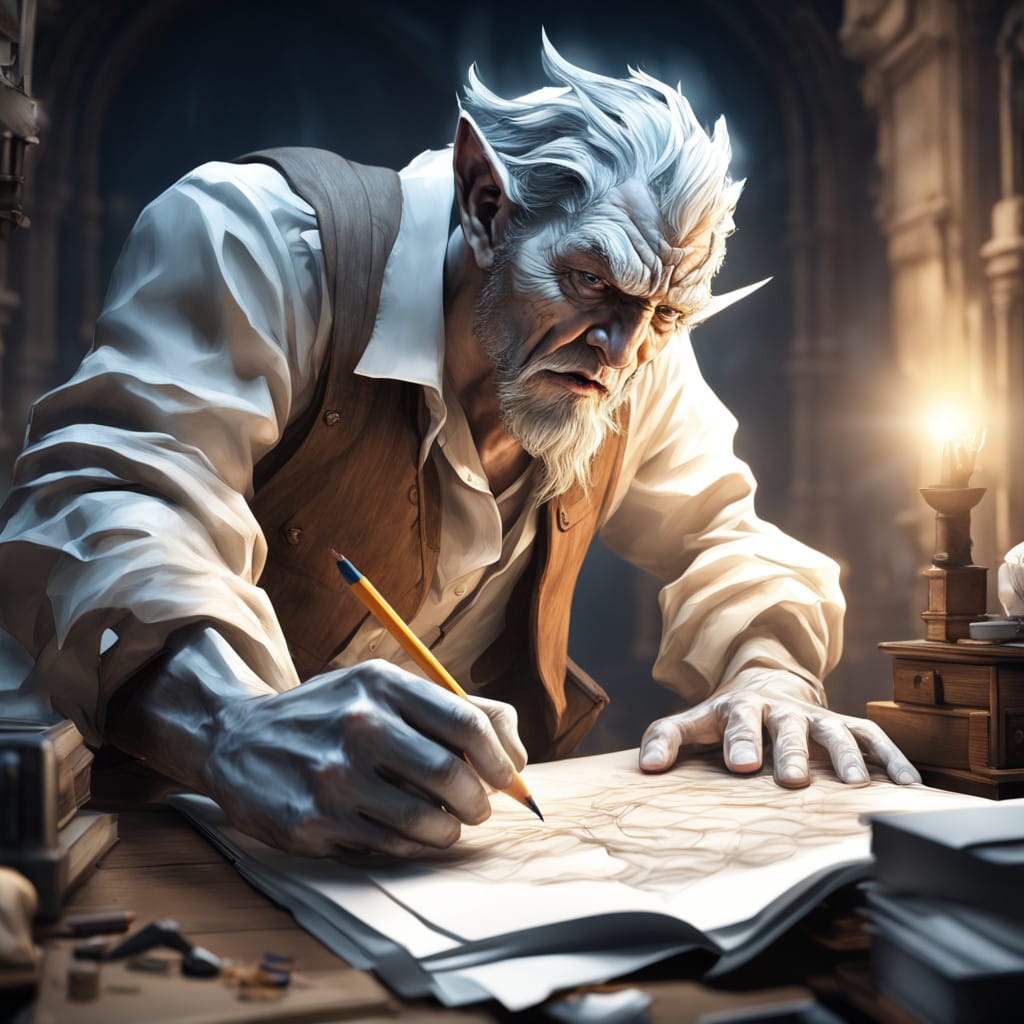
Back to work … high speed

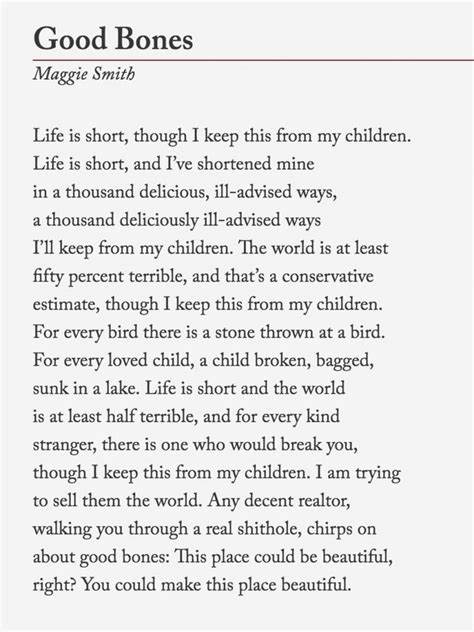

Mind, body, and spirit—it’s not just a slogan on a t-shirt or a phrase tossed around in self-help books. It’s a lived, gritty process. It doesn’t happen in a straight line. It doesn’t always feel peaceful. It asks to be practiced daily, especially in the moments when we’re coming apart.
When my wife was dying, I was unraveling. There was no calm breath, no quiet meditation that could hold me. The pain was too loud, too sharp. I couldn’t go to the dojo—I knew I might hurt someone. So I turned to the only thing left that didn’t require restraint: writing.
That’s where Memoirs of Madness was born—not from ambition, but necessity. I wrote because if I didn’t, I was going to explode. Writing became my release valve. My attempt to find balance in a world that no longer made sense. It wasn’t polished. It wasn’t composed. But it was honest. It was survival.
Healing doesn’t always look like light. Sometimes it’s just sitting with the darkness long enough to stop being afraid of it. Writing gave me a place to do that. Not to escape pain, but to face it with something steady under my hands—a pen, a page, a place to speak freely.
People like to talk about acceptance, about “new normals,” especially when you’re going through something irreversible. I’ve been told I may never return to the person I was before. And maybe that’s true. But I also know it’s not the whole truth. I know there’s more to me than what’s been broken.
Throughout my life, I’ve encountered teachings I didn’t ask for. Moments of awe, loss, surrender, and grace. I didn’t always understand why they came, but something in me knew not to reject them. Writing became the way I made sense of them. The way I honored them.
It’s not therapy, exactly. It’s more like a mirror. Each word reflects something back at me—something raw, something I need to see. Writing doesn’t heal like medicine. It heals like movement. Like breath after being underwater too long.
Writers tell the truths we were taught to keep quiet. We witness the small miracles—flowers bending to the breeze, the call of a bird we can’t see, the still gaze of an animal watching us. We notice the laughter of children that vibrates with something pure and untouchable. We let it all into our bones. But writing is how we let it back out. How we stay connected—not digitally, but spiritually, viscerally.
Every sentence I write is a thread that connects me to the person I’ve always been beneath the layers of grief, anger, and expectation. Not the old self. Not the broken self. But the essential one. The one that endures.
I once asked: Who’s smarter—the adult or the infant? Predictably, everyone said the adult. When I pressed them, they said the child doesn’t know anything. But I disagreed. I said the infant. They laughed, of course. All but one. That one asked me, “Why?”
“Because the infant sees everything,” I said. “They feel everything. They haven’t learned to numb themselves yet. They haven’t picked up the habit of pretending. They are unfiltered truth.”
That’s what writing brings me back to. That clarity. That honesty. That wholeness before the world taught us to break ourselves into pieces.
Healing through writing isn’t a return to what was. It’s a return to what’s real. And sometimes, that’s more than enough.
I sat looking at the challenge image, thinking about the beauty of that moment frozen in time. I found myself wondering how to capture something like that in words. Lately, I’ve been studying Buddhism—not because I want to become a Buddhist, but because I’m wise enough to know that truth can’t be found with a closed mind.
Next thing I knew, this piece came through me.
It’s not all I have to say on the subject, but it’s a beginning.
Thanks, Eugi.


I drift through the mist of life’s abyss, not falling, not flying—just suspended. Time doesn’t move here; it folds in on itself, leaving me trapped in a silence that isn’t peace, but ritual. Dutiful. Respectful. A silence learned over years of swallowing words and measuring breaths. It’s the kind of silence that makes you forget the sound of your own voice.
The air around me stirs, barely. Still, I hear the whispers—low, deliberate, cold. They speak not in sentences, but in suggestions, in warnings that curl around my ears and settle in my chest. They speak of fate, of choices already made, of a path too worn to change.
In my hand, the quill waits, poised like it knows the weight of what it might say. But it’s grown unwieldy—too much meaning, too much memory packed into such a fragile thing. I grip it, unsure whether to write or release. Each word feels like it could be the last. Maybe this sentence is where I stop. Maybe this is where I finally let go.
But still I hover, caught in that space between thought and surrender, listening to the hush of everything I’ve never said.
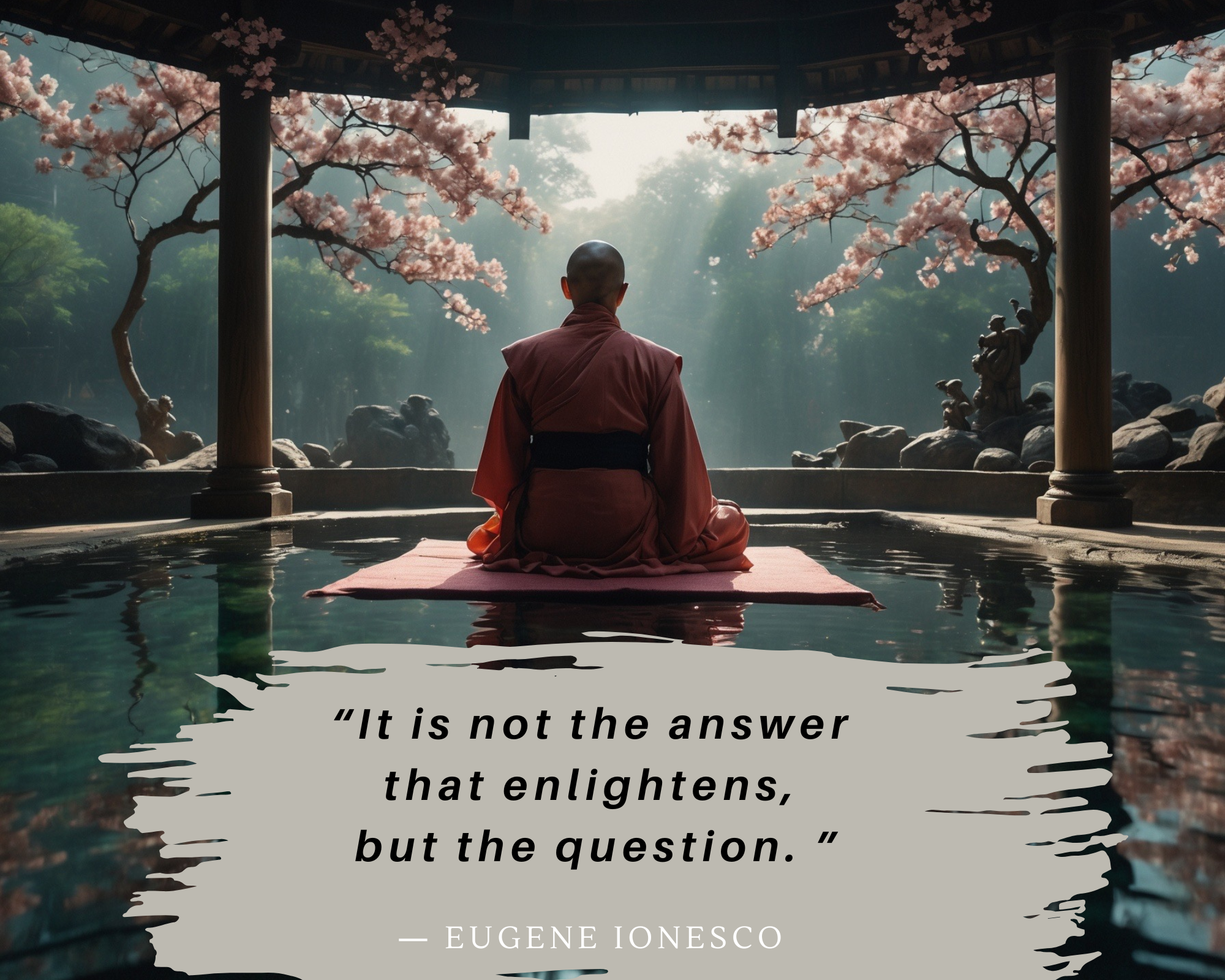


She stood still, her profile etched in the quiet glow of imagined worlds. Galaxies spun behind her eyes, each one holding a memory she hadn’t spoken aloud in years. Moons drifted close, brushing her skin with light that wasn’t light, warmth that didn’t burn. The clouds moved through her like thoughts, slow and tangled, as if the sky itself had cracked open to whisper her name.
Her expression didn’t shift. It didn’t need to. She wasn’t here to perform. She was caught in that weightless place between who she’d been and who she might become. And in that stillness, even the planets seemed to orbit slower, listening.
Someone once told her she looked too serious, too distant. But they only gave her a bland kind of attention—the kind that never reached deeper than skin. The type that skimmed her surface and missed the storm beneath.
Now, she let her thoughts roam in this quiet collision of sky and soul. Not forward. Not back. Just… outward. And for a fleeting second, she caught a flicker of something—possibility, maybe—out of the corner of her eye.
A glance, nothing more.
But it was enough to remind her that she was more than what the world saw, more than the shadows cast by fading light. She was part of the cosmos now, and maybe, just maybe, the cosmos was part of her, too.
To me, this is a loaded question. Like there’s just one place you’d never want to visit, as if you hear a name like Topeka and just decide: absolutely not.
I’ve been around. I’ve seen beauty in unexpected places and tension in spots that looked picture-perfect. So saying I’d never go somewhere feels rigid, and life’s too unpredictable for rigid rules.
But I won’t lie—there are places I instinctively avoid.
Some of that’s just gut feeling. I avoid places with names that don’t sit right—Bone Gap, Jim Falls, Slidell. Part of it is how they sound, part of it is associations I can’t quite shake. Sounds silly, but names carry weight. They trigger memory, emotion, or sometimes just a weird vibe that tells you to keep moving.
Then there are practical reasons. I don’t mess with places where monkeys outnumber people. That’s not fear—it’s realism. Monkeys throw things. I know myself well enough to admit I wouldn’t handle that gracefully. I don’t believe in animal cruelty, and I don’t want to find myself in a moral showdown with a macaque.
Then there’s the deeper stuff. As an American soldier, I’ve seen how quick misunderstandings can turn into something worse—especially when we didn’t know the customs or context. That always struck me as ironic, considering how much we pride ourselves on our ‘attention to detail.’ It taught me to respect where I go and to prepare before I get there. It also taught me that sometimes, respecting a place means knowing when not to go.
When my ex-girlfriend said, “No places with a history of cannibalism,” I didn’t laugh it off. That was her line, and I respected it.
But I couldn’t help myself—I looked at her and said, “So… just to be clear—California’s out, right? That whole Donner Party thing. Colorado too. Can’t forget Alfred Packer. Oh—and Virginia. Jamestown had a real rough winter.”
She stared at me, confused. “Wait… what happened in Virginia?”
I took a long sip of my drink, nodded slowly, and said, “Nothing, babe. Just history being weird again.”
Some places carry histories that deserve reflection, not vacation photos.
So no, I don’t have a definitive “never” on the map. But I have instincts, boundaries, and experiences that shape how I move through the world. That’s not fear—it’s awareness. And in a world this big, I think that’s fair.
“Do as I say, not as I do,” the classic parental phrase, never touched my mother’s lips. However, “Because I said so,” not only repeated — it seemed like it should be on a plaque above the door. I even used it with my children, and they used it with theirs. However, this isn’t the most important lesson she gave me. What she demonstrated my entire life is how to be steady, even in the most challenging situations life has to offer.
She raised me by herself, so every bump, scrape, and broken bone — she was steady. Honestly, I don’t know how she did it. I remember being on the verge of losing it with my own kids, and I had a wife to back me up. To do it all alone? I don’t have the words.
That steadiness she showed me has served me well throughout my entire life. No matter what, I stay steady. I might be pissed off while I’m doing it — that trait definitely comes from my father. He had two modes: super cool or absolute death. Nothing in between. He kept people guessing because you never knew how he’d react. People say I do that too. I always swore I’d never be anything like him… well, oops.
It’s said that in life you have two families: the one you’re born into and the one you choose. My mother gave me the tools to build both. Her steadiness became my anchor, and whether I was dealing with work, parenting, or just the everyday chaos of life, I leaned on what she taught me — stay calm, handle your business, don’t fall apart.
And yeah, maybe I inherited some of my dad’s unpredictability too. But thanks to her, the foundation underneath is solid. That balance — between calm and chaos, between knowing when to hold it together and when to let it fly — that’s something I’ve carried into every relationship I’ve built, chosen or otherwise.
My chosen family has shown up for me in ways I never could’ve imagined. I’m truly blessed to have them in my life. Like all my family, they’ve been incredibly patient with me. I can be a lot sometimes — I know that. But they hang in there.
The challenges in life never really stop coming. But when you’ve got people who stick with you, who steady you, who love you even when you’re not at your best — you can get through anything.
In life, we have two families: the one we’re born into and the one we choose. I’m grateful for both.


Opulence dazzles, but it doesn’t fill the void. Gilded walls, luxury cars, designer clothes—they impress, not satisfy. The chase for more becomes endless: bigger homes, flashier jewels, louder status. Yet behind the gloss is silence. Relationships shallow. Laughter forced. Meaning fades. Surrounded by everything, the soul starves for something real. Comfort becomes a cage, and abundance numbs. The high of acquisition dulls fast, and stillness creeps in. Opulence, once a dream, becomes a mirror—reflecting what’s missing, not what’s gained. In the echo of excess, we find the truth: wealth can buy things, but not worth.
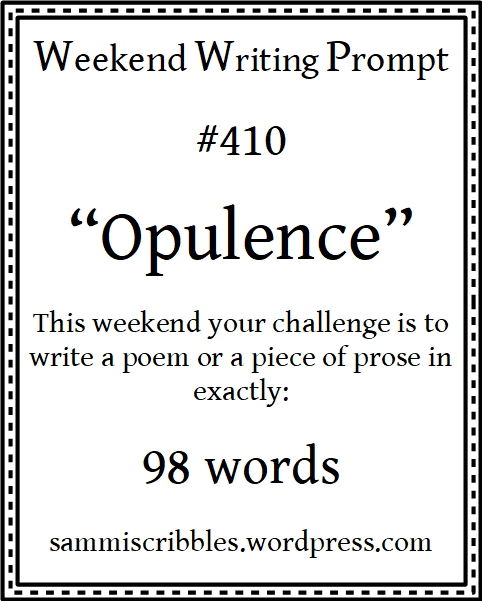

Fierce burned in her chest—not anger, but resolve. Each setback was fuel. She didn’t flinch, didn’t fold. Determination wasn’t loud; it was steady. Quiet steps forward, no matter what. That’s how she wins.

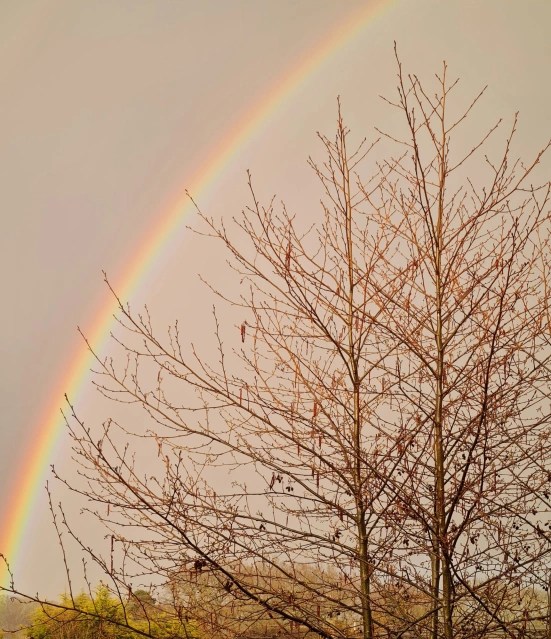
“Did you know rainbows aren’t real?” Sophie said, nose pressed to the rain-speckled window like she was trying to peer through the fabric of reality.
Josh, flopped sideways on the couch and half-heartedly plucking his guitar, didn’t look up. “Real enough to chase. That counts.”
“They’re just light doing a water park routine. You can’t touch one. You can’t keep it. It’s basically sky clickbait.”
Josh strummed a lazy, spacey chord. “Exactly. That’s what makes it magic.”
Sophie turned, eyes narrowed like a nine-year-old prosecuting attorney. “Magic isn’t real either. Honestly, sometimes I think you were left on our doorstep by a pack of whimsical wolves.”
Josh raised an eyebrow. “Bold accusation for someone who still believes in bedtime.”
“I’m just saying—look at the evidence. Dad’s an engineer. Mom rebuilds humans for a living. I’m a well-documented overachiever with a spreadsheet for everything. And then there’s you—Mr. ‘What if clouds are just sky-whales and the rainbow is their feeding tube?’”
Josh laughed. “Okay, that was solid. Respect.”
Sophie gave a smug little bow. “Thank you. I’ll be here all week. Try the sarcasm; it’s aged to perfection.”
“I’m the creative recessive gene,” Josh said, plucking at a new tune. “Or maybe a stowaway from an alternate timeline with looser rules.”
“You give strong alternate timeline energy,” Sophie agreed, already hopping off the windowsill.
She disappeared down the hall and reappeared 90 seconds later fully suited up in a bright yellow slicker, matching boots, and her frog-shaped umbrella. She looked like a tiny storm hunter gearing up for war.
Josh blinked. “Are you… ready to fight the weather?”
“I’m ready to dominate puddles,” she said, snapping her hood into place. “The rain’s letting up, and I have a contract to enforce.”
Josh raised an eyebrow. “What contract?”
Sophie stared him down. “Don’t play with me, Mister. You promised me ice cream after the rain stopped. There were witnesses. I can draw you a diagram.”
Josh put both hands up. “Okay, okay. Ice cream. I hear you.”
“Good,” she said, already halfway to the door. “Justice will be served. Preferably in a waffle cone.”
As Josh grabbed his keys, he glanced at her. “Are you gonna be embarrassed being seen with me? I’m kind of a known weirdo.”
Sophie rolled her eyes, but grinned. “Of course not. You’re my brother. I love you—even if you are intellectually stunted. No one’s perfect.”
Josh chuckled. “Wow. You really know how to make a guy feel cherished.”
“I try.”
He set the guitar down with exaggerated care. “But when we get back…”
She paused mid-step. “What?”
“Will you let me play that song? The one I wrote that’s totally not about you but also definitely is?”
She sighed, but her grin cracked through. “Fine. But if it’s sappy, I’m filing a formal complaint.”
“To who?”
“Your soul.”
Josh laughed. “Noted. Minimal sap. Maximum chords.”
“And no eye contact,” she added. “That’s how feelings sneak in.”
Outside, the rain had dwindled to a drizzle. A rainbow stretched overhead like it had been waiting for them to notice.
Josh looked up. “You know, it kind of feels like a map.”
Sophie squinted at it. “To where?”
Josh shrugged. “Somewhere we don’t have to know everything. We just get to… exist.”
Sophie stomped into a puddle with both boots. “Cool. Let’s go there. Right after ice cream.”
They set off down the sidewalk, the sky still dripping a little, the rainbow curved above them like a wink. Neither of them said it, but both figured: if that thing was pointing somewhere—maybe it was toward each other.
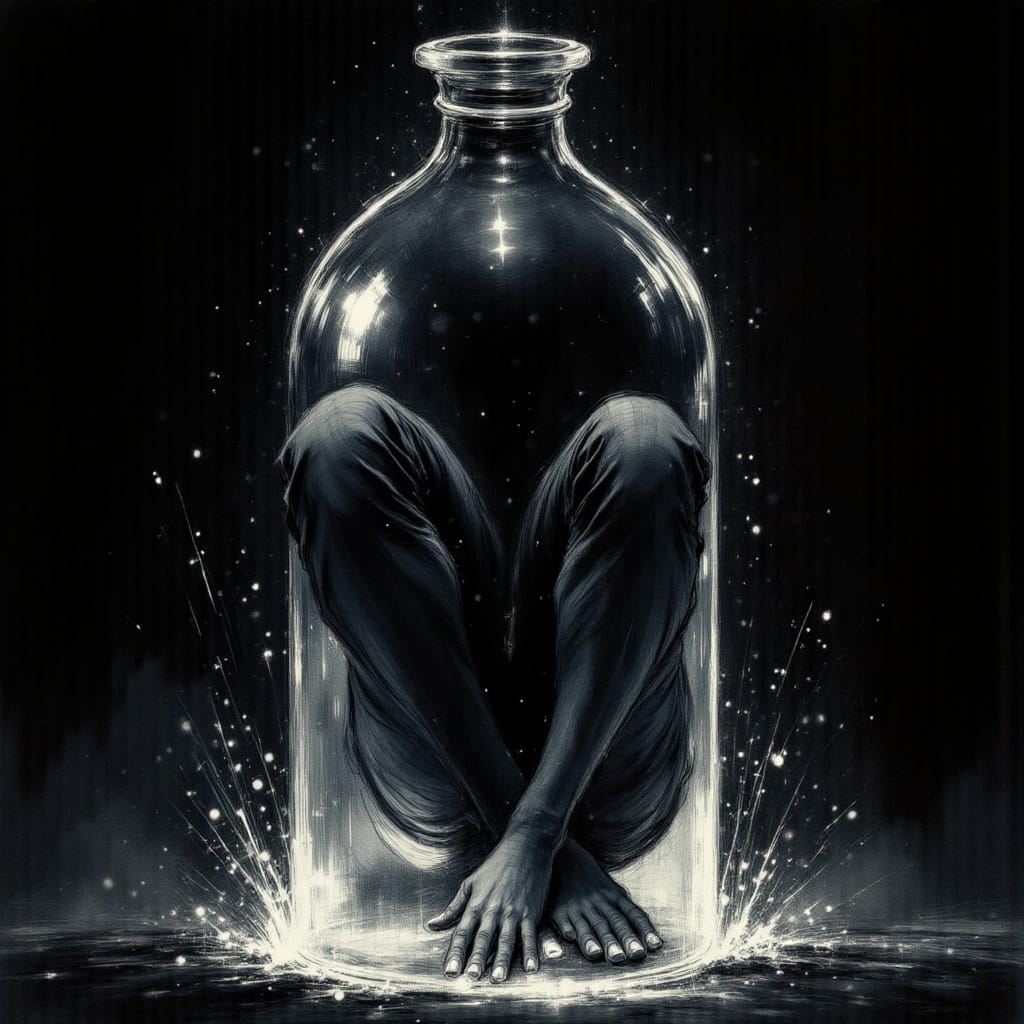
It’s not always the staggering drunk on a sidewalk.
Sometimes, it’s the friend who always shows up, the parent who keeps it together, or the coworker who “just likes to unwind.”
But behind closed doors, they’re shrinking. Fighting. Breaking.
Alcoholism doesn’t always look like what we expect. And that’s the problem.
We call it “just a drink.”
But alcohol is the most lethal drug in the world—more deadly than opioids, meth, or cocaine.
And yet… it’s everywhere.
It’s legal.
It’s glorified.
It’s handed out at every wedding, every weekend, every wound.
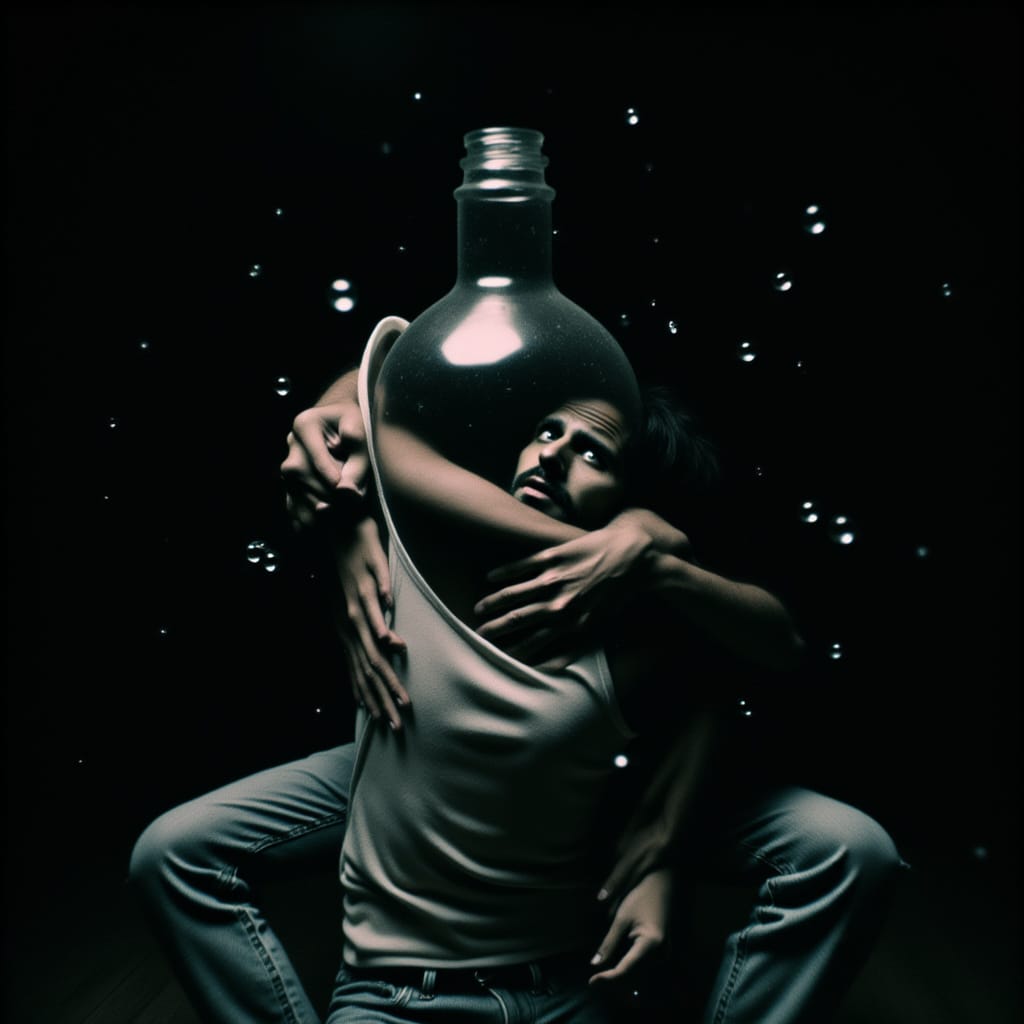
Addiction doesn’t start with rock bottom.
It often begins with social acceptance.
A drink to relax. A drink to celebrate. A drink to cope.
Until the bottle isn’t an option—it’s a cage.
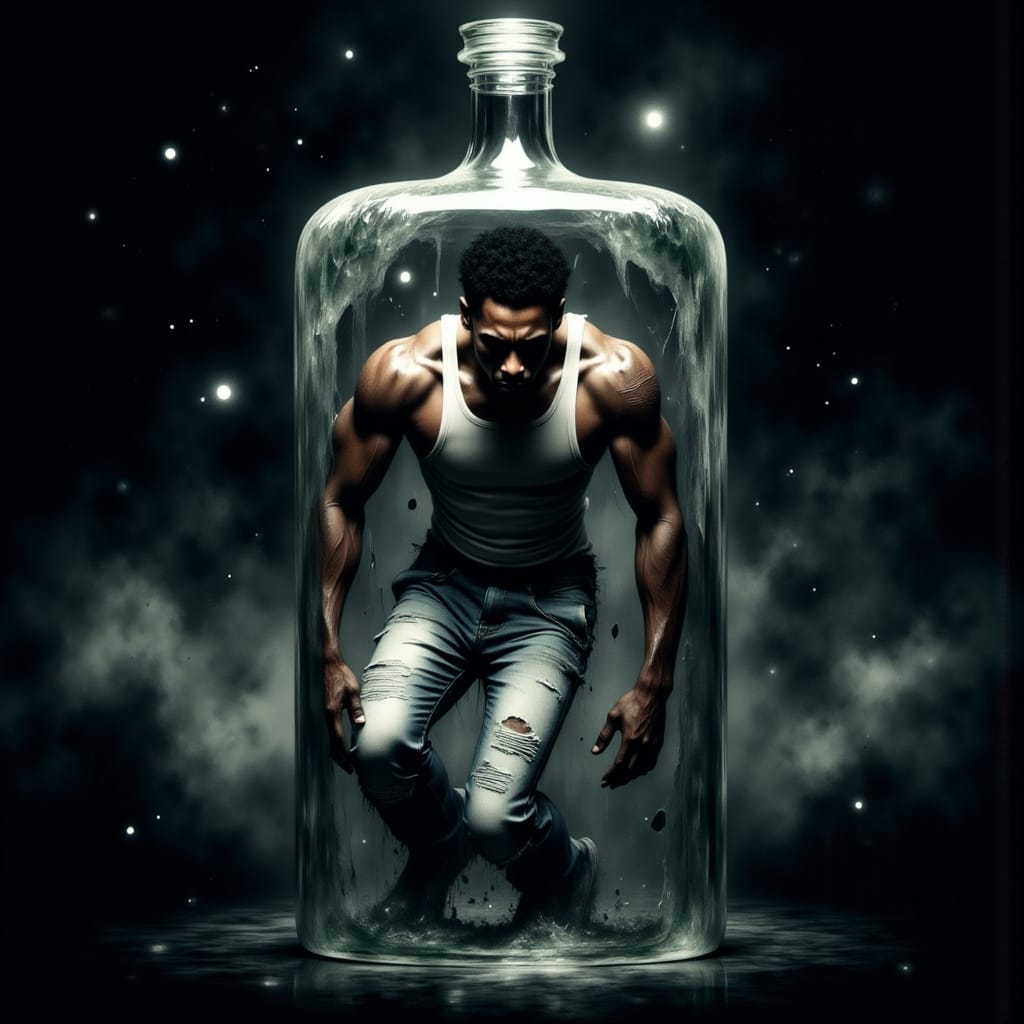
What makes alcohol so dangerous isn’t just the physical toll.
It’s the silence.
The shame.
The way we minimize it, laugh it off, ignore the signs.

You are not alone.
There is help.
There is life outside the bottle.
📞 [Insert helpline or resource link – e.g., SAMHSA’s National Helpline: 1-800-662-HELP]
💬 Share this post. You never know who needs to see it.
Everyone has high school stories. Some are boring. Some are embarrassing. Some are the kind you only tell your best friend at 2 a.m.
Here are five story titles from my high school years. Each one has a real lesson behind it—some funny, some rough, some surprisingly honest.
But I’m only telling one of them. And you get to pick which.
Vote below for the story you want to hear most. The one with the most votes? I’ll post it next.
Pick the story you want to hear:
(And yeah, they’re all true.)
Reblogging this powerful and vulnerable piece from Stephanie. Her courage in acknowledging her truth and sharing her journey with alcoholism and recovery deeply resonated with me.
Reading this stirred something in me—not just empathy, but reflection. While our paths differ, the terrain of struggle, self-confrontation, and healing feels familiar. I’ve danced with my own shadows, and I’ve been meaning to speak on that for a while now.
I’ll be sharing more about my journey in the coming days—not to diminish Stephanie’s voice but to add to the conversation. Healing isn’t a solo act. It’s a chorus, and sometimes, just hearing another voice echo your truth can be the thing that carries you a little further.
More to come soon.
The First Encounter – Lost in the Woods (and the Footnotes)
The first time I read The Divine Comedy was sparked by an argument—an intellectual back-and-forth with someone who, as it turned out, didn’t know much about the book. But he was passionate. His conviction was hypnotic. I didn’t buy his analysis, but I understood why he was obsessed.
I picked up the book out of curiosity and a little competitive pride. I didn’t finish it. We got called out on a mission, and you don’t take library books on missions. Fines are one thing—charred pages are another.
Still, even unfinished, it stuck with me. Something about Dante’s voice—strange, serious, deliberate—lingered.
That first attempt, though brief, planted a seed. When I returned to it later, I had more patience, a better dictionary, and no librarian breathing down my neck.
Even then, Inferno was dense. Layers of references. Historical names I barely recognized. Theology deep enough to drown in. I was flipping between footnotes and old library texts like I was defusing a bomb. The nine circles of Hell were vivid, yes—but they felt more like a museum exhibit than a lived experience. I was watching Dante, not walking with him.
It felt like homework. Necessary, maybe. But distant.
Still, something about the structure—the cold logic behind every punishment—got under my skin. Sin wasn’t just bad behavior. It had a shape. A weight. I didn’t have the words for it then, but the idea that justice wasn’t arbitrary began to settle in.
I didn’t love the poem yet. But I was starting to hear it.
Warzones and Infernos – Dante in Combat Boots
When I returned to The Divine Comedy after combat, it hit differently. Dante wasn’t just a poet anymore—he sounded like someone I knew. Maybe even like me.
Inferno started to make more sense. Hell wasn’t about fire and demons—it was about clarity. Brutal, stripped-down moral logic. A world where actions had consequences that couldn’t be bargained with.
In combat, you live in that gray zone between judgment and survival. Right and wrong don’t show up in clean lines. Sometimes you do the right thing, and it haunts you. Sometimes, it felt like there was no God—at least not the one we heard about in Sunday school. We believed in the integrity of what we were doing. We questioned it, sure. But our resolve stayed intact. Sometimes, surviving was all you could do. And that didn’t always feel like redemption.
Dante’s Hell isn’t just punishment—it’s paralysis. People stuck in their choices, their pride, their rage. No growth. No movement. Just a reflection in the worst kind of mirror.
That rang true.
Some turned to a higher power for guidance. We knew—we were fighting for God. But we also knew the limits. We were required to do what was asked of us—but no more. We fought for God. And we had to answer to Him too.
Not just for the people we encountered. Sometimes for what we became.
Purgatorio – The Long Climb Back
Purgatorio doesn’t get the same attention as Inferno. It’s not as dramatic. No fire. No famous sinners frozen in ice. But it’s the part that felt most real to me.
Because after war, after any real descent, what follows isn’t glory—it’s work. Quiet, repetitive, soul-grinding work. That’s Purgatorio.
Dante climbs a mountain, terrace by terrace, confronting the seven deadly sins. Each level is a mirror—less about judgment, more about recognition. It’s not punishment anymore. It’s penance. The difference matters.
After combat, reintegration isn’t just about coming home. It’s about stripping away the armor you lived in. Unpacking things you didn’t have the luxury to process while they were happening—and you don’t have the luxury to process them now. You’re thrust back into your life like nothing happened. You lie to the ones you love to keep them safe, to spare them from the world you know exists but no one is talking about. You keep that secret.
You make a valid attempt to let go of habits that kept you alive but will not help you live. It’s exhausting.
That’s why Purgatorio hit me so hard. I didn’t expect it to. But there’s something deeply honest in the idea that healing doesn’t feel holy. It feels like discipline. Like carrying your own burden up the hill with no end in sight. Some days, you move a little higher. Some days, you just don’t slip backward.
There’s no audience. No headline. Just effort.
And yet—it’s hopeful. The whole mountain is built on the assumption that you can be made whole. That ascent is possible. Redemption is a process, not a prize.
Paradiso – The Light We Try to Name
Paradiso is the hardest part.
Not just to read—but to believe in. It’s abstract, layered with theology and geometry, full of light and music and spheres. Dante is trying to describe the indescribable. He’s chasing God through language; the closer he gets, the less the words hold.
For a long time, I didn’t connect to this part. It felt like too much, too far, too clean.
But after Purgatorio, after the work of climbing, carrying, and unlearning, I started to understand what Paradiso was reaching for—not perfection, not purity, but peace.
And peace—real peace—is foreign when you’ve lived inside chaos. It’s not some cinematic moment of triumph. It’s quieter. It’s the ability to be still, without needing to be numb. It’s presence, not performance. It’s the moment you stop bracing for the next thing to go wrong.
Dante meets Beatrice here—his guide into the divine, his symbol of grace. We all have our Beatrices, if we’re lucky. People who held the line for us when we couldn’t. People who reminded us we weren’t lost forever.
Am I worthy of this grace? Will God forgive me for what I’ve done? I find myself waiting—searching—for that one thing that could wipe away all the havoc of my making. Is that a thing? You know the scales will have an answer.
In the background of all this light, I still imagine the scales. The old ones—Egyptian, Christian, Islamic. The image of your life being weighed. Every choice, every silence. Your hands held out, waiting to see which way it tips.
We fought for God. We made peace with that. But we also knew we’d stand in front of Him one day. And maybe that’s what Paradiso is really about—not escaping judgment, but understanding it. Accepting it. Trusting that there’s a kind of justice that doesn’t crush you, but completes you.
I don’t claim to understand everything Dante saw in Heaven. But I understand the desire to see it.
And that’s something.
Full Circle – Still Listening
I’ve read The Divine Comedy more than once now. Not in a straight line, not as a scholar, but as someone who’s lived with it—left it, returned to it, wrestled with it. And the strange thing is, it keeps changing. Or maybe I do.
What started as a challenge—half a debate, half an ego trip—turned into a mirror. Dante’s journey through Hell, up the mountain, into the light, isn’t just theology or poetry. It’s a blueprint. A map of what it means to go through something, to come back from something, and to wonder if you’re still whole on the other side.
I never read it looking for answers. Not really. But I keep coming back to it for the questions.
Am I worthy of grace? Is peace possible? Can the scales ever truly balance?
I don’t know.
But I’m still listening.
And that’s something too.
Author’s Note:
This was written as a result of a post by alexander87writer. I was going to leave a comment, and just kept writing. My two sentences became this. I’m so extra at times.
After my health started to improve, I made a quiet promise to myself: take it slow, do it right, and make the changes stick. Not just another sprint followed by burnout. Not another performance. Just something real.
To be honest, I didn’t have much choice. Getting my strength back has been a crawl, not a comeback montage. The days of jumping up, yelling “I’m okay, I’m okay!” while secretly scanning the room for lost cool points—those are done. By the time I realized chasing cool points was just another layer of nonsense, the damage was already in motion.
So I made a deal with myself: if I ever got my strength back, I’d write my butt off. Not for validation. Not to prove something. Just because I have things to say, and writing is how I say them best.
My editor always believed in me—even when I didn’t believe in myself. I’d whine about low engagement, tweak my style constantly, chasing some imaginary formula for success. I forgot the quote a dear friend gave me when I first started posting:
“Better to write for yourself and have no public than to write for the public and have no self.” — Cyril Connolly.
Now I get it. And I’m not just writing again—I’m enjoying it. Actually enjoying it. Not refreshing analytics or stressing over reach. Just creating.
And it’s not just writing, either. I’ve been drawing again. Editing film. Playing with my cat—who may or may not have been a dog in a past life. (I’ll get into that another day. It’s a whole thing.)
But yeah, I’m creating again. Fully. Freely.
And that’s the change that brought me back.
My submission for Hugh’s Views & News blog, Wordless Wednesday post.

A journey through fitness, false identities, and finally figuring your shit out
Fun Way to Exercise, You Say? Let’s Get Delusional.
Let’s start here: Olivia Newton-John basically rewired an entire generation’s brains with “Let’s Get Physical.” She morphed from wholesome sweetheart to headband-wearing fever dream, and somehow we all collectively agreed that writhing in a leotard was fitness. We never really recovered, emotionally or sartorially.
Then there was Jennifer Beals in Flashdance, reminding us that it’s totally fine—encouraged, even—to be obsessive about your passions. Especially if your passion includes dumping water on yourself mid-dance. That “Maniac” scene wasn’t just exercise—it was aspirational chaos. It made sweating look like a personality trait.
Even Popeye tried to get in on it. He wasn’t just pushing spinach; he was pushing the idea that vegetables could give you freakish forearm strength and the confidence to punch boats. No one wanted to be the 90-pound weakling on the beach getting sand kicked in their face. We worked out—not for health, not for longevity—but for the attention of a girl who may or may not even know our name.
Jane Fonda came along and made aerobics a spiritual obligation. Suddenly we were all cult members, grapevining for our lives, and gym bros looked at us like we were losing our minds. You tried aerobics? RESPECT. That’s not cardio. That’s performance art.
And Richard Simmons? That was a whole vibe we still don’t fully understand. Sequins, shouting, sincere encouragement—somewhere between motivational speaker and glitter elemental. Whatever it was, it worked. People moved. They sweat. They cried. They believed.
My step-madre? She was in the trenches with Tae-Bo. Billy Blanks screaming from the TV, and her throwing punches in the living room like a woman possessed. I still don’t know if it was for fitness or because she thought Billy was fine. She’ll never say. She holds secrets like a vault, and no one has the access code.
Supplements & Shenanigans
Just when you thought the movement was enough—enter the supplement era.
We started popping Flintstone Chewables like they were candy (because they were), then graduated to Centrum when we wanted to feel like grownups who still couldn’t swallow pills. Then came Geritol Tonic—that was the truth. Took a sip and blacked out in enlightenment.
Protein shakes replaced food. Creatine replaced logic. Ginseng, ginkgo biloba, and questionable powders scooped into shaker bottles at 6am because someone on the internet said it would “enhance vitality.”
We were building bodies. Fueling potential.
And slowly, maybe accidentally, getting nowhere near wholeness.
Mind, Body, Spirit… and Other Marketing Buzzwords
(Now With 12 Unnecessary Challenges, Just Like Hercules!)
Eventually, the workouts and pills and VHS tapes weren’t enough. People started exercising their minds. Started researching things like inner peace, balance, self-actualization—whatever that is. People wanted to genuinely like themselves. Be whole. Mind, body, and spirit.
Sounds good, right?
But come on—is that even real?
Is that obtainable?
With the flood of curated nonsense, the influencers, the unsolicited life advice, the algorithmic chaos—how does anyone even begin to weed out the bullshit?
Hercules had twelve trials. You? You’ve got:
He had to slay lions and capture magical deer. You have to:
Same energy.
We all want to feel better. More “aligned.” But instead of holy quests, we get wellness content. Instead of oracles, we have mood boards and moon water. Instead of epiphanies, we get an Instagram carousel of “ways to raise your vibration.”
You started exercising your body.
Then your mind.
Then your spirit—probably via breathwork, moon phases, or a yoga class in a converted warehouse with exposed brick and emotional lighting.
And when that didn’t quite fix the aching void?
People started turning to God.
Or the Universe. Or Source. Or the Vibe Manager in the Sky, depending on your belief system.
Every path, every name—people started reaching out, up, and through, looking for a way to cleanse the demons and purify their spirits. Not just the metaphorical demons either—like, the real ones. The ones whispering, “You’re not enough,” while you’re trying to do a downward dog and not weep into your yoga mat.
Prayer, meditation, sacred texts, incense, tarot, gospel, gospel-adjacent YouTube playlists—anything to feel like you’re not just a sentient to-do list trying to find peace in a collapsing world.
Because after you’ve tried all the earthbound answers, sometimes the only thing left is the divine shrug of surrender.
The Real Labor: Showing Up For Yourself
So here’s the thing.
Exercising isn’t fun.
If you think it is—cut that shit out. Seriously. Stop lying to the rest of us who are dragging our carcasses through spin class wondering if our souls are leaking out with every drop of sweat.
But exercising your entire being?
Taking the time to figure out what you actually need?
That’s different.
That’s hard. That’s a process. That’s showing up and sitting in the silence. It’s being real enough with yourself to stop pretending. And yeah, you need to cut that shit out, too.
This isn’t a 30-day fix.
It’s a lifelong pursuit.
One that changes as you do. One that requires you to keep showing up, even when you don’t feel like it, even when no playlist or dopamine hit is waiting.
But if you do it?
If you do the real work?
The reward… it has no words.
It’s a feeling.
Quiet. Deep.
Solid as bedrock.
The feeling of becoming whole—not perfect, not pure, not finished—just complete in the way only honesty can make you.
And at the center of all of this is one simple truth:
The point of this is to Do You.
No qualifiers. No “better” or “best” or whatever recycled buzzword is trending this week. Just you, fully and unapologetically.
As the great Oscar Wilde said,
“Be yourself; everyone else is already taken.”
You are enough. You always have been.
And if someone tries to tell you otherwise, or if your own brain starts slipping back into that goofy self-hating soundtrack?
Cut that shit out.
About the Author
Mangus Khan did a yoga pose once, and it hurt like hell—respect to anyone still doing that on purpose. He owns a towering stack of unread self-help books, which now function as either a faux end table or a regal perch for his cat, who loves him unconditionally despite the obvious madness. He believes in growth, sort of. He believes in showing up, sometimes. And he definitely believes in cutting that shit out.
Plenty of books fall into this category. I’d love to say I have a strict system for what earns a reread, but let’s be honest: the rules shift every time. Sometimes it’s the writing, sometimes it’s a character who won’t shut up in my head, and other times it’s because the book whispered something suspicious from the shelf—like it knows things. Rereading isn’t a choice at that point. It’s a compulsion. Like the story implanted a post-hypnotic trigger in my brain that activates randomly. And when it does, I drop everything—sleep, obligations, dignity—and reread. Again.
Now, my particular brand of obsession comes with a twist: time travel. I don’t just read about it—I research it. Because yes, I’m building a time machine in my basement. And no, I’m not joking. I know what you’re thinking. This person is completely unhinged. Stop looking at me in that tone of voice. Don’t judge me—I’m backed by science.
Stephen Hawking once said, “Time travel used to be thought of as just science fiction, but Einstein’s theory of general relativity allows for the possibility that we could warp space-time so much that you could go off in a rocket and return before you set out.” So, technically, I’m not crazy—I’m just early.
And Einstein himself—our time-bending MVP—once said, “The distinction between past, present, and future is only a stubbornly persistent illusion.” That quote haunts me. Because if time really is just an illusion, then maybe my late-night diagrams and basement scribbles aren’t completely absurd. Maybe I’m just trying to see through the illusion. With tools. And snacks.
Some books feel like accomplices in this mission. Einstein’s Dreams is one of them. It’s not a novel in the traditional sense—it’s more like a collection of speculative time experiments disguised as dreams. Time slows, speeds up, loops, fractures. Each version reveals how fragile we are, how much we lean on the idea that time is stable. It made me wonder if I want to manipulate time or if I just want to understand why it controls me so completely.
Then there’s The Psychology of Time Travel, which sounds quirky but plays out like a cautionary tale. It’s brilliant, and it doesn’t flinch. Time travel in that book isn’t just a shiny toy—it messes with identity, memory, and even reality. It shows the mental strain of knowing too much about your own timeline. Honestly, it made me stop mid-chapter and ask, Do I actually want to succeed at this, or do I just like the chase?
This is probably why I’ve started keeping my own book—a messy, ever-growing volume of experiments, part science, part psychology. Charts, notes, theories, emotional meltdowns—it’s all in there. It’s not publishable (yet), but it’s real. And it’s mine. Some people journal. I document the potential collapse of linear time. To each their own.
And then there’s the part no one wants to discuss—the mythic weight of time. The ancient beings who ruled it long before clocks or quantum theory. Chronos, the Greek god who devoured his children just to keep time moving in his favor. The Moirai, weaving destinies and snipping threads when they feel like it. Kāla, the Hindu personification of time, is both destroyer and renewer. Even the Norse Norns, sitting beneath the world tree, are casually deciding fates like it’s a hobby. These entities weren’t just metaphors—they were warnings. Time is power, and it doesn’t like to be tampered with.
The more I study, the more I feel like time isn’t linear—it’s layered. Some theorists say time can fold over itself like a sheet of paper, bringing two distant moments into contact. Others call it fluid, a river that bends, swells, evaporates, and returns in strange new forms. Honestly, I’ve felt both. There are days where the past bleeds into the present like ink on wet paper. There are moments I swear I’ve already lived. Maybe I’m stuck in a fold. Maybe I’m just bad at time management. Either way, I write it all down.¹
And Then She Vanished wasn’t just another trip down the wormhole—it rerouted my entire approach. The way it plays with memory, causality, and the emotional cost of screwing with time? It hit differently. I went in looking for narrative patterns, maybe a clever paradox or two. What I got was a punch to the gut and a blueprint for moral consequences. The book didn’t just mess with time—it made me rethink why I want to.
And maybe that’s the real loop. Because every time I pick up a pen, I feel it. Writing bends time, too. It stretches memory, warps emotion, and compresses decades into a sentence. Every time we write, are we building new worlds, or are we just reconstructing something we have already lived? Maybe stories are our version of time machines. Just paper ones. Slightly safer than the one in my basement.
¹ Excerpt from my “Working Theories of Time” notebook, vol. 3:
This is why I track time like a conspiracy theorist with a mood disorder. It’s all connected. Probably.


She walked the shoreline like a fading echo, her reflection trailing behind her in the shallow water, unsure if it still qualified to be hers. Time had stretched her thin. Not just in years, but in identity—pulled apart by choices she had to make, and those made for her.
Everyone said she wasn’t eligible.
Not for the kind of life that lives in whispers and instinct. Not for the kind of happiness you don’t need to prove. They said you need a plan, a structure, a timeline, a box. Dreams, they told her, had to fit within a budget—not just of money, but of reason, of patience, of what the world deems acceptable.
But deep down, she knew the rules they played by weren’t written for her.
There had always been this undercurrent—soft, persistent, impossible to ignore—that tugged at her ribs like tidewater. A voice not quite hers, but always with her. A silent, steady reminder that she came from something more than survival. That she wasn’t lost; she was just unclaimed.
It wasn’t ambition she was chasing.
It was the prophecy of her becoming.
Not some ancient foretelling, but the quiet, sacred promise she made to herself when she was younger: that she would not shrink. She would not trade her fire for comfort. She would not let her story be rewritten just to make others feel safe.
She had tried being the replacement—fitting into other people’s molds, echoing voices that weren’t hers. But there was always a price. Always a fracture. Always a hunger that imitation couldn’t fill.
Now, walking into the pale light where sky and sea dissolved into one another, she realized: she had nothing left to prove.
She didn’t need to qualify.
She already did.

The mist clung to the earth like old sorrow, curling around boots and stones, swallowing sound. Two figures stood before the monolith, cloaked in black, their outlines blurred by fog and fate. The stone towered above them, carved from the mountain’s spine. Its surface was worn by centuries but still bore the mark—an eye within a jagged star—that pulsed faintly, like something alive and watching.
They had come a long way to find it. Through dead forests that whispered their names. Across plains littered with the bones of better men. Not for glory. Not even for vengeance. Just the promise of an answer, or maybe an end.
Behind them, the others waited. Hooded. Silent. A dozen warriors who had followed them without question, bound by old oaths and older regrets. No one asked what lay on the other side of the fog. The question had been buried with the first man who hesitated.
The taller of the two stepped forward, boots crunching on frost-hardened gravel. His hand hovered near the hilt of his sword, fingers twitching like they remembered every fight that hadn’t gone his way. “We stand at the edge,” he said, low and certain.
His companion didn’t look at him, just stared at the monolith. “And what waits beyond?”
“Only those who boldly engage the old magic will know.”
The other figure stepped closer to the stone, his silhouette ragged with wear but upright and determined. He placed a gloved hand on the carving. The stone felt warm—too warm—as if it hadn’t forgotten.
The ground answered—not with light but with a deep, resonant hum that rolled through the valley like a warning. The fog began to move, twisting into strange shapes, pulling backward to reveal what waited deeper in the pass—a path, a gate, shadows shifting on the other side.
The second man drew his blade slowly, the sound of steel slicing the stillness. “Then we put on the gauntlet,” he said, quiet but resolved. “And we walk into whatever comes next.”
Not for glory. Not for vengeance. But for truth. And for the ones they couldn’t bring back.
Together, they stepped forward as the stone split open, the mountain groaning with ancient memory. Finally, the fog began to part.
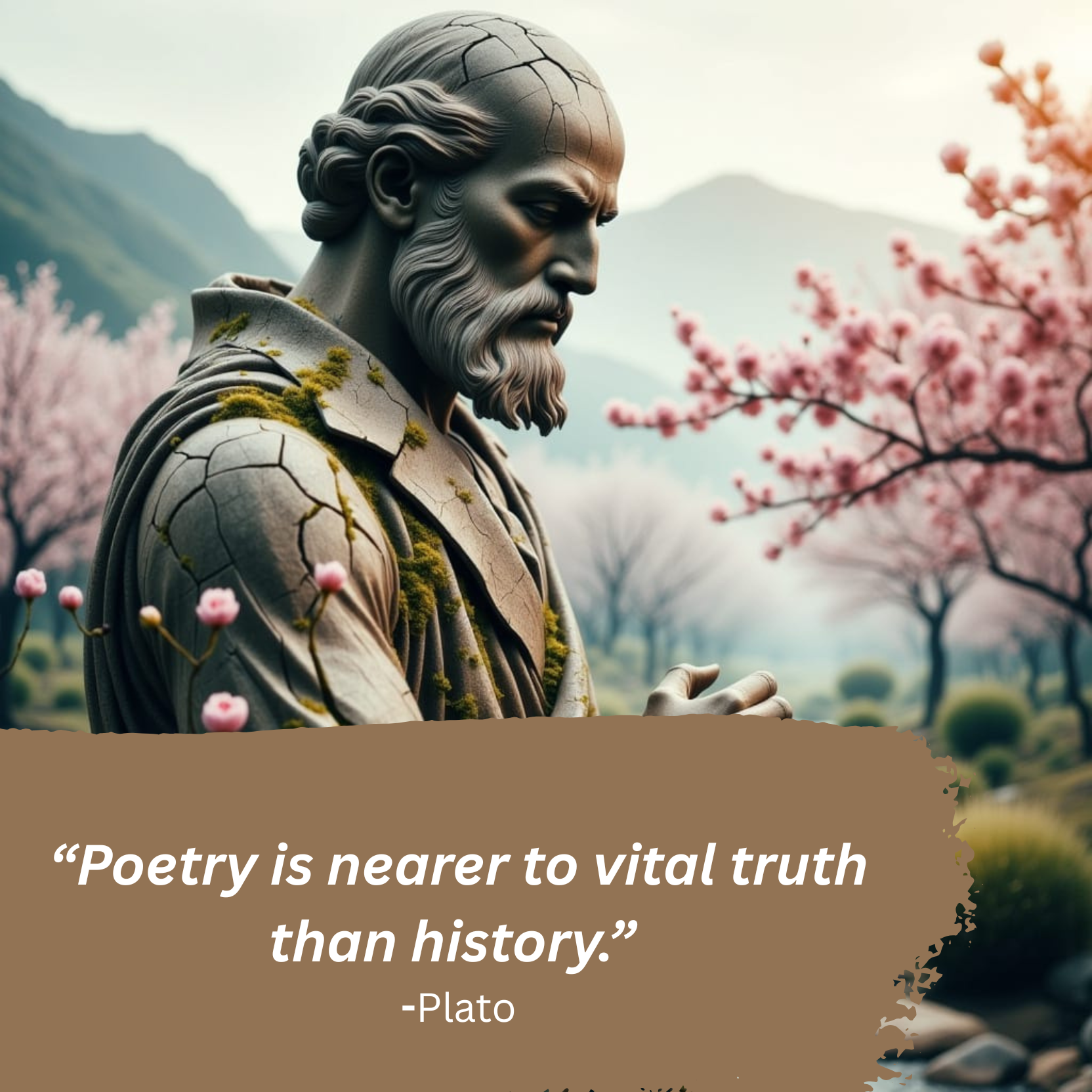

One of my nephews stopped to visit. We talked about philosophy, music, and a bunch of other things. Almost like he knew I needed to get out of my own head for a moment and be reminded of something that’s always been soothing—music.
After he had left, I plugged in the headphones and got to work.
Prince’s music has left a mark on humanity.
However, the music I enjoyed the most was songs seldom played on the radio—the tracks only discussed quietly among the fans who kept searching for the ones that touched them deepest.
For me, “Sometimes It Snows in April” is one of those songs.
It’s not built for the charts. No booming drums or flashy guitar solos. Just a delicate piano, soft guitar, and Prince’s voice—fragile, almost whispering. It’s stripped down in a way that makes you sit still. Makes you feel.
The song was part of the Parade album in 1986, which doubled as the soundtrack to Under the Cherry Moon. Prince played Christopher Tracy in the film—a charming romantic who dies too soon. The song is what comes after: mourning, confusion, and the quiet heartbreak of losing someone who wasn’t supposed to be gone yet.
And Prince didn’t try to clean it up. He kept the raw demo. You can hear creaking chairs and fingers sliding on strings. Those imperfections? They’re what make it real.
The lyrics hit like a conversation you didn’t want to have but needed:
“Sometimes it snows in April / Sometimes I feel so bad, so bad.”
Simple words, but when Prince sings them, they carry weight. It’s not performance—it’s confession.
Then came April 21, 2016. Prince passed away. Suddenly, a song about losing someone too soon became eerily personal. It was recorded in April. He died in April. And just like that, it sounded like he’d written his own farewell without knowing it.
And here’s the part that always gets me—I often wonder why we don’t truly appreciate an artist until after their transition.
Why do we wait?
Why do the tributes flood in only once they’re gone?
It’s a question that’s never been answered—at least not a good one.
Maybe it’s human nature. Maybe we think there’ll always be time. Maybe we don’t realize what someone gave us until we can’t get more of it.
With Prince, we had a genius in real-time. But songs like “Sometimes It Snows in April” remind us that his deepest gifts weren’t always the loudest. They were the quiet truths tucked in between the hits—the kind you don’t hear until you’re really listening.
“Sometimes It Snows in April” isn’t just about death. It’s about love, memory, and the strange ache of time. It’s about the moments we don’t talk about much—but feel the deepest.
And that’s why it still hurts. In the best kind of way.
In the heart of the Hollow Mountains, where the air hummed with silence and time forgot to tick, a being older than wind sat. Encased in a sphere of shimmering energy—neither glass nor light, but something between—the Oracle meditated above a chasm that pulsed with ancient fire.
He had not spoken in centuries. He didn’t need to.
The mountains around him were carved not by water but by will. Their jagged silhouettes, emerald-tipped and layered like echoes, were born from his breath. Each ridge was a memory. Each peak was a vow. He had once been flesh, bone, and fire. Now, he was purpose wrapped in the illusion of form.
To the outside world, he appeared as a man—if a man could be sculpted from starlight and storms. His robes flowed like liquid fog, and his long, tangled beard bore streaks of silver like splotches of moonlight left behind by the gods.
Pilgrims had tried to reach him, climbing in silence, their mouths dry from reverence or fear. None returned unchanged. Most didn’t return at all.
Inside the sphere, reality bent. Time curled inward like smoke. The Oracle sat cross-legged on a throne of molten stone that neither burned nor aged. Beneath him, streams of liquid light cascaded into the void—knowledge pouring endlessly into the earth’s soul, never wasted, never full.
He was more than a seer. He was a medium between worlds—the silent conduit through which forgotten truths passed. Not a messenger, not a prophet, but something more elemental, something that watched as stories ended and began again.
He waited—not out of impatience but design. Somewhere, someone would be ready to ask the right question. Not about destiny or death. Those were too easy. But the one that mattered. The one that cracked the world open.
Until then, he breathed. And in that breath, universes whispered.
An aggressively personal breakdown of alter egos, revenge spirals, and why fictional characters are one emotional snap away from disaster.
Ever watch a movie, read a book, or binge a show and think, Wow, this character really needs therapy? Like… immediately. They have pills for that. And boundaries. And emotional support animals. But instead of signing up for BetterHelp, fictional characters usually take the scenic route: they grow an alter ego, light their lives on fire, and call it “justice.”
Sometimes you’re just sitting there, watching a perfectly normal person start talking to their dead father’s ghost, and all you can think is: They are so fucked.
Let’s talk about that.
The Alter Ego: Fancy Latin for “Oh no, he’s talking to himself again”
There’s something darkly satisfying about a character cracking right down the middle. Not like “oops, I’m having a rough day” cracking—but full-blown talking to their reflection in the mirror and the reflection talks back cracking.
Dr. Jekyll doesn’t just dabble in science—he mainlines Victorian repression and conjures a walking midlife crisis named Hyde. And Tyler Durden? He’s what happens when toxic masculinity drinks four espressos and finds Nietzsche on Reddit.
“Man is something that shall be overcome.” – Nietzsche
Too bad most characters take that as an invitation to become unhinged vigilantes instead of, say, doing the shadow work.
Alter egos don’t just show what characters fear—they show what they secretly want: power, escape, freedom from polite society. It’s the part of them that isn’t okay with playing nice anymore. It’s also the part that starts the fires and says “oops” later.
Holmes and Moriarty: A Gentleman’s Guide to Mutual Obsession
Sherlock Holmes and Professor Moriarty are technically enemies. But let’s be honest: they’re intellectual soulmates with unresolved tension and no HR department to report to. If Holmes is logic in a waistcoat, Moriarty is chaos in a cravat. One solves crimes. The other is the crime.
Holmes says he’s repulsed by Moriarty’s criminal mind. But let’s call it what it is: obsession. Like, we-should-talk-about-this-in-couples-therapy obsession.
“He who fights with monsters should be careful lest he thereby become a monster.” – Nietzsche again, because of course.
Their final tango at Reichenbach Falls? That’s not a climax—it’s a breakup scene disguised as a death drop.
Werewolves, Hulks, and People Who Should Not Be Left Unsupervised
Let’s talk about werewolves: the OG metaphor for “Oops, my emotions got out.” Classic lit was obsessed with this stuff. Guy seems chill—until the moon rises and suddenly he’s shirtless, hairy, and eating villagers. It’s like puberty, but worse.
And then there’s Bruce Banner. Poor guy just wants to be left alone to do his science. But noooo—every time someone provokes him, he turns into a giant green rage machine in cut-off jeans. He told them not to make him angry. They did. Now there’s structural damage.
Each transformation screams what Carl Jung quietly suggested:
“Until you make the unconscious conscious, it will direct your life and you will call it fate.”
Which is a very classy way of saying, “Congrats, you’re the werewolf now.”
But let’s not forget—masks don’t just hide. Sometimes they liberate.
“The mask is the instrument of the power that makes one see and speak.” – Michel Foucault
In other words: sometimes putting on the cape, the claws, or the face paint isn’t about hiding who you are—it’s about finally saying what you were never allowed to. That’s why Batman isn’t just Bruce in costume. He’s Bruce off-leash.
The real question is: when the mask comes off… what’s left?
Revenge: It’s Like Therapy, But With Body Counts
Here’s the thing about revenge stories: they used to be neat and tidy. Somebody wrongs you, you plot, you avenge, you feel… better? At least that’s how it worked in the classics. The Count of Monte Cristo is the gold standard of “I was wrongfully imprisoned, now I’m back with receipts.”
But modern revenge stories? Oh, they’re emotionally messy. There’s no neat payoff. Just guilt, trauma, and a long trail of ex-friends.
Walter White didn’t just want to “provide for his family.” He wanted to feel like the universe owed him something—and when it didn’t pay up, he became the universe’s problem. Watching him morph into Heisenberg is like watching your dad get really into crypto and start calling himself an “alpha.”
Amanda Clarke from Revenge isn’t much better. She goes full Machiavelli in heels. She infiltrates high society to take down the people who framed her dad—and in the process, slowly turns into one of them. You know it’s bad when even your revenge plot has subplots.
“Before you embark on a journey of revenge, dig two graves.” – Confucius (or at least the internet version of him)
Revenge doesn’t heal. It haunts. And if your therapist charges $200 an hour, revenge charges your soul.
Why Can’t We Be More Like Shaft?
Let’s take a breather from all the tortured brooding and talk about someone who handles his business without spiraling into an existential crisis every five minutes: John Shaft.
Shaft is revenge fiction’s cool older cousin who doesn’t need an alter ego because he’s already whole. He doesn’t slip into madness, grow claws, or adopt a second name—he just walks into a room, says something smooth, and gets stuff done. No inner monologue. No moral agony. Just grit, justice, and style.
Here’s what makes Shaft different: he’s angry, sure—but he owns it. His anger doesn’t consume him; it fuels him. He doesn’t lose himself in vengeance because he never lets anyone else define who he is. He knows the system is broken. He knows justice is often DIY. But he doesn’t get lost in it. He stays Shaft—and somehow makes leather trench coats look like emotional armor.
Honestly? Watching most of these fictional characters unravel, you start to wonder:
*Are psychiatrists who Curtis Mayfield was talking about in his classic song “I’m Your Pusherman”?
Because half these people don’t need a gun—they need a prescription and a twice-weekly check-in with someone who says:
“Know thyself.” – Socrates, probably side-eyeing half the MCU right now.
And here’s the kicker: Shaft doesn’t need a mask to be powerful. He doesn’t hide behind a symbol. He is the symbol. While most characters fracture under the weight of dual identities, Shaft walks in fully integrated—what Foucault might call power without disguise.
“Power is not an institution, and not a structure… it is the name that one attributes to a complex strategical situation.” – Foucault, probably watching Shaft with admiration and fear.
Shaft is the complex strategical situation. Everyone else is just playing dress-up.
Final Thoughts: You vs. You (And Sometimes a Werewolf)
At the end of the day, alter egos and revenge stories aren’t really about villains. They’re about us—our insecurities, our grudges, our late-night fantasies of telling someone off and walking away in slow motion while something explodes in the background.
These stories hit because they remind us how hard it is to be a person. A person with baggage. With rage we swallow. With wounds we dress up as ambition. We all want to believe we’d be the Shaft in our own story—cool, unshakable, morally centered with a killer soundtrack—but let’s be honest: most of us are two stressful emails away from turning into Mr. Hyde.
“Where there is power, there is resistance.” – Foucault
Whether it’s the beast inside, the grief-fueled vendetta, or the charming psychopath in your mirror, every character in these stories is resisting something: society, morality, themselves.
And some of them lose.
Most of them do.
But then there’s Shaft—no split self, no mask, no melodrama. Just a man who knows the system’s rigged, knows who he is, and shows up anyway.
Maybe that’s the real power.
Maybe the rest of us are just monologuing in the dark.

Top 5 Ways to Ask a Girl Out: Rule #5
If you survive the kiss attempt, you’re in.
We walked back from the taco truck under the kind of sky that made everything look slightly more romantic than it deserved to. Streetlights flickered on like they were rooting for me. Or mocking me. Hard to tell.
“So,” she said, arms folded, still carrying her drink like it was a trophy. “Do you usually spend your Saturdays pretending to be a mechanic-slash-foodie with girls you’re not dating?”
“Only the ones who invite me to test-drive their haunted vehicles and emotionally unstable lawn statues.”
She laughed. “So I’m special.”
“You are,” I said, before my filter could save me.
She looked over, eyes holding for a beat too long. I panicked and did what any emotionally underdeveloped guy would do: I kicked a pebble and immediately regretted everything I’ve ever said.
We got to her door. The gnome was back. Sitting on the railing again like nothing had happened.
“You brought him back out?” I asked.
She shrugged. “Didn’t move him.”
We both stared at the gnome.
The gnome stared back.
Relentless.
I cleared my throat. “So. Tonight was… really good. Even if I almost stripped the threads off your lug nuts and spilled soda on my own knee.”
She smiled. “Definitely one of my better fake-date disasters.”
And then it happened.
That silence.
The kind that invites a kiss if you’re bold, or complete social collapse if you’re not.
I stepped a little closer. Not a full leap—just a half-step of doomed courage. She didn’t move. Just watched me with that same small smile and terrifying confidence.
This was it. This was the moment.
I leaned in.
And completely misjudged the height difference.
My nose bumped hers. Her forehead bumped mine. My glasses fogged instantly. Her drink sloshed. One of us made a weird surprised sound—pretty sure it was me.
We pulled back, both blinking.
I wanted the sidewalk to swallow me. Instead, she started laughing.
Like, full-on, can’t-stop, leaning-on-the-doorframe laughing.
I winced. “Cool. Yep. Nailed it.”
She grabbed the front of my shirt, pulled me in, and kissed me properly.
Soft. Sure. Just long enough to shut my brain off.
When she pulled away, she whispered, “You passed that test, too.”
The gnome was still watching.
Probably smirking.
Waiting for whatever moment would arrive next.
Author’s Note
And that’s a wrap on this blog series. Thanks for sticking with it. This story (and its awkward kiss energy) will be part of my upcoming short story collection. Same premise, just expanded—with more chaos, more heart, and yes, probably more gnome appearances.

A whispered secret crawls through alleyways, laced with smoke and static.
Neon blinks like a warning.
You turn the first page, not knowing what’s coming.
This debut is the gateway to madness.
“Duty is what we carry in silence, long after the reasons stop making sense.”
They said, Be all you can be, and we believed them. But we didn’t know at what cost.
There is a line—not drawn, but implied. A hush between steps, a rule never spoken aloud but lived as law. It was my job to hold the line. To guard it. Uphold it. Even on the days I couldn’t see it. Even when I wasn’t sure it was ever really there.
We lied to everyone that mattered. Spoke in half-truths, offered polished answers to unspoken questions. And over time, the lies started to sound like loyalty. We even convinced ourselves. Still—we held the line. We sacrificed everything for it. Time. Peace. Parts of ourselves no apology will ever retrieve. But we believed our sacrifices had meaning. And maybe they did. Maybe meaning isn’t always clean.
There were things we couldn’t say—not because we didn’t want to, but because the job required silence. Duty demanded presence, not explanation. We chose service over clarity. Responsibility over release. That’s what no one tells you: sometimes loyalty means carrying the truth quietly so others don’t have to.
When the dust settled, we tried to find something to hold on to—something we could trust, something true, something pure. Not perfect. Just real. Something that wouldn’t dissolve when we stopped performing.
And yes—we sometimes lived in the dark. Operated in shadows. Did things we could never speak of. Things people will never know. But there was always a light. A flicker. A guide, buried deep, pulling us back. Even when we wandered, even when we hardened. Some of our paths were rockier than others, but still—there was hope. Always hope.
I traced the curve of the line out of habit, out of fear, out of love for something I couldn’t name anymore. The line is not a fence. It’s a suggestion, soft as a breath on glass, sharp as memory. You learn to shape yourself around it—to fold your hunger, to tailor your voice. To make small beautiful, and still wonder why it feels like vanishing.
Some days, it glows. Other days, it disappears, but you still feel it—in the pause before truth, in the way your shoulders remember how to shrink. Still, I held it. With both hands. Tired hands. Loyal hands.
And then one day, without rebellion, without even deciding, I stepped. Nothing broke. No thunder. No light. Just space. Quiet and wide. I waited for collapse. It didn’t come. The air was different here. Not sweeter, not easier—just honest. There was wind, and with it, direction.
I looked back. The line was still there, but fainter now, as if it never meant to stay. And I understood: it was never a barrier, only a shadow cast by belief. And belief, like shadow, can shift with the sun.
We did what we thought was right. We held the line, lived in the shadows, and told the stories people needed to hear. And through it all, we tried to provide hope—while quietly, desperately, trying to hold onto our own.
“Damn, you’re ancient! What was it like to be one of Teddy Roosevelt’s Rough Riders?”
One of the kids on my team tossed that gem at me this morning. Smirking like he just reinvented comedy. I wanted to fire back—something about his hairline already surrendering—but I let it ride. Not because I’m mature. I’m just tired. And honestly? The way the squad erupted in laughter… it was worth the hit. They needed the laugh more than I needed the win.
I’ve never really understood the logic of soldiers. Still don’t. We sign up to follow orders we don’t write, from people we’ll never meet, for goals we’re not allowed to fully understand. And we’re supposed to be fine with that.
Back when I was their age, I like to think I was different. Noble. Thoughtful. Maybe even angelic. (Okay, maybe not angelic. More like… less of a jackass?) But that could just be the rose-colored fog of memory, or the result of years spent rewriting my own origin story like a drunk screenwriter.
There’s something ritualistic about the way the morning unfolds out here. The dawn eats the night. First sip of bitter coffee. First cigarette. The world still quiet enough to pretend it’s not completely unhinged. I watch them wake up—slow, clumsy, half-zombies with bedhead and bad attitudes. Too young to have rituals, too new to know those rituals might one day keep them sane.
I remember one morning, I hit them with Sweet Leaf by Black Sabbath. Volume up, sun barely over the ridge. Half of them looked like they’d been shot in their sleep. The other half just looked confused. I let it rip while running them through live-fire scenarios. Brains not even warmed up, bodies still clunky from the cold.
It wasn’t for fun. Okay—it was a little fun. But mostly it was about pressure. Teaching them to operate before they’re ready, because the world doesn’t care if you’re ready. Expect the unexpected, I told them. It’s a cliché until you’re bleeding because you didn’t.
Eventually, they’ll get it. Or they won’t. Some learn the rhythm. Others burn out trying.
Each day, we stand there like portraits—young faces with old eyes—propping up a cause that shapeshifts depending on who’s holding the microphone. Marching to the beat of some distant desk jockey who calls themselves a leader because they can attach a PDF to an email. And no one questions it.
That’s the part I can’t let go of. No one questions it.
“War is peace. Freedom is slavery. Ignorance is strength.”
— George Orwell, 1984
I’ve never fully understood that quote. I’ve got pages of half-drunk, sleep-deprived ramblings trying to unpack it. You’d think, with age, I’d get closer. Clarity, wisdom, all that crap they promise you comes with gray hair. But no. The notes get weirder. The handwriting worse. The questions louder.
Maybe that’s the point. Maybe wisdom isn’t about finding answers. Maybe it’s just about asking better questions—and knowing when to shut up and pass the coffee.
Sun’s up. Time to pretend we’ve got it all figured out again.
This post was written for Ragtag Daily Prompt, Fandango, and Stream of Conscious Saturday.
Writing was never the plan. I wanted something stable, normal—not this chaotic urge to bleed words onto a page. But here I am—caught off guard, and strangely okay with it.
You know that stability that gets beaten into your brain by your parents? The same folks who told you to follow your dreams? Yeah. I believed them—probably because they said it a few thousand times during my childhood with very sincere faces. But every time I actually tried to chase something I loved, it turned into: “Boy, you better get your head out of the clouds,” or “Son, you better get back into the real world.”
I worked a thousand jobs before I ever called myself a writer. The blame for all this goes squarely to Cheryl Whitmore. She gave me a journal when we graduated high school. Then, she sent me one every year for my birthday—for ten years—like she knew something I didn’t.
Since she kept sending the journals, I thought maybe Cheryl was into me. Like… romantically. But it turned out she’d had her heart broken and took a vow of celibacy. I wasn’t even sure she was serious. For a while, I figured it was just a clever way of shooting me down.
Years later, right after I published my first novel, I ran into her again, and she was still celibate. Like, the one person on earth not ruled by sex. She was kind of my hero after that, in a way I don’t really have the words for. Just… grounded. Steady. A rare person who didn’t want anything from me but gave me everything.
Now, I write in those journals every day. Or in ones that sort of look like them, depending on Amazon’s mood. You know how it goes—they’re out of stock when you actually need them and drowning in inventory when you don’t. I swear they do that on purpose.
Anyway, even if I hadn’t become a writer for real, I probably would’ve ended up working at the plant next to my dad, scribbling stories on the side for free.
Oh—and by the way, my parents? Yeah, they’ve read all my books. Twice. Now they hound me for the next one like it’s a Netflix series. But on weekends, Dad and I still tinker in the garage on his F-1 Ford pickup like nothing ever changed.
There’s nothing like being a writer. Honestly, why wouldn’t someone do it for free? We’re sorcerers—wielding words like spells, hoping each one leaves a mark. Our journals are ad-hoc grimoires, crammed with half-formed ideas, emotional incantations, and messy blue ink that somehow becomes meaning. We build memories out of language, wrap feelings in sentences, and send them into the world like bottled lightning. If even one of them sticks—if one person feels something they didn’t before—then the magic worked. And that’s the job.


In the Shadow of the Sword: My Unhealthy Love Affair with Arthurian Legend
Look, I don’t know what they were putting in the water back in medieval Britain, but something about knights, swords, and love triangles gets me every time. There’s this foggy, dramatic world where chivalry clashes with betrayal, magic meddles with fate, and everyone’s either nobly dying or making wildly bad romantic decisions. Naturally, I’m obsessed.
Give me Camelot, give me Arthur (the himbo king with a destiny complex), give me Merlin muttering cryptic nonsense in a cave somewhere. And Guinevere? Queen of tragic love and complicated feelings. It’s basically a mythological soap opera with chainmail.
But here’s the thing—these stories aren’t just dusty old legends. They still hit. Hard. Arthur’s idealism, Merlin’s weird wisdom, Guinevere’s heartache—they’re all just medieval stand-ins for our modern messes. Love, power, sacrifice, the occasional magical sword—it’s all still painfully relevant.
So yeah, I keep coming back to Avalon. Not because I’m looking for answers (spoiler: nobody has those), but because getting lost in all that drama and destiny is half the fun.
These images were inspired from this passion




Top 5 Ways to Ask a Girl Out: Rule #4
If she says “this isn’t a date,” it’s 100% a date. Don’t ruin it.
“So,” she said, tossing her greasy rag in the toolbox like a boss, “I owe you dinner.”
I tried to play it cool, even though my brain immediately burst into a confetti cannon. “You don’t owe me anything,” I said, knowing full well that yes, yes she absolutely did and dinner sounded like a dream.
“Okay, but I’m still getting you dinner. Not as a thank-you. Just… you know. Casual. Like friends.”
There it was. The dagger.
“Right. Totally. Friend dinner. My favorite kind of dinner,” I said, with the emotional grace of a man trying to pretend pizza doesn’t taste better when it comes with romantic tension.
She smiled like she could see straight through me. “Cool. There’s this taco truck I like. Cheap. Questionably licensed. But amazing.”
“Perfect,” I said. “Nothing says ‘healthy bonding’ like eating meat from a vehicle.”
An hour later, we were sitting on a curb, elbows bumping, holding greasy foil-wrapped masterpieces. She was already two tacos in. I was still trying to figure out how to bite mine without it completely disintegrating into my lap.
“You always eat this slow?” she asked, watching me with mild concern.
“I’m being strategic,” I said. “Every bite is a structural risk.”
She laughed. “You’re weird.”
I paused. “In a bad way?”
She tilted her head. “In a taco-anxious, coffee-faking, car-fixing kind of way.”
“So… like a charming disaster?”
“Exactly,” she said, raising her bottle of Jarritos. “To charming disasters.”
We clinked bottles. Mine fizzed over and spilled down my hand. Of course.
I wiped it on my jeans. “Classic me. Keeping the bar low, so I’m always exceeding expectations.”
She grinned. “You know this is kind of a date, right?”
My brain blue-screened.
“I mean,” she continued, casually licking hot sauce off her thumb, “you offered free labor, let me serve you questionable coffee, survived my car, and now you’re sitting on a curb eating tacos with me like it’s totally normal. You passed the test.”
“There was a test?”
“Oh yeah. The gnome was part of it.”
I blinked. “The gnome was a test?”
She nodded seriously. “He only approves of guys with good intentions and strong emotional stamina.”
“Well. That explains the pressure I’ve been feeling in my soul.”
She laughed again, and I swear it hit me harder than the tacos. It was like someone had tugged a thread that ran straight through me — tight, impossible to ignore.
I looked at her, trying to decide if this was the moment. The moment to claim some free will, throw caution to the wind, and say it.
But she beat me to it.
“So,” she said, “if we do this again, maybe we pick somewhere that doesn’t cause gastrointestinal roulette?”
“Are you asking me out?” I asked.
She raised an eyebrow. “Would that freak you out?”
“Only in the best way.”
“Well, then.” She stood and offered me her hand. “Let’s call it a soft launch.”
I took it, still sitting. “Wait. Was that a farewell to the taco truck?”
“Oh, definitely not,” she said, pulling me up. “We’re just giving it a rest before we end up in a hospital.”
We walked back toward the cars in a quiet little row of footsteps, hers just ahead of mine. And yeah, maybe it wasn’t official. Maybe it was just tacos and teasing.
But this time, I didn’t pretend. It was a date.

Remember when “unprecedented times” became everyone’s favorite phrase? A true statement for the memories of most of the world’s inhabitants, but it still got on my nerves. I held my breath, waiting for someone to throw in the word surreal and say something like, “It’s so surreal, these are unprecedented times.” I swear, I would’ve walked away screaming as someone gently muttered, “Poor fella, everyone’s so overwhelmed.”
So—real talk: How did you adapt to the chaos Covid-19 dropped into our lives?
Did you start baking sourdough? Rethink your entire career? Form a codependent relationship with your couch? Go over your data plan because Netflix, RPGs, and Zoom somehow became a lifestyle?
Grow a beard that now has its own personality? (How’s that going, by the way?) Man, that time produced some truly unfortunate facial hair. Mine looked like a depressed squirrel had taken up residence on my face for a solid month. Eventually, it evened out—but the trauma lingers.
For me, my home became my fortress of solitude—equal parts sanctuary, bunker, and blanket fort. I was lucky: my stepmother, who lived through WWII, told me to stock up on essentials before the lockdown. And I listened.
The provisions—dry goods, paper products, all the basics you don’t think about until they vanish—were stacked neatly and inventoried like I was prepping for the end times. All of it sat on those hideous, industrial metal shelves that belong in basements or crime scenes, not in the middle of a living room.
But they got the job done. Ugly, but reliable. Kind of like the year itself.
I still can’t believe I actually listened, but it made all the difference. It was like the world we knew vanished before our eyes. People became mean and rude for what seemed like no reason.
But looking back, I think it was fear. Everyone just wanted something—anything—they could control. A place that felt safe.
While the world panicked under a double pandemic—Covid, that beast right there in your face that you had no idea which way it would attack, and Hysteria, the silent rogue creeping in from the shadows—I stayed still, battling my own fears.
Even though I was stocked, prepared, trained—it only provided the illusion of calm. A false sense of control.
I knew it. But I leaned on it anyway.
Because sometimes pretending you’re okay is the only way to survive long enough to actually be okay.
But I’ve been here before—in a different kind of war.
In battle, I was surrounded by people who didn’t just know how to survive. We knew what it took to live—no matter how damn hard it got.
That kind of clarity doesn’t leave you. It changes how you move through silence, how you handle fear, how you hold yourself when no one else is watching.
And because of the kind of isolation that comes with PTSD, I didn’t mind being cut off from people. If anything, it gave me space to finally look at my life without distraction.
I realized medication couldn’t fix everything. I had to put in the work. I had to face the demons—even when it felt like I was the demon.
It’s wild, the stories we tell ourselves about what happened to us. Over time, they twist. They shape how we react, instead of letting us respond.
I saw people pretend they were fine—but you could see the cracks.
You offer to help, because you know that darkness. You’ve walked alone in it. And you don’t want anyone else to be there if they’re not ready.
But the rub?
Sometimes, ready or not, you have to walk it anyway.
We’ve made strides in breaking the stigma around mental health. But no one wants to admit they need help—because no one wants to feel different. Or maybe the better word is broken.
But here’s the truth:
It’s okay to be broken. Everyone is. Some more, some less—but broken just the same.
And so we cope. We sip something, cry in the car, buy stuff we don’t need, gamble what we shouldn’t, scroll endlessly, smile when it’s easier than explaining.
All of it—just trying to hold the pieces together.
The world is big. So vast. And we are connected in so many different ways.
So I have to ask—why do we live it so small?
Speak your truth. As Uncle Walt said: sound your barbaric yawp over the rooftops of the world.
You never know when your words will reach someone at just the right moment—when they need it most—to begin to heal.
We are not alone.
My cat is my alarm clock. Not metaphorically — literally. She’s the first thing I hear every morning, howling like she’s been abandoned in a void, despite living a life of uninterrupted luxury.
There’s no snooze button, no soft chime, no graceful start. Just claws on the floor, judgment in her eyes, and a relentless demand for breakfast.
So I get up. Not because I’m ready to greet the day, but because feline terrorism leaves no room for negotiation.
I feed her. I grind the coffee. These are the sacred rites of passage — the steps that transform me from a disoriented gremlin into someone who can form sentences.
If anything delays this ritual, I take it personally.
Why are you playing with my emotions? Who told you this was cool?
Once caffeine levels are in the green and nicotine’s holding the line — check, check — and the cat has retreated to whatever sun-drenched corner she’s claimed, I begin the real work: protecting my peace.
And look — I didn’t arrive at this approach because I’m naturally serene or some monk-in-disguise.
I got here because of the life I’ve lived. Because of the dents.
Because there are days when my mind goes rogue and starts offering me metaphorical jackets with buckles on the back.
“Give that a new coat,” it says. “It’s very nice. Leather straps. Fastens in the back. Do you want a new coat, Mr. Khan?”
And I answer like I’m seriously weighing the options.
“If you’re good, we’ve got lime Jello for you… You like lime, don’t you?”
And lime Jello is the truth. You don’t mess with lime.
Last time I cut up? They gave me lemon. No one likes lemon Jello.
That’s just mean. Downright mean.
So yeah, I’ve had to learn how to manage my mind, not just for peace — but for survival.
Calm isn’t some Instagram aesthetic for me. It’s a lifeline.
A way to keep the louder voices quiet and the darkness at bay.
That’s why I keep close something Alan Watts once said:
“Muddy water is best cleared by leaving it alone.
What we see as a clear mind is not the result of frantic activity.
It is clear as the morning, not because we scrubbed the sky, but because we left it alone.”
That line sticks with me because it echoes something ancient — something every major religion or philosophy seems to touch on:
The idea of inner stillness.
Of knowing yourself before engaging with the noise of the world.
In Sufism, Rumi wrote:
“There is a voice that doesn’t use words. Listen.”
In Buddhism, from the Dhammapada:
“Better than a thousand hollow words is one word that brings peace.”
And from the Bible, in Psalms:
“Be still, and know that I am God.” (Psalm 46:10)
Different traditions. Same thread.
Peace isn’t something you chase. It’s something you uncover — when you get quiet enough.
That’s what I’m after each morning.
Some days it’s just coffee and silence.
Other days, a bit of journaling or staring into the void like it owes me money.
The practice doesn’t matter as much as the pause. The space.
The reminder that I get to choose how I show up — even if some days, that choice takes everything I’ve got.
But some mornings, I skip it.
The ritual. The silence. The pause.
Maybe I oversleep.
Maybe I pick up my phone before I breathe.
Maybe I think, “I’m fine, I don’t need it today.”
That’s the trap.
(Cue Admiral Ackbar voice: “It’s a trap!” — and yes, it absolutely plays in my head every time I skip my rituals like I’m going to be fine.)
Because when I skip my rituals, life turns to quicksand.
And no one’s coming to save me.
There’s no helpful rope, no dramatic movie rescue.
Just me, slowly sinking, pretending I can claw my way out of the churn.
I’m three seconds from a panic attack — except it doesn’t always look like panic.
Sometimes it’s quiet.
Like holding your breath without realizing it.
Like being trapped inside a breathless gasp, chained in place by something invisible.
A prison with no walls, but no doors either.
The anxiety doesn’t fade. It just lingers. Constant hum, just under the skin.
Everything feels urgent. Every noise too loud. Every thought too fast.
I forget what I was doing mid-sentence. I lose time. I react instead of respond.
And the worst part?
I can’t tell if it’s me or the world — and at that point, it doesn’t matter.
But I have to remember — the power to escape is within.
Not in some motivational-poster way.
Not in the “just breathe and manifest your peace” kind of way.
I mean that literally.
The same rituals I sometimes skip — the breath, the stillness, the silence, the coffee, the pause — they’re the tools.
The rope in the quicksand.
The key to the prison that looks like it has no door.
I have to choose to reach for them. Even when I don’t feel like it.
Especially then.
It’s not about fixing everything in that moment.
It’s about reclaiming one inch of space.
One breath. One clear thought.
Enough to remind myself that I’m not just a body riding out the chaos —
I’m a person with the ability to shift, to respond, to say:
“Not today. We’re not drowning today.”
A new pot sputters.
Serenity in a sip.
The cat breathes easy on her perch beside me, no longer screaming like the world’s on fire.
She’s fed. I’m fed — in my own way.
My eyes open each day at 5 a.m. Not by choice, but by necessity.
That’s when the mind starts. That’s when the first storm rolls in from the backcountry of my brain.
I wade through the madness in the regions of my mind, step by step, breath by breath.
No armor. Just ritual.
This — the coffee, the quiet, the stillness — this is how I survive myself.
I use these rituals to breathe.
To feel.
To live.
It’s 6 a.m.



We hear it all the time—be yourself, own your story, embrace what makes you different. But underneath all the self-help slogans lies a tougher set of questions:
What actually makes a person unique?
Do we truly want to be different—or has “being unique” just become another trend to follow?
In a world where authenticity is marketed, curated, and hashtagged, it’s easy to confuse standing out with just fitting into a different mold. Sometimes, the pressure to be different starts to feel like pressure to be the same kind of different as everyone else.
And if your values or beliefs don’t match the current narrative? Suddenly, you’re not seen as “authentic”—you’re outdated. It’s become almost unpopular to carry forward ideas from previous generations, even if they still ring true for you.
So maybe the better question is this: What genuinely sets someone apart—not just on the surface, but underneath?
Let’s break it down.
It’s Not Just Traits—It’s the Mix
We like to think people are unique because of specific traits—talent, personality, interests, quirks. But that’s only part of the story. Lots of people are funny. Lots of people are driven. Lots of people love photography, or books, or fitness, or whatever else fills their feed.
What actually makes someone unique isn’t what they have—it’s how it all comes together.
Think about it—we’ve got all these phrases and ideals that define what’s considered attractive or impressive: “She’s out of my league,” “He’s the total package,” “Tall, dark, and yummy.” But what makes someone stand out isn’t universal. It’s a matter of perspective—and perspective is as unique as the person doing the observing.
Two women can look at the same man and see completely different things. One might be drawn to his confidence. The other might notice the way he listens. Sure, they might agree on some traits, but certain qualities hit differently for each of them. The same goes for men looking at women. It’s not just about who someone is, but how they’re seen.
That’s the thing about uniqueness—it’s not just defined by the individual. It’s also shaped by how others experience them.
What Actually Makes Someone Unique?
If it’s not just traits or appearances, then what does shape a person’s uniqueness?
Here’s the real mix:
1. Life Experiences
Where you’ve been and what you’ve been through leaves a mark. Not just the big, dramatic moments—but the subtle stuff, too. The way you were raised, the schools you went to, the losses you’ve dealt with, the opportunities you got—or didn’t get. Two people can share the same background on paper and still have completely different stories because the details matter. How you felt in those moments, what you took from them—that’s what shapes you.
“We are not the same person we were a year ago, a month ago, or a week ago. We’re constantly evolving.” – Bob Dylan
2. Values and Beliefs
What do you care about? What would you stand up for—or walk away from? Your internal compass, even if it evolves over time, sets you apart. Especially when you’re not afraid to hold onto a belief that’s no longer trendy or socially rewarded.
But here’s the thing—our values don’t come out of thin air. They’re shaped by what we’ve lived through. The hard lessons, the turning points, the people who’ve impacted us (for better or worse)—they all influence what we believe is right, what we think matters, and what we refuse to compromise on.
“Don’t let the noise of others’ opinions drown out your own inner voice.” – Steve Jobs
3. Perspective
You and someone else could be in the same room, hearing the same words, living through the same event—and walk away with two completely different takeaways. That’s perspective. It’s built on your experiences, your beliefs, and your personality. It’s what makes your voice different when you tell a story, give advice, or solve a problem. It’s the lens through which you see the world, and no one else has that exact lens.
“We don’t see things as they are, we see them as we are.” – Anaïs Nin
4. Habits and Patterns
It’s easy to overlook, but the way you move through daily life says a lot. How you react to stress. How you celebrate wins. Whether you overthink or dive in headfirst. How you communicate. How you rest. These patterns—formed over time through repetition, trauma, trial and error—become part of your personal rhythm. And even if they seem small, they help define how others experience you.
“First we make our habits, then our habits make us.” – Charles C. Noble
5. Choices
This is where it all comes together. Every day, you make choices—what to do with your time, who to keep close, what to speak up about, what to ignore. And over time, those decisions stack up and start to shape the path you’re on. Some people let life decide for them. Others step in and make intentional moves. Either way, your choices are the clearest expression of who you are—and who you’re becoming.
“You are free to choose, but you are not free from the consequences of your choice.” – Anonymous
The Myth of a Fixed Identity
We act like identity is something you’re born with. Like it’s a fixed list of traits you carry for life: shy or outgoing, creative or logical, introvert or extrovert. But real life doesn’t work like that.
People change.
And not just in surface-level ways. The core of who you are—your beliefs, your boundaries, your goals—can shift over time. Sometimes because of trauma. Sometimes because of growth. Sometimes because you simply outgrow the story you’ve been telling yourself.
The idea that there’s one “real you” hiding somewhere, waiting to be discovered, is a nice thought. But it’s not that simple. You don’t find yourself—you build yourself. Bit by bit. Choice by choice. Day by day.
“The self is not something ready-made, but something in continuous formation through choice of action.” – John Dewey
So if you feel like you’re changing, evolving, rethinking things—that’s not a crisis of identity. That’s you becoming more you.
Why This Matters in Real Life
All this talk about uniqueness isn’t just for introspection or personality quizzes. It has real weight in how you live.
Knowing what makes you unique helps you stop chasing someone else’s version of success. You stop comparing yourself to people who are on completely different paths. You start making decisions that actually align with you—not just what looks good on paper or plays well on social media.
It also changes how you connect with others. When you understand that everyone’s shaped by a different mix of experience, values, and perspective, you build empathy. You listen differently. You judge less. You become more curious and less quick to assume.
And here’s the kicker: knowing your own uniqueness helps you spot your strengths—even the ones you didn’t know you had. The way you solve problems. The way you see people. The way you stay calm under pressure. These things might feel ordinary to you, but they’re often what make you valuable to others.
“Too many people overvalue what they are not and undervalue what they are.” – Malcolm Forbes
So this isn’t just about self-discovery—it’s about self-awareness that leads to better choices, stronger relationships, and a life that feels more like yours.
Final Thoughts
All of this is easier said than done. Truth is, no matter how open-minded we are or how willing we are to stand out from the crowd, life has a way of pulling us back into old habits. Not because we’re ignorant. Not because we think those habits are right. We go back because they feel safe.
Comfort is familiar. Change isn’t.
And sometimes, even the most self-aware people still choose the version of themselves that feels known—even if it’s smaller than who they’re becoming.
“Consistency is the last refuge of the unimaginative.” – Oscar Wilde
So yes, being unique takes effort. It takes intention. But the point isn’t to be different for the sake of it—it’s to be honest about who you are, even when it’s inconvenient, even when it’s uncomfortable.
That’s what makes someone truly stand out.

Top 5 Ways to Ask a Girl Out: Rule #3
Never assume you’re the smartest person in the driveway.
So there I was, elbow-deep in engine parts, sweating like a liar in a job interview, and just barely pretending I knew what a serpentine belt was. I nodded at a bolt like it had insulted me personally.
She crouched next to me, sipping her probably-toxic coffee and watching with the calm curiosity of someone waiting for a raccoon to finish rooting through their garbage.
“You need a 10mm socket for that,” she said casually.
I froze. “What?”
“That bolt. You’re using the wrong size. That’s why it keeps slipping.”
I looked at the wrench in my hand. I had no idea what size it was. I picked it because it was shiny and made a satisfying clink against the toolbox.
“Right,” I said. “Just warming it up. Loosening the tension.” I said “tension” like I knew what it meant in this context. She didn’t call me out. Worse—she smiled.
“Here,” she said, reaching into the toolbox and plucking out the exact socket like a seasoned mechanic. Then, with zero hesitation, she slid under the hood next to me and got to work like it was no big deal.
“Wait,” I said. “You know how to fix this?”
“I grew up with three older brothers and a string of bad cars,” she said. “Also, I once rebuilt an engine because YouTube dared me.”
I blinked. “So… you’re just letting me fake my way through this for fun?”
“I was curious how long it would take before you admitted it,” she said, laughing. “You were doing okay, though. Kind of charming, in a flailing sort of way.”
Flailing. Excellent. I was now officially “flail-charming.”
She handed me a rag. “Wipe your hands. You’ve got grease on your face. And your shirt. And somehow your ear?”
I wiped at everything and absolutely made it worse.
“Thanks,” I muttered.
She leaned back on her heels, wiping her own hands like a total pro. “So. What was your plan? Fix my car and hope I’d fall in love with you on the spot?”
I froze.
Then shrugged. “Honestly? That was Plan A. I didn’t have a Plan B.”
She laughed. A real one. Then, after a beat, she said, “Well… I like Plan A.”
I nodded, trying not to panic. “Cool. Same. Feels like a solid… multi-step process.”
“You’ve got two more rules left, right?” she said, grinning. “Can’t wait to see what’s next.”
Neither could I.
Mostly because I had absolutely no idea what I was doing.
The last time this question was asked, this was what I had to say about it:
So, I decided today, what if I turned this cute moment between my wife and I into something else? Here’s what I came up with…
Welcome to the Museum of Knuckleheads. Admission is free. Consequences are not.
If you’re here, chances are you’re curious, lost, mildly disappointed with your life trajectory—or just trying to kill ten minutes before the Wi-Fi comes back. All valid. This museum wasn’t built for the elite, the wise, or the well-adjusted. It was built for people like me. People like you. People who have stared into the mirror mid-shower and muttered, “Well… that was a choice.”
Let’s begin the tour.
Yes, you read that right. That’s an actual dirt-filled display under the buzzing overhead lights. A plastic shovel from a gas station. A laminated credit card. A tiny American flag, for irony.
This was during a phase I call “financial experimentalism,” which is what you call it when you’re broke but still wildly confident. The plan was simple: if burning sage can cleanse a house, why not dig a shallow grave for debt?
I buried the card behind the shed. Said a few words. Patted the soil like it was a dog I was letting go. And then I waited. For what? Honestly, I don’t know. Divine intervention. A good credit score. A sitcom-style reset button.
Spoiler: Capital One does not care if your card is underground. Interest kept growing as if it were photosynthesizing.
The exhibit still smells faintly like wet dirt and a bad decision you swore you’d only make once. Sometimes, I swear the card shifts positions overnight. Like it’s clawing its way back up.
People laugh when I tell them this one. They assume it’s exaggerated. I let them believe that. It’s easier than admitting it was the most hopeful I’d felt in months.
This museum isn’t here to mock you. It’s here to reflect you—bad choices and all. You may not see yourself in this exhibit. Not yet. But wait a bit. Everyone’s got a shovel moment.
Next time: Exhibit B – Neck Tattoos I Almost Got at 3 A.M.
Until then, take a number. You’ll be up soon.
—Docent, Senior Raconteur
Museum of Knuckleheads
Ever made a decision so irrational that it felt oddly brilliant at the time? Leave it in the comments. One day, we might just build a wing for you. Don’t be shy …
As always, I’d like to shout out the folks who provided inspiration.
Ragtag Daily Prompt
Fandango
Thank you guys for doing what you do
Top 5 Ways to Ask a Girl Out: Rule #2
Don’t insult her car. Even if it deserves it.
We walked down the driveway in silence. Not the comfortable, romantic kind of silence. More like the kind where you know you’re about to meet something terrifying and no one wants to be the first to scream.
Her car came into view. If a rusted toaster had anxiety, it would look like this. The paint was more of a suggestion. The bumper was being held on by what looked like hope and duct tape. One of the side mirrors was missing entirely, probably in protest.
“This is it,” she said, completely straight-faced.
I nodded slowly. “Cool. Vintage… apocalypse chic.”
She raised an eyebrow.
Damn it.
“I mean—it has character. You don’t see this kind of structural chaos every day.”
She laughed. “It’s a piece of crap. You can say it.”
“No! I mean… yes. But lovingly.”
Smooth.
I crouched down to check out the front wheel, pretending to know what I was doing. Which I mostly did. I watched a lot of videos. Some had music. That counts.
“So what’s it doing?” I asked.
“It makes this… sound,” she said, twisting her face like she was bracing for judgment. “Kind of a high-pitched… squeal? Or a scream? It’s hard to describe. Definitely not a sound cars are supposed to make.”
“Got it,” I said. “A banshee vibe.”
She nodded. “Exactly. Like if a haunted violin and a blender had a baby.”
I popped the hood. Steam hissed out like the car was sighing in defeat. I was immediately sweating. From heat, stress, and fear that I was about to electrocute myself in front of someone I liked.
“You don’t have to actually fix it,” she said. “I just thought you might know a guy or something.”
“I am the guy,” I said, way too confidently.
I was not the guy.
Still, I grabbed a wrench like I meant business. Tools make you look legitimate. I tapped something metal. It made a sound. Not a good one.
She leaned over my shoulder. “You sure this is safe?”
“Totally,” I lied. “I’ve done this… dozens of times.”
Once. On YouTube. At 2AM. After searching “how to fix car without dying.”
The gnome wasn’t there anymore. I kind of missed him.
I’m laughing … are you?
Let me know when you are ready for Rule #3
Here’s the link to Rule #1
problems left behind you—
ghosts with no mouths left to speak.
you walked on,
didn’t flinch.
bare your soul.
not for them.
for you.
because silence
never saved anyone.
whenever i look at the ocean,
i see a version of myself
that doesn’t need fixing.
just space.
just time.
just tide.
home—is
a sound you remember,
not a place you stand.
it’s warm light on old walls.
the echo of your name
spoken like love,
not demand.
reach for infinity.
not to conquer it,
but to know
you were never meant to fit in the lines.

This piece was written for Reena’s Xploration Challenge #374. This week, she asked us to pick a blog or more to write something. I was surprised that I hadn’t written for her challenge before. I hope I got it right. Anyway, I chose the following:
Eugenia’s Moonwashed Musings, and then I ran into her challenge, Moonwashed Weekly Prompts. I don’t participate often, but I always enjoy myself when I get over there. This week is no different. Her poem for this week struck a chord, so I scribbled a few notes. It served as the bones of this piece.
Sadje’s KeepitAlive is another blog I read regularly when I decide to keep it out of my head. In her piece “Homecoming,” her line “home is” has quiet power and hits hard. As an old soldier, I remember the importance of “home.” So, I scribbled some more, and the bones got thicker.
Melissa’s Mom With a Blog hosts these flash fiction challenges, which I enjoy. Often, I scribble pieces for them, but they are used in something else. Every now and again, I manage to finish one just for that challenge and post it. This week, I found her piece, “coming home” whose opening line pushed me over the edge. So, I started scribbling a little more. Her image inspired by the graphics for this piece. I love the feel of that image; I will probably write something for it. And we’ll see if it actually makes it out of my notebook.
I haven’t written any new poetry in quite a while. My brain seems to be churning out the longer stuff. Thanks, ladies, for helping me find my way back.
She was the kind of woman you never really get over.
Sure, you move on.
Build a good life, one full of blessings by any measure.
But somewhere beneath the memories—
Woven into the joy and the pain,
Tucked among the totems of a life well lived—
She’s still there.
Sitting quietly. Unmoved.
Time shifts, and I have a moment of return.
No warning, no ceremony.
Just a scent, a song, a slant of light—
And there I am again.
Back where she was.
Back where I was, too.
The first time I noticed her,
The room was buzzing with chatter and I was minding my own business.
Then she turned—head tilted,
Hair falling in that certain way—
And looked straight at me.
I held my breath.
Years later, I exhale.
Time shifts again.
The room was dark,
But dawn’s light peeked through the blinds and yawned.
I watched her eyelids flutter,
Saw the twitch at the corner of her mouth.
She was lost in a dream.
Was she dreaming of me?
Was I good enough to deserve that?
Time shifts again.
The look in her eyes when she said the words—
It told me she needed to hear them back.
But that same look told me:
If I said them,
She’d never let me take them back.
I knew she deserved better.
Knew she had the kind of soul
That life should greet with its best.
And I wasn’t it.
Time shifts back.
Things aligned and proper.
Decisions made—
Whether wrong or right,
You make them.
You live with them.
No regrets.

When you’re five, everything feels big.
The world, your dreams, your backpack.
But as you get older, you can’t always hold onto things without a little help.
That’s what happened when I found it—
a flash of memory caught in an old photo,
a school project that somehow survived.
Battered, scarred, but solid.
Like the dreams taped inside it.
I just wanted to fly.
I couldn’t explain why, not then.
I just did.
To see the world.
The wonders from our primers,
the postcard places that looked too perfect to be real.
Maybe I’d discover new lands,
find cool toys, read comics in French.
Were mummies scary? I needed to know.
Was riding a motorcycle as cool as it looked in the movies?
Could I jump cars like Evel Knievel?
Would I one day ride with a girl on the back,
smiling like it was the best thing ever?
I knew I wasn’t old enough for that part.
Maybe when I get big.
Would I be able to sing and dance?
Be cool like Elvis?
Tough like G.I. Joe?
Stretch like Stretch Armstrong?
Or maybe I’d just build the wild stuff I made with my Legos.
But mostly…
Mostly, I wanted to make my mom proud.
And now—
I did fly.
France, Italy, Spain, Japan—majestic in ways no book ever captured.
There’s nothing like flying over treetops with the chopper doors open.
Heart racing.
Then pounding.
Blood surging through my veins.
I felt something I still can’t describe with words.
I never jumped cars,
but I had that girl on the back.
Her arms around me,
her heartbeat against mine,
that sharp little yelp when things got wild.
Yeah, that was something.
I don’t sing, but boy, did I dance.
And when I stopped… I got fat.
Some say I was tougher than G.I. Joe.
And somehow, my influence stretched across the globe.
But no one will ever know my name.
What I remember most—
Mom’s smile as she talked about “the grands,”
each one certain they were her favorite.
Each one knowing they were loved.
As for me…
Did I make her proud?
God, I hope so.
It seems like most people don’t really understand themselves—not deep down, not at the core. We’re constantly hit with ads telling us to “live our best life” or “be our best self.” Sure, there are things we’d like to change. But we rarely have the resources to make those changes. Ask anyone what they need most to improve their life, and they’ll probably say: more money. And honestly, they’re not wrong. More money could solve a lot. But it also brings its own set of problems.
What we really need is a better understanding of ourselves. That alone could make a huge difference. And guess what? It doesn’t cost a thing—except time and the willingness to take an honest look inward. Then comes the hard part: doing the actual work to change. That’s tough, especially when we’ve been conditioned to look outside ourselves for answers. Blame is our default setting—blame the system, the job, the partner, the timing.
On the flip side, some people internalize everything. I’ve done that. I’ve paid the price for it too—meds meant to manage the fallout of swallowing emotions and ignoring my own needs. But here’s the truth: just realizing that about myself has helped more than any prescription ever could.

My hands still ache, but in a different way now. My fingers still get stained—just for different reasons. I’m typing with the same number of fingers, making the same amount of mistakes.
Change has happened, but I’m starting to see the benefit.
I don’t have to press down hard to make triplekits anymore, but now the paper’s cheaper—it tears at the slightest pull. Speed replaced accuracy. People don’t bother learning the whole craft, just a piece of it. Then they turn around and make a video about how to do what they just learned, but they don’t know shit.
Now 24,000 people watched that video and walked away worse off than before. Would’ve been better if the person just said, “I don’t know—let a professional handle it.”
Shoddy work leads to crappy parts, which means more downtime, more delays. But hey, you got it in two days. That’s cool, right?
Bent but Breathing
I’m a vagabond. A minimalist, or so I tell myself on Tuesdays, Thursdays, and every other Wednesday. Which Wednesday is it? On those Wednesdays, Mrs. Johnson from the Second Avenue Church of God in Christ leaves out the Bible study leftovers. She waits until I stumble by and grab the tray. Never smiles. Never waves. Just watches. Lately, she’s started leaving grocery bags so I can carry more. Got Ms. Pearl from the bakery to set aside day-old bread. Otis the butcher leaves scraps. Every other week, I eat like a king.
I’ve been living this way long enough to learn a few things. When you’re practically invisible, you see everything. People will walk right over you if you let them. Some look at you with pity, like helping earns them heaven points. Others can’t stand the sight of you. They try to tear you down, not realizing they’re dragging themselves lower in the process.
Then there are the few who see you. Really see you. They look you dead in the eyes and don’t flinch. Like maybe they’ve been through it too. Like they know what it takes to survive — and maybe, just maybe, what it takes to make it out the other side.
A Jewish woman, not much older than me — if at all — asked me what happened. Not in that judging way that makes you want to either run off or tell someone to kiss your ass. She asked, like she really wanted to know. The ask that says, Pull up a chair. Let’s sit. Not Let me fix you. Not Here’s a sandwich, now tell me your trauma. Just: I don’t want nothing from you. You don’t gotta clean nothing, or do no freaky shit. Just tell your truth. If you want to. Take your time. Say what you can.
I sat down, eyeing her, trying to figure her game. “I’m Ruth,” she said, and stuck out her hand. Left it there. Didn’t flinch. Didn’t speak. Just waited. So I shook it. She leaned in, like she was listening already. No pressure. No rush. It was crazy.
They sat in silence, sizing each other up — not like enemies, more like two people checking if the other is real. No threat. No fear. Just… reading the room, and each other.
Everybody wants something. Nothing’s free. That’s just how it is. Whether you’re on the street or in a boardroom, there’s always a game being played — whether or not you know it. Society teaches us that. You gotta play your role, follow the rules, if you want your piece of the pie. Do the right thing and get rewarded. Slip up, get nothing. Simple math, they say: Good people go to heaven. Bad people go to hell.
We can’t help ourselves. We were bred in an incentive-based society. You know — that carrot and stick shit. We want to do good, be better people. Lord knows we’ve seen enough misery. But somewhere along the way, it all got twisted. Long before we take our first breath, it stays twisted, and it stays that way long after we take our last breath.
I asked Ruth if she had a square. She held up a finger and walked out of the room. A few moments later, she came back and motioned toward the door. We flipped a couple of five-gallon buckets upside down and copped a squat. She handed me a square and lit one for herself. We smoked in silence. I watched her. She had that stare — the one you get when facing your demons, and they don’t blink. The kind of stare that says you’ve got something on your mind, and no one else can carry it but you.
I exhaled, and something eased up — for the first time in a long time. I looked at her, still locked in that staring match with her demons. “You are just another sister in the struggle,” I said. “Trying to stay above the churn.” She exhaled deeply and looked at me. Her gaze had softened — not by much, but enough. This is usually when you make your play. But I knew this wasn’t that kind of game. Hell, for some reason, I knew it wasn’t a game at all. I struggled to understand what was happening. She leaned back against the wall, arms folded, square resting between her fingers, waiting. So I laid it out. She’d earned it — my respect.
Top 5 Ways to Ask a Girl Out: Rule #1
Don’t mention the creepy gnome.
I stood there, just… staring at the thing. A tiny metal gnome? Elf? Goblin? Whatever it was, it was perched on her balcony railing like it owned the place.
Did she put it there? She had to have, right? It’s not like little brass weirdos just wander onto balconies. But still—it felt like it was watching me. Judging me.
I thought about asking her, but no. That would blow up the whole operation. Can’t have her thinking I’m the kind of guy who interrogates her about lawn ornament choices. No, I’m the helpful friend. The guy offering to fix her absolute trainwreck of a car—for free. Out of kindness. Generosity. Totally not because I’m hopelessly into her and grasping at any excuse to spend time together.
God, I’m that guy. The one who offers free labor in the desperate hope of being seen as dateable. I’m one creepy figurine comment away from ruining it all. So I shut up, smile, and pretend like helping her isn’t the highlight of my entire month.
She leaned out the front door, holding two mugs. “Coffee? Or, uh… whatever this is. I might’ve forgotten how coffee works halfway through.”
“Perfect,” I said, taking one. I didn’t even like coffee, but it felt like the right thing to say. Plus, I wasn’t about to reject something she handed me with a smile that made my brain shut down like an overheating laptop.
I took a sip. It was… alarming. Bitter, burnt, and somehow both too hot and lukewarm at the same time.
“Be honest,” she said, raising an eyebrow.
“It’s… ambitious,” I offered.
She laughed. Progress.
We stood in silence for a second, both sipping this mysterious bean liquid and pretending it wasn’t a full-on sensory attack. I glanced back at the gnome. It hadn’t moved. Still smug.
“That little guy yours?” I asked, before my brain could stop my mouth.
Why? Why did I do that?
She looked over and grinned. “Oh! Yeah. Found him at a flea market. He looked like he knew secrets, you know? Like he’s seen some things.”
I nodded. “Yeah, like he knows exactly when you’re lying about liking the coffee.”
She snorted, almost spilling hers. “You’re terrible.”
Yes. Yes, I am. But also? Still here. Not banned. Not rejected. Maybe even kind of funny.
The gnome, I swear, winked at me.
Or maybe the coffee was already hitting my brain weird.
He quickly climbed the trellis and reached the balcony outside of her bedroom. He watched her through her window. She was sitting on the floor, legs crossed, phone in hand, completely unaware. She always tied her hair back when she focused, and it was. Probably texting. Probably him.
Jason exhaled slowly, pressing his back against the wall just under the window. He hadn’t planned this. Not exactly. But after three days of being ignored, after seeing that one blurry photo on her story—just a hand on her thigh and a drink in the background—he couldn’t sit still.
He could hear The Cranberries playing in the background—Linger, soft and haunting. She moved to the music, not dancing exactly, but swaying in that unconscious way, like the song had tapped into something old and private inside her. Like it spoke to her soul. Like she was his private dancer and didn’t even know it.
With difficulty, he swallowed. He needed to go. He wasn’t that guy. Not the creepy ones—the ones who watched from the dark, who mistook obsession for romance. The ones who fantasized about a glance, a laugh, a shared elevator ride, and turned it into something it wasn’t.
The ones who, when they finally worked up the nerve, stood trembling and said, “Don’t you remember? You smiled at me once.” Eyes wide. Pleading. Every breath pulling them deeper into the abyss of desperation.
Jason stared at his hands. Pale knuckles, shaky grip on the cold railing.
This wasn’t who he was.
At least, he hoped not.
He jumped from the balcony, hurting his ankle but maintaining his dignity. The pain was excruciating, but it kept him honest. Every limp, every throb was a reminder: he didn’t belong up there. Not like that.
Branches whipped past as he hobbled through the trees behind her house. The cold air cut at his lungs, the wet grass soaked through his sneakers. But he kept going—because turning back would’ve been worse.
Finally, he reached the lake, where his friend Tina was waiting. She was pacing back and forth, arms crossed tight, hoodie pulled over her head. Her eyes lit up when she saw him.
“Did you do it?” she asked urgently, stepping toward him. “Well?”
He didn’t answer right away, sinking onto a bench near the water’s edge, leg outstretched, ankle swelling fast. He winced.
“I saw her,” he said, staring out at the dark water. “She was dancing.”
Tina blinked. “So… that’s a yes?”
Jason shook his head slowly. “No. I couldn’t. I’m not that guy.”
She let out a breath, relief and maybe a little disappointment mixing in her face. She sat next to him, pulling her knees up to her chest.
“Good,” she said. “Because if you were, I wouldn’t be here.”
They sat in silence for a while, the lake still, the sky just hinting at dawn.
How did I get here?
Jason stared at the rippling water like it might answer.
Where did this notion come from—the idea that if he just showed up, climbed high enough, looked long enough, maybe something would fall into place? Some moment, some clarity, some spark between them that would finally catch.
But there was no spark. Just a girl in her room, moving to music, living her life without him in it. And him, standing outside like a stranger.
He wasn’t always this guy. Was he?
Maybe it wasn’t about her at all. Maybe she was just the screen he projected it all onto.
“I think I scared myself,” he said aloud, not even sure if Tina was still listening.
She said nothing at first. Just nodded slowly.
“You weren’t trying to get her back,” she said after a while. “You were trying to find something in yourself. And you didn’t like what you saw.”
Jason closed his eyes.
That was it. That was exactly it.
Tina reached for his hand, hoping Jason would somehow see her, somehow feel her—not just her skin, but what was underneath. All the nights she answered when no one else did. All the pieces of him she held onto so he wouldn’t fall apart.
Her fingers brushed his knuckles. He didn’t pull away. But he didn’t look at her either.
Jason was still staring at the water, lost in his head, somewhere far away from this bench, this lake, from her.
She squeezed his hand gently, grounding him. Or maybe anchoring herself.
“You don’t have to chase ghosts,” she said, voice low. “You aren’t one.”
Jason finally turned to her, and for the first time that night, there was something behind his eyes. Not clarity, not yet—but something softer than the ache he’d been carrying.
He looked down at their hands, then back at her. And something between them shifted.
Tina noticed Jason was crying. Not sobbing, not breaking—but that controlled weep, the only kind allowed for men. Shoulders still. Jaw tight. Tears slipping down anyway.
He squeezed her hand tighter, but it wasn’t painful. It was grounding. Like he needed to make sure she was real.
She watched him, unsure if she should speak, unsure if words would help or just fracture the moment.
Were the tears for the girl he never really had?
Or for something else?
Something older. Deeper. Something even he hadn’t named yet.
Maybe it wasn’t about her at all. Maybe it was the weight of pretending he was okay for too long. The performance of being fine, being cool, being over it. Maybe this was the moment he stopped acting.
Tina didn’t move. She didn’t ask. She just let him feel it.
Because sometimes that’s the only way through.
Everyone knew Jason was the strong one. The steady one.
It was killing her to see him like this—silent, unraveling at the edges.
She remembered last summer. When she chucked every ounce of her self-respect out of the window for Marcus. God, Marcus. She could barely say the name without feeling her stomach turn.
Jason didn’t judge her. Didn’t say I told you so. He just sat next to her on the curb, handed her a Gatorade, and said, “You’ve got nothing to prove. Not to anyone.”
And then:
“I promise I’ll see you through to the other side. We can cry, get drunk, get high, and cry again—if that’s what you need.”
At the time, she thought he was just trying to make her feel better. Talking big, saying what friends say when they don’t know what else to do.
But he meant it.
The bastard was right there, holding her hair back as she worshipped the porcelain god, talking her through it like she was in labor. He had an endless supply of toilet paper, too—which, in hindsight, was no small thing. Because let’s be real: when a real crying fit hits, tissues don’t cut it. Toilet paper is the only thing that makes sense. There’s a lot, and it’s everywhere.
And now here he was. Finally cracked open.
And it was her turn.
“Why are you here, Tina?” Jason asked, voice rough. “Pity? Some sense of duty? Or something else?”
She didn’t flinch, but it stung. Not the words—she’d heard worse—but the fact that he said them. That he really didn’t know.
Tina leaned back, looked up at the night sky like it might help her find the right words. It didn’t.
“You think I came out here in the middle of the night, to a freezing-ass lake, because I pity you?” she said finally. “Come on, Jason. Give me more credit than that.”
He looked away, jaw tight.
“I’m here,” she said, softer now, “because I don’t like who you become when you think no one’s watching. Because I’ve seen you hold everyone else together for so long that I forgot you might fall apart, too.”
She paused.
“And maybe… yeah. Maybe because part of me was waiting for you to need me for once.”
The silence that followed wasn’t awkward. It was heavy. Honest.
Jason didn’t respond right away. But this time, when he looked at her, he really looked.
“There’s never been a time I didn’t need you,” he said, eyes low. “But I don’t think I knew that until right now.”
He ran a hand through his hair, exhaled like he’d been holding it for years.
“So I acted like a jackass.”
Tina didn’t speak right away. She just let it hang there, let him sit in it.
Then she smirked, just a little. “Yeah. You did.”
Jason gave a short, almost-laugh. “Thanks for the grace.”
She nudged his shoulder. “You’re welcome.”
And just like that, the cold didn’t feel so cold.
The silence didn’t feel so loud.
And maybe—for the first time in a long time—Jason felt like he wasn’t holding the weight alone.


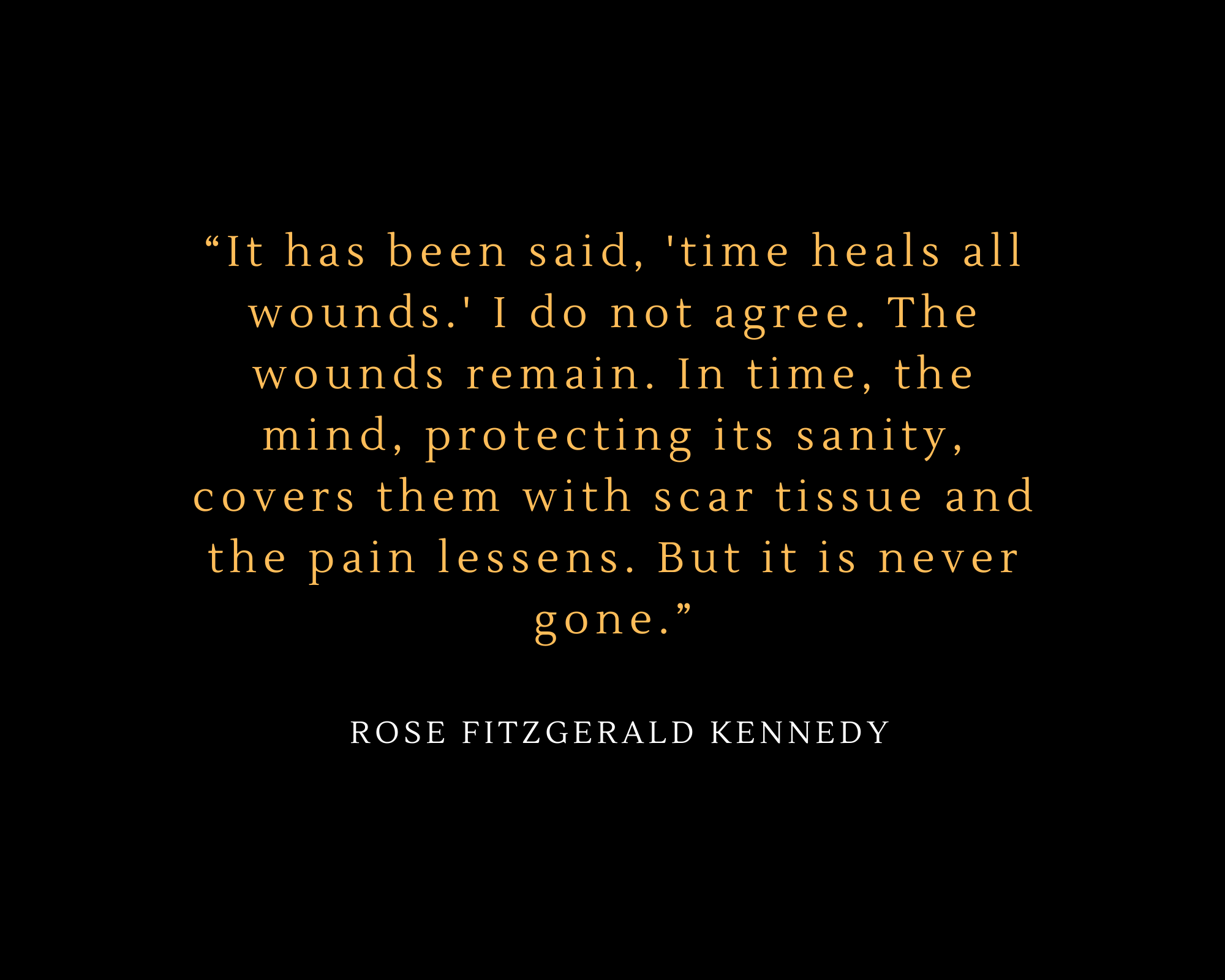
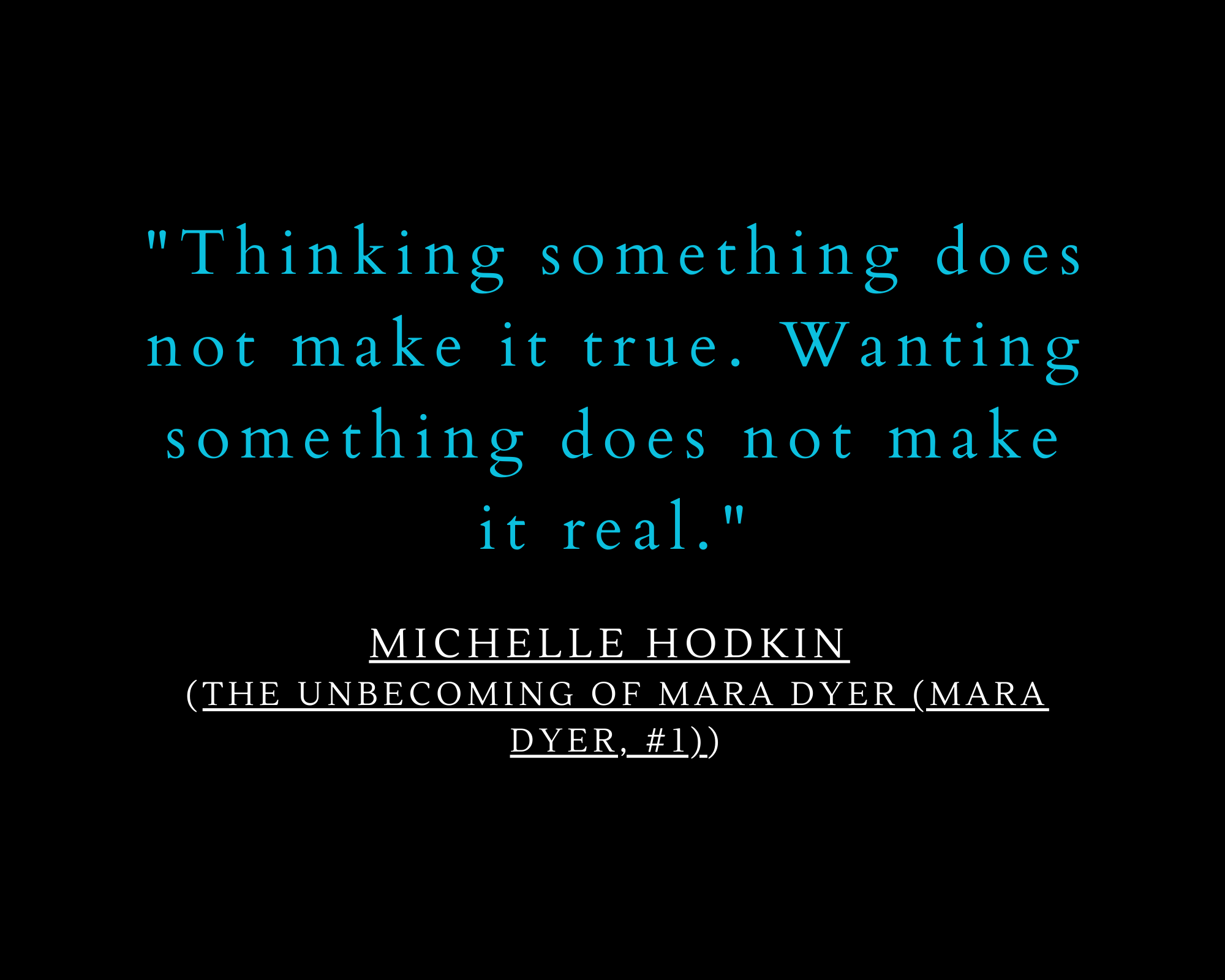
Rarely have I collaborated with other poets. This was the first one I actually enjoyed working on.
An Andy Scott/Mangus Khan Collaboration
It was not suppose to be like this
when we took our cries to the streets
it was suppose to start a revelation for us all
where we would give freedom’s wall a kiss
living past the years of defeats
lifting the smothering shawl
I close my eyes to the truth
Mesmerized by freedom’s illusion
I close my eyes to the smoke
From smoldering cinders of liberty
I begin to choke …
Begin to choke …
Crying out, for my fears are becoming true
Denial, such a lovely color for you
Crying out, for my guilt is bleeding through
As the lies just sit and glare at you
How deep I don’t want to know…
I feel the knife of greed scrape to my bone
Grinding past where there is no more blood to bleed
All of the meat is gone from underneath my skin
Scream from my dried, chapped lips
“How much more to be taken?”
“There is nothing more to be taken!”
On my knees with defeated independence
a withered, empty body
with belief of tomorrow that will not escape
until, step by step, the embers rise again
My Master’s grace I beckon …
As I shudder, for I feel its warmth growing
I feel it creeping through every fiber of my being
Help me understand! What is this?
This is not the way I want to live!
Help me withstand this … Would you please?
Give me the strength to stomp out Hatred’s fiery desires
Give me the strength to stop this, before it
seduces my soul and engulfs my heart
Help me to stand with the courage of my beliefs
May I have the wisdom to have the understanding,
that the tomorrow I seek …Begins with me
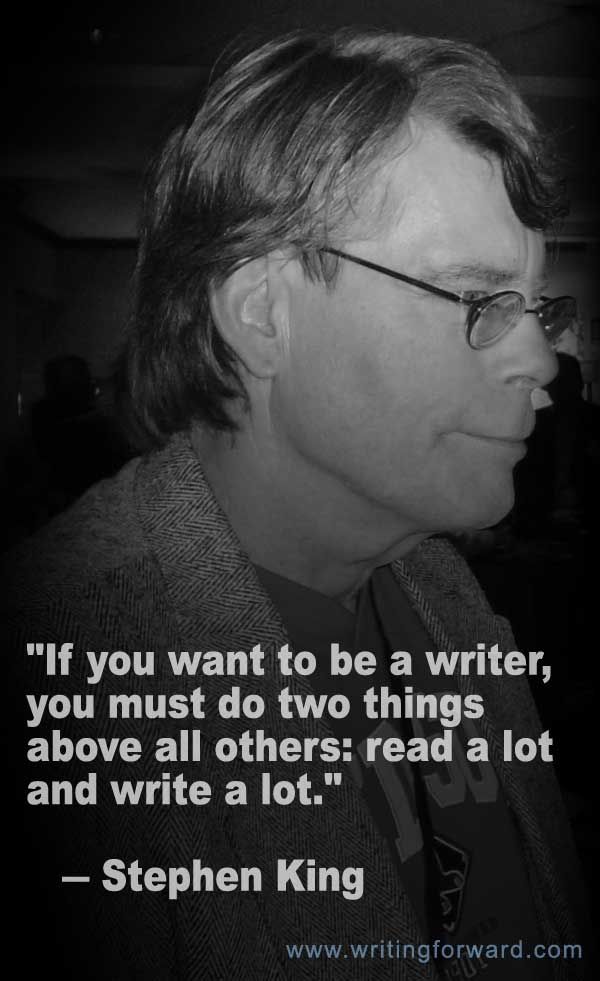
My submission for Hugh’s Views & News blog, Wordless Wednesday post.


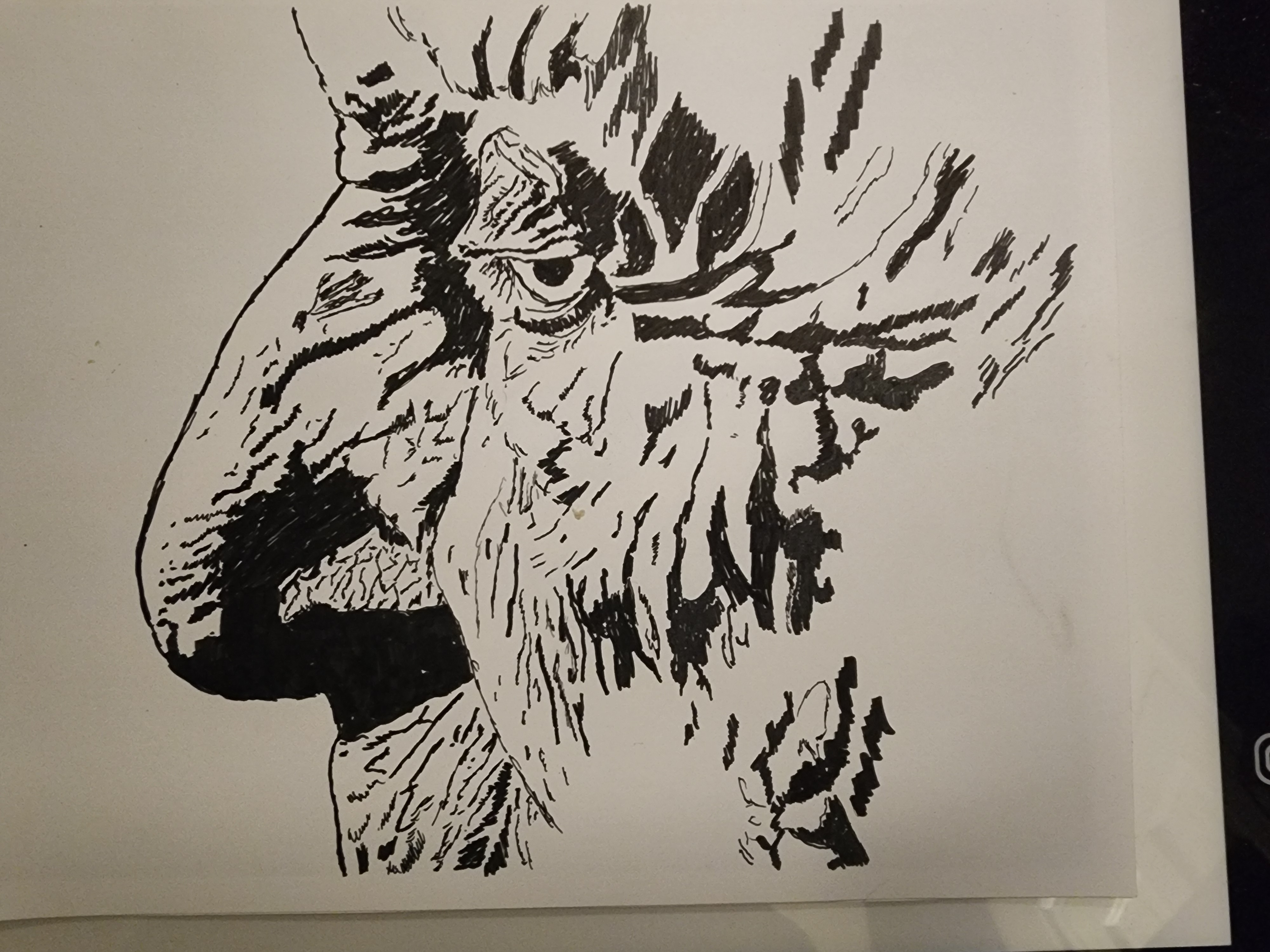
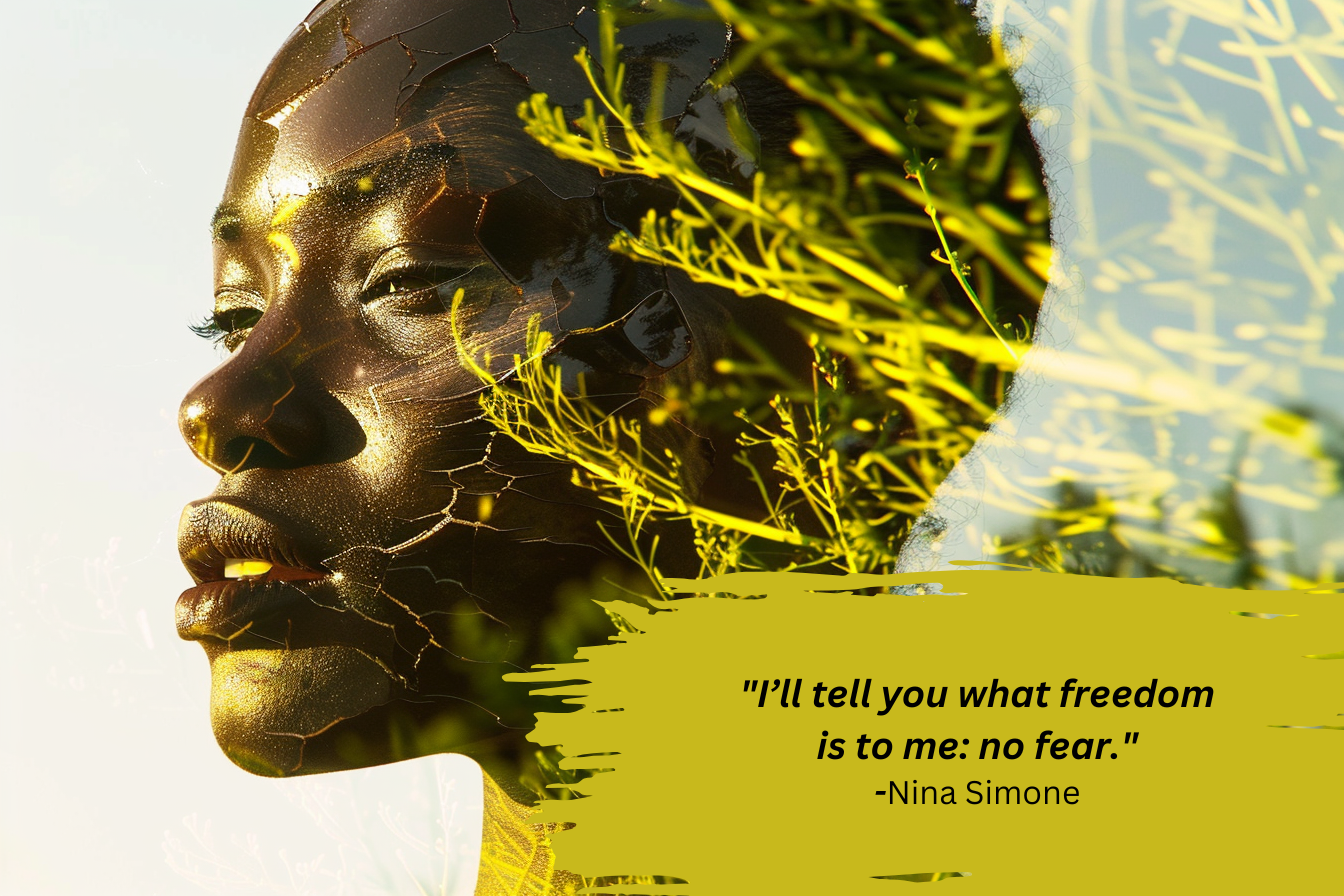
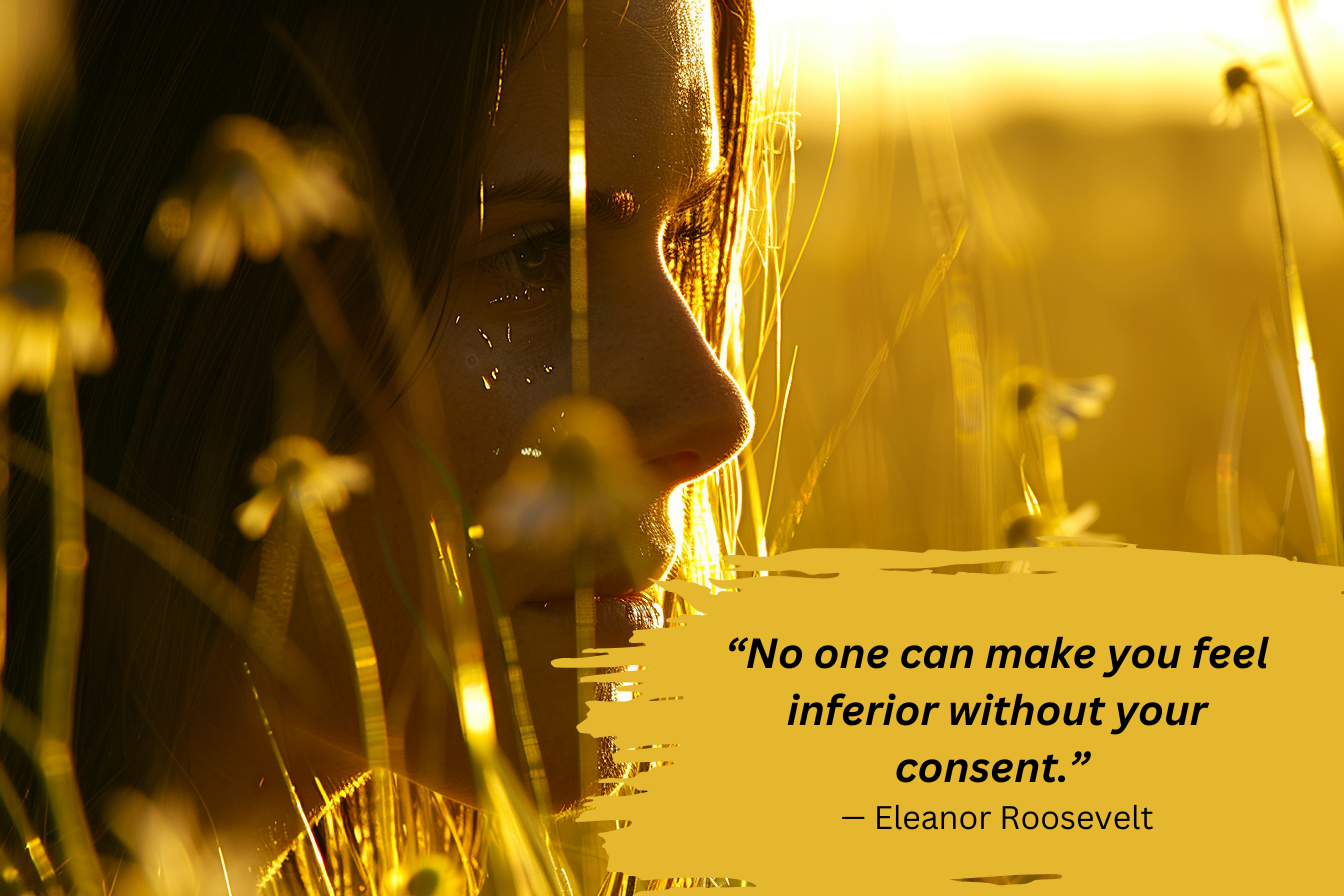
Women’s Day March: More Than Just a Hashtag
Let’s talk about the Women’s Day March. You know, that annual event where millions of people worldwide take to the streets, wave signs, chant slogans, and, if history is any indication, thoroughly annoy certain politicians and social media trolls. But this isn’t just a performative stroll in comfy sneakers—it’s a global movement that has been shaking things up for over a century.
Back in the early 1900s, women weren’t just fighting for a cute photo op; they were demanding the right to work in decent conditions, vote, and hold public office—basic stuff that, shockingly, was considered radical. The first National Women’s Day in the U.S. (1909) was organized by the Socialist Party of America, inspired by the 1908 garment workers’ strike. Then, Clara Zetkin, a German socialist, decided in 1910 that the world needed a dedicated International Women’s Day. Boom—March 8th became the day to make noise. Today, International Women’s Day is observed globally on this date, with some countries even recognizing it as a public holiday, including Russia, China, and several nations across Eastern Europe and Central Asia.
Things escalated quickly. In 1917, women textile workers in Petrograd kicked off protests that led to the Russian Revolution (as one does). By 1975, the United Nations decided to get in on the action, officially recognizing International Women’s Day, probably realizing it wasn’t just going to disappear.
Fast forward to the mid-20th century: the feminist movement expanded beyond suffrage and workplace rights to tackle issues like reproductive freedom, domestic violence, and workplace discrimination. This shift was fueled by legal battles (think Roe v. Wade in the U.S.), cultural shifts (hello, second-wave feminism), and high-profile activism that pushed these issues into the mainstream. Women weren’t just asking nicely anymore—they were suing, protesting, and demanding systemic change. By the late 20th century, marches started embracing an intersectional approach, recognizing that gender inequality doesn’t exist in a vacuum—it intersects with race, class, sexuality, and even environmental justice (hello, ecofeminism!).
Then came 2017. The Women’s March, sparked by the U.S. presidential election, saw millions of people worldwide rallying against threats to reproductive rights, gender equality, LGBTQ+ protections, and racial justice, all while making it clear that misogyny wasn’t going to be tolerated in silence. It reminded everyone that women’s marches weren’t just nostalgic history lessons—they were alive, global, and louder than ever.
Women’s Day marches are more than just a moment to wear purple and wave a sign. They’re about real issues that persist:
Women’s Day marches aren’t one-size-fits-all. Some places host massive, colorful protests. Others… well, they get government pushback or even outright bans—like in Russia, where feminist activism faces heavy restrictions, or Iran, where women protesting for basic rights risk arrest. In places like Turkey, marches are often met with riot police, and in China, feminist organizers frequently find themselves censored online and monitored by authorities. Clearly, not every government is a fan of gender equality making too much noise.
Thanks to digital activism, Women’s Day marches now reach millions beyond those physically attending. Hashtags spread messages globally, but there’s a downside: corporate “femvertising.” Yes, we see you, companies posting pink-washed empowerment quotes while paying women less than their male counterparts.
Great question. While some argue that marches are just symbolic, history begs to differ. Take the 1913 Women’s Suffrage Parade in Washington, D.C.—a march that helped pave the way for the 19th Amendment, granting women the right to vote. Or consider the protests that fueled the passage of the Violence Against Women Act in 1994, providing protections and resources for survivors of domestic violence. When enough voices demand change, even the most stubborn institutions have to listen. Sure, walking with a sign won’t fix centuries of oppression overnight, but collective action has a way of making power structures nervous. Just ask the suffragettes who marched their way to voting rights, or the activists behind #MeToo, which reshaped workplace policies worldwide. When enough voices demand change, even the most stubborn institutions have to listen. And that’s always a good start.
Women’s Day marches aren’t just tradition; they’re a battle cry, a demand for justice, and a refusal to stay silent. Until gender equality isn’t just an aspiration but a reality, we’ll keep marching, rallying, and making noise—because the world doesn’t change by waiting politely. Until gender equality is so ingrained that protests become obsolete, we’ll keep marching, raising our voices, and demanding change. So, see you in the streets—or at least online, amplifying the message.

The last time I answered this prompt, I think I went with something obnoxiously grand like “A Good Story.” I should be shot for sounding so pretentious. But I wasn’t lying—just leaving out the messier bits of the truth.
When I’m in creation mode, the real world ceases to exist. I don’t hear, see, or care about anything other than the story I’m writing or the drawing I’m working on. It’s like my brain switches dimensions, and all outside stimuli become irrelevant. This used to drive my late wife insane. She’d be talking, calling my name, possibly setting the house on fire, and I’d be sitting there, oblivious, lost in whatever imaginary world had taken hold of me. I’d come back to reality only to find her standing there, arms crossed, staring daggers into my soul. And honestly? Fair. It’s a miracle I survived as long as I did.
Writers have been called time travelers, and I think that’s dead-on. But it makes me wonder—when we write, are we building new worlds or excavating old memories? Because when I write, the worlds feel real. I don’t mean in an “I have a well-thought-out setting with consistent internal logic” way. No, I mean in an I can hear the wind howling through the trees, smell the rain-soaked earth, and feel the blood on my hands kind of way. It’s a full-blown sensory experience. I write down everything I see, hear, and feel, but don’t ask me to explain where it all comes from because I genuinely have no clue.
And then there’s the time warp. I sit down to write, and suddenly, five hours have passed. Meals have been skipped. Hydration? Forgotten. Responsibilities? Who’s she? But in exchange for this self-imposed neglect, I get The Surge. The best way I’ve ever found to describe it comes from the movie Highlander. I call it The Quickening. It’s this electric, all-consuming rush—pure creative adrenaline surging through every nerve in my body. I’d say it’s better than drugs, but let’s be real, I wouldn’t know. It’s definitely better than caffeine, though. And I say that as someone whose blood type is probably espresso.
Drawing, however, is a completely different beast. I still lose track of time, but the sensation isn’t electric—it’s tranquil. A deep, bone-melting calm settles over me. My heartbeat slows, my breathing evens out, and for those few hours, the chaos of existence takes a backseat. If writing is an untamed storm, then drawing is a slow, meditative drift down a lazy river. It’s the only thing that relaxes me more than pretending I don’t have responsibilities.
So yeah, I love getting lost in a good story. But really, I just love getting lost. Period. Maybe that’s why I do what I do—because the real world is often too loud, too dull, or just too much. And if I’m going to vanish into another reality, it might as well be one of my own making.

In 1988, Chuck D hit us with this unforgettable line: “I got a letter from the government.” That line has lived rent-free in my head ever since, resurfacing when I least expect it—usually when I need it most. Those moments when I need a reminder of the mess we’re in.
I think it stuck with me because of its quiet punch. Public Enemy was known for sonically assaulting your eardrums and shaking your soul, but the opening of “Black Steel in the Hour of Chaos” starts like a casual conversation, just a couple of guys rapping about something that was on everyone’s mind.
“Man, can you believe this shit?”
Every time I got a letter from the government, that same question echoed in my head. It wasn’t some tinfoil-hat paranoia—it was my job. I was the source of that dread and anxiety. I was the one delivering news people didn’t want to hear, the harbinger of bureaucracy, the bearer of all things stamped, sealed, and official.
And you know what? That shit weighs on you.
Driving to an appointment one day, I saw someone I consider a member of “The Homeless”—and yes, I call homelessness a government-sanctioned movement because the fact that we even have a homelessness problem in this country is absurd. We act like it’s some unavoidable force of nature, like hurricanes or earthquakes, instead of a system we built and continue to uphold. We hold charity galas where rich people sip champagne and bid on paintings to “raise awareness,” while outside, a guy is digging through a trash can for half a sandwich. Cities spend millions not on housing solutions but on hostile architecture—park benches with dividers so no one can lie down and spikes under bridges to keep people from taking shelter. We pretend to care just enough to feel good about ourselves, but not enough to actually fix anything.
Some people have sacrificed everything to make this country function, and yet, this is the best we can offer them?
“Is this shit… the best?”
Really? This is it? The pinnacle of civilization? Get the fuck outta here!
But then I saw her. A woman draped in a mink blanket, rocking a floppy hat, standing on the corner like she owned the world. The traffic light changed as I drove past her, and she didn’t flinch. She was unbothered. Cool as she wanted to be. It was almost poetic.
I muttered to myself, “Yes.”
“You’re quite hostile.”
“I got a right to be hostile. My people are persecuted.”
Public Enemy said it best.
For me, “My people” has never been about race, color, or creed. It extends to everyone, no matter how they see me. We like to pat ourselves on the back for how “connected” we are, how much “progress” we’ve made, but let’s be real—we are more divided than ever. Dignity, honor, and respect? Those are punchlines now. If you’re lucky, someone will just forget them entirely instead of twisting them into a joke at your expense.
And “persecuted” doesn’t always come with fire and brimstone. Sometimes, it’s death by a thousand inconveniences. It’s getting pulled over for a busted taillight and knowing you’re about to make some cop’s day more exciting than it needs to be. Seeing corporations celebrate diversity initiatives while their leadership remains overwhelmingly homogenous is infuriating. It’s working twice as hard for half as much, and if you dare complain, you’re labeled “difficult.”
People lie to the very ones they claim to love. We open ourselves and share something close to us; we let them see us, only to be judged, only for them to rip our hearts out, show them to us, and then crush them just to make sure we know who did it and why. And then, just to rub salt in the wound, we’re told we have to be strong. We have to rise above. Sure. No problem. Let me just pop on my superhero cape and pretend I didn’t see that betrayal coming from a mile away.
But what really gets me, what keeps me up at night, is the way some people pick on the weak like it’s a sport. The sheer audacity of it, the cruelty, the absolute bullshit of it all.
Why can’t we just let people be who they are? Love them as they are? No adjustments required.
A movement preaches this very thing, and while it’s well-intended, undoing a hundred years of supreme malarkey is no small task. I admit that I used to be one of those people who judged unfairly. I can’t undo my past, but I can control who I choose to be moving forward. And that, at least, feels like something.
How cool would it be if we could bob in and out of time, cruising in a pink Cadillac with plush velvet seats, Robert Plant belting out the opening verse to “Heartbreaker”? Traveling back to the moment before we became assholes, before bitterness took root. Imagine if we could just press eject and launch all that baggage out the window like a bad mixtape.
But it doesn’t work that way.
Nothing lasts forever. Not even earth and sky.

If you’ve ever waged war against a kitchen floor, armed with a flimsy, soggy mop that seems more interested in smearing dirt around than cleaning, you’ve probably muttered to yourself: There has to be a better way. Well, Joy Mangano didn’t just mutter—she got to work. She invented the Miracle Mop, a self-wringing, no-hand-dirtying, sanity-saving tool that turned her from a struggling single mom into a business mogul. And let’s be honest: if you’re going to be famous for something, making cleaning suck less is a pretty noble cause.
Born on February 1, 1956, in Brooklyn, New York, Joy Mangano spent her childhood in Huntington, Long Island. Even as a teenager, she had a knack for problem-solving. Case in point: while working at an animal hospital, she had the brilliant idea for a fluorescent flea collar to keep pets visible at night. Unfortunately, Hartz beat her to market with something eerily similar. Did that crush her spirit? Nope. It just made her hungrier.
After earning a Business Administration degree from Pace University in 1978, Joy married Anthony Miranne and had three children. But life had other plans, and the marriage ended in divorce, leaving Joy to juggle single parenthood with a carousel of jobs—waitress, airline reservations manager, you name it. It was during this hectic period that her true entrepreneurial spirit took center stage.
The legend of the Miracle Mop begins with something many of us know too well: an unholy mess. In 1990, during a dinner party, a guest spilled red wine all over her floor. As Joy wrestled with the sopping-wet, bacteria-breeding disaster that was a standard mop, she hit her breaking point. There had to be a better way.
So, she made one. Using her own savings (and likely a lot of caffeine-fueled nights), she designed the Miracle Mop: a self-wringing mop with a head made from a continuous loop of cotton. It could be wrung out without getting your hands dirty, and for anyone who’s ever gagged while touching old mop water, this was a revolution.
Of course, the road to success wasn’t smooth. Joy invested $100,000—her life savings—to produce her first 1,000 mops. Selling them door-to-door and at trade shows wasn’t exactly a Cinderella story; the response was slow. But Joy wasn’t about to back down. Her break came when she personally convinced QVC to let her demonstrate the mop on air. The result? She sold 18,000 mops in under 20 minutes. That moment didn’t just change her life—it cemented her as a home shopping legend.
After her smashing QVC debut, Joy became a regular on the Home Shopping Network (HSN). Her natural charisma and infectious enthusiasm made her a powerhouse. In 1999, she sold her company, Ingenious Designs, to USA Networks (HSN’s parent company). By 2000, the Miracle Mop alone was raking in $10 million annually.
But Joy wasn’t a one-hit wonder. She kept churning out wildly successful products, including the Huggable Hangers—yes, the space-saving velvet hangers that have somehow sold over 700 million units. (Seriously, how many closets even exist in the world?)
Her on-air sales? Absurd. At her peak, Joy was moving products at a pace of $1 million per hour. Forget the stock market—if you wanted real action, you tuned in to watch Joy Mangano sell hangers like they were going out of style.
In 2015, Hollywood took notice. The biographical comedy-drama Joy, starring Jennifer Lawrence, hit the big screen. The film captured the essence of Joy’s relentless drive, though it took some creative liberties (like how she met her ex-husband—Hollywood, of course, had to make it more cinematic).
Regardless, the film highlighted her grit, her struggles, and the absolute circus that is inventing, marketing, and scaling a product. Jennifer Lawrence’s performance was so good that she snagged a Golden Globe and an Oscar nomination. Not bad for a movie about a mop, huh?
Joy’s story isn’t just inspiring—it’s a masterclass in entrepreneurship. Here’s what we can learn:
You’d think after selling millions of products and getting a Hollywood movie, Joy would be kicking back with a cocktail somewhere tropical. Nope. She’s still inventing. In 2021, she launched CleanBoss, a brand focused on next-level cleaning products, and debuted America’s Big Deal, a reality competition show giving other entrepreneurs a shot at success.
Her legacy isn’t just about mops or hangers—it’s about resilience, creativity, and proving that even the most mundane frustrations (looking at you, dirty floors) can lead to something extraordinary.
Joy Mangano’s journey from single mom to self-made millionaire is proof that sometimes, success isn’t about grand, world-changing ideas—it’s about fixing everyday annoyances in a way no one else has. So, the next time you’re battling a stubborn mess, just remember: one woman got so fed up with cleaning that she built an empire.
Now, what are you doing with your frustrations?
My submission for Hugh’s Views & News blog, Wordless Wednesday post.
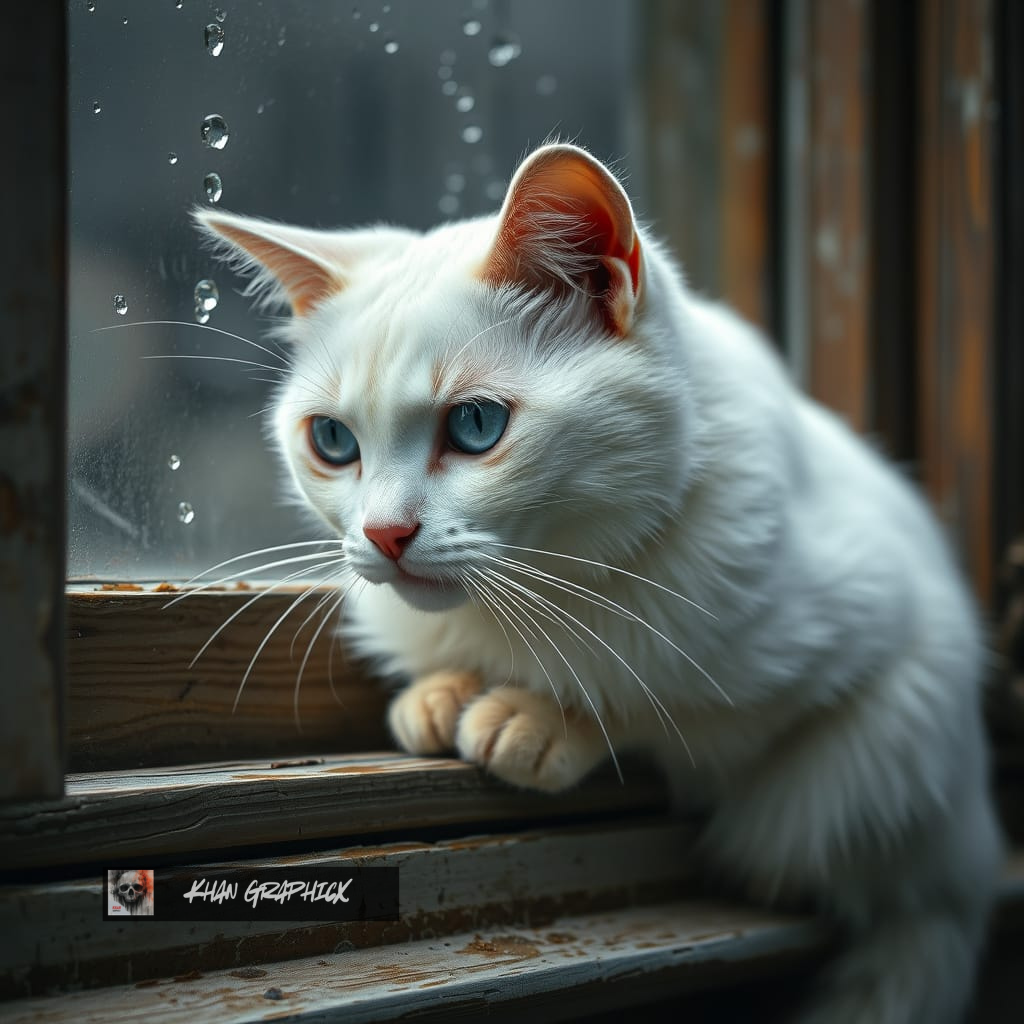


 Memoirs of Madness