My Unspoken Charge

What is the most important thing to carry with you all the time?

PROSE – REFLECTION

On a table, items are lined up in a certain order. These are the things I take with me each day. The items on the table may change for time to time depending on what is in store for the day. However, there are certain things that I carry regardless.

To answer this question, I suppose line them up; spread them out, look at them individually making a determination of their importance. Then perhaps them in some sort of order. I’m not sure which sorting method I’m going to use, but that’s not what important at the moment.

If I know myself, I’d like to think I got a pretty good handle of who I am. Though I admit I surprise myself now and again. I’d asking the question, “How did things get this way?”

Now I know the purpose of every item on the table and why its there. My question of how? Is simply an exercise of gaining the understanding how these items became important enough to make to the table. If you look at it, something as simple of a yes or no could have altered the way I do things.

An altered decision of undefined place in time, could possibly alter the items on the table. A black pen could be blue, wristwatch instead of pocket watch, etc,. It’s becomes clear to me, none of the items on the table are that important. For they could be changed by answers to questions I didn’t know to ask.

So, what is my most important thing to carry with me daily?

My humanity

No matter what goes on, I still must be truest form of myself.

Be decent and kind,

Despite…
what is said
what is done

Despite …
what is felt
what is not

Despite…
pain
fear
hate
torment
agony

Joy

Yes, there’s joy
Love as well
Grace, compassion

I must stand and remain steady

This is my unspoken charge

Eastbound and Down

How do you practice self-care?

PROSE – RANDOM THOUGHT

There is something about taking a drive. A full tank of gas packed lunch, and your camera and notebook. It’s a sense of freedom; at least, that’s the phrase I’ll use as I sit here talking to you. I suppose it’s as good as any, to really explain this feeling I get when taking a drive. It’s a chance to explore, clear your mind, and, just for a moment, set aside the stresses of everyday life. And having your camera and notebook with you allows you to capture the magic.

There’s no better way to appreciate the beauty of nature and the world around you than to take a leisurely drive, at least I don’t know if any. Maybe one or two others come to mind if I think on it a spell. But, nothing beats a drive. Whether through winding country roads, along the coast, or through the mountains, a scenic drive can be a truly unforgettable experience. Let us not forget, a drive through the city after dark. Another side of life seems to come alive in the night; after dark. One must be careful you may see things you may never have known existed.

But it’s not just about the destination; it’s also about the journey. Taking a drive can be a chance to reflect on your life, think about your goals and dreams, and enjoy the present moment. It’s a form of self-care that can help reduce stress, improve your mood, and boost your creativity.

In fact, many writers, artists, and photographers have used driving to inspire their work. The freedom of the open road allows them to escape the distractions of everyday life and focus on their craft. And with a camera and notebook, they can capture their thoughts and ideas as they come to them.

But even if you’re not a writer or artist, taking a drive can still be a valuable experience. It’s a chance to unplug from technology, connect with nature, and appreciate the simple pleasures in life. And with the flexibility of driving, you can make the experience your own. You can stop at a roadside diner for a classic burger and fries, take a detour to visit a local attraction, or simply park by a scenic overlook and watch the world go by.

So next time you’re feeling stressed or overwhelmed, why not take a drive and see where the road takes you? You never know what new experiences, sights, and insights you may discover. Perhaps, a fond memory or recollection will be unlocked evoking a smile.

Afternoon Reading

I found this article while browsing the web today … Check it out

www.thisiscalmer.com/blog/7-books-to-read-if-you-need-a-mental-health-boost

Trees – CBWC

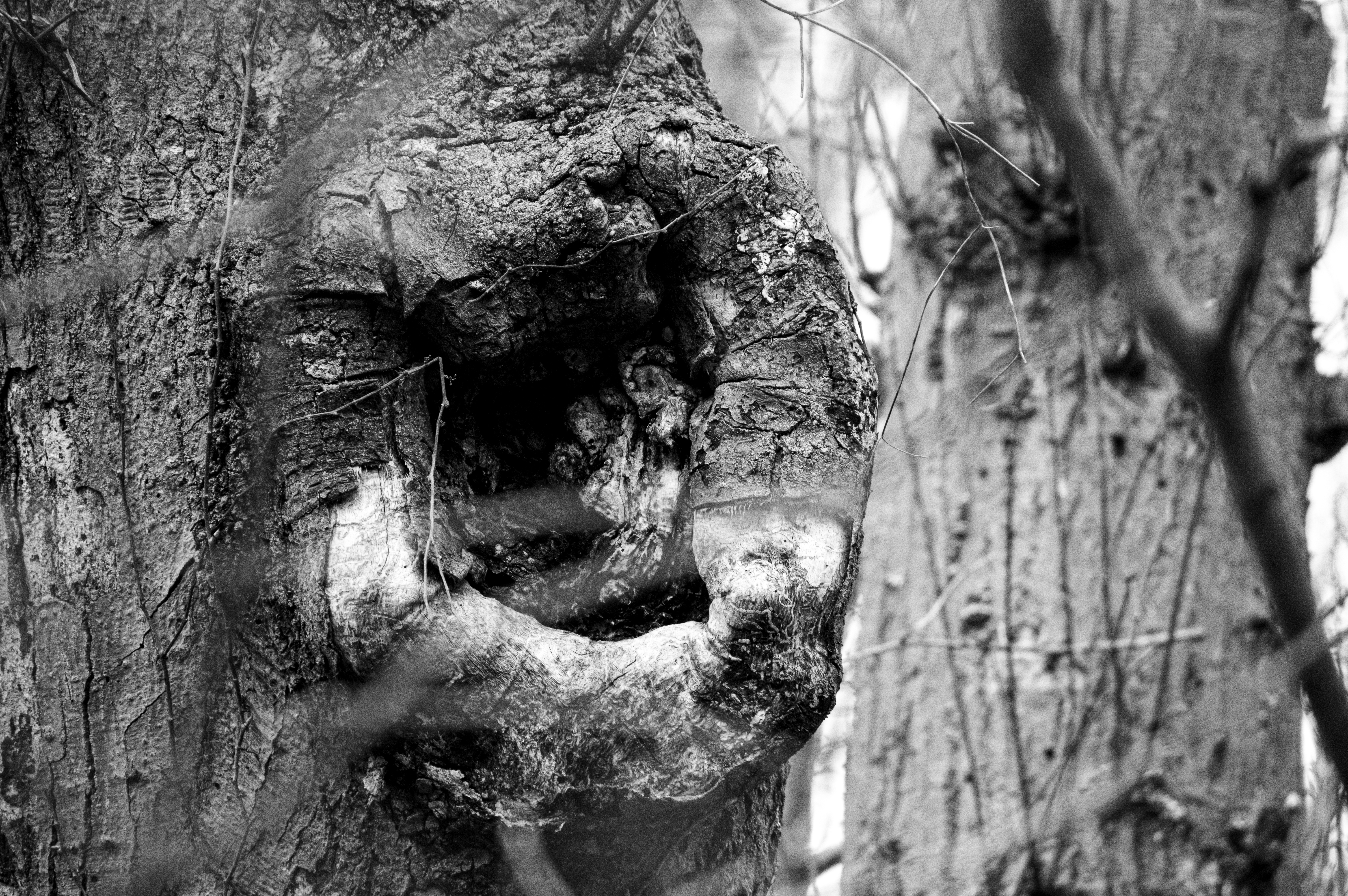
I’m continuing on my journey into Black & White Photography. I found this challenge last night at Cee’s Black and White Photo Challenge..

I found this tree on a walkabout. I found myself wanting to stick my hand in the hole. The only thing preventing this was the tree was too tall.

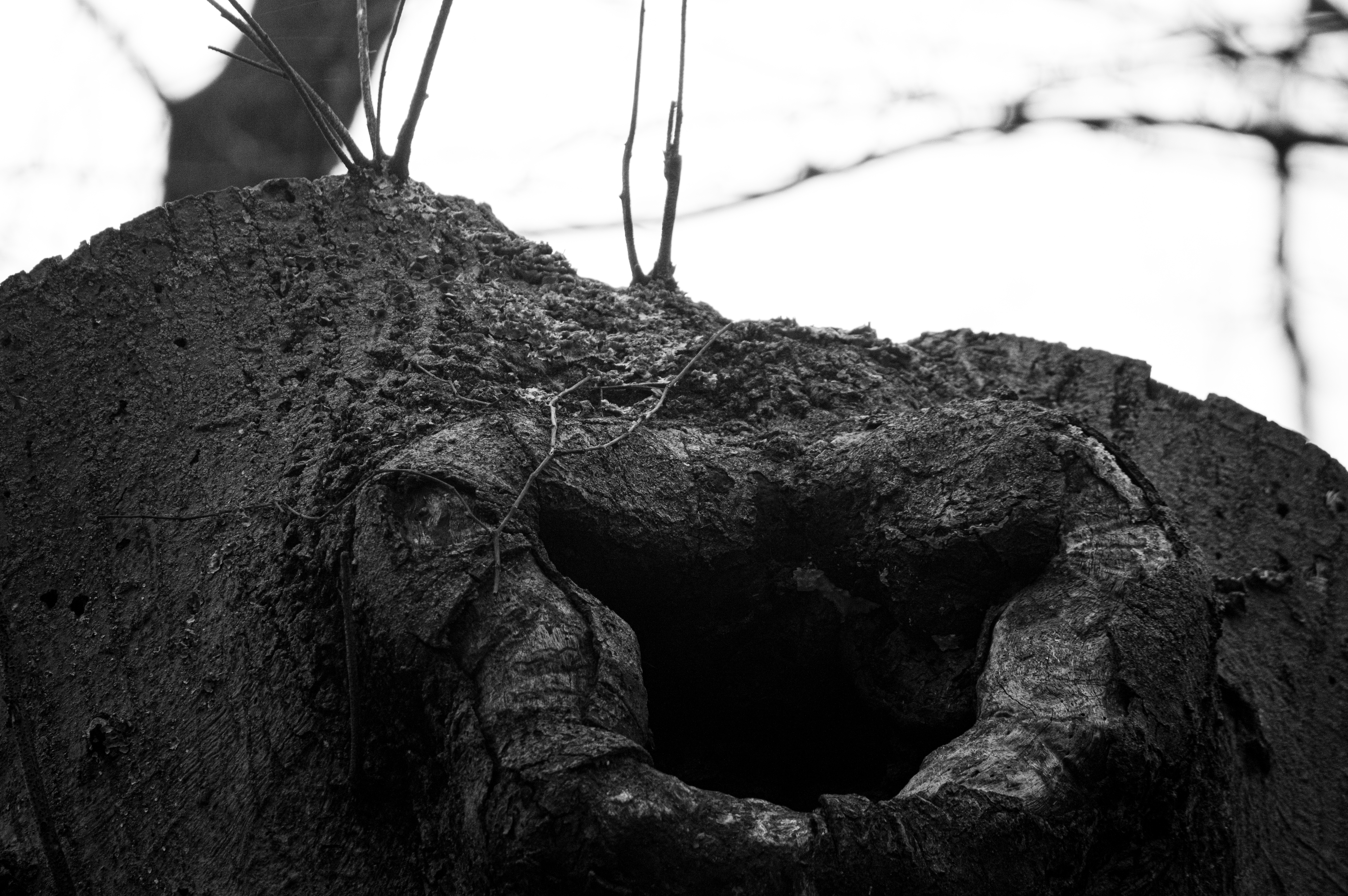
After this shot, I got tired and needed to sit down. I almost sat on here but looked down and saw its condition and snapped a shot instead.


I can’t remember where I was with this shot, but I think it’s a cool shot.

Water Birds – CBWC

As you know, I have been exploring the photography side of my creativity. Today, I discovered an old challenge concerning birds. So I pulled out some photos of water birds. Here’s my entry for Cee’s Black and White Photo Challenge

Geese
Pelicans

Geese

Me Scared? You Better Watch Your Mouth!

What fears have you overcome and how?

I’ve spent most of my life conquering fear; at least, I thought so. As a child, we are taught to be tough and not be afraid of anything.

“Are you chicken?”

“What you yella?

Phrases like these quickly appear in my memory when I think of fear. I remember I wanted to be brave, strong, and courageous. For the most part, I feel I accomplished it on some level. I followed the rules and worked hard, volunteering for every crappy assignment to prove to myself and those around me that I feared nothing. Unwittingly, I was actually making a fool of myself. My friends and superiors felt my actions were to curry favor, not prove my courage.

One day in the barracks, I discovered this when I overheard some soldiers discussing my actions. There I was, staring into the face of what I believed to be my greatest fear, mockery. As this continued, I became numb to everything. My attitude damaged my relationship with my wife and children. I had no idea I was suffering from the effects of PTSD. To be honest, I’d never heard of it. Something I regret, I regret it still.

Tragedy and disappointment became my watchwords. However, facing death from something that didn’t carry a rifle became the catalyst of my new mindset. I realized something. I don’t control anything. Then I asked myself, “Why am I trying to conquer an emotion that innate.” So I began to embrace my fear. I took a decade digging into myself, trying to understand my fear. What I figured out was the following:

Once you begin to understand one’s fear, one realizes there is no shame in being afraid. It protects us; keeps us harm.

So, my greatest fear is I’m afraid of being afraid. How I conquered it? I didn’t. I embraced it. Once I accepted this concept, I began to find peace.

The Day I Lost My Courage

SHORT ESSAY – REFLECTION

I never dreamed I had what it took to become a writer. It was more than the usual self-doubt, more like an evaluation of my skills. My mastery of the language was smattering at best. Writing for myself was the only way to feel the joy I desperately desired. My sketches were rudimentary, but I still enjoyed the process occasionally. However, writing is the thing that gets my motor running, as they say. Even after becoming a widower, I kept writing; I began my first novel within the first month. Over the next three years, I took loss after loss. Though wretched like a tsunami with no quarter, I continued to write.

Despite all this tragedy, I created a poetry show and taught workshops about writing poetry. In many ways, my writing career had begun to take off. Then one day, I felt a little off. It felt different than previous experiences of this sort, so I went to the doctor. I was fully prepared to be told I was suffering from several underlining symptoms of my PTSD. It’s peculiar how once you have a diagnosis of something, it becomes the cause of EVERYTHING that ails you. However, today was different; the physician stated

“although unlikely, but it is probable.”

Really, bro? This is how you’re going to start things off? I screamed in my head but gave a tempered response, “I see; when will the test results return?”

A couple days later, I got the news. A confirmation of something I already knew to be true. The doctor had a lot to say, but the only thing I heard was

~You have Cancer~

He was still talking. Still, I heard nothing. Then, my once-decent vocabulary was reduced to one-syllable words.

“Well damn!”

“Fuck!”

“Okay, Okay”

“Fuck!”

The doctor finally stopped talking and ended the call. There was a numbness that took hold, and I can’t quite remember feeling much after that. It seemed as if this feeling was my permanent state for the next couple of years. Even through everything, I was just numb. I befriended people I would never have and shared things usually kept private.

It was as if I didn’t recognize myself. It was me talking to these strangers and sharing these private things. Something was wrong. It wasn’t just me, for I share the wisdom of their secrets in the lines I write. As if it is my duty or something I can’t quite name or describe, to share what is learned in the space between clarity and confusion.

Even now, years later, I can’t tell what I’ve learned. Perhaps, as I write these lines and others like them, lessons will become clear. It took me years to talk about my experience, years to write, and years to share.

I could talk about this experience forever; perhaps I will share more one day. However, for now, I’ll share my feelings about the news that day. Tell you how it stripped away my courage. Slowly tearing away the essence of my existence. I barely wrote a word after that. Somehow, I felt I’d had this coming. I deserved this fate.

Somedays, I hear the echoes of the haunting memories of that man. I’d love to say I’ve shed its torment and walked around free. That wouldn’t be honest. It took me years to regain my courage. With a bit of luck, I can maintain it. We all know luck is all a person needs if their courage holds.

~thank you for reading~

Let Me Tell You About

POETRY – INTROSPECTION

Let me tell you about
the man trapped inside
the one residing in the bowels of madness

His armor is rusted & dented
but his sword remains sharp
as he grips the hilt, he tastes
the blood of the unhealed wounds
beneath the scars

He’s been in that life for so long
he’s forgotten the other
yet, he wonders, if there’s something else
one day, I will tell him about peace.

~thank for you reading~

Memorial Day in Black & White

Today we honor the fallen; I observed them by teaching and passing on some of their lessons. Here are some photos of today’s shoot in black and white.

Family
My grandson capturing a glimpse of the world.

Weekend Sky #1

For over a month, I have been admiring the posts concerning the Weekend Sky Challenge. I snapped a few with my phone. I’m unsure how the challenge works, but here is an attempt.

I caught this pic with my phone a couple Saturdays back.

A friend of mine suggested that I explore all my creative outlets. So I decided to pull out my camera and started snapping a few pictures. Art therapy is an excellent way to relieve stress. Mental health awareness is critical in society at the moment, and I don’t see an end anytime soon. Perhaps, you can start a hobby or return to an old one.

I hope my previous articles concerning mental health provided a little insight into a subject that seems to be touching us all in one way or another.

Coping Strategies for Anxiety

Introduction

Anxiety is a normal part of life, and everyone experiences it at some point. However, when anxiety becomes excessive and starts interfering with daily activities, it can indicate an anxiety disorder. Anxiety disorders are among the most common mental health disorders affecting millions worldwide. The good news is that many coping strategies for anxiety can help individuals manage their symptoms and improve their quality of life.

In this blog post, we’ll discuss some of the most effective coping strategies for anxiety that you can implement today.

Practice Mindfulness

Mindfulness is a type of meditation that involves focusing on the present moment and accepting it without judgment. Studies have shown that practicing mindfulness can help reduce anxiety symptoms and improve overall well-being. Mindfulness can be practiced in many ways, including guided meditation, deep breathing exercises, or simply by paying attention to your thoughts and emotions.

One way to practice mindfulness is to set aside a few minutes daily to focus on your breath. Simply sit or lie down in a quiet place and pay attention to your breath as it enters and leaves your body. Whenever your mind starts to wander, gently bring it back to your breath. With regular practice, mindfulness can become a powerful tool for managing anxiety.

Get Enough Sleep

Sleep has a significant impact on mental health, and lack of sleep can exacerbate symptoms of anxiety. Getting enough sleep each night is essential to help manage anxiety symptoms. Adults should aim for at least 7-8 hours of sleep each night. Developing a consistent sleep schedule and creating a relaxing bedtime routine can also help improve sleep quality.

If you’re having trouble sleeping, there are several things you can try to help improve your sleep quality. Avoid caffeine and alcohol in the evenings, which can interfere with sleep. Ensure your bedroom is cool, dark, and quiet, and avoid using electronic devices in bed. If you continue having trouble sleeping, ask your doctor for additional guidance.

Exercise Regularly

Exercise is an effective coping strategy for anxiety as it helps to release endorphins, which are natural mood boosters. Regular exercise can also help reduce anxiety symptoms and improve overall physical health. It doesn’t have to be intense exercise; even light activities like walking or yoga can be helpful. Aim for at least 30 minutes of moderate exercise most days of the week.

If you’re new to exercise, start slowly and gradually increasing your workouts’ intensity and duration. Find an activity that you enjoy, such as dancing, hiking, or swimming, and make it a regular part of your routine. You’ll not only feel better physically, but you’ll also benefit mentally by reducing your anxiety symptoms.

Seek Professional Help

While these coping strategies can be effective, they may not be enough for everyone. If you’re struggling with anxiety, it’s important to seek professional help from a mental health professional. They can provide you with additional coping strategies and tools to manage your symptoms and offer support and guidance as you navigate your anxiety.

Several types of therapy may be helpful for anxiety, including cognitive-behavioral therapy (CBT), which focuses on changing negative thought patterns, and exposure therapy, which helps individuals confront their fears in a safe and controlled environment. Your mental health professional can help you determine the type of therapy that is best for you.

Conclusion

Anxiety can be challenging to manage, but with the right coping strategies, it is possible to live a fulfilling and productive life. Mindfulness, sleep, exercise, and seeking professional help are just a few strategies to help individuals manage their anxiety symptoms. It’s essential to remember that everyone’s coping strategies may differ, and finding what works best for you is important. Don’t hesitate to ask for help if needed – remember that help is available, and you are not alone.

~thank you for reading~

Understanding Anxiety: Causes, Symptoms, and Coping Strategies

Anxiety is a common mental health issue affecting millions of people worldwide. According to the World Health Organization, anxiety is the most prevalent mental health disorder, with an estimated 1 in 13 people globally suffering from anxiety. Anxiety is a feeling of unease, worry, or fear ranging from mild to severe. The symptoms of anxiety can vary from person to person, and it can affect people from all walks of life.

This blog post aims to provide an understanding of anxiety, its causes, symptoms, and coping strategies.

Causes of Anxiety

Anxiety can be caused by a combination of factors, including genetics, brain chemistry, life experiences, and environmental factors. Some people may be more susceptible to anxiety due to their genetic makeup, while others may develop anxiety due to traumatic life events or ongoing stress. Environmental factors such as work-related stress, financial difficulties, and relationship issues may also contribute to anxiety.

Genetics

Research has shown that anxiety disorders tend to run in families. A person’s genetic makeup may make them more susceptible to developing anxiety disorders.

Brain Chemistry

Imbalances in certain chemicals in the brain, such as serotonin and dopamine, can contribute to the development of anxiety disorders.

Life Experiences

Traumatic life experiences, such as abuse, neglect, or the death of a loved one, can trigger anxiety disorders. Chronic stress from work or personal relationships can also contribute to developing anxiety disorders.

Environmental Factors

Environmental factors such as work-related stress, financial difficulties, and relationship issues may also contribute to anxiety. Exposure to stressful situations or trauma can trigger or worsen anxiety symptoms.

Symptoms of Anxiety

Anxiety can manifest in various ways, and the symptoms can vary from person to person. Some common symptoms of anxiety include:

  • Excessive worrying
  • Restlessness
  • Irritability
  • Difficulty concentrating
  • Muscle tension
  • Insomnia
  • Panic attacks
  • Avoidance behaviors
  • Physical symptoms such as sweating, trembling, and heart palpitations

Coping Strategies for Anxiety

There are several coping strategies for anxiety that can help manage symptoms. Cognitive-behavioral therapy (CBT) is a type of therapy that can help individuals identify and change negative thought patterns and behaviors that contribute to anxiety. CBT has been shown to be effective in treating anxiety disorders.

Mindfulness meditation, exercise, and relaxation techniques such as deep breathing and progressive muscle relaxation can also help reduce anxiety symptoms. Regular exercise, in particular, has been shown to improve mental health and reduce symptoms of anxiety.

Individuals with anxiety can also benefit from making lifestyle changes such as getting enough sleep, eating a healthy diet, avoiding caffeine and alcohol, and engaging in enjoyable activities. These lifestyle changes can help to reduce stress and improve overall well-being.

It is also important to seek professional help if anxiety symptoms are interfering with daily life or if you are experiencing suicidal thoughts. A mental health professional can provide additional support and guidance in managing anxiety symptoms.

Conclusion

Anxiety is a common mental health issue that can significantly impact a person’s quality of life. However, there are effective coping strategies available to manage symptoms. By identifying the causes of anxiety, recognizing symptoms, and utilizing coping strategies, individuals with anxiety can take steps towards improving their mental health and overall well-being. Remember that seeking professional help is not a sign of weakness, but rather a courageous step towards taking control of your mental health.

Complementary Therapies

Complementary therapies have been used for centuries to help manage various health conditions, and their popularity has increased significantly in recent years. Traditional medicine often uses these therapies to help manage symptoms and improve overall well-being. Complementary therapies aim to treat the whole person, not just the symptoms of a particular condition.

Some examples of complementary therapies include:

  • Acupuncture: This involves the use of thin needles inserted into specific points on the body to stimulate the body’s natural healing processes.
  • Massage therapy involves manipulating soft tissues in the body to help reduce muscle tension, improve circulation, and promote relaxation.
  • Herbal medicine: This involves the use of plants or plant extracts to help treat various health conditions.
  • Meditation: This involves the practice of focusing the mind on a particular object, thought, or activity to promote relaxation and reduce stress.

While some complementary therapies have been extensively studied and are supported by scientific evidence, others are not. It’s important to talk to a healthcare professional before trying new treatments to ensure they are safe and appropriate for your specific situation.

One of the benefits of complementary therapies is that they can help manage symptoms and improve overall well-being without medication or invasive procedures. For example, massage therapy can help reduce muscle tension and improve circulation, while meditation can help reduce stress and promote relaxation.

Complementary therapies can be a valuable addition to a comprehensive healthcare plan. However, it’s important to approach them cautiously and do your research before trying new treatments. Some complementary therapies may interact with medications or have side effects, so talking to a healthcare professional before incorporating them into your healthcare plan is important.

In summary, complementary therapies can be a helpful tool in managing various health conditions and improving overall well-being. However, it’s important to approach them cautiously, talk to a healthcare professional before trying new treatments, and do your research to ensure that they are safe and appropriate for your specific situation.

~thank you for reading~

EM … What?

Eye Movement Desensitization and Reprocessing (EMDR)

Trauma can have a deep and lasting impact on an individual’s life. It can cause various mental health conditions, such as post-traumatic stress disorder (PTSD), anxiety, depression, and phobias. Fortunately, various treatment options are available to help individuals overcome the effects of trauma and live a more fulfilling life. One such treatment is Eye Movement Desensitization and Reprocessing (EMDR).

What is EMDR?

EMDR is a psychotherapy technique that was developed in the late 1980s by psychologist Francine Shapiro. It is a structured approach to address distressing memories and experiences, with the aim of reducing their lasting impact on an individual’s life. The therapy has gained popularity recently due to its effectiveness in treating PTSD and other mental health conditions.

How EMDR works

EMDR therapy involves a series of sessions, typically ranging from 6 to 12, where the individual is guided through a sequence of eye movements, sounds, or taps while recalling a distressing memory. The therapy aims to help the individual process these memories, so they no longer have a negative impact on their emotional well-being. It is believed that EMDR therapy works by stimulating the brain’s natural healing processes, allowing the individual to reprocess the traumatic memory and integrate it into their life in a more positive way.

The therapy is not just about eye movements, sounds or taps. The therapist will help the client identify the negative belief about themselves developed from the traumatic event. The client is then asked to identify a positive belief that they would like to have instead of the negative one. The therapist will then help the client to imagine what it would feel like to have the positive belief. The eye movements, sounds, or taps are used while the client is imagining the positive belief. This process is repeated until the client feels an emotional shift from negative to positive beliefs.

EMDR and PTSD

EMDR has been found to be particularly effective in treating PTSD. It is estimated that up to 80% of individuals who receive EMDR therapy for PTSD experience significant improvement in their symptoms. The therapy is believed to help individuals with PTSD by reducing the negative emotions and physical sensations associated with the traumatic memory, allowing them to feel more in control of their thoughts and feelings. EMDR can also help individuals with PTSD develop coping mechanisms to deal with future triggers.

Other applications of EMDR

EMDR is not just for PTSD. It has also been found to be effective in treating a range of mental health conditions, such as anxiety, depression, and phobias. EMDR can help individuals process distressing memories and experiences so they no longer have a negative impact on their emotional well-being. By reducing the negative emotions associated with these memories, individuals can learn to manage their symptoms and live a more fulfilling life.

Conclusion

EMDR therapy is a highly effective treatment for a range of mental health conditions, particularly PTSD. While the therapy may not be suitable for everyone, it is a safe and non-invasive approach to addressing distressing memories and experiences. If you are struggling with PTSD or other mental health conditions, it is important to seek professional help to find the right treatment for you. EMDR therapy may be an effective option to help you overcome your challenges and live a more fulfilling life.

~thank you for reading~

Yeah, I heard you, but what is CBT?

Introduction

When I first started therapy, my therapist began discussing the different courses of treatment. Then she mentioned we would be starting with CBT. Now, I always enjoy when experts talk to you using their jargon as if the entire world speaks this way. My therapist must have noticed my expression and immediately clarified things by stating, “Cognitive Behavioral Therapy.” I nodded, reassuring her I understood what she was referring to. However, in mind, a mini-rant formed.

“What? Is talking about mind control?”

“Hold on, I don’t quake like a duck for nobody!”

“Nah, ya’ll ain’t getting me with MK-Ultran, secret squirrel, CIA guinea pig … bullshit! Fuck that!”

As I stood up, preparing to walk out, she stared at me momentarily and asked, “MK-Ultra? or “Vulcan mind meld?” and pointed at the chair, inviting me to sit.

I assure you it’s nothing like that at all. Below I’ve provided some general information about the treatment.

Let’s take a look, shall we?

Cognitive Behavioral Therapy (CBT)

Mental health issues are a common occurrence in today’s world, and they can manifest in a variety of ways. Fortunately, there are effective methods to manage these conditions, one of which is cognitive-behavioral therapy (CBT). CBT is a therapeutic approach that focuses on the connection between our thoughts, behaviors, and emotions and how changing them can positively impact our mental health.

Understanding CBT

CBT is a talk therapy that aims to help individuals identify and modify negative thought patterns and behaviors that contribute to mental health problems such as anxiety, depression, and PTSD. It is a short-term treatment option typically done in weekly sessions with a licensed therapist. During these sessions, the therapist works with the patient to identify negative thought patterns and behaviors and develop strategies to overcome them.

One of the fundamental principles of CBT is that our thoughts and beliefs have a powerful impact on our emotions and behaviors. This principle is based on the idea that our thoughts create our reality, and by changing our thoughts and beliefs, we can change how we feel and behave in various situations. CBT also emphasizes the development of practical coping strategies that patients can use to manage their symptoms outside of therapy sessions.

Benefits of CBT

There are many benefits to using CBT to manage mental health issues. One of the main advantages is that it can be highly effective in helping patients overcome negative thought patterns and behaviors. Studies have shown that CBT can be just as effective as medication in treating conditions like anxiety and depression and more effective in the long term.

Another benefit of CBT is that it is a relatively short-term treatment option. While some other forms of therapy can take years to complete, most patients can complete a course of CBT in just a few months. This can make it a more practical option for people who are looking for a quick and effective way to manage their mental health.

CBT is also a versatile therapy that can be used to treat a variety of mental health conditions. In addition to anxiety, depression, and PTSD, CBT has been shown to be effective in treating conditions like obsessive-compulsive disorder (OCD), eating disorders, and substance abuse.

The Bottom Line

If you are struggling with mental health issues like anxiety, depression, or PTSD, CBT can effectively manage your symptoms and improve your overall well-being. By working with a licensed therapist, you can learn to identify and change negative thought patterns and behaviors, develop practical coping strategies, and achieve greater control over your emotions and behaviors.

It is important to note that CBT may not be the best option for everyone. Some people may benefit more from other types of therapy or a combination of treatments. However, CBT is definitely worth considering if you are looking for a proven and practical way to improve your mental health.

Conclusion

CBT is a powerful tool to help people overcome negative thought patterns and behaviors contributing to mental health issues. By working with a licensed therapist, patients can develop practical coping strategies and achieve greater control over their emotions and behaviors. If you are looking for a proven and practical way to improve your mental health, CBT may be the right choice for you.

Mental health issues are a common occurrence in today’s world, and they can manifest in a variety of ways. Fortunately, there are effective methods to manage these conditions, one of which is cognitive-behavioral therapy (CBT). CBT is a therapeutic approach that focuses on the connection between our thoughts, behaviors, and emotions and how changing them can positively impact our mental health.

This is hard work. You have to face things you would rather forget but in the long run. I believe you be the better for it. I know I have been.

~thank you for reading~

PTSD is Wicked Scary

Introduction

Post-traumatic Stress Disorder (PTSD) is a mental health condition that can occur after going through or witnessing a traumatic event. PTSD can have a significant impact on a person’s daily life, relationships, and overall well-being. However, there are many effective treatments available for PTSD, that actually help. I know its scary and you probably have been through a few therapies treatments that didn’t help or made things worse. Please don’t give up. Recovery is a real possibility.

After, my diagnosis, I didn’t know what to do. I knew I didn’t want to stigmatized or labeled. So, I tried to hide it. Of course, that didn’t help, but the following are methods I used to assist in moving forward with the condition.

Psychotherapy

Psychotherapy, also known as talk therapy, is a widely used and effective treatment for PTSD. It involves speaking with a mental health professional about your thoughts, feelings, and experiences related to the traumatic event. There are several types of psychotherapy that are effective for treating PTSD, including cognitive behavioral therapy (CBT) and Eye Movement Desensitization and Reprocessing (EMDR).

Cognitive behavioral therapy (CBT) is a type of therapy that helps individuals identify and change negative thought patterns and behaviors that are associated with PTSD. CBT focuses on helping the individual become more aware of the thoughts and feelings that contribute to their PTSD symptoms and teaches them how to challenge and change those thoughts and behaviors.

Eye Movement Desensitization and Reprocessing (EMDR) is another type of psychotherapy that uses eye movements to help individuals process traumatic memories and reduce the severity of PTSD symptoms. During EMDR therapy, the individual is asked to recall the traumatic event and then follow a therapist’s hand movements with their eyes. This process is believed to help the individual process and reframe the traumatic memory in a less distressing way.

Medications

Medications can also be helpful in treating PTSD symptoms. Antidepressants are commonly prescribed to individuals with PTSD. They can help reduce symptoms such as anxiety, depression, and insomnia. Selective serotonin reuptake inhibitors (SSRIs) and serotonin-norepinephrine reuptake inhibitors (SNRIs) are the most commonly prescribed antidepressants for PTSD.

Other medications such as anti-anxiety medications and sleep aids may also be prescribed to individuals with PTSD. These medications can help individuals manage symptoms such as anxiety, nightmares, and sleep disturbances.

It is important to note that while medications can be helpful in managing PTSD symptoms, they should always be used in conjunction with psychotherapy.

Complementary Therapies

Complementary therapies, such as yoga, meditation, and acupuncture, can be valuable tools in managing and reducing symptoms of post-traumatic stress disorder (PTSD). While psychotherapy and medication are considered the most effective treatments, these alternative therapies can provide additional benefits to individuals struggling with PTSD.

For instance, yoga has been shown to reduce stress and anxiety, which are common symptoms of PTSD. It can also improve sleep quality and increase feelings of relaxation and well-being. Meditation, on the other hand, can help individuals develop mindfulness, which can be helpful in managing intrusive thoughts and memories associated with traumatic experiences. Similarly, acupuncture has been found to reduce symptoms of anxiety and depression, as well as improve sleep quality.

While these complementary therapies may not be as effective as psychotherapy or medication, they can be used in conjunction with other treatments to help individuals better manage their symptoms. It is important to note that these therapies should only be used under the guidance of a qualified healthcare professional and should not be used as a substitute for evidence-based treatments.

Conclusion

PTSD can be a debilitating condition, but there are many effective treatments available. Seeking help from a mental health professional is the first step towards recovery. Psychotherapy, medications, and complementary therapies are all effective treatments that can help individuals manage their symptoms and improve their overall quality of life. If you or someone you know is struggling with PTSD, do not hesitate to seek help. Remember, recovery is possible.

~thank you for reading~

The Hardest Four Letters I Ever Had to Say

What gives you direction in life?

I was taking night courses working on my degree back when that was a thing when I exploded on the instructor during a lecture. She made a comment about the intent of man during times of war. Looking back, I realize it was merely a generalization, a device I’ve had on numerous occasions then and now. However, her words were like white-hot searing to my depths that night. This incident may have been the beginning of my psychosis.

My emotional wounds of war were still fresh, and I overreacted. The next morning, I was summoned to my Commander to answer for my conduct. Though filled with shame, I had nothing to say in my defense. I stood firm and took the verbal assault I had coming until my entire being felt as hollow as my soul. Then the oddest thing occurred.

They sent me to get help…


On this day, I heard the letters for the first time. Nonsense, rubbish, bullocks, “Get the F*@K outta here, wit dat!” And other such phrases were my expression. Knowing me, I probably said them and more. Yet, the counselor remained steady and explained my plight.

I felt better when leaving their office. Better than I had in a very long time.

I never saw them again…


Decades later, I’m destroyed by these four letters, consumed by them. It was the first time I had the courage to utter them without disdain. Yet, having applied to me, I bore the weight of their shame.

P

T

S

D

Everyone involved said its okay, but their expressions said otherwise. Their whispers were louder than an announcement over speakers. The Memoirs of Madness had been started for years, and now I know the name of my affliction provided the memoirs’ direction. Writing the memoirs provides my direction. They provide a smidgen of peace.

Things are better now, I can say those letters. I have accepted, and with understanding, I can move forward.

~thank you for reading~

In the stillness I can find my way

When do you feel most productive?

I’ve asked myself this question numerous times during my life, I never allow myself to honestly answer the question. Generally, I agree with whatever trending topic at the time. I did this because I didn’t want to be the person who went against the group.

As I wrote the previous sentence, I realized something. I’ve never been that person. I’ve always been a rebel, if you will, against anything I deemed foolish.

In the stillness of any time of the day, I can find my way of doing anything. What I mean by the stillness is quiet, tranquil, and relaxing. I do my best work during these times of the day. I suppose the reason is simple I’m able to think.

~thank you for reading~