They gave the museum to Travis Hanson. He gets the parts that make sense. I get the parts that happened anyway—the ones that didn’t ask permission, didn’t check the manual, and definitely didn’t end with applause.
Right at the entrance, there’s a picture of me trying to open a beer bottle with my teeth. No caption. Just a moment frozen in time where I was absolutely convinced this was going to work. That confidence—that’s the real exhibit. Not the outcome. The belief that preceded it.
Further in, my desk sits in the corner like it owes me something. Half-written parchments scattered across it—sentences that started with authority and ended like they got distracted halfway through their own argument. Ink fading where I paused too long, like the words lost faith before I did. A pewter inkwell sits there, heavy and unimpressed. My favorite quills rest beside it, bent just enough to suggest I thought pressure would speed things up. It looks like work. It feels like avoidance dressed up as effort.
There’s a chair, of course. That’s where I go when I want to appear engaged while doing absolutely nothing useful. Every time I lean back—every time I drift, pretending I’m one good thought away from brilliance—I look up and there it is:
“You Should Be Working.”
Not motivational. Not inspirational. Accusatory. Like it knows exactly what I’m doing and isn’t impressed by how well I justify it. I used to stare at it like it owed me something, like inspiration was late and I was the victim. Truth is, I wasn’t waiting. I was hiding. One sounds noble. The other sounds accurate.
Off to the side, there’s a photograph of Mrs. Khan giving me that look. Calm. Surgical. The emotional equivalent of, go ahead, finish this mistake—I’ll wait. I earned that look. I flooded the kitchen because I decided—again—that I was qualified for something I had no business touching. Vise grips, duct tape, WD-40… I had a whole toolkit of bad decisions. Might’ve even brought in bailing wire just to make it official. I didn’t fix the problem. I expanded it. But the ice maker worked. So technically, not a total loss—if you ignore the part where the floor looked like it filed for divorce.
What came next doesn’t get a plaque. It gets remembered. The mop leaning in the corner like it’s reconsidering its life choices. Towels stacked like I was building a monument to poor judgment. The sound of the washer running because she wasn’t about to carry the weight of my “I got this” moment. She made me do the laundry. Which felt less like a chore and more like consequences with a spin cycle. I hate doing laundry. Still do. Growth has limits.
Somewhere between standing in that water and pretending I knew how to separate colors, I added a plumber to my speed dial. Not because I evolved—because I got tired of auditioning for disaster.
Behind the desk, carved deep enough to outlast better decisions than I usually make, it says: “Still working on it.” That’s the truth of my wing. Not that I figured anything out. Not that I earned anything worth framing. Just that I keep showing up—bad ideas, unfinished pages, side-eyes, and that damn sign overhead—trying to convince myself that knowing better and doing better are the same thing.
Most people think language is simple. You open your mouth, words come out, someone else hears them, and the message lands exactly the way you meant it. That’s the illusion. Language feels precise, but most of the time it’s anything but.
Words are blunt instruments trying to describe sharp emotions, complicated ideas, and experiences that don’t fit neatly into a sentence. We say I’m fine when we mean everything from I’m exhausted to I’m barely holding it together. We say I understand when we really mean I heard you… but I don’t feel what you feel.
Language lets us talk. It doesn’t guarantee we connect.
Sometimes it doesn’t even let us say the thing at all.
I’ve had moments where the truth sat right there in my chest, clear as day, and still refused to come out right. I wanted to speak what I draw—to translate something raw and visual into something someone else could feel—but language kept sanding it down into something safer, smaller.
So you learn to say it other ways.
A pause that lingers too long. A hand that almost reaches, then thinks better of it. Eyes that hold a second past what’s comfortable, like they’re trying to finish a sentence the mouth couldn’t start.
The room shifts. Something is understood. Nothing was said.
That’s the part most people miss.
Language isn’t just vocabulary. It’s tone, timing, history, culture, and whatever ghosts you brought into the conversation. Two people can use the same words and mean completely different things. Worse, two people can mean the same thing and still walk away misunderstood.
And still—despite all that—it’s one of the most beautiful things we have.
Language can heal. It can motivate. It can pull someone back from the edge when nothing else reaches them. A single sentence, at the right time, can feel like oxygen.
But that same tool can cut just as clean.
It can destroy, disrupt, irritate. It can leave marks that don’t show up until years later. Words don’t just pass through people—they settle in.
Technology only sharpens the problem. We have more ways to communicate than ever—texts, emails, posts, messages—but less clarity. A sentence without a face behind it turns cold. A joke becomes an insult. Silence becomes accusation.
The more we rely on language, the more we expose how fragile it really is.
What most people don’t understand is this:
Language was never meant to be perfect. It’s a reach. Not a guarantee.
It gets us close—but never all the way there.
And maybe that’s why some things feel more honest when they’re written in a notebook, sketched on a page, played through a speaker, or left hanging in the space between two people who both understand… without needing the words at all.
People like to say technology changed my job. That sounds neat. Clean. Logical.
It isn’t exactly true.
The job itself hasn’t changed much at all. I still sit in a chair, stare at words, move them around, delete half of them, and try to make the other half sound like I knew what I was doing all along. The difference is the tools I use now would’ve looked like science fiction when I started.
Back then, writing meant a legal pad, a typewriter, or later a desktop computer that took ten minutes to boot and another ten minutes to crash. If you wanted to look something up, you grabbed a book, not a search bar. If you made a mistake, you fixed it yourself. There was no auto-correct, no grammar checker, and definitely no artificial intelligence offering suggestions like an overeager intern who never sleeps.
There was no autosave. You learned real quick what that meant.
Hard drive failures. Twenty megabytes of storage if you were lucky. Our operating system lived on floppy disks. The printer screamed like a wounded animal every time the dot-matrix decided to cooperate.
And there were actual arguments about which program was better — Word, WordPerfect, or Lotus 1-2-3 — like the fate of civilization depended on it.
You didn’t trust the machine, and the machine sure as hell didn’t care about you.
Now I carry more storage on a flash drive than we had in an entire room full of computers back then. Hard drives fit in your shirt pocket.
Now my desk looks like the control panel of a small spaceship.
I’ve got a laptop, a tablet, cloud storage, editing software, and enough passwords to qualify as a part-time cryptographer. Half the time I don’t know if I’m writing, formatting, uploading, backing up, syncing, or troubleshooting.
Technology didn’t make the work easier. It made the work possible — and complicated in ways nobody warned us about.
The biggest change isn’t speed. It’s expectation.
Because everything is faster now, everyone assumes everything should be faster. Write faster. Edit faster. Post faster. Respond faster. Create more. Produce more.
Some days it feels like the job isn’t writing anymore. It’s managing the machines that make writing possible.
And yet, with all this technology sitting on my desk, I still reach for a pen and a notebook when I start something new. Stories. Poems. Prose. The first draft usually happens the old way — ink on paper, crossing things out, arrows in the margins, pages that look like a crime scene by the time I’m done.
And underneath all the screens, all the software, all the updates and logins and notifications… the real work is still the same.
You sit down. You face the blank page. You try to say something true.
Technology can give you better tools, but it can’t give you better ideas. It can help you fix a sentence, but it can’t tell you what needs to be said. It can store everything you’ve ever written, but it can’t tell you if any of it matters.
If anything, technology has made the job more honest.
There’s nowhere to hide now. No excuse about not having the right equipment. No reason you can’t write today.
The tools are always there. Waiting. Charged. Connected.
Which means the only thing left to blame… is you.
And oddly enough, I think that’s a good thing.
Because no matter how much technology changes, the job is still the same one it’s always been.
Negative feelings don’t show up politely. They don’t knock on the door and ask if it’s a good time. Sometimes they slip in quiet, like they’ve always had a key. Other times they kick the damn door open, track mud across the floor, and sit down like they pay the rent. They never bring tools to fix what they broke.
I’ve learned over the years that pretending they aren’t there just makes them louder. Ignoring them never worked for me. They don’t leave. They wait.
One thing I do is write. Not because it’s noble, and not because I think everything I write is worth reading. Most of it isn’t. I’ve been filling notebooks most of my life. While my wife was dying, I started posting my work publicly because the pain had to go somewhere, and my head was running out of room to keep it all inside. When it stays inside, it grows teeth. When it’s on paper, it’s just ink, and sometimes that’s enough to make it let go.
Sometimes I draw. Freehand, pencil on paper, nothing fancy. There’s something about dragging an image out of your head and forcing it onto the page that slows the noise down. Writing helps, but drawing is different. When I’m sketching, my thoughts can’t outrun my hand, and that’s slow enough to make whatever’s got hold of me loosen its grip. I’m sure some egghead somewhere has a ten-dollar word for why that works. But any word over five dollars usually makes you sound like an asshole, so I don’t worry about the science of it. I just know it works.
Sometimes I read. Not the kind where you’re chasing a goal or trying to look smart. Just reading to get out of my own head for a while. History, crime novels, philosophy, anything that reminds me the world was screwed up long before I got here, and it’ll stay that way after I’m gone. Somebody else has already lived through worse and kept going, which makes it hard to sit there thinking my problems are the end of the story.
Coffee helps. Not because caffeine fixes anything, but because routine does. Grinding the beans, pouring the water, standing there half awake while the machine does its thing — that’s a small piece of the world that still makes sense when the rest of it doesn’t.
I also learned that silence isn’t the enemy, no matter what people say. I’ve always been a loner. For a long time I figured it was safer to keep my thoughts to myself, mostly because people mock what they don’t understand. When I was younger, that got under my skin more than I liked to admit. Part of the reason I started training, lifting, pushing myself the way I did, was because of that. Funny thing is, getting stronger didn’t stop the noise in my head — it just made it quiet enough to live with.
And quiet is enough. If I sit still long enough, the noise settles. Not gone, just quieter. Quiet enough to think instead of react.
And sometimes I laugh at it. Not the fake laugh you use in public, but the kind that comes out when you realize life doesn’t care what you had planned. You work, you worry, you try to keep things together, and something still comes along and knocks the whole thing sideways. After a while you either laugh at the mess or let it tear you up. Laughing is cheaper.
I don’t have a perfect system. Some days none of this works. Some days the best strategy is just getting through the day without doing something you’ll regret tomorrow.
That counts too.
Because coping isn’t about winning. It’s about staying in the fight long enough to see the next morning.
You look at social media long enough and you start to think everyone is happy. Every picture has a smile. Every post sounds like a greeting card. Nobody wants to show the parts that don’t work, the parts that don’t make sense, the parts that fall apart when nobody’s looking. Everything has to look polished. Plastic smiles, hollow sentiment, and a Rolodex full of affirmations. That seems to be the toolbox people carry now.
I don’t remember my tools looking like that. Mine were a pair of Vise-Grips, a roll of duct tape, and a pocket knife. If something broke, you fixed it. If you couldn’t fix it, you figured out how to make it work anyway. No slogans required.
The world feels full of illusionists now. Everybody trying to make things look better than they are. I suppose that works for some folks. Some people need the show.
For the rest of us, this is where the work starts.
This is where I disappear into the things that keep my head straight. Writing. Reading. Music. Cameras. Notebooks. Quiet rooms where nobody expects anything from you.
That’s where I lose myself.
I lose myself in writing first. Not the romantic version people talk about, where inspiration pours out like a movie montage. I mean the slow kind. Sitting at the desk with coffee going cold, fingers hovering over the keyboard, chasing a sentence that refuses to land right. Hours pass without ceremony. No music. No conversation. Just the sound of keys and the occasional muttered curse when a paragraph won’t behave.
I don’t know when writing became my thing. It just kind of took over one day, like it walked up and white-glove slapped every other creative outlet I had. One minute I was doing a little of everything, the next minute writing was the one that wouldn’t leave me alone. The thing I love most about it is getting lost in the story. When it’s working, I don’t feel like I’m making anything up. It feels more like I’m standing off to the side watching it happen, trying to get it down fast enough before it disappears.
If I do it right, I can pull the reader in the same way. Like I’m pointing at something and saying, look… you see this? isn’t this cool? At least that’s the idea. Truth is, I fall flat more than I get it right. Most days the words don’t land the way I want them to, the scene doesn’t feel real, and the whole thing sounds better in my head than it does on the page.
That just means you go back and do it again. Write your ass off. Succeed or fail, write your ass off, stop, breathe, then repeat.
Most of the time, it isn’t even about finishing a story. It’s world building. Creating places that don’t exist, people who never lived, histories nobody remembers but me. I’ll sit there sketching out timelines, backstories, small details that may never make it onto the page but still need to be there so the world feels real. One idea leads to another, and before I know it, half the day is gone and all I have to show for it is a notebook full of names, locations, and questions I don’t have answers to yet. That’s fine. That’s part of it.
Sometimes writing is about giving a voice to people who usually don’t get one. That happens a lot when you start digging into history. Everyone remembers the heroes. Their names are in the books, their stories get told over and over again. But there were always other people there. The ones who carried the gear, who fixed the mistakes, who kept things moving while someone else got the credit. Those are the stories that interest me. The problem is, if you’re going to write about people like that, the world around them has to feel real. You can’t fake it. If the details are wrong, the whole thing falls apart.
That’s where the reading comes in.
I lose myself in reading too, but not the way I used to. Somewhere along the line, reading stopped being escape and became study. I take books apart now. I notice structure, pacing, the way a line is built, the way tension is held. Sometimes I’m looking for facts. Sometimes I’m looking for how someone made a scene feel true. Sometimes I’m just trying to make sure what I’m writing doesn’t sound like it came from somebody who wasn’t there. I wish I could read the way I did when I was younger, without thinking about how the machine works. But even with the gears exposed, I can still disappear into a good book. It just feels more like walking through the engine room than riding the train.
Music does it too. Put the right album on, and I’m gone. Not distracted — gone. The room fades, the clock stops mattering, and I’m somewhere else entirely. In so many ways, music is the soundtrack of our lives. A song comes on you haven’t heard in years, and it pulls you right back to the first time you heard it. Same place. Same people. Same version of yourself you thought you left behind.
It’s like we become time travelers when we listen to music. We move back and forward through time without even trying. One minute you’re sitting in the present, the next minute you’re back in some moment you forgot you remembered. Sometimes you’re proud of who you were. Sometimes you’re not. Sometimes you find yourself smiling even though you know you screwed things up back then. For whatever reason, the memory still feels right.
I lose myself in visual work the same way. Photography, cinematography, digital art — anything that deals with light and shadow will pull me in until I forget what time it is. Looking through a lens changes the way the world feels. You stop seeing objects and start seeing shapes, contrast, texture, the way a face catches light for half a second before the moment is gone. When I’m editing images or working on digital pieces, hours disappear without warning. One adjustment turns into ten. One idea turns into another. It isn’t about perfection. It’s about chasing the feeling that the image is finally saying what I saw in my head.
Cinematography is where I get lost the most, because it lets me use everything at once. Writing for the screenplay. Thinking in scenes instead of chapters. Storyboarding forces me to use the visual side of my brain, not just the narrative side. That’s where things get tricky. I’m wired for long fiction by default. I like detail, internal thought, the slow burn that takes pages to build. Film doesn’t work that way. In a screenplay, one page is about a minute of screen time. That means you have to cut anything that doesn’t move the story forward.
Sometimes you can write something that feels right on the page but doesn’t exist as an image. If you can’t see it, the camera can’t see it either. If you can’t imagine it, cut it.
Then you get into the reality of the shoot itself. You write a scene by the water at golden hour, which sounds great until you remember golden hour only lasts so long. You scout locations, DSLR in hand, figuring out where the light will fall and how long you have before it’s gone.
And before you lock anything in, you make sure there’s a plan to feed the crew. Nothing falls apart faster than a group of hungry people waiting for the light to be right.
Then there’s the quiet work. Notebooks open. Pens scattered. Pages filled with half-ideas, sketches, fragments of stories that may never go anywhere. I can sit there for hours moving from one page to another, not finishing anything, just circling the same thoughts until something clicks.
My notebooks are an extension of my mind. My brain runs about a thousand miles an hour, so I need something to slow things down. Whether I’m writing, reading, or working on something visual, there’s a notebook involved somewhere. I know there are devices that are supposed to replace that, and I have most of them, but none of them feel the same as putting something on paper.
Most of the time I’m not satisfied with the notebooks you can buy, so I make my own. Disc systems when I want to move pages around. Plastic spirals when I don’t want them bending on me. Covers, inserts, paper the way I want it. I can make as many as I need and never wait on something that won’t feel right when it shows up.
And sometimes, if I’m honest, I lose myself in nothing at all. Just sitting. Thinking. Staring out the window like an old man who forgot what he stood up for. Those moments used to bother me. Now I know better.
That’s usually when the next idea shows up.
The things I lose myself in aren’t loud. They don’t look impressive. Most of them wouldn’t make sense to anyone watching.
But they’re the only places where my mind finally shuts up long enough to hear what it’s been trying to say.
Not one of those sleek machines with a touchscreen and a personality disorder. I’m talking about the old-school kind. Metal pot. Glass knob on top. Makes a sound like it’s arguing with the water.
You don’t rush a percolator. It sits there on the stove, bubbling away like an old man muttering about the state of the world.
Blip. Blip. Blip.
The smell of coffee fills the room, slow and steady, the way mornings used to work before everything needed an app and a firmware update.
Eventually someone pours a cup, takes a sip, and their shoulders drop about an inch.
Crisis postponed.
Not glamorous work.
But if I have to be something in the kitchen, I might as well be the reason people don’t start yelling at each other before 8 a.m.
What’s your favorite type of sandwich?
A Reuben.
Corned beef piled high, sauerkraut with attitude, Swiss cheese melting into the mess, and rye bread doing its best to hold the whole operation together.
It’s not a polite sandwich.
There’s no dignified way to eat a Reuben. By the third bite you’re leaning over the plate like a mechanic under a car, hoping gravity shows you a little mercy.
Sauerkraut falls out. Dressing drips. The rye is hanging on by sheer determination.
And let’s be clear about something.
A Reuben is not one of those fancy “variations.” No turkey Reuben. No vegan Reuben. No artisanal reinterpretation where someone replaces half the ingredients and calls it innovation.
That’s not creativity.
That’s blasphemy.
A real Reuben knows exactly what it is—messy, stubborn, and absolutely worth the trouble.
What do you think your last words will be?
I’d like to believe my last words will be something wise. Something profound. The kind of sentence people quote later while nodding thoughtfully.
But if my life so far is any indication, it’ll probably be something far less dignified.
My granddaughter said it casually, like she was pointing out something obvious. I laughed.
But the words stuck.
Because she was right.
For a while there I had forgotten exactly who I was.
The question I was asked recently was simple enough: how has a failure set you up for later success? That could mean a lot of things. So rather than wander through half a dozen stories, I’ll narrow the lens and use one point of reference—Memoirs of Madness.
Years ago I was told that if I was serious about writing, I needed a website. Back then the advice was simple: start a blog, create accounts everywhere, and your audience would follow.
At the time I had a decent following on Facebook, so I assumed the readers would move with me.
They didn’t.
Around that same time my wife was dying. When life drops something like that in your lap, internet exposure and audience growth stop mattering. I stopped publicly writing for years. I taught theory, hosted a radio show, and kept moving forward the best I could.
Twelve years later, I rediscovered the blog.
Someone close to me kept nudging me to write again, and I realized something simple—I still had something to say. Years earlier another writer once told me she reread my work because there was always a message hidden in it. I hadn’t even realized I was doing that.
So I opened the blog again and gave it another try.
At first it was rough. I paid attention to engagement and adjusted my writing based on what seemed to connect with readers.
The results were sketchy.
Eventually I stopped worrying about it. I said to hell with it and just started writing again. I took photographs. I explored ideas. I filled gaps and chased unfinished thoughts. Sometimes I circled the same topic from three different directions just to see what I had missed.
Friends started telling me the work felt more relatable. My editor once said something that stuck with me.
“I knew you had it in you. You just didn’t bring it every time. Now you do.”
But there was another problem quietly sitting in the background.
Doubt had become normal.
Somewhere along the way I convinced myself I couldn’t do things the way I used to. I started telling people I would need to ask someone else for information about things I had handled many times before.
One day I had two conversations about two different projects. Both people gave me the same strange look.
They had asked me about things I already knew how to do.
One of them was my granddaughter.
She tilted her head and said, “Pepaw, it’s like you forgot you are Pepaw.”
Sure, I have physical limitations now. That part is real. But the problem solving, the critical thinking, and the thirst for knowledge never left.
For a while I forgot that.
In my own mind I had become something else.
Ghostman.
Still here, but faded. Present, but no longer the man who used to step forward and figure things out.
Then my granddaughter reminded me.
The abilities never disappeared.
Only my confidence in them had.
Now, my blog isn’t what you would call a true failure—at least not in the way we’ve been taught to measure these things. We live in a world programmed for instant gratification. When success doesn’t show up quickly, we assume something must be wrong.
Sometimes nothing is wrong at all.
What I experienced with Memoirs of Madness was closer to an apparent failure.
Here I try every day to take my pain, my indecision, my doubts, and all the strange little thoughts that wander through my head and turn them into something with substance.
Some days I fail miserably.
Other days something clicks. I grab hold of a concept and ride it all the way to the end.
And when that happens—
that’s alchemy, baby.
Alchemy in its truest form.
So I stopped asking permission from my own doubt and poured that energy back into my work, my writing, and the philosophy that now guides everything I do.
I have lived in a chaotic world for most of my life.
Not poetic chaos. Not inconvenience dressed up as hardship.
Military service. Noise that never really stopped. Orders that shaped your days and sometimes your thoughts. Rooms where you learned to scan exits without appearing to. Sleep that never fully went deep because some part of you stayed on watch. Years of discipline, tension, sacrifice. Years of responsibility that most people never see and don’t need to.
You learn things in that world.
You learn how to function tired. You learn how to compartmentalize. You learn how to remain steady while everything around you shifts.
It keeps you safe. It sharpens perception. It lets you notice what others miss.
But sometimes it surges without warning — adrenaline with nowhere to go, tension that arrives before reason. The body reacting even when the room is quiet. The nervous system remembering things the calendar says are over.
I would like vigilance to take a break.
It doesn’t.
But inside this house, at least it can lower its volume.
If it spikes, if the body tightens before the mind catches up, the walls are thick. The world stays outside. No misunderstanding. No spectacle. No outside interpretation of an internal moment.
Inside these walls, even my hardest minutes are private.
That is safety.
Now I am retired.
And I want to enjoy the peace my sacrifices have purchased.
Not perform peace.
Actually feel it.
My dream home is not about hiding from people.
It is about finally being able to exhale without scanning the horizon first.
It stands at the edge of a small town where the road narrows and the noise fades before it reaches the porch. Gravel under the tires. Trees that bend but do not break. Nothing manicured for performance. Nothing curated for applause.
At the front of the yard stands a sign planted firmly in the soil:
NO SHITBIRDS
Bold. All caps.
And beneath it:
If you’re wondering if it’s you, turn around.
That sign is not anger.
It is clarity.
Anyone can enter this house.
But they enter with respect.
Respect for the space. Respect for the work. Respect for the quiet. Respect for the fact that some habits were earned under pressure.
Anything less than that?
Kick rocks.
The house itself is solid—wood, stone, weight. Doors that close with authority. Windows placed for light, not spectacle. From the outside it looks calm. From the inside it feels secure.
Security matters.
Because when you have lived long enough in unpredictability, predictability becomes a luxury.
There is a room filled with books.
Shelves packed tight with cracked spines and penciled margins. Books that challenged me. Books that steadied me. Books that sat with me when silence felt too loud.
In the center sits a chair worn into shape by long evenings. Beside it, a small wooden table holding a cup of coffee. A lamp casting soft amber light over the page while the rest of the room rests in shadow.
In that room, something in me softens.
No one is issuing orders. No one is scanning for threats. No one is asking for performance.
Just ink and thought.
The studio is large enough to handle my art and my writing without compromise.
One side for words. A long desk beneath a wide window. Binders lined in order. Machines set up permanently. Nothing temporary. Writing is where vigilance becomes meaning.
The other side for art. Easel upright. Drop cloth stained with honest effort. Wide tables for sketching and scanning. Light that tells the truth. Art is where discipline becomes expression instead of defense.
High along the walls are multiple perches.
Wide shelves mounted intentionally. A beam near the ceiling. A sun-warmed window ledge. Guppy watches from above, tail flicking. She knocks a pen to the floor when I take myself too seriously. She sleeps deeply.
Sometimes I watch her and remember what that looks like.
In the back is the tinkering space.
A heavy workbench scarred from years of use. Tools hung in order. Machines opened up mid-repair. The smell of oil and sawdust. I take things apart there.
Sometimes machines.
Sometimes old reflexes.
This house is my Fortress of Solitude.
Not a bunker.
Not a hiding place.
A place where vigilance can sit instead of stand.
A place where silence is intentional.
A place where peace does not need to prove itself.
The major events in our lives announce themselves. They arrive with names, dates, diagnoses, anniversaries. We can point to them cleanly and say, That’s when things changed. They’re easy to catalogue, easy to explain, easy to remember.
The little things don’t work that way.
They rarely have names. They don’t ask to be remembered. Most of the time, they don’t even register as events at all. They slip in quietly—an unprompted kindness, a hesitation, a small cruelty, a moment of care that wasn’t required—and then disappear. Later, you find yourself reacting to something more strongly than you expect. You don’t understand why it landed so hard, and the explanation never shows up when you call for it.
That confusion usually means a little thing happened.
Over time—especially during illness, loss, or prolonged uncertainty—you learn how much weight these moments carry. The system around you may function as designed. People do their jobs. Procedures are followed. But every so often, someone steps outside the script. They pause. They notice. They do something small when it would have been easier not to. And it stays with you—not because it was dramatic, but because it didn’t have to happen at all.
These moments aren’t sexy. They don’t make good stories. They don’t rearrange your life in a single afternoon. They don’t come with closure. But they accumulate. They shape how safe you feel, how guarded you become, how much trust you extend, how much softness you allow yourself to keep without apology.
The passage of time teaches this slowly: the big events may break you open, but the small moments decide what grows back in their place.
That’s why you can name the milestones but struggle to explain your reactions. The cause isn’t a single memory—it’s a pattern. A quiet layering of moments too ordinary to record, too small to defend, yet too persistent to outrun.
The major events help us explain our lives to others. The little things explain us to ourselves—long after we’ve stopped trying to make sense of them.
The morning comes in sideways, all wrong angles and cheap light, the kind that makes even clean windows look guilty. I stand at the sink with my hands braced on the porcelain, staring at a man I barely recognize. He has my face, sure—but it looks older this way, like it’s been left out in the rain too long. Rust doesn’t announce itself. It settles in. Quiet. Patient.
Most days feel like I’m banging my head against a wall—metaphorically, of course. I’m stubborn, not suicidal. Still, the effect is the same: that dull reverberation behind the eyes, the sense that motion isn’t the same thing as progress. I’m not exactly sure which direction to take each day. Left. Right. Forward. Doesn’t seem to matter much.
It’s been this way ever since she walked out my door.
I know the story I’m telling. I know the numbers. One in five men will either write a story, a poem, or tell some version of this as a cautionary tale. I’m not pretending I’ve discovered new ground. I’m just standing in it, boots sinking, trying to decide whether I’m stuck or simply paused—whether I’ve begun to exclude myself from my own future out of habit more than fear.
I know the issues I face. I can name them cleanly, like parts laid out on a workbench. Grief. Drift. Habit masquerading as survival. None of this is a mystery. Still, I wait—for somebody, anybody—to come along and open my eyes, as if they’ve been closed this whole time. As if I haven’t been watching everything dim in slow motion, pretending observation counts as progress.
I say my prayers. Not the polished ones. The kind you offer late, when the room has already decided not to answer you back. I don’t pray for forgiveness or signs. What I ask for is simpler, and somehow heavier: one thing I won’t walk away from.
Not because it’s easy. Not because it stays. But because it anchors. Because when everything else loosens—people, plans, the version of myself I thought was permanent—this one thing resists my instinct to disappear. There’s something almost fierce in that resistance, even if it looks like stillness from the outside.
Silently, I weep—not because I’m broken, but because I’m honest enough to admit the truth: I may never be ready.
Not ready in the way people mean it. Not polished. Not certain. Not absolved of doubt. The version of readiness I keep waiting for might be a myth we tell ourselves so we don’t have to act while still afraid—or something I haven’t been honest enough to recognize, let alone name.
Still, there is one compromise I won’t make. I won’t trade my integrity for momentum. Or at least, that’s what I tell myself. Whether that refusal is courage or fear—or a quieter failure of honesty—I’m still learning to sit with the question instead of smoothing it over, to reclaim some small measure of agency without turning it into another performance.
If this means I move slower, so be it. If it means I move alone, I’ve done worse.
Readiness may never arrive. Integrity may not be as clean as I want it to be. But I won’t pretend anymore that I understand the difference without paying attention.
So I grieve quietly. I stay where I am. And I refuse the comfort of answers that let me off too easily.
The rust isn’t gone. But it has cracks in it now.
Author’s Note: This piece was written in response to the creative constraints and quiet provocations of FOWC, RDP, and Word of the Day. Each offered a different kind of pressure—words to carry, boundaries to work within, and a reminder that limitation often reveals more than freedom. I’m grateful for the nudge to sit longer with what resists easy resolution, and to let the language do the listening.
I live a simple life. Apparently, this confuses people.
Some assume “simple” means boring—that if I’m not broadcasting joy at full volume, I must be missing out on something essential. Chaos. Noise. The approved version of fun.
I’ve even been told I’m not really living.
“The world can’t be found in one of your books,” they say. “You need to get out and see the world.”
That bothered me once. For about thirty seconds.
Then I explained what my everyday life used to look like.
Some people went quiet. Some turned pale. A few vomited.
I’ll admit—it gave me a little tingle.
The ones who mattered just nodded and said, Yeah… you’ve earned the right to rest.
They were wrong about one thing. I’m not resting. I’m choosing.
Because I’ve seen the world—up close, in motion, at speed. And I’ve learned you don’t need to cross an ocean to understand people. You just need to pay attention.
Here’s what fun looks like now:
Reading
Reading isn’t escape. It’s discovery through confrontation.
I read to understand why the world keeps repeating itself. Books showed me cruelty, tenderness, faith, and failure long before I met them face-to-face. Anyone who says the world can’t be found in a book hasn’t been paying attention to either one.
Books don’t pretend. And they don’t let me, either.
Writing
Writing isn’t a hobby. It’s a discipline with standards.
I write to see what survives the page—ideas, memories, versions of myself that don’t get to lie. It’s where things either hold or collapse.
Writing is fun because it gets to the truth faster than conversation. And because on the page, I can’t bullshit myself.
Listening to Music
I don’t use music as wallpaper.
I listen to albums—front to back. Deep cuts. No algorithm steering my mood. The real story is never in the hits.
Music taught me timing. Restraint. When silence matters more than sound. It’s also what made me fall in love with stories in the first place—before I trusted words, I trusted feeling.
Listening is fun because it still surprises me. And because it reminds me that every good story starts with rhythm.
Hand Drawing & Photography
Both are acts of slowing down.
Drawing forces honesty—one line at a time, no undo. Photography demands attention. You don’t take a photo; you notice one.
Sometimes these worlds overlap. I draw the photographs I take. Sometimes those images bleed into my writing, the same way music pulls a memory to the surface before I know its name.
I don’t make images to decorate. I make them to see.
Mechanics & Woodworking
Things don’t come together by accident.
Mechanics teaches respect for systems. Ignore how something works and it will teach you—violently. Creation begins with understanding.
Before I build anything, I draw it. Sometimes I photograph something similar and reverse-engineer it—break it down, rebuild the idea, make it mine.
Wood remembers everything. You can’t rush it. You can’t argue with it. But if you listen, unrelated pieces become something solid and new.
Somewhere along the way, I realized I wasn’t collecting hobbies. I was learning how to pay attention—how structure holds, how timing matters, how nothing works unless you understand what it’s made of.
This is discovery through confrontation, just with heavier consequences.
And that’s why it’s fun. Because turning fragments into function leaves no room for bullshit. Especially my own.
My biggest challenge isn’t discipline. It’s discernment.
I have no shortage of ideas, responsibilities, or obligations. The challenge is knowing which ones deserve my time, my energy, and my attention—and which ones are just noise dressed up as urgency. Not everything that demands me is worth me.
Consistency is another ongoing battle. I can show up strong, work hard, and push through difficult stretches, but staying steady—especially once the initial momentum fades—takes real effort. Closely tied to that is finishing what I start. I’m good at beginnings. I’m learning to respect the grind of the middle and the responsibility of the ending. Completion requires a different kind of discipline than inspiration.
A large part of this came into focus in 2025. I spent much of that year trying to rediscover myself—to reset, recalibrate, and recover in ways that weren’t visible from the outside. Mental recovery, I’ve learned, can be far more demanding than physical recovery. It doesn’t follow a clear timeline, and it doesn’t announce progress. You just keep showing up, often without proof you’re moving forward.
There’s also patience. I want things to mean something now. I want the work to land, the effort to show, the long hours to justify themselves in visible ways. But most of the meaningful things I’ve built—craft, clarity, trust—have moved slowly, almost stubbornly. Learning to stay present during that slow burn instead of rushing the outcome is a lesson I keep revisiting.
At the same time, I’m willing to take things to the next level. That willingness is real—but willingness alone isn’t enough. It has to be backed by consistency, follow-through, and the humility to refine instead of constantly reinventing.
There’s also the tension between solitude and connection. I do some of my best thinking and creating alone, but too much isolation turns reflective into restless. Finding the balance between protecting my inner world and staying engaged with others is a daily calibration, not a solved equation.
And finally, there’s honesty—with myself. It’s easy to frame exhaustion as productivity, avoidance as busyness, or comfort as contentment. The harder work is stopping long enough to ask whether I’m actually aligned with what I say matters, or just moving out of habit.
None of these challenges are dramatic. They don’t announce themselves. They show up quietly—in choices, in delays, in what I finish and what I leave behind. That’s why they matter.
I haven’t posted here in a while. Not because I ran out of things to say. Not because the work stopped. I just wasn’t standing at the microphone.
The last couple of months were spent doing the unglamorous things I should have done much earlier—working on the admin side of the site. Fixing broken links. Noticing design holes. Wrestling with UI and UX issues that don’t announce themselves until they’ve already annoyed someone. It’s the kind of work no one sees unless it’s missing. MoM will probably never be perfect, and that’s fine. It doesn’t have to be. It just has to function. It has to breathe.
During that time, I was also drawing—freehand, unplugged, no project waiting on the other end. I forgot how much goes into making something visual. How close it is to writing. How every line, finished or abandoned, belongs to a world that didn’t exist until you put your hand to paper. That realization landed hard because it reminded me of something simple: creation isn’t output. It’s participation.
And yes—that shit is fun. But not in the way people usually mean.
Nothing about what I’ve been doing fits neatly into the idea of fun. There’s no leisure glow to fixing broken infrastructure or reworking something for the third time because it still doesn’t sit right. I grew up believing you work first and earn play later. That belief wasn’t wrong. It kept the lights on. It built discipline. It mattered.
What I learned later—much later—is that sometimes you have to loosen the grip to get real work done. Sometimes cutting up a bit isn’t a distraction; it’s how momentum returns. Play, when it works, isn’t escape. It’s engagement without judgment. It’s moving within the work instead of standing over it, asking if it’s good enough yet.
My girls taught me that. I remember wiping water from my face, surrounded by water balloons and modified water guns. No strategy. No efficiency. Just laughter and chaos and the immediate reality of being there. The shit was real—real fun. And somewhere in that mess was the lesson: not everything that matters announces itself as productivity.
Writing here started to carry weight. Expectations—mine more than anyone else’s. Analytics whispering. The quiet hum of Is this good? Will they get it? I wanted to be a writer so bad. I wanted people to take me seriously. I needed my work to mean something.
The funny thing is, I was already a writer. People do take me seriously. And I’ve written meaningful things. Right? The platypus story. The one about the kid with the long tongue. Those didn’t come from force or strategy. They came from showing up and letting the work breathe.
Drawing doesn’t carry that baggage. No audience. No scoreboard. No version of my name clearing its throat in the corner. Just contact. Just presence. But it does give me a sense of contentment—of peace. That charge that comes when an idea starts to take shape. Especially when it was nothing more than a passing thought you managed to grab before it slipped past you for good.
Some ideas are like that stranger across the room who catches your attention. You hesitate. You circle the moment. You try to summon the courage to speak, knowing you might never get another chance—until finally, you go for broke.
At the same time, I spent more time reading—really paying attention to what others are doing. Old friends still sharp. New voices doing interesting, thoughtful work. That matters. It pulls your head out of its own echo chamber. It reminds you that the work isn’t a closed loop.
The evolution of Quote of the Day taught me something I didn’t fully understand at the time. It started small, almost casually, and over time became the most stable and consistent thing I do here. Not because it was optimized. Because it was allowed to deepen. I no longer believe posting every day is proof of commitment. I’d rather create something real than post just to stay visible.
So this isn’t a return announcement. It’s not an explanation. It’s just evidence that the work didn’t stop—it shifted. Maintenance counts. Attention counts. Learning counts. Silence doesn’t always mean absence.
No promises. No schedule carved into stone. Just honest work, moving again, because it never really left.
If I’m being honest, the things I’m good at didn’t come from any classroom with fluorescent lights and tidy rows. They came from life pulling me aside, usually at the worst possible moment, and saying, “Pay attention—this part matters.” Most of what I know was earned the long way: scraped knuckles, late nights, and a few seasons where survival wasn’t guaranteed but somehow still happened. These skills didn’t unfold gently. They arrived as consequences, as revelations, as the quiet clarity that follows a storm.
One thing I’ve learned is that I’m better at creating a feeling than I am at delivering a finished product. I don’t sit down to produce anything polished or algorithm-friendly. I write to capture a moment’s temperature—the hush before a confession, the weight of a truth someone’s been carrying too long, the strange peace that settles in when you finally stop pretending everything is fine. I follow the line that tightens my chest because that’s where the real story is hiding. Atmosphere isn’t decoration; it’s the closest thing I have to honesty. And if someone walks into that space and feels seen, then the work did what it was supposed to.
I’ve also learned how to make complicated emotions legible—not tidy, not simple, but real. The heavy stuff never hands you clean language. Grief has its own dialect. Shame speaks in whispers. Loneliness shows up wearing someone else’s coat. Most people run from these things because they think naming them will make them bigger. But I sit with them long enough to understand their shape. Not because I’m brave—because I don’t know how else to move through the world. If I can translate that heaviness into a line that makes someone pause and think, “Yeah… me too,” then maybe the weight becomes shareable.
Another skill I’ve picked up is the ability to hold a ridiculous number of moving parts without letting the whole structure collapse. MKU. MoM. HoT. Fiction arcs. Art projects. QOTD. Image collections. The universe I’m building is messy, sprawling, and sometimes bigger than I intended. But even in the chaos, there’s a thread running through it—something emotional, instinctive, connective. I don’t always know where the thread is leading, but I know when I’ve lost it. And I know how to find my way back by listening to what the work is trying to become. People mistake this for multitasking; it’s really just surviving the storm with both hands open.
I’ve stopped worshipping the first draft. If a piece doesn’t feel right, I tear it apart, not out of self-doubt but out of loyalty—to the truth, to the reader, to the version of myself that refuses to settle for the easy version of anything. Revision is where the honesty happens. It’s where the mask slips. It’s where I notice the lines I wrote to protect myself instead of reveal something. I’ve rebuilt myself enough times to know that tearing something down is just another form of creation.
And finally, I adapt. Quickly. Quietly. Often without applause or acknowledgment. Life didn’t give me the privilege of staying the same for long. Every year demanded a new version of me—some built by choice, others by necessity. Adaptation isn’t a talent; it’s a scar that learned how to walk. When something breaks, I adjust. When something shifts beneath my feet, I move. Reinvention stopped feeling dramatic years ago; now it’s just how I breathe.
These are the skills I’ve gathered on my way through the wreckage. Not glamorous. Not marketable. But real. They weren’t taught—they were carved. And maybe that’s the mark of a true education in the school of hard knocks: you don’t graduate with honors. You graduate with perspective. With endurance. With stories you didn’t ask for but somehow needed.
And when someone asks what you’re good at, you finally have the language to answer—not with pride, but with truth.
The hardest decision I’ve made recently wasn’t life-or-death. It was deciding to release my work—actually release it. Not hide it in drafts. Not polish it into oblivion. Not drop something small into the void and pretend I didn’t care about the silence afterward. The real battle wasn’t skill or imagination. It was belief—my own.
And I had reason to hesitate. I’d put work out before, here and there. A story, an image, a thought I didn’t mind people ignoring. And they did. The response was minimal or nonexistent, and that kind of quiet gets inside your head. It feeds every story you whisper to yourself at three in the morning: Why do I bother? What does it take to keep going? No one’s reading me anyway. Silence is its own kind of confirmation bias. It tells you you’re forgettable long before you ever get a chance to be known.
Then 2024 hit, and everything went sideways. I was terribly ill—bent, shaken, barely holding myself upright some days. But the blog? Strange as it sounds, it became the one place that felt sane. Real. Safe. My body was chaos, but the work gave my mind somewhere to breathe. I didn’t write because I was inspired. I wrote because it was the only steady ground I had left to stand on.
2025 rolled in with its own question mark hanging over my head. I’d survived—but now what? Who the hell was I supposed to be after everything? No grand gestures; those are just New Year’s resolutions dressed up in fancier language. We make them because we mean well, but half the time we don’t say them out loud. Not because they’re secret—shhh, G-14 classified—but because if we fail, at least the failure stays private. No ridicule. No audience.
Still, I was creating. Since 2023, I’d been grinding like a madman, pushing out content as if volume alone could outrun doubt. But earlier this year, something shifted. I slowed down. I started choosing quality over quantity. Fewer posts, deeper ones. Work that actually had weight. And the analytics—when they finally came—didn’t just pat me on the back. They confirmed it. Memoirs of Madness has had its best year ever. I’m proud of the work, sure. But what hits harder are the unexpected relationships that have come out of this place. That’s the real measure of success. Connection. Not clicks.
Only after all that did I look back at why I never trusted the praise from friends and family. It wasn’t that I doubted their honesty. It’s just that love carries a bias. It’s like being the most beautiful woman in four counties. Everyone knows it, everyone agrees. She leaves home expecting doors to swing open—only to find herself in a city where everyone is beautiful and suddenly she’s average. Not any less beautiful, just no longer exceptional by default. Creative praise works the same way. When the only eyes on your work are the ones already in your corner, it’s easy to confuse affection with validation. And easier still to hide behind that confusion.
But the last seven or eight months changed everything. I kept showing up. The work matured. The engagement grew. Strangers—people with no stake in my ego—connected with pieces I almost didn’t release. It wasn’t validation I was chasing. It was proof that the work could stand in bigger rooms. And for the first time, it could.
Releasing my work wasn’t the victory. That was just the surface.
The real decision—the hard one—was finally trusting that it belonged in the world. Once I chose that, the rest started falling into place.
I’ve been to several corners of the world. I’ve spent time in places that would make people cringe—hell, they make me cringe when I let my mind drift back there. But when I look at these two choices, it feels like a no-brainer.
Give me the mountains.
Not the postcard kind—the real ones. The ones where the air thins out and you can hear your own pulse arguing with gravity. I’ve sat there wondering how much time it took to carve them into what they are—ancient, stubborn, unapologetically themselves. Walking a trail through them will kick your ass in the most honest way possible, every step a small tax you pay for the privilege of being there.
And when you finally reach whatever passes for a destination? The sense of accomplishment hits different. It’s not victory—it’s communion.
Funny thing is, when I was young, I swore the beach was where it was at. Not because I actually enjoyed it all that much—more because that’s where the women always talked about going. At that age, it was a no-brainer. Youth, and the nonsense we tell ourselves. I played volleyball barefoot in the sand, listened to that guy who only knew one chord on his guitar, watched the girls swoon like he was some kind of desert prophet. We had bonfires, told stories, laughed until the night was serenaded by the dawn.
It was magic in its own chaotic, salt-soaked way. But even with all that, it doesn’t compare to the mountains for me.
Up there, everything strips down to what matters. You hear the creatures before you see them—felt more than observed. Every now and then one will wander out, give you that slow, measured look, maybe share the moment with you. They’re never fussy. I like that about them.
And somewhere along the way, I figured out there are women up there too. Fuzzy creatures, women, and breathtaking views—what’s not to like?
Honestly, the animals might be cooler than most people. At least they don’t pretend to be anything other than what they are. People? What did Morrison say? People are strange—and he was being polite.
The beach is pretty, sure. But the mountains? They make you bleed a little for every inch of beauty. And anything worth keeping has always cost me something.
So yeah—I pick the mountains. I trust things that don’t lie.
In the mornings, when I sit on the porch with my coffee, I watch the world before it fully wakes. The birds navigate from post to post, wings catching the soft light as if they were practicing choreography from a higher rehearsal. I imagine their laughter in bird-speak — gossip about Gary, the feathered fool who embarrassed himself at last night’s “Bird Watch.”
I marvel at how they not only fly but know where they’re going. Then it hits me — magnetism, the original GPS. Nature had built-in navigation long before we turned it into a subscription model.
The squirrels join the morning rush soon after, leaping from limb to limb with effortless grace. There’s a small platoon that passes by daily — the same crew, the same route. I can almost hear them cheering one another on: “Look at you! We’re almost there — ten more minutes!”
And there I am, coffee in hand, watching this unfiltered world unfold — no buffering, no pop-ups, no endless scroll. Just life doing what life does best: being.
Several years ago, I wrote a short line on social media:
“Curb your addiction; Netflix is not a lifestyle.”
At the time, streaming was the new religion. Everyone worshiped the next series drop like it was gospel, and I was no better. I said it partly to be clever, partly as a confession. Because let’s face it — I wasn’t preaching from a mountaintop; I was speaking from the couch.
Even now, I still believe we should spend more time reading, thinking, and being with the people who matter. But the reality is more complicated. These days, screens aren’t just entertainment — they’re the medium of our lives. I’ve written novels, edited photographs, designed worlds, and built entire digital ecosystems from a laptop screen. I’ve written on this blog nearly every day for months straight, and much of it was done on my phone between sips of coffee and the next notification.
So, how do I manage screen time? I don’t always manage it. I negotiate with it.
My desktop is for heavy creative work — the serious stuff: film editing, image manipulation, long fiction. My laptop is for writing in motion. But when I pick up my phone, that small rectangle becomes a world all its own. It’s easy to get lost in that glow — the infinite scroll of headlines, half-truths, dopamine, and distraction.
I once read that researchers call this Small Screen Addiction. I laughed — mostly because I recognized myself in the diagnosis. It’s that quiet pull to check just one more thing, that phantom buzz you swear you felt. The addiction isn’t to the device; it’s to the anticipation of something happening.
That’s the real danger. We’ve become a generation of watchers waiting for something new to arrive on our screens — a message, a miracle, a moment of validation.
These days, I try to make peace with it. I’ve set small rituals: no screens before coffee, no scrolling after midnight, and at least one hour a day where I stare at the ceiling or the sky instead of pixels. It’s not perfect, but it’s balance — or something like it.
And then the day winds down. I return to the porch, this time with tea instead of coffee, preparing for whatever remains of the night. Sometimes I play an audiobook I’ve already heard — something familiar enough to let my mind wander through the spaces between words, where new ideas like to hide.
The glow shifts now — from screens to the eyes of nocturnal creatures beginning their day. They watch me, curious, trying to decide if I mean harm or if I’m one of them. I smell different, but I’ve earned their tolerance through time and quiet. Yes, this is my home — but it was theirs long before me, and it will be theirs long after I’m gone.
It’s funny, the things you learn when you sit, watch, and listen. Their stories begin to braid themselves into yours. Something to be shared — not uploaded or streamed, just lived.
And maybe that’s the best screen management there is.
Author’s Note
We’re surrounded by light — digital, artificial, celestial — and each one demands something of us. Some burn fast and bright, while others whisper in frequencies older than language. The trick, I think, isn’t to turn them off, but to listen long enough to know which ones deserve your attention.
People love to talk about time like it’s a membership program — renewable, limited, and probably ad-supported. “There’s not enough time in the day.” “I wish I had more time.” “Time just got away from me.” We all say it. I’ve said it too.
The thing about time, though, is it’s always been the same amount since we started measuring it. The only thing that changes is us — or more precisely, how we try to package it. We’ve gone from lunar calendars to solar calendars to whatever daylight-saving-time fever dream we’re still pretending makes sense. The problem isn’t time. It’s that we keep treating it like software that needs constant updates.
So naturally, someone’s going to say, “We just need to manage it better.” Cue the parade of Day Runners, Franklin Coveys, and every other trendy organizer that promised to make us “more efficient.” We’ve become so efficient that people now have time to buy multiple organizing systems, compare them on YouTube, and make affiliate links ranking which one saves you more of your already wasted life.
So I wonder if the next big thing will be the ability to purchase time in blocks. You know — “Now available in convenient six-hour increments!” Buy one, get a bonus fifteen minutes for self-care. Maybe throw in a loyalty program. Because nothing says progress like turning eternity into a subscription service.
They’ll probably call it something sleek and stupid, like Chrono+ or The Timely App. “Reclaim your minutes!” “Upgrade your life!” “Don’t waste another second — for just $19.99 a month.”
(A bright, sterile retail space. Muzak hums in the background. A counter gleams beneath fluorescent lights.)
Sales Associate: Good evening, ma’am, can I help you? Customer: Yes, I’d like to purchase a time block. Sales Associate: Certainly. How much were you thinking? Customer: Hmm… I’m not sure. Sales Associate: We’re offering thirty percent off any blocks over ninety days, if that helps. Customer: Really? Oh, Jeremy — stop that! Don’t put things in your mouth. What have I told you about putting things in your mouth? What is that? Spit it out! Right now, young man. Thank you.
(A pause. She straightens her coat, smiles politely.) Customer: I’m so sorry, where were we? Oh, yes. I’ll take one ninety-day block and three one-hundred-twenty-day blocks. Time flies so fast — you can never be too careful.
And that’s exactly the problem. We’ve turned time into a product, a project, and a panic attack — all rolled into one. You can color-code your planner, automate your calendar, and stack every “optimization hack” known to humankind. You still can’t out-organize mortality.
Maybe the trick isn’t getting more time. Maybe it’s using the time you already have without acting like you’re auditioning for it.
So, do I need time? Not really. I need less of it hanging over my head and more of it sitting quietly beside me — the kind that doesn’t come with notifications, countdowns, or motivational quotes.
If I ever finish the time machine, maybe I’ll try deleting the concept altogether. No deadlines, no clocks, no “you’re running late.” Just motion and memory. Just the sound of life moving forward without asking permission.
Until then, I’ll keep what I’ve got — a half-wired machine, a cup of cold coffee, and a future still on backorder.
They asked what my life will be like in three years. I told them I’m still trying to figure out next Tuesday.
Some men build time machines. Others read about alien pods and synthetic sheep, hoping to understand what went wrong with the species. I do both — coffee optional, cynicism not.
Every time someone asks about the future, I picture a crowd of anxious humans trying to schedule the weather or negotiate with fate via Google Calendar. It’s adorable. Come here, let me pinch your cheek. Really—this obsession with pretending we’re in control. I’ve met potholes with a stronger sense of inevitability.
Three years from now, I’ll probably still be working on the time machine in my basement. People keep asking why. I tell them it’s cheaper than therapy and safer than dating apps. Besides, time travel makes more sense than “five-year plans.” At least with time travel, you accept the paradox. With planning, you just lie to yourself more efficiently.
So, keep endless scrolling and doing your TikTok dances. Because apparently no one needs cable anymore, and I suppose that makes you a public servant now. So—high five? What? Get away from me… weirdo.
In three years, I hope to have mastered the fine art of not giving a damn about metrics. Maybe I’ll finally stop apologizing for slow progress and start celebrating that I’m still moving at all. I might have fewer teeth, more coffee stains, and the same bad back—but I’ll also have more stories. And if that’s not progress, what is?
If the time machine works, I’ll visit future me just to see if I ever stopped procrastinating. My bet? Future me is standing in the same spot, muttering something about “calibration issues” and sipping cold coffee. If that’s the case, I’ll pat him on the shoulder, tell him he did fine, and leave him to his nonsense.
Because maybe that’s the secret: it’s not about what the future looks like. It’s about showing up for the weird present we’ve already got—even if the gears grind, the circuits smoke, and the timeline refuses to cooperate.
Because no one needs body snatchers—thank you, Jack Finney—or android replicas of Philip K. Dick. Be yourself. Live in the moment. Don’t be a pansy.
So, what will my life be like in three years?
Hopefully still under construction. Hopefully still mine.
And if the time machine’s finally working by then… I’ll let you know.
Aging isn’t the problem — it’s the reruns. A tongue-in-cheek survival guide for anyone who’s ever looked back and thought, “What the hell was I thinking?”
Daily writing prompt
Is there an age or year of your life you would re-live?
This could be an interesting question, depending on how you look at it. If we’re talking about glory days—back before the gray, before the knees filed for early retirement, before hangovers started needing a recovery plan—then no thanks. I have no time for foolishness and even less to say on the matter.
But if we’re talking time travel—now you’ve got my attention.
I’ve mentioned before that I’ve been building a time machine in my basement. No one believes I’ll ever get the damn thing working. Their “lack of faith in the Force is disturbing.” One woman told me, “It’s not my lack of faith in the Force—it’s my lack of faith in time travel.” I rolled my eyes, of course. Time travel is real—just like dragons. What, don’t look at me in that tone of voice.
So, I decided it was necessary to create a short list of do’s and don’ts. Some of these should be obvious, but you and I both know humans are notorious for dumbshit. What follows is my rough draft of the guide.
Time Travel: A Practical Guide for the Chronologically Curious
DO
Bring humility, not luggage. You can’t pack self-awareness into a carry-on, but it’s the only thing that makes the trip worth it.
Wave, don’t interfere. Watching your younger self screw up is part of the fun—it’s a rerun with better lighting.
Ask the questions you were too proud to ask back then. “What the hell were you thinking?” still counts.
Thank the ghosts. The people who left or broke you were part of the architecture that got you here.
Notice the details—the color of the room, your mother’s voice, the way your laughter used to sound before the world got louder.
Come home. Time travel’s a sightseeing tour, not a place to live.
DON’T
Don’t try to fix anything. You’ll only trade one regret for a newer, shinier model.
Don’t warn your younger self. That idiot needs to learn. You’re living proof they eventually did.
Don’t chase old flames. The girl who didn’t pay you attention the first time still doesn’t give a damn about your ass now.
Don’t drown in the what-ifs. That’s not nostalgia; that’s self-harm in prettier clothes.
Don’t justify your present by rewriting your past. If you’re lost, that’s on today’s version of you.
Don’t forget to bring back souvenirs—perspective, closure, forgiveness. They travel light but change everything.
Once I stop procrastinating and actually finish building the damn time machine, I wouldn’t use it to relive anything. I’d just visit long enough to remember that every mistake had a purpose and every joy had an expiration date. Then I’d come back, pour some coffee, and—I don’t know—maybe write my thoughts on a blog called Memoirs of Madness. Then get on with the business of living whatever version of now I’ve got left.
“Fear doesn’t always mean run. Sometimes it means you’ve finally cornered the truth.”
Let’s start with an admission: I’ve never liked the sound of my own voice. Not the way it cracks when I speak too quickly, or how it forgets itself halfway through a thought. Writing has always been safer — the words obey there. They arrive dressed and deliberate. Out loud, they stumble.
Before I speak, my body stages a small rebellion. My pulse climbs. My jaw tightens. The air feels heavy, as if the room is waiting to see what kind of fraud I’ll turn out to be. That’s what fear does — it turns attention into judgment, curiosity into threat. Only when I’m speaking about my writing does this happen — as if some inner voice hisses, “How dare you think your work is worthy of commentary?”
Yet outside the creative world, I’ve never hesitated to speak. Giving orders? No problem. I did it unapologetically. If someone broke down or got their feelings hurt, my answer was simple: “It’s not my fault your parents raised you to be a pansy.” Was that wrong? Of course. But it was effective — more often than not. That’s why the transition to civilian life hit me like a slow collapse. You can’t bark your way through vulnerability. You can’t command creativity. It doesn’t answer to rank.
But it isn’t really the audience I fear. It’s exposure. Writing lets me curate my confessions, polish the edges, make the mess beautiful. Speaking strips that away. It demands the raw version — the one that still shakes. And people are strange — sometimes cruel. Some need to be publicly flogged for how they treat others. I laugh when life gives them a taste of their own medicine. Not because two wrongs make a right — they don’t — but because it’s human to feel that flicker of satisfaction when justice shows up wearing irony’s grin. What always gets me, though, is how quickly the guilty feign ignorance. “I’ve done nothing,” they say. Or worse, “All I did was…” as if cruelty came with a receipt and a refund policy.
Sometimes I wonder if the page has made me soft. Soft in that pansy way I used to mock. Where are the tissues? Did you just hand me the cheap stuff? Man, you better give me the Puffs if we’re gonna do this right. Thank you. Where was I? Right — softness. I can write about grief, about love, about the parts of me that never healed. It’s almost easy to do so from the shadows, where no one sees your face or knows your name. A brave soul or a coward? Maybe both.
What do I look like without my mask? Will it fall away, or do I have to peel it off piece by piece? It’s okay to be frightened by what you see. It’s okay to scream aloud as you stare at the stranger in front of you — until you realize it isn’t a stranger at all. It’s you. And that’s the moment the voice in your head mutters, “The shit just got real. Damn it, man.”
Could I say these things out loud without flinching? Could I bear the sound of my truth without a backspace key to hide behind?
Maybe that’s what this season of my life is about — learning to live without the safety of revision. To understand that fear, pain, and uncertainty aren’t evidence of weakness, but proof that I’m alive — proof that I matter. The pounding of my heart, the sweat along my brow, the tingling at my edges — they’re all part of it. Then somewhere amidst all of this, I clear the mechanism. Serenity appears. It doesn’t replace the fear, pain, or uncertainty; it listens to them. They have a conversation while I exhale.
I don’t know if I’ll ever love the microphone. But I’m starting to think the page and the stage aren’t enemies. They’re just two mirrors — one for the voice, one for the soul — and I’m standing between them, trying to recognize my own reflection.
Reflective Prompt
What would your truth sound like if you stopped editing it mid-sentence? Say it out loud — even if your voice shakes.
Author’s Note
Sometimes honesty is a fistfight between who we were and who we’re trying to be. This one left a few bruises — the good kind. Now, if anyone knows where I left the ice packs… or hell, even a bag of frozen peas — I’m open to suggestions. Where’s the love, people? Where’s the love?
Somewhere between the promise to finish and the fear of release, I found the echo of a voice that used to steady me. Maybe finishing isn’t the victory—it’s the letting go.
The hardest personal goal I’ve set for myself was deciding to finish a manuscript by the end of the year. I made that promise quietly—no big declarations, no social media countdowns—just a whispered deal between me and the page. I told myself that this time, I wouldn’t stall, I wouldn’t second-guess, I’d simply finish. And for a while, I did. The words came like a slow, steady thaw after a long winter.
But somewhere along the way, I lost my nerve. I’ve been published before, but that was before my wife died. Back then, I wrote with a kind of reckless courage—like someone who still believed the act of creation could outlast the ache of being human. Now, everything I write feels like an echo of the life we built together, the silence between us inked in every line.
People call it fear, and maybe they’re right. But I think it’s more complicated than that. Fear can be fought. This… this feels like standing at the edge of something sacred, knowing that once I let the work go, I can’t pull it back. It’ll belong to the world—and not to her, not to me.
Still, I keep returning to the manuscript, the way you revisit an old photograph. There’s grief in it, but also grace. Maybe finishing isn’t about conquering the fear at all. Maybe it’s about learning to live with the ghosts that remain—and letting the story carry them somewhere new.
Author’s Note: We talk a lot about fear in creative spaces, as if naming it will banish it. But sometimes, fear isn’t the enemy—it’s the proof that what we’re doing still matters.
Daily writing prompt
What was the hardest personal goal you’ve set for yourself?
Looking back, I see the shift clear as day. In 2023, I leaned hard on control—details, contingencies, the belief that if I just tightened the screws enough, nothing could come loose. By 2024, the screws had already rattled out, and I was staring down a kind of fragility I’d never known before.
One year, I was convincing myself discipline was enough. Next, I was joking about my “part-dragon phase” just to soften the gut-punch of realizing I’m flesh and blood like everyone else. What hasn’t changed is the truth at the center: the details I need to pay attention to aren’t the external ones. They’re internal—the quiet daily choices that keep me alive, standing, and present with the people who’d notice if I wasn’t.
That’s not the answer I wanted to give, but it’s the only one that matters.
For most of my life, I’ve been the kind of person who sweats the details. I suppose it grew out of fear—fear of making a mistake, fear of letting something slip. My default mode was to be squared away: backup plans layered on top of contingency plans, every angle covered, every risk accounted for. If you’d asked me back then what details I needed to pay more attention to, I would’ve shrugged and said, “None. I’ve got it handled.”
But then life came along with its own set of details I couldn’t spreadsheet or strong-arm my way through. Health issues hit, and with them came changes I didn’t ask for and didn’t want. At first, I fell into my usual pattern—pretend control, mask the cracks, mutter “fuck it” when the new limits pressed too hard. But weakness has a way of humbling you. For the first time, I wasn’t sure how things would turn out.
That’s when my circle—the family I chose—stepped in. They reminded me I wasn’t done fighting, even when my body said otherwise. I’m not used to relying on anyone, but I learned to lean when I had to. It turns out that those details matter just as much as the ones I used to obsess over.
So what do I need to pay more attention to? The unglamorous, invisible stuff: eating better, resting when I should, saying no before I collapse, listening to my people when they call me on my bullshit. All the little choices that keep me here, present, and alive.
It’s tempting to say I’m doing this just for myself, and on some level that’s true. But it isn’t lost on me that my brothers, my friends, my people—they want me around too. There’s nothing better than feeling that kind of love. And honestly, I’m getting too old to risk another beating, figurative or otherwise.
The end of the month always brings a surge in paperwork. Spreadsheets, backend checks, the kind of admin work that keeps my websites standing upright instead of collapsing in a heap of missed updates and broken links. Usually, I keep pace. But this month — hell, these last two months — I’ve been dragging. Emotion takes its toll, and when it hits, it doesn’t just knock you down; it scrapes off your momentum.
And tomorrow isn’t just the end of the month. It’s the anniversary of my wife’s death — the moment that split my life into three acts: the life before, the life during, the life after. Some years, I handle it better. Some years, it feels like the wound was carved just yesterday. But I’ve learned forgetting isn’t the goal. The point is remembering fully. Letting myself feel the pain, the joy, the sorrow, all tangled together in the memories that built me.
Funny thing is, she’d probably put her foot up my backside for the way I’ve been living. Can’t say I’d blame her. I’d probably kick my own ass, too. I remember the man I was, and I see the man I’ve become. Some parts I’m proud of; other times, I just shake my head at the mess I’ve gotten myself into. Jackass comes to mind more often than I’d like to admit.
I catch myself wondering who I’d be if she hadn’t died. Better? Happier? Maybe just more ornery — that last one feels like a safe bet. (Truth is, the orneriness has been growing by the day, and I’ve made my peace with it.)
But here’s what I know: no matter what might have been, this is the life I’ve got. The work still waits. The words still demand to be written. The fight — for the things I believe in, for the things I’ve spent my life creating — hasn’t gone anywhere.
So yes, tomorrow there will be admin. There will be memories, some sharp enough to cut, others soft enough to cradle. There will be the temptation to run from the ache, to hide in distraction or numbness. But my mama didn’t raise no punk. I’ll remember. I’ll work. I’ll fight. And I’ll laugh at myself along the way, because wisdom without humor is just another burden.
Author’s Note: Grief never leaves — it just changes costumes. Some days it appears as silence, some days as laughter, and some days as the sharp edge of memory. But I’ve learned to live with it, and sometimes even laugh at it. Tomorrow will hurt, but it’ll also remind me why I keep showing up for the work and the fight. That’s how I honor her and myself.
When I first answered this question years ago, I leaned into time travel, jukeboxes, and 24-hour diners. Those images still live in me—they always will—but retirement has shifted my perspective. Now it isn’t about dreaming up another job so much as embracing what I already do: writing, creating art, and taking pictures.
People love to say, “If you do something you love, you never work a day in your life.” I’ve always liked the sound of that, though I know now it isn’t quite true. Writing and art have been part of me most of my life, and while I love them, they demand work—grinding, detailed, sometimes thankless work. The pride comes not from sidestepping that effort, but from doing it anyway and still loving the process enough to come back the next day. That’s the real magic.
Although I’m still tinkering with my time machine in the basement, for now, time travel lives inside my stories. That’s the gift of the page: step through, and suddenly you’re anywhere. And while the dream of owning a 24-hour diner never happened, I still sometimes write in one. The booths are cracked, the coffee burnt, and the danish usually stale—but if you show up before the morning rush, you might catch a fresh pastry and, better yet, a pocket of quiet. The hum of neon, the shuffle of strangers, and the early-morning stillness create a kind of portal of their own.
So maybe I never needed to own the diner. Perhaps it was always enough to sit in the corner with a notebook, bad coffee, and the ache of possibility in the air—time traveling in my own way.
Author’s Note: The older I get, the more I realize it’s not about finding the perfect job, but finding the space where your imagination can keep breathing. Whether it’s a chipped mug in a half-empty diner, or the quiet corner of your own basement where “impossible” machines get built, what matters is the work you return to—the thing that keeps you curious. For me, that’s the page, the image, the story. The grind and the magic are inseparable.
Reflective Prompt: Where do you find your own “time machine”—the place, habit, or ritual that lets you slip out of ordinary time and into the work (or play) you love, even when it demands effort?
When I was a kid, brands were a kind of social currency. Clothes weren’t just fabric; they were shorthand for who you were. Madre Khan didn’t have much, but she made sure I never went hungry or without a place to sleep. Back then, I thought the right label could hide the lean years. We lived through the “generic” craze—plain white packaging, bargain prices—and adults preached, “You pay for what you get. Quality costs.” It felt like gospel.
For years I carried those lessons forward. My loyalties were automatic: Dickies for everyday wear, Logitech for office gear, Apple for everything but my phone. I even joked about being a brand whore, because at least I knew why I liked what I liked. My stepmother once shook her head at how casually I spent, but I’d tell her I bought what I needed and rarely worried about price. Quality justified the tab.
Lately, the gospel rings hollow. The “solid” names I grew up trusting don’t always deliver. Prices climb, quality slips, and you can’t put a price on quality now sounds like something printed on the inside of a fortune cookie. More than once, a no-name hard drive or keyboard has outperformed the legacy brand at half the cost.
These days I notice another shift. I own plenty of off-brand gear that works just fine for what I need. Retirement changes the math: I don’t need professional-grade tools anymore, but the ones I have will serve until they die. I used to research only within the circle of names I trusted; now the field is so crowded you watch the distributor more than the logo. Even established vendors let quality control slide, which often leaves me repairing old equipment or building my own replacement. I don’t buy desks or bookshelves anymore—I build them. I’ve started refurbishing old furniture and appliances with lower-grade tools and find the process oddly satisfying.
Just today I paused mid-essay to repair an outdoor extension cord. A simple fix would’ve done the job, but I couldn’t resist the upgrade—added roughly twenty-five feet for good measure. It’s a small thing, but it says a lot: why settle for a patch when you can quietly rewrite the boundaries of your backyard? Somewhere, Madre Khan is smiling at the sight of me splicing wires with the same patient curiosity she once showed when I tore things apart for parts.
I still research before I buy, but loyalty no longer seals the deal. If a nameless drive stores my files without complaint, it wins. If a plain keyboard keeps up with my writing, I don’t care whose badge sits on the box. The brands I associate with now aren’t names—they’re the ones that keep their promises.
Maybe that’s the real lesson: value isn’t in the logo, it’s in the follow-through. Childhood taught me to chase quality. Adulthood taught me to measure it myself. These days my motto is simple—get the most bang for the buck and enjoy the build along the way.
Geez, where do I start? There’s a whole damn syllabus of lessons I should’ve heeded earlier. One of the few perks of aging—besides knowing which joints will protest the weather—is the slow burn of wisdom. The kind you don’t get from books or podcasts. It comes wrapped in mistakes and bad decisions, leaving scars you can trace with your fingertips when the night goes too quiet.
Most of us have no idea what we’re doing. We’re trained to react instead of pause, to sprint when the real answer demands a slow walk and a long think. That made me an oddball—the guy who couldn’t walk and chew bubblegum, as the saying goes. I used to think something was broken in me because I didn’t move like my friends. So I faked it. Tried on their swagger like an ill-fitting coat and wound up knee-deep in more trouble than any decent statute of limitations allows. No one forced my hand. Every bad turn was my choice.
Eventually I needed to look in the mirror and recognize the person staring back. One night I finally did and whispered, “Where’d I go?” Instead of facing the answer, I reached for alcohol. At first it felt like an experiment; by the time the haze lifted, I realized I wasn’t just drinking—I was binge drinking. Like every drug, it took over. I drank to be accepted, but the acceptance I craved wasn’t external. It was the quiet inner nod that says this is who you are, faults and all.
I wasn’t sure I could follow through—if I had the courage to become me. I’d stand in a room full of people and still feel lonely. Everything felt wrong, yet temptation stayed strong: keep hiding like everyone else, stay two-faced and plastic. I knew every effort to fake it was bound to fail. I hate being wrong and go to great pains to avoid it. But here’s the twist—I was completely wrong, and I’m more than okay with it. Alcohol was so woven into my life I once believed it helped me find my muse. Pure horseshit. Fifteen years ago, I put down the bottle and I’ve been writing my ass off ever since.
It’s okay to be yourself. Let your weirdo flag fly. If anyone tells you different, the only appropriate and dignified response is a proper, “Fuck off!” For me, I had to whisper, “Sorry, Mom.” She wanted me to stop cussing for Lent. I told her I wasn’t Catholic anymore, but she wasn’t buying that as an excuse for a foul mouth.
If I had to pick one lesson, it’d be this: it’s alright to be me. Not the version patched together from other people’s expectations. Not the quiet kid pretending to enjoy chaos. Just me. Turns out the hardest permission to grant is your own.
Author’s Note
Never let a shitbird talk you into being something other than who you are. Of course you’re going to evolve—that’s the point of living—but growth isn’t the same as surrender. Don’t sand down your edges just to fit someone else’s blueprint. The right people will respect your crooked angles and the wrong ones will drift off when they realize you’re not bending.
Sobriety taught me this, but you don’t need a bottle to learn it. The pressure to perform is everywhere—family dinners, office politics, the endless scroll of curated lives. Remember: becoming isn’t about becoming acceptable; it’s about becoming unmistakably yourself.
Reflective Prompt
Think back to a moment when you felt the pressure to shrink, fake, or bend just to belong.
What did you trade away in that moment—time, voice, dignity, a dream?
If you looked in the mirror right now, what question would stare back at you?
What would granting yourself full permission—your own quiet yes—actually look like?
Write it down. No filters, no audience. Just you and the truth that refuses to stay hidden.
Relax? I’m not even sure I know what that word means. I can define it, sure. I can even toss it into a sentence with some authority, like I’ve got the concept nailed down. But when it comes to actually doing it—executing the mysterious act of “relaxing”—I draw a blank.
That’s not to say I haven’t had relaxing moments. I’ve had a few, here and there, like finding an unexpected pocket of calm wedged between chaos and obligation. But that’s different than inhabiting a true state of relaxation. If such a state exists, it must’ve slipped past me sometime after childhood and never bothered to circle back.
However, I do have the ability to press pause in my mind in small increments. It’s become quite usual over the years. For example, I didn’t write again and ended up watching a couple of sports movies that, for some reason, had strippers in them. Before you sit in judgment—I didn’t write the movies. Still, I caught myself thinking about adding elements like that into a story. Hmmm. I like that. Excuse me for a minute while I make some notes. Okay, I’m back. Where was I?
For me, it’s more like waiting for the noise to die down rather than learning how to step out of it. And maybe that’s the rub: real relaxation isn’t about moments—it’s about being able to stay in that state, to stretch it out until it holds you. I haven’t cracked that code. Maybe I don’t even want to.
Oh yeah, relaxing. Yeah, I got nothing. So excuse me while I check out the latest Star Wars trilogies. You just can’t keep the Force waiting.
I didn’t start blogging out of passion. I started because somebody told me I needed a website. Truth is, I didn’t even know what a blog was. I opened an account here on WordPress, a couple more elsewhere, and thought traffic would just follow me, the way stray dogs follow a food truck. Wrong. This place sat dead for nearly ten years—so long I forgot it existed—until one random day in 2022 when a notification lit up my screen. A new like. WTF? From where? I clicked the link and landed back here, staring at the ghost of myself.
When I first began, I was faceless. Anonymous. That mask was armor, and it gave me freedom. I could bleed here, collapse here, spit out my fears and grief without worrying who was watching. At events I’d hear people talk about my work—sometimes praise, sometimes poison—and they had no idea the person standing close enough to smell their cologne was the one who wrote it. Sometimes I’d even push them, ask what they really meant, still hiding my identity like a loaded gun in my pocket.
Then came the rupture. Tragedy. Exposure. Suddenly there was a face to the words. My face. And Mangus died in that moment. The mask was gone, and anonymity was stripped clean.
Why did I come back? Simple: the people here. When nobody read my words, I read theirs. Hours spent slipping into voices from around the world, getting lost in stories that weren’t mine. Even without traffic on my end, the connection was real. Still is, when I manage to claw time out of the chaos. Since 2023 this blog has grown beyond what I imagined it could be. Grateful doesn’t come close. Appreciation feels too small. What I feel is heavier, messier. It sits with teeth in it.
Now I blog to bleed. To heal. To rage. To rejoice. To carve my words into the silence before it swallows me again. Blogging reminded me who I was before chaos dictated my breath, and it taught me something else, too: the strength was always mine. I just forgot where I left it.
Author’s Note: The support I receive from my WordPress peeps keeps me motivated and engaged. Thank you. What started as a faceless outlet has turned into something I never imagined—a place where words aren’t just spilled but witnessed. Every like, every comment, every late-night read means more than I can put cleanly into words. You all remind me that writing doesn’t have to echo in a vacuum. It can breathe. It can bruise. It can belong.
We’ve been trained to expect clarity. To believe every big feeling must end with a moral— A neat conclusion, a TED Talk takeaway, a three-step solution.
But here’s the truth, I keep chewing like nasty gristle:
Some things don’t resolve. Some stories stay jagged. And some blogs, this one especially, aren’t built to clean up after your pain. They’re built to leave it on the floor, still breathing.
I started Memoirs of Madness because I didn’t know what else to do with the words.
Over a decade ago, someone said every writer needed a blog if they were serious. I didn’t think much of it. I didn’t know if I was serious. I just knew I had things in me that wouldn’t stay quiet.
I wrote because I needed to. Still do. Not to change the world. Not to craft a brand. But because silence costs too damn much.
So when you ask me, “What change do you want your blog to make?” I honestly don’t know. And that’s not me being evasive. That’s me refusing to lie to you.
I could dress it up. Tell you it’s about healing. About expression. About building a community for the unseen. All of which might be true, sometimes. But defining that change in a singular, bite-sized way would flatten what this space actually is.
This blog isn’t one thing. It’s a mirror that distorts and reveals depending on how the light hits. It’s rage on Monday, softness on Tuesday, confession by Thursday, and grief that overstays its welcome every damn Sunday.
If Memoirs of Madness changes anything, I hope it changes the way you think about being unfinished.
I hope it disrupts that polished self you wear in front of strangers. I hope it reminds you that not knowing is still worthy of a voice. Those messy, unresolved, and unsellable truths still deserve the page.
I hope this blog pisses you off sometimes. Not because I’m aiming to provoke, but because something buried in you recognized itself and flinched.
Because it sure as hell pisses me off— dragging up things I thought I buried, making me admit shit I’d rather leave unsaid. That’s how I know it’s honest.
So no, I didn’t build this place to change the world. I built it to survive mine.
And if, by some luck or accident, it helps you survive yours— then maybe that’s the kind of change that matters most.
It depends on the work. And, if I’m honest, the version of me doing it.
If I’m handling logistics—email chains, platform fixes, all the invisible gears of the MKU—I’ll throw on a podcast or an audiobook. Something with steady cadence. Human voices filling the space so I don’t have to. It’s functional. Grounding. A distraction that still lets me move forward.
But when I’m writing—when the words actually matter—I need music. Not background noise. Not ambiance. Music that moves something.
There’s a point I hit when the doubt creeps in, when the old story shows up: You’re not good enough. You’re not ready. You don’t have anything left to say. And that’s when I reach for the headphones.
Because music gets me past that wall. Certain songs act like a key—one turn, and I’m not in the room anymore. I’m somewhere quieter, older, deeper. Below the part of me that edits, or performs, or tries to be clever. Music lets me slip under all that. It gives me access to the version of me that remembers things I haven’t lived yet. The version that trusts.
Writing becomes less about expression and more about excavation. I’m not inventing—I’m uncovering. Music helps me remember where to dig.
And when it’s really working—when the song hits just right—I’m not working at all. I’m listening.
To the story. To myself. To whatever’s been waiting.
I’ve played my fair share of games across formats—cards, boards, consoles, even a few tabletop RPGs. But there’s one that always pulls me back, not because of its graphics or mechanics, but because of what it reveals.
My mother taught me the first rules of engagement—one card at a time. Solitaire came first, then 500 Rummy, and eventually Spades. She didn’t just teach me to play; she taught me to watch, to calculate, to bluff with grace. Playing cards were never just about the hand you held—they were about the story you told while pretending it didn’t matter.
But as I got older, I found myself pulled toward something deeper. Not just strategy, but myth. That’s where the tabletop games came in—Dungeons & Dragons, Villains & Vigilantes, and my personal favorite: Werewolf: The Apocalypse. That game didn’t just have a storyline—it had lore, ancestry, rage, and sacrifice. It wasn’t about winning. It was about remembering who you were before the world made you forget.
And somewhere in between were the bones—the dominoes—clacking on a Saturday night table, keeping time like a metronome for the past.
I was already writing back then, scribbling scenes in notebooks and building little worlds no one else saw. But games like Werewolf: The Apocalypse didn’t just show me that stories could be powerful—they showed me they could be communal. That they could hit like thunder across a table. That they could change how someone sat, how someone breathed, just by what you said next.
I remember wishing I could write something that gave my friends what those stories gave me: tension, emotion, catharsis. I never thought I had the talent to pull it off. But I kept writing anyway—quietly, stubbornly—hoping maybe someone out there would feel a little of what I felt rolling those dice or flipping that card.
I still do.
I’ve learned not to underestimate myself. Not to confuse doubt with truth. Some stories need polish, sure—but some just need you. Your voice. Your flaws. Your fire.
So I play. I write. I miss a beat, then catch the next one. I embrace the strengths and the limitations—because they both show up to the table.
Be yourself. Write your butt off. The rest takes care of itself.
“Me, pretending I’m above blog prompts while secretly outlining my fifth entry.”
Do I like blogging challenges and blog hops? No. They’re annoying. They’re addictive. They’re helpful. And I resent all of that.
I don’t like being told what to write. Until I do. Then suddenly I’m five prompts deep, haven’t blinked in two hours, and now I’m questioning my entire emotional architecture because someone dared to ask, “What does the moon mean to you?”
I don’t like structure. But I need it. Because without a deadline or a theme, I will absolutely stare into the void and call it “research.”
Blog hops? Ugh. Too much small talk. Too many exclamation points. And yet, three comments in, I’ve discovered a writer who casually blew my mind with a six-sentence story about grief and bees, and now I’m subscribed, emotionally compromised, and wondering how I ever lived without them.
So yeah. I complain. Loudly. Often. I feel this way on Mondays, Wednesdays, and Fridays. I suppose it’s because my coffee delivery is usually late. My favorite pen ran out of ink again, and the “good” refills are on backorder on Amazon. It’s not that I’m bitter. I’m just… creatively dehydrated and emotionally overcaffeinated on the wrong days.
However, on Tuesdays and Thursdays, something shifts in the universe. Champagne falls from the heavens. Words become the elixir of the gods. In the dead of winter, I smell the tranquil aroma of lavender in the gentle breeze. My fingers dance. My spirit opens. The muse doesn’t knock — she kicks down the door with glitter in her wake and says, “Write, fool.”
And I do.
And don’t even get me started on the enablers. There’s Sadje, who keeps creating these annoying, wonderful challenges, like Sunday Poser. So, what if I built an entire series based on one of them? Then there’s Di, dropping a daily prompt I now use as a backbone for long fiction like it’s a casual hobby. She’s also got this “Share Your World” thing — yeah, I’m not sharing jack. Even though, if we’re being honest, this post accidentally answers the first two questions of this week’s challenge. I have no idea what she’s talking about on the last two. And Fandango— this ole fart has a daily word challenge I use across multiple posts. I’m an ole fart too, fist in the air and all that. Solidarity. Melissa from Mom with a Blog — I don’t know, maybe moms were the original Jedi. She posts these random images with alt text that make me write funny, weird things… and I enjoy it. Can you say,” Jedi mind trick?” The betrayal. Eugi doing all kinds of magical stuff and her Moonwashed Weekly Prompts got me feeling all peace, love, and hair grease. Writing beautiful peaceful stuff. That’s just wrong! Shame on you! And Esther Chilton? She just shows up once a week, drops off a prompt like it’s no big deal. I gotta wait a whole week for the next one. It’s crap like that which killed cable. Let’s not forget the peskily awesome staff at Promptly Written, who boldly accepted the rantings of an insomniac and continue to push their readers to explore their creative limits. What the hell is that? Inspiration by force? Motivation disguised as structure. Madness. Glorious, structured madness.
Don’t get me started with the photography challenges. Cee — may Allah have mercy on her — encouraged me to explore my camera, sending me running to capture images of things I’d normally ignore without a second thought. Who does that? Cee did. Images I took for her challenges have ended up as descriptions or scenes in so many stories. Too many to mention. And Leanne Cole with her Monochrome Madness — scoffs — having me try to add depth, texture, and shadow to things that clearly weren’t meant to be that serious. And yet… I tried. Multiple times. Because apparently, I have no control over my own artistic direction anymore, if ever. Because of these women — and others — I’ve even heard people refer to me as a Photographer. Of course, I correct them. Obviously. But people be yapping about anything these days.
Here’s what I say about the lot of them: “How dare you ask me to create my ass off and enjoy it?” Complete. Utter. Rubbish.
So? Which one of you enablers got under your skin this week?
Sadje. Di. Fandango. The crime? Just read the damn blog.
Let’s call it what it is: Prompts Addicts Anonymous.
“Hello, my name is Mangus…” [sniff] “…and I’m a…” (It’s okay, we’re here for you.) “…I’m a prompter.” (Applause) “Hey Mangus…”
Author’s Note: This essay was born in public — a response to a simple blog prompt that, like most of my writing, spiraled into something I didn’t expect. It lives on the edge between complaint and confession, between sarcastic side-eye and real reverence for the people and prompts that keep dragging me back to the page.
If you’ve ever rolled your eyes at structure, dodged a deadline, or cursed the muse for showing up late and uninvited — this one’s for you.
And if you’re one of the people I name in here? Yeah, I’m talking about you — but in a good way. With sincere gratitude and thanks. You guys and so many more are one of the reasons I keep going.
It’s not like I haven’t given workshops before. I have. I’ve stood in front of rooms, talked craft, told stories, helped shape sentences and spark ideas. But this time feels different.
Maybe it’s because I haven’t done this since I got gut-punched over a decade ago—since the ground gave out, and I had to relearn how to stand. Since pain stopped being something I processed and started being something I wore. Somewhere along the line, I started using it like a mask. And the thing about masks is, after a while, they stop feeling like something you’re wearing. They start feeling like skin.
It became comfortable. Familiar. I could hide in it. Feel the illusion of security it gave me. But now I’m being asked to step forward again—to speak to young writers about the craft I’ve spent a lifetime practicing. And I’m wondering: am I ready to take that mask off?
What bothers me is the doubt. Not about the knowledge—I have that. Not about the experience—I’ve lived it. What bothers me is the fear that what I carry now might come through in ways I can’t control. That my jaded, scarred, honest soul might discourage someone before they even start. That I’ll slip into some surrealist rant about how writing is both a gift and a curse, a duty and a burden. That I’ll tell the truth too plainly, and it’ll scare them.
Or maybe worse: that I’ll freeze. Go silent. Stage fright. Blank mind. That I’ll stand there with nothing to give.
But the deeper fear—the one that really digs—is this: what if I’ve forgotten how to speak as the person I’ve become? Not the one I used to be. Not the one who was broken. But the one who crawled through it all and still believes in words.
Because truth matters. Even when it hurts. Especially when it hurts. And writing—that strange, beautiful, brutal act—is built on truth. Our words tell who we are. They don’t lie. And if I show up and speak honestly—about the process, the pain, the doubt, the moments of fire—then maybe that’s enough.
What bothers me isn’t the fear of failure. It’s the responsibility. The weight of standing in front of new voices and showing them not just how to write, but how to be a writer. To give them not comfort, but clarity. Not perfection, but presence.
So yes, I’m nervous. Yes, I feel exposed. But maybe that’s exactly where I need to be. Maybe the only way to teach this craft is to live it—right there, in real time, with all the scars showing.
I reach out into the darkness—and find myself. Doubt courses through my blood. The writer within whispers: Please don’t forget me.
Though doubt chills me, I won’t surrender to its might. I lift my head and know—I don’t walk alone. I whisper back, “I won’t forget you, because you are me… and I am you.”
A blog I forgot I started. A voice I didn’t know I needed. And the stories that refused to stay silent.
Motivation for Starting the Blog
I started this blog back in 2011, though I didn’t even remember creating it until I stumbled across it during a Google search of my name. My wife was sick then, and I was drowning in anger and helplessness. Someone once told me every serious writer had a blog. I’ll be damned if I wasn’t going to be taken seriously — even if I didn’t know what I was doing with it.
At the time, it wasn’t about building an audience. I was just trying to write my way through something I couldn’t fix. I’ve solved hard problems my whole life — but that one, watching someone I loved slip away, broke me in a way nothing else had. Writing was the only thing I had that didn’t ask for solutions. It let me feel what I was afraid to say out loud.
Mangus Khan wasn’t supposed to turn into all this. He was just a character I was kicking around for a novel I never finished. But before I knew it, Mangus became more than a name — he became me. There was no turning back the clock, no putting the genie back in the bottle. I didn’t plan it. I never looked back.
In 2023, I made the choice to keep this space alive and see what it could become. It’s the framework of something I’ve been carrying around in my head for decades. I wanted to grow as a writer — to see if there was any real interest in the kind of stories I wanted to tell. When I returned, this blog had 42 members. That was enough. I kept writing until I got sick. Then I recovered and came back swinging, writing without expectations.
Lately, I’ve been working on building a larger space to house all of this — something broader, something that reflects everything I’ve come to care about. I still don’t have any big expectations. Some people retire and fix up cars, build boats, and travel the world. I tell stories.
Expectations for Audience and Reach
I didn’t start this blog expecting a crowd. When I found it again in 2023, it had 42 members, and that felt about right. I wasn’t chasing followers or clicks. This was just a space where I could clear my head and cleanse my soul.
Then the strangest thing happened: people started showing up. And they stayed. I never expected that. I’m still blown away, honestly.
I’ve been fortunate in life — I’ve traveled around the world, solved complex problems, and worked with people from all walks of life. That was my world for years. But as much as I accomplished in that space, I’m not sure it made the kind of impact I feel now. That’s because of the reader engagement. The comments, the conversations, the quiet understanding from strangers — it’s different. It’s human. And it’s deeply personal.
I still look at other blogs and wonder how they pull it off — all that strategy and polish. That’s never been me. I just show up, write, and try to keep it honest. If that’s enough for people to stick around, then I’ve already received more than I ever asked for.
Hopes for Personal Growth
At first, I was just trying to survive. But somewhere along the way, I realized I had grown — not just as a writer, but as a person. Maybe it’s age. Maybe it’s everything I’ve lived through. But I have a deeper, more meaningful appreciation for things now — moments, words, silence, people.
When I decided to keep this blog going in 2023, part of it was a challenge to myself: could I still push my craft? Could I write with more clarity, more courage, more control? I wasn’t chasing perfection. I just wanted to be sharp. Clear. Unafraid to say what mattered. To explore what was still inside me, and maybe even finish the novel I’d started after my wife passed.
Writing forces reflection. It exposes the things I usually keep buried. And growth doesn’t come from breakthroughs — it comes from the grind. From showing up on the blank page when no one’s watching. That’s where I’ve grown the most.
Expectations Around Content and Consistency
When I first started, there was no plan. No roadmap. Just the need to write. I figured maybe I’d post once a week if something came to me. But life doesn’t follow calendars, and neither does creativity.
What’s come out over time has been a mix of fiction, essays, and visual art — sometimes sharp and focused, other times loose and wandering. I never set out to define a genre or lane for myself. I just followed what moved me.
There were stretches where I disappeared — illness, life, burnout. And there were stretches where I wrote constantly, chasing down stories, experimenting with form, pushing myself to see how far I could take a single idea. After I recovered, I kicked things into gear and just kept going. Not for clicks. Not for an audience. Just to stay in motion.
I thought about organizing the content more, making it cleaner or easier to follow. But I’ve found that consistency for me isn’t about structure — it’s about showing up with honesty. Whether it’s fiction, a personal reflection, or a visual piece — if it’s real, it belongs here.
Surprises Along the Way
I didn’t expect to still be here. I didn’t expect Mangus Khan — once just a throwaway character — to become part of who I am. And I definitely didn’t expect people to stay, read, and respond like they have.
I never expected to embody Mangus Khan, but I have.
What surprised me the most, though, is how much this space has mattered — not just to readers, but to me. I’ve done work all over the world. I’ve solved big, technical problems and made decisions that impacted entire systems. But somehow, writing a story that makes one person feel seen hits harder.
This blog wasn’t supposed to become something. But somehow, it did — a record of survival, growth, grief, imagination, and unexpected connection.
Some people restore old cars in retirement. Some build boats. I tell stories. That’s the project. That’s the work. And if it ends tomorrow, I’ll still be proud of what came from it, because none of it was supposed to happen in the first place.
It’s not a brand. It’s not a business. It’s a creative world I’ve been sketching in pieces for years — fiction, essays, visuals, and ideas I can’t shake loose.
This piece was written in response to Sadje’s Sunday Poser— a prompt that turned into a reckoning, a reflection, and a return to something I didn’t know I’d missed.
If you’re here for the stories, you’re already part of it.
Stay tuned. There’s more coming. I’ll see you when the ink dries.
A brief confession about messy renovations, too many domains, and building the MKU out of creative rubble.
You Ever Try to Clean and Just Make a Bigger Mess?
Yeah, that’s me right now.
I’ve been trying to fix this blog for months. What started as a quick tidy-up turned into something resembling a digital yard sale—only with fewer treasures and way more broken links. I even considered shutting the whole thing down and rebuilding from scratch. But that felt a little extreme, even for me. I have a knack for turning easy tasks into complicated messes. It’s a gift. Or a delusion. Same difference.
So, I got a wild hair—you know the rest—and decided to look at my entire online footprint. It turns out that I was hoarding domains, just like I was collecting vintage Pez dispensers. Just paying for them to sit there, doing absolutely nothing. Honestly, I’d have better luck with a couple of scratch-offs and a can of Peach Nehi.
That’s when I finally did it—I built something called the Mangus Khan Universe (MKU). Yeah, it’s a little on the nose, but the point was to create a space that could properly hold all the creative work I’ve been cramming into Memoirs of Madness.
MKU isn’t finished, but it’s functional. Over the next few weeks, you’ll see things shifting. Posts might vanish, new stuff will appear, and categories will get shuffled. Don’t panic—it’s all part of the plan. Mostly.
I just wanted to give you a heads-up that Memoirs of Madness is undergoing a bit of a makeover. More changes are coming, and I’ll share a full announcement once the MKU is officially live and dangerous.
Stay tuned. Stay weird.
Step into the MKU It’s not perfect. It’s not finished. But neither am I.
What I owe to the women who made me, and the ink I spill because of them.
Let’s dive a little deeper into that whole “I write every day” thing.
Give me a second while I get comfortable. Gotta grab my coffee and smokes. Yeah, yeah—I know smoking is bad and all that. We’ll pretend I’ve already heard the lecture.
Now that that’s out of the way, let me just say: I don’t have some hyper-structured routine where I spring out of bed at 5 AM shouting slogans like, “Today’s a new day, people!” or “Good Rising!” If that’s your vibe, live your truth. Go for it. I support people being themselves and embracing that shit with gusto.
But that’s not me.
If I’m awake during those early hours, it’s because I’ve pulled an all-nighter—writing, researching a current project, or chasing a half-formed idea that refuses to shut up. My mornings aren’t about starting the day. They’re about finally ending one.
The first part of my day—when it actually begins—requires the following:
COFFEE!!
Don’t even think about trying to have a meaningful conversation with me before I’ve had it. At the start of my day, I live by a strict code: Coffee and Silence. Even Guppy, my cat, adheres to this policy, which honestly says a lot. But let’s be real: cats do whatever the hell they want, whenever they want. That she chooses to respect this boundary is a minor miracle.
Secondly, Guppy appears on my left like clockwork for her daily dose of affection. This lasts precisely as long as she deems necessary. Again, if you have a cat, you already know—you don’t run anything. They run the house, the schedule, and your emotions. If you think otherwise, I hate to break it to you: you’re in a Jedi mind trick, and it’s time to let that delusion go.
After nicotine and caffeine levels have reached acceptable levels, there’s a period of reevaluation. More sleep? Errands? Or—let’s be honest—more sleep, because I’m an insomniac and probably didn’t get enough rest at any point in the last week.
Rarely do I actually crawl back into bed. Instead, I shuffle into my office, fire up some tunes, refill my coffee, light another smoke, and check the overnights, which, in my world, just means figuring out what’s happened while I was crashed.
Memoirs of Madness is currently my primary connection to the outside universe. And while it might not seem like it, that blog takes a lot of planning and work behind the scenes. The content? All generated by me. Every sentence. Every theme. Every overcaffeinated ramble and emotional deep dive.
I wish I could blame the mistakes—or hell, the crappy posts—on someone else. But I can’t. And honestly? I’m not sure I would even if I could.
One of the reasons I take this blog so seriously is twofold.
First, before my wife passed, she took my hand and said, “You are a writer now. The soldier, and everything else you needed to be, is over. This is who you are now.” I didn’t say a word. I just listened.
Then there was another time—she was looking back over her life and asked me, “Honey, could you write about the things you do, the way you do… without leaving the life you have?” Again, I stayed silent. I didn’t have an answer then. I’m still not sure I do.
Second, my madre. She gave me the kind of quiet encouragement that allows you to stretch without fear. No loud cheering. No grand declarations. Just steady presence and a gentle nudge at the exact right moment. She never told me who to be—but she always made room for me to find out.
I owe those women a debt I can never repay.
So my fingers will forever be stained with ink.
There’s another huge motivator I didn’t mention earlier.
My editor.
She’s constantly complaining that I never finish stories. “There you go again, starting another one,” or “You better not start something new before finishing the last damn thing.” I usually hit her with a snarky comeback, and she always fires back with: “You need to come visit me, honey. So I can choke you.”
She doesn’t actually want to choke me. She just wants me to read from my current journal—what she calls “The Juice.” That unpublished gold I’ve been holding out on. The stuff that lives in fragments and whispers and half-finished brilliance.
Because of her, I really do work my ass off trying to stay focused on my open projects. When I actually managed to finish a couple of series this year, she called me, worried. Legit concern in her voice.
“Are you okay?” she asked.
I assured her I was fine. Just trying—really trying—to get my words onto the page the way I’ve always meant to. Like I’ve been doing the entire time she’s known me.
Yes, I’ve been failing. Spectacularly. But hey, I’m still trying.
Memoirs of Madness has existed in one form or another for nearly fifteen years, but I’ve only been working on it consistently since 2023. Not everything I write ends up on the blog—some pieces aren’t ready, some never will be—but I’ve gotten more comfortable sharing my thoughts publicly.
Part of that shift came from exhaustion. I grew tired of people pretending they knew who I was, where I came from, or where they thought I should go. All those projections, assumptions, labels—they never fit.
So I made a choice: to release my truth. Whether it’s good, bad, brilliant, petty, tender, or outright despicable—it’s mine.
And that’s why I keep showing up.
—
Listen— It’s time for evolution. For revolution. Time to learn from our mistakes. To speak our truth, as our gift demands.
In 2025, my pen has been on fire. Walk with me— things are only getting hotter.
I write every day—not for praise or glory, just because I have to. Somewhere, someone once claimed you need 10,000 hours to master a craft. Personally, I think that number is nonsense—I’ve seen folks master things in far less time, and others who’ve done something their whole lives without ever really getting it. But I get the sentiment. The adage I prefer is, “If you want to be good at something, you need to practice.” So, every day, I sit down and write something. A story. A journal entry. A poem. A post. Not because I think it’ll save the world, but because it keeps me grounded—and honestly, that’s where sustainability starts: with the habits that root you to yourself.
I recall that when I was a kid, my school had a program called the “Young Writers Club.” I don’t know if that was the actual name, but you get the gist. I wasn’t a member, though I wanted to be so bad. Years later, flipping through an old yearbook (Mothers keep everything), I found a photo of that club, and the memories hit hard. I wasn’t in the picture, nor was this one girl I remember vividly—she used to read a book and then write a play based on it. We’re talking second or third grade—already doing adaptation work like she was born with a publisher’s deadline. You just knew she’d end up on TV or have her name in the paper. But what stuck with me even more? She always asked me to be in her plays. Apparently, I was quite the little thespian in those days. Thank God I grew out of that phase.
And here’s the kicker—none of those kids in that picture became writers. Not one.
I’d been fascinated by drawing and writing for as long as I can remember, so not being included in that club stung more than I admitted at the time. Maybe that was the beginning of my psychosis—who knows? We’re obsessed with tracing life’s cracks back to the moment, like finding the exact second everything went sideways. The “if I could do it over,” the “if only they had picked me,” the “what if I had just tried harder”—take your pick. Whatever it was, somewhere around that time, I decided I wasn’t good enough to be a writer.
Interestingly, I actually published my first story around the same time. Didn’t win the contest, though. And kids who didn’t even enter had plenty to say about that. Why does their opinion matter so damn much? I don’t know. But I never entered another contest. I just… kept writing.
Fast forward to high school—the breeding ground of bullies and their loyal underlings. I was reading, writing, and sketching constantly. Not because it was cool. I didn’t care if it was cool. I didn’t care what people thought, period. It was mine, so I did it. Of course, I also did other things to ensure I survived those years with minimal scars—everyone does. But I wrote everything down. Entire chapters from books. Snippets of overheard conversations. Lines from movies, bits of songs, weird things I saw on TV. I was basically a sponge with a pen.
Then something strange happened. A guy—cool guy, someone I sorta knew—came up and asked if I’d write some lyrics for a song. Naturally, I gave the only appropriate response: “What the f**k are you talking about?” and walked off. But the question lingered. How did he know to ask me? I didn’t advertise. He kept at it, though. He was persistent. Eventually, I handed him my latest scribble and walked away like I didn’t care. But deep down? I was paying attention.
Somewhere around that time, I started dabbling in long fiction—and the rest, as they say, is history. Decades passed. Then, after nearly 30 years away, I returned home. Cue the usual reunion soundtrack: “What are you doing now? What have you been up to?” I told them I was a writer. Not one person looked surprised, which surprised me.
But there was this one woman in particular. She gave me that slow smile of hers—the kind I imagine broke a few hearts over the years. Then it hit me. She’d read my stuff.
“You little minx,” I said, narrowing my eyes. “You read my stuff, didn’t you?”
I didn’t even wait for an answer.
“And told people.”
Her smile widened and she started to giggle—whole body, just like she used to when we were kids. She knew me all the way back to that first article. Watched me in the plays. Saw what I didn’t yet believe about myself. And maybe that’s the most sustainable thing I’ve ever done—kept writing, even when I thought no one was watching.
Later, she read a draft of a chapter I was working on—expressionless. I braced myself, waiting for the verdict. She smiled. I thought she was going to say she loved it.
Nope.
She slid off her glasses and said, “You still suck at grammar. In fact, I think you actually got worse.” Then she giggled—same full-body laugh as always.
I just sat there, silent. And then came the punch I wasn’t ready for:
“Where’s the rest? Oh my God, you’re still holding out. I used to hate when you did this shit. Start a story and just leave me hanging.”
That moment cracked me up because my current editor says the exact same thing at least three times a month. You could set your watch by it.
But here’s the thing: I write every day. Not because I’m trying to prove anything, or because I think one day I’ll finally master it (though fewer grammar notes would be nice). I write because it’s how I make sense of the world. It’s my way of staying rooted, of filtering the noise, of remembering who I was—and deciding who I want to be.
That’s my sustainable practice. Long before anyone else noticed. Long after anyone else had an opinion.
It was never really about contests, clubs, or grammar.
It was always about the page. And the fact that I kept showing up. Still do.
I wish I could say no. That I’m above all that—ego, elitism, the subtle flexes wrapped in “taste” or “refinement.” I’ve tried, seriously. I’ve had the talks, done the therapy. I even cracked open the workbooks—are they still called that? Maybe it was a podcast. Or one of those journaling things we do when someone who shouldn’t matter (and whose name I can’t even remember) says something that sticks. It latches on like gum to your shoe, and suddenly you’re spiraling.
You know the kind of advice—like taking relationship tips from a guy who’s never had a girlfriend. Come to think of it, I’ve never even seen him talk to a woman.
Food Snob? Maybe. But It’s Personal.
“Nothing stays the same”—that’s the mantra we mumble when something doesn’t taste like it used to. The moment hits, and the only explanation that feels right is, “The bastards changed the formula.” Maybe they did. That’s possible.
But what’s also possible—and we hate admitting it—is that the stuff always tasted like garbage. We just didn’t know better. No one had the heart to tell us, because we loved it. And love, especially the nostalgic kind, can turn trash into treasure.
Still, when that old flavor hits different, I dig in. I refuse to accept that it’s me who changed. No—they changed it. And now it’s a matter of principle. “The bastards changed the formula” isn’t just a phrase. It’s my truth. I’m sticking to it.
Culture Snob? Absolutely.
Let’s be real—taste isn’t just personal. It’s cultural.
As a Black man in America, I grew up hearing things you couldn’t say out loud today. Not in public, anyway. Stuff like, “White folks don’t make potato salad like Black folks.” And everyone around the table would nod, mouths full of Granny Smith’s version, hoping for seconds before it disappeared. Because we all knew the danger of ending up with Ms. Johnson’s version. She never quite got it right. But her rhubarb pie? That had fifty things going on, and every one of them hit.
It’s remarkable how the world now dictates what’s considered refined. What’s divine? Overhyped restaurants serve up culture on a plate and call it status. Sure, sometimes it’s good. But nothing compares to the food from our cookouts, our picnics, our church socials. That food had soul. That food knew where it came from.
Now we pay $25 for a steak that comes out wrong and has to be sent back, just to taste decent—something we could’ve cooked at home better and cheaper, with seasoning that actually makes sense. But we do it anyway, because it makes us feel like we belong to something. Like we’re part of a club. Even if that club leaves us hungry and a little hollow.
That right there? That’s the bullshit I’m done with.
Ideology Snob? Let’s Get Real.
Let’s talk ideology. The code we live by. The beliefs hardwired into us through culture—whether we chose them or not.
They show up in how we talk, how we dress, what we read, the music we blast, and the stuff we secretly love but feel judged for.
And here comes the contradictions.
I’ve been told, “You act white.” Like that’s a crime. “I’m pulling your Black card.”“You’re an Oreo—Black on the outside, white on the inside.”
I used to carry a bag of Oreos with me. I liked them. And the same people who said that crap? They’d always take one when I offered. Hypocrites, the lot of them.
Then there are the stereotypes. Once, it was sweltering out, and some coworkers brought watermelons to beat the heat. One of my White friends waved and said, “Hey, we’ve got some watermelon!” I shouted back, “I’m good, thanks.”
He came over to my truck looking confused. “Hey man,” he said, “we’ve got some watermelon.” “I don’t eat that shit,” I said flat. He raised an eyebrow. “Next thing you’re gonna tell me is you don’t eat fried chicken.” I looked at him and said, “I prefer mine baked.”
Truth? I love fried chicken. But my wife had me on baked for my blood pressure. That moment wasn’t about the food. It was about reclaiming space. Drawing a line. Saying, you don’t get to define me.
People try to strip your identity when it doesn’t fit their version of what Black is “supposed” to be. But if you stand still too long, they’ll say you’ve stopped growing. You can’t win. So you make your own rules. You claim the parts of yourself they don’t understand, and keep walking.
Music Snob? Nah. Just a Metalhead.
I’m a metalhead. But really, I love music across genres. Blues, jazz, hip hop, classical, metal, whatever hits. If it moves me, I’m in.
But I’ve caught flak for it. Side-eyes at shows. People coming up to me, tilted heads, awkward grins: “Are you enjoying yourself?” Like, I crashed the wrong concert. Like metal has a sticker on it that reads “For White Folks Only.”
Really? That’s your question?
As if I need permission to feel that same raw, gut-deep power you feel. As if I have to prove I belong. I didn’t know loud music came with gatekeeping.
Let’s be clear: music doesn’t segregate. People do. And the real pandemic? It’s not my playlist. It’s the weirdo energy and backhanded doubt people carry around like a badge.
The Labels Don’t Stick.
Stereotypes. Prejudices. Respectability rules dressed up in soft language and cheap slogans. You can’t run from them. We’re told to be ourselves, so long as it fits the mold. Be different, but not too different. Be authentic, but stay in bounds.
Nah. I’m done with that.
So I wear the names they throw at me. I carry them, not as scars, but as proof. Proof that people will always try to box you in. But boxes are for storage, not for living. And if they actually knew me—or tried—they’d realize we’d probably get along just fine.
I love exploring culture. I love discovering new food, ideas, and perspectives. I don’t just tolerate differences. I chase it. That doesn’t make me less Black. It makes me human.
And if I’m anything?
I’m weathered. But I’m true.
Author’s Note: This rant was written for Sadje’s Sunday Poser, which I genuinely enjoy. It gives me space to think about real things—stuff that hits closer to home than all those philosophies written by dead people.
Throughout my life, I have had numerous moments that make me smile, chuckle, and even cry. That’s not unique — we all carry those. So, I won’t go there. Instead, I’d like to discuss something else. Something quieter, but deeply personal.
The moment a story begins.
It’s not always dramatic. Sometimes it’s just a flicker — a stray thought, a memory, an odd image that won’t let go. But for me, that moment is electric. It’s the exact point where imagination kicks in, where the real world and the possible world start to blur. It might come during a walk or while staring out a window. No fanfare. Just that quiet spark that tells me: there’s something here.
That’s the kind of moment I treasure. Because from there, anything can happen.
Most of my story ideas come when I first wake up. There’s this moment — half-dream, half-thought — where I catch a fragment of something in the corner of my mind. I turn toward it. I chase it. And if I’m lucky, I chase it long enough for it to turn around and catch me.
That chase is what charges me. Stumbling through the dark, following breadcrumbs left by a story that doesn’t want to be found—not yet. The clues never come in order. They show up like scattered pieces of a massive jigsaw puzzle, except there’s no picture on the box. The image only reveals itself as you fit the pieces together. And even then, sometimes you’re wrong. Fooled. Thrown off.
And honestly? That’s when things get sexy. That’s when the story pushes back, when it fights you a little, when it demands more.
But we must be honest — to get the real stories, the good ones, you’ve got to look into the abyss. That’s where they live—just sitting there, waiting, watching, and daring you to prove you’ve got the patience, the grit, the nerve to piece them together.
You have to be careful, though. When you’re deep in it — in the thick of the story — you can lose everything. It can vanish like a wraith. One second, it’s there, close enough to feel, just long enough to let you know it could be something. The next, it’s gone. Because maybe you weren’t ready. Maybe the story saw through you. Weighed you. Measured you. Found you wanting.
Doubt stands at the edge of the Shadow, glaring with that slight, sinister grin — the kind that chills you deeper than you care to admit. You start to hear the whispers oozing from its lips. At first, you ignore them. But slowly, they start to take hold. You feel them crawl under your skin, digging their nails in. Their shrieks serenade your soul.
You have to resist. You have to defend the faith — in yourself, in the work, in the chase. Sometimes that’s all a writer has. Belief and maybe a little luck. If your courage holds.
So you scream back: “GET THE FUCK OFF ME!”
Then you breathe. Settle. Take the next step on the path.
I sit down in front of my laptop. Coffee on one side. A smoke. Guppy curled up by my feet. I take a deep breath.
Remembering who I am after nearly losing everything
If you had asked me what I was passionate about before this moment, I probably would’ve said, “I have no idea.” Not because I didn’t care, but because I forgot. Not in the usual way—like misplacing keys or losing track of time. I forgot because I let other people’s voices drown out my own.
A few close friends once told me I didn’t take my writing seriously.
That wrecked me.
Because if there’s one thing that’s never left me—never betrayed me, never faded—it’s writing. It’s been the thread stitching my life together from the beginning. So when someone said I didn’t take it seriously, I started questioning everything. If not this… then what?
Then someone else told me I’d turned my back on music. The very thing that once felt like oxygen. It used to pulse through me. Now I was being told I’d abandoned it?
That’s when it all started unraveling.
I spiraled. Hard.
I had no idea what the hell I was going to do. My world had changed so much while I was sick, and I hadn’t prepared—not mentally, not emotionally—for what surviving would feel like. I’d braced for death, not for life after it.
Then one day, out of nowhere, I whispered an old mantra: “I don’t give a fk.”**
I said it so often that someone actually bought me socks with it on them. No joke.
That one line cracked something open. I started writing again. Drawing. Creating anything I felt like. Not for approval. Not for applause. For me.
And something strange happened—I picked up my pen and wrote better than I ever had. My drawings? It was like I’d never stopped. Like all the time I thought I’d lost hadn’t dulled my skill—it had sharpened my edge.
Even my editor noticed. Called me up and asked, “What happened?”
I couldn’t answer. Because I didn’t know.
I didn’t sit around analyzing it. I didn’t break it down into steps or label it some kind of comeback story. I just kept doing my thing.
I followed my curiosity. Researched whatever the hell I wanted to. Filled my head with what most people would call useless facts—until they needed them. Until the moment a random question popped up and I wasn’t just throwing out some recycled opinion off social media—I had real input. Valuable insight.
Then it hit me:
Everything I’ve learned in my life touches the work I create. All of it. The random facts. The scars. The late nights obsessing over things no one else cared about. I spent a lifetime gaining knowledge—not for grades, not for clout, but because learning was my first passion. And now, I remember how to apply it.
That’s passion. Not a performance. Not a brand. Just living and learning because it feeds your soul.
It’s not perfect. I still lose my way. I still forget what lights me up.
But I always come back.
Because I remember now: I almost died. And I didn’t.
So what am I passionate about?
I’m passionate about not living like I’m already gone. I’m passionate about writing with truth, not for claps. I’m passionate about being better, not louder. I’m passionate about the quiet work of staying true to what matters—especially when no one’s watching.
I remember who I am, even when I’m the one trying hardest to forget.
Author’s Note: This article was originally written for Jim Adams’ Song Lyric Sunday, but I forgot to post it… oops.
Greatest hits albums fed us what we already knew. Mixtapes fed us what we didn’t even know we needed. This wasn’t about hits; it was about heart. About craft. About rebellion. In a world that settled for convenience, we chose meaning. And we built it, one song at a time.
There was a time when a “greatest hits” album promised the world and delivered little more than a shallow sampler. You walked into a record store, hopeful, only to find a shiny package filled with chart-chasing fluff, predictable tracklists, and maybe — if you were lucky — one or two songs you actually cared about.
For real music lovers, the greatest hits album was a betrayal. So we made something better: the mixtape.
The Mixtape: A Sacred Artform
Before playlists, before algorithms, there was the mixtape. But a mixtape wasn’t just a collection of songs. It was a statement. A curated, sequenced, and deeply personal offering.
Creating a mixtape meant something. It wasn’t about speed or convenience. It was about intention — about crafting a narrative that unfolded song by song. Each track was a chapter. Each transition is a carefully measured pause, a breath in the story.
You thought about the mood, the flow, and the emotional weight of every decision. Every track had a purpose. Every transition was considered. You didn’t just hit record — you crafted an experience.
You wrote out the tracklist by hand, agonized over timing, and re-recorded entire sides if a song didn’t fit. The case was decorated with doodles, magazine cutouts, scraps of personal history. In a way, you weren’t just sharing music; you were sharing yourself.
Mixtapes were acts of vulnerability. They were slow art in a fast world.
Why Greatest Hits Albums Let Us Down
Most greatest hits albums were designed by marketing departments, not musicians. They weren’t about storytelling — they were about sales.
They skipped deep cuts that real fans lived for.
They threw in new songs no one asked for.
They sequenced tracks by chart position, not emotional resonance.
Greatest hits albums too often strip music of its context — they offer songs without the journey, choruses without the verses. They were snapshots when what we craved was a full-length film.
And then there was K-Tel — the kings of the cash-in compilation. K-Tel would slap together a dozen radio edits, chop down songs for time, and cram them onto a single vinyl. These weren’t albums — they were sonic fast food. No vibe, no flow, no soul.
We wanted more. We wanted music to mean something. So we made it ourselves.
The Record Store: Temple of Taste
Finding the right record store was part of the rite of passage. You didn’t go to the mall. That was for tourists.
You found the secret spot — basement-level, behind a laundromat, no signage, just a door covered in band stickers. Inside: crates of vinyl, walls of obscure posters, and the Jedi behind the counter.
The staff weren’t clerks; they were gatekeepers. They didn’t just sell music; they shaped your journey through it. They tested you, judged your picks, and only shared their real knowledge if you proved you were serious.
Every trip was a lesson in humility and discovery. You learned to dig, to research, to listen with intention. You learned that taste wasn’t about what you liked — it was about what you understood.
In these sanctuaries of sound, music wasn’t just background noise — it was the lifeblood of identity.
Mixtapes Were a Rebellion
Mixtapes fixed what greatest hits albums broke.
They had a theme.
They had emotional sequencing.
They combined hits and deep cuts with purpose.
Mixtapes were the purest form of musical self-expression. They weren’t made for everyone — they were made for someone. For a friend, a lover, a crush, or maybe just for yourself.
They were personalized, handmade, and built for a specific mood or moment. Mixtapes were proof you knew music, not just what was fed to you.
In a way, they were quiet acts of defiance against mass production. They said: I’m not here for the hit parade. I’m here for something real.
When Greatest Hits Got It Right
Despite the letdowns, a few greatest hits albums actually nailed it.
For me, it started with The Best of Earth, Wind & Fire, Vol. 1.
Golden cover, timeless tracks, perfect flow. From “Got to Get You Into My Life” — a Beatles cover reimagined into pure, brassy soul-funk — to “September” and “Shining Star,” it didn’t feel like a compromise. It felt like a celebration.
Earth, Wind & Fire didn’t just repackage — they redefined. They reminded us that a greatest hits album could tell a story if you cared enough to sequence it like one.
And they introduced me to the quiet genius of Al McKay, the guitarist whose rhythm work underpinned so many of their classics. McKay wasn’t flashy. He wasn’t a solo king. But his grooves on “September,” “Shining Star,” and “Reasons” built the very foundation that generations danced to.
Without him, an entire era might have been grooveless.
Other albums got it right too: Queen – Greatest Hits (1981), Bob Marley & The Wailers – Legend (1984), ABBA – Gold (1992). These weren’t just collections; they were time capsules of feeling.
The Spirit Lives On
Today, we have playlists. We have algorithms. But the spirit of the mixtape still lives: in crate-diggers hunting for vinyl, in DJs building a night’s setlist with intention, in anyone who believes that how you present music matters as much as what you play.
Music, at its best, is not about accumulation. It’s about connection.
The mixtape wasn’t just a reaction to bad greatest hits albums. It was a revolution. A rebellion against mediocrity. A quiet, persistent demand for meaning.
And we’re still feeling it.
“Anyone can collect songs. It takes a real heart to make them matter.”
Usually, I might point to a novel, a collection of poetry, or a dense work of philosophy. But today, I want to get back to basics — to the books that have stayed with me through different seasons, roles, and realities. They’ve been a steady hand through chaos, offering balance when the world tilted. They’ve shaped the man I am, no matter what hat I wear.
The Holy Quran — More than a religious text, the Quran is a blueprint for living with intention. It shaped my sense of purpose, grounded me in morality, and instilled a discipline that influences every aspect of my life — from how I treat others to how I carry myself through adversity. Within Islam, I’ve unfolded the idea of knowing thyself — not just knowing who I am, but who I am becoming. The Quran compels me to grapple with justice not just in the world, but within myself. It reminds me that mercy is strength, and that life, no matter how loud or long it seems, is fleeting. Through every trial and triumph, it’s been a mirror, a guide, and at times a necessary challenge.
The Holy Bible — Where the Quran shaped discipline and self-knowledge, the Bible opened the door to grace and forgiveness. Its parables and letters taught me that real strength isn’t just standing tall — it’s knowing when to kneel, when to forgive, and when to let go. The Bible reveals the resilience of the human spirit in the face of suffering, and insists that hope — fragile but fierce — is always within reach. It taught me that failure isn’t an ending; it’s often a beginning. That forgiveness isn’t weakness; it’s power. And that love, even when costly, is worth it. Across the stages of my life, it has met me where I was — sometimes offering comfort, sometimes issuing a hard call, but always pulling me higher.
The Quran and the Bible complement each other — a dialogue between discipline and grace, justice and mercy. And the blank notebook helps me unpack the wisdom each holds.
A blank notebook — Unlike the printed word, a blank notebook offers no guidance — just space. It’s where the noise fades and my own voice rises. Over the years, notebooks have held my dreams, doubts, plans, and questions. As a soldier, I fought for God, doing all I must — but no more. Yet I also answer to God. In the blank pages, I unpack the wisdom that often pushes me outside my comfort zone. This ritual clears my mind. Writing turns chaos into something I can hold and study. The notebook has been a silent witness to every version of me — the ambitious, the lost, the certain, the questioning. It reminds me that growth is messy, nonlinear, and worth recording. More than a tool, it’s a companion—patient, unjudging, and always ready for what comes next.
I’m good at solving problems—the real ones. The messy, inconvenient, “everything’s-on-fire” kind that show up at 2 a.m. I was that guy—the one you call when it’s all falling apart. And by sunrise, I’d be walking away with a cigarette in one hand and a cup of coffee in the other like nothing happened. Crisis averted. No medals. No meltdown. Just fixed.
Fixing things became my identity. Not in some poetic, savior-complex kind of way—but because someone had to do it. Appliances, busted cars, computers, money problems, broken plans—you name it. I’d lock in and work it until it bent or broke for good. Most people panic in chaos. I get focused.
So naturally, when I asked my family what I’m good at—for a course assignment—they stared at me like I’d just asked them to name all my past lives. Eventually, a few mumbled agreements trickled in. But when it came time to list my flaws? Oh, that list rolled off their tongues like they’d been practicing for a roast. That’s when it hit me—people don’t always see the person holding the whole thing together. They just assume the mess disappears on its own.
And still, amid all that, my stepmom—the queen of unsolicited truth bombs—drops this: “Honey, you can’t fix everything.” I laughed, of course. That’s what people say when they’ve given up too soon, right? When they haven’t stepped back, taken a breath, and tried again from another angle.
But with time, her words started to stick. Not because she was right about everything, but because I started to see the limits of even my best efforts. I realized that every problem has a solution, but I wasn’t the solution to every problem. That stung, but it also freed me. I didn’t have to carry every broken thing. I didn’t have to make everything work.
Still, if there’s a problem with a fix in it, I’ll find it. That’s what I do. I bring logic into chaos, patience into panic, and if the solution exists, I’ll get there. But now I know when to fix, when to walk away, and when to just be present in the wreckage with someone else.
So yeah. What am I good at? I’m good at being the one who shows up when it matters. The calm in the storm. The fixer with a sense of humor and a pretty solid track record. And just enough wisdom now to know when I’m not the answer—and to be okay with that.
“Having it all” sounds like the title of a self-help book ghostwritten by someone who drinks green juice for dinner and cries in their Tesla. It’s vague enough to seem profound, and just specific enough to make you feel like you’re failing.
What does it even mean? A six-figure job with no after-hours emails? A partner who remembers anniversaries and does the dishes? Inner peace, abs, well-adjusted children, and a well-stocked fridge — all at once? That’s not a life. That’s a fever dream.
Ask the right person and they’ll tell you exactly what “having it all” means. They’ll say it with that glazed, TED Talk confidence that screams, “I rehearse my affirmations in the mirror.” Usually, some nonsense about balance, intention, or monetizing your passion. And sure, we let it slide — because we’ve got more urgent problems like whether there’s enough coffee to survive the morning, and if Steve from accounting is going to hog the microwave again.
The truth is, “having it all” is a capitalist carrot. It’s designed to keep you chasing, spending, comparing — never arriving. You can climb every rung, hit every milestone, and still feel like you’re missing something. That’s the point. It’s a treadmill, not a destination.
Is it attainable? In theory, maybe. In this reality? With this rent? With this 47-tab browser brain and a body held together by caffeine and vague dread? Not likely.
For me, “having it all” means waking up without a panic spiral, drinking a full cup of hot coffee in peace, and ending the day without wanting to fake my own death. That’s it. That’s my utopia. If I’ve got that, I’m doing alright.
Maybe it’s not about chasing some polished version of success that looks good on LinkedIn. Maybe it’s about carving out just enough quiet, food, love, and laughs to keep going.
My life goals include coffee. The rest is flexible.
“The only thing necessary for the triumph of evil is for good men to do nothing.” — Edmund Burke
For years, I stood for what I believed couldn’t be broken: humor, integrity, truth. It’s not the kind you post about, but the kind you lose sleep over. The kind you keep when it costs you something.
I stayed steady. I didn’t cut corners. I thought it would mean something if I just held the line long enough. That my convictions would carry weight. They’d hold the chaos back, even if only a little while.
But then came the choice.
It wasn’t dramatic. No burning building, no lives on the line. Just a conversation in a quiet room, a decision no one would see. And we told ourselves it was for the greater good. That by bending, we could protect more.
The cost was one truth I didn’t speak. One silence I allowed. It didn’t feel like a betrayal at the time. It felt strategic. Efficient.
But the lie lived on, and others paid for it.
The nameless suffered the consequences for what I didn’t expose. Integrity fractured, honor destroyed. I started to look at myself differently—not with anger but with confusion. We told ourselves we were the good guys, but were we?
“The intention is nothing without the action. It is not the consciousness of men that determines their being, but their social being that determines their consciousness.” — Karl Marx, Preface to A Contribution to the Critique of Political Economy (1859)
And maybe we still are. But not without damage.
Because the most challenging part isn’t the decision—it’s living with what it took from you. You go home. You look in the mirror. You wonder if the person staring back is still you.
And then, today, it happened again.
Another quiet moment. Another conversation behind closed doors. A shortcut. A lie I could’ve told. No one would’ve known.
But I did something different.
I said no. My voice cracked, but I held the line. I walked out knowing I’d made things harder for myself. But I also walked out, still able to breathe.
I’m not who I was before the compromise. I don’t think I ever will be. But I haven’t gone completely. There’s still a part of me that recoils at the easy road. A part that still whispers: “Not this. Not again.”
I fight for that voice now.
Not to be redeemed. I’m long past chasing purity. I fight to guard what remains intact—to protect the sliver of soul that refuses to rot.
Because if I let that go, I’m no longer making hard choices for the greater good. I’m just protecting myself. And that’s where corruption truly begins.
That whisper—fragile as it is—is still mine. And for that, I fight.
Because if I can keep that alive, I haven’t lost everything.
An open letter to everyone who thinks bug bites and canned beans are a good time.
Look, I get it. “Camping is so refreshing,” they say. “It’s healing! It helps you disconnect!”
Cool. So does turning your phone off and taking a nap in a real bed. Because let’s be honest—camping is just voluntary homelessness with snacks.
Yes, yes, I’ve heard the propaganda:
“It reduces stress!” “It reconnects you with nature!” “You’ll sleep better!”
Really? Have you ever tried sleeping in a zipped-up nylon taco, on top of a rock, while a mosquito EDM festival rages six inches from your face? Nature isn’t hugging you. It’s hazing you.
Let’s get into it.
1. The Weather Is a Liar The app said sunny. You packed shorts. Now it’s 3 a.m., your sleeping bag’s a sponge, and you’re praying your tent doesn’t collapse in the downpour. Mother Nature doesn’t care about your forecast—she’s here to ruin your socks and your spirit.
2. Bugs: The True Camp Counselors “Oh, just a few mosquitoes,” they said. Wrong. It’s an insect Thunderdome out there. Mosquitoes, spiders, ants, bees—plus one raccoon with dead eyes and a chip addiction. You’re not at the top of the food chain. You’re on the menu.
3. You Paid to Be Miserable Congrats! You dropped $300 on gear to cosplay as a frontier orphan. No mattress. No bathroom. No fridge. Just you, the dirt, and a can of baked beans sweating in your backpack. It’s like glamping, minus the “glam.”
4. The Bathroom Situation (A Horror Story) It’s midnight. You’re squatting over a questionable log. One hand’s holding a flashlight, the other is praying to the god of not-peeing-on-poison-ivy. This isn’t “rustic.” It’s trauma.
5. Fresh Air Exists in Cities Too If you want to breathe clean air, open a window. You don’t have to wander into the woods like some kind of Wi-Fi-less pioneer to feel “connected.” There’s a park near your house. It has benches and cell reception.
6. Campfire Cooking Is a Scam Grilled hot dogs on a stick you found near a squirrel nest? Wow. Truly the Iron Chef experience. And let’s not forget the burnt marshmallows—nothing says “nature cuisine” like charred sugar goo stuck to your molars.
7. Sleep? In This Economy? Nature sounds peaceful… until you’re trying to sleep. Then it’s either murderously silent or an audio jungle of crickets, raccoons, owls, and something growling that you’re definitely not Googling right now. You won’t get REM. You’ll get hypervigilant.
Final Thoughts Camping is a beautiful, wholesome way to deeply regret your choices. If your idea of fun is working hard to be cold, itchy, hungry, and slightly feral—great! Have at it.
As for me? I’ll be inside. With flush toilets, strong coffee, and the blessed hum of air conditioning. Nature can stay outside where it belongs—preferably behind a double-paned window. With a lock.
I wasn’t looking for a new band. I was elbow-deep in grease, rebuilding an engine, when Skunk Anansie hit my ears — completely by accident. They were playing in the background, and something about the sound stopped me cold. Mid-wrench, I froze. The voice, the chaos, the nerve of it. As someone who’s always had a thing for rock bands fronted by women, I knew instantly this wasn’t background noise — this was a warning shot. I scrawled their name on a scrap of paper, went back to torquing bolts, and forgot about it. Years later, I found that note again. The rest? History.
Turns out, the band that hijacked my afternoon was in the middle of torching the status quo.
Formed in 1994, Skunk Anansie didn’t show up to blend in. While Britpop was navel-gazing and pretending it was revolutionary, Skunk Anansie was actually shaking things up — loud, political, unapologetically Black and queer. They weren’t the sound of the mainstream. They were the sound crashing through it.
Their debut album, Paranoid & Sunburnt, landed like a brick through a glass ceiling. It was blistering, furious, and full of truth that most people weren’t ready to hear. They didn’t write “Selling Jesus” and “Little Baby Swastikkka” for radio; they wrote them to confront, provoke, and awaken listeners.
But one track hit me harder than I expected: “Intellectualise My Blackness.”
As a Black man of a certain age in America, I felt that song. It screamed frustration, the tightrope walk between pride and exhaustion, the unspoken demand to constantly explain, justify, tone down, and translate your existence—to “intellectualize” something simply being who you are. The song doesn’t offer simple answers. It just screams the question we’re too often forced to answer: “Why do I need to prove my identity to you?”
It’s not just a powerful track. It’s personal.
And then there’s “I Can Dream” — the song that might’ve grabbed me all those years ago. It’s not about chasing dreams. It’s about drowning in them. Fantasies of power when the world keeps shutting you out. “I can dream that I’m someone else,” Skin snarls, and it’s not a wish — it’s a survival mechanism. That song doesn’t whisper. It breaks the silence wide open.
Which brings me to Skin herself. She’s not just the lead singer — she’s the force of nature steering the ship. A Black, openly gay woman with a voice like a controlled explosion and a stage presence that demands attention. She didn’t fit into the rock world’s mold — she shattered it. Watching her felt like watching someone fight for breath and win.
They called their sound “clit-rock,” because of course they did — loud, feminine, political, and deliberately hard to market. And they wore that label like armor.
Paranoid & Sunburnt wasn’t just a strong debut—it ripped the roof off what rock albums could be. It wasn’t sanitized, safe, or diluted. It was their truth, screamed at full volume. This album laid the groundwork for everything that followed: headlining Glastonbury as the first Black British-led act, performing for Mandela, sharing a stage with Pavarotti, and returning years later with 25LIVE@25 to remind everyone they never lost a step.
Skunk Anansie never asked for permission. They took up space, challenged everything, and demanded the world catch up. They’ll always be the band that made me put the wrench down — and feel something real.
This past month has been one of the best yet for the blog — new readers discovering the space, longtime followers sticking around and engaging more than ever. Your support, feedback, and energy mean a lot.
What’s Changing Moving Forward I want to keep the momentum going and make things even better. Here’s what’s coming:
New Posting Schedule: I’ll be posting regularly to keep things consistent.
Expanded Topics: While writing stays front and center, I’ll add [new topics, if any, time travel].
Reader Spotlights: Once a month, I’ll feature a reader’s story, feedback, or question to keep the conversation two-way.
The Bigger Picture: Rebuilding the Khanverse 2025 is my year to rebuild and organize my online world. Over time, I’ve created a lot, and it’s gotten a little chaotic. My PTSD and OCD aren’t exactly helping, so it’s time to bring some order to the madness.
And yeah — I know “the Khanverse” sounds pretentious and extra. But if you’ve been reading me for a while, you already know… sometimes I’m both.
I’ve collected several domain names over the years (and kept paying for them), and it’s time to actually use them. Some content from this blog will shift to new homes:
The Howlin’ Inkwell: Home for The Knucklehead Report, From the Stoop, and other essays.
House of Tunage: Everything music-related — including responses to musical challenges. (If you spot a strange new face in your challenge, it’s probably me.)
Memoirs of Madness: A space for creative writing — fiction, poetry, prose, and writing challenge responses. Some visual art will eventually move to another site, but I’ll share my favorites here, like Wordless Wednesday.
I’m excited — and honestly relieved — to start untangling the web I’ve built. Thanks again for sticking with me through this ride. I think it’s going to make everything better for all of us.
The last time I took a real risk, I didn’t jump out of a plane—or onto one with three Camel cigarettes, a dime, a suit a size too small, and a half-whispered prayer. You know the kind of move you make when desperation’s gnawing at your ribs and pride’s already dead. No, I did something worse. I posted my writing online. Voluntarily. Like a lunatic begging for public execution, dragging my entire bloodline down with me. Go ahead. Pile up the rocks. Light the torches. Here comes some fool named Mangus Khan—half dead from alcohol withdrawal, twitching on caffeine, clinging to bad decisions and a blog password like they’re body armor.
You’re not just tossing words into the void—you’re stepping out from cover, wide open, daring every hidden sniper in your own mind to take the shot. The ground gives out beneath you, and suddenly you’re swallowed by a wraith screaming, “Disrespectful twit!” PTSD flares up like a tripwire. You can’t do that. You’ve got to stay safe. You can’t expose yourself like that. Then comes the voice—the one that always shows up. The one that tells you, “You’re a fraud, that you’re embarrassing yourself, that no one asked for this, and no one cares.” It’s all there. Waiting. It feels less like posting and more like being a fugitive, hunted for the crime of being seen.
Self-doubt is a masked assassin, cutting you a thousand times and spraying iodine on every wound. You feel the burn every time you open a document. Some days, it’s enough to make you scream. And yet—there’s something stubborn. Something deep down. A fire that refuses to die, screaming, “Come on! Face me!” Still swinging, no matter how much shame you pour on it. It spits back at the doubt. It says: Maybe this isn’t perfect. Maybe it’s not even good. But it’s mine. And it’s real. The fight never ends. Some days you lose. Some days you swing back harder. But if you’re lucky, you stop waiting for the permission slip that’s never coming—and you start writing anyway.
I clicked the button. Not because I felt brave. Not because I silenced the voices. I clicked it because if I didn’t, they would win. It wasn’t some Hollywood moment. No slow clap. No flood of praise. Just the hollow thud of silence at first. I startled like I’d been caught doing something I wasn’t supposed to. What was that? Could it be? A sound. A signal. A crack in the wall I thought would never break. If you’re lucky—and if your courage holds—you hear something. A whisper from the ether. I see you.
I’m not fearless now. I never will be. To think otherwise is the act of a fool. I am a great many things, but a fool isn’t one of them. Every time I sit down to write, Doubt whispers sweet nothings in my ear, stroking my hair like an old lover. I moan at the comfort of it. Yes, that’s it. A little to the left. But I know something she doesn’t: I made it through once. I can do it again. Sentence after sentence. And that’s enough.
The outcome? Unknown to me. It’s entirely up to you.
One thing’s certain: I am Mangus Khan. And I write the Memoirs of Madness.
To me, this is a loaded question. Like there’s just one place you’d never want to visit, as if you hear a name like Topeka and just decide: absolutely not.
I’ve been around. I’ve seen beauty in unexpected places and tension in spots that looked picture-perfect. So saying I’d never go somewhere feels rigid, and life’s too unpredictable for rigid rules.
But I won’t lie—there are places I instinctively avoid.
Some of that’s just gut feeling. I avoid places with names that don’t sit right—Bone Gap, Jim Falls, Slidell. Part of it is how they sound, part of it is associations I can’t quite shake. Sounds silly, but names carry weight. They trigger memory, emotion, or sometimes just a weird vibe that tells you to keep moving.
Then there are practical reasons. I don’t mess with places where monkeys outnumber people. That’s not fear—it’s realism. Monkeys throw things. I know myself well enough to admit I wouldn’t handle that gracefully. I don’t believe in animal cruelty, and I don’t want to find myself in a moral showdown with a macaque.
Then there’s the deeper stuff. As an American soldier, I’ve seen how quick misunderstandings can turn into something worse—especially when we didn’t know the customs or context. That always struck me as ironic, considering how much we pride ourselves on our ‘attention to detail.’ It taught me to respect where I go and to prepare before I get there. It also taught me that sometimes, respecting a place means knowing when not to go.
When my ex-girlfriend said, “No places with a history of cannibalism,” I didn’t laugh it off. That was her line, and I respected it. But I couldn’t help myself—I looked at her and said, “So… just to be clear—California’s out, right? That whole Donner Party thing. Colorado too. Can’t forget Alfred Packer. Oh—and Virginia. Jamestown had a real rough winter.” She stared at me, confused. “Wait… what happened in Virginia?” I took a long sip of my drink, nodded slowly, and said, “Nothing, babe. Just history being weird again.”
Some places carry histories that deserve reflection, not vacation photos.
So no, I don’t have a definitive “never” on the map. But I have instincts, boundaries, and experiences that shape how I move through the world. That’s not fear—it’s awareness. And in a world this big, I think that’s fair.
After my health started to improve, I made a quiet promise to myself: take it slow, do it right, and make the changes stick. Not just another sprint followed by burnout. Not another performance. Just something real.
To be honest, I didn’t have much choice. Getting my strength back has been a crawl, not a comeback montage. The days of jumping up, yelling “I’m okay, I’m okay!” while secretly scanning the room for lost cool points—those are done. By the time I realized chasing cool points was just another layer of nonsense, the damage was already in motion.
So I made a deal with myself: if I ever got my strength back, I’d write my butt off. Not for validation. Not to prove something. Just because I have things to say, and writing is how I say them best.
My editor always believed in me—even when I didn’t believe in myself. I’d whine about low engagement, tweak my style constantly, chasing some imaginary formula for success. I forgot the quote a dear friend gave me when I first started posting: “Better to write for yourself and have no public than to write for the public and have no self.” — Cyril Connolly.
Now I get it. And I’m not just writing again—I’m enjoying it. Actually enjoying it. Not refreshing analytics or stressing over reach. Just creating.
And it’s not just writing, either. I’ve been drawing again. Editing film. Playing with my cat—who may or may not have been a dog in a past life. (I’ll get into that another day. It’s a whole thing.)
But yeah, I’m creating again. Fully. Freely. And that’s the change that brought me back.
A journey through fitness, false identities, and finally figuring your shit out
Fun Way to Exercise, You Say? Let’s Get Delusional.
Let’s start here: Olivia Newton-John basically rewired an entire generation’s brains with “Let’s Get Physical.” She morphed from wholesome sweetheart to headband-wearing fever dream, and somehow we all collectively agreed that writhing in a leotard was fitness. We never really recovered, emotionally or sartorially.
Then there was Jennifer Beals in Flashdance, reminding us that it’s totally fine—encouraged, even—to be obsessive about your passions. Especially if your passion includes dumping water on yourself mid-dance. That “Maniac” scene wasn’t just exercise—it was aspirational chaos. It made sweating look like a personality trait.
Even Popeye tried to get in on it. He wasn’t just pushing spinach; he was pushing the idea that vegetables could give you freakish forearm strength and the confidence to punch boats. No one wanted to be the 90-pound weakling on the beach getting sand kicked in their face. We worked out—not for health, not for longevity—but for the attention of a girl who may or may not even know our name.
Jane Fonda came along and made aerobics a spiritual obligation. Suddenly we were all cult members, grapevining for our lives, and gym bros looked at us like we were losing our minds. You tried aerobics? RESPECT. That’s not cardio. That’s performance art.
And Richard Simmons? That was a whole vibe we still don’t fully understand. Sequins, shouting, sincere encouragement—somewhere between motivational speaker and glitter elemental. Whatever it was, it worked. People moved. They sweat. They cried. They believed.
My step-madre? She was in the trenches with Tae-Bo. Billy Blanks screaming from the TV, and her throwing punches in the living room like a woman possessed. I still don’t know if it was for fitness or because she thought Billy was fine. She’ll never say. She holds secrets like a vault, and no one has the access code.
Supplements & Shenanigans
Just when you thought the movement was enough—enter the supplement era.
We started popping Flintstone Chewables like they were candy (because they were), then graduated to Centrum when we wanted to feel like grownups who still couldn’t swallow pills. Then came Geritol Tonic—that was the truth. Took a sip and blacked out in enlightenment.
Protein shakes replaced food. Creatine replaced logic. Ginseng, ginkgo biloba, and questionable powders scooped into shaker bottles at 6am because someone on the internet said it would “enhance vitality.”
We were building bodies. Fueling potential. And slowly, maybe accidentally, getting nowhere near wholeness.
Mind, Body, Spirit… and Other Marketing Buzzwords
(Now With 12 Unnecessary Challenges, Just Like Hercules!)
Eventually, the workouts and pills and VHS tapes weren’t enough. People started exercising their minds. Started researching things like inner peace, balance, self-actualization—whatever that is. People wanted to genuinely like themselves. Be whole. Mind, body, and spirit.
Sounds good, right?
But come on—is that even real? Is that obtainable? With the flood of curated nonsense, the influencers, the unsolicited life advice, the algorithmic chaos—how does anyone even begin to weed out the bullshit?
Hercules had twelve trials. You? You’ve got:
Unread emails,
Burnout,
Repressed childhood trauma,
And a morning routine you’re too tired to follow after Day 3.
He had to slay lions and capture magical deer. You have to:
Journal without spiraling,
Set boundaries with your toxic cousin,
And drink water instead of iced coffee for once.
Same energy.
We all want to feel better. More “aligned.” But instead of holy quests, we get wellness content. Instead of oracles, we have mood boards and moon water. Instead of epiphanies, we get an Instagram carousel of “ways to raise your vibration.”
You started exercising your body. Then your mind. Then your spirit—probably via breathwork, moon phases, or a yoga class in a converted warehouse with exposed brick and emotional lighting.
And when that didn’t quite fix the aching void?
People started turning to God. Or the Universe. Or Source. Or the Vibe Manager in the Sky, depending on your belief system.
Every path, every name—people started reaching out, up, and through, looking for a way to cleanse the demons and purify their spirits. Not just the metaphorical demons either—like, the real ones. The ones whispering, “You’re not enough,” while you’re trying to do a downward dog and not weep into your yoga mat.
Prayer, meditation, sacred texts, incense, tarot, gospel, gospel-adjacent YouTube playlists—anything to feel like you’re not just a sentient to-do list trying to find peace in a collapsing world.
Because after you’ve tried all the earthbound answers, sometimes the only thing left is the divine shrug of surrender.
The Real Labor: Showing Up For Yourself
So here’s the thing.
Exercising isn’t fun. If you think it is—cut that shit out. Seriously. Stop lying to the rest of us who are dragging our carcasses through spin class wondering if our souls are leaking out with every drop of sweat.
But exercising your entire being? Taking the time to figure out what you actually need? That’s different. That’s hard. That’s a process. That’s showing up and sitting in the silence. It’s being real enough with yourself to stop pretending. And yeah, you need to cut that shit out, too.
This isn’t a 30-day fix. It’s a lifelong pursuit. One that changes as you do. One that requires you to keep showing up, even when you don’t feel like it, even when no playlist or dopamine hit is waiting.
But if you do it?
If you do the real work?
The reward… it has no words.
It’s a feeling. Quiet. Deep. Solid as bedrock.
The feeling of becoming whole—not perfect, not pure, not finished—just complete in the way only honesty can make you.
And at the center of all of this is one simple truth: The point of this is to Do You. No qualifiers. No “better” or “best” or whatever recycled buzzword is trending this week. Just you, fully and unapologetically.
As the great Oscar Wilde said,
“Be yourself; everyone else is already taken.”
You are enough. You always have been.
And if someone tries to tell you otherwise, or if your own brain starts slipping back into that goofy self-hating soundtrack?
Cut that shit out.
About the Author
Mangus Khan did a yoga pose once, and it hurt like hell—respect to anyone still doing that on purpose. He owns a towering stack of unread self-help books, which now function as either a faux end table or a regal perch for his cat, who loves him unconditionally despite the obvious madness. He believes in growth, sort of. He believes in showing up, sometimes. And he definitely believes in cutting that shit out.
Remember when “unprecedented times” became everyone’s favorite phrase? A true statement for the memories of most of the world’s inhabitants, but it still got on my nerves. I held my breath, waiting for someone to throw in the word surreal and say something like, “It’s so surreal, these are unprecedented times.” I swear, I would’ve walked away screaming as someone gently muttered, “Poor fella, everyone’s so overwhelmed.”
So—real talk: How did you adapt to the chaos Covid-19 dropped into our lives? Did you start baking sourdough? Rethink your entire career? Form a codependent relationship with your couch? Go over your data plan because Netflix, RPGs, and Zoom somehow became a lifestyle? Grow a beard that now has its own personality? (How’s that going, by the way?) Man, that time produced some truly unfortunate facial hair. Mine looked like a depressed squirrel had taken up residence on my face for a solid month. Eventually, it evened out—but the trauma lingers.
For me, my home became my fortress of solitude—equal parts sanctuary, bunker, and blanket fort. I was lucky: my stepmother, who lived through WWII, told me to stock up on essentials before the lockdown. And I listened.
The provisions—dry goods, paper products, all the basics you don’t think about until they vanish—were stacked neatly and inventoried like I was prepping for the end times. All of it sat on those hideous, industrial metal shelves that belong in basements or crime scenes, not in the middle of a living room.
But they got the job done. Ugly, but reliable. Kind of like the year itself.
I still can’t believe I actually listened, but it made all the difference. It was like the world we knew vanished before our eyes. People became mean and rude for what seemed like no reason.
But looking back, I think it was fear. Everyone just wanted something—anything—they could control. A place that felt safe.
While the world panicked under a double pandemic—Covid, that beast right there in your face that you had no idea which way it would attack, and Hysteria, the silent rogue creeping in from the shadows—I stayed still, battling my own fears.
Even though I was stocked, prepared, trained—it only provided the illusion of calm. A false sense of control.
I knew it. But I leaned on it anyway.
Because sometimes pretending you’re okay is the only way to survive long enough to actually be okay.
But I’ve been here before—in a different kind of war.
In battle, I was surrounded by people who didn’t just know how to survive. We knew what it took to live—no matter how damn hard it got.
That kind of clarity doesn’t leave you. It changes how you move through silence, how you handle fear, how you hold yourself when no one else is watching.
And because of the kind of isolation that comes with PTSD, I didn’t mind being cut off from people. If anything, it gave me space to finally look at my life without distraction.
I realized medication couldn’t fix everything. I had to put in the work. I had to face the demons—even when it felt like I was the demon.
It’s wild, the stories we tell ourselves about what happened to us. Over time, they twist. They shape how we react, instead of letting us respond.
I saw people pretend they were fine—but you could see the cracks.
You offer to help, because you know that darkness. You’ve walked alone in it. And you don’t want anyone else to be there if they’re not ready.
But the rub?
Sometimes, ready or not, you have to walk it anyway.
We’ve made strides in breaking the stigma around mental health. But no one wants to admit they need help—because no one wants to feel different. Or maybe the better word is broken.
But here’s the truth:
It’s okay to be broken. Everyone is. Some more, some less—but broken just the same.
And so we cope. We sip something, cry in the car, buy stuff we don’t need, gamble what we shouldn’t, scroll endlessly, smile when it’s easier than explaining.
All of it—just trying to hold the pieces together.
The world is big. So vast. And we are connected in so many different ways.
So I have to ask—why do we live it so small?
Speak your truth. As Uncle Walt said: sound your barbaric yawp over the rooftops of the world.
You never know when your words will reach someone at just the right moment—when they need it most—to begin to heal.
The last time I answered this prompt, I think I went with something obnoxiously grand like “A Good Story.” I should be shot for sounding so pretentious. But I wasn’t lying—just leaving out the messier bits of the truth.
When I’m in creation mode, the real world ceases to exist. I don’t hear, see, or care about anything other than the story I’m writing or the drawing I’m working on. It’s like my brain switches dimensions, and all outside stimuli become irrelevant. This used to drive my late wife insane. She’d be talking, calling my name, possibly setting the house on fire, and I’d be sitting there, oblivious, lost in whatever imaginary world had taken hold of me. I’d come back to reality only to find her standing there, arms crossed, staring daggers into my soul. And honestly? Fair. It’s a miracle I survived as long as I did.
Writers have been called time travelers, and I think that’s dead-on. But it makes me wonder—when we write, are we building new worlds or excavating old memories? Because when I write, the worlds feel real. I don’t mean in an “I have a well-thought-out setting with consistent internal logic” way. No, I mean in an I can hear the wind howling through the trees, smell the rain-soaked earth, and feel the blood on my hands kind of way. It’s a full-blown sensory experience. I write down everything I see, hear, and feel, but don’t ask me to explain where it all comes from because I genuinely have no clue.
And then there’s the time warp. I sit down to write, and suddenly, five hours have passed. Meals have been skipped. Hydration? Forgotten. Responsibilities? Who’s she? But in exchange for this self-imposed neglect, I get The Surge. The best way I’ve ever found to describe it comes from the movie Highlander. I call it The Quickening. It’s this electric, all-consuming rush—pure creative adrenaline surging through every nerve in my body. I’d say it’s better than drugs, but let’s be real, I wouldn’t know. It’s definitely better than caffeine, though. And I say that as someone whose blood type is probably espresso.
Drawing, however, is a completely different beast. I still lose track of time, but the sensation isn’t electric—it’s tranquil. A deep, bone-melting calm settles over me. My heartbeat slows, my breathing evens out, and for those few hours, the chaos of existence takes a backseat. If writing is an untamed storm, then drawing is a slow, meditative drift down a lazy river. It’s the only thing that relaxes me more than pretending I don’t have responsibilities.
So yeah, I love getting lost in a good story. But really, I just love getting lost. Period. Maybe that’s why I do what I do—because the real world is often too loud, too dull, or just too much. And if I’m going to vanish into another reality, it might as well be one of my own making.
When I was younger, I made two lists. One was famous people I would have a conversation with over a cup of coffee. The other list of historical people that I thought needed to be throat punched. Now, my wife wasn’t a fan of either list. In fact, every time she caught me making an entry, she gave me something to do. Sighs, the misplaced passion of youth. Where would we be without it?
As a track & field athlete, this photo meant a great deal to me.
The establishment of my era still turned their noses up each time they saw this photo. This photo and others were considered taboo, or if I use the phrase I heard the most, they were “troublemakers.” Martin Luther King, Jesus, or “The Last Supper” in most of my friends’ homes. However, I spent most of my time reading about people who stood against injustice. This was the beginning of the coffee list.
Recently, I had the pleasure of rehashing the glory days with some old friends. The above came up. We all were athletes, and it was important to us. However, I didn’t care much for it, but I understood its significance in the movement. We discussed the civil rights movement at length that day, even though none of us were alive to participate during critical periods. We talked about what we were doing to fulfill MLK’s dream. We questioned whether how our sacrifices would benefit our children and grandchildren. As you can imagine, this was a very long conversation and was getting heavier by the second. So, I decided to lighten the mood.
I held up my phone with the above photo and asked, “Who’s the white guy?” None of us knew, but of course, we had the guy that sputters
“Oh man, I can’t remember his name…Damn!”
We have two of these individuals in our group, and they take turns uttering that phrase. Once, I wanted to see which one said it the most. After several months of observing, it was a tie, and I figured the game was rigged just to skew my data. Yes, I’m the guy who always gathers data.
Well, the gentleman’s name was Peter Norman. Here are a few facts about him.
Peter George Norman was an Australian track athlete born in Melbourne, Australia, on June 15, 1942. He grew up in a devout Salvation Army family and worked as an apprentice butcher before becoming a physical education teacher.
Norman’s athletic career began when he joined the Melbourne Harriers, and he won his first major title, the Victoria junior 200m championship, in 1960. He excelled in sprinting, becoming a five-time national 200-meter champion and representing Australia at the 1966 Commonwealth Games in Jamaica, where he won bronze medals in the 220-yard and 4×110-yard relay.
The defining moment of Norman’s career came at the 1968 Summer Olympics in Mexico City. In the 200-metre final, he stunned everyone by claiming the silver medal with a personal best time of 20.06 seconds, setting an Oceanic record that still stands today. However, the events that followed on the medal podium would forever change Norman’s life and cement his place in history.
As Norman stood on the podium alongside gold medalist Tommie Smith and bronze medalist John Carlos, the two American athletes raised their black-gloved fists in a Black Power salute while playing the U.S. national anthem. This powerful gesture was intended to highlight systemic segregation and racism in the United States. Though not raising his fist, Norman chose to stand in solidarity with Smith and Carlos by wearing an Olympic Project for Human Rights badge on his jacket.
Norman’s decision to support the protest was not without consequences. Upon returning to Australia, he faced unofficial sanctions and was ridiculed as the “forgotten man” of the Black Power salute. Despite qualifying for the 1972 Munich Olympics, Norman was not selected to represent Australia and never competed in the Olympics again.
Throughout his life, Norman remained committed to his beliefs in human rights and never regretted his actions on the podium. He continued to be involved in athletics administration and Olympic fundraising and even worked on organizing the 2000 Sydney Olympics.
Norman passed away on October 3, 2006, at the age of 64, due to a heart attack. In a poignant tribute, Smith and Carlos served as pallbearers at his funeral.
In the years following his death, Norman’s role in the historic protest has gained increased recognition. In 2012, the Australian Parliament formally apologized for the treatment he received after the 1968 Olympics. In 2019, a statue of Norman was unveiled in Albert Park, Melbourne, honoring his athletic achievements and his stand for human rights.
Peter Norman’s legacy extends far beyond his athletic accomplishments. His courageous decision to stand in solidarity with Smith and Carlos during a pivotal moment in the civil rights movement demonstrates the power of allyship and the importance of standing up for one’s beliefs, even in the face of adversity. Norman’s story serves as a reminder that sometimes, the most significant acts of bravery occur not in the spotlight but in quiet moments of support and solidarity.
After reading articles about Mr. Norman, I wondered how I missed him. Better yet, why was his namen’t mentioned like everyone else’s? At any rate, Peter Norman makes The Coffee List.
In 1998, I was on assignment in Wisconsin, and during my downtime, I attended several music festivals. One night, the fellows and I were captured by a funky bassline. We followed the sound, expecting a black guy jamming on the bass, but that wasn’t what we saw.
We were shocked and later pushed aside our stereotypes and prejudices. We stood listening to a long-haired, tall caucasian male pumping the bass with everything he had. The joyful expression on his face was captivating. Yet, he wasn’t the star of the show. A short-haired woman belted out a bluesy rock rendition of the Aretha Franklin classic Respect.
It was one of the most powerful, energetic, and soulful performances I ever saw from a smaller band. Immediately, I became a fan and grooved the entire set. My musical taste varies depending on my mood, but I wasn’t expecting my companions to enjoy the show. I knew the music they listened to regularly, and it wasn’t anything like this.
“Who are these guys?” we shouted.
They were Tina and the B-Side Movement.
Here are the particulars:
Tina and the B-Side Movement, later known simply as Tina and the B-Sides, emerged as one of Minneapolis’s most influential and beloved rock bands in the late 1980s and 1990s. Led by the charismatic and talented Tina Schlieske, the group carved out a unique space in the Midwest music scene with its blend of bluesy rock, folk-inspired Americana, and raw energy.
Origins and Early Years
The band’s story begins with Tina Schlieske, who caught the music bug early in life. Growing up in the suburb of Apple Valley, Minnesota, Schlieske was drawn to the vibrant Minneapolis music scene of the 1980s. Inspired by a diverse range of artists, including Aretha Franklin, David Bowie, Janis Joplin, and Elvis Presley, Schlieske began sneaking into clubs to perform as early as 1984, well before she was of legal age.
Gradually, Schlieske assembled a band that would become Tina and the B-Side Movement. The group’s name evolved over time, starting as a joke referencing “bowel movement” before settling on the B-Side Movement, a nod to the B-side of records that often contained hidden gems.
Musical Style and Influences
Tina and the B-Sides developed a sound that defied easy categorization. Their music was a tight fusion of bluesy rock, folk-inspired melodies, and roughly hewn Americana[1]. This eclectic mix reflected Schlieske’s diverse musical influences and her desire to avoid being pigeonholed into any one genre.
Schlieske’s powerful vocals were at the heart of the band’s sound. Her sister Laura Schlieske also contributed vocals, creating a dynamic that often evoked the spirit of a tent revival[2]. The band’s lineup evolved over the years but typically included guitars, bass, drums, and keyboards, creating a full, robust sound that could fill any venue, from small clubs to large outdoor amphitheaters.
Rise to Prominence
Tina and the B-Sides built their reputation through relentless touring and energetic live performances. They played every club that would have them, gradually building a devoted following across the Midwest[1]. Their popularity proliferated, particularly in cities like Chicago, Milwaukee, and Madison, as well as throughout their home state of Minnesota.
The band’s DIY ethos was evident in their early releases. Their debut album, “Tina and the B-Side Movement,” was released in 1989 on Schlieske’s own label, Movement Records. This was followed by “Young Americans” in 1992 and “Monster” in 1994, all self-released and promoted through grassroots efforts and constant touring.
Live Performances and Reputation
Throughout the 1990s, Tina and the B-Sides became known for their electrifying live shows. They earned a reputation as one of the best bar bands in America, packing venues wherever they played[2]. The chemistry between band members, particularly between Tina and Laura Schlieske, was a highlight of their performances.
Their popularity in Minneapolis was particularly notable. The band played multiple sold-out shows at the famous First Avenue venue, earning them a coveted star on the club’s exterior wall. This honor placed them alongside Minnesota music legends like Prince, The Replacements, and Hüsker Dü.
You’re my daughter and my son You are my chosen one You will always be Unconditional love Lifetime to learn Maybe somehow We will learn to love again You’re my daughter and my son
You’re my daughter and you are my son Not too hard to understand You’re my brother and my sister too All about the point of view I can see it in your eyes sometimes You afraid and so am I Only love will be the only way One day you will understand You’re my daughter and my son We are so out of place Me you and them And then all our fears All hidden tears Maybe somehow We will learn to love again You’re my daughter and my son You’re my daughter and you are my son Not too hard to understand You’re my brother and my sister too All about the point of view I can see it in your eyes sometimes You afraid and so am I Only love will be the only way One day you will understand You’re my daughter and my son You’re my daughter and you are my son Not too hard to understand You’re my brother and my sister too All about the point of view I can see it in your eyes sometimes You afraid and so am I Only love will be the only way
One day you will understand You’re my daughter and my son
I’ve hundreds of bands live and witnessed several unforgettable performances. However, I say confidently that Tina and the B-Sides is still one of my favorites.
A year ago, I could name brands I use regularly without hesitation. I’ve been using them for most of my life. However, I’ve noticed recently that the brands we used to think were solid have fallen to the wayside. Increasingly, I’ve become more disappointed with the products offered by the brands I’m used to using. My brothers and I, on several occasions, went with a less expensive option instead of using the brands we’ve used most of our lives. I can point to two reasons for this shift.
First, quality and price point: It makes no sense to pay top dollar for an inferior product. In several cases, our work has a no-skimping motto.
“You can’t put a price on quality!” This is very true in some cases, but it’s becoming hollow words found in old books.
This statement rings in my head whenever I look for a replacement or an addition for the shop or the lab. As a writer, I find it necessary to replace equipment as much as some other industries. In my opinion, as long as you can open a word processor program, the keyboard works, and you have a decent laser printer, you’re golden. As a visual artist, things become complicated rather quickly.
Processing video, editing photos, or creating composition art can be done on older machines, but the necessity of a “Dammit Doll” becomes apparent. A “Dammit Doll” is a stuffed doll that comes in various forms whose purpose is to bang it against something (your choice) while screaming dammit. My Irish twin bought me one a few years back, and I might need to give her a call to get a new one. Every year, she gives me a new device to relieve my stress; perhaps she’s trying to tell me something.
The point of this is I needed to replace my external drives. I had to consider different manufacturers because the brands I have been using for decades are crap. So, I found less expensive options. They’re designed for something else but will do nicely for video, photo, and writing draft storage. With the money I saved, I was able to purchase two. I had enough left for a guilty pleasure. It’s always nice to buy a guilty pleasure from time to time.
Products aren’t made like they used to be, too, though brand loyalty has beaten into our heads. Be open-minded and select the best product to fit your needs. Here are a few things I use. Perhaps they will help.
Determine your need—This is the most crucial step of the process. You can’t establish a budget or begin researching products without knowing exactly what you need. It makes no sense to buy something that doesn’t fulfill your needs just because its price fits your budget. “I can get by with this,” or “This is just as good.” Yeah, I hear you. Been there several times. Here’s what I have to say about it … Cut that shit out!
Establish a budget—I have a budget in mind before I purchase anything. However, I can’t do this without determining my needs. By determining my needs, I know how much money I need to raise. I try to never go over my budget. However, sometimes, when you start researching a product, you find it is more expensive than you initially thought. It may change based on your needs. Be flexible.
Do your research – With information readily available, there is no longer an excuse for not being an informed consumer. Read the product reviews from other consumers, and be careful; there is much misinformation out there. Also, there are videos on YouTube about products that can be useful. Many manufacturers provide user manuals on their websites. You read about the product before purchasing anything.
A quaint village nestled between rolling hills and whispering woods lived a trifling spirit named Elara. Mischievous and light-hearted, she danced through the villagers’ lives like a playful breeze, her presence barely more substantial than a fleeting shadow. With a penchant for harmless pranks, Elara often left a trail of bewildered smiles and gentle laughter in her wake. She’d whisper riddles in the wind, tie shoelaces together unseen, and sometimes, in a whimsical mood, cause the flowers to bloom out of season, painting the world in unexpected splendor.
Yet, despite her whimsy, Elara held a deeper purpose. Her antics served as gentle reminders not to take life too seriously and to find joy in the small, unexpected moments. In her own trivial way, Elara wove a thread of light-heartedness into the fabric of the village, teaching that sometimes, the heart needs the relief of laughter and the soul the lightness of just being.
I discovered Sister Rosetta Tharpe by accident. I was working on my novel and let my Blues playlist play on. I found myself stuck between my prose and the music. It’s one of my favorite places while I’m writing. I found myself lost in an ole’ blues standard. However, the more I listened, the more I realized the tune was different. I stopped and looked at the artist’s name. It was Sister Rosetta Tharpe. I wasn’t familiar with the name, but her sound was familiar.
As I investigated her music, I realized why her sound was so familiar. I remember hearing her music playing in the kitchen of my grandmother. My grandmother would clap, dance, and sing along with her music while she prepared different meals.
Sister Rosetta Tharpe was a pioneering figure in the history of American music. With her distinctive blend of gospel, blues, and rock and roll, Tharpe had a far-reaching impact that continues to be felt to this day. Her unique sound and style were not just revolutionary in terms of music, but also in terms of the societal norms of her time, adding another layer to her legacy.
Born on March 20, 1915, in Cotton Plant, Arkansas, Tharpe displayed musical talent from a very young age. She was raised in a family where religious music was a fundamental part of life, and this early exposure set the stage for her eventual career. She began performing at church services when she was just four years old, accompanied by her mother on guitar. By the age of six, Tharpe was a featured performer in a traveling evangelical troupe, demonstrating her prodigious talent and the power of her voice.
As a teenager, Tharpe moved to Chicago, a city known for its vibrant music scene. She quickly became a sensation in the city’s thriving gospel scene. Her powerful voice and unique guitar playing style set her apart from other artists, and she was soon performing to packed houses throughout the city. This was just the beginning of an illustrious career that would see her reach phenomenal heights.
In 1938, Tharpe took another major step in her career when she moved to New York City and signed with Decca Records. Her first record was an instant success, and she quickly became one of the most popular gospel artists in the country. Tharpe’s style was unique and groundbreaking; she combined the raw emotion of gospel with the driving rhythms of blues and rock and roll, creating entirely her own sound.
Even though Tharpe was a gospel artist, her music transcended the genre and appealed widely. She performed at nightclubs and theaters, breaking down barriers between sacred and secular music. Tharpe was a trailblazer in many ways – she was one of the first black women to perform with a white orchestra, and she was also one of the first artists to use heavy distortion on her electric guitar. This technique would later become a staple in rock music.
Tharpe’s influence extended far beyond her own career. She was a major influence on artists like Elvis Presley, Chuck Berry, and Johnny Cash. Her distinctive guitar-playing style paved the way for the development of rock and roll, and her powerful voice continues to inspire singers to this day. It is a testament to her talent and impact that she influenced such iconic figures in music.
Sister Rosetta Tharpe passed away on October 9, 1973, but her legacy remains. She was posthumously inducted into the Rock and Roll Hall of Fame in 2018, a fitting tribute to a woman who did so much to shape the course of American music. Her impact is not only seen in the music of those who came after her, but also in the way she broke down racial and gender barriers in her lifetime. Her life and career serve as an inspiring example of the power of music and the strength of individuality.
I’ve reached the age where complaining seems like a superpower. Of course, this expands my current superpower of ranting at the drop of a hat. Not to mention, I drop a few justified gripes when it’s called for. Yet, there are times when I remain silent, but I can’t be held accountable for facial expressions. So, if I think you’re jackass; I don’t have to say a word. My face says it all.
However, lately, the thing that chaps my ass the most is people’s lack of compassion for others. It seems we don’t care about each other like we used to. I get it! Times are different. People are different. I’m no better. I can go days without talking to another person. I’ve always been that way. Anti-social is what they called me. So, trust me, I’m not casting any stones.
I’m sure you have noticed people are walling themselves off more now than ever. As if they prefer interactions on their devices rather than actual human conversation. Another thing I’ve seen is that when you are having these conversations, they aren’t actually listening. There are a lot of head nods and other indicators they aren’t paying attention to, but they are meant to fool you into thinking you’re having a meaningful conversation.
Alas, don’t fret. I, too, have been fooled. We need to slow down, stop, listen, and help one another.
Like many people our names are chosen with no idea why? Several of us are named after a relative we never met. Sometimes we carry names of relative that has been deceased for generations. Most of the people I know don’t a clue of etymology of their names. Madre Khan said she heard someone with my name and thought it was cool. So, today when I looked into the origin of my name. I was taken back a little. Let’s take a look at what I found.
The Meaning of Mangus
Mangus, a derivative of its Latin roots, holds a profound and significant meaning – “great.” This single term encapsulates many virtues, such as strength, honor, and greatness, depicting a person of high stature or noble character. The Latin lineage of the name lends it a timeless appeal, resonating with an aura of power, dignity, and regality. The name Mangus, therefore, transcends beyond just being a name; it mirrors character and virtue.
Cultural Implications of Mangus
Cultures worldwide often attribute a profound influence to names, shaping the character and destiny of the individual. Mangus, with its inherent connotation of greatness, can be perceived as a blessing and an expectation set upon the individual. It can be a guiding beacon, nudging the individual towards virtues of strength, honor, and nobleness. Consequently, the cultural implications of the name Mangus are significant and far-reaching, potentially influencing the individual’s life path and destiny.
Historical Significance of Mangus
The annals of history are replete with references to the name Mangus, associating it with figures of power, nobility, and great stature. This name has weathered the tests of time, retaining its relevance, significance, and reverence across different eras and epochs. The name’s historical significance further magnifies its meaning, reinforcing its virtues and attributes. Hence, Mangus symbolizes a rich historical legacy of power and greatness, etching its mark in the sands of time.
The Impact of Mangus in Contemporary Times
In today’s world, the name Mangus inspires awe and respect. Its timeless appeal and powerful meaning make it a popular choice for those seeking a name with depth and significance. The virtues associated with Mangus – strength, honor, and greatness – are universally admired and sought after, making the name a beacon of aspiration and inspiration. Moreover, the rich historical legacy and cultural implications associated with Mangus add depth, making the name even more appealing in the modern context.
Mangus in the Modern World
In the modern world, where names are often chosen based on their meaning and significance, the name Mangus remains popular. Its profound meaning of “greatness” and its historical and cultural importance make it a meaningful and inspiring name. Those who bear the name Mangus carry a sense of strength, honor, and greatness – virtues that are admired and respected in today’s society.


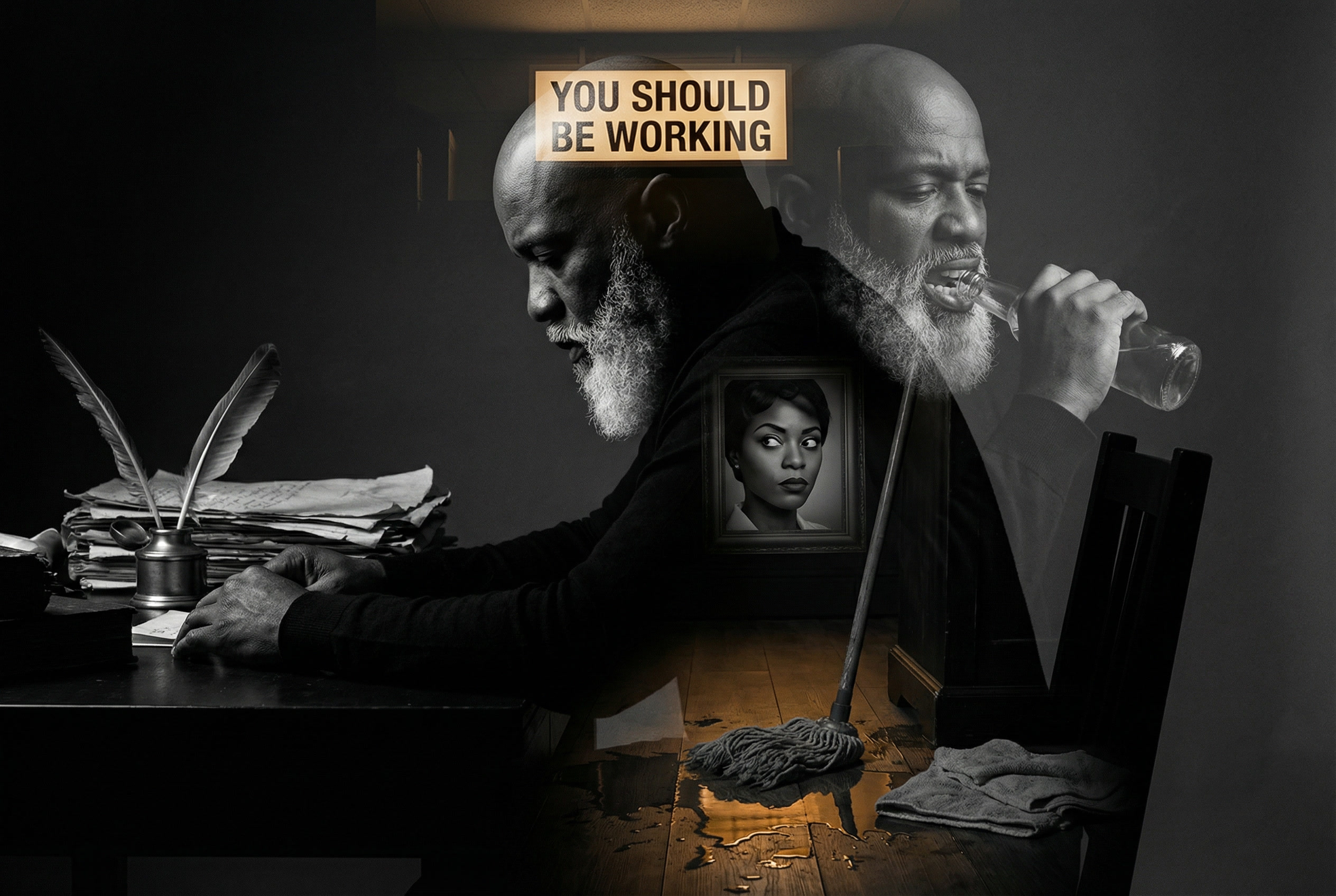






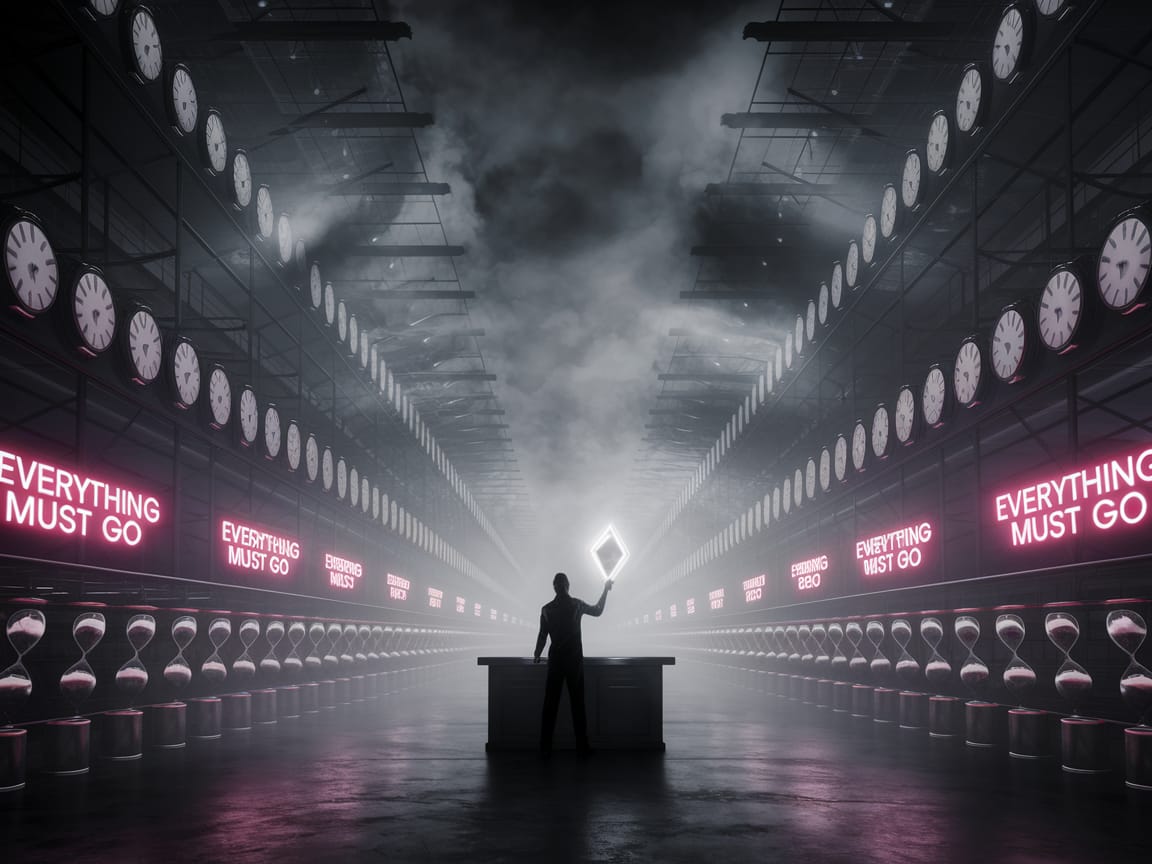


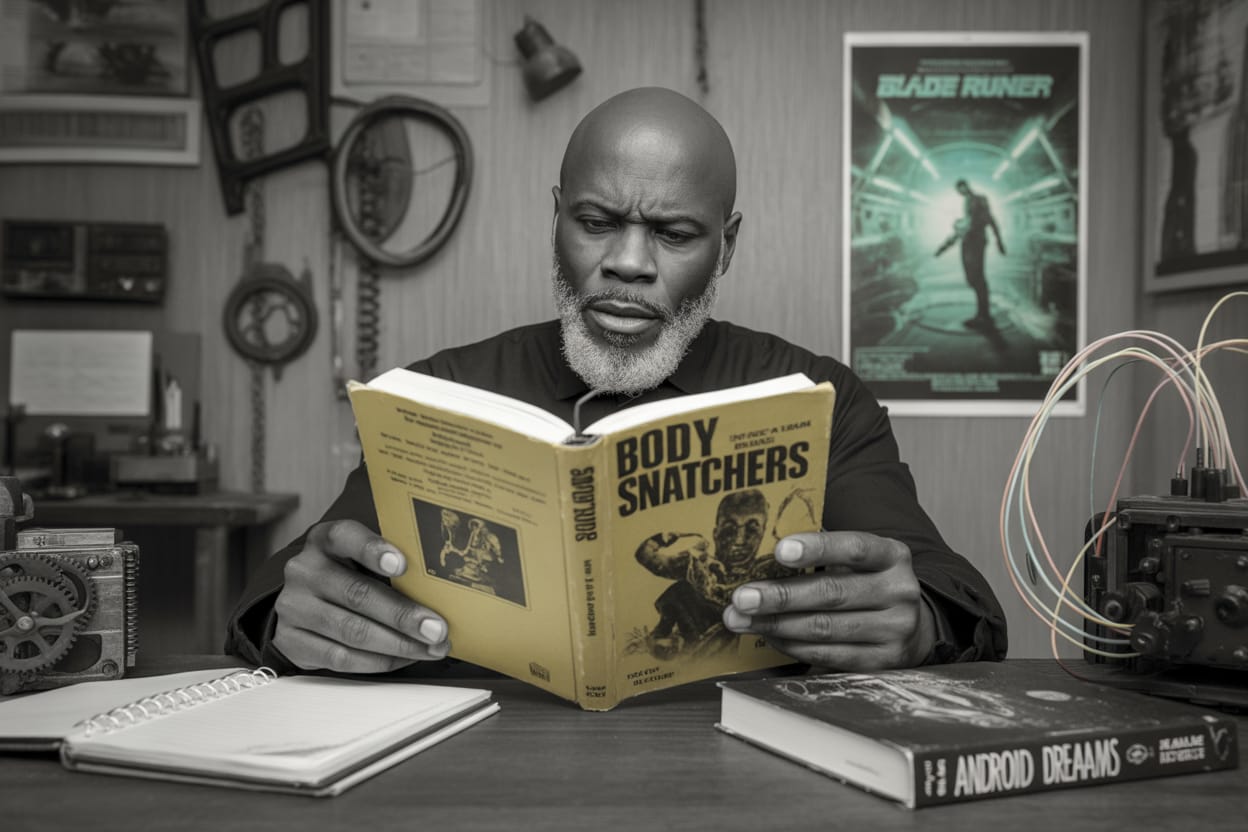


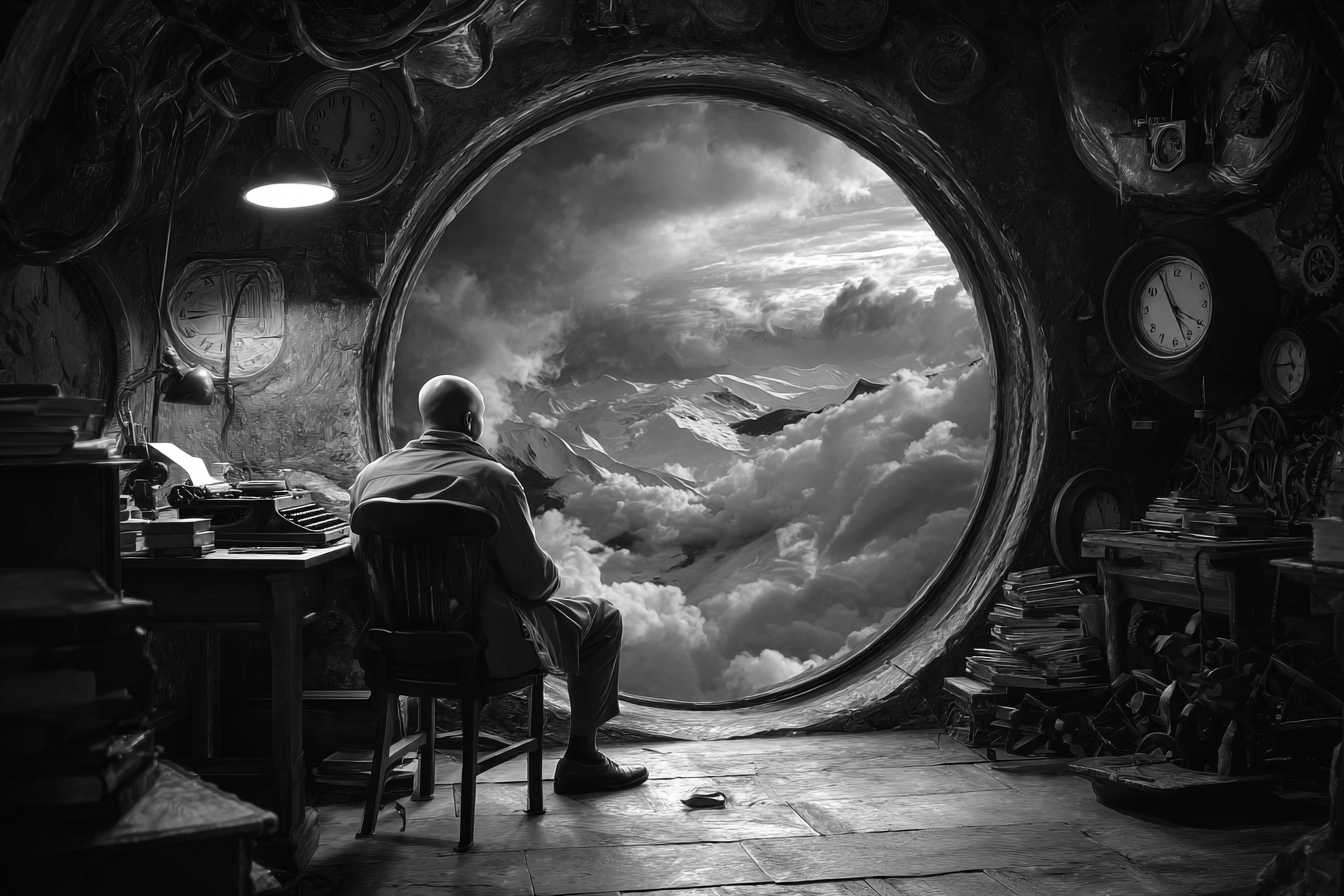


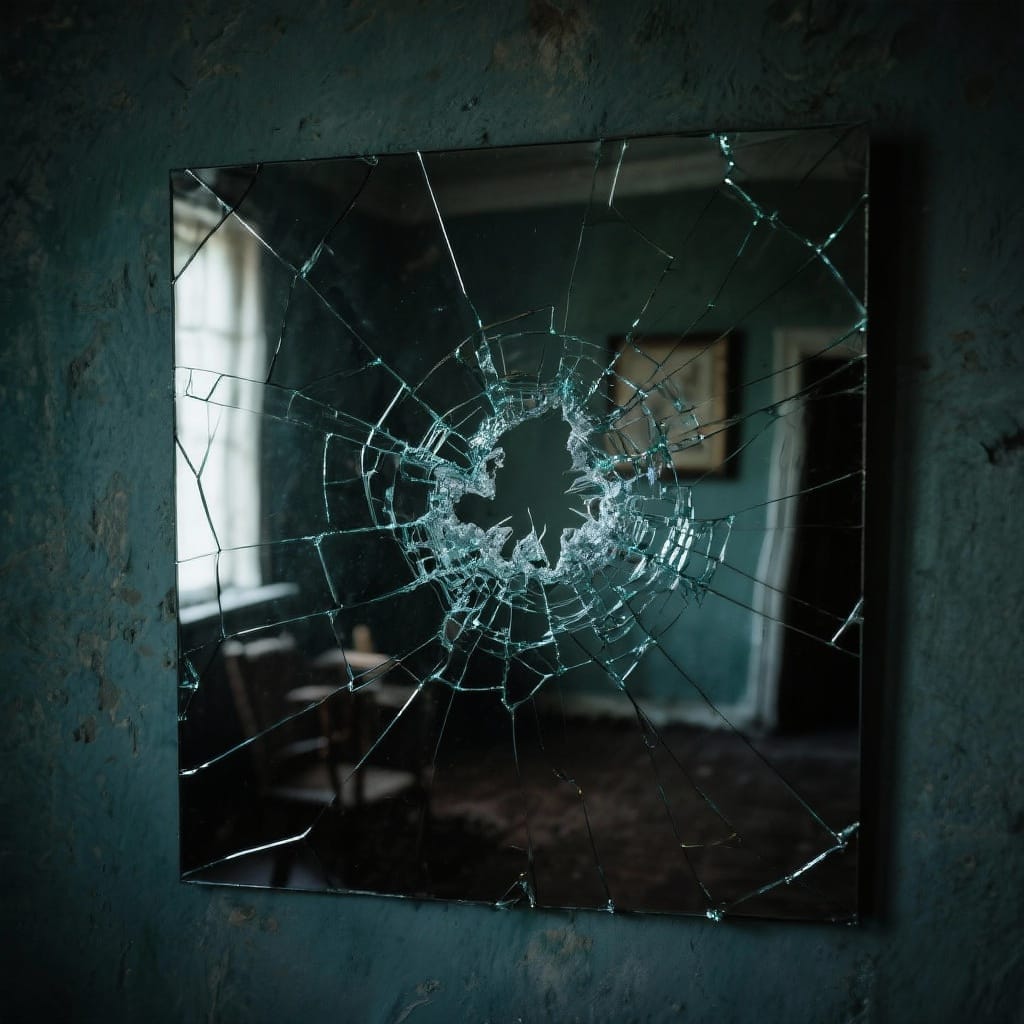




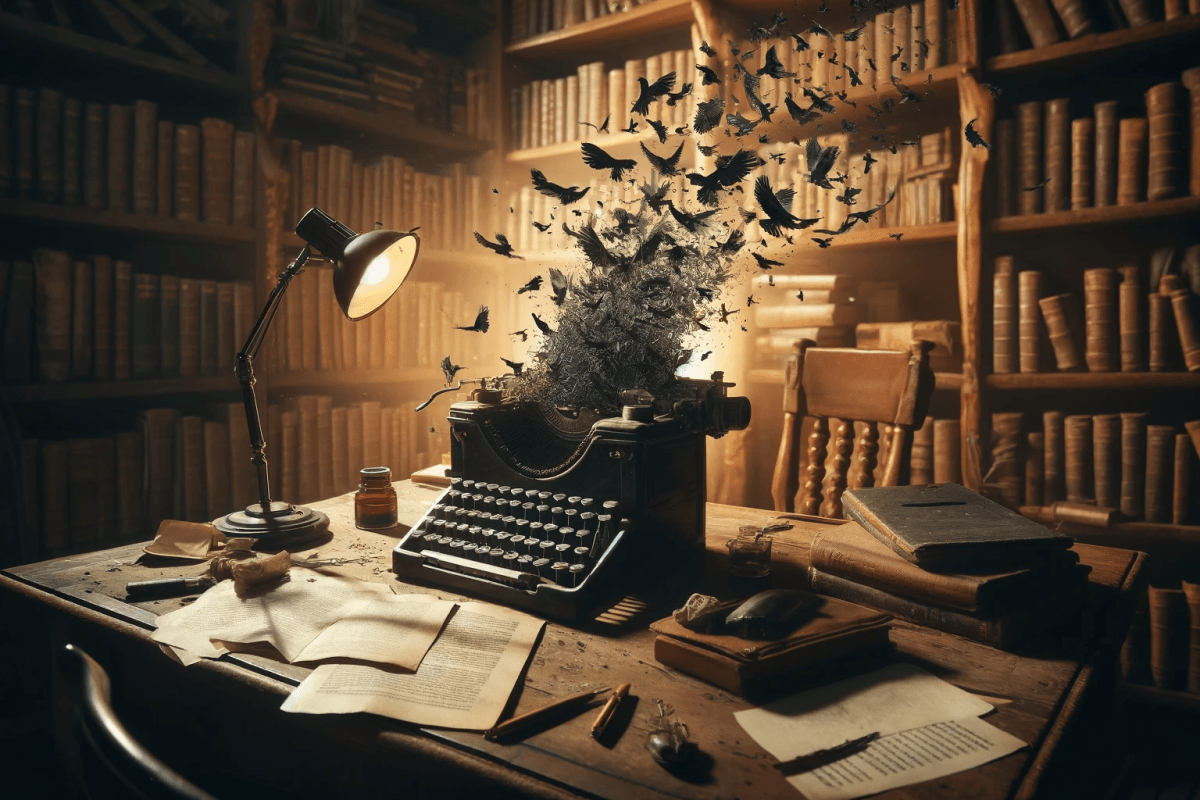
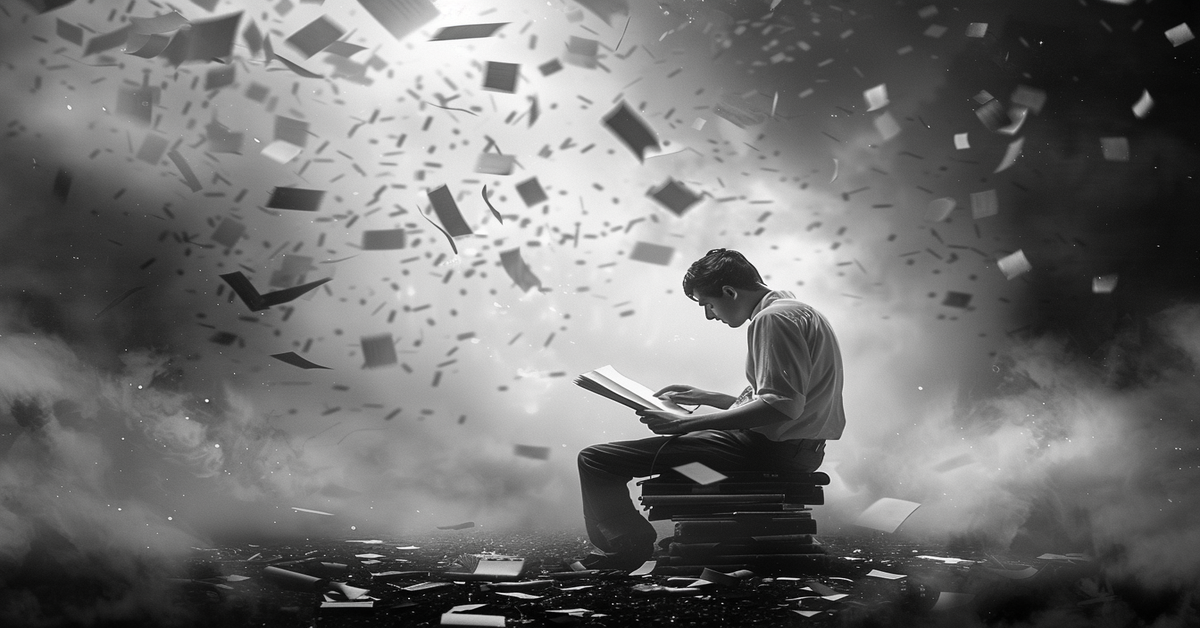


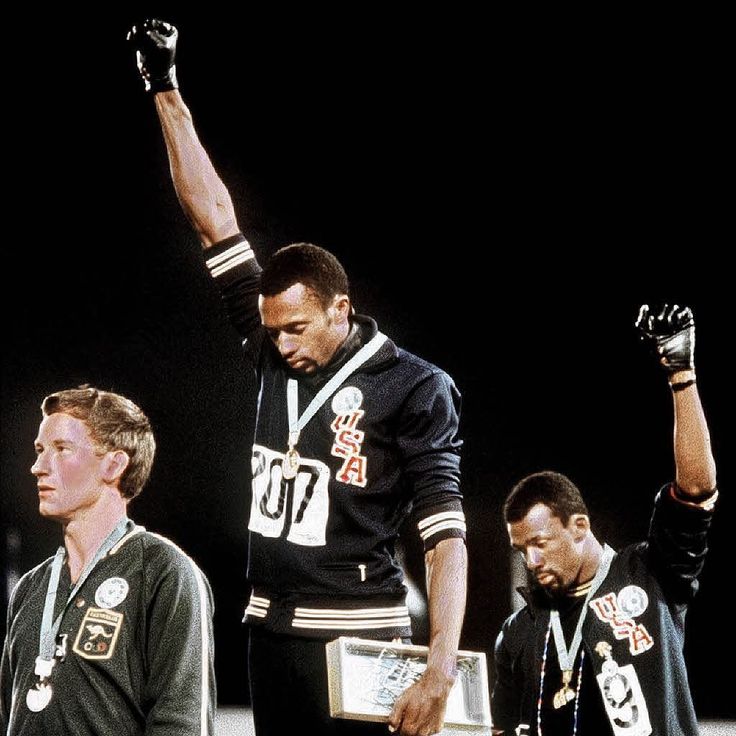


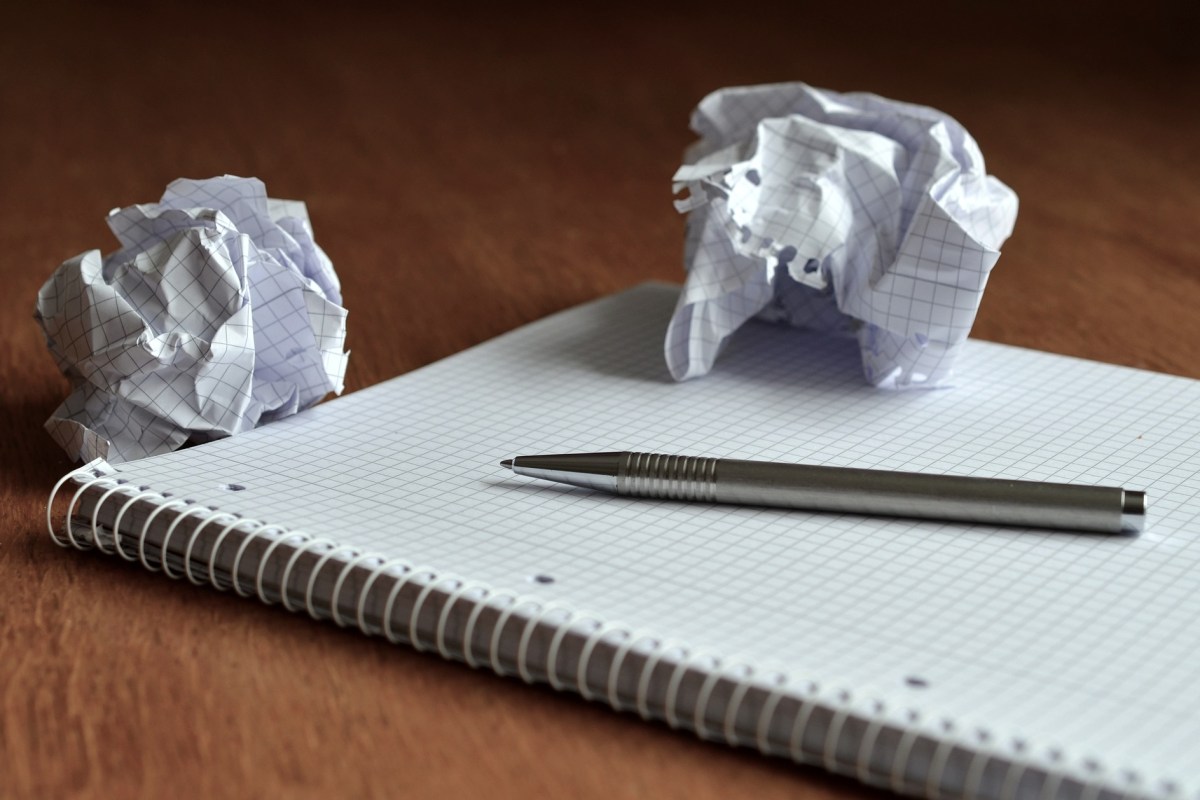



 Memoirs of Madness