Tonight on LNG, we are resuming the theme from last week, which was TV theme songs. Tonight, we are featuring a classic from the legend Quincy Jones. Quincy Jones started as a jazz trumpeter but transitioned to composing and producing. The TV theme of the night is from Sanford & Son. Sanford & Son will as be one of my favorite television programs. I still laugh at the antics of Fred and Lamont.
Sanford and Son‘s theme is a funky, upbeat instrumental piece called “The Streetbeater.” Its lively rhythm, driven by brass and percussion, perfectly matches the show’s comedic tone. The theme reflects the series’s vibrant, often chaotic world, which follows Fred Sanford, a junk dealer, and his son, Lamont, as they navigate life and business in a working-class neighborhood.
Lately, I’ve gotten into the habit of overthinking each of the challenges I usually participate in here on WordPress. So, when I read this challenge, I decided to explore all the television programs I could remember from my youth. I used AI to assist with this project, and of course, AI started repeating television shows. So, I had to rely on my memory. So, here are the television shows I can remember watching as a kid. This list only includes only the television shows that I enjoyed.
1. All in the Family (1971–1979)
2. M*A*S*H (1972–1983)
3. Hawaii Five-O (1968–1980)
4. Happy Days (1974–1984)
5. Laverne & Shirley (1976–1983)
6. The White Shadow (1978–1981)
7. Sanford and Son (1972–1977)
8. The Streets of San Francisco (1972–1977)
9. Charlie’s Angels (1976–1981)
10. The Love Boat (1977–1987)
11. The Six Million Dollar Man (1974–1978)
12. The Bionic Woman (1976–1978)
13. Columbo (1971–2003)
14. The Jeffersons (1975–1985)
15. Good Times (1974–1979)
16. Kojak (1973–1978)
17. Starsky & Hutch (1975–1979)
18. Wonder Woman (1975–1979)
19. Taxi (1978–1983)
20. What’s Happening!! (1976 – 1979)
21. WKRP in Cincinnati (1978–1982)
22. Welcome Back, Kotter (1975–1979)
23. Fantasy Island (1977–1984)
24. Barnaby Jones (1973–1980)
25. Three’s Company (1977 – 1984)
26. Barney Miller (1975–1982)
27. The Rockford Files (1974–1980)
28. Chico and the Man (1974–1978)
29. Get Smart (1965–1970)
30. Soap (1977–1981)
31. Quincy, M.E. (1976–1983)
32. The Mod Squad (1968–1973)
33. McMillan & Wife (1971–1977)
34. Bonanza (1959–1973)
35. The Beverly Hillbillies (1962–1971)
36. The Night Stalker (1974–1975)
37. Maude (1972–1978)
38. Police Woman (1974–1978)
39. One Day at a Time (1975–1984)
40. Room 222 (1969–1974)
41. Ironside (1967–1975)
42. Mission: Impossible (1966–1973)
43. Gunsmoke (1955–1975)
44. S.W.A.T. (1975–1976)
45. Rhoda (1974–1978)
46. Baretta (1975–1978)
47. The Paper Chase (1978–1979)
48. Rawhide (1959 – 1965)
49. Magnum P.I. (1980 – 1988)
50. Airwolf (1984 – 1987)
I only listed 50 shows; I figured that was enough. I actually got close to nearly 75 shows. I think this is as much a memory exercise as anything else. It was fun reminiscing about my youth. One thing that occurred to me was that I watched too much television.
Tonight on LNG, we are going to try something a little different. The concert crew has drug me out the house for my first show of the year. To see one of my favorite bands of the new stuff. They didn’t listen to my usual excuses for not going.
So, the band playing is Badflower. I got a special treat with Des Roc, which is one of the biggest surprises of last year before i got ill. Des Roc is out of New York, a piece band with a big sound.
Here is some live footage:
Des Roc jamming
Uploading video over my cellular network is slow.
This is the opening band for Badflower. Stay tuned for the next post featuring Badflower.
Tonight’s theme song comes from the long-running Soap Opera General Hospital. I was living in Germany and brought home a new CD by a jazz artist I had never heard of. While listening to the CD in my study my wife came in, excited about a track playing. Then she explained why.
“Faces of the Heart” is a smooth jazz instrumental piece by saxophonist Dave Koz. Released in 1993, it was the theme song for the long-running American daytime television drama “General Hospital.” The track is characterized by its emotive saxophone melodies. It has become one of Koz’s signature pieces, blending a mellow, romantic vibe with a sense of drama, making it a memorable and recognizable tune for jazz fans and the TV show.
Tonight on LNG, we are continuing with the TV theme songs. One of my favorites is the one from Barney Miller. I searched for years to buy the CD, but never found enough information. What I did see were several covers of the track. All of the covers were actually pretty good, but I still wanted to know the origin of this track. Even trying to find a video for this post was difficult.
The theme song to “Barney Miller” is a distinctive jazz-funk instrumental composed by Jack Elliott and Allyn Ferguson. It features a catchy bassline that sets a laid-back yet rhythmic tone, perfectly reflecting the show’s blend of humor and the everyday challenges faced by a New York City police precinct. The theme’s groove became iconic, capturing the essence of the 1970s era in which the show was set.
This week on LNG, we will feature TV theme songs. These songs are as much a part of culture as baseball and apple pie. Each generation uses its own genre of music in these shows. Tonight, I’m going to feature one of my favorites.
“Angela,” composed by Bob James, is a smooth jazz instrumental that gained popularity as the theme song for the TV show Taxi. Released in 1978 on Bob James’ album Touchdown, the song features a laid-back, mellow melody with a prominent piano line, characteristic of James’ style. The composition evokes a sense of calm and introspection, making it a standout piece in the smooth jazz genre and a recognizable tune for show fans. Its relaxed tempo and gentle harmonies have made it a timeless piece, often associated with nostalgia.
I think it’s essential to establish a routine as a writer. Many of the greats discuss this technique in several books about writing. The post below offers some tips.
I like to keep you folks guessing about what I’m feature each night. This one is even a surprise to me. I was watching a TV show and heard this song. I couldn’t get it out of my mind. So, here is a little country …
We are switching gears again on LNG. I’m playing another from my 80s playlist. XTC is one of those bands that creeps up on you when you listen to the album. The most popular song from their Skylarking album is Dear God. However, I’ve always enjoyed this track.
My friend Glyn commented about Ronnie James Dio’s vocal prowess during his time with Rainbow. I always forget about his time with Rainbow. Perhaps it’s because when I think about the band, I remember the tracks, All Night Long from the Down to Earth album (1979) with Graham Bonnet on vocals and Stone Cold from the Straight Between the Eyes album (1983) with Joe Lynn Turner lending with vocals.
Ironically, my favorite Rainbow track is done by Ronnie James Dio.
One of history’s most well-known rock & roll songs is Back in Black by AC/DC. Like many, I’ve jammed to that song and many others from that legendary album. When I started writing this post, I had decided on a song that I wanted to discuss, but I realized it wasn’t on this album. However, it fits a future post. The Back in Black features several other tracks besides the title track that cement it into Rock and Roll history as one the best albums.
My favorite track on that album is a little number called Shake a Leg. I can’t really explain it. Even now, I can hear Brian Johnson wailing,
“Idle juvenile on the street, on the street Kickin’ everything with his feet, with his feet Fightin’ on the wrong side of the law, of the law, yeah Don’t kick, don’t fight, don’t sleep at night and shake a leg
Shake a leg Shake a leg Shake it again”
Perhaps it spoke to my restless soul. I can’t be sure, but I love that song …
We need to reset a bit tonight. I need to play a little something the Madre would love—the kind of thing that made her tap her feet and sway to the groove. The Madre turned me on to Otis Redding. Nah, she didn’t sit me down and tell me this is what music really sounds like and all that, but she played it in the house, which meant it was good.
One of the most popular albums of my youth was Dio’s Hold Diver. The best-known tracks from that album were Holy Diver and Rainbows in the Dark. The track Holy Diver has been covered more times than I can count. Some of the covers are rather interesting, but I still prefer the original. My nephew says I’m stubborn that way. I chuckle every time I think about it because he’s probably right.
Ronnie James Dio sang with Black Sabbath for a while, so many of my friends felt the necessity to discuss who the better singer was, Ozzy or Ronnie James. As that topic could be addressed adequately over a keg of beer, they tried until they were summoned by the porcelain god, Ralph. However, a buddy dubbed me a cassette of Holy Diver, and I listened.
As the album plays over my Sennheisers as I write this post, I find myself singing along with the track Invisible. It has always been my favorite track from the Holy Diver album. So, here it is …
I’ve always thought this album cover was righteous.
I’ve had a few conversations about the previous LNG, so I decided to continue that groove. So, this week, I will feature tracks from my childhood. I mean, the stuff that might not have been as popular with my friends but holds a special place with me. Tonight, we will feature the Canadian band Rush. Most of my friends were huge fans of Tom Sawyer and played endlessly. They’d hush conversations when it came on the radio and turn it up. You dare not utter a word turning Neil Peart’s drum solo. However, I always preferred Limelight. So, here’s Limelight by Rush.
Tonight on LNG, we’re featuring another classic. In 1942, Dizzy Gillespie recorded the timeless track “A Night in Tunisia.” Here we have that with the Jazz Legend Charlie Parker on saxophone. Enjoy!
We are continuing the jazz groove tonight on LNG with a classic featuring two music legends. One of my favorite collaborations. Ladies and gentlemen, Grover Washington Jr. and Bill Withers.
Grover Washington Jr. (1943 -1999)Bill Withers (1938-2020)
As a bonus, here is an exciting cover of the classic. I enjoy their interpretation of the classic. Let’s give it a listen, shall we?
Back in the 90’s, one of my soldiers was playing this band in my office. At the time I had a hard rule “No Unauthorized Tunage.” He wasn’t expecting me, so I allow him to explain himself. There were words, but I didn’t hear them. I walked out of the office and checked on the team in the another location.
We went on training mission and he started playing this group while we were traveling. I’ve been hooked every since.
I can’t explain why does song caught my attention, but it did. I used to listen to it on road trips on Spotify, but it was removed from my playlist. However, YouTube has saved the day
Lately, we have changed the pace on LNG and we will continue exploring tracks within the different genres. Tonight,, we’ll featuring the music of David Gray.
Tonight on LNG, we introducing a new artist to LNG. I got turned on to this artist a few years back. I was surprised that I enjoyed the range of his music.
I found about this artist a few years back and I made a note of him. I don’t listen to him a great deal, but I have been expanding my musical tastes. Here’s Jason Isbell…
Marc Cohn rose to fame with his track “Walking in Memphis.” The track got tremendous airplay; I still hear it on oldie radio stations occasionally. However, though I enjoyed the track, his sophomore “The Rainy Season” made me a fan. Like any true fan, I went back and listened to his previous work and found this little number I find enjoyable.
Howdy Peeps, tonight on LNG, we are featuring an artist that we’ve never featured before. I’ve listened to him in passing for many years, but somehow he has never into regular rotation.
Tonight on LNG, we’ll play a track that I had forgotten about from this artist. Usually, when I hear Donovan I immediately think of “Spirit in the Sky”, which happens to be a longtime favorite of mine. This particular track doesn’t hit my radar, but I heard it on the radio yesterday.
What up? Tonight, we are going to play another classic. You know, that’s pretty much all I play. This time, I’m going to take a turn a bit. It’s still going to be good but a little different from what you are used to hearing on this channel. I’m in a mood today, good, bad, or indifferent, but a mood nonetheless. So, folks, here is a little Funkadelic
I haven’t lived a life where someone would dare name something after me. I think it would be a constant reminder of how much I annoyed them with my shenanigans. I’m okay with that, really. However, someone might just a found a museum. I do remember a woman saying to me once, “They ought to establish a museum for folks like you.”
Howdy folks, tonight on LNG, we will crank it up a little. I’m up late researching an article. My sleep cycle is trashed. Don’t get me started. So, I need a little music that will keep me charged until Slumber whispers that sweet lullaby in my ear. Her voice is so soft and melodic. I wish she came every night, but she is like a seductress, giving me just enough to want more. Since she gonna act like that … here’s a little for ya!
Did you like that slumber, huh? Here’s another for good measure, HA!
Hey folks, I’m back with another edition of LNG. I know its been a while but I’ve been in another region of my mind and good to be back. I’ve writing all day and it’s good to close the night with a chill classic. It’s hard to believe this track is a classic now, but it is. Tonight’s track is from a band that may be forgotten. However, you hear the track, you’ll remember it. I hope. But, if you haven’t heard this track before perhaps its something you may want to explore later.
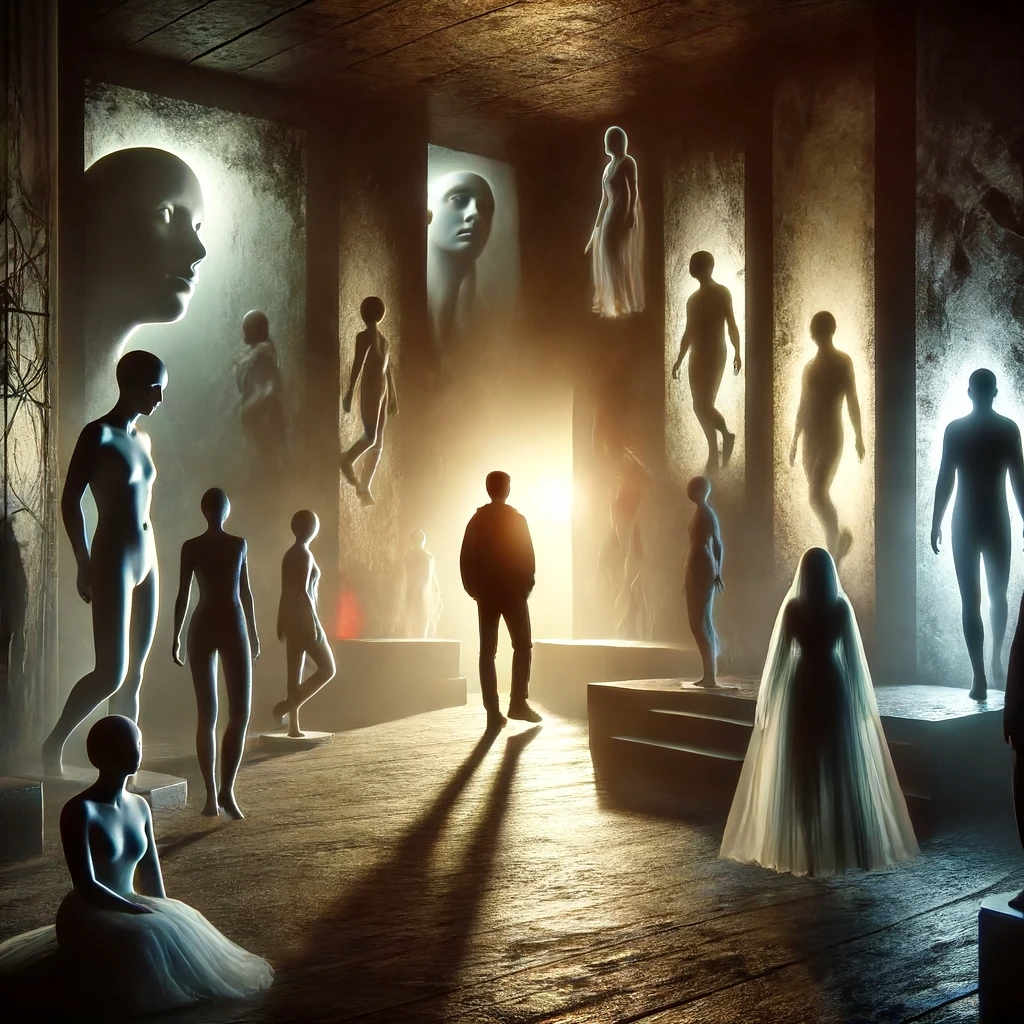
My editor threatened to quit if I didn’t stop playing around with AI imagery. Normally, I don’t respond well to threats, but in her case, I’d be a good boy and start writing again. So long, lovely people who reside in the splinters of my mind. Well, not really so long, but your visualization will have to wait for a bit. Now, don’t pout. Hey, missy, why are you looking at me in that tone of voice? That goes double for you, mister!
Sorry about that. Can you believe these people? Trying to get out of my head any way they can, the nerve! As I was saying, I’m going to do a little for the next couple of days. Is that alright with you folks?
I hear the fluttering of its wings, my breathing quickens, and my heart begins to pound. My fingers inch their way to my inkwell. My quill and inkwell shun me.
“Come on, now don’t be like that!” I plead
My quill gives me a quick look, but my inkwell is not having any of it. He has been fooled before. I pause for a moment, thinking. Then, it occurs to me.
“Alexa! Oh, Alexa, Prince, please!”
“Playing Prince from Spotify playlist “They funky Sh**!” She replies as her blue lights lit the room. I watch the Inkwell begin to groove.
“Don’t hurt yourself, now!” I tease
“Shut up and write!” The Inkwell replies
So, the inkwell, quill, and Sophie continue grooving. I chuckle as I pick up the laptop and begin to do my thing.
To defend poetry effectively, we must first address a fundamental question: what is poetry? Only by answering this can we adequately defend it. My initial observation is that poetry itself requires no defense; it is the expression of poetry that sometimes needs defending. This notion may be provocative to some poets and poetry lovers, but I aim to clarify my point.
Poetry embodies the life we live; it surrounds us in every moment, from the warmth of a smile to the pain of loss. All of this is poetry. Humanity tends to categorize and label things, trying to define them to understand them better. This is a natural part of our daily lives. As we sort things into their rightful places, we find that some things fit effortlessly—poetry is one of those things. To me, poetry is like a butterfly that flutters unpredictably. We chase it, knowing we might never catch it, but the pursuit itself is joyful.
Suppose we do catch the butterfly. We place it in a jar with holes in the lid, displaying it for all to see. We admire its beauty daily, its vibrant colors that lie somewhere between soft and crisp. However, we often forget the most enchanting aspect of the butterfly: its flight. With the wings no longer spreading and the butterfly immobilized, it becomes a lifeless specimen on display—a reflection on a painted wall, devoid of the life that once captivated us.
The challenge arises in the expression of poetry. People start using words like “hate” or even stronger terms because, while they understand the essence of poetry as part of their lived experience, they feel alienated by its formal expressions. Terms like sonnet, haiku, and other forms can make us cringe or shy away, burdened by preconceived notions about what we will read or refuse to read. What we need is poetry—life—written in a way that people can appreciate, understand, and perhaps even come to love.
Thus, poetry doesn’t need defending; it needs to be set free. We should all have the chance to chase butterflies. I know I would love to.
A waitress stands outside, grabbing a smoke. She was three pats and a wink away from paying her light bill, but if that red fat-faced fuck touched her one more time, she’d scream.
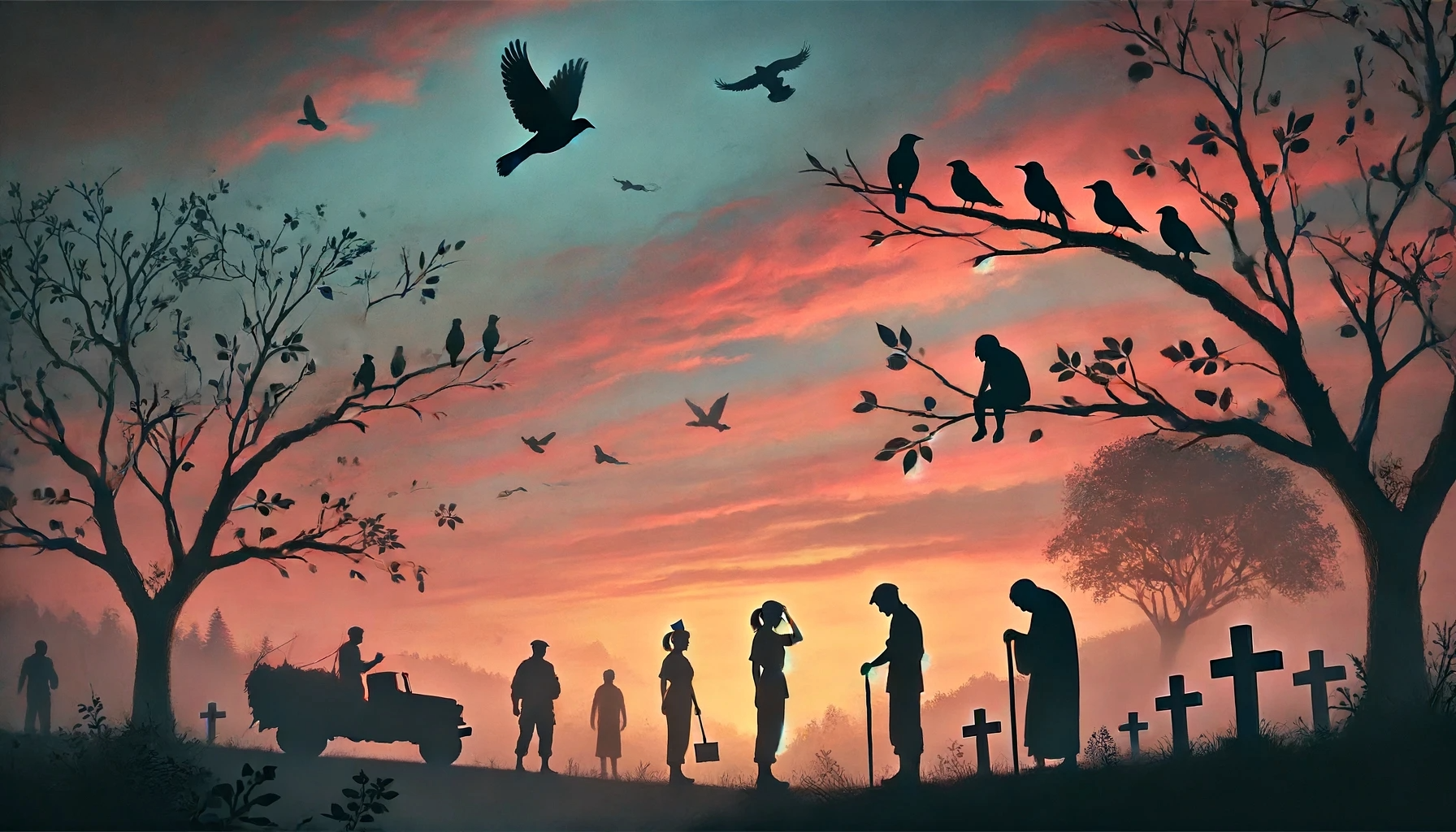
Good Morning …Dawn is coming, and birds chirp a ballad about the people you don’t capture in verse. Those blessed & cursed Those looked upon with disgust. Without question, they fight for us. Tell their story today … its 4am
Though they may never admit it, all a man needs in his mate is a safe place to cry. No tear ever needs to plummet, but the sure fact he can, if desired, means everything.
I first met Dave a few years back at a gun show. My brother was looking for something particular for his collection, and I was just hanging out. We ran into Dave, and he told about his products, and I brought one. I do knives like my brother does guns. A Great guy who makes a solid product. Take a look at his interview.
I wish I had known this information before I started my blog. Though I made the best choice for me and my schedule, there are still things I would have liked to know before making my decision. I find this a very interesting read. Maybe you will as well.
What is the difference between WordPress.com vs. WordPress.org? Learn everything you need to know here.
If my editor knew I was responding to this post, I can envision her holding her breath, hoping I didn’t dive right into a full-on uncensored rant about book adaptations. Lord knows, she has endured more than her share over the years. Partly, I can’t seem to understand the cuts or changes they make. It’s like they never actually read the book, not to mention understood the author’s message. Breathe, Mangus, breathe!
1…2…3…4 … 5..0…7…6 [exhales sharply]
Screenwriting was a part of my training as a cinematographer. So, in theory, I understand the necessity of removing portions of the book as long as it doesn’t sacrifice the story. If it can’t be filmed, then it needs to be cut from the script, was the rule of thumb in class. So, I get it. However, there are still times when things just don’t make sense.
In graduate school, we task to adapt a novel into a full length motion picture. Finally, my chance to show these folks how it’s done. I was determined to get this right.
My determined look
Let me explain screenwriting first. This explanation is simple overview, but you get the point. For every page of script, equals one minute of film. Put simply, 2 and half hour movie is a 150 page script. What? Write an 150 pages? That’s nothing! [scoffs].
So, I sat at my desk and pumped myself up with all the necessary bravado one would need on any given occasion.
“I got this!”
“I’ve written all kinds of stuff, please!”
and so on! This is about the time my brothers would look at me, shaking their heads, and uttering in unison, “Jackass!” I often wondered if they were in a barbershop quartet in previous life. The dissonance of their voices blends together harmoniously. Despite their chiding, I would look continue to display “my determined look,” I will not bow to adversity!
My determined look – 6 months later
Yes, my hair grew out and I rearranged my office, but I was still determined to write the masterpiece. A friend called and needed a favor, so I packed my gear and went and shot a short film, then a commercial, and then another short film. Then the pandemic arrived and the world changed. I never finished my masterpiece. Incidentally, I was adapting Ellison’s Invisible Man, which if adapted uncut would equal a 9 1/2 film. Yeah, I was definitely what my brother’s called me for tackling such a major work of literature on my first stab at full length screenplay. There’s a good reason its never been done before. However, I did learn something.
For motion pictures, novellas, short stories, and stuff work great. It is much easier to say closer to the book. Examples, of this working on well areShawshank Redemption, Inventing the Abbotts, and Stand by Me.Each of these examples were based on shorter fiction. Two of these films are considered classics.
For novels, it’s better to adapt them for television, if sticking close to the source material is a goal. You have the time to tell a more complete story. In other words, you can put some meat on those bones. However, you have to keep in my mind, if you can’t film it, cut it.
Last thing about screenplays. Screenplays, are basically the movie written on paper. It’s the blueprint to the entire project. The cuts, fades in and out, and those things you think about while you are watching a movie are written in the screenplay. Yes, adjustments will be made, but the screenplay is where it all starts.
Now to the question:
Above, I answered the question from the point of view of a writer. Now I will talk to you as a fan. I was fan long before I ever thought about making movies or writing them. As a fan, I chose TV. Over time and throughout the years, they have done a better job with the adaptations. With the improvement of production quality of television programming, further solidifies my opinion.
Some of my favorite adaptations for television are Bosch, Justified, Dublin Murders, and Lincoln Rhyme: The Hunt for Bone Collector. With Bosch we really get to see who Harry Bosch is as a person. The script has made changes, but Michael Connelly has hand in the show so the character integrity is present. Justified is a adaption of Elmore Leonard’s short story “Fire In The Hole.” However, there are several Raylan Givens novels that pulled elements from for the series. Timothy Olyphant’s portrayal of Raylen Givens is excellent. He brings to the screen that you couldn’t write.
In the Bone Collector (TV series), we really for the first time were introduced to the Lincoln Rhyme of the Jeffrey Deaver series. Lincoln Rhyme is a brilliant, exetremely difficult man with tremendous chip on his shoulder. To say, he was bitter about his circumstances is a understatement. We get a hint of Lincoln’s character in the Denzel protrayal, but it shows through in the series with Russell Hornby protraying Lincoln Rhyme.
Most important of about the Bone Collector (TV Series), this is the first time Amelia Sachs appears in a live action role. Now, in the feature film, Angelina Jolie, protrays a character based on Amelia Sachs, whose first name was Amelia, but she wasn’t Amelia Sachs from the books. Arielle Kebbel protrays Amelia Sachs in the series. We witness Sachs battling her own demons while developing a relationship with Rhyme. She challenges him. This is the Amelia Sachs from the novels.
When I first started seriously considering writing as a career, I found myself in competition with other writers. Ridiculous, huh? What made matters worse was that I didn’t realize this until years later. This post will help you not do that.
Here’s my response to Glyn’s Mixed Music Bag. It’s been awhile since I have participated, so let’s jump right into it. I was stuck in traffic a few years ago, a song on the radio caught my attention. I had never heard before, but it stuck with me. I assumed it was going to be another time where you here a song and don’t hear the artist, but I got lucky. The artist was K’s Choice and the track was Not an Addict
Sarah and Gert Bettens
K’s Choice, a Belgian rock band formed in the early 1990s, has captivated audiences worldwide with their deeply emotional lyrics and haunting melodies. Founded by siblings Sarah and Gert Bettens, the band has navigated the complexities of the music industry with a unique sound that blends rock, folk, and alternative elements.
K’s Choice originated in Antwerp, Belgium, with the Bettens siblings at its core. Their musical journey began in the local music scene, where they quickly gained attention for their distinctive sound and lyrical depth. The band’s breakthrough came with releasing their second album, “Paradise in Me,” in 1995. The album featured the hit single “Not an Addict,” which brought them international recognition. With its powerful lyrics and compelling melody, this song became an anthem for many and solidified K’s Choice as a formidable presence in the alternative rock genre.
After being raised by a single mom, I’m fully aware of the capabilities of women. I watched my mother face the challenges of raising an oddball son and never seemed to miss a beat. Even as a child, I wondered why they weren’t listed in the annuals of history. Surely, there had to be tough women like my mother throughout history? Of course, there were. I’m glad we have access to the information about these feats done by these amazing women. Will we be able to list them all or discover all the things women had a hand in? Probably not. However, I will use my platform to celebrate the courage of these women.
Beryl Markham’s life reads like an adventure novel, filled with groundbreaking achievements, thrilling exploits, and a legacy that transcends time. As the first woman to fly solo across the Atlantic from east to west, Markham shattered the glass ceiling in aviation. Her memoir, “West with the Night,” offers a mesmerizing account of her experiences in early 20th-century Africa and her daring flights, showcasing her indomitable spirit. This blog post seeks to explore the remarkable journey of Beryl Markham, celebrating her contributions to aviation and literature.
Early Life in Kenya
Born in England in 1902, Beryl Clutterbuck moved to Kenya with her family at a young age, igniting her lifelong love affair with Africa. Growing up on her father’s horse farm, she developed an early passion for horses, which later translated into a pioneering career in horse training. Her fascination with flying began in Kenya, where she met Tom Campbell Black, a notable figure in her aviation journey, fostering her aspiration to take to the skies.
Pioneering Aviation Career
Markham’s aviation career was marked by a series of remarkable achievements. She became the first woman to obtain a commercial pilot’s license in Kenya. In 1936, she made history by flying solo across the Atlantic from east to west, facing harsh weather conditions and navigating by stars. This monumental flight secured her place in aviation history, showcasing her courage and skill as a pilot.
Adventures and Challenges
Markham’s life was replete with adventures that stretched beyond the cockpit. Her personal life, marked by several marriages and notable friendships with prominent figures like Denys Finch Hatton and Karen Blixen, added layers to her already complex character. Despite the challenges she faced, including financial struggles and societal constraints on women of her time, Markham’s resilience never waned, driving her to pursue her passions relentlessly.
Literary Contributions
Though primarily known for her aviation feats, Markham was also an accomplished author. Her memoir West with the Night, published in 1942, was praised for its lyrical prose and vivid descriptions of colonial Africa. Despite its initial lukewarm reception, the book was rediscovered and celebrated in the 1980s, heralded as a masterpiece of 20th-century literature and providing a nuanced perspective on Markham’s extraordinary life.
Legacy and Recognition
Beryl Markham’s legacy is multifaceted, influencing the aviation and literary worlds. Her daring spirit and groundbreaking achievements in aviation paved the way for future generations of female pilots. Meanwhile, her literary contributions offer a unique glimpse into a woman’s life who refused to be defined by the era she lived in. Today, Markham is remembered for her historical flights and as a symbol of courage, resilience, and the pursuit of one’s passions against all odds.
Embarking on this detailed exploration of Beryl Markham’s life will allow us to paint a comprehensive picture of her impact on aviation and literature. Starting with her early life in Kenya, we’ll weave through her many accomplishments, adventures, and the legacy she leaves behind.
As the sun began to set, the world, usually at 1000 mph, seemed quiet. The hustle and bustle of life, the constant noise, and chatter fade. It was as if the earth had taken a deep breath, letting it out slowly. Then, it repeated it. At that moment, everything was calm; everything was still. It was a moment of perfect pause.
Typically, when comes to film adaptations, we got two categories:
“Oh my god that was horrible! The book is so much better!”
“Can you believe they did that? That’s not in the book!”
The majority of the film adaptation I’ve seen into these categories. I’m a huge Shawshank Redemption fan. I was a fan of the movie, before I knew it was an adaptation. I found it was based on a Stephen King novella, immediately I was turned off. Have you seen some of film adaptations of Stephen King’s stuff? I’m not talking about the recent adaptations or reboots. There were horrible. I’ve read several King books before seeing this film and enjoyed them. However, for some reason, King fell out of favor with me until I read his book about writing. Single malt scotch rained from the heavens, and all was right in the world again. I was back to being a fan.
So, I read Rita Haywood and the Shawshank Redemption, one of four novellas in Different Seasons collection. I fell in love with the movie even more. They did an amazing job with this adaptation. The casting of Morgan Freeman was a stroke of genius. I saw the picture above online somewhere and had to write something about what I could describe as my favorite movie. 30 years can you believe it!
Shopping Sprees? I’m bold, daring, and a tad bit reckless. Slinging money left and right. Yep, that’s me. Three places I make it rain at. Amazon, local used bookstore, and local used record shop. I know it’s crazy, and I need to contain myself. Yes, I’ve thought about therapy. Perhaps, even joining some sort of support group. You know, stand up there sharing my tales of how I spent my money on a first-edition Poe. Perhaps I tell them about the thingamajig I got on the lighting deal. I saved so much I can’t believe I got it. What a bargain. You know, “that deal” sitting in the junk drawer, and you can’t even know what it is, not to mention why you brought it? Tell this to a perfect stranger? I don’t think so!
But I’ll go anyway because I have nothing to do on Fridays at 6:00 p.m. St. John’s has a lovely meeting room, and they spare no expense on the refreshments. However, the guy who leads the Thursday meeting at St. Agnes has a booming voice and stares at you with penetrating eyes. I find myself sliding down in my chair by the time he’s done. I’m thinking my shopping sprees aren’t diddlysquat compared to him. I’m just a cute little furry kitten.
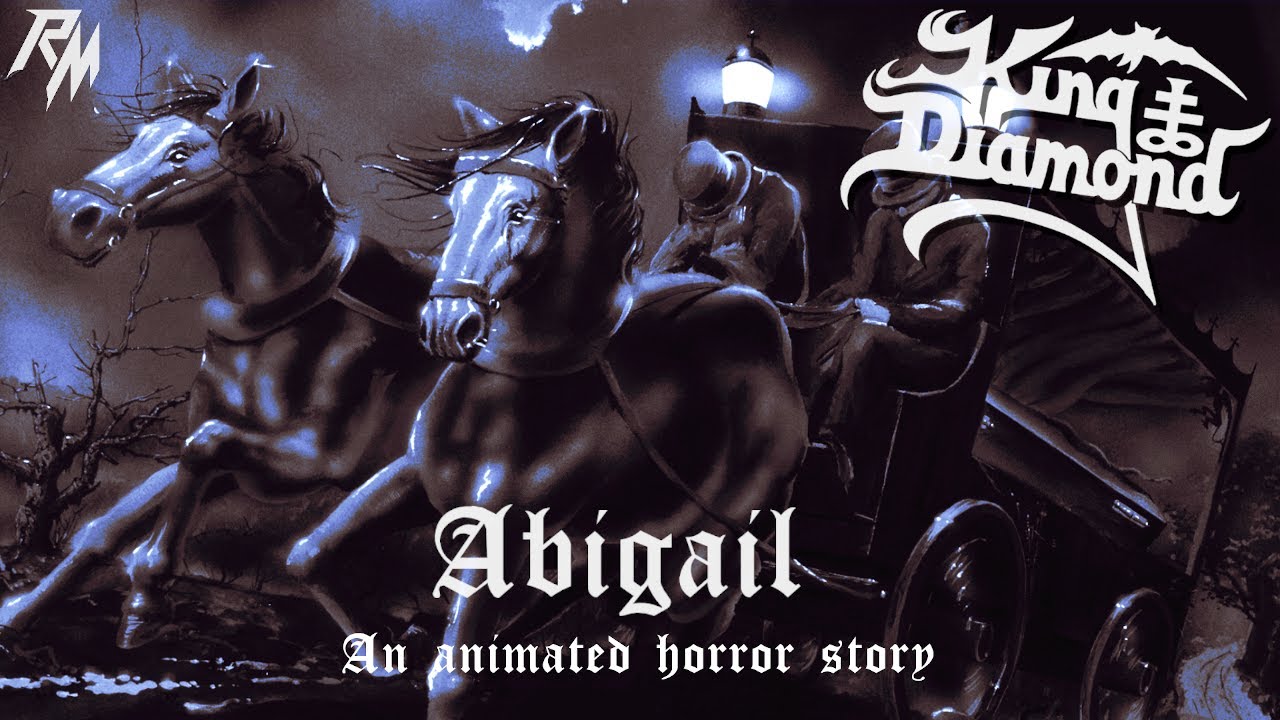
This post has been over 30 years in the making. Let me explain with a little back story. So, in 1987, a guy I knew in high school suggested three albums. Over a period of several months, this guy and I had drunken conversations about heavy metal. During this time, I knew hardly anything about the genre beyond the typical bands everyone listened to at the time, Van Halen, Motley Crue, and alike. Plus, I had one huge disadvantage. I was Black.
Today, no one gives two shakes about what music you like, but back then, in my region of the world, it was a big deal. I recall getting flack for my taste in music. However, this one guy would come up to me, and we’d rap about metal and drink beer. So, the last album he suggested I buy was King Diamond’s Abigail. He gave me the rundown on how King Diamond used to be with Mercyful Fate and all that. So, I bought the album without reservations because his previous recommendations were solid. In fact, I still listen to those artists.
I put on this album and was immediately thrown. Yeah, I was mindfucked. There was no one there telling me they loved me. No foreplay or heavy petting. Just take this, and you’re gonna like it; I did. Abigail was nothing like any music I had heard before. I sat for hours trying to figure out what I was listening to. All I knew was that I was drawn to it. None of my friends listened to this style of music, so I couldn’t discuss the album. For years, I’ve tried to find someone I could talk to about this album. Either they couldn’t stand King Diamond or never heard of him. I even had people question why a Black guy was listening to heavy metal. Without further ado or hyperbole, I present King Diamond’s Abigail. This entire album is some eerie shit!
Narrative and Concept
“Abigail” is a concept album that tells a gothic horror story set in 1845. The narrative follows a young couple, Jonathan and Miriam La’Fey, who inherit a mansion. Seven mysterious horsemen warn them about a terrible fate awaiting them if they stay in the house. Ignoring the warning, they encounter the spirit of Abigail, a stillborn child whose spirit possesses Miriam, leading to a tragic and gruesome series of events.
The album’s storytelling is a standout feature, with each song advancing the plot while creating a vivid, eerie atmosphere. The lyrics, written by King Diamond, are rich in detail and character development, immersing the listener in the dark tale. Songs like “Arrival,” “The Family Ghost,” and “Black Horsemen” are essential pieces of the narrative puzzle, each contributing to the unfolding horror.
Musical Composition and Style
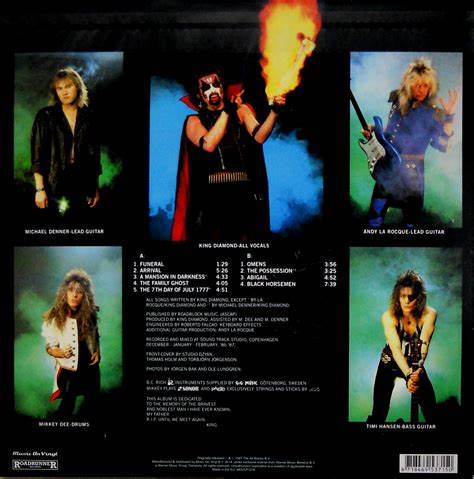
Musically, “Abigail” blends heavy metal, speed metal, and progressive elements. Its complex arrangements, technical proficiency, and King Diamond’s distinctive falsetto vocals characterize it. The album showcases the exceptional musicianship of the band members: Andy LaRocque and Michael Denner on guitars, Timi Hansen on bass, and Mikkey Dee on drums.
The guitar work on “Abigail” is particularly noteworthy. It features intricate riffs, harmonized solos, and melodic passages, enhancing the album’s dramatic effect. Andy LaRocque and Michael Denner’s dual guitar interplay is a highlight, providing both aggression and melodic depth. Tracks like “A Mansion in Darkness” and “The 7th Day of July 1777” display their technical prowess and ability to convey the album’s ominous mood.
The rhythm section, with Timi Hansen on bass and Mikkey Dee on drums, provides a solid foundation for the album’s intensity. Dee’s drumming is dynamic and precise, adding to the album’s relentless energy, while Hansen’s bass lines add depth and complexity to the compositions.
Thematic Elements and Atmosphere
“Abigail” is steeped in themes of horror, possession, and the supernatural, drawing heavily from gothic fiction and classic horror films. The album’s lyrics are filled with vivid imagery, creating a cinematic experience for the listener. King Diamond’s theatrical vocal techniques, including his famous high-pitched falsetto and menacing growls, bring the characters and story to life.
The atmosphere of “Abigail” is dark and foreboding, achieved through the music and the production. The album was produced by King Diamond and Roberto Falcao, who crafted a sound that balances clarity with a raw, menacing edge. The production emphasizes the album’s dramatic dynamics, from the quiet, suspenseful moments to the explosive, intense sections.
Keyboards and sound effects further enhance the album’s eerie ambiance. These elements are used sparingly but effectively, adding to the overall sense of dread and tension. For instance, the haunting intro of “The Possession” and the chilling conclusion of “Black Horsemen” feature atmospheric sounds that contribute to the storytelling.
Impact and Legacy
“Abigail” is widely regarded as one of the greatest concept albums in metal history and a defining work in King Diamond’s career. Its success helped establish King Diamond as a solo artist and set a high standard for narrative-driven metal albums. The album’s blend of horror themes, theatricality, and musical complexity has influenced countless metal bands and artists.
The impact of “Abigail” extends beyond its initial release. Many metal musicians have cited it as influencing numerous tribute performances and covers. The album’s storytelling approach has also paved the way for other concept albums in metal, encouraging artists to explore ambitious, narrative-driven projects.
King Diamond’s ability to create a cohesive and compelling story through music is a significant achievement, demonstrating the potential of the concept album format. “Abigail” remains a testament to his creativity and vision, showcasing his unique blend of horror and metal in a way that continues to resonate with fans.
Conclusion
“Abigail” by King Diamond is a masterful album that combines intricate storytelling, exceptional musicianship, and a haunting atmosphere to create a landmark in the metal genre. Its gothic horror narrative, driven by King Diamond’s distinctive vocals and the band’s technical prowess, has left an indelible mark on the world of heavy metal. More than three decades after its release, “Abigail” continues to be celebrated as a classic, influencing new generations of metal artists and captivating listeners with its dark, compelling tale.
Abigail, I know you’re in control of her brain, Abigail And I know that you’re the one that’s speaking through her, Abigail Miriam, can you hear me?
I am alive inside your wife Miriam’s dead, I am her head
I am alive inside your wife Miriam’s dead, I am her head
Abigail, don’t you think I know what you’ve done, Abigail I’ll get a priest He will know how to get her soul back
Oh, Jonathan, this is Miriam Our time is out Remember the stairs, the only way
Abigail, nothing I can do but give in, Abigail Follow me to the crypt Abigail, you aught to be reborn where you died, Abigail Jonathan, I agree, yes, I do
I am alive inside your wife Miriam’s dead, I am her head Soon I’ll be free
Songwriters: Kim Bendix Petersen.
Thanks, Jim and Di, for coming up and hosting this theme.
For some reason, this recipe sounds good to me. I’ve used several recipes from this lady. She knows what she’s doing. Check out her latest. Here’s the link click here
The sun through the 4th floor glass felt good, It was partly on my shoulder and partly on my face. It was good to the feel the warmth. I’d been so cold lately. Nothing, I did made me warm enough. Even when AC went out and it was 90’s degrees in the house, I was okay everyone was else, but they kept their complaints out of earshot. I appreciated that.
I’m sitting thinking about the one who got away. The one who was supposed to make things better and all that. I never knew if they really happened or was it something said we believed in publicly, but thought was a crock of shit privately. “The One” worked at Aunt Peg’s candy shop in the local mall. I must have spent hundreds of dollars on soft peppermint sticks that summer.
The neighborhood paperboy loved me. He made a dollar for every trip to the candy shop. You see, I never could muster up enough courage to actually go up to the counter and ask for the candy.
“Do you even like peppermint?” Maynard, the paperboy asked
I didn’t answer. I did my best to give him an evil leer. Although, I don’t think it was working very well.
“Look, if this is all about the girl? She’s right there. Just talk to her.” Maynard took his dollar and left. That was the last day of summer and I never said a word to the girl.
I still eat soft peppermint sticks when I can find them. Those puff balls seem to have cornered the market. Some marketing genius started this whole mess.
Yep, Aunt Peg’s soft peppermint sticks were the best!
When I started my blog years ago, I did so because I followed the advice of a trusted advisor. It turned out to be solid advice, but they really never explained why. I didn’t ask my questions either so I can’t deflect any blame. However, in this post below, there are some good reasons with explanations on why authors/writers should blog. Take a minute and read the information.
As a child, I had the hardest time learning to whistle. So, when I saw the theme for this week, I had a nice flashback to that time. Oh yeah, this week’s theme is songs with whistling in them. Thanks to Jim Adams for hosting every week. Here are two of my favorites in this category.
“Raindrops Keep Fallin’ on My Head” by B.J. Thomas
“Raindrops Keep Fallin’ on My Head,” performed by B.J. Thomas, is a classic song that epitomizes the easygoing, optimistic spirit of late 1960s pop music. Written by the legendary songwriting duo Burt Bacharach and Hal David, the song was released in 1969 as part of the soundtrack for the film “Butch Cassidy and the Sundance Kid.”
The song’s light, breezy melody, accompanied by Thomas’s warm and soulful vocals, conveys a sense of resilience and cheerfulness despite life’s inevitable challenges. The lyrics, which speak of a carefree attitude in the face of adversity, perfectly complemented the film’s whimsical tone and became an instant hit.
“Raindrops Keep Fallin’ on My Head” topped the Billboard Hot 100 chart in January 1970 and won an Academy Award for Best Original Song. Its enduring popularity is a testament to its timeless appeal, capturing a universal sentiment of maintaining a positive outlook no matter what obstacles come one’s way. The song remains a beloved classic, frequently covered and featured in various media, bringing listeners a sense of joy and optimism worldwide.
Lyrics:
Raindrops keep fallin’ on my head And just like the guy Whose feet are too big for his bed
Nothin’ seems to fit Those raindrops are fallin’ On my head, they keep fallin’
So, I just did me some talkin’ to the sun And I said, I didn’t like The way he got things done
Sleepin’ on the job Those raindrops are fallin’ On my head, they keep fallin’
But there’s one thing I know The blues they send To meet me won’t defeat me (aah) It won’t be long till Happiness steps up to greet me
Raindrops keep fallin’ on my head But that doesn’t mean My eyes will soon be turnin’ red Cryin’s not for me ’cause I’m never gonna stop the rain by complainin’ Because I’m free, nothin’s worryin’ me
It won’t be long till Happiness steps up to greet me
A raindrops keep fallin’ on my head But that doesn’t mean My eyes will soon be turnin’ red Cryin’s not for me ’cause I’m never gonna stop the rain by complainin’ Because I’m free, nothin’s worryin’ me
Songwriters: Burt F. Bacharach, Hal David.
“Me and Julio Down by the Schoolyard” by Paul Simon
“Me and Julio Down by the Schoolyard” is a lively and infectious song by Paul Simon, released in 1972 on his self-titled solo album. Known for its upbeat tempo and catchy melody, the song showcases Simon’s distinctive storytelling and musical style, blending elements of folk, rock, and Latin rhythms.
The song narrates the adventures of the narrator and his friend Julio, who get into some unspecified trouble “down by the schoolyard.” The playful and somewhat mysterious lyrics have sparked much curiosity and speculation over the years about the nature of their mischief. Despite the ambiguity, the song’s joyful energy and whistling sections create a carefree and nostalgic atmosphere.
“Me and Julio Down by the Schoolyard” became one of Simon’s early solo hits. It was celebrated for its unique blend of musical influences and whimsical yet relatable narrative. The song remains a favorite in Paul Simon’s extensive catalog, capturing the essence of youthful exuberance and the timeless appeal of friendship and misadventure.
Lyrics:
Mama pajama rolled out of bed, and she ran to the police station When the papa found out he began to shout And he started the investigation It’s against the law, it was against the law Oh, what the mama saw, it was against the law
Mama looked down and spit on the ground Every time my name gets mentioned The papa say, “Oy, if I get that boy I’m gonna stick him in the house of detention”
Well, I’m on my way I don’t know where I’m goin’, I’m on my way I’m takin’ my time, but I don’t know where Goodbye to Rosie, the Queen of Corona Seein’ me and Julio down by the schoolyard Seein’ me and Julio down by the schoolyard
Whoa, in a couple of days They come and take me away But the press let the story leak And when the radical priest come to get me released We was all on the cover of Newsweek
And I’m on my way I don’t know where I’m goin’, I’m on my way I’m takin’ my time, but I don’t know where Goodbye to Rosie, the Queen of Corona Seein’ me and Julio down by the schoolyard Seein’ me and Julio down by the schoolyard Seein’ me and Julio down by the schoolyard
Sometimes, it seems like we addicts are trying to duplicate the euphoria from the first fix. It may not last more than a moment, but you never forget how it felt and desperately try to regain that feeling. Yet, we become lost in searching for something we were only supposed to experience once. Perhaps we meant to simply capture these moments and stitch them into a quilt of sanctuary our mothers used to make. Each square represents a euphoric memory.
However, it never seems to work out that way. We waste so much time chasing the dragon we eventually feel cheated. We wind up facing ultimatums concerning the things we have unintentionally neglected. We try to rally but end up a headline below the fold or caption scrolling across the bottom screen with the volume on mute.
Is this what has become my life?
Is this the madness I’ve created?
I have faith that my brothers will hold me up until I can stand on my own. The battle against my demons is real. I sit here in the churn of madness, thinking of everything I was supposed to be—a stranger to myself, a shadow of yesterday. On my soul is a tattoo of the ghost of who I used to be. Memories of yesterday fill the present with fear, and a map to nowhere will be upon my face.
Is this what become of my life?
In the madness I created …
I pray to God to help me find my strength within. I pray to God for the patience that day to begin. I pray to God to help me find myself again.
I’ve seen evil. Hell, I’ve been evil. We are so intimate that we can be found slow dancing by candlelight to the melody of the whispering darkness. Can you hear it?
Redd Foxx, born John Elroy Sanford on December 9, 1922, in St. Louis, Missouri, was a trailblazing comedian whose influence on American comedy remains unparalleled. Known for his quick wit, distinctive voice, and unapologetically bold humor, Foxx broke barriers and paved the way for future generations of comedians.
Early Life and Career Beginnings
Redd Foxx’s journey to stardom was anything but straightforward. He grew up in poverty, and his early years were marked by hardship and struggle. However, his natural talent for making people laugh became evident early on. He moved to Chicago in the 1940s and began performing in local nightclubs. During this time, he adopted the stage name Redd Foxx, a combination of his nickname “Redd” due to his complexion and admiration for the great baseball player Jimmie Foxx.
The Rise to Fame
Foxx’s big break came in the 1950s when he began recording a series of “party records.” These were risqué, adult-themed comedy albums that were sold under the counter due to their explicit content. Despite—or perhaps because of—their controversial nature, these records gained immense popularity. They showcased Foxx’s raw comedic talent and fearless approach to humor, earning him a dedicated following.
“Sanford and Son”: A Cultural Phenomenon
In 1972, Foxx’s career skyrocketed with the debut of “Sanford and Son,” a sitcom that would cement his status as a comedy legend. The show, produced by Norman Lear, featured Foxx as Fred G. Sanford, a cantankerous junk dealer with a sharp tongue and a heart of gold. “Sanford and Son” was groundbreaking in portraying African American life, blending humor with social commentary.
Redd Foxx with his older brother Fred G. Sanford Jr.
Most of Redd Foxx fans are unaware that his brother’s real name is Fred G. Sanford. Now wonderfully Redd Foxx made sure that the executives for the hit television show Sanford and Son allowed him to name his character so that he could honor the memory of his brother, Fred, who’d died five years before the show premiered.
Legacy and Impact
Redd Foxx’s impact on comedy and popular culture is profound. He was a pioneer in addressing issues of race and social justice through humor, using his platform to challenge stereotypes and advocate for equality. His style of comedy, characterized by its boldness and honesty, influenced countless comedians, including Richard Pryor, Eddie Murphy, and Chris Rock.
Foxx’s contributions to comedy were recognized with numerous accolades, including an induction into the NAACP Image Awards Hall of Fame. Beyond his professional achievements, he was known for his generosity and willingness to mentor young comedians.
Personal Life and Challenges
Despite his professional success, Foxx’s personal life was marked by financial difficulties and legal troubles. He was known for his lavish lifestyle and generosity, often giving money to friends and family. These habits, coupled with poor financial management, led to several bankruptcies. Yet, through it all, Foxx remained a beloved figure, admired for his resilience and indomitable spirit.
Conclusion
Redd Foxx’s legacy is one of groundbreaking achievements and enduring influence. His fearless approach to comedy and ability to find humor in the most challenging circumstances made him a beloved figure in American culture. As we look back on his life and career, we celebrate Redd Foxx not only as a pioneer of comedy but as a trailblazer who opened doors for future generations of performers. His humor, honesty, and humanity continues to inspire and entertain audiences worldwide.
My health has improved, but my writing is struggling for some reason. Just give me a moment. I will come up with something. It may not be my best work, but it will probably do in a pinch. My cat keeps finding new places to nap. I admit I’m jealous because she can plop her butt anywhere and sleep. I’ve been considered a large fellow, so my plopping is limited. This meme sums up my feelings about my writing as of late.
For a long time, I fought for humor, integrity, and truth. I was steadfast in my duty. Then, for a moment, I fought for glory. This was the moment of corruption.
How can this be?
After years of devotion, it only takes a moment to lose everything. Corruption festers, chipping away at who you are.
So today, with each breath, I fight to protect what is most dear …
One minute, you sleep too long, and the next you can’t sleep at all. I suppose somehow, some way we search for the balance. You haven’t seen it so long you forget it east. I suppose it’s the way things do it. Or else it is just something else to fail at. Just another thing to let you down.
When I was a child, candy was truly a treat. Holidays like Easter, Halloween, and Christmas were awesome because we were allowed to eat candy for days. However, the remainder of the time, fruit served as our treat or snack. After wonderful years of sampling different types of fruit, I came up with the following list of favorites.
Apples – I enjoy all types of apples, but my favorite is Fuji.
Grapes – I destroy a couple pounds of grapes without thinking about it.
Mangos – They are just good; what else is there to say about that.
Oranges – I like all types of these varieties of this citrus fruit.
Peaches – nice and juicy.
I actually have a ten, but the response asked for just five. Although I love my candy and went through a period as an adult where I kept a jar full, now I prefer fruit in a way that is better because I choose it.
In the evenings, after dinner Motown played in the living room. By far my mother’s favorite artist was Diana Ross & the Supremes. She was mainly a Diana Ross fan, but the Supremes played all the time. Here are some of her favorites
Mom would tell stories about the band as they played on the record player. She knew so much about the group I thought she actually knew them. However, she was just a fan, like I am for so many bands.
In the dimly lit room, an ancient cabinet stood solemnly against the wall. Its wood, dark and glossy, whispered tales of forgotten eras. As the key turned in its lock, a soft sigh escaped, revealing secrets nestled within its heart.
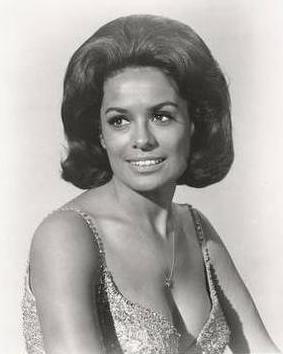
Barbara McNair was an American singer, actress, and television personality who impacted the entertainment industry with her multifaceted career. Born on March 4, 1934, in Chicago, Illinois, McNair’s journey into the limelight began with her passion for music, nurtured in the choir of her local church. Her pursuit of an entertainment career led her to study at the American Conservatory of Music in Chicago and, later, the prestigious UCLA.
Early Career and Rise to Fame
Barbara McNair’s career took off in the late 1950s when she started recording for the Coral Records label, releasing a series of singles that showcased her versatile vocal range. However, her move to Motown Records in the mid-1960s catapulted her into the spotlight. McNair’s smooth voice and elegant presence made her a favorite among audiences, and she quickly became known for hits like “You’re Gonna Love My Baby.”
Parallel to her singing career, McNair ventured into acting, demonstrating her talent on both the stage and screen. She made notable appearances on Broadway, including roles in “No Strings” and “The Body Beautiful,” showcasing her ability to captivate audiences beyond her music.
Television and Film Success
In the late 1960s, Barbara McNair made significant strides in television, becoming one of the first African American women to host her own variety show, “The Barbara McNair Show” (1969-1972). The show was groundbreaking, featuring a mix of performances and interviews with celebrities, and broke new ground for African American women in entertainment.
McNair’s film career was equally impressive, with roles in films like “If He Hollers, Let Him Go!” (1968), “They Call Me Mister Tibbs!” (1970), and “The Organization” (1971), where she starred alongside Sidney Poitier. Her performances in these films were praised for their depth and demonstrated her versatility as an actress.
Legacy and Later Years
Barbara McNair was a trailblazer who broke racial barriers in the entertainment industry throughout her career. She used her platform to advocate for civil rights and actively participated in charity work, contributing to the betterment of her community.
In her later years, McNair continued to perform, touring the United States and abroad, and remained a beloved figure in the entertainment world. Barbara McNair passed away on February 4, 2007, but her legacy endures. She is remembered for her contributions to music, television, and film and her pioneering role as a woman of color in the entertainment industry.
Barbara McNair’s journey from a church choir in Chicago to the heights of Hollywood is a testament to her talent, determination, and the barriers she broke down along the way. Her life and career continue to inspire aspiring artists around the world.
I’ve spent a great deal of time in the woods, sleeping under the stars and even being chased by a family of wild boars, so the idea of going back to the woods for “fun” didn’t really appeal to me. However, I’m aware of oodles of fun had at the campfire, smores, and the guy serenading some girl while playing a single chord on his guitar. I’m so sorry that I missed that; not really!
We mustn’t get lost in its despair, we mustn’t be swallowed before the pain, and we must be careful not to be cut by beauty’s dual edge. But is that even possible? How can we embrace beauty without becoming its victim, without becoming its prey?
I’m beginning to get used to it. It’s almost like it’s second nature or something. Each day is not much different than the last; each day we are closer to being engulfed by the evil charms of its subtle beauty; bright pale blue lore is deceiving; it masks the wickedness that lurks neath its smiles: we are bitten by its breath
She Was a Phantom of Delight BY WILLIAM WORDSWORTH
She was a Phantom of delight When first she gleamed upon my sight; A lovely Apparition, sent To be a moment’s ornament; Her eyes as stars of Twilight fair; Like Twilight’s, too, her dusky hair; But all things else about her drawn From May-time and the cheerful Dawn; A dancing Shape, an Image gay, To haunt, to startle, and way-lay. I saw her upon nearer view, A Spirit, yet a Woman too! Her household motions light and free, And steps of virgin-liberty; A countenance in which did meet Sweet records, promises as sweet; A Creature not too bright or good For human nature’s daily food; For transient sorrows, simple wiles, Praise, blame, love, kisses, tears, and smiles. And now I see with eye serene The very pulse of the machine; A Being breathing thoughtful breath, A Traveller between life and death; The reason firm, the temperate will, Endurance, foresight, strength, and skill; A perfect Woman, nobly planned, To warn, to comfort, and command; And yet a Spirit still, and bright With something of angelic light.
I got excited when I saw the prompt for this post. There are so many songs I love that fit the category. I could go on a rant about these songs, but I will behave. Tonight, I will just provide five of my favorites in this category.
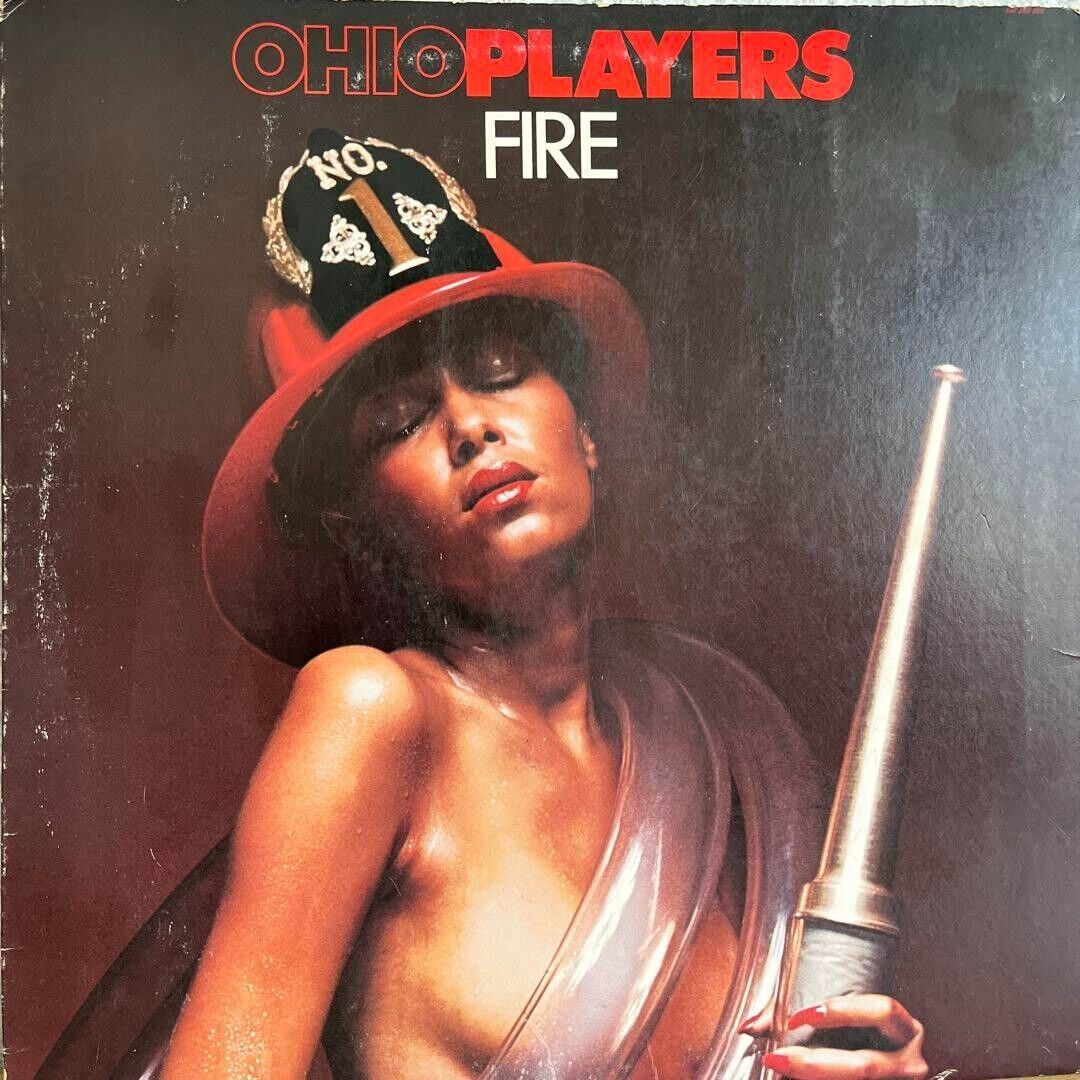
My all-time favorite song is none other than The Ohio Players. I remember sitting in front of my mother’s HiFi, flipping through records. I found this album cover and was mesmerized by it. I listened to this as much as I could. I never understood the meaning of the song until much later in life. Even today, I still enjoy the funk sound of this track. This track was recorded in 1974. Fire reached No. 10 on the disco/dance chart.
Lyrics:
Hey, now, huh-huh Hey, hey, hey, no, (Ow, now) Hey, now, huh-huh Hey, hey, hey, no Fire (Uh) Fire (Its all about) Fire (Woo, woo, woo) Fire The way you walk and talk really sets me off To a fuller love, child, yes, it does, uh The way you squeeze and tease, knocks to me my knees Cause Im smokin’ baby, baby The way you swerve and curve, really wrecks my nerves And Im so excited, child, woo, woo The way you push, push lets me know that you’re good Oh, yeah Fire (What I said, child, ow) Fire (Uh-huh) Got me burnin’ burnin’ burnin’ Ooh. Ooh, ooh, ooh Burnin’, burnin’ baby Oh, baby When you shake what you got, and girl, you’ve got a lot You’re really somethin’ child, yes, you are When you’re hot you’re hot, you really shoot your shot You’re dyn-o-mite, child, yeah Well, I can tell by your game, you’re gonna start a flame Love, baby, baby I’m not gon’ choke from the smoke, got me tightenin’ up my stroke Do you feel it, girl, yeah Songwriters: Clarence Satchell, Marshall Jones, Leroy Bonner, Willie Beck, James L. Williams, Marvin Pierce, Ralph Middlebrooks. For non-commercial use only.
Thank you, Jim, for hosting this challenge. Thank you, Nancy, for suggesting this wonderful theme.
Lo! where the rosy-bosom’d Hours, Fair Venus’ train appear, Disclose the long-expecting flowers, And wake the purple year! The Attic warbler pours her throat, Responsive to the cuckoo’s note, The untaught harmony of spring: While whisp’ring pleasure as they fly, Cool zephyrs thro’ the clear blue sky Their gather’d fragrance fling.
Where’er the oak’s thick branches stretch A broader, browner shade; Where’er the rude and moss-grown beech O’er-canopies the glade, Beside some water’s rushy brink With me the Muse shall sit, and think (At ease reclin’d in rustic state) How vain the ardour of the crowd, How low, how little are the proud, How indigent the great!
Still is the toiling hand of Care: The panting herds repose: Yet hark, how thro’ the peopled air The busy murmur glows! The insect youth are on the wing, Eager to taste the honied spring, And float amid the liquid noon: Some lightly o’er the current skim, Some show their gaily-gilded trim Quick-glancing to the sun.
To Contemplation’s sober eye Such is the race of man: And they that creep, and they that fly, Shall end where they began. Alike the busy and the gay But flutter thro’ life’s little day, In fortune’s varying colours drest: Brush’d by the hand of rough Mischance, Or chill’d by age, their airy dance They leave, in dust to rest.
Methinks I hear in accents low The sportive kind reply: Poor moralist! and what art thou? A solitary fly! Thy joys no glitt’ring female meets, No hive hast thou of hoarded sweets, No painted plumage to display: On hasty wings thy youth is flown; Thy sun is set, thy spring is gone— We frolic, while ’tis May.
When I think about songs with cold in the title, two come to mind immediately: Foreigner’s “Cold as Ice” and Rainbow’s “Stone Cold.“ However, I decided to take things in a different direction for this post. I wanted a track I always considered fun. One of my favorite bands is none other than The Time and their track Ice Cream Castles. Which was the title track from that album.
“Ice Cream Castles” is a funky and playful song by The Time, released in 1984. The track stands out with its whimsical lyrics and a groovy melody that captures the essence of 80s funk and R&B. The song, produced by Prince, features a blend of catchy guitar riffs, vibrant synthesizers, and smooth vocals, creating a lighthearted and danceable vibe. It encapsulates a dreamy, surreal aesthetic, much like the imagery suggested by its title, offering listeners a musical escape into a fantastical world of rhythm and style.
Here are the lyrics:
We are young, we are free on earth together. Let’s fall in love. You are fine, you are white, I am of color. Let’s fall in love.
Ice cream castles in the summertime. Ice cream castles in the summer.
I want you, you want me, we want each other. Is that so wrong? It’s raining. Mad sisters, why can’t they realize, that it won’t be long?
We’re all ice cream castles in the summertime. Ice cream castles in the summer. Let’s do something soon.
We are young, we are free. Let’s come together before the end. I am blue, you are too, what could be better? Let’s make friends.
We’re all ice cream castles in the summertime. Ice cream castles in the summertime. We’re all ice cream castles in the sun. Ice cream castles when we fall. Ice cream castles in the summertime. Summertime, summertime, summertime.
Is that what you need? White girls, black girls, orientals, Jamaican?
Ice cream castles in the summertime. We’re all ice cream castles in the sun. Ice cream castles when we fall. Ice cream castles in the summertime. Summertime.
White girls, black girls, orientals, jamaican. I want you, you want me, we want each other.
White girls, black girls. We are young, we are free on earth together.
Let’s do something, let’s do something soon.
We are young, we are free. Let’s come together.
Thanks, Jim, for hosting, and Nancy, for suggesting this one was fun.
these hips are big hips they need space to move around in. they don’t fit into little petty places. these hips are free hips. they don’t like to be held back. these hips have never been enslaved, they go where they want to go they do what they want to do. these hips are mighty hips. these hips are magic hips. i have known them to put a spell on a man and spin him like a top!
Personal Reflection:
When I first heard this poem, it was on audio. It was so different from What I thought poetry was supposed to be. While in school, we had Frost, Whitman, and others shoved down our throats. Though I had grown to appreciate the classics, I definitely had a bad taste in my mouth when it came to poetry. I discovered the beauty and complexity of poetry. Thank you, Lucille Clifton and the many other poets in my library.
How do significant life events or the passage of time influence your perspective on life?
DAILY PROMPT RESPONSE
It’s easy to be affected by the major events of our lives. We can point back to them, like time travelers, and recall exactly what happened and how it affected us. However, I’ve lived long enough to realize it’s the little things that mean so much. We can rage into anger, burst into laughter, or be moved to tears at the slightest thing. It doesn’t make sense in the scheme of things.
Over the last several months, I’ve been battling the ups and downs of my illness. The healthcare professionals are expected to take good care of you. For the most part, I’ve been blessed with the care I have received. However, there are times when the professional will do a small thing without being prompted, and that just blows your mind and is greatly appreciated.
Yeah, the major events are easy to remember, but the little things shape us.
This week’s challenge is a particular favorite of mine. I’m a bit of a soundtrack junkie, so I can ramble all day about the different tracks written for motion pictures. However, I’ll try my best to contain my urge to go into a full rant about this week’s challenge.
I’m a huge fan of the James Bond movies. Yes, the best James Bond was Sean Connery, that’s right, I said it. We all know that the Bond films are known for their theme songs and the Bond Girls. Sorry, I digress, I’m a little taken back by my favorite Bond theme song is for Licence To Kill, which featured Timothy Dalton as 007. I still trying to figure out how that happened. I’m confused because we saw his role in Flash Gordon, whose soundtrack was done by Queen.
The theme song for this film was sung by vocal legend Gladys Knight. It’s definitely one of my favorite songs of all time. The power and passion she brings to this song; I don’t have the words. The track was released in May 1989. This track is another example of the power of the music of the decade.
Lyrics
“Licence To Kill”
Ooooh Ah-aaah I need, I need, I’ve got to hold on to your love Ooooh
Hey baby, thought you were the one who tried to run away Ohh, baby, wasn’t I the one who made you want to stay? Please don’t bet that you’ll ever escape me Once I get my sights on you
I Got a licence to kill (to kill) And you know I’m going straight for your heart (Got a licence to kill) Got a licence to kill (to kill) Anyone who tries to tear us apart (Got a licence to kill) Licence to kill
Hey baby, think you need a friend to stand here by your side? Yes you do (your side) Ohh, baby, now you can depend on me to make things right (things right) Please don’t bet that you’ll ever escape me Once I get my sights on you
[2x:] I Got a licence to kill (to kill) And you know I’m going straight for your heart (Got a licence to kill) Got a licence to kill (to kill) Anyone who tries to tear us apart (Got a licence to kill) Licence to kill
Say that somebody tries to make a move on you In the blink of an eye, I’ll be there too And they’d better know why I’m gonna make them pay Till their dying day Till their dying day Till their dying day
[2x:] Got a licence to kill (to kill) And you know I’m going straight for your heart (Got a licence to kill) Got a licence to kill (to kill) Anyone who tries to tear us apart (Got a licence to kill) Licence to kill
Gotta hold onto your loving Licence to kill Ooohooo! Kill
I would not exchange the sorrows of my heart For the joys of the multitude. And I would not have the tears that sadness makes To flow from my every part turn into laughter.
I would that my life remain a tear and a smile.
A tear to purify my heart and give me understanding Of life’s secrets and hidden things. A smile to draw me nigh to the sons of my kind and To be a symbol of my glorification of the gods.
A tear to unite me with those of broken heart; A smile to be a sign of my joy in existence.
I would rather that I died in yearning and longing than that I live weary and despairing.
I want the hunger for love and beauty to be in the Depths of my spirit,for I have seen those who are Satisfied the most wretched of people. I have heard the sigh of those in yearning and longing, and it is sweeter than the sweetest melody.
With evening’s coming the flower folds her petals And sleeps, embracing her longing. At morning’s approach she opens her lips to meet The sun’s kiss.
The life of a flower is longing and fulfilment. A tear and a smile.
The waters of the sea become vapor and rise and come Together and are a cloud.
And the cloud floats above the hills and valleys Until it meets the gentle breeze, then falls weeping To the fields and joins with brooks and rivers to return to the sea, its home.
The life of clouds is a parting and a meeting. A tear and a smile.
And so does the spirit become separated from The greater spirit to move in the world of matter And pass as a cloud over the mountain of sorrow And the plains of joy to meet the breeze of death And return whence it came.
Tonight on LNG, we are going to the basics. Back to a time before we had to make accuses for ourselves. We didn’t really know who we were. Music played a large part in the development of our identity. There were so many genres during that time. Music spoke to us, it pulled us out of the dark, it brought joy to parts of us that didn’t even existed. For some of us, it took us a long time that to discover who we truly were meant to be. Cyndi Lauper’s True Colors meant a great deal to me back then, it still means a great now.
Well, son, I’ll tell you: Life for me ain’t been no crystal stair. It’s had tacks in it, And splinters, And boards torn up, And places with no carpet on the floor— Bare. But all the time I’se been a-climbin’ on, And reachin’ landin’s, And turnin’ corners, And sometimes goin’ in the dark Where there ain’t been no light. So boy, don’t you turn back. Don’t you set down on the steps ’Cause you finds it’s kinder hard. Don’t you fall now— For I’se still goin’, honey, I’se still climbin’, And life for me ain’t been no crystal stair.












































 Memoirs of Madness