The alley wasn’t picturesque, but it was honest. Cracked brick walls caught the last tired light of the day, holding it like a secret. She leaned against them, letting the roughness bite through the fabric of her shirt — a small reminder she was still here, still standing.
People always skipped places like this. Skipped the alleys, skipped the worn faces that carried too many losses. She used to believe that if she fought hard enough, worked long enough, she could save something — a home, a love, herself. She thought effort could outmatch entropy.
But slowly, we turn the page and walk away from everything. We worked so hard to save. Must we start all over and find another shoulder to lean on?
The question pressed into her like ash on skin. Maybe survival wasn’t about saving what was burning. Maybe it was about knowing when to let it burn. About sifting through the ashes for the pieces that could still hold weight.
The sun folded into the horizon, leaving behind the thick hum of a city settling into itself. She didn’t move quickly. She didn’t look back. Some fires you didn’t put out. Some things you simply let burn and walked away from — lighter, fiercer, more your own.
She stepped out of the alley and into the dusk, steady and unafraid, carrying only what survived the fire.
She stood in the kitchen, wielding a wooden spoon like a magic wand. “You’ve done it again!” she bellowed, eyes wide. “You turned the dishwasher into a science experiment!” He peeked over the counter, wearing a saucepan as a helmet. “It was…for science.” Soap bubbles floated through the air like tiny traitors. She poked a bubble mid-sentence. “Science doesn’t berate its assistants!” He shrugged, bubbles clinging to his head. She sighed, plopped the spoon down, and grabbed a mop. “Next time, at least invent a self-cleaning floor.”
What if greatness in poetry isn’t about your feelings, but your ability to disappear? T. S. Eliot thought so. And he said it with the intellectual force of a literary wrecking ball.
The Essay That Keeps Haunting Me
An English professor once handed me a stack of literary theories, as if they were polite interventions. I was emotionally raw, so naturally, I assumed the worst. One of the texts was T. S. Eliot’s Tradition and the Individual Talent—a dense, icy essay I’ve come back to over the years, especially when I start thinking my writing is getting good.
Spoiler: Eliot never lets me feel good for long.
Tradition: Now with 90% More Dead Guys
Eliot opens by dragging the English for treating “tradition” as a brag or an excuse to never change. He’s not here for that. For him, tradition isn’t a safety blanket—it’s literary CrossFit. You don’t inherit it; you earn it. You read so much Dante and Shakespeare that their ghosts start charging rent in your brain. That’s Eliot’s idea of a “historical sense.”
“The historical sense involves a perception, not only of the pastness of the past, but of its presence.”
If you’re not writing while haunted by the canon, Eliot’s judging you from his perch in the great library in the sky.
Your Poem Isn’t That Special
Next, Eliot drops the literary version of “you didn’t build that.” Your new poem? Cute. But it only matters in relation to what came before it. Tradition isn’t a one-way street—it’s a remix. Every time you drop a new metaphor, the canon must make room, like a snobby dinner party where you just showed up in a hoodie. The past adjusts—but only if your work is good enough to make it flinch.
Kill Your Ego, Save the Poem
Now for Eliot’s hottest take: great poetry isn’t about you. It’s not your diary entry. It’s not your breakup in verse. The poet should be like platinum in a chemical reaction—an invisible catalyst. You cause the emotional explosion, but leave no trace of yourself.
“The progress of an artist is a continual self-sacrifice, a continual extinction of personality.”
Your angst? Irrelevant. Your personality? A liability. Eliot’s poetic hero is the anti-snowflake: invisible, ego-free, and built like a Greek grammar book.
He’s not just dunking on confessional poets—he’s challenging the cult of authenticity. Writing as therapy? Valid. Writing as art? That’s a different game. Great poetry doesn’t wallow in feeling; it refines it. And yes, it takes someone deeply emotional to understand the need to flee from emotion. Cue the mic drop.
Feelings? Meh.
Eliot closes by swinging at sincerity. Feeling something doesn’t mean you’ve written something worth reading. You can mean every word and still write a dud.
“Poetry is not a turning loose of emotion, but an escape from emotion.”
The emotion belongs to the poem, not the poet. So if you’re writing about your fifth breakup in six months, maybe skip the sad-girl sonnet and channel Ovid’s exile or the fall of Rome instead. Just a thought.
Final Thoughts: Eliot vs. Instagram Poets
In a world obsessed with “finding your voice” and “speaking your truth,” Eliot reads like a literary curmudgeon with a PhD in gatekeeping. But there’s a weird freedom in his elitism. He doesn’t want you to be original—he wants you to be excellent. That means burying your ego, studying like a maniac, and writing like you’ve time-traveled through the entire Western canon.
So, don’t ask, “How do I feel next time you write?” Ask, “Would this make Virgil roll over in his grave?”
And if that sounds exhausting, good. Eliot didn’t write for quitters. He wrote for ghosts with PhDs.
You ever hear a song and think, “Wow, this really makes me want to lay in a ditch and feel things”? Enter: “True Love Way” by Kings of Leon, the musical equivalent of watching the rainfall on a rusted-out pickup truck while chain-smoking Marlboros and remembering a girl who ghosted you in 2006.
Let’s be honest—this track didn’t show up to party. It showed up to sulk on the porch at 2 a.m., crying into the void while a symbolic tumbleweed rolls by… in the middle of your city apartment courtyard. Cigarettes smolder in an overstuffed ashtray like tiny, bitter torches of regret, and the acrid stench of burning filters assaults your senses like a personal attack. Your dog and your cat sit nearby, silently judging you—united for the first time in weeks by their mutual disappointment in your life choices.
The vibe? Sluggish Southern heartbreak, dragged across gravel and dipped in bourbon. The tempo moves like it’s legally not allowed to go over 25 BPM. Caleb Followill’s voice sounds like he gargled sandpaper and emotion for three days straight—so pretty on brand.
The lyrics are vague enough to mean everything and nothing, which is perfect for when you’re too emotionally exhausted to explain what you’re feeling, so you just say, “this song gets it” and stare at the wall.
“True Love Way” doesn’t hold your hand through heartbreak. It drags you by the collar through a swamp of longing, stares deep into your soul, and says, “Yeah… you do still miss her.”
So naturally, once you’ve hit emotional rock bottom, it’s time to switch to “Molly’s Chambers.” Because if you’re going to wallow in your feelings, you might as well wallow while dancing like a drunken tumbleweed in boots that don’t fit anymore.
You’re out there on the porch, hips moving like you’re being exorcised, spinning under a streetlight like a sad little moth. And now your neighbor’s lights flick on. Curtains rustle. There’s Mr. Patel, confused. There’s Mrs. Johnson, concerned. They’re all watching—but they say nothing. Because they feel your pain. Or possibly they’re filming you. It’s unclear.
And let’s not forget: Mrs. Johnson is absolutely going to show up at your door at 6:47 a.m. with a basket of “feel-good muffins,” as if carbs can fix whatever’s going on with you emotionally (which, let’s be honest, they absolutely can). Because apparently, octogenarians don’t sleep. They just hover near windows like maternal ghosts waiting to pounce with baked goods and unsolicited life advice.
Introducing: Emotional Support Carbs™ The real MVPs of any midnight breakdown. Move over therapy dogs—there’s a new comfort system in town and it’s made entirely of banana bread and passive-aggressive neighborly concern.
Picture this:
You’re standing on your porch, barefoot, emotionally disheveled, probably wearing a bathrobe that hasn’t known joy since 2019. the dog looks embarrassed for you, and “Molly’s Chambers” is blasting like it’s a personal exorcism. Then—ding dong—it happens.
Mrs. Johnson, 84 years old and running on pure fiber and divine intuition, shows up with a basket lined in a gingham cloth. Inside? Emotional Support Carbs.
Pumpkin bread.
Three snickerdoodles and a judgmental smile.
A muffin so dry it absorbs your tears.
A laminated Bible verse tucked under the scones, just in case.
She doesn’t say a word. She just looks at you, nods in a way that says, “I, too, once had a porch breakdown,” and vanishes into the mist like some sort of suburban baked-goods cryptid.
This is your life now. And honestly? You earned that muffin.
Dawn unfolds like a hesitant prayer, its soft light unspooling over the bones of the hills. The stars, one by one, retreat into the folds of daylight, as though ashamed of what they bore witness to through the long, silent hours. Still, I remain at the crest of the ridge, a lone silhouette etched against the slow bloom of morning. I have not slept. I could not—not with the weight of forgotten omens pressing down on me like ancient armor.
The saddle beneath me creaks as I shift, leather complaining in a language only the wind can answer. My limbs ache, not just from the vigil, but from something deeper—an unraveling. I am more wreck than man, hollowed by longing and the quiet violence of loss. My voice, once sure, now drifts somewhere in the ether, unreachable. Even if I could summon the will to speak, I no longer trust the shape of my own words.
Below, the keepers stir. I hear the sharp clash of their voices, rising in petty squabble over rituals they no longer question. Their movements are brisk, their concerns tethered to earth and duty. I do not begrudge them this. But I cannot descend, not yet. I am no longer bound to the cadence of the living. Not while something in me still listens for a call that may never come again.
For I have lost the vision.
Once, it came to me like thunder through a cathedral—blinding, holy, terrible in its beauty. It lit my mind with purpose, set my hands aflame with creation. But that light has dimmed, flickered, vanished. Last night it sang, soft and clear through the bones of the wind. Now it is gone, and in its place: silence, vast and unrelenting.
I reach inward, desperate for a glimmer, a fragment of that divine echo, but find only echoes of my own fear. My compass is shattered. My quill is waiting in some distant place I no longer know how to reach. The path to it—if it still exists—has been swallowed by mist and regret.
And yet, there is no peace in surrender. Only the chill of a fate whispered by unseen mouths, breath like ice on the back of my neck. They murmur not of endings, but of reckonings. Of a soul unmoored of a promise made long ago beneath stranger skies.
Perhaps this is what becoming untethered feels like—not a fall, but a float. Not a silence, but a waiting breath.
The ridge hums beneath me, and I close my eyes.
If the light returns, I will know it by the way the wind shifts. I will feel it in the marrow. I will rise, not with certainty, but with faith scorched into my bones like forgotten scripture.
But until then, I remain. A shadow made flesh. A watcher at the edge of memory. A ghost, listening for the sound of his own return.
Every morning, Elías stood before the vow tree—the one with his father’s face etched in bark. Its eyes never moved, but somehow, it watched. When Elías broke a promise, the mouth curled in silent disapproval. He learned to speak carefully, act deliberately. To commit was no longer abstract. It was rooted, ancient, and watching. The tree remembered. And it never forgave.
I spent a lot of time taking crappy photos before I got lucky and snapped a good one—total fluke. That’s when I realized I had no idea what actually made a photo work. If that sounds familiar, this post is for you. Whether you’re just starting out or you’ve been at it for years and need a refresher, it breaks down simple, practical composition tips—like leading lines, framing, and the Rule of Thirds—that actually make your shots look better. Doesn’t matter if you’re shooting with a phone or a DSLR. Check it out—you’ll be surprised how much a few small changes can improve your photos.
At my core? Still me. Still sarcastic. Still curious. Still low-key allergic to group think and people who say “per my last email.” But life—especially this past year—shifted something in me. A life-altering moment has a way of stripping you down to the truth, whether you’re ready or not.
It made me realize I’ve been sitting on a set of gifts I’ve treated like party tricks. I can do more. I should do more. Sure, I could keep yelling into the void about the uncultured swine running the world (still baffled by how that happened). And if I accidentally handed them the keys somewhere along the way, then yeah—I’ve got some things to atone for. Maybe even finish the time machine in the basement.
But mostly, I’ve just changed in the way that matters: I’ve started trying. Less coasting, more choosing. Less needing to be right, more needing to be honest.
Wisdom? Not exactly my department. I’ll never be that guy. Never been that smart, and I’m okay with that. What I am is honest enough to admit I’m a deeply flawed man. Whatever good I carry, I got from my mother. The rest is a work in progress.
Marcus Aurelius said, “Waste no more time arguing what a good man should be. Be one.” I’m trying. Some days better than others. And like in Sufism, where they speak of the nafs—the lower ego—it’s a constant fight. Not to eliminate your ego, but to tame it. To bring it into balance. Peace doesn’t come from pretending to be pure—it comes from wrestling with your own chaos and not letting it win.
And honestly? If King Solomon—the wisest man to ever live—couldn’t get it all right…
How can we feel peace in a society based on fear? A society where hysteria is the most addictive drug on the planet.
It’s not sold in bags or bottles—it’s pumped through headlines, algorithms, and dinner table arguments. Fear keeps people alert, afraid, and obedient. It tells them who to hate, what to buy, and why they should never trust their neighbor. It whispers that safety is submission, and freedom is recklessness.
We scroll, we panic, we comply.
Peace isn’t profitable. Fear is. Fear sells protection. It sells security systems, surveillance, wars, and pills. A calm population doesn’t need saving. But a frightened one? They’ll beg for chains if you tell them it keeps the monsters out.
Is inner peace an illusion? Has the idea become a fairy tale, a bedtime story we whisper to ourselves as we tuck in under stress and screens, pretending we’re safe, pretending we’re okay?
We meditate between emails. We chase mindfulness through apps that send push notifications. We breathe in for four, hold for four, exhale—and then doomscroll five more minutes. The world burns and we light candles, hoping the smell of lavender will cancel out the sirens.
Maybe peace isn’t a state anymore. Maybe it’s a product. Packaged and branded. Just another goal in the endless self-improvement hamster wheel—be calmer, be better, be less angry, be more forgiving, as if serenity is another checkbox.
But if the world never stops screaming, how long can silence survive in our heads?
Technology isn’t evil. It never has been. It’s a mirror. It reflects exactly who we are and what we crave. The chaos, the noise—that’s on us. But so is the potential.
We’ve never had more ways to find each other in the dark. To say, me too, to share the ache, to build something human across lines that once divided us. The screen doesn’t have to isolate. It can become a bridge—if we let it.
We have an opportunity like never before to connect within the struggle. Not in spite of it, but because of it. To stop pretending we’re fine and start showing up as we are—uncertain, overwhelmed, genuine.
Not curated. Not filtered. Just real.
Because the truth is, everyone’s carrying something. We’re all bruised in places we’ve learned to hide. But maybe the hiding is the problem. Maybe if we showed the cracks, others might too—and suddenly, we’re not alone anymore. Suddenly, it’s not just my anxiety, my grief, my confusion. It’s ours.
That’s where the healing lives—not in perfect answers or polished advice, but in the shared breath of I see you. In the quiet courage of me too.
This moment, this fractured now—it’s begging for honesty. Not the weaponized kind, but the kind that invites someone in. The kind that breaks the cycle of fear with something as simple as presence.
This is the Morning Vibe with a little Miles Davis for effect.
The light crept in, not with purpose, but inevitability. It pooled over the floorboards in pale streaks, slipped across the rumpled sheets, and found her where she sat—curled in on herself at the edge of the bed like something unfinished. The curtain shifted with a lazy sigh, stirred by the hum of a world already moving without her.
She didn’t move. Just blinked slowly, eyes still heavy. Her hair was a mess—coiled and wild, clinging to the nape of her neck with sweat. The air felt thick, damp from last night’s rain, and carried a faint trace of coffee drifting in from the apartment next door. It reminded her she wasn’t entirely alone in the world—just sealed off from it.
Her phone buzzed on the nightstand. She didn’t look. She already knew the message: “You okay? You were pretty quiet last night.”
She had gone to that rooftop gathering. Smiled on cue. Nodded politely as someone explained a startup idea for the third time. But when the conversation shifted to politics, to “people being too sensitive,” to jokes with teeth she wasn’t supposed to flinch at—she had gone quiet. Not out of agreement. Out of calculation.
It wasn’t fear of confrontation. It was exhaustion.
The kind that seeps into your bones when you’ve spent years editing yourself in real time.
Why can’t you just be easier?
The voice came sharp, cutting through the fog. Familiar. Not hers exactly—but forged in her. It spoke in the tone of her third-grade teacher, the one who called her “bossy” for speaking with certainty. The one who wrote on her report card, “bright, but disruptive.” That was the first time she learned that being loud and being wrong were seen as the same thing.
She had been shrinking ever since. A slow erosion.
And now, this morning, she felt caught between the shrinking and the wanting—wanting to take up space and fearing the cost of it.
You think you’re different? That the rules don’t apply to you?
She flexed her jaw, let the thought sit. The worst part of that voice was how reasonable it sounded. How it wrapped itself in concern. In survival.
Outside the window, a billboard stood tall above the bus stop: a model in spotless white jeans and a tagline in all caps—LIVE YOUR TRUTH™. She almost laughed. As if truth came clean and neatly styled.
Her own truth felt messy. Unmarketable. Like morning breath and ragged nails and questions without answers.
She looked at her hands—real, rough, hers. Last night she had come home and typed a long apology to the group chat. “Sorry I was off. Just tired. Hope I didn’t kill the vibe.”
She hovered over the send button.
Then she didn’t.
Now, she picked up the phone, screen still glowing with the unsent draft. She tapped and held. Delete.
It wasn’t a revolution. Just refusal.
A small, quiet defiance.
She wasn’t whole. There were still bruises beneath her calm, still doubts threading her thoughts. But she was done apologizing for needing more than performance.
The light had shifted again, stronger now. Not demanding. Just there.
She wasn’t sure what came next.
But this—this stillness, this pause, this decision not to disappear—was a start.
Mind, body, and spirit—it’s not just a slogan on a t-shirt or a phrase tossed around in self-help books. It’s a lived, gritty process. It doesn’t happen in a straight line. It doesn’t always feel peaceful. It asks to be practiced daily, especially in the moments when we’re coming apart.
When my wife was dying, I was unraveling. There was no calm breath, no quiet meditation that could hold me. The pain was too loud, too sharp. I couldn’t go to the dojo—I knew I might hurt someone. So I turned to the only thing left that didn’t require restraint: writing.
That’s where Memoirs of Madness was born—not from ambition, but necessity. I wrote because if I didn’t, I was going to explode. Writing became my release valve. My attempt to find balance in a world that no longer made sense. It wasn’t polished. It wasn’t composed. But it was honest. It was survival.
Healing doesn’t always look like light. Sometimes it’s just sitting with the darkness long enough to stop being afraid of it. Writing gave me a place to do that. Not to escape pain, but to face it with something steady under my hands—a pen, a page, a place to speak freely.
People like to talk about acceptance, about “new normals,” especially when you’re going through something irreversible. I’ve been told I may never return to the person I was before. And maybe that’s true. But I also know it’s not the whole truth. I know there’s more to me than what’s been broken.
Throughout my life, I’ve encountered teachings I didn’t ask for. Moments of awe, loss, surrender, and grace. I didn’t always understand why they came, but something in me knew not to reject them. Writing became the way I made sense of them. The way I honored them.
It’s not therapy, exactly. It’s more like a mirror. Each word reflects something back at me—something raw, something I need to see. Writing doesn’t heal like medicine. It heals like movement. Like breath after being underwater too long.
Writers tell the truths we were taught to keep quiet. We witness the small miracles—flowers bending to the breeze, the call of a bird we can’t see, the still gaze of an animal watching us. We notice the laughter of children that vibrates with something pure and untouchable. We let it all into our bones. But writing is how we let it back out. How we stay connected—not digitally, but spiritually, viscerally.
Every sentence I write is a thread that connects me to the person I’ve always been beneath the layers of grief, anger, and expectation. Not the old self. Not the broken self. But the essential one. The one that endures.
I once asked: Who’s smarter—the adult or the infant? Predictably, everyone said the adult. When I pressed them, they said the child doesn’t know anything. But I disagreed. I said the infant. They laughed, of course. All but one. That one asked me, “Why?”
“Because the infant sees everything,” I said. “They feel everything. They haven’t learned to numb themselves yet. They haven’t picked up the habit of pretending. They are unfiltered truth.”
That’s what writing brings me back to. That clarity. That honesty. That wholeness before the world taught us to break ourselves into pieces.
Healing through writing isn’t a return to what was. It’s a return to what’s real. And sometimes, that’s more than enough.
Author’s Note:
I sat looking at the challenge image, thinking about the beauty of that moment frozen in time. I found myself wondering how to capture something like that in words. Lately, I’ve been studying Buddhism—not because I want to become a Buddhist, but because I’m wise enough to know that truth can’t be found with a closed mind.
Next thing I knew, this piece came through me.
It’s not all I have to say on the subject, but it’s a beginning.
I drift through the mist of life’s abyss, not falling, not flying—just suspended. Time doesn’t move here; it folds in on itself, leaving me trapped in a silence that isn’t peace, but ritual. Dutiful. Respectful. A silence learned over years of swallowing words and measuring breaths. It’s the kind of silence that makes you forget the sound of your own voice.
The air around me stirs, barely. Still, I hear the whispers—low, deliberate, cold. They speak not in sentences, but in suggestions, in warnings that curl around my ears and settle in my chest. They speak of fate, of choices already made, of a path too worn to change.
In my hand, the quill waits, poised like it knows the weight of what it might say. But it’s grown unwieldy—too much meaning, too much memory packed into such a fragile thing. I grip it, unsure whether to write or release. Each word feels like it could be the last. Maybe this sentence is where I stop. Maybe this is where I finally let go.
But still I hover, caught in that space between thought and surrender, listening to the hush of everything I’ve never said.
She stood still, her profile etched in the quiet glow of imagined worlds. Galaxies spun behind her eyes, each one holding a memory she hadn’t spoken aloud in years. Moons drifted close, brushing her skin with light that wasn’t light, warmth that didn’t burn. The clouds moved through her like thoughts, slow and tangled, as if the sky itself had cracked open to whisper her name.
Her expression didn’t shift. It didn’t need to. She wasn’t here to perform. She was caught in that weightless place between who she’d been and who she might become. And in that stillness, even the planets seemed to orbit slower, listening.
Someone once told her she looked too serious, too distant. But they only gave her a bland kind of attention—the kind that never reached deeper than skin. The type that skimmed her surface and missed the storm beneath.
Now, she let her thoughts roam in this quiet collision of sky and soul. Not forward. Not back. Just… outward. And for a fleeting second, she caught a flicker of something—possibility, maybe—out of the corner of her eye.
But it was enough to remind her that she was more than what the world saw, more than the shadows cast by fading light. She was part of the cosmos now, and maybe, just maybe, the cosmos was part of her, too.
Opulence dazzles, but it doesn’t fill the void. Gilded walls, luxury cars, designer clothes—they impress, not satisfy. The chase for more becomes endless: bigger homes, flashier jewels, louder status. Yet behind the gloss is silence. Relationships shallow. Laughter forced. Meaning fades. Surrounded by everything, the soul starves for something real. Comfort becomes a cage, and abundance numbs. The high of acquisition dulls fast, and stillness creeps in. Opulence, once a dream, becomes a mirror—reflecting what’s missing, not what’s gained. In the echo of excess, we find the truth: wealth can buy things, but not worth.
Fierce burned in her chest—not anger, but resolve. Each setback was fuel. She didn’t flinch, didn’t fold. Determination wasn’t loud; it was steady. Quiet steps forward, no matter what. That’s how she wins.
It’s not always the staggering drunk on a sidewalk. Sometimes, it’s the friend who always shows up, the parent who keeps it together, or the coworker who “just likes to unwind.”
But behind closed doors, they’re shrinking. Fighting. Breaking.
Alcoholism doesn’t always look like what we expect. And that’s the problem.
Folded into himself. Silent. Alone. Crushed under the pressure of needing something he hates needing.
We call it “just a drink.” But alcohol is the most lethal drug in the world—more deadly than opioids, meth, or cocaine.
And yet… it’s everywhere. It’s legal. It’s glorified. It’s handed out at every wedding, every weekend, every wound.
Not a habit. A fight. Against himself. Against the silence. Against the pressure to act like everything’s fine.
Addiction doesn’t start with rock bottom. It often begins with social acceptance. A drink to relax. A drink to celebrate. A drink to cope. Until the bottle isn’t an option—it’s a cage.
Even the strong get trapped. Alcohol doesn’t care how tough you are.
What makes alcohol so dangerous isn’t just the physical toll. It’s the silence. The shame. The way we minimize it, laugh it off, ignore the signs.
This is what addiction feels like. Rage, regret, and no way out. But always another drink.
The Truth:
Alcohol kills more than 3 million people globally each year.
Withdrawal from alcohol can be fatal.
It destroys bodies, families, and lives—and we rarely talk about it.
If you or someone you know is struggling:
You are not alone. There is help. There is life outside the bottle.
CTA (Call to Action):
📞 [Insert helpline or resource link – e.g., SAMHSA’s National Helpline: 1-800-662-HELP] 💬 Share this post. You never know who needs to see it.
Reblogging this powerful and vulnerable piece from Stephanie. Her courage in acknowledging her truth and sharing her journey with alcoholism and recovery deeply resonated with me.
Reading this stirred something in me—not just empathy, but reflection. While our paths differ, the terrain of struggle, self-confrontation, and healing feels familiar. I’ve danced with my own shadows, and I’ve been meaning to speak on that for a while now.
I’ll be sharing more about my journey in the coming days—not to diminish Stephanie’s voice but to add to the conversation. Healing isn’t a solo act. It’s a chorus, and sometimes, just hearing another voice echo your truth can be the thing that carries you a little further.
The First Encounter – Lost in the Woods (and the Footnotes)
The first time I read The Divine Comedy was sparked by an argument—an intellectual back-and-forth with someone who, as it turned out, didn’t know much about the book. But he was passionate. His conviction was hypnotic. I didn’t buy his analysis, but I understood why he was obsessed.
I picked up the book out of curiosity and a little competitive pride. I didn’t finish it. We got called out on a mission, and you don’t take library books on missions. Fines are one thing—charred pages are another.
Still, even unfinished, it stuck with me. Something about Dante’s voice—strange, serious, deliberate—lingered.
That first attempt, though brief, planted a seed. When I returned to it later, I had more patience, a better dictionary, and no librarian breathing down my neck.
Even then, Inferno was dense. Layers of references. Historical names I barely recognized. Theology deep enough to drown in. I was flipping between footnotes and old library texts like I was defusing a bomb. The nine circles of Hell were vivid, yes—but they felt more like a museum exhibit than a lived experience. I was watching Dante, not walking with him.
It felt like homework. Necessary, maybe. But distant.
Still, something about the structure—the cold logic behind every punishment—got under my skin. Sin wasn’t just bad behavior. It had a shape. A weight. I didn’t have the words for it then, but the idea that justice wasn’t arbitrary began to settle in.
I didn’t love the poem yet. But I was starting to hear it.
Warzones and Infernos – Dante in Combat Boots
When I returned to The Divine Comedy after combat, it hit differently. Dante wasn’t just a poet anymore—he sounded like someone I knew. Maybe even like me.
Inferno started to make more sense. Hell wasn’t about fire and demons—it was about clarity. Brutal, stripped-down moral logic. A world where actions had consequences that couldn’t be bargained with.
In combat, you live in that gray zone between judgment and survival. Right and wrong don’t show up in clean lines. Sometimes you do the right thing, and it haunts you. Sometimes, it felt like there was no God—at least not the one we heard about in Sunday school. We believed in the integrity of what we were doing. We questioned it, sure. But our resolve stayed intact. Sometimes, surviving was all you could do. And that didn’t always feel like redemption.
Dante’s Hell isn’t just punishment—it’s paralysis. People stuck in their choices, their pride, their rage. No growth. No movement. Just a reflection in the worst kind of mirror.
That rang true.
Some turned to a higher power for guidance. We knew—we were fighting for God. But we also knew the limits. We were required to do what was asked of us—but no more. We fought for God. And we had to answer to Him too.
Not just for the people we encountered. Sometimes for what we became.
Purgatorio – The Long Climb Back
Purgatorio doesn’t get the same attention as Inferno. It’s not as dramatic. No fire. No famous sinners frozen in ice. But it’s the part that felt most real to me.
Because after war, after any real descent, what follows isn’t glory—it’s work. Quiet, repetitive, soul-grinding work. That’s Purgatorio.
Dante climbs a mountain, terrace by terrace, confronting the seven deadly sins. Each level is a mirror—less about judgment, more about recognition. It’s not punishment anymore. It’s penance. The difference matters.
After combat, reintegration isn’t just about coming home. It’s about stripping away the armor you lived in. Unpacking things you didn’t have the luxury to process while they were happening—and you don’t have the luxury to process them now. You’re thrust back into your life like nothing happened. You lie to the ones you love to keep them safe, to spare them from the world you know exists but no one is talking about. You keep that secret.
You make a valid attempt to let go of habits that kept you alive but will not help you live. It’s exhausting.
That’s why Purgatorio hit me so hard. I didn’t expect it to. But there’s something deeply honest in the idea that healing doesn’t feel holy. It feels like discipline. Like carrying your own burden up the hill with no end in sight. Some days, you move a little higher. Some days, you just don’t slip backward.
There’s no audience. No headline. Just effort.
And yet—it’s hopeful. The whole mountain is built on the assumption that you can be made whole. That ascent is possible. Redemption is a process, not a prize.
Paradiso – The Light We Try to Name
Paradiso is the hardest part.
Not just to read—but to believe in. It’s abstract, layered with theology and geometry, full of light and music and spheres. Dante is trying to describe the indescribable. He’s chasing God through language; the closer he gets, the less the words hold.
For a long time, I didn’t connect to this part. It felt like too much, too far, too clean.
But after Purgatorio, after the work of climbing, carrying, and unlearning, I started to understand what Paradiso was reaching for—not perfection, not purity, but peace.
And peace—real peace—is foreign when you’ve lived inside chaos. It’s not some cinematic moment of triumph. It’s quieter. It’s the ability to be still, without needing to be numb. It’s presence, not performance. It’s the moment you stop bracing for the next thing to go wrong.
Dante meets Beatrice here—his guide into the divine, his symbol of grace. We all have our Beatrices, if we’re lucky. People who held the line for us when we couldn’t. People who reminded us we weren’t lost forever.
Am I worthy of this grace? Will God forgive me for what I’ve done? I find myself waiting—searching—for that one thing that could wipe away all the havoc of my making. Is that a thing? You know the scales will have an answer.
In the background of all this light, I still imagine the scales. The old ones—Egyptian, Christian, Islamic. The image of your life being weighed. Every choice, every silence. Your hands held out, waiting to see which way it tips.
We fought for God. We made peace with that. But we also knew we’d stand in front of Him one day. And maybe that’s what Paradiso is really about—not escaping judgment, but understanding it. Accepting it. Trusting that there’s a kind of justice that doesn’t crush you, but completes you.
I don’t claim to understand everything Dante saw in Heaven. But I understand the desire to see it.
And that’s something.
Full Circle – Still Listening
I’ve read The Divine Comedy more than once now. Not in a straight line, not as a scholar, but as someone who’s lived with it—left it, returned to it, wrestled with it. And the strange thing is, it keeps changing. Or maybe I do.
What started as a challenge—half a debate, half an ego trip—turned into a mirror. Dante’s journey through Hell, up the mountain, into the light, isn’t just theology or poetry. It’s a blueprint. A map of what it means to go through something, to come back from something, and to wonder if you’re still whole on the other side.
I never read it looking for answers. Not really. But I keep coming back to it for the questions.
Am I worthy of grace? Is peace possible? Can the scales ever truly balance?
I don’t know.
But I’m still listening.
And that’s something too.
Author’s Note: This was written as a result of a post by alexander87writer. I was going to leave a comment, and just kept writing. My two sentences became this. I’m so extra at times.
The mist clung to the earth like old sorrow, curling around boots and stones, swallowing sound. Two figures stood before the monolith, cloaked in black, their outlines blurred by fog and fate. The stone towered above them, carved from the mountain’s spine. Its surface was worn by centuries but still bore the mark—an eye within a jagged star—that pulsed faintly, like something alive and watching.
They had come a long way to find it. Through dead forests that whispered their names. Across plains littered with the bones of better men. Not for glory. Not even for vengeance. Just the promise of an answer, or maybe an end.
Behind them, the others waited. Hooded. Silent. A dozen warriors who had followed them without question, bound by old oaths and older regrets. No one asked what lay on the other side of the fog. The question had been buried with the first man who hesitated.
The taller of the two stepped forward, boots crunching on frost-hardened gravel. His hand hovered near the hilt of his sword, fingers twitching like they remembered every fight that hadn’t gone his way. “We stand at the edge,” he said, low and certain.
His companion didn’t look at him, just stared at the monolith. “And what waits beyond?”
“Only those who boldlyengage the old magic will know.”
The other figure stepped closer to the stone, his silhouette ragged with wear but upright and determined. He placed a gloved hand on the carving. The stone felt warm—too warm—as if it hadn’t forgotten.
The ground answered—not with light but with a deep, resonant hum that rolled through the valley like a warning. The fog began to move, twisting into strange shapes, pulling backward to reveal what waited deeper in the pass—a path, a gate, shadows shifting on the other side.
The second man drew his blade slowly, the sound of steel slicing the stillness. “Then we put on the gauntlet,” he said, quiet but resolved. “And we walk into whatever comes next.”
Not for glory. Not for vengeance. But for truth. And for the ones they couldn’t bring back.
Together, they stepped forward as the stone split open, the mountain groaning with ancient memory. Finally, the fog began to part.
One of my nephews stopped to visit. We talked about philosophy, music, and a bunch of other things. Almost like he knew I needed to get out of my own head for a moment and be reminded of something that’s always been soothing—music. After he had left, I plugged in the headphones and got to work.
Prince’s music has left a mark on humanity. However, the music I enjoyed the most was songs seldom played on the radio—the tracks only discussed quietly among the fans who kept searching for the ones that touched them deepest.
For me, “Sometimes It Snows in April” is one of those songs.
It’s not built for the charts. No booming drums or flashy guitar solos. Just a delicate piano, soft guitar, and Prince’s voice—fragile, almost whispering. It’s stripped down in a way that makes you sit still. Makes you feel.
The song was part of the Parade album in 1986, which doubled as the soundtrack to Under the Cherry Moon. Prince played Christopher Tracy in the film—a charming romantic who dies too soon. The song is what comes after: mourning, confusion, and the quiet heartbreak of losing someone who wasn’t supposed to be gone yet.
And Prince didn’t try to clean it up. He kept the raw demo. You can hear creaking chairs and fingers sliding on strings. Those imperfections? They’re what make it real.
The lyrics hit like a conversation you didn’t want to have but needed: “Sometimes it snows in April / Sometimes I feel so bad, so bad.” Simple words, but when Prince sings them, they carry weight. It’s not performance—it’s confession.
Then came April 21, 2016. Prince passed away. Suddenly, a song about losing someone too soon became eerily personal. It was recorded in April. He died in April. And just like that, it sounded like he’d written his own farewell without knowing it.
And here’s the part that always gets me—I often wonder why we don’t truly appreciate an artist until after their transition. Why do we wait? Why do the tributes flood in only once they’re gone? It’s a question that’s never been answered—at least not a good one.
Maybe it’s human nature. Maybe we think there’ll always be time. Maybe we don’t realize what someone gave us until we can’t get more of it.
With Prince, we had a genius in real-time. But songs like “Sometimes It Snows in April” remind us that his deepest gifts weren’t always the loudest. They were the quiet truths tucked in between the hits—the kind you don’t hear until you’re really listening.
“Sometimes It Snows in April” isn’t just about death. It’s about love, memory, and the strange ache of time. It’s about the moments we don’t talk about much—but feel the deepest.
And that’s why it still hurts. In the best kind of way.
In the heart of the Hollow Mountains, where the air hummed with silence and time forgot to tick, a being older than wind sat. Encased in a sphere of shimmering energy—neither glass nor light, but something between—the Oracle meditated above a chasm that pulsed with ancient fire.
He had not spoken in centuries. He didn’t need to.
The mountains around him were carved not by water but by will. Their jagged silhouettes, emerald-tipped and layered like echoes, were born from his breath. Each ridge was a memory. Each peak was a vow. He had once been flesh, bone, and fire. Now, he was purpose wrapped in the illusion of form.
To the outside world, he appeared as a man—if a man could be sculpted from starlight and storms. His robes flowed like liquid fog, and his long, tangled beard bore streaks of silver like splotches of moonlight left behind by the gods.
Pilgrims had tried to reach him, climbing in silence, their mouths dry from reverence or fear. None returned unchanged. Most didn’t return at all.
Inside the sphere, reality bent. Time curled inward like smoke. The Oracle sat cross-legged on a throne of molten stone that neither burned nor aged. Beneath him, streams of liquid light cascaded into the void—knowledge pouring endlessly into the earth’s soul, never wasted, never full.
He was more than a seer. He was a medium between worlds—the silent conduit through which forgotten truths passed. Not a messenger, not a prophet, but something more elemental, something that watched as stories ended and began again.
He waited—not out of impatience but design. Somewhere, someone would be ready to ask the right question. Not about destiny or death. Those were too easy. But the one that mattered. The one that cracked the world open.
Until then, he breathed. And in that breath, universes whispered.
“Duty is what we carry in silence, long after the reasons stop making sense.”
They said, Be all you can be, and we believed them. But we didn’t know at what cost.
There is a line—not drawn, but implied. A hush between steps, a rule never spoken aloud but lived as law. It was my job to hold the line. To guard it. Uphold it. Even on the days I couldn’t see it. Even when I wasn’t sure it was ever really there.
We lied to everyone that mattered. Spoke in half-truths, offered polished answers to unspoken questions. And over time, the lies started to sound like loyalty. We even convinced ourselves. Still—we held the line. We sacrificed everything for it. Time. Peace. Parts of ourselves no apology will ever retrieve. But we believed our sacrifices had meaning. And maybe they did. Maybe meaning isn’t always clean.
There were things we couldn’t say—not because we didn’t want to, but because the job required silence. Duty demanded presence, not explanation. We chose service over clarity. Responsibility over release. That’s what no one tells you: sometimes loyalty means carrying the truth quietly so others don’t have to.
When the dust settled, we tried to find something to hold on to—something we could trust, something true, something pure. Not perfect. Just real. Something that wouldn’t dissolve when we stopped performing.
And yes—we sometimes lived in the dark. Operated in shadows. Did things we could never speak of. Things people will never know. But there was always a light. A flicker. A guide, buried deep, pulling us back. Even when we wandered, even when we hardened. Some of our paths were rockier than others, but still—there was hope. Always hope.
I traced the curve of the line out of habit, out of fear, out of love for something I couldn’t name anymore. The line is not a fence. It’s a suggestion, soft as a breath on glass, sharp as memory. You learn to shape yourself around it—to fold your hunger, to tailor your voice. To make small beautiful, and still wonder why it feels like vanishing.
Some days, it glows. Other days, it disappears, but you still feel it—in the pause before truth, in the way your shoulders remember how to shrink. Still, I held it. With both hands. Tired hands. Loyal hands.
And then one day, without rebellion, without even deciding, I stepped. Nothing broke. No thunder. No light. Just space. Quiet and wide. I waited for collapse. It didn’t come. The air was different here. Not sweeter, not easier—just honest. There was wind, and with it, direction.
I looked back. The line was still there, but fainter now, as if it never meant to stay. And I understood: it was never a barrier, only a shadow cast by belief. And belief, like shadow, can shift with the sun.
We did what we thought was right. We held the line, lived in the shadows, and told the stories people needed to hear. And through it all, we tried to provide hope—while quietly, desperately, trying to hold onto our own.
“Damn, you’re ancient! What was it like to be one of Teddy Roosevelt’s Rough Riders?”
One of the kids on my team tossed that gem at me this morning. Smirking like he just reinvented comedy. I wanted to fire back—something about his hairline already surrendering—but I let it ride. Not because I’m mature. I’m just tired. And honestly? The way the squad erupted in laughter… it was worth the hit. They needed the laugh more than I needed the win.
I’ve never really understood the logic of soldiers. Still don’t. We sign up to follow orders we don’t write, from people we’ll never meet, for goals we’re not allowed to fully understand. And we’re supposed to be fine with that.
Back when I was their age, I like to think I was different. Noble. Thoughtful. Maybe even angelic. (Okay, maybe not angelic. More like… less of a jackass?) But that could just be the rose-colored fog of memory, or the result of years spent rewriting my own origin story like a drunk screenwriter.
There’s something ritualistic about the way the morning unfolds out here. The dawn eats the night. First sip of bitter coffee. First cigarette. The world still quiet enough to pretend it’s not completely unhinged. I watch them wake up—slow, clumsy, half-zombies with bedhead and bad attitudes. Too young to have rituals, too new to know those rituals might one day keep them sane.
I remember one morning, I hit them with Sweet Leaf by Black Sabbath. Volume up, sun barely over the ridge. Half of them looked like they’d been shot in their sleep. The other half just looked confused. I let it rip while running them through live-fire scenarios. Brains not even warmed up, bodies still clunky from the cold.
It wasn’t for fun. Okay—it was a little fun. But mostly it was about pressure. Teaching them to operate before they’re ready, because the world doesn’t care if you’re ready. Expect the unexpected, I told them. It’s a cliché until you’re bleeding because you didn’t.
Eventually, they’ll get it. Or they won’t. Some learn the rhythm. Others burn out trying.
Each day, we stand there like portraits—young faces with old eyes—propping up a cause that shapeshifts depending on who’s holding the microphone. Marching to the beat of some distant desk jockey who calls themselves a leader because they can attach a PDF to an email. And no one questions it.
That’s the part I can’t let go of. No one questions it.
“War is peace. Freedom is slavery. Ignorance is strength.” — George Orwell, 1984
I’ve never fully understood that quote. I’ve got pages of half-drunk, sleep-deprived ramblings trying to unpack it. You’d think, with age, I’d get closer. Clarity, wisdom, all that crap they promise you comes with gray hair. But no. The notes get weirder. The handwriting worse. The questions louder.
Maybe that’s the point. Maybe wisdom isn’t about finding answers. Maybe it’s just about asking better questions—and knowing when to shut up and pass the coffee.
Sun’s up. Time to pretend we’ve got it all figured out again.
This post was written for Ragtag Daily Prompt, Fandango, and Stream of Conscious Saturday.
In the Shadow of the Sword: My Unhealthy Love Affair with Arthurian Legend
Look, I don’t know what they were putting in the water back in medieval Britain, but something about knights, swords, and love triangles gets me every time. There’s this foggy, dramatic world where chivalry clashes with betrayal, magic meddles with fate, and everyone’s either nobly dying or making wildly bad romantic decisions. Naturally, I’m obsessed.
Give me Camelot, give me Arthur (the himbo king with a destiny complex), give me Merlin muttering cryptic nonsense in a cave somewhere. And Guinevere? Queen of tragic love and complicated feelings. It’s basically a mythological soap opera with chainmail.
But here’s the thing—these stories aren’t just dusty old legends. They still hit. Hard. Arthur’s idealism, Merlin’s weird wisdom, Guinevere’s heartache—they’re all just medieval stand-ins for our modern messes. Love, power, sacrifice, the occasional magical sword—it’s all still painfully relevant.
So yeah, I keep coming back to Avalon. Not because I’m looking for answers (spoiler: nobody has those), but because getting lost in all that drama and destiny is half the fun.
Let’s talk about the Women’s Day March. You know, that annual event where millions of people worldwide take to the streets, wave signs, chant slogans, and, if history is any indication, thoroughly annoy certain politicians and social media trolls. But this isn’t just a performative stroll in comfy sneakers—it’s a global movement that has been shaking things up for over a century.
The Origins: From Protests to a Global Holiday
Back in the early 1900s, women weren’t just fighting for a cute photo op; they were demanding the right to work in decent conditions, vote, and hold public office—basic stuff that, shockingly, was considered radical. The first National Women’s Day in the U.S. (1909) was organized by the Socialist Party of America, inspired by the 1908 garment workers’ strike. Then, Clara Zetkin, a German socialist, decided in 1910 that the world needed a dedicated International Women’s Day. Boom—March 8th became the day to make noise. Today, International Women’s Day is observed globally on this date, with some countries even recognizing it as a public holiday, including Russia, China, and several nations across Eastern Europe and Central Asia.
Things escalated quickly. In 1917, women textile workers in Petrograd kicked off protests that led to the Russian Revolution (as one does). By 1975, the United Nations decided to get in on the action, officially recognizing International Women’s Day, probably realizing it wasn’t just going to disappear.
The Evolution: Expanding the Fight
Fast forward to the mid-20th century: the feminist movement expanded beyond suffrage and workplace rights to tackle issues like reproductive freedom, domestic violence, and workplace discrimination. This shift was fueled by legal battles (think Roe v. Wade in the U.S.), cultural shifts (hello, second-wave feminism), and high-profile activism that pushed these issues into the mainstream. Women weren’t just asking nicely anymore—they were suing, protesting, and demanding systemic change. By the late 20th century, marches started embracing an intersectional approach, recognizing that gender inequality doesn’t exist in a vacuum—it intersects with race, class, sexuality, and even environmental justice (hello, ecofeminism!).
Then came 2017. The Women’s March, sparked by the U.S. presidential election, saw millions of people worldwide rallying against threats to reproductive rights, gender equality, LGBTQ+ protections, and racial justice, all while making it clear that misogyny wasn’t going to be tolerated in silence. It reminded everyone that women’s marches weren’t just nostalgic history lessons—they were alive, global, and louder than ever.
Why We Still March
Women’s Day marches are more than just a moment to wear purple and wave a sign. They’re about real issues that persist:
Gender-based violence: Because we’re still fighting for a world where “No” actually means “No.”
Equal pay: Somehow, decades after “equal pay for equal work” became a slogan, it’s still a debate.
Reproductive rights: Because certain lawmakers love to remind us that controlling women’s bodies is apparently their favorite pastime.
Workplace rights: Paid maternity leave, fair treatment, and not being harassed in the office—what a concept!
Representation: More women in politics and leadership? Groundbreaking, right?
Global Perspectives: Different Marches, Different Struggles
Women’s Day marches aren’t one-size-fits-all. Some places host massive, colorful protests. Others… well, they get government pushback or even outright bans—like in Russia, where feminist activism faces heavy restrictions, or Iran, where women protesting for basic rights risk arrest. In places like Turkey, marches are often met with riot police, and in China, feminist organizers frequently find themselves censored online and monitored by authorities. Clearly, not every government is a fan of gender equality making too much noise.
Latin America: These marches are huge and often laser-focused on gender violence (femicide rates there are horrifying). Argentina’s “Ni Una Menos” movement? Game-changing.
Europe: Economic rights, work-life balance, and political representation dominate the agenda. Spain has even organized feminist strikes—because why march when you can shut the whole system down?
Asia: From Pakistan’s controversial Aurat March to South Korea’s fight against beauty standards, these protests are taking on deeply ingrained cultural norms.
Middle East & North Africa: Feminists are up against oppressive laws, but marches still happen in places like Tunisia and Lebanon, where women demand reforms.
U.S.: Women’s Day was once overshadowed by its socialist roots (Cold War paranoia, anyone?). Because it was originally championed by socialist and communist movements, many in the U.S. viewed it with suspicion during the height of anti-communist hysteria. But in recent years, it’s grown, often centering around reproductive rights and political representation.
Social Media: Tool or Corporate Gimmick?
Thanks to digital activism, Women’s Day marches now reach millions beyond those physically attending. Hashtags spread messages globally, but there’s a downside: corporate “femvertising.” Yes, we see you, companies posting pink-washed empowerment quotes while paying women less than their male counterparts.
Impact: Does It Actually Change Anything?
Great question. While some argue that marches are just symbolic, history begs to differ. Take the 1913 Women’s Suffrage Parade in Washington, D.C.—a march that helped pave the way for the 19th Amendment, granting women the right to vote. Or consider the protests that fueled the passage of the Violence Against Women Act in 1994, providing protections and resources for survivors of domestic violence. When enough voices demand change, even the most stubborn institutions have to listen. Sure, walking with a sign won’t fix centuries of oppression overnight, but collective action has a way of making power structures nervous. Just ask the suffragettes who marched their way to voting rights, or the activists behind #MeToo, which reshaped workplace policies worldwide. When enough voices demand change, even the most stubborn institutions have to listen. And that’s always a good start.
Conclusion: Keep Marching
Women’s Day marches aren’t just tradition; they’re a battle cry, a demand for justice, and a refusal to stay silent. Until gender equality isn’t just an aspiration but a reality, we’ll keep marching, rallying, and making noise—because the world doesn’t change by waiting politely. Until gender equality is so ingrained that protests become obsolete, we’ll keep marching, raising our voices, and demanding change. So, see you in the streets—or at least online, amplifying the message.
In 1988, Chuck D hit us with this unforgettable line: “I got a letter from the government.” That line has lived rent-free in my head ever since, resurfacing when I least expect it—usually when I need it most. Those moments when I need a reminder of the mess we’re in.
I think it stuck with me because of its quiet punch. Public Enemy was known for sonically assaulting your eardrums and shaking your soul, but the opening of “Black Steel in the Hour of Chaos” starts like a casual conversation, just a couple of guys rapping about something that was on everyone’s mind.
“Man, can you believe this shit?”
Every time I got a letter from the government, that same question echoed in my head. It wasn’t some tinfoil-hat paranoia—it was my job. I was the source of that dread and anxiety. I was the one delivering news people didn’t want to hear, the harbinger of bureaucracy, the bearer of all things stamped, sealed, and official.
And you know what? That shit weighs on you.
Driving to an appointment one day, I saw someone I consider a member of “The Homeless”—and yes, I call homelessness a government-sanctioned movement because the fact that we even have a homelessness problem in this country is absurd. We act like it’s some unavoidable force of nature, like hurricanes or earthquakes, instead of a system we built and continue to uphold. We hold charity galas where rich people sip champagne and bid on paintings to “raise awareness,” while outside, a guy is digging through a trash can for half a sandwich. Cities spend millions not on housing solutions but on hostile architecture—park benches with dividers so no one can lie down and spikes under bridges to keep people from taking shelter. We pretend to care just enough to feel good about ourselves, but not enough to actually fix anything.
Some people have sacrificed everything to make this country function, and yet, this is the best we can offer them?
“Is this shit… the best?”
Really? This is it? The pinnacle of civilization? Get the fuck outta here!
But then I saw her. A woman draped in a mink blanket, rocking a floppy hat, standing on the corner like she owned the world. The traffic light changed as I drove past her, and she didn’t flinch. She was unbothered. Cool as she wanted to be. It was almost poetic.
I muttered to myself, “Yes.”
“You’re quite hostile.”
“I got a right to be hostile. My people are persecuted.”
Public Enemy said it best.
For me, “My people” has never been about race, color, or creed. It extends to everyone, no matter how they see me. We like to pat ourselves on the back for how “connected” we are, how much “progress” we’ve made, but let’s be real—we are more divided than ever. Dignity, honor, and respect? Those are punchlines now. If you’re lucky, someone will just forget them entirely instead of twisting them into a joke at your expense.
And “persecuted” doesn’t always come with fire and brimstone. Sometimes, it’s death by a thousand inconveniences. It’s getting pulled over for a busted taillight and knowing you’re about to make some cop’s day more exciting than it needs to be. Seeing corporations celebrate diversity initiatives while their leadership remains overwhelmingly homogenous is infuriating. It’s working twice as hard for half as much, and if you dare complain, you’re labeled “difficult.”
People lie to the very ones they claim to love. We open ourselves and share something close to us; we let them see us, only to be judged, only for them to rip our hearts out, show them to us, and then crush them just to make sure we know who did it and why. And then, just to rub salt in the wound, we’re told we have to be strong. We have to rise above. Sure. No problem. Let me just pop on my superhero cape and pretend I didn’t see that betrayal coming from a mile away.
But what really gets me, what keeps me up at night, is the way some people pick on the weak like it’s a sport. The sheer audacity of it, the cruelty, the absolute bullshit of it all.
Why can’t we just let people be who they are? Love them as they are? No adjustments required.
A movement preaches this very thing, and while it’s well-intended, undoing a hundred years of supreme malarkey is no small task. I admit that I used to be one of those people who judged unfairly. I can’t undo my past, but I can control who I choose to be moving forward. And that, at least, feels like something.
How cool would it be if we could bob in and out of time, cruising in a pink Cadillac with plush velvet seats, Robert Plant belting out the opening verse to “Heartbreaker”? Traveling back to the moment before we became assholes, before bitterness took root. Imagine if we could just press eject and launch all that baggage out the window like a bad mixtape.
If you’ve ever waged war against a kitchen floor, armed with a flimsy, soggy mop that seems more interested in smearing dirt around than cleaning, you’ve probably muttered to yourself: There has to be a better way. Well, Joy Mangano didn’t just mutter—she got to work. She invented the Miracle Mop, a self-wringing, no-hand-dirtying, sanity-saving tool that turned her from a struggling single mom into a business mogul. And let’s be honest: if you’re going to be famous for something, making cleaning suck less is a pretty noble cause.
The Early Years: Before the Miracle Mop
Born on February 1, 1956, in Brooklyn, New York, Joy Mangano spent her childhood in Huntington, Long Island. Even as a teenager, she had a knack for problem-solving. Case in point: while working at an animal hospital, she had the brilliant idea for a fluorescent flea collar to keep pets visible at night. Unfortunately, Hartz beat her to market with something eerily similar. Did that crush her spirit? Nope. It just made her hungrier.
After earning a Business Administration degree from Pace University in 1978, Joy married Anthony Miranne and had three children. But life had other plans, and the marriage ended in divorce, leaving Joy to juggle single parenthood with a carousel of jobs—waitress, airline reservations manager, you name it. It was during this hectic period that her true entrepreneurial spirit took center stage.
The Miracle Mop: A Game-Changer
The legend of the Miracle Mop begins with something many of us know too well: an unholy mess. In 1990, during a dinner party, a guest spilled red wine all over her floor. As Joy wrestled with the sopping-wet, bacteria-breeding disaster that was a standard mop, she hit her breaking point. There had to be a better way.
So, she made one. Using her own savings (and likely a lot of caffeine-fueled nights), she designed the Miracle Mop: a self-wringing mop with a head made from a continuous loop of cotton. It could be wrung out without getting your hands dirty, and for anyone who’s ever gagged while touching old mop water, this was a revolution.
Of course, the road to success wasn’t smooth. Joy invested $100,000—her life savings—to produce her first 1,000 mops. Selling them door-to-door and at trade shows wasn’t exactly a Cinderella story; the response was slow. But Joy wasn’t about to back down. Her break came when she personally convinced QVC to let her demonstrate the mop on air. The result? She sold 18,000 mops in under 20 minutes. That moment didn’t just change her life—it cemented her as a home shopping legend.
From QVC to HSN: Building an Empire
After her smashing QVC debut, Joy became a regular on the Home Shopping Network (HSN). Her natural charisma and infectious enthusiasm made her a powerhouse. In 1999, she sold her company, Ingenious Designs, to USA Networks (HSN’s parent company). By 2000, the Miracle Mop alone was raking in $10 million annually.
But Joy wasn’t a one-hit wonder. She kept churning out wildly successful products, including the Huggable Hangers—yes, the space-saving velvet hangers that have somehow sold over 700 million units. (Seriously, how many closets even exist in the world?)
Her on-air sales? Absurd. At her peak, Joy was moving products at a pace of $1 million per hour. Forget the stock market—if you wanted real action, you tuned in to watch Joy Mangano sell hangers like they were going out of style.
Hollywood Comes Knocking: “Joy”
In 2015, Hollywood took notice. The biographical comedy-drama Joy, starring Jennifer Lawrence, hit the big screen. The film captured the essence of Joy’s relentless drive, though it took some creative liberties (like how she met her ex-husband—Hollywood, of course, had to make it more cinematic).
Regardless, the film highlighted her grit, her struggles, and the absolute circus that is inventing, marketing, and scaling a product. Jennifer Lawrence’s performance was so good that she snagged a Golden Globe and an Oscar nomination. Not bad for a movie about a mop, huh?
Lessons from Joy Mangano
Joy’s story isn’t just inspiring—it’s a masterclass in entrepreneurship. Here’s what we can learn:
Act on Your Ideas – If you’ve ever had a “Why hasn’t anyone invented this?” moment, take a page from Joy’s book and actually do something about it.
Persistence Pays Off – The woman literally went door-to-door to sell her mops. If she had given up at the first sign of rejection, we’d all still be squeezing dirty water out of mop heads like peasants.
Bet on Yourself – She poured her savings into an idea that others doubted. That kind of belief in yourself is what separates dreamers from doers.
Joy Mangano Today: Still Innovating
You’d think after selling millions of products and getting a Hollywood movie, Joy would be kicking back with a cocktail somewhere tropical. Nope. She’s still inventing. In 2021, she launched CleanBoss, a brand focused on next-level cleaning products, and debuted America’s Big Deal, a reality competition show giving other entrepreneurs a shot at success.
Her legacy isn’t just about mops or hangers—it’s about resilience, creativity, and proving that even the most mundane frustrations (looking at you, dirty floors) can lead to something extraordinary.
Conclusion
Joy Mangano’s journey from single mom to self-made millionaire is proof that sometimes, success isn’t about grand, world-changing ideas—it’s about fixing everyday annoyances in a way no one else has. So, the next time you’re battling a stubborn mess, just remember: one woman got so fed up with cleaning that she built an empire.
Let’s set the scene: It’s 18th-century France. Powdered wigs are in. So are corsets, monarchy drama, and men named Jacques debating “liberty” while conveniently forgetting half the population. Enter Olympe de Gouges—a woman who took one look at the French Revolution’s “bro code” and said, “Non.” Part playwright, part activist, and full-time menace to the patriarchy, de Gouges spent her life trolling the establishment with feminist manifestos, abolitionist plays, and hot takes so spicy they literally guillotined her for it. Let’s unpack why this 18th-century icon deserves a spot in your group chat.
She Was the Original “Well, Actually…” Girlboss
Born Marie Gouze in 1748, Olympe rebranded herself as a Renaissance Fyre Festival influencer. After ditching her “meh” husband (RIP, Louis Aubry—we barely knew you), she stormed Paris with a new name, a side hustle in playwriting, and a vendetta against anyone who thought women belonged in the kitchen (unless it was to burn misogynist pamphlets).
Key Flex: She wrote 144 works—plays, essays, manifestos—while surviving a time when women’s highest achievement was… embroidering? Her 1791 Declaration of the Rights of Woman and of the Female Citizen was the ultimate clapback to the Revolution’s Declaration of the Rights of Man. Imagine subtweeting an entire government with: “Congrats on ‘liberty,’ kingslayers! Now let women vote?” Icon behavior.
Her Plays Were Cancelled Before “Cancel Culture” Existed
Olympe’s drama wasn’t just onstage. Her play Zamore et Mirza (1784) slapped audiences with a love story between enslaved Black characters—a radical move when France was still vibing with colonialism. Plantation owners threw tantrums and got the play shut down, and Olympe fired back: “I will make the world hear me!” (Spoiler: She did. The play finally premiered in 1789 to a very awkward crowd of slave traders.)
Side Note: If Netflix adapted this today, it’d be a mix of Bridgerton and The Hunger Games. Colonial villains? Check. Forbidden romance? Check. A heroine who’d yeet a baguette at Robespierre? Oui.
She Penned the Ultimate Feminist Mic Drop
The Declaration of the Rights of Woman (1791) was Olympe’s magnum opus. Let’s break down her greatest hits:
Article 1: “Woman is born free and stays lit AF.” (Paraphrased.)
Article 6: “Let women hold office, you cowards.”
Postscript: A rallying cry telling women to “wake up” and smell the patriarchy.
She even called for paternity suits (in 1791!) so deadbeat dads couldn’t ghost their kids. Mary Wollstonecraft stan’d her so hard she wrote A Vindication of the Rights of Woman a year later. Move over, Founding Fathers—Founding Mother just dropped.
She Fought for Everyone the Revolution Left Behind
While the guys in charge high-fived over “equality,” Olympe was out here advocating for:
Abolition of slavery: “Men of all colors are brothers,” she wrote in 1788—before it was cool.
Welfare programs: She proposed unemployment benefits and state-funded hospitals. In the 1700s.
Divorce rights: Because nothing says “liberty” like dumping a toxic husband.
Her take on taxes? “Rich people, pay for the poor. Sincerely, Common Sense.” How’s that for a hot take?
She Roasted Robespierre (And Paid the Price)
Olympe had zero chill for Jacobin extremists. When the Reign of Terror kicked off, she called Robespierre a “tyrant” and proposed letting France vote on three government options: republic, federalist, or constitutional monarchy. The Jacobins, allergic to democracy, arrested her for “attacking the sovereignty of the people” (translation: hurting their feelings).
At her trial, she doubled down: “I die for having spoken truths too loudly.” They guillotined her in 1793, but not before she dropped her final boss line: “Children of the Fatherland, you will avenge my death!” Cue slow clap.
Her Legacy Is a Mood for Modern Feminists
Olympe’s ghost is probably rolling her eyes at how long it took France to give women the right to vote (1944, mes amies). But today, she’s having a renaissance:
UNESCO added her Declaration to its Memory of the World Register in 2023.
Schools teach her as the “first feminist” who linked gender, race, and class oppression.
Historians debate whether she was a visionary or a chaos gremlin. (Porque no los dos?)
Pro Tip: Next time someone says “women’s rights are a new thing,” hit them with Olympe’s Wikipedia page.
Final Verdict: Olympe de Gouges, the Uncancelable Queen
Olympe de Gouges was messy, relentless, and decades ahead of her time. She weaponized art for activism, called out hypocrisy, and died refusing to shut up. In a world of lukewarm takes, she was spicy. So let’s raise a glass (or a guillotine blade) to the woman who proved revolution isn’t just for boys with fancy breeches.
Before you go channel your inner Olympe and rage-tweet about this post to your followers (#JusticeForOlympe), I get it, I’m fired up too. I’d be right there retweeting. I know I have a French flag around here somewhere. Hold up, wait a minute, chill, and think about people like Madame Olympe. You know, there’s something about history that sets my brain on fire. Let’s get one thing straight: history isn’t just dusty textbooks and dead white dudes in wigs. It’s full of chaotic icons like Madame de Gouges, who dared to flip the script and be themselves.
Your Homework: Comment below with the historical badass you think deserves a viral moment. I absolutely love researching and learning more about history. Yeah, I’m junkie, #BookWormAnonymous. Wrong answers only. (Looking at you, “Napoleon’s Short King Energy” stans.)
Stay tuned for more posts about people I discover in my daily reading.
P.S. If you enjoyed this post, Olympe’s ghost demands you share it. (She’s still salty about Robespierre’s PR team.)
Yeah, I know I’m a mess … guilty as charged. Remember, you are reading The Memoirs of Madness.
In this life, we are bombarded with the notions of becoming “a better you”, “the best version”. While in this post, The Creative Chic has something to say about these notions. Check it out
I never knew my mother was such a jazz aficionado until I started digging through her vinyl collection – literally digging, as these treasures were buried under years of accumulated life in our old family home. The records sat there like time capsules, waiting for someone with enough musical maturity to appreciate them properly. Maybe it’s a blessing I waited this long to explore her collection; my teenage self would’ve probably dismissed Miles Davis as “that guy with the trumpet” and missed the genius entirely.
I’ve developed what I like to call a “vintage ear” over the years, an appreciation that comes with age, like finally understanding why adults made such a fuss about good wine. My father’s side of the family, bless their hearts, are musical in that genetic, can’t-help-it kind of way – there’s a guitarist or singer in every generation, like musical chickenpox that just keeps spreading. But they’re technicians, not lovers; they play music but don’t really feel it. It’s like they’re fluent in a language they never actually use for conversation.
Going through Mom’s collection now feels like reading someone’s diary but missing crucial pages. Each album cover tells a story, but I’m left imagining the chapters in between. What made her stop and replay that one Coltrane solo until the vinyl developed a slight wear? Which songs disappointed her so much she needed to tell someone about it? I picture her discovering some hidden B-side gem at 2 AM, wanting to wake someone up just to share it, but deciding to keep that perfect moment to herself. These are conversations we should have had, could have had, if I’d only known to ask.
The irony of my musical obsession hit me hard during deployment. There we were, in the middle of who-knows-where, supposedly focused on staying alive, and I’m shushing a bunch of armed soldiers because some unknown track caught my ear. Must have been quite a sight – combat gear, serious faces, and everyone frozen in place because some music junkie needed his fix. That track, whatever it was, became my personal soundtrack to surreal moments in a surreal time.
My wife, clever woman that she was, found her own way to deal with my musical fixation. Her “mandatory couples classes” rule initially felt like some kind of relationship boot camp – probably payback for all those times I zoned out during her favorite TV shows. But she was playing the long game, and I was too slow to catch on.
She’d strategically pick music history courses, knowing full well you can’t just read about music – that’s like trying to understand swimming by reading about water. You have to dive in, let it wash over you, and become part of the cultural current. And there she’d be, sitting on the couch with that innocent look, dropping casual questions about artists while I supposedly focused on “important” coursework.
Her technique was masterful, really. She’d start with that seemingly harmless phrase, “They were good, but…” and watch me take the bait every single time. I’d launch into these elaborate musical dissertations with historical context, personal interpretations, and probably way too many air guitar solos. It took me embarrassingly long to realize I’d been expertly manipulated into sharing my passion with her.
She didn’t need to match my enthusiasm for every blues riff or jazz improvisation; she just needed to understand why it mattered to me. While I was busy being a musical know-it-all, she quietly built bridges between our interests. Looking back, I have to admire her strategy – it was like watching someone solve a Rubik’s cube while pretending to fiddle with it.
The real kicker? She managed to turn my tendency to lecture about music into quality time together. Here I was, thinking I was educating her about the finer points of bebop while she was actually teaching me about the art of connection. Talk about your plot twists – turns out I wasn’t the only one who knew how to improvise.
The Theory of Everything eluded him, dancing just beyond his grasp like starlight through fog. In his cluttered office, equations sprawled across chalkboards, each variable a stepping stone toward universal truth. Years of research had led to this moment, yet certainty remained a stranger. Coffee grew cold beside scattered papers, forgotten in the pursuit of understanding. Perhaps, he thought, watching dust motes spiral in the afternoon light, the beauty lay not in finding the answer but in the endless quest itself.
The old swing creaked in the autumn wind, a spook of childhood laughter echoing through the empty yard. Shadows stretched long, whispering secrets only the moon could understand. The house remembered everything.
If you could sit on a bench in beautiful woods, who would you like sitting next to you on the bench and why? My mom and my wife, I would listen to my mother’s memories of past memories as if she were right back in the moment. No detail was missed. I loved how she painted a picture with her words. She was the writer in the family. What I do is nothing more than scattered words on the page. My wife sits quietly, watching us, waiting for the moment I chime in with a tale of my own. The slightest smile sat on her face, and her eyes danced back and forth.
What was your least favorite food as a kid, and do you still dislike it? Liver and green peas would have to be the worst food ever. My wife used different recipes for me to try, but they never worked.
What game show would you like to be a contestant on? There were two game shows I could be a contestant on, but since the original hosts aren’t there anymore. I’m over it. Jeopardy and Who Wants to be a Millionaire. I only considered these shows due to prodding from friends and families.
Animals enrich our lives in ways we can’t describe. I often write about my adventures with my cats. However, this morning I found this interesting clip while cruising Reddit check it out…
It reminds me of training my Rottie’s and how they each had their own personalities. I had who loved to help me in the shop. While another would do yardwork with me. She’d drag the clipped branches to the curb. I never thought about the role that pets play in our lives, the effect they have on us, or the effect we have on them.
Immersing myself in the musical offerings of my fellow melody enthusiasts has been an absolute delight. Each shared track opened new doors, introducing me to artists I’d never encountered and fresh interpretations of beloved classics. The experience was a powerful reminder of music’s eternal nature and remarkable ability to mend the soul. As I pondered my contribution to this musical exchange, I drew blanks beyond the familiar territory of standards. Rather than force a conventional choice, I ventured into uncharted waters. Taking a bold step away from my usual selections, I dove deep into my carefully curated blues collection – a genre I rarely explore in these challenges. What I discovered there was nothing short of magical – a hidden treasure patiently waiting for its moment to shine. Like a dusty gem catching the light for the first time, this blues piece emerged from the depths of my collection, ready to share its brilliance.
Let me share with you this incredible musical journey that starts with “Work with Me, Annie,” a deliciously cheeky rhythm and blues gem that burst onto the scene in 1954. Hank Ballard and The Midnighters crafted this irresistible tune with its playful winks and nudges, wrapped in an infectious melody that just makes you want to move. The song’s magic lies in its teasing nature – never crossing the line but dancing right up to it with a mischievous grin.
But here’s where my musical adventure takes an exciting turn. While exploring the blues rabbit hole, I stumbled upon Snooky Pryor’s take on this classic from his 1999 album “Shake My Hand.” Oh, what a discovery! Pryor takes this already spicy number and adds his own special sauce – that soul-stirring harmonica of his weaves through the melody like a river of pure blues feeling. He doesn’t just cover the song; he reimagines it, breathing new life into those suggestive lyrics with his raw, authentic blues voice while his harmonica tells stories of its own.
It’s like finding a cherished vintage photograph that’s been lovingly restored and enhanced, keeping all its original charm while adding new layers of depth and character. Pryor’s version is a beautiful testament to how great music can evolve while staying true to its roots, creating something that feels both wonderfully familiar and excitingly fresh.
Lyrics:
Song by Hank Ballard
(guitar intro)
(Oooh!) Work with me, Annie (a-um, a-um, a-um, a-um) Work with me, Annie Ooo-wee! Work with me, Annie Work with me, Annie
Work with me, Ann-ie-e Let’s get it while the gettin’ is good
(So good, so good, so good, so good)
Annie, please don’t cheat (va-oom, va-oom, va-oom, va-oom) Give me all my meat (ooo!) Ooo-hoo-wee So good to me
Work with me Ann-ie-e Now, let’s get it while the gettin’ is good
(So good, so good, so good, so good)
A-ooo, my-ooo My-ooo-ooo-wee Annie, oh how you thrill me Make my head go round and round And all my love come dow-ow-own (Ooo!)
Work with me, Annie (a-um, a-um, a-um, a-um) Work with me, Annie Don’t be ‘shamed To work with me, Annie Call my name Work with me, Annie
A-work with me, Ann-ie-e Let’s get it while the gettin’ is good
(So good, so good, so good, so good)
So Good!
(guitar & instrumental)
Oh, our hot lips kissing (a-um, a-um, a-um, a-um) Girl, I’ll beg mercy Oh, hugging and more teasing Don’t want no freezing
A-work with me, Ann-ie-e Let’s get it while the gettin’ is good
(So good, so good, so good, so good)
Ooo-ooo Umm-mmm-mmm Ooo-ooo-ooo
FADES
Ooo-ooo-ooo-ooo.
While treasure hunting in my blues archive, something magical happened – you know how music just grabs you sometimes? There I was, ready to wrap things up, when the blues spirits themselves seemed to whisper, “Hold up now, we’ve got more stories to tell!” And just like that, this hypnotic groove reached out and caught me, channeling the spirit of the legendary John Lee Hooker himself. That unmistakable rhythm, that raw, pulsing energy – it was impossible to resist.
And I wasn’t the only one feeling it! There was Guppy, my faithful furry companion, already swaying to the beat. In a moment of pure joy, I reached for her paws, and we shared this impromptu dance party. Reality (and our respective ages) quickly reminded us to take a seat, but that groove? Oh, it wasn’t letting go! So there we were, two old souls – me in my trusty chair, Guppy on her favorite pillow – still caught up in the rhythm, still moving and grooving, still feeling that blues magic work its way through our bones.
You know those perfect little moments when music just takes over, and age becomes just a number? This was one of those precious times when the blues reached out and reminded us that you’re never too old to feel the rhythm, never too dignified to let loose and wiggle along with the beat. Guppy and I might not be spring chickens anymore, but in that moment, we were timeless dancers in our own little blues club.
Let me tell you about this absolute gem I uncovered – “Got to Have Money” by Luther “Guitar Junior” Johnson. Talk about finding the perfect blues treasure! This piece just oozes that authentic Chicago blues spirit, the kind that grabs you by the soul and doesn’t let go. Johnson doesn’t just play the blues; he lives and breathes it through every note, every guitar lick, every word that flows from his lips.
You know those songs that just tell it like it is? This is one of those honest-to-goodness truth-tellers. Johnson wraps his gritty, soulful voice around a story we all know too well – that endless dance with the almighty dollar. But it’s not just about the message; it’s how he delivers it. Those guitar riffs? Pure magic! They weave through the song like a conversation, sometimes whispering, sometimes crying out, but always speaking straight to the heart.
And that groove! Oh my goodness, that groove! It’s the kind that gets under your skin and makes your feet move whether you want them to or not. Johnson has this incredible way of taking something as universal as money troubles and turning it into this beautiful, moving piece of art that makes you feel less alone in your struggles. It’s like he’s sitting right there with you, nodding his head and saying, “Yeah, I’ve been there too, friend.”
This is exactly why I love diving into these blues archives – you never know when you’ll surface with a piece that speaks such raw truth while making your spirit dance at the same time.
Lyrics:
Yes, a little drive by upon the hill And this is where It begin to start Mama told Papa, said “Pack up son!” “We gonna leave this sow land again”
I was just a little bitty boy ′Bout the age of five Too much work Not enough money This what it’s all about
Got to have money Got to have some money, y′all Got to have money Got to have some money, y’all
Muddy Waters got money Lightnin’ Hopkins got it too Tyrone got money Want me some money too
Got to have money Can′t get along without it Got to have some money Can′t get along without it
I used to have you water 15 bottles For 15 cents a day Shame a boy my age Worked so hard everyday
But now I’m grown I′m on my own And this I want you to know If you want me to work for you, baby You got to give me big dough
‘Cause I got to have money Got to have money, y′all Can’t get along without it Got to have money, y′all
They say money is a sign for sympathy The root of all evil If this is what money really is Call the Doctor ’cause I got a fever
I got to have money Got to have money, y’all Can′t get along without it Got to have money, y′all
Got to have some money Got to have some money I got to have some money
Writer(s): John T Williams
Here is the link to the challenge. Thanks Jim for hosting I had blast with one.
So, tonight on LNG, I’m going to shift gears a bit. I intended to focus on some of my favorite female vocalists in R&B/Soul. However, after reading the post listed below, I was introduced to an immensely talented, amazing young woman. I took a few moments to review some of her work after reading Milepebbles’ post. Within her post, you will get the particulars about the covering the track young lady covers and information about the young lady herself.
After her fame from AGT, the young woman developed her own sound that seemed to evolve in every track. I worry every time I hear young artists compared to musical legends. There is so much pressure on the artist, especially if they don’t live up to the comparison. I listened to this young lady be compared to Janis Joplin. I completely understand why the comparison was made and the sentiment behind it. However, this young lady is no Janis Joplin. She is something else entirely. Even in the first video, you can see something different about her. As I continue to listen to her as I write this post.
I discovered an unexpected musical universe while exploring my mother’s collection of 45 rpm records. Hidden within these vinyl discs were recordings by familiar artists I never knew existed, alongside completely unknown musicians who created remarkable work. I smile at my previous assumption of musical expertise, now humbled by the vastness of what remains unexplored. We often experience music through curated selections – songs deemed worthy by others’ judgment. While these choices frequently merit their status, countless talented artists and their exceptional works remain in obscurity, their songs gradually disappearing from collective memory, heard only through chance encounters with dusty records. It is in this spirit I selected tonight’s track. This was made famous and was covered by Nirvana, and when discussing the track, people are most familiar with Nirvana’s cover.
“The Man Who Sold the World” is a cryptic and evocative song released by David Bowie in November 1970 in the US and April 1971 in the UK as the title track of his third studio album. The song features a distinctive circular guitar riff by Mick Ronson and haunting, phased vocals by Bowie, recorded on the final day of mixing. The song is built around a repeating electric guitar riff with an acoustic guitar underneath, primarily in the key of F. The musical arrangement creates a complex harmony that shifts between different chords, creating a disturbing yet compelling sound structure. The song explores themes of identity crisis, duality, and multiple personalities. Bowie explained that he wrote it while searching for a part of himself, reflecting the feeling of youth trying to discover one’s true identity. The lyrics were partially inspired by the 1899 poem “Antigonish” by William Hughes Mearns.
Tonight on LNG, I’m featuring one of my favorite jazz artists. I discovered Oscar Peterson by accident in my thirties. He and Ahmad Jamal played in my home for several months as part of my exploration of jazz trios. So, tonight, here is a standard from the Oscar Peterson Trio.
Oscar Peterson‘s rendition of “Have You Met Miss Jones?” appears on his acclaimed 1964 album “We Get Requests.” The song, originally composed by Richard Rodgers with lyrics by Lorenz Hart, was transformed by Peterson’s trio into a masterful jazz interpretation. The piece is set in the key of F Major and is typically performed at a fast tempo3. Peterson’s version is notable for his sophisticated block chords and characteristic virtuosic piano style. The performance builds dramatically, showcasing the trio’s dynamic interplay and Peterson’s remarkable technical facility at the keyboard.
Tonight, on LNG, we are traveling back to the 1960s and listening to a legendary track from a band that has vanished from the headlines but remains in the hearts of so many. I’ve been a fan of The Stooges for years, but I hadn’t a clue to the depth of their music until recently. It’s always good to rediscover the music from periods we may have forgotten.
“I Wanna Be Your Dog” is one of The Stooges’ most iconic and influential tracks, released on their self-titled debut album in 1969. The song features a hypnotic, three-chord riff driven by distorted guitar and piano, creating a raw, primal sound that epitomizes proto-punk. Lyrically, it explores themes of submission and desire with stark simplicity, delivered through Iggy Pop’s snarling, visceral vocals. Its rebellious energy and stripped-down intensity made it a groundbreaking track, paving the way for the punk rock movement and leaving an enduring mark on alternative music.
“Mad About You” is a signature song by Belgian band Hooverphonic. It was released in 2000 as the lead single from their third album, The Magnificent Tree. The track features dramatic orchestration and sweeping string arrangements reminiscent of a James Bond theme song, combined with elements of trip-hop.
The first LNG of the year, we are featuring new music for me. I spent most of the day listening to the band. This is the track that stood out to me.
“Pioneer to the Falls” by Interpol is the opening track of their 2007 album Our Love to Admire. The song is a brooding, atmospheric piece marked by somber guitar melodies, deep basslines, and Paul Banks’ enigmatic vocals. With its hypnotic rhythm and melancholic tone, the track explores themes of longing, loss, and existential reflection, setting the mood for the rest of the album with its cinematic and haunting aura.
Tonight on LNG, I figured we would go with the “last Monday of the year” theme. I found this little gem in some notes about music tucked away in one of my many notebooks. I swear I need to make some sort of resolution to organize these notes. I’m shaking my head. This is the equivalent of a vow to lose weight, exercise more, or quit smoking, and my all-time favorite, focus on me. This is my year. Anyway, I digress.
“Thank God It’s Monday” is a unique punk rock anthem released by NOFX in 2000 on their album “Pump Up the Valuum.” The song, written by Mike Burkett (Fat Mike), offers an ironic twist on the typical Monday blues sentiment. The track presents a contrarian view of weekdays, celebrating Mondays while criticizing traditional weekend activities. The lyrics express a preference for Mondays over Fridays, pointing out how weekends are filled with crowded, smoky bars and packed restaurants. The song’s protagonist lives a “5-day weekend” and a “year-long holiday,” embracing Mondays when most people are at work. Each day is compared to a holiday—Tuesdays are like Christmas, Wednesdays like Hanukkah, and Thursdays like Thanksgiving.
I find this post quite interesting because I’ve been quite nostalgic lately. I’ve been having these moments of return about things I hadn’t thought about in a very long time. I like this post because Regina drives into nostalgia. She provides a window into something we rarely discuss but often participate in. Take a look at the post. And if you haven’t been to her blog, there are several interesting posts. Enjoy!
“Confronting a storm is like fighting God. All the powers in the universe seem to be against you and, in an extraordinary way, your irrelevance is at the same time both humbling and exalting.”
In several previous posts, you’ve heard me yammer on about my musical journey and how different things in my life helped establish my evolving musical tastes. During the 1980s, I became a fan of jazz and the sub-genre of jazz fusion. This was spurred by my introduction to Al Dimeola, legendary guitarist of the Jazz Fusion trio Romantic Warrior. As I drove deeper into jazz fusion, I discovered “The Yellowjackets.”
The Yellowjackets are a highly influential American jazz fusion band formed in 1977 in Los Angeles. Assembled initially as a backup band for guitarist Robben Ford, they evolved into one of jazz’s most respected groups. Ford left the band to pursue a different musical direction after recording their first album. The track Rush Hour on their 1981 self-titled release is often considered Robben Ford’s best work.
Original Lineup:
Robben Ford (Guitar)
Russell Ferrante (Keyboards)
Jimmy Haslip (Bass)
Ricky Lawson (Drums)
After Ford’s departure, the band continued as a trio. Despite Ford’s departure, the band maintained the sound band established with Ford. Mirage a Trois (1983) marked the transition of the band’s sound into a direction. They added saxophonist Marc Russo to add in the transition. Their album Shades (1986) cemented their sound, unique to their previous sound.
Critical Acclaim
Shades (1986) reached No. 4 on the Billboard jazz album chart, featuring the Grammy-winning single “And You Know That”
Greenhouse (1991) reached No. 1 on the Billboard Contemporary Jazz Album chart.
Yellowjackets (1981) – Their debut album reached No. 16 on the Billboard Jazz Albums chart and made serious waves in jazz radio
Grammy Recognition
Their most acclaimed albums include:
Politics (1988) – Won Grammy for Jazz Fusion Performance
Jackets XL (2020) – Nominated for Best Large Jazz Ensemble Album
Parallel Motion (2022) – Their latest Grammy-nominated album
Current Lineup
The band currently consists of:
Russell Ferrante (Piano & Synthesizers) – founding member
Bob Mintzer (Woodwinds & EWI)
Will Kennedy (Drums)
Dane Alderson (Bass)
Musical Legacy
Throughout their 43-year history, the Yellowjackets have recorded 25 albums and received 17 Grammy nominations, winning two. Modern rhythms, strong melodies, and innovative jazz fusion compositions characterize their music.
Here is my response to the Weekend Writing Prompt – Hunter
The hunter moved through mist that tasted of stardust and forgotten dreams. Her arrows, woven from moonbeams, hung weightless in a quiver made of twilight shadows. Each step left crystalline footprints that bloomed into phosphorescent flowers, their petals humming ancient lullabies. Above, constellations rearranged themselves like curious children watching her passage. She was hunting something that existed between heartbeats, a creature born in the space between reality and imagination. Its trail was a ribbon of liquid silver, leading her deeper into a forest where trees whispered in languages lost to time.
Here is my response to the Weekend Writing Prompt – Occident
Amidst the fading twilight of the Occident, ancient stories whispered through cobblestone streets, carrying echoes of empires long surrendered to time’s embrace.
As it turns out, my favorite cartoon hasn’t changed in a year. Imagine that! I suppose I could make up something about how I loved SpaceGhost or He-Man, but I’d be lying, and you guys would see right through it
The forest stood still, ancient and unyielding as if defying time itself. But now, a strange silence hung in the air—not the serene quiet of life breathing gently, but the uneasy hush of something amiss. The once-crystal stream that wound through the heart of the woods, a lifeline to countless creatures, was no longer clear. Its waters, tainted with an oily sheen, seemed to pollute the very essence of the forest’s soul.
A deer approached hesitantly, its hooves crunching softly on the brittle grass. It bent to drink but recoiled, sensing something wrong. The poison ran deeper than just the water; it was in the air, the earth, the whispers of the leaves. Who had done this? Who could destroy something so pure, so vital?
Perhaps it was the folly of man, always reaching, always taking. It was greed that sought to conquer instead of coexist. Or perhaps—just perhaps—it was the forest itself, tired of centuries of neglect, silently fighting back in ways no one yet understood.
The trees shivered as if sharing a secret, their shadows casting long and mournful patterns across the poisoned ground. And as the sun dipped below the horizon, the forest seemed to sigh, wondering if salvation was still possible in a world so carelessly polluted by those who claimed to love it.
I got caught up in listening for candidates for tonight’s post. I must have listened to nearly every song from the 80s. Of course, I didn’t, but it felt that way. There were several tracks I found myself dancing to—well, at least what passes for dancing in my current condition. Then, there were others that I simply shook my head, wondering how these songs were recorded. But tonight, I’m featuring another track track I actually enjoyed. Again, it isn’t a lyrical masterpiece, nor does it please you sonically. Yet, there is something about this track that still makes me smile.
Here is my post from a year ago. I had just started dealing with my illness and was feeling pretty vulnerable. So, that was what the QOTD was about. It is still relevant today.
For some reason, Jetpak likes to recycle questions for their prompts. Usually, when this happens, I either ignore the question or provide a different answer. However, my previous response is still valid since this prompt was only asked a few months ago.
Tonight, our silly song from the 80s is one of my favorites. Wall of Voodoo came out of nowhere to record this track. I think I enjoyed it so much, because it so different than the rest of the tracks of the time. The lyrics were ridiculous, but not to point of being absurd. It’s a fun song I sang along with over many drunken nights.
Tonight, we continue with the silly songs of the 1980s. I remember playing this game at the arcade and later on the Atari 2600. I had forgotten about this track until I started researching the era. Those who remember this track are probably shaking their heads. For those who love 80s music, this track will demonstrate that we didn’t always get it right.
In the vicinity of forgotten dreams, shadows whispered ancient tales. Moonlight painted silver streaks across crumbling walls, while time stood still. Echoes of laughter drifted through empty corridors, carrying memories of those who once walked these halls into the velvet night.
One of the things I enjoy the most about listening to music is finding artists who aren’t part of mainstream popularity. It’s rewarding to watch your discovery become super famous, but sometimes, you want to stay small. It’s having your own secret band in your back pocket. Tenpenny Joke is such a band.
Tenpenny Joke was an Australian rock band from Melbourne’s Mornington Peninsula in 1997. They made their mark in the melodic rock scene.
Musical Journey
The band achieved a significant milestone in 2004 when they signed with Shock Records/Sing Sing Productions. Their debut album, “Ambush on All Sides,” was released in 2005. It was produced by Matt Voigt, known for his work with The Living End, Kiss, and Aaliyah.
Band Lineup
Craig “Boz” Boswell – drums
Anthony Casey – vocals
Peter Coon – guitars
Tim Kill – bass guitar
Brian Rimmer – vocals and guitar
Musical Style and Impact
Their sound was primarily melodic rock, incorporating progressive and alternative elements. The band gained international recognition, receiving airplay across multiple countries, including the US, UK, Europe, New Zealand, and Asia. They were particularly successful in Japan, where their track “Across The Ocean” became highly requested on Yellowbeat radio.
Notable Works
Ambush on All Sides” (2005) – Full-length album
Notable Tracks
Across the Ocean – An excellent track showcasing the band’s classic rock influences
“Evil Things” – A light-hearted composition that highlights their musical range
Since I’ve been talking about 80s music lately, I figured I would list a rarely known band from that period.
Vandenberg is a Dutch-American hard rock band formed in 1981 in Amsterdam by guitarist Adrian “Adje” van den Berg. The band achieved international success in the 1980s before their guitarist joined Whitesnake and later experienced a revival in recent years.
Notable Achievements
The band’s breakthrough came with their debut album, recorded at Jimmy Page’s studio. This album spawned their biggest hit, “Burning Heart,” which reached #39 on the U.S. Billboard Hot 100. The band toured extensively as opening acts for major artists like Ozzy Osbourne and KISS.
Notable Songs
“Burning Heart” – Their most successful single
“Different Worlds” – Second major hit from their album “Heading for a Storm”
“Thunder And Lightning” – From their 2023 album “Sin”
“House On Fire” – Recent single featuring new vocalist Mats Levén
The original 1981 lineup of Vandenberg consisted of:
Adrian Vandenberg (guitar)
Bert Heerink (vocals)
Dick Kemper (bass)
Jos Zoomer (drums)
Recent Activity
After a long hiatus, Vandenberg returned in 2020 with a new lineup and released their comeback album “2020”. In 2023, they released their latest album, “Sin,” featuring vocalist Mats Levén, drummer Koen Herfst, and bassist Randy van der Elsen.
Last night, we discussed silly songs from the 80s. We find several of these songs silly today, but back then, we sang them with all our hearts. When we hear them today, we smile about the memories and laugh at their ridiculousness. So, tonight I like to continue with what I started the week.
It’s been a while since I posted anything in this category. It feels good to be back. I read earlier today that someone posted about Dexy’s Midnight Runners. I had a hard flashback to that period and its music, so I took a look back into the past to see some of the songs that were released during that time.
I’ve always liked this challenge but haven’t participated in it in a while.
1. If reincarnation exists, would you like to come back as a domestic pet or a wild animal? I don’t think reincarnation works this way, but it would be cool if it did. However, I can’t decide which one. As domestic pet life is sweet, just ask my cat. Yet, as a wild animal, all that power and freedom.
2. Do you think Zoos are a good idea? As a child, the zoo was within walking distance and free. I spent time watching the wild cats and the monkeys, so I loved them. However, now I don’t feel the same way. I can’t stand watching them in that environment, none of them. I think all species should be free in their own habitat.
3. Have you ever been to a safari park? Nope, never wanted to go. I’ve seen my share of wild animals. Sometimes, I was freaked out. They look smaller on television and in magazines. I know this example isn’t a safari, but watching wild mustangs run wild was one of the most beautiful things I have ever seen. I considered letting a mountain lion eat my little brother once, but I figured I would have trouble explaining to his mother how I let this happen to her baby.
4. Have you visited an oceanarium? Once, it was so freaking cool, but I still think about them as I do about zoos. They should be free no matter how cool they are swimming around stuff. Oh my gosh, the dolphins.
I’m sure the first time I answered this question, I probably attempted to say something clever or mildly entertaining. Honestly, I can’t even remember. The school was fine, and I liked the subject well enough. As far as my favorite subject, it probably has something to do with english or history.
The thing I remember most, perhaps for a time the only thing that mattered, were snow days. Winters were winters back then, snow covered every surface. A cold, wet beauty for all to wonder. Our parents dressed us in snowsuits to keep warm. They weren’t worried about fashion or any of that garbage. Our gloves were tied to a string which fed through the arms of our snowsuits. They did this so we wouldn’t lose our gloves or mittens. Our snowsuits were are our armor and we were knights ready for battle.
We were architects, engineers, athletes, and anything we wanted to be. We would spend all day waiting by the radio announcement declaring school was closed. Once we had it, we’d bolt outside and begin building forts and stockpiling snowballs. Within hours, we had everything ready for the battle. We knew only had one day. There were rarely two snow days in a row. The battle would ensue. For the next few hours we battled until our tiny bodies gave out.
We heard our mother’s calling us back inside before we got frostbite or catch your death. They would unthaw us with hot cocoa. I remember so days we got fancy and added marshmellows. Yes, I said add them we didn’t have fancy premade packets. Our mothers made the hot cocoa on the stive and we waited patiencly for each cup. Our wet snowsuits would lay on the back of the chairs. Small puddles forming on the floor. Our boots stuffed with newspaper, because the newspaper absorbs the water out of our boots.
Sophia Tallon has published 5 Big Distractions From Writing and How to Beat Them, by Ben Starling at her site. “How do to defeat distractions and stay on top of targets? Some times I don’t. But I’ve found a few plans for conquering my distractions that work well for me most of the time. Perhaps […]
In 1998, I was on assignment in Wisconsin, and during my downtime, I attended several music festivals. One night, the fellows and I were captured by a funky bassline. We followed the sound, expecting a black guy jamming on the bass, but that wasn’t what we saw.
We were shocked and later pushed aside our stereotypes and prejudices. We stood listening to a long-haired, tall caucasian male pumping the bass with everything he had. The joyful expression on his face was captivating. Yet, he wasn’t the star of the show. A short-haired woman belted out a bluesy rock rendition of the Aretha Franklin classic Respect.
It was one of the most powerful, energetic, and soulful performances I ever saw from a smaller band. Immediately, I became a fan and grooved the entire set. My musical taste varies depending on my mood, but I wasn’t expecting my companions to enjoy the show. I knew the music they listened to regularly, and it wasn’t anything like this.
“Who are these guys?” we shouted.
They were Tina and the B-Side Movement.
Here are the particulars:
Tina and the B-Side Movement, later known simply as Tina and the B-Sides, emerged as one of Minneapolis’s most influential and beloved rock bands in the late 1980s and 1990s. Led by the charismatic and talented Tina Schlieske, the group carved out a unique space in the Midwest music scene with its blend of bluesy rock, folk-inspired Americana, and raw energy.
Origins and Early Years
The band’s story begins with Tina Schlieske, who caught the music bug early in life. Growing up in the suburb of Apple Valley, Minnesota, Schlieske was drawn to the vibrant Minneapolis music scene of the 1980s. Inspired by a diverse range of artists, including Aretha Franklin, David Bowie, Janis Joplin, and Elvis Presley, Schlieske began sneaking into clubs to perform as early as 1984, well before she was of legal age.
Gradually, Schlieske assembled a band that would become Tina and the B-Side Movement. The group’s name evolved over time, starting as a joke referencing “bowel movement” before settling on the B-Side Movement, a nod to the B-side of records that often contained hidden gems.
Musical Style and Influences
Tina and the B-Sides developed a sound that defied easy categorization. Their music was a tight fusion of bluesy rock, folk-inspired melodies, and roughly hewn Americana[1]. This eclectic mix reflected Schlieske’s diverse musical influences and her desire to avoid being pigeonholed into any one genre.
Schlieske’s powerful vocals were at the heart of the band’s sound. Her sister Laura Schlieske also contributed vocals, creating a dynamic that often evoked the spirit of a tent revival[2]. The band’s lineup evolved over the years but typically included guitars, bass, drums, and keyboards, creating a full, robust sound that could fill any venue, from small clubs to large outdoor amphitheaters.
Rise to Prominence
Tina and the B-Sides built their reputation through relentless touring and energetic live performances. They played every club that would have them, gradually building a devoted following across the Midwest[1]. Their popularity proliferated, particularly in cities like Chicago, Milwaukee, and Madison, as well as throughout their home state of Minnesota.
The band’s DIY ethos was evident in their early releases. Their debut album, “Tina and the B-Side Movement,” was released in 1989 on Schlieske’s own label, Movement Records. This was followed by “Young Americans” in 1992 and “Monster” in 1994, all self-released and promoted through grassroots efforts and constant touring.
Live Performances and Reputation
Throughout the 1990s, Tina and the B-Sides became known for their electrifying live shows. They earned a reputation as one of the best bar bands in America, packing venues wherever they played[2]. The chemistry between band members, particularly between Tina and Laura Schlieske, was a highlight of their performances.
Their popularity in Minneapolis was particularly notable. The band played multiple sold-out shows at the famous First Avenue venue, earning them a coveted star on the club’s exterior wall. This honor placed them alongside Minnesota music legends like Prince, The Replacements, and Hüsker Dü.
You’re my daughter and my son You are my chosen one You will always be Unconditional love Lifetime to learn Maybe somehow We will learn to love again You’re my daughter and my son
You’re my daughter and you are my son Not too hard to understand You’re my brother and my sister too All about the point of view I can see it in your eyes sometimes You afraid and so am I Only love will be the only way One day you will understand You’re my daughter and my son We are so out of place Me you and them And then all our fears All hidden tears Maybe somehow We will learn to love again You’re my daughter and my son You’re my daughter and you are my son Not too hard to understand You’re my brother and my sister too All about the point of view I can see it in your eyes sometimes You afraid and so am I Only love will be the only way One day you will understand You’re my daughter and my son You’re my daughter and you are my son Not too hard to understand You’re my brother and my sister too All about the point of view I can see it in your eyes sometimes You afraid and so am I Only love will be the only way
One day you will understand You’re my daughter and my son
I’ve hundreds of bands live and witnessed several unforgettable performances. However, I say confidently that Tina and the B-Sides is still one of my favorites.
The following summer, I felt a little lost without my music buddy, so I spent a few weeks repairing cars before spending the rest of the summer working at a radio station. I never reached the booth, but I enjoyed the music. One of the DJs showed up at a party one night and remembered me from the station. A few of us spent the evening talking about the music that really moved us. We talked about the tracks that were never heard on the radio or seldom heard at parties. This was the first time I can remember talking to a group of individuals devoted to the appreciation of music. I didn’t want the evening to end, but evenings like that make the most precious memories. It’s evenings like most come to an end like every marathon has a finish line.
I first learned about reggae by listening to a Bob Marley tape I got from a girl. She had a pixie cut with a long bang and plenty of attitude. We drank a lot of alcohol and smoked a ton of cigarettes listening to Dead Milkman, Butthole Surfers, Fishbone, and bands like that. We thought we were smarter than everyone else, but we weren’t. That was one wild summer that I barely remember, but the music was intense, and its power has fueled my love for music throughout my life. Here’s a track from that summer.
Desmond Dekker (1941–2006) was a pioneering Jamaican ska and reggae musician best known for popularizing these genres internationally. His 1968 hit “Israelites” was one of the first Jamaican songs to achieve significant success in the UK and the US, helping to introduce reggae to a global audience. Dekker’s music often focused on social issues, blending upbeat rhythms with lyrics that addressed poverty, inequality, and the struggles of the working class. He is regarded as a foundational figure in Jamaican music, influencing later reggae and ska artists.
For the 120th episode of LNG, I decided to change things up a bit. Tonight, I’ll feature the vocal talents of one man who is loved and admired by all: Mr. Richard Pryor.
Ya’ll know I don’t ever act right
So, if that surprised you, then you will enjoy this … Penny Marshall, AKA Laverne breakdancing
CHALLENGE RESPONSE – FICTION – FIRST PERSON NARRATIVE
Here’s my response to Debbie’s One Word Sunday – Rain
The monsoon season had come, and I wasn’t ready. I was assigned to a forward position and tasked with repairing the abandoned radio station. Once I got there, all the equipment was in a foreign language. For hours, I tried to figure out how to make the equipment. Finally, I could contact my unit. I attached my handheld to the terminal and informed them of my status. They told me a soldier was arriving to assist me. I wasn’t thrilled, but I needed help. I barely put the mic down when the door flew open, and my help had arrived.
She was as soaked as I was. It would have been a miracle if there was a dry spot on her. Rain gear was no match for the monsoon. She introduced herself and put on some fancy music. We worked side by side until the darkness began to swallow the light. The radio station was up, and everything was fine. She removed her wet clothing, placing it by the vent. She motioned for me to do the same. I sat there, not sure what to do. I could see the steam rising from her clothes. She looked at me and started to undress. I have to admit there’s nothing worse than wearing wet clothes. Well, maybe wearing wet clothes in the middle of the winter, but I didn’t find that out until years later.
We stuffed newspaper in our boots and sat them by the heater. The newspaper draws moisture from the boots. We sat there, strangers, eating our rations in our underwear. After we finished eating, she walked out in the rain. This woman was insane. She stood there, her head tilted back, letting the rain wash over her. It was as if she was letting the rain wash away her demons. Watching her, I began to understand why women were so beautiful. She was the perfect blend of beauty and nature. Before then, women were beautiful; that’s just how it was. But it meant more; I can’t really explain it. They just did.
I found myself standing in the rain next to her. She turned and looked at me momentarily and then said,
This evening’s track was partly inspired by Glyn Wilton at Mixed Music Bag. I’ve been reading some of his missed posts and noticed several bands from the ’70s. The other part is one of my nephews recently introduced me to a track by the music group Daft Punk. The track was phenomenal. I discovered musician Giorgio Moroder. I discovered that Giorgio Moroder co-wrote and produced one of my favorite tracks from the Disco era. The track is “I Feel Love” by the legendary Donna Summer. We lost the legend on May 17, 2012.
Here is the 12inch version of I Feel Love by Donna Summer
The first video I ever watched was on Mtv. I had a crush on Martha Quinn and listened to every video she played as if it were her personal playlist. I thought this song was catchy, but I had no idea what it meant. I do now.
The Fixx is another band I’ve placed in the guilty pleasure category. I don’t listen to them often, but I always enjoy them when I do. Also, it’s one of those bands I wish I could remember to drive deeper into their catalog to see if I could find some gems. Perhaps, rediscover a few tracks I’ve forgotten about. The track I’m featuring tonight isn’t my favorite by the band, but it is one of their bigger hits.
Radiohead is a band I never really paid attention to. The other day, I heard something that my caught my attention. Exit Music is one of those that just kinda snuck up on me. Though it will never be a track that slides into rotation, I know I will enjoy it from time to time.
In 1993, What’s Love Got To Do With It? hit the silver screen. We watched it once it was available on VHS. It was the first movie for which I bought the soundtrack. Normally, I acquire the soundtrack much later. I even have soundtracks for films I have never seen. Of course, this movie and soundtrack became my wife’s favorite for some time. She’d play and sing along to this soundtrack nearly every day, then one day, it stopped. I nearly asked her what happened, but I thought better of it.
Don’t misunderstand me; I enjoyed the soundtrack, just not every day. Thank God for the Yahama studio headphones she had bought me years earlier. She and my younger daughters would stand in the living room and sing “Rock Me Baby.” On the anniversary of her passing, memories of her still rock me …
One of my favorite artists is Prince. Like many, I’ve listened to his music for decades. Tonight, on LNG, I’m featuring one of his deep cuts called Joy In Repetition. Joy in Repetitionwas released on Prince’s 1990 album Graffiti Bridge. The track has a hypnotic, funk-infused groove and is known for its minimal yet atmospheric production. Lyrically, it tells the story of a man who enters a nightclub and becomes captivated by a woman singing the same phrase over and over, reflecting on the powerful emotions stirred by the repetition.
Tonight on LNG, I’m featuring a track from my guilty pleasure playlist. I discovered this artist while watching a television program. I had no idea how much I would enjoy his music. Ray LaMontagne is a soulful artist with an impressive song catalog.
PROSE – RANDOM THOUGHTS/REFLECTION – THE STATE OF THINGS
Hello everyone,
You may have noticed that things here at the Memoirs of Madness have been a little spotty. I apologize for that; I really do. It’s been a rough year for me health-wise, and though I’m much better, I’ve been dealing with the emotional side of things. I’ve been wondering how the hell I made it through all this and other questions that arise when dealing with health issues as one ages.
So, in the next few weeks, I will be making some changes to the blog. More precisely, I will focus on cleaning up dead links, adding new pages, removing old pages, and such. This is an attempt to improve the blog’s UI/UX. I will announce the changes as they happen; please let me know if I muck something up. Any suggestions are welcome. Until next time … wish me luck.

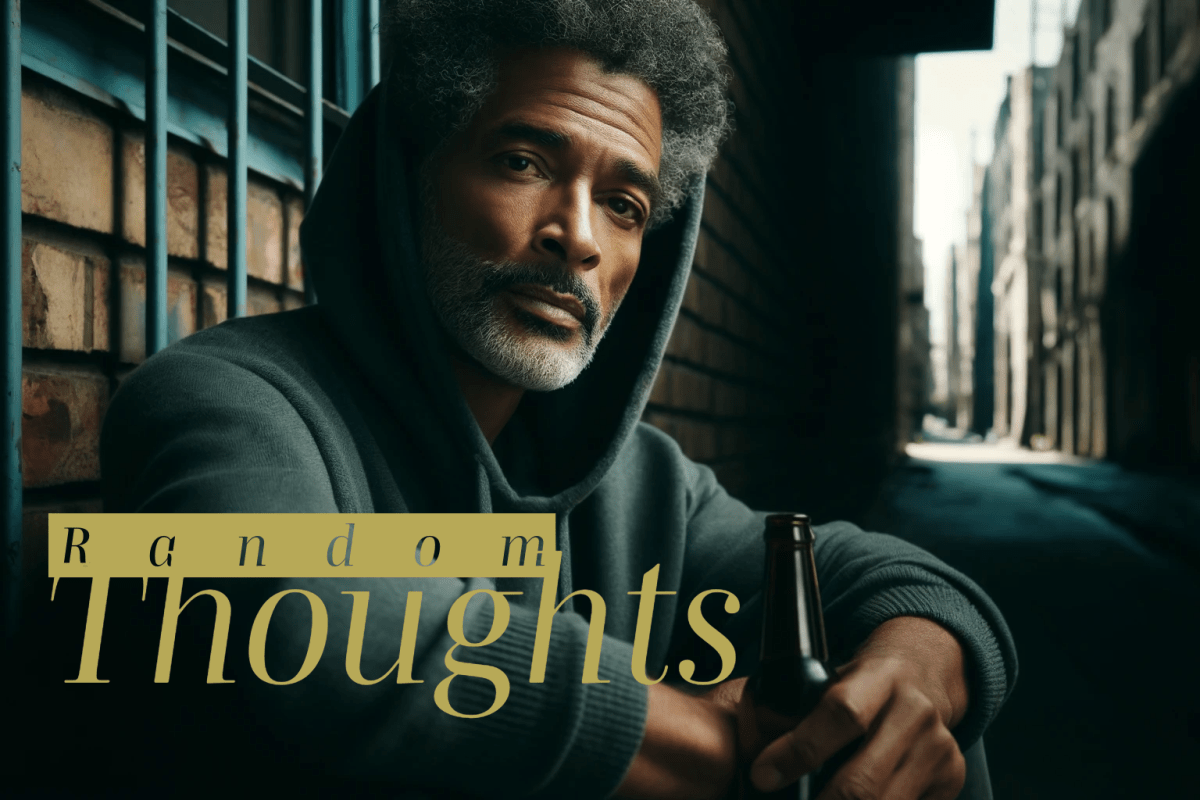
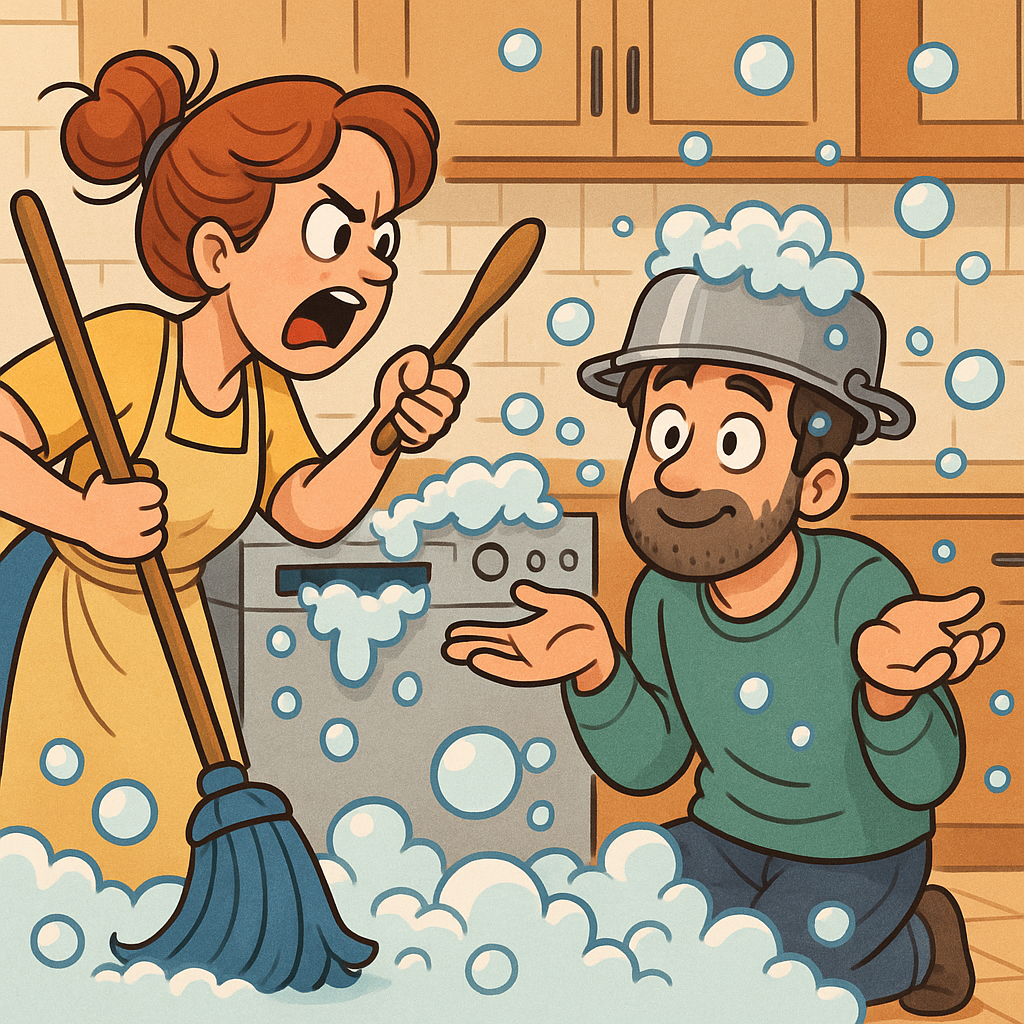
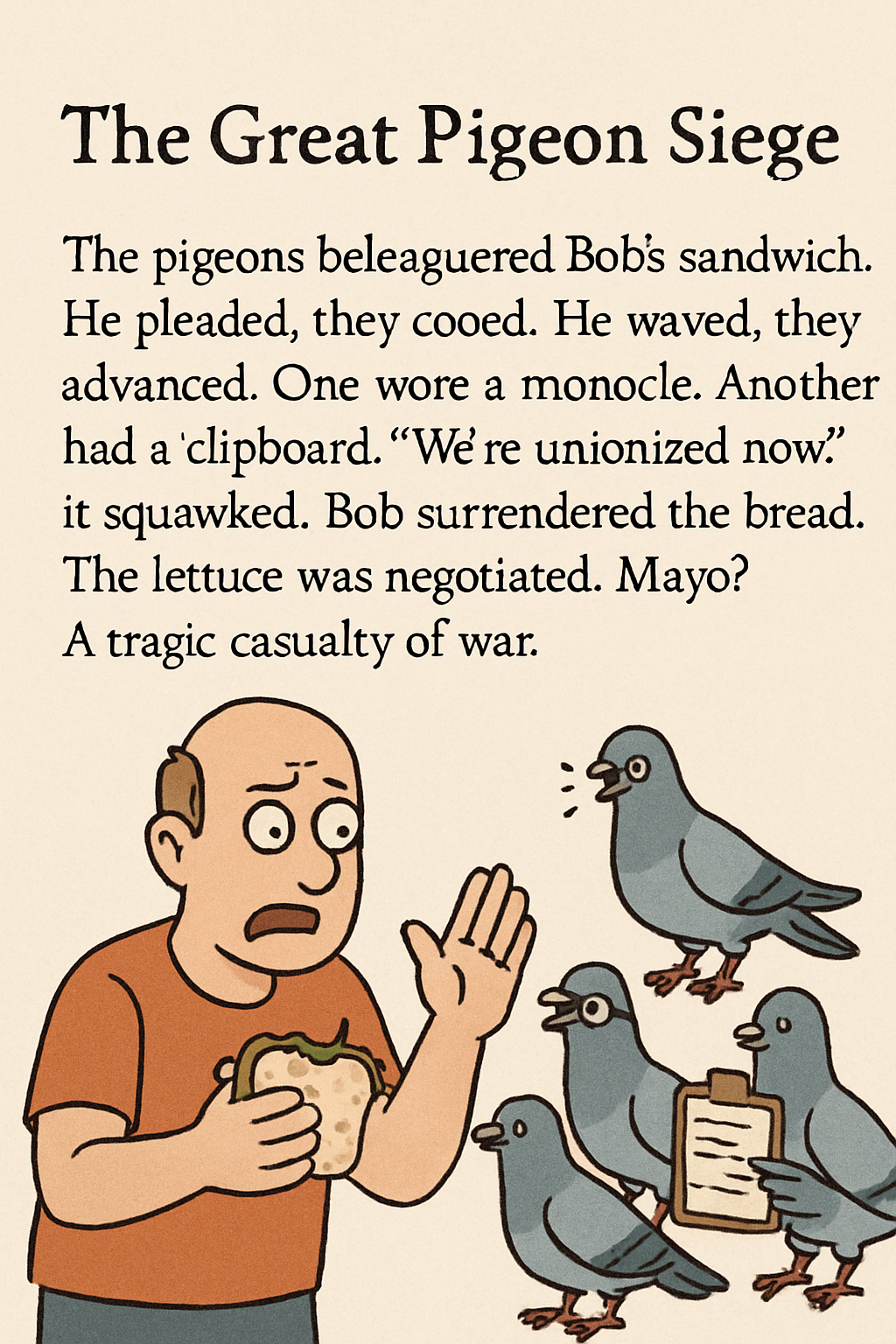
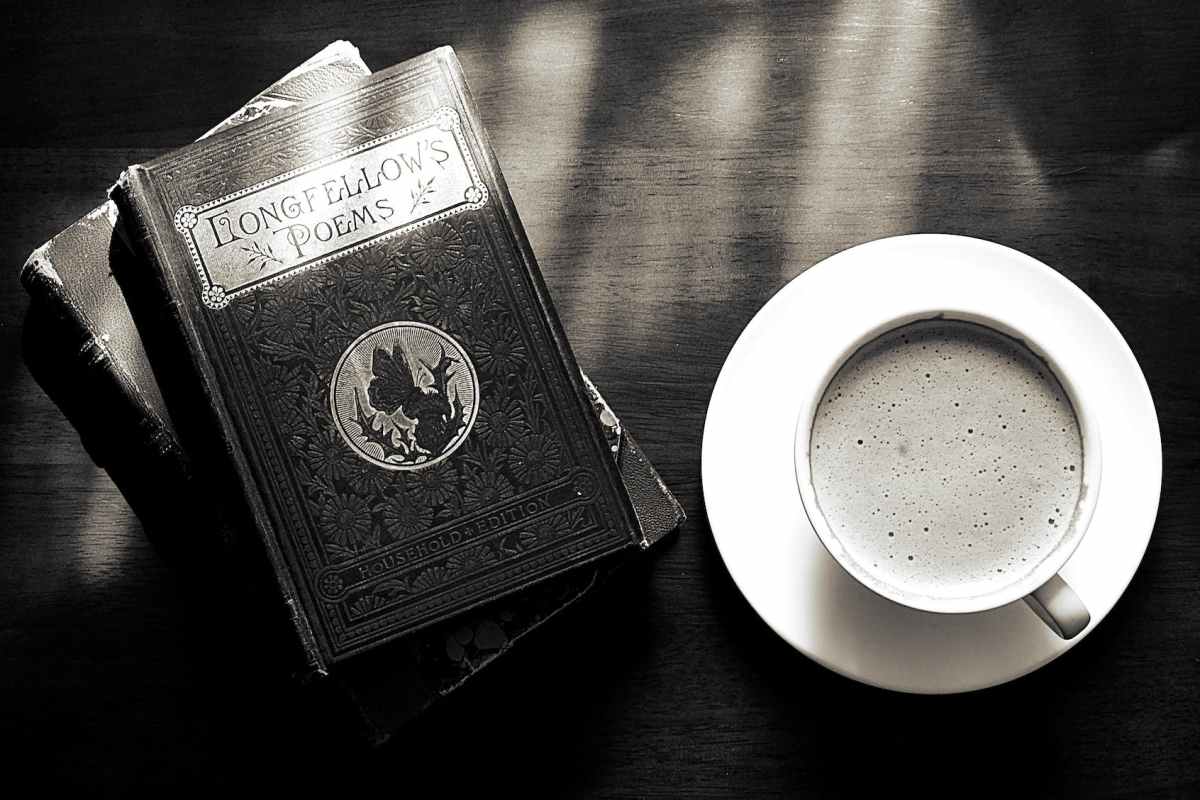
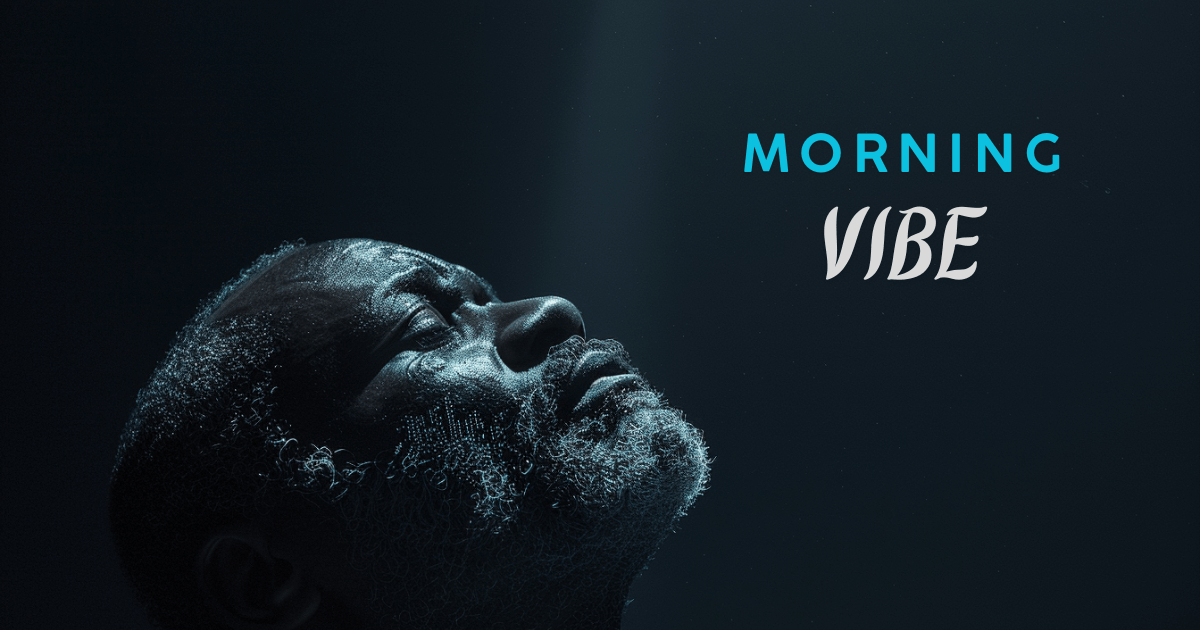
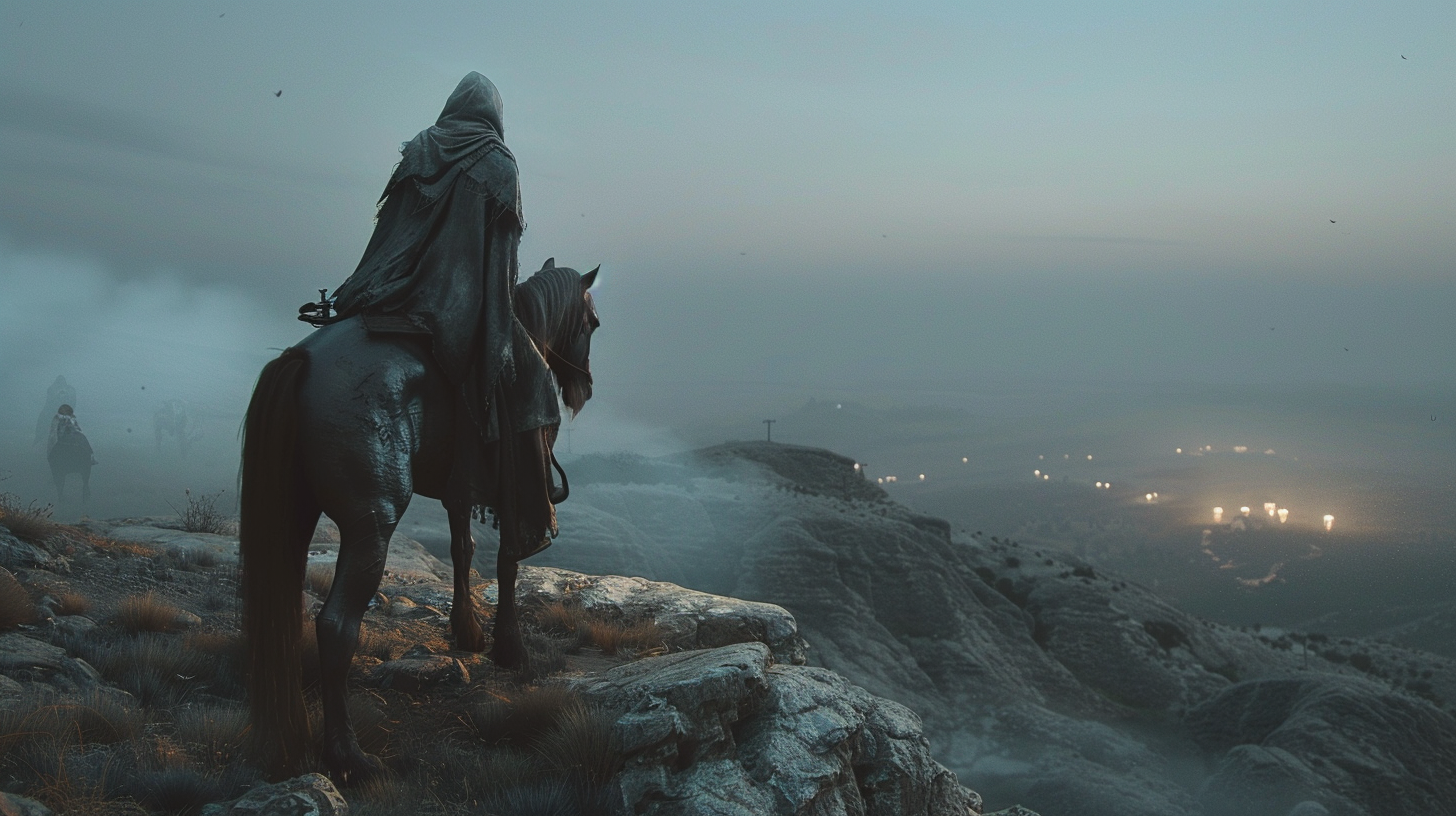





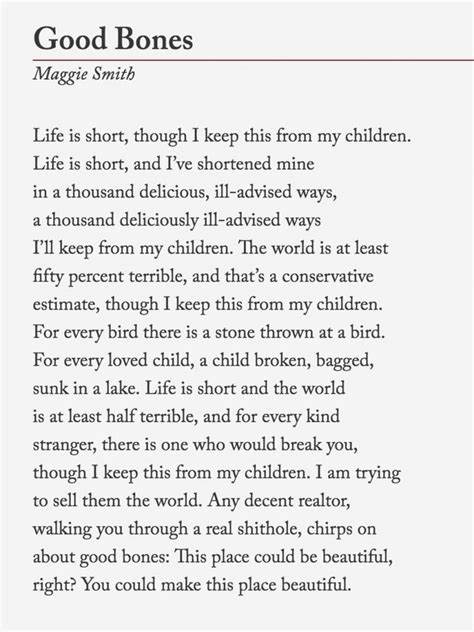



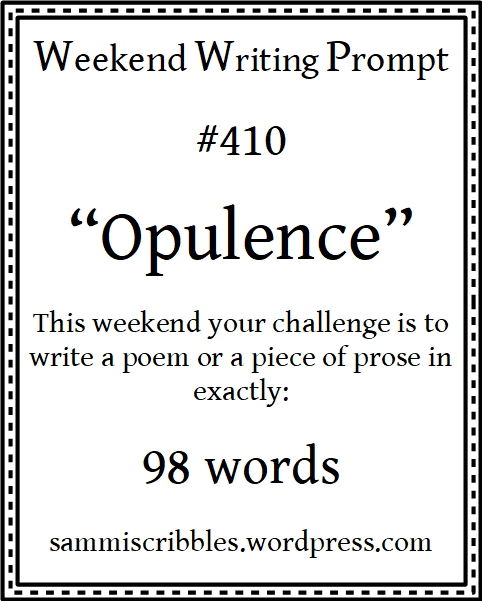

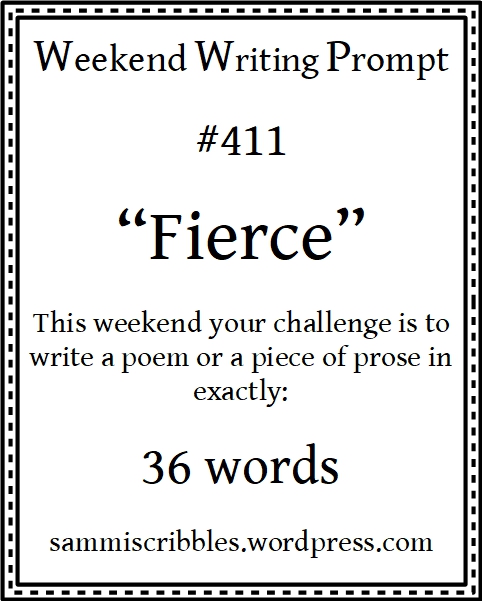
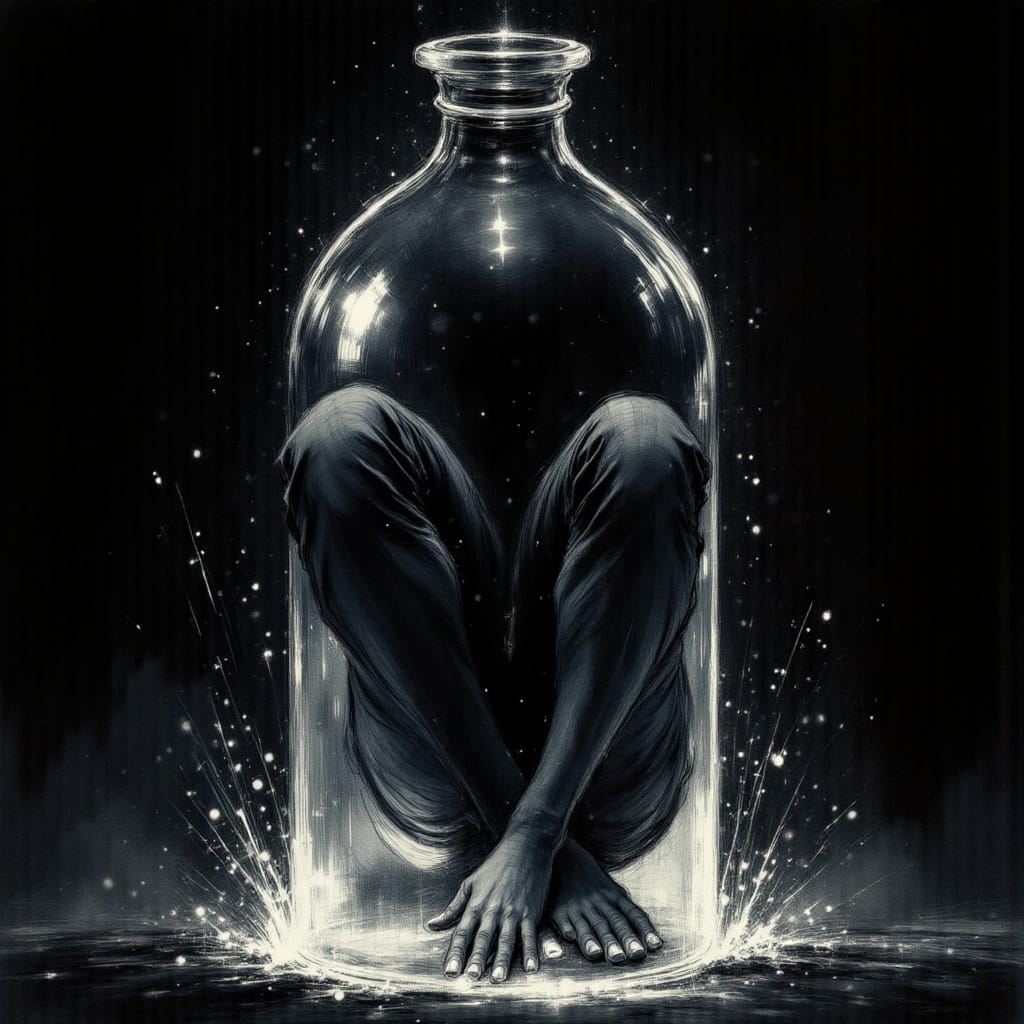













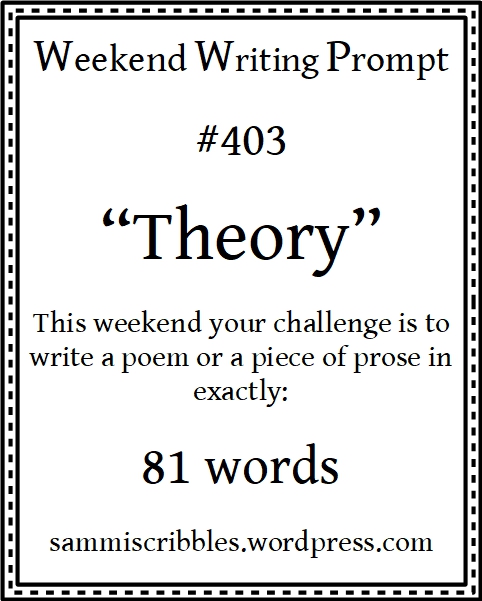

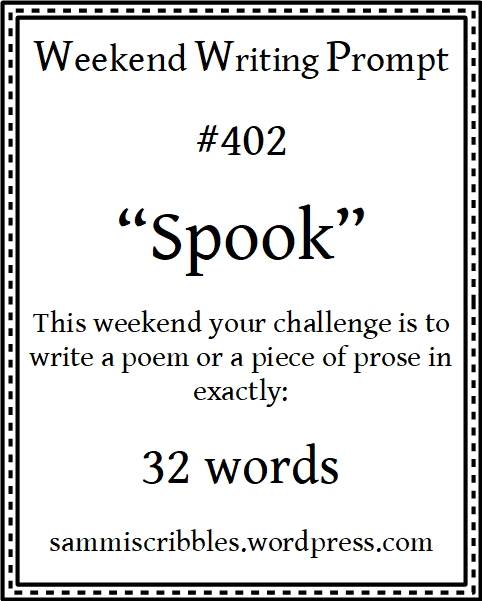





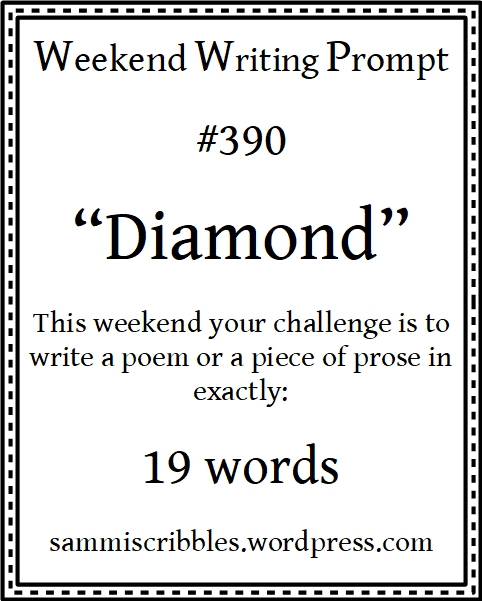





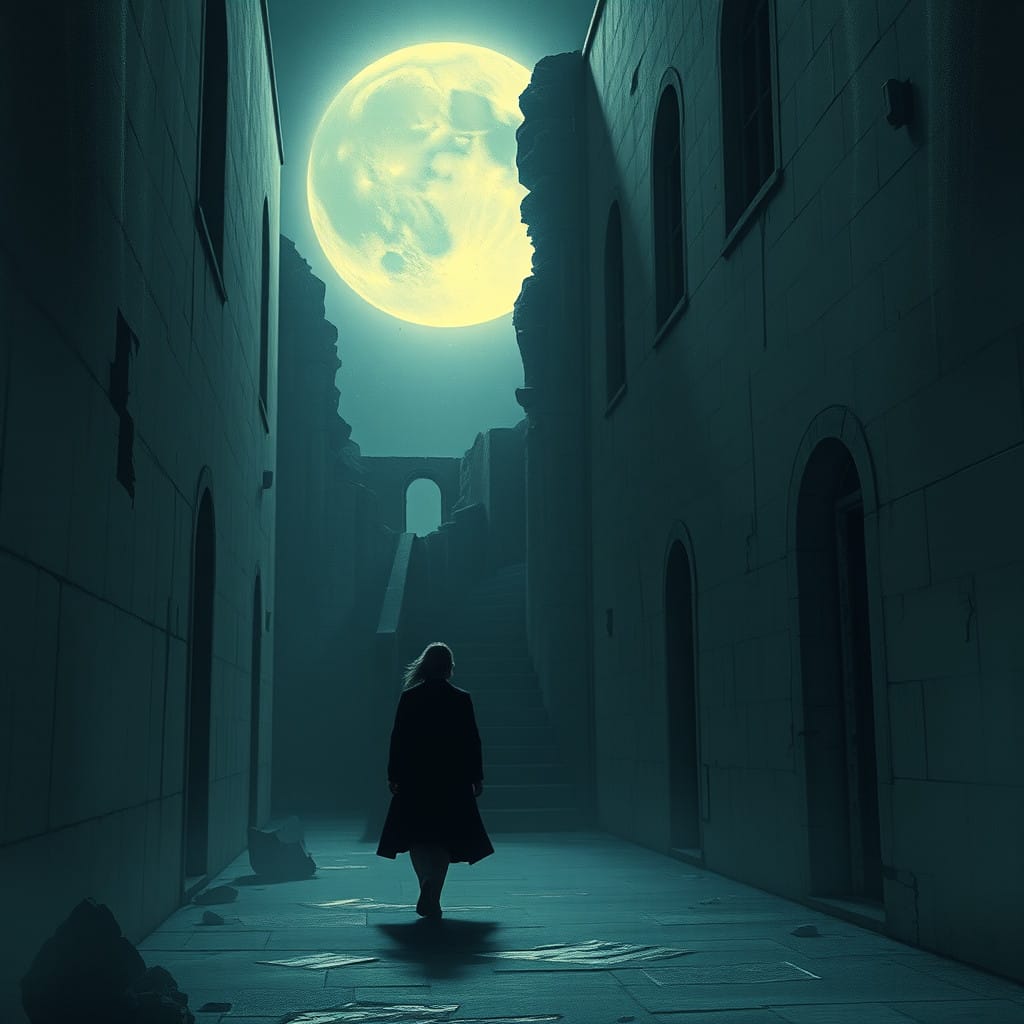





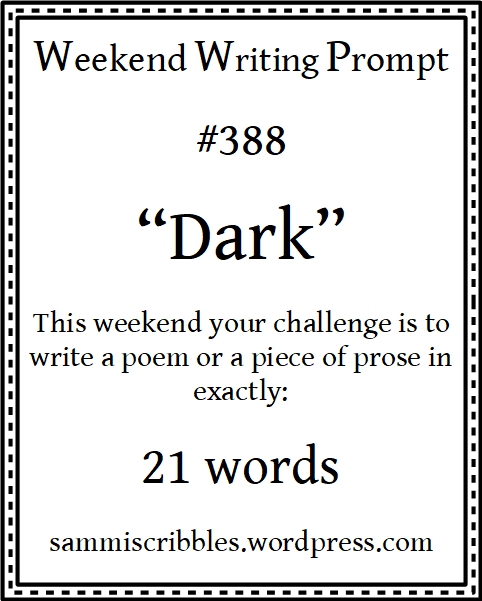






 Memoirs of Madness