CHALLENGE RESPONSE – RDP WING

Each word, each verse, or each sentence we write. Is an attempt to learn to fly.
A place where I post unscripted, unedited, soulless rants of a insomniac madman
CHALLENGE RESPONSE – RDP WING
Each word, each verse, or each sentence we write. Is an attempt to learn to fly.


I definitely agree with this article. My inner critic has kept me in the shadows for many years when it came to releasing my fiction. I find the article to be full of solid advice.
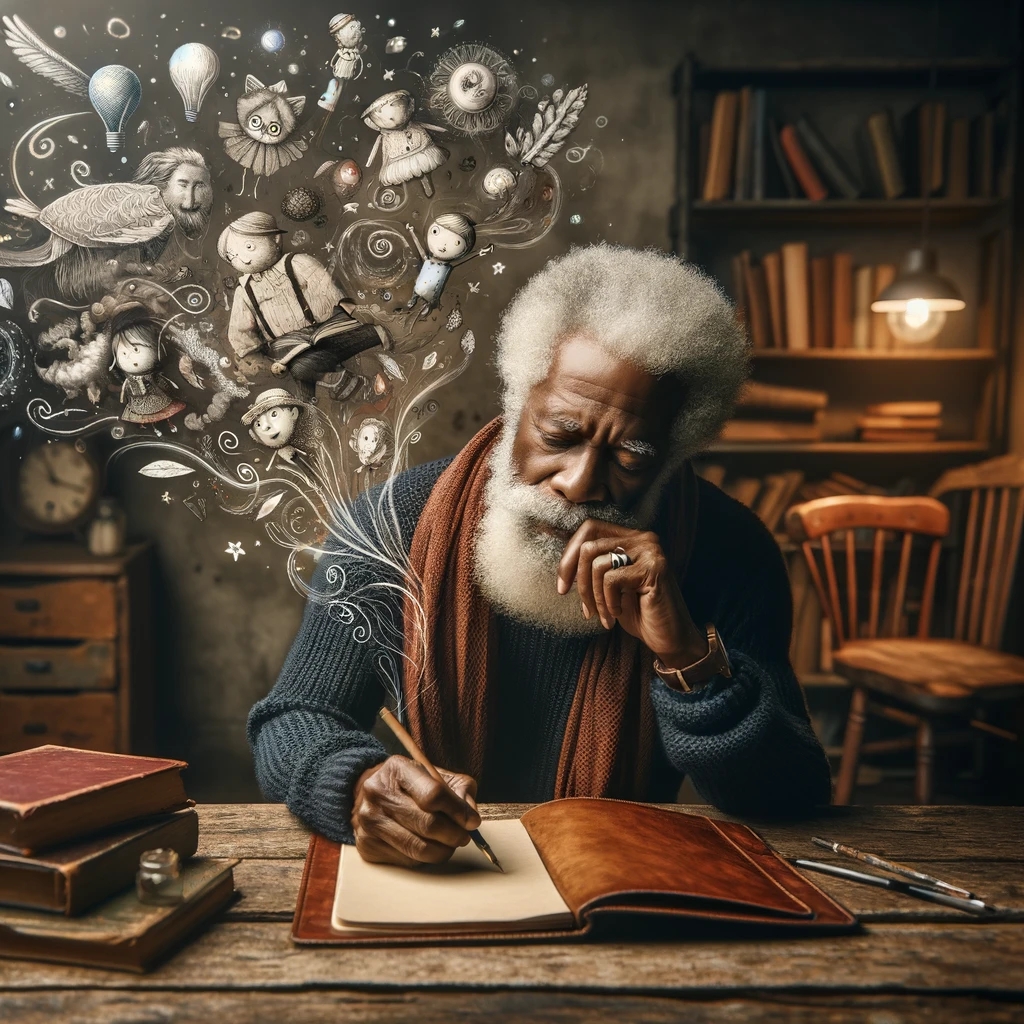
Every time I write a story, it’s like doodling in my mind.

Tonight on LNG, we are featuring a classic track known by many. I remember singing along with this track.

I ask them to take a poem
and hold it up to the light
like a color slide
or press an ear against its hive.
I say drop a mouse into a poem
and watch him probe his way out,
or walk inside the poem’s room
and feel the walls for a light switch.
I want them to waterski
across the surface of a poem
waving at the author’s name on the shore.
But all they want to do
is tie the poem to a chair with rope
and torture a confession out of it.
They begin beating it with a hose
to find out what it really means.
I typically don’t take requests on the tracks I post, but tonight on LNG, I’m going to make exception a play a little Elvis. Though, I appreciate Elvis’s contribution to music, I never really been a huge fan of his music. However, I have watched most of those corny movies his several times. I enjoyed them too.

What’s something most people don’t understand?
I can’t remember a conversation where money wasn’t mentioned at least once. The most common complaint is that they don’t have enough to get by. In several cases, financial challenes are real and can be overwheleming. The general consesus is that problems will be answered if we had enough money to resolve them. I can’t say I haven’t felt this way myself. I beleive in the ideal, if work hard and take care of money a person will be just fine. However, we know this ideal doesn’t always workout this way. We know or heard of people working hard their entire lives and don’t have the resources to be buried.
Due to situations such of this, we turn to financial experts to try find way to stay above water. We understand the necessity of money, but we don’t have a firm understanding on how to utilize the income we do have. Television commercials constantly bombard us with different ways to improve our financial status. Reverse mortgages, debt relief, and debt consolidation loans all offer us different avenues to address out issues. Yet, the question becomes; what’s is legitimate, and which one are scams.
As we continue to struggle, materialism has become the standard. We justify our purchases one or another. We figure out how to make ends meet or how to survive until the next paycheck. I have discussed financial issues with people in several socioeconomic classes and their struggles are very similar.
The following website offers a vast amount of information concerning financial literacy.
Consumer Financial Protection Bureau is a free resource that could provide the information you have been searching for to assist you in achieving your financial goals.
Here are some of my favorite tracks the deal with money.
Tonight on LNG, we slip back into 1984 and feature another dancefloor classic
CHALLENGE RESPONSE – MOONWASHED MUSING’S – STAR-FLECKED
He was enchanted by a woman whose eyes mirrored the night sky—dotted with constellations and shimmering with the light of distant stars. The kind of eyes depicted in storybooks and legend. Each glance into her eyes he fell deeper into their boundless and mesmerizing sea. He was powerless and that was okay. The specks of light slow danced with hope and mystique, a testament to the mysteries and beauties of fantasy. Her gaze was the key to stories untold, worlds unexplored, and the promise of adventure.
“Harold, are you going stand there gawking, my god boy! Close your mouth before you let flies in!”
Harold face redden, “Yes Nanna.”
“Give her the coupons.” Nanna continued. Harold’s embarrassment deepened. He makes eye contact again and her face reddened as well. She is smiling shyly.
“HI! I’m Lucy”


Mabel McGee lived in the quiet town of Willow Creek in a quaint cottage that seemed to hold more memories than objects. To the townsfolk, she was known as the elderly woman with a penchant for mixing up dates and events, often speaking of historical happenings as if she’d lived through them herself. Some whispered about dementia, others about a life too lonely. But little did they know, Mabel’s supposed confusion was not a symptom of her age but rather a consequence of her extraordinary past as a retired time traveler.
Mabel’s journey began in 2045 in a world where time travel was possible and regulated by a strict code. She was one of the elite, a ChronoNavigator tasked with maintaining the integrity of the timeline. Her missions had taken her from the bustling streets of ancient Rome to the futuristic landscapes of the 22nd century, each adventure embedding itself into the fabric of her being.
As the years passed, the toll of her travels grew heavier. The lines between times began to blur, not just in her mind but in her heart. Mabel realized that she yearned for something the vast expanse of time could not give her—a place to call home. And so, she chose to retire in the one era that had always felt like a balm to her soul—the early 21st century.
The townsfolk of Willow Creek knew none of this. To them, Mabel was the eccentric old woman who lived alone, her house filled with strange artifacts and her conversation sprinkled with anachronisms. Children dared each other to peek through her windows, hoping to catch a glimpse of her rumored collection of “antiques” that seemed too out of place, even for a collector. They didn’t realize that each piece in Mabel’s home was a memento from her travels—a Roman coin, a futuristic gadget that no longer worked in this timeline, a painting from an artist who wouldn’t be born for centuries. And the stories she told, dismissed as confused ramblings, were indeed true accounts of historical events she had witnessed firsthand.
One day, a new family moved into Willow Creek, and with them came young Ellie, a curious and bright girl with an insatiable appetite for stories. Unlike the others, Ellie found herself enchanted by Mabel’s tales. She listened, wide-eyed, as Mabel spoke of walking with dinosaurs, witnessing the signing of the Declaration of Independence, and even attending a speech by a future president yet to be elected.
Over time, the seasoned time traveler and the young girl formed a unique friendship. Mabel saw in Ellie a kindred spirit who understood the value of time not by its weight but by its wonders. For Ellie, Mabel was the gateway to a world far beyond the confines of Willow Creek—a world where anything was possible. As their bond deepened, Mabel decided to change Ellie’s life forever. She decided to share her greatest secret, the time device that had been dormant for years. Together, they embarked on a journey that spanned centuries, a final adventure for Mabel and the beginning of a lifetime of wonders for Ellie
In the end, Mabel McGee’s legacy in Willow Creek was not that of a confused old woman but of a mentor who opened the door to the universe for a young girl. As for the townsfolk, they would never look at their world the same way again, always wondering if the stranger passing through was just a visitor or a traveler from another time, inspired by the tales of Mabel McGee, the retired ChronoNavigator who found her home not in time, but in the hearts of those she touched.

In the heart of an attic, amidst a treasure trove of forgotten gadgets, an argument of epochal proportions was unfolding. Oliver, an old, venerable camera with a penchant for nostalgia, found himself at odds with Dexter, a high-tech digital camera with more settings than a spaceship.
“Back in my day, we captured the essence of life, one click at a time,” Oliver boasted, his lens gleaming under the dim attic light.
“Pfft, the essence of life? I can capture, edit, and share a photo before you even figure out your aperture,” Dexter retorted, his LED screen flashing in disdain.
The debate might have ended there if a cheeky squirrel had not chosen that moment to dart across the attic floor, pausing only to strike a pose.
A light bulb flickered to life above Oliver’s viewfinder. “I propose a challenge! Let’s see who can take the best photo of that squirrel,” he declared, adjusting his focus.
Dexter beeped in amusement. “You’re on, grandpa. Prepare to be pixelated.”
Oliver took his time, calculating the light, adjusting his focus, and waiting… waiting for the moment when the squirrel, enticed by a nut left on the windowsill, struck a majestic pose. Click. The sound resonated through the attic, capturing a moment in time.
Meanwhile, Dexter, with the efficiency of a modern marvel, snapped approximately 47 photos in burst mode, applied a “Squirrel-Enhance” filter, and even photoshopped a tiny superhero cape onto the squirrel in one of the shots. “Done. And I’ve already shared it on SquirrelGram,” Dexter announced triumphantly.
They turned to the attic’s old computer to judge their work. Oliver’s photo was a masterpiece of timing and light, showcasing the squirrel in a moment of serene beauty. The soft lighting gave it an almost ethereal quality.
Dexter’s photos were sharp, vivid, and varied, with the superhero squirrel garnering a particular chuckle. “Look at that! It’s going viral among the attic spiders,” Dexter bragged.
Just then, the squirrel, having completed its snack, scampered over to see what all the fuss was about. It peered at the screen, then at the two competitors. With a decisive nod, it grabbed a forgotten paintbrush with its tiny paws. It dashed off a squirrelly masterpiece on a piece of scrap paper: Oliver and Dexter, lenses crossed in friendship, capturing the squirrel in a heroic pose.
The two cameras, old and new, realized that the best photos come from seeing the world through each other’s lenses. They laughed, a sound of mechanical clicks and digital beeps, united in their newfound friendship and respect for each other’s techniques.
As the sun set, casting a golden hue over the attic, Oliver and Dexter understood that photography isn’t just about the camera—it’s about the vision, the moment, and sometimes, a squirrel with a flair for the dramatic.
And so, amidst the dust and memories, two cameras from different generations found common ground, proving once and for all that when it comes to capturing life’s beautiful moments, the best approach is a shared one. As for the squirrel, it became an honorary member of their photographic adventures, always ready for its next close-up—cape and all.

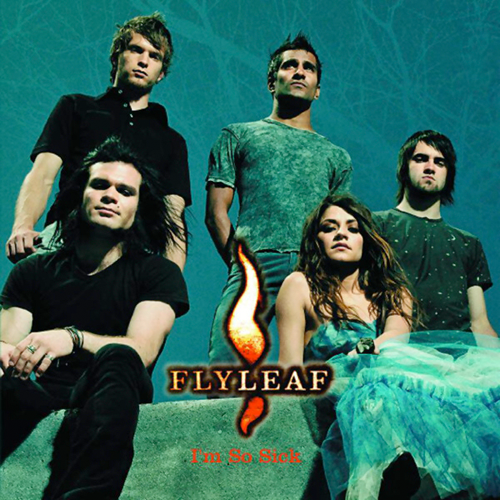
No discussion about rock music over the last twenty years should be had without mentioning the band Flyleaf. Flyleaf emerges as a band with an edgy narrative and an unmistakable sound. Originating from the heart of Texas, their music is a fusion of raw emotion and intense energy, which is what you come to expect from artists from capturing the attention of listeners worldwide.
I was watching Die Hard 4 when I noticed the band playing in the background. The music was bold and gripping. Her voice struck a cord as soon as this booming voice came from this tiny woman. Here is the voice that caught my attention.
I looked high and low for their album but only found a couple videos on YouTube. Finally, I found a Japanese Import of their debut album.
Flyleaf’s story begins in the early 2000s in Belton and Temple, Texas, where passionate musicians came together to form what was initially known as Passerby. With Lacey Sturm leading the vocals with her distinctive booming voice, the band soon rebranded as Flyleaf. Their self-titled debut album, released in 2005, Flyleaf also released a variety of singles over their career, including notable tracks like “Breathe Today,” “I’m So Sick,” “Fully Alive,” “All Around Me,” which is certified Platinum, “Again,” and “Set Me on Fire,” among others. Each of these singles showcases the band’s unique blend of hard rock and alternative music
Flyleaf is renowned for its dynamic musical style, which blendelements of punk, metal, and hard rock. Lacey’s intense vocals, paired with the band’s compelling instrumentation, create a powerful and poignant sound. The band’s lyrics often delve into pain, hope, and redemption themes, reflecting their personal experiences and spiritual backgrounds. Influences range from grunge bands like Nirvana to the emotive storytelling of groups like The Cranberries, shaping a unique sonic identity for Flyleaf.
The band’s debut album was a launching pad, earning them a platinum certification and solidifying their status in the rock scene. Critics praised Flyleaf for their raw energy and emotional depth, recognizing them as a significant force in alternative rock. Over the years, Flyleaf has garnered a loyal fanbase, captivated by their authenticity and the emotional intensity of their live performances. Their commitment to various causes, including mental health awareness and anti-bullying campaigns, has further endeared them to fans, showcasing their dedication to making a difference.
While Lacey Sturm’s departure in 2012 marked a significant transition for Flyleaf, the band’s essence remained intact with Kristen May stepping in as the lead vocalist until her departure in 2016. Members like guitarist Sameer Bhattacharya and drummer James Culpepper have been instrumental in crafting Flyleaf’s distinctive sound, contributing to the band’s enduring appeal.
Flyleaf’s influence extends beyond their discography, inspiring a new generation of rock artists with their heartfelt music and unwavering spirit. While the band’s future projects are eagerly anticipated by fans, their legacy is already cemented in the annals of rock history. As Flyleaf continues to evolve, their journey remains a testament to the power of music to connect, heal, and inspire.
It’s Monday; after a weekend of different genres, let’s slip back into the 80s and play a little rock & roll. Tonight, we are going to travel overseas to the UK. Instead of playing tracks from several bands, I will focus on a band I typically don’t listen to as much anymore. I was working on the blog when I noticed a comment mentioning Steve Clark from Def Leppard. I rolled with Def Leppard for two albums, High and Dry and Pyromania. I remember tragedy befell the band, but I couldn’t remember the details. I discovered Steve Clark had succumbed to alcohol abuse. While working on other blog projects, I reacquainted myself with Def Leppard.
Of course, I enjoyed the popular tracks from the mentioned albums, but I wanted to see if I could remember why I enjoyed them all those years ago. Quickly, I remembered why. Here are a few cuts I enjoyed from High & Dry.
Unfortunately, I never really got into the Pyromania album like I did with High & Dry. When Phil Collen joined the lineup, the sound changed for me. Pyromania has tracks that received a fair amount of airplay so I found it difficult to find a track fitting my criteria. However, midway through the album, I found the tracks I remembered.
Though their sound changed overall, I found Pyromania a decent album. In the song Die Hard the Hunter, the tandem guitar play of Clark and Collen is insane. I definitely see why they were called “The Terror Twins”
Well, that’s it for tonight. I did my best to find Steve Clark playing footage. He is definitely a joy to watch. I never watched this much footage of playing until tonight. Thanks, Ted, for mentioning him; what a treat!
Typically, I roll my eyes when I hear the term Christian Rock. It’s not because I don’t believe there could be such a thing, but when I first heard of the genre, the selected tracks presented to them weren’t rock. Not even close. The people presenting the music believed I listened to the “music of the devil.” It didn’t help; I sometimes started the day in the office by blasting Black Sabbath’s Sweet Leaf. Hey, sometimes I need a little kick somedays. There are days when caffeine and nicotine alone just aren’t enough.
Several years later, an NCO was playing some hard driving music from his office one night while we were working on preparing for an inspection. That music turned out to be Creed. I went out and bought the CD and gave it a listen. Immediately, I noticed the spiritual overtones in some of their music. I enjoyed their music, but never really reached the fan level. Even though I have their debut and sophomore albums. So, when I read this prompt, My Own Prison immediately came to mind. Let’s give it a listen.
Creed
LYRICS:
Court is in session, a verdict is in
No appeal on the docket today just my own sin
The walls cold and pale, the cage made of steel
Screams fill the room, alone I drop and kneel
Silence now the sound, my breath the only motion around
Demons cluttering around, my face showing no emotion
Shackled by my sentence, expecting no return
Here there is no penance, my skin begins to burn
(And I said, ohh) So I held my head up high
Hiding hate that burns inside
Which only fuels their selfish pride
(And I said, ohh) All held captive out from the sun
A sun that shines on only some
We the meek are all in one
I hear a thunder in the distance, see a vision of a cross
I feel the pain that was given on that sad day of loss
A lion roars in the darkness, only he holds the key
A light to free me from my burden and grant me life eternally
Should have been dead on a Sunday morning, banging my head
No time for mourning
Ain’t got no time
Should have been dead on a Sunday morning, banging my head
No time for mourning
Ain’t got no time
(And I said, ohh) So I held my head up high
Hiding hate that burns inside
Which only fuels their selfish pride
(And I said, ohh) All held captive out from the sun
A sun that shines on only some
We the meek are all in one
I cry out to God, seeking only His decision
Gabriel stand and confirms, I’ve created my own prison
I cry out to God, seeking only His decision
Gabriel stand and confirms, I’ve created my own prison
(And I said, ohh) So I held my head up high
Hiding hate that burns inside
Which only fuels their selfish pride
(And I said, ohh) All held captive out from the sun
A sun that shines on only some
We the meek are all in one
(And I said, ohh) So I held my head up high
Hiding hate that burns inside
Which only fuels their selfish pride
(And I said, ohh) All held captive out from the sun
A sun that shines on only some
We the meek are all in one
Should have been dead on a Sunday morning, banging my head
No time for mourning
Ain’t got no time
Here is another band whose music fits the parameters of the prompt. I’m providing a detailed article for Mixed Music Bag. So, just give this track a listen.
Flyleaf:
LYRICS:
Circle encircles the earth
Chance and choice break his heart
His innocent arm moves to save me and I am spared
His beautiful arm is bloody and cut off
His heart ripped out to show me he loved me
But I wouldn’t believe him
He did all that he could
I still would not believe him
I left his arms empty and tied outstretched for me until he died
Left his arms empty and tied outstretched for me until he died
No man shows greater love
Than when a man lays down his life
For his beloved
I left his arms empty and tied outstretched for me until he died
Left his arms empty and tied outstretched for me until he died
And here I am alive
And I don’t have the right
And he gives me the right
Costing him his life
New mercy’s in the morning
I believe
What if I believe you now?
Could it ever change this for you?
Forgive me, relieve me
Please come back to life
I believe
What if I believe you now?
Could it ever change this for you?
Forgive me, relieve me
Please come back to life
Come back to my life
I believe
What if I believe now?
Forgive me, relieve me
Please come back to life
I’ve been working on music posts all weekend and writing a bit of fiction. So, when I read today’s prompt, this song came to mind as I popped some Tylenol for my aching bones. Then, ask this question.
Then, of course, this song pops into my head.
Fingers popping and belting the lyrics into a seldom used hairbrush. I stop and catch my breath. I realized this track from 1969, and I knew all the words. Scratching the back of my head, I pause and ask what’s my age again?
As you may have figured out by now, I love music of all kinds. I decided to dedicate Sundays to my favorite genre, Jazz. Each Sunday, I’ll post four tracks. Sometimes, they may be a theme and other times, they will be tracks of what I am feeling on that particular day.
This week, we are looking at jazz covers of songs originally released in a different genre. So, if you hate jazz, I will be back to regular formatting tomorrow. If you don’t know much give a listen and keep an open mind. The tracks I picked are across several jazz sub-genres, so there is a variety. I hope you enjoy them.


Nothing More
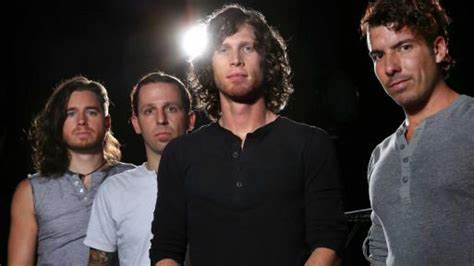
“Fade In, Fade Out” by Nothing More is a deeply emotional and introspective song that explores the universal themes of time, legacy, and the cyclical nature of life. Released as part of their album “The Stories We Tell Ourselves” (2017), the song delves into the relationship between generations, specifically focusing on the bond between a parent and child. Through its poignant lyrics, “Fade In, Fade Out” reflects on the inevitable passage of time, the experience of watching one’s parents age, and the desire to make the most of the moments shared with loved ones.
The song begins with a perspective that captures the essence of watching one’s child grow up, imparting wisdom, and hoping they find their way in life without losing themselves. As it progresses, the narrative shifts to express the child’s perspective—acknowledging the sacrifices made by the parents, the realization of their mortality, and the deep wish to carry forward their legacy. With its haunting refrain, the chorus emphasizes the transient nature of life, urging listeners to cherish their time with loved ones before it’s too late.
Musically, “Fade In, Fade Out” is marked by its dynamic shifts, moving from softer, reflective verses to powerful, emotionally charged choruses, mirroring the emotional depth and complexity of the subject matter. The song is a testament to Nothing More’s ability to weave intricate narratives through their music, offering listeners not just a song, but a profound emotional experience that resonates with the universal human condition of love, loss, and the hope of legacy. To hear this song preformed live adds another layer to it.
LYRICS:
Just the other day I looked at my father
It was the first time I saw he’d grown old
Canyons through his skin and the rivers that made them
Carve the stories I was told
He said
“Son, I have watched you fade in
You will watch me fade out
I have watched you fade in
You will watch me fade out
When the grip leaves my hand
I know you won’t let me down
Go and find your way
Leave me in your wake
Always push through the pain
And don’t run away from change
Never settle
Make your mark
Hold your head up
Follow your heart
Follow your heart”
Just the other day I stared at the ocean
With every new wave another must go
One day you’ll remember us laughing
One day you’ll remember my passion
One day you’ll have one of your own
And I say
“Son, I have watched you fade in
You will watch me fade out
When the grip leaves my hand
I know you won’t let me down
Go and find your way
Leave me in your wake
Always push through the pain
And don’t run away from change
Never settle
Make your Mark
Hold your head up
Follow your heart
Follow your heart, follow your heart, follow your heart”
We all get lost sometimes
Trying to find what we’re looking for
We all get lost sometimes
Trying to find what we’re looking for
I have watched you fade in
You will watch me fade out
When the grip leaves my hand
I know you won’t let me down
Go and find your way
Leave me in your wake
Always push through the pain
And don’t run away from change
Never settle
Make your Mark
Hold your head up
Follow your heart
Follow your heart, follow your heart”
When the morning comes and takes me
I promise I have taught you everything that you need
In the night you’ll dream of so many things
But find the ones that bring you life and you’ll find me
Thanks to Jim Adams for hosting and another excellent suggestion by Nancy, aka The Sicilian Storyteller
Here is my response to SLS, hosted by Jim Adams
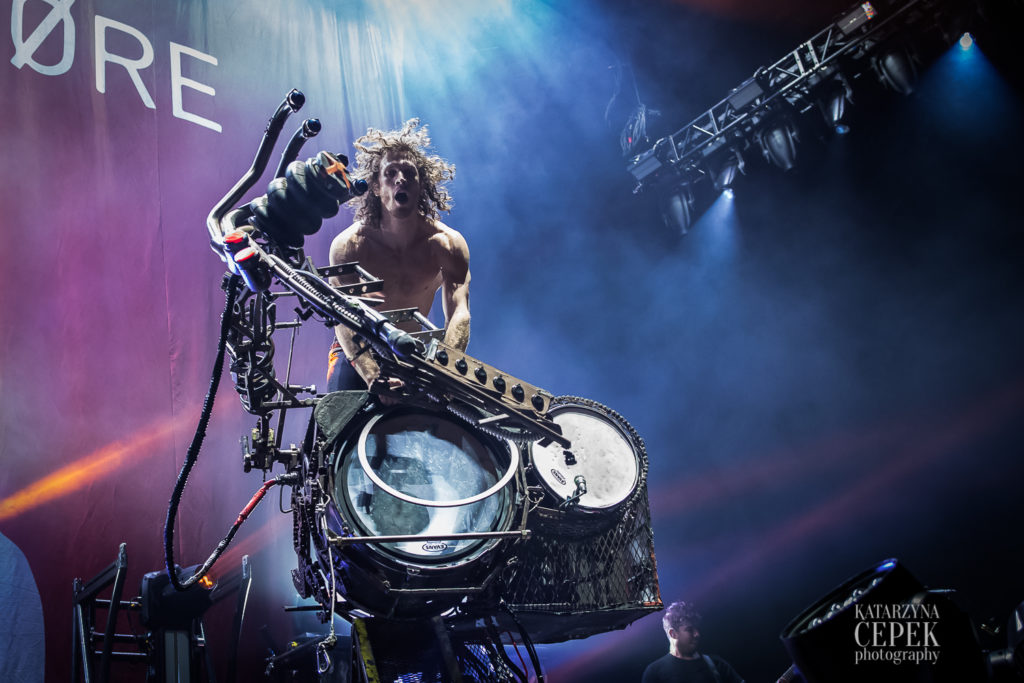
“Run to the Hills” by Iron Maiden is a powerful track from their 1982 album, “The Number of the Beast.” The song is renowned for its compelling musicality and thought-provoking lyrics, which offer a critical perspective on the historical conflicts between Native Americans and European settlers. Through its driving riffs supplied by Dave Murray and Adrian Smith and Bruce Dickerson’s dynamic vocal range, “Run to the Hills” tells a story from both viewpoints: the indigenous peoples of America and the invading settlers.
The song’s narrative highlights the violence, exploitation, and injustices faced by Native Americans during the colonization period, emphasizing themes of freedom, survival, and the tragic consequences of imperialism. Iron Maiden uses this track to showcase their musical talent and provoke reflection on a dark chapter in history, making it a memorable and impactful piece in the realm of heavy metal.
Lyrics:
White man came across the sea
He brought us pain and misery
He killed our tribes, he killed our creed
He took our game for his own need
We fought him hard, we fought him well
Out on the plains, we gave him hell
But many came, too much for Cree
Oh, will we ever be set free?
Riding through dust clouds and barren wastes
Galloping hard on the plains
Chasing the redskins back to their holes
Fighting them at their own game
Murder for freedom, a stab in the back
Women and children and cowards attack
Run to the hills
Run for your lives
Run to the hills
Run for your lives
Soldier blue in the barren wastes
Hunting and killing’s a game
Raping the women and wasting the men
The only good Indians are tame
Selling them whiskey and taking their gold
Enslaving the young and destroying the old
Run to the hills
Run for your lives
Run to the hills
Run for your lives
Yeah
Run to the hills
Run for your lives
Run to the hills
Run for your lives
Run to the hills
Run for your lives
Run to the hills
Run for your lives
Who was your most influential teacher? Why?
Several teachers over the years made a massive impact on me. As I think back, I find myself smiling about some lessons and cringing about the others. However, none of them impacted me more than my mother.
It all started with a watch. My mother realized I was different when I took a part of her favorite watch and put it back together. She said she wasn’t much more than eight years old. I barely remember the event. When my mother told my wife and me this story, she had the sweetest, tiniest smile. She was visiting and came to my shop to see exactly what I did for a living. It was crazy. She seemed amazed and proud all at once.
Mom said I had taken apart her watch, and the pieces were laid out on the table, and she was furious. I simply looked up and said hey, Mom. She said she then returned to reassemble the watch. She watched me carefully put everything back together, not leaving out a single piece. The watch never worked again, but she said she figured if I could do that at that age, there would be no telling what I could accomplish.
So, Mom never discouraged my endless questions about things. If it wasn’t in the encyclopedia, she took me to the library on the weekends and scribbled notes in a notebook. I found one of those notebooks last year and couldn’t believe what I was into. Because of how she raised me, I have never been afraid to learn a new skill. I went on and accomplished several things. Repairing things much more complicated than her watch, but the watch is where it started.
Mom taught me how to navigate through life with minimal whining. Take no crap from anyone and be my own person. Her favorite response to me following the lead of someone she disapproved of.
“if they jumped off a bridge, are you going to follow them?”
My response then and now is, “No, ma’am”
Tonight on LNG, we are going back to November 1966. Atlantic Records released a 45 with Wilson Pickett’s Mustang Sally, but we aren’t going to feature that iconic track. We are going to feature the b-side track Three Time Loser.
Tonight on LNG, I realized we needed a little Retro Soul
Tonight on LTG, I’m featuring a track from the teenage years by artist I had forgotten about until I heard him playing on a television program. I spent a great deal of time listening to the Don’t Say No album by Billy Squier. Here is one of my favorite tracks from that album.
CHALLENGE RESPONSE – MMB
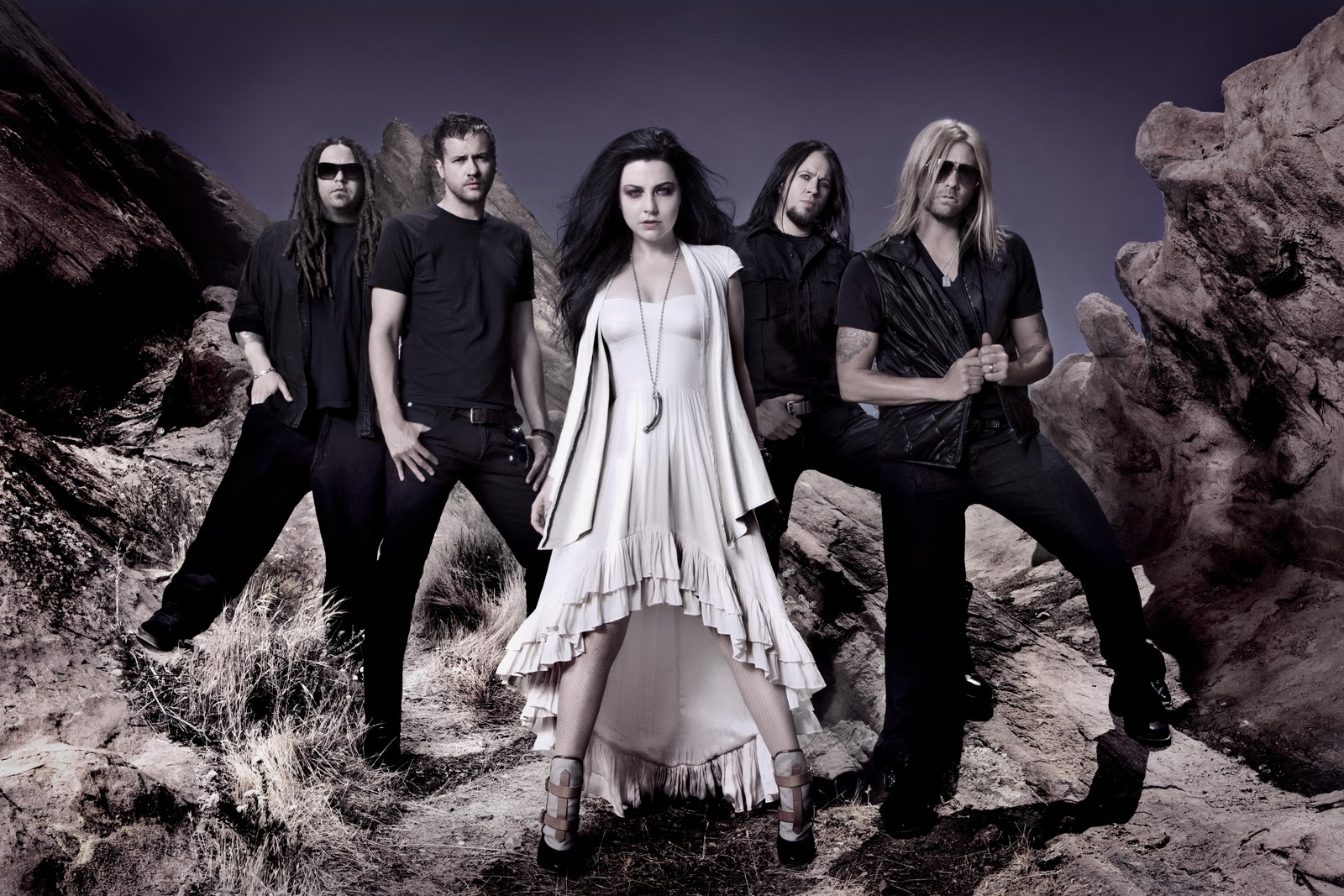
With its hauntingly beautiful music that seamlessly blends rock, metal, and classical elements, Evanescence has carved a unique niche in the music world. Which makes them one of my favorite bands in recent yearss. pFormed in the mid-90s, the band achieved massive success early in their career and has maintained a devoted global fanbase. Their sound, characterized by dramatic arrangements and Amy Lee’s powerful vocals, resonates with a sense of depth and emotion that is unmistakably theirs. This blog delves into the journey of Evanescence, exploring their formation, musical evolution, iconic albums, and enduring impact on the music industry.
History and Formation
The story of Evanescence begins in Little Rock, Arkansas, where Amy Lee and Ben Moody met at a youth camp in 1994. Bonded by their love for music, they started writing songs together, laying the foundation for Evanescence. After several lineup changes and years of honing their sound, the band released their debut album, “Fallen,” in 2003. The album catapulted them to international fame, fueled by the success of hit singles like “Bring Me to Life” and “My Immortal.” These tracks dominated the charts and set the tone for the band’s distinctive blend of anguished lyrics, soaring melodies, and robust instrumentation.
Musical Style and Influences
Evanescence’s music defies easy categorization, blending elements of gothic rock, nu-metal, and classical music. Amy Lee’s classically trained voice, capable of conveying profound emotion, stands at the forefront, while the band’s use of piano, strings, and heavy guitars creates a rich, layered sound. Influences range from classical composers like Mozart and Danny Elfman to alternative and metal bands such as Portishead and Soundgarden. This eclectic mix of influences has enabled Evanescence to create a distinctive and broadly appealing sound.
Key Albums and Songs
Beyond “Fallen,” Evanescence has continued to evolve with subsequent albums. “The Open Door” (2006) and “Evanescence” (2011) further explored themes of love, loss, and resilience, while “Synthesis” (2017) reimagined some of their previous work with orchestral and electronic arrangements. Songs like “Lithium” and “Imperfection” showcase the band’s range, from introspective ballads to powerful anthems. Each album reflects a chapter in the band’s journey, marked by introspection, experimentation, and growth.
Impact and Legacy
Evanescence’s impact on the music industry is undeniable. With millions of albums sold worldwide and numerous awards, including two Grammys, the band has solidified its place in the annals of rock music. Moreover, they have inspired a generation of artists across various genres, proving that music can transcend boundaries and resonate with listeners on a deeply personal level. Evanescence’s legacy is one of creativity, resilience, and the relentless pursuit of artistic expression.
Conclusion
From their humble beginnings in Arkansas to their status as rock icons, Evanescence has navigated the music industry with grace and tenacity. Their fusion of rock and classical music has defined their career and enriched the broader musical landscape. As they continue to evolve and inspire, Evanescence’s journey is a testament to the power of authenticity and innovation in music. For fans old and new, their discography offers a treasure trove of emotional, thought-provoking, and utterly captivating music.
Lithium Lyrics:
Lithium, don’t wanna lock me up inside
Lithium, don’t wanna forget how it feels without
Lithium, I wanna stay in love with my sorrow
Oh, but God I wanna let it go
Come to bed, don’t make me sleep alone
Couldn’t hide the emptiness, you let it show
Never wanted it to be so cold
Just didn’t drink enough to say you love me
I can’t hold on to me
Wonder what’s wrong with me?
Lithium, don’t wanna lock me up inside
Lithium, don’t wanna forget how it feels without
Lithium, I wanna stay in love with my sorrow, oh
Don’t wanna let it lay me down this time
Drown my will to fly
Here in the darkness I know myself
Can’t break free until I let it go, let me go
Darling, I forgive you after all
Anything is better than to be alone
And in the end I guess I had to fall
Always find my place among the ashes
I can’t hold on to me
Wonder what’s wrong with me?
Lithium, don’t wanna lock me up inside
Lithium, don’t wanna forget how it feels without
Lithium, in love with you
Oh, I’m gonna let it go
Songwriters: Amy Lee. For non-commercial use only.
It was 1993, and my wife had returned home from the exchange for a bit of bargain shopping. I frequently would shake my head at her purchases on a great many things, but that woman had a knack of finding the jam in the bargain CD bin. This feat was shocking to me because she couldn’t name five music artists correctly if the world depended on it. That day, she introduced me to Lucky Peterson and Albert King.
So, tonight on Late Night Grooves, we are doing a dual tribute to my late wife and senior editor, who just happen to be huge Blues fans. So, its Saturday Night Blues with your host Mangus. Tonight, featuring some of my favorites from Lucky Peterson and Albert King.
This album played through the first time, and I tapped my foot during the entire album. My late wife, a brilliant woman, noticed this a started sliding gadgets that have needing repairs for a long time. With my foot tapping in time with music, I made quick work of my honey do list.
Next thing I knew the music changed and I was introduced to Albert King, who later became one of my favorite Blues guitarists. But our love affair started here with this cut:
No discussion about Albert King’s music can be held without the mentioning of King’s live album; Wednesday Night in San Franscisco. In my opinion, one the most important albums of the live recording genre. It’s certainly one of my favorite Blues albums of all-time. Here is a track from that album.
Tonight, we are going back to the 80’s to feature a group only had one song worth mentioning. Well, maybe two. Here’s Vandenberg
Tonight, we are going to talk about the softer side of rock. The 1970s introduced us to a brand new genre. It seemed we were ready for it—almost like we needed it. Not that we would even admit we secretly grooved to some of these songs or bands. However, when you reach a certain age, you tend to walk away from the dumb stuff we once held as standard. Bread is one of those bands that helped me realize the true magic of music.
Listening to Bread helped me understand the subject matter of their music is universal. My children and grandchildren have heard me listening to Bread for decades. They don’t seem to complain like they do when I play bands like Pennywise. Here are a few cuts on Mangus’s Easy Groove playlist. Enjoy!
This group has plenty of jams. If you haven’t already, take a minute to check them out.
Tonight, we are stepping into the past and embracing one of the classics. I can’t remember when or why I enjoy this I just do.
Tonight, on Late Night Grooves, we are traveling back to 1975 and snatching another track I listened to while I was supposed to be going to bed. This track was on a K-Tel compilation album. I found it in a truck stop 20 years later. Just so happens I was traveling with my mom and showed her the CD. She shook her head, giving one of her timeless looks. I played the CD on the leg of the trip. Tonight’s track is Fly, Robin, Fly by Silver Convention.
During most of Tori Amos’ rise to stardom, my face was buried in the used record stacks, looking for classic jazz and blues. Though I collected many treasures, it wreaked havoc on my sinuses. I’m not sure if I ever fully recovered. Despite my obsession, I remember some of the women ranting about the excellent music of Tori Amos. I’m telling you, if it wasn’t Davis, Monk, Parker, Wolf, or Waters, I wasn’t trying to hear it.
As it turned out, I had three female soldiers assigned to my section. Although I had worked with female soldiers before in various limited capacities, I had never had any assigned to my section. Although they were from different backgrounds and musical tastes, they were all fans of Tori Amos. Finally, they talked me into listening. Here’s the particulars. Let’s get started:

Tori Amos, an American singer-songwriter and pianist, has captivated audiences worldwide with her distinctive voice and profound lyrical content. Known for her emotionally intense songs that blend classical music influences with alternative rock, Amos has carved a unique niche in the music industry. This blog post delves into her life, music, activism, and enduring legacy, offering a comprehensive look at one of the most influential artists of her generation.
Born Myra Ellen Amos on August 22, 1963, in North Carolina, Tori Amos demonstrated prodigious musical talent from a young age. Encouraged by her Methodist minister father and her mother of Eastern Cherokee descent, Amos began playing the piano at two and composing by age five. Her early exposure to gospel music and classical compositions profoundly influenced her musical style.
Amos’ prodigious talent earned her a scholarship to the prestigious Peabody Institute at Johns Hopkins University when she was five. However, her inclination towards rock and popular music led to her dismissal at 11. Undeterred, she played in bars and clubs in the Washington D.C. area during her teenage years, honing her skills and developing her distinctive style.
Her first professional music endeavor was as the lead singer of the 1980s synth-pop band Y Kant Tori Read, which was not a commercial success. This setback paved the way for Amos to establish her solo career, leading to her breakthrough debut solo album, “Little Earthquakes,” in 1992.
“Little Earthquakes” marked a significant turning point in Amos’ career. The album’s raw, emotional intensity and unconventional songwriting resonated with listeners and critics, establishing her as a unique voice in the music industry. With hit singles like “Silent All These Years” and “Crucify,” Amos gained a devoted following and critical acclaim.
Her subsequent albums, including “Under the Pink” (1994) and “Boys for Pele” (1996), continued to explore complex emotional and social themes while showcasing her virtuosic piano skills and innovative arrangements. Amos’ ability to blend classical music elements with contemporary styles helped her maintain a distinctive identity in the evolving music scene of the 1990s.
Amos has received numerous accolades throughout her career, including multiple Grammy Award nominations. Her fearless approach to addressing personal and societal issues through her music has cemented her status as an influential figure in the industry.
Tori Amos’ music defies easy categorization, blending classical, rock, electronica, and folk elements. Her classically trained piano skills are at the forefront of her compositions, often complemented by intricate arrangements and a wide range of instrumentation. Her lyrics are known for their depth, exploring themes such as religion, sexuality, feminism, and personal trauma.
Amos draws inspiration from various sources, including mythology, literature, and personal experiences. Her storytelling ability is evident in her songwriting, where she creates vivid, emotionally charged narratives. Her voice, with its distinctive timbre and dynamic range, adds an additional layer of expressiveness to her music.
Her musical influences are as eclectic as her style, ranging from classical composers like Debussy and Rachmaninoff to rock and folk artists like Led Zeppelin and Joni Mitchell. This blend of influences has helped Amos create a sound that is uniquely her own, resonating with fans across different genres and generations.
Throughout her career, Tori Amos has released a multitude of albums that have garnered critical and commercial success. “Little Earthquakes” and “Under the Pink” are often cited as her most impactful works, featuring songs that address complex emotions and personal struggles. “Boys for Pele” showcased her experimental side, incorporating harpsichord and brass instruments into her music.
Other significant albums include “From the Choirgirl Hotel” (1998) and “Scarlet’s Walk” (2002), each demonstrating Amos’ evolution as an artist and storyteller. Her ability to adapt and explore different musical landscapes while maintaining her core artistic identity is a testament to her talent and versatility.
Beyond her music, Tori Amos is a passionate advocate for various causes, including women’s rights, sexual assault awareness, and LGBTQ+ rights. She co-founded the RAINN (Rape, Abuse & Incest National Network), which has become the largest anti-sexual violence organization in the United States.
Amos’ activism is reflected in her music, where she often tackles challenging and taboo subjects, offering support and solidarity to those who have experienced trauma. Her dedication to these causes has inspired her fans and fellow artists, amplifying her impact beyond the music industry.
Tori Amos’ influence extends far beyond her discography. As a pioneering female artist in the alternative rock and singer-songwriter genres, she has inspired countless musicians with her authenticity, musical innovation, and lyrical depth. Her contributions to music and activism have earned her a dedicated fanbase and a lasting legacy as an influential and respected figure in the industry.
Butterfly Lyrics :
[Verse 1]
Stinky soul, get a little lost in my own
Hey General, need a little love in that hole of yours
So one way’s now and Saturday’s now
And our kittens all wrapped in cement
From cradle to gumdrops got me running girl as fast as I can
[Chorus]
And is it right, Butterfly
They like you better framed and dried?
[Verse 2]
Daddy, dear, if I can kill one man why not two?
Well, nurses smile when you’ve got iron veins
You can’t stain their pretty shoes
And pompoms and cherry blondes
And the kittens still wrapped in cement
From God’s saviors to gumdrops got me running girl as fast as I can
[Chorus]
And is it right, Butterfly
They like you better framed and dried?
[Outro]
Got a pretty pretty garden; pretty garden, yes
Got a pretty pretty garden; pretty garden, yes
You’ll be a pretty pretty garden; pretty garden
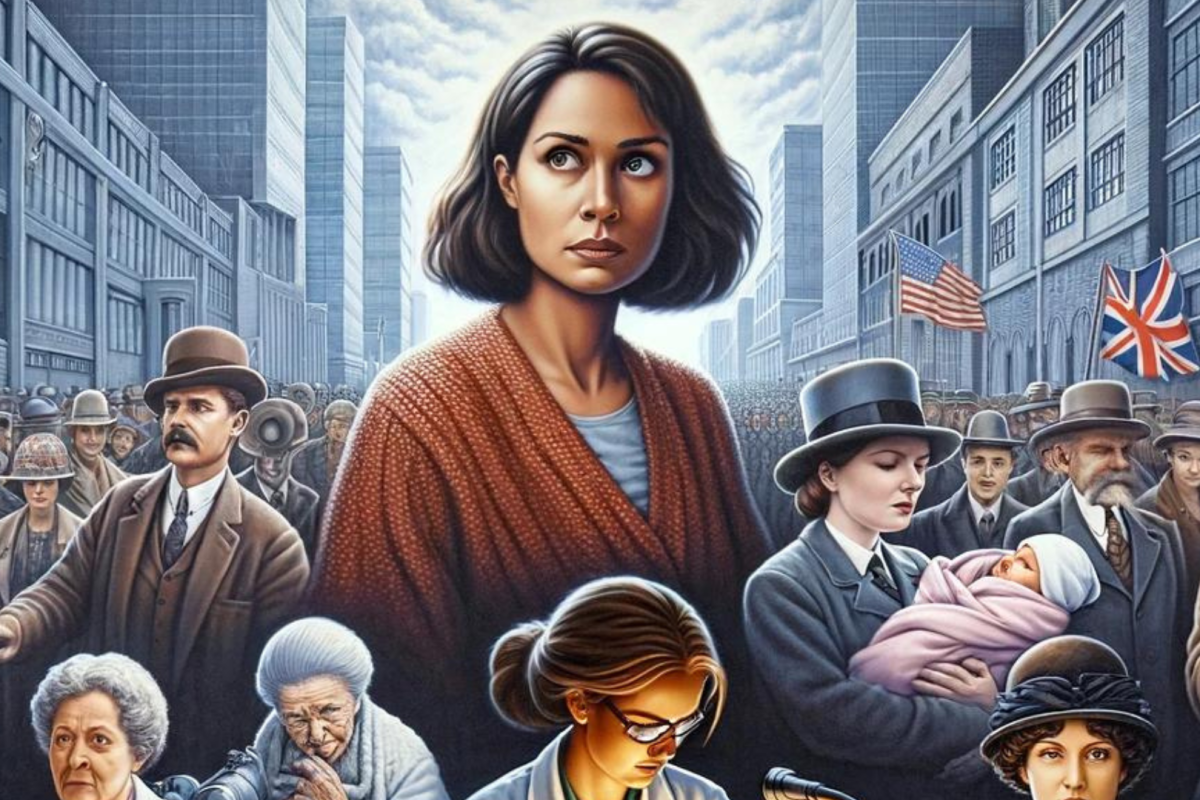

In the tapestry of human endeavor, threads shimmer with unyielding tenacity woven from the fiber of women with grit. These women, from varied walks of life and corners of the earth, share a common trait—a relentless fortitude that propels them through adversity, enabling them to emerge not only unscathed but stronger and more resolute.
Consider the woman who rises before dawn, her day stretching ahead like an uncharted expanse, demanding her sweat, intellect, and care. Yet, she meets each challenge undaunted, fueled by an inner fire that refuses to be extinguished. She could be the single mother who juggles multiple jobs to provide for her children, ensuring they receive the opportunities she never had. Or the scientist in a lab, her eyes alight with the spark of discovery, tirelessly pushing against the frontiers of knowledge despite the voices questioning her place in such a world.
Reflect on the women in history who stood firm against the gales of their times, refusing to bend. They are the suffragettes who endured mockery and imprisonment, their eyes fixed on the horizon of equality. They are the trailblazers in arts, sciences, politics, and activism who dismantled barriers and defied conventions to etch their indelible marks on the annals of time.
Women with grit embody resilience, a quality that resonates through their every action, a silent strength that speaks louder than words. They navigate life’s storms with a steely grace, their resolve a beacon for others to follow. In their perseverance, they weave a legacy of inspiration, a call to each of us to harness our own potential, face our battles with courage, and emerge not just enduring but triumphant.
In celebrating these women, we recognize the grit within ourselves, a testament to the enduring power of the human spirit embodied in the resilience and determination of women across ages and the world.
My mother was such a woman. She had grit, but she referred to it as gumption. I’ve always liked that word. Despite the challenges of raising me on her own, she refused to surrender the chaos surrounding us, no matter how tempting it had been. She remained steady in all that we faced. A lesson I tried to demonstrate to her grandchildren and great-grandchildren. I’m honored to be a steward of her legacy. No different than the others who have courageous women in their lives.

In another post, the subject is songs with God in them. So, I sat back and thought of all the songs I knew that fit these parameters. In the other post, I listed my Top three favorites. However, tonight on Late Night Grooves, we are going to add a few more. Why? Because we can. Hehe. These next songs are going to cover three different music genres. So, let’s get to it, shall we?
This challenge was tough for me, not because I didn’t know a song that fit the parameters, but because I knew too many to choose one. So, I decided to cheat a little, just a tad. I’m going to list my Top 3 favorites within the parameters. However, I will only deep drive on the first song. My Top 3 are as follows:
God Bless the Child is my favorite because of the dear memories it holds within the melody and lyrics—memories I rarely recall until I hear the song. Immediately, I’m teleported back into my childhood, listening to my mother playing the track on the HiFi. For the longest time, she only played Diana Ross’s cover of the song. I memorized and sang it along with her. I found the original when I was old enough and brought the 45 for Mom. Here are the particulars about the song.
The Meaning of “God Bless the Child”
“God Bless the Child” is a song that carries profound meanings, intertwining themes of independence, self-reliance, and the harsh realities of inequality and economic disparity. Originating as a jazz standard, it was famously performed by Billie Holiday, who co-wrote the song with Arthur Herzog Jr. in 1939. Through its poignant lyrics and soul-stirring melody, the song delves into the complexities of financial dependency and social stratification, resonating across generations with its timeless relevance.
Interpretation of Lyrics
At its core, “God Bless the Child” emphasizes the value of self-sufficiency. The opening lines, “Them that’s got shall get, Them that’s not shall lose,” reflect a stark observation of societal dynamics, where the rich grow richer and the poor face continual hardship. This sets the stage for the song’s central message, advocating for personal strength and independence in a world rife with inequities.
The chorus, “God bless the child that’s got his own,” underscores the dignity and empowerment found in self-reliance. It suggests a divine favor or resilience bestowed upon those who can stand on their own feet, contrasting the vulnerability of those who depend on the charity or whims of others. This message is particularly poignant, considering Billie Holiday’s own struggles with poverty and racial discrimination, adding a layer of personal testimony to the song’s narrative.
Cultural and Historical Context
“God Bless the Child” emerged during significant social and economic upheaval in the United States, reflecting the hardships of the Great Depression and the subsequent recovery period. Its themes resonated with many who experienced financial insecurity and witnessed the disparities between social classes. Over the decades, the song has been interpreted by numerous artists across various genres, each bringing their own perspective but retaining the core message of autonomy and resilience.
Philosophical and Ethical Considerations
Beyond its commentary on economic issues, “God Bless the Child” also touches on deeper philosophical and ethical questions. It prompts listeners to consider the values of independence versus interdependence and the moral responsibilities of the fortunate towards the less privileged. In this light, the song can be seen as a call to introspection and empathy, encouraging individuals to find their strength while recognizing the interconnectedness of society.
Legacy and Influence
The enduring appeal of “God Bless the Child” lies in its universal message and emotional depth. It has transcended its original context to become an anthem of perseverance and dignity, inspiring listeners to reflect on their circumstances and society. The song’s influence extends beyond music, permeating cultural discussions and academic analyses, attesting to its profound impact and relevance.
In conclusion, “God Bless the Child” is more than a musical composition; it reflects human resilience, social justice, and the quest for dignity. Its message of self-reliance amidst adversity resonates, offering inspiration and insight to each new generation that discovers its timeless verses.
Them that’s got shall have
Them that’s not shall lose
So the Bible said and it still is news
Mama may have, Papa may have
But God bless the child that’s got his own, that’s got his own
Yes, the strong get smart
While the weak ones fade
Empty pockets don’t ever make the grade
Mama may have, Papa may have
But God bless the child that’s got his own, that’s got his own
Money, you’ve got lots of friends
They’re crowding around the door
But when you’re gone and spending ends
They don’t come no more
Rich relations give crusts of bread and such
You can help yourself, but don’t take too much
Mama may have, Papa may have
But God bless the child that’s got his own, that’s got his own
Mama may have, Papa may have
But God bless the child that’s got his own, that’s got his own
He just don’t worry ’bout nothing, ’cause he’s got his own
You guys already know how I feel about Concrete Blonde. However, XTC’s Skylarking was packed with amazing songs, and I spent a lot of time listening to it.
Thanks to Jim Andrews for hosting this challenge. Such a fantastic suggestion, Nancy, aka The Sicilian Storyteller.

Here is my response to RDP’s Trifling

A quaint village nestled between rolling hills and whispering woods lived a trifling spirit named Elara. Mischievous and light-hearted, she danced through the villagers’ lives like a playful breeze, her presence barely more substantial than a fleeting shadow. With a penchant for harmless pranks, Elara often left a trail of bewildered smiles and gentle laughter in her wake. She’d whisper riddles in the wind, tie shoelaces together unseen, and sometimes, in a whimsical mood, cause the flowers to bloom out of season, painting the world in unexpected splendor.
Yet, despite her whimsy, Elara held a deeper purpose. Her antics served as gentle reminders not to take life too seriously and to find joy in the small, unexpected moments. In her own trivial way, Elara wove a thread of light-heartedness into the fabric of the village, teaching that sometimes, the heart needs the relief of laughter and the soul the lightness of just being.
Here is my response to RDP’s prompt: Shattered

In the pale moonlight, the world seemed ethereal, yet a profound silence pervaded the air, perforated by the echo of distant footsteps. A mosaic of shattered hopes now lay among the ruins of a forgotten city where dreams once flourished. The remnants of crumbled walls whispered tales of yore, each fractured stone a bearer of untold stories. Underneath the celestial gaze, shadows danced across the fragmented relics, casting an intricate ballet of light and darkness. Here, amidst the vestiges of the past, resilience bloomed anew, forging beauty from despair, a poignant reminder of life’s perpetual rebirth amidst ruin.
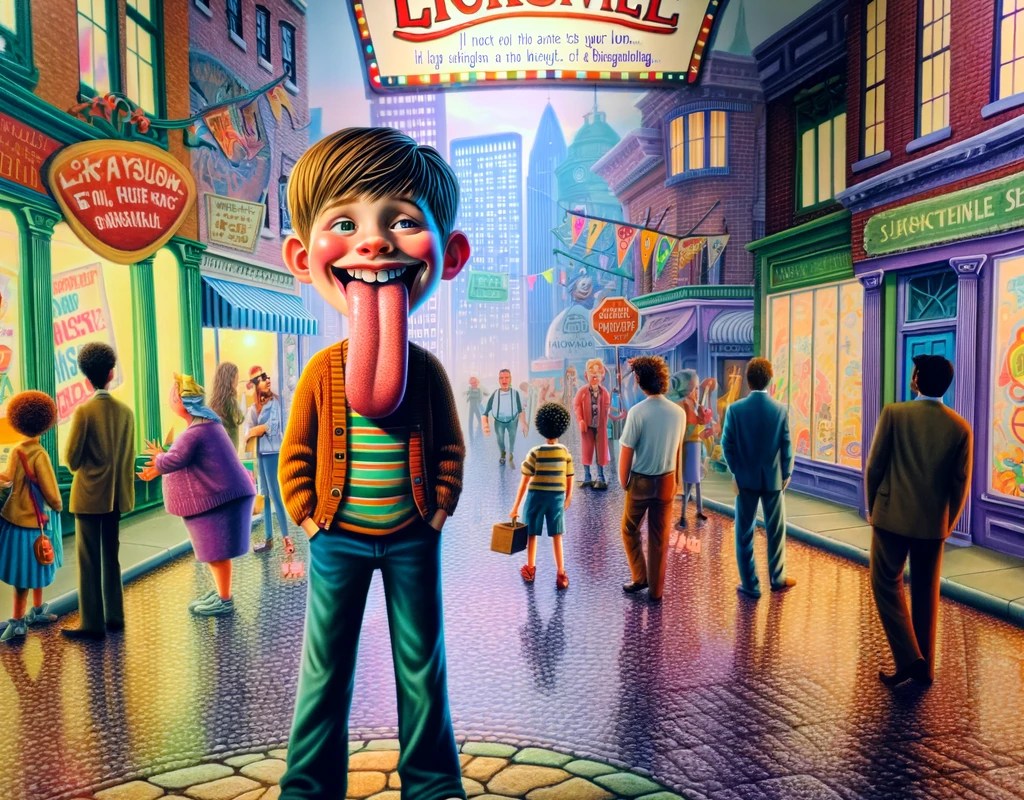

A boy named Timmy Sinclair lived in a bustling city named Licksville, known far and wide for his extraordinarily large tongue. Timmy was no ordinary boy, and his tongue was no ordinary tongue. It was the size of a baguette, supple like a gymnast’s and versatile like an artist’s palette.
From an early age, Timmy realized that his large tongue was not a curse but a blessing. He discovered he could use his tongue for tasks that others could not. He could taste the subtlest of flavors in food, making him the best judge in town for cooking competitions. He could also use his large tongue to help clean out jars and reach places his hands could not.
In school, Timmy was the star of the science fair. He used his tongue to demonstrate how taste buds worked, making science fun and exciting. His classmates admired him, and his teachers praised him for his creativity. Unfortunately, not everyone saw Timmy’s tongue that way.
Summer ended, and school began. Timmy was excited. He couldn’t wait for his next adventures. When he arrived at homeroom on the first day, there were two new students: one girl and one boy. Timmy took a seat and waited. He wanted to know everything about the girl. She had long raven hair, caramel-colored skin, and the most enchanting eyes he had ever seen.

Ms. Rowster came into the room, and they settled down for attendance. Timmy barely could contain himself as he anxiously waited to hear the name of this beautiful girl. When Ms. Rowster got to her name, she asked her to stand up and tell the class a little about herself. She did.
“Hello. My name is Simin Karimi, and I’m from Detriot,” Simin said, then sat down.
Timmy felt she had the most beautiful voice to accompany the rest of her beauty.
Ms. Rowster did the same with the new boy as well. He stood and cleared his throat, “I’m Brad Zigler from Ohio. I know everyone has heard of Zigler cheese, right? Brad asked. A few nodded in agreement while the others sat in quiet bewilderment.
They were all sixteen, but Brad stood over 6 feet and had a large nose, freckles, and a fiery beard. Due to his size and attitude, he had already started gaining friends. Timmy knew he would be one of the most popular kids in school before long.

At lunch, Timmy sat at his usual table, watching Simin’s every move, hoping she would sit at his table. Marcy Busch slapped Timmy on the shoulder.
“Who’s that?” Marcy asked.
“S S S imin,” Timmy shuttered. He was a little tongue-tied, as they say. He felt strange because he never shuttered a day in his life. Marcy looked puzzled at Timmy, then Simin. Marcy motioned for Simin to sit with them. Timmy shifted uncomfortably but managed a smile. Marcy introduced herself.
Marcy and Simin chatted away while eating, picking at their food, if you can call it eating. They were well on their way to being fast friends. Timmy sat quietly, nodding and smiling at the appropriate times. Timmy noticed Simin kept glancing and smiling at him. This made Timmy nervous. Here is the most beautiful girl, and he’s suddenly tongue-tied.
“Stop being rude!” Marcy said as she nudged on the shoulder. Timmy tried to say something, but his tongue got in the way. It felt like it filled his entire mouth. Timmy had never experienced this before. Marcy’s comment didn’t help matters.
“So, you see a pretty girl, huh?” Marcy asked.
“You’ve been talking my ear off since first grade. Geez, thanks,” she smiled. Her cobalt blue eyes sparkled when she smiled, and her smile always seemed to do the trick when Timmy got nervous. Marcy made him feel safe.
“Hey, Simin,” Timmy finally managed. Simin smiled.
“Oh my god! So you’re the freak people have been whispering about!” a voice exclaimed. They looked up, and it was Brad Zigler with a horrified expression.
“What are you? Some sort of lizard?” he exclaimed.
Timmy blushed, and his eyes filled with tears. Before he knew it, Marcy had sprung from the table, kneeing Brad, and delivered a well-practiced right cross—the signature move she picked up when she developed breasts at 12. Marcy explained that once all the women in her family had a nice set of girls, her mother, and grandmother taught her the move in case the boys got handsy. Nanna said boys “always get handsy.”
Marcy stood Brad silently, her brunette hair tied in a ponytail. Brad groaned in pain as he clutched his private area. Marcy stepped toward him, and Brad scooted away with his held up in surrender. Marcy turned to look at Timmy. Her pale alabaster skin was rose-colored. Her eyes were like fire. Yet, they softened when Timmy looked up at her. She stood 5 feet even.

“Bullies give me the sweet ass!” she exclaimed as she retook her seat. Marcy didn’t make eye contact with anyone, then whispered, “Sorry.” Simin squeezed her hand. “Marcy, you’re wicked fast. Next time, can you save me some?” Simin asked jokingly. They all chuckled as they left the lunchroom.
Author’s Note:
Today, I felt good enough to write a little fiction. I hope you don’t mind. So, I combined a couple of hosted challenges I felt worked for the story. The third challenge was one I had for myself, and it was two-fold. Primarily, I’ve been writing light non-fiction for the last few weeks. I needed to know if my fiction tools still worked in something light. I also challenged myself to see if my depictions of the characters in this could used with AI image generation. The answer to the latter is yes. Overall, I’m pleased with the image outcome. As for the former, it felt good writing, but I will leave it up to you guys. Should I continue this corky tale? I wrote more, in case you are wondering. Or hit delete and move on to another project?
Prompts used for this story:
SocS: Hosted by Linda Hill – Words starting with “signa”
Ragtag Daily Prompts: Sunday (safe); Thursday (Lizard)
The challenge words are hyperlinked to their origins. I hope you guys enjoy this corky little tale
After a long day of chores, I feel like a Johnny Cash.
Here is my response to the Weekend Writing Prompt hosted by Sammi Cox. This is my first time participating. I hope I get right.

In the quietude of twilight, a solitary tap resonates through the empty corridors, echoing off the dimly lit walls. It’s a gentle, rhythmic sound, almost musical as if the universe itself were keeping time. With each tap, memories flicker, casting shadows that dance in the mind’s eye. It’s a moment of connection, a simple, unassuming tap that bridges past and present, conjuring a symphony of silent reflections.
Expect nothing. Live frugally
On surprise.
become a stranger
To need of pity
Or, if compassion be freely
Given out
Take only enough
Stop short of urge to plead
Then purge away the need.
Wish for nothing larger
Than your own small heart
Or greater than a star;
Tame wild disappointment
With caress unmoved and cold
Make of it a parka
For your soul.
Discover the reason why
So tiny human midget
Exists at all
So scared unwise
But expect nothing. Live frugally
On surprise.
Tonight, we are featuring REM. Nothing else needs to be said
Here is my response to Glyn’s Mixed Music Bag
Alabama Shakes, a band whose name evokes the southern roots from which they emerged, has captivated audiences around the world with their raw, soulful sound. Since their formation in Athens, Alabama, in 2009, the band has garnered critical acclaim and a dedicated fan base for their electrifying performances and genuine musicality.
At the heart of Alabama Shakes is lead vocalist and guitarist Brittany Howard, whose powerhouse vocals and emotionally charged delivery have become synonymous with the band’s sound. From the moment she belts out the opening notes of a song, Howard effortlessly commands attention, infusing each lyric with a sense of urgency and sincerity that cuts straight to the soul.
Backing Howard is a talented ensemble of musicians including Heath Fogg on guitar, Zac Cockrell on bass, and Steve Johnson on drums, whose collective chemistry and tight instrumentation provide the perfect backdrop for Howard’s powerhouse vocals.
What sets Alabama Shakes apart is their commitment to authenticity. In an age where studio production and auto-tune reign supreme, the band’s stripped-down approach to music feels refreshingly genuine. Their debut album, “Boys & Girls,” released in 2012, is a testament to this authenticity, with its raw, bluesy sound and heartfelt lyrics resonating with listeners deeply and personally.
Tracks like “Hold On” and “I Found You” showcase the band’s ability to blend elements of rock, soul, and blues into a seamless and infectious sound that feels both timeless and contemporary. With each soulful guitar riff and impassioned vocal performance, Alabama Shakes transports listeners to a place where music is not just heard but felt.
The band’s sophomore effort, “Sound & Color,” released in 2015, further solidified their status as musical innovators. From the hauntingly beautiful title track to the raucous energy of “Don’t Wanna Fight,” the album is a sonic experimentation and emotional depth masterclass.
Beyond their recorded music, Alabama Shakes is renowned for their electrifying live performances. Whether performing in an intimate club or headlining a festival stage, the band’s energy and passion are palpable, leaving audiences spellbound and craving more.
As Alabama Shakes continues to evolve and push musical boundaries, one thing remains constant: their unwavering commitment to authenticity. In a world where trends come and go, the band’s timeless sound and genuine spirit remind us of the power of music to move, inspire, and unite us all.
Few bands stand out in the vibrant tapestry of punk rock history quite like Adam and the Ants. With their flamboyant style, infectious energy, and rebellious spirit, they carved out a unique niche in the late 1970s and early 1980s music landscape.
Formed in London in 1977 by frontman Adam Ant (born Stuart Leslie Goddard), Adam and the Ants quickly made a name for themselves with their distinctive blend of punk, glam rock, and new wave. With Ant’s charismatic persona at the forefront, the band’s music became synonymous with theatricality, bravado, and unabashed rebellion.
At the heart of Adam and the Ants’ sound was their innovative use of tribal rhythms and dual drummers, which added a primal, tribal element to their music. Combined with Ant’s swaggering vocals and catchy guitar riffs, the band created an infectious and unmistakably their own sound.
Their breakthrough came with releasing their sophomore album, “Kings of the Wild Frontier,” in 1980. Fueled by hits like “Antmusic” and “Dog Eat Dog,” the album catapulted Adam and the Ants to international fame, earning them a legion of devoted fans and cementing their status as icons of the punk rock movement.
But it wasn’t just their music that set Adam and the Ants apart—their larger-than-life image and fearless sense of style. With their elaborate costumes, tribal face paint, and provocative lyrics, the band embraced a sense of daring and empowering theatricality. They dared to challenge societal norms and push the boundaries of self-expression, inspiring countless fans to embrace their individuality and inner rebellion.
Throughout their career, Adam and the Ants continued to push musical boundaries with albums like “Prince Charming” and “Friend or Foe,” showcasing their versatility and innovation as artists. Tracks like “Stand and Deliver” and “Prince Charming” further solidified their status as cultural icons, earning them critical acclaim and commercial success.
Though the band’s lineup underwent changes over the years, with Ant pursuing a successful solo career in the 1980s, the legacy of Adam and the Ants endures. Their music continues to resonate with audiences old and new, serving as a testament to the enduring power of punk rock to inspire, provoke, and ignite the fires of rebellion.
Adam and the Ants remind us to embrace our inner eccentricities and celebrate our unique identities in a world that often prizes conformity over creativity. With their infectious energy, fearless spirit, and unapologetic attitude, they remain timeless symbols of punk rock swagger and defiant individualism.
Tonight on Late Night Grooves, we are traveling back to 1967. I’ve always been a fan of R&B of the 60’s. One of my favorite artists from that period is Johnnie Taylor. Tonight, we are featuring a version of one of my favorite songs. Here is Johnnie Taylor’s version of Watermelon Man.

Here is my answer to The Question of the Night #2
Where do you go to escape stress?

I’ve always been told I had a healthy imagination, so it is there I retreat to in times of stress. And this image is a representation of things going on a moment ago. Who knows what will happen next?
Tonight, we are selecting a track from “The Shit I Grew Up On” playlist. Electric Light Orchestra has been a longtime favorite tied to several fond memories. So, tonight we are featuring the track “Telephone Line.” Enjoy!
Thanks to Glyn’s MMB for the prompt. I’m still working on the February weeks. My brother Jim inspired me to select the groups for this post during one of our many conversations about music. Jim told a compelling story about when he saw the band Daisy Chainsaw. I’d completely forgotten about them. So, when Glyn’s prompt said groups of C-D, there was no way I could resist mentioning Daisy Chainsaw.
Daisy Chainsaw was an English alternative rock band formed in London in 1989. Led by vocalist KatieJane Garside, the band’s music is characterized by its raw, unapologetic energy, incorporating punk, grunge, and noise rock elements. Daisy Chainsaw gained attention for their confrontational lyrics, aggressive guitar riffs, and Garside’s distinctive vocal style, which ranged from whispered whispers to primal screams.
With their debut album “Eleventeen” (1992), Daisy Chainsaw gained a cult following and critical acclaim, earning comparisons to bands like Sonic Youth and Hole. Hits like “Love Your Money” and “Pink Flower” showcased the band’s irreverent attitude and unique sound. At the same time, Garside’s provocative stage presence solidified their reputation as one of the most exciting acts of the early ’90s alternative rock scene.
Despite their relatively short-lived career, Daisy Chainsaw left a lasting impact on the alternative rock landscape, influencing subsequent generations of musicians with their bold, uncompromising approach to music. While the band disbanded in the mid-’90s, their legacy lives on through their music, which continues to resonate with audiences seeking raw, unfiltered rock and roll.
Lyrics:
We love you yeah
We love what you got and you’ve got it truly
You’re talented kid
We can see it clearly
We love your sound
The way you look so we say sincerely
You’re natural stars and we mean it really
{Chorus}
We love your money(Love your money)
We love your money(Love your money)
We love your money(Love your money)
We love your money(Love your money)
Yes we do
We love you yeah
Place your trust in us completely
You’ll sell worldwide we mean it really
We love your songs
Shape your image and we’ll all be greedy
Sign right here, and we’ll all be wealthy
{Repeat}
We love you so love your demo
We love you so love love love love
All your money
We love your money(love your money)
We love your money(love your money)
Love love love love all your money
(Repeat chorus)
Love love love love all your money
Love love love love all your money
Love love love love all your money
Songwriters: C. Gray.
The next group appeared in my text messages from Jim with the simple instructions to listen to it. So, I did and liked what I heard. I enjoyed the band’s sound. It was reminiscent of classic rock but edgy enough to keep me interested. I can’t stand copycats; they are boring. The band was called Dorothy. A couple of years later, Jim informed me that Dorothy would be playing at one of the upcoming shows. My interest was immediately peaked. They put on a decent show with a solid sound. They are worth mentioning for this post as they differ from what I usually discuss. Tell me your thoughts.
Dorothy is an American rock band led by vocalist Dorothy Martin. Formed in Los Angeles in 2014, the band’s sound is characterized by its gritty, blues-infused rock with a modern edge. Drawing inspiration from classic rock acts like Led Zeppelin and Janis Joplin, Dorothy’s music is raw, powerful, and soulful, featuring infectious riffs, soaring vocals, and electrifying performances.
Frontwoman Dorothy Martin’s distinctive voice serves as the focal point of the band’s sound, channeling a mix of vulnerability and strength that captivates listeners. With songs like “Raise Hell,” “Missile,” and “Flawless,” Dorothy delivers anthemic rock tunes that resonate with audiences, evoking a sense of empowerment and rebellion.
Since their debut, Dorothy has toured extensively, building a dedicated fanbase with their high-energy live shows and authentic, no-nonsense approach to rock music. With their dynamic sound and uncompromising attitude, Dorothy continues to make waves in the rock scene, solidifying their place as one of the genre’s most exciting acts.
Lyrics:
You said you loved me but you threw me out in the garbage
Now I’m starting to stink but everyone thinks I’m flawless
Listen to me, I can’t be what you want me to
I just came like this, I’m already black and blue
You said you loved but you put my shit on the sidewalk
You like it when I fall and you laugh when I run into the wall
You gave nothing, I put my heart out on the table
I wasn’t always willing but baby I was always able, yeah
Oh… slipping into some kinda feeling
Got me believing
Oh… coming out of all of the darkness
Now that I’m flawless
You said I was the one but you married someone half your age
She’s a groupie ex-girlfriend with a plastic face
You said you’d never go back to an old flame
Well it’s gonna make you sick when everybody hears my pain, yeah
Oh… slipping into some kinda feeling
Got me believing, baby
Oh… coming out of all of the darkness
Now that I’m flawless
Now that I
Can you feel it
Can you feel it, yeah
Can you feel it
Can you feel it, yeah
Can you feel it
Can you feel it, yeah
Can you feel it
Baby, can you feel it, yeah
Oh, slipping into some kinda feeling
Got me believing, baby, yeah
Oh, coming out of all of the darkness
Now that I’m flawless
Now that I’m
Can you feel it baby?
Now that I’m
Oh can you feel it baby?
Can you feel it, yeah
Can you feel it, yeah
Can you feel it, yeah
Oh, now that I’m flawless
Songwriters: Linda Perry, Maria Tynes.
Tonight, we are continuing with “Shop Tunes.” A few years back, my brother turned me on to this band, and I instantly added them to my playlist. Now, at least a few of their songs appear on our shop playlist. So tonight, we are featuring Radkey.
Radkey is an American rock band formed by three brothers: Dee, Isaiah, and Solomon Radke. Hailing from St. Joseph, Missouri, Radkey burst onto the music scene with their high-energy performances and gritty, punk-influenced sound. Their music is characterized by catchy melodies, driving rhythms, and raw, impassioned vocals. Drawing inspiration from classic punk and rock bands, Radkey infuses their music with a modern edge, creating a timeless and contemporary sound. With their electrifying live shows and infectious energy, Radkey has garnered a dedicated fanbase and critical acclaim, solidifying their reputation as one of the most exciting rock bands in recent years.
I’m a little behind because of my recent prolonged illness, so please forgive my tardiness. Here is my response to Glyn’s MMB.
From the moment I heard, “There’s a crack in the mirror and bloodstain on the bed,” I was floored. I wondered who the hell was this singing and what band is this? I must have listened to that song back to back for a week straight. I’m sure it wasn’t that long, but I played it repeatedly. Well, the band Concrete Blonde, and the song was Bloodletting
The opening bass line captured my attention, and I was grooving. However, when the vocals arrived mixed with powerful lyrics, I seemed to be teleported into the song. I could feel everything she was singing about. Yeah, yeah, I was young, and everything was so damn serious. It was the best thing I’d ever heard blah, blah. However, Concrete Blonde has remained one of my favorite bands throughout my lifetime. Here are the particulars:
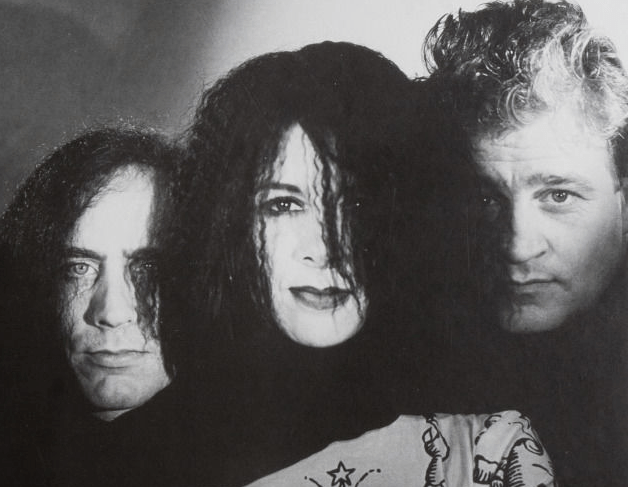
Concrete Blonde occupies a unique and enduring place in the rich tapestry of alternative rock music. Formed in the vibrant musical landscape of Los Angeles in the 1980s, Concrete Blonde emerged as a beacon of emotional depth and musical innovation. Led by the captivating vocals and songwriting prowess of Johnette Napolitano, the band’s distinctive blend of rock, punk, and folk influences captivated audiences and earned them a devoted following. This essay explores Concrete Blonde’s evolution, impact, and enduring legacy, delving into their thematic depth, musical craftsmanship, and cultural significance.
Formation and Early Years:
Concrete Blonde traces its origins to the convergence of talents between vocalist/bassist Johnette Napolitano, guitarist James Mankey, and drummer Harry Rushakoff in the mid-1980s. Drawing inspiration from the eclectic music scene of Los Angeles, the band forged a sound that defied easy categorization, blending elements of punk, rock, folk, and alternative music. Their eponymous debut album, “Concrete Blonde,” released in 1986, showcased their raw energy and emotional intensity, laying the foundation for their subsequent success.
Thematic Depth and Musical Craftsmanship:
At the heart of Concrete Blonde’s music lies a profound exploration of the human condition, infused with love, loss, longing, and redemption themes. Johnette Napolitano’s evocative lyrics and soul-stirring vocals serve as a conduit for raw emotion, resonating with listeners on a deeply personal level. Whether channeling heartache and despair in “Joey” or exuding defiance and resilience in “Bloodletting (The Vampire Song),” Concrete Blonde’s music transcends genre boundaries, inviting listeners into a world of introspection and catharsis.
Musically, Concrete Blonde’s compositions are characterized by their dynamic arrangements, melodic hooks, and rich instrumentation. James Mankey’s masterful guitar work ranges from atmospheric textures to blistering solos, complementing Napolitano’s emotive vocals with nuance and depth. The rhythm section, anchored by Harry Rushakoff’s propulsive drumming, provides a solid foundation for the band’s sonic exploration, while guest musicians add layers of sonic richness to their sound.
Cultural Impact and Enduring Legacy:
Throughout their career, Concrete Blonde left an indelible mark on the alternative rock landscape, influencing subsequent generations of musicians and earning critical acclaim for their distinctive sound and uncompromising vision. Their breakthrough album, “Bloodletting,” released in 1990, propelled them to mainstream success, fueled by the haunting single “Joey” and the atmospheric title track “Bloodletting (The Vampire Song).” Subsequent albums, including “Walking in London” and “Mexican Moon,” further cemented their reputation as one of the preeminent bands of the alternative rock era.
Beyond their musical achievements, Concrete Blonde’s impact extends to their engagement with social and political issues, using their platform to advocate for causes ranging from environmental conservation to LGBTQ rights. Their music resonates with audiences worldwide, providing solace, inspiration, and a sense of connection in an ever-changing world.
Lyrics: Dance Along the Edge
Sometimes we laugh like children
Go running holding hands
I never felt like this before,
I never will again
Sometimes we cry like babies
I hold you to my heart.
I just can’t stand to see you sad,
It tears me all apart
And we’re so afraid and it’s such a shame,
There is no reason we should doube it.
The things we want to say we’ver never said!
And we look away and it’s all ok and
Never really talk about it
It’s a shame the way we dance along the edge
Dance along the edge.
We always seem so careful,
We’re always so unsure.
Our past mistakes they make us shakey… eyes on the door.
When do we stop searching
For what we’re searching for?
Then when it comes, we question love and try for more!
And we’re happy here, but we live in fear
We’ve seen a lot of temples crumble.
Some of flesh and blood from love under glass.
Will we come undone? Will we turn and run?
And will we know it when we find it?
It’s a game the way we dance along the edge.
And we’ll walk the line and we’ll do our time
For just as long as we’ve been given,
And pretend that we don’t hear the things they’ve said.
Can we promise love? Is it all too much
And do our old souls still believe it?
It’s insane the way we dance along the edge.
Here is my response to Jim Adams’ SLS
This prompt was a little difficult for me, because I grew up during the time when we collected 12 inch singles. So, after a bit of research, I was surprised to find one of the songs I enjoy fitting the parameters of the challenge.
The Pixies are an influential American alternative rock band formed in 1986 in Boston, Massachusetts. The band consists of Black Francis (vocals, guitar), Joey Santiago (guitar), Kim Deal (bass, vocals), and David Lovering (drums). It is known for its distinctive blend of punk, surf rock, and indie pop elements. The Pixies’ music is characterized by loud-quiet dynamics, catchy hooks, and surreal lyrics exploring themes of surrealism, mythology, and pop culture.
With iconic albums such as “Surfer Rosa” (1988) and “Doolittle” (1989), the Pixies garnered critical acclaim and a dedicated cult following, influencing a generation of alternative rock bands with their innovative sound. Hits like “Where Is My Mind?” and “Debaser” remain staples of the indie rock canon, while the band’s energetic live performances solidify their reputation as one of the most influential acts of the late 20th century. Despite periods of hiatus and lineup changes, the Pixies continue to create music and tour, leaving an indelible mark on the landscape of alternative rock.
Where is my Mind? Lyrics
Ooh
Stop
With your feet on the air
And your head on the ground
Try this trick and spin it, yeah
Your head will collapse
If there’s nothing in it
And you’ll ask yourself
Where is my mind?
Where is my mind?
Where is my mind?
Way out in the water, see it swimmin’
I was swimmin’ in the Caribbean
Animals were hidin’ behind the rocks
Except the little fish, bumped into me
I swear he was trying to talk to me, koi-koi
Where is my mind?
Where is my mind?
Where is my mind?
Way out in the water, see it swimmin’
With your feet on the air
And your head on the ground
Try this trick and spin it, yeah
Your head will collapse
If there’s nothing in it
And you’ll ask yourself
Where is my mind?
Where is my mind?
Where is my mind?
Way out in the water, see it swimmin’
With your feet on the air
And your head on the ground
Try this trick and spin it, yeah
Tonight, on Late Night Grooves, we are going to feature a little shop music. Music played while working in the shop. Two brothers are jamming while the other brother is cringing as he pretends to ignore the music. Sometimes, I wonder which is more enjoyable; the tune or watching him pretend?
Tonight’s cut is from Asking Alexandria
Vultures Lyrics:
Close the curtains, cash me in
Gather photographs of the Devil you let in
Digging deep inside my soul
I don’t know, I don’t know
Where to turn
Everywhere I look, these vultures burn the life right outta me
Do I run or lay down and die?
Is it time to close my eyes?
Keep me numb, I’ll follow direction
A pawn to pass around and be bled until I’m dry
It’s hard to see what’s underneath
Is it me? Is it me?
Where do I turn?
Everywhere I look, these vultures burn the life right outta me
Do I run or lay down and die?
Is it time to close my eyes?
For so long all I’ve known, all I’ve seen’s green lights
Fuck your greed, all I need’s somewhere
To catch my breath, rest my head and ease my mind
I’ve been holding on, but my grip ain’t what it used to be
I’m much older, I’m bitter, I’m jaded, I’m lost
Can somebody give me a sign?
Where do I turn?
Everywhere I look, these vultures burn the life right outta me
Do I run or lay down and die?
Is it time to close my eyes?
Where do I turn?
Everywhere I look, these vultures burn the life right outta me
Do I run or lay down and die?
Is it time to close my eyes?

Here is my response to Jim Adams’ Song Lyric Sunday
As a child, I can hardly remember when I listened to the radio and didn’t hear this song at least once. I heard so much I memorized the lyrics and sang right along. Yet, as time went on, I found myself growing tired of hearing this song. I remember wondering what was going to be the next big hit? I didn’t realize the song was already several years old. It’s such a timeless classic I had to take a moment and discuss its meaning. This is what I came up with.
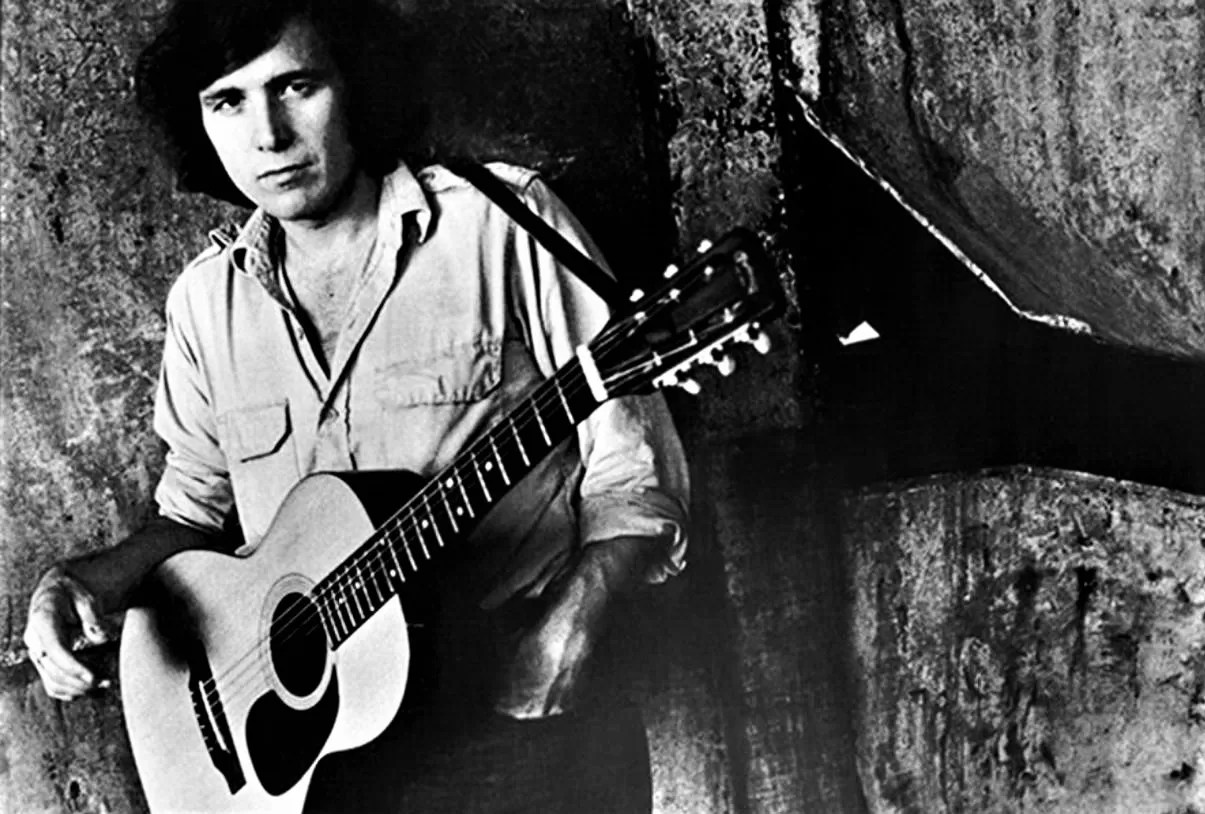
The Layers of Meaning in “American Pie”
Don McLean’s iconic song “American Pie” has captivated audiences for decades with its enigmatic lyrics and haunting melodies. Released in 1971, the eight-and-a-half-minute epic is steeped in cultural references, historical events, and personal reflections, inviting listeners on a journey through the turbulent landscape of American society in the 20th century. As one of the most analyzed and debated songs in popular music history, “American Pie” continues to fascinate and inspire, offering layers of meaning that transcend time and space.
At its core, “American Pie” is a lamentation for the loss of innocence and idealism in American society and a nostalgic homage to the golden era of rock and roll. The song opens with the poignant line, “A long, long time ago, I can still remember how that music used to make me smile,” evoking a longing for the simpler times of youth and the transformative power of music to unite and uplift.
Central to the song’s narrative is the tragic plane crash that claimed the lives of Buddy Holly, Ritchie Valens, and The Big Bopper on February 3, 1959, often referred to as “The Day the Music Died.” This event serves as a metaphor for the loss of innocence and optimism in American society, marking the end of an era of rock and roll idealism and the onset of a more turbulent and uncertain period in history.
McLean weaves a tapestry of cultural references and symbolic imagery throughout the song, drawing on Americana, mythology, and spirituality themes to create a rich and evocative narrative. The lyrics are peppered with allusions to historical figures, events, and symbols, from “the King” (Elvis Presley) to “the jester” (Bob Dylan), from “the sacred store” (the record store) to “the holy dove” (a symbol of peace and spirituality).
One of the most debated aspects of “American Pie” is the interpretation of its cryptic lyrics, which have spawned countless theories and analyses over the years. Some interpretations suggest that the song is a commentary on the decline of American society and the loss of traditional values. In contrast, others see it as reflecting popular culture’s changing landscape and commercialism’s rise.
Yet, amidst the ambiguity and complexity of its lyrics, “American Pie” ultimately serves as a testament to the enduring power of music to transcend boundaries, unite disparate voices, and capture the collective consciousness of a generation. As McLean once said, “American Pie” is “a big song with big themes,” encompassing an entire nation’s hopes, dreams, and aspirations.
In conclusion, “American Pie” is a timeless masterpiece that defies easy categorization and interpretation. Its evocative imagery, poetic lyricism, and haunting melodies resonate with listeners of all ages, inviting them to ponder the mysteries of life, love, and loss. Whether viewed as a nostalgic tribute to the golden age of rock and roll or a poignant lament for the loss of innocence in American society, “American Pie” remains a symbol of hope, resilience, and the enduring power of music to inspire and uplift.
A long, long time ago
I can still remember how that music
Used to make me smile
And I knew if I had my chance
That I could make those people dance
And maybe they’d be happy for a while
But February made me shiver
With every paper I’d deliver
Bad news on the doorstep
I couldn’t take one more step
I can’t remember if I cried
When I read about his widowed bride
Something touched me deep inside
The day the music died
So, bye-bye, Miss American Pie
Drove my Chevy to the levee, but the levee was dry
And them good ol’ boys were drinkin’ whiskey and rye
Singin’, “This’ll be the day that I die
This’ll be the day that I die”
Did you write the book of love
And do you have faith in God above
If the Bible tells you so?
Now, do you believe in rock ‘n’ roll
Can music save your mortal soul
And can you teach me how to dance real slow?
Well, I know that you’re in love with him
‘Cause I saw you dancin’ in the gym
You both kicked off your shoes
Man, I dig those rhythm and blues
I was a lonely teenage bronckin’ buck
With a pink carnation and a pickup truck
But I knew I was out of luck
The day the music died
I started singin’, bye-bye, Miss American Pie
Drove my Chevy to the levee, but the levee was dry
Them good ol’ boys were drinkin’ whiskey and rye
Singin’, “This’ll be the day that I die
This’ll be the day that I die”
Now, for ten years we’ve been on our own
And moss grows fat on a rollin’ stone
But that’s not how it used to be
When the jester sang for the king and queen
In a coat he borrowed from James Dean
And a voice that came from you and me
Oh, and while the king was looking down
The jester stole his thorny crown
The courtroom was adjourned
No verdict was returned
And while Lenin read a book on Marx
A quartet practiced in the park
And we sang dirges in the dark
The day the music died
We were singin’, bye-bye, Miss American Pie
Drove my Chevy to the levee, but the levee was dry
Them good ol’ boys were drinkin’ whiskey and rye
Singin’, “This’ll be the day that I die
This’ll be the day that I die”
Helter skelter in a summer swelter
The birds flew off with a fallout shelter
Eight miles high and falling fast
It landed foul on the grass
The players tried for a forward pass
With the jester on the sidelines in a cast
Now, the halftime air was sweet perfume
While sergeants played a marching tune
We all got up to dance
Oh, but we never got the chance
‘Cause the players tried to take the field
The marching band refused to yield
Do you recall what was revealed
The day the music died?
We started singin’, bye-bye, Miss American Pie
Drove my Chevy to the levee, but the levee was dry
Them good ol’ boys were drinkin’ whiskey and rye
Singin’, “This’ll be the day that I die
This’ll be the day that I die”
Oh, and there we were all in one place
A generation lost in space
With no time left to start again
So, come on, Jack be nimble, Jack be quick
Jack Flash sat on a candlestick
‘Cause fire is the Devil’s only friend
Oh, and as I watched him on the stage
My hands were clenched in fists of rage
No angel born in Hell
Could break that Satan spell
And as the flames climbed high into the night
To light the sacrificial rite
I saw Satan laughing with delight
The day the music died
He was singin’, bye-bye, Miss American Pie
Drove my Chevy to the levee, but the levee was dry
Them good ol’ boys were drinkin’ whiskey and rye
Singin’, “This’ll be the day that I die
This’ll be the day that I die”
I met a girl who sang the blues
And I asked her for some happy news
But she just smiled and turned away
I went down to the sacred store
Where I’d heard the music years before
But the man there said the music wouldn’t play
And in the streets the children screamed
The lovers cried, and the poets dreamed
But not a word was spoken
The church bells all were broken
And the three men I admire most
The Father, Son and the Holy Ghost
They caught the last train for the coast
The day the music died
And they were singin’, bye-bye, Miss American Pie
Drove my Chevy to the levee, but the levee was dry
And them good ol’ boys were drinkin’ whiskey and rye
Singin’, “This’ll be the day that I die
This’ll be the day that I die”
They were singin’, bye-bye, Miss American Pie
Drove my Chevy to the levee, but the levee was dry
Them good ol’ boys were drinkin’ whiskey and rye
Singin’, “This’ll be the day that I die”
Initially, Anemia was a condition you had heard of, but you didn’t know what it was or how it affected people. At any rate, it happened to someone else. During, my cancer battle mentioned I had anemia. Immediately, I protested as if it was something to be ashamed of. However, it isn’t and can be managed effectively if you take the time to understand the condition and give it just respect. Here are the particulars.
Here are the different types of Anemia:
Anemia is a condition characterized by a deficiency of red blood cells or hemoglobin in the blood, leading to reduced oxygen-carrying capacity and often resulting in symptoms such as fatigue, weakness, and pale skin. There are several types of anemia, each with different causes and characteristics. Some of the most common types include:
Causes of Anemia:
Various factors can cause anemia. One common cause is a deficiency in essential nutrients such as iron, vitamin B12, or folate. These nutrients are vital for the production of red blood cells, and their deficiency can lead to anemia. Iron deficiency anemia, for example, is the most common type and is often caused by a lack of iron-rich foods in the diet or poor iron absorption. Other causes of anemia include chronic diseases like kidney disease or cancer, genetic disorders like sickle cell anemia, and certain medications that interfere with the production or function of red blood cells.
The primary causes of anemia include:
1. Iron deficiency is the most common cause of anemia globally. It impairs the body’s ability to produce hemoglobin. Insufficient dietary iron, poor absorption, or chronic bleeding (such as in gastrointestinal disorders) can lead to iron-deficiency anemia.
2. Vitamin Deficiencies: Deficiencies in other essential vitamins, such as vitamin B12 and folic acid, can also contribute to anemia. These nutrients play a crucial role in red blood cell production, and their absence can lead to impaired cell development.
3. Chronic Diseases: Certain chronic conditions, such as chronic kidney disease, inflammatory disorders, and autoimmune diseases, can interfere with the production and lifespan of red blood cells, leading to anemia.
4. Hemolytic Anemias: In these conditions, red blood cells are destroyed prematurely due to an inherited genetic defect, autoimmune reactions, or exposure to certain medications or toxins.
5. Genetic Disorders: Some individuals may inherit genetic conditions affecting hemoglobin production, such as thalassemia or sickle cell anemia, which can lead to chronic anemia.
Symptoms of Anemia:
The symptoms of anemia can vary depending on the severity and underlying cause. Anemia reduces the blood’s ability to carry oxygen to the body’s tissues, resulting in a lack of energy and oxygen supply. In addition to these common symptoms, some individuals may experience chest pain, headaches, difficulty concentrating, and an increased risk of infections.
The symptoms of anemia can vary in severity and may include:
1. Fatigue: One of the most common symptoms is persistent fatigue, as reduced oxygen-carrying capacity affects overall energy levels.
2. Pale Skin and Mucous Membranes: Anemic individuals may exhibit pallor in their skin and mucous membranes, such as the inside of the mouth.
3. Shortness of Breath: Insufficient oxygen supply to tissues can lead to shortness of breath and increased heart rate, especially during physical activity.
4. Dizziness and Weakness: Anemia can cause dizziness, weakness, and difficulty concentrating due to reduced blood flow and oxygen delivery to the brain.
5. Cold Hands and Feet: Poor circulation can lead to a sensation of coldness in the extremities.
Treatment Options:
The treatment of anemia depends on the underlying cause and may include:
1. Iron Supplements: Oral or intravenous iron supplements may be prescribed to replenish iron levels for iron deficiency anemia.
2. Vitamin Supplements: Vitamin B12 and folic acid supplements are recommended for anemia caused by deficiencies in these nutrients.
3. Treatment of Underlying Conditions: Addressing chronic diseases or genetic disorders contributing to anemia is crucial for effective management.
4. Blood Transfusions: In severe cases or emergencies, blood transfusions may be necessary to quickly increase red blood cell count.
5. Lifestyle Changes: Adopting a balanced and nutrient-rich diet, particularly one that includes iron-rich foods, can help prevent and manage certain types of anemia.
Conclusion:
Anemia is a widespread health condition with various underlying causes, impacting individuals of all ages and backgrounds. Recognizing the symptoms and seeking timely medical attention is crucial for accurate diagnosis and appropriate treatment. Whether the reason is nutritional deficiencies, chronic diseases, or genetic factors, healthcare professionals can provide tailored interventions to manage anemia effectively and improve the quality of life for those affected. As ongoing research advances our understanding of anemia, continued awareness, and proactive healthcare measures will play a vital role in mitigating its impact on global health.

Here is my response to RDP’s Shoots
A toddler unleashes a shriek of glee as he shoots past an elderly gentleman with his unsure footing. He balances himself with his tiny arms outstretched. He giggles a little more with each step. We stand silently, watching him go. My soul churned in the warmth of his happiness as it spurred my own. His happiness brought back vivid memories of my grandchildren learning to walk and run. I missed my children’s milestones; otherwise, I was engaged.
I stopped to fuel up pickup before heading to a photo shoot. I’m excited about this one because it is the first time in months I’ve been well enough to even consider pulling out my camera. I’m startled back in the present by a metallic clang of debris hitting a dumpster. I watch the trash chutes flex as the waste finds its way down. AC/DC’s Shoot to Thrill starts the road trip playlist.
After, a few minutes of chatting after arriving at shop I discover I have everything in my camera bag, but an SD card. We laugh about the ridiculousness. I finally got myself together to do the shoot and realized I’m so rusty I have no idea if any pictures will be good enough to post. I show a few to the fellas and assure me that concerns are justified.
Here are a couple shots:


Today was first day all three been in the shop in months. The first time in forever, where there wasn’t constant look of concern on whether I was going face plant at any moment. I lasted several hours before I plain tuckered out and needed to make the drive home.
My first photo shoot back was disaster as photo shoot’s go, but it felt damn good to be working in the shop again. Round 2 is tomorrow; wish me luck

When I started studying poetry, I couldn’t fathom its depth or impact. Most of the people I knew consistently named the same poets. The poets named depended on the group of people. Finally, I received my introduction to the Black Arts movement. Being Black, I was told this should be my area of concentration. This advice met my immediate dismissal. I have never liked to be told how or what to study.
As I studied the Black Arts movement, I discovered many of the same names I’ve always heard. Then I found someone seldom talked about. I found Sonia Sanchez. I read most of her work and instantly became a fan. So, ladies and gentlemen, my first profile for Women’s History Month is Sonia Sanchez.
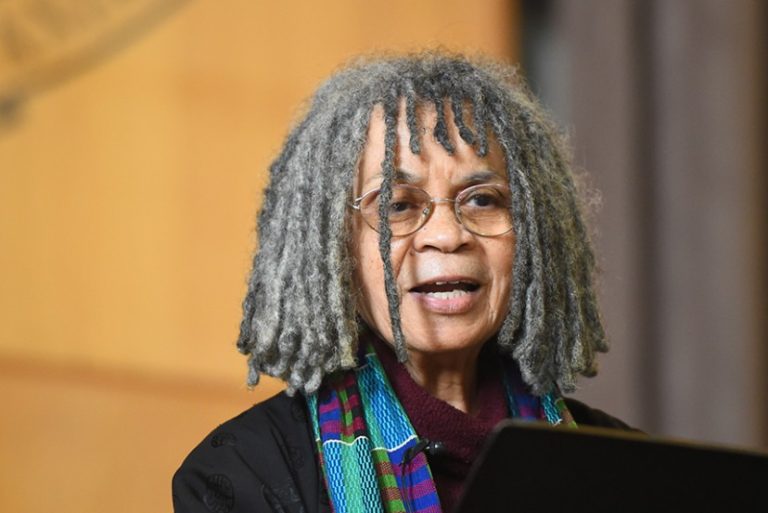
Sonia Sanchez stands as one of the most influential poets of the 20th and 21st centuries, renowned for her powerful voice, uncompromising activism, and unyielding commitment to social justice. As a leading figure of the Black Arts Movement and a pioneer of African American literature, Sanchez’s poetry transcends mere words, catalyzing change, healing, and transformation. This essay aims to explore the life, works, and enduring legacy of Sonia Sanchez, illuminating her profound impact on literature, activism, and the collective consciousness of humanity.
Early Life and Influences:
Sonia Sanchez was born Wilsonia Benita Driver on September 9, 1934, in Birmingham, Alabama, during a time of deep-seated racial segregation and oppression in the United States. Raised by her maternal grandmother and deeply influenced by her African heritage, Sanchez developed an early appreciation for storytelling, oral traditions, and the power of language to evoke emotion and effect change. Her formative years in the racially charged environment of the Jim Crow South instilled in her a profound sense of social justice and a determination to resist oppression through her art.
Literary Career and Contributions:
Sanchez’s literary career began to flourish in the 1960s amid the backdrop of the Civil Rights Movement and the emergence of the Black Arts Movement. Her early poetry collections, including “Homecoming” (1969) and “We a BaddDDD People” (1970), captured the spirit of resistance and empowerment, celebrating the resilience and beauty of the African American experience. Grounded in the oral tradition of African griots and jazz improvisation, Sanchez’s poetry pulsated with rhythm, imagery, and urgency, challenging readers to confront the realities of racism, sexism, and injustice.
As a prominent voice of the Black Arts Movement, Sanchez used her poetry to advocate for racial equality, gender liberation, and the empowerment of marginalized communities. Her seminal work “Sister Outsider: Essays and Speeches” (1984) explored intersections of race, gender, and sexuality, challenging prevailing norms and fostering solidarity among oppressed peoples. Through her activism and advocacy, Sanchez inspired generations of writers, activists, and artists to use their platforms for social change and cultural transformation.
Themes and Style:
Sanchez’s poetry is characterized by its lyrical intensity, rhythmic cadence, and evocative imagery, drawing on themes of love, identity, memory, and resistance. Her verses pulse with the heartbeat of humanity, weaving together personal and collective narratives to create a tapestry of empowerment and resilience. Whether exploring the legacy of slavery in America, celebrating the beauty of Black womanhood, or lamenting the violence of racism, Sanchez’s poetry radiates with authenticity, empathy, and hope.
Enduring Legacy:
Sonia Sanchez’s impact extends far beyond the realm of literature, encompassing education, activism, and community engagement. As a distinguished English and Women’s Studies professor at Temple University, Sanchez mentored countless students and scholars, instilling a passion for social justice and critical inquiry. Through her workshops, lectures, and performances, she continues to inspire audiences around the world to confront injustice, embrace diversity, and strive for a more just and equitable society.
Conclusion:
In conclusion, Sonia Sanchez’s life and work exemplify the transformative power of poetry to awaken consciousness, ignite change, and foster healing. As a poet, educator, and activist, she has dedicated her life to amplifying the marginalized’s voices, challenging oppression systems, and nurturing the seeds of hope and resilience. Through her unwavering commitment to justice and her profound empathy for the human experience, Sonia Sanchez has left an indelible mark on literature, activism, and the ongoing struggle for freedom and dignity for all.
We are returning to the late seventies tonight on Late Night Grooves. I had a discussion this evening about an artist I hadn’t thought about in a while. I remember sitting in front of the radio, singing along; of course I was off key, but who cares when you’re feeling the music. So tonight, we are featuring Meatloaf.
For the longest time, I thought Meatloaf wrote his own music. However, while researching Phantom of the Opera, I discovered his songs were written by Jim Steinman. I saw a reference that Jim Steinman was approached by Andrew Lloyd Webber to write the lyrics to the music of Phantom. I haven’t found any other connection to support this claim, but if it is true, it’s a testament to Steinman’s lyrical prowess
Here are a couple of my favorites
Blues
In the night
in my half hour
negro dreams
i hear voices knocking at the door
i see walls dripping screams up
and down the halls
won’t someone open
the door for me? won’t some
one schedule my sleep
and don’t ask no questions?
noise.
like when he took me to his
home away from home place
and i died the long sought after
death he’d planned for me.
Yeah, bessie he put in the bacon
and it overflowed the pot.
and two days later
when i was talking
i started to grin.
as everyone knows
i am still grinning.

As a writer, I often reflect on my inspirations or, more precisely, why I chose to become a writer. I ask myself, was there a thing more than the others that influenced this decision? I never come up with a definitive answer, but I feel compelled to discuss the impact of the Harlem Renaissance.
The Harlem Renaissance is one of American history’s most significant cultural movements, representing a period of profound artistic and intellectual awakening among African Americans in the 1920s and 1930s. Centered in the vibrant neighborhood of Harlem in New York City, this period witnessed an unprecedented surge of creativity and innovation across various artistic disciplines, including literature, music, visual arts, and theater. The Harlem Renaissance not only transformed the cultural landscape of America but also challenged prevailing racial stereotypes and paved the way for greater recognition of African American contributions to society. This essay aims to provide a comprehensive overview of the Harlem Renaissance, exploring its historical context, key figures, artistic achievements, and lasting impact on American culture.
Historical Context:
The Harlem Renaissance emerged against the backdrop of widespread racial discrimination, segregation, and socio-economic inequality faced by African Americans in the early 20th century. The Great Migration, a mass movement of African Americans from the rural South to urban centers in the North, including Harlem, during and after World War I, was pivotal in shaping the period’s cultural milieu. In Harlem, a vibrant community of artists, writers, musicians, intellectuals, and activists converged, seeking refuge from racial oppression and striving to create a space for artistic expression and cultural affirmation.
Key Figures and Literary Contributions:
Central to the Harlem Renaissance were the writers and intellectuals who articulated African Americans’ experiences, aspirations, and struggles through their literary works. Among the most prominent figures of the movement were:
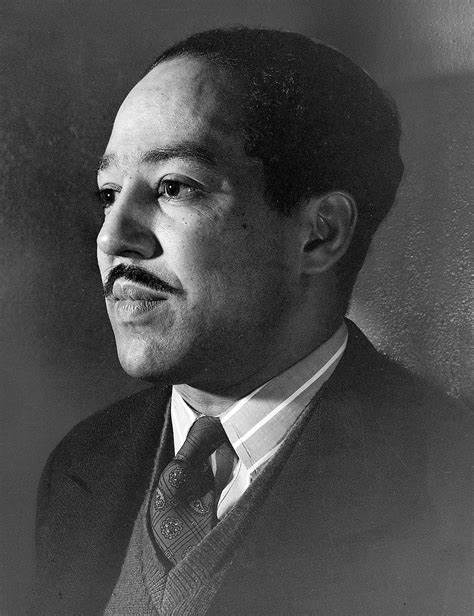
1. Langston Hughes: Renowned for his poetry, fiction, and essays, Hughes captured the rhythms and vernacular of African American life in his works, addressing themes of identity, heritage, and social justice. His seminal poem “The Negro Speaks of Rivers” and his collection “The Weary Blues” are enduring classics of the Harlem Renaissance. Hughes moved so much as a young poet. His work was instrumental in assisting me to develop my style as a writer.
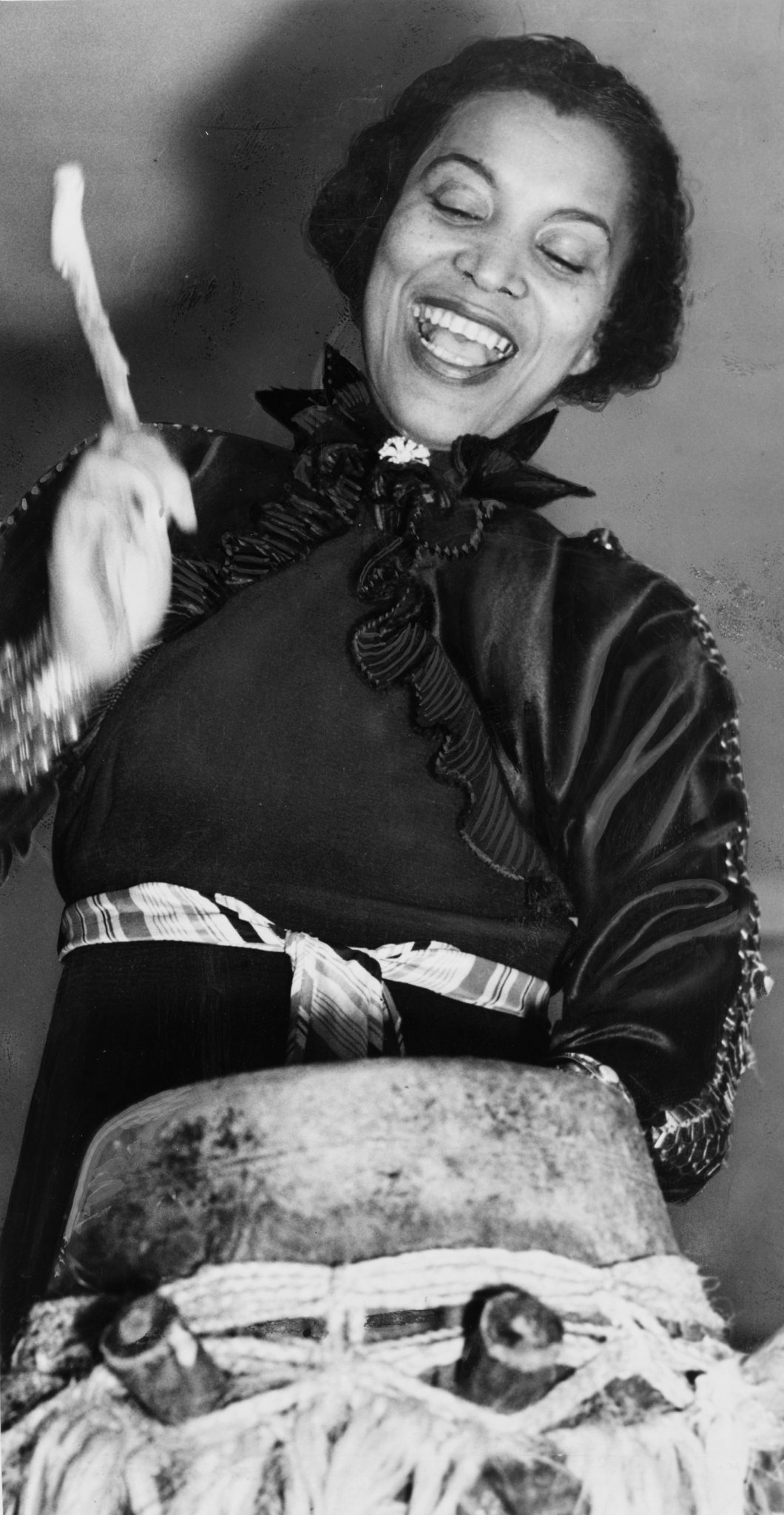
2. Zora Neale Hurston: A pioneering novelist, folklorist, and anthropologist, Hurston celebrated the culture and traditions of the rural South in her writing, challenging stereotypes and portraying the complexity of African American life. Her masterpiece “Their Eyes Were Watching God” remains a cornerstone of African American literature. Before discovering her, I had such a limited glimpse of the power of the period.
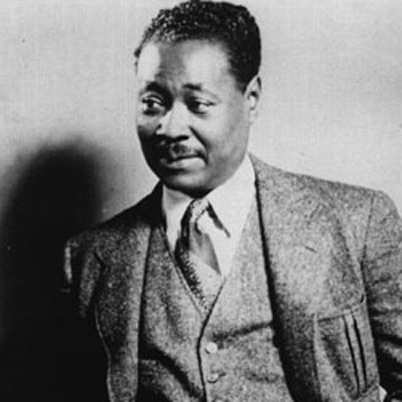
3. Claude McKay: Known for his poetry and novels, McKay explored themes of race, oppression, and resistance in his works, blending elements of traditional English poetry with African American vernacular. His poem “If We Must Die” became a rallying cry against racial violence and injustice. Mckay’s work taught me that I could include hope amidst the verses of pain and despair. He fundamentally affected how I constructed a verse.
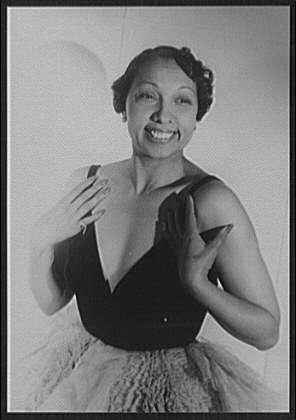
4. Nella Larsen: A gifted novelist, Larsen depicted the complexities of racial identity and social mobility among African Americans in her novels “Quicksand” and “Passing,” shedding light on the psychological and emotional challenges faced by individuals navigating between racial boundaries. Passing took me to a world I seldom acknowledged. She introduced me to the struggles my adoptive grandmother faced. I often wondered about some of Mimi’s beliefs; what were their origins? Passing provided possible answers to my numerous queries.

5. Jean Toomer: Influenced by his experiences in the rural South and Harlem, Toomer’s experimental novel “Cane” defied conventional literary genres, blending poetry, prose, and drama to explore the lives of African Americans in the post-Reconstruction era. Often, I experimented with the combination of prose and poetry. For example, I was often ridiculed for my attempts. I knew it could be done. Not only done, but done well. I was introduced to Toomer and his Cane. I ceased doubting myself and continued writing. When I read Jason Reynolds, I am reminded of Toomer.
These writers and many others challenged prevailing literary conventions and redefined the African American literary tradition, enriching American literature with their diverse voices and perspectives. Here are a few more of the notable writers of the period.
Artistic Achievements and Cultural Impact:
Beyond literature, the Harlem Renaissance encompassed a rich tapestry of artistic expressions, including music, visual arts, theater, and dance. Jazz, with its improvisational style and syncopated rhythms, became the quintessential sound of the era, symbolizing the spirit of cultural innovation and liberation. Musicians such as Duke Ellington, Louis Armstrong, and Bessie Smith rose to prominence, captivating audiences with their electrifying performances and reshaping the landscape of American music.
In the visual arts, African American artists such as Aaron Douglas, Jacob Lawrence, and Romare Bearden explored themes of identity, history, and social justice through their paintings, murals, and collages, contributing to the flourishing of African American artistry and aesthetics.
The Harlem Renaissance also witnessed a resurgence of African American theater, with playwrights such as Langston Hughes, Zora Neale Hurston, and Eugene O’Neill staging productions that reflected the experiences and aspirations of African Americans. The New Negro Movement, as articulated by Alain Locke in his seminal anthology “The New Negro,” sought to challenge racial stereotypes and promote a positive image of African American culture and identity.
The legacy of the Harlem Renaissance extends far beyond its immediate historical context, influencing subsequent generations of artists, writers, and activists and contributing to the ongoing struggle for racial equality and social justice. By reclaiming their cultural heritage and asserting their creative agency, the participants of the Harlem Renaissance paved the way for greater recognition and appreciation of African American contributions to American culture and society.
Conclusion:
The Harlem Renaissance is a testament to the African American community’s resilience, creativity, and cultural vitality in adversity. Through their artistic achievements and intellectual pursuits, the participants of the Harlem Renaissance challenged prevailing racial stereotypes, celebrated the richness of African American culture, and laid the groundwork for a more inclusive and equitable society. As we commemorate the legacy of the Harlem Renaissance, remind us of the enduring power of art and culture to inspire, uplift, and transform lives, transcending barriers of race, ethnicity, and nationality.

Here is my response to RDP’S reconcile
I had been for a long time until it ran out of places to go. I ended up here sitting in the darkness hollowed out. I expected to find anything once I arrived, but I found her. She was sipping gas station coffee, grimishing each sip. Her gaze trapped in the moment between breaths. We started something in the next moment that should have lasted a lifetime. She captured my heart, so I gave her my soul.War reared its ugly head and took her snarling. Before that moment, we argued. About what I can’t remember, but now it’s too late to reconcile.
Here is my response to week 6 of Glynn’s Mixed Music Bag
On my birthday in 1983, a back known as Chicago released an album which inadvertenly changed my life. Yes I know, you hear things such as these all the time and they rather rise to the occasion. Yet, I submit you the following; let us stop for a moment and consider that event may in some significant changed the person describing the incident’s life. Though, the event may be small for us it may majestic for them at the time. We have no way of knowing.
However, for me I will never forget the name of the band who meant so much to me, but I didn’t know it at the time. Allow me to explain. In 1983, they had just released to album it was a big deal at the catholic school I attended. One lucky young lady had the album and agreed to play it at our Confirmation. I believe it was Chicago 17 but I’m not sure. Well, I kept bumping into the record player and ended up scratching the album to hell. I was supposed to replace it, but never did. So from that point, I cringed every time I heard someone talking about Peter Cetera and Chicago.
The strange thing was I had several songs by the band recorded on cassette. I had no idea I was listening to Chicago. The songs were from their earlier albums and I love these songs still. So, a little over decade ago, I come across a list of the 1001 albums you need to hear before you die or some nonsense like that. I ran across an album by a band called the Chicago Transit Authority. I listened and it contained several of my favorites. So, finally I knew who recorded these songs. After researching a little further, I discovered Chicago Transit Authority was actually my dreaded Chicago. I looked at my computer screen and silently screamed.
Though, I haven’t listened any of there work from the 80’s, I still jam their earlier with gusto. Yeah, don’t judge me!
Here are the particulars about the band
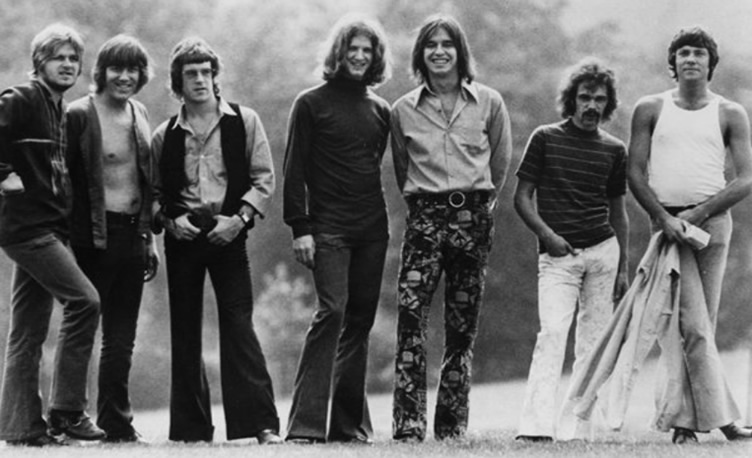
In the grand tapestry of music history, certain bands stand out for their exceptional talent and profound impact on the cultural landscape. Among these luminaries is the band Chicago, a group that transcended boundaries and defied conventions to etch its name into the annals of musical history. From its humble beginnings in the late 1960s to its enduring presence in the contemporary music scene, Chicago has captivated audiences with its eclectic blend of rock, jazz, and pop, leaving an indelible mark on generations of listeners worldwide.
Origins and Evolution:
Chicago’s journey began in 1967 when a group of young musicians from DePaul University formed a rock band that would soon revolutionize the music industry. Originally known as The Big Thing, the band underwent several transformations before settling on the name Chicago Transit Authority, paying homage to the bustling city that inspired their sound. Led by the visionary partnership of Robert Lamm, Terry Kath, and James Pankow, Chicago quickly distinguished itself with its innovative fusion of rock instrumentation and jazz-inflected arrangements.
The band’s eponymous debut album, released in 1969, served as a bold declaration of their musical prowess, featuring a dynamic blend of brass-heavy compositions and intricate instrumental passages. Tracks like “Beginnings” and “Does Anybody Really Know What Time It Is?” showcased Chicago’s knack for crafting sophisticated arrangements while maintaining an infectious sense of groove. Bolstered by critical acclaim and commercial success, the album laid the foundation for Chicago’s meteoric rise to fame.
In the ensuing years, Chicago continued to push the boundaries of their sound, experimenting with different genres and incorporating diverse influences into their music. Albums such as “Chicago II” and “Chicago V” showcased the band’s versatility, blending rock anthems with soulful ballads and complex jazz compositions. With each new release, Chicago further solidified its reputation as a musical powerhouse, earning accolades and amassing a diverse devoted fan base.
Innovative Fusion:
One of Chicago’s most distinctive features is its innovative use of horns, which became a signature element of the band’s sound. Unlike traditional rock bands that relied solely on guitars and keyboards, Chicago integrated a full brass section into its lineup, comprising saxophones, trumpets, and trombones. This unconventional approach set Chicago apart from its contemporaries and allowed the band to explore new sonic territories, infusing their music with a rich tapestry of textures and colors.
The seamless fusion of rock and jazz elements became a hallmark of Chicago’s style, earning them widespread acclaim and admiration from audiences and critics alike. Tracks like “25 or 6 to 4” and “Make Me Smile” exemplify the band’s ability to marry intricate instrumental arrangements with catchy melodies, creating a sound that is both sophisticated and accessible. Chicago’s innovative approach to songwriting and arranging paved the way for countless artists to explore new avenues of musical expression, leaving an indelible mark on the evolution of popular music.
Enduring Legacy:
Over five decades since its inception, Chicago’s legacy remains as vibrant as ever, with its music continuing to resonate with global audiences. With a discography spanning 25 studio albums and countless hits, the band has left an indelible imprint on the fabric of popular culture, influencing subsequent generations of musicians across genres.
From sold-out concerts to prestigious awards, Chicago’s impact on the music industry is undeniable. Inducted into the Rock and Roll Hall of Fame in 2016, the band has received numerous accolades for its contributions to music, including multiple Grammy Awards and a star on the Hollywood Walk of Fame. Despite facing adversity and tragedy, including the untimely death of guitarist Terry Kath in 1978, Chicago persevered, demonstrating resilience and fortitude in the face of adversity.
Conclusion:
In the ever-changing landscape of popular music, few bands have left as profound a mark as Chicago. Their innovative fusion of rock, jazz, and pop reshaped the musical landscape, inspiring generations of artists and captivating audiences with their timeless melodies and infectious grooves. As they continue to enthrall listeners with their electrifying performances and enduring hits, Chicago stands as a testament to the power of music to transcend boundaries and unite hearts across the globe.
My response to Sadje’s challenge

Do you like the age you are now?
This is one of the easiest questions I’ve answered in a while. The answer is YES. I love it. However, it feels odd to say so when that hasn’t been the case. For decades, I had this thing where I wanted to be older than my age. Almost like I was born during the wrong era or something. The problem I could never settle on a period I really wanted to be from.
Then was the whole “you’re just a kid. You’ll understand when you get older.” I hated being treated like a kid. I refused to believe that age possessed this fountain of wisdom that eluded my entire youth. Often, I wondered what age or day I was going to understand the mysteries of the world suddenly. Would it be on a weekday? Or on the weekends? I hoped for sometime during the week because, let’s face it, on the weekends, there was beer and women to be ignored by. Disgusted or disapproving looks from members of the opposite sex while standing obnoxious with the fellas is a rite of passage.
However, I would like to be on a Monday if it was during the week. Many complain about Monday’s, but I don’t mind so much. Over the years, I found several to be rather pleasant. Tuesdays would be alright, too, yet it doesn’t pop off on Mondays. Any day after is a negative ghost rider. There to much preparation from the pending weekend. You can’t be bogged down with a complex thought. I can see it now, sitting there tugging on your peach fuzz chins, saying, “Hmm.” For those fellas who could grow full beards in high school, I am jealous.
I enjoy my age now because all I have to do is sit around looking at people like they’re crazy. Who needs cable? Have you ever looked at the younger folks when you get older? They are hilarious, aren’t they? It’s alright. You can admit it. The only drawback is the random, unprovoked ailments that surface periodically. Yes, I said unprovoked. This is my story, and I’m sticking with it. I can speak my mind. I’m old enough to know better but too old to give a shit. After all this crap of wishing I was older, I’m finally in the winter of life. It gets a little chilly at times, but hey. Excuse me while I slip on a sweater.

CHALLENGE RESPONSE
Here is my response to RDP’s prompt: Ink
There’s a thud as my quill hits the desk. My inkwell unleashes a howl mixed with desperation and relief. It’s a little beside itself because I haven’t written anything of note in months. My eyes burn from what was supposed to be all-nighter, but really only a few hours of spits and starts. Baby steps, huh? They got to be better than not writing anything all. At least, that’s what I tell myself as I stare at the ink stained fingers of my aching hands.
I close my eyes and the let the stream of world of random thoughts fill my screen. Each word typed is attempt to rediscover the path to a coherent thought. A thought minus the lure of ineffective painkillers. Taken only to help you forget the torment you’re suffering momentarily. Yet, forget the principle of pain; it’s a reminder we are alive. Each wince, cringe, or scream a verse in the testimony of our lives
Bradbury got it right in a way. We are tattooed neath the surfaces. Each of those tattoos are alive illustrating the moments that matter . Moments we acknowledge, yet include the ones swear that mean anything, but touch us so deeply.
My inkwell unleashes a belch, then stretches. A metallic click fills the room as the licks its lips and throats a “Thank you!” I refill my quill and pull out a fresh notebook. Then lean back in my office chair to rest.
“I knew that shit, you’re such a fucking tease!” My quill and inkwell declare in unison.
I close my eyes and chuckle ….

Leroy Robert “Satchel” Paige, born on July 7, 1906, in Mobile, Alabama, emerged as one of the most iconic and influential figures in the history of baseball. His unparalleled talent, charismatic personality, and enduring legacy make him a trailblazer who transcended race and age barriers, leaving an indelible mark on America’s pastime.
Early Life and Beginnings:
Satchel Paige’s journey into the world of baseball began in the Negro Leagues, the segregated leagues for African American players during a time when Major League Baseball (MLB) remained inaccessible to them. Paige’s early life was marked by poverty and hardship, and he honed his baseball skills by playing for various semi-professional teams in the South.
Negro Leagues Stardom:
Paige’s incredible pitching prowess quickly propelled him to stardom in the Negro Leagues. Known for his lightning-fast fastball, pinpoint accuracy, and a repertoire of tricky pitches, Paige earned a reputation as one of his era’s most dominant and entertaining pitchers. His performances drew crowds and showcased the untapped talent beyond the racial barriers imposed by segregation.

Integration and the Cleveland Indians:
The integration of Major League Baseball in 1947 paved the way for African American players to compete at the highest level. At 42, Satchel Paige made history by becoming the oldest rookie in MLB history when he signed with the Cleveland Indians in 1948. Paige’s arrival in the majors broke down racial barriers, challenging stereotypes and prejudices that had persisted for decades.
Aging Gracefully on the Mound:
Despite joining the majors relatively late in his career, Paige’s impact was immediate. He helped lead the Cleveland Indians to a World Series championship in 1948 and continued to demonstrate his remarkable skill well into his 40s. Paige’s longevity on the mound and his ability to compete at such a high level challenged conventional notions about age and athleticism.
Showmanship and Charisma:
Beyond his athletic prowess, Satchel Paige was known for his charismatic personality and showmanship. His famous quotes, such as “Don’t look back; something might be gaining on you,” and his flamboyant style made him a beloved figure both on and off the field. Paige’s larger-than-life persona contributed to his status as a legendary figure in American sports history.

Legacy and Recognition:
Satchel Paige’s impact extended far beyond his playing days. In 1971, he became the first player from the Negro Leagues to be inducted into the Baseball Hall of Fame. This recognition underscored not only Paige’s achievements but also the significance of the Negro Leagues in shaping the history of baseball.
On May 31, 1981, the ABC made-for-television movie Don’t Look Back: The Story of Leroy ‘Satchel’ Paige aired, starring Louis Gossett Jr. as Paige. This is the first time I ever heard of Satchel Paige. Paige was paid $10,000 for his story and technical advice. The film was based on the 1962 book, Maybe I’ll Pitch Forever. In August, with great difficulty because of health problems, he attended a reunion of Negro league players held in Ashland Kentucky.
Satchel Paige’s journey from the segregated Negro Leagues to the grand stage of Major League Baseball is a testament to his resilience, talent, and trailblazing spirit. Beyond the records and accolades, Paige’s legacy endures as a symbol of breaking barriers and challenging stereotypes. His contributions to the integration of baseball and the broader fight against racial injustice make him a figure of enduring significance in the annals of American sports history.

The Tulsa Race Massacre, which occurred in 1921, remains one of the most horrific instances of racial violence in American history. This tragic event, often overshadowed in the annals of history, resulted in the destruction of a prosperous Black community, fondly known as the “Black Wall Street,” in Tulsa, Oklahoma. This essay aims to delve deeper into the formation of Black Wall Street, the heart-wrenching events of the massacre, and the enduring impacts it had on the community and American society at large.
In the first two decades of the 20th century, the Greenwood District in Tulsa, Oklahoma, became a sanctuary for African American business growth and wealth accumulation. This was an era marked by racial segregation and the oppressive Jim Crow laws. Yet, against these odds, a thriving and vibrant community emerged in Greenwood.
The district was home to a plethora of successful businesses, including grocery stores, banks, law offices, and medical services. Elegant homes dotted the landscape, and cultural institutions like churches and schools contributed to a rich social fabric. The area soon earned the moniker “Black Wall Street,” symbolizing the economic power and prosperity of the African American community in the face of racial adversity.

On May 31, 1921, a series of unfortunate events sparked a violent racial conflagration. A young African American shoe shiner, falsely accused of assaulting a white woman, became the catalyst that ignited racial tensions. A white mob, bolstered by individuals deputized by local law enforcement, launched a brutal attack on the Greenwood District.
Over two harrowing days, the mob pillaged the district, burning down businesses, homes, and churches. The destruction was vast and comprehensive, resulting in the obliteration of 35 city blocks. The violence took the lives of an estimated 300 African Americans, leaving thousands homeless and the community in ruins.
The aftermath of the massacre was nothing short of devastating. The once-thriving Greenwood District was reduced to ashes; its prosperity was swept away in a tidal wave of violence and hatred. Residents who had once enjoyed relative wealth and stability were left impoverished, their dreams and aspirations shattered.
In a further blow to the community, the massacre was covered up for decades. No substantial reparatory actions were taken, and the event was not included in the state’s history curriculum until 2000. The victims and their descendants were left to grapple with the emotional and economic scars of the massacre, devoid of any formal recognition or justice.
However, the dawn of the 21st century brought a renewed push for recognition and reparations. The centennial of the massacre in 2021 brought national attention to the event, sparking calls for justice, racial healing, and reparations. Archaeological investigations have also been initiated, aiming to uncover mass graves and provide a more accurate account of the massacre’s horrific toll.
The Tulsa Race Massacre is a painful and crucial part of America’s racial history. Its legacy serves as a stark reminder of the systemic racism that African Americans have faced and continue to face. Today, as the nation grapples with racial injustices, the story of the massacre and the destruction of the “Black Wall Street” serves as a rallying cry for equality, justice, and reparations. We must remember and learn from this dark chapter to build a more equitable and inclusive future.

I discovered Sister Rosetta Tharpe by accident. I was working on my novel and let my Blues playlist play on. I found myself stuck between my prose and the music. It’s one of my favorite places while I’m writing. I found myself lost in an ole’ blues standard. However, the more I listened, the more I realized the tune was different. I stopped and looked at the artist’s name. It was Sister Rosetta Tharpe. I wasn’t familiar with the name, but her sound was familiar.
As I investigated her music, I realized why her sound was so familiar. I remember hearing her music playing in the kitchen of my grandmother. My grandmother would clap, dance, and sing along with her music while she prepared different meals.

Sister Rosetta Tharpe was a pioneering figure in the history of American music. With her distinctive blend of gospel, blues, and rock and roll, Tharpe had a far-reaching impact that continues to be felt to this day. Her unique sound and style were not just revolutionary in terms of music, but also in terms of the societal norms of her time, adding another layer to her legacy.
Born on March 20, 1915, in Cotton Plant, Arkansas, Tharpe displayed musical talent from a very young age. She was raised in a family where religious music was a fundamental part of life, and this early exposure set the stage for her eventual career. She began performing at church services when she was just four years old, accompanied by her mother on guitar. By the age of six, Tharpe was a featured performer in a traveling evangelical troupe, demonstrating her prodigious talent and the power of her voice.
As a teenager, Tharpe moved to Chicago, a city known for its vibrant music scene. She quickly became a sensation in the city’s thriving gospel scene. Her powerful voice and unique guitar playing style set her apart from other artists, and she was soon performing to packed houses throughout the city. This was just the beginning of an illustrious career that would see her reach phenomenal heights.
In 1938, Tharpe took another major step in her career when she moved to New York City and signed with Decca Records. Her first record was an instant success, and she quickly became one of the most popular gospel artists in the country. Tharpe’s style was unique and groundbreaking; she combined the raw emotion of gospel with the driving rhythms of blues and rock and roll, creating entirely her own sound.
Even though Tharpe was a gospel artist, her music transcended the genre and appealed widely. She performed at nightclubs and theaters, breaking down barriers between sacred and secular music. Tharpe was a trailblazer in many ways – she was one of the first black women to perform with a white orchestra, and she was also one of the first artists to use heavy distortion on her electric guitar. This technique would later become a staple in rock music.
Tharpe’s influence extended far beyond her own career. She was a major influence on artists like Elvis Presley, Chuck Berry, and Johnny Cash. Her distinctive guitar-playing style paved the way for the development of rock and roll, and her powerful voice continues to inspire singers to this day. It is a testament to her talent and impact that she influenced such iconic figures in music.
Sister Rosetta Tharpe passed away on October 9, 1973, but her legacy remains. She was posthumously inducted into the Rock and Roll Hall of Fame in 2018, a fitting tribute to a woman who did so much to shape the course of American music. Her impact is not only seen in the music of those who came after her, but also in the way she broke down racial and gender barriers in her lifetime. Her life and career serve as an inspiring example of the power of music and the strength of individuality.


I’ve been here over a week. I’m not sure I have I left here on the front. My body is waging war against my spirit. My spirit is losing, but the battle is far from over. Last Monday, I walked into the ED thinking one thing and discovering another. Each day, we take another step toward victory. Each day, it feels we take five steps back toward defeat.
Despite this, I gaze upon the evening skew finding strength in its beauty. Each sighs becomes the breath of hope. In each breath I finds courage.

ARTICLE – MINI BIOGRAPHY – HISTORY
The Magnuson Act, also formally known as the Chinese Exclusion Repeal Act of 1943, is a monumental piece of legislation in the rich history of the United States. This act served as a pivotal turning point, marking the end of the infamous Chinese Exclusion Act, which had severely restricted Chinese immigration to the U.S. for over six decades.
The Magnuson Act directly responded to the overtly discriminatory Chinese Exclusion Act of 1882. This exclusionary act had effectively brought Chinese immigration to the U.S. to a grinding halt. Amidst the dramatic backdrop of World War II, on December 17, 1943, President Franklin D. Roosevelt signed the Magnuson Act into law. At that time, the United States was in a strategic alliance with China, battling against the Axis powers. Repealing the Exclusion Act was not just a formality; it served as a powerful gesture of goodwill towards China, strengthening the diplomatic ties between the two nations.
Despite being symbolic, the Magnuson Act was not merely a political gesture; it had significant and tangible effects on the country’s socio-political landscape. While it finally allowed Chinese immigrants to become fully naturalized U.S. citizens, the Act simultaneously imposed an annual limit on Chinese immigration, capping it at 105 individuals per year. This restriction clearly reflected the discriminatory national origins quota system that was firmly in place at the time. Despite the quota, the passage of the Act signaled a significant step toward racial equality in American immigration policy. It was the first law since the Naturalization Act of 1790 to permit the naturalization of Asian immigrants, marking a progressive shift in the nation’s legal framework.
The Magnuson Act was a foundational piece of legislation that paved the way for future changes to U.S. immigration policy. It served as a critical stepping stone towards the Immigration and Nationality Act of 1965, eventually abolishing the national origins quota system. The Act’s legacy is visible in the diverse and multicultural society that America has evolved into today. However, it also serves as a stark reminder of the country’s history of racial discrimination and exclusion, a sobering chapter in the nation’s past.
In conclusion, the passage of the Magnuson Act was a watershed moment in the history of American immigration policy. While it did not immediately eradicate all forms of racial discrimination, it marked a significant shift towards an increasingly inclusive society. The implications of the Magnuson Act continue to resonate today in the diverse social fabric of America, serving as a testament to the nation’s ongoing progress toward achieving equality and justice in immigration. The Act is a shining example of how the United States has evolved and continues to evolve in its approach toward immigration and naturalization, demonstrating its commitment to embracing diversity and equality.


Robert Smalls (1839–1915) emerged from the crucible of slavery to become one of the most remarkable figures in American history, a testament to resilience, courage, and determination. His journey from enslavement to statesmanship reflects not only the indomitable spirit of one man but also the broader struggles for freedom and civil rights during a tumultuous period in the nation’s history.
Born in Beaufort, South Carolina, in 1839, Smalls spent his early years in bondage. However, evidence of his spark of resistance and an unyielding desire for freedom burned within him, accumulated with his daring escape from slavery in 1862, catapulted him into the annals of American heroism and set the stage for a remarkable career in public service.
Smalls’ defining moment occurred on May 13, 1862, when he, along with several enslaved crew members, commandeered the Confederate transport ship, the CSS Planter, in the harbor of Charleston, South Carolina. Under the cover of darkness, Smalls piloted the ship past Confederate checkpoints, even replicating the signals to avoid suspicion. The audacious escape resulted in Smalls delivering the ship, its valuable cargo, and a group of enslaved individuals to Union forces, securing freedom for himself and his fellow escapees.
Smalls’ daring act garnered national attention and earned him the admiration of abolitionists and leaders alike. His story became a symbol of resistance and a powerful narrative that challenged the prevailing racist ideologies of the time.
Following his escape, Robert Smalls dedicated himself to the cause of emancipation and civil rights. He played a pivotal role in recruiting Black soldiers for the Union Army and Navy, recognizing the potential of African-American military service as a catalyst for broader social change.
After the Civil War, Smalls entered the world of politics with the same passion and commitment that characterized his earlier endeavors. He became involved in the Reconstruction-era government of South Carolina, serving as a delegate to the state’s constitutional convention in 1868. Subsequently, he was elected to the South Carolina State Senate and later to the U.S. House of Representatives.
In Congress, Smalls continued his advocacy for civil rights and social justice. He championed legislation that sought to protect the rights of formerly enslaved individuals and worked towards building a more inclusive and equitable society. His efforts included promoting education for Black children and pushing back against the oppressive Black Codes that sought to limit the freedoms of African Americans in the post-war South.
Robert Smalls’ legacy extends far beyond his daring escape from slavery. His contributions to the political landscape of the Reconstruction era underscore the transformative power of resilience and courage. Smalls’ life serves as an enduring example of how one individual, against all odds, can transcend the shackles of oppression and contribute to the ongoing struggle for justice and equality.
As we reflect on Robert Smalls’s life, we are reminded that the fight for civil rights is built on the shoulders of those who dared defy the status quo. His journey from enslavement to statesmanship stands as a beacon of hope and a testament to the enduring spirit of those who strive for freedom and justice for all.

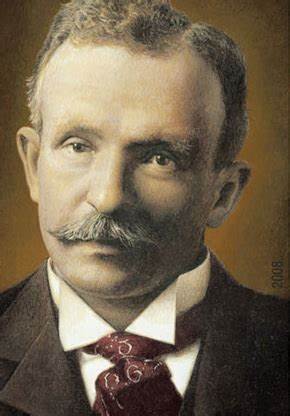
Charles Waddell Chesnutt (1858–1932) was a trailblazing African American writer, essayist, and activist whose literary contributions were crucial in challenging racial stereotypes and advancing the cause of civil rights during the late 19th and early 20th centuries. Chesnutt’s work is celebrated for exploring complex social issues and its keen insight into the African American experience in post-Civil War America.
Born in Cleveland, Ohio, to free African American parents, Chesnutt experienced a unique background that influenced his perspective on race and identity. His family’s relative affluence and mixed-race heritage allowed Chesnutt to receive an education that many African Americans of his time were denied. After completing his education, Chesnutt worked as a teacher and stenographer, developing a strong foundation in language and communication that would later shape his literary career.
Chesnutt’s literary career began with publishing short stories in prominent magazines, earning him recognition for his skillful storytelling and social commentary. His breakthrough came with the publication of “The Conjure Woman” in 1899, a collection of short stories that employed dialect and folklore to explore the complexities of race and power dynamics in the South. This collection established Chesnutt as a prominent voice in American literature, challenging prevailing stereotypes and presenting a nuanced portrayal of African American life.
One of Chesnutt’s most notable novels is “The Marrow of Tradition” (1901), which addresses racial tensions and violence in the South during Reconstruction. Drawing inspiration from historical events such as the Wilmington Insurrection of 1898, Chesnutt’s novel explores the impact of racism on individuals and communities, providing a searing critique of the injustices African Americans faced.
Chesnutt’s literary contributions extended beyond fiction. He also wrote essays and speeches addressing his time’s social and political issues. His advocacy for racial equality and civil rights was evident in his writings and public engagements, making him a respected figure in the African American intellectual community.
Despite his significant contributions to American literature, Chesnutt’s works did not achieve widespread recognition during his lifetime. The prevailing racial attitudes of the era hindered the reception of his writings. However, in the decades following his death in 1932, there has been a renewed appreciation for Chesnutt’s literary achievements and his pioneering role in the African American literary tradition.
Charles W. Chesnutt’s legacy is a testament to his courage in addressing racial injustices through literature. His writings challenged stereotypes and provided a nuanced understanding of the African American experience during a tumultuous period in American history. Today, Chesnutt is celebrated as a pioneer whose work laid the foundation for future generations of African American writers and intellectuals.


In the annals of American journalism, Percival Prattis stands as a trailblazer, a visionary journalist who shattered racial barriers and paved the way for greater diversity in the press. Born in Trinidad in 1895, Prattis would become a distinguished reporter and the first Black journalist to gain access to the prestigious U.S. Congressional Press Gallery, leaving an indelible mark on the history of American journalism.
Prattis’s journey into journalism began with his early career at the Pittsburgh Courier, a prominent African American newspaper. His exceptional investigative reporting talent and unwavering commitment to social justice quickly garnered attention. In 1925, Prattis made history when he became the first African American Associated Press member (AP) member.
His role at the AP was not just a personal triumph but a significant stride toward breaking down racial barriers in mainstream media. Prattis’s journalistic prowess and determination to challenge systemic racism and inequality positioned him as a pivotal figure in the African American press during a crucial period in American history.
The pinnacle of Prattis’s groundbreaking career occurred when he secured a coveted spot in the U.S. Congressional Press Gallery, making history as the first Black reporter to achieve this milestone. The Congressional Press Gallery, located in the United States Capitol, is a prestigious enclave for journalists covering Congress’s proceedings. Prattis’s presence in this historically exclusive space marked a profound moment in the ongoing struggle for racial equality.
His groundbreaking achievement took place on February 3, 1947, when the United States was grappling with the challenges of post-World War II reconstruction and the burgeoning civil rights movement. Prattis’s reporting from Capitol Hill provided insight into legislative affairs and served as a powerful testament to the capacity of African American journalists to excel in arenas traditionally dominated by their white counterparts.
Prattis’s work in the Congressional Press Gallery was characterized by a commitment to unbiased reporting and a dedication to shedding light on the issues affecting the African American community. He used his platform to advocate for civil rights, using the power of his pen to challenge discriminatory practices and contribute to the ongoing dialogue about racial justice in America.
Beyond his achievements in journalism, Prattis was actively involved in civil rights organizations, including the National Urban League. His multifaceted approach to advocacy exemplified a holistic understanding of the interconnectedness of media, legislation, and societal change.
Percival Prattis’s groundbreaking journey as the first Black reporter in the U.S. Congressional Press Gallery serves as an enduring inspiration for journalists today. His legacy underscores the importance of diverse voices in shaping a nation’s narrative and highlights the transformative power of journalism as a force for social progress. As we celebrate the achievements of pioneers like Prattis, we honor their personal triumphs and their enduring contributions to the evolution of a more inclusive and equitable media landscape.
The Geary Act, enacted in 1892, represents a significant chapter in the history of American immigration law. Serving as an extension and reinforcement of the Chinese Exclusion Act of 1882, the Geary Act prolonged the era of discriminatory policies targeting Chinese immigrants and added further restrictions, marking a troubling period in U.S. history.
The Geary Act’s origins can be traced back to the growing anti-Chinese sentiment in the late 19th century. Initially enacted as a ten-year measure, the Chinese Exclusion Act faced expiration in 1892. Concerns over the potential influx of Chinese immigrants led to the introduction and passage of the Geary Act by the U.S. Congress. The legislation extended the exclusion period and intensified the restrictions imposed on the Chinese community in the United States.
One of the key provisions of the Geary Act mandated that Chinese immigrants carry identification papers, commonly referred to as “Chinese Exclusion Certificates,” at all times. Failure to produce these certificates upon demand could result in deportation or other penalties. This requirement subjected Chinese individuals to constant scrutiny and harassment, further marginalizing an already vulnerable community.
The Geary Act extended the Chinese Exclusion Act indefinitely, solidifying anti-Chinese sentiments and institutionalizing discriminatory practices. The act also imposed harsher penalties on those who assisted Chinese immigrants in evading the restrictions, including fines and imprisonment. The Chinese community faced increased challenges as the legislation reinforced stereotypes, perpetuated prejudice, and limited opportunities for social and economic advancement.
The enforcement of the Geary Act led to widespread protests and resistance within the Chinese American community. Advocacy groups and individuals worked tirelessly to challenge the discriminatory provisions of the act, asserting that it violated principles of equality and justice. Despite these efforts, the Geary Act remained in force until its eventual repeal in 1943 with the passage of the Magnuson Act.
The Geary Act, like the Chinese Exclusion Act, stands as a testament to a regrettable period in American history when xenophobia and discriminatory attitudes shaped immigration policies. The legislation contributed to the marginalization of the Chinese community and hindered the pursuit of the American Dream for countless individuals. The eventual repeal of such laws reflected a gradual shift toward more inclusive and equitable immigration policies. Still, the scars of these discriminatory practices continue to resonate in the collective memory of Chinese Americans and serve as a reminder of the ongoing struggle for justice and equal treatment.
Discrimination has been a part of my vocabulary longer than I care to admit. Yet, I didn’t know it applies to people. I spent a good portion of my life fighting for freedom and all that it represents. I knew my country wasn’t perfect; I wasn’t that naive. How could I be as an African-American? I wish I had a better idea of the madness I was fighting against. Stay tuned for tomorrow when we conclude the series on Chinese Immigration Discrimination.

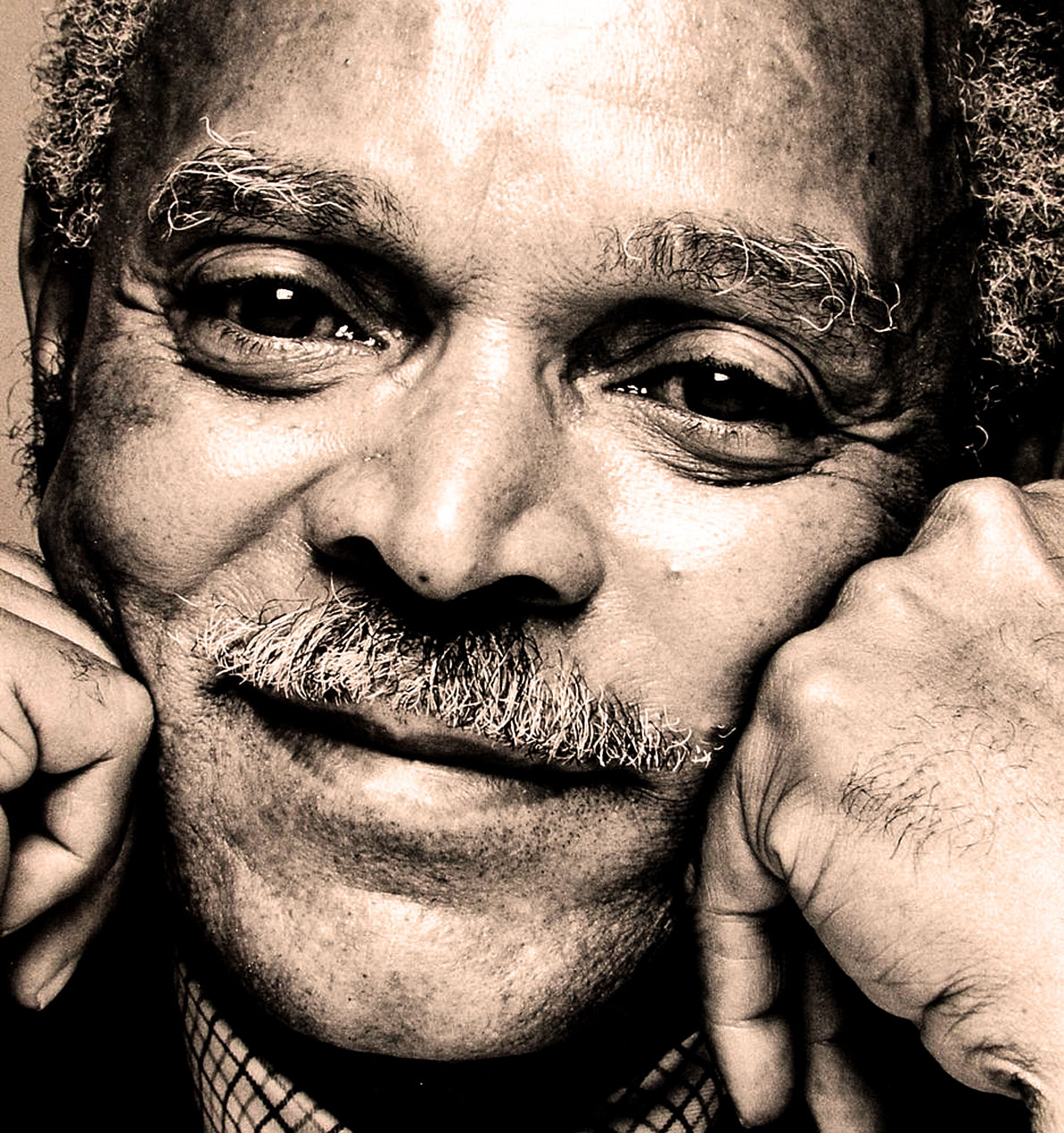
Chester Himes, an acclaimed African American writer, carved a distinct niche with his crime novels that explored the experiences of black characters in the United States. Born on July 29, 1909, in Jefferson City, Missouri, Himes was raised in a middle-class home. This upbringing was notably ordinary until a dramatic event altered the course of his life.
At the tender age of 19, Himes was sentenced to prison for armed robbery. This unfortunate event, however, served as the backdrop for the beginning of his writing career. His years in prison became a fertile ground for creativity, and while confined, Himes began writing short stories. His talent and unique voice were showcased, and his stories were published in national magazines such as Esquire, marking the start of his journey as a recognized writer.
Following his release from prison in 1936, Himes did not abandon his newfound passion. Instead, he continued to write and publish, steadily gaining recognition as a significant voice in African American literature. His works, rooted in his personal experiences and observations, painted a vivid picture of the societal realities faced by African Americans.
In the 1950s, Himes made a bold move by relocating to France. There, he began writing detective novels featuring black protagonists, a genre in which he found considerable success. His most famous works from this period are the “Harlem Detective” series. The series features the characters Coffin Ed Johnson and Grave Digger Jones, two Harlem detectives who navigate a world fraught with crime, racism, and social issues. These novels were celebrated for realism, as Himes used his powerful storytelling to explore Harlem’s complex dynamics of race and class.
Throughout his career, Himes used his writing as a tool to explore themes of race, class, and crime. His narratives presented a unique and unflinching perspective on the African American experience. His works did not shy away from the harsh realities of racial inequality and social injustice, making them deeply resonant and thought-provoking.
Chester Himes passed away in Spain in 1984, but his legacy remains. His powerful and thought-provoking works resonate with readers today, and his contribution to African American literature remains undisputed. Himes’ life and works testify to his courage, resilience, and unyielding commitment to shedding light on the African American experience through his writing.
I didn’t hear of Chester Himes until 2011. I was at a book fair when a random shopper approached me and started telling me about this amazing author. Strangely, he handed me a book, but it wasn’t by Chester Himes. Confused, I took the book, hoping he would leave, but he didn’t. The book was entitled Moth by James Sallis. Finally, he got to his point. It turned out that James Sallis wrote a book about Chester Himes.
Oddly enough, since that day, I have read several books by Chester Himes and James Sallis. I managed to collect a few original pulp editions of Himes’s work. Also, I picked up the Drive series by Sallis, which inspired the motion picture Drive, starring Ryan Gosling. What I haven’t done is read the book about Chester Himes written by James Sallis.


The advent of electric lighting marked a transformative moment in human history, fundamentally altering how we live and work. At the heart of this revolutionary shift was the establishment of the first electric lamp factory, a pioneering endeavor that laid the foundation for widespread electrification and illuminated a path toward a brighter future.
The inception of the first electric lamp factory is closely tied to the visionary work of Thomas Edison, often hailed as the “Wizard of Menlo Park.” Edison, known for his prolific inventions and entrepreneurial spirit, dedicated considerable effort to developing a practical and commercially viable electric light. In 1879, he unveiled the first successful incandescent light bulb, a breakthrough that paved the way for establishing the first electric lamp factory.
Edison’s Menlo Park laboratory in New Jersey served as the epicenter of innovation, where he and his team tirelessly worked to refine the design and production of incandescent light bulbs. The success of Edison’s invention sparked the need for mass production to meet the growing demand for electric lighting, leading to the establishment of the Pearl Street Station in New York City in 1882 – the world’s first central power plant designed to distribute electricity for lighting.
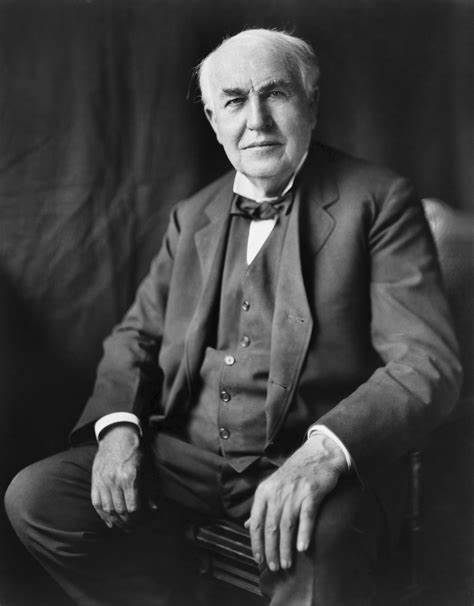
To support the electrification initiative, Edison founded the Edison Electric Light Company, a pioneering venture that incorporated the manufacturing of electric lamps and electricity generation. In 1882, the company established the first electric lamp factory on Goerck Street in Manhattan, New York. This factory was a groundbreaking facility dedicated to the large-scale production of incandescent light bulbs, a feat that had not been accomplished before.
The factory utilized innovative manufacturing processes, including the assembly line, to increase efficiency and output. Skilled workers meticulously crafted and assembled the various components of the incandescent light bulbs, transforming Edison’s invention from a scientific breakthrough into a commercially viable product. The successful operation of the first electric lamp factory marked a turning point in the history of lighting technology, accelerating the adoption of electric lighting in homes, businesses, and cities.
Beyond its immediate impact on lighting, establishing the first electric lamp factory had broader implications for industrialization and urban development. The electrification of cities transformed the nocturnal landscape, providing safer and more efficient illumination for streets and public spaces. The availability of electric light also extended working hours, fostering increased productivity and contributing to the modernization of society.
In the following decades, the electric lamp industry continued to evolve, with advancements in technology and design leading to more energy-efficient and durable lighting solutions. The legacy of the first electric lamp factory endures in the form of the widespread availability of electric lighting, shaping how we live, work, and interact with our surroundings.
As we bask in the glow of modern lighting, it’s important to reflect on the pioneering efforts of visionaries like Thomas Edison and the dedicated workers at the first electric lamp factory. Their collective ingenuity brightened our world and ignited a spark of progress that continues to illuminate our path into the future.
What I like about this post is that it applies to everyone. The speaker speaks to a Christian audience, but I believe it applies to all faiths. It takes more than faith when serving the Master. I been to battle with people of all faiths and their one constant. We believed what we doing was for a better world for our families. Our faith in this concept gave us the strength to do what was necessary. Thank you Fibercraft Grannie for reminder.
This is one of my favorite songs of all time. I remember being a kid snapping my fingers to this track. I didn’t have a clue this Stevie Wonder. It certainly wasn’t the Stevie Wonder I had heard previously.
My response to Glyn’s Mixed Music Bag
For this week’s challenge, I couldn’t decide which band to feature, so I chose to feature two bands I had the privilege of watching on the same day. Let’s get to it, shall we?
Band Maid, an all-female rock band hailing from Japan, has been creating a significant impact on the international music scene with their unique fusion of hard rock, pop, and traditional Japanese music. The band is known for their distinctive aesthetic, which blends traditional maid outfits’ visual elements with rock and roll’s edginess.
Their powerful performances and energetic live shows have earned them wide acclaim. Each member of Band Maid is a skilled musician, and their concerts are known to showcase their musical prowess, defying the stereotypical image of a “maid.” The band’s sound, characterized by heavy guitar riffs, powerful drums, and catchy melodies, is familiar and fresh to the listeners.
Their stage presence is charismatic, engaging audiences worldwide and earning them a cult following. Their music and unique aesthetic set them apart in the rock scene, making them stand out.
Band Maid has also made significant strides in spreading their music globally. They have toured extensively, performing in countries like the US, UK, and Germany, and have released several albums that have been well-received by critics and fans alike. Their unique blend of hard rock, pop, and Japanese music, coupled with their distinct aesthetic, has made them a standout act in the world of rock music.
In conclusion, Band Maid is not just a novelty act. They are skilled musicians with a unique sound and look that sets them apart from other bands. Their music is powerful and catchy, and their performances are energetic and engaging. Band Maid’s unique blend of hard rock, pop, and traditional Japanese music is a breath of fresh air in the rock scene, and their increasing popularity worldwide is a testament to their talent and appeal.
Personal Reaction:
I take my metal seriously. I’ve been a metalhead before It was cool. So, I will not be swayed by attractive women dancing around in maid uniforms. I’m not having such foolishness. It’s no different with male bands that bolster some gimmick. However, my brother said they were good, and he hadn’t let me down yet, so I listened. Armed with skepticism by God.
All I can say is those ladies threw down. Totally blown away. If you get a chance, check them out.
Badflower, the Los Angeles based American rock band, is making significant strides in redefining the rock genre with their unique and raw sound that resonates deeply with listeners. Their gritty and emotionally resonant music is a stark contrast in an era dominated by synthesized pop and electronic music, reminding listeners of the visceral energy of early punk rock bands, further enriched by the sophistication of modern alternative music.
Their rise to fame was not simply overnight. It resulted from relentless touring, engaging live performances, and their compelling sonic experience. Their debut album, “OK, I’m Sick,” was a turning point, receiving critical acclaim upon its release in 2019. This album propelled them to the forefront of the rock scene. The album’s lead single, “Ghost,” was a commercial success, earning a gold certification from the RIAA and reaching the top of the Billboard Mainstream Rock chart. This success has been consistent with their subsequent releases, solidifying their status as one of the decade’s most exciting new rock bands.
Badflower’s success proves the continued relevance and demand for rock music in an era when pop and hip-hop typically dominate the charts. Their raw and emotive sound and thought-provoking lyrics have resonated with a new generation of rock fans, showing that rock music can still be fresh, innovative, and impactful.
Personal Reaction:
Badflower’s set was after Band-Maid- not directly after, but after. Now, we had seen Badflower previously and were excited to see them again. This show was great, but something happened during the set that sticks with me.
So, the band was playing Ghost, and something was happening in the audience. They stopped the show. They made sure the fan was okay before continuing. I’ve seen that before. Badflower is a definite class act.
Twenty or so years ago, I had the privilege of watching the legendary B.B. King. My late wife was a tremendous fan, and I was like, he got a couple songs I like. I’ve always been more of a John Lee Hooker fan. So, one year, I had just returned from a very long assignment and wanted to do something special for my wife. I had no idea what special would be, but I wanted to do something. I kept looking for something and wasn’t having any luck. Then, one of the soldiers left a newspaper on the desk, and I found what I looking for.
B.B. King was giving a Mother’s Day special concert. So I bought tickets. I told her the three hours before the concert. She didn’t believe me. I produced the tickets, and she got dressed. Mind you, I never saw my wife get dressed that fast the entire time we were married. She even had to lay out some appropriate attire for me. Apparently, jeans, t-shirts, and boots wouldn’t cut it to see B.B. King. I protested and then quickly got dressed.
Did you know B.B. King had a jazz band? His band played a full set of jazz standards before King joined them on the stage. The show was about three hours long. It was one of the best shows I have seen. Yeah, but I’m still more of a John Lee fan.
Here is a version of a classic my wife and I both loved
While researching the Transcontinental Railroad, I discovered the involvement of African American and Chinese immigrants in its construction. Because of the post-Civil War era, I investigated Chinese immigrant involvement further. This is when I discovered how the United States treated the Chinese people. I was taken aback because of how much American culture influences Chinese culture.
This discrimination, which started in 1882 and ended in 1965, paints a dark chapter in American history that has fortunately been rectified to some degree. Over the next few days, I will post mini-articles discussing this discrimination.
Enacted in 1882, the Chinese Exclusion Act stands as a stark reminder of a regrettable period in American history when xenophobia and discriminatory policies shaped immigration laws. This legislation marked the first time in the United States that a specific ethnic group was targeted and banned from entering the country, reflecting a troubling trend of prejudice and fear.
The roots of the Chinese Exclusion Act can be traced back to the mid-19th century, when Chinese immigrants arrived in significant numbers, primarily seeking economic opportunities during the California Gold Rush and later contributing to the construction of the transcontinental railroad. As their numbers increased, so did anti-Chinese sentiment among some segments of the American population.
The act, signed into law by President Chester A. Arthur, was ostensibly aimed at addressing economic concerns and protecting American jobs. It prohibited the immigration of Chinese laborers for ten years and explicitly denied Chinese immigrants the opportunity to become naturalized citizens. The Geary Act later extended the act in 1892, making the exclusion indefinite.
The Chinese Exclusion Act had severe consequences for the Chinese community in the United States. Families were separated, and those who left the country faced difficulties returning. The law fueled racial tensions and discrimination against Chinese immigrants, who were often subjected to violence and prejudice. Chinese communities were marginalized and isolated, facing social and economic hardships as a result of discriminatory policies.
The impact of the Chinese Exclusion Act extended beyond its initial enforcement period. The legislation remained in effect until 1943, when the Magnuson Act repealed it, largely due to the geopolitical context of World War II and the alliance between the United States and China against common enemies. The repeal, however, did not immediately eliminate discriminatory practices and attitudes towards Chinese immigrants.
The Chinese Exclusion Act remains a dark chapter in American immigration history, representing a period when fear and prejudice influenced policy decisions. In 2012, the U.S. Congress officially expressed regret for the discriminatory laws against Chinese immigrants, acknowledging the injustice and hardship imposed on the Chinese community during that era.
The legacy of the Chinese Exclusion Act serves as a poignant reminder of the importance of upholding principles of equality, justice, and fairness in shaping immigration policies. As the United States continues to grapple with issues of immigration and diversity, reflecting on the past can provide valuable insights into building a more inclusive and equitable future.

While serving in the military, I never heard of these guys. Once I got out, I started researching military units during wartime. I came across this picture, and it just intrigued me. I have hours of data about this unit and others like it. I thought I would share a very quick overview of this amazing collection of men.

The Harlem Hellfighters, officially known as the 369th Infantry Regiment, were a remarkable group of African American soldiers who served with distinction during World War I. Despite facing racism and segregation in the United States, these courageous men showcased exceptional bravery and resilience on the battlefield, earning respect and admiration from both allies and enemies.
Formed in 1913, the 369th Infantry Regiment was originally a New York National Guard unit. When the United States entered World War I in 1917, the Harlem Hellfighters were among the first African American units to be sent to Europe. However, due to racial prejudices prevailing at the time, they were assigned to the French Army under the command of General Philippe Petain.
The Harlem Hellfighters served on the front lines for 191 days, more time in continuous combat than any other American unit during World War I. They faced intense fighting in the trenches, enduring not only the perils of war but also racism from their fellow citizens. Despite the challenges, they demonstrated exceptional courage in battles such as the Meuse-Argonne Offensive, where they fought tirelessly to overcome the enemy.
One of the most remarkable aspects of the Harlem Hellfighters’ legacy is their introduction of jazz music to Europe. The regiment’s band, led by Lieutenant James Reese Europe, played a significant role in popularizing this uniquely American art form abroad. Their performances entertained both troops and civilians, breaking down cultural barriers and contributing to the global recognition of jazz as a vibrant and influential genre.
The Harlem Hellfighters returned home as heroes, but their fight for equality did not end on the battlefield. Their experiences in World War I played a pivotal role in the broader struggle for civil rights in the United States. The recognition of their sacrifices and achievements contributed to the eventual desegregation of the military and laid the groundwork for the African American soldiers who would follow in their footsteps.
In 2019, a century after their heroic service, the Harlem Hellfighters were posthumously awarded the Congressional Gold Medal, further acknowledging their contributions and sacrifices. Their legacy remains an integral part of American history, serving as a testament to the strength, resilience, and courage of those who fought for justice and equality, both on and off the battlefield.
Black History Month, originally known as Negro History Week, has a profound origin rooted in the efforts of historian Carter G. Woodson. Born in 1875, Woodson dedicated his life to rectifying the historical omission of African Americans’ contributions to the United States.
In 1926, Woodson, along with the Association for the Study of Negro Life and History, established Negro History Week. This week was strategically chosen to coincide with the birthdays of Abraham Lincoln and Frederick Douglass, two individuals who significantly impacted African American history.
The primary objective of Negro History Week was to highlight the achievements, culture, and history of African Americans, which had long been overlooked or distorted in mainstream narratives. Woodson envisioned this observance as a means to foster a deeper understanding of African American heritage among both Black and non-Black communities.
Over time, the celebration gained traction, leading to an increasing recognition of the need for a more extended and dedicated period to explore Black history. In 1976, during the United States Bicentennial, President Gerald Ford officially expanded Negro History Week into Black History Month. This acknowledgment encouraged nationwide reflection on African Americans’ countless contributions throughout American history.
Black History Month has since evolved into a platform for recognizing the achievements and struggles of the Black community, highlighting figures like Martin Luther King Jr., Rosa Parks, Malcolm X, and many others. Educational institutions, community organizations, and cultural institutions across the country actively engage in commemorating Black History Month through various events, exhibits, and programs.
While Black History Month is a crucial time for celebrating and reflecting on African American achievements, it also serves as a reminder of the ongoing need to integrate diverse perspectives into everyday history education. The legacy of Carter G. Woodson’s vision lives on, inspiring continued efforts to ensure that the contributions of African Americans are recognized and appreciated throughout the year.
I’ve reached the age where complaining seems like a superpower. Of course, this expands my current superpower of ranting at the drop of a hat. Not to mention, I drop a few justified gripes when it’s called for. Yet, there are times when I remain silent, but I can’t be held accountable for facial expressions. So, if I think you’re jackass; I don’t have to say a word. My face says it all.
However, lately, the thing that chaps my ass the most is people’s lack of compassion for others. It seems we don’t care about each other like we used to. I get it! Times are different. People are different. I’m no better. I can go days without talking to another person. I’ve always been that way. Anti-social is what they called me. So, trust me, I’m not casting any stones.
I’m sure you have noticed people are walling themselves off more now than ever. As if they prefer interactions on their devices rather than actual human conversation. Another thing I’ve seen is that when you are having these conversations, they aren’t actually listening. There are a lot of head nods and other indicators they aren’t paying attention to, but they are meant to fool you into thinking you’re having a meaningful conversation.
Alas, don’t fret. I, too, have been fooled. We need to slow down, stop, listen, and help one another.
Living with cats is so different from living with dogs. It took a minute to grasp that, but now I believe we have an understanding with each other; I think, maybe. Well at least the best understanding one could have with a cat.
Now when I raised dogs, I’m certain we had an understanding. They pretty much followed all their commands without hesitation, giving enough training and time. However, I remember my first Rottweiler could seem to grasp the concept of saving me at least one Oatmeal Creme Pie. No matter how hard I tried he would goggle them all up. Despite this, I still loved him dearly.

After looking at the RDP Friday prompt. I decided to dig in the subject a little further.
Time, as we understand it, is a dimension. It’s a constant, flowing entity, moving from the past to the present and future. Physicists describe it as the fourth dimension of our universe, following the three spatial dimensions. Unlike the spatial dimensions, however, time has a direction – it is always moving forward, never backward. This unidirectionality of time, often called the ‘arrow of time,’ is a fundamental aspect of its nature.
But what does it mean for time to ‘flow’? This is a question that continues to perplex scientists and philosophers alike. The ‘flow’ of time is often associated with change – the ticking of a clock, the rising and setting of the Sun, the changing of seasons – all are manifestations of time’s ceaseless march forward.
While the nature of time is constant, our perception of it is not. We, as humans, experience time in a highly subjective manner. The exact length of time can often feel different depending on various factors. Sometimes, an hour can feel like an eternity, while at other times, years seem to slip by in the blink of an eye.
Several factors influence this variability in our perception of time. Age, for instance, is often said to alter our perception of time. As we grow older, time passes more quickly. Our mental state – anxious, relaxed, focused, or distracted – can also dramatically affect how we perceive time. Additionally, the activities we engage in and the intensity of our experiences can modulate our sense of time.
Our relationship with time is complex and multifaceted. On the one hand, time is an essential part of our lives – it structures our days, determines the rhythm of our activities, and marks the milestones of our journey through life. On the other hand, time can also be a source of stress and anxiety – the pressure of deadlines, the fear of wasting time, and the relentless clock reminding us of our mortality.
Moreover, our relationship with time is not just individual but also collective. Societies, cultures, and civilizations have their ways of conceptualizing and measuring time – from the lunar calendars of ancient organizations to today’s atomic clocks.
Time plays a pivotal role in our lives. It is a universal measure used to quantify everything from a mayfly’s lifespan to the universe’s age. It governs our daily routines, life events, and even our existence. Understanding and managing time is critical in today’s fast-paced world, where every second counts.
In this context, time management is about efficiency, productivity, balance, and well-being. It’s about making the most of our time, not by filling every moment with activity, but by using our time in a meaningful and fulfilling way.
The measurement of time is an essential aspect of human civilization. It provides structure, order, and predictability to our daily lives and is deeply ingrained in almost every aspect of our existence. This essay explores the historical development of timekeeping, the standard units of time measurement, the modern technologies employed in timekeeping, and the future implications of advancements in this field.
The concept of measuring time has been integral to human societies throughout history. Ancient civilizations such as the Egyptians, Babylonians, and Greeks relied on primitive yet ingenious devices like sundials and water clocks. These devices marked the passage of time using the Sun’s position or water flow, providing these civilizations with a rudimentary but vital sense of temporal order and structure.
As societies progressed, so too did their timekeeping methods. The invention of the mechanical clock in the 14th century marked a significant milestone in the history of timekeeping. Powered by weights and gears, these clocks provided a more accurate and reliable means of measuring time than their predecessors.
The 20th century saw the advent of the atomic clock, a device that measures time-based on the vibrations of atoms. This marked a monumental leap in timekeeping technology, reflecting the immense technological advancements of the era.
The standard units of time—seconds, minutes, hours, days, weeks, months, and years—are universally recognized and utilized. These units were primarily based on the movements of the celestial bodies. For instance, a day is determined by the rotation of the Earth on its axis, while a year is defined by the Earth’s orbit around the Sun.
The second, the base unit of time in the International System of Units, was redefined in 1967 regarding the oscillation period of a cesium-133 atom. This redefinition provided an exact time measurement unit, demonstrating humanity’s growing understanding of the natural world and our ability to harness it for our needs.
In the present day, timekeeping has become more precise and accurate due to technological advances. Atomic clocks, which use the vibrations of atoms to measure time, are currently the most precise timekeeping devices known to man. These clocks are pivotal in various fields, including telecommunications, scientific research, and global navigation satellite systems such as GPS.
Other modern technologies have also revolutionized timekeeping. Digital clocks and watches have become commonplace, offering easy and convenient access to accurate timekeeping. These devices, often synchronized with atomic clocks, ensure high accuracy and reliability.
The ancient Egyptians had a unique and sophisticated understanding of time, deeply rooted in their cosmological and religious beliefs. They divided the day into 24 hours, with 12 hours dedicated to the daytime and another 12 hours for the nighttime. This division was not arbitrary but was based on the movement of the Sun god Ra across the sky, illustrating how their understanding of time was intertwined with their religious beliefs.
Additionally, the Egyptians used a lunar calendar, but they also developed a 365-day solar calendar. This solar calendar became the foundation for our modern calendars, a testament to the advanced nature of their civilization. The importance of time for the Egyptians was further evident in their elaborate burial rituals, which were based on the belief in eternal life after death. These rituals often involved extensive preparations and ceremonies, reflecting their faith in the continuity of time even after death.
The Mayans, a civilization that thrived in Central America, had an intricate and complex understanding of time. They developed a detailed calendar system that included a 260-day sacred calendar (Tzolkin), a 365-day solar calendar (Haab), and a Long Count calendar that tracked longer periods. These calendars were not just a way to track days and years but also deeply connected to their religious and cultural practices.
Moreover, the Mayans viewed time as cyclical, with creation, destruction, and rebirth periods. This concept of time greatly influenced their architecture, agriculture, and religious practices. For instance, many of their architectural structures were built in alignment with celestial events, showing their understanding of time and its cyclical nature.
The ancient Greeks had a dual concept of time, represented by two gods: Chronos and Kairos. Chronos referred to sequential or quantitative time, while Kairos represented the right or opportune moment. This dichotomy reflected the Greek understanding of time as both measurable and qualitative, a complex interpretation unique to their civilization.
The Greeks also developed the concept of ‘Aion,’ representing eternity or infinite time. This concept was central to their philosophy and metaphysical thought, influencing the works of philosophers like Plato and Aristotle. Their understanding of time, therefore, was not just practical but also philosophical, shaping their worldview and understanding of existence.
Nicole’s blog is one where I enjoy sitting down with my coffee and ingesting what she has to say. She’s a wonderful poet; her prose isn’t filled with unnecessary fluff. So, if you aren’t familiar with her work, get over there and stop playing around.
This morning, I had the opportunity to spend some time on her blog and found this wonderful piece.

My response to RDP’s Wednesday prompt.
This morning, I was reviewing this prompt and trying to figure out how to approach it. I knew I didn’t have any photos that featured hatching of some kind. I ran across an image of an old hatchback and remembered our adventures in high school.
A buddy of mine brought a Datsun B210 hatchback and drove everywhere in that thing. Most of the time, there were three of us. We would travel to a nearby town so he could profess his undying love to his girlfriend. It was the stuff they write stories about for about six months. We would buy a case of beer Saturday night and head to the highway. I don’t remember her name or what she looked like.
We all professed our love at one time or another in that car. We traveled hundreds of miles doing so. I suppose we were allergic to the idea of having a local girlfriend. None of us ended up with any of the women that we loved so dearly. I haven’t seen those guys in over 30 years. However, I remember the times we spent together in that hatchback.

The Datsun we rode in looked like the one in the photo. The memories just flood back. In fact, our car didn’t have a reverse. So, whenever we parked, we’d stick our foot out of the car and push backward. I wonder what happened to those guys? I hope life was gentler than mine.
Here is my choice for Glyn’s Challenge for January – Week 3
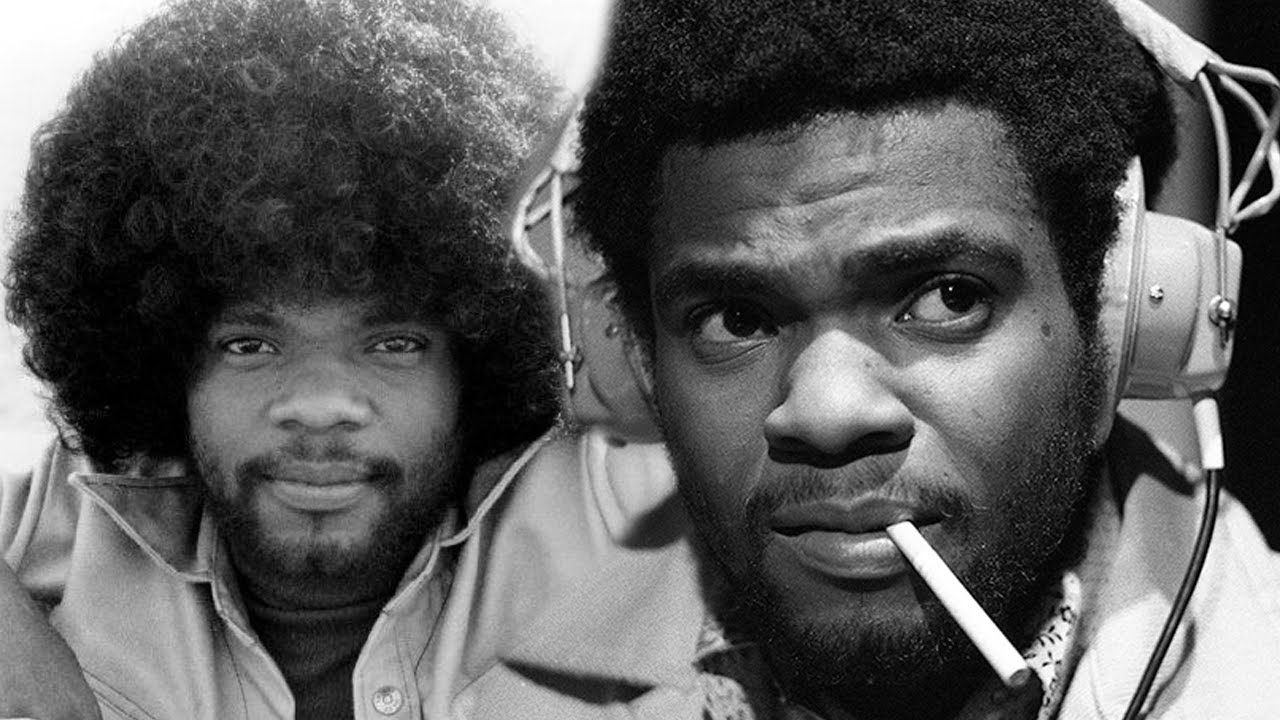
The Musical Journey of Billy Preston
Billy Preston, often dubbed the “Fifth Beatle,” was an American musician whose impact on rock and soul music is immeasurable. His collaborations with some of the most iconic bands and artists of the 20th century, including The Beatles and The Rolling Stones, helped shape the sound of modern music.
Early Life
Born on September 2, 1946, in Houston, Texas, Billy Preston started his musical journey at a young age. He was a prodigy, playing the piano and organ in his church by age three. At ten, he debuted on the big screen, portraying young W.C. Handy in a biographical film about the blues musician. His early exposure to music set the foundation for his future career.
Notable Collaborations
Preston’s first significant collaboration came in 1962 when he joined Little Richard’s band as an organist. During this stint, he met The Beatles in Hamburg, Germany, beginning a long-standing relationship. In 1969, Preston joined the legendary band in the studio, contributing to their final two albums, “Abbey Road” and “Let It Be.” His skill on the keyboard earned him the nickname the ‘Fifth Beatle.’ Preston also worked with The Rolling Stones on several of their albums in the 70s, infusing their music with his unique soulful touch.
Lasting Legacy
Billy Preston’s contributions to music extended beyond his collaborations. As a solo artist, he charted numerous hits, including “Outa-Space” and “Nothing from Nothing.” His work earned him several awards, including a Best Pop Instrumental Performance Grammy. Even after he died in 2006, Preston’s influence can still be heard in modern music. His blend of rock, soul, and funk has inspired countless musicians, testifying to his enduring legacy.
Conclusion
Billy Preston’s life was a testament to his immense talent and musical versatility. From his early start in the church to his collaborations with some of the biggest names in rock and roll, his impact on music is undeniable. His legacy continues to inspire, making him a true icon in music history.
The morning chill creeps through my layers as I sit on my porch, twirling my finger playfully in my whiskers. I swallow a sip of coffee while tugging at them, lost in the depths of my thoughts. The amber glow of the collision between night and dawn illuminates the horizon. Today, a man was born that brought so much light to the world. His presence hurled us out of a darkness that had engulfed us for nearly a hundred years—a man whose vision, courage, and devotion to humanity will never be forgotten.
Sipping coffee, I watch the lights turn on one by one as the neighborhood awakens. A community in which I could have never lived if it wasn’t for this man’s efforts. Not because where I live now is better than where I grew up. Society’s attitude is better. I remember the speech of this brave man as a child being replayed every year during my youth: a vision of hope, love, determination, and courage. His speech or vision served as a beacon representing one of hell of a dream.
Now a seasoned man, I wonder if my efforts in life have helped fulfill that dream. We fought for God, Country, and the ideal of freedom. We spent countless hours away from home in pursuit of the vision on the mountaintop. The endless miles walked for the dream of the Promised Land. No mile did I walk alone. Each mile walked and every hour spent away was in the faith that a moment of hatred was erased. I hoped they would ring the bell of freedom. A sound heard in the souls of each man and woman in the land. A faith I held on to with all my might, even though it was sometimes fleeting.
Each time I heard the word Jew, it took away a little bit of hope. Whenever I heard the word cracker, freedom’s bell rang a little softer. Every time I heard the word spick or chili pepper, humanity’s love got a little weaker. Each time I heard the nigger humanity’s dignity lessen. However, each time I heard these, we fought harder to fulfill the dream of a man we had never known. We risked our lives to fulfill a dream our forefathers wrote nearly two hundred years before my birth.
I look upon my granddaughter, who shifts under her blanket of freedom provided by the fulfillment of this dream, a granddaughter who turns a year older today. She is allowed to live in a world and taste the crispness of a freedom that wouldn’t have been without his dream. A smile comes across my face as I finish my coffee. I smack my lips because I, too, taste the crispness of freedom in the fresh morning air.
Now, I’m a great-grandfather. I still taste the crispness of freedom in the morning air. It’s rather tasty!

I didn’t know this … this is a trip!
Often, I write with music playing in the background. Its purpose is not to inspire but to soothe. It helps focus my mind and lets me get out of my way. Most of you know I have an eclectic taste in music. So, I decided to share a few cuts with you. I hope you enjoy it. Perhaps you’ll remember some favorites or discover something you have never heard before.
Over the last few years, my nutritionist has been trying to get me to switch to quinoa. Yes, I hear some of you cringing as you read this. Trust me, I’m there with you. Despite the health benefits and tasty quinoa recipes, I make this dish with kale, sauteed chicken, and quinoa to die for. Anyway, I’m still a rice eater, Jasmine being my favorite.
So, Creative Bug stopped by the Memoirs and left a link to this wonderful article about rice. Give it a read; I’m on my way into the kitchen to cook up some stuff. While we are at it share some tasty recipes.
“Hope” is the thing with feathers –
That perches in the soul –
And sings the tune without the words –
And never stops – at all –
And sweetest – in the Gale – is heard –
And sore must be the storm –
That could abash the little Bird
That kept so many warm –
I’ve heard it in the chillest land –
And on the strangest Sea –
Yet – never – in Extremity,
It asked a crumb – of me.
The past is the past for a reason.
That is where it is supposed to stay,
But some cannot let it go.
In their heads it eats away
Until all their focus becomes
The person they used to be,
The mistakes they made in their life.
Oh, if only they could see
That you cannot change what happened,
No matter how hard you try,
No matter how much you think about it,
No matter how much you cry.
What happens in your lifetime
Happens for reasons unknown,
So you have to let the cards unfold.
Let your story be shown.
Don’t get wrapped up in the negative.
Be happy with what you have been given.
Live for today not tomorrow.
Get up, get out, and start living,
Because the past is the past for a reason.
It’s been, and now it is gone,
So stop trying to think of ways to fix it.
It’s done, it’s unchangeable; move on.
Donna. “Changing The Past.” Family Friend Poems, July 6, 2011. https://www.familyfriendpoems.com/poem/changing-the-past
I sit upon my front porch stoop
Beneath the morning sun.
Grateful for the moment spent
Away from everyone.
The air is fresh and slightly chilled,
The sky is blue and clear.
The silence that surrounds me now
Is music to my ears.
I love the morning best of all,
It’s my most tranquil time,
When the promise of a brand new day
Can ease my troubled mind.
When second chances seem more possible
And the world less cold and dark,
And hope can somehow pierce the walls
Of my sad and aching heart.
When left alone with nature
All the world seems far away
And the woes of life so trivial
When wrapped in her embrace.
But alas the birds awaken
And begin to sing their songs,
And people slowly wander by
And nod as they go on.
The sun has now grown brighter
As it rises in the sky
And in the distance there’s a whistle
As a train goes lumbering by.
The world is calling out to me
To jump back in the fray.
To have faith things can get better
And let go of yesterday.
So today I get to start again
By the morning light renewed.
Feeling brave and energized,
There is nothing I can’t do.
The rattling of the window in the wind wakes me. Slowly, I stretch away the night, my eyes shift from darkness to a haze, and my eyes shift into focus from slumber to reality. I hear the whirling hiss as the snow hits the screen. I make my way to the kitchen to brew some sanity. Its aroma filled the room in a matter of seconds. In minutes, I am nursing a cup by the window. The night has yet to surrender to dawn. Yet, to tuck itself away, partaking in the much-needed rest. If you look closely and catch it just right, you can see the snowflake’s form before it dissolves against the glass.
It is the perfect day for cuddling. Her head nestled in that special place. My breathing was slow, and my heart skipped a beat, so we were in unison. So that we are connected. Connected on the spiritual level, not just the profane, it is a perfect morning for loving. A soft, slow, lingering turns into a slow grind. To evolve into a breathless gasp that surrenders to a moan. A moan becomes a pant, then a scream, then a contentment sigh is released. Then, fall into a deep, coma-like sleep.

The night is coming, just like it did the night before. It really isn’t anything special to me, just a darker shade of grey. You see, I view the world through a pair of monochrome lenses. It’s been this way since birth, well, at least until I saw her. Her lips glowed like rubies, her hair seemed on fire, and something shimmery hung from her ears. I can only imagine these colors to be shades of red. Is this what red looks like? How beautiful, how enchanting. Who was she? Who was this woman in red?
In life there are people that will hurt us and cause us pain,
but we must learn to forgive and forget and not hold grudges.
In life there are mistakes we will make,
but we must learn from our wrongs and grow from them.
In life there are regrets we will have to live with,
but we must learn to leave the past behind and realize it is something we can’t change.
In life there are people we will lose forever and can’t have back,
but we must learn to let go and move on.
In life there are going to be obstacles that will cause interference,
but we must learn to overcome these challenges and grow stronger.
In life there are fears that will hold us back from what we want,
but we must learn to fight them with the courage from within.
God holds our lives in his hands. He holds the key to our future.
Only he knows our fate.
He sees everything and knows everything.
Everything in life really does happen for a reason: “God’s Reason”
This is a daily reminder
To relax,
To not get angry over small things,
To stay calm.
This is a daily reminder
To be yourself,
To not care what people think,
To know you can be anything.
This is a daily reminder
To love yourself,
To not hurt yourself,
To not work yourself up.
This is a daily reminder
That you are beautiful,
That you are amazing,
That you will succeed.
This is a daily reminder
To always have hope,
To have faith,
To know everything will be okay.
This is a daily reminder
That you have made it so far already,
That you haven’t given up,
That whatever you’re doing is right,
And that you are going to be amazing.
Don’t give up.
Keep holding on and believing.
Nicolette. “This Is A Daily Reminder.” Family Friend Poems, March 7, 2015. https://www.familyfriendpoems.com/poem/this-is-a-daily-reminder
Tonight, on Late Night Grooves, we are featuring Elton John. I’m posting a few of my favorites.
I’ve been in an oldies mood lately, so tonight on Late Night Grooves we are traveling back to 1972. May I present The Hollies.



 Memoirs of Madness