Like most of us here, we’ve had plenty of jobs before finding the one that stuck. I cringe, thinking about some of the things I did to make money.
However, there is one job I think of fondly. I was a paperboy. If it’s hard to imagine me being a paperboy, let me provide a visual; think of the paperboy in the John Cusack classic “Better Off Dead.”
Let’s take a look, shall we?
Sighs … Me and the gang chasing down deadbeats. The things you remember … The good times…sighs
I come from a time when workaholics ruled. This isn’t spoken from a place of pride but rather a place where, thinking back, I wish I would have made better decisions about the use of my time. There are events I missed out on. Moments I can’t get back. Though I wish I could, but it doesn’t work that way, does it?
One minute, my daughters are playing with dolls, and next, I’m staring into the face of some goofy-looking chucklehead. Who has the sand to mumble something like
“Nice to meet you, Sir. I’m”
I never seem to catch their names. The wife swore it was because I’m a certified asshole when it came to my daughters. When she first said it, I felt wounded. I’m not an asshole; I’m a dick, asshole, no. One day explained this to her for clarity. Her response,
“Yep, you’re a dick, alright.”
I sighed, feeling vindicated. Then she went into a rant as she walked about something I can’t remember. I read somewhere this happens to people who suffer traumatic events. However, I do remember feeling maybe I should have let that one go, and from that point, asshole was just fine.
I was gone a lot for work, then one day, I became Papaw. The oddest thing. Who is this little creature pulling on your finger because their little hands are so small that’s all they can grab ahold of.
Where did the time go? Man, I learned a great deal about life.; its triumphs and pitfalls. I even had an opportunity on occasion to take part in some and prevent some of the others. I’m an old man trying to do his part to make a difference.
So, when it comes to finding the balance? If you figured it out. I mean really got something, don’t say a word until copyrighted and patented. Then, put it up for sale and become an instant millionaire.
Oh yeah, post your links, so I can get my Pre-order in.
The perfect opening line seldom comes at the perfect time, You’re anything other than being prepared to write Hang on a second … Hang on! You’re ready now. Then just like that
Poof
Get back here! I’m not done with you, you shout!
It’s a game we play; between them & us Such a cruel game
But when it’s good; it’s damn good
There we are, writing the words are flowing They fly above your head each one chirping like birds
Each chirp a note in the unwritten symphony, and we are the composers
Anxiety is a normal part of life, and everyone experiences it at some point. However, when anxiety becomes excessive and starts interfering with daily activities, it can indicate an anxiety disorder. Anxiety disorders are among the most common mental health disorders affecting millions worldwide. The good news is that many coping strategies for anxiety can help individuals manage their symptoms and improve their quality of life.
In this blog post, we’ll discuss some of the most effective coping strategies for anxiety that you can implement today.
Practice Mindfulness
Mindfulness is a type of meditation that involves focusing on the present moment and accepting it without judgment. Studies have shown that practicing mindfulness can help reduce anxiety symptoms and improve overall well-being. Mindfulness can be practiced in many ways, including guided meditation, deep breathing exercises, or simply by paying attention to your thoughts and emotions.
One way to practice mindfulness is to set aside a few minutes daily to focus on your breath. Simply sit or lie down in a quiet place and pay attention to your breath as it enters and leaves your body. Whenever your mind starts to wander, gently bring it back to your breath. With regular practice, mindfulness can become a powerful tool for managing anxiety.
Get Enough Sleep
Sleep has a significant impact on mental health, and lack of sleep can exacerbate symptoms of anxiety. Getting enough sleep each night is essential to help manage anxiety symptoms. Adults should aim for at least 7-8 hours of sleep each night. Developing a consistent sleep schedule and creating a relaxing bedtime routine can also help improve sleep quality.
If you’re having trouble sleeping, there are several things you can try to help improve your sleep quality. Avoid caffeine and alcohol in the evenings, which can interfere with sleep. Ensure your bedroom is cool, dark, and quiet, and avoid using electronic devices in bed. If you continue having trouble sleeping, ask your doctor for additional guidance.
Exercise Regularly
Exercise is an effective coping strategy for anxiety as it helps to release endorphins, which are natural mood boosters. Regular exercise can also help reduce anxiety symptoms and improve overall physical health. It doesn’t have to be intense exercise; even light activities like walking or yoga can be helpful. Aim for at least 30 minutes of moderate exercise most days of the week.
If you’re new to exercise, start slowly and gradually increasing your workouts’ intensity and duration. Find an activity that you enjoy, such as dancing, hiking, or swimming, and make it a regular part of your routine. You’ll not only feel better physically, but you’ll also benefit mentally by reducing your anxiety symptoms.
Seek Professional Help
While these coping strategies can be effective, they may not be enough for everyone. If you’re struggling with anxiety, it’s important to seek professional help from a mental health professional. They can provide you with additional coping strategies and tools to manage your symptoms and offer support and guidance as you navigate your anxiety.
Several types of therapy may be helpful for anxiety, including cognitive-behavioral therapy (CBT), which focuses on changing negative thought patterns, and exposure therapy, which helps individuals confront their fears in a safe and controlled environment. Your mental health professional can help you determine the type of therapy that is best for you.
Conclusion
Anxiety can be challenging to manage, but with the right coping strategies, it is possible to live a fulfilling and productive life. Mindfulness, sleep, exercise, and seeking professional help are just a few strategies to help individuals manage their anxiety symptoms. It’s essential to remember that everyone’s coping strategies may differ, and finding what works best for you is important. Don’t hesitate to ask for help if needed – remember that help is available, and you are not alone.
Anxiety is a common mental health issue affecting millions of people worldwide. According to the World Health Organization, anxiety is the most prevalent mental health disorder, with an estimated 1 in 13 people globally suffering from anxiety. Anxiety is a feeling of unease, worry, or fear ranging from mild to severe. The symptoms of anxiety can vary from person to person, and it can affect people from all walks of life.
This blog post aims to provide an understanding of anxiety, its causes, symptoms, and coping strategies.
Causes of Anxiety
Anxiety can be caused by a combination of factors, including genetics, brain chemistry, life experiences, and environmental factors. Some people may be more susceptible to anxiety due to their genetic makeup, while others may develop anxiety due to traumatic life events or ongoing stress. Environmental factors such as work-related stress, financial difficulties, and relationship issues may also contribute to anxiety.
Genetics
Research has shown that anxiety disorders tend to run in families. A person’s genetic makeup may make them more susceptible to developing anxiety disorders.
Brain Chemistry
Imbalances in certain chemicals in the brain, such as serotonin and dopamine, can contribute to the development of anxiety disorders.
Life Experiences
Traumatic life experiences, such as abuse, neglect, or the death of a loved one, can trigger anxiety disorders. Chronic stress from work or personal relationships can also contribute to developing anxiety disorders.
Environmental Factors
Environmental factors such as work-related stress, financial difficulties, and relationship issues may also contribute to anxiety. Exposure to stressful situations or trauma can trigger or worsen anxiety symptoms.
Symptoms of Anxiety
Anxiety can manifest in various ways, and the symptoms can vary from person to person. Some common symptoms of anxiety include:
Excessive worrying
Restlessness
Irritability
Difficulty concentrating
Muscle tension
Insomnia
Panic attacks
Avoidance behaviors
Physical symptoms such as sweating, trembling, and heart palpitations
Coping Strategies for Anxiety
There are several coping strategies for anxiety that can help manage symptoms. Cognitive-behavioral therapy (CBT) is a type of therapy that can help individuals identify and change negative thought patterns and behaviors that contribute to anxiety. CBT has been shown to be effective in treating anxiety disorders.
Mindfulness meditation, exercise, and relaxation techniques such as deep breathing and progressive muscle relaxation can also help reduce anxiety symptoms. Regular exercise, in particular, has been shown to improve mental health and reduce symptoms of anxiety.
Individuals with anxiety can also benefit from making lifestyle changes such as getting enough sleep, eating a healthy diet, avoiding caffeine and alcohol, and engaging in enjoyable activities. These lifestyle changes can help to reduce stress and improve overall well-being.
It is also important to seek professional help if anxiety symptoms are interfering with daily life or if you are experiencing suicidal thoughts. A mental health professional can provide additional support and guidance in managing anxiety symptoms.
Conclusion
Anxiety is a common mental health issue that can significantly impact a person’s quality of life. However, there are effective coping strategies available to manage symptoms. By identifying the causes of anxiety, recognizing symptoms, and utilizing coping strategies, individuals with anxiety can take steps towards improving their mental health and overall well-being. Remember that seeking professional help is not a sign of weakness, but rather a courageous step towards taking control of your mental health.
Complementary therapies have been used for centuries to help manage various health conditions, and their popularity has increased significantly in recent years. Traditional medicine often uses these therapies to help manage symptoms and improve overall well-being. Complementary therapies aim to treat the whole person, not just the symptoms of a particular condition.
Some examples of complementary therapies include:
Acupuncture: This involves the use of thin needles inserted into specific points on the body to stimulate the body’s natural healing processes.
Massage therapy involves manipulating soft tissues in the body to help reduce muscle tension, improve circulation, and promote relaxation.
Herbal medicine: This involves the use of plants or plant extracts to help treat various health conditions.
Meditation: This involves the practice of focusing the mind on a particular object, thought, or activity to promote relaxation and reduce stress.
While some complementary therapies have been extensively studied and are supported by scientific evidence, others are not. It’s important to talk to a healthcare professional before trying new treatments to ensure they are safe and appropriate for your specific situation.
One of the benefits of complementary therapies is that they can help manage symptoms and improve overall well-being without medication or invasive procedures. For example, massage therapy can help reduce muscle tension and improve circulation, while meditation can help reduce stress and promote relaxation.
Complementary therapies can be a valuable addition to a comprehensive healthcare plan. However, it’s important to approach them cautiously and do your research before trying new treatments. Some complementary therapies may interact with medications or have side effects, so talking to a healthcare professional before incorporating them into your healthcare plan is important.
In summary, complementary therapies can be a helpful tool in managing various health conditions and improving overall well-being. However, it’s important to approach them cautiously, talk to a healthcare professional before trying new treatments, and do your research to ensure that they are safe and appropriate for your specific situation.
Eye Movement Desensitization and Reprocessing (EMDR)
Trauma can have a deep and lasting impact on an individual’s life. It can cause various mental health conditions, such as post-traumatic stress disorder (PTSD), anxiety, depression, and phobias. Fortunately, various treatment options are available to help individuals overcome the effects of trauma and live a more fulfilling life. One such treatment is Eye Movement Desensitization and Reprocessing (EMDR).
What is EMDR?
EMDR is a psychotherapy technique that was developed in the late 1980s by psychologist Francine Shapiro. It is a structured approach to address distressing memories and experiences, with the aim of reducing their lasting impact on an individual’s life. The therapy has gained popularity recently due to its effectiveness in treating PTSD and other mental health conditions.
How EMDR works
EMDR therapy involves a series of sessions, typically ranging from 6 to 12, where the individual is guided through a sequence of eye movements, sounds, or taps while recalling a distressing memory. The therapy aims to help the individual process these memories, so they no longer have a negative impact on their emotional well-being. It is believed that EMDR therapy works by stimulating the brain’s natural healing processes, allowing the individual to reprocess the traumatic memory and integrate it into their life in a more positive way.
The therapy is not just about eye movements, sounds or taps. The therapist will help the client identify the negative belief about themselves developed from the traumatic event. The client is then asked to identify a positive belief that they would like to have instead of the negative one. The therapist will then help the client to imagine what it would feel like to have the positive belief. The eye movements, sounds, or taps are used while the client is imagining the positive belief. This process is repeated until the client feels an emotional shift from negative to positive beliefs.
EMDR and PTSD
EMDR has been found to be particularly effective in treating PTSD. It is estimated that up to 80% of individuals who receive EMDR therapy for PTSD experience significant improvement in their symptoms. The therapy is believed to help individuals with PTSD by reducing the negative emotions and physical sensations associated with the traumatic memory, allowing them to feel more in control of their thoughts and feelings. EMDR can also help individuals with PTSD develop coping mechanisms to deal with future triggers.
Other applications of EMDR
EMDR is not just for PTSD. It has also been found to be effective in treating a range of mental health conditions, such as anxiety, depression, and phobias. EMDR can help individuals process distressing memories and experiences so they no longer have a negative impact on their emotional well-being. By reducing the negative emotions associated with these memories, individuals can learn to manage their symptoms and live a more fulfilling life.
Conclusion
EMDR therapy is a highly effective treatment for a range of mental health conditions, particularly PTSD. While the therapy may not be suitable for everyone, it is a safe and non-invasive approach to addressing distressing memories and experiences. If you are struggling with PTSD or other mental health conditions, it is important to seek professional help to find the right treatment for you. EMDR therapy may be an effective option to help you overcome your challenges and live a more fulfilling life.
When I first started therapy, my therapist began discussing the different courses of treatment. Then she mentioned we would be starting with CBT. Now, I always enjoy when experts talk to you using their jargon as if the entire world speaks this way. My therapist must have noticed my expression and immediately clarified things by stating, “Cognitive Behavioral Therapy.” I nodded, reassuring her I understood what she was referring to. However, in mind, a mini-rant formed.
“What? Is talking about mind control?”
“Hold on, I don’t quake like a duck for nobody!”
“Nah, ya’ll ain’t getting me with MK-Ultran, secret squirrel, CIA guinea pig … bullshit! Fuck that!”
As I stood up, preparing to walk out, she stared at me momentarily and asked, “MK-Ultra? or “Vulcan mind meld?” and pointed at the chair, inviting me to sit.
I assure you it’s nothing like that at all. Below I’ve provided some general information about the treatment.
Let’s take a look, shall we?
Cognitive Behavioral Therapy (CBT)
Mental health issues are a common occurrence in today’s world, and they can manifest in a variety of ways. Fortunately, there are effective methods to manage these conditions, one of which is cognitive-behavioral therapy (CBT). CBT is a therapeutic approach that focuses on the connection between our thoughts, behaviors, and emotions and how changing them can positively impact our mental health.
Understanding CBT
CBT is a talk therapy that aims to help individuals identify and modify negative thought patterns and behaviors that contribute to mental health problems such as anxiety, depression, and PTSD. It is a short-term treatment option typically done in weekly sessions with a licensed therapist. During these sessions, the therapist works with the patient to identify negative thought patterns and behaviors and develop strategies to overcome them.
One of the fundamental principles of CBT is that our thoughts and beliefs have a powerful impact on our emotions and behaviors. This principle is based on the idea that our thoughts create our reality, and by changing our thoughts and beliefs, we can change how we feel and behave in various situations. CBT also emphasizes the development of practical coping strategies that patients can use to manage their symptoms outside of therapy sessions.
Benefits of CBT
There are many benefits to using CBT to manage mental health issues. One of the main advantages is that it can be highly effective in helping patients overcome negative thought patterns and behaviors. Studies have shown that CBT can be just as effective as medication in treating conditions like anxiety and depression and more effective in the long term.
Another benefit of CBT is that it is a relatively short-term treatment option. While some other forms of therapy can take years to complete, most patients can complete a course of CBT in just a few months. This can make it a more practical option for people who are looking for a quick and effective way to manage their mental health.
CBT is also a versatile therapy that can be used to treat a variety of mental health conditions. In addition to anxiety, depression, and PTSD, CBT has been shown to be effective in treating conditions like obsessive-compulsive disorder (OCD), eating disorders, and substance abuse.
The Bottom Line
If you are struggling with mental health issues like anxiety, depression, or PTSD, CBT can effectively manage your symptoms and improve your overall well-being. By working with a licensed therapist, you can learn to identify and change negative thought patterns and behaviors, develop practical coping strategies, and achieve greater control over your emotions and behaviors.
It is important to note that CBT may not be the best option for everyone. Some people may benefit more from other types of therapy or a combination of treatments. However, CBT is definitely worth considering if you are looking for a proven and practical way to improve your mental health.
Conclusion
CBT is a powerful tool to help people overcome negative thought patterns and behaviors contributing to mental health issues. By working with a licensed therapist, patients can develop practical coping strategies and achieve greater control over their emotions and behaviors. If you are looking for a proven and practical way to improve your mental health, CBT may be the right choice for you.
Mental health issues are a common occurrence in today’s world, and they can manifest in a variety of ways. Fortunately, there are effective methods to manage these conditions, one of which is cognitive-behavioral therapy (CBT). CBT is a therapeutic approach that focuses on the connection between our thoughts, behaviors, and emotions and how changing them can positively impact our mental health.
This is hard work. You have to face things you would rather forget but in the long run. I believe you be the better for it. I know I have been.
Post-traumatic Stress Disorder (PTSD) is a mental health condition that can occur after going through or witnessing a traumatic event. PTSD can have a significant impact on a person’s daily life, relationships, and overall well-being. However, there are many effective treatments available for PTSD, that actually help. I know its scary and you probably have been through a few therapies treatments that didn’t help or made things worse. Please don’t give up. Recovery is a real possibility.
After, my diagnosis, I didn’t know what to do. I knew I didn’t want to stigmatized or labeled. So, I tried to hide it. Of course, that didn’t help, but the following are methods I used to assist in moving forward with the condition.
Psychotherapy
Psychotherapy, also known as talk therapy, is a widely used and effective treatment for PTSD. It involves speaking with a mental health professional about your thoughts, feelings, and experiences related to the traumatic event. There are several types of psychotherapy that are effective for treating PTSD, including cognitive behavioral therapy (CBT) and Eye Movement Desensitization and Reprocessing (EMDR).
Cognitive behavioral therapy (CBT) is a type of therapy that helps individuals identify and change negative thought patterns and behaviors that are associated with PTSD. CBT focuses on helping the individual become more aware of the thoughts and feelings that contribute to their PTSD symptoms and teaches them how to challenge and change those thoughts and behaviors.
Eye Movement Desensitization and Reprocessing (EMDR) is another type of psychotherapy that uses eye movements to help individuals process traumatic memories and reduce the severity of PTSD symptoms. During EMDR therapy, the individual is asked to recall the traumatic event and then follow a therapist’s hand movements with their eyes. This process is believed to help the individual process and reframe the traumatic memory in a less distressing way.
Medications
Medications can also be helpful in treating PTSD symptoms. Antidepressants are commonly prescribed to individuals with PTSD. They can help reduce symptoms such as anxiety, depression, and insomnia. Selective serotonin reuptake inhibitors (SSRIs) and serotonin-norepinephrine reuptake inhibitors (SNRIs) are the most commonly prescribed antidepressants for PTSD.
Other medications such as anti-anxiety medications and sleep aids may also be prescribed to individuals with PTSD. These medications can help individuals manage symptoms such as anxiety, nightmares, and sleep disturbances.
It is important to note that while medications can be helpful in managing PTSD symptoms, they should always be used in conjunction with psychotherapy.
Complementary Therapies
Complementary therapies, such as yoga, meditation, and acupuncture, can be valuable tools in managing and reducing symptoms of post-traumatic stress disorder (PTSD). While psychotherapy and medication are considered the most effective treatments, these alternative therapies can provide additional benefits to individuals struggling with PTSD.
For instance, yoga has been shown to reduce stress and anxiety, which are common symptoms of PTSD. It can also improve sleep quality and increase feelings of relaxation and well-being. Meditation, on the other hand, can help individuals develop mindfulness, which can be helpful in managing intrusive thoughts and memories associated with traumatic experiences. Similarly, acupuncture has been found to reduce symptoms of anxiety and depression, as well as improve sleep quality.
While these complementary therapies may not be as effective as psychotherapy or medication, they can be used in conjunction with other treatments to help individuals better manage their symptoms. It is important to note that these therapies should only be used under the guidance of a qualified healthcare professional and should not be used as a substitute for evidence-based treatments.
Conclusion
PTSD can be a debilitating condition, but there are many effective treatments available. Seeking help from a mental health professional is the first step towards recovery. Psychotherapy, medications, and complementary therapies are all effective treatments that can help individuals manage their symptoms and improve their overall quality of life. If you or someone you know is struggling with PTSD, do not hesitate to seek help. Remember, recovery is possible.
Ladies and gentleman I’d like to thank you for coming
In the next few moments, we will return to 40 years ago. Then I will speak in a language that hopefully everyone can easily understand
From my ice cream castle I stared into the purple rain While I had starfish and coffee I saw a bird caught in an oak tree
Prince said he was so confused. However, I sat chuckling, only slightly amused He was just another owner of a lonely heart That’s right; gigolos get lonely too
From that ice cream castle I saw Judas Priest screaming for vengeance The death of Orion, some thought was a disposable hero Yet, Iron Maidens search for a piece of mind, while chanting the call to Ktulu
Benatar chronicles the crimes of passion. Preparing us for that next anthem Billie Jean was on the scene and swore she was a thriller It turns out all she wanted was a little paradise by the dashboard lights
Red leather jacket, a new edition It got me ready for the world Man..I was cool, I mean C-O-O-L! I know I could definitely stand the rain.
I started wondering about that candy girl What’s her name? What’s her number? 777-9311??? Jenny or 867-5309 ….Roxanne Oh!! That’s right, that’s right …Sheila.
I left my ice cream castle in the summertime To meet a concrete blonde in the cold part of town She started spinning me right round like record And all I wanted was to find myself a brand new lover
Sh-Sh –Shaking, I fell into a wall of voodoo Then woke up in Tijuana wanting some barbecue iguana The next thing I knew, there was a cheap trick Talking bout if you want my love, you got it
I shook my head. NO!! Knowing she wasn’t ready for this jungle love So instead, we drank some brass monkey Listening to some Mexican radio
Now, back in my ice cream castle Listening to watermelon man and sipping bitches brew Thinking they call it Stormy Monday And Tuesday is just as bad
In my humble opinion, one must be willing and able to follow before they can lead. Leaders are not born; they are developed. For those who have or had the honor of leadership, make no mistake to lead another is a definite honor, you may not be a leader in every situation. Those who don’t understand this concept aren’t ready to lead.
She could have been here; if she wanted. She could have been here; if it meant something. I knew her words were hollow when she spewed them; I heard their echo, such a haunting sound. Still, I hoped that I was wrong. I hoped what I heard was some psychotic break. Is there a sound you hear when this happens? Is it something dismissed, resolved, or mocked with six hundred dollars an hour, a sofa, and a pill? Yea, you know that shit that gets you hooked, but you need to believe you are free. So I sit here, waiting for the doorbell to chime, waiting to hear that familiar melody. The melody, which ends the silence, ends the loneliness. Yet the silence thickens, and the depths of loneliness have no bounds.
With a click, strike, and spark, the tobacco crackles as I take a drag to forget about the pain.
Yeah, she wanted me to get up and come running. She wanted me to stand in line like the others. Suitors plenty, but real men are few. She wanted me to be someone I had never been. She wanted to be someone; if she took the time to know me, she’d know I could never be. Yet, in her delusion, she wanted me to fall in line, like the wiry snake-eyed fellow whose lips were in a constant state of pucker against her gluteus maximus. Her leg would shudder when he kissed it just right. Often, I wondered if he was part fish, Bluegill. Trout?
Then there was the portly fellow whose clothes were two sizes larger than needed. An attempt to hide his predilection for Ho-Ho’s and Ding-Dong’s, but their melted remnants on his lapel and in the corner of his mouth told the tale. I couldn’t resist imagining him as Wimpy from the old cartoon; I’ll gladly pay you Tuesday for a Ding-Dong today. Since he was always eating them, I wondered how he pulled it off. But, of course, everyone knew he didn’t have a job.
Perhaps, I was the well-dressed fellow who would unleash this girlish giggle every time he hit the blunt. I couldn’t help but picture him in pigtails with pink ribbons in his mouth, chewing on the ends. He sported a five o’clock shadow like it was still something stylish. Maybe for some, but him not a good look. I couldn’t help but wonder if he was wearing socks with lace around the top. I do believe it would complete the look.
I exhale to relieve the strain. I exhale to let go. I exhale to be one step closer to the sanity to which I cling; I exhale.
But I wasn’t any of them. I was a man whose name was spoken in reverence barely above a whisper. There wasn’t a need to speak; people were satisfied with a nod. I know what it means to love a woman for your entire life and be the better. I know how it feels to grab hold of someone, and they grab you back. Never letting go, hearing what their eyes speak when their mouths fail utter a word. Our bodies trembling from its power, our souls quivering, like the Earth shaking beneath your feet. I know one can only get there with love and respect for one another. No plastic smiles, and hollow sentiments can take their place—an honor reserved for the special and the elite, Real men and women. For anyone else, your attendance is futile. Perhaps, one day she will understand. But I know what I really want to know. What has my curiosity stirring? How the hell did she ever get things so twisted?
I stub the cigarette out; the embers glow bright, then fade, and the smoke dissipates.
I know the answer. I had a momentary lapse of reason.
It’s Saturday morning, and I’m sleeping in, although I really need it after waiting until the last minute to write an article. I squeeze my eyes shut and try to go back to sleep, but the aroma of freshly brewed Colombian coffee and blueberry pancakes tickles my nostrils. I smile, feeling content. I love blueberry pancakes so much that it’s almost criminal. If I were on death row, my last meal would definitely be blueberry pancakes and chewy chocolate chip cookies. I’d wash it down with a satisfying mug of Colombian coffee. Just thinking about it makes me want to moan with delight.
Then it hit me: I live alone. Who the heck is in my house? So, I armed myself. My bed linen had swallowed my sidearm, so I grabbed a whiffle ball bat. You may wonder why a grown man would have a whiffle ball bat in a word: grandkids. You may also be wondering how a plastic bat would do any damage. It will, I assure you. Let me explain.
I concede that you may not have heard of anyone getting the beatdown with a whiffle ball bat. Simply put, no one would ever admit to this happening to them. Imagine the shame and ridicule they would receive from peers and family. The victims would go to extreme lengths to come up with a backstory to explain their faces being covered in welts. They could even enlist the genius of their cousin, who spun ridiculously plausible stories to get them out of troublesome situations. However, when the cousin looks at them blankly for a moment, they state, “I got nothing.” The victims respond, “Really?” Their cousin hands them a beer and says, “Looks like you need this.” They nod and take a swig.
I walked into the kitchen, ready to do damage, thinking of all the houses on the block and how dare they pick mine. I couldn’t believe my eyes. It was Ursula. Ursula was my muse, who had seen me since the illness. She seemed to disappear without any explanation.
“Hey, what are you doing here?” I asked.
She shot me a puzzled look. “You’re writing again; you need me.”
I leaned against the counter, folding my arms. “Really? I do. It’s not like you’ve been around to know,” I replied.
She paused momentarily before answering; her expression hurt. “Hun, you got sick and started babbling about quitting the game. I didn’t know how to handle it. With Aunt Harry covering the bar, I figured it was a good time to take a holiday.”
“What’s this?” I asked, pointing to the skillet.
She smiled. “Your favorite,” she said, lifting a plate of blueberry pancakes. I took the plate and headed towards the office, but then stopped as I realized something.
“Why do you have a beard?” I asked.
“Hun, you know beards are in fashion now. Don’t be silly,” she remarked.
I stared at her, considering her logic. “But you’re a girl, so go shave,” I demanded, pointing my finger toward the bathroom.
She scoffed as she turned off the skillet, then stormed towards the bathroom, yelling, “Fine…go put some pants on!” over her shoulder as she closed the door.
I stood puzzled momentarily, then realized I was standing in my boxers. I poured myself a cup of coffee and then put the coffee and the pancakes in the office. I slipped on a pair of shorts and began eating my breakfast. I was on my second helping of pancakes when Ursula finally emerged from the bathroom. She was freshly showered, sporting a blank tank top and khaki shorts. Though it had been a while since I had seen her, she still had a banging body and would be considered attractive by most men. However, she had a minor setback. Ursula had lime green skin and crimson eyes that sparkled when her ideas flowed. They were on fire now.
Ursula began explaining her ideas on how we could succeed with the magazine. As she spoke, I stopped eating and started taking notes. I don’t particularly appreciate taking notes on a story but I haven’t found a way to avoid it yet. The more I wrote, the more she spoke. Ursula was typically a pain in the butt and a bit of a slave driver, but it felt good to be working again. So, I groaned inwardly. We were almost done with the layout for the next few months when there was a knock at the door.
I opened the door to find my cousin standing there. Like most family members, he assumed he had an open invitation to my home, arriving unannounced and expecting to be welcomed. He lifted his head, sniffed the air, smacked his lips as if tasting the air, and headed to the kitchen without saying a word. Then, he fixed himself a plate and returned to the front porch, where we typically sit when the weather permits. I brought him a cup of coffee and placed it beside him. As he ate, he occasionally mumbled about how delicious the pancakes were. Ursula sat on the railing and lit a Cohiba, her preferred cigar. Eventually, my cousin finished his pancakes, and we began our usual banter, reminiscing about our mothers and the good old days.
Right on cue, my cousin starts reciting some Don L. Lee. He hits me with, “But He Has Cool,” or “He even stopped for green lights.” My cousin’s rhythm and cadence are second to none. I found myself leaning back in the chair, swaying as he went straight into his rendition of “Big Momma,” another Don L. Lee standard. Ursula also felt him and nearly fell off the banister; I chuckled. I hit him with a medley consisting of “The Poet” by Dunbar and a bit of “The Backlash Blues” by Hughes, capping it off with a dash of “I Know My Soul” by Mckay.
My cousin responds, “Boy, you think you’re bad, don’t you.” “I learned from you; I ought to be!” I remark.
He smiles and hits me with Hayden’s “The Ballad of Nat Turner.” I’m floored; I wasn’t expecting that one. Though Ursula is smiling, she taps her wrist, signaling that we must return to work. I pretend not to notice. My cousin starts reciting “Black Jam for Dr. Negro” by Mari Evans. I wave my hands in defeat but deliver Jean Toomer’s “Georgia Dusk” to make it sting. He’s on fire today, and I need to do something. I think for a moment; then it hits me. I hit him with a double dose of Rilke, starting with “Going Blind” and following up with the prose piece “Faces.” And just for good measure, I slide into the opening sequence of the prologue of Ellison’s “Invisible Man.”
He sat back in the chair and shot me a stern look. “There you go cheating… you know this is poetry only!”
I chuckled with a wide grin. “Oops, my bad.” We burst into laughter.
“Hun, we really need to get back to work!” Ursula exclaims.
I lift my arms in surrender. “Okay… okay, we’re finished, girl… hold on a minute.”
My cousin shoots me a strange look after he looks around the porch. “Cuz, who are you talking to?”
“Ursula, that lime green pain in the butt sitting on the banister,” I state as I point in her direction.
My cousin slowly turns around and looks back at me. “Lime green, huh?”
“Uh-huh… yep.”
His eyes dart in that direction, then back to me. “I don’t see anybody… and you don’t either! What do you have in that cup?”
With a shy smile, I lift my cup. “Colombian,” and take a sip.
Photo by u041eu043bu044cu0433u0430 u041du0443u0440u0443u0442u0434u0438u043du043eu0432u0430 on Pexels.com
As we practice and learn about the craft of writing, we sometimes forget what it is we are supposed to be doing when we read a piece. This is especially true when it comes to poetry. We forget to enjoy the words and allow them to resonate within us. In the poem entitled “ Introduction to Poetry,” Billy Collins reminds us of this fact.
Collins’ Poem is listed below:
Introduction To Poetry
I ask them to take a poem and hold it up to the light like a color slide
or press an ear against its hive.
I say drop a mouse into a poem and watch him probe his way out,
or walk inside the poem’s room and feel the walls for a light switch.
I want them to waterski across the surface of a poem waving at the author’s name on the shore.
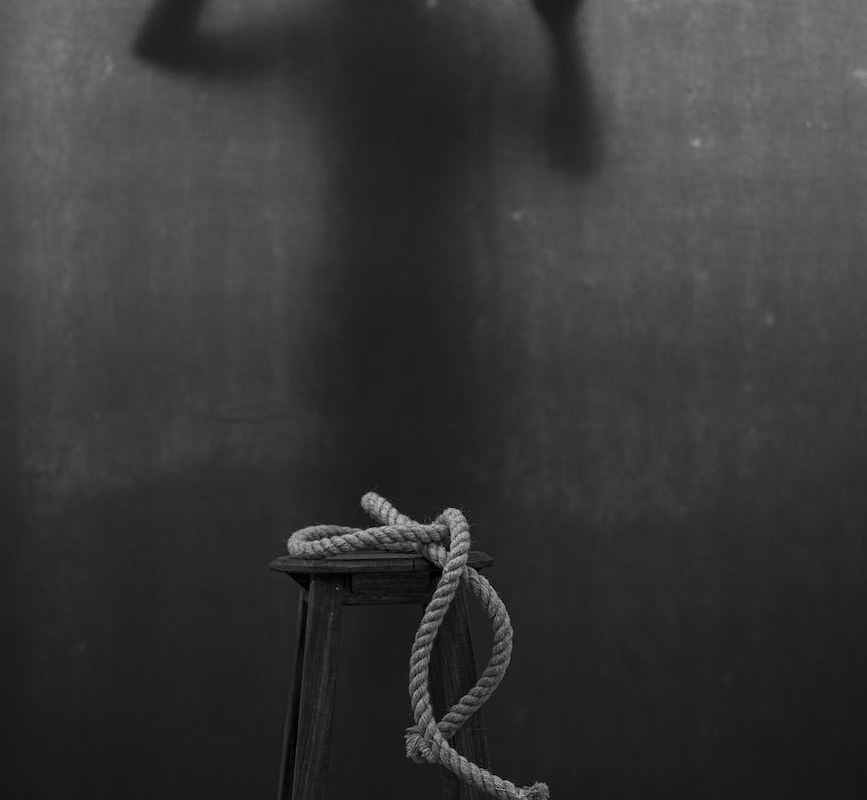
But all they want to do is tie the poem to a chair with rope and torture a confession out of it.
They begin beating it with a hose to find out what it really means.
Billy Collins
In the first stanza tells us to examine a poem for what it is. Take a few moments and see what it is to see. Next, he invites us to listen to the sound of the words when they are spoken. There is so much information to be learned just by examining the poem’s surface and listening to how it sounds when spoken aloud. Collins then suggests that we begin to dig a little deeper. He asks us to probe around to see what we can discover. To have no expectations going in. To feel our way around the poem. Letting its energy splash against our faces, enjoying every aspect the poem offers us. Collins cautions us about digging too deep into a poem. Stripping it down to its bare bones, as if it will relinquish the location of the Holy Grail. We all know that the Grail is the heart of those who seek it. Just as the meaning of the poem read.
Slumber releases me as the glow of the serene sun caresses my face. Let us lay back for a while longer before we have to move. Gently, I stroke your hair, listening to the city’s awakening commotion Your head on my chest, your breathing lures me to the edge of slumber
I’m careful not to move, not to wake you
Your head falls to your favorite spot; the space between my chest and stomach as you pull the blanket tight. Your breathing shallows; Your sleep deepens I exhale this one of those moments you see in film.
Thoughts on the Craft: The Simple Truth about Writing
Five years ago, my production team and I were discussing the direction of our current project. The crew caught the Ole` man on film running my mouth. When I updated this blog, they reminded me of this conversation. So I picked a few key points to share with you. I hope you enjoy it.
Me running my mouth
The conversation concerning self-doubt when it comes to writing has been everywhere. I understand this emotion far more than I care to admit. I struggle with my demons; Butch and Greta are a pain in the ass. I figure if they are going to hang out, stirring up trouble, I might as well name them.
Do you have a quote you live your life by or think of often?
I immediately refer to this quote whenever I consider conversations such as these. Due to the current social climate, this quote is a little dated. However, with a few modifications, it fits quite nicely within the current climate. Let’s take a look.
Original
“Waste no more time arguing what a good man should be. Be one.” – Marcus Aurelius
“Waste no more time arguing what a good person should be. Be one.”
Now, that’s a little better; let’s get on with the conversation.
I look at this quote as a personal challenge. To dismiss the unwritten standards, for they change depending on region or person, and attempt to conduct myself in a manner befitting how I was raised. From this, I formed the code I live by. The difficulty lies in changes that occur within the individual. Put simply, I don’t feel the same way about things as I mature—circumstances of life change, whether you realize them or not. Nevertheless, I attempt to be the best person I can be within societal limitations or guidelines. Forever cognizant I may fail. Failure is acceptable as long as you retain the wisdom that accompanies it. I must be clear here wisdom accompanies both success and failure.
I also realize someone other than me determines whether I’m a good person. My conduct will be weighed and measured by the people interacting with me. They described what kind of person I am in their description of me to others. If I’m considered a bad person, then I’m as such. If they refer to me as a good person, then I’m a good person. I have no control over their opinion of me. I’m who I am. So, I waste no more time arguing—this action I can control.
Better to write for yourself and have no public, than to write for the public and have no self.”
[The New Statesman, February 25, 1933]”,,-― Cyril Connolly
As a writer, I feel this quote should be the standard for writing everything. What am I doing if I’m true to myself in my writing? I can only fulfill the first quote if I’m true to my writing.
This is how I measure myself; no one else. You are who you are and I respect that.
I was taking night courses working on my degree back when that was a thing when I exploded on the instructor during a lecture. She made a comment about the intent of man during times of war. Looking back, I realize it was merely a generalization, a device I’ve had on numerous occasions then and now. However, her words were like white-hot searing to my depths that night. This incident may have been the beginning of my psychosis.
My emotional wounds of war were still fresh, and I overreacted. The next morning, I was summoned to my Commander to answer for my conduct. Though filled with shame, I had nothing to say in my defense. I stood firm and took the verbal assault I had coming until my entire being felt as hollow as my soul. Then the oddest thing occurred.
They sent me to get help…
On this day, I heard the letters for the first time. Nonsense, rubbish, bullocks, “Get the F*@K outta here, wit dat!” And other such phrases were my expression. Knowing me, I probably said them and more. Yet, the counselor remained steady and explained my plight.
I felt better when leaving their office. Better than I had in a very long time.
I never saw them again…
Decades later, I’m destroyed by these four letters, consumed by them. It was the first time I had the courage to utter them without disdain. Yet, having applied to me, I bore the weight of their shame.
P
T
S
D
Everyone involved said its okay, but their expressions said otherwise. Their whispers were louder than an announcement over speakers. The Memoirs of Madness had been started for years, and now I know the name of my affliction provided the memoirs’ direction. Writing the memoirs provides my direction. They provide a smidgen of peace.
Things are better now, I can say those letters. I have accepted, and with understanding, I can move forward.
In poetry, imagery is one of the most powerful tools in our toolboxes. If used properly, we can guide our readers precisely where we want them. However, we can also paint just enough of any image to allow them to visualize an experience that relates to them. So, I decided to look at the work of some other poets to gain a deeper understanding of imagery and its uses in poetry.
Today, let’s take a look at a poem by Gary Soto.
Everything Twice
Biology was a set of marble-colored tables
And gas spouts where we bloated up frogs, I thought,
And I thought I had a chance if I bought the book
Early and read it with my lips moving,
Maybe twice, maybe with my roommate half-listening.
I tried chemistry. I tried astronomy,
Which was more like honest-to-goodness math
Than the star of Bethlehem shining down the good news.
I was never good
At science, and so at the beginning of spring
I learned my boredom on the wood desks
Of piss-ant chairs. But when our biology prof came
Into the classroom wiping his mouth,
When he moved a chair out of the way
And still bumped into it, I knew I had a chance.
He was drunk. His bow tie was a twisted-up
Twig and a nest of hair grew
From each ear. I looked to the skeleton
In the corner and smiled. A breeze stirred
And the bones clicked on
Their strings and wire. With the classroom splayed
With sunlight and hope, the students sighed.
A few pencils rolled to the floor –
An easy grade for all. The prof slurred,
“Man was never created equal.” He fumbled at the
Blackboard as he hunted for chalk. When he turned to us,
Chalk dust clung to his face.
For a moment, I don’t think he knew where he was.
He touched his bow tie. He stuck a finger
Into an ear and repeated, “Man was never created equal,”
Took a step and stumbled into chairs. Right then
I knew I didn’t even have to buy the book.
He was already repeating himself. Right there,
I looked out the window and sucked
In the good air of spring. Trees were wagging blossoms
And the like. One petal would sway,
Then another, sway after slight sway,
A repetition that was endless
And beautiful in the uniquely scientific world.
-Gary Soto
It is interesting how Soto connected the poem’s first two lines to the last two. As if he wrote them initially as a complete stanza. When read together, it has the feel of a single consciousness.
Biology was a set of marble-colored tables
And gas spouts where we bloated up frogs, I thought,
A repetition that was endless
And beautiful in the uniquely scientific world.
However, we can see the thought’s expansion or elaboration by breaking them apart.
In this piece, Soto elaborates on this experience with image-driven depiction. Soto also uses summary imagery throughout the poem. Early in the poem, we see something remarkable. It is as if we are in the haze of the morning. Lost in the mundane repetitiveness of life is displayed well here. Each of us remembers, rereading the science books. Almost the author purposely wrote, so we had to read everything twice to get the slightest idea of what was happening.
Early and read it with my lips moving,
Maybe twice, maybe with my roommate half-listening.
I tried chemistry. I tried astronomy,
Which was more like honest-to-goodness math
Than the star of Bethlehem shining down the good news.
I was never good
At science, and so at the beginning of spring
I learned my boredom on the wood desks
Of piss-ant chairs
In the next portion of the piece, Soto shifts gear a bit. Better stated, he zooms in on the professor. He provides crisp and clear images of the mannerisms of the instructor. In this section, he zooms in and out, letting us know which portions of the story are important. Then his attention shifts or slides to the actions happening outside the class. He begins daydreaming about the beauty of nature. Then, he closes his thoughts.
In this, I enjoyed how Soto described everything twice in the piece. Showing us how things in life can be viewed from two different perspectives
I write these words for an unknown reason. Something keeps gnawing at me to speak, but I do not know what. Yet, I’m sure many writers have faced this exact issue, not knowing what to say or how to say it. I recall long ago when I decided writing was something I was passionate about doing for the rest of my life. Also, I remember feeling no one wanted to hear what I had to say. So I wrote my thoughts, dreams, ideas, and fears in a notebook. I hid its contents from the world. If I am being honest, I hid them from myself. The instance I doubted myself, I became defeated. A player in a rigged game, and I didn’t even know the rules.
Back then, you seldom heard words like; depression, anxiety, or low self-esteem. However, I remember phrases like, “Stop being a pussy” or “Get your shit together.” Today, people attempt to listen to the problems we face. It’s kind of nice. Anxiety, depression, and other mental issues are real. We must, as a people and society, respect them. Witnessing people getting the help they need and being true to themselves is beautiful. Yet, like everything, we go a little overboard if people let us. Somehow, amidst all the self-imposed crap, I kept writing. I’m not even sure how or why.
I kept looking for external validation of my talent. As if I needed someone to walk up to me and say, “Man, you’re one hell of a writer.” Yes, of course, this happens. Sometimes comments, reviews, and other accolades are plenty and fulfilling. However, what do we do when they don’t come? Your inbox is empty, and a deafening silence surrounds you. People you’ve asked to read your work avoid you. They are swamped now, “They haven’t had the time to read.” Or they give you, my favorite, the delicious lie. “My God, your work was amazing. I couldn’t stop reading. I read everything on site.” This utterance is coupled with a plastic smile and hollow sentiment.
What do you do?
You turn to a blank page and pick up a pen. Then, write your ass off. Whatever it is you’re feeling. Let it fly. Write the good, the bad, and the ugly. Tell it straight and write true. Let no one tell you any different, and when they do, simply look at them, and say, “Yahoo…Kiss my Grits!” Flo would be proud. No matter what, keep writing. It may not turn out you make it to The NY Times bestseller list. Or you may never win a covenant prize. However, what you have done is tell a portion of your story. I hope you realize this happens in every story we write. Don’t worry about it, and it’s okay; it’s just fine.
Sometimes my journal is my confessional, and my readers are my priests. Yet, some things chronicled within those pages are mine, and I bear their weight alone as we do with certain things. My method or ideas aren’t for everyone, but writing them, and getting that crap out of my head, has kept me on this side of the veil. Where I have the hope of happiness, the urge for acceptance, and the whisper of redemption, I speak of it too loud; it may become vapor.
Somewhere in these words, I suppose, is a message to you, the reader, a pep talk of sorts. Yet, as I finish the closing sentence, this is nothing more than a pep talk to myself. I hope I listen.
I’ve asked myself this question numerous times during my life, I never allow myself to honestly answer the question. Generally, I agree with whatever trending topic at the time. I did this because I didn’t want to be the person who went against the group.
As I wrote the previous sentence, I realized something. I’ve never been that person. I’ve always been a rebel, if you will, against anything I deemed foolish.
In the stillness of any time of the day, I can find my way of doing anything. What I mean by the stillness is quiet, tranquil, and relaxing. I do my best work during these times of the day. I suppose the reason is simple I’m able to think.
Truth be told, it was never about going to some show. It was about seeing your gorgeous smile and feeling those arms wrapped around me. It’s been a long couple of weeks, and they feel so good. I want to scream in the anguish of missing them, missing you, but these lips will never utter a word.
In that moment, I will let my guard down and allow the warmth of you to soothe me.
In that moment, I forget about being cool and allow myself to enjoy the feeling of holding a beautiful woman in my arms. I will be cognizant of the fact that she is allowing herself to be held.
Forgive me for being mushy, but I thought we were past the greasy kid’s stuff, and we were somewhere in the middle of something. I’m not sure where something is, not this, seriously?
Perhaps, we should do what grown folks do?
Grown folks sit down and have a conversation about the things that matter to one another. Whether or not we want to hear what is being said. We sit there and allow each other to voice our concerns until all that remains are long looks and easy smiles.
Perhaps I’ve reached an all-time low. I spent considerable time sending out a barrage of inbox marriage proposals. In these proposals, I removed the obligation of sex, hoping to sweeten the pot. I figured taking sex off the table would increase the number of acceptance. I figured surely one of these candidates would say yes, right? The next morning, my inbox was overflowing with responses. However, all I got in the inbox was filled with laughter.
I received several images of women’s reactions to my proposal. I even got a sexually explicit image with block letters informing me I would never get what was displayed in the image. Sitting back, thinking as I closed my laptop, the whole affair was rather hilarious—the idea of someone marrying a guy like me.
As it stands right now, I can’t be with you. I think too much of myself. I have too much pride in who worked to become
In order to be with you, I must cease to be the man I am. I must allow myself to be disrespected. I must forget all that I know about; what it is to be a man I must forget all that I know about love; how it makes me feel
I must cease to care about my well-being; for I no longer matter I must be willing to surrender my will to another; without question I will do all these things to prove my love. Willingly change who I am; because I love you that much.
Hmm… You aren’t even willing to change a dress for me. So how much did you really love me?
I was excited and a little nervous; despite all the warnings, I decided to strike out independently and join the military. Talking about risk, I have never been one who would blindly follow anyone. I’d seen Officer and a Gentleman; I knew I couldn’t stand someone yelling in my face. However, I had to do something with my life. The Madre had busted her butt, getting ready for manhood. Hanging out on the couch wasn’t on the curriculum.
Hell yeah, I’m to get to ride on a plane. This is going to be cool, turned into what have I got myself into? In about 15 minutes. No one said anything about the hazards of flying.
“The time of your life!” they said
“Travel the world!” they said
HA! Let me be clear: if traveling the world meant getting back on one of these things, I was to become the epitome of a couch potato. Okay, maybe not a couch potato; I was willing to do anything that didn’t involve flying.
Fortunately, there was a very nice woman who took pity. She helped through what I considered to be pending death. She talked about her family and where she goes. Before long, I had forgotten my fears and laughed at her stories. I even told a few of my own. Then we started our final approach.
I survived the first flight, and they put me on a twin-engine plane. This was my introduction to turbulence.
“Lord, I’m sorry. (Sniff, sniff), Can you see your way to forgiving me?” I begged
Crickets
“If you can’t …take me now, Lord, just take me now!” I begged
This became my mantra for the remainder of the flight. Since I’m writing this, you can figure out things turned out fine.
After a bus trip, I finally arrived at the military base. Now, I’m definitely nervous. The largest man I had seen in my life was standing under a dim light staring at me. I’m standing there holding everything I own in the world, regretting everything at that moment.
“Boy, what’s that shit on your lip, dirt?” He asked,
Well, that’s now me taking a huge risk that changed my life for the better. I have no regrets…
The first time I heard this phrase, I thought it fell into the hukum jazz people say. Yeah, but something about it grabbed hold of me. So, I sat down and let it speak. I felt ready with a pack of Luckies and a cup of java. I added a notebook and pen, just in case. Because you never know what will happen when you sift through fragments of random memories.
Taught to carefully example each fragment; I’m a dutiful student. I came up with the following:
The truth; the world is full of lies we are willing to accept.
Society acts as if we are okay when poverty is an addiction, and there’s rehab on every corner. Right next to the package store and across the street from the church.
On the bench at the bus stop was a man with a two-tone beard singing a melody of the Pretenders, Tom Petty, and ELO with a Gregory Issac flavor. A member of “the gap,” those who make too much money for benefits and not enough to live, stares straight into the madness of their existence.
Perhaps, Denial and Distraction are Huey Lewis’s new drug. Take a hearty dose of Denial, a familiar favorite, while waiting in line for the latest and greatest in distraction served happily in this free tablet.
Describe a decision you made in the past that helped you learn or grow.
A few months back, I was talked into something; if I had thought about I would have never done it. However, my lady has a way of getting me to do whatever. She simply shows me her elbows, and I’m putty.
She wanted me to increase my online presence. “It will be easy,” “Tweet a couple of things – make a couple of posts,” she said. Like I ordered a pizza with pineapples on one side or a cheeseburger with extra cheese. Though I was filled with skepticism, I relented. This time she gave me that enchanting gaze she used to get to kill a spider when we first met. Still putty. So I upped my Twitter game, regaining the followers I lost. I know this process is ridiculously simple, but it was only the beginning.
At the end of February, I breathed life into my blog and shifted things around on other sites. I discovered I needed to learn about marketing, SEO, trends, and all other things I didn’t believe mattered when working on a blog. As I researched blogging, most of the articles weren’t about writing. I found this to be odd, especially since some research was provided by writers.
This week marks just over sixty days of consistent blogging. I learned so much in the last 48 hours, not to mention the last 60 days. I can’t wait to see what adventures are in store. I’m having a wonderful time writing and growing as a writer and content creator. Man, it is hard work, yet very rewarding.
This has been one of the best decisions I have ever made.
What place in the world do you never want to visit? Why?
To me, this is a loaded question. Like there is just one place on this Earth, you would like to avoid. As if you randomly hear of a place and automatically decide never to travel there ever. Since I have traveled a great deal in my life, the question could be, where in the world you never want to visit again.
However, since that isn’t the question, I suppose I should act right and answer the question straight. HA! Anyone, who knows me, knows as an absolute certainty, except on the rarest occasions, I will not answer a writing prompt straight. Today is no exception.
So, here we are without any further preamble. I humbly present …
~the bucket list~
Places with strange names:
Topeka, Kansas – I don’t have a solid reason for this one other than I don’t like how they feel when I form them in my mouth. I’m saying aloud over and over right now. Just to make sure it wasn’t a strange occurrence that happens. Yep, I’m certain; still not happening.
Bone Gap Illinois – I’m unsure if this place still exists. It might have changed its name. As a child, we read the phone book. You read it right, “reading the phone book” presented hours of fun making fun of the strange names of people, companies, and towns. Who names their town that?
Jim Falls, Wisconsin – I stay away from this town simply because when I think of “Jim Falls,” “Where ?” Immediately pops into my mind. Then, ENTER the RABBIT HOLE. Then a seemingly endless list of questions forms in my head. “How is he?”, “What happened?”, “Has anyone fall-proofed his house?”Must I continue, or do you get the point?
Slidell, Louisiana – I knew a woman from there once. Yeaaahhh…NO!
Places that may have Cannibalism in their history:
Normally, this would be a thing, but I was planning a vacation with my lady, and she had a list of disqualifiers. Cannibalism was on the list. I can’t say this request is completely unreasonable. I’m a big guy. I have concerns. With a little googling, these names stuck out to me.
Cambodia
Liberia
Congo
Places with a large monkey population:
While you are shaking your head at my response. You know you heard of Planet of the Apes, both versions; don’t play with me. Monkeys like to throw things at people. I’ve been a person who enjoyed things being thrown at them. I know me; I don’t do animal cruelty. So, it’s just best I stay away. These places stood out.
Costa Rica
Brazil
Thailand
There you have it, my Top 3 of my bucket list of places not to go to ever.
Several books fall into this category. For me, the requirements to reread a book are simple, but they seem to evolve each time I read it. It’s almost like the book in question casts a spell on me, or a post-hypnotic suggestion is cleverly placed within the crevasses of my mind. Whereby I become the book’s slave, hopelessly doing its bidding. Despite the throws of my addiction, I’ve narrowed the list to only a few, but I’ll try to speak about one. Please be mindful that I did say try in case I fail at this endeavor.
So, the book I can and have read on multiple occasions is “The Green Mile” by Stephen King. This book isn’t the only book I have read multiple times and would read again without provocation, but it isn’t my favorite in this category. However, I have several reasons why I reread this book, but I will only list the main ones.
What draws me to The Green Mile is the idea this could actually happen. To me, King outdid himself in telling this story. Its structure and style is some of his best work. The themes tackled in this novel moved me. Some are subtle, while others slap you in the face. Lastly, I think this novel is just damn good. If I said I read this novel five times, it would be low.
I shudder from the warmth of my soul’s smile The image of your beauty, permanently etched upon my mantle, The collision of your beauty (Inner & outer) emits a glow A glow with the radiance that will melt a Himalayan snow
A sight:
never forgotten …
truly majestic…
I sigh from the comfort and security of your embrace A cleansing exhale with the contentment of knowing that I’m home
In this moment, I know what it is like to be held In this moment, I know what it is like to be loved
My soul screams these words Yet, my lips remain still Nay tremor, nor whisper
I remain in the comfort of the way things are Instead of braving what could be I remain comfortable in the warmth of my fear.
Through the rain-splattered glass I watch silhouettes dance in a distant window With closed eyes I dream how things could be I dream of how the beauty of life is so filling With opened eyes I see the reality of what is I extend my hand to lift her from the quicksand Yet, she struggles and continues to sink My eyes burn My cheeks are dampened As I drive away …
In honor of the writing community we know and love. I wanted to point out one of its legends for a few moments.
Gwendolyn Brooks in the poetry room at the Library of Congress in November 1985. (Bettmann, Getty Images)
She was the first ethnic minority to win the Pulitzer Prize on May 1, 1950. In school, when it came to black writers, Langston Hughes, Richard Wright, and James Baldwin were familiar names. I can’t say that my school overlooked Brooks, but she seemed overshadowed by more popular poets. I discovered her body of work much later in life after I started attempting to write poetry. After several phone calls to the poetry clan announcing my discovery, most laughed and asked, “What rock did you crawl out from under?” They reminded me that Maya Angelou and Nikki Giovanni were the “really important” African American poets. I couldn’t believe my discovery and continued my research into the body of her work, finally getting my hands on an autographed copy of one of her books. After that, she became one of my literary heroes.
Gwendolyn Brooks was born in 1917 in Topeka, Kansas, and she published her first poem at 13 years old. When I think about what I was doing at 13, though I was writing stories back then, I lacked the courage to publish my work. Brooks has written over twenty books of poetry.
I would have never written a poetic line if it hadn’t been for the work of Gwendolyn Brooks. of course, many could argue that Brooks had nothing to do with my talent or ability. This opinion may be accurate, but the crazy part, I did not know. However, if Brooks hadn’t made her accomplishments within the poetry community and society, she wouldn’t have changed the establishment’s mindset. She made poetry cool. By the time I discovered and understood the magic of her work, a published poet, I also taught workshops. With a blown mind and new respect for writing, I immersed myself in reading everything I could get my hands on.
Here’s an interview I found online that tells an interesting story about when she discovered she had won the Pulitzer Prize.
American poet Gwendolyn Brooks sat down in 1986 to talk with Alan Jabbour, director of the Library of Congress’ American Folklore division.
How remarkable is this woman? I remember staring at the screen, thinking I would never be that good. Forget winning the Pulitzer Prize or any other award. I might as well roll up my quills and clean out my inkwell. Yes, I wrote with a quill and had an inkwell on my writing table. I was feeling myself with a few poems published, and radio shows in the works. I turned down everything and went to my former profession. Then, one day, a former student appeared out of nowhere and asked me a question.
“Are you going to finish what you started?” She asked, straight-faced and unapologetically.
I didn’t answer her at that moment. She turned and walked away, leaving me spellbound and speechless. Then, while preparing dinner, I exclaimed, “How dare she call me out like that? Rolling up on me like I’m soft or something!” The class started in an hour. If I left then, I could make it. Walking into class, I rocked a “Free verse rules!” T-shirt and a raggedy pair of closed-toed Tevas. Absent the salutations and idle chitchat, I launched straight into an analysis of Rilke’s “Faces” with no notes, guide, or any of the traditional materials I usually had for class. I lectured like that for the next six weeks.
I ended that workshop with, “One must be bold to matter, yet humble to make a difference.”
Thank you, Ms. Brooks, for inspiring one of my favorite lines in my career. Teaching that lesson to all the writers I’ve helped has been an absolute honor.
I’ve concluded that arguing with negativity-oriented people–those who use creativity and rationale to consistently redirect focus back onto negativity–is a waste of time. Nothing you say or do will be good enough; the best you can do is temporarily quiet them with tangible results. Even then, they’ll eventually find a way to rationalize your efforts […]
With a push of a button, the television screen goes blank, removing that annoying hum that fills our homes for the better part of the day. A hum we seldom realize exists until it has gone. Then, finally, we notice how peaceful your life has just become.
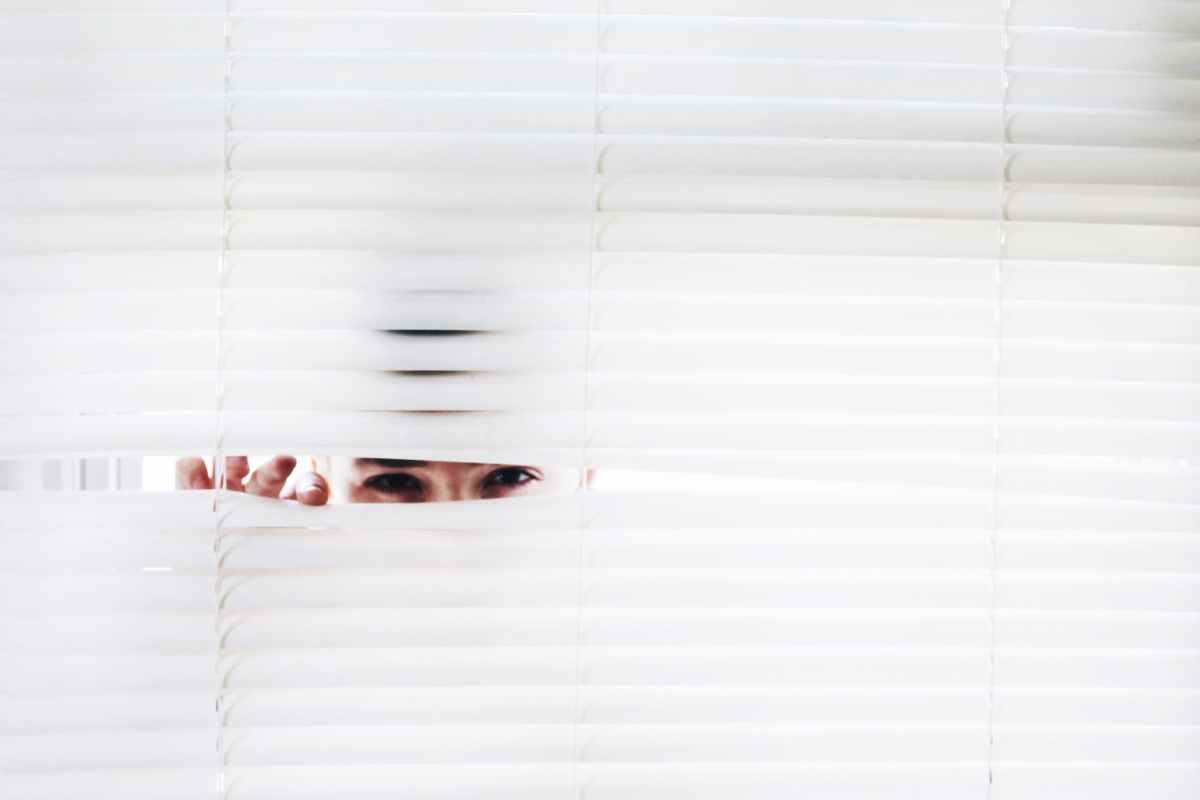
I sat down by my window and opened the blinds
From my window, I see a world absent of law
No quarter for those who want it No quarter for those in need There was none, even for those who drop to their knees and plead.
From my window, I witness the darkness of the light,
the woman adjusting her clothes because she just made her rent in the backseat the man whose rent vanished in a puff of smoke the child who wonders about their next meal because their father just drank it away
from my window, I see light through the darkness
the young man helping the older couple a reminder that there is still courtesy, although fading the blooms of the flowers in an overgrown garden steadily growing, steadily fighting, as we should, like every moment was our last
from my window, I witness those who will not bow
Those whose faith is unwavering those who love unconditionally with no concern for themselves those who continue to fight though is no sign of hope
In this window, I have seen many things
things that you want to fix but cannot things that make us cry, even if it is silently amongst a hundred
The things that will make a stand on mountaintops and cheer The things that will make the strongest of men get up and walk away
These things and much more represent the ideal I have spent my life fighting for.



























 Memoirs of Madness