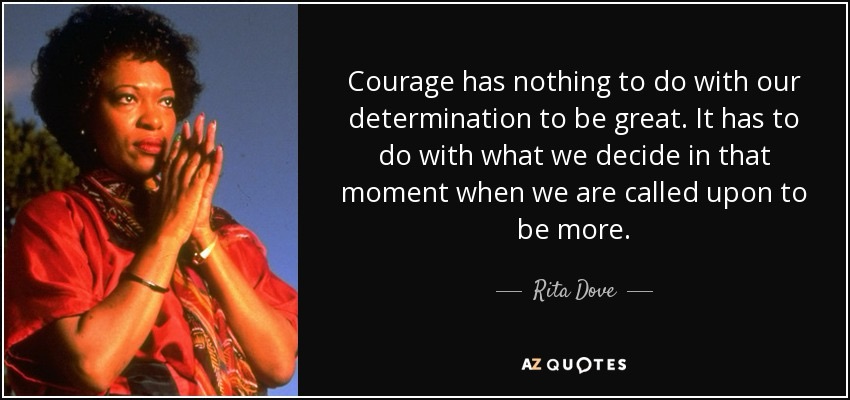
Quote of the Day – 04102024

A place where I post unscripted, unedited, soulless rants of a insomniac madman

Nothing More
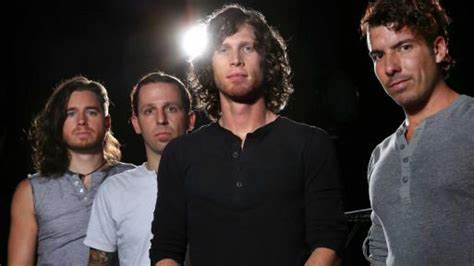
“Fade In, Fade Out” by Nothing More is a deeply emotional and introspective song that explores the universal themes of time, legacy, and the cyclical nature of life. Released as part of their album “The Stories We Tell Ourselves” (2017), the song delves into the relationship between generations, specifically focusing on the bond between a parent and child. Through its poignant lyrics, “Fade In, Fade Out” reflects on the inevitable passage of time, the experience of watching one’s parents age, and the desire to make the most of the moments shared with loved ones.
The song begins with a perspective that captures the essence of watching one’s child grow up, imparting wisdom, and hoping they find their way in life without losing themselves. As it progresses, the narrative shifts to express the child’s perspective—acknowledging the sacrifices made by the parents, the realization of their mortality, and the deep wish to carry forward their legacy. With its haunting refrain, the chorus emphasizes the transient nature of life, urging listeners to cherish their time with loved ones before it’s too late.
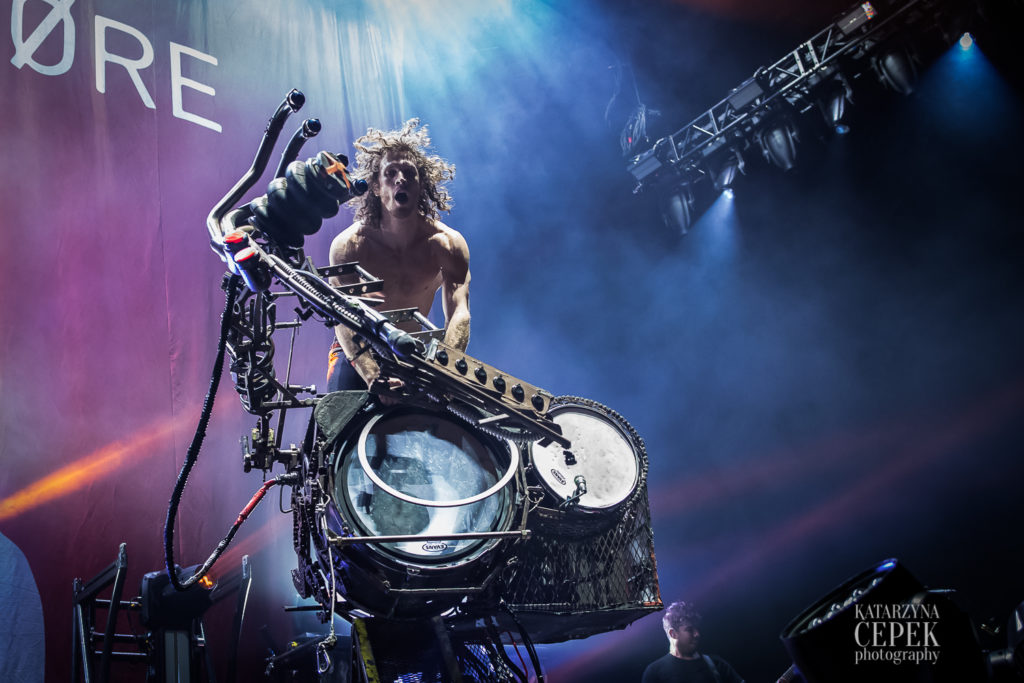
Musically, “Fade In, Fade Out” is marked by its dynamic shifts, moving from softer, reflective verses to powerful, emotionally charged choruses, mirroring the emotional depth and complexity of the subject matter. The song is a testament to Nothing More’s ability to weave intricate narratives through their music, offering listeners not just a song, but a profound emotional experience that resonates with the universal human condition of love, loss, and the hope of legacy. To hear this song preformed live adds another layer to it.
LYRICS:
Just the other day I looked at my father
It was the first time I saw he’d grown old
Canyons through his skin and the rivers that made them
Carve the stories I was told
He said
“Son, I have watched you fade in
You will watch me fade out
I have watched you fade in
You will watch me fade out
When the grip leaves my hand
I know you won’t let me down
Go and find your way
Leave me in your wake
Always push through the pain
And don’t run away from change
Never settle
Make your mark
Hold your head up
Follow your heart
Follow your heart”
Just the other day I stared at the ocean
With every new wave another must go
One day you’ll remember us laughing
One day you’ll remember my passion
One day you’ll have one of your own
And I say
“Son, I have watched you fade in
You will watch me fade out
When the grip leaves my hand
I know you won’t let me down
Go and find your way
Leave me in your wake
Always push through the pain
And don’t run away from change
Never settle
Make your Mark
Hold your head up
Follow your heart
Follow your heart, follow your heart, follow your heart”
We all get lost sometimes
Trying to find what we’re looking for
We all get lost sometimes
Trying to find what we’re looking for
I have watched you fade in
You will watch me fade out
When the grip leaves my hand
I know you won’t let me down
Go and find your way
Leave me in your wake
Always push through the pain
And don’t run away from change
Never settle
Make your Mark
Hold your head up
Follow your heart
Follow your heart, follow your heart”
When the morning comes and takes me
I promise I have taught you everything that you need
In the night you’ll dream of so many things
But find the ones that bring you life and you’ll find me
Thanks to Jim Adams for hosting and another excellent suggestion by Nancy, aka The Sicilian Storyteller

You’re going on a cross-country trip. Airplane, train, bus, car, or bike?
I’ve more time behind the wheel than any other mode of transportation. Driving has always relaxed me. I prefer driving alone to think in peace, but I’m not opposed to traveling with someone else. I’ve developed some of my best storylines driving. There’s nothing like working out a difficult scene while gliding across the asphalt sea. The only problem is that I never seem to have a device to capture my thoughts as they come. Yes, yes, I’ve tried the microcassette recorder thing, but I never seem to remember to bring spare tapes. When the digital ones hit the market, the problem is solved, right? Nope, I forget to download to my computer, and when I do, I forget where the hell I put them.
The essentials for a proper road trip: This list varies based on your individual needs, but here are a few suggestions to help you consider what you might need.
Whether you listen to music, podcasts, audiobooks, or talk radio, some items are saved locally on your device for times when you don’t have cell coverage.
If not, you may be forced to listen to stuff like this:
Some of you may enjoy these tracks, so you look at me strangely. However, on one of my road trips, before streaming services were a thing, I found myself listening to a Juice Newton marathon. Now, I ask you, how is this even a thing? It was that day. Some DJ, apparently a huge Juice Newton fan, played all her music. To make matters worse, he had a booming radio station that blasted for miles.
However, you get lucky and get some fun songs like these:
By answering this post when I’m supposed to be sleeping, I’m subject to say anything. I couldn’t resist!
Despite the title, the rain is my favorite type of weather. I never understood why people ran from the rain but spent hours in the shower over a lifetime. They swim laps, surf, and waterski, yet the first raindrops they beat feet for shelter. Trust me, I’m not making fun of anyone. I was just like everyone else until I joined the military.
If it ain’t raining, ain’t, training became our mantra after just a few weeks in service. At my first duty station in Korea, I survived the monsoon season. Trust me, you will stop worrying about the rain after surviving monsoon season. We are soaked to the epidermis, which was wrinkled by the time you were able to put on dry clothes. I can’t remember the last time I ran from the rain.
At any rate, I love the rain. Its something about it I never could put my finger on. Here are some of my favorite songs with rain in the title. I know, it’s Eddie Rabbit’s fault.

Here is my response to RDP’s Daily Prompt – Lithe
In the heart of a bustling city park, where children’s laughter mingled with the melodious chirping of birds, sat a man named Julian. He was a solitary figure amidst the vibrant chaos, a contemplative soul who found peace in the art of people-watching. Julian was particularly drawn to the nuances of human interaction, the subtle play of expressions, and the eloquence of body language.
On this sun-drenched afternoon, his attention was captured by a woman practicing yoga on the lush, green grass. She embodied grace, her movements fluid and effortless, a visual symphony that mesmerized Julian. He noted how the word “lithe” seemed to be crafted for her, the very definition of her elegance and strength. She moved with an almost ethereal poise, her limbs stretching and coiling with a feline agility that left Julian in awe.
For days, Julian returned to the park, hoping to catch a glimpse of the lithe woman. She became a muse to him, a living embodiment of art and beauty he dared only admire from afar. Her presence stirred something within him, a longing to reach out and connect, to transcend the boundaries of his solitary existence.
Finally, mustering every ounce of courage, Julian decided it was time to step out of the shadows of his observation and into the light of interaction. He approached her on a day painted with the perfect azure of the sky. His heart thundered in his chest, a tumultuous symphony of nerves and excitement.
“Hello,” he said, his voice barely a whisper against the backdrop of the park’s life.
She turned toward him, her expression mildly surprised. Her eyes reflected the tranquility of the world she embraced. “Hello,” she replied, her voice as soft and melodious as he had imagined.
Julian stumbled through his introduction, words tangled with admiration and awe. He spoke of his observations, his fascination with how she moved, how she seemed to personify the word “lithe.” He expected bemusement, perhaps even annoyance. Instead, she smiled, a warm, genuine curvature of her lips that reached her eyes and ignited a spark of connection.
Her name was Elara, and she listened earnestly attentively, making Julian’s words flow more freely. They talked beneath the canopy of verdant leaves, their conversation meandering through the trivial to the profound, just as the park’s myriad pathways did.
In time, their meetings became a cherished ritual, two once-strangers finding solace and joy in shared moments. Julian, who had once been content to observe life from a distance, actively participated in its menagerie, woven with threads of companionship, understanding, and the unexpected beauty of a chance encounter.
And so, in a park where the world seemed to converge, Julian discovered the courage to connect, inspired by a woman who danced with the wind, her lithe form a reminder of life’s boundless grace.
What are three objects you couldn’t live without?
If I’m being honest, there are far too many I would hate to give up. I guess I’ve got soft over the years. However, if I absolutely had these three items I couldn’t live without.

1. Coffee – I don’t care about the garbage talked about drinking coffee. Bad things happen when I don’t have my coffee; don’t test me on this subject.

2. iPad Pro 12.9 – This is such a versatile tool. I can read books, Listen to audiobooks, write, and take and edit photos. I’ve been using an iPad model for over a decade. It’s hard to imagine working without one. I even tried out several versions of the Samsung tablets and compared them. Though Samsung makes a solid product, I prefer the iPad.

3. My Briefcase – My briefcase is far cooler than the one in the photo, but you get the idea. I have several items for survival contained inside.
Items may include, but are not limited to, the following:
Well, that’s it. That’s all of it.

As a writer, I often reflect on my inspirations or, more precisely, why I chose to become a writer. I ask myself, was there a thing more than the others that influenced this decision? I never come up with a definitive answer, but I feel compelled to discuss the impact of the Harlem Renaissance.
The Harlem Renaissance is one of American history’s most significant cultural movements, representing a period of profound artistic and intellectual awakening among African Americans in the 1920s and 1930s. Centered in the vibrant neighborhood of Harlem in New York City, this period witnessed an unprecedented surge of creativity and innovation across various artistic disciplines, including literature, music, visual arts, and theater. The Harlem Renaissance not only transformed the cultural landscape of America but also challenged prevailing racial stereotypes and paved the way for greater recognition of African American contributions to society. This essay aims to provide a comprehensive overview of the Harlem Renaissance, exploring its historical context, key figures, artistic achievements, and lasting impact on American culture.
Historical Context:
The Harlem Renaissance emerged against the backdrop of widespread racial discrimination, segregation, and socio-economic inequality faced by African Americans in the early 20th century. The Great Migration, a mass movement of African Americans from the rural South to urban centers in the North, including Harlem, during and after World War I, was pivotal in shaping the period’s cultural milieu. In Harlem, a vibrant community of artists, writers, musicians, intellectuals, and activists converged, seeking refuge from racial oppression and striving to create a space for artistic expression and cultural affirmation.
Key Figures and Literary Contributions:
Central to the Harlem Renaissance were the writers and intellectuals who articulated African Americans’ experiences, aspirations, and struggles through their literary works. Among the most prominent figures of the movement were:
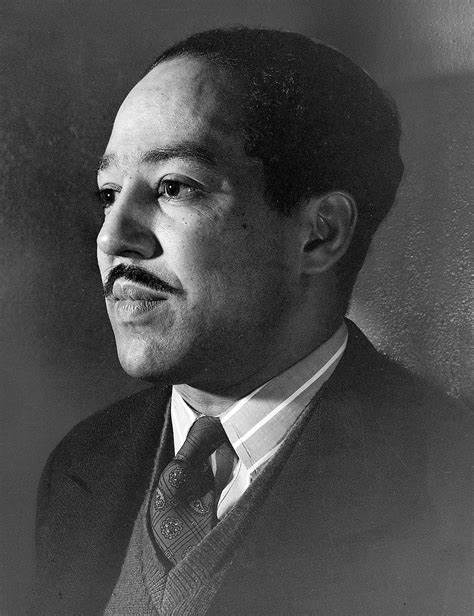
1. Langston Hughes: Renowned for his poetry, fiction, and essays, Hughes captured the rhythms and vernacular of African American life in his works, addressing themes of identity, heritage, and social justice. His seminal poem “The Negro Speaks of Rivers” and his collection “The Weary Blues” are enduring classics of the Harlem Renaissance. Hughes moved so much as a young poet. His work was instrumental in assisting me to develop my style as a writer.
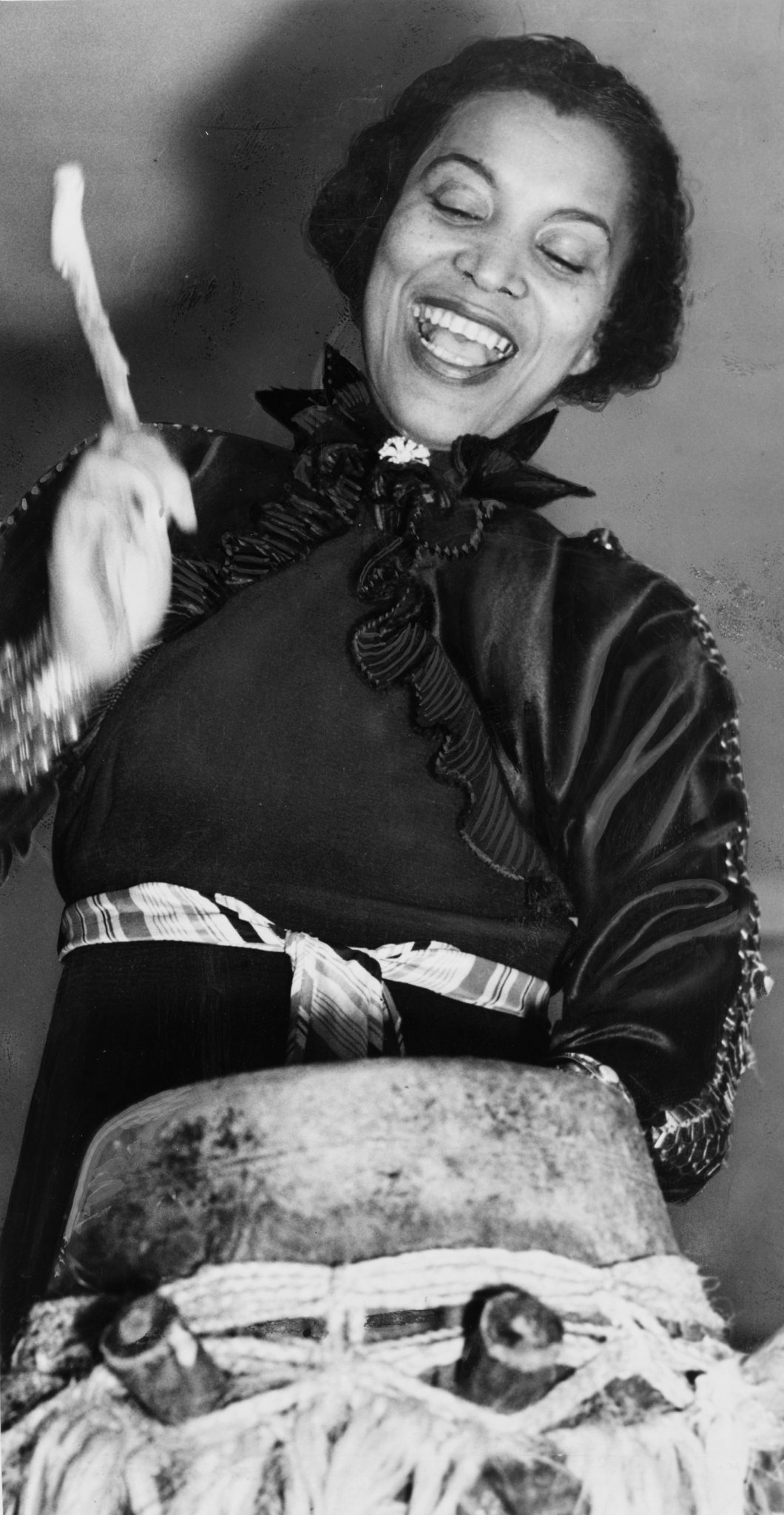
2. Zora Neale Hurston: A pioneering novelist, folklorist, and anthropologist, Hurston celebrated the culture and traditions of the rural South in her writing, challenging stereotypes and portraying the complexity of African American life. Her masterpiece “Their Eyes Were Watching God” remains a cornerstone of African American literature. Before discovering her, I had such a limited glimpse of the power of the period.
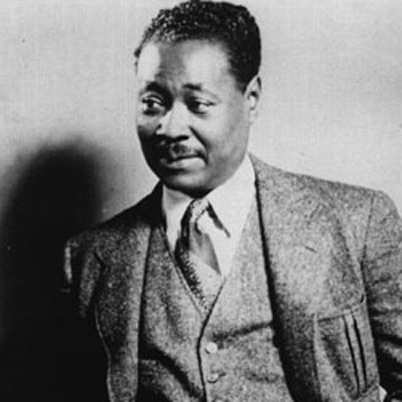
3. Claude McKay: Known for his poetry and novels, McKay explored themes of race, oppression, and resistance in his works, blending elements of traditional English poetry with African American vernacular. His poem “If We Must Die” became a rallying cry against racial violence and injustice. Mckay’s work taught me that I could include hope amidst the verses of pain and despair. He fundamentally affected how I constructed a verse.
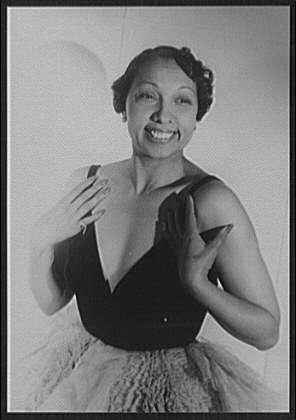
4. Nella Larsen: A gifted novelist, Larsen depicted the complexities of racial identity and social mobility among African Americans in her novels “Quicksand” and “Passing,” shedding light on the psychological and emotional challenges faced by individuals navigating between racial boundaries. Passing took me to a world I seldom acknowledged. She introduced me to the struggles my adoptive grandmother faced. I often wondered about some of Mimi’s beliefs; what were their origins? Passing provided possible answers to my numerous queries.
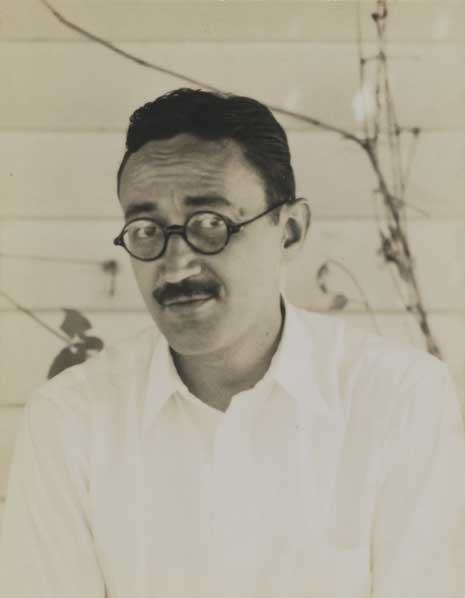
5. Jean Toomer: Influenced by his experiences in the rural South and Harlem, Toomer’s experimental novel “Cane” defied conventional literary genres, blending poetry, prose, and drama to explore the lives of African Americans in the post-Reconstruction era. Often, I experimented with the combination of prose and poetry. For example, I was often ridiculed for my attempts. I knew it could be done. Not only done, but done well. I was introduced to Toomer and his Cane. I ceased doubting myself and continued writing. When I read Jason Reynolds, I am reminded of Toomer.
These writers and many others challenged prevailing literary conventions and redefined the African American literary tradition, enriching American literature with their diverse voices and perspectives. Here are a few more of the notable writers of the period.
Artistic Achievements and Cultural Impact:
Beyond literature, the Harlem Renaissance encompassed a rich tapestry of artistic expressions, including music, visual arts, theater, and dance. Jazz, with its improvisational style and syncopated rhythms, became the quintessential sound of the era, symbolizing the spirit of cultural innovation and liberation. Musicians such as Duke Ellington, Louis Armstrong, and Bessie Smith rose to prominence, captivating audiences with their electrifying performances and reshaping the landscape of American music.
In the visual arts, African American artists such as Aaron Douglas, Jacob Lawrence, and Romare Bearden explored themes of identity, history, and social justice through their paintings, murals, and collages, contributing to the flourishing of African American artistry and aesthetics.
The Harlem Renaissance also witnessed a resurgence of African American theater, with playwrights such as Langston Hughes, Zora Neale Hurston, and Eugene O’Neill staging productions that reflected the experiences and aspirations of African Americans. The New Negro Movement, as articulated by Alain Locke in his seminal anthology “The New Negro,” sought to challenge racial stereotypes and promote a positive image of African American culture and identity.
The legacy of the Harlem Renaissance extends far beyond its immediate historical context, influencing subsequent generations of artists, writers, and activists and contributing to the ongoing struggle for racial equality and social justice. By reclaiming their cultural heritage and asserting their creative agency, the participants of the Harlem Renaissance paved the way for greater recognition and appreciation of African American contributions to American culture and society.
Conclusion:
The Harlem Renaissance is a testament to the African American community’s resilience, creativity, and cultural vitality in adversity. Through their artistic achievements and intellectual pursuits, the participants of the Harlem Renaissance challenged prevailing racial stereotypes, celebrated the richness of African American culture, and laid the groundwork for a more inclusive and equitable society. As we commemorate the legacy of the Harlem Renaissance, remind us of the enduring power of art and culture to inspire, uplift, and transform lives, transcending barriers of race, ethnicity, and nationality.
My response to Sadje’s challenge
Do you like the age you are now?
This is one of the easiest questions I’ve answered in a while. The answer is YES. I love it. However, it feels odd to say so when that hasn’t been the case. For decades, I had this thing where I wanted to be older than my age. Almost like I was born during the wrong era or something. The problem I could never settle on a period I really wanted to be from.
Then was the whole “you’re just a kid. You’ll understand when you get older.” I hated being treated like a kid. I refused to believe that age possessed this fountain of wisdom that eluded my entire youth. Often, I wondered what age or day I was going to understand the mysteries of the world suddenly. Would it be on a weekday? Or on the weekends? I hoped for sometime during the week because, let’s face it, on the weekends, there was beer and women to be ignored by. Disgusted or disapproving looks from members of the opposite sex while standing obnoxious with the fellas is a rite of passage.
However, I would like to be on a Monday if it was during the week. Many complain about Monday’s, but I don’t mind so much. Over the years, I found several to be rather pleasant. Tuesdays would be alright, too, yet it doesn’t pop off on Mondays. Any day after is a negative ghost rider. There to much preparation from the pending weekend. You can’t be bogged down with a complex thought. I can see it now, sitting there tugging on your peach fuzz chins, saying, “Hmm.” For those fellas who could grow full beards in high school, I am jealous.
I enjoy my age now because all I have to do is sit around looking at people like they’re crazy. Who needs cable? Have you ever looked at the younger folks when you get older? They are hilarious, aren’t they? It’s alright. You can admit it. The only drawback is the random, unprovoked ailments that surface periodically. Yes, I said unprovoked. This is my story, and I’m sticking with it. I can speak my mind. I’m old enough to know better but too old to give a shit. After all this crap of wishing I was older, I’m finally in the winter of life. It gets a little chilly at times, but hey. Excuse me while I slip on a sweater.

While serving in the military, I never heard of these guys. Once I got out, I started researching military units during wartime. I came across this picture, and it just intrigued me. I have hours of data about this unit and others like it. I thought I would share a very quick overview of this amazing collection of men.

The Harlem Hellfighters, officially known as the 369th Infantry Regiment, were a remarkable group of African American soldiers who served with distinction during World War I. Despite facing racism and segregation in the United States, these courageous men showcased exceptional bravery and resilience on the battlefield, earning respect and admiration from both allies and enemies.
Formed in 1913, the 369th Infantry Regiment was originally a New York National Guard unit. When the United States entered World War I in 1917, the Harlem Hellfighters were among the first African American units to be sent to Europe. However, due to racial prejudices prevailing at the time, they were assigned to the French Army under the command of General Philippe Petain.
The Harlem Hellfighters served on the front lines for 191 days, more time in continuous combat than any other American unit during World War I. They faced intense fighting in the trenches, enduring not only the perils of war but also racism from their fellow citizens. Despite the challenges, they demonstrated exceptional courage in battles such as the Meuse-Argonne Offensive, where they fought tirelessly to overcome the enemy.
One of the most remarkable aspects of the Harlem Hellfighters’ legacy is their introduction of jazz music to Europe. The regiment’s band, led by Lieutenant James Reese Europe, played a significant role in popularizing this uniquely American art form abroad. Their performances entertained both troops and civilians, breaking down cultural barriers and contributing to the global recognition of jazz as a vibrant and influential genre.
The Harlem Hellfighters returned home as heroes, but their fight for equality did not end on the battlefield. Their experiences in World War I played a pivotal role in the broader struggle for civil rights in the United States. The recognition of their sacrifices and achievements contributed to the eventual desegregation of the military and laid the groundwork for the African American soldiers who would follow in their footsteps.
In 2019, a century after their heroic service, the Harlem Hellfighters were posthumously awarded the Congressional Gold Medal, further acknowledging their contributions and sacrifices. Their legacy remains an integral part of American history, serving as a testament to the strength, resilience, and courage of those who fought for justice and equality, both on and off the battlefield.

A dark unfathomed tide
Of interminable pride –
A mystery, and a dream,
Should my early life seem;
I say that dream was fraught
With a wild and waking thought
Of beings that have been,
Which my spirit hath not seen,
Had I let them pass me by,
With a dreaming eye!
Let none of earth inherit
That vision of my spirit;
Those thoughts I would control,
As a spell upon his soul:
For that bright hope at last
And that light time have past,
And my worldly rest hath gone
With a sigh as it passed on:
I care not though it perish
With a thought I then did cherish.
Here is my response to today’s Ragtag Daily Prompt – Time
Sitting within the wondering of unknown destiny.
Riding the waves of the abyss of sorrow.
Like the sands of the hourglass, the moments of a promiseless
tomorrow slip away
But…
Have you heard the news today?
Our kinsmen…
Our brethren…
Has passed away
Not of blood, but of spirit
What is felt goes by many names
yet the pain
remains the same
Remember…
He has been called home
to sit alongside our Master
and his golden throne
Boundfull
dutiful
we are
to acknowledge his words of passion and grace
for they have
Lifted us…
Caressed us…
Consoled us…
I wish to thank all those who have taken the time to read the ranting of a feeble mind.
From my stoop, on my soapbox, I stare into the abyss, then begin reading my list.
Life is short…
So kiss it…
taste it..
Close your eyes and
Savor it…
But most of all
LIVE IT !!!
One minute at a time
I wrote this piece years ago after the writing community had lost one of its brethren. To me, he was gentle, but wise soul with so much to offer. The writing community took a blow that day.
It doesn’t matter about the existence of time, moments we spend with one another count. Make the moments we spend even with strangers matter. Humanity’s most precious gift to one another is their time.
My response to RDP – Thursday – bamboozle
A spry little man named Barkan lived in the serpentine alleys of the ancient city of Khazan, notorious for its labyrinthine streets and enigmatic inhabitants. Barkan was not your average resident. He was a trickster, a master of bamboozles, and his clever ruses were the talk of the city.
Barkan was not always this cunning. Once upon a time, he was an innocent and naive boy. However, life in Khazan was tough, and the city’s harsh realities turned him into the wily person he had become. Yet, Barkan’s bamboozles were never harmful or malicious. They were light-hearted pranks aimed at teaching lessons to the arrogant and the pompous.
One day, a haughty nobleman named Lord Faizan visited Khazan. Rumors of Barkan’s bamboozles had reached him, and he was determined to outwit the trickster. Lord Faizan was known far and wide for his pride and arrogance, qualities that made him the perfect target for Barkan.
Upon his arrival, Lord Faizan announced a reward for anyone who could outsmart him. The city excitedly buzzed, and Barkan saw the perfect opportunity for his most significant bamboozle yet. He accepted the challenge, and the city held its breath, waiting for the grand showdown.
The next day, Barkan invited Lord Faizan to a feast at his humble abode. As the nobleman arrived, he was surprised by the simplicity of Barkan’s home. Little did he know, the grand bamboozle had already begun.
What I’ve learned over the years in regards to clutter is you never know how much crap you have accumulated until you get ready to move. Also, I discovered the things in the basement, the storage unit, and the garage. You probably don’t need it. I’m aware that somehow we find justification to keep these forgotten treasures or the unknown items contained inside labeled “Misc.” So do your best to load the unnecessary items and take them to your local charity or consignment store.
Let’s change direction for a minute. We are still discussing the reduction of clutter but in a different way.
“The unexamined life is not worth living”
― Socrates
I’ve come to realize that the area with the greatest need for decluttering is one’s self. I’ve been ill these last few months, and it doesn’t seem I’m going to get any relief in the near future. However, I’ve had an opportunity for self-reflection. Let me tell you, some wickedness has been passing through my mind. Despite this, I’ve had moments of clarity.
I’ve taken the time to really look at what I need to live my best life. I need to take the time to let go of my preconceptions about myself and the world around me. This isn’t as easy as it sounds. I find self-examination to be the most challenging endeavor I ever embarked on. It’s going to be a work in progress. Yet, it is a task worth doing.
Once you let go of your internal baggage, I believe you can tackle the basement, storage unit, or garage with a clear mind and spirit. You just might be able to get something done.
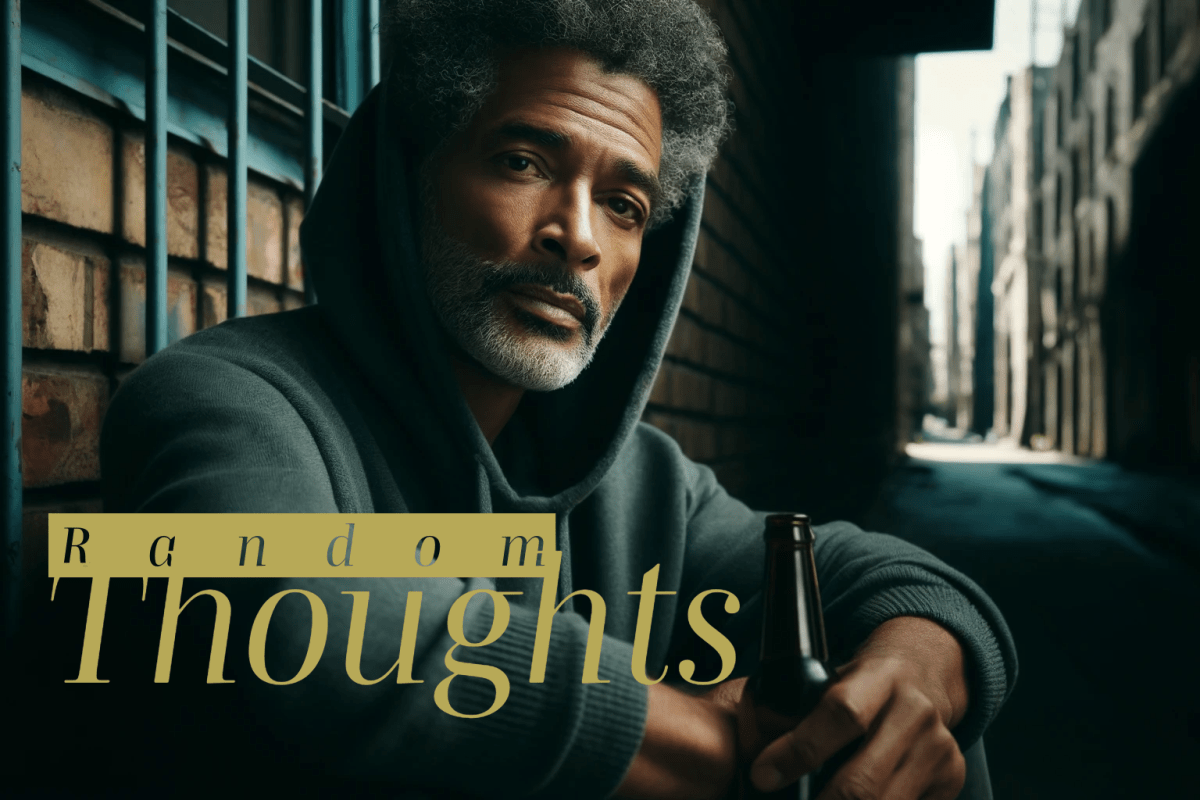
The morning chill creeps through my layers as I sit on my porch, twirling my finger playfully in my whiskers. I swallow a sip of coffee while tugging at them, lost in the depths of my thoughts. The amber glow of the collision between night and dawn illuminates the horizon. Today, a man was born that brought so much light to the world. His presence hurled us out of a darkness that had engulfed us for nearly a hundred years—a man whose vision, courage, and devotion to humanity will never be forgotten.
Sipping coffee, I watch the lights turn on one by one as the neighborhood awakens. A community in which I could have never lived if it wasn’t for this man’s efforts. Not because where I live now is better than where I grew up. Society’s attitude is better. I remember the speech of this brave man as a child being replayed every year during my youth: a vision of hope, love, determination, and courage. His speech or vision served as a beacon representing one of hell of a dream.
Now a seasoned man, I wonder if my efforts in life have helped fulfill that dream. We fought for God, Country, and the ideal of freedom. We spent countless hours away from home in pursuit of the vision on the mountaintop. The endless miles walked for the dream of the Promised Land. No mile did I walk alone. Each mile walked and every hour spent away was in the faith that a moment of hatred was erased. I hoped they would ring the bell of freedom. A sound heard in the souls of each man and woman in the land. A faith I held on to with all my might, even though it was sometimes fleeting.
Each time I heard the word Jew, it took away a little bit of hope. Whenever I heard the word cracker, freedom’s bell rang a little softer. Every time I heard the word spick or chili pepper, humanity’s love got a little weaker. Each time I heard the nigger humanity’s dignity lessen. However, each time I heard these, we fought harder to fulfill the dream of a man we had never known. We risked our lives to fulfill a dream our forefathers wrote nearly two hundred years before my birth.
I look upon my granddaughter, who shifts under her blanket of freedom provided by the fulfillment of this dream, a granddaughter who turns a year older today. She is allowed to live in a world and taste the crispness of a freedom that wouldn’t have been without his dream. A smile comes across my face as I finish my coffee. I smack my lips because I, too, taste the crispness of freedom in the fresh morning air.
Now, I’m a great-grandfather. I still taste the crispness of freedom in the morning air. It’s rather tasty!

Questions like these make me roll my eyes and shake my head. It seems like the next thing they will be asking is,
“What does it all mean?”
What’s my place in the world?”
And more nonsense questions. I have this attitude because it is the decisions we make that cause us to become who we are.
Sure, we have situations in life we would like to do-over or take back. It’s just the nature of life. However, neither of those things are possible. So, when someone asks questions like these. I respond with the following question:
“You’ve had your entire life to prepare for this moment … why aren’t you ready?”
Every decision we have made in life has led to where we are … the good, the bad, and the ugly. Do we really want to change anything?
As always,
I’ve been fortunate to have received some amazing gifts throughout my life. However, that depends on how the word “gift” is defined. Most of the time, when talking to others, I find gifts to be defined as something tangible. Something one can display on a desk or show someone. I would define these sorts of gifts as awesome, wonderful, or cool; maybe? Yet, neither rise up to the occasion of the “greatest.” I think if you take a moment and think about it, you may agree with me or not.
However, the greatest gift to me is when someone gives you their time. Time is a precious commodity, something you can’t get back. Well, at least not right now; give me another ten years; the machine I’m building should be thoroughly tested and ready for the public. Until then, I view the time people choose to spend with us as special and intimate. I know I may be a little bent on this point, but it seems to be working.
“Hope” is the thing with feathers –
That perches in the soul –
And sings the tune without the words –
And never stops – at all –
And sweetest – in the Gale – is heard –
And sore must be the storm –
That could abash the little Bird
That kept so many warm –
I’ve heard it in the chillest land –
And on the strangest Sea –
Yet – never – in Extremity,
It asked a crumb – of me.
The past is the past for a reason.
That is where it is supposed to stay,
But some cannot let it go.
In their heads it eats away
Until all their focus becomes
The person they used to be,
The mistakes they made in their life.
Oh, if only they could see
That you cannot change what happened,
No matter how hard you try,
No matter how much you think about it,
No matter how much you cry.
What happens in your lifetime
Happens for reasons unknown,
So you have to let the cards unfold.
Let your story be shown.
Don’t get wrapped up in the negative.
Be happy with what you have been given.
Live for today not tomorrow.
Get up, get out, and start living,
Because the past is the past for a reason.
It’s been, and now it is gone,
So stop trying to think of ways to fix it.
It’s done, it’s unchangeable; move on.
Donna. “Changing The Past.” Family Friend Poems, July 6, 2011. https://www.familyfriendpoems.com/poem/changing-the-past
I sit upon my front porch stoop
Beneath the morning sun.
Grateful for the moment spent
Away from everyone.
The air is fresh and slightly chilled,
The sky is blue and clear.
The silence that surrounds me now
Is music to my ears.
I love the morning best of all,
It’s my most tranquil time,
When the promise of a brand new day
Can ease my troubled mind.
When second chances seem more possible
And the world less cold and dark,
And hope can somehow pierce the walls
Of my sad and aching heart.
When left alone with nature
All the world seems far away
And the woes of life so trivial
When wrapped in her embrace.
But alas the birds awaken
And begin to sing their songs,
And people slowly wander by
And nod as they go on.
The sun has now grown brighter
As it rises in the sky
And in the distance there’s a whistle
As a train goes lumbering by.
The world is calling out to me
To jump back in the fray.
To have faith things can get better
And let go of yesterday.
So today I get to start again
By the morning light renewed.
Feeling brave and energized,
There is nothing I can’t do.
In life there are people that will hurt us and cause us pain,
but we must learn to forgive and forget and not hold grudges.
In life there are mistakes we will make,
but we must learn from our wrongs and grow from them.
In life there are regrets we will have to live with,
but we must learn to leave the past behind and realize it is something we can’t change.
In life there are people we will lose forever and can’t have back,
but we must learn to let go and move on.
In life there are going to be obstacles that will cause interference,
but we must learn to overcome these challenges and grow stronger.
In life there are fears that will hold us back from what we want,
but we must learn to fight them with the courage from within.
God holds our lives in his hands. He holds the key to our future.
Only he knows our fate.
He sees everything and knows everything.
Everything in life really does happen for a reason: “God’s Reason”
This is a daily reminder
To relax,
To not get angry over small things,
To stay calm.
This is a daily reminder
To be yourself,
To not care what people think,
To know you can be anything.
This is a daily reminder
To love yourself,
To not hurt yourself,
To not work yourself up.
This is a daily reminder
That you are beautiful,
That you are amazing,
That you will succeed.
This is a daily reminder
To always have hope,
To have faith,
To know everything will be okay.
This is a daily reminder
That you have made it so far already,
That you haven’t given up,
That whatever you’re doing is right,
And that you are going to be amazing.
Don’t give up.
Keep holding on and believing.
Nicolette. “This Is A Daily Reminder.” Family Friend Poems, March 7, 2015. https://www.familyfriendpoems.com/poem/this-is-a-daily-reminder
My body is healing, so I’ve been sleeping a lot. It’s strange how remarkable the body can be if you allow it to do its thing. I haven’t been able to get much done in these past weeks, but I’ve had the strength to create. This is a blessing in itself. I may never return to being the man I was before all this happened, but honestly, they may not be such a bad thing. In part, it’s because of him; I’m in this situation, and it’s also because of him; I know I can survive it. Who or what will I be after it is all said and done? Who knows? But it’s gonna be fun figuring things out.
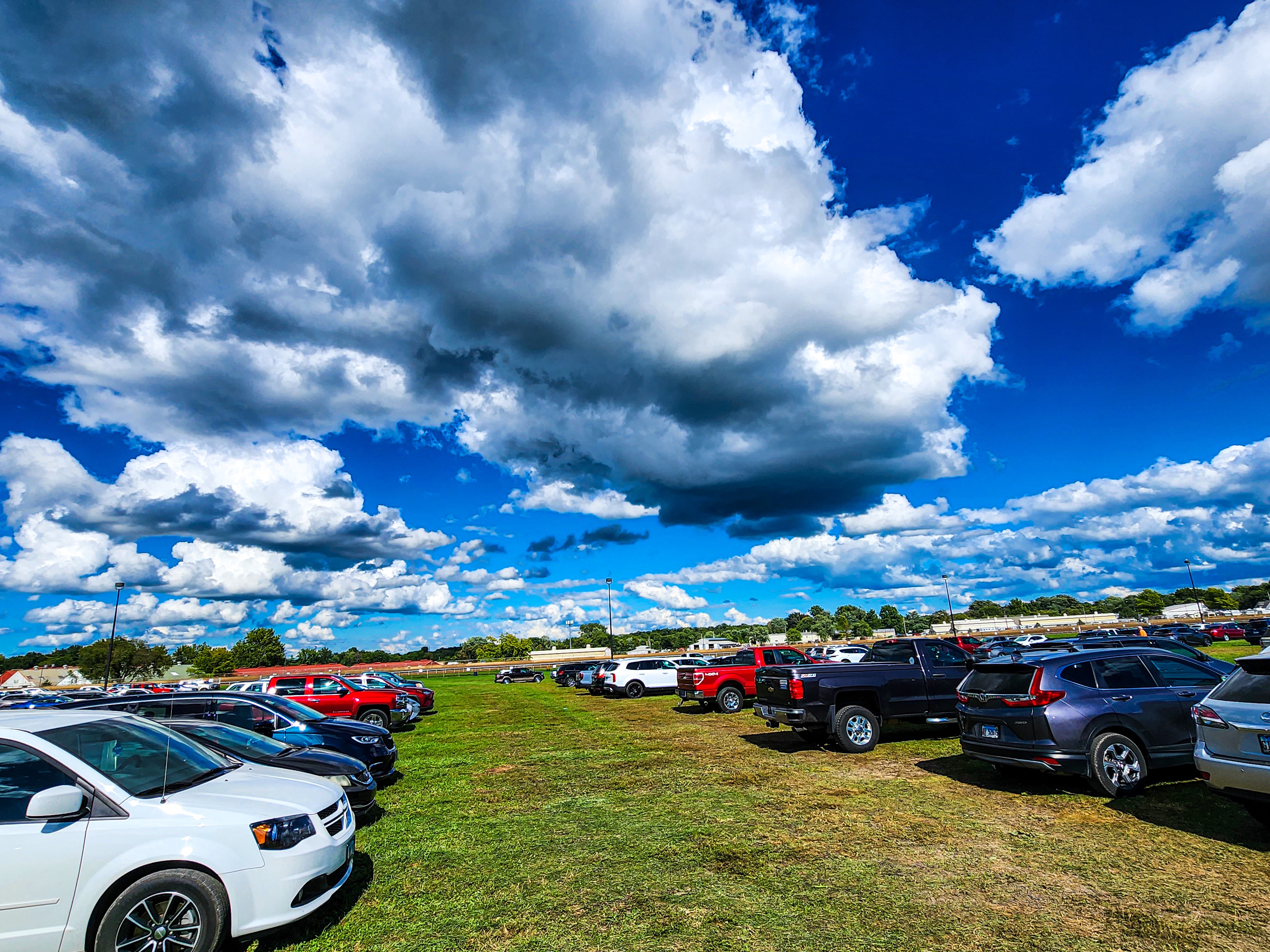
I took this photo a week before my health took a nose dive. I remember feeling horrible that day. However, I pushed through because I’m a tough guy and all that.
What’s your favorite cartoon?
I watched so many cartoons as a child I can’t remember them all. Of course, the classics like Scrooby-Do and Bugs Bunny. However, there was one cartoon that appeared later. GI-Joe ended up being my jam. It might have sparked from having the action figure GI Joe with the kung-fu grip. Whatever the reason, I enjoyed every episode I was able to catch. What’s cool is that YouTube has all the episodes.
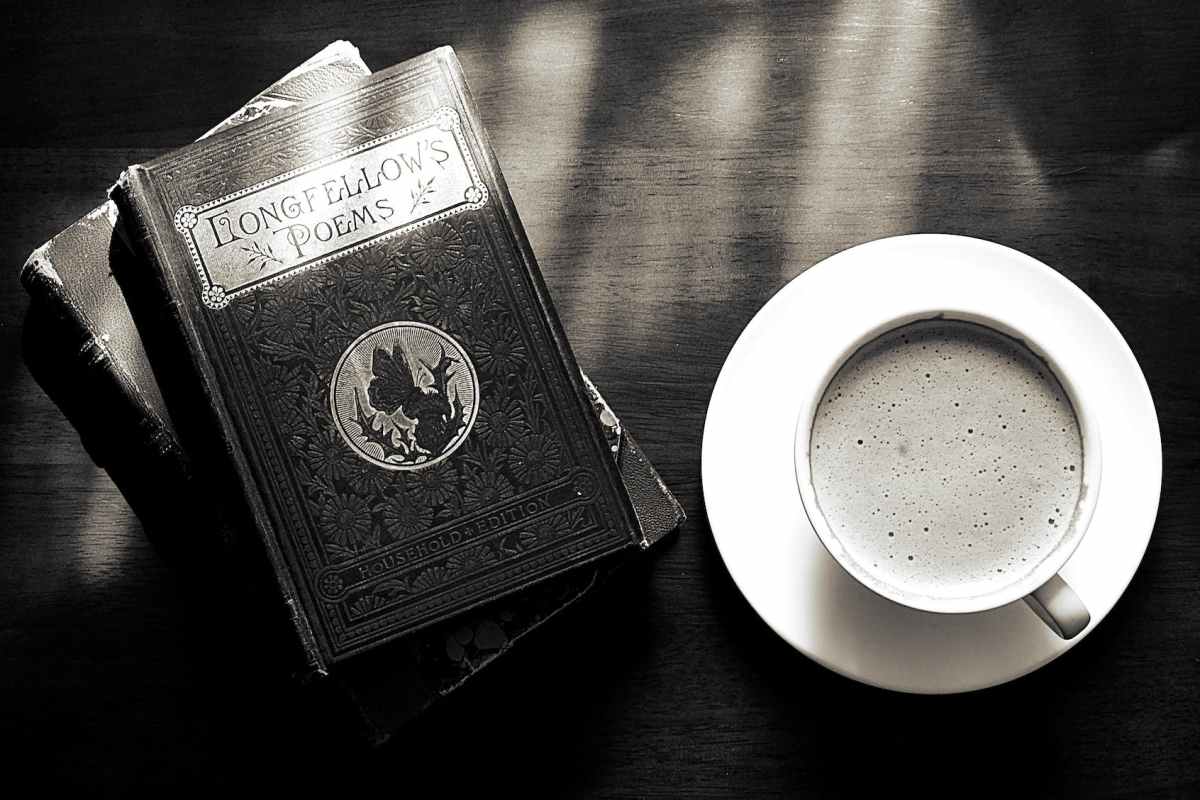
One of my favorite forms of writing is poetry. For years I have been trying to figure why? Perhaps, in it’s many forms it represents the truth of us. The truth that is only told within the lines we write. There’s something majestic about poetry that can’t be explained in words no matter how hard we try. But at least we can do is highlight one of its many forms.
Acrostic poems are a unique and creative expression used for centuries to captivate readers and convey profound messages. In this article, we will delve into the format of acrostic poems, exploring their structure, techniques, and the power they hold in making meaning come alive.
What is an Acrostic Poem?
An acrostic poem is a type of poetry where the first letter of each line when read vertically, spell out a word, phrase, or name. This format adds depth and meaning to the poem, as the chosen word or phrase often serves as a theme or central idea.
The Structure of Acrostic Poems:
Acrostic poems typically consist of multiple stanzas, with each line beginning with a letter that contributes to the hidden word or phrase. The number of lines in each stanza can vary, depending on the poet’s preference and the length of the word or phrase used.
Techniques for Crafting Acrostic Poems:
Choosing the central word or phrase: The first and most crucial step in creating an acrostic poem is selecting the word or phrase that will be spelled out vertically. This choice sets the tone and theme of the poem. Brainstorming: Once the central word or phrase is chosen, the poet can brainstorm words, phrases, or ideas associated with each letter. This helps in constructing meaningful and coherent lines for the poem. Wordplay and creativity: Acrostic poems allow for wordplay and creativity, as poets can experiment with different ways to express their thoughts and emotions within the constraints of the format.
The Power of Acrostic Poems:
Expressing hidden meanings: Acrostic poems provide an opportunity to subtly convey hidden meanings or messages within the poem. This adds an element of intrigue and depth to the reading experience. Engaging the reader: The format of acrostic poems engages the reader’s curiosity and encourages them to actively participate in deciphering the hidden word or phrase. It creates a sense of interaction between the poet and the reader. Enhancing memorability: Acrostic poems have a unique quality that makes them memorable. The deliberate arrangement of letters and the challenge of uncovering the hidden word or phrase leaves a lasting impression on the reader.
Wailing
Howls
Incongruity
Solitude’s
Perdurable
Exemplary
Resolve
The message couldn’t have been clearer
it was like a strobeing neon sign…
or looped playback of an unwanted message
The sulfur fills your nostrils and you’re mesmerized by the dancing flame
Why did you foolishly believe in this?
why where so easily taken in by its lure?
why did you allow yourself to breath life into boyish fantasy?
The amber light severed the darkness for a moment as you took a drag
Shaking your head, you exhale…bathing in the realism of the moment
You step back into the shadows…..step back into the known
step back before you become a victim of the voracious nature of life
You thump the ashes from your cigar in the darkness ….safe and free
There is a silence in the room
No words spoken, emotions so thick one could smother
Fighting back the tears, as you look back at her face.
She’s sitting on the steps, glowing in the sun.
Your bag is packed, yet you search for a reason not to leave.
Standing the final stance before departure…knowing too well it is time
Feeling the tenderness of her touch
Followed by the warmth of her lips.
Exhaling in the moment, the next is unknown
Walking out the door, never turning around
Not wanting your tears to show.
The ride to post was longer today than any others
Your brothers and sisters in arms have the same upon their faces
Equipment and manifest checks … moments away from destiny
Chatter fills the room, but no one speaks of why we are here
As if you speak its name, you give it power.
To speak its name, the illusion would be over
We muster on the flight line, trying to stay strong
We look through the crowd, watching your brethren summoning the courage
Moments away from fighting an unknown cause
Fighting with undying zeal and without pause
The plane is loaded, and slumber takes over
Getting all we can get while we can
Waken by the plane’s descent, our nerves on fire
Knowing that the illusion is over and dues need to be paid
We flick the switch ….
Boom boom….boom boom ….boom boom
Can you hear it?
Boom boom…boom boom ….boom boom
War drums sound off
Boom boom…boom boom ….boom boom
Our soul screams!!!!
YEEEEAAAAAAHHHHHH!!!!!
Now we embrace our beast and let them out
Fighting relentlessly ….
Stained with essence ….
Innocence shattered ….
Desperately searching for the next thing that is keeping you away
Through bloodshot eyes, we see all the enemies have vanished
No one else to fight … no more orphans caused
At least no more today
We flick off the switch ….
Leaning in the doorway, standing there looking
Looking at the most breathtaking thing that these eyes have seen
In what seems to be a lifetime
I see you ….
Glowing in the sun
When I was young, I approached life without fear
With hopes as bright as the sun
When it came to worries, I had none
I’d never thought I’d end up here
Sitting here remembering what I saw in the mirror
Realizing what I had become
All the things I had done
My soul and eyes fill with tears
At me, I look
Just one look
And all my dreams
Are scattered
My head hangs low
Despair has begun taking its toll
I have no place left to go
For it holding me here
At me, I look
Just one look
And all my hope
Is shattered
Thunderous dreams on whispering wings
That no one can hear
These pages are soaked from the tears I cry
I hope to survive this pain. I scribe
As I scream
AAAAAAAAAAA HHHHHHHHHH!!!!!!
At you, I look
Just one look
For I have lost
The thing that matters
Here, in the chambers of my madness, I am showered by my decadence. The weight of my arrogance bears heavily on my soul, dropping me to my knees, beaten and shallow.
The eyes of my damnation have opened. From its lips, a howl is released that cringes the wicked.
In a fleeting moment….
I believed someone wanted to hear what I had to say.
Believing I had something worthy of saying.
For a moment….
I believed my words could inspire and ignite,
Yet they are daunt and douse.
I believed my words could teleport you from drab and mundane,
to the majestic and climatic
For a moment….
I believed I was good enough to defend the faith, which gives us breath
I believed I was that breath, filling the lungs of the passionate.
For a moment…
I believed the faces of the slain would fade,
Yet I drift deeper into a sea of their weeping souls.
Believing I was strong enough to let go of the things that bind me.
Though I await sadness to draw life that remains….leaving me hollow.
Bound by lunacy’s chains, I am danging in its web, screaming…
Liberating my sanity as I stare into the fright and pain.
Knowing I can’t let go of the hope … of grace.
For my fortitude must be unwavering.
If I’m lucky, my courage will be limitless
Yet, I must be careful, for I hope for….
For it might destroy it all.
Yes, I must be careful …
For it might destroy me.
In the twilight of this revelation, I slump, weakened…
for I am dying.
From my lifeless lips, I speak Passion’s name
Breaking the chains, I rise untouched by the flames of Madness.
holding on to the dream that I’m powerful enough
Powerful enough to scribe in lines of the destined.
Wise enough to scribe the words that will bring us home.
Strong enough to wield the words that will bind our drifting souls.
Bringing us to a place we all belong, united and strong
A place where our words cast out the darkness that sometimes fills our hearts.
Yet, I must be careful about what I long for….
Careful for what I yearn for ….
I might get things I don’t want
Yet, I pray hear you my plea
Just before the dawn of this …
Epiphany of Madness
I close my eyes to the darkness
Inhaling the essence of you
Without you, I write nothing
Without you, I don’t know what to do
Living life amongst the shadows
Watching you depart, my heart just sank
Plunging deep into sadness
Imaging a world where you’re not there
Missing you…
Something I didn’t have a clue
Missing you …
How strange I didn’t have a clue
Writers come alive slowly
Writer’s heart is their home
They put their souls on paper
Each lines a heartbeat
Missing you….
How strange … I never knew
Along the coast of the isle, I await
I’m awaiting the one who is heard but rarely seen.
His guidance, his vision, is what soothes me.
Thundering huffs of his steed surround me
Through the mist, I catch a glimpse of his armor
My heart pounds in anticipation of asking the question
Opening my eyes, I am within the halls of my study
An empty room with barren shelves, once full
No remnants of its former purpose
Except…
An inkwell on my table
Whispering …
You’re the one I belong to…
My soul began to shiver
As it transformed into a mesmerizing beauty
With enchanting eyes that spoke to me.
I could barely take it
My head was spinning around and around
I didn’t know what to do
As those eyes kept asking me
Can you be the writer?
That writes too silly to the profound
Are you that writer?
It is just a question to answer.
The inkwell on my table…
Was the caressing wind
Of the blossoming trees
Everything between hell and heaven
Now I’m back along the coast
In the presence of the rider
As I looked at the face behind the visor
I realized the answers
I am the writer of the silly, perhaps the profound
Yes, I have my answer
I am the Muse
It’s foggy outside, but I’ve never been clearer
I’ve failed you in the worst possible way
I became something other than what I needed to be
I felt I needed to be something other than who I am
If the failure to you isn’t bad enough,
the greatest failure of all is to myself .
Will you remember me when your famous?
It is so lovely for you to say so, but I know that you wont.
To be honest, I would probably forget me too.
So experience, conquer, and live shamelessly.
You see I know that I am nothing more than….
A whisper of a stranger
A smile from a fond memory
We all know that memories wither and fade
So I add another log onto the fire of life
Every so often I poke it
To see the spark, hear the pop, and feel the warmth
While I sit in admiration and silence …
POETRY – iNTROSPECTION
Cradled within a chair,
For I am soothed and warmed by life’s mystical treasures.
As I turn the pages of time’s forgiving grace.
Share a story about the furthest you’ve ever traveled from home.
I wish I had a wonderful, delightful tale about this title, but I don’t. Unfortunately, I’m unable to offer the sorted adventure due to one fact. I don’t remember a thing from that night. I went so far as to ask friends for their account of the evening’s activity. Nothing!
The overall opinion of the everyone involved that night is the following:
“Man, I can’t tell you,” one said, as he shook head with I can only describe as look of shame on his face. I immediately thought the worst.
“Man, tell me.” I exhaled deeply squaring myself, “I can take it.” I assured him. He shook me off.
He sat there quietly for several minutes as if he were trying to decide if he was ready to be the herald of bad news. Then, slowly, he began his tale. Quickly, I realized what he was holding back had nothing to do with me.
As I talked to the rest of my buddies their tales were similar. One work up in a tree. Another in a ditch with a woman.
“Really, dude?” I asked. He just nodded
“Name?” I asked, he shrugged.
“Japan, huh?” he asked, I nodded
“Cool, you made out better than we did,” he said, looking up towards the sky as if it had some universal truth waiting to be discovered behind the clouds. I also found myself looking up, searching for what I imagined to be the same thing or some truth completely different. Neither, I can be certain about. Then I heard his voice bringing me back.
“You can’t remember anything, brother…blessing…no shame” he said.
I nodded thinking there’s that


PROSE – SHORT FICTION
It was a Friday night, and the writing contest deadline was in a few hours. I barely had a solid opening, let alone anything that made the cut. Finally, my muse hit. My fingers had begun flying across the keys. Sentence after sentence filled the page. My sultry but forever absent muse had returned for a special one-night showing. I was eternally grateful. I was so lost in the story created in a presumed moment of brilliance that I barely noticed the rumble of thunder outside.
Though it had been hours, 5,000 words flowed out of me in what seemed an instance. I leaned back and lit a cigarette. I began to review what I had just written. It could be my best work or literary psychobabble like anything I had written. The first three paragraphs had promise, but the next two needed an infusion of common sense. On second thought, the delete button needed to be my best friend. It could save me from swirling in a vat of my ignorance.
Suddenly, the unthinkable happened. I heard the lightning as it struck. I remember jumping a little because the rumbling thunder shook us to the core. The lights began to flicker. I looked around, hoping that it was a fluke. I went to the living room and let the dogs inside. Although they were killers, they were afraid of thunderstorms. The house went dark. Quickly, I retrieved the candles from the junk drawer and lit them. Sitting in my easy chair, I caressed my dogs to settle their nerves. Then, it occurred to me my story.
I knew my word processor had auto-save, so most of my work would be saved. Hours went by, and still no lights. I could hear the sirens of emergency vehicles echoing through the neighboring streets. This storm was worse than most. Finally, six hours later, God smiled at us and restored the power. My dogs continued resting by the chair. I noticed their eyebrows raise as I began to move. I got to my office to see how much of my work survived. I hit the power button, but nothing happened. I knew my machine was old and desperately needed to be upgraded. So I hit the power button again, and still nothing,
I began crawling around on the floor, attempting to find my way through the jungle of power cords, USB cables, and everything else was hooked to my machine. I hit the power button again, filled with hope and promise, alas nothing. Angry, frustration, and devastation hit me all at once as I looked at the scene in disbelief. Of all the days my machine could go down, why today? Why when I had something that could have been great lurking on those digital shelves that seem to crumble under the strain?
Sifting through the pile of paper on my desk, I looked for the number of the computer guy that my friend had spoken so highly of. I find the card underneath the final pile, at the farthest corner of my desk. It was crumpled and coffee-stained, yet it was still legible. I called the shop and got the machine. How could they not answer the phone right now? This was an emergency. Then I looked at the clock and realized it was 3 am.
10:00 am couldn’t come fast enough. I feared the worst. I feared that all my recent work would be lost forever. Hopefully, this computer guy could save me. On pins and needles, I waited for the store to open. I had checked my bank account and had enough to buy another laptop, but I didn’t want to. This laptop and I had a history together. Through the late nights, countless articles, shorts, and just some incoherent early morning babble created. Through it all, she had stayed with me. A clear testament of devotion and stamina, no one truly understands a writer’s relationship with their machine Except for another writer.
I was tired of waiting, so I jumped into the car and drove to the store. Thirty minutes later, a beat Honda pulls into the parking lot. A lanky young man exits the car, looking like a cross between Maynard and Gilligan. I give him a few minutes to get inside and get things settled. I smoked a cigarette while I waited. I sat staring at my laptop, saddened, hoping things would be okay.
The store was a shambles. Stacks and stacks of computers that looked similar to mine. It was like lost souls looking for their way home—a digital wasteland within the mortar and brick. I wonder how many had walked in like me, hoping for a miracle. I wonder how many walked in and lost all hope once they saw this. I must admit, my confidence seems to be fading. I turned towards the counter, and there silently stood the man who held my sanity in his hands.
I explained my plight to him. He didn’t seem to care by his expression. By this time, he had heard nearly every story there when it came to this. He reached for my machine and excused himself to the back of his show. I swallowed hard; sweat began to bead on my forehead as I waited for his return. I stepped outside and smoked a cigarette, attempting to calm my nerves. It wasn’t helping at all. My mouth began to water as I contemplated going to the C-store and buying a beer.
This is a piece of fiction considering reworking. What do you guys think? Scribble or Delete?

POETRY – INTROSPECTION
Why do I bother to post in other groups?
When my words are barely read at their home
Perhaps it is an evolving disillusion of a boyhood dream
To do something in life that makes a difference
To touch someone’s soul with a glance
To inspire a dream with a whisper
When did the purity of an ideal dissolve into an institution
Perhaps, the day you uttered another name, replacing your own
Why do I read my work aloud?
When it is obvious no one is moved
The only thing mentioned is its length
Nevermind anything about its strength
Were you listening?
There’s no need to lie to me.
Perhaps it’s because my words lack the standard rhyme or mitre.
Perhaps I have yet to say something that possesses some depth.
One thing is clear.
Their silence speaks louder than any word could
I found this piece on an old folder … interesting
POETRY – HUMOR
Assholes are a dime of a dozen
Good people are rare
Take it from me
Another Asshole
During my daily reading this morning, I came across an opening line.
It evokes a random memory
It unearthed a forgotten emotion
K. Hartless’ s Yard Sale of Thoughts
Yes, I remember the first time I saw my beloved.
I swallowed a delicious urge to kiss her
Kiss me
Yeesss!
slow and deep
in a serious manner
Kiss me
without boundaries
Without pretense
Surrender to hunger
Give way to passion
A knock on the door
”Mr. Khan, your 1 o’clock is here.”
I have a perplexed look
“I know she’s early, but she says it can’t wait.”
I nod
Now, I swallow a primal urge to shiver

I’m losing hope
but I know I can never give up
I must maintain my faith
in the Master and the ones I love
I know they don’t have faith in me
I understand why they have
I pray to the Master that one day
the one I love will gain faith in me

Last night I dreamt of the innocence of writing
before the hoopla, deadlines, word counts, etc.,
when we hurriedly crafted sentences
in chalk on sidewalks before they got washed away in the rain.
Good luck today;
write clean, true, & honest ….it’s 5 am
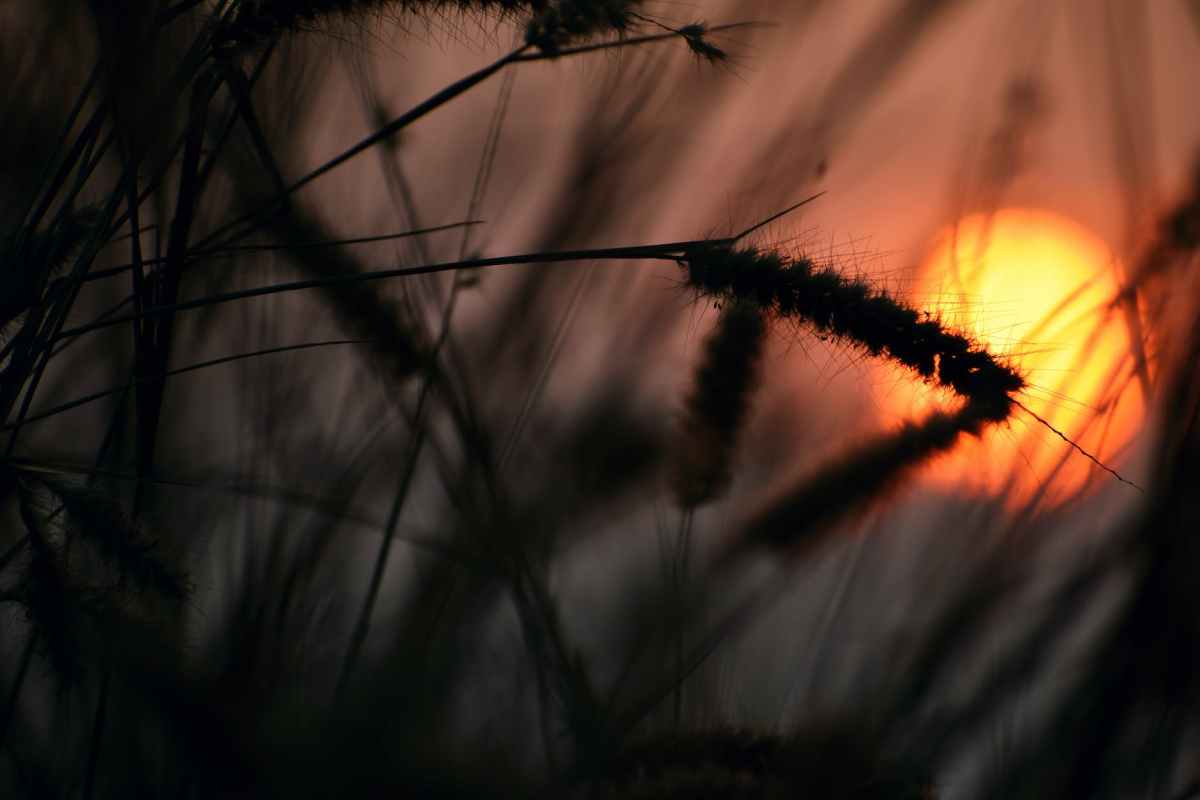
I heard a whisper and chronicled its truth.
It spoke of the space between; that pause, that moment.
The blissful innocence, the delicious taste, the insatiable hunger,
the… sigh. I open my notebook … it’s 4 am.

I loved her with all I had
It wasn’t enough, not even close
I thought I was good to her
But I wasn’t
If you want to know the truth of it?
I was fully aware of who and what I am.
I’ve been
weighed
measured
and found
wanting
If this wasn’t enough
I discovered I’m also cruel
For wasting her time.

Doubt casts a long shadow,
I don’t know if I can escape.
Paralyzed as he whispers lies in my ears.
I recite the writer’s prayer until I feel its courage.
Courage is all we need to hang on … it’s 4 am
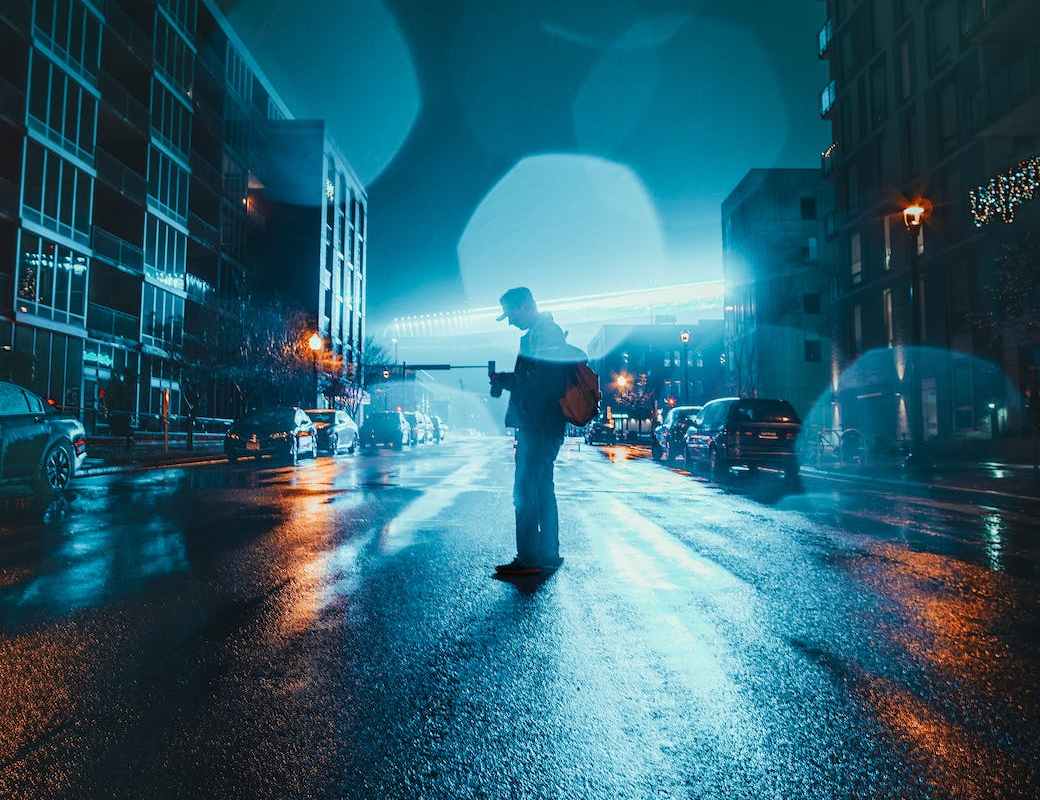
It’s like I can’t hear the rhythm or sway to the melody of a verse…
yet somehow, my fingers begin to tap, and my pen moves…
I sigh, then smile because I know the madness is flying again.

In the silence,
I hear the growl of the demon inside
Come one all
into the splinters of my remaining sanity

The lights flickered,
and the room is chilled.
I resist an urge to shiver.
Wraith: “Come”
Me:” Can we talk”
A portal opens.
Me:” Crap”
Good luck, everyone!… I step through the portal … it’s 5 am
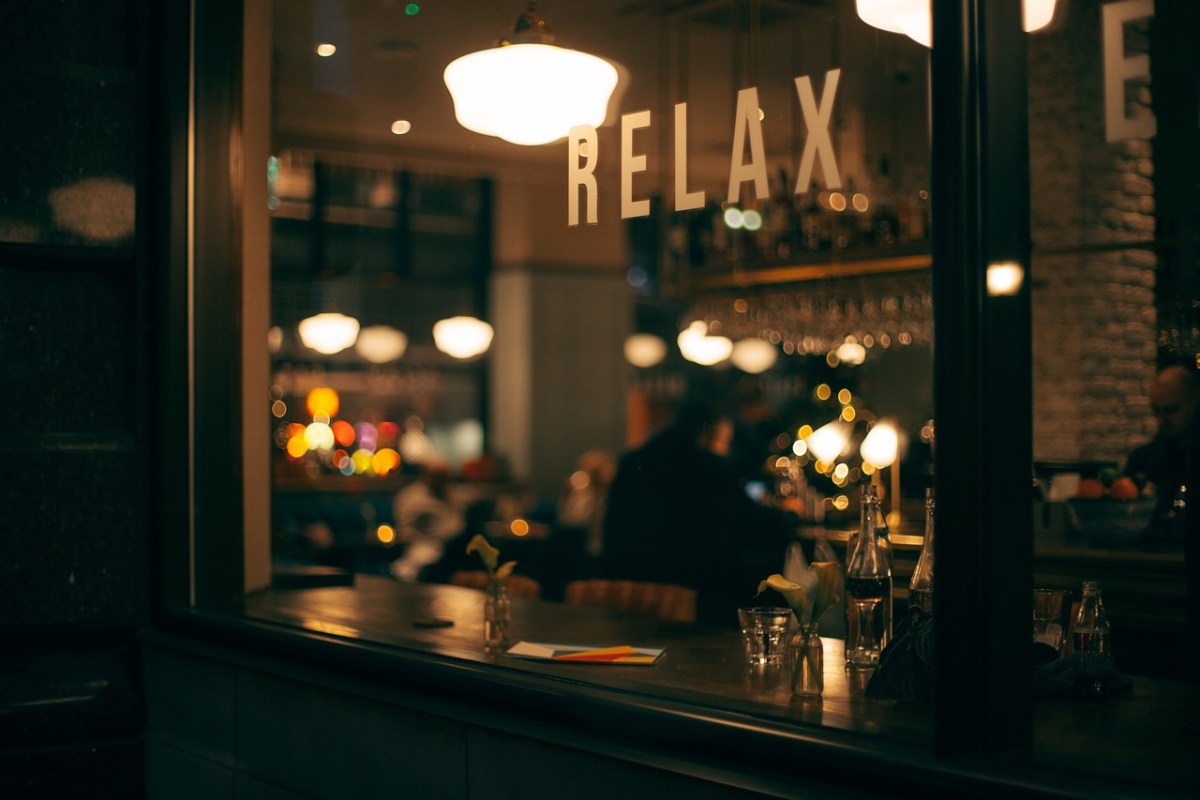
Churn is soothing.
Crickets chirp,
dancing by a nearby light,
and the night air lingers on my lips.
Slumber sits beside me, rocking.
We’re together, yet so far apart.
Together rocking and enjoying the stillness….it’s 2 am.
An important approach in developing your ability to apply tension in your writing. It is by reading other types of writing. One suggestion for doing this is to grab a short story or two. They are usually small in size, and you examine them quickly without investing a great deal of time. I suggest you read them slowly, noting the elements of tension. It is a good possibility that you will see different approaches to formulas that interest you. You might be inspired enough to develop a few different approaches.
In the first paragraph, we are introduced to a character obviously not pleased with his life. We observe that he is somewhat detached from life. Yet, he notices certain things that remind him that there is more to life. But he hasn’t had the opportunity to experience them to the fullest. Here we have the foundation of the character’s desire.
Next, Canin provides information about the character in a few paragraphs that firmly establishes the character’s desire. We discover he is a third-year medical student, which explains the exhaustion and the long hours. It provides us with a bit of insight into why the character has such a profound sense of detachment. As well as an explanation of why his girlfriend still has two unpacked suitcases and a lump on the other side of the bed.
In the remainder of the piece, we discover the dangerous elements. First, we face the danger of contamination in the operating room. Something that remains looming throughout the remainder of the tale. We also see that character begins to face the possibility of losing his mind. Either from fatigue or longing to be somewhere. Something that he struggles his until contamination rears its icky head.
The character realizes he is not crazy and that an ant has caused mayhem. The situation is resolved quickly. And they go back to work as if nothing happened. I suppose it is a message of how life really is. We can want something or be somewhere else, but we have to maintain the tasks at hand. Overall I enjoyed the creative way Canin took a mundane routine and made it enjoyable. He did so by imagery to describe things that typically would be overlooked.
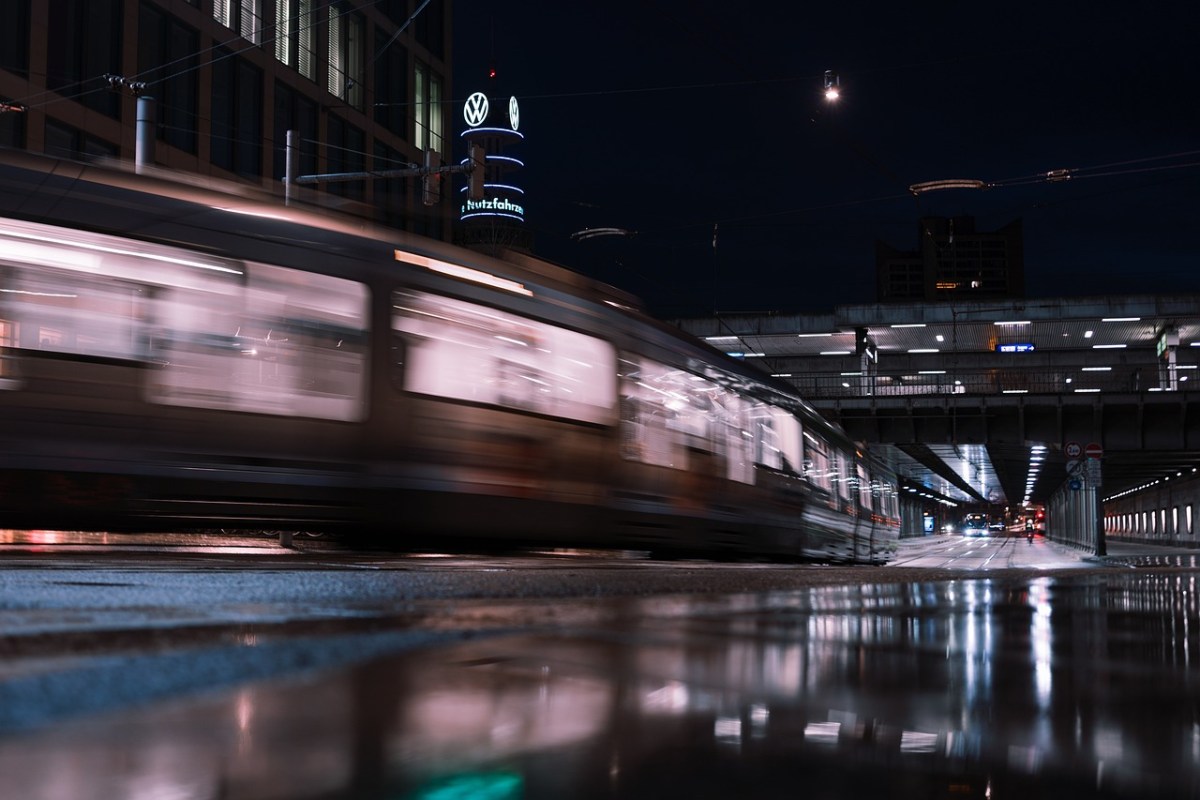
I’m tragically aware we are losing the war of self-absorption.
A constant bombardment of the idea we need to bathe in vanity.
Worn so tightly it rubs against our skin.
A constant reminder we aren’t beautiful enough;
we need beard dye, smoother skin, and ninja bullet.

POETRY – INSOMNIA
Slumber whispers in my ear
as she runs her fingers through my whiskers.
I love it when she does that.
Sleep creeps in.
The muse slaps my face, “Where are my words.”
The shit just got real …. it’s 5 am.
Allow me to introduce myself
I’m a blabbering idiot
it’s nice to meet you.
Then I crack the mirror.
Once, I wondered what journals were for
What do we write in them..?
We tell the stories of pain
we can never speak.
POETRY –
If I thought you could love me
If I thought you really can
I will tell you my secret
I have always been your man

Is this what you wanted?
A piece of me …
You better get what you need.
While I bleed

Such a powerful and empowering piece. Take a few moments to read this…

you spend a lifetime
trying to be something
a meaningful entity
you lie to yourself
you believe in those lies
but the truth comes out
it always does, no matter
how you try to hide it.
it hurts like hell, but you swallow it
yum, may I have another, yum
you are so damn disgusting to look at
they can barely stomach a glance.
What is your favorite season of year? Why?
There’s something of the winter
Snowball fights and Snow Angels
playing for hours, we never seemed
to get tired. Never seemed to get cold.
Our mothers told us to come inside
and warm up.
There’s something about the winter
There’s a stillness that comes in the winter night
the sir is crisp, it’s chill prickly
Yet, there’s a peacefulness in the hush
though we not know what lurks in the dark.
There’s something about the winter
What jobs have you had?
Like most of us here, we’ve had plenty of jobs before finding the one that stuck. I cringe, thinking about some of the things I did to make money.
However, there is one job I think of fondly. I was a paperboy. If it’s hard to imagine me being a paperboy, let me provide a visual; think of the paperboy in the John Cusack classic “Better Off Dead.”
Let’s take a look, shall we?
Sighs … Me and the gang chasing down deadbeats. The things you remember … The good times…sighs
The perfect opening line seldom comes at the perfect time,
You’re anything other than being prepared to write
Hang on a second … Hang on!
You’re ready now. Then just like that
Poof
Get back here! I’m not done with you, you shout!
It’s a game we play; between them & us
Such a cruel game
But when it’s good; it’s damn good
There we are, writing
the words are flowing
They fly above your head
each one chirping like birds
Each chirp a note in the unwritten
symphony, and we are the composers
Thanks, Momoetry for the inspiring comment
Let me tell you about
the man trapped inside
the one residing in the bowels of madness
His armor is rusted & dented
but his sword remains sharp
as he grips the hilt, he tastes
the blood of the unhealed wounds
beneath the scars
He’s been in that life for so long
he’s forgotten the other
yet, he wonders, if there’s something else
one day, I will tell him about peace.
Ladies and gentleman
I’d like to thank you for coming
In the next few moments,
we will return to 40 years ago.
Then I will speak in a language that
hopefully everyone can easily understand
From my ice cream castle
I stared into the purple rain
While I had starfish and coffee
I saw a bird caught in an oak tree
Prince said he was so confused.
However, I sat chuckling, only slightly amused
He was just another owner of a lonely heart
That’s right; gigolos get lonely too
From that ice cream castle
I saw Judas Priest screaming for vengeance
The death of Orion, some thought was a disposable hero
Yet, Iron Maidens search for a piece of mind, while chanting the call to Ktulu
Benatar chronicles the crimes of passion.
Preparing us for that next anthem
Billie Jean was on the scene and swore she was a thriller
It turns out all she wanted was a little paradise by the dashboard lights
Red leather jacket, a new edition
It got me ready for the world
Man..I was cool, I mean C-O-O-L!
I know I could definitely stand the rain.
I started wondering about that candy girl
What’s her name? What’s her number?
777-9311??? Jenny or 867-5309 ….Roxanne
Oh!! That’s right, that’s right …Sheila.
I left my ice cream castle in the summertime
To meet a concrete blonde in the cold part of town
She started spinning me right round like record
And all I wanted was to find myself a brand new lover
Sh-Sh –Shaking, I fell into a wall of voodoo
Then woke up in Tijuana wanting some barbecue iguana
The next thing I knew, there was a cheap trick
Talking bout if you want my love, you got it
I shook my head. NO!!
Knowing she wasn’t ready for this jungle love
So instead, we drank some brass monkey
Listening to some Mexican radio
Now, back in my ice cream castle
Listening to watermelon man and sipping bitches brew
Thinking they call it Stormy Monday
And Tuesday is just as bad
But
God Bless the child
That got their own….that got their own
WHAT TIME IS IT?

POETRY – DAILY PROMPTS/WEEKLY PROMPTS TIED TOGETHER
I’m prosecuted by an unknown authority
I’m convicted on an assumption.
A victim of irrational stereotype
I’m housed in an asylum of tasty jello
There’s no safe harbor, alone in a crowd.
Like an enslaved extraterrestrial
My freedom, My Existence
Outlawed; off limits.
Like a bite of the forbidden fruit
I’m lost in a fog; its dampness feels like velvet.
Hospitality is just as foreign as tranquility.
Yet, I still wander while wondering what I’ll find.
Perhaps, lush words are scattered in thick notebooks.
stuck in old buckets, tucked away willy-nilly in rusty cabinets.
Whew! What a polyoquent doozy!I guess I’ll shut up now.
Has anyone got a beer? I need something to revive me.

It’s Saturday morning, and I’m sleeping in, although I really need it after waiting until the last minute to write an article. I squeeze my eyes shut and try to go back to sleep, but the aroma of freshly brewed Colombian coffee and blueberry pancakes tickles my nostrils. I smile, feeling content. I love blueberry pancakes so much that it’s almost criminal. If I were on death row, my last meal would definitely be blueberry pancakes and chewy chocolate chip cookies. I’d wash it down with a satisfying mug of Colombian coffee. Just thinking about it makes me want to moan with delight.
Then it hit me: I live alone. Who the heck is in my house? So, I armed myself. My bed linen had swallowed my sidearm, so I grabbed a whiffle ball bat. You may wonder why a grown man would have a whiffle ball bat in a word: grandkids. You may also be wondering how a plastic bat would do any damage. It will, I assure you. Let me explain.
I concede that you may not have heard of anyone getting the beatdown with a whiffle ball bat. Simply put, no one would ever admit to this happening to them. Imagine the shame and ridicule they would receive from peers and family. The victims would go to extreme lengths to come up with a backstory to explain their faces being covered in welts. They could even enlist the genius of their cousin, who spun ridiculously plausible stories to get them out of troublesome situations. However, when the cousin looks at them blankly for a moment, they state, “I got nothing.” The victims respond, “Really?” Their cousin hands them a beer and says, “Looks like you need this.” They nod and take a swig.
I walked into the kitchen, ready to do damage, thinking of all the houses on the block and how dare they pick mine. I couldn’t believe my eyes. It was Ursula. Ursula was my muse, who had seen me since the illness. She seemed to disappear without any explanation.
“Hey, what are you doing here?” I asked.
She shot me a puzzled look. “You’re writing again; you need me.”
I leaned against the counter, folding my arms. “Really? I do. It’s not like you’ve been around to know,” I replied.
She paused momentarily before answering; her expression hurt. “Hun, you got sick and started babbling about quitting the game. I didn’t know how to handle it. With Aunt Harry covering the bar, I figured it was a good time to take a holiday.”
“What’s this?” I asked, pointing to the skillet.
She smiled. “Your favorite,” she said, lifting a plate of blueberry pancakes. I took the plate and headed towards the office, but then stopped as I realized something.
“Why do you have a beard?” I asked.
“Hun, you know beards are in fashion now. Don’t be silly,” she remarked.
I stared at her, considering her logic. “But you’re a girl, so go shave,” I demanded, pointing my finger toward the bathroom.
She scoffed as she turned off the skillet, then stormed towards the bathroom, yelling, “Fine…go put some pants on!” over her shoulder as she closed the door.
I stood puzzled momentarily, then realized I was standing in my boxers. I poured myself a cup of coffee and then put the coffee and the pancakes in the office. I slipped on a pair of shorts and began eating my breakfast. I was on my second helping of pancakes when Ursula finally emerged from the bathroom. She was freshly showered, sporting a blank tank top and khaki shorts. Though it had been a while since I had seen her, she still had a banging body and would be considered attractive by most men. However, she had a minor setback. Ursula had lime green skin and crimson eyes that sparkled when her ideas flowed. They were on fire now.
Ursula began explaining her ideas on how we could succeed with the magazine. As she spoke, I stopped eating and started taking notes. I don’t particularly appreciate taking notes on a story but I haven’t found a way to avoid it yet. The more I wrote, the more she spoke. Ursula was typically a pain in the butt and a bit of a slave driver, but it felt good to be working again. So, I groaned inwardly. We were almost done with the layout for the next few months when there was a knock at the door.
I opened the door to find my cousin standing there. Like most family members, he assumed he had an open invitation to my home, arriving unannounced and expecting to be welcomed. He lifted his head, sniffed the air, smacked his lips as if tasting the air, and headed to the kitchen without saying a word. Then, he fixed himself a plate and returned to the front porch, where we typically sit when the weather permits. I brought him a cup of coffee and placed it beside him. As he ate, he occasionally mumbled about how delicious the pancakes were. Ursula sat on the railing and lit a Cohiba, her preferred cigar. Eventually, my cousin finished his pancakes, and we began our usual banter, reminiscing about our mothers and the good old days.
Right on cue, my cousin starts reciting some Don L. Lee. He hits me with, “But He Has Cool,” or “He even stopped for green lights.” My cousin’s rhythm and cadence are second to none. I found myself leaning back in the chair, swaying as he went straight into his rendition of “Big Momma,” another Don L. Lee standard. Ursula also felt him and nearly fell off the banister; I chuckled. I hit him with a medley consisting of “The Poet” by Dunbar and a bit of “The Backlash Blues” by Hughes, capping it off with a dash of “I Know My Soul” by Mckay.
My cousin responds, “Boy, you think you’re bad, don’t you.” “I learned from you; I ought to be!” I remark.
He smiles and hits me with Hayden’s “The Ballad of Nat Turner.” I’m floored; I wasn’t expecting that one. Though Ursula is smiling, she taps her wrist, signaling that we must return to work. I pretend not to notice. My cousin starts reciting “Black Jam for Dr. Negro” by Mari Evans. I wave my hands in defeat but deliver Jean Toomer’s “Georgia Dusk” to make it sting. He’s on fire today, and I need to do something. I think for a moment; then it hits me. I hit him with a double dose of Rilke, starting with “Going Blind” and following up with the prose piece “Faces.” And just for good measure, I slide into the opening sequence of the prologue of Ellison’s “Invisible Man.”
He sat back in the chair and shot me a stern look. “There you go cheating… you know this is poetry only!”
I chuckled with a wide grin. “Oops, my bad.” We burst into laughter.
“Hun, we really need to get back to work!” Ursula exclaims.
I lift my arms in surrender. “Okay… okay, we’re finished, girl… hold on a minute.”
My cousin shoots me a strange look after he looks around the porch. “Cuz, who are you talking to?”
“Ursula, that lime green pain in the butt sitting on the banister,” I state as I point in her direction.
My cousin slowly turns around and looks back at me. “Lime green, huh?”
“Uh-huh… yep.”
His eyes dart in that direction, then back to me. “I don’t see anybody… and you don’t either! What do you have in that cup?”
With a shy smile, I lift my cup. “Colombian,” and take a sip.

As we practice and learn about the craft of writing, we sometimes forget what it is we are supposed to be doing when we read a piece. This is especially true when it comes to poetry. We forget to enjoy the words and allow them to resonate within us. In the poem entitled “ Introduction to Poetry,” Billy Collins reminds us of this fact.
Collins’ Poem is listed below:
Introduction To Poetry
I ask them to take a poem
and hold it up to the light
like a color slide
or press an ear against its hive.
I say drop a mouse into a poem
and watch him probe his way out,
or walk inside the poem’s room
and feel the walls for a light switch.
I want them to waterski
across the surface of a poem
waving at the author’s name on the shore.
But all they want to do
is tie the poem to a chair with rope
and torture a confession out of it.
They begin beating it with a hose
to find out what it really means.
Billy Collins
In the first stanza tells us to examine a poem for what it is. Take a few moments and see what it is to see. Next, he invites us to listen to the sound of the words when they are spoken. There is so much information to be learned just by examining the poem’s surface and listening to how it sounds when spoken aloud. Collins then suggests that we begin to dig a little deeper. He asks us to probe around to see what we can discover. To have no expectations going in. To feel our way around the poem. Letting its energy splash against our faces, enjoying every aspect the poem offers us. Collins cautions us about digging too deep into a poem. Stripping it down to its bare bones, as if it will relinquish the location of the Holy Grail. We all know that the Grail is the heart of those who seek it. Just as the meaning of the poem read.

Slumber releases me as the glow of the serene sun caresses my face.
Let us lay back for a while longer before we have to move.
Gently, I stroke your hair, listening to the city’s awakening commotion
Your head on my chest, your breathing lures me to the edge of slumber
I’m careful not to move, not to wake you
Your head falls to your favorite spot; the space between
my chest and stomach as you pull the blanket tight.
Your breathing shallows; Your sleep deepens
I exhale this one of those moments you see in film.
Five years ago, my production team and I were discussing the direction of our current project. The crew caught the Ole` man on film running my mouth. When I updated this blog, they reminded me of this conversation. So I picked a few key points to share with you. I hope you enjoy it.
The conversation concerning self-doubt when it comes to writing has been everywhere. I understand this emotion far more than I care to admit. I struggle with my demons; Butch and Greta are a pain in the ass. I figure if they are going to hang out, stirring up trouble, I might as well name them.

POETRY – WORD CHALLENGE – PASTIME
She played with my emotions like it was a pastime
a commercial-free game of the week
She had begun to irk me …
Poor child had no idea.
I don’t do irksome

POETRY – Memory from ANOTHER TIME
As strangers, we sat there
nervously seeking glances
smiling so hard until our jaws ached
At that moment, nothing was more real to me.
Our hearts, souls, and breathing fell into unison
We were aligned; we were one
Under the Desert Moon
In poetry, imagery is one of the most powerful tools in our toolboxes. If used properly, we can guide our readers precisely where we want them. However, we can also paint just enough of any image to allow them to visualize an experience that relates to them. So, I decided to look at the work of some other poets to gain a deeper understanding of imagery and its uses in poetry.
Today, let’s take a look at a poem by Gary Soto.
Biology was a set of marble-colored tables
And gas spouts where we bloated up frogs, I thought,
And I thought I had a chance if I bought the book
Early and read it with my lips moving,
Maybe twice, maybe with my roommate half-listening.
I tried chemistry. I tried astronomy,
Which was more like honest-to-goodness math
Than the star of Bethlehem shining down the good news.
I was never good
At science, and so at the beginning of spring
I learned my boredom on the wood desks
Of piss-ant chairs. But when our biology prof came
Into the classroom wiping his mouth,
When he moved a chair out of the way
And still bumped into it, I knew I had a chance.
He was drunk. His bow tie was a twisted-up
Twig and a nest of hair grew
From each ear. I looked to the skeleton
In the corner and smiled. A breeze stirred
And the bones clicked on
Their strings and wire. With the classroom splayed
With sunlight and hope, the students sighed.
A few pencils rolled to the floor –
An easy grade for all. The prof slurred,
“Man was never created equal.” He fumbled at the
Blackboard as he hunted for chalk. When he turned to us,
Chalk dust clung to his face.
For a moment, I don’t think he knew where he was.
He touched his bow tie. He stuck a finger
Into an ear and repeated, “Man was never created equal,”
Took a step and stumbled into chairs. Right then
I knew I didn’t even have to buy the book.
He was already repeating himself. Right there,
I looked out the window and sucked
In the good air of spring. Trees were wagging blossoms
And the like. One petal would sway,
Then another, sway after slight sway,
A repetition that was endless
And beautiful in the uniquely scientific world.
-Gary Soto
It is interesting how Soto connected the poem’s first two lines to the last two. As if he wrote them initially as a complete stanza. When read together, it has the feel of a single consciousness.
Biology was a set of marble-colored tables
And gas spouts where we bloated up frogs, I thought,
A repetition that was endless
And beautiful in the uniquely scientific world.
However, we can see the thought’s expansion or elaboration by breaking them apart.
In this piece, Soto elaborates on this experience with image-driven depiction. Soto also uses summary imagery throughout the poem. Early in the poem, we see something remarkable. It is as if we are in the haze of the morning. Lost in the mundane repetitiveness of life is displayed well here. Each of us remembers, rereading the science books. Almost the author purposely wrote, so we had to read everything twice to get the slightest idea of what was happening.
Early and read it with my lips moving,
Maybe twice, maybe with my roommate half-listening.
I tried chemistry. I tried astronomy,
Which was more like honest-to-goodness math
Than the star of Bethlehem shining down the good news.
I was never good
At science, and so at the beginning of spring
I learned my boredom on the wood desks
Of piss-ant chairs
In the next portion of the piece, Soto shifts gear a bit. Better stated, he zooms in on the professor. He provides crisp and clear images of the mannerisms of the instructor. In this section, he zooms in and out, letting us know which portions of the story are important. Then his attention shifts or slides to the actions happening outside the class. He begins daydreaming about the beauty of nature. Then, he closes his thoughts.
In this, I enjoyed how Soto described everything twice in the piece. Showing us how things in life can be viewed from two different perspectives

As it stands right now,
I can’t be with you.
I think too much of myself.
I have too much pride in who worked to become
In order to be with you, I must cease to be the man I am.
I must allow myself to be disrespected.
I must forget all that I know about; what it is to be a man
I must forget all that I know about love; how it makes me feel
I must cease to care about my well-being; for I no longer matter
I must be willing to surrender my will to another; without question
I will do all these things to prove my love.
Willingly change who I am; because I love you that much.
Hmm… You aren’t even willing to change a dress for me.
So how much did you really love me?
I don’t know
So, I offer the longest goodbye to myself.

How do you use social media?
Lost within the traps of my mind
Crazy, because I placed them
to protect me from the madness
running from trap to trap
like, I’m hooked on pain
my screams melodic
Every line I write
another attempt to release
the pain coursing through me
SO…
I write the blues
because I lived them
facing the everlasting memories
Don’t think less of me
if all I can do is sit here and cry
without you, who am I supposed to me
My words come from my soul
of all the things I do wrong
this is the only thing you can’t deny
Do you remember me,
like I remember you?
The night you came to me
back when we were just friends
back when all we were was an unspoken desire
By the state of you
I had no idea where you had been
I had no idea what you needed
You leaned into me and started to cry
My love could comfort you
all you had to do was let me try
in Frustration
I silently scream
Now, I sound my poetic yelp!
I’ve become painfully aware
of something
All this time
I thought
I knew
I believed
I was hilarious
NOPE
I’m not
People were laughing
by God
All this time
People laughing
Were just being
Polite
POETRY – INTROSPECTIVE
Every drop of a tear
There’s a reason
Whether you accept it
or understand it
Doesn’t Matter!
There’s a reason
Here’s the rub
The one who from
The tear falls
May not
Know or understand
Why?
But there’s a reason.


POETRY – HUMOR
I put a whole lot of effort into
releasing the pain in my heart.
It was supposed to
Sooothe
me
I need to curb my addiction
Google is not a lifestyle

POETRY – DAY 14 – NATIONAL POETRY MONTH
I know I turned out
to be a disappointment
I never intended to be
POETRY – DAY 9 NATIONAL POETRY MONTH
I wake up sweaty and sour
Out of breath, like I’ve been fighting
in my sleep
I have…
with myself
I wonder who won?
POETRY – DAY 6 NATIONAL POETRY MONTH
I only ever wanted to be one thing.
Just one.
I never wanted to be rich
I never wanted to be famous
None of the standards to define us.
None of that really mattered to me
I only wanted one thing
Just one
to be
Relevant
Thank you for reading

POETRY – COMFORT & GRACE
I shudder from the warmth of my soul’s smile
The image of your beauty, permanently etched upon my mantle,
The collision of your beauty (Inner & outer) emits a glow
A glow with the radiance that will melt a Himalayan snow
A sight:
never forgotten …
truly majestic…
I sigh from the comfort and security of your embrace
A cleansing exhale with the contentment of knowing that I’m home
In this moment, I know what it is like to be held
In this moment, I know what it is like to be loved
My soul screams these words
Yet, my lips remain still
Nay tremor, nor whisper
I remain in the comfort of the way things are
Instead of braving what could be
I remain comfortable in the warmth of my fear.
POETRY – LIFE LESSONS
There wasn’t a sound,
but the silence echoed.
I didn’t want believe it
how could she?
But the walls were bare
and halls empty
My regret not worth a dime
aloofness my crime
didn’t mean for this rhyme
it just kinda happened
Just kinda happened …
me
Taking her for granted.
Thank you for reading!
POETRY – INTROSPECTIVE
I poured everything I had
To become a good man
Until I learned who
good men were.
I didn’t make the cut

POETRY – LOSS
Through the rain-splattered glass
I watch silhouettes dance in a distant window
With closed eyes I dream how things could be
I dream of how the beauty of life is so filling
With opened eyes I see the reality of what is
I extend my hand to lift her from the quicksand
Yet, she struggles and continues to sink
My eyes burn
My cheeks are dampened
As I drive away …
Empty handed
In honor of the writing community we know and love. I wanted to point out one of its legends for a few moments.

Gwendolyn Brooks in the poetry room at the Library of Congress in November 1985. (Bettmann, Getty Images)
She was the first ethnic minority to win the Pulitzer Prize on May 1, 1950. In school, when it came to black writers, Langston Hughes, Richard Wright, and James Baldwin were familiar names. I can’t say that my school overlooked Brooks, but she seemed overshadowed by more popular poets. I discovered her body of work much later in life after I started attempting to write poetry. After several phone calls to the poetry clan announcing my discovery, most laughed and asked, “What rock did you crawl out from under?” They reminded me that Maya Angelou and Nikki Giovanni were the “really important” African American poets. I couldn’t believe my discovery and continued my research into the body of her work, finally getting my hands on an autographed copy of one of her books. After that, she became one of my literary heroes.
Gwendolyn Brooks was born in 1917 in Topeka, Kansas, and she published her first poem at 13 years old. When I think about what I was doing at 13, though I was writing stories back then, I lacked the courage to publish my work. Brooks has written over twenty books of poetry.
I would have never written a poetic line if it hadn’t been for the work of Gwendolyn Brooks. of course, many could argue that Brooks had nothing to do with my talent or ability. This opinion may be accurate, but the crazy part, I did not know. However, if Brooks hadn’t made her accomplishments within the poetry community and society, she wouldn’t have changed the establishment’s mindset. She made poetry cool. By the time I discovered and understood the magic of her work, a published poet, I also taught workshops. With a blown mind and new respect for writing, I immersed myself in reading everything I could get my hands on.
Here’s an interview I found online that tells an interesting story about when she discovered she had won the Pulitzer Prize.
How remarkable is this woman? I remember staring at the screen, thinking I would never be that good. Forget winning the Pulitzer Prize or any other award. I might as well roll up my quills and clean out my inkwell. Yes, I wrote with a quill and had an inkwell on my writing table. I was feeling myself with a few poems published, and radio shows in the works. I turned down everything and went to my former profession. Then, one day, a former student appeared out of nowhere and asked me a question.
“Are you going to finish what you started?” She asked, straight-faced and unapologetically.
I didn’t answer her at that moment. She turned and walked away, leaving me spellbound and speechless. Then, while preparing dinner, I exclaimed, “How dare she call me out like that? Rolling up on me like I’m soft or something!” The class started in an hour. If I left then, I could make it. Walking into class, I rocked a “Free verse rules!” T-shirt and a raggedy pair of closed-toed Tevas. Absent the salutations and idle chitchat, I launched straight into an analysis of Rilke’s “Faces” with no notes, guide, or any of the traditional materials I usually had for class. I lectured like that for the next six weeks.
I ended that workshop with, “One must be bold to matter, yet humble to make a difference.”
Thank you, Ms. Brooks, for inspiring one of my favorite lines in my career. Teaching that lesson to all the writers I’ve helped has been an absolute honor.
Thank you for your support I truly appreciate it.
POETRY – MINDFULNESS
With a push of a button, the television screen goes blank, removing that annoying hum that fills our homes for the better part of the day. A hum we seldom realize exists until it has gone. Then, finally, we notice how peaceful your life has just become.
I sat down by my window
and opened the blinds
From my window, I see
a world absent of law
No quarter for those who want it
No quarter for those in need
There was none, even for those
who drop to their knees and plead.
From my window, I witness
the darkness of the light,
the woman adjusting her clothes
because she just made her rent in the backseat
the man whose rent vanished in a puff of smoke
the child who wonders about their next meal
because their father just drank it away
from my window, I see light
through the darkness
the young man helping the older couple
a reminder that there is still courtesy, although fading
the blooms of the flowers in an overgrown garden
steadily growing, steadily fighting,
as we should, like every moment was our last
from my window, I witness those
who will not bow
Those whose faith is unwavering
those who love unconditionally
with no concern for themselves
those who continue to fight
though is no sign of hope
In this window, I have seen
many things
things that you want to fix but cannot
things that make us cry,
even if it is silently amongst a hundred
The things that will make a stand on mountaintops and cheer
The things that will make the strongest of men get up and walk away
These things and much more represent the ideal I have spent my life fighting for.
No wonder I can never close the blinds.
Thanks for reading!
POETRY
Be mindful of what you do.
It is a reflection of what you are worth.
If it is true, then it is truth, and cherish it.
If it is deceit, then it’s deceitful, and you might become it.

The leather of my gloves crinkles
as I tighten the reins
My steeds trot becomes a gallop
We begin traveling through time …
through space …
arriving at a place unfamiliar
Yet, it felt so safe …
Shimmering through the shadows
I’m drawn to a presence…
My heart begins to pound as I see you laying there
behind a veil of lace ….
Resting so peaceful… so full of grace …
I remove my cloak and armor
I sit down in a chair beside the bed
Closing my eyes, drifting into your dreams
There we make beautiful, passionate love
in the twilight, just before dawn …


 Memoirs of Madness