Two years ago, I said my political views hadn’t changed. That was true—and also a way of avoiding a harder admission.
What hadn’t changed were my beliefs. What had begun to change was my patience.
I still don’t “do politics” in the tribal sense. I don’t wear colors. I don’t chant. I don’t confuse certainty with wisdom. I prefer things plainspoken—say what you mean, stand where you stand. But time has taught me that clarity is rarely welcome. It disrupts narratives. It slows momentum. It asks inconvenient questions in rooms built for applause.
What age gave me wasn’t ideology. It gave me pattern recognition.
I’ve watched language get sanded down until it no longer cuts the people it was meant to protect. I’ve watched fear dressed up as concern and sold as leadership. I’ve watched principles become flexible the moment they interfered with comfort, power, or belonging. And if I’m honest, I didn’t always call it out. Sometimes I stayed quiet—not because I agreed, but because silence was cheaper.
That part matters.
Politics isn’t confined to ballots or podiums. It shows up in workplaces where “fit” means obedience. In families where peace is bought by swallowing disagreement. In churches where doubt is treated as disloyalty. It lives in who gets grace and who gets labeled a problem. I used to tell myself I was outside of it. I wasn’t. I was just benefiting from not being the immediate target.
What’s changed most is my relationship with certainty.
I no longer trust people who speak in absolutes while never paying a personal price for them. I’m less interested in what someone claims to believe and more interested in what they’re willing to risk for it—reputation, access, comfort, belonging. I’ve learned that conviction without consequence is just branding.
I’ve also learned that hidden agendas aren’t a flaw in the system. They are the system. Once you see that, you don’t get to unsee it. You either perform along with it, or you accept that things may get quieter around you.
So no—my political views haven’t flipped. But they’ve hardened where they needed to and softened where arrogance used to live. I ask different questions now. I listen longer. I assume less. And I no longer confuse staying out of the noise with staying clean.
Standing this way costs something.
It costs ease. It costs invitations. It costs the comfort of being fully claimed by any side. But it buys something better: the ability to sleep at night without rehearsing excuses. The freedom to say, this is where I stand, even when the room shifts uncomfortably.
It may not fit neatly on a ballot.
But it’s honest. And at this stage of my life, honesty matters more than alignment.
I’ve been to several corners of the world. I’ve spent time in places that would make people cringe—hell, they make me cringe when I let my mind drift back there. But when I look at these two choices, it feels like a no-brainer.
Give me the mountains.
Not the postcard kind—the real ones. The ones where the air thins out and you can hear your own pulse arguing with gravity. I’ve sat there wondering how much time it took to carve them into what they are—ancient, stubborn, unapologetically themselves. Walking a trail through them will kick your ass in the most honest way possible, every step a small tax you pay for the privilege of being there.
And when you finally reach whatever passes for a destination? The sense of accomplishment hits different. It’s not victory—it’s communion.
Funny thing is, when I was young, I swore the beach was where it was at. Not because I actually enjoyed it all that much—more because that’s where the women always talked about going. At that age, it was a no-brainer. Youth, and the nonsense we tell ourselves. I played volleyball barefoot in the sand, listened to that guy who only knew one chord on his guitar, watched the girls swoon like he was some kind of desert prophet. We had bonfires, told stories, laughed until the night was serenaded by the dawn.
It was magic in its own chaotic, salt-soaked way. But even with all that, it doesn’t compare to the mountains for me.
Up there, everything strips down to what matters. You hear the creatures before you see them—felt more than observed. Every now and then one will wander out, give you that slow, measured look, maybe share the moment with you. They’re never fussy. I like that about them.
And somewhere along the way, I figured out there are women up there too. Fuzzy creatures, women, and breathtaking views—what’s not to like?
Honestly, the animals might be cooler than most people. At least they don’t pretend to be anything other than what they are. People? What did Morrison say? People are strange—and he was being polite.
The beach is pretty, sure. But the mountains? They make you bleed a little for every inch of beauty. And anything worth keeping has always cost me something.
So yeah—I pick the mountains. I trust things that don’t lie.
I didn’t start blogging out of passion. I started because somebody told me I needed a website. Truth is, I didn’t even know what a blog was. I opened an account here on WordPress, a couple more elsewhere, and thought traffic would just follow me, the way stray dogs follow a food truck. Wrong. This place sat dead for nearly ten years—so long I forgot it existed—until one random day in 2022 when a notification lit up my screen. A new like. WTF? From where? I clicked the link and landed back here, staring at the ghost of myself.
When I first began, I was faceless. Anonymous. That mask was armor, and it gave me freedom. I could bleed here, collapse here, spit out my fears and grief without worrying who was watching. At events I’d hear people talk about my work—sometimes praise, sometimes poison—and they had no idea the person standing close enough to smell their cologne was the one who wrote it. Sometimes I’d even push them, ask what they really meant, still hiding my identity like a loaded gun in my pocket.
Then came the rupture. Tragedy. Exposure. Suddenly there was a face to the words. My face. And Mangus died in that moment. The mask was gone, and anonymity was stripped clean.
Why did I come back? Simple: the people here. When nobody read my words, I read theirs. Hours spent slipping into voices from around the world, getting lost in stories that weren’t mine. Even without traffic on my end, the connection was real. Still is, when I manage to claw time out of the chaos. Since 2023 this blog has grown beyond what I imagined it could be. Grateful doesn’t come close. Appreciation feels too small. What I feel is heavier, messier. It sits with teeth in it.
Now I blog to bleed. To heal. To rage. To rejoice. To carve my words into the silence before it swallows me again. Blogging reminded me who I was before chaos dictated my breath, and it taught me something else, too: the strength was always mine. I just forgot where I left it.
Author’s Note: The support I receive from my WordPress peeps keeps me motivated and engaged. Thank you. What started as a faceless outlet has turned into something I never imagined—a place where words aren’t just spilled but witnessed. Every like, every comment, every late-night read means more than I can put cleanly into words. You all remind me that writing doesn’t have to echo in a vacuum. It can breathe. It can bruise. It can belong.
There’s no shortage of nifty acronyms about goals floating around the internet. Toss a dart and you’ll hit one.
When I was growing up, we didn’t talk about “goals.” We had tasks. You made a checklist, worked through it, and crossed things off. Simple. Direct. No mysticism, no motivational posters required.
It wasn’t until I was an adult that I started hearing people talk about “goals” like they were magic spells. Set your goals, visualize them, and manifest your dreams. Cute. But does anyone ever stop to ask what the hell a “goal” actually means? Does it have a deadline? A measure? Or is it just a vague wish written in business casual?
When I was in the military, I leaned hard on the task-oriented system. Every mission boiled down to clear tasks that could be checked, tracked, and rechecked. Later, when I moved into social services, my organization introduced another acronym: S.M.A.R.T. goals. At first, I hated it. Not because the form was broken, but because the instructions were. People filled it out and treated it like a box-checking exercise.
So, I started using it alongside my task-oriented system. That’s when it clicked. Paired with a real process, S.M.A.R.T. stopped being fluff and started being functional.
What the Hell Are S.M.A.R.T. Goals?
It’s simple:
S – Specific: Clearly define what you want to accomplish.
M – Measurable: You can track it — numbers don’t lie.
A – Achievable: Ambitious, not impossible.
R – Relevant: It actually matters to you.
T – Time-bound: A finish line, not “someday.”
That’s it. Straightforward enough. But the trick is using it right.
How to Use Them Effectively
Most people treat S.M.A.R.T. like a worksheet you fill out and forget. That’s not planning — that’s paperwork.
Here’s what makes it actually work:
Break it into tasks. A goal is only real if you can do something today that moves it forward.
Apply P.A.C.E. thinking. Your Primary plan, Alternate options, Contingency if things shift, and Emergency fallback. Same system I use for emergency preparedness.
Review often. If you never check the plan, it dies on the page.
Real-World Example: Writing
Vague goal: “I want to write more.”
S.M.A.R.T. goal:
Specific: Publish one blog post per week on Memoirs of Madness.
Measurable: One a week = 4 per month.
Achievable: Realistic with your schedule.
Relevant: Writing sharpens your craft and feeds the community.
Time-bound: Do this for 12 weeks, then review.
P.A.C.E. it?
Primary: Write at your desk on schedule.
Alternate: Draft on your phone if you’re away.
Contingency: Record a voice memo, transcribe later.
Emergency: Jot bullet points in a notebook — messy but usable.
Suddenly, “write more” isn’t a dream. It’s a system you can actually work.
Real-World Example: Preparedness
Vague goal: “I want to be ready for blackouts.”
S.M.A.R.T. goal:
Specific: Build a 72-hour blackout kit with food, water, and lighting.
Measurable: 3 gallons of water, 9 meals, 3 working lights.
Achievable: Start with basic supplies, expand later.
Relevant: Storm season hits every year — this matters.
Time-bound: Have it assembled in 30 days.
P.A.C.E. it?
Primary: Store kit in the house.
Alternate: Keep a smaller kit in the car.
Contingency: Borrow or share with neighbors if needed.
Emergency: Improvise with what’s on hand — but only if you must.
Now, you’re not just “hoping to be ready.” You’ve got a clear target with backup layers.
Final Word
S.M.A.R.T. goals aren’t magic. They’re not perfect either. But paired with tasks and P.A.C.E. thinking, they actually become useful.
Because at the end of the day, a goal isn’t about the acronym. It’s about whether you can move it from “idea” to “done.”
Question for You: When you set a goal, do you actually break it down into tasks, or does it stay a vague idea floating around in your head? And if you’ve ever used something like S.M.A.R.T. goals — did it actually help, or did it feel like just another form to fill out?
I’ve played my fair share of games across formats—cards, boards, consoles, even a few tabletop RPGs. But there’s one that always pulls me back, not because of its graphics or mechanics, but because of what it reveals.
My mother taught me the first rules of engagement—one card at a time. Solitaire came first, then 500 Rummy, and eventually Spades. She didn’t just teach me to play; she taught me to watch, to calculate, to bluff with grace. Playing cards were never just about the hand you held—they were about the story you told while pretending it didn’t matter.
But as I got older, I found myself pulled toward something deeper. Not just strategy, but myth. That’s where the tabletop games came in—Dungeons & Dragons, Villains & Vigilantes, and my personal favorite: Werewolf: The Apocalypse. That game didn’t just have a storyline—it had lore, ancestry, rage, and sacrifice. It wasn’t about winning. It was about remembering who you were before the world made you forget.
And somewhere in between were the bones—the dominoes—clacking on a Saturday night table, keeping time like a metronome for the past.
I was already writing back then, scribbling scenes in notebooks and building little worlds no one else saw. But games like Werewolf: The Apocalypse didn’t just show me that stories could be powerful—they showed me they could be communal. That they could hit like thunder across a table. That they could change how someone sat, how someone breathed, just by what you said next.
I remember wishing I could write something that gave my friends what those stories gave me: tension, emotion, catharsis. I never thought I had the talent to pull it off. But I kept writing anyway—quietly, stubbornly—hoping maybe someone out there would feel a little of what I felt rolling those dice or flipping that card.
I still do.
I’ve learned not to underestimate myself. Not to confuse doubt with truth. Some stories need polish, sure—but some just need you. Your voice. Your flaws. Your fire.
So I play. I write. I miss a beat, then catch the next one. I embrace the strengths and the limitations—because they both show up to the table.
Be yourself. Write your butt off. The rest takes care of itself.
Losing track of time isn’t a bug — it’s a feature. A built-in occupational hazard. Time slips, evaporates, gets swallowed whole. You want to know what makes me lose track of time? Existing. Creating. Trying to survive my own thoughts with a pen in my hand and a playlist I’ve overanalyzed into oblivion.
Writing. Not just any writing. The kind that starts as a whisper, then sets your spine on fire. The kind that makes your coffee go cold and your leg fall asleep. The kind where you look up and three meals have gone missing. The next thing you know, you’re ranting on a blog (Memoirs of Madness) about the phantom who comes up with these writing prompts like they’re paying attention to your ass.
“Which activities make you lose track of time?” Go to sleep.
Because I sure haven’t.
You ever try to sleep when your brain is busy unraveling fictional timelines, reorganizing half-finished character arcs, or rewording a sentence you wrote in 2014? That’s not insomnia. That’s creative maintenance.
Then there’s music — but again, not casual listening. I’m talking full immersion. Deep dives into B-sides and dusty vinyl grooves. Emotional spelunking. What starts as one track becomes a therapy session. A confession. A reconstruction of every heartbreak I thought I forgot. That’s not a playlist — that’s a time machine. And I keep punching the return ticket.
Next thing you know, there’s a whole damn website just about music (House of Tunage), because you clearly have nothing better to do with your time than build emotional mixtapes for ghosts. Oh yeah, go to sleep.
Thinking is another trap. Or maybe the original sin. I sit down for “a minute,” and suddenly I’m in a three-act dialogue with a dead mentor, an imaginary enemy, and the version of myself that had more optimism and less back pain. Thought spirals aren’t a time suck. They’re the prelude to every good story I’ve ever written — and the footnote to everyone I’ve abandoned.
Next thing you know, your table’s covered in monographs and marginalia. Then you have the nerve to post them like they’re literary gold on yet another website (The Howlin’ Inkwell), because apparently the only thing more dangerous than thinking is believing any of it might matter. Wow. …maybe I shou— go to sleep.
And let’s not forget the premium act of staring into space. That’s not wasted time. That’s creative buffering. System reboot. Soul loading.
So no, I don’t just “lose track of time.” I command it. I twist, bend, and shape it to the will of the gods of story and sound. And most days, they don’t even say thank you.
But that’s fine. Because this isn’t for them. Not really.
My job is to guide you through the splinters that only exist outside of time. You know the place: cold, light, dark, and joyful land. Where memory hums, story bites, and music bleeds.
Let me guide you. Come and take my hand. You’re looking at me like you’re confused. Let me help you clear things up. You look as if you need to get something off your chest.
Seriously, sit down, please. Talk to Mangus.
But if you still think this was all just about losing track of time, I’ll allow the indulgence — just this once. Because I whined once. In the ’70s. Don’t look at me in that tone of voice. Whining was allowed briefly after the bicentennial. There was a memo.
Missed the first meeting of Prompt Addicts Anonymous? That’s okay. We don’t judge. But you might want to catch up before the next spiral. 👉 Session One: “Hi, My Name is Mangus…”
Author’s Note
Yes, the websites mentioned in this piece — House of Tunage, The Howlin’ Inkwell, and even Memoirs of Madness itself — are all very real. And yes, they’re all still works in progress. Like most things I love, they’re messy, unfinished, and somehow always expanding when I should probably be sleeping instead.
So if you click something and it’s half-built, half-broken, or wildly under construction… welcome to the Mangus Khan Universe. We’re getting there. Slowly. Beautifully. Eventually.
The MKU is under construction. But the lights are already on.
“Me, pretending I’m above blog prompts while secretly outlining my fifth entry.”
Do I like blogging challenges and blog hops? No. They’re annoying. They’re addictive. They’re helpful. And I resent all of that.
I don’t like being told what to write. Until I do. Then suddenly I’m five prompts deep, haven’t blinked in two hours, and now I’m questioning my entire emotional architecture because someone dared to ask, “What does the moon mean to you?”
I don’t like structure. But I need it. Because without a deadline or a theme, I will absolutely stare into the void and call it “research.”
Blog hops? Ugh. Too much small talk. Too many exclamation points. And yet, three comments in, I’ve discovered a writer who casually blew my mind with a six-sentence story about grief and bees, and now I’m subscribed, emotionally compromised, and wondering how I ever lived without them.
So yeah. I complain. Loudly. Often. I feel this way on Mondays, Wednesdays, and Fridays. I suppose it’s because my coffee delivery is usually late. My favorite pen ran out of ink again, and the “good” refills are on backorder on Amazon. It’s not that I’m bitter. I’m just… creatively dehydrated and emotionally overcaffeinated on the wrong days.
However, on Tuesdays and Thursdays, something shifts in the universe. Champagne falls from the heavens. Words become the elixir of the gods. In the dead of winter, I smell the tranquil aroma of lavender in the gentle breeze. My fingers dance. My spirit opens. The muse doesn’t knock — she kicks down the door with glitter in her wake and says, “Write, fool.”
And I do.
And don’t even get me started on the enablers. There’s Sadje, who keeps creating these annoying, wonderful challenges, like Sunday Poser. So, what if I built an entire series based on one of them? Then there’s Di, dropping a daily prompt I now use as a backbone for long fiction like it’s a casual hobby. She’s also got this “Share Your World” thing — yeah, I’m not sharing jack. Even though, if we’re being honest, this post accidentally answers the first two questions of this week’s challenge. I have no idea what she’s talking about on the last two. And Fandango— this ole fart has a daily word challenge I use across multiple posts. I’m an ole fart too, fist in the air and all that. Solidarity. Melissa from Mom with a Blog — I don’t know, maybe moms were the original Jedi. She posts these random images with alt text that make me write funny, weird things… and I enjoy it. Can you say,” Jedi mind trick?” The betrayal. Eugi doing all kinds of magical stuff and her Moonwashed Weekly Prompts got me feeling all peace, love, and hair grease. Writing beautiful peaceful stuff. That’s just wrong! Shame on you! And Esther Chilton? She just shows up once a week, drops off a prompt like it’s no big deal. I gotta wait a whole week for the next one. It’s crap like that which killed cable. Let’s not forget the peskily awesome staff at Promptly Written, who boldly accepted the rantings of an insomniac and continue to push their readers to explore their creative limits. What the hell is that? Inspiration by force? Motivation disguised as structure. Madness. Glorious, structured madness.
Don’t get me started with the photography challenges. Cee — may Allah have mercy on her — encouraged me to explore my camera, sending me running to capture images of things I’d normally ignore without a second thought. Who does that? Cee did. Images I took for her challenges have ended up as descriptions or scenes in so many stories. Too many to mention. And Leanne Cole with her Monochrome Madness — scoffs — having me try to add depth, texture, and shadow to things that clearly weren’t meant to be that serious. And yet… I tried. Multiple times. Because apparently, I have no control over my own artistic direction anymore, if ever. Because of these women — and others — I’ve even heard people refer to me as a Photographer. Of course, I correct them. Obviously. But people be yapping about anything these days.
Here’s what I say about the lot of them: “How dare you ask me to create my ass off and enjoy it?” Complete. Utter. Rubbish.
So? Which one of you enablers got under your skin this week?
Sadje. Di. Fandango. The crime? Just read the damn blog.
Let’s call it what it is: Prompts Addicts Anonymous.
“Hello, my name is Mangus…” [sniff] “…and I’m a…” (It’s okay, we’re here for you.) “…I’m a prompter.” (Applause) “Hey Mangus…”
Author’s Note: This essay was born in public — a response to a simple blog prompt that, like most of my writing, spiraled into something I didn’t expect. It lives on the edge between complaint and confession, between sarcastic side-eye and real reverence for the people and prompts that keep dragging me back to the page.
If you’ve ever rolled your eyes at structure, dodged a deadline, or cursed the muse for showing up late and uninvited — this one’s for you.
And if you’re one of the people I name in here? Yeah, I’m talking about you — but in a good way. With sincere gratitude and thanks. You guys and so many more are one of the reasons I keep going.
A blog I forgot I started. A voice I didn’t know I needed. And the stories that refused to stay silent.
Motivation for Starting the Blog
I started this blog back in 2011, though I didn’t even remember creating it until I stumbled across it during a Google search of my name. My wife was sick then, and I was drowning in anger and helplessness. Someone once told me every serious writer had a blog. I’ll be damned if I wasn’t going to be taken seriously — even if I didn’t know what I was doing with it.
At the time, it wasn’t about building an audience. I was just trying to write my way through something I couldn’t fix. I’ve solved hard problems my whole life — but that one, watching someone I loved slip away, broke me in a way nothing else had. Writing was the only thing I had that didn’t ask for solutions. It let me feel what I was afraid to say out loud.
Mangus Khan wasn’t supposed to turn into all this. He was just a character I was kicking around for a novel I never finished. But before I knew it, Mangus became more than a name — he became me. There was no turning back the clock, no putting the genie back in the bottle. I didn’t plan it. I never looked back.
In 2023, I made the choice to keep this space alive and see what it could become. It’s the framework of something I’ve been carrying around in my head for decades. I wanted to grow as a writer — to see if there was any real interest in the kind of stories I wanted to tell. When I returned, this blog had 42 members. That was enough. I kept writing until I got sick. Then I recovered and came back swinging, writing without expectations.
Lately, I’ve been working on building a larger space to house all of this — something broader, something that reflects everything I’ve come to care about. I still don’t have any big expectations. Some people retire and fix up cars, build boats, and travel the world. I tell stories.
Expectations for Audience and Reach
I didn’t start this blog expecting a crowd. When I found it again in 2023, it had 42 members, and that felt about right. I wasn’t chasing followers or clicks. This was just a space where I could clear my head and cleanse my soul.
Then the strangest thing happened: people started showing up. And they stayed. I never expected that. I’m still blown away, honestly.
I’ve been fortunate in life — I’ve traveled around the world, solved complex problems, and worked with people from all walks of life. That was my world for years. But as much as I accomplished in that space, I’m not sure it made the kind of impact I feel now. That’s because of the reader engagement. The comments, the conversations, the quiet understanding from strangers — it’s different. It’s human. And it’s deeply personal.
I still look at other blogs and wonder how they pull it off — all that strategy and polish. That’s never been me. I just show up, write, and try to keep it honest. If that’s enough for people to stick around, then I’ve already received more than I ever asked for.
Hopes for Personal Growth
At first, I was just trying to survive. But somewhere along the way, I realized I had grown — not just as a writer, but as a person. Maybe it’s age. Maybe it’s everything I’ve lived through. But I have a deeper, more meaningful appreciation for things now — moments, words, silence, people.
When I decided to keep this blog going in 2023, part of it was a challenge to myself: could I still push my craft? Could I write with more clarity, more courage, more control? I wasn’t chasing perfection. I just wanted to be sharp. Clear. Unafraid to say what mattered. To explore what was still inside me, and maybe even finish the novel I’d started after my wife passed.
Writing forces reflection. It exposes the things I usually keep buried. And growth doesn’t come from breakthroughs — it comes from the grind. From showing up on the blank page when no one’s watching. That’s where I’ve grown the most.
Expectations Around Content and Consistency
When I first started, there was no plan. No roadmap. Just the need to write. I figured maybe I’d post once a week if something came to me. But life doesn’t follow calendars, and neither does creativity.
What’s come out over time has been a mix of fiction, essays, and visual art — sometimes sharp and focused, other times loose and wandering. I never set out to define a genre or lane for myself. I just followed what moved me.
There were stretches where I disappeared — illness, life, burnout. And there were stretches where I wrote constantly, chasing down stories, experimenting with form, pushing myself to see how far I could take a single idea. After I recovered, I kicked things into gear and just kept going. Not for clicks. Not for an audience. Just to stay in motion.
I thought about organizing the content more, making it cleaner or easier to follow. But I’ve found that consistency for me isn’t about structure — it’s about showing up with honesty. Whether it’s fiction, a personal reflection, or a visual piece — if it’s real, it belongs here.
Surprises Along the Way
I didn’t expect to still be here. I didn’t expect Mangus Khan — once just a throwaway character — to become part of who I am. And I definitely didn’t expect people to stay, read, and respond like they have.
I never expected to embody Mangus Khan, but I have.
What surprised me the most, though, is how much this space has mattered — not just to readers, but to me. I’ve done work all over the world. I’ve solved big, technical problems and made decisions that impacted entire systems. But somehow, writing a story that makes one person feel seen hits harder.
This blog wasn’t supposed to become something. But somehow, it did — a record of survival, growth, grief, imagination, and unexpected connection.
Some people restore old cars in retirement. Some build boats. I tell stories. That’s the project. That’s the work. And if it ends tomorrow, I’ll still be proud of what came from it, because none of it was supposed to happen in the first place.
It’s not a brand. It’s not a business. It’s a creative world I’ve been sketching in pieces for years — fiction, essays, visuals, and ideas I can’t shake loose.
This piece was written in response to Sadje’s Sunday Poser— a prompt that turned into a reckoning, a reflection, and a return to something I didn’t know I’d missed.
If you’re here for the stories, you’re already part of it.
Stay tuned. There’s more coming. I’ll see you when the ink dries.
What’s the oldest thing I own that I still use daily? The last time I answered this question, I mentioned my old pickup sitting in the driveway. It’s beat to hell, leaks a little oil, and rattles like a shopping cart on gravel — but somehow, it still runs. That felt like a solid answer. It felt true. Except it wasn’t. Not really.
The honest answer hit me while I was sitting at my desk, trying to draft some notes for another post. I was overthinking the structure, second-guessing the tone, basically chasing my own tail. After a while, I leaned back, shook my head, and muttered, “I’ve been using my brain too much.”
And just like that — Eureka.
I’ve been the feeble mind of an insomniac since birth. Okay — maybe not technically insomniac at the start. Back then, I stayed up past my bedtime mostly out of spite. Perhaps a little orneriness, too. Hard to say. But I do remember using that word — ornery — and now that I think about it, a fair number of women have used it to describe me over the years. So, maybe they were onto something.
I’m a constant learner. Always have been. I believe if you go a day without learning something, you’ve wasted it.
Most people think learning has to mean reading, working, studying, building — something active. But I’ve learned more just by paying attention. Not scrolling, not zoning out — observing.
I don’t Google “brain-boosting activities.” I just rely on my favorite tool: active listening. That might sound simple, but it’s one of the sharpest tools we’ve got.
The thing is, most people don’t actually listen — they wait to respond. You can see it happen: someone’s still mid-thought, and the other person’s already loading up their reply. If we’d just let people finish, then respond or ask a decent question, most of our conversations would be ten times better.
Now, I’m not pointing fingers here — I’ve cut people off after 30 seconds of dumbshit like it’s a reflex. I’ve been trying to stretch my tolerance up to 90 seconds, but somehow it always snaps back to 30. Still, I’m working on it.
A lot of my friends and family talk about how they can’t remember shit anymore. I get it. I’m right there with them. I might’ve single-handedly made the Post-it Note company profitable.
But I’ve got a few tricks. For one, I carry a journal with me everywhere and write things down. Yeah, I know you can make notes or record memos on your phone, but here’s the thing — when you physically write something, you remember it better. Science backs that up. Not that I need some egghead in a lab coat to tell me what works for me.
Like yesterday, I was talking about chasing the start of a story, sitting at my laptop… but I skipped a step. First, I write a few notes in my journal. Random lines, loose thoughts, things that feel like they matter. I also keep a microrecorder on hand for fast ideas when I’m out — then I transcribe those into a binder.
I’ll sometimes spend weeks researching a topic before I write a single sentence for a story. Somewhere in one of the dozen journals scattered around my house, there’s a note — a clue — waiting to tie it all together.
“Today was a good day. I wrote a sentence.” — James Joyce
I keep that quote close. It’s a reminder that one good sentence is worth more than a thousand shitty ones. No fluff allowed. Ever.
Another way I keep the engine running is by going back and reading my old notes.
Earlier this week, I was flipping through a binder from ten years ago and found a scribble about a quirky love story set on Friday the 13th. Sound familiar? It should — I think I finally wrote that story last year.
Looking back shows you two things: growth and delusion. You see yourself in these raw, unfiltered snapshots — how sharp you were, or how far off base. Sometimes I shake my head at my younger self and think, Jackass.
But that’s part of the deal. This brain — stubborn, scattered, always working something out in the background — it’s the oldest thing I own, and the most used. And like that old pickup, it’s still running. Somehow.
Sometimes I look back and wonder how my late wife ever put up with my scattered, feeble-minded antics. The half-finished thoughts, the notebooks everywhere, the midnight mutterings about plot twists or people-watching revelations.
Then it hits me — maybe she just had a predilection for the company of psychos.
God knows, I gave her plenty of material. But she stuck around, laughed at the chaos, and made room for it. That counts for everything.
Let’s clear something up: I’m not ancient. I didn’t walk uphill both ways to school with a torch in one hand and a stone tablet in the other. But I do remember life before the internet — when knowledge didn’t come from Google, and “cloud storage” meant checking the weather.
And while I’m no technophobe clutching a rotary phone, I’ll be damned if I don’t feel a certain warmth for the messier, more deliberate days of analog life.
Because if you lived it, you know: the world before Wi-Fi was a beautiful mix of struggle, discovery, and sweet, sweet chaos.
The Pre-Digital Grind: Slower, Messier, Real-er (and Honestly, Kind of Glorious)
Back then, learning wasn’t convenient — it was a full-contact sport. If you wanted to find something out, you didn’t just type it into a search bar. You hunted it down. You geared up with a sharpened pencil, a library card, and a suspicious level of confidence in the Dewey Decimal system.
Our tools? Index cards, neatly filed in metal boxes that clanked with authority. These things weren’t just for notes — they were blueprints for your thoughts. And when Post-its hit the scene? Absolute pandemonium. You could stick your brilliance on walls, mirrors, textbooks, your little brother’s forehead. Revolutionary.
But then — we hit the next level.
You know they make index cards with sticky stuff on the back? Yeah. Like Post-it Note Index Cards. Peak innovation. The greatest invention since caffeine and sarcasm. I remember showing one to a younger coworker — their face looked like I’d just handed them an alien artifact. Meanwhile, they were frantically making phone memos, taking screenshots, and praying their phone didn’t die mid-download because they forgot their charger. Again.
Let’s not forget the royalty of the supply cabinet: binder dividers and document protectors. If you put a sheet in one of those, it meant business. That page wasn’t just homework — it was a declaration of organized excellence.
Sure, it was clunky. Sure, it was slow. But you remembered things. You paid attention. Because you had to.
The Digital Era: Glorious, Addictive Chaos (Also, Kind of a Scam?)
Then came the machines.
My first laptop had a whopping 20MB hard drive, and we thought we were basically astronauts. All the information in the world? Right there. At home. On a screen. With a printer! No more photocopying worksheets or begging the bank for quarters. We were living in the future.
Until the printer ink cartel got us. Suddenly, ink cost more than the damn printer. One cartridge and your bank account was in critical condition.
And then — the so-called upgrade: DSL. We thought we’d arrived. Fast internet! Until we realized it was basically Dial-Up Deluxe™, just with slightly less screeching and slightly more disappointment.
Now? We’ve got fiber, cable, and cellular that can stream an entire Marvel franchise while running a Zoom meeting and auto-ordering cat litter. And somehow… we still don’t know anything.
We skim. We scroll. We “save for later” and never come back. Half the time we can’t even remember what we were looking for in the first place.
Honestly? It was easier when you had to look things up, take notes, and engage with information like it mattered.
Still Here, Still Learning, Still Stocked on Toner
Despite all the apps, all the AI, all the tech that’s supposed to “do the work for us” — I still research every day. I still use highlighters, different colored pens, and yes — I have a fat stack of index cards. My smallest flash drive is 32GB, and I buy toner in bulk like it’s a controlled substance.
Because some habits aren’t outdated — they’re battle-tested.
I remember the world before the internet — the slow wins, the rough edges, the analog beauty of it all. Just like I’ll remember this world as we bumble into the next one — the endless updates, the algorithmic everything, and the existential dread of accepting cookies you never wanted.
But me? I’ll still be taking notes. On index cards. With tabs. For “random rants,” “stats that prove my point,” and of course, a dedicated section for “Sh*t Talking Points.”
Because there will come a time when someone younger, fresher, and more deluded will roll their eyes and say, “Okay, boomer.” And I’ll be ready.
Color-coded.
Because maybe the future isn’t about going faster. Maybe it’s about not forgetting what made the ride worth it in the first place.
Remember when seeing a brand you recognized actually meant something? Like, Oh cool, this probably won’t fall apart in two days or set my house on fire. Those were the days.
Now? Just because you know the name doesn’t mean you should trust it. In fact, sometimes it’s a red flag.
Brand Recognition: From Badge of Honor to Marketing BS
Back in the day, brand recognition was something companies earned. They made good stuff, treated customers decently, and didn’t have massive lawsuits hanging over their heads (well, fewer at least). If you recognized the name, it was because they built it on trust.
Now? Recognition just means you’ve seen enough ads to burn the logo into your brain like a bad tattoo.
You’re not “trusting” a brand—you’re just exhausted into submission by their marketing budget.
Famous ≠ Trustworthy
Let’s be real. We all know brands that have gone full villain arc.
Facebook (sorry, Meta) is basically that shady guy from high school who “accidentally” sells your data and then gaslights you about it. Everyone knows the name. Fewer trust it.
Volkswagen was out here waving the green flag with “clean diesel” while secretly dumping emissions like a smoke-belching cartoon villain.
And Amazon? Sure, it delivers cat socks in four hours, but it’s also quietly crushing small businesses and treating warehouse workers like they’re disposable batteries.
Recognition? Yes. Trust? Eh.
The Great Quality Drop: Lower Standards, Higher Prices
Let’s talk about the elephant in the store aisle: the stuff you buy from big brands isn’t as good anymore.
Clothes pill after two washes. Appliances break before the warranty even expires. Laptops throttle themselves to death because someone decided thinner was more important than functional cooling. And don’t get us started on “fast fashion”—it’s basically clothing with the lifespan of a ripe banana.
Brands are cutting corners left and right. Thinner fabrics, cheaper materials, shorter life cycles—all while jacking up the prices because “inflation” or whatever excuse they’re using this quarter. They’re banking on the fact that you trust the label, not that you’ll notice the buttons are falling off in week two.
This isn’t nostalgia. It’s measurable. Customer reviews across the board have turned into quality control complaint sections. You used to get what you paid for. Now you get what the boardroom decided would maximize Q4 profits.
Why This Actually Matters (Yes, Even to You)
Every day, we’re bombarded with choices—products, apps, influencers selling weird tea. It’s overwhelming. So we use shortcuts, like “Hey, I’ve heard of this brand; it must be good.”
Spoiler: That shortcut is broken.
Brands know this. That’s why they spend millions making sure you remember them, not necessarily respect them. They want to win your trust before they’ve earned it—like a Tinder date who brings a resume but no personality.
So What Do We Trust Now?
Instead of falling for the shiny logo or catchy jingle, try this:
Transparency > Hype Look for brands that actually show their work. Not the “inspiring mission” on the About page—real behind-the-scenes stuff. Think Patagonia, not PrettyLogoCo.
Reputation > Recognition Forget who spent the most on ads. What are real people saying? Not influencers with discount codes—actual customers, with receipts and opinions.
Accountability > Apologies Everyone messes up. The good brands admit it, fix it, and don’t hide behind a PR team with LinkedIn smiles.
Alignment > Loyalty You don’t owe any brand lifelong devotion. If they start slipping, ghost them. You’re not married.
Indie Brands That Actually Walk the Walk
While the big-name brands are busy chasing stock prices and pumping out “limited edition” garbage, a bunch of smaller, independent brands are out here doing what the big guys used to do: making solid products, standing for something real, and not treating you like an easily manipulated click.
Here are a few indie brands worth knowing:
Public Goods – Clean, minimalist everyday basics. No wild claims, no obnoxious packaging—just good stuff made right.
ROKA – Eyewear and active gear that doesn’t fly off your face when you move. Designed by athletes, not some bored branding agency.
Darn Tough—Yes, socks. But these are Vermont-made, ridiculously durable, and backed by a lifetime guarantee. For socks, that’s commitment.
All Citizens – Men’s basics that don’t cost luxury prices or fall apart in a week. Also, ethically made. Imagine that.
Otherland – Candles that actually smell like what the label says and don’t choke you out with fake perfume. Chic, clean, and not trying too hard.
These brands don’t rely on recognition—they rely on reputation. They’re not screaming at you through Super Bowl ads. They’re quietly building trust by making things that last and treating customers like people, not data points.
The Bottom Line
Just because you know a brand doesn’t mean you should trust it. These days, recognition is more about repetition than reliability. Don’t let a logo make decisions for you.
Ask yourself:
Do they walk the talk?
Do they treat people (and the planet) like crap?
Do their products actually work, or just photograph well on Instagram?
Trust is earned. Logos are just fonts.
And if you’re tired of paying more for less, maybe it’s time to stop rewarding brands that think “good enough” is still good enough.
This past month has been one of the best yet for the blog — new readers discovering the space, longtime followers sticking around and engaging more than ever. Your support, feedback, and energy mean a lot.
What’s Changing Moving Forward I want to keep the momentum going and make things even better. Here’s what’s coming:
New Posting Schedule: I’ll be posting regularly to keep things consistent.
Expanded Topics: While writing stays front and center, I’ll add [new topics, if any, time travel].
Reader Spotlights: Once a month, I’ll feature a reader’s story, feedback, or question to keep the conversation two-way.
The Bigger Picture: Rebuilding the Khanverse 2025 is my year to rebuild and organize my online world. Over time, I’ve created a lot, and it’s gotten a little chaotic. My PTSD and OCD aren’t exactly helping, so it’s time to bring some order to the madness.
And yeah — I know “the Khanverse” sounds pretentious and extra. But if you’ve been reading me for a while, you already know… sometimes I’m both.
I’ve collected several domain names over the years (and kept paying for them), and it’s time to actually use them. Some content from this blog will shift to new homes:
The Howlin’ Inkwell: Home for The Knucklehead Report, From the Stoop, and other essays.
House of Tunage: Everything music-related — including responses to musical challenges. (If you spot a strange new face in your challenge, it’s probably me.)
Memoirs of Madness: A space for creative writing — fiction, poetry, prose, and writing challenge responses. Some visual art will eventually move to another site, but I’ll share my favorites here, like Wordless Wednesday.
I’m excited — and honestly relieved — to start untangling the web I’ve built. Thanks again for sticking with me through this ride. I think it’s going to make everything better for all of us.
The last time I took a real risk, I didn’t jump out of a plane—or onto one with three Camel cigarettes, a dime, a suit a size too small, and a half-whispered prayer. You know the kind of move you make when desperation’s gnawing at your ribs and pride’s already dead. No, I did something worse. I posted my writing online. Voluntarily. Like a lunatic begging for public execution, dragging my entire bloodline down with me. Go ahead. Pile up the rocks. Light the torches. Here comes some fool named Mangus Khan—half dead from alcohol withdrawal, twitching on caffeine, clinging to bad decisions and a blog password like they’re body armor.
You’re not just tossing words into the void—you’re stepping out from cover, wide open, daring every hidden sniper in your own mind to take the shot. The ground gives out beneath you, and suddenly you’re swallowed by a wraith screaming, “Disrespectful twit!” PTSD flares up like a tripwire. You can’t do that. You’ve got to stay safe. You can’t expose yourself like that. Then comes the voice—the one that always shows up. The one that tells you, “You’re a fraud, that you’re embarrassing yourself, that no one asked for this, and no one cares.” It’s all there. Waiting. It feels less like posting and more like being a fugitive, hunted for the crime of being seen.
Self-doubt is a masked assassin, cutting you a thousand times and spraying iodine on every wound. You feel the burn every time you open a document. Some days, it’s enough to make you scream. And yet—there’s something stubborn. Something deep down. A fire that refuses to die, screaming, “Come on! Face me!” Still swinging, no matter how much shame you pour on it. It spits back at the doubt. It says: Maybe this isn’t perfect. Maybe it’s not even good. But it’s mine. And it’s real. The fight never ends. Some days you lose. Some days you swing back harder. But if you’re lucky, you stop waiting for the permission slip that’s never coming—and you start writing anyway.
I clicked the button. Not because I felt brave. Not because I silenced the voices. I clicked it because if I didn’t, they would win. It wasn’t some Hollywood moment. No slow clap. No flood of praise. Just the hollow thud of silence at first. I startled like I’d been caught doing something I wasn’t supposed to. What was that? Could it be? A sound. A signal. A crack in the wall I thought would never break. If you’re lucky—and if your courage holds—you hear something. A whisper from the ether. I see you.
I’m not fearless now. I never will be. To think otherwise is the act of a fool. I am a great many things, but a fool isn’t one of them. Every time I sit down to write, Doubt whispers sweet nothings in my ear, stroking my hair like an old lover. I moan at the comfort of it. Yes, that’s it. A little to the left. But I know something she doesn’t: I made it through once. I can do it again. Sentence after sentence. And that’s enough.
The outcome? Unknown to me. It’s entirely up to you.
One thing’s certain: I am Mangus Khan. And I write the Memoirs of Madness.
At my core? Still me. Still sarcastic. Still curious. Still low-key allergic to group think and people who say “per my last email.” But life—especially this past year—shifted something in me. A life-altering moment has a way of stripping you down to the truth, whether you’re ready or not.
It made me realize I’ve been sitting on a set of gifts I’ve treated like party tricks. I can do more. I should do more. Sure, I could keep yelling into the void about the uncultured swine running the world (still baffled by how that happened). And if I accidentally handed them the keys somewhere along the way, then yeah—I’ve got some things to atone for. Maybe even finish the time machine in the basement.
But mostly, I’ve just changed in the way that matters: I’ve started trying. Less coasting, more choosing. Less needing to be right, more needing to be honest.
Wisdom? Not exactly my department. I’ll never be that guy. Never been that smart, and I’m okay with that. What I am is honest enough to admit I’m a deeply flawed man. Whatever good I carry, I got from my mother. The rest is a work in progress.
Marcus Aurelius said, “Waste no more time arguing what a good man should be. Be one.” I’m trying. Some days better than others. And like in Sufism, where they speak of the nafs—the lower ego—it’s a constant fight. Not to eliminate your ego, but to tame it. To bring it into balance. Peace doesn’t come from pretending to be pure—it comes from wrestling with your own chaos and not letting it win.
And honestly? If King Solomon—the wisest man to ever live—couldn’t get it all right…
I don’t know how to use social media. That’s not false modesty—it’s a fact. And my grandkids make sure I never forget it.
“Peepaw, I just don’t understand,” is something I hear far too often, usually after I’ve posted something harmless like a photo of my cat licking a plate of spaghetti. The photo’s blurry (again), the caption’s too long, and apparently I’m using hashtags like I just discovered them yesterday. Which, to be fair, I kind of did.
What really riles them up are those blurry photos. “You literally have a good camera!” they protest, as if I’m dishonoring a sacred artifact. And they’re not wrong. I do have a good camera—it’s a sturdy old DSLR that doesn’t connect to the cloud, but it’s seen more family moments than most smartphones. It just takes a little work to upload. That’s what USB cables are for, right?
And let’s not forget—they got their start in tech by watching me work. I had wires running through the garage office before they could spell “HTML.” I was the one patching together PCs, fixing drivers, and explaining what RAM was. Now they’ve got degrees and job titles like “UI/UX designer,” and suddenly I’m the tech-challenged grandparent who needs an intervention.
I never set out to be the cool grandpa. I just wanted to share a few thoughts. Maybe post a picture of my chili (my chili is the truth). I wanted to cheer them on when they land a new job or adopt another rescue dog. But apparently, there are rules—unspoken, constantly shifting rules—and I’m breaking all of them.
That’s okay. I’ve made peace with being their favorite internet punchline. If “Peepaw doesn’t get it” gives them something to laugh about, I’m happy to play the part.
Besides, this is just the beginning. There’s a whole internet out there for me to misunderstand.
To me, this is a loaded question. Like there’s just one place you’d never want to visit, as if you hear a name like Topeka and just decide: absolutely not.
I’ve been around. I’ve seen beauty in unexpected places and tension in spots that looked picture-perfect. So saying I’d never go somewhere feels rigid, and life’s too unpredictable for rigid rules.
But I won’t lie—there are places I instinctively avoid.
Some of that’s just gut feeling. I avoid places with names that don’t sit right—Bone Gap, Jim Falls, Slidell. Part of it is how they sound, part of it is associations I can’t quite shake. Sounds silly, but names carry weight. They trigger memory, emotion, or sometimes just a weird vibe that tells you to keep moving.
Then there are practical reasons. I don’t mess with places where monkeys outnumber people. That’s not fear—it’s realism. Monkeys throw things. I know myself well enough to admit I wouldn’t handle that gracefully. I don’t believe in animal cruelty, and I don’t want to find myself in a moral showdown with a macaque.
Then there’s the deeper stuff. As an American soldier, I’ve seen how quick misunderstandings can turn into something worse—especially when we didn’t know the customs or context. That always struck me as ironic, considering how much we pride ourselves on our ‘attention to detail.’ It taught me to respect where I go and to prepare before I get there. It also taught me that sometimes, respecting a place means knowing when not to go.
When my ex-girlfriend said, “No places with a history of cannibalism,” I didn’t laugh it off. That was her line, and I respected it. But I couldn’t help myself—I looked at her and said, “So… just to be clear—California’s out, right? That whole Donner Party thing. Colorado too. Can’t forget Alfred Packer. Oh—and Virginia. Jamestown had a real rough winter.” She stared at me, confused. “Wait… what happened in Virginia?” I took a long sip of my drink, nodded slowly, and said, “Nothing, babe. Just history being weird again.”
Some places carry histories that deserve reflection, not vacation photos.
So no, I don’t have a definitive “never” on the map. But I have instincts, boundaries, and experiences that shape how I move through the world. That’s not fear—it’s awareness. And in a world this big, I think that’s fair.
After my health started to improve, I made a quiet promise to myself: take it slow, do it right, and make the changes stick. Not just another sprint followed by burnout. Not another performance. Just something real.
To be honest, I didn’t have much choice. Getting my strength back has been a crawl, not a comeback montage. The days of jumping up, yelling “I’m okay, I’m okay!” while secretly scanning the room for lost cool points—those are done. By the time I realized chasing cool points was just another layer of nonsense, the damage was already in motion.
So I made a deal with myself: if I ever got my strength back, I’d write my butt off. Not for validation. Not to prove something. Just because I have things to say, and writing is how I say them best.
My editor always believed in me—even when I didn’t believe in myself. I’d whine about low engagement, tweak my style constantly, chasing some imaginary formula for success. I forgot the quote a dear friend gave me when I first started posting: “Better to write for yourself and have no public than to write for the public and have no self.” — Cyril Connolly.
Now I get it. And I’m not just writing again—I’m enjoying it. Actually enjoying it. Not refreshing analytics or stressing over reach. Just creating.
And it’s not just writing, either. I’ve been drawing again. Editing film. Playing with my cat—who may or may not have been a dog in a past life. (I’ll get into that another day. It’s a whole thing.)
But yeah, I’m creating again. Fully. Freely. And that’s the change that brought me back.
The last time I answered this prompt, I think I went with something obnoxiously grand like “A Good Story.” I should be shot for sounding so pretentious. But I wasn’t lying—just leaving out the messier bits of the truth.
When I’m in creation mode, the real world ceases to exist. I don’t hear, see, or care about anything other than the story I’m writing or the drawing I’m working on. It’s like my brain switches dimensions, and all outside stimuli become irrelevant. This used to drive my late wife insane. She’d be talking, calling my name, possibly setting the house on fire, and I’d be sitting there, oblivious, lost in whatever imaginary world had taken hold of me. I’d come back to reality only to find her standing there, arms crossed, staring daggers into my soul. And honestly? Fair. It’s a miracle I survived as long as I did.
Writers have been called time travelers, and I think that’s dead-on. But it makes me wonder—when we write, are we building new worlds or excavating old memories? Because when I write, the worlds feel real. I don’t mean in an “I have a well-thought-out setting with consistent internal logic” way. No, I mean in an I can hear the wind howling through the trees, smell the rain-soaked earth, and feel the blood on my hands kind of way. It’s a full-blown sensory experience. I write down everything I see, hear, and feel, but don’t ask me to explain where it all comes from because I genuinely have no clue.
And then there’s the time warp. I sit down to write, and suddenly, five hours have passed. Meals have been skipped. Hydration? Forgotten. Responsibilities? Who’s she? But in exchange for this self-imposed neglect, I get The Surge. The best way I’ve ever found to describe it comes from the movie Highlander. I call it The Quickening. It’s this electric, all-consuming rush—pure creative adrenaline surging through every nerve in my body. I’d say it’s better than drugs, but let’s be real, I wouldn’t know. It’s definitely better than caffeine, though. And I say that as someone whose blood type is probably espresso.
Drawing, however, is a completely different beast. I still lose track of time, but the sensation isn’t electric—it’s tranquil. A deep, bone-melting calm settles over me. My heartbeat slows, my breathing evens out, and for those few hours, the chaos of existence takes a backseat. If writing is an untamed storm, then drawing is a slow, meditative drift down a lazy river. It’s the only thing that relaxes me more than pretending I don’t have responsibilities.
So yeah, I love getting lost in a good story. But really, I just love getting lost. Period. Maybe that’s why I do what I do—because the real world is often too loud, too dull, or just too much. And if I’m going to vanish into another reality, it might as well be one of my own making.
I can’t imagine life without some sort of pet. I didn’t always have them, but once I got one, I was hooked. Now, I’m unlike some other pet owners I know. I’m talking about the ones who buy strollers and cute sweaters. There is no judgment here. I’ve also been known to spoil my pets, but my spoiling consists of ridiculous amounts of food that is most likely not very healthy.
I’ve been primarily a dog owner for most of my life, but it’s been all about the cats lately. As a cat dad, I have never had a pet before. Like dogs, they each have their own personality, and getting to know them is a treat. I’ve found that some cats act like dogs and follow you around as you walk through the house while they look at you crazy. I enjoy watching them sit and talk smack to me, like I speak cat or something. My first hid somewhere in the house for two weeks, until one day, she decided to jump on my lap without any warning.
She crossed the “Rainbow Bridge” a few months back, and it was severely difficult to deal with. I lost two cats that week, and I thought I wouldn’t be able to have another pet. I remember this pain from the first I lost one of my Rotties. I didn’t think I would be affected, but I was wrong. Soph and Ajna were rescues. Soph’s original mom passed, and Ajna’s mom couldn’t keep her anymore. So they didn’t get along, but they kept it civil. I think it was primarily for my benefit, and I thank them.
I have a new fuzzball named Guppy. She is another rescue, but she is completely different from others. She sleeps on one of my printers and talks smacks on the regular. It cracks me up. I was supposed to have rescued them, but in truth, they rescued me. So, I think everything is awesome about having a pet, but when they cross the “Rainbow Bridge, ” that blows!
A year ago, I could name brands I use regularly without hesitation. I’ve been using them for most of my life. However, I’ve noticed recently that the brands we used to think were solid have fallen to the wayside. Increasingly, I’ve become more disappointed with the products offered by the brands I’m used to using. My brothers and I, on several occasions, went with a less expensive option instead of using the brands we’ve used most of our lives. I can point to two reasons for this shift.
First, quality and price point: It makes no sense to pay top dollar for an inferior product. In several cases, our work has a no-skimping motto.
“You can’t put a price on quality!” This is very true in some cases, but it’s becoming hollow words found in old books.
This statement rings in my head whenever I look for a replacement or an addition for the shop or the lab. As a writer, I find it necessary to replace equipment as much as some other industries. In my opinion, as long as you can open a word processor program, the keyboard works, and you have a decent laser printer, you’re golden. As a visual artist, things become complicated rather quickly.
Processing video, editing photos, or creating composition art can be done on older machines, but the necessity of a “Dammit Doll” becomes apparent. A “Dammit Doll” is a stuffed doll that comes in various forms whose purpose is to bang it against something (your choice) while screaming dammit. My Irish twin bought me one a few years back, and I might need to give her a call to get a new one. Every year, she gives me a new device to relieve my stress; perhaps she’s trying to tell me something.
The point of this is I needed to replace my external drives. I had to consider different manufacturers because the brands I have been using for decades are crap. So, I found less expensive options. They’re designed for something else but will do nicely for video, photo, and writing draft storage. With the money I saved, I was able to purchase two. I had enough left for a guilty pleasure. It’s always nice to buy a guilty pleasure from time to time.
Products aren’t made like they used to be, too, though brand loyalty has beaten into our heads. Be open-minded and select the best product to fit your needs. Here are a few things I use. Perhaps they will help.
Determine your need—This is the most crucial step of the process. You can’t establish a budget or begin researching products without knowing exactly what you need. It makes no sense to buy something that doesn’t fulfill your needs just because its price fits your budget. “I can get by with this,” or “This is just as good.” Yeah, I hear you. Been there several times. Here’s what I have to say about it … Cut that shit out!
Establish a budget—I have a budget in mind before I purchase anything. However, I can’t do this without determining my needs. By determining my needs, I know how much money I need to raise. I try to never go over my budget. However, sometimes, when you start researching a product, you find it is more expensive than you initially thought. It may change based on your needs. Be flexible.
Do your research – With information readily available, there is no longer an excuse for not being an informed consumer. Read the product reviews from other consumers, and be careful; there is much misinformation out there. Also, there are videos on YouTube about products that can be useful. Many manufacturers provide user manuals on their websites. You read about the product before purchasing anything.
This question reminds me of times when I was a youngster. I remember those horrible confrontations about stealing something; you have no idea what the other person was talking about. That special toy or prized possession has mysteriously vanished, and the only logical explanation is that you stole it. It doesn’t matter how much you profess your innocence; the injured party is convinced. Friendships are destroyed over something that may have cost less than five dollars. The battle between them is bad enough, but when the parents got involved, the issue seemed to be about something other than the vanished item.
I wish this scenario I described was limited to childhood, but sadly, it isn’t. I’ve seen longtime friends destroyed over something like this. I’ve seen people beaten over the loss of possessions. The strangest thing is that most of the time, vanished items either turn up or are taken by someone other than the accused. However, the damage has already been done. Some relationships recover, but they never were like they were before. That’s true, the actual loss… the friendship.
I’ve learned this concept through my own loss. I’ve lost all my possessions several times over the years. Some items aren’t replaceable. I can say honestly that losing some of these items was very painful. I remember a friend was Native American, he carried a leather pouch filled with pebbles. There wasn’t anything special about those pebbles that I could see. However, one day, I asked him about it. I was curious. Other friends told me to mine my own business. So, I dropped it.
At the time, I carried something from each of my children in a zip-lock bag. During the quiet moments, I would pull them out, look at them, and remember what I was fighting for; every mile I walked, every sleepless night, and the duties performed for God and Country so my family could have a better life. I believed that. It’s what held me together. I did this privately. One of those moments, my friend came and sat next to them. He was quiet for a long time. We just sat in the peace of the moment.
After a while, he pulled his pouch from his hip and began to tell me about it. He said each pebble contained a memory of an event that happened in his life. I listened with a perplexed expression. He smiled and said, “Dick Tracy”. I was holding a Dick Tracy trading card in my hand. My youngest daughter had given it to me before deployment. Then I got it.
Throughout my studies, I have learned a great deal about spirituality. I came across this passage some time ago, and it is relevant to this prompt:
Ibrahim Adham said, “Faith in God will be firmly established if three veils are cast aside:
Living up to this philosophy is very difficult. I struggle with it constantly. However, I still maintain the possessions that mean the most to me. These are the relationships I have developed over the years. Most material things can be replaced. Each person we interact with is unique, and our relationships with them are also exceptional. As I’ve said, I have had to rebuild several times. It’s hard work and not fun, but it can be done if you’re still breathing. Because life is our most important possession. The relationships you develop within that lifetime can be the difference between living and existing. Because of this, I’m richer than I’ve ever been.
This post has been over 30 years in the making. Let me explain with a little back story. So, in 1987, a guy I knew in high school suggested three albums. Over a period of several months, this guy and I had drunken conversations about heavy metal. During this time, I knew hardly anything about the genre beyond the typical bands everyone listened to at the time, Van Halen, Motley Crue, and alike. Plus, I had one huge disadvantage. I was Black.
Today, no one gives two shakes about what music you like, but back then, in my region of the world, it was a big deal. I recall getting flack for my taste in music. However, this one guy would come up to me, and we’d rap about metal and drink beer. So, the last album he suggested I buy was King Diamond’s Abigail. He gave me the rundown on how King Diamond used to be with Mercyful Fate and all that. So, I bought the album without reservations because his previous recommendations were solid. In fact, I still listen to those artists.
I put on this album and was immediately thrown. Yeah, I was mindfucked. There was no one there telling me they loved me. No foreplay or heavy petting. Just take this, and you’re gonna like it; I did. Abigail was nothing like any music I had heard before. I sat for hours trying to figure out what I was listening to. All I knew was that I was drawn to it. None of my friends listened to this style of music, so I couldn’t discuss the album. For years, I’ve tried to find someone I could talk to about this album. Either they couldn’t stand King Diamond or never heard of him. I even had people question why a Black guy was listening to heavy metal. Without further ado or hyperbole, I present King Diamond’s Abigail. This entire album is some eerie shit!
Narrative and Concept
“Abigail” is a concept album that tells a gothic horror story set in 1845. The narrative follows a young couple, Jonathan and Miriam La’Fey, who inherit a mansion. Seven mysterious horsemen warn them about a terrible fate awaiting them if they stay in the house. Ignoring the warning, they encounter the spirit of Abigail, a stillborn child whose spirit possesses Miriam, leading to a tragic and gruesome series of events.
The album’s storytelling is a standout feature, with each song advancing the plot while creating a vivid, eerie atmosphere. The lyrics, written by King Diamond, are rich in detail and character development, immersing the listener in the dark tale. Songs like “Arrival,” “The Family Ghost,” and “Black Horsemen” are essential pieces of the narrative puzzle, each contributing to the unfolding horror.
Musical Composition and Style
Musically, “Abigail” blends heavy metal, speed metal, and progressive elements. Its complex arrangements, technical proficiency, and King Diamond’s distinctive falsetto vocals characterize it. The album showcases the exceptional musicianship of the band members: Andy LaRocque and Michael Denner on guitars, Timi Hansen on bass, and Mikkey Dee on drums.
The guitar work on “Abigail” is particularly noteworthy. It features intricate riffs, harmonized solos, and melodic passages, enhancing the album’s dramatic effect. Andy LaRocque and Michael Denner’s dual guitar interplay is a highlight, providing both aggression and melodic depth. Tracks like “A Mansion in Darkness” and “The 7th Day of July 1777” display their technical prowess and ability to convey the album’s ominous mood.
The rhythm section, with Timi Hansen on bass and Mikkey Dee on drums, provides a solid foundation for the album’s intensity. Dee’s drumming is dynamic and precise, adding to the album’s relentless energy, while Hansen’s bass lines add depth and complexity to the compositions.
Thematic Elements and Atmosphere
“Abigail” is steeped in themes of horror, possession, and the supernatural, drawing heavily from gothic fiction and classic horror films. The album’s lyrics are filled with vivid imagery, creating a cinematic experience for the listener. King Diamond’s theatrical vocal techniques, including his famous high-pitched falsetto and menacing growls, bring the characters and story to life.
The atmosphere of “Abigail” is dark and foreboding, achieved through the music and the production. The album was produced by King Diamond and Roberto Falcao, who crafted a sound that balances clarity with a raw, menacing edge. The production emphasizes the album’s dramatic dynamics, from the quiet, suspenseful moments to the explosive, intense sections.
Keyboards and sound effects further enhance the album’s eerie ambiance. These elements are used sparingly but effectively, adding to the overall sense of dread and tension. For instance, the haunting intro of “The Possession” and the chilling conclusion of “Black Horsemen” feature atmospheric sounds that contribute to the storytelling.
Impact and Legacy
“Abigail” is widely regarded as one of the greatest concept albums in metal history and a defining work in King Diamond’s career. Its success helped establish King Diamond as a solo artist and set a high standard for narrative-driven metal albums. The album’s blend of horror themes, theatricality, and musical complexity has influenced countless metal bands and artists.
The impact of “Abigail” extends beyond its initial release. Many metal musicians have cited it as influencing numerous tribute performances and covers. The album’s storytelling approach has also paved the way for other concept albums in metal, encouraging artists to explore ambitious, narrative-driven projects.
King Diamond’s ability to create a cohesive and compelling story through music is a significant achievement, demonstrating the potential of the concept album format. “Abigail” remains a testament to his creativity and vision, showcasing his unique blend of horror and metal in a way that continues to resonate with fans.
Conclusion
“Abigail” by King Diamond is a masterful album that combines intricate storytelling, exceptional musicianship, and a haunting atmosphere to create a landmark in the metal genre. Its gothic horror narrative, driven by King Diamond’s distinctive vocals and the band’s technical prowess, has left an indelible mark on the world of heavy metal. More than three decades after its release, “Abigail” continues to be celebrated as a classic, influencing new generations of metal artists and captivating listeners with its dark, compelling tale.
Abigail, I know you’re in control of her brain, Abigail And I know that you’re the one that’s speaking through her, Abigail Miriam, can you hear me?
I am alive inside your wife Miriam’s dead, I am her head
I am alive inside your wife Miriam’s dead, I am her head
Abigail, don’t you think I know what you’ve done, Abigail I’ll get a priest He will know how to get her soul back
Oh, Jonathan, this is Miriam Our time is out Remember the stairs, the only way
Abigail, nothing I can do but give in, Abigail Follow me to the crypt Abigail, you aught to be reborn where you died, Abigail Jonathan, I agree, yes, I do
I am alive inside your wife Miriam’s dead, I am her head Soon I’ll be free
Songwriters: Kim Bendix Petersen.
Thanks, Jim and Di, for coming up and hosting this theme.
If I’m being honest, there are far too many I would hate to give up. I guess I’ve got soft over the years. However, if I absolutely had these three items I couldn’t live without.
2. iPad Pro 12.9 – This is such a versatile tool. I can read books, Listen to audiobooks, write, and take and edit photos. I’ve been using an iPad model for over a decade. It’s hard to imagine working without one. I even tried out several versions of the Samsung tablets and compared them. Though Samsung makes a solid product, I prefer the iPad.
As a child, I can hardly remember when I listened to the radio and didn’t hear this song at least once. I heard so much I memorized the lyrics and sang right along. Yet, as time went on, I found myself growing tired of hearing this song. I remember wondering what was going to be the next big hit? I didn’t realize the song was already several years old. It’s such a timeless classic I had to take a moment and discuss its meaning. This is what I came up with.
The Layers of Meaning in “American Pie”
Don McLean’s iconic song “American Pie” has captivated audiences for decades with its enigmatic lyrics and haunting melodies. Released in 1971, the eight-and-a-half-minute epic is steeped in cultural references, historical events, and personal reflections, inviting listeners on a journey through the turbulent landscape of American society in the 20th century. As one of the most analyzed and debated songs in popular music history, “American Pie” continues to fascinate and inspire, offering layers of meaning that transcend time and space.
At its core, “American Pie” is a lamentation for the loss of innocence and idealism in American society and a nostalgic homage to the golden era of rock and roll. The song opens with the poignant line, “A long, long time ago, I can still remember how that music used to make me smile,” evoking a longing for the simpler times of youth and the transformative power of music to unite and uplift.
Central to the song’s narrative is the tragic plane crash that claimed the lives of Buddy Holly, Ritchie Valens, and The Big Bopper on February 3, 1959, often referred to as “The Day the Music Died.” This event serves as a metaphor for the loss of innocence and optimism in American society, marking the end of an era of rock and roll idealism and the onset of a more turbulent and uncertain period in history.
McLean weaves a tapestry of cultural references and symbolic imagery throughout the song, drawing on Americana, mythology, and spirituality themes to create a rich and evocative narrative. The lyrics are peppered with allusions to historical figures, events, and symbols, from “the King” (Elvis Presley) to “the jester” (Bob Dylan), from “the sacred store” (the record store) to “the holy dove” (a symbol of peace and spirituality).
One of the most debated aspects of “American Pie” is the interpretation of its cryptic lyrics, which have spawned countless theories and analyses over the years. Some interpretations suggest that the song is a commentary on the decline of American society and the loss of traditional values. In contrast, others see it as reflecting popular culture’s changing landscape and commercialism’s rise.
Yet, amidst the ambiguity and complexity of its lyrics, “American Pie” ultimately serves as a testament to the enduring power of music to transcend boundaries, unite disparate voices, and capture the collective consciousness of a generation. As McLean once said, “American Pie” is “a big song with big themes,” encompassing an entire nation’s hopes, dreams, and aspirations.
In conclusion, “American Pie” is a timeless masterpiece that defies easy categorization and interpretation. Its evocative imagery, poetic lyricism, and haunting melodies resonate with listeners of all ages, inviting them to ponder the mysteries of life, love, and loss. Whether viewed as a nostalgic tribute to the golden age of rock and roll or a poignant lament for the loss of innocence in American society, “American Pie” remains a symbol of hope, resilience, and the enduring power of music to inspire and uplift.
American Pie Lyrics
A long, long time ago I can still remember how that music Used to make me smile And I knew if I had my chance That I could make those people dance And maybe they’d be happy for a while
But February made me shiver With every paper I’d deliver Bad news on the doorstep I couldn’t take one more step I can’t remember if I cried When I read about his widowed bride Something touched me deep inside The day the music died
So, bye-bye, Miss American Pie Drove my Chevy to the levee, but the levee was dry And them good ol’ boys were drinkin’ whiskey and rye Singin’, “This’ll be the day that I die This’ll be the day that I die”
Did you write the book of love And do you have faith in God above If the Bible tells you so? Now, do you believe in rock ‘n’ roll Can music save your mortal soul And can you teach me how to dance real slow?
Well, I know that you’re in love with him ‘Cause I saw you dancin’ in the gym You both kicked off your shoes Man, I dig those rhythm and blues I was a lonely teenage bronckin’ buck With a pink carnation and a pickup truck But I knew I was out of luck The day the music died
I started singin’, bye-bye, Miss American Pie Drove my Chevy to the levee, but the levee was dry Them good ol’ boys were drinkin’ whiskey and rye Singin’, “This’ll be the day that I die This’ll be the day that I die”
Now, for ten years we’ve been on our own And moss grows fat on a rollin’ stone But that’s not how it used to be When the jester sang for the king and queen In a coat he borrowed from James Dean And a voice that came from you and me
Oh, and while the king was looking down The jester stole his thorny crown The courtroom was adjourned No verdict was returned And while Lenin read a book on Marx A quartet practiced in the park And we sang dirges in the dark The day the music died
We were singin’, bye-bye, Miss American Pie Drove my Chevy to the levee, but the levee was dry Them good ol’ boys were drinkin’ whiskey and rye Singin’, “This’ll be the day that I die This’ll be the day that I die”
Helter skelter in a summer swelter The birds flew off with a fallout shelter Eight miles high and falling fast It landed foul on the grass The players tried for a forward pass With the jester on the sidelines in a cast
Now, the halftime air was sweet perfume While sergeants played a marching tune We all got up to dance Oh, but we never got the chance ‘Cause the players tried to take the field The marching band refused to yield Do you recall what was revealed The day the music died?
We started singin’, bye-bye, Miss American Pie Drove my Chevy to the levee, but the levee was dry Them good ol’ boys were drinkin’ whiskey and rye Singin’, “This’ll be the day that I die This’ll be the day that I die”
Oh, and there we were all in one place A generation lost in space With no time left to start again So, come on, Jack be nimble, Jack be quick Jack Flash sat on a candlestick ‘Cause fire is the Devil’s only friend
Oh, and as I watched him on the stage My hands were clenched in fists of rage No angel born in Hell Could break that Satan spell And as the flames climbed high into the night To light the sacrificial rite I saw Satan laughing with delight The day the music died
He was singin’, bye-bye, Miss American Pie Drove my Chevy to the levee, but the levee was dry Them good ol’ boys were drinkin’ whiskey and rye Singin’, “This’ll be the day that I die This’ll be the day that I die”
I met a girl who sang the blues And I asked her for some happy news But she just smiled and turned away I went down to the sacred store Where I’d heard the music years before But the man there said the music wouldn’t play
And in the streets the children screamed The lovers cried, and the poets dreamed But not a word was spoken The church bells all were broken And the three men I admire most The Father, Son and the Holy Ghost They caught the last train for the coast The day the music died
And they were singin’, bye-bye, Miss American Pie Drove my Chevy to the levee, but the levee was dry And them good ol’ boys were drinkin’ whiskey and rye Singin’, “This’ll be the day that I die This’ll be the day that I die”
They were singin’, bye-bye, Miss American Pie Drove my Chevy to the levee, but the levee was dry Them good ol’ boys were drinkin’ whiskey and rye Singin’, “This’ll be the day that I die”
I’ve reached the age where complaining seems like a superpower. Of course, this expands my current superpower of ranting at the drop of a hat. Not to mention, I drop a few justified gripes when it’s called for. Yet, there are times when I remain silent, but I can’t be held accountable for facial expressions. So, if I think you’re jackass; I don’t have to say a word. My face says it all.
However, lately, the thing that chaps my ass the most is people’s lack of compassion for others. It seems we don’t care about each other like we used to. I get it! Times are different. People are different. I’m no better. I can go days without talking to another person. I’ve always been that way. Anti-social is what they called me. So, trust me, I’m not casting any stones.
I’m sure you have noticed people are walling themselves off more now than ever. As if they prefer interactions on their devices rather than actual human conversation. Another thing I’ve seen is that when you are having these conversations, they aren’t actually listening. There are a lot of head nods and other indicators they aren’t paying attention to, but they are meant to fool you into thinking you’re having a meaningful conversation.
Alas, don’t fret. I, too, have been fooled. We need to slow down, stop, listen, and help one another.
Like many people our names are chosen with no idea why? Several of us are named after a relative we never met. Sometimes we carry names of relative that has been deceased for generations. Most of the people I know don’t a clue of etymology of their names. Madre Khan said she heard someone with my name and thought it was cool. So, today when I looked into the origin of my name. I was taken back a little. Let’s take a look at what I found.
The Meaning of Mangus
Mangus, a derivative of its Latin roots, holds a profound and significant meaning – “great.” This single term encapsulates many virtues, such as strength, honor, and greatness, depicting a person of high stature or noble character. The Latin lineage of the name lends it a timeless appeal, resonating with an aura of power, dignity, and regality. The name Mangus, therefore, transcends beyond just being a name; it mirrors character and virtue.
Cultural Implications of Mangus
Cultures worldwide often attribute a profound influence to names, shaping the character and destiny of the individual. Mangus, with its inherent connotation of greatness, can be perceived as a blessing and an expectation set upon the individual. It can be a guiding beacon, nudging the individual towards virtues of strength, honor, and nobleness. Consequently, the cultural implications of the name Mangus are significant and far-reaching, potentially influencing the individual’s life path and destiny.
Historical Significance of Mangus
The annals of history are replete with references to the name Mangus, associating it with figures of power, nobility, and great stature. This name has weathered the tests of time, retaining its relevance, significance, and reverence across different eras and epochs. The name’s historical significance further magnifies its meaning, reinforcing its virtues and attributes. Hence, Mangus symbolizes a rich historical legacy of power and greatness, etching its mark in the sands of time.
The Impact of Mangus in Contemporary Times
In today’s world, the name Mangus inspires awe and respect. Its timeless appeal and powerful meaning make it a popular choice for those seeking a name with depth and significance. The virtues associated with Mangus – strength, honor, and greatness – are universally admired and sought after, making the name a beacon of aspiration and inspiration. Moreover, the rich historical legacy and cultural implications associated with Mangus add depth, making the name even more appealing in the modern context.
Mangus in the Modern World
In the modern world, where names are often chosen based on their meaning and significance, the name Mangus remains popular. Its profound meaning of “greatness” and its historical and cultural importance make it a meaningful and inspiring name. Those who bear the name Mangus carry a sense of strength, honor, and greatness – virtues that are admired and respected in today’s society.
When we have a conversation about leadership, one can find opinions and ideals with a few keystrokes. There are seminars, books, and articles thoroughly covering the subject. During my time in the military I read several in an attempt to find everything I could about becoming a better leader. I’ve listed a few below.
Principles of Leadership
Lead by Example: Leaders should act in ways they expect their team members to emulate. The actions of a leader set the standards for their team.
Be Transparent: This involves being open about plans, decisions, and challenges. Transparency encourages trust and creates an open work environment.
Communicate Effectively: Leaders should provide clear, concise, and consistent communication. They should also be ready to listen and consider the input of their team members.
Empower Your Team: Give your team the authority to make decisions. This promotes trust and loyalty and helps your team members to grow professionally.
Show Empathy: Leaders should understand and share the feelings of their team members. A leader who shows empathy can build strong relationships.
Encourage Creativity and Innovation: Leaders should foster an environment encouraging team members to think outside the box and develop innovative solutions.
Be Adaptable: Leaders should be flexible and ready to change their plans. Being adaptable allows a leader to respond effectively to changes and challenges.
Foster a Positive Environment: Leaders should create a positive and inclusive work environment. This can boost morale and productivity.
Encourage Continuous Learning: Leaders should promote a culture of continuous learning and development. This helps team members to improve their skills and knowledge.
Build Trust: Trust is crucial for effective leadership. Leaders can build trust by being reliable, honest, and open.
Key leadership traits, each with a brief description:
Integrity: This trait involves being honest and having strong moral principles. Leaders with integrity are trustworthy and ethical.
Confidence: Leaders need to show confidence in their decisions and actions. This helps to instill confidence in their team members.
Decisiveness: Good leaders can make decisions quickly and effectively, especially under pressure.
Courage: Leaders often need to take risks and make difficult decisions. This requires courage.
Passion: Leaders should be passionate about their work and their team. This passion can inspire their team members.
Humility: Effective leaders understand that they are not superior to their team members. They should be humble and ready to listen to others’ ideas.
Empathy: Leaders should understand and share the feelings of their team members. This can help to build strong relationships.
Resilience: Leaders often face challenges and setbacks. They need to be resilient to keep going and remain positive.
Self-awareness: Good leaders understand their strengths and weaknesses. They are open to feedback and willing to make changes.
Accountability: Leaders should take responsibility for their actions and decisions. They should also hold their team members accountable for their performance.
Being a leader is more than the things found in books or articles. Leaders aren’t born. They are developed. Titles or positions don’t make you a leader. Learning how to handle the burden of leadership does. Good luck!
What I’ve learned over the years in regards to clutter is you never know how much crap you have accumulated until you get ready to move. Also, I discovered the things in the basement, the storage unit, and the garage. You probably don’t need it. I’m aware that somehow we find justification to keep these forgotten treasures or the unknown items contained inside labeled “Misc.” So do your best to load the unnecessary items and take them to your local charity or consignment store.
Let’s change direction for a minute. We are still discussing the reduction of clutter but in a different way.
“The unexamined life is not worth living” ― Socrates
I’ve come to realize that the area with the greatest need for decluttering is one’s self. I’ve been ill these last few months, and it doesn’t seem I’m going to get any relief in the near future. However, I’ve had an opportunity for self-reflection. Let me tell you, some wickedness has been passing through my mind. Despite this, I’ve had moments of clarity.
I’ve taken the time to really look at what I need to live my best life. I need to take the time to let go of my preconceptions about myself and the world around me. This isn’t as easy as it sounds. I find self-examination to be the most challenging endeavor I ever embarked on. It’s going to be a work in progress. Yet, it is a task worth doing.
Once you let go of your internal baggage, I believe you can tackle the basement, storage unit, or garage with a clear mind and spirit. You just might be able to get something done.
The first time I heard this phrase, I thought it fell into the hukum jazz people say. Yeah, but something about it grabbed hold of me. So, I sat down and let it speak. I felt ready with a pack of Luckies and a cup of java. I added a notebook and pen, just in case. Because you never know what will happen when you sift through fragments of random memories.
Taught to carefully example each fragment; I’m a dutiful student. I came up with the following:
The truth; the world is full of lies we are willing to accept.
Society acts as if we are okay when poverty is an addiction, and there’s rehab on every corner. Right next to the package store and across the street from the church.
On the bench at the bus stop was a man with a two-tone beard singing a melody of the Pretenders, Tom Petty, and ELO with a Gregory Issac flavor. A member of “the gap,” those who make too much money for benefits and not enough to live, stares straight into the madness of their existence.
Perhaps, Denial and Distraction are Huey Lewis’s new drug. Take a hearty dose of Denial, a familiar favorite, while waiting in line for the latest and greatest in distraction served happily in this free tablet.







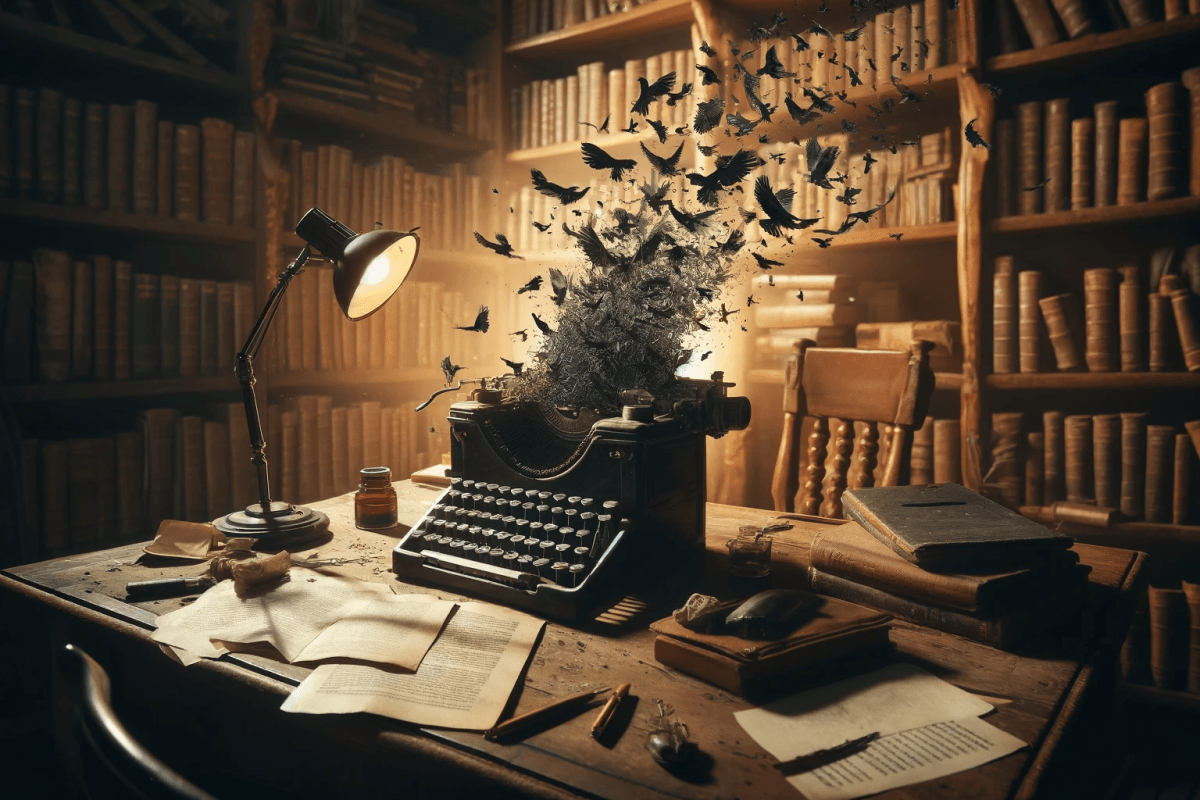




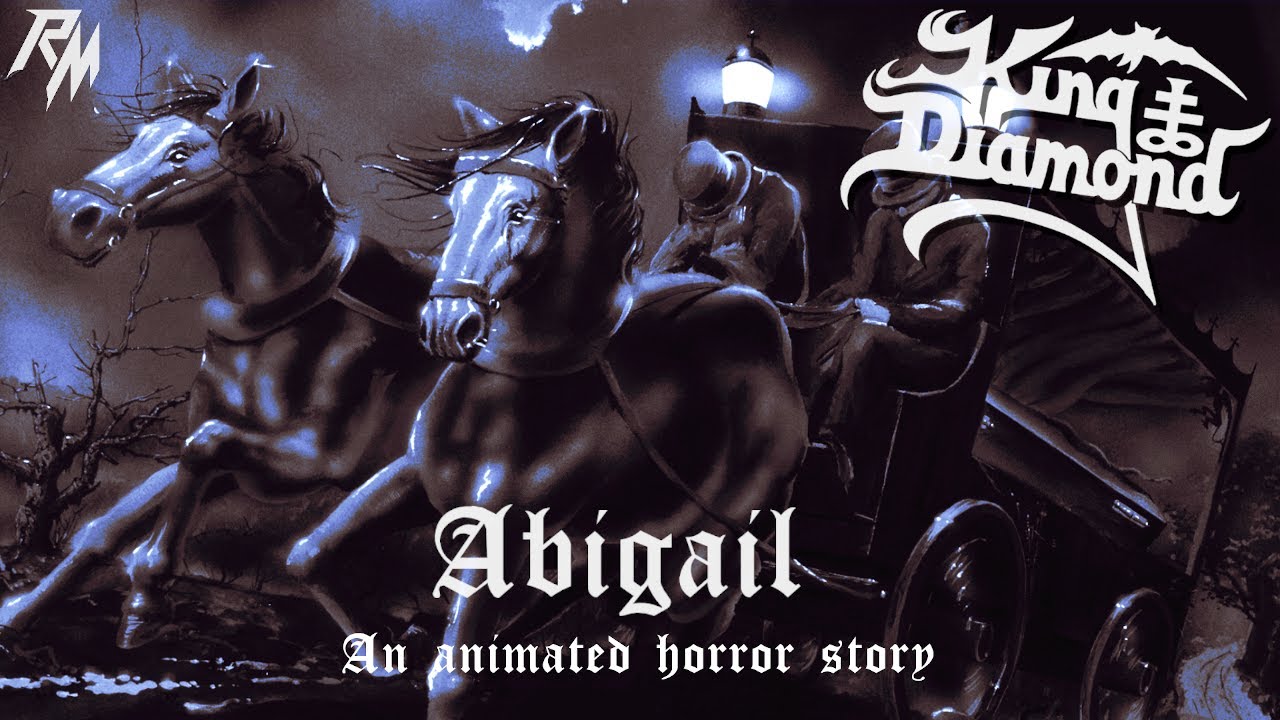
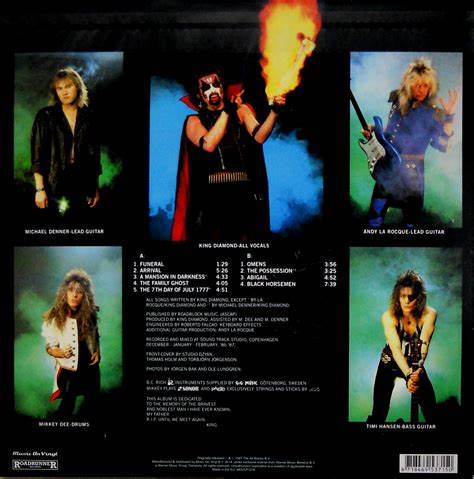


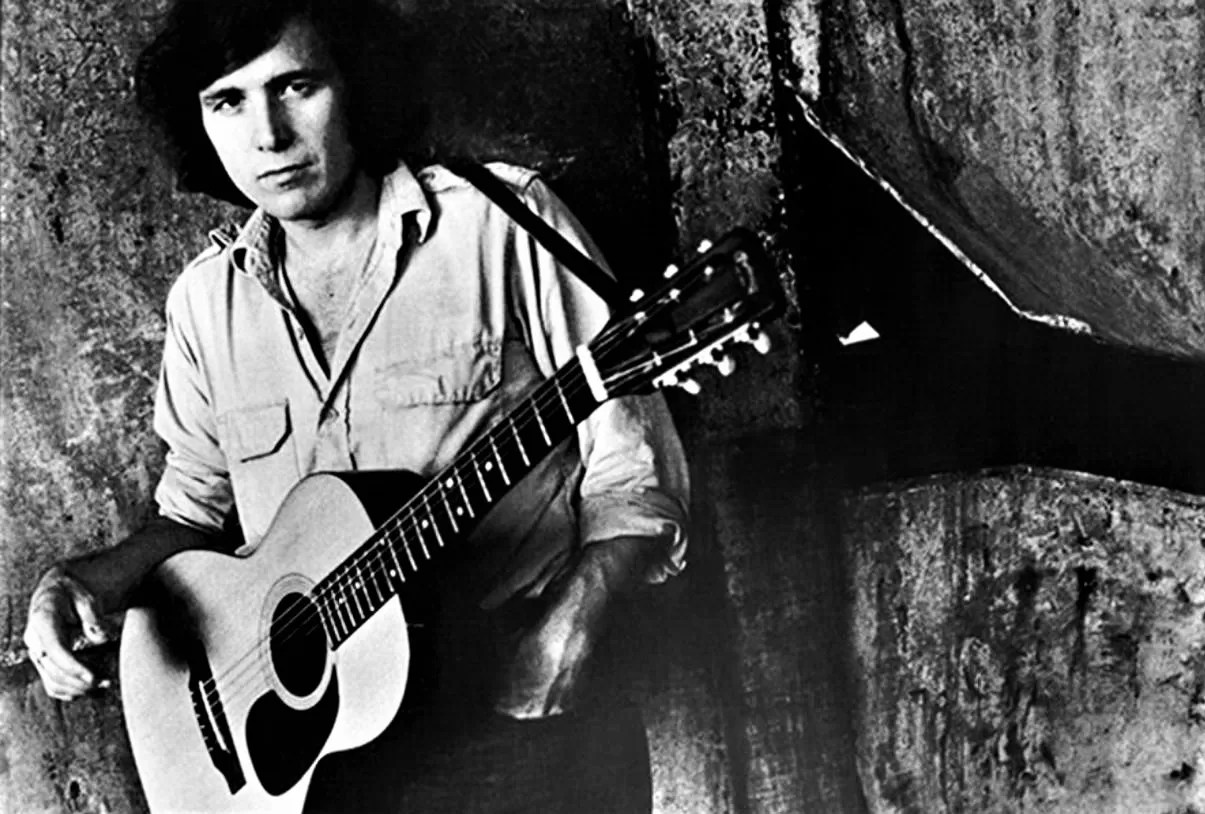


 Memoirs of Madness