Why Women’s Day March Matters: A Global Perspective

ARTICLE – MINI BIO

Women’s Day March: More Than Just a Hashtag

Let’s talk about the Women’s Day March. You know, that annual event where millions of people worldwide take to the streets, wave signs, chant slogans, and, if history is any indication, thoroughly annoy certain politicians and social media trolls. But this isn’t just a performative stroll in comfy sneakers—it’s a global movement that has been shaking things up for over a century.

The Origins: From Protests to a Global Holiday

Back in the early 1900s, women weren’t just fighting for a cute photo op; they were demanding the right to work in decent conditions, vote, and hold public office—basic stuff that, shockingly, was considered radical. The first National Women’s Day in the U.S. (1909) was organized by the Socialist Party of America, inspired by the 1908 garment workers’ strike. Then, Clara Zetkin, a German socialist, decided in 1910 that the world needed a dedicated International Women’s Day. Boom—March 8th became the day to make noise. Today, International Women’s Day is observed globally on this date, with some countries even recognizing it as a public holiday, including Russia, China, and several nations across Eastern Europe and Central Asia.

Things escalated quickly. In 1917, women textile workers in Petrograd kicked off protests that led to the Russian Revolution (as one does). By 1975, the United Nations decided to get in on the action, officially recognizing International Women’s Day, probably realizing it wasn’t just going to disappear.

The Evolution: Expanding the Fight

Fast forward to the mid-20th century: the feminist movement expanded beyond suffrage and workplace rights to tackle issues like reproductive freedom, domestic violence, and workplace discrimination. This shift was fueled by legal battles (think Roe v. Wade in the U.S.), cultural shifts (hello, second-wave feminism), and high-profile activism that pushed these issues into the mainstream. Women weren’t just asking nicely anymore—they were suing, protesting, and demanding systemic change. By the late 20th century, marches started embracing an intersectional approach, recognizing that gender inequality doesn’t exist in a vacuum—it intersects with race, class, sexuality, and even environmental justice (hello, ecofeminism!).

Then came 2017. The Women’s March, sparked by the U.S. presidential election, saw millions of people worldwide rallying against threats to reproductive rights, gender equality, LGBTQ+ protections, and racial justice, all while making it clear that misogyny wasn’t going to be tolerated in silence. It reminded everyone that women’s marches weren’t just nostalgic history lessons—they were alive, global, and louder than ever.

Why We Still March

Women’s Day marches are more than just a moment to wear purple and wave a sign. They’re about real issues that persist:

  • Gender-based violence: Because we’re still fighting for a world where “No” actually means “No.”
  • Equal pay: Somehow, decades after “equal pay for equal work” became a slogan, it’s still a debate.
  • Reproductive rights: Because certain lawmakers love to remind us that controlling women’s bodies is apparently their favorite pastime.
  • Workplace rights: Paid maternity leave, fair treatment, and not being harassed in the office—what a concept!
  • Representation: More women in politics and leadership? Groundbreaking, right?

Global Perspectives: Different Marches, Different Struggles

Women’s Day marches aren’t one-size-fits-all. Some places host massive, colorful protests. Others… well, they get government pushback or even outright bans—like in Russia, where feminist activism faces heavy restrictions, or Iran, where women protesting for basic rights risk arrest. In places like Turkey, marches are often met with riot police, and in China, feminist organizers frequently find themselves censored online and monitored by authorities. Clearly, not every government is a fan of gender equality making too much noise.

  • Latin America: These marches are huge and often laser-focused on gender violence (femicide rates there are horrifying). Argentina’s “Ni Una Menos” movement? Game-changing.
  • Europe: Economic rights, work-life balance, and political representation dominate the agenda. Spain has even organized feminist strikes—because why march when you can shut the whole system down?
  • Asia: From Pakistan’s controversial Aurat March to South Korea’s fight against beauty standards, these protests are taking on deeply ingrained cultural norms.
  • Middle East & North Africa: Feminists are up against oppressive laws, but marches still happen in places like Tunisia and Lebanon, where women demand reforms.
  • U.S.: Women’s Day was once overshadowed by its socialist roots (Cold War paranoia, anyone?). Because it was originally championed by socialist and communist movements, many in the U.S. viewed it with suspicion during the height of anti-communist hysteria. But in recent years, it’s grown, often centering around reproductive rights and political representation.

Social Media: Tool or Corporate Gimmick?

Thanks to digital activism, Women’s Day marches now reach millions beyond those physically attending. Hashtags spread messages globally, but there’s a downside: corporate “femvertising.” Yes, we see you, companies posting pink-washed empowerment quotes while paying women less than their male counterparts.

Impact: Does It Actually Change Anything?

Great question. While some argue that marches are just symbolic, history begs to differ. Take the 1913 Women’s Suffrage Parade in Washington, D.C.—a march that helped pave the way for the 19th Amendment, granting women the right to vote. Or consider the protests that fueled the passage of the Violence Against Women Act in 1994, providing protections and resources for survivors of domestic violence. When enough voices demand change, even the most stubborn institutions have to listen. Sure, walking with a sign won’t fix centuries of oppression overnight, but collective action has a way of making power structures nervous. Just ask the suffragettes who marched their way to voting rights, or the activists behind #MeToo, which reshaped workplace policies worldwide. When enough voices demand change, even the most stubborn institutions have to listen. And that’s always a good start.

Conclusion: Keep Marching

Women’s Day marches aren’t just tradition; they’re a battle cry, a demand for justice, and a refusal to stay silent. Until gender equality isn’t just an aspiration but a reality, we’ll keep marching, rallying, and making noise—because the world doesn’t change by waiting politely. Until gender equality is so ingrained that protests become obsolete, we’ll keep marching, raising our voices, and demanding change. So, see you in the streets—or at least online, amplifying the message.


Joy Mangano: The Inventor Who Changed Cleaning Forever

ARTICLE – MINI BIO

If you’ve ever waged war against a kitchen floor, armed with a flimsy, soggy mop that seems more interested in smearing dirt around than cleaning, you’ve probably muttered to yourself: There has to be a better way. Well, Joy Mangano didn’t just mutter—she got to work. She invented the Miracle Mop, a self-wringing, no-hand-dirtying, sanity-saving tool that turned her from a struggling single mom into a business mogul. And let’s be honest: if you’re going to be famous for something, making cleaning suck less is a pretty noble cause.

The Early Years: Before the Miracle Mop

Born on February 1, 1956, in Brooklyn, New York, Joy Mangano spent her childhood in Huntington, Long Island. Even as a teenager, she had a knack for problem-solving. Case in point: while working at an animal hospital, she had the brilliant idea for a fluorescent flea collar to keep pets visible at night. Unfortunately, Hartz beat her to market with something eerily similar. Did that crush her spirit? Nope. It just made her hungrier.

After earning a Business Administration degree from Pace University in 1978, Joy married Anthony Miranne and had three children. But life had other plans, and the marriage ended in divorce, leaving Joy to juggle single parenthood with a carousel of jobs—waitress, airline reservations manager, you name it. It was during this hectic period that her true entrepreneurial spirit took center stage.

The Miracle Mop: A Game-Changer

The legend of the Miracle Mop begins with something many of us know too well: an unholy mess. In 1990, during a dinner party, a guest spilled red wine all over her floor. As Joy wrestled with the sopping-wet, bacteria-breeding disaster that was a standard mop, she hit her breaking point. There had to be a better way.

So, she made one. Using her own savings (and likely a lot of caffeine-fueled nights), she designed the Miracle Mop: a self-wringing mop with a head made from a continuous loop of cotton. It could be wrung out without getting your hands dirty, and for anyone who’s ever gagged while touching old mop water, this was a revolution.

Of course, the road to success wasn’t smooth. Joy invested $100,000—her life savings—to produce her first 1,000 mops. Selling them door-to-door and at trade shows wasn’t exactly a Cinderella story; the response was slow. But Joy wasn’t about to back down. Her break came when she personally convinced QVC to let her demonstrate the mop on air. The result? She sold 18,000 mops in under 20 minutes. That moment didn’t just change her life—it cemented her as a home shopping legend.

From QVC to HSN: Building an Empire

After her smashing QVC debut, Joy became a regular on the Home Shopping Network (HSN). Her natural charisma and infectious enthusiasm made her a powerhouse. In 1999, she sold her company, Ingenious Designs, to USA Networks (HSN’s parent company). By 2000, the Miracle Mop alone was raking in $10 million annually.

But Joy wasn’t a one-hit wonder. She kept churning out wildly successful products, including the Huggable Hangers—yes, the space-saving velvet hangers that have somehow sold over 700 million units. (Seriously, how many closets even exist in the world?)

Her on-air sales? Absurd. At her peak, Joy was moving products at a pace of $1 million per hour. Forget the stock market—if you wanted real action, you tuned in to watch Joy Mangano sell hangers like they were going out of style.

Hollywood Comes Knocking: “Joy”

In 2015, Hollywood took notice. The biographical comedy-drama Joy, starring Jennifer Lawrence, hit the big screen. The film captured the essence of Joy’s relentless drive, though it took some creative liberties (like how she met her ex-husband—Hollywood, of course, had to make it more cinematic).

Regardless, the film highlighted her grit, her struggles, and the absolute circus that is inventing, marketing, and scaling a product. Jennifer Lawrence’s performance was so good that she snagged a Golden Globe and an Oscar nomination. Not bad for a movie about a mop, huh?

Lessons from Joy Mangano

Joy’s story isn’t just inspiring—it’s a masterclass in entrepreneurship. Here’s what we can learn:

  1. Act on Your Ideas – If you’ve ever had a “Why hasn’t anyone invented this?” moment, take a page from Joy’s book and actually do something about it.
  2. Persistence Pays Off – The woman literally went door-to-door to sell her mops. If she had given up at the first sign of rejection, we’d all still be squeezing dirty water out of mop heads like peasants.
  3. Bet on Yourself – She poured her savings into an idea that others doubted. That kind of belief in yourself is what separates dreamers from doers.

Joy Mangano Today: Still Innovating

You’d think after selling millions of products and getting a Hollywood movie, Joy would be kicking back with a cocktail somewhere tropical. Nope. She’s still inventing. In 2021, she launched CleanBoss, a brand focused on next-level cleaning products, and debuted America’s Big Deal, a reality competition show giving other entrepreneurs a shot at success.

Her legacy isn’t just about mops or hangers—it’s about resilience, creativity, and proving that even the most mundane frustrations (looking at you, dirty floors) can lead to something extraordinary.

Conclusion

Joy Mangano’s journey from single mom to self-made millionaire is proof that sometimes, success isn’t about grand, world-changing ideas—it’s about fixing everyday annoyances in a way no one else has. So, the next time you’re battling a stubborn mess, just remember: one woman got so fed up with cleaning that she built an empire.

Now, what are you doing with your frustrations?

The Legacy of Olympe de Gouges: Feminist Icon and Activist

ARTICLE – MINI BIO

Let’s set the scene: It’s 18th-century France. Powdered wigs are in. So are corsets, monarchy drama, and men named Jacques debating “liberty” while conveniently forgetting half the population. Enter Olympe de Gouges—a woman who took one look at the French Revolution’s “bro code” and said, “Non.” Part playwright, part activist, and full-time menace to the patriarchy, de Gouges spent her life trolling the establishment with feminist manifestos, abolitionist plays, and hot takes so spicy they literally guillotined her for it. Let’s unpack why this 18th-century icon deserves a spot in your group chat.

She Was the Original “Well, Actually…” Girlboss

Born Marie Gouze in 1748, Olympe rebranded herself as a Renaissance Fyre Festival influencer. After ditching her “meh” husband (RIP, Louis Aubry—we barely knew you), she stormed Paris with a new name, a side hustle in playwriting, and a vendetta against anyone who thought women belonged in the kitchen (unless it was to burn misogynist pamphlets).

Key Flex: She wrote 144 works—plays, essays, manifestos—while surviving a time when women’s highest achievement was… embroidering? Her 1791 Declaration of the Rights of Woman and of the Female Citizen was the ultimate clapback to the Revolution’s Declaration of the Rights of Man. Imagine subtweeting an entire government with: “Congrats on ‘liberty,’ kingslayers! Now let women vote?” Icon behavior.

Her Plays Were Cancelled Before “Cancel Culture” Existed

Olympe’s drama wasn’t just onstage. Her play Zamore et Mirza (1784) slapped audiences with a love story between enslaved Black characters—a radical move when France was still vibing with colonialism. Plantation owners threw tantrums and got the play shut down, and Olympe fired back: “I will make the world hear me!” (Spoiler: She did. The play finally premiered in 1789 to a very awkward crowd of slave traders.)

Side Note: If Netflix adapted this today, it’d be a mix of Bridgerton and The Hunger Games. Colonial villains? Check. Forbidden romance? Check. A heroine who’d yeet a baguette at Robespierre? Oui.

She Penned the Ultimate Feminist Mic Drop

The Declaration of the Rights of Woman (1791) was Olympe’s magnum opus. Let’s break down her greatest hits:

  • Article 1: “Woman is born free and stays lit AF.” (Paraphrased.)
  • Article 6: “Let women hold office, you cowards.”
  • Postscript: A rallying cry telling women to “wake up” and smell the patriarchy.

She even called for paternity suits (in 1791!) so deadbeat dads couldn’t ghost their kids. Mary Wollstonecraft stan’d her so hard she wrote A Vindication of the Rights of Woman a year later. Move over, Founding Fathers—Founding Mother just dropped.

She Fought for Everyone the Revolution Left Behind

While the guys in charge high-fived over “equality,” Olympe was out here advocating for:

  • Abolition of slavery: “Men of all colors are brothers,” she wrote in 1788—before it was cool.
  • Welfare programs: She proposed unemployment benefits and state-funded hospitals. In the 1700s.
  • Divorce rights: Because nothing says “liberty” like dumping a toxic husband.

Her take on taxes? “Rich people, pay for the poor. Sincerely, Common Sense.” How’s that for a hot take?

She Roasted Robespierre (And Paid the Price)

Olympe had zero chill for Jacobin extremists. When the Reign of Terror kicked off, she called Robespierre a “tyrant” and proposed letting France vote on three government options: republic, federalist, or constitutional monarchy. The Jacobins, allergic to democracy, arrested her for “attacking the sovereignty of the people” (translation: hurting their feelings).

At her trial, she doubled down: “I die for having spoken truths too loudly.” They guillotined her in 1793, but not before she dropped her final boss line: “Children of the Fatherland, you will avenge my death!” Cue slow clap.

Her Legacy Is a Mood for Modern Feminists

Olympe’s ghost is probably rolling her eyes at how long it took France to give women the right to vote (1944, mes amies). But today, she’s having a renaissance:

  • UNESCO added her Declaration to its Memory of the World Register in 2023.
  • Schools teach her as the “first feminist” who linked gender, race, and class oppression.
  • Historians debate whether she was a visionary or a chaos gremlin. (Porque no los dos?)

Pro Tip: Next time someone says “women’s rights are a new thing,” hit them with Olympe’s Wikipedia page.

Final Verdict: Olympe de Gouges, the Uncancelable Queen

Olympe de Gouges was messy, relentless, and decades ahead of her time. She weaponized art for activism, called out hypocrisy, and died refusing to shut up. In a world of lukewarm takes, she was spicy. So let’s raise a glass (or a guillotine blade) to the woman who proved revolution isn’t just for boys with fancy breeches.


Before you go channel your inner Olympe and rage-tweet about this post to your followers (#JusticeForOlympe), I get it, I’m fired up too. I’d be right there retweeting. I know I have a French flag around here somewhere. Hold up, wait a minute, chill, and think about people like Madame Olympe. You know, there’s something about history that sets my brain on fire. Let’s get one thing straight: history isn’t just dusty textbooks and dead white dudes in wigs. It’s full of chaotic icons like Madame de Gouges, who dared to flip the script and be themselves.

Your Homework: Comment below with the historical badass you think deserves a viral moment. I absolutely love researching and learning more about history. Yeah, I’m junkie, #BookWormAnonymous. Wrong answers only. (Looking at you, “Napoleon’s Short King Energy” stans.)

Stay tuned for more posts about people I discover in my daily reading.

P.S. If you enjoyed this post, Olympe’s ghost demands you share it. (She’s still salty about Robespierre’s PR team.)

Yeah, I know I’m a mess … guilty as charged. Remember, you are reading The Memoirs of Madness.

Until next time … be blessed …peace.

Beryl Markham – Female Aviator

ARTICLE – MINI BIOGRAPHY

After being raised by a single mom, I’m fully aware of the capabilities of women. I watched my mother face the challenges of raising an oddball son and never seemed to miss a beat. Even as a child, I wondered why they weren’t listed in the annuals of history. Surely, there had to be tough women like my mother throughout history? Of course, there were. I’m glad we have access to the information about these feats done by these amazing women. Will we be able to list them all or discover all the things women had a hand in? Probably not. However, I will use my platform to celebrate the courage of these women.


Beryl Markham’s life reads like an adventure novel, filled with groundbreaking achievements, thrilling exploits, and a legacy that transcends time. As the first woman to fly solo across the Atlantic from east to west, Markham shattered the glass ceiling in aviation. Her memoir, “West with the Night,” offers a mesmerizing account of her experiences in early 20th-century Africa and her daring flights, showcasing her indomitable spirit. This blog post seeks to explore the remarkable journey of Beryl Markham, celebrating her contributions to aviation and literature.

Early Life in Kenya

Born in England in 1902, Beryl Clutterbuck moved to Kenya with her family at a young age, igniting her lifelong love affair with Africa. Growing up on her father’s horse farm, she developed an early passion for horses, which later translated into a pioneering career in horse training. Her fascination with flying began in Kenya, where she met Tom Campbell Black, a notable figure in her aviation journey, fostering her aspiration to take to the skies.

Pioneering Aviation Career

Markham’s aviation career was marked by a series of remarkable achievements. She became the first woman to obtain a commercial pilot’s license in Kenya. In 1936, she made history by flying solo across the Atlantic from east to west, facing harsh weather conditions and navigating by stars. This monumental flight secured her place in aviation history, showcasing her courage and skill as a pilot.

Adventures and Challenges

Markham’s life was replete with adventures that stretched beyond the cockpit. Her personal life, marked by several marriages and notable friendships with prominent figures like Denys Finch Hatton and Karen Blixen, added layers to her already complex character. Despite the challenges she faced, including financial struggles and societal constraints on women of her time, Markham’s resilience never waned, driving her to pursue her passions relentlessly.

Literary Contributions

Though primarily known for her aviation feats, Markham was also an accomplished author. Her memoir West with the Night, published in 1942, was praised for its lyrical prose and vivid descriptions of colonial Africa. Despite its initial lukewarm reception, the book was rediscovered and celebrated in the 1980s, heralded as a masterpiece of 20th-century literature and providing a nuanced perspective on Markham’s extraordinary life.

Legacy and Recognition

Beryl Markham’s legacy is multifaceted, influencing the aviation and literary worlds. Her daring spirit and groundbreaking achievements in aviation paved the way for future generations of female pilots. Meanwhile, her literary contributions offer a unique glimpse into a woman’s life who refused to be defined by the era she lived in. Today, Markham is remembered for her historical flights and as a symbol of courage, resilience, and the pursuit of one’s passions against all odds.

Embarking on this detailed exploration of Beryl Markham’s life will allow us to paint a comprehensive picture of her impact on aviation and literature. Starting with her early life in Kenya, we’ll weave through her many accomplishments, adventures, and the legacy she leaves behind.

The Legendary Redd Foxx: A Pioneer of Comedy

ARTICLE – MINI BIOGRAPHY

Redd Foxx, born John Elroy Sanford on December 9, 1922, in St. Louis, Missouri, was a trailblazing comedian whose influence on American comedy remains unparalleled. Known for his quick wit, distinctive voice, and unapologetically bold humor, Foxx broke barriers and paved the way for future generations of comedians.

Early Life and Career Beginnings

Redd Foxx’s journey to stardom was anything but straightforward. He grew up in poverty, and his early years were marked by hardship and struggle. However, his natural talent for making people laugh became evident early on. He moved to Chicago in the 1940s and began performing in local nightclubs. During this time, he adopted the stage name Redd Foxx, a combination of his nickname “Redd” due to his complexion and admiration for the great baseball player Jimmie Foxx.

The Rise to Fame

Foxx’s big break came in the 1950s when he began recording a series of “party records.” These were risqué, adult-themed comedy albums that were sold under the counter due to their explicit content. Despite—or perhaps because of—their controversial nature, these records gained immense popularity. They showcased Foxx’s raw comedic talent and fearless approach to humor, earning him a dedicated following.

“Sanford and Son”: A Cultural Phenomenon

In 1972, Foxx’s career skyrocketed with the debut of “Sanford and Son,” a sitcom that would cement his status as a comedy legend. The show, produced by Norman Lear, featured Foxx as Fred G. Sanford, a cantankerous junk dealer with a sharp tongue and a heart of gold. “Sanford and Son” was groundbreaking in portraying African American life, blending humor with social commentary.

Redd Foxx with his older brother Fred G. Sanford Jr.

Most of Redd Foxx fans are unaware that his brother’s real name is Fred G. Sanford. Now wonderfully Redd Foxx made sure that the executives for the hit television show Sanford and Son allowed him to name his character so that he could honor the memory of his brother, Fred, who’d died five years before the show premiered.

Legacy and Impact

Redd Foxx’s impact on comedy and popular culture is profound. He was a pioneer in addressing issues of race and social justice through humor, using his platform to challenge stereotypes and advocate for equality. His style of comedy, characterized by its boldness and honesty, influenced countless comedians, including Richard Pryor, Eddie Murphy, and Chris Rock.

Foxx’s contributions to comedy were recognized with numerous accolades, including an induction into the NAACP Image Awards Hall of Fame. Beyond his professional achievements, he was known for his generosity and willingness to mentor young comedians.

Personal Life and Challenges

Despite his professional success, Foxx’s personal life was marked by financial difficulties and legal troubles. He was known for his lavish lifestyle and generosity, often giving money to friends and family. These habits, coupled with poor financial management, led to several bankruptcies. Yet, through it all, Foxx remained a beloved figure, admired for his resilience and indomitable spirit.

Conclusion

Redd Foxx’s legacy is one of groundbreaking achievements and enduring influence. His fearless approach to comedy and ability to find humor in the most challenging circumstances made him a beloved figure in American culture. As we look back on his life and career, we celebrate Redd Foxx not only as a pioneer of comedy but as a trailblazer who opened doors for future generations of performers. His humor, honesty, and humanity continues to inspire and entertain audiences worldwide.

Barbara McNair

ARTICLE – MINI BIOGRAPHY

Barbara McNair was an American singer, actress, and television personality who impacted the entertainment industry with her multifaceted career. Born on March 4, 1934, in Chicago, Illinois, McNair’s journey into the limelight began with her passion for music, nurtured in the choir of her local church. Her pursuit of an entertainment career led her to study at the American Conservatory of Music in Chicago and, later, the prestigious UCLA.

Early Career and Rise to Fame

Barbara McNair’s career took off in the late 1950s when she started recording for the Coral Records label, releasing a series of singles that showcased her versatile vocal range. However, her move to Motown Records in the mid-1960s catapulted her into the spotlight. McNair’s smooth voice and elegant presence made her a favorite among audiences, and she quickly became known for hits like “You’re Gonna Love My Baby.”

Parallel to her singing career, McNair ventured into acting, demonstrating her talent on both the stage and screen. She made notable appearances on Broadway, including roles in “No Strings” and “The Body Beautiful,” showcasing her ability to captivate audiences beyond her music.

Television and Film Success

In the late 1960s, Barbara McNair made significant strides in television, becoming one of the first African American women to host her own variety show, “The Barbara McNair Show” (1969-1972). The show was groundbreaking, featuring a mix of performances and interviews with celebrities, and broke new ground for African American women in entertainment.

McNair’s film career was equally impressive, with roles in films like “If He Hollers, Let Him Go!” (1968), “They Call Me Mister Tibbs!” (1970), and “The Organization” (1971), where she starred alongside Sidney Poitier. Her performances in these films were praised for their depth and demonstrated her versatility as an actress.

Legacy and Later Years

Barbara McNair was a trailblazer who broke racial barriers in the entertainment industry throughout her career. She used her platform to advocate for civil rights and actively participated in charity work, contributing to the betterment of her community.

In her later years, McNair continued to perform, touring the United States and abroad, and remained a beloved figure in the entertainment world. Barbara McNair passed away on February 4, 2007, but her legacy endures. She is remembered for her contributions to music, television, and film and her pioneering role as a woman of color in the entertainment industry.

Barbara McNair’s journey from a church choir in Chicago to the heights of Hollywood is a testament to her talent, determination, and the barriers she broke down along the way. Her life and career continue to inspire aspiring artists around the world.

Mixed Music Bag Week 8: Daisy Chainsaw & Dorothy

ARTICLE – MINI BIOGRAPHY – MMB

The Brother Jim Edition:

Thanks to Glyn’s MMB for the prompt. I’m still working on the February weeks. My brother Jim inspired me to select the groups for this post during one of our many conversations about music. Jim told a compelling story about when he saw the band Daisy Chainsaw. I’d completely forgotten about them. So, when Glyn’s prompt said groups of C-D, there was no way I could resist mentioning Daisy Chainsaw.


Daisy Chainsaw was an English alternative rock band formed in London in 1989. Led by vocalist KatieJane Garside, the band’s music is characterized by its raw, unapologetic energy, incorporating punk, grunge, and noise rock elements. Daisy Chainsaw gained attention for their confrontational lyrics, aggressive guitar riffs, and Garside’s distinctive vocal style, which ranged from whispered whispers to primal screams.

With their debut album “Eleventeen” (1992), Daisy Chainsaw gained a cult following and critical acclaim, earning comparisons to bands like Sonic Youth and Hole. Hits like “Love Your Money” and “Pink Flower” showcased the band’s irreverent attitude and unique sound. At the same time, Garside’s provocative stage presence solidified their reputation as one of the most exciting acts of the early ’90s alternative rock scene.

Despite their relatively short-lived career, Daisy Chainsaw left a lasting impact on the alternative rock landscape, influencing subsequent generations of musicians with their bold, uncompromising approach to music. While the band disbanded in the mid-’90s, their legacy lives on through their music, which continues to resonate with audiences seeking raw, unfiltered rock and roll.

Lyrics:

We love you yeah
We love what you got and you’ve got it truly
You’re talented kid
We can see it clearly
We love your sound
The way you look so we say sincerely
You’re natural stars and we mean it really
{Chorus}
We love your money(Love your money)
Yes we do
We love you yeah
Place your trust in us completely
You’ll sell worldwide we mean it really
We love your songs
Shape your image and we’ll all be greedy
Sign right here, and we’ll all be wealthy
{Repeat}
We love you so love your demo
We love you so love love love love
All your money
We love your money(love your money)
Love love love love all your money
(Repeat chorus)
Love love love love all your money

Songwriters: C. Gray.


The next group appeared in my text messages from Jim with the simple instructions to listen to it. So, I did and liked what I heard. I enjoyed the band’s sound. It was reminiscent of classic rock but edgy enough to keep me interested. I can’t stand copycats; they are boring. The band was called Dorothy. A couple of years later, Jim informed me that Dorothy would be playing at one of the upcoming shows. My interest was immediately peaked. They put on a decent show with a solid sound. They are worth mentioning for this post as they differ from what I usually discuss. Tell me your thoughts.


Dorothy is an American rock band led by vocalist Dorothy Martin. Formed in Los Angeles in 2014, the band’s sound is characterized by its gritty, blues-infused rock with a modern edge. Drawing inspiration from classic rock acts like Led Zeppelin and Janis Joplin, Dorothy’s music is raw, powerful, and soulful, featuring infectious riffs, soaring vocals, and electrifying performances.

Frontwoman Dorothy Martin’s distinctive voice serves as the focal point of the band’s sound, channeling a mix of vulnerability and strength that captivates listeners. With songs like “Raise Hell,” “Missile,” and “Flawless,” Dorothy delivers anthemic rock tunes that resonate with audiences, evoking a sense of empowerment and rebellion.

Since their debut, Dorothy has toured extensively, building a dedicated fanbase with their high-energy live shows and authentic, no-nonsense approach to rock music. With their dynamic sound and uncompromising attitude, Dorothy continues to make waves in the rock scene, solidifying their place as one of the genre’s most exciting acts.

Lyrics:

You said you loved me but you threw me out in the garbage
Now I’m starting to stink but everyone thinks I’m flawless
Listen to me, I can’t be what you want me to
I just came like this, I’m already black and blue

You said you loved but you put my shit on the sidewalk
You like it when I fall and you laugh when I run into the wall
You gave nothing, I put my heart out on the table
I wasn’t always willing but baby I was always able, yeah

Oh… slipping into some kinda feeling
Got me believing
Oh… coming out of all of the darkness
Now that I’m flawless

You said I was the one but you married someone half your age
She’s a groupie ex-girlfriend with a plastic face
You said you’d never go back to an old flame
Well it’s gonna make you sick when everybody hears my pain, yeah

Oh… slipping into some kinda feeling
Got me believing, baby
Oh… coming out of all of the darkness
Now that I’m flawless

Now that I

Can you feel it
Can you feel it, yeah
Can you feel it
Can you feel it, yeah
Can you feel it
Can you feel it, yeah
Can you feel it
Baby, can you feel it, yeah

Oh, slipping into some kinda feeling
Got me believing, baby, yeah
Oh, coming out of all of the darkness
Now that I’m flawless

Now that I’m
Can you feel it baby?
Now that I’m
Oh can you feel it baby?
Can you feel it, yeah
Oh, now that I’m flawless

Songwriters: Linda Perry, Maria Tynes.

Anemia: It’s More Complex than We think.

Initially, Anemia was a condition you had heard of, but you didn’t know what it was or how it affected people. At any rate, it happened to someone else. During, my cancer battle mentioned I had anemia. Immediately, I protested as if it was something to be ashamed of. However, it isn’t and can be managed effectively if you take the time to understand the condition and give it just respect. Here are the particulars.

Here are the different types of Anemia:

Anemia is a condition characterized by a deficiency of red blood cells or hemoglobin in the blood, leading to reduced oxygen-carrying capacity and often resulting in symptoms such as fatigue, weakness, and pale skin. There are several types of anemia, each with different causes and characteristics. Some of the most common types include:

  1. Iron-deficiency anemia: This is the most common type of anemia, caused by a lack of iron in the body. Iron is essential for the production of hemoglobin, which carries oxygen in the blood. Iron-deficiency anemia can occur due to inadequate dietary intake of iron, poor absorption of iron from the diet, or blood loss (such as from menstruation or gastrointestinal bleeding).
  2. Vitamin B12 deficiency anemia: Also known as pernicious anemia, this type of anemia occurs when there is insufficient vitamin B12 in the body. Vitamin B12 is necessary for the production of red blood cells. Deficiency can result from dietary factors (such as a vegan diet lacking in animal products), malabsorption (such as in pernicious anemia), or certain medical conditions affecting the stomach or intestines.
  3. Folate deficiency anemia: Folate (vitamin B9) is another essential nutrient required for red blood cell production. Folate deficiency anemia can occur due to inadequate dietary intake of folate, malabsorption, or increased demand for folate (such as during pregnancy or in certain medical conditions).
  4. Hemolytic anemia: This type of anemia occurs when red blood cells are destroyed or removed from the bloodstream at a faster rate than they can be produced. Hemolytic anemia can be inherited (as in sickle cell anemia or thalassemia) or acquired (due to autoimmune disorders, infections, medications, or toxins).
  5. Aplastic anemia: Aplastic anemia is a rare but serious condition characterized by a failure of the bone marrow to produce an adequate number of red blood cells, white blood cells, and platelets. It can be caused by exposure to toxins, radiation, chemotherapy, certain medications, or autoimmune disorders.
  6. Anemia of chronic disease: Also known as anemia of inflammation, this type of anemia occurs as a result of chronic inflammatory conditions such as chronic infections, autoimmune diseases, or cancer. Inflammation can disrupt the body’s ability to use iron and produce red blood cells.
  7. Sickle cell anemia: Sickle cell anemia is an inherited form of hemolytic anemia caused by a mutation in the gene responsible for producing hemoglobin. This results in the production of abnormal hemoglobin (hemoglobin S), leading to the characteristic sickle-shaped red blood cells that are prone to premature destruction, causing anemia and other complications.

Causes of Anemia:

Various factors can cause anemia. One common cause is a deficiency in essential nutrients such as iron, vitamin B12, or folate. These nutrients are vital for the production of red blood cells, and their deficiency can lead to anemia. Iron deficiency anemia, for example, is the most common type and is often caused by a lack of iron-rich foods in the diet or poor iron absorption. Other causes of anemia include chronic diseases like kidney disease or cancer, genetic disorders like sickle cell anemia, and certain medications that interfere with the production or function of red blood cells.

The primary causes of anemia include:

1. Iron deficiency is the most common cause of anemia globally. It impairs the body’s ability to produce hemoglobin. Insufficient dietary iron, poor absorption, or chronic bleeding (such as in gastrointestinal disorders) can lead to iron-deficiency anemia.

2. Vitamin Deficiencies: Deficiencies in other essential vitamins, such as vitamin B12 and folic acid, can also contribute to anemia. These nutrients play a crucial role in red blood cell production, and their absence can lead to impaired cell development.

3. Chronic Diseases: Certain chronic conditions, such as chronic kidney disease, inflammatory disorders, and autoimmune diseases, can interfere with the production and lifespan of red blood cells, leading to anemia.

4. Hemolytic Anemias: In these conditions, red blood cells are destroyed prematurely due to an inherited genetic defect, autoimmune reactions, or exposure to certain medications or toxins.

5. Genetic Disorders: Some individuals may inherit genetic conditions affecting hemoglobin production, such as thalassemia or sickle cell anemia, which can lead to chronic anemia.

Symptoms of Anemia:

The symptoms of anemia can vary depending on the severity and underlying cause. Anemia reduces the blood’s ability to carry oxygen to the body’s tissues, resulting in a lack of energy and oxygen supply. In addition to these common symptoms, some individuals may experience chest pain, headaches, difficulty concentrating, and an increased risk of infections.

The symptoms of anemia can vary in severity and may include:

1. Fatigue: One of the most common symptoms is persistent fatigue, as reduced oxygen-carrying capacity affects overall energy levels.

2. Pale Skin and Mucous Membranes: Anemic individuals may exhibit pallor in their skin and mucous membranes, such as the inside of the mouth.

3. Shortness of Breath: Insufficient oxygen supply to tissues can lead to shortness of breath and increased heart rate, especially during physical activity.

4. Dizziness and Weakness: Anemia can cause dizziness, weakness, and difficulty concentrating due to reduced blood flow and oxygen delivery to the brain.

5. Cold Hands and Feet: Poor circulation can lead to a sensation of coldness in the extremities.

Treatment Options:

The treatment of anemia depends on the underlying cause and may include:

1. Iron Supplements: Oral or intravenous iron supplements may be prescribed to replenish iron levels for iron deficiency anemia.

2. Vitamin Supplements: Vitamin B12 and folic acid supplements are recommended for anemia caused by deficiencies in these nutrients.

3. Treatment of Underlying Conditions: Addressing chronic diseases or genetic disorders contributing to anemia is crucial for effective management.

4. Blood Transfusions: In severe cases or emergencies, blood transfusions may be necessary to quickly increase red blood cell count.

5. Lifestyle Changes: Adopting a balanced and nutrient-rich diet, particularly one that includes iron-rich foods, can help prevent and manage certain types of anemia.

Conclusion:

Anemia is a widespread health condition with various underlying causes, impacting individuals of all ages and backgrounds. Recognizing the symptoms and seeking timely medical attention is crucial for accurate diagnosis and appropriate treatment. Whether the reason is nutritional deficiencies, chronic diseases, or genetic factors, healthcare professionals can provide tailored interventions to manage anemia effectively and improve the quality of life for those affected. As ongoing research advances our understanding of anemia, continued awareness, and proactive healthcare measures will play a vital role in mitigating its impact on global health.

Sonia Sanchez: A Poetic Voice of Resistance and Empowerment

ARTICLE – MINI BIOGRAPHY – POET

When I started studying poetry, I couldn’t fathom its depth or impact. Most of the people I knew consistently named the same poets. The poets named depended on the group of people. Finally, I received my introduction to the Black Arts movement. Being Black, I was told this should be my area of concentration. This advice met my immediate dismissal. I have never liked to be told how or what to study.

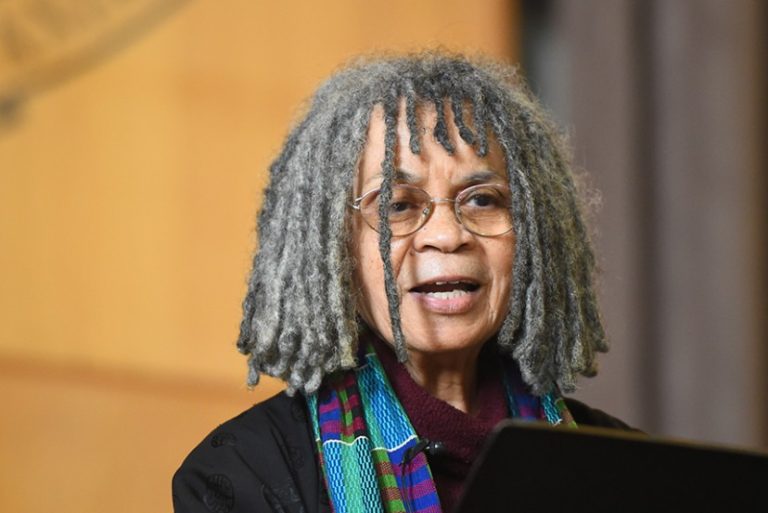
As I studied the Black Arts movement, I discovered many of the same names I’ve always heard. Then I found someone seldom talked about. I found Sonia Sanchez. I read most of her work and instantly became a fan. So, ladies and gentlemen, my first profile for Women’s History Month is Sonia Sanchez. 


Sonia Sanchez stands as one of the most influential poets of the 20th and 21st centuries, renowned for her powerful voice, uncompromising activism, and unyielding commitment to social justice. As a leading figure of the Black Arts Movement and a pioneer of African American literature, Sanchez’s poetry transcends mere words, catalyzing change, healing, and transformation. This essay aims to explore the life, works, and enduring legacy of Sonia Sanchez, illuminating her profound impact on literature, activism, and the collective consciousness of humanity.

Early Life and Influences:

Sonia Sanchez was born Wilsonia Benita Driver on September 9, 1934, in Birmingham, Alabama, during a time of deep-seated racial segregation and oppression in the United States. Raised by her maternal grandmother and deeply influenced by her African heritage, Sanchez developed an early appreciation for storytelling, oral traditions, and the power of language to evoke emotion and effect change. Her formative years in the racially charged environment of the Jim Crow South instilled in her a profound sense of social justice and a determination to resist oppression through her art.

Literary Career and Contributions:

Sanchez’s literary career began to flourish in the 1960s amid the backdrop of the Civil Rights Movement and the emergence of the Black Arts Movement. Her early poetry collections, including “Homecoming” (1969) and “We a BaddDDD People” (1970), captured the spirit of resistance and empowerment, celebrating the resilience and beauty of the African American experience. Grounded in the oral tradition of African griots and jazz improvisation, Sanchez’s poetry pulsated with rhythm, imagery, and urgency, challenging readers to confront the realities of racism, sexism, and injustice.

As a prominent voice of the Black Arts Movement, Sanchez used her poetry to advocate for racial equality, gender liberation, and the empowerment of marginalized communities. Her seminal work “Sister Outsider: Essays and Speeches” (1984) explored intersections of race, gender, and sexuality, challenging prevailing norms and fostering solidarity among oppressed peoples. Through her activism and advocacy, Sanchez inspired generations of writers, activists, and artists to use their platforms for social change and cultural transformation.

Themes and Style:

Sanchez’s poetry is characterized by its lyrical intensity, rhythmic cadence, and evocative imagery, drawing on themes of love, identity, memory, and resistance. Her verses pulse with the heartbeat of humanity, weaving together personal and collective narratives to create a tapestry of empowerment and resilience. Whether exploring the legacy of slavery in America, celebrating the beauty of Black womanhood, or lamenting the violence of racism, Sanchez’s poetry radiates with authenticity, empathy, and hope.

Enduring Legacy:

Sonia Sanchez’s impact extends far beyond the realm of literature, encompassing education, activism, and community engagement. As a distinguished English and Women’s Studies professor at Temple University, Sanchez mentored countless students and scholars, instilling a passion for social justice and critical inquiry. Through her workshops, lectures, and performances, she continues to inspire audiences around the world to confront injustice, embrace diversity, and strive for a more just and equitable society.

Conclusion:

In conclusion, Sonia Sanchez’s life and work exemplify the transformative power of poetry to awaken consciousness, ignite change, and foster healing. As a poet, educator, and activist, she has dedicated her life to amplifying the marginalized’s voices, challenging oppression systems, and nurturing the seeds of hope and resilience. Through her unwavering commitment to justice and her profound empathy for the human experience, Sonia Sanchez has left an indelible mark on literature, activism, and the ongoing struggle for freedom and dignity for all.

The Harlem Renaissance: A Cultural Flourishing of African American Identity and Creativity

ARTICLE – MINI BIOGRAPHY – HISTORICAL ERA

As a writer, I often reflect on my inspirations or, more precisely, why I chose to become a writer. I ask myself, was there a thing more than the others that influenced this decision? I never come up with a definitive answer, but I feel compelled to discuss the impact of the Harlem Renaissance. 

The Harlem Renaissance is one of American history’s most significant cultural movements, representing a period of profound artistic and intellectual awakening among African Americans in the 1920s and 1930s. Centered in the vibrant neighborhood of Harlem in New York City, this period witnessed an unprecedented surge of creativity and innovation across various artistic disciplines, including literature, music, visual arts, and theater. The Harlem Renaissance not only transformed the cultural landscape of America but also challenged prevailing racial stereotypes and paved the way for greater recognition of African American contributions to society. This essay aims to provide a comprehensive overview of the Harlem Renaissance, exploring its historical context, key figures, artistic achievements, and lasting impact on American culture.

Historical Context:

The Harlem Renaissance emerged against the backdrop of widespread racial discrimination, segregation, and socio-economic inequality faced by African Americans in the early 20th century. The Great Migration, a mass movement of African Americans from the rural South to urban centers in the North, including Harlem, during and after World War I, was pivotal in shaping the period’s cultural milieu. In Harlem, a vibrant community of artists, writers, musicians, intellectuals, and activists converged, seeking refuge from racial oppression and striving to create a space for artistic expression and cultural affirmation.

Key Figures and Literary Contributions:

Central to the Harlem Renaissance were the writers and intellectuals who articulated African Americans’ experiences, aspirations, and struggles through their literary works. Among the most prominent figures of the movement were:

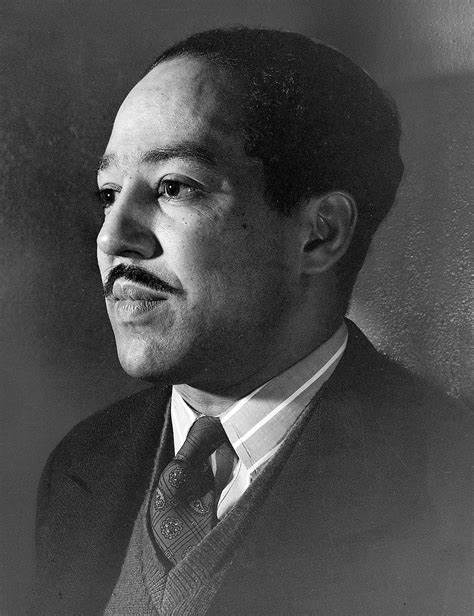
1. Langston Hughes: Renowned for his poetry, fiction, and essays, Hughes captured the rhythms and vernacular of African American life in his works, addressing themes of identity, heritage, and social justice. His seminal poem “The Negro Speaks of Rivers” and his collection “The Weary Blues” are enduring classics of the Harlem Renaissance. Hughes moved so much as a young poet. His work was instrumental in assisting me to develop my style as a writer.

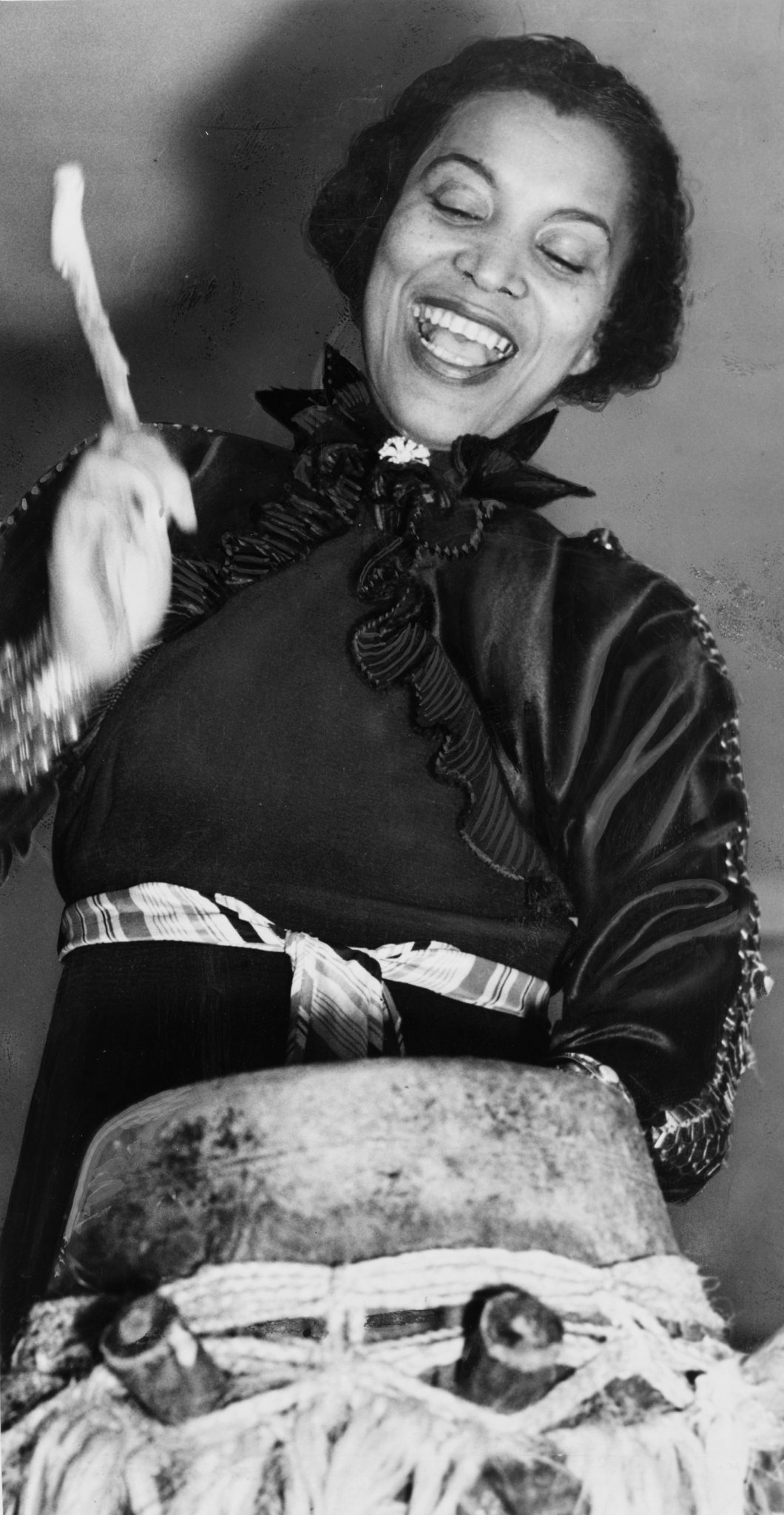
2. Zora Neale Hurston: A pioneering novelist, folklorist, and anthropologist, Hurston celebrated the culture and traditions of the rural South in her writing, challenging stereotypes and portraying the complexity of African American life. Her masterpiece “Their Eyes Were Watching God” remains a cornerstone of African American literature. Before discovering her, I had such a limited glimpse of the power of the period.

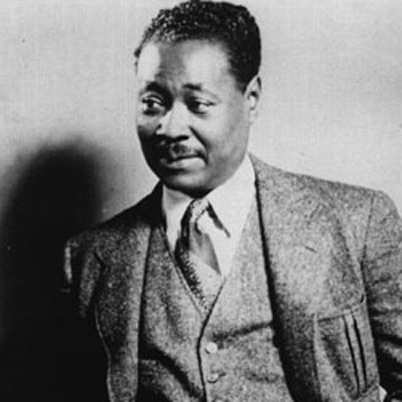
3. Claude McKay: Known for his poetry and novels, McKay explored themes of race, oppression, and resistance in his works, blending elements of traditional English poetry with African American vernacular. His poem “If We Must Die” became a rallying cry against racial violence and injustice. Mckay’s work taught me that I could include hope amidst the verses of pain and despair. He fundamentally affected how I constructed a verse.

4. Nella Larsen: A gifted novelist, Larsen depicted the complexities of racial identity and social mobility among African Americans in her novels “Quicksand” and “Passing,” shedding light on the psychological and emotional challenges faced by individuals navigating between racial boundaries. Passing took me to a world I seldom acknowledged. She introduced me to the struggles my adoptive grandmother faced. I often wondered about some of Mimi’s beliefs; what were their origins? Passing provided possible answers to my numerous queries.

5. Jean Toomer: Influenced by his experiences in the rural South and Harlem, Toomer’s experimental novel “Cane” defied conventional literary genres, blending poetry, prose, and drama to explore the lives of African Americans in the post-Reconstruction era. Often, I experimented with the combination of prose and poetry. For example, I was often ridiculed for my attempts. I knew it could be done. Not only done, but done well. I was introduced to Toomer and his Cane. I ceased doubting myself and continued writing. When I read Jason Reynolds, I am reminded of Toomer.

These writers and many others challenged prevailing literary conventions and redefined the African American literary tradition, enriching American literature with their diverse voices and perspectives. Here are a few more of the notable writers of the period. 

  • Countee Cullen
  • Jessie Redmon Fauset
  • James Weldon Johnson
  • Alain Locke
  • Wallace Thurman
  • Arna Bontemps
  • Rudolph Fisher
  • Angelina Weld Grimké
  • Georgia Douglas Johnson
  • Helene Johnson
  • Alice Dunbar-Nelson
  • Anne Spencer
  • Gwendolyn Bennett
  • Marita Bonner
  • Dorothy West

Artistic Achievements and Cultural Impact:

Beyond literature, the Harlem Renaissance encompassed a rich tapestry of artistic expressions, including music, visual arts, theater, and dance. Jazz, with its improvisational style and syncopated rhythms, became the quintessential sound of the era, symbolizing the spirit of cultural innovation and liberation. Musicians such as Duke Ellington, Louis Armstrong, and Bessie Smith rose to prominence, captivating audiences with their electrifying performances and reshaping the landscape of American music.

In the visual arts, African American artists such as Aaron Douglas, Jacob Lawrence, and Romare Bearden explored themes of identity, history, and social justice through their paintings, murals, and collages, contributing to the flourishing of African American artistry and aesthetics.

The Harlem Renaissance also witnessed a resurgence of African American theater, with playwrights such as Langston Hughes, Zora Neale Hurston, and Eugene O’Neill staging productions that reflected the experiences and aspirations of African Americans. The New Negro Movement, as articulated by Alain Locke in his seminal anthology “The New Negro,” sought to challenge racial stereotypes and promote a positive image of African American culture and identity.

The legacy of the Harlem Renaissance extends far beyond its immediate historical context, influencing subsequent generations of artists, writers, and activists and contributing to the ongoing struggle for racial equality and social justice. By reclaiming their cultural heritage and asserting their creative agency, the participants of the Harlem Renaissance paved the way for greater recognition and appreciation of African American contributions to American culture and society.

Conclusion:

The Harlem Renaissance is a testament to the African American community’s resilience, creativity, and cultural vitality in adversity. Through their artistic achievements and intellectual pursuits, the participants of the Harlem Renaissance challenged prevailing racial stereotypes, celebrated the richness of African American culture, and laid the groundwork for a more inclusive and equitable society. As we commemorate the legacy of the Harlem Renaissance, remind us of the enduring power of art and culture to inspire, uplift, and transform lives, transcending barriers of race, ethnicity, and nationality.

Satchel Paige: Baseball’s Legendary Showman and Trailblazer

ARTICLE – MINI BIOGRAPHY – SPORTS

Leroy Robert “Satchel” Paige, born on July 7, 1906, in Mobile, Alabama, emerged as one of the most iconic and influential figures in the history of baseball. His unparalleled talent, charismatic personality, and enduring legacy make him a trailblazer who transcended race and age barriers, leaving an indelible mark on America’s pastime.

Early Life and Beginnings:

Satchel Paige’s journey into the world of baseball began in the Negro Leagues, the segregated leagues for African American players during a time when Major League Baseball (MLB) remained inaccessible to them. Paige’s early life was marked by poverty and hardship, and he honed his baseball skills by playing for various semi-professional teams in the South.

Negro Leagues Stardom:

Paige’s incredible pitching prowess quickly propelled him to stardom in the Negro Leagues. Known for his lightning-fast fastball, pinpoint accuracy, and a repertoire of tricky pitches, Paige earned a reputation as one of his era’s most dominant and entertaining pitchers. His performances drew crowds and showcased the untapped talent beyond the racial barriers imposed by segregation.

Integration and the Cleveland Indians:

The integration of Major League Baseball in 1947 paved the way for African American players to compete at the highest level. At 42, Satchel Paige made history by becoming the oldest rookie in MLB history when he signed with the Cleveland Indians in 1948. Paige’s arrival in the majors broke down racial barriers, challenging stereotypes and prejudices that had persisted for decades.

Aging Gracefully on the Mound:

Despite joining the majors relatively late in his career, Paige’s impact was immediate. He helped lead the Cleveland Indians to a World Series championship in 1948 and continued to demonstrate his remarkable skill well into his 40s. Paige’s longevity on the mound and his ability to compete at such a high level challenged conventional notions about age and athleticism.

Showmanship and Charisma:

Beyond his athletic prowess, Satchel Paige was known for his charismatic personality and showmanship. His famous quotes, such as “Don’t look back; something might be gaining on you,” and his flamboyant style made him a beloved figure both on and off the field. Paige’s larger-than-life persona contributed to his status as a legendary figure in American sports history.

Legacy and Recognition:

Satchel Paige’s impact extended far beyond his playing days. In 1971, he became the first player from the Negro Leagues to be inducted into the Baseball Hall of Fame. This recognition underscored not only Paige’s achievements but also the significance of the Negro Leagues in shaping the history of baseball.

On May 31, 1981, the ABC made-for-television movie Don’t Look Back: The Story of Leroy ‘Satchel’ Paige aired, starring Louis Gossett Jr. as Paige. This is the first time I ever heard of Satchel Paige. Paige was paid $10,000 for his story and technical advice. The film was based on the 1962 book, Maybe I’ll Pitch Forever. In August, with great difficulty because of health problems, he attended a reunion of Negro league players held in Ashland Kentucky.

Satchel Paige’s journey from the segregated Negro Leagues to the grand stage of Major League Baseball is a testament to his resilience, talent, and trailblazing spirit. Beyond the records and accolades, Paige’s legacy endures as a symbol of breaking barriers and challenging stereotypes. His contributions to the integration of baseball and the broader fight against racial injustice make him a figure of enduring significance in the annals of American sports history.

The Tulsa Race Massacre: An In-depth Exploration of a Dark Chapter in American History.

ARTICLE – MINI BIOGRAPHY – HISTORY

The Tulsa Race Massacre, which occurred in 1921, remains one of the most horrific instances of racial violence in American history. This tragic event, often overshadowed in the annals of history, resulted in the destruction of a prosperous Black community, fondly known as the “Black Wall Street,” in Tulsa, Oklahoma. This essay aims to delve deeper into the formation of Black Wall Street, the heart-wrenching events of the massacre, and the enduring impacts it had on the community and American society at large.

The Emergence of Black Wall Street

In the first two decades of the 20th century, the Greenwood District in Tulsa, Oklahoma, became a sanctuary for African American business growth and wealth accumulation. This was an era marked by racial segregation and the oppressive Jim Crow laws. Yet, against these odds, a thriving and vibrant community emerged in Greenwood.

The district was home to a plethora of successful businesses, including grocery stores, banks, law offices, and medical services. Elegant homes dotted the landscape, and cultural institutions like churches and schools contributed to a rich social fabric. The area soon earned the moniker “Black Wall Street,” symbolizing the economic power and prosperity of the African American community in the face of racial adversity.

The Tulsa Race Massacre

On May 31, 1921, a series of unfortunate events sparked a violent racial conflagration. A young African American shoe shiner, falsely accused of assaulting a white woman, became the catalyst that ignited racial tensions. A white mob, bolstered by individuals deputized by local law enforcement, launched a brutal attack on the Greenwood District.

Over two harrowing days, the mob pillaged the district, burning down businesses, homes, and churches. The destruction was vast and comprehensive, resulting in the obliteration of 35 city blocks. The violence took the lives of an estimated 300 African Americans, leaving thousands homeless and the community in ruins.

The Aftermath and Legacy

The aftermath of the massacre was nothing short of devastating. The once-thriving Greenwood District was reduced to ashes; its prosperity was swept away in a tidal wave of violence and hatred. Residents who had once enjoyed relative wealth and stability were left impoverished, their dreams and aspirations shattered.

In a further blow to the community, the massacre was covered up for decades. No substantial reparatory actions were taken, and the event was not included in the state’s history curriculum until 2000. The victims and their descendants were left to grapple with the emotional and economic scars of the massacre, devoid of any formal recognition or justice.

However, the dawn of the 21st century brought a renewed push for recognition and reparations. The centennial of the massacre in 2021 brought national attention to the event, sparking calls for justice, racial healing, and reparations. Archaeological investigations have also been initiated, aiming to uncover mass graves and provide a more accurate account of the massacre’s horrific toll.

Conclusion

The Tulsa Race Massacre is a painful and crucial part of America’s racial history. Its legacy serves as a stark reminder of the systemic racism that African Americans have faced and continue to face. Today, as the nation grapples with racial injustices, the story of the massacre and the destruction of the “Black Wall Street” serves as a rallying cry for equality, justice, and reparations. We must remember and learn from this dark chapter to build a more equitable and inclusive future.

Sister Rosetta Tharpe: Music Icon

ARTICLE – MINI BIOGRAPHY – MUSIC

I discovered Sister Rosetta Tharpe by accident. I was working on my novel and let my Blues playlist play on. I found myself stuck between my prose and the music. It’s one of my favorite places while I’m writing. I found myself lost in an ole’ blues standard. However, the more I listened, the more I realized the tune was different. I stopped and looked at the artist’s name. It was Sister Rosetta Tharpe. I wasn’t familiar with the name, but her sound was familiar.

As I investigated her music, I realized why her sound was so familiar. I remember hearing her music playing in the kitchen of my grandmother. My grandmother would clap, dance, and sing along with her music while she prepared different meals.

Sister Rosetta Tharpe was a pioneering figure in the history of American music. With her distinctive blend of gospel, blues, and rock and roll, Tharpe had a far-reaching impact that continues to be felt to this day. Her unique sound and style were not just revolutionary in terms of music, but also in terms of the societal norms of her time, adding another layer to her legacy.

Born on March 20, 1915, in Cotton Plant, Arkansas, Tharpe displayed musical talent from a very young age. She was raised in a family where religious music was a fundamental part of life, and this early exposure set the stage for her eventual career. She began performing at church services when she was just four years old, accompanied by her mother on guitar. By the age of six, Tharpe was a featured performer in a traveling evangelical troupe, demonstrating her prodigious talent and the power of her voice.

As a teenager, Tharpe moved to Chicago, a city known for its vibrant music scene. She quickly became a sensation in the city’s thriving gospel scene. Her powerful voice and unique guitar playing style set her apart from other artists, and she was soon performing to packed houses throughout the city. This was just the beginning of an illustrious career that would see her reach phenomenal heights.

In 1938, Tharpe took another major step in her career when she moved to New York City and signed with Decca Records. Her first record was an instant success, and she quickly became one of the most popular gospel artists in the country. Tharpe’s style was unique and groundbreaking; she combined the raw emotion of gospel with the driving rhythms of blues and rock and roll, creating entirely her own sound.

Even though Tharpe was a gospel artist, her music transcended the genre and appealed widely. She performed at nightclubs and theaters, breaking down barriers between sacred and secular music. Tharpe was a trailblazer in many ways – she was one of the first black women to perform with a white orchestra, and she was also one of the first artists to use heavy distortion on her electric guitar. This technique would later become a staple in rock music.

Tharpe’s influence extended far beyond her own career. She was a major influence on artists like Elvis Presley, Chuck Berry, and Johnny Cash. Her distinctive guitar-playing style paved the way for the development of rock and roll, and her powerful voice continues to inspire singers to this day. It is a testament to her talent and impact that she influenced such iconic figures in music.

Sister Rosetta Tharpe passed away on October 9, 1973, but her legacy remains. She was posthumously inducted into the Rock and Roll Hall of Fame in 2018, a fitting tribute to a woman who did so much to shape the course of American music. Her impact is not only seen in the music of those who came after her, but also in the way she broke down racial and gender barriers in her lifetime. Her life and career serve as an inspiring example of the power of music and the strength of individuality.

The Magnuson Act

ARTICLE – MINI BIOGRAPHY – HISTORY

The Magnuson Act, also formally known as the Chinese Exclusion Repeal Act of 1943, is a monumental piece of legislation in the rich history of the United States. This act served as a pivotal turning point, marking the end of the infamous Chinese Exclusion Act, which had severely restricted Chinese immigration to the U.S. for over six decades.

Background of the Magnuson Act

The Magnuson Act directly responded to the overtly discriminatory Chinese Exclusion Act of 1882. This exclusionary act had effectively brought Chinese immigration to the U.S. to a grinding halt. Amidst the dramatic backdrop of World War II, on December 17, 1943, President Franklin D. Roosevelt signed the Magnuson Act into law. At that time, the United States was in a strategic alliance with China, battling against the Axis powers. Repealing the Exclusion Act was not just a formality; it served as a powerful gesture of goodwill towards China, strengthening the diplomatic ties between the two nations.

Effects of the Magnuson Act

Despite being symbolic, the Magnuson Act was not merely a political gesture; it had significant and tangible effects on the country’s socio-political landscape. While it finally allowed Chinese immigrants to become fully naturalized U.S. citizens, the Act simultaneously imposed an annual limit on Chinese immigration, capping it at 105 individuals per year. This restriction clearly reflected the discriminatory national origins quota system that was firmly in place at the time. Despite the quota, the passage of the Act signaled a significant step toward racial equality in American immigration policy. It was the first law since the Naturalization Act of 1790 to permit the naturalization of Asian immigrants, marking a progressive shift in the nation’s legal framework.

Far-Reaching Implications and Lasting Legacy of the Magnuson Act

The Magnuson Act was a foundational piece of legislation that paved the way for future changes to U.S. immigration policy. It served as a critical stepping stone towards the Immigration and Nationality Act of 1965, eventually abolishing the national origins quota system. The Act’s legacy is visible in the diverse and multicultural society that America has evolved into today. However, it also serves as a stark reminder of the country’s history of racial discrimination and exclusion, a sobering chapter in the nation’s past.

Conclusion

In conclusion, the passage of the Magnuson Act was a watershed moment in the history of American immigration policy. While it did not immediately eradicate all forms of racial discrimination, it marked a significant shift towards an increasingly inclusive society. The implications of the Magnuson Act continue to resonate today in the diverse social fabric of America, serving as a testament to the nation’s ongoing progress toward achieving equality and justice in immigration. The Act is a shining example of how the United States has evolved and continues to evolve in its approach toward immigration and naturalization, demonstrating its commitment to embracing diversity and equality.

Robert Smalls

ARTICLE – MINI BIOGRAPHY – HISTORY

Robert Smalls (1839–1915) emerged from the crucible of slavery to become one of the most remarkable figures in American history, a testament to resilience, courage, and determination. His journey from enslavement to statesmanship reflects not only the indomitable spirit of one man but also the broader struggles for freedom and civil rights during a tumultuous period in the nation’s history.

Born in Beaufort, South Carolina, in 1839, Smalls spent his early years in bondage. However, evidence of his spark of resistance and an unyielding desire for freedom burned within him, accumulated with his daring escape from slavery in 1862, catapulted him into the annals of American heroism and set the stage for a remarkable career in public service.

Smalls’ defining moment occurred on May 13, 1862, when he, along with several enslaved crew members, commandeered the Confederate transport ship, the CSS Planter, in the harbor of Charleston, South Carolina. Under the cover of darkness, Smalls piloted the ship past Confederate checkpoints, even replicating the signals to avoid suspicion. The audacious escape resulted in Smalls delivering the ship, its valuable cargo, and a group of enslaved individuals to Union forces, securing freedom for himself and his fellow escapees.

Smalls’ daring act garnered national attention and earned him the admiration of abolitionists and leaders alike. His story became a symbol of resistance and a powerful narrative that challenged the prevailing racist ideologies of the time.

Following his escape, Robert Smalls dedicated himself to the cause of emancipation and civil rights. He played a pivotal role in recruiting Black soldiers for the Union Army and Navy, recognizing the potential of African-American military service as a catalyst for broader social change.

After the Civil War, Smalls entered the world of politics with the same passion and commitment that characterized his earlier endeavors. He became involved in the Reconstruction-era government of South Carolina, serving as a delegate to the state’s constitutional convention in 1868. Subsequently, he was elected to the South Carolina State Senate and later to the U.S. House of Representatives.

In Congress, Smalls continued his advocacy for civil rights and social justice. He championed legislation that sought to protect the rights of formerly enslaved individuals and worked towards building a more inclusive and equitable society. His efforts included promoting education for Black children and pushing back against the oppressive Black Codes that sought to limit the freedoms of African Americans in the post-war South.

Robert Smalls’ legacy extends far beyond his daring escape from slavery. His contributions to the political landscape of the Reconstruction era underscore the transformative power of resilience and courage. Smalls’ life serves as an enduring example of how one individual, against all odds, can transcend the shackles of oppression and contribute to the ongoing struggle for justice and equality.

As we reflect on Robert Smalls’s life, we are reminded that the fight for civil rights is built on the shoulders of those who dared defy the status quo. His journey from enslavement to statesmanship stands as a beacon of hope and a testament to the enduring spirit of those who strive for freedom and justice for all.

Charles W. Chesnutt: Pioneering African American Literary Voice

ARTICLE – MINI BIOGRAPHY – WRITER

Charles Waddell Chesnutt (1858–1932) was a trailblazing African American writer, essayist, and activist whose literary contributions were crucial in challenging racial stereotypes and advancing the cause of civil rights during the late 19th and early 20th centuries. Chesnutt’s work is celebrated for exploring complex social issues and its keen insight into the African American experience in post-Civil War America.

Born in Cleveland, Ohio, to free African American parents, Chesnutt experienced a unique background that influenced his perspective on race and identity. His family’s relative affluence and mixed-race heritage allowed Chesnutt to receive an education that many African Americans of his time were denied. After completing his education, Chesnutt worked as a teacher and stenographer, developing a strong foundation in language and communication that would later shape his literary career.

Chesnutt’s literary career began with publishing short stories in prominent magazines, earning him recognition for his skillful storytelling and social commentary. His breakthrough came with the publication of “The Conjure Woman” in 1899, a collection of short stories that employed dialect and folklore to explore the complexities of race and power dynamics in the South. This collection established Chesnutt as a prominent voice in American literature, challenging prevailing stereotypes and presenting a nuanced portrayal of African American life.

One of Chesnutt’s most notable novels is “The Marrow of Tradition” (1901), which addresses racial tensions and violence in the South during Reconstruction. Drawing inspiration from historical events such as the Wilmington Insurrection of 1898, Chesnutt’s novel explores the impact of racism on individuals and communities, providing a searing critique of the injustices African Americans faced.

Chesnutt’s literary contributions extended beyond fiction. He also wrote essays and speeches addressing his time’s social and political issues. His advocacy for racial equality and civil rights was evident in his writings and public engagements, making him a respected figure in the African American intellectual community.

Despite his significant contributions to American literature, Chesnutt’s works did not achieve widespread recognition during his lifetime. The prevailing racial attitudes of the era hindered the reception of his writings. However, in the decades following his death in 1932, there has been a renewed appreciation for Chesnutt’s literary achievements and his pioneering role in the African American literary tradition.

Charles W. Chesnutt’s legacy is a testament to his courage in addressing racial injustices through literature. His writings challenged stereotypes and provided a nuanced understanding of the African American experience during a tumultuous period in American history. Today, Chesnutt is celebrated as a pioneer whose work laid the foundation for future generations of African American writers and intellectuals.

Here is a more detailed list of works by Charles W. Chesnutt:

  1. “The Conjure Woman” (1899) is a collection of stories about African American folk magic. The stories revolve around Uncle Julius McAdoo, a former slave who became free after the Civil War.
  2. “The Wife of His Youth and Other Stories of the Color Line” (1899): Another collection of stories, this book focuses on the issues of racial identity and social place in the post-Civil War South.
  3. The House Behind the Cedars” (1900): This is a novel about a mixed-race family that moves to the South after the Civil War. The story revolves around the family’s struggle with racial identity.
  4. “The Marrow of Tradition” (1901): A historical novel, it is based on the events of the Wilmington Insurrection of 1898 in North Carolina.
  5. “The Colonel’s Dream” (1905): This novel follows a New York businessman who retires and moves back to the South, where he attempts to bring about racial and social reform.
  6. The Quarry” (unfinished, posthumously published in 1928): Chesnutt’s last novel, it remained unfinished at his death. It explores racial identity and social place themes in the post-Civil War South.

Percival Prattis: Breaking Barriers as the First Black Reporter in the U.S. Congressional Press Gallery

ARTICLE – MINI BIOGRAPHY – HISTORICAL EVENT

In the annals of American journalism, Percival Prattis stands as a trailblazer, a visionary journalist who shattered racial barriers and paved the way for greater diversity in the press. Born in Trinidad in 1895, Prattis would become a distinguished reporter and the first Black journalist to gain access to the prestigious U.S. Congressional Press Gallery, leaving an indelible mark on the history of American journalism.

Prattis’s journey into journalism began with his early career at the Pittsburgh Courier, a prominent African American newspaper. His exceptional investigative reporting talent and unwavering commitment to social justice quickly garnered attention. In 1925, Prattis made history when he became the first African American Associated Press member (AP) member.

His role at the AP was not just a personal triumph but a significant stride toward breaking down racial barriers in mainstream media. Prattis’s journalistic prowess and determination to challenge systemic racism and inequality positioned him as a pivotal figure in the African American press during a crucial period in American history.

The pinnacle of Prattis’s groundbreaking career occurred when he secured a coveted spot in the U.S. Congressional Press Gallery, making history as the first Black reporter to achieve this milestone. The Congressional Press Gallery, located in the United States Capitol, is a prestigious enclave for journalists covering Congress’s proceedings. Prattis’s presence in this historically exclusive space marked a profound moment in the ongoing struggle for racial equality.

His groundbreaking achievement took place on February 3, 1947, when the United States was grappling with the challenges of post-World War II reconstruction and the burgeoning civil rights movement. Prattis’s reporting from Capitol Hill provided insight into legislative affairs and served as a powerful testament to the capacity of African American journalists to excel in arenas traditionally dominated by their white counterparts.

Prattis’s work in the Congressional Press Gallery was characterized by a commitment to unbiased reporting and a dedication to shedding light on the issues affecting the African American community. He used his platform to advocate for civil rights, using the power of his pen to challenge discriminatory practices and contribute to the ongoing dialogue about racial justice in America.

Beyond his achievements in journalism, Prattis was actively involved in civil rights organizations, including the National Urban League. His multifaceted approach to advocacy exemplified a holistic understanding of the interconnectedness of media, legislation, and societal change.

Percival Prattis’s groundbreaking journey as the first Black reporter in the U.S. Congressional Press Gallery serves as an enduring inspiration for journalists today. His legacy underscores the importance of diverse voices in shaping a nation’s narrative and highlights the transformative power of journalism as a force for social progress. As we celebrate the achievements of pioneers like Prattis, we honor their personal triumphs and their enduring contributions to the evolution of a more inclusive and equitable media landscape.

Chinese Immigration Discrimination II: The Geary Act of 1892

ARTICLE – MINI BIOGRAPHY – HISTORY

The Geary Act, enacted in 1892, represents a significant chapter in the history of American immigration law. Serving as an extension and reinforcement of the Chinese Exclusion Act of 1882, the Geary Act prolonged the era of discriminatory policies targeting Chinese immigrants and added further restrictions, marking a troubling period in U.S. history.

The Geary Act’s origins can be traced back to the growing anti-Chinese sentiment in the late 19th century. Initially enacted as a ten-year measure, the Chinese Exclusion Act faced expiration in 1892. Concerns over the potential influx of Chinese immigrants led to the introduction and passage of the Geary Act by the U.S. Congress. The legislation extended the exclusion period and intensified the restrictions imposed on the Chinese community in the United States.

One of the key provisions of the Geary Act mandated that Chinese immigrants carry identification papers, commonly referred to as “Chinese Exclusion Certificates,” at all times. Failure to produce these certificates upon demand could result in deportation or other penalties. This requirement subjected Chinese individuals to constant scrutiny and harassment, further marginalizing an already vulnerable community.

The Geary Act extended the Chinese Exclusion Act indefinitely, solidifying anti-Chinese sentiments and institutionalizing discriminatory practices. The act also imposed harsher penalties on those who assisted Chinese immigrants in evading the restrictions, including fines and imprisonment. The Chinese community faced increased challenges as the legislation reinforced stereotypes, perpetuated prejudice, and limited opportunities for social and economic advancement.

The enforcement of the Geary Act led to widespread protests and resistance within the Chinese American community. Advocacy groups and individuals worked tirelessly to challenge the discriminatory provisions of the act, asserting that it violated principles of equality and justice. Despite these efforts, the Geary Act remained in force until its eventual repeal in 1943 with the passage of the Magnuson Act.

The Geary Act, like the Chinese Exclusion Act, stands as a testament to a regrettable period in American history when xenophobia and discriminatory attitudes shaped immigration policies. The legislation contributed to the marginalization of the Chinese community and hindered the pursuit of the American Dream for countless individuals. The eventual repeal of such laws reflected a gradual shift toward more inclusive and equitable immigration policies. Still, the scars of these discriminatory practices continue to resonate in the collective memory of Chinese Americans and serve as a reminder of the ongoing struggle for justice and equal treatment.


Discrimination has been a part of my vocabulary longer than I care to admit. Yet, I didn’t know it applies to people. I spent a good portion of my life fighting for freedom and all that it represents. I knew my country wasn’t perfect; I wasn’t that naive. How could I be as an African-American? I wish I had a better idea of the madness I was fighting against. Stay tuned for tomorrow when we conclude the series on Chinese Immigration Discrimination.

Chester Himes: A Pioneering Voice in African American Literature

ARTICLE – MINI BIOGRAPHY – WRITER

Chester Himes, an acclaimed African American writer, carved a distinct niche with his crime novels that explored the experiences of black characters in the United States. Born on July 29, 1909, in Jefferson City, Missouri, Himes was raised in a middle-class home. This upbringing was notably ordinary until a dramatic event altered the course of his life.

At the tender age of 19, Himes was sentenced to prison for armed robbery. This unfortunate event, however, served as the backdrop for the beginning of his writing career. His years in prison became a fertile ground for creativity, and while confined, Himes began writing short stories. His talent and unique voice were showcased, and his stories were published in national magazines such as Esquire, marking the start of his journey as a recognized writer.

Following his release from prison in 1936, Himes did not abandon his newfound passion. Instead, he continued to write and publish, steadily gaining recognition as a significant voice in African American literature. His works, rooted in his personal experiences and observations, painted a vivid picture of the societal realities faced by African Americans.

In the 1950s, Himes made a bold move by relocating to France. There, he began writing detective novels featuring black protagonists, a genre in which he found considerable success. His most famous works from this period are the “Harlem Detective” series. The series features the characters Coffin Ed Johnson and Grave Digger Jones, two Harlem detectives who navigate a world fraught with crime, racism, and social issues. These novels were celebrated for realism, as Himes used his powerful storytelling to explore Harlem’s complex dynamics of race and class.

Throughout his career, Himes used his writing as a tool to explore themes of race, class, and crime. His narratives presented a unique and unflinching perspective on the African American experience. His works did not shy away from the harsh realities of racial inequality and social injustice, making them deeply resonant and thought-provoking.

Chester Himes passed away in Spain in 1984, but his legacy remains. His powerful and thought-provoking works resonate with readers today, and his contribution to African American literature remains undisputed. Himes’ life and works testify to his courage, resilience, and unyielding commitment to shedding light on the African American experience through his writing.

Here is a list of some of his notable works:

  1. If He Hollers Let Him Go (1945) – A novel exploring racism and the experiences of African Americans during World War II.
  2. The Lonely Crusade (1947) – A novel depicting the challenges faced by an African American protagonist in a racially divided society.
  3. Cast the First Stone (1952) – A novel that delves into the complexities of race relations and social justice.
  4. The Third Generation (1954) – A novel addressing race and identity issues.
  5. Cotton Comes to Harlem (1965) – The first book in Himes’ “Harlem Detective” series, featuring detectives “Coffin” Ed Johnson and “Gravedigger” Jones. This novel was later adapted into a film in 1970.
  6. Run Man Run (1966) – A novel exploring crime and social justice themes.
  7. Blind Man with a Pistol (1969) – Another installment in the “Harlem Detective” series, continuing the adventures of Johnson and Jones.
  8. The Quality of Hurt (1972) – An autobiographical work in which Himes reflects on his life, experiences, and the challenges of being a black writer.
  9. Black on Black: Baby Sister and Selected Writings (1973) – A collection of short stories, including the novella “Baby Sister,” exploring various aspects of African American life.
  10. Plan B (1973) – A satirical novel that touches on themes of politics and race.
  11. The Heat’s On (1986) – Published posthumously, this novel is the last installment in the “Harlem Detective” series.

I didn’t hear of Chester Himes until 2011. I was at a book fair when a random shopper approached me and started telling me about this amazing author. Strangely, he handed me a book, but it wasn’t by Chester Himes. Confused, I took the book, hoping he would leave, but he didn’t. The book was entitled Moth by James Sallis. Finally, he got to his point. It turned out that James Sallis wrote a book about Chester Himes.

Oddly enough, since that day, I have read several books by Chester Himes and James Sallis. I managed to collect a few original pulp editions of Himes’s work. Also, I picked up the Drive series by Sallis, which inspired the motion picture Drive, starring Ryan Gosling. What I haven’t done is read the book about Chester Himes written by James Sallis.

Illuminating Progress: The Birth of the First Electric Lamp Factory

ARTICLE – HISTORICAL EVENT

Photo by Skylar Kang on Pexels.com

The advent of electric lighting marked a transformative moment in human history, fundamentally altering how we live and work. At the heart of this revolutionary shift was the establishment of the first electric lamp factory, a pioneering endeavor that laid the foundation for widespread electrification and illuminated a path toward a brighter future.

The inception of the first electric lamp factory is closely tied to the visionary work of Thomas Edison, often hailed as the “Wizard of Menlo Park.” Edison, known for his prolific inventions and entrepreneurial spirit, dedicated considerable effort to developing a practical and commercially viable electric light. In 1879, he unveiled the first successful incandescent light bulb, a breakthrough that paved the way for establishing the first electric lamp factory.

Edison’s Menlo Park laboratory in New Jersey served as the epicenter of innovation, where he and his team tirelessly worked to refine the design and production of incandescent light bulbs. The success of Edison’s invention sparked the need for mass production to meet the growing demand for electric lighting, leading to the establishment of the Pearl Street Station in New York City in 1882 – the world’s first central power plant designed to distribute electricity for lighting.

To support the electrification initiative, Edison founded the Edison Electric Light Company, a pioneering venture that incorporated the manufacturing of electric lamps and electricity generation. In 1882, the company established the first electric lamp factory on Goerck Street in Manhattan, New York. This factory was a groundbreaking facility dedicated to the large-scale production of incandescent light bulbs, a feat that had not been accomplished before.

The factory utilized innovative manufacturing processes, including the assembly line, to increase efficiency and output. Skilled workers meticulously crafted and assembled the various components of the incandescent light bulbs, transforming Edison’s invention from a scientific breakthrough into a commercially viable product. The successful operation of the first electric lamp factory marked a turning point in the history of lighting technology, accelerating the adoption of electric lighting in homes, businesses, and cities.

Beyond its immediate impact on lighting, establishing the first electric lamp factory had broader implications for industrialization and urban development. The electrification of cities transformed the nocturnal landscape, providing safer and more efficient illumination for streets and public spaces. The availability of electric light also extended working hours, fostering increased productivity and contributing to the modernization of society.

In the following decades, the electric lamp industry continued to evolve, with advancements in technology and design leading to more energy-efficient and durable lighting solutions. The legacy of the first electric lamp factory endures in the form of the widespread availability of electric lighting, shaping how we live, work, and interact with our surroundings.

As we bask in the glow of modern lighting, it’s important to reflect on the pioneering efforts of visionaries like Thomas Edison and the dedicated workers at the first electric lamp factory. Their collective ingenuity brightened our world and ignited a spark of progress that continues to illuminate our path into the future.

Music Mixed Bag – Week 5

ARTICLE – TUNAGE

My response to Glyn’s Mixed Music Bag

For this week’s challenge, I couldn’t decide which band to feature, so I chose to feature two bands I had the privilege of watching on the same day. Let’s get to it, shall we?


Band Maid

Band Maid, an all-female rock band hailing from Japan, has been creating a significant impact on the international music scene with their unique fusion of hard rock, pop, and traditional Japanese music. The band is known for their distinctive aesthetic, which blends traditional maid outfits’ visual elements with rock and roll’s edginess.

Their powerful performances and energetic live shows have earned them wide acclaim. Each member of Band Maid is a skilled musician, and their concerts are known to showcase their musical prowess, defying the stereotypical image of a “maid.” The band’s sound, characterized by heavy guitar riffs, powerful drums, and catchy melodies, is familiar and fresh to the listeners.

Their stage presence is charismatic, engaging audiences worldwide and earning them a cult following. Their music and unique aesthetic set them apart in the rock scene, making them stand out.

Band Maid has also made significant strides in spreading their music globally. They have toured extensively, performing in countries like the US, UK, and Germany, and have released several albums that have been well-received by critics and fans alike. Their unique blend of hard rock, pop, and Japanese music, coupled with their distinct aesthetic, has made them a standout act in the world of rock music.

In conclusion, Band Maid is not just a novelty act. They are skilled musicians with a unique sound and look that sets them apart from other bands. Their music is powerful and catchy, and their performances are energetic and engaging. Band Maid’s unique blend of hard rock, pop, and traditional Japanese music is a breath of fresh air in the rock scene, and their increasing popularity worldwide is a testament to their talent and appeal.

Personal Reaction:

I take my metal seriously. I’ve been a metalhead before It was cool. So, I will not be swayed by attractive women dancing around in maid uniforms. I’m not having such foolishness. It’s no different with male bands that bolster some gimmick. However, my brother said they were good, and he hadn’t let me down yet, so I listened. Armed with skepticism by God.

All I can say is those ladies threw down. Totally blown away. If you get a chance, check them out.


Badflower

Badflower, the Los Angeles based American rock band, is making significant strides in redefining the rock genre with their unique and raw sound that resonates deeply with listeners. Their gritty and emotionally resonant music is a stark contrast in an era dominated by synthesized pop and electronic music, reminding listeners of the visceral energy of early punk rock bands, further enriched by the sophistication of modern alternative music.

Their rise to fame was not simply overnight. It resulted from relentless touring, engaging live performances, and their compelling sonic experience. Their debut album, “OK, I’m Sick,” was a turning point, receiving critical acclaim upon its release in 2019. This album propelled them to the forefront of the rock scene. The album’s lead single, “Ghost,” was a commercial success, earning a gold certification from the RIAA and reaching the top of the Billboard Mainstream Rock chart. This success has been consistent with their subsequent releases, solidifying their status as one of the decade’s most exciting new rock bands.

Badflower’s success proves the continued relevance and demand for rock music in an era when pop and hip-hop typically dominate the charts. Their raw and emotive sound and thought-provoking lyrics have resonated with a new generation of rock fans, showing that rock music can still be fresh, innovative, and impactful.

Personal Reaction:

Badflower’s set was after Band-Maid- not directly after, but after. Now, we had seen Badflower previously and were excited to see them again. This show was great, but something happened during the set that sticks with me.

So, the band was playing Ghost, and something was happening in the audience. They stopped the show. They made sure the fan was okay before continuing. I’ve seen that before. Badflower is a definite class act.


Bonus Feature:

Twenty or so years ago, I had the privilege of watching the legendary B.B. King. My late wife was a tremendous fan, and I was like, he got a couple songs I like. I’ve always been more of a John Lee Hooker fan. So, one year, I had just returned from a very long assignment and wanted to do something special for my wife. I had no idea what special would be, but I wanted to do something. I kept looking for something and wasn’t having any luck. Then, one of the soldiers left a newspaper on the desk, and I found what I looking for.

B.B. King was giving a Mother’s Day special concert. So I bought tickets. I told her the three hours before the concert. She didn’t believe me. I produced the tickets, and she got dressed. Mind you, I never saw my wife get dressed that fast the entire time we were married. She even had to lay out some appropriate attire for me. Apparently, jeans, t-shirts, and boots wouldn’t cut it to see B.B. King. I protested and then quickly got dressed.

Did you know B.B. King had a jazz band? His band played a full set of jazz standards before King joined them on the stage. The show was about three hours long. It was one of the best shows I have seen. Yeah, but I’m still more of a John Lee fan.

Here is a version of a classic my wife and I both loved

Chinese Immigration Discrimination: The Chinese Exclusion Act of 1882

ARTICLE – MINI BIOGRAPHY – HISTORY

While researching the Transcontinental Railroad, I discovered the involvement of African American and Chinese immigrants in its construction. Because of the post-Civil War era, I investigated Chinese immigrant involvement further. This is when I discovered how the United States treated the Chinese people. I was taken aback because of how much American culture influences Chinese culture.

This discrimination, which started in 1882 and ended in 1965, paints a dark chapter in American history that has fortunately been rectified to some degree. Over the next few days, I will post mini-articles discussing this discrimination.


The Chinese Exclusion Act:

Enacted in 1882, the Chinese Exclusion Act stands as a stark reminder of a regrettable period in American history when xenophobia and discriminatory policies shaped immigration laws. This legislation marked the first time in the United States that a specific ethnic group was targeted and banned from entering the country, reflecting a troubling trend of prejudice and fear.

The roots of the Chinese Exclusion Act can be traced back to the mid-19th century, when Chinese immigrants arrived in significant numbers, primarily seeking economic opportunities during the California Gold Rush and later contributing to the construction of the transcontinental railroad. As their numbers increased, so did anti-Chinese sentiment among some segments of the American population.

The act, signed into law by President Chester A. Arthur, was ostensibly aimed at addressing economic concerns and protecting American jobs. It prohibited the immigration of Chinese laborers for ten years and explicitly denied Chinese immigrants the opportunity to become naturalized citizens. The Geary Act later extended the act in 1892, making the exclusion indefinite.

The Chinese Exclusion Act had severe consequences for the Chinese community in the United States. Families were separated, and those who left the country faced difficulties returning. The law fueled racial tensions and discrimination against Chinese immigrants, who were often subjected to violence and prejudice. Chinese communities were marginalized and isolated, facing social and economic hardships as a result of discriminatory policies.

The impact of the Chinese Exclusion Act extended beyond its initial enforcement period. The legislation remained in effect until 1943, when the Magnuson Act repealed it, largely due to the geopolitical context of World War II and the alliance between the United States and China against common enemies. The repeal, however, did not immediately eliminate discriminatory practices and attitudes towards Chinese immigrants.

The Chinese Exclusion Act remains a dark chapter in American immigration history, representing a period when fear and prejudice influenced policy decisions. In 2012, the U.S. Congress officially expressed regret for the discriminatory laws against Chinese immigrants, acknowledging the injustice and hardship imposed on the Chinese community during that era.

The legacy of the Chinese Exclusion Act serves as a poignant reminder of the importance of upholding principles of equality, justice, and fairness in shaping immigration policies. As the United States continues to grapple with issues of immigration and diversity, reflecting on the past can provide valuable insights into building a more inclusive and equitable future.

The Harlem Hellfighters

ARTICLE – MINI BIOGRAPHY – MILITARY HISTORY

While serving in the military, I never heard of these guys. Once I got out, I started researching military units during wartime. I came across this picture, and it just intrigued me. I have hours of data about this unit and others like it. I thought I would share a very quick overview of this amazing collection of men.

The Harlem Hellfighters, officially known as the 369th Infantry Regiment, were a remarkable group of African American soldiers who served with distinction during World War I. Despite facing racism and segregation in the United States, these courageous men showcased exceptional bravery and resilience on the battlefield, earning respect and admiration from both allies and enemies.

Formed in 1913, the 369th Infantry Regiment was originally a New York National Guard unit. When the United States entered World War I in 1917, the Harlem Hellfighters were among the first African American units to be sent to Europe. However, due to racial prejudices prevailing at the time, they were assigned to the French Army under the command of General Philippe Petain.

The Harlem Hellfighters served on the front lines for 191 days, more time in continuous combat than any other American unit during World War I. They faced intense fighting in the trenches, enduring not only the perils of war but also racism from their fellow citizens. Despite the challenges, they demonstrated exceptional courage in battles such as the Meuse-Argonne Offensive, where they fought tirelessly to overcome the enemy.

One of the most remarkable aspects of the Harlem Hellfighters’ legacy is their introduction of jazz music to Europe. The regiment’s band, led by Lieutenant James Reese Europe, played a significant role in popularizing this uniquely American art form abroad. Their performances entertained both troops and civilians, breaking down cultural barriers and contributing to the global recognition of jazz as a vibrant and influential genre.

The Harlem Hellfighters returned home as heroes, but their fight for equality did not end on the battlefield. Their experiences in World War I played a pivotal role in the broader struggle for civil rights in the United States. The recognition of their sacrifices and achievements contributed to the eventual desegregation of the military and laid the groundwork for the African American soldiers who would follow in their footsteps.

In 2019, a century after their heroic service, the Harlem Hellfighters were posthumously awarded the Congressional Gold Medal, further acknowledging their contributions and sacrifices. Their legacy remains an integral part of American history, serving as a testament to the strength, resilience, and courage of those who fought for justice and equality, both on and off the battlefield.

Origins of Black History Month

ARTICLE – MINI BIOGRAPHY

Black History Month, originally known as Negro History Week, has a profound origin rooted in the efforts of historian Carter G. Woodson. Born in 1875, Woodson dedicated his life to rectifying the historical omission of African Americans’ contributions to the United States.

In 1926, Woodson, along with the Association for the Study of Negro Life and History, established Negro History Week. This week was strategically chosen to coincide with the birthdays of Abraham Lincoln and Frederick Douglass, two individuals who significantly impacted African American history.

The primary objective of Negro History Week was to highlight the achievements, culture, and history of African Americans, which had long been overlooked or distorted in mainstream narratives. Woodson envisioned this observance as a means to foster a deeper understanding of African American heritage among both Black and non-Black communities.

Over time, the celebration gained traction, leading to an increasing recognition of the need for a more extended and dedicated period to explore Black history. In 1976, during the United States Bicentennial, President Gerald Ford officially expanded Negro History Week into Black History Month. This acknowledgment encouraged nationwide reflection on African Americans’ countless contributions throughout American history.

Black History Month has since evolved into a platform for recognizing the achievements and struggles of the Black community, highlighting figures like Martin Luther King Jr., Rosa Parks, Malcolm X, and many others. Educational institutions, community organizations, and cultural institutions across the country actively engage in commemorating Black History Month through various events, exhibits, and programs.

While Black History Month is a crucial time for celebrating and reflecting on African American achievements, it also serves as a reminder of the ongoing need to integrate diverse perspectives into everyday history education. The legacy of Carter G. Woodson’s vision lives on, inspiring continued efforts to ensure that the contributions of African Americans are recognized and appreciated throughout the year.

John Snow: Pioneer in Epidemiology and the Father of Modern Public Health

ARTICLE – MINI BIOGRAPHY

John Snow – (15 March 1813 – 16 June 1858)

Introduction:

In the annals of medical history, the name John Snow stands as a beacon of innovation and pioneering efforts in epidemiology. Often referred to as the “Father of Modern Public Health,” John Snow’s groundbreaking work during the 19th century laid the foundation for understanding infectious diseases and developing effective public health measures. This article explores the life, contributions, and enduring legacy of John Snow.

Early Life and Medical Career:

John Snow was born in York, England, on March 15, 1813. After studying medicine at the Hunterian School of Medicine in London, he earned his medical degree in 1844. Snow began his medical career as a general practitioner, but his insatiable curiosity and analytical mind soon led him to delve into the emerging field of epidemiology.

Cholera Outbreaks and the Broad Street Pump:

Snow’s seminal work emerged during cholera outbreaks that swept through London in the mid-19th century. In 1854, a particularly devastating attack struck the Soho district, claiming the lives of hundreds of residents. While prevailing theories suggested that “miasma” or foul air caused the spread of cholera, Snow was skeptical and believed in a different transmission mode.

Through meticulous mapping and analysis of cases, Snow identified a common factor: the Broad Street pump. He noticed that individuals who contracted cholera had access to water from this specific pump. Snow’s groundbreaking insight led him to propose that contaminated water, not foul air, was the source of the cholera outbreak.

In a bold move, Snow persuaded authorities to remove the pump handle, rendering it inoperable. Subsequently, cholera cases declined, providing compelling evidence for the disease’s waterborne transmission. This pivotal moment in the Broad Street cholera outbreak is often considered the birth of modern epidemiology.

Cholera and the Broad Street Pump: A Turning Point:

John Snow’s work challenged prevailing medical dogma and laid the groundwork for a paradigm shift in public health. His observations and conclusions about the role of contaminated water in spreading cholera were groundbreaking, and he pioneered the use of epidemiological methods in disease investigation.

Snow’s Legacy and Impact on Public Health:

1. Advancements in Epidemiology: John Snow’s use of maps to visualize disease patterns and his emphasis on meticulous data collection laid the foundation for modern epidemiological methods. His work has influenced countless researchers and epidemiologists, shaping the way we approach the study of disease transmission.

2. Water and Sanitation Improvements: The removal of the Broad Street pump handle was a symbolic act that underscored the importance of clean water in preventing infectious diseases. Snow’s advocacy for improved water and sanitation laid the groundwork for subsequent public health initiatives to provide safe drinking water and sanitation infrastructure.

3. Public Health Policies: Snow’s contributions were pivotal in shaping public health policies, emphasizing preventive measures and evidence-based interventions. His legacy continues to guide public health professionals in addressing infectious diseases and promoting community well-being.

4. Recognition and Commemoration: In recognition of his contributions, a blue plaque was installed at 18 Soho Square, London, commemorating John Snow’s residence and work. Additionally, the John Snow Society, established in 1993, celebrates his legacy and contributions to public health.

Conclusion:

John Snow’s remarkable achievements in epidemiology and public health continue to reverberate through time. His ability to challenge prevailing theories, use data to draw meaningful conclusions, and advocate for evidence-based interventions has left an indelible mark on the field of public health. As we navigate contemporary global health challenges, the principles and methodologies championed by John Snow remain relevant, reminding us of the enduring impact of one individual on the health and well-being of communities worldwide.

Spearmint: More than A Chewing Gum Flavor

ARTICLE – NUTRITION INFORMATION

The only thing I knew about spearmint was it was a flavor in chewing gum. From time to time, I’ve noticed other products with spearmint flavoring. As I started during research into herbs for medicinal purposes, I discovered some interesting information about spearmint. Let’s take a look at what I found.


Photo by Alina Vilchenko on Pexels.com

Spearmint, scientifically known as Mentha spicata, is a perennial herb in the mint family. With its distinct aroma and refreshing taste, spearmint has been widely used for centuries in various applications, from culinary delights to medicinal remedies and cosmetic products.

Common Health Benefits:

  1. Digestive Aid: Spearmint has been traditionally used to alleviate digestive discomfort. Its natural compounds, including menthol, have a relaxing effect on the muscles of the digestive tract, helping to ease indigestion, bloating, and gas. Consuming spearmint tea after meals is a common practice to promote digestive health and soothe the stomach.
  1. Relief from Nausea: The aroma of spearmint has been linked to anti-nausea effects. Inhaling the scent of spearmint essential oil or sipping on spearmint tea may help reduce feelings of nausea. This makes spearmint a potential remedy for motion sickness, morning sickness during pregnancy, or nausea induced by other causes.
  1. Anti-Inflammatory Properties: Spearmint contains compounds with anti-inflammatory properties, which may help reduce inflammation in the body. Chronic inflammation is associated with various health issues, including cardiovascular diseases and certain types of cancer. Including spearmint in the diet may contribute to an overall anti-inflammatory effect.
  1. Antioxidant Power: Rich in antioxidants, including rosmarinic acid and flavonoids, spearmint helps combat oxidative stress in the body. Antioxidants play a crucial role in neutralizing free radicals, which are unstable molecules that can damage cells and contribute to aging and various diseases.
  1. Hormonal Balance: Spearmint has shown promise in helping to balance hormones, particularly in conditions such as polycystic ovary syndrome (PCOS). Studies suggest that spearmint tea may help reduce elevated levels of androgens, the male hormones that can be elevated in women with PCOS, leading to improvements in symptoms like hirsutism (excessive hair growth) and acne.
  1. Respiratory Health: The menthol content in spearmint provides a cooling sensation and can act as a natural decongestant. Inhaling steam from spearmint tea or using spearmint essential oil in aromatherapy may help alleviate respiratory congestion, making it beneficial for individuals with colds, allergies, or sinus issues.
  1. Mood and Cognitive Function: The aroma of spearmint has been linked to improved cognitive function and mood enhancement. Inhaling the scent of spearmint may help reduce stress and fatigue while promoting mental clarity and focus.
Photo by Ivan Samkov on Pexels.com
Incorporating Spearmint into Your Routine:
  1. Spearmint Tea: Enjoying a cup of spearmint tea is a delightful way to reap its health benefits. Simply steep fresh or dried spearmint leaves in hot water for a soothing and flavorful beverage.
  2. Culinary Uses: Add fresh spearmint leaves to salads, sauces, or beverages for a burst of flavor. Spearmint can complement both sweet and savory dishes, enhancing the overall culinary experience.
  3. Aromatherapy: Harness the aromatic benefits of spearmint by using spearmint essential oil in diffusers or inhaling its scent directly. This can be especially beneficial for relaxation and stress relief.
  4. Herbal Infusions: Incorporate spearmint into herbal infusions or blends for a refreshing twist. Combining it with other herbs like chamomile or lavender can create a soothing and aromatic infusion.

Conclusion: A Versatile Herb with Refreshing Qualities

In conclusion, spearmint is a versatile herb that offers many benefits across different areas. Its culinary uses enhance the flavor profile of various dishes and beverages, invigorating the palate with a refreshing touch. Meanwhile, its medicinal properties make it a natural remedy for digestive and respiratory ailments, promoting wellness and well-being. Spearmint’s presence in cosmetic products enhances the sensory experience, contributing to healthier skin and hair. Whether in the kitchen, the medicine cabinet, or the beauty aisle, spearmint continues to captivate our senses and provide us with its unique and refreshing qualities.

Garrett A. Morgan: Innovator and Advocate

ARTICLE – MINI BIOGRAPHY

Introduction:

Garrett Augustus Morgan, born on March 4, 1877, in Paris, Kentucky, was a visionary inventor, entrepreneur, and civil rights advocate whose contributions have left an indelible mark on American history. Despite facing racial prejudices and societal challenges, Morgan’s inventive spirit and determination led to the creation of life-changing innovations and pioneering work promoting safety and equality. Let’s dive into the remarkable life and legacy of Garrett A. Morgan.

Early Life and Entrepreneurship:

Garrett A. Morgan’s early years were marked by his relentless pursuit of knowledge and an entrepreneurial spirit. After moving to Cincinnati in the late 19th century, Morgan began working as a sewing machine repairman. His natural aptitude for machinery and mechanics laid the foundation for his future inventions.

In 1907, Morgan established the G.A. Morgan Hair Refining Company, a business focused on the manufacturing and marketing hair care products. This entrepreneurial endeavor showcased Morgan’s business acumen and provided him with the financial means to pursue his inventive interests.

Innovations in Safety:

One of Morgan’s most notable inventions was the development of the safety hood, a precursor to the modern gas mask. Inspired by a tragic tunnel explosion in 1916 that claimed workers’ lives, including rescue personnel, Morgan designed a device that could filter out harmful gases, allowing individuals to breathe safely in hazardous environments.

In 1914, Morgan patented his safety hood, featuring a hood-like apparatus with a breathing tube and two receptacles for inhaling fresh and exhaling air. This effectively prevented the inhalation of toxic fumes. His invention was widely adopted, particularly by fire departments and rescue teams, and played a crucial role in saving lives in various industries.

Traffic Signal Innovation:

Another groundbreaking invention by Garrett A. Morgan was the automatic traffic signal, patented in 1923. The inspiration for this invention came from Morgan’s observations of chaotic and dangerous intersections. The original traffic signal, the Morgan Traffic Signal, featured a T-shaped pole with three positions – Stop, Go, and an all-way stop, a precursor to the modern yellow caution signal.

Morgan’s traffic signal significantly improved road safety and traffic management, paving the way for developing more advanced and standardized traffic control systems. His invention was pivotal in shaping urban infrastructure and reducing traffic accidents.

Civil Rights Advocacy:

Beyond his significant contributions to technology and safety, Garrett A. Morgan also advocated for civil rights. Living in a time marked by racial segregation and discrimination, Morgan actively challenged societal norms. He co-founded the Cleveland Call, a Black newspaper that aimed to promote racial equality and provide a platform for African American voices.

Morgan’s commitment to social justice extended to his community involvement, where he supported initiatives to uplift African Americans and address racial inequalities. His legacy as a trailblazer in both invention and advocacy inspires future generations, emphasizing the importance of perseverance and innovation in the face of adversity.

Conclusion:

Garrett A. Morgan’s life exemplifies the power of innovation, determination, and social responsibility. His inventions in safety technology and traffic management have had a lasting impact on society, saving lives and shaping the infrastructure of modern urban environments. Additionally, Morgan’s advocacy for civil rights underscores his commitment to creating a more just and equitable world. As we celebrate the legacy of Garrett A. Morgan, we recognize him not only as an ingenious inventor but also as a pioneer who broke barriers and paved the way for progress in multiple facets of American society.

Don’t Believe the Hype: Unveiling the Health Benefits of the Dandelion Root.

ARTICLE – HEALTH INFORMATION

Photo by Pixabay on Pexels.com

As a child, blowing off these was as much fun as chasing fireflies. However, as an adult, I was told they were weeds that killed lawns. Yet, I can remember my elders drinking tea made of this plant. So today, we will explore the health benefits of dandelion root and shed light on its potential contributions to well-being.

Often dismissed as a common weed, the dandelion (Taraxacum officinale) has a rich history of medicinal use, with its root being recognized for its various health benefits. Beyond its bright yellow flowers and fluffy seed heads, the dandelion plant holds a treasure trove of nutrients and compounds contributing to its therapeutic properties.

Nutritional Profile:

Dandelion root is a nutritional powerhouse that boasts diverse vitamins and minerals. Rich in vitamins A, C, and K, calcium, potassium, and iron, the root provides a concentrated source of essential nutrients. Additionally, dandelion root contains antioxidants, which are crucial in neutralizing free radicals and promoting overall health.

Liver Support and Detoxification:

One of the primary benefits of dandelion root is its role in supporting liver health and detoxification. The root has traditionally been used in herbal medicine as a liver tonic, believed to enhance the organ’s ability to process and eliminate toxins from the body. Some studies suggest that dandelion root may stimulate the production of bile, a digestive fluid that assists in the breakdown of fats and the elimination of waste.

Anti-Inflammatory Properties:

Inflammation is a natural response to injury or infection, but chronic inflammation can contribute to various health issues. Dandelion root contains compounds with anti-inflammatory properties, such as beta-carotene and polyphenols, which may help reduce inflammation in the body. This anti-inflammatory effect may contribute to the herb’s traditional use in managing conditions like arthritis.

Photo by Dagmara Dombrovska on Pexels.com

Digestive Health:

Dandelion root has been historically employed to address digestive issues. Its mild diuretic properties may support kidney function, while its bitter components can stimulate digestion by enhancing the production of digestive juices. Some people use dandelion root tea or supplements to alleviate symptoms of indigestion and bloating.

Weight Management:

While more research is needed, some evidence suggests that dandelion root may play a role in weight management. Some studies have explored its potential to reduce fat accumulation and regulate blood sugar levels. However, it’s essential to approach such findings cautiously, as more research is required to establish a clear connection between dandelion root and weight-related benefits.

How to Incorporate Dandelion Root:

Dandelion root is versatile and can be incorporated into your diet in various ways. Here are some popular methods:

1. **Tea:** Dandelion root tea is a popular and easy way to enjoy its benefits. You can find commercially available dandelion root tea bags or make your own by steeping dried dandelion root in hot water.

2. **Supplements:** Dandelion root is available in supplement form, such as capsules or liquid extracts. Before incorporating supplements into your routine, it’s advisable to consult with a healthcare professional.

3. **Culinary Use:** Dandelion roots can be roasted and ground to make a coffee substitute. The leaves are also edible and can be used in salads or sautéed as a nutritious meal addition.

Conclusion:

While dandelion root may have once been seen as a pesky weed, its myriad health benefits have elevated it to a status of herbal importance. This humble root has found its way into traditional medicine practices and contemporary wellness trends, from liver support to anti-inflammatory properties. However, as with any herbal remedy, it’s crucial to approach dandelion root with an understanding of individual health needs and consult with healthcare professionals when considering its inclusion in your routine. Embracing the potential benefits of dandelion root may offer a natural and holistic approach to supporting overall well-being.

Time after Time: The Concept of Time

After looking at the RDP Friday prompt. I decided to dig in the subject a little further.

Nature of Time

Time, as we understand it, is a dimension. It’s a constant, flowing entity, moving from the past to the present and future. Physicists describe it as the fourth dimension of our universe, following the three spatial dimensions. Unlike the spatial dimensions, however, time has a direction – it is always moving forward, never backward. This unidirectionality of time, often called the ‘arrow of time,’ is a fundamental aspect of its nature.

But what does it mean for time to ‘flow’? This is a question that continues to perplex scientists and philosophers alike. The ‘flow’ of time is often associated with change – the ticking of a clock, the rising and setting of the Sun, the changing of seasons – all are manifestations of time’s ceaseless march forward.

Perception of Time

While the nature of time is constant, our perception of it is not. We, as humans, experience time in a highly subjective manner. The exact length of time can often feel different depending on various factors. Sometimes, an hour can feel like an eternity, while at other times, years seem to slip by in the blink of an eye.

Several factors influence this variability in our perception of time. Age, for instance, is often said to alter our perception of time. As we grow older, time passes more quickly. Our mental state – anxious, relaxed, focused, or distracted – can also dramatically affect how we perceive time. Additionally, the activities we engage in and the intensity of our experiences can modulate our sense of time.

Our Relationship with Time

Our relationship with time is complex and multifaceted. On the one hand, time is an essential part of our lives – it structures our days, determines the rhythm of our activities, and marks the milestones of our journey through life. On the other hand, time can also be a source of stress and anxiety – the pressure of deadlines, the fear of wasting time, and the relentless clock reminding us of our mortality.

Moreover, our relationship with time is not just individual but also collective. Societies, cultures, and civilizations have their ways of conceptualizing and measuring time – from the lunar calendars of ancient organizations to today’s atomic clocks.

Importance of Time

Time plays a pivotal role in our lives. It is a universal measure used to quantify everything from a mayfly’s lifespan to the universe’s age. It governs our daily routines, life events, and even our existence. Understanding and managing time is critical in today’s fast-paced world, where every second counts.

In this context, time management is about efficiency, productivity, balance, and well-being. It’s about making the most of our time, not by filling every moment with activity, but by using our time in a meaningful and fulfilling way.

The measurement of time is an essential aspect of human civilization. It provides structure, order, and predictability to our daily lives and is deeply ingrained in almost every aspect of our existence. This essay explores the historical development of timekeeping, the standard units of time measurement, the modern technologies employed in timekeeping, and the future implications of advancements in this field.

The Measurement of Time 

Historical Development of Timekeeping

The concept of measuring time has been integral to human societies throughout history. Ancient civilizations such as the Egyptians, Babylonians, and Greeks relied on primitive yet ingenious devices like sundials and water clocks. These devices marked the passage of time using the Sun’s position or water flow, providing these civilizations with a rudimentary but vital sense of temporal order and structure.

As societies progressed, so too did their timekeeping methods. The invention of the mechanical clock in the 14th century marked a significant milestone in the history of timekeeping. Powered by weights and gears, these clocks provided a more accurate and reliable means of measuring time than their predecessors.

The 20th century saw the advent of the atomic clock, a device that measures time-based on the vibrations of atoms. This marked a monumental leap in timekeeping technology, reflecting the immense technological advancements of the era.

Standard Units of Time Measurement

The standard units of time—seconds, minutes, hours, days, weeks, months, and years—are universally recognized and utilized. These units were primarily based on the movements of the celestial bodies. For instance, a day is determined by the rotation of the Earth on its axis, while a year is defined by the Earth’s orbit around the Sun.

The second, the base unit of time in the International System of Units, was redefined in 1967 regarding the oscillation period of a cesium-133 atom. This redefinition provided an exact time measurement unit, demonstrating humanity’s growing understanding of the natural world and our ability to harness it for our needs.

Modern Technologies in Timekeeping

In the present day, timekeeping has become more precise and accurate due to technological advances. Atomic clocks, which use the vibrations of atoms to measure time, are currently the most precise timekeeping devices known to man. These clocks are pivotal in various fields, including telecommunications, scientific research, and global navigation satellite systems such as GPS.

Other modern technologies have also revolutionized timekeeping. Digital clocks and watches have become commonplace, offering easy and convenient access to accurate timekeeping. These devices, often synchronized with atomic clocks, ensure high accuracy and reliability.

Concept of Time in Ancient Civilizations 

Egyptian Concept of Time

The ancient Egyptians had a unique and sophisticated understanding of time, deeply rooted in their cosmological and religious beliefs. They divided the day into 24 hours, with 12 hours dedicated to the daytime and another 12 hours for the nighttime. This division was not arbitrary but was based on the movement of the Sun god Ra across the sky, illustrating how their understanding of time was intertwined with their religious beliefs.

Additionally, the Egyptians used a lunar calendar, but they also developed a 365-day solar calendar. This solar calendar became the foundation for our modern calendars, a testament to the advanced nature of their civilization. The importance of time for the Egyptians was further evident in their elaborate burial rituals, which were based on the belief in eternal life after death. These rituals often involved extensive preparations and ceremonies, reflecting their faith in the continuity of time even after death.

Mayan Concept of Time

The Mayans, a civilization that thrived in Central America, had an intricate and complex understanding of time. They developed a detailed calendar system that included a 260-day sacred calendar (Tzolkin), a 365-day solar calendar (Haab), and a Long Count calendar that tracked longer periods. These calendars were not just a way to track days and years but also deeply connected to their religious and cultural practices.

Moreover, the Mayans viewed time as cyclical, with creation, destruction, and rebirth periods. This concept of time greatly influenced their architecture, agriculture, and religious practices. For instance, many of their architectural structures were built in alignment with celestial events, showing their understanding of time and its cyclical nature.

Greek Concept of Time

The ancient Greeks had a dual concept of time, represented by two gods: Chronos and Kairos. Chronos referred to sequential or quantitative time, while Kairos represented the right or opportune moment. This dichotomy reflected the Greek understanding of time as both measurable and qualitative, a complex interpretation unique to their civilization.

The Greeks also developed the concept of ‘Aion,’ representing eternity or infinite time. This concept was central to their philosophy and metaphysical thought, influencing the works of philosophers like Plato and Aristotle. Their understanding of time, therefore, was not just practical but also philosophical, shaping their worldview and understanding of existence.

The Memory Palace

Photo by Suzy Hazelwood on Pexels.com

As we get older, we often find we don’t remember things the way we used to. I asked a doctor once about my failing memory, and his response was less than gratifying. I’ve never been one who took sweeping generalizations seriously. Despite aging, several conditions have an impact on memory. I’ve listed a few.

  • Alzheimer’s disease is a progressive brain disorder that affects memory, thinking, and behavior.
  • Dementia is a general term for a decline in cognitive ability severe enough to interfere with daily life.
  • Mild cognitive impairment is a condition that involves a slight decline in cognitive abilities but is not severe enough to interfere with daily functioning.
  • Stroke occurs when the blood supply is disrupted to the brain, leading to damage in brain function, including memory.
  • Traumatic brain injury is a brain injury that occurs as a result of a blow or jolt to the head and can lead to various cognitive impairments, including memory problems.
  • Depression is a mood disorder that can affect memory and cognitive functioning.
  • Anxiety disorders are mental health conditions that can contribute to memory difficulties.

As a person living with PTSD, I have issues with my short-term memory. Through researching the different conditions that affect my memory, I discovered several techniques that can assist with any memory issues one may be experiencing. One of the techniques I found that sounded sort of cool was a technique called a Memory Palace. Let’s take a look at an overview of the technique.

AI-Generated by Author

Memory Palace, also known as the Method of Loci, is a powerful technique used for centuries to enhance memory and recall. This technique involves creating a mental map or imaginary location, such as a house or a palace, and associating each piece of information with a specific location within that space. Individuals can effectively store and retrieve vast amounts of data by visualizing and navigating through this memory palace.

History of the Memory Palace Technique

The Memory Palace technique dates back to ancient Greece and Rome, where orators and scholars widely used it to memorize speeches, poems, and other important information. The Roman orator Cicero popularized the method, who believed associating ideas with vivid mental images created a lasting impression in the mind. This technique has been employed by many notable figures throughout history, including Aristotle, Sherlock Holmes, and even modern memory champions. Understanding the historical roots of the Memory Palace technique provides insight into its longevity and effectiveness as a memory enhancement tool.

How the Memory Palace Technique Works

The Memory Palace technique leverages the brain’s ability to remember spatial information. It capitalizes on the fact that our minds are naturally adept at recalling physical locations and their details. By mentally placing pieces of information in specific locations within a familiar or imagined space, we create a structured and organized system for storing and retrieving information. The process involves choosing a memory palace, mentally walking through it, and associating data with different locations. This technique allows readily recalling stored information by navigating through the memory palace. Understanding the inner workings of the Memory Palace technique helps individuals grasp its effectiveness and apply it to their own memory improvement goals.

Applications of the Memory Palace Technique

The Memory Palace technique has a wide range of applications and can enhance memory in various areas of life. Students can utilize this technique to remember complex subjects, such as history timelines or scientific formulas. Professionals can employ it to remember important details for presentations or speeches, ensuring a confident and accurate delivery. The Memory Palace technique can also improve language learning, memorizing scripts for acting or public speaking, or even remembering a grocery list. The versatility of the Memory Palace technique makes it applicable to various fields and everyday life scenarios.

Benefits of the Memory Palace Technique

The Memory Palace technique offers several benefits for memory improvement. Firstly, it provides a structured and organized system for storing and retrieving information, making it easier to recall. Individuals create strong mental connections that aid in memory retention by associating information with specific locations within a memory palace. Additionally, the visualization and navigation involved in the Memory Palace technique engage multiple senses, further enhancing memory and recall. This technique also promotes creativity and imagination, as individuals create vivid mental images to associate with the information they want to remember. Lastly, the Memory Palace technique is a practical and effective approach to enhancing cognitive abilities, regardless of age or educational background.

Conclusion

In conclusion, the Memory Palace technique is powerful for enhancing memory and recall. Its historical roots, working principles, applications, and benefits highlight its effectiveness as a memory enhancement technique. By leveraging the brain’s natural ability to remember spatial information, individuals can create a mental map that serves as a structured system for storing and retrieving information. Whether you are a student, professional, or simply looking to improve your memory, the Memory Palace technique offers a practical and effective approach to enhancing your cognitive abilities. Embrace the power of the Memory Palace and unlock your full memory potential.

If you find yourself or someone close to you experiencing cognitive issues, please seek assistance from a healthcare professional.

Learn by Doing: The Power of Autodidactic Learning

ARTICLE – EDUCATION

Over at Lifelong Learning and Education, Mike posted an article discussing why children should consider trade schools. The article can be found here.

The subject has always been something I’m torn about. I grew up poor; it’s nothing I’m ashamed of; my mother worked her butt off to provide me a safe and stable childhood. However, I remember some of the elders in the community talking about getting good grades so we could go to college. Many of us worked towards this goal. There was definitely a group of people who mocked anyone who had aspirations for attending college. We were often told not to pay attention to people who talked like that, but we still heard them.

One of the biggest barriers preventing us from attending college was financial. We just didn’t have the money. For most of us, there were two ways out of our situation. The first is to earn a scholarship, athletic or academic. And the second is to join the military. I joined the military. My occupation specialty was nothing more than a type of trade school. For the enlisted personnel in the military, all of our job training is a type of trade school. One of the benefits of joining the military is the option of tuition assistance. Programs like G.I. Bill and others offer soldiers the ability to further their academic education. This education can be used for advancement within the military, or one could separate and pursue a career.

Because of my experience, I became an advocate for trade schools. However, I can also remember another philosophy regarding becoming educated. Several community elders demonstrated success by pursuing occupations where they learned the skills for the jobs by doing the job. We heard phrases such as Learn by doing or on-the-job training. Yet, I would like to discuss another form of education: autodidactic.

Photo by Pixabay on Pexels.com

The Power of Autodidactic Learning

Autodidactic learning, or self-directed learning, is when individuals take the initiative to acquire knowledge and skills independently, without formal instruction or guidance from a teacher or institution. This form of learning empowers individuals to take control of their education and pursue their interests and passions.

The Freedom to Learn

One of the major advantages of autodidactic learning is the freedom it provides. Unlike traditional learning methods, where individuals must adhere to a predetermined curriculum, autodidactic learners have the autonomy to choose what they want to learn and when they want to learn it. This freedom allows individuals to explore various subjects and delve deeper into areas that captivate their interest. Autodidactic learners can create learning paths, focusing on topics relevant to their personal and professional goals.

Furthermore, autodidactic learning encourages individuals to take responsibility for their learning journey. They are not bound by the pace or limitations of a formal education system. Instead, they have the flexibility to learn at their own pace, spending more time on topics that require deeper understanding and moving quickly through subjects that come more naturally to them. This personalized approach to learning can greatly enhance the learning experience and improve knowledge retention.

Self-Motivation and Discipline

Autodidactic learning requires a strong sense of self-motivation and discipline. Since there are no external deadlines or exams to stay accountable, individuals must cultivate the discipline to set their goals, create a study schedule, and stick to it. This level of self-discipline can be challenging, especially when faced with distractions or competing priorities. However, through this process of self-motivation and discipline, individuals develop invaluable skills such as time management, perseverance, and self-reliance.

Moreover, the ability to stay committed to learning, even when faced with challenges or setbacks, is a trait that can be developed through autodidactic learning and can greatly contribute to personal growth and success. Autodidactic learners learn to overcome obstacles independently, find creative solutions, and push through difficulties. This resilience and determination are transferable skills that can be applied to various aspects of life, not just in pursuing knowledge.

Access to a Wealth of Resources

Autodidactic learners can access abundant resources to facilitate their learning journey in the digital age. Online platforms, educational websites, e-books, podcasts, and video tutorials offer vast information and instructional materials on almost any subject imaginable. Autodidactic learners can leverage these resources to expand their knowledge and gain expertise in various fields.

The availability of these resources democratizes education and makes learning accessible to anyone with an internet connection. Regardless of geographical location or socioeconomic status, individuals can access high-quality educational content and engage in self-directed learning. This equal learning opportunity opens up new possibilities and levels the playing field, allowing individuals to pursue their passions and interests regardless of external limitations.

Additionally, the variety of resources available allows autodidactic learners to tailor their learning experience to their preferred learning style. Some individuals may thrive with visual content, while others prefer reading or listening. Autodidactic learners can choose the mediums that best suit their learning preferences, making the learning process more enjoyable and effective.

Conclusion: Empowering the Individual

In conclusion, autodidactic learning is a powerful tool that empowers individuals to take ownership of their education. The freedom to learn, coupled with self-motivation and discipline, allows individuals to pursue their passions and expand their knowledge beyond the constraints of formal education. With the wealth of resources available today, autodidactic learners can acquire new skills, broaden their horizons, and unlock their full potential.

Autodidactic learning not only enhances personal growth but also has the potential to positively impact one’s professional growth. Employers value individuals who demonstrate self-motivation, discipline, and a commitment to continual learning. Autodidactic learners possess these qualities, making them adaptable and resilient in changing job markets and skill requirements.

So, let us embrace the power of autodidactic learning and embark on lifelong learning and personal growth. By taking control of our education and actively seeking knowledge, we can shape our destinies and create a future filled with opportunities. If an individual still wants to achieve a college degree, their platforms allow the use of self-taught knowledge to receive college credit. CLEP and Dantes testing are such platforms. One can receive college credit by successfully passing the exam using these platforms.

Related Articles

Dantes Testing

CLEP Testing

Autodidacts: Habits of Highly Successful Self-Learners

The Transcontinental Railroad: Connecting a Nation

Photo by Pixabay on Pexels.com

Introduction

I’ve been a history buff my whole life. I can quite literally spend emerged in the annals of time. Who, what, and why, the unsolved mysteries, or trying to separate truth from legend. My first love affair started with the Old West: the hats, the six-shooters strapped to them, and the steadfast sense of justice. 

One can’t talk about the Old West without talking about the trains. I remember as a boy walking the tracks; my arms outstretched while I tried rather unsuccessfully to keep my balance on the track. When I got older, I would jump from car to car. I still have an extreme fascination with trains. Let’s take a few moments to discuss the creation of the railroad. 

The Transcontinental Railroad stands as a monumental achievement in American history, forever changing the landscape of transportation and communication. Completed in 1869, this groundbreaking project connected the eastern and western coasts of the United States, spanning nearly 2,000 miles. In this post, we will explore the significance of the Transcontinental Railroad and its impact on the nation’s development.

A Triumph of Engineering

The construction of the Transcontinental Railroad was no small feat. The task of laying tracks across vast terrains, including rugged mountains and scorching deserts, required incredible engineering skills and determination. Thousands of workers, including Chinese immigrants, Irish immigrants, and Civil War veterans, toiled under harsh conditions to make this vision a reality. They faced numerous challenges, from blasting through mountains to traversing treacherous landscapes. The railroad’s completion shortened travel time from coast to coast from several months to just a matter of days, revolutionizing trade and commerce.

Uniting a Divided Nation

One of the most remarkable aspects of the Transcontinental Railroad was its role in unifying a divided nation. At its completion, the United States was still recovering from the wounds of the Civil War. The railroad acted as a symbol of progress and reconciliation, connecting the once-disparate regions of the country. It fostered economic growth, encouraged migration, and strengthened ties between communities. People from different backgrounds and walks of life came together to work on the railroad, forging new connections and friendships. The Transcontinental Railroad became a powerful force in promoting a sense of national identity and solidarity among Americans.

Revolutionizing Trade and Commerce

The Transcontinental Railroad had a profound impact on the nation’s economy. It opened up new markets and facilitated the transportation of goods across the country faster and more efficiently. Farmers and manufacturers now had access to larger consumer bases, leading to increased production and prosperity. The railroad also played a crucial role in the growth of urban centers along its route, stimulating the development of industries and creating new job opportunities. The Transcontinental Railroad transformed the United States into a global economic powerhouse, with goods flowing seamlessly from coast to coast.

Cultural Exchange and Innovation

The construction of the Transcontinental Railroad brought together people from diverse backgrounds and cultures. Former Slaves and Chinese immigrants played a significant role in building the railroad, contributing their expertise and labor. Their presence and contributions had a lasting impact on American society, shaping its cultural landscape. The Transcontinental Railroad spurred innovation and technological advancements. Engineers and inventors developed new methods and technologies to overcome the challenges of building the railroad, leading to advances in engineering, communication, and transportation that had far-reaching effects beyond the railroad itself.

Legacy and Impact

The completion of the Transcontinental Railroad was a monumental achievement that forever changed the course of American history. It not only connected the nation physically but also symbolized unity and progress. The railroad revolutionized transportation, fostered economic growth, and played a crucial role in the nation’s development. The impact of this extraordinary engineering feat can still be felt today, reminding us of the power of human ingenuity and the boundless possibilities of collaboration. The Transcontinental Railroad is a testament to the vision, dedication, and hard work of countless individuals who came together to connect a nation.

Dyslexia: Understanding and Overcoming Challenges

When I first heard the word Dyslexia, I didn’t understand what it meant. Oh, I’ve always been able to define the term. Yet, my understanding was rudimentary. It wasn’t until I had a conversation with someone who lives with the condition that I gained a better undestanding of the condition. As I researched the content of this article I still found my understanding to be lacking. There are so many different dynamics to the condition. Let’s get into it.

Dyslexia is a complex learning disorder affecting individuals’ reading, writing, and spelling ability. It is important to note that Dyslexia is not a reflection of intelligence or effort but rather a neurological condition requiring support and understanding. Dyslexia can be hereditary, making recognizing and supporting those with it important. They may also need help with memory, time management, and understanding jokes and idioms. Today, I want to examine the signs and symptoms, the diagnosis process, available support, effective coping strategies, and types of the condition. This information is only an overview and not meant to replace professional assistance.

Signs and Symptoms

Recognizing the signs and symptoms of Dyslexia is crucial for early identification and intervention. Some common indicators of Dyslexia include:

  • Difficulty in Reading: Individuals with Dyslexia often struggle with word recognition and decoding. They may need help reading fluently and require extra time to process written information.
  • Spelling Difficulties: Dyslexia can also manifest as spelling difficulties. Individuals may need help spelling words correctly and may rely on phonetic spelling or guesswork.
  • Writing and Organizational Challenges: Expressing thoughts and ideas in writing can be challenging for people with Dyslexia. They may struggle with organizing their thoughts on paper and find it difficult to write coherently.
  • Understanding and Following Instructions: Dyslexia can impact an individual’s ability to understand and follow instructions. Impairing their ability to perform daily tasks that require following directions.
  • Sequencing and Memory Difficulties: Individuals with Dyslexia may struggle with sequencing and remembering information, affecting their ability to comprehend and recall details in academic and everyday settings.

Diagnosis and Support

Diagnosing Dyslexia involves comprehensive evaluations conducted by professionals trained in learning disabilities. These evaluations assess reading and writing abilities and cognitive processes related to language and literacy skills. Early diagnosis and intervention are crucial for providing appropriate support and strategies to help individuals with Dyslexia succeed academically and in other areas of life.

Support for individuals with Dyslexia may include:

  • Multisensory Instruction Techniques: These techniques engage multiple senses, such as sight, sound, and touch, to reinforce learning and improve reading and writing skills.
  • Assistive Technologies: Various assistive technologies, such as text-to-speech software or speech recognition tools, can assist individuals with Dyslexia in accessing and processing written information.
  • Individualized Education Plans: Individualized education plans (IEPs) are customized objectives outlining specific accommodations, modifications, and goals for students.
  • Reading Intervention Programs: Reading intervention programs focus on improving reading skills, comprehension, and fluency. These programs may include specialized techniques and strategies tailored to the needs of individuals with Dyslexia.

Coping Strategies

While Dyslexia presents challenges, individuals with Dyslexia can develop various coping strategies to manage their difficulties and enhance their reading and writing skills. Some effective coping strategies include:

  • Breaking Down Words: Breaking down words into smaller parts can make them more manageable for individuals with Dyslexia. This technique helps improve word recognition and decoding abilities.
  • Visual Aids and Color-Coding: Visual aids, such as charts, diagrams, and color-coding, can enhance understanding and retention of information. Using colors to highlight important concepts or organize ideas can be particularly helpful.
  • Practicing Reading Aloud: Reading aloud helps individuals with Dyslexia improve their reading fluency and comprehension. This practice allows them to hear the words and sentences, reinforcing their understanding.
  • Utilizing Assistive Technology Tools: Assistive technology tools, such as speech-to-text software or digital spell-checkers, can assist individuals with Dyslexia in writing and editing tasks.
  • Seeking Support: Seeking support from teachers, peers, and family members is essential for individuals with Dyslexia. Encouragement, understanding, and assistance can create a supportive environment that fosters growth and success.

Types of Dyslexia

Dyslexia can manifest in different ways, and there are various types of Dyslexia that individuals may experience.

  • Phonological Dyslexia is the most common type of Dyslexia. Individuals with this type of Dyslexia have difficulty connecting sounds to letters or groups of letters. They may struggle with phonemic awareness, which is the ability to identify and manipulate individual sounds in words. Phonological Dyslexia can make it challenging for individuals to sound out words, decode unfamiliar terms, and spell accurately.
  • Surface Dyslexia involves individuals having difficulty recognizing words as whole units. Individuals with this type of Dyslexia may struggle with sight word recognition, which can impact reading fluency. They may rely heavily on decoding strategies and work with irregularly spelled words. Surface dyslexia often coexists with phonological Dyslexia.
  • Rapid Naming Dyslexia, or rapid automatized naming deficit, involves difficulties in quickly naming or retrieving familiar objects or symbols. Individuals with this type of Dyslexia may have trouble with fluency and speed in reading and writing tasks. They may experience delays in processing visual information and struggle with word retrieval.
  • Visual Dyslexia, also called visual processing disorder, relates to difficulties in processing and interpreting visual information. Individuals with visual Dyslexia may experience challenges in recognizing and differentiating letters, numbers, or symbols. They may have trouble with visual tracking, affecting reading comprehension and fluency.
  • Attentional Dyslexia is associated with difficulties sustaining attention and focus during reading tasks. Individuals with this type of Dyslexia may find it challenging to stay engaged while reading, leading to decreased comprehension and slower reading speed. Attentional Dyslexia is often seen in individuals with attention deficit hyperactivity disorder (ADHD).It is important to remember that these types of Dyslexia are not mutually exclusive, and individuals with Dyslexia may exhibit a combination of these difficulties. Additionally, the severity of Dyslexia can vary from person to person.Understanding the different types of Dyslexia can help educators, parents, and individuals with Dyslexia develop appropriate strategies and interventions to support reading and learning. By recognizing individuals’ specific challenges, we can create an inclusive and supportive environment that empowers individuals with Dyslexia to reach their full potential.If you or someone you know struggles with Dyslexia, remember that resources, support networks, and interventions are available to help. Together, we can break down barriers and promote a more inclusive society for individuals with Dyslexia.

Related Articles:

Dyslexia in Adults: Symptoms, Treatments, and More

Dyslexia and ADHD: Know What to Do When They Happen Together

Conclusion

Dyslexia is a unique learning disorder requiring understanding and support. By raising awareness about Dyslexia and providing the necessary resources, we can empower individuals with Dyslexia to reach their full potential. Remember, Dyslexia doesn’t define a person’s intelligence or capabilities. With the proper support, interventions, and strategies, individuals with Dyslexia can succeed in various areas of life and contribute their unique talents to the world.

Journaling: Releasing the Good, the Bad & the Ugly

ARTICLES

I can’t remember why I started writing things down in a notebook. I don’t think I care. Hand journaling is a simple yet effective way to gain insight into your thoughts and emotions. It’s a practice that has been used for centuries, and for good reason. Writing by hand lets you slow down and connect with your thoughts and feelings. And with the world’s communication state, we all could pause before we tell someone how it is.

One of the great things about hand journaling is that it requires no special tools or equipment. All you need is a pen and paper. You can choose a notebook you love or use whatever you have. It is vital to make it a regular practice, even just for a few minutes a day.

Now, I mean everything I said about not needing any special equipment. But, I can see how someone may believe they need something special regarding their paper and pen. I know a guy who journals daily but is so particular about his journals that he makes his own. He took the time to figure out the paper and binding that worked for him.

Now, I don’t expect many of you to get carried away like this gentleman. You may read the stuff he writes a few times a week. I suppose I could get him to write a blog post, making a journal from scratch one day. One of the main reasons I don’t, his head is already big enough.

When you sit down to journal, try to let go of any expectations you might have. You don’t need to write a masterpiece or even complete sentences. The goal is to get your thoughts and emotions down on paper. You might write about something specific that happened that day or jot down whatever comes to mind. Don’t worry about grammar or spelling – write.

As you make hand journaling a regular habit, you’ll notice some benefits. For one thing, it can be a great stress reliever. Writing down your thoughts and feelings can help you process them so they don’t feel overwhelming. It can also be a way to work through difficult emotions like anger or sadness. Writing can help you get to the root of what’s bothering you, which can be the first step in finding a solution.

Hand journaling can also be a way to cultivate mindfulness. When you write by hand, you’re fully engaged in the present moment. You can focus on the feeling of the pen in your hand, the sound of the paper rustling, and how the ink flows onto the page. This mindfulness can help reduce anxiety and stress and increase your overall well-being.

Think about it, sometimes when reading, you are like. That scene seemed so natural. I can’t be sure, but I feel confident that somewhere, that scene has been worked out in a journal.

In conclusion, hand journaling is a simple but effective practice that can help you gain insight into your thoughts and emotions. Regularizing it can reduce stress and anxiety, cultivate mindfulness, and build self-awareness. So why not give it a try today? All you need is a pen and paper and a few minutes of your time.

Here are a few articles on journaling for mental health