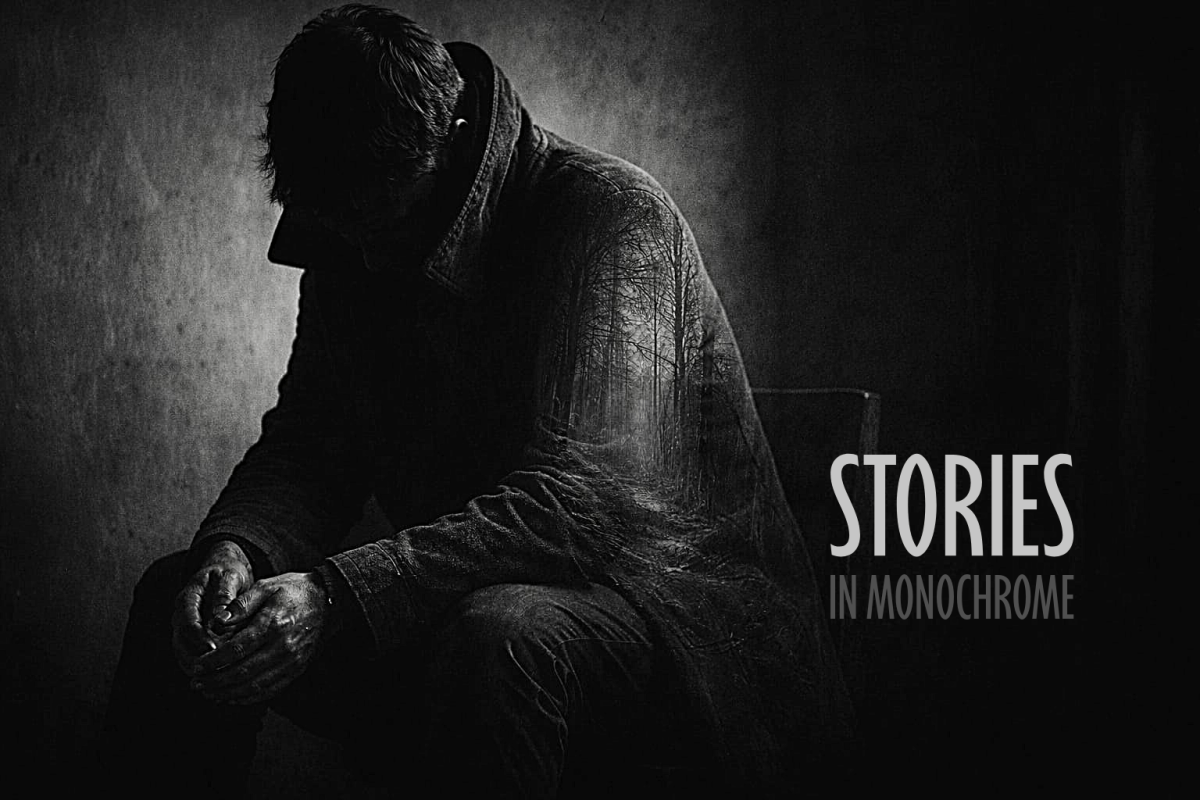

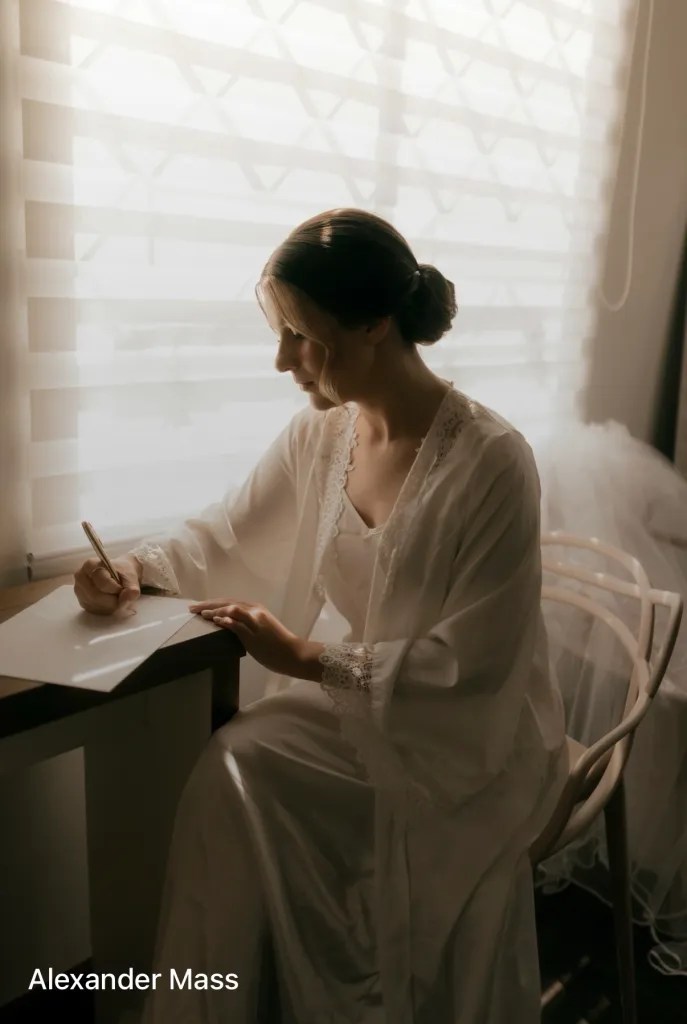
Morning doesn’t break so much as it leaks in—thin, hesitant light slipping through the blinds like it’s not sure it belongs here anymore.
I sit at the table in your robe.
Still yours.
Still smells faintly of tobacco and something warm I can’t name without you here to confirm it.
The coffee hums behind me. The house breathes. I don’t.
The pen waits.
My hand doesn’t.
It drifts—slow, instinctive—down to my stomach.
I don’t even remember when I started doing that.
There’s a weight there now. Not heavy. Not yet. Just… present.
Like a quiet truth I can’t outrun.
Dear Darling,
It’s morning. The light’s soft today—the kind you used to stop and notice, like it meant something more than just another day starting.
Coffee’s almost ready. I made pancakes. Syrup already on the plate—you said it soaked in better that way.
I’m wearing that silk gown. The one you never got tired of looking at like it was the first time, every time.
My hand presses against my stomach as I write this.
You don’t know.
You were never going to know.
We made something, and I walked away from it before it had a name.
Before it had a chance.
Things still work. That’s the part I hate. The coffee brews. The light comes in. None of it checks to see if you’re still here.
You would’ve taught this child how to listen.
Not just hear—listen.
Bebop the way it’s supposed to be felt. Not explained. Not dissected. Felt.
Motown like it lives in the spine whether you want it to or not.
The Philly sound… the way you talked about it like it was church without the pews.
I can tell them.
I will.
But it won’t be the same.
I don’t have your patience. Your reverence. The way you respected the silence between notes like it mattered just as much as the sound itself.
I miss the way you sang Big Joe Turner off key—loud, unapologetic, like the room belonged to you and nobody else had a say in it.
You never got it right.
Not once.
And I never told you how much I loved that.
I knew what staying meant.
I just didn’t want to pay for it.
I pause.
My thumb circles slow against my stomach.
There’s nothing there yet. Not really.
But I keep my hand there anyway.
I almost told you.
I didn’t.
I told myself I could do this without you. That it would be easier that way. Cleaner.
My heart didn’t agree.
I stayed quiet anyway.
We said we’d do it backwards.
A girl with your name.
A boy with mine.
I don’t know if I’m allowed to keep that promise without you here.
Do you remember that trip?
The desert. Three of us and a plan that sounded better in your head than it ever had a chance of being.
Everything kept going wrong. Heat. Wind. Something always breaking or running out.
And she just… handled it. Like none of it was ever serious to begin with.
I see it now—clear as anything.
That scorpion. Bigger than it had any business being.
She picked it up like it was nothing and chased you with it.
You ran.
I ran.
She laughed.
I forgot she knew what she was doing.
You always said she understood things most people wouldn’t touch—bugs, venom, all of it.
An entomologist.
I just remember thinking she was out of her mind.
Your sister’s going to be an aunt.
I can see her now—trying to be you.
Picking up your bad habits like they still belong to someone.
Pushing them a little further each time.
Like there’s no one left to tell her where the line was.
Teaching them the wrong things on purpose. Letting them taste what they shouldn’t.
Laughing like rules were just suggestions someone else wrote.
Holding it all together just long enough for nobody to ask questions.
Trying to be you.
And not even knowing it.
I finished another chapter.
It’s sitting here, waiting for you like it used to. I can still see you reading—thumb brushing your beard, twisting that one side longer than the other.
You always said you’d fix it.
You never did.
I miss the way you stood behind me. Quiet. Certain. Like the world could fall apart and you’d still be there, steady as breath.
I try to remember that feeling.
I try to give it to something that’s never going to meet you.
I keep pausing like you’re about to say something. Like I didn’t train myself out of that already.
I’ll write again tomorrow.
I love you.
Never doubt that.
I read it twice.
Not for grammar.
For truth.
My hand stays there longer this time.
The lighter clicks.
Flame blooms.
The paper curls, blackens, disappears in on itself—like it’s trying to take the words back before they settle somewhere permanent.
I drop it into your ashtray.
Your pipe’s still there.
That hand-carved one from Ireland you wouldn’t shut up about. You said it would last forever.
I pick it up.
Turn it over in my hands.
Cold.
I press it gently against my stomach.
I wait anyway.
The smoke rises—thin, quiet.
My hand tightens.
Not a thought. Not yet.
Just something—
wrong.
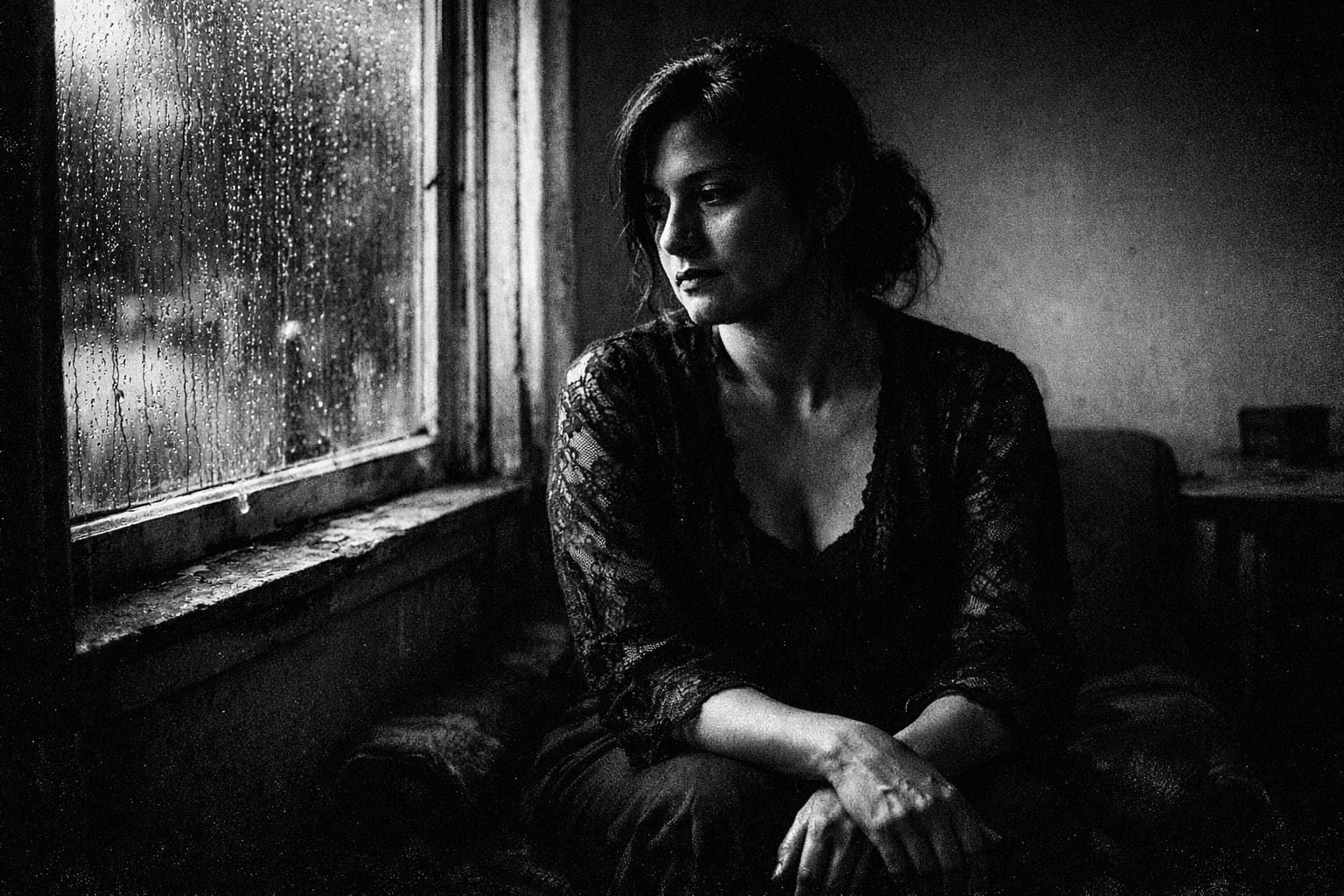
Author’s Note: This piece was written for Sadje’s What Do You See #335. The image offered quiet, but the story refused it—pulling instead at absence, at the things we leave unsaid, and the consequences that continue long after the moment has passed.




 Memoirs of Madness