Stories in Monochrome Episode: The Quiet Between Storms
The rain didn’t knock. It pressed itself against the window like it had a right to be there.
She sat in the chair beside the glass, lace sleeves drinking in what little light the afternoon had left. The room was narrow, wood-paneled, holding the smell of old dust and colder days. Outside, the sky had folded in on itself—low, heavy, undecided. Inside, she folded her hands the same way.
There are people who perform their sadness.
She was not one of them.
Her grief was private, disciplined. Almost forensic. She examined it the way some people study fingerprints—turning it under the light, tracing its ridges, asking where it began and who it belonged to. She had once believed that love lived in the body like a pulse. Now she knew better. Love lives in the core. It survives there long after pride burns off and explanations dry up.
The rain sketched restless patterns on the glass. If you watched long enough, it looked like language. A secret code only the sky understood.
She wondered when she had become fluent in silence.
There had been a time—before the hospital corridors, before the unanswered calls—when she believed everything could be repaired with honesty. Say the right words. Hold the right hand. Pull the right emotional cord and the machinery of two hearts would start again.
But some wires don’t reconnect.
Some silences aren’t pauses. They are verdicts.
She shifted in the chair, lace tightening at her elbows. The skin at her wrist was pale where a bracelet used to sit. The absence felt louder than the metal ever had. Objects leave ghosts. So do people.
She wasn’t angry. That would have been easier.
Anger has movement. It gives you something to throw.
This was something else.
This was the long, slow realization that love can end without drama. No slammed doors. No shattered glass. Just a gradual thinning. A quieting. Two people drifting like separate drops of rain, sliding down the same pane, never quite touching again.
Her reflection hovered faintly in the window—half face, half shadow. She studied it the way she once studied him, searching for clues. Was there something she missed? A tremor in his voice? A look that lingered too long somewhere else? Or had the unraveling been mutual—two hands loosening their grip at the same time?
Outside, a car passed. Its tires hissed across wet pavement. The sound felt like a reminder: the world continues. Even when you want it to stall. Even when you sit perfectly still.
She closed her eyes.
There, beneath the ache, beneath the analysis and the restraint, something steady remained. Not hope exactly. Not bitterness either.
Just awareness.
She could survive this.
The rain softened. The sky lightened by a shade no one would notice unless they were watching carefully. She had become good at watching carefully.
Careful is what heartbreak teaches you.
She stood at last and placed her palm against the cool glass. For a moment, the chill startled her. Then it steadied her.
Not everything that breaks you is meant to destroy you.
Some things strip you back to your coreso you can see what still beats.
It woke with her, already awake, already settled, a low animal coil at the base of her spine. Not sharp anymore. Sharp meant new. This was older than that—dull, insistent, patient. It let her brush her teeth, button her shirt, load the dishwasher. It waited until she bent the wrong way, until she forgot herself for half a second, then reminded her who was in charge.
By afternoon it behaved like a debt. Quiet. Compounding. She could feel it accruing interest while she stood at the sink, while she folded laundry, while she answered emails that asked nothing of her body. The pain never rushed. It knew she would come back to it.
The pills weren’t relief anymore. Relief had been warmth. Relief had been a softening, a loosening. What they gave her now was narrower than that. Function. Maintenance. The ability to move through the day without drawing attention to herself.
The difference mattered. Relief was indulgence. Maintenance was responsibility.
She kept the bottle in the kitchen cabinet, behind the flour and sugar. White on white. Sensible. Somewhere a mother would put it. Somewhere that didn’t announce itself.
Her phone buzzed while she was wiping down the counter.
Refill day.
The notification sat there longer than it should have. She stared at it until the words lost their shape. Then she checked the bottle anyway. Seven pills. Enough if she was careful. Careful had become a skill. Careful meant halves. Careful meant swallowing against the burn in her throat and breathing through the spike until it dulled. Careful meant not flinching when her daughter hugged her too hard.
Careful meant not letting anyone see the arithmetic.
The pharmacy sat between the grocery store and the dry cleaners. She had driven past it a thousand times without thinking. Now her hands tightened on the steering wheel as she pulled in, like the place itself could sense her attention.
She stayed in the car a moment, letting the engine idle, letting the ache settle into something manageable. The building looked the same. Same automatic doors sighing open and closed. Same posters about flu shots and smiling seniors who looked like they’d never been asked to beg for anything.
Inside, the air smelled faintly of disinfectant and plastic. The floors shone too much.
He was behind the counter.
He smiled when he saw her. The same smile he’d used on the sidelines years ago, shouting encouragement to a cluster of muddy girls who believed him when he said they were strong. He still asked about her daughters by name. Still remembered birthdays. Still led prayer once a month at church.
“Hey, Ava,” he said. “How’s the back?”
“Some days,” she said, and meant all of them.
He nodded, already turning to the computer, already frowning at the screen.
“Huh,” he said. “Looks like we’ve got a problem.”
The word landed heavier than it used to. Problem. It had learned to mean delay. Scrutiny. A look that lingered a second too long.
He leaned closer. Lowered his voice.
“I can help,” he said. “But it’s complicated.”
She felt it before she understood it. The way the space around her narrowed. The way the air shifted. The way the conversation stepped sideways into somewhere she hadn’t agreed to go.
She didn’t argue. Didn’t ask questions that would force him to clarify. She didn’t say no, not because she didn’t want to, but because the shape of no had already been eroded. The words slid past each other, meaning less than the understanding underneath them.
Later, she wouldn’t remember the exact phrasing. Only the moment where resistance stopped feeling available. Where the decision arrived already formed, like something she’d simply failed to notice sooner.
When she walked back to her car, the bottle was warm in her hand.
She sat in the parking lot with the engine off, staring at the label. Her name printed cleanly in black ink. Dosage. Instructions. Everything orderly. Official. As if nothing about this had gone wrong.
Disgust rose, sharp and unexpected. Not for him—not yet—but for herself. For how far she’d gone. For how quietly the line had moved. For how she’d confused familiarity with safety.
She tipped a pill into her palm. Bit it in half. The chalky taste bloomed on her tongue. Her hands shook. The other half slipped from her fingers and fell into the cup holder with a soft, final sound.
She stared at it. The smallness of it. The way it looked exactly like what it was: something she’d negotiated herself down to.
Her phone rang.
“Hi, Mom,” her daughter said. “Where are you? Can we order a pizza tonight?”
Ava closed her eyes. Just long enough to feel the weight of the lie forming.
“I’m on my way,” she said. “Of course we can.”
Her voice sounded normal. That frightened her more than anything else.
She swallowed the half pill dry and started the car.
By the time she turned onto her street, the world had softened around the edges. Not relief. Distance. Like watching herself through a pane of glass that someone else was responsible for cleaning. She pulled into the driveway and sat there longer than she meant to, hands resting uselessly in her lap.
The keys slipped from her fingers. Clinked once against the concrete.
She didn’t feel herself fall.
Light came back without asking permission. Flat. White. Too close.
Her mouth was dry. Her body felt heavy, like it had been filled with wet sand. Something warm pressed against her hand.
“Ava?”
She turned her head slowly.
Her daughter sat beside the bed, fingers laced through hers. Awake. Steady. Watching her in a way that said she already knew something was wrong but wasn’t going to name it yet.
The truck took to the highway like it belonged there. A battered blue ’52 F-1, rebuilt just enough to trust, carrying the quiet weight of hands that had held the wheel long before mine. The engine was new to me, but I still heard the old sounds—ghost notes left behind by worn gaskets, replaced valves, memories of breakdowns fused into the machine’s voice. I listened for what didn’t want to be heard yet.
Rain pressed down hard, flattening the world beyond the hood into streaks of light and shadow. The wipers kept time, slicing the water into manageable fragments. Everything else faded.
Cassandra sat in the passenger seat, knees angled toward the glove compartment, hands folded loosely in her lap. She leaned her head against the window, breath fogging the glass. The instrument panel lit her face from below, softening the sharp lines, catching the pale scar along her jaw she never talked about. Her eyes kept moving, tracking the dark beyond the windshield even when she seemed still.
Night driving narrowed the road into a tunnel. White lines. Reflectors. Distance measured in seconds. I passed one exit without slowing. Then another.
“You hungry?” I asked.
She shook her head. “Later.”
The next exit came up fast—bright, easy, promising gas and food. I eased past it without comment. The rain thickened, drumming harder on the roof.
“You missed it,” she said.
“Did I?”
She watched the road again. “I like the drive through the countryside. The winding parts. Helps after a mission.”
“I know.”
That was why I stayed off the interstate, even when the GPS chirped and recalculated. The darker roads asked for attention. They gave something back.
We drove on. Old barns hunched along the roadside like broken hands. A peeling billboard advertised a water park that had closed before either of us was born. The silence between us grew dense, filled by the truck’s low voice rising and falling, always on the edge of saying too much.
“When are you going to start the GPS?” Cassandra asked.
I powered it on and set it between us. The screen flared bright, immediately suggesting a faster route. She smiled faintly.
“It isn’t a cardinal sin to use GPS.”
I turned the brightness down until it was barely there. “Habit.”
She accepted that. Didn’t push. Just watched.
The rain shifted, coming sideways now. Visibility collapsed to reflectors and the faint suggestion of road. Then the engine coughed.
Once. Then again.
I eased off the gas, listening, feeling the vibration travel up through the wheel. Cassandra’s hand tightened briefly on the door handle.
“There’s a place up ahead,” I said. “We’ll stop. Let this pass.”
She nodded.
The diner announced itself with a hand-painted sign nailed to a pole: BESSIE’S—OPEN LATE. We pulled under the tin awning as the engine ticked itself quiet.
Inside, the air was thick with coffee and old grease. Red vinyl booths. A checkered floor worn smooth by years of boots. A handful of people who didn’t look up.
We took a booth by the window. I sat with my back to the wall.
“Coffee?” the waitress asked.
“Black,” Cassandra said.
“Same.”
Steam rose between us.
“You always pick places like this,” Cassandra said.
“Like what?”
“Where nobody asks.”
“People care,” I said. “Just not about us.”
She watched me over the rim of her mug.
“Ward.”
The name landed heavier than it should have.
Ward Dane
The one that fit the paperwork. The one that opened doors without asking what came next.
Not the name I was born with.
That one stayed buried where it belonged.
The bell over the door rang.
“Jericho?”
The sound cut clean through the room.
I looked up.
She stood just inside, rain-dark hair pulled back, eyes fixed on me like she’d never lost track.
“That’s not my name,” I said.
She smiled, already turning away. “My mistake.”
Her gaze flicked once to Cassandra, then back to me.
“Have a good evening,” she said. “On your honeymoon.”
And she was gone.
The bell fell silent.
Cassandra stirred her coffee slowly.
“Honeymoon,” she said.
“People make assumptions.”
“Some do.”
The rain eased. I paid at the counter. Cash. No receipt.
Outside, the truck started on the first turn, idled rough, then settled. We pulled back onto the road without looking back.
Will already knew what to expect before he reached the door: the faint sting of disinfectant undercut by burnt coffee; fluorescent light glaring off scuffed linoleum; a woman at the front ready to talk about choices, consequences, and tomorrow. He smelled disappointment and something that pretended to be hope.
He lingered in the hallway, boots scraping the edge of a faded carpet runner. The voices inside blended together—low, tired, familiar. He thought of them as bots, people who leaned on slogans because slogans never asked questions.
A sharp laugh cut through the murmur.
“Are you going to stand out there eavesdropping like a kid,” a woman called, tone flat and amused, “or are you coming in?”
Will squared his shoulders, drew a breath that tasted like bleach and regret, and pushed the door open.
The smell hit first—old sweat, anxious adrenaline, the faint copper tang of fear. Folding chairs filled the room, every one occupied by a version of damage he recognized without wanting to: a man with a fading bruise behind his ear, another tapping his foot like he was waiting for bad news, a woman gripping a sweater so hard her knuckles had gone white.
At the front sat Emma St. John. Legs crossed. Pen tapping once against a yellow legal pad. Her eyes didn’t soften when they found him. They weighed him. Measured him. Moved on.
“Well, look at that,” she said. “We got ourselves a statue.”
A few people snorted.
“Everyone,” she added, “let’s welcome the statue.”
“Hey, Statue.”
Will’s jaw tightened. He scanned the room for sympathy and found none. This was supposed to be part of his punishment—tough love, no coddling. He sat, anger curdling in his gut.
“I’m Will,” he said, voice low. “I’m an addict.”
Emma leaned back slightly, pen hovering. “Look at that. The statue talks. Larry, tap him and see if he says something else.”
Larry, broad-shouldered and sweating through his T-shirt, hesitated just long enough to make it real. Then he drove a fist into Will’s ribs.
The air left Will in a sharp, hollow burst. Pain flared hot and immediate. He folded forward, a sound tearing out of him before he could stop it.
“Well,” Emma said, nodding like she was checking a box, “he screams with conviction.”
She tilted her head. “That’s enough.”
The room exhaled.
Will straightened slowly, hand pressed to his side. Something in him had gone still, alert. Larry stepped back, grinning.
“Seems like he’s not a statue after all.”
Will met Emma’s gaze. “Who the hell are you?”
She didn’t blink. “Who are you, and why are you really here?”
“I told you,” he snapped. “I’m an addict.”
Her mouth curved, but there was no warmth in it. “That one sounded like you meant it.”
The group murmured.
Will sat, shoulders tight. This wasn’t landing the way he’d planned.
Emma waited, then said, “Stand up again. Tell us the truth.”
“Straight?” Will asked.
“Hells yes,” she said. “Or get out and stop wasting our time.”
Will stood because sitting felt like hiding.
“I’m hooked on stupid things,” he said. “Online games that don’t matter. Noise. Anything that keeps my head from getting too quiet.”
A few people nodded. Recognition, not sympathy.
“And when that doesn’t work,” he went on, faster now, like momentum might carry him through, “I look for distractions that don’t ask questions. People who don’t care who I am when the lights come on. Transactions. No names. No expectations.”
The room shifted. No laughter this time.
“I drink,” Will said. “Because it’s easier than remembering what I’m avoiding.”
He sat back down hard, chest tight, like he’d admitted to something worse than addiction.
Emma studied him, pen still.
“That’s a lot of effort,” she said, “for a man who claims he just wants to numb out.”
Her voice dropped.
“Nobody works that hard to disappear unless they’re running from something specific.”
Silence pressed in from all sides.
Will stared at his shoes.
“Meeting’s over,” Emma said. “You—statue—grab a coffee with me.”
The diner down the street smelled like scorched bread and old grease. Will slid into a cracked vinyl booth across from Emma, a mug of black coffee steaming between them like a truce he didn’t trust. His hands clenched around the rim until his knuckles went pale.
She waited.
Ally’s name came out first.
Then the rest followed—halting, uneven. The floor screaming under weight. Steel giving way. Sirens. Joseph fighting for breath on the gurney. Surgery. The quiet, cruel fact of Joseph dying anyway.
Will tore napkins from the dispenser, wiped his face, balled them up like they could hold the mess. He pulled out a cigarette pack, crushed it in his fist, smoothed it, crushed it again.
“I should’ve been there,” he said. “He was supposed to come home. Watch them fall in love. Walk his daughter down the aisle. See his boy make it to the pros. We both knew that kid had it.”
Emma said nothing.
“If someone had to die,” Will said, voice breaking despite him, “it should’ve been me.”
She let the silence stretch until it hurt.
Then she said, quietly, “Joseph knew what was at stake. He suited up every day. He died doing what he believed in.” She looked at him. “Why are you trying to take that from him?”
Will stared at the stained tabletop. His shoulders sagged, something finally giving way.
Outside, rain misted the street, turning the light soft and smeared. Will lit a cigarette, the ember flaring between his fingers. Emma reached for it after his first drag, took one herself, and handed it back.
They stood there in the drizzle, jackets darkening, the city breathing around them.
Dawn in Millhaven Cove never comes in fresh. It oozes through the horizon like sour milk spilled on an oil-slicked counter—thin, cold, already unwanted. The sky hangs bruised and jaundiced, more purplish bruise than golden promise. Morning stumbles in with a limp. The air tastes of scorched coffee grounds, stale cigarette ash, and the weary indifference of a town that looks right through you once it’s marked you as invisible.
I spent nights wedged behind a shuttered bakery by the harbor, my back pressed to crumbling brick, concrete scraping my shirt. I slept on yesterday’s newspaper, drinking in the damp sea breeze when I dared. Dawn cut me out of sleep and pushed me toward Maple and Third—the bleakest corner in town—where I’d squat on the curb, shoulders drawn in, while traffic lights blinked urgent and useless, as if blinking hard enough might change something. Politeness was a luxury here. Vulnerability was currency: if you whispered, no one listened; if you trembled, they stared at the pavement.
That’s Millhaven Cove’s quiet contract: the more you need, the more you disappear.
My fall wasn’t dramatic. No sirens. No headline moment. It was a slow rust—one small compromise piling on the next until the floor finally splintered under me. Once, I punched time cards at the pencil factory on East Main—where we turned graphite and paint into elemental optimism for schoolkids. Blue pencils for hope. Yellow for caution. Green for keep going. I believed in the alchemy of small things. I believed that mattered.
I dated a woman who clipped horoscopes from magazines and wrapped my sandwiches with love notes. She said my Taurus stubbornness grounded her. She left when my stubbornness calcified into inertia.
When the factory shuttered—another silent casualty of digital “progress”—rent notices multiplied like mold. Groceries became cheap beer from the corner store; my bed became a park bench. My apartment vanished first thing in fine print, a tidy legal erasure of everything I’d built. I held on to one relic: a stub of an optimism pencil, worn down to the metal ferrule, the eraser chewed into a jagged ulcer of hope. I stuck it in my pocket like proof that I’d once had a reason to believe.
The final push came in my sister’s handwriting. She’s a social worker, so her we love you was perfectly folded—professional compassion. Then, in cramped smaller letters that cut deeper: Don’t come home unless you mean it. No one tells you how it guts you when the last person you could count on decides to stop rescuing you.
I read that line over and over until it carved itself behind my eyes.
Addiction, I learned, isn’t about the drink or the pill—it’s about boundaries bleeding away. You almost forget they were ever there. First it’s never before noon. Then never except on Tuesdays. Then only when it rains. Until one morning you wake on a Thursday with rain soaking your face and realize you’ve broken every last promise you swore would save you. And you’ve become the very person you swore you’d never be. My universe shrank to three stained blocks—the bus station restroom, the liquor store with its plastic mini-bottle display, and the blinking OPEN 24 HRS sign that lied as much as I did. The letters R and S in HOURS had rusted off. I figured they’d given up too.
Salvation didn’t rock up with trumpets. It slapped me in the knee—literally—with a flapping flyer on a February wind: MILLHAVEN COVE RENEWAL CENTER—HOPE STARTS HERE. I laughed. Hope was a billboard lie for people who had backup plans. Still, the ink ran into my thumb and something in my chest stirred. Reflex or longing, I tore off the address tab and tucked it beside the pencil stub.
That night, under a sputtering streetlamp, I counted coins and did the math I’d done a thousand times before: another night numb or a reckless bet on this “renewal.” I split the difference—bought a stale muffin, saved the bus fare, vowed to step inside for just one day.
The center’s lobby was too bright, too clean—like it expected me to behave. A receptionist with kind, tired eyes asked my name and didn’t flinch at Just Jake. She handed me forms and a cup of coffee from a silver carafe so polished I almost didn’t recognize my hollow face in its curve. Then group therapy: folding chairs in a circle, voices trembling over past wreckage—some confessing like defusing landmines, others brandishing their losses as badges. We worshiped at the altar of worst of all. I found myself nodding along to the litany of broken promises.
Detox was brutal. No poetry there—just nights that shook me raw, bones aching as if life itself had been wrung out. Dreams clawed their way back through the surface. I cursed every well-meaning soul who’d ever said, Take it one day at a time. But the mornings came anyway. Hot showers scoured the residue of last night’s shame; accidental laughter cracked through the tension like sunlight.
I relapsed once. Hard. My sister’s voice on my cell phone, begging me not to die, cut straight through the stupor. Guilt came roaring back—who begs a grown man not to kill himself? She talks like my darkness can be fixed by daylight rules. Like I don’t remember her own sleigh rides, the ones she labeled letting off steam. I’ve heard that story before. I’ve told it myself. Just take the edge off. I could throw a rock and hit five people with that same excuse in any direction. She’s sober now, settled into the role, preaching the familiar sermons with the confidence of someone who made it out. I know she’s disappointed in me. But what gutted me more was realizing how deeply disappointed I was in myself. Everything I’d clawed back slipped away in a haze. Still, this time, I limped right back to the same folding chair. Learned—again—that humility isn’t erasure.
Recovery taught me to treasure tiny victories: brushing my teeth, making my bed. No banner-waving moments—just head-down work. I wrote apology letters I wasn’t sure anyone deserved. They felt clichéd, hollow gestures—a whisper of regret in a storm of consequences. But I mailed them anyway. My sister wrote back: I’m proud of you. I read that line until the paper thinned in my hands.
And then—no grand finale, just quiet change. I started volunteering. I found work sweeping floors at the very bakery I’d slept behind. I stopped conflating survival with absolution. I showed up.
They love the I got better ending. But they never ask what recovery cost. Sobriety didn’t hand me clarity so much as it stripped away the fog that used to soften every edge. Now I see the damage—mine and everyone else’s. I see how close the drop-off still is. How easily survival can become a performance.
Sometimes I still roll that chewed-down pencil stub between my fingers, feeling the metal edge where hope’s eraser used to be. It reminds me that hope isn’t a color someone hands you. It’s something you sharpen, again and again, knowing it might splinter at any moment.
Millhaven Cove remains bruised at dawn. The streets still turn their faces from those who need too much. But some mornings, when the light slices through the haze just right, I can stand in it without flinching.
That’s not a miracle. It’s a chair I keep coming back to— and a morning that, once in a while, doesn’t limp quite so badly.
Entry Eleven: Dispatches from the Splinters of My Mind
I found her in the middle of a killing field that should have had no place for beauty.
The moon sat low and full behind her, a pale coin pressed into the sky, casting that cold lacquered light across armor, bodies, and the drifting ash of trampled blossoms. The night smelled of copper and rain. Around us the dead refused to stay still; wind pushed their rags like restless sighs.
I had already decided the day was lost—too many screams, too many men swinging at ghosts. But then I saw her, and the world tilted. She stood where no one should have stood: upright, unhurried, her robe heavy with embroidery, dark as ink, stitched with peonies and waves that shimmered when the moon looked her way.
The first thought that crossed my mind was: Who brings flowers to war? The second: Maybe the flowers brought her.
They grew around her feet, low white clusters, fragile as breath. Some had taken root in the soft mud, others hovered midair like they hadn’t decided what kind of thing they wanted to be. A faint perfume drifted off them, too clean for this place. And then I realized some of them were growing from her—the side of her face, her shoulder, the line of her arm. A bloom of defiance carved into flesh.
Behind her stood four figures draped in similar black silk, motionless. Their eyes were lowered, hands clasped before them. Attendants, perhaps. Or echoes. Even from where I stood, I knew they weren’t here to fight. They were here to witness.
I tightened my hand on my sword because habit is older than reason.
The ground sucked at my boots as I stepped closer. Somewhere to my left, a man still dying called for his mother. Another, somewhere behind, recited a prayer halfway through his blood. But sound thinned the closer I came to her. Like the air around her absorbed noise and left only pulse.
She looked at me when I was five paces away. Not before. Not after. Like she’d measured the exact distance between recognition and threat.
Her eyes were half-lidded, the color of tarnished brass. Her mouth was calm, as if the ruin surrounding her had been a foregone conclusion. One petal rested just below her cheekbone, pale against the skin. She didn’t brush it away.
“You walk like a man who has forgotten why he still draws breath,” she said.
Her voice was quiet but cut through the air like string through silk.
“I’ve followed death long enough to know his rhythm,” I said. “Some nights he leads. Some nights I do.”
She inclined her head, just enough to show she’d heard. “You are ronin,” she said. “A sword with no oath.”
“Whatever name suits you,” I said. “You stand where no one should stand.”
She looked past me toward the moon. “Where else would I be? When blades sing, flowers bloom. The field requires witness.”
She had no weapon in her hands, yet everything about her said blade. I’ve met killers who strutted under banners, and others who killed softly with no name to anchor their ghosts. She belonged to neither. Her stillness made me feel the way a boy feels before the first snow—expectant, humbled, afraid to speak.
“You should leave,” I said. “When dawn comes, they’ll burn what’s left.”
“You mistake me,” she said. “I came to see who is worthy.”
That word bit. Worthy. I’d watched too many noblemen rot in palanquins to trust it. Worthy is what the dying call themselves before the blade arrives.
“Worthy of what?” I asked.
“Of the sword. Of the bloom. Of carrying death without becoming it.”
The field groaned. A survivor staggered from the smoke—young, wild-eyed, clutching a short spear he didn’t know how to hold. He saw her, and some idiot fire lit behind his teeth. Maybe he thought she was a reward for surviving. Maybe he thought the gods had thrown him one last chance to matter.
He ran at her, screaming.
In battle you have seconds to make a decision. Whether wrong or right, it needs to be made. One of the fastest ways to learn someone is not what they say, but how they fight.
For one breath, I froze. I had seen too much to believe in rescues. The smart thing—the living thing—was to watch it unfold. Yet something in her stillness reached me, a quiet that felt older than every order I’d ever followed.
I moved before thought could argue. Maybe it was reflex. Maybe guilt. Or maybe—and this is the truth I won’t soften—I moved because her movement deserved a blade.
I drew, stepped forward, and cut low. The arc found his thigh. He stumbled, confused, half alive. I turned the motion, cut again—clean, deliberate, final. His blood came hot, red against moonlight. It splashed over the flowers at her feet.
They didn’t stain.
The droplets slid off as if the world itself refused to let his death take root there.
She looked at me, not with gratitude but recognition.
“You took him before he had time to be afraid,” she said. “That was mercy.”
I laughed, short and dry. “That’s a generous name for what I do.”
“There are cruelties worse than steel,” she said. “You gave him a swift exit. That counts.”
Her calm should have offended me, but it didn’t. It steadied something that had been shaking inside for too long.
I studied her again, this time the way I studied opponents before the first strike. Every warrior moves according to what they believe: greed, fear, pride, duty. The body tells the truth the mouth hides. She stood like someone who believed in balance—not victory, not survival, just the quiet between breaths.
“Who are you?” I asked.
“A name is only a sheath,” she said. “Tonight, I am what you see.”
“I see a woman blooming on a battlefield.”
“And I see a man who still listens for music in the clash,” she said. “We are both out of place.”
The four behind her lifted their eyes then—slowly, together. Four sets of dark irises, moonlit, unreadable. The air thickened, like waiting for a storm that didn’t come.
“You could have struck me,” I said.
“I could have,” she replied. “But you already offered your sword.”
“I fought even though it wasn’t my fight,” I said. “Your movements deserved my blade.”
She gave the smallest nod, approval or farewell—I couldn’t tell which. “Then peace, ronin. Not the peace of victory. The peace that lives in the breath between strikes.”
For a long moment, we stood there—two still figures in a world still burning. Around us, the wounded moaned, the fires licked the edges of the field, but none of it entered the space between us. The night had carved a small silence and decided to let us share it.
I let the sword drop, tip resting in mud. Not surrender. A bow to something rarer.
When I looked again, the blossoms at her feet had multiplied. Their pale glow shimmered faintly in the dark, each one perfect, each one refusing the ugliness of what surrounded it.
The moon sank. The smoke grew thicker. I blinked, and she was gone. The four attendants too. Only the flowers remained—untouched, unstained, rooted in earth that should have been ash.
At dawn, when the officers returned with torches and the day’s excuses, they found me sitting beside the blossoms. I told them nothing. Some truths need soil and silence more than words.
I carry her still. Not her image—images fade—but the moment itself, caught behind the ribs like a splinter of light. That memory is my wound and my mercy both.
Because now I know this: even those made for killing can recognize beauty when it stands unafraid. And once you’ve seen it—truly seen it—you carry it. Always.
Entry Ten: Dispatches from the Splinters of My Mind
An image-driven meditation on beauty, decay, and the quiet art of passing for alive.
White comes first. It always does. I dust the night from my face with a powder the color of absolution and tell the mirror a soft white lie: you are whole, you are warm, you belong to the day. The mirror nods like a priest who’s already decided my penance. I let him; he’s one of the few men who listens. The powder smells faintly of lilies and old hotel sheets—clean, practiced grief. It cakes where sweat used to live. Underneath, skin hums the slow song of bacteria doing what they do best: recycling hope. Purity photographs better that way. Besides, no one suspects the dead of good lighting.
The birds come next—two shards of sky trained to settle across my eyes. They know their marks like altar boys at a funeral mass: left wing grazing the brow, right wing cooling the cheekbone, claws light against the temple. Their feathers shine the blue of high altitudes where breathing is theory. Blue is the color of transcendence, or so the books say. In practice, it’s the color of numbing—detachment dressed for church. I didn’t choose them for beauty; I chose them for temperature control. They keep my expressions chilled, my thoughts neat, the heat from showing. They smell faintly of ozone and hairspray, like the backstage of heaven. I can feel the air around me losing interest.
I open my mouth. They tilt their heads, listening. They remember the rules better than I do. The first sound they stole was laughter—too spontaneous, too human. They took it the way crows take rings: quick, gleeful, final. The second was the small sigh I made each morning while practicing the art of appearing alive. By the third—my name said to no one—I understood that silence is a currency, and I was rich in withdrawal. I keep my tongue behind my teeth the way some people keep money in a Bible: near God, far from thieves. Sometimes I miss how a real word tastes—like pennies and possibility—but the birds look so proud of me when I behave.
Grey arrives without asking. It bleeds in through the window frame, through the paint I swore was dry, through the place in my chest where memory used to turn red at the edges. Grey is the hallway color, the corridor between rooms, a suspended breath that never quite chooses air. Days collect in it like lint. The birds blink in unison, blue against the grey, and the room looks like an old photograph waiting for a pulse that won’t come. I practice gestures of aliveness—a nod, a smile, a hand smoothing the same invisible wrinkle. It’s choreography learned from the living. The trick is to blink at correct intervals. Dead eyes give it away. I’ve learned to count my blinks like prayers; no one notices faith when it’s rhythmic.
They call what I do resilience. I call it advanced taxidermy. Everything soft stuffed with survival slogans and stitched closed with polite smiles. I stand upright, lips faintly glossed, eyes decoratively haunted. People nod, impressed. “You look great,” they say, and I do. Death, when moisturized, is surprisingly photogenic.
At night, when the light loses its discipline, the birds twitch. Their wings quiver like unspoken apologies. They hate uncertainty—it smells too much like life. I tell them to relax, that nothing here moves unless I schedule it. They don’t believe me. They can sense the old pulse under the floorboards, that stubborn animal rhythm I keep sedated. Sometimes, if I listen too hard, I hear it muttering: Still here, you fraud. Still beating in the dark.
Grey has personality now—kind of an accountant with a god complex. It tallies what I didn’t say, what I pretended not to feel, every emotional expense I tried to write off. I owe everything. I keep paying in composure. Some mornings the debt collector is the mirror; some mornings it’s the ache behind my jaw. Both smile as they itemize.
I remember warmth in flashes. A mouth that used to taste like smoke and sincerity. A day when laughter didn’t feel like theft. The red comes back in small riots—a pulse in the wrist, a fever under the tongue, a dream where color doesn’t apologize for itself. Red is the rude friend who won’t stop showing up uninvited. It whispers, You can still want, you know. I tell it to shut up. Wanting is expensive, and I’m already behind on my rent in reality.
There was a man once—there always is, because tragedy likes a good straight man. He said my quiet was “mystical.” I let him think that. No sense disappointing the audience. He kissed me like he was trying to wake me, poor thing. I let him. The living need their illusions too. When he left, I smiled so gently you’d never guess the birds were choking on the heat inside my mouth.
People assume silence means peace. It doesn’t. It’s just a better brand of noise—high-end, minimalist, with clean lines and no bass. Inside it, everything still screams; it just does so politely. That’s the delicious part of the lie: it tastes like calm if you chew slow enough.
Sometimes the rot gets ambitious. It stretches under my skin, flexing like it wants out. I tell it we have a reputation to maintain. “Decay,” I whisper, “but quietly. We’re professionals.” It listens, most days. When it doesn’t, I add more powder and a higher neckline. Elegance covers almost anything.
I’ve been congratulated for my strength so often I should invoice for it. People mean well—they always mean well—but their compliments sound like eulogies now. “You’re so composed.” “You’re such an inspiration.” They don’t know that composure is just rigor mortis doing ballet, that inspiration is what happens when exhaustion gets good lighting.
Tonight, the air tastes different. There’s something electric in it, the flavor of coming storms or confessions. The birds sense it, feathers rustling like gossip. Blue, once loyal, starts to falter—its chill turning translucent, its sanctity cracking at the seams. Underneath, a hint of red—raw, seditious—tries to breathe.
I stare at the mirror. It stares back, unimpressed. “How long can you keep this up?” it asks without moving its lips. “As long as it looks good,” I answer. We’ve had this conversation before. Neither of us ever wins.
Black waits behind everything, patient as gravity. Not malicious—just inevitable. It’s the color of what doesn’t flinch anymore. When I close my eyes, it hums like an engine. It’s not the absence of light; it’s the womb of it. Maybe that’s comforting. Maybe it’s just where truths go to compost.
The birds fidget. Their claws scrape skin, soft warnings. They know what’s coming. I’ve been thinking dangerous thoughts—words forming without permission, meanings unapproved by management. I can feel language waking up in my throat like an old addiction. I used to love words. They made me visible. Then they made me trouble.
“What happens if I speak?” I ask. My voice sounds foreign, like someone rearranged the vowels while I slept. The birds freeze, their blue fading to the dull of forgotten sky. One pecks at my brow, delicate threat. The other trembles near my cheek. For a moment, even they look tired of sanctity.
I touch their wings. They’re colder than honesty. “Shh,” I tell them. “It’s just a syllable. A small one.” I open my mouth, and something almost warm slips out—a sigh, maybe, or the ghost of laughter coming home. The sound isn’t pretty, but it’s real, and real is an endangered species around here.
The mirror blinks first. Always does. “Well,” it says in that judgmental silence only mirrors manage, “look who’s back.” I shrug. “Don’t get excited. I’m still dead; I’m just taking the scenic route.”
Color rearranges itself. White gives up pretending to be mercy. Blue goes transparent, embarrassed by its own chill. Grey loosens its tie. Red stretches like a cat finally acknowledged. Black opens one lazy eye and grins, proud parent of the mess.
I let the birds slide off, set them on the sill. They glare at me, little auditors of sin, and I swear I see envy in their beady eyes. “Go on,” I tell them. “Find someone holier.” They flutter away, leaving a faint scent of ozone and resignation.
The air without them feels indecently warm. I breathe it in. It tastes like pennies and possibility. The mirror, for once, doesn’t offer a verdict. Maybe it’s learning boundaries. Maybe I finally bored it into honesty.
Outside, the sky wears an honest blue—the kind that knows the ground exists and loves it anyway. I could try that. Tomorrow, maybe. Tonight, I’m just going to sit here, rotting politely, beautifully, honestly.
Author’s Note
Part of theDispatches from the Splinters of My Mindseries—image-driven fiction that explores the architecture of silence, self-performance, and the strange grace of decay.
Memoirs of Madness — When the inkwell weeps, I howl.
Entry Nine: Dispatches from the Splinters of My Mind
I wake upright, as though sleep forgot to fold me into its arms. The darkness presses in all around—soft, velvety, bruised at the edges, like some colossal bruise pulsing with the low red hum of my own blood. A cloth lies warm against my eyelids, its fibers slick where they touch my skin, chillier at the edges where the air’s breath finds purchase. I don’t brush it away. I’ve learned that on certain nights the world is safer unseen.
They breathe at my sides—two hulking presences, rigid as ancient statues steeped in the sick-sweet perfume of formaldehyde. One on my left, one on my right, like bookends clamped around a story that refuses to end. Their feet remain statuesque; instead their bodies rock ever so slightly, tilting inward, receding, then returning in a silent metronome of doubt. Sometimes they feel like mirrors, their gazes jokers with opinions. Sometimes they feel like promises, the future I was sold if I kept doing what I was doing. Most nights I know the truth: they are mine—either I forged them, or they forged me. Asking which first feels as impolite as inquiring whether the flame or the candle existed before the other.
“Don’t speak,” says one voice—dry, brittle, like my father after my brother’s funeral. “Don’t confess,” says the other, rasping through a cough that smells faintly of candle wax and stale hymns. Their words scratch the hollow behind my left ear, the birthplace of my worst headaches. These aren’t commands so much as rituals—family heirlooms too awkward to discard, for to do so one must acknowledge their worth.
But my mouth conducts its own liturgies. It leaks in secrets. A weight gathers on my tongue: metal and warmth, the taste of regrets I should have voiced long ago. The first word is always the hardest to birth. When it finally breaks free, every syllable remembers gravity and falls like ink that missed its page, staining my chin.
It’s all right, I tell myself, between ragged breaths. Blood is just memory liquefied. Let it run. Let it tally the score.
“How did we get here?” I whisper, voice ragged against the blindfold. The dark tilts its head and pretends not to hear.
Left says, “By keeping your eyes closed.” Right hisses, “By learning to love the closing.”
They speak in turns, careful not to overlap, for if they did the shape of this place would shift and I’d forget what it means to stand.
I was taught early that silence is a language with two alphabets—safety and surrender—both scrawled from the same letters. When the cops came to our flat for the second time, my mother pressed a thumb to my lips. It felt like blessing and gag in equal measure. Years later, the first woman who claimed she understood me asked if I had anything to confess. I answered “No” because survival had already flipped the coin. I’ve whispered apologies to her in colder seasons, at bus stops I never ride, through prayers I don’t believe in. None ever breached the blindfold—they slid back down, patient as ghosts.
I know what lurks beneath this cloth. I’ve seen it—how daylight has kissed it, streetlight has tasted it, how a match’s flame stared too long and flinched. Eyes that catalogue, that inventory every fracture, then try to alphabetize the fragments. If I unveil them tonight, I’ll stare out into a flock of unfinished things circling my bed—wounds and half-formed promises. One can drown in the study of omissions. Ask me how I know.
Left leans forward, winter on his breath: the damp, hollow kind that drifts through stairwells, eavesdropping on arguments. “We kept you alive,” he says, a tenderness reserved for things long dead. “We wrapped your seeing until your seeing couldn’t hurt you.” The years have built a fortress in his jaw, doors forgotten.
Right lifts a hand to graze my ear—his touch colder than patience. “We taught you an economy of withholding. What you don’t utter can’t be used against you. What you don’t name can’t die.” He pauses, fingers poised like a man waiting for payment. “We saved you from the truths that detonate families into committees.”
Between them lies a rasp—a rasp that, I realize, is my own.
I drift back to the riverbank, red water flowing like a personal insult to the city. I recall the neon sign in that solitary room—its sick throb of light like a wound bargaining for closure. I hear the voice that begged me to “keep the light on,” and how I switched it off, hoping the corridor would keep a secret of its own.
Silence exacts its own fee. It demands tiny coins—words unsaid, memories locked away—until one day you want to catch a bus out of town and all you possess is the jingle of borrowed time.
“Say it,” Left murmurs, not unkindly. “Say nothing,” Right counters, like a physician prescribing illness.
My lips part. Perhaps it is prayer, perhaps confession—perhaps the last valve cracking open in a machinery someone else designed. What I long to say is simple: I remember the first lie—it tasted like rescue. The second lied felt like rehearsal. The third taught me grammar, and the rest built a house around me: no windows, just a door opening onto a closet. I want to say that blindness, if chosen wisely, lets you aim without seeing your target. That I learned to navigate by the shadows where stars should be. And I want to speak her name, the one I’ve carved into the walls of my heart, the one whose echo never returned but whom I have nurtured in silence for years.
Yet the mouth refuses dictation. When words drop onto my collar, I taste ash on my tongue. If I linger here, the floor will absorb me letter by letter. Maybe that’s the plan: let the body become a document, the words falling where they will.
“Open,” Left instructs—not my eyes, but the wound beneath this cloth. “Close,” Right insists—not my lips, but the subject itself.
They kneel, each in reverent posture, calling it unity.
I am not devout. Faith in myself is a belated apology—a jacket thrown over my shoulders after winter has already laid bare my bones. Still, I believe in small truths: every silence is a room with a window you can paint shut; blood remembers what you refuse to; when the past leans in to kiss you, check its hands.
“Why do you resent our aid?” Right asks, almost plaintive.
“I don’t,” I rasp, the cloth muffling my words. “I’m just weary of living the shape of your absence.”
Left’s fingers find the knot in the blindfold with a lover’s care. He doesn’t tighten, only taps it, as though weighing a wish. “You won’t like what you see.”
“I rarely do,” I reply, a dry laugh clawing free.
“Then keep the cloth,” he says. “And we’ll keep you. We’re the railings in your dark.”
I envision rusted metal, cold to the touch, a splinter waiting for skin. I recall the staircase winding down to a door I never open—the handle of which somehow knows my name. Once I thought that room housed my monsters. Now I see the real monsters are proper: they safeguard my unspent courage and the coats of selves I never became.
“I have questions,” I say, voice gentle as rain. “Whose mouths whispered before mine? Where did the very first hush come from? How many women stifled their fire because the men who taught them already drowned in smoke? How many fathers measured love by volume, awarding themselves with silence?”
Left inhales, a slow vacuum. Right clears his throat like a clerk shelving confessions.
“You think your blood makes you singular,” Left says. “It only makes you consistent.”
“You think speech is salvation,” Right counters. “Speech is a tool—tuned for mercy or murder.”
Both statements are true. Both can kill.
The cloth grows heavy, soaked where its letters dissolved in transit. I recall the story of a saint who plucked out his eyes to end desire, of a soldier who bit off his tongue so no one could barter his secrets. Every tale shares the same architect: Sanctity. Security. Surrender. The walls remain flawless. The rooms numbered. No one explains the numbers until rent’s due.
“Remove it,” someone says, and I can’t discern whose voice borrowed mine this time.
My hands lift, obedient as shadows at dusk. The knot is simple—always was. The hardest part of a blindfold is the narrative that says you deserve it. I tug once. The cloth exhales. Light rushes at me with the relief of a crowd that finally chose a side.
The room reveals itself—smaller than I’d feared, grander than I’d earned. The two men are exactly as the voice in me conjured: tattered elegance, wreckage with meticulously combed hair. Their faces are maps whose borders have vanished. Their suits hang as carefully as funeral garb. Their hands hover, almost kind.
I look at Left. He looks at my past. I look at Right. He looks at my future. Neither steps forward. I remain the hinge.
Blood trickles from my chin, a rudimentary signature poised for the name that owns it. I want to wipe it away. I want to revel in it. I want to stand still and hear what stillness says.
“Are you ready to speak?” Right asks, tone hopeful.
“I have been speaking the whole time,” I say, and for the first time the room curves into something like a smile.
Left shakes his head. “If you go on, you’ll lose us.”
I meet his eyes—meet my inheritance. “Maybe you’re meant to be lost.”
Pride and regret war in his gaze, as if he’s a father examining the bruise he taught me to take. There’s curriculum here no syllabus could contain.
“You can’t survive the noise,” he warns.
“Then let the noise survive me,” I tell him. “Carry the parts I cannot.”
When I finally move, it is unceremonious. I am neither saint nor soldier tonight, only someone who learned to count by the drip of blood in the dark. I am someone who believed in railings and now tries to believe in stairs. I am someone who has loved poorly, remembered perfectly. My fingertips trace the cooling red at my jaw, smearing it as though to bless myself—two fingers pressed to skin, raising a silent benediction. I draw a thin line across my throat—not threat, but witness. Then I touch each eyelid, first right, then left. Their warmth whispers secrets textbooks never taught.
The two men release simultaneous sighs of opposing relief. They are both disappointed. They are both relieved. It is possible to be two sermons at once.
A neon sign shivers somewhere beyond these walls. A painted-shut window in another life wonders if tonight the paint might crack. The floor holds my secret. The air remembers it was once a river and yearns to practice.
“I won’t speak her name,” I murmur, voice low but unwavering, “but I will stop pretending I never learned it.”
Right bows. Left closes his eyes. The room narrows to a path that was always here.
I take a step. Then another. My mouth finally ceases bleeding—it has, at last, done its duty. The cloth in my hand is merely cloth. I let it fall. Its descent makes no sound anyone else would hear.
If I keep walking, perhaps the past won’t follow. If it does, we can negotiate. I’ve learned there are nights it’s safer to close your eyes—and nights when you must open them, so when the world returns wearing your own voice, you can tell prayer from muzzle.
Tonight, I listen for that difference. And if the voices demand a choice, they can wait—like the weather.
Eli’s fingers hammered the Underwood, the platen ratcheting like a drumbeat inside his chest. Words crashed onto the page raw and unprocessed, each keystroke sharp as broken glass. He didn’t try to catch his thoughts; they lagged behind anyway, always scrambling, always too late. Second-guessing was for people with softer bones.
The typewriter filled the basement like a predator pacing. The ding of the carriage bell jolted him at every line, each return snap a small guillotine. He welcomed the violence. As long as the machine roared, the silence couldn’t close in and strangle him.
Behind him, Iris moved. He didn’t look—didn’t dare. He knew the sound of her presence: drawers opening, papers shifting, the glide of her feet across concrete. She spoke sometimes, soft nothings that dissolved into the cinderblock walls, too sweet to be trusted. He kept his eyes forward, certain that if he broke rhythm the spell would snap and something worse would rise.
She spoke in platitudes—surface shit that didn’t mean a damn thing, not even to the person saying it. She knew I hated them. She knew I’d rather choke on silence than fill it with low-grade noise. And after everything, don’t I rate the premium line of bull? Instead—clichés. Cheap ones. Wrong on too many levels.
The words poured, jagged and necessary. He bent closer to the keys, fingers aching, shoulders burning. The smell of paper and machine oil clogged his sinuses. His job was to write. One job. Write.
Then—click. Whirr. The clatter of vinyl.
His trance shattered. Eli shot up from the desk. “NNNNNOOOOOOO!”
The speakers coughed dust. A warped guitar riff crawled from the jukebox.
Arnold Layne had a strange hobby…
The lyric nailed him to the chair. His body froze, his heart battering too fast against his ribs. A high metallic screech tore through his skull. Somewhere in the sound he swore he heard a howl, long and low, as if the memory itself had found a voice.
The world went black.
—
He blinked awake in a different room. Bare bulb. Cracked mirror. The stink of disinfectant.
In the glass, Iris stared back—hair damp, eyes too wide, skin gone bare and bloodless.
Jonquil’s shape coalesced behind her, a figure lit by candlelight. She smiled, but her mouth never moved.
“You had one job,” Jonquil said, velvet over stone. “Keep him writing. Don’t let the memory in.”
Iris clutched the sink, knuckles white. Words failed her.
Jonquil’s gaze sharpened. “You know what happens to leaky vessels.”
The memory ripped through Iris: a Guild meeting, Uncle Bug tearing into a junior agent, the sudden hush, then the impossible sight of Bug blowing softly in the man’s direction. The agent’s outline wavered—and collapsed into vapor. The smell of iron had clung to her clothes for days.
Iris trembled. If Jonquil told Uncle, she’d be next.
—
The bar hit him like a punch—heat, smoke, neon fractured on dirty glass. Bodies surged to the music, sweat and whiskey thick in the air. Eli stood in the middle, drowning in it.
Onstage, a woman with cropped hair and a voice like gravel tore through Dead and Bloated. She wasn’t covering the song; she was burning it down and rebuilding it from ash.
Her eyes found his. She grinned, stepped off the stage, and cut through the crowd like she owned it. Her hand snared the back of his neck. She kissed him hard, tasting of blood and whiskey, breath hot with hunger.
The taste hit him like déjà vu—sharp and sweet, like a kiss he’d lived before in another life, though he had no memory of whose lips had given it.
Then she pulled back, lips almost brushing his ear. “You don’t belong here. Go back. Now.”
She shoved him. The bar collapsed, light and shadow swallowing the floor. Eli fell.
—
He jolted awake at his desk, lungs empty, head pounding. The Underwood sat waiting, a fresh sheet rolled in.
On the corner of the desk, a tabby cat licked her paw. She froze mid-motion and fixed him with a single stare.
“Meow,” she said, clipped and final, before resuming her grooming.
Eli’s hands shook as he reached forward. Beside the typewriter, on a square of yellow paper, a single word was scrawled in black ink:
Frog Creek.
The letters burned into him. His stomach turned cold.
He remembered.
Something he had sworn never to speak of again. Something only he had survived.
The typewriter, the cat, even the walls felt suddenly foreign—no shelter at all, just a trap waiting to close.
Why was it surfacing now?
Author’s Note
When I released Litany in Black, my editor didn’t mince words. The call was short and sharp: “I want more.” So here it is—the next chapter, pulled from the dark seam where memory, myth, and madness overlap.
This piece draws on three of my favorite community sparks: FOWC, RDP, and Word of the Day. Those prompts slip into the prose the way shadows slide into corners, sometimes obvious, sometimes hidden in plain sight. If you caught them, you’re paying attention. If not, maybe the story is working on you the way it should—sly, unsettling, creeping in under the skin.
Chapter 3 is about fracture—Eli caught between the rush of creation and the trap of memory, Iris learning that mistakes echo louder than excuses, Jonquil tightening her grip on both. Frog Creek has finally bled through the page, and with it, the reminder that some stories don’t just haunt you; they claim you.
To those following along, thank you for walking with me into the dark. The deeper we go, the less clear the ground beneath us becomes—but that’s the only way to find out what’s waiting on the other side.
Entry Eight: Dispatches from the Splinters of My Mind
The face hung over her as a dead moon would, immense and inert, plastered to the sky with the obscene permanence of a fossilized wound. It was not sculpted in the image of any god she recognized, nor did it bear the standard of a people desperate to placate the furies or worship their own reflection. Instead, it hovered on the edge of intent and accident—a precipice suspended in time, inevitability chiseled into every brute angle of the jaw. Each block that made up the visage was a shorn-off shard, ash-gray and rough-edged, but arranged so that the fractures and pitting created a ragged, almost animate skin. From a distance, the monument looked inert, but on approach it seemed to lean forward, as if gravity bent toward its own creation.
Up close, the surface shimmered with a faint, sickly gloss, not the result of centuries of wind polishing, but rather something more insidious: a hidden moisture, as though the stone itself exhaled condensation from a deep, slow-breathing lung buried far beneath the earth. The closer she drew, the more this exudation gleamed in the dying light, slicking her hand when she dared to stretch her trembling fingers only an inch from the surface. She jerked her hand away before contact, an involuntary spasm of repulsion, and it seemed to her that the stone recoiled as well, as if momentarily startled by her nearness.
The face’s hollow orbits, each deeper than a well and rimmed in a thousand years’ worth of wind-scoured dust, were not empty but filled with a red so saturated and unyielding that it was neither liquid nor illumination, but a third thing—a dense, coagulating radiance. This red bled outward in precise tracks, each line adhering to a groove so deliberate it made her stomach clench. At dusk, when the world’s colors flattened and the boundary between flesh and stone blurred, these rivulets painted the entire monument as if it wept a world’s worth of dying embers.
Beneath the eyes, the mouth was a gash so perfectly aligned that it projected neither malice nor welcome—simply a vacancy so absolute it wrenched at her. It did not pass judgment or offer answers, but waited in a silence that felt more like appraisal than apathy. When she stared at it, she became conscious of her own tongue, the dryness of her palate, the faint click of her teeth as her jaw tensed in counterpoint to the stone’s passive oblivion. For an instant, she lost the distinction between her own face and the monument’s, as though she were gazing at her own effigy, erected by hands who’d never known her and cared nothing for her likeness.
The statue was girdled by a ring of spines—pillars, each twelve feet high, tilting like teeth around the perimeter. Their faces were gouged by runes shallow and erratic, as if clawed by a desperate hand that knew it must leave a mark, but lacked time or understanding to encode more than a warning. When she turned her head just so, a vibration juddered through her jaw and teeth—a resonance that not only bypassed air but seemed to travel directly through calcified matter. It was not an audible tone but a bone-deep hum, a buried dirge that sang in frequencies meant not for ears but for the marrow itself.
A faint metallic tang rode the air, stinging her nose and settling on her tongue. Her pulse beat harder, a staccato drum against the inside of her skull. She knew she should have been afraid, or at least careful, but curiosity is rarely adaptable. It presses forward in one direction, refusing diversion. Even as some primitive sense screamed retreat, a more insistent force, slow and syrupy as honey, compelled her closer.
At the monument’s base, a set of spiral steps had been hewn directly into the rock, winding up toward the face’s sealed lips. The staircase’s edge was polished to a treacherous smoothness—perhaps by centuries of bare feet, or perhaps by something more recent. Each step she took yanked a shudder up her spine, the chill stone leaching heat from her bones. She tried to picture the hands and feet that had shaped these stairs, that had come before her, but the imagined forms refused to hold: they slipped away at the periphery, just out of sight, like ghosts not quite ready to reveal their sorrow.
As she climbed, the red seepage intensified, painting her arms and face in its cast. The color made her flesh look flayed and raw, as though she’d shed her skin and left it behind on the plain below. Her breath hitched in her throat, every inhalation mirrored by a second, deeper rasp—a guttural echo that rode beside her own, shadowing her ascent. She placed a hand against the cheek, bracing herself, and felt warmth pulsing through the stone—a low, feverish heat, rhythmic but not quite alive. Her heart skipped in answer. The pillars’ hum swelled, shaking her vision, warping the outlines of the world.
Suddenly, the lips moved. At firs,t it was only a quiver at their seam, a ripple of tension, but then the entire mouth flexed—and she swore she saw the faintest suggestion of tongue behind the teeth. She leaned closer, pressing her ear against the fissure. Beneath the monument’s stony shell, she heard breathing: not the shrill whistle of wind through cracks, but a true respiration, cavernous and ponderous, as though the monument had lungs the size of mountains and was only now remembering how to fill them.
The revelation paralyzed her. This was not a tomb built to honor the dead, she realized, nor a shrine to contain some ancient anger. The statue was a sarcophagus, yes, but one not yet emptied. The red running from its eyes was neither pigment nor rainwater but a bodily fluid, leaking from a cocoon that could not hold its contents. The face was a shell, a boundary—and something was trying to cross it.
Even so, she kept climbing, compelled by a mixture of terror and awe, the two emotions indistinguishable now in their velocity. By the final step, her knees trembled and her throat ached from the acid bite of fear, but she crouched anyway at the summit, only inches from the sealed lips. Veins of shimmering ember threaded across their surface, glowing brighter with every pulse of the monument’s breath. She felt a wave of heat roll over her, dense and chemical, and it left her dizzy, her skin tingling as though exposed to low voltage.
Now, as if cued by her presence, the ring of pillars began to thrum in a synchronized rhythm. One after another, they trembled against the ground, a chain reaction that rattled the bones of the earth itself. With each pulse, the red liquid burst a little brighter from the monument’s wounds, feeding rivers that ran down the steps and pooled at their base. Her limbs buzzed with a painful, almost ecstatic electricity.
Without meaning to, she heard herself whisper, “What are you?”
The answer arrived not as speech but as a violence in her skeleton. The words detonated inside her skull and reverberated through her ribcage, as though she’d been struck by a tuning fork forged for a different species. The sensation was not one of comprehension, but of total subjugation—a message delivered in a medium older than language or thought.
You.
The word was a spasm, a convulsion of being. She staggered backward, and the pillars responded, their angled bodies creaking as they pressed inward, shrinking the circumference of the circle until she was contained. The air thickened, the metallic taste blooming into a full, choking flavor. Her lungs seized, and she tasted rust and old ashes on her tongue.
The rivers of red exploded, no longer trickling but surging, a deluge that hissed as it struck the cold stone. In the reflections, she saw faces—hundreds, maybe thousands—each one a warped variant of her own, their eyes wide with terror or ecstasy or both. Each face pressed itself against the surface as if desperate to break through, their mouths open in a cry she could feel but never hear.
You repeated the monument, but now it was not merely a label, but an imperative.
She tried to clap her hands over her ears, but the sound lived behind them, in the architecture of her skull. Where her hands touched skin, she felt fissures opening: thin, pale lines that leaked light, as if her bone marrow had turned into a lantern. Each seam split further, the glow intensifying until the skin could not contain it.
Inheritance, not worship.
The lips of the monument parted, forming syllables that bent the air into impossible shapes. The pillars groaned, their runes flaring with a dark fire. One pillar cracked, then another, each yielding with the wet snap of a femur under pressure. Dust erupted into the air, shrouding the steps. The rivers rose higher, climbing up the pedestal and wrapping around her ankles, then calves, burning her with a heat that did not scald flesh so much as erase it.
She stood rooted in place, unable to turn away, because in that moment she understood: This was not a prison, but an incubator. The thing inside was not a remnant, but a seed.
And it was time to hatch.
What followed was not blackout but erasure. Her mind remained, but submerged, as though she had been drowned beneath a tide of molten syllables. Her body convulsed, every joint unhinging, seams of light splitting wider until the marrow itself glowed.
She tried to scream, but the sound was stolen from her, bent into a chant that was not her own.
It spread through her like fever, like birth, like—
—
Author’s Note: This entry was inspired by the image of a monumental stone face weeping red channels, surrounded by jagged pillars. I wanted to explore the tension between worship and imprisonment — the idea of a monument that is not passive, but alive, incubating something ancient. The words fake, adaptable, and angle were drawn from community prompts (FOWC, RDP, and Word of the Day) and woven into the text.
The casino smelled like burned electricity and desperate paydays—a mix of ozone, sweat, and somebody’s bad decision wafting from the all-night buffet. Carpet patterns swirled like a magician’s trap, designed to hypnotize losers into forgetting the way out. Overhead, fluorescent lights hummed their mechanical hymn while slot machines shrieked like possessed pinball saints.
And there she was—Loretta—flicking cards across a felt table with the precision of a surgeon and the calm of a predator. Each shuffle was a threat wrapped in velvet. Her nails flashed red beneath the lights, a warning flare in a sea of bad odds. I caught her eye for half a second, and it felt like being measured, priced, and politely declined.
I should’ve kept walking. Any man with a functioning survival instinct knows the house always wins, especially when the house wears black eyeliner and a smile sharp enough to cut rope. But I stood there anyway, watching her hands work the deck like she was dealing fate one snap at a time. The dry snap of the cards carried a rhythm—quick, clean, lethal—that made my chest tighten.
From somewhere near the buffet, a mushroom cloud of fryer grease floated in, mixing with cigarette smoke until the air tasted like deep-fried temptation. I took a step closer. Maybe it was curiosity. Perhaps it was stupidity dressed up in a lucky jacket. Either way, I was already in the game before I touched a single chip.
I slid into an empty seat like a man sneaking into his own execution. The felt smelled faintly of disinfectant and other people’s bad luck. A stack of chips clinked against my palm—cold, weightless, and already halfway gone in my mind.
Loretta looked up, one eye narrowing just enough to register amusement. “First time at my table?” she asked, voice a dulcet rasp that wrapped itself around the racket like silk over a buzz saw. “Or you just here to donate?”
“Thought I’d give fate a fair chance,” I said, trying to sound casual while my heartbeat tapped out Morse code against my ribs.
She cut the deck with a snap that echoed louder than the slot machines. “Fate doesn’t take chances,” she said. “It takes payment. Minimum bet is twenty. Hope your soul’s worth at least that much.”
I slid my chips forward, the plastic edges slick with sweat. Around us, the casino blared its mechanical choir—coins clattering, bells chiming, a drunk couple laughing like they’d just found the secret to eternal youth. The air tasted of bourbon and fryer grease, with a faint mushroom tang drifting in from the buffet like a dare.
Loretta dealt with surgeon’s precision, each card a quiet insult to my odds. The way she moved—wrist flick, chip rake, half-smile—was an integrated system of seduction and slaughter. I knew the house always wins, but for one reckless heartbeat, I wanted to be the proof that it didn’t.
She leaned in just close enough for her perfume—cheap vanilla with a hint of gasoline—to mix with the smoke between us. “Hit or stay, handsome?”
It was the first choice of the night, and already I could feel the house collecting its fee.
The casino floor bled into early morning, the crowd thinning until the slot machines were mainly talking to themselves. Loretta tapped the table twice, a dealer’s benediction, and announced a smoke break. I followed like a moth after a neon sign that said Mistake This Way.
The staff break room sat behind a gray security door, far from the glitter. Inside, the air smelled of burnt coffee and tired ambition. A humming soda machine threw a sickly blue glow across scuffed linoleum, turning her black vest into a patchwork of shadow and static. The only sound was the dull buzz of a flickering light bulb—like the world’s most apathetic cricket.
Loretta lit a cigarette and exhaled a thin plume toward the ceiling. Without the clamor of chips and bells, her movements slowed, almost tender. “Funny thing about luck,” she said, voice still carrying that dulcet rasp but softened by fatigue. “People think it’s random. Truth is, luck’s just math wearing lipstick.”
I leaned against the vending machine, the metal cool against my back. “That a house secret or a personal sermon?”
She gave a crooked smile, eyes fixed on the smoke curling upward like a lazy patrol looking for trouble. “Both. My daddy taught me cards before he taught me to drive. Said life’s nothing but stacked decks. You don’t win—you just lose slower.”
Her words pressed against me with intense weight, an integrated blend of confession and warning. The worn carpet beneath our feet carried the faint musk of fryer grease, and I caught a drifting hint of the buffet’s mushroom funk through the vent. I became aware of the frayed fabric of her vest brushing her arm each time she shifted, a small sound in a room starved for music.
I wanted to ask why someone with eyes sharp enough to cut glass chose to live inside a rigged game. Instead, I said, “You ever dream of cashing out?”
Loretta flicked ash into a Styrofoam cup. “Dreaming’s free. But dreams don’t tip.”
The way she said it—quiet, almost gentle—told me there were stories folded into that silence, stories even the house couldn’t count.
The diner sat two blocks from the casino, a twenty-four-hour shrine to grease and bad decisions. Its neon sign flickered like a tired heartbeat, bathing the parking lot in a pink haze that made even the potholes look romantic. Inside, the air smelled of scorched coffee and fryer oil, a perfume that clung to the cracked vinyl booths like a stubborn memory.
Loretta slid into a corner seat, the fabric of the booth squeaking in protest. She shrugged off her vest, revealing a black T-shirt peppered with faint burns from a thousand careless cigarettes. The sudden absence of casino noise felt almost intense—like stepping out of a hurricane into a vacuum. Only the low hum of the jukebox and the occasional sizzle from the grill broke the silence.
A waitress with a face like an unshuffled deck dropped two menus without asking. Loretta didn’t bother opening hers. “House specialty’s heartburn,” she said, that dulcet rasp curling around the words like smoke around a flame. “But the fries are honest.”
We ordered greasy eggs and a shared plate of mushroom hash browns, the kind of meal that sticks to your ribs and your conscience. Loretta stirred her coffee, eyes fixed on the lazy whirlpool of cream. “Love’s just another bet,” she said finally. “You ante up, hope the dealer’s distracted, and pray you don’t draw the fool’s card.”
I tried to joke—something about odds and insurance—but the look she gave me stopped it cold. Her eye held a challenge I couldn’t calculate.
“You ever win?” I asked.
“Nobody wins,” she said. “Best you get is a slower loss.” She smiled then, a small, crooked thing that carried more warning than warmth. Outside, a lone squad car cruised past like a midnight patrol, lights off but authority intact.
For a heartbeat, the diner felt suspended, an integrated pocket of stillness where the rest of the world couldn’t intrude. The jukebox crooned a half-forgotten ballad, the smell of coffee and salt hung heavy, and I realized I wasn’t hungry for food anymore. I was hungry for the risk she carried like a second skin.
A week later, I walked back into the casino with the stupid optimism of a man who believes lightning might strike twice—preferably with a jackpot attached. The air hit me like a recycled storm: cigarette haze, perfume, and the faint mushroom stink drifting from the buffet vents. The carpets, all hypnotic swirls and migraine reds, felt softer underfoot, like they’d been waiting to cushion my next mistake.
Loretta was at her table, shuffling with the calm precision of a surgeon prepping for an operation. She wore a deep-blue vest tonight, its worn fabric catching the overhead lights in quiet rebellion. Her eyes flicked up and locked on mine—one eye cool, the other almost amused. If she was surprised to see me, the house-trained mask didn’t show it.
A man already sat in the chair I’d claimed as my own the week before. He was loud, cologne-heavy, and lucky—chips stacked like tiny ivory skyscrapers in front of him. Loretta leaned in close, her dulcet rasp carrying across the felt as she dealt him a perfect blackjack. The way she whispered “Winner” was almost intense enough to drown out the slot machines.
I stood at the rail, chips sweating in my palm, watching her fingertips glide over the cards with that integrated rhythm of seduction and slaughter. My pulse ticked with every snap of the deck. It felt like being forced to watch my own slow-motion eviction from a dream I never paid rent on.
The lucky guy laughed, the kind of laugh that begs to harass everyone within earshot. Loretta tossed him another wink—small, surgical, lethal. It was a move I’d once thought belonged to me.
I wanted to step forward, to challenge the hand, the man, the house itself. Instead, I let the chips slide back into my pocket and walked away, the neon glare chasing me like a disappointed patrol.
Outside, the night air smelled of cold concrete and freedom. For the first time all evening, I felt the odds shift in my favor simply by leaving. Sometimes the only winning play is to fold before the cards are even dealt.
The desert night greeted me with a slap of cold air, sharp enough to cut through the stale perfume of the casino still clinging to my jacket. The parking lot stretched wide and empty, a blacktop ocean broken only by puddles of sodium light. A flickering neon sign buzzed overhead, its glow turning the asphalt into a patchwork of molten blues and bruised purples.
I lit a cigarette and watched the smoke twist upward like an intense prayer nobody planned to answer. The silence was so thick I could hear the faint scrape of gravel beneath my boots and the whisper of worn fabric whenever I shifted my weight. Somewhere in the distance, a lone squad car cruised by—a lazy patrol tracing the edge of the night without hurry or purpose.
Loretta’s voice haunted the dark like the echo of a dulcet song that ends mid-note. Every shuffle, every half-smile, every small mercy of her hands on the cards played back in my head with the mechanical precision of the slot machines we’d left behind. The memory carried a scent—faint mushroom grease from the diner, the cheap vanilla of her perfume—woven into an integrated knot I knew I’d never fully untangle.
I thought about the man at her table, the wink she’d tossed like a spare coin. Jealousy should have burned hotter, but instead, there was a strange calm. Maybe I’d finally learned the math she’d been teaching all along: the house always wins, but you don’t have to stay and watch it happen.
I flicked the cigarette into the dark and exhaled the last of the night’s poison. Love, luck, life—same deck, same dealer. You don’t win. You just choose when to walk away.
I walked.
Author’s Note
Tonight’s gamble was powered by two prompt dealers—FOWC and RDP—who keep this old storyteller’s chips on the table. Their words slipped into the episode like hidden aces, shaping every shuffle and smoke trail. Sometimes the best hands aren’t the ones you win, but the ones that push you to lay your cards down and walk out into the night air.
The morning coffee tastes like wet asphalt today, bitter and a little metallic, which feels right because Delores was the human embodiment of a detour sign—bright, tempting, and guaranteed to land you somewhere you didn’t plan on going.
We met outside a dive bar that smelled of stale gin and Monday failures. I was waving for a cab, she was leaning against one—hair slick with streetlight, cigarette ember pulsing like a tiny warning flare. Delores fixed one eye on me through the smoke and said, “Get in if you’re brave or drunk enough.” I was both, and apparently suicidal enough to think that sounded like romance.
Her cab smelled of gasoline and fading leather, the heater coughing a lukewarm breath that carried the ghost of every passenger before me. Delores drove like the city owed her a favor and she meant to collect, slicing through alleys slick with last night’s rain. Each turn came with a commentary delivered in that dulcet rasp of hers—soft velvet laid over broken glass—that made even a near-miss feel like a bedtime story.
Dinner was a mushroom pizza balanced on the hood at three a.m., steam rising into the amber glow of streetlamps. Sirens wailed in the distance, a crooked lullaby. She’d gesture at the skyline with a grease-stained hand and tell me where she’d hide when the world finally caught fire. I believed her. There was already a bunker behind her smile.
Our nights blurred into an integrated system of near-misses: her ex calling mid-shift to harass her over some ancient grudge, my wallet sliding between cracked seats, the sudden realization that her idea of commitment was showing up before dawn. Every mile carried the taste of exhaust and the thrill of maybe not making it home.
I loved the motion more than the woman, though I didn’t admit it then. The rush of wet tires on pavement, the neon flicker on her cheekbones—it all made me feel like my own stillness might finally shake loose. Trouble is, you can’t build a life at thirty miles over the limit. Motion only disguises the void; it doesn’t fill it.
The night it ended, we hit a traffic circle she called “The Bermuda Triangle of Bad Decisions.” She didn’t slow down. I grabbed the dash, she grabbed my knee, and whispered, “You ever wonder if we keep driving fast enough, maybe the past can’t catch us?” Her words slid into me like smoke through a cracked window—seductive, poisonous, and half-true.
I stepped out at the next red light and let the cold air slap me awake. Behind me, the cab’s taillights smeared into the wet dark, a pair of crimson commas on the sentence we’d never finish.
Moral of the story? Detours thrill the blood, but every one of them bends back to the same brutal truth: you can outrun traffic, but not yourself.
Author’s Note
This late-night joyride is fueled by the unholy trinity of prompts—FOWC, RDP, and the Word of the Day—each one a pothole I was happy to hit. The required troublemakers—eye, dulcet, and harass—slipped into the story like sirens in the distance: sharp, unavoidable, and just loud enough to make you check your rearview.
Writing Delores the Detour reminded me how motion can masquerade as meaning. It’s easy to chase neon streets and mistake adrenaline for affection; harder to admit that speed only hides the quiet parts of ourselves we’d rather not patrol. Consider this your friendly warning from the passenger seat: detours are thrilling, but the bill always comes due—usually in gas fumes and unanswered questions.
Coffee’s hot, cigarettes’ crooked, and I’m still alive—something Ruby predicted would not be the case by now. Ruby Mae Washington: church-choir soprano, Bible-quoting barroom brawler, and the only woman who ever made me fear both God and the county judge in the same night.
We met at a fish fry. She was belting “His Eye Is on the Sparrow” like she’d personally trained the sparrow, while I was trying to look saved enough to score a free plate. Ruby locked those righteous eyes on me and said, “The Lord sent you to me.” I should’ve run, but my stomach said catfish first, escape later. The hush-puppies were innocent; the mushroom gravy was a trap.
Ruby believed in two things: eternal salvation and controlling the thermostat. One was free; the other cost me my heating bill and half my sanity. Every argument started with “The Good Book says…” and ended with a flying object. I once dodged a coffee mug that left a steam trail like a patrol car chasing a stolen Buick.
But here’s the quiet part I don’t like to admit: I liked the danger. Her storms gave my own silence something to push against. After years of drifting through women like a man checking coats he’ll never claim, Ruby’s fire felt like proof I was still combustible. Her idea of intimacy was a carefully integrated system of prayer and guilt. She’d bless the bed, bless the moment, and halfway through ask the Almighty to “smite the devil out of this man,” which really kills a mood when you’re the man in question.
The breaking point came during a revival service. Preacher asked the congregation to cast out their demons. Ruby shoved me forward like I was auditioning for an exorcism. I stumbled down that aisle, the choir screaming “Just As I Am,” and thought, Buddy, you ain’t ever been more accurate. Walking out that night, casserole dish tucked under my arm like stolen evidence, I felt something loosen—a knot I’d carried since my twenties when love started to mean endurance instead of joy.
I left with a busted lip and the deep conviction that God loves me, but Ruby does not. Moral of the story? When a woman sings like an angel and fights like a heavyweight, don’t wait for the rapture—grab your hat and go. But some nights, when the coffee’s cooling and the cigarette burns itself out, I still wonder if the sparrow kept watching after I left.
Author’s Note
Today’s tale from Coffee, Cigarettes, and Catastrophesslides in under the watchful eyes of three prompt masters—FOWC, RDP, and the Word of the Day—all of whom make sure I never run out of linguistic ammunition. The mandatory culprits—mushroom, patrol, and integrated—were stirred into the story like contraband creamers in Grumble’s coffee: slow to dissolve, impossible to ignore, and guaranteed to leave a bitter aftertaste.
If you’re a writer looking for trouble, follow those prompts. They’re like neighborhood watch for the imagination—keeping your words on patrol while you sneak your own demons into the draft.
I know some of you came here for the flash — the quick bursts, the jagged edges, the kind of madness that doesn’t wait for a seat at the table. Don’t worry, that part of Memoirs of Madness isn’t dead. It’s just in the corner right now, tapping its foot, waiting for me to crawl out of the long-haul trenches.
Those trenches? That’s The Narrative Forge. It’s where I’ve been buried — cranking out chapters that sprawl across weeks instead of minutes. Big arcs, messy arcs, the kind of stories that don’t shut up once they get rolling. And while I wrestle them down, I want you to know where they land each week.
Here’s the Weekly Grind:
Monday – Garden of Ashes A broken world still smoldering, where Griffin and his crew try to survive the ruins. Smoke, betrayal, and the kind of silence that isn’t empty at all.
Tuesday – The Jaded Side of the Truth Percy, Joanie, Winnie, and Harry are picking their way through noir shadows. Loyalty bleeds, lies cut deeper, and nobody walks out clean.
Wednesday – No Half Measures Mack and Mara, stuck together in Greybridge. An old detective circling the drain, a young IA officer with too much to prove. Cigarette smoke and slow burns.
Thursday – Bourbon & Rust Silas and Baz are chasing ghosts across backroads where whiskey drowns more than thirst. Dust, rust, and the weight of choices that don’t go away.
Friday – Ashwood County Bodies drop, whispers spread colder than the morgue slab. Small town, big secrets, and everyone’s watching the clock tick louder than it should.
That’s five days, five stories, five different ways to lose yourself.
The flash will return — the bite-sized jolts you expect from Memoirs of Madness. For now, the long-haul work is eating my nights and spitting out chapters. Thanks for sticking with me while I get the Forge running hot.
I know five series is a lot to chew on, but grab what you can, when you can. Telling stories is where I stay sane. Having you read them? That’s just the bonus — the kind of perk I don’t take for granted.
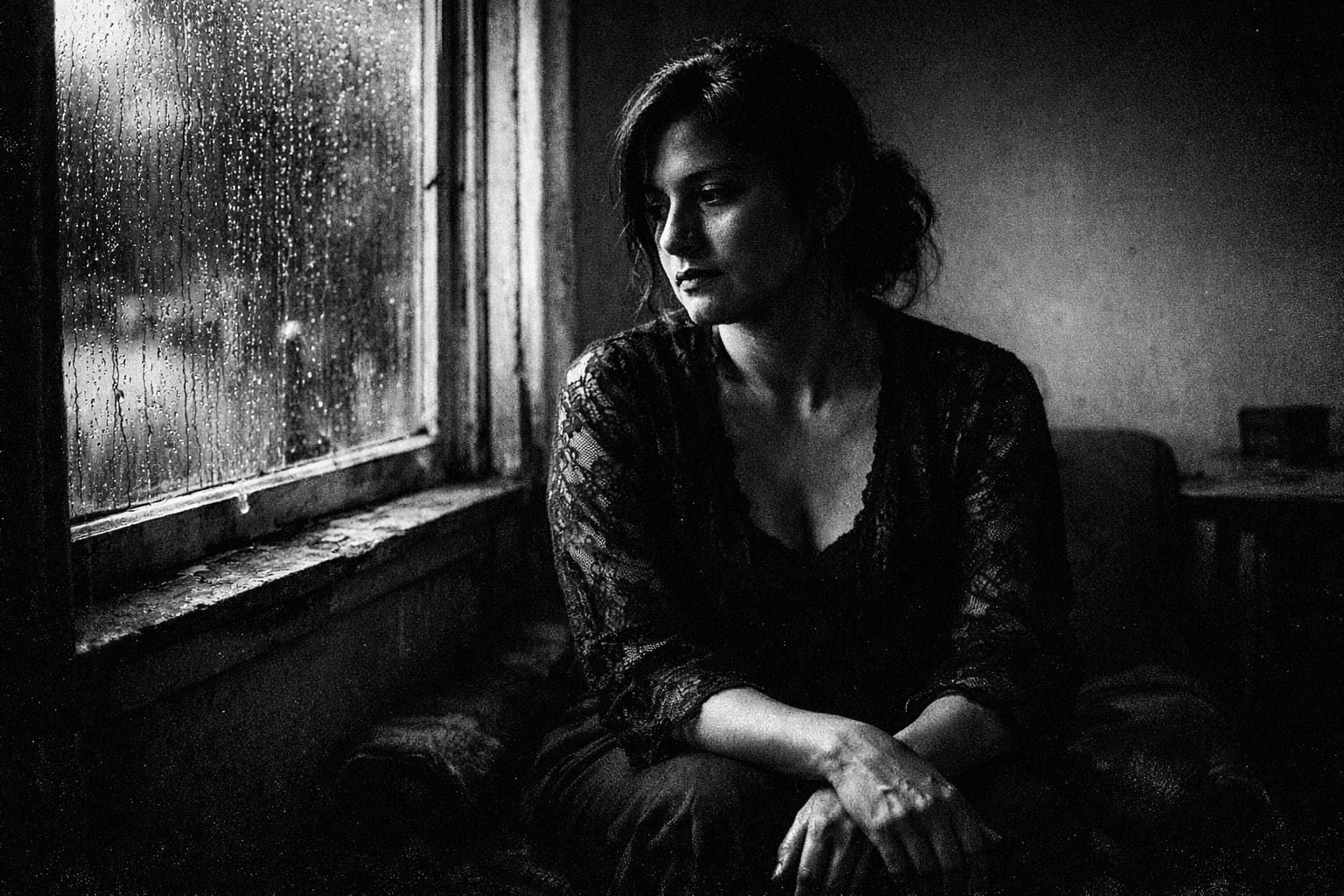
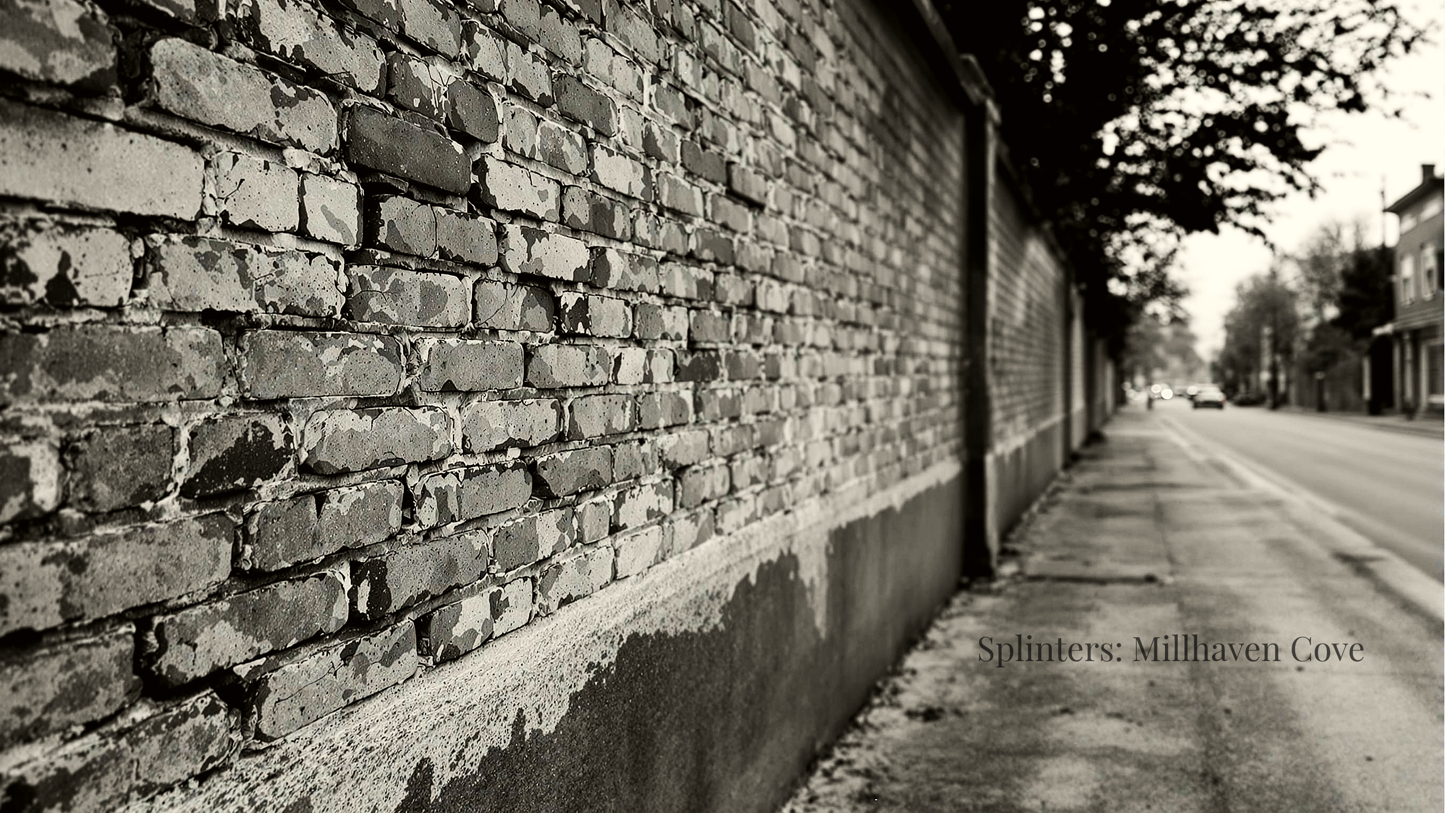
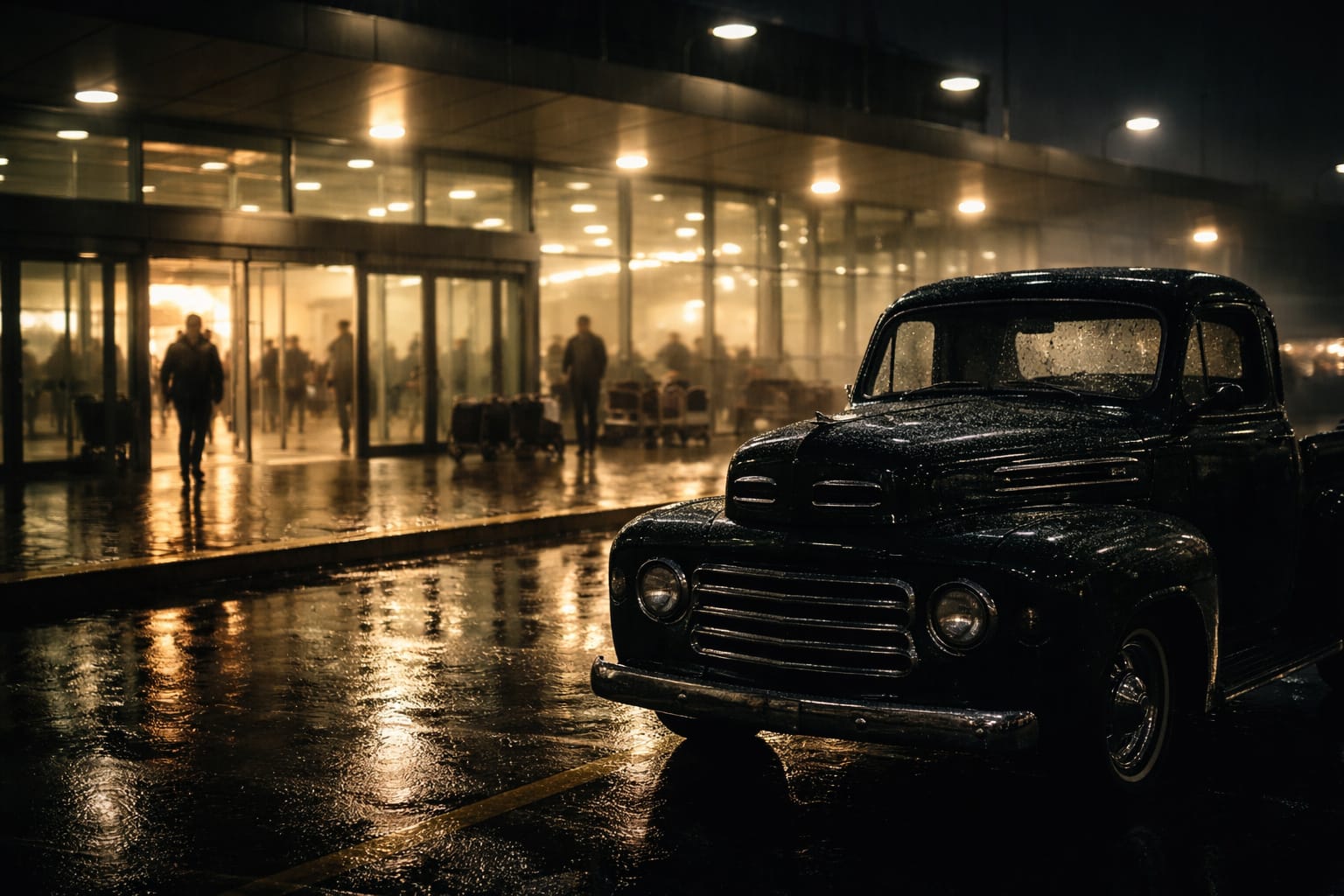


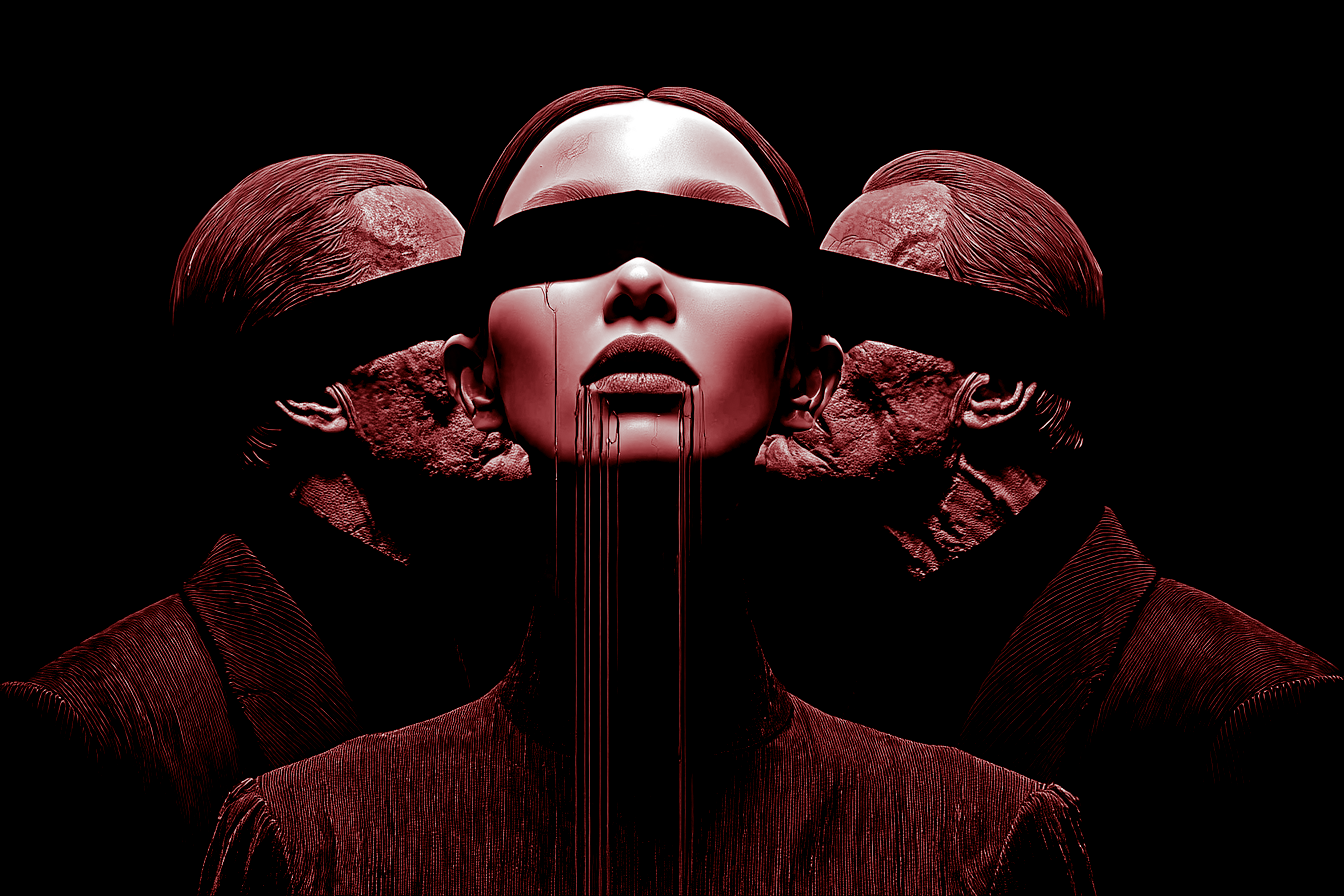
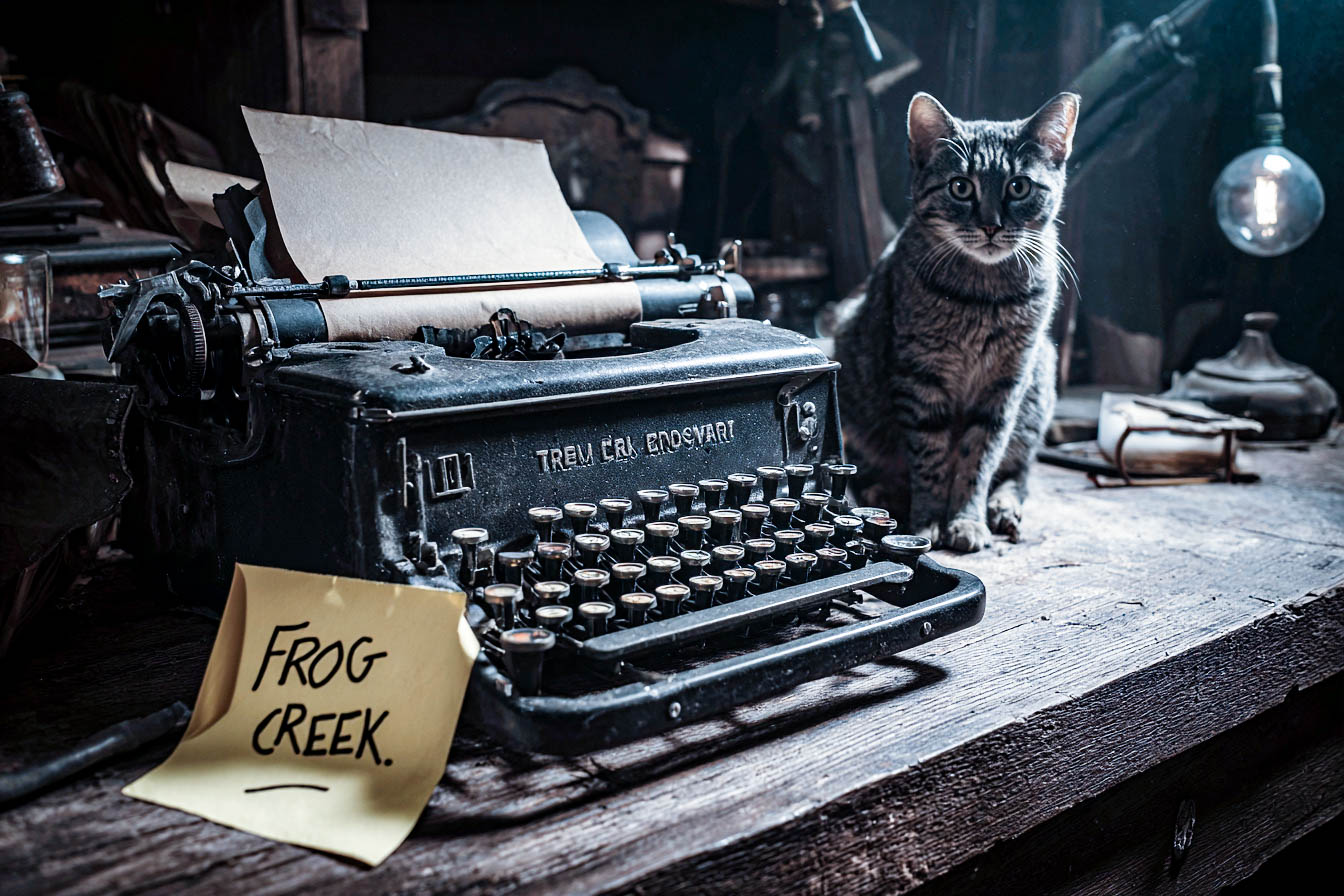
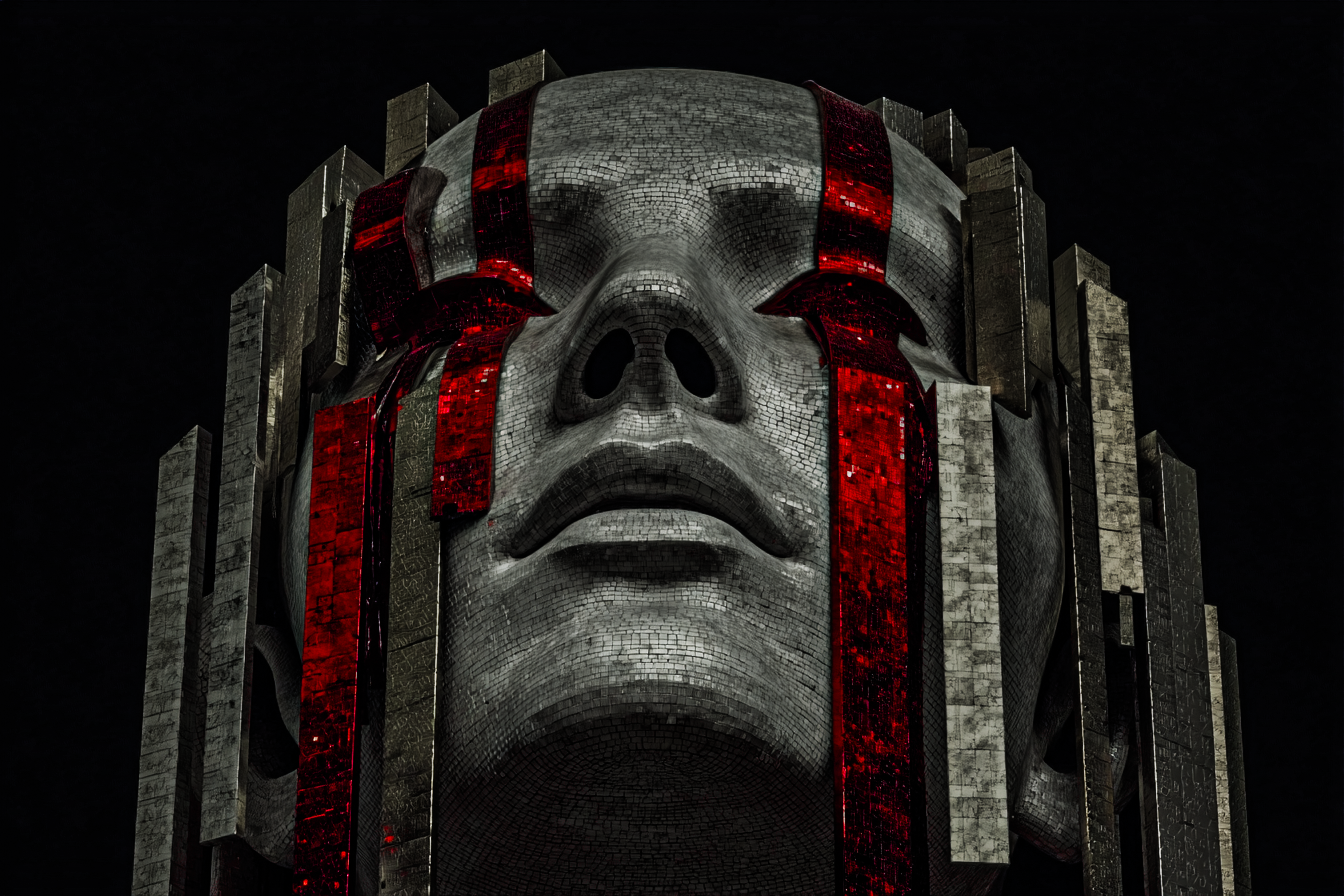
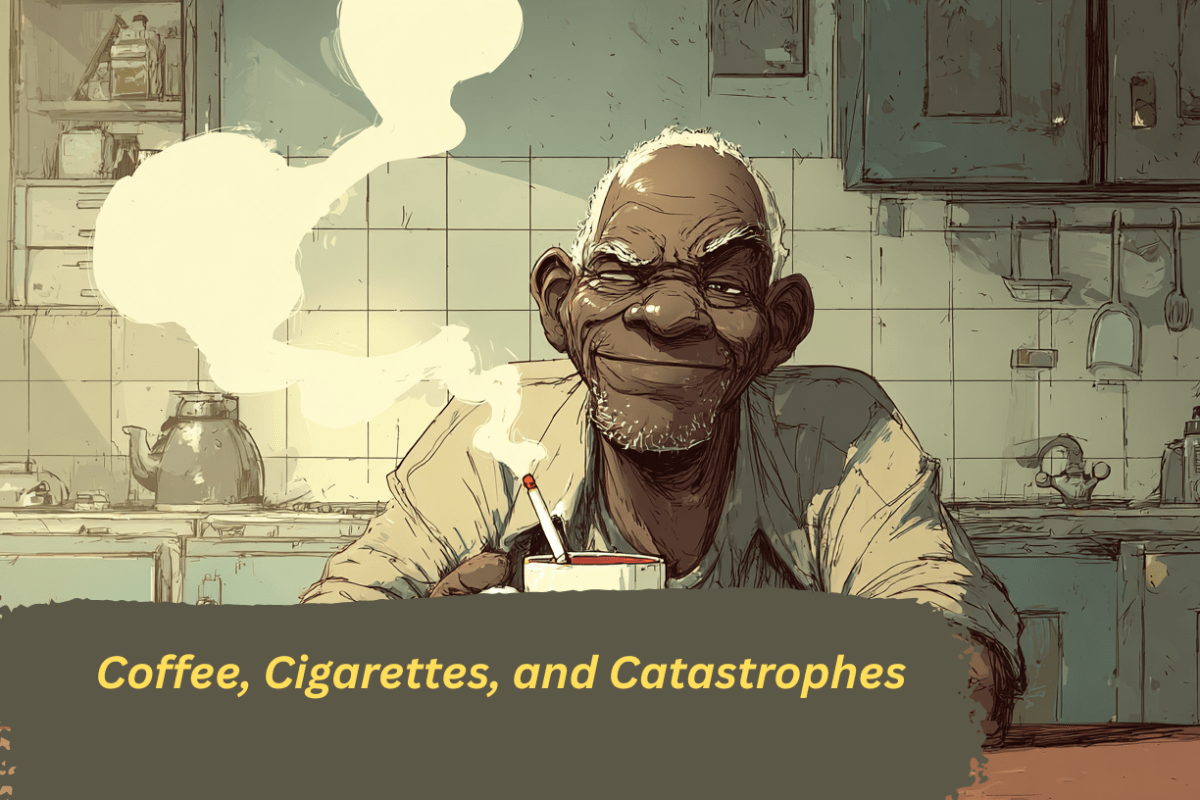

 Memoirs of Madness