

DAILY PROMPT RESPONSE
Fear: My Old Friend Rides Shotgun
You get older and realize you didn’t know a damn thing.
When I was young, fear was the one thing I wasn’t allowed to show. Not in my house, not in the Army, and sure as hell not in front of my family. Fear was the enemy. It was a weakness. It was that voice in your head you learned to silence—or at least pretend you couldn’t hear.
In the Army, fear was treated like a virus. You didn’t talk about it; you didn’t acknowledge it. You locked it down, put on your war face, and moved forward. To hesitate was to risk everything—your mission, your men, your skin. So you learned to shove it deep down somewhere you didn’t have to feel it.
However, the amusing thing is that, while in battle, I realized fear was my friend; it kept me alert. But we didn’t call it fear. We called it vigilance. We used phrases like “Stay Alert, Stay Alive” or the popular one, “Head on a Swivel.” No matter the catchphrase, we learned to understand that fear was a part of the job. But we never said that aloud.
In so many ways, fear gets a bad reputation. It’s been a part of us since the beginning. We need to understand how to use it, just as we do with anything else in life. Fear doesn’t forget. You can pack it away and bury it under years of deployments, promotions, and medals, but it never really goes away. It waits. Patiently.
Fear didn’t vanish when I left the battlefield; it simply found new arenas. When I became a husband and later a father, I thought maybe fear would find a new home somewhere far away from me. After all, what’s scarier—enemy fire or a newborn that won’t sleep for three days? Turns out, fear adapts. It’s just as present when you’re staring at hospital monitors as it is when you’re huddled in a foreign desert waiting for the next move.
All the darkness I’d seen in the world—the villages reduced to rubble, the faces of men who wouldn’t make it home—I wanted to protect my family from it. Shield them from the kind of pain that doesn’t heal, the kind that sticks to your bones. I knew I couldn’t stop the world from being what it is, but I sure as hell wasn’t going to roll over. There’s nothing worse than feeling helpless when the world decides to teach your child a lesson. You want them to grab the world by the horns and kick its ass. When they do something courageous, we applaud them, exhaling because we know it could have gone another way. But you have to trust that the things you taught them will catch hold. They often surprise you because they have been listening all along. And let me tell you, they didn’t make it easy.
Fear stayed with me even as they grew. I swear it’s their job to scare the shit out of you, and they seem to take that job pretty seriously. Like the time, my son decided to jump out of perfectly good airplanes because he “wanted to be all he could be.” I considered banning television in the house. Or when my daughter drove cross-country in a beat-up car with a prayer and a gas card. Every bold move they made had me aging in dog years, and I have the gray hairs to prove it, but damned if I wasn’t proud.
I spent decades pretending I had it all under control. I kept fear on a short leash, convinced that ignoring it was the same thing as mastering it. But no matter how many battles I fought, how many bills I paid, or how many “Dad of the Year” moments I racked up, fear was always there, waiting for a crack in the armor.
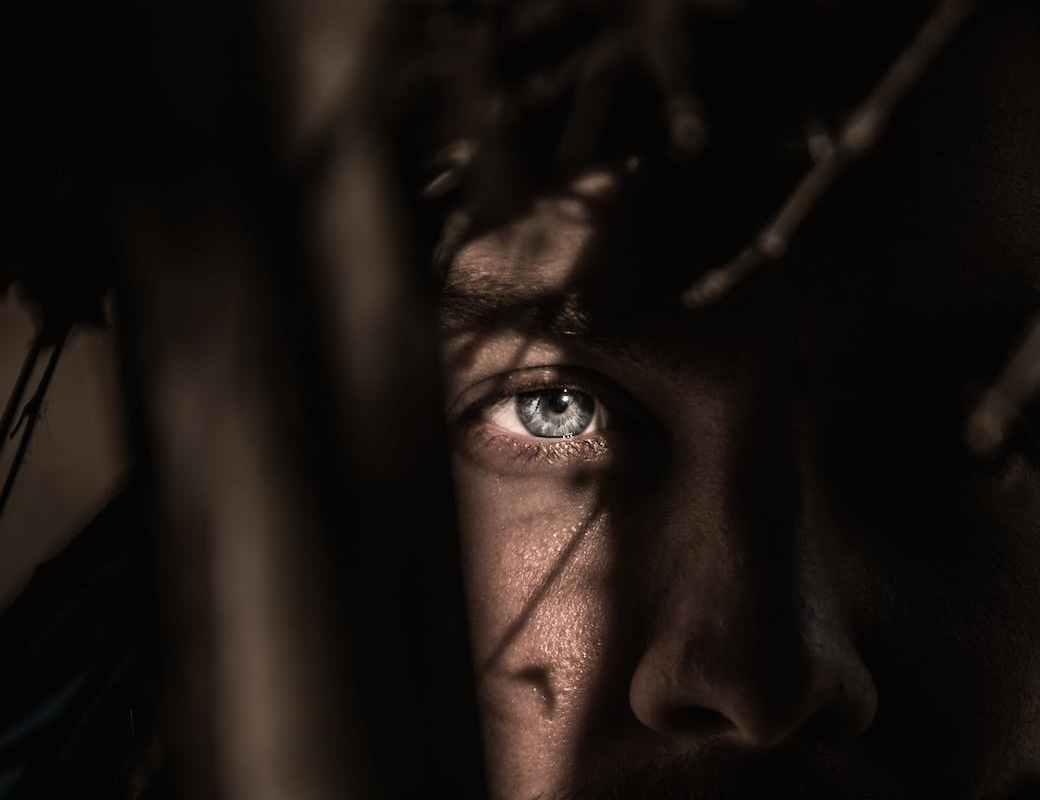
It wasn’t until I retired—hung up the uniform, no more missions, no more late-night phone calls, just silence and the old ghosts I’d tried to outrun—that I finally sat still long enough to hear it clearly. Fear wasn’t the enemy. It never was. It was the warning system, the gut check, the part of me that said, “Hey, maybe charging headfirst isn’t always the best plan.”
These days, I no longer fight fear. I listen to it. I don’t let it steer—I’ve still got too much pride for that—but I let it ride along. We’ve made peace, old fear, and I.
Funny thing is, now that I’ve stopped pretending I’m not scared, I’ve never felt braver. Fear, that old companion who kept me vigilant on battlefields and restless nights, still rides with me. Only now, we’re on better terms—I trust it to keep me sharp, and it trusts me to keep moving forward, one step smarter than the man I used to be.
 Memoirs of Madness