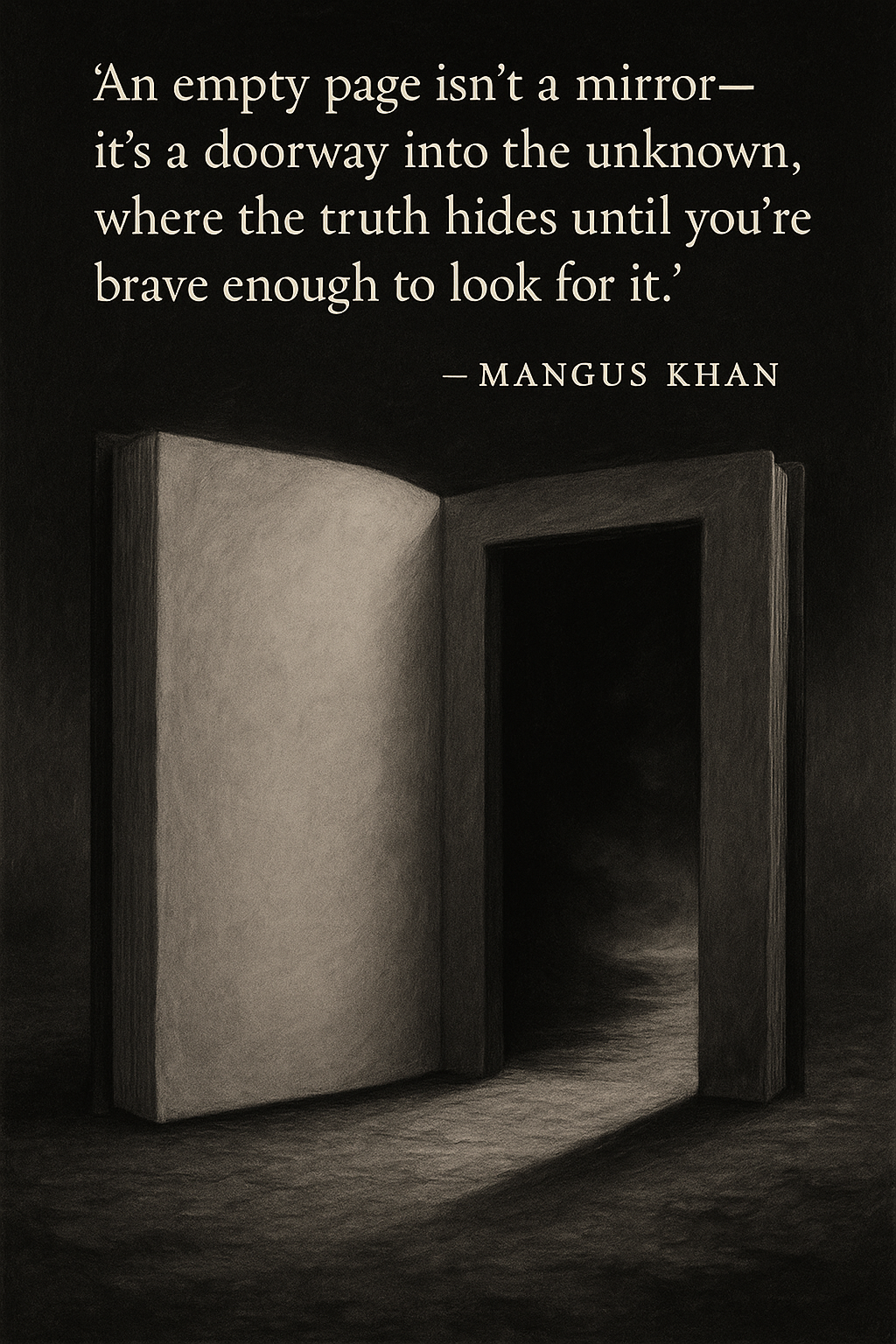
Personal Reflection: We like to believe we know ourselves, but the page has a cruel way of proving otherwise. It strips away the rehearsed versions—the masks we polish for public view—and leaves us standing there, naked with the truth we almost buried. Writing doesn’t always heal; sometimes it exposes the wound we’ve been pretending isn’t there. Yet, that’s the beauty of it. The page doesn’t demand perfection, only presence. Each sentence becomes an act of courage, a conversation between who we think we are and who we’re becoming. It’s not the ink that transforms us—it’s the willingness to face what the ink reveals.
Reflective Prompt: When was the last time your writing surprised you? What truth emerged from your words that you didn’t know you were ready to face?
I wouldn’t know the names of the masters if you paid me a million dollars. I can’t look at a painting and tell you who brushed what stroke or why it matters. There are a few comic book artists I really enjoy, but again, I couldn’t tell you their names. I just know when something stops me in my tracks.
The feeling I get when I look at art… I don’t really have words for it. It’s like trying to explain why a storm feels beautiful while it’s tearing through your neighborhood. You just feel it. Despite that, I spend my time trying to create the same kind of reaction in other people—through writing, art, film, photography—whatever medium happens to grab me that day.
I recall giving a speech in class once. When I finished, there was silence. No applause, no eye rolls—just my classmates staring at me like I’d confessed something I shouldn’t have. My teacher asked what inspired it, and I told him I made the whole thing up. He didn’t believe me. They sent me to the counselor’s office to “discuss my feelings.”
It took a while, but I finally convinced an adult that it was a work of fiction. I had my notebook with me, filled with half-finished stories and wild ideas. That notebook saved me. It proved I wasn’t broken—I was just a writer.
It was after that little incident I landed myself in detention for running my mouth. I’ve got a habit of voicing my disdain in its raw, unfiltered form. Come to think of it, that might’ve been what led my mother to suggest I give up profanity for Lent. Hmmm.
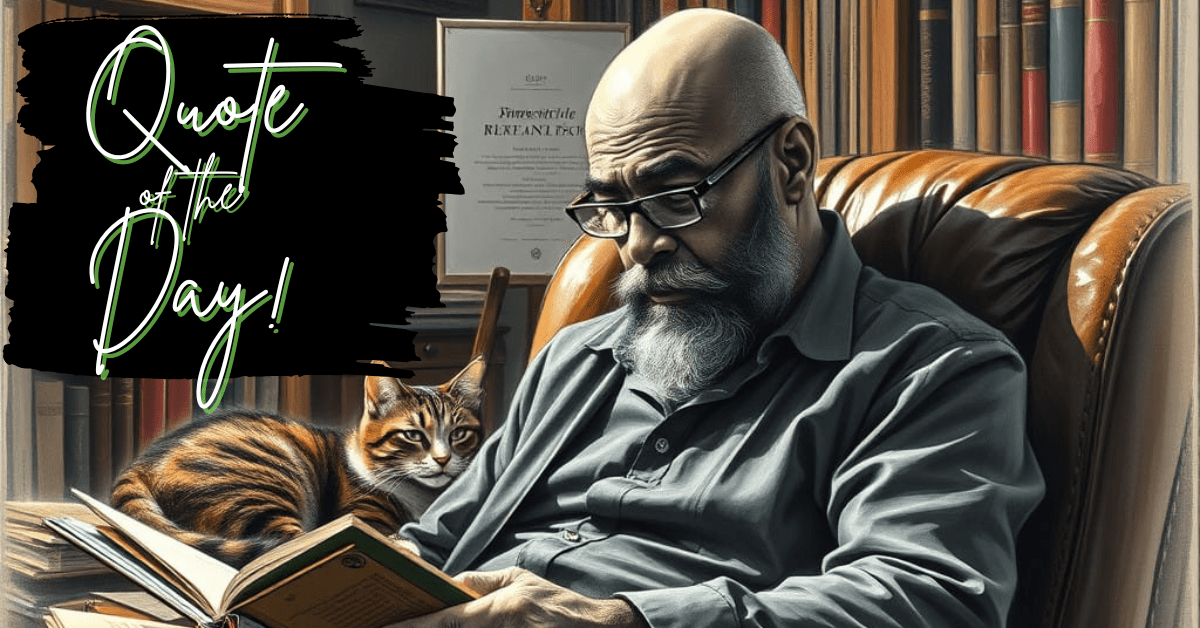
Meanwhile, back in detention, I checked out an art book from the library and started leafing through it. I found a Da Vinci sketch—nothing fancy, just a face drawn with impossible precision. I tried drawing my own version, and something in me shifted. After that, I started drawing everything. Then, write everything. Strangely, that was the birth of Mangus Khan.
Funny how things happen, huh?
Since then, I’ve learned that every work of art hits everyone differently. I’ve written things I meant to be serious, only to have people burst out laughing. There’s no predicting what someone will feel. You just roll with it, cherish the experience, and most of all—feel.
Author’s Note: Don’t let anyone crush your creative spirit. They may not understand what you’ve created—and that’s okay. You never know how it will affect the next person. So create. Always create.
Do you play in your daily life? What says “playtime” to you?
While working on my undergraduate degree, I had the Psychology of Play course. I immediately tried to drop the course as a grown-ass man; I had no time for play. The idea was ridiculous. The whole affair was an utter waste of time. It was a required course, so I had no choice but to complete this buffoonery. Over the preceding weeks, I actually learned a great deal about “play,” and the only buffoon; was me.
Play is a fundamental aspect of human behavior that has intrigued psychologists for decades. From childhood to adulthood, play serves various purposes and significantly impacts our mental and emotional well-being.
The Benefits of Play
Play is not just a frivolous activity; it serves several important purposes. One of the primary benefits of play is its role in promoting cognitive development. When we engage in play, our brains are actively processing information, problem-solving, and enhancing our creativity. Play provides:
A stimulating environment for learning and exploration.
Allowing us to develop essential cognitive skills such as problem-solving.
Critical thinking.
Decision-making.
Moreover, play also aids in the development of social skills. Through play, we have interaction, cooperation, and conflict-resolution opportunities. Whether playing team sports, engaging in cooperative board games, or participating in imaginative play, we learn how to communicate effectively, work together, negotiate, and compromise. These social skills acquired through play are crucial for building and maintaining relationships in childhood and adulthood.
Play as a Stress Reliever
Play has the remarkable ability to alleviate stress and promote relaxation. When we immerse ourselves in play through sports, games, or hobbies, our minds focus on the present moment, diverting attention from daily worries and concerns. This mental shift allows us to recharge, reduce anxiety, and improve our overall mood.
Engaging in play also activates the release of endorphins, commonly known as “feel-good” hormones, which further contribute to stress reduction and a sense of well-being. The enjoyment and pleasure derived from play can act as a natural antidote to the pressures and demands of everyday life, providing us with a much-needed escape and a sense of rejuvenation.
The Therapeutic Power of Play
In recent years, psychologists have recognized the therapeutic potential of play. Play therapy has emerged as a valuable tool in helping individuals, particularly children, express their emotions, cope with traumatic experiences, and develop problem-solving skills. Playing allows individuals to explore difficult situations in a safe and non-threatening environment, leading to emotional healing and personal growth.
Play therapy allows individuals to communicate their thoughts and feelings symbolically, making expressing and processing complex emotions easier. Through play, children can act out scenarios, create narratives, and use various play materials to represent their experiences and emotions. This process helps them gain insight, develop coping strategies, and resolve their challenges. Play therapy can be a transformative experience, enabling individuals to overcome difficulties, build resilience, and improve their overall well-being.
Conclusion: Nurturing the Playful Spirit
In conclusion, the psychology of play reveals its profound impact on our lives. Play enriches our mental and emotional well-being, from cognitive development to stress relief and therapeutic benefits. As we navigate through the complexities of life, it is essential to nurture our playful spirit and make time for activities that bring us joy and fulfillment.
We should embrace play as an integral part of our lives, regardless of age or responsibilities. Whether it’s engaging in recreational activities, pursuing hobbies, or simply allowing ourselves to be spontaneous and playful in our daily lives, we can experience the transformative effects of play.
So, let us prioritize play, create opportunities for playfulness, and uncover the immense benefits it has to offer. We can enhance our cognitive abilities, strengthen social connections, reduce stress, and promote emotional well-being by fostering our playful spirit. Let play be a source of joy, creativity, and personal growth.



 Memoirs of Madness