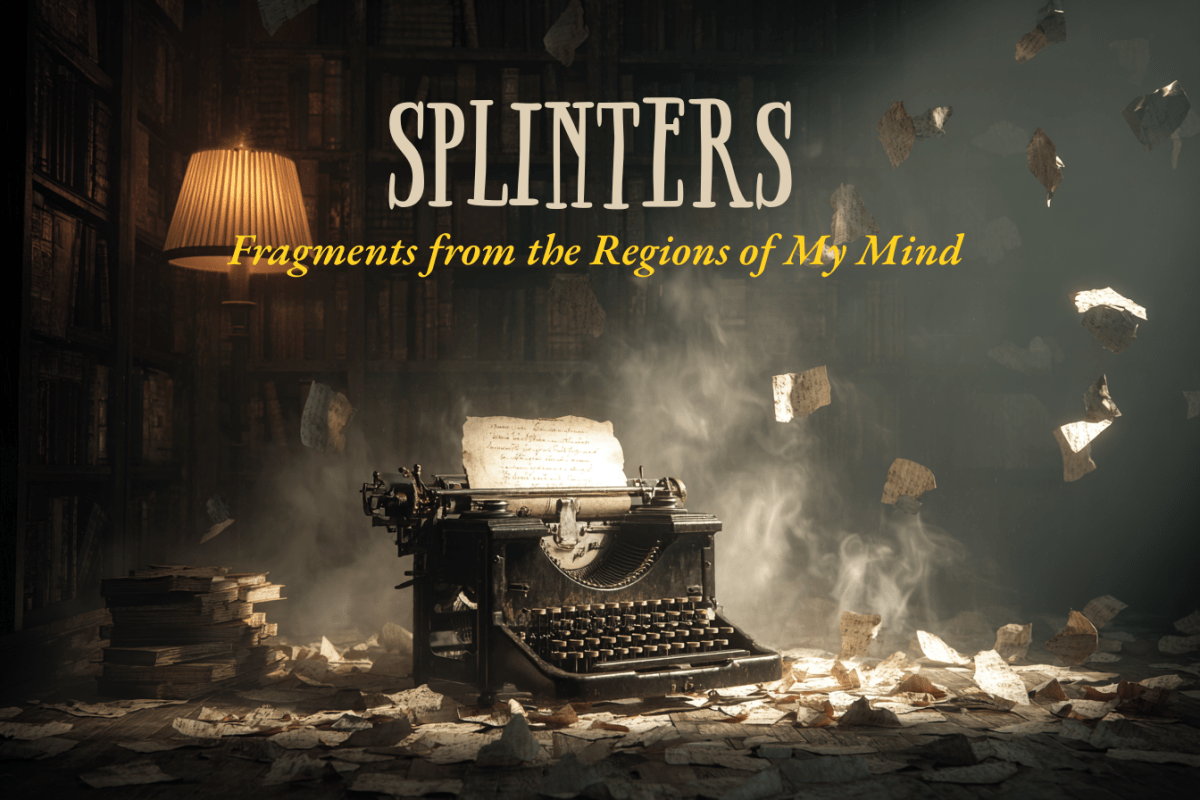

Chapter 4 of 8:
The city keeps two maps.
One is public. Neat lines, helpful colors, station names pronounced by cheerful voices over speakers no one listens to. It tells you where to transfer, where to eat, where to spend money you don’t have in neighborhoods pretending not to notice you.
The other map is older.
It was drawn in seepage and rust.
It lives beneath the first one—in sealed tunnels, condemned stairwells, maintenance shafts forgotten by budgets and memory. It charts the places sorrow settles. The corners where regret thickens like mold. The routes taken by promises that died before arrival.
Most people never see it.
Most people are luckier than they know.
Mercy led me there just after midnight.
Rain had stopped an hour earlier, leaving the streets lacquered black and shining. The river wind smelled of cold stone and diesel. He pulled me through an industrial stretch near the water where warehouses stood blind and mute behind chain-link fences. Their windows were dark squares watching nothing.
Then he stopped at a gate hanging crooked on one hinge.
Beyond it, half-hidden by weeds and shadow, was a steel service door set into concrete.
The padlock dangled open, rusted through.
“Good,” I said. “I was worried this would be sane.”
Mercy slipped inside without hesitation.
The stairwell descended in a tight spiral. Water dripped somewhere below with maddening regularity. My hand skimmed the wall for balance and came away slick with condensation and grime. The air changed every ten steps—colder, wetter, older. It smelled of mildew, wet iron, and something faintly electrical, as if machines once worked themselves to death down here and never fully stopped.
My footsteps echoed strangely. Too many echoes. Like other people descending half a second behind us.
“You ever consider obedience school?” I asked Mercy.
He sneezed and continued downward.
At the bottom, the passage opened onto a platform no city brochure would admit existed.
Concrete floors sweated moisture. Rust-dark rails curved into a tunnel so black it seemed painted there. Overhead cage lamps cast weak amber pools that failed to meet one another, leaving strips of shadow between them like missing teeth. Every few seconds a drop of water struck the tracks with a tiny metallic tick.
The walls were layered in history.
Peeling posters for vanished products. Torn route maps. Graffiti buried beneath newer graffiti, names overwritten by names. On one cracked tile column hung enamel signs from another era:
CITY UNDERGROUND
LINE 5
LAST TRAIN – 1947
The year caught in my chest.
Lena was born in 1986. Dead in 2021. Yet somehow 1947 felt personal, like grief had gone backdating itself.
Below the signs stood an old token reader bolted to a steel post.
Its glass eye glowed faint cyan.
The same color as the bus shelter.
The same color as hospital monitors.
The same color as screens that tell you life is being measured while it leaves.
I stopped several feet away.
My pocket felt suddenly heavy. The brass token dragged at the fabric like a hand wanting out.
Mercy sat beside my boot and looked from me to the machine, then back again. Patient. Expectant. Like a nurse waiting for consent.
“This is where you bring me?” I asked.
My voice came back thinner than I’d sent it.
No answer except the hum of the lamps and the distant groan of settling metal.
Every rational part of me wanted to turn around. Go home. Feed the dog. Pretend trauma was just a dramatic word therapists used to justify invoices.
Instead, I took out the token.
It lay cold in my palm, colder than the tunnel air. Greener now with oxidation. The stamped words seemed deeper than before.
LAST ROUTE
My fingers shook as I slid it toward the slot.
The instant metal touched metal, the station inhaled.
Lights flickered alive down the platform in sequence—one, then another, then another—stretching into the tunnel like a path being remembered. Somewhere below us gears shifted. Rails groaned under sudden weight.
Mercy rose to his feet.
The reader chimed once.
Soft. Courteous. The sound of something old with manners.
Mist spilled across the opposite platform.
At first it was only vapor, gathering in folds. Then shape. Then posture.
A woman stepped from it.
She wore white now, though age and damp had yellowed it to bone. Fabric drifted around her ankles without touching the ground. Her hair moved as if submerged. Her face came clearer than before—features almost complete, eyes dark with a sadness so deep it seemed geological.
Lena.
And not Lena.
The curve of her jaw. The tilt of her head. The familiar cruelty of hope.
My knees weakened.
I had spent years fearing I would forget her face.
No one warns you memory can also become a weapon.
“I buried you,” I said.
The words sounded childish, accusatory, useless.
“No,” she replied, voice carrying strangely through the tunnel. “You buried yourself beside me.”
That landed cleaner than any confession.
Images came fast and merciless: blackout curtains drawn for weeks, dishes rotting in the sink, unopened sympathy cards stacked like unpaid debts, bottles hidden badly because part of me wanted to be caught. The months I called mourning what was partly surrender.
Mercy moved to the platform edge and growled low.
She looked at him with something like affection.
“He found you faster than I could.”
“What are you?” I asked.
Her expression shifted—not anger, not grief. Fatigue.
“A fare unpaid.”
Wind tore through the tunnel.
Loose papers rose and spun. Lamps swayed on their chains. My coat snapped against my legs. The tracks began to hum with distant vibration, a metallic note that crawled through my shoes and into my bones.
On the wall behind me, letters bled through old paint as if written from beneath the concrete:
ALL PASSAGES REQUIRE TWO
I turned so sharply pain caught in my neck.
When I faced the tracks again, she was closer.
No footsteps.
No sound.
Just closer.
The smell of rain and lilies reached me—Lena’s perfume on the nights we still tried.
“You came late once,” she said softly. “Do not come late again.”
The tunnel roared.
Far inside the dark, a single pale light appeared.
Growing.
Fast.
Mercy barked, sharp and frantic.
And somewhere under the rails, something barked back with too many teeth.
Discover more from Memoirs of Madness
Subscribe to get the latest posts sent to your email.
 Memoirs of Madness
Loving this!
LikeLike
I watch and listen to a lot of true crime stuff and I gotta say Mangus. this takes the cake~ Very well done!!!
LikeLike