F**k Top 40: The Mixtape Rebellion

TUNAGE – THROWBACK THURSDAY

Author’s Note: This article was originally written for Jim Adams’ Song Lyric Sunday, but I forgot to post it… oops.

Greatest hits albums fed us what we already knew. Mixtapes fed us what we didn’t even know we needed. This wasn’t about hits; it was about heart. About craft. About rebellion. In a world that settled for convenience, we chose meaning. And we built it, one song at a time.

There was a time when a “greatest hits” album promised the world and delivered little more than a shallow sampler. You walked into a record store, hopeful, only to find a shiny package filled with chart-chasing fluff, predictable tracklists, and maybe — if you were lucky — one or two songs you actually cared about.

For real music lovers, the greatest hits album was a betrayal. So we made something better: the mixtape.


The Mixtape: A Sacred Artform

Before playlists, before algorithms, there was the mixtape. But a mixtape wasn’t just a collection of songs. It was a statement. A curated, sequenced, and deeply personal offering.

Creating a mixtape meant something. It wasn’t about speed or convenience. It was about intention — about crafting a narrative that unfolded song by song. Each track was a chapter. Each transition is a carefully measured pause, a breath in the story.

You thought about the mood, the flow, and the emotional weight of every decision. Every track had a purpose. Every transition was considered. You didn’t just hit record — you crafted an experience.

You wrote out the tracklist by hand, agonized over timing, and re-recorded entire sides if a song didn’t fit. The case was decorated with doodles, magazine cutouts, scraps of personal history. In a way, you weren’t just sharing music; you were sharing yourself.

Mixtapes were acts of vulnerability. They were slow art in a fast world.


Why Greatest Hits Albums Let Us Down

Most greatest hits albums were designed by marketing departments, not musicians. They weren’t about storytelling — they were about sales.

  • They skipped deep cuts that real fans lived for.
  • They threw in new songs no one asked for.
  • They sequenced tracks by chart position, not emotional resonance.

Greatest hits albums too often strip music of its context — they offer songs without the journey, choruses without the verses. They were snapshots when what we craved was a full-length film.

And then there was K-Tel — the kings of the cash-in compilation. K-Tel would slap together a dozen radio edits, chop down songs for time, and cram them onto a single vinyl. These weren’t albums — they were sonic fast food. No vibe, no flow, no soul.

We wanted more. We wanted music to mean something. So we made it ourselves.


The Record Store: Temple of Taste

Finding the right record store was part of the rite of passage. You didn’t go to the mall. That was for tourists.

You found the secret spot — basement-level, behind a laundromat, no signage, just a door covered in band stickers. Inside: crates of vinyl, walls of obscure posters, and the Jedi behind the counter.

The staff weren’t clerks; they were gatekeepers. They didn’t just sell music; they shaped your journey through it. They tested you, judged your picks, and only shared their real knowledge if you proved you were serious.

Every trip was a lesson in humility and discovery. You learned to dig, to research, to listen with intention. You learned that taste wasn’t about what you liked — it was about what you understood.

In these sanctuaries of sound, music wasn’t just background noise — it was the lifeblood of identity.


Mixtapes Were a Rebellion

Mixtapes fixed what greatest hits albums broke.

  • They had a theme.
  • They had emotional sequencing.
  • They combined hits and deep cuts with purpose.

Mixtapes were the purest form of musical self-expression. They weren’t made for everyone — they were made for someone. For a friend, a lover, a crush, or maybe just for yourself.

They were personalized, handmade, and built for a specific mood or moment. Mixtapes were proof you knew music, not just what was fed to you.

In a way, they were quiet acts of defiance against mass production. They said: I’m not here for the hit parade. I’m here for something real.


When Greatest Hits Got It Right

Despite the letdowns, a few greatest hits albums actually nailed it.

For me, it started with The Best of Earth, Wind & Fire, Vol. 1.

Golden cover, timeless tracks, perfect flow. From “Got to Get You Into My Life” — a Beatles cover reimagined into pure, brassy soul-funk — to “September” and “Shining Star,” it didn’t feel like a compromise. It felt like a celebration.

Earth, Wind & Fire didn’t just repackage — they redefined. They reminded us that a greatest hits album could tell a story if you cared enough to sequence it like one.

And they introduced me to the quiet genius of Al McKay, the guitarist whose rhythm work underpinned so many of their classics. McKay wasn’t flashy. He wasn’t a solo king. But his grooves on “September,” “Shining Star,” and “Reasons” built the very foundation that generations danced to.

Without him, an entire era might have been grooveless.

Other albums got it right too: Queen – Greatest Hits (1981), Bob Marley & The Wailers – Legend (1984), ABBA – Gold (1992). These weren’t just collections; they were time capsules of feeling.


The Spirit Lives On

Today, we have playlists. We have algorithms. But the spirit of the mixtape still lives: in crate-diggers hunting for vinyl, in DJs building a night’s setlist with intention, in anyone who believes that how you present music matters as much as what you play.

Music, at its best, is not about accumulation. It’s about connection.

The mixtape wasn’t just a reaction to bad greatest hits albums. It was a revolution. A rebellion against mediocrity. A quiet, persistent demand for meaning.

And we’re still feeling it.

“Anyone can collect songs. It takes a real heart to make them matter.”


What Elegant Gypsy Taught Me About Sound

TUNAGE – SLS

I never understood what people meant by a “breakout album.” It always sounded like marketing speak, like some suit in a record label office decided a release would be a moment before the music even had a chance to prove it.

But now that I’ve been listening to music for decades—really listening—I get it. A breakout album is the one that changes the game. It’s the moment when an artist stops following the rules and starts rewriting them. It doesn’t just shift their career—it shifts how you hear music and move through the world. What happens when a certain song creeps into your headphones at 2 a.m.

For me, those shifts started showing up most often in the music of the ’70s and ’80s. Maybe because that was the last time I remember feeling invincible. Some of my friends say it’s because we were young, wild, and untouched by the creeping anxiety that comes with growing older and seeing too much. I don’t know. All I know is, back then, the music mattered. It wasn’t background noise—it was a pulse.

Usually, when people write about breakout records, they stick to pop and rock. And sure, I’ve got love for Thriller, Born to Run, and The Dark Side of the Moon. They deserve their place. But when we only look in that direction, we miss a world of records that hit just as hard—and sometimes deeper.

Let’s talk about the blues for a second.

Breakout albums in the blues don’t always come with fireworks. They come with smoke. With mood. With grit. Robert Johnson’s King of the Delta Blues Singers wasn’t even released while he was alive, but when it hit in 1961, it sent shockwaves through every guitar player worth their calluses. That wasn’t just a collection of songs—it was a haunted house tour through American music. And Albert King’s Born Under a Bad Sign? That record is basically the DNA for half of modern rock guitar. You can hear it in Hendrix. You can hear it in Clapton. You can feel it in your spine.

And then Stevie Ray Vaughan’s Texas Flood came along in 1983 and slapped the ’80s awake. In a decade buried in synths and neon, he reminded everyone what raw emotion sounded like. Blues didn’t die—it just needed someone to walk back in with a Strat and a storm.

Still, for me, the blues is the voice of memory. Jazz, though—that’s where I live.

I didn’t even know I was being raised on jazz. My mother had it spinning through the house, soft and steady. There were no lectures, no explanations, just vibes—Miles, Monk, a little Ella, and Louis. It seeped into me without permission.

Later, when I started tracing back the music that moved me most, I found myself standing in front of Kind of Blue. I didn’t understand modal jazz or the genius behind its understatement. I just knew it felt like thinking clearly. Coltrane’s A Love Supreme—that one was different. That one burned. It felt like prayer in motion. And Herbie Hancock’s Head Hunters? That album made me question everything I thought jazz could be. It didn’t walk. It didn’t swing. It grooved.

But if you really want to know the moment the floor dropped out from under me—when I realized how deep this rabbit hole could go—it wasn’t a household name that did it. It was a cassette tape. In a barracks. On a night that started like any other.

It was the late ’80s. I had a makeshift pirate radio thing going with a buddy. We were playing Zeppelin, Floyd, Spyro Gyra—the kind of music that made you feel smart and a little dangerous. We were fueled by bad liquor and worse decisions.

Then Good walked into my room, talking slick. “You think you know music?” he said.

I told him to show me something better.

He popped in a tape.

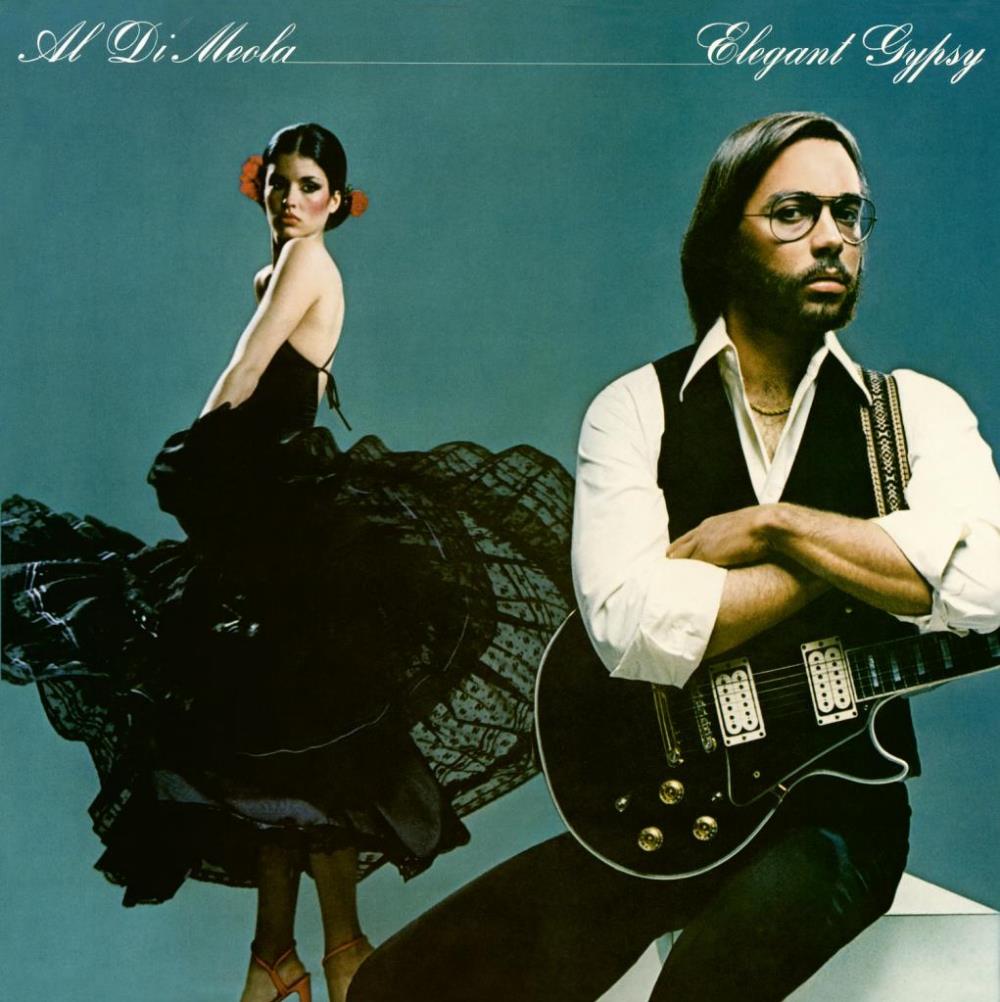
Elegant Gypsy.


I didn’t know the name Al Di Meola. I certainly hadn’t heard of Return to Forever. Chick Corea and Stanley Clarke were familiar, but Al Di… ah, who? But from the moment “Flight Over Rio” exploded out of those half-broken speakers, I was done for.

Here’s the thing: Elegant Gypsy isn’t just fast. It isn’t just technical. It’s alive. This album doesn’t care if you’re ready. It grabs you by the collar, throws you into a hurricane of fusion, flamenco, and Latin rhythm, and dares you to keep up.

Di Meola’s guitar work is blistering—sure. But it’s also delicate when it needs to be. He doesn’t just play fast. He plays intentionally. There’s weight in every note, even when his fingers are moving at light speed. “Mediterranean Sundance,” his duet with Paco de Lucía, isn’t just a highlight—it’s a masterclass. You can feel the heat rising off the strings. You can hear two cultures colliding and dancing at once. It’s the sound of passion pushed through wood and wire—and that little whew at the end hits as hard as any chord.

And then there’s Elegant Gypsy Suite.


This track—more of a journey than a song—feels like the core of the whole album. At nearly ten minutes, it refuses to rush, despite being driven by a guitarist who could break land speed records. Instead, it shifts, morphs, and moves through phases. It opens in a brooding, almost cinematic space—like it’s scoring a Sergio Leone western that got hijacked by an avant-garde flamenco troupe. Then the melodies begin to circle, tighten, and rise. Di Meola slides between electric and acoustic passages without missing a beat, blending precise lines with raw emotion. There’s a section where the rhythm drops out and you’re left with this eerie, floating tension—before it snaps back in and charges forward like a bullfight.

It’s not just a guitar showcase—it’s storytelling. It’s Di Meola proving that speed means nothing without soul, that complexity doesn’t have to come at the cost of clarity. That suite is the reason this album transcends the fusion label. It’s bigger than genre. Its composition. It’s vision.

Critically, Elegant Gypsy did its damage. It went gold. It won Guitar Player magazine’s Album of the Year. It peaked high on the jazz charts. And yet, outside of jazz or guitar nerd circles, you barely hear it mentioned. No Rolling Stone rankings. No VH1 countdowns. It’s not part of the mainstream memory.

But ask any musician. Ask anyone who’s tried to tame six strings into something worth listening to. They’ll tell you: this album is sacred.

That night in the barracks, Elegant Gypsy didn’t just win the argument—it flipped the script. It reminded me why I cared about music in the first place. Not for popularity. Not for nostalgia. But for discovery. For the thrill of being wrong about what you thought music could be.

That’s what a breakout album really is. It doesn’t just launch a career. It launches you into something new.

So I keep listening. I keep digging. Not because I want to be the guy with the deep cuts, but because every now and then, a record still finds me and knocks me flat. When that happens, I stop everything. I pour a drink. I let it play all the way through.

Because sometimes, music doesn’t just break out.

It breaks you open.


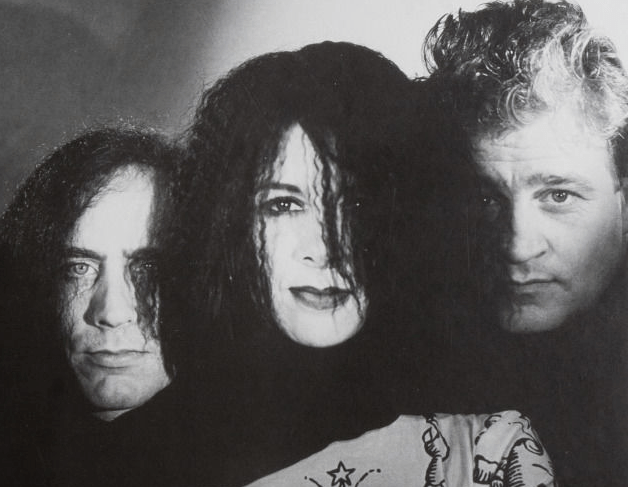
Skunk Anansie: The Band That Kicked Down the Britpop Door

TUNAGE – SLS

I wasn’t looking for a new band. I was elbow-deep in grease, rebuilding an engine, when Skunk Anansie hit my ears — completely by accident. They were playing in the background, and something about the sound stopped me cold. Mid-wrench, I froze. The voice, the chaos, the nerve of it. As someone who’s always had a thing for rock bands fronted by women, I knew instantly this wasn’t background noise — this was a warning shot. I scrawled their name on a scrap of paper, went back to torquing bolts, and forgot about it. Years later, I found that note again. The rest? History.

Turns out, the band that hijacked my afternoon was in the middle of torching the status quo.

Formed in 1994, Skunk Anansie didn’t show up to blend in. While Britpop was navel-gazing and pretending it was revolutionary, Skunk Anansie was actually shaking things up — loud, political, unapologetically Black and queer. They weren’t the sound of the mainstream. They were the sound crashing through it.

Their debut album, Paranoid & Sunburnt, landed like a brick through a glass ceiling. It was blistering, furious, and full of truth that most people weren’t ready to hear. They didn’t write “Selling Jesus” and “Little Baby Swastikkka” for radio; they wrote them to confront, provoke, and awaken listeners.

But one track hit me harder than I expected: Intellectualise My Blackness.”

As a Black man of a certain age in America, I felt that song. It screamed frustration, the tightrope walk between pride and exhaustion, the unspoken demand to constantly explain, justify, tone down, and translate your existence—to “intellectualize” something simply being who you are. The song doesn’t offer simple answers. It just screams the question we’re too often forced to answer: “Why do I need to prove my identity to you?”

It’s not just a powerful track. It’s personal.

And then there’s I Can Dream — the song that might’ve grabbed me all those years ago. It’s not about chasing dreams. It’s about drowning in them. Fantasies of power when the world keeps shutting you out. “I can dream that I’m someone else,” Skin snarls, and it’s not a wish — it’s a survival mechanism. That song doesn’t whisper. It breaks the silence wide open.

Which brings me to Skin herself. She’s not just the lead singer — she’s the force of nature steering the ship. A Black, openly gay woman with a voice like a controlled explosion and a stage presence that demands attention. She didn’t fit into the rock world’s mold — she shattered it. Watching her felt like watching someone fight for breath and win.

They called their sound “clit-rock,” because of course they did — loud, feminine, political, and deliberately hard to market. And they wore that label like armor.

Paranoid & Sunburnt wasn’t just a strong debut—it ripped the roof off what rock albums could be. It wasn’t sanitized, safe, or diluted. It was their truth, screamed at full volume. This album laid the groundwork for everything that followed: headlining Glastonbury as the first Black British-led act, performing for Mandela, sharing a stage with Pavarotti, and returning years later with 25LIVE@25 to remind everyone they never lost a step.

Skunk Anansie never asked for permission. They took up space, challenged everything, and demanded the world catch up. They’ll always be the band that made me put the wrench down — and feel something real.


Late Night Grooves #134

I discovered an unexpected musical universe while exploring my mother’s collection of 45 rpm records. Hidden within these vinyl discs were recordings by familiar artists I never knew existed, alongside completely unknown musicians who created remarkable work. I smile at my previous assumption of musical expertise, now humbled by the vastness of what remains unexplored. We often experience music through curated selections – songs deemed worthy by others’ judgment. While these choices frequently merit their status, countless talented artists and their exceptional works remain in obscurity, their songs gradually disappearing from collective memory, heard only through chance encounters with dusty records. It is in this spirit I selected tonight’s track. This was made famous and was covered by Nirvana, and when discussing the track, people are most familiar with Nirvana’s cover.

The Man Who Sold the World” is a cryptic and evocative song released by David Bowie in November 1970 in the US and April 1971 in the UK as the title track of his third studio album. The song features a distinctive circular guitar riff by Mick Ronson and haunting, phased vocals by Bowie, recorded on the final day of mixing. The song is built around a repeating electric guitar riff with an acoustic guitar underneath, primarily in the key of F. The musical arrangement creates a complex harmony that shifts between different chords, creating a disturbing yet compelling sound structure. The song explores themes of identity crisis, duality, and multiple personalities. Bowie explained that he wrote it while searching for a part of himself, reflecting the feeling of youth trying to discover one’s true identity. The lyrics were partially inspired by the 1899 poem “Antigonish” by William Hughes Mearns.


A Journey into 1969

Daily writing prompt
Share what you know about the year you were born.

DAILY PROMPT RESPONSE

I’ve always been a fan of history. I can babble about various eras throughout at a moment’s notice. I once had a secretary tell me I could do things that happened 3000 years ago, but I can’t remember to check my email or voicemail. I laughed my butt off when she said it because it was entirely accurate. Despite all the things in history I researched, I never looked into the year I was born.

So, spent most of the day researching events of 1969 and discovered I did, in fact, know many of them. So, the excitement I was feeling sort of dwindled. Then I kept digging and found some cool stuff that requires further research so things are right in the universe again. I would have had this post out earlier, but I fell into the rabbit hole and started reading newspaper articles about the events I was researching. I also started following local events that were only important to the people involved. So deep, I became jittery from the lack of coffee. So, I had to stop and get my caffeine and nicotine levels back in tolerance.

I’m not even close to finishing my research in 1969, but I thought I had better stop and post the research outline I had composed. I fully expect several from the stoop and knucklehead reports to stem from my research.

Global Events

  • Apollo 11 Moon Landing (July 20, 1969) 
    • NASA astronauts Neil Armstrong and Buzz Aldrin became the first humans to land and walk on the Moon.
  • Vietnam War Escalation 
    • Ongoing conflict: U.S. troop levels peaked, and anti-war protests grew worldwide.
  • Sino-Soviet Border Conflict 
    • Armed clashes occurred between China and the Soviet Union along their shared border.
  • Stonewall Riots (June 28, 1969)
    • A pivotal moment in the LGBTQ+ rights movement started at the Stonewall Inn in New York City.
  • Charles Manson Arrested (December 1969) 
    • Manson and members of his cult were arrested for a series of murders in California, including that of actress Sharon Tate.
  • Coup in Libya (September 1, 1969)
    • Muammar Gaddafi led a bloodless coup to overthrow King Idris, beginning his long rule over Libya.
  • Brazil’s AI-5 Dictatorship
    • Institutional Act No. 5 tightened the military dictatorship’s control, suspending civil liberties and intensifying oppression.
  • The First Mont Blanc Tunnel Opened (July 16, 1969)
    • Connecting Italy and France, this tunnel improved European transportation networks.

Science and Technology

  • ARPANET Goes Online (October 29, 1969)
    • The precursor to the internet successfully transmitted its first message between UCLA and Stanford.
  • Concorde Makes Its Maiden Flight (March 2, 1969)  
    • The supersonic aircraft completed its first test flight in France.
  • Mariner 6 and Mariner 7 Missions  
    • NASA spacecraft sent back close-up images of Mars.
  • First Automatic Teller Machine (ATM) Installed in the U.S.
    • Chemical Bank in Rockville Centre, New York, installed the first U.S. ATM on September 2, 1969.
  • Creation of the Monty Python Comedy Troupe
    • Although their show debuted in 1969, the group formed earlier that year and shaped modern comedy.
  • First Transcontinental Boeing 747 Flight
    • While its commercial debut came in 1970, Boeing conducted its first long-range test flights in 1969, revolutionizing air travel.
  • First Manned Flight of the Lunar Module (March 3, 1969)
    • Apollo 9 tested the Lunar Module in Earth’s orbit, a critical step toward the Moon landing.
  • Soyuz 4 and Soyuz 5 Docking (January 1969)
    • The Soviet Union achieved the first successful docking of two manned spacecraft in orbit.
  • First Artificial Heart Implant in a Human
    • Dr. Denton Cooley implanted the first artificial heart into a patient as a bridge to transplantation.
  • Discovery of Reverse Transcriptase in Viruses
    • The enzyme reverse transcriptase was identified, laying the groundwork for advances in genetic engineering and virology.
  • Advances in Organ Transplantation
    • Immunosuppressive drugs were improved, increasing the success rate of organ transplants.
  • Introduction of UNIX
    • Developed at Bell Labs by Ken Thompson and Dennis Ritchie, UNIX became a foundational operating system for modern computing.
  • The Birth of Microprocessors
    • Developments in integrated circuits paved the way for the microprocessor, though commercial products were still a few years away.

Political Events

  • Richard Nixon Becomes U.S. President (January 20, 1969)
    • Nixon was inaugurated as the 37th President of the United States.
  • Yasser Arafat Becomes Chairman of the PLO  
    • Arafat was elected to lead the Palestine Liberation Organization.
  • The Troubles Begin in Northern Ireland
    •  A violent ethno-nationalist conflict erupted, lasting for decades.
  • Montreal Expos and Kansas City Royals Debut (1969) 
    • Major League Baseball expanded, introducing these teams.
  • The Voting Age Debate in the U.S.
    • Ongoing discussions began to lower the voting age from 21 to 18, eventually leading to the 26th Amendment in 1971.
  • The Cuyahoga River Fire (June 22, 1969)
    • The river in Cleveland, Ohio, caught fire due to severe pollution, sparking national outrage and leading to environmental reforms.
  • The Black Panther Party’s Free Breakfast for Children Program
    • The program expanded in 1969, providing meals to thousands of children and bringing attention to social inequities.
  • Swann v. Charlotte-Mecklenburg Board of Education
    • A U.S. Supreme Court case began challenging racial segregation in public schools through busing, influencing desegregation efforts.
  • The Chappaquiddick Incident (July 18, 1969)
    • Senator Ted Kennedy’s car accident on Chappaquiddick Island resulted in the death of Mary Jo Kopechne, raising questions about his political future.

Cultural Highlights

  • Sesame Street Premieres (November 10, 1969)
    • The educational children’s TV show debuted on PBS.
  • The Santa Barbara Channel Platform A Oil Spill
    • Though overshadowed by other environmental events, this spill marked one of the largest in U.S. history, leading to modern environmental activism.
  • First Issue of New York Magazine
    • The magazine debuted in 1969, influencing American journalism and pop culture.

Music 

Major Events

  • Woodstock Music Festival (August 15-18, 1969)
    • Held in Bethel, New York, Woodstock became an iconic event of the counterculture movement. It featured legendary performances by Jimi Hendrix, Janis Joplin, Santana, and more.
  • The Altamont Free Concert (December 6, 1969) 
    • Organized by the Rolling Stones, this concert turned violent, with the Hells Angels providing chaotic security, leading to the death of a concertgoer.
  • The Beatles’ Abbey Road Released (September 26, 1969)
    • Featuring hits like “Come Together” and “Here Comes the Sun,” *Abbey Road* became one of the band’s most iconic albums.
  • The Beatles Perform for the Last Time Together (January 30, 1969)
    • The famous rooftop concert at Apple Corps in London marked their final public performance as a band.
  • Led Zeppelin’s Rise to Fame
    • The band released their debut album, “Led Zeppelin” (January 12, 1969), and their second album, “Led Zeppelin II” (October 22, 1969), revolutionizing rock music.

Album Releases

  • The Rolling Stones – “Let It Bleed” (December 5, 1969)  
    • Featuring classics like “Gimme Shelter” and “You Can’t Always Get What You Want.”
  • David Bowie – “Space Oddity” (July 11, 1969) 
    • The album featured Bowie’s breakthrough single “Space Oddity,” inspired by the Apollo 11 moon landing.
  • Johnny Cash – “At San Quentin” (June 1969)
    • A live album recorded at San Quentin Prison featuring the hit “A Boy Named Sue.”
  • The Who – “Tommy” (May 23, 1969) 
    • A rock opera about a “deaf, dumb, and blind boy,” which became a milestone in progressive rock.
  • Crosby, Stills & Nash – “Crosby, Stills & Nash” (May 1969)
    • The trio’s debut album features hits like “Suite: Judy Blue Eyes.”
  • Grand Funk Railroad – “On Time” (August 1969) 
    • debut album, while initially dismissed by critics, provided a sonic roadmap for the success that followed

Genre Milestones

  • The Birth of Heavy Metal
    • Led Zeppelin, Black Sabbath (their self-titled album recorded in late 1969), and Deep Purple helped define the heavy metal genre.
  • Motown’s Continued Dominance
    • Stevie Wonder, Diana Ross & The Supremes, and Marvin Gaye released hits like “My Cherie Amour” and “Someday We’ll Be Together.”
  • Country Rock Emerges 
    • Albums like The Byrds’ *Dr. Byrds & Mr. Hyde* and The Flying Burrito Brothers’ *The Gilded Palace of Sin* popularized the genre.
  • Jazz Fusion Gains Traction
    • Miles Davis began working on *Bitches Brew* (released in 1970), blending jazz with rock elements.

Live Performances and Innovations

  • The Harlem Cultural Festival (Summer 1969)
    • Known as the “Black Woodstock,” this series of concerts in Harlem showcased artists like Nina Simone, Stevie Wonder, and Sly and the Family Stone.
  • Introduction of the Moog Synthesizer in Popular Music
    • The Moog synthesizer was prominently featured in albums like Wendy Carlos’s *Switched-On Bach,* helping to popularize electronic music.

Notable Singles

  • “Suspicious Minds” – Elvis Presley (1969)  
  • “Honky Tonk Women” – The Rolling Stones (1969) 
  • “Aquarius/Let the Sunshine In” – The 5th Dimension (1969)  
  • “Bad Moon Rising” – Creedence Clearwater Revival (April 1969) 
  • “Pinball Wizard” – The Who (March 1969)

Movies 

Box Office Leaders

  • Butch Cassidy and the Sundance Kid
  • The Love Bug
  • Midnight Cowboy 
  • Easy Rider 
  • Hello, Dolly!

Award-Winning Films:

  • “Midnight Cowboy”: Won Best Picture Oscar, first X-rated film to do so
  • “True Grit”: Earned John Wayne his only Academy Award for Best Actor
  • “Z”: Won Best Foreign Film Oscar
  • “The Prime of Miss Jean Brodie”: Earned Maggie Smith Best Actress
  • “Cactus Flower”: Brought Goldie Hawn Best Supporting Actress

Notable International Releases

  • Army of Shadows: French war drama directed by Jean-Pierre Melville
  • Pierrot le fou: French crime drama by Jean-Luc Godard
  • Simon of the Desert: Spanish historical drama by Luis Buñuel
  • On Her Majesty’s Secret Service: Sixth James Bond fi\47

Mixed Music Bag – Week 44

TUNAGE – MINI BIO – MMB

One of the things I enjoy the most about listening to music is finding artists who aren’t part of mainstream popularity. It’s rewarding to watch your discovery become super famous, but sometimes, you want to stay small. It’s having your own secret band in your back pocket. Tenpenny Joke is such a band. 

Tenpenny Joke was an Australian rock band from Melbourne’s Mornington Peninsula in 1997. They made their mark in the melodic rock scene.

Musical Journey

The band achieved a significant milestone in 2004 when they signed with Shock Records/Sing Sing Productions. Their debut album, “Ambush on All Sides,” was released in 2005. It was produced by Matt Voigt, known for his work with The Living End, Kiss, and Aaliyah.

Band Lineup 

  • Craig “Boz” Boswell – drums
  • Anthony Casey – vocals
  • Peter Coon – guitars
  • Tim Kill – bass guitar
  • Brian Rimmer – vocals and guitar

Musical Style and Impact

Their sound was primarily melodic rock, incorporating progressive and alternative elements. The band gained international recognition, receiving airplay across multiple countries, including the US, UK, Europe, New Zealand, and Asia. They were particularly successful in Japan, where their track “Across The Ocean” became highly requested on Yellowbeat radio.

Notable Works

Ambush on All Sides” (2005) – Full-length album

  • Notable Tracks
    • Across the Ocean – An excellent track showcasing the band’s classic rock influences
    • “Evil Things” – A light-hearted composition that highlights their musical range
  • My Favorites
    • Black Satellite 
    • Emergency


Mixed Music Bag and Song Lyric Sunday

TUNAGE ARTICLE

After reading some music posts this morning, I realized I have the opportunity to combine Glyn’s and Jim’s challenges. Let’s get at it…

Here is my response to Glyn’s Mixed Music Bag

In 1998, I was on assignment in Wisconsin, and during my downtime, I attended several music festivals. One night, the fellows and I were captured by a funky bassline. We followed the sound, expecting a black guy jamming on the bass, but that wasn’t what we saw.

We were shocked and later pushed aside our stereotypes and prejudices. We stood listening to a long-haired, tall caucasian male pumping the bass with everything he had. The joyful expression on his face was captivating. Yet, he wasn’t the star of the show. A short-haired woman belted out a bluesy rock rendition of the Aretha Franklin classic Respect.

It was one of the most powerful, energetic, and soulful performances I ever saw from a smaller band. Immediately, I became a fan and grooved the entire set. My musical taste varies depending on my mood, but I wasn’t expecting my companions to enjoy the show. I knew the music they listened to regularly, and it wasn’t anything like this.

“Who are these guys?” we shouted.

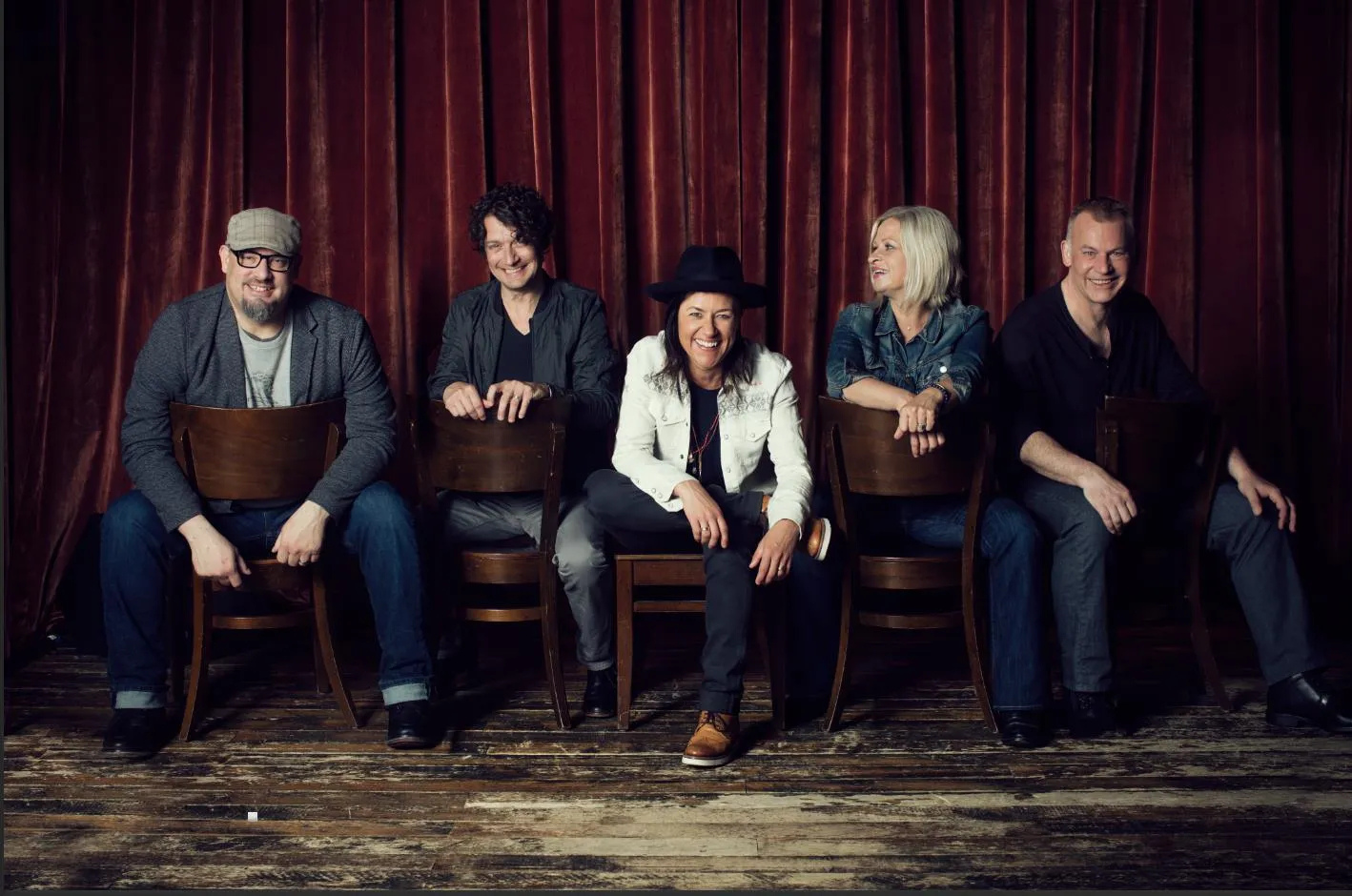
They were Tina and the B-Side Movement.

Here are the particulars:

Tina and the B-Side Movement, later known simply as Tina and the B-Sides, emerged as one of Minneapolis’s most influential and beloved rock bands in the late 1980s and 1990s. Led by the charismatic and talented Tina Schlieske, the group carved out a unique space in the Midwest music scene with its blend of bluesy rock, folk-inspired Americana, and raw energy.

Origins and Early Years

The band’s story begins with Tina Schlieske, who caught the music bug early in life. Growing up in the suburb of Apple Valley, Minnesota, Schlieske was drawn to the vibrant Minneapolis music scene of the 1980s. Inspired by a diverse range of artists, including Aretha Franklin, David Bowie, Janis Joplin, and Elvis Presley, Schlieske began sneaking into clubs to perform as early as 1984, well before she was of legal age.

Gradually, Schlieske assembled a band that would become Tina and the B-Side Movement. The group’s name evolved over time, starting as a joke referencing “bowel movement” before settling on the B-Side Movement, a nod to the B-side of records that often contained hidden gems.

Musical Style and Influences

Tina and the B-Sides developed a sound that defied easy categorization. Their music was a tight fusion of bluesy rock, folk-inspired melodies, and roughly hewn Americana[1]. This eclectic mix reflected Schlieske’s diverse musical influences and her desire to avoid being pigeonholed into any one genre.

Schlieske’s powerful vocals were at the heart of the band’s sound. Her sister Laura Schlieske also contributed vocals, creating a dynamic that often evoked the spirit of a tent revival[2]. The band’s lineup evolved over the years but typically included guitars, bass, drums, and keyboards, creating a full, robust sound that could fill any venue, from small clubs to large outdoor amphitheaters.

Rise to Prominence

Tina and the B-Sides built their reputation through relentless touring and energetic live performances. They played every club that would have them, gradually building a devoted following across the Midwest[1]. Their popularity proliferated, particularly in cities like Chicago, Milwaukee, and Madison, as well as throughout their home state of Minnesota.

The band’s DIY ethos was evident in their early releases. Their debut album, “Tina and the B-Side Movement,” was released in 1989 on Schlieske’s own label, Movement Records. This was followed by “Young Americans” in 1992 and “Monster” in 1994, all self-released and promoted through grassroots efforts and constant touring.

Live Performances and Reputation

Throughout the 1990s, Tina and the B-Sides became known for their electrifying live shows. They earned a reputation as one of the best bar bands in America, packing venues wherever they played[2]. The chemistry between band members, particularly between Tina and Laura Schlieske, was a highlight of their performances.

Their popularity in Minneapolis was particularly notable. The band played multiple sold-out shows at the famous First Avenue venue, earning them a coveted star on the club’s exterior wall. This honor placed them alongside Minnesota music legends like Prince, The Replacements, and Hüsker Dü.

Here is one of my favorite tracks…


Song Lyric Sunday

You’re my daughter and my son
You are my chosen one
You will always be
Unconditional love
Lifetime to learn
Maybe somehow
We will learn to love again
You’re my daughter and my son

You’re my daughter and you are my son
Not too hard to understand
You’re my brother and my sister too
All about the point of view
I can see it in your eyes sometimes
You afraid and so am I
Only love will be the only way
One day you will understand
You’re my daughter and my son
We are so out of place
Me you and them
And then all our fears
All hidden tears
Maybe somehow
We will learn to love again
You’re my daughter and my son
You’re my daughter and you are my son
Not too hard to understand
You’re my brother and my sister too
All about the point of view
I can see it in your eyes sometimes
You afraid and so am I
Only love will be the only way
One day you will understand
You’re my daughter and my son
You’re my daughter and you are my son
Not too hard to understand
You’re my brother and my sister too
All about the point of view
I can see it in your eyes sometimes
You afraid and so am I
Only love will be the only way

One day you will understand
You’re my daughter and my son


I’ve hundreds of bands live and witnessed several unforgettable performances. However, I say confidently that Tina and the B-Sides is still one of my favorites.

Mixed Music Bag – Week 23 – Not an Addict

TUNAGE ARTICLE – MMB

Here’s my response to Glyn’s Mixed Music Bag. It’s been awhile since I have participated, so let’s jump right into it. I was stuck in traffic a few years ago, a song on the radio caught my attention. I had never heard before, but it stuck with me. I assumed it was going to be another time where you here a song and don’t hear the artist, but I got lucky. The artist was K’s Choice and the track was Not an Addict

Sarah and Gert Bettens

K’s Choice, a Belgian rock band formed in the early 1990s, has captivated audiences worldwide with their deeply emotional lyrics and haunting melodies. Founded by siblings Sarah and Gert Bettens, the band has navigated the complexities of the music industry with a unique sound that blends rock, folk, and alternative elements.

K’s Choice originated in Antwerp, Belgium, with the Bettens siblings at its core. Their musical journey began in the local music scene, where they quickly gained attention for their distinctive sound and lyrical depth. The band’s breakthrough came with releasing their second album, “Paradise in Me,” in 1995. The album featured the hit single “Not an Addict,” which brought them international recognition. With its powerful lyrics and compelling melody, this song became an anthem for many and solidified K’s Choice as a formidable presence in the alternative rock genre.


Late Night Grooves #53

It was 1993, and my wife had returned home from the exchange for a bit of bargain shopping. I frequently would shake my head at her purchases on a great many things, but that woman had a knack of finding the jam in the bargain CD bin. This feat was shocking to me because she couldn’t name five music artists correctly if the world depended on it. That day, she introduced me to Lucky Peterson and Albert King.

So, tonight on Late Night Grooves, we are doing a dual tribute to my late wife and senior editor, who just happen to be huge Blues fans. So, its Saturday Night Blues with your host Mangus. Tonight, featuring some of my favorites from Lucky Peterson and Albert King.

I wasn’t ready!

This album played through the first time, and I tapped my foot during the entire album. My late wife, a brilliant woman, noticed this a started sliding gadgets that have needing repairs for a long time. With my foot tapping in time with music, I made quick work of my honey do list.

Next thing I knew the music changed and I was introduced to Albert King, who later became one of my favorite Blues guitarists. But our love affair started here with this cut:

No discussion about Albert King’s music can be held without the mentioning of King’s live album; Wednesday Night in San Franscisco. In my opinion, one the most important albums of the live recording genre. It’s certainly one of my favorite Blues albums of all-time. Here is a track from that album.


Mixed Music Bag: Week 2 – Tori Amos

ARTICLE – MINI BIOGRAPHY – MMB

During most of Tori Amos’ rise to stardom, my face was buried in the used record stacks, looking for classic jazz and blues. Though I collected many treasures, it wreaked havoc on my sinuses. I’m not sure if I ever fully recovered. Despite my obsession, I remember some of the women ranting about the excellent music of Tori Amos. I’m telling you, if it wasn’t Davis, Monk, Parker, Wolf, or Waters, I wasn’t trying to hear it.

As it turned out, I had three female soldiers assigned to my section. Although I had worked with female soldiers before in various limited capacities, I had never had any assigned to my section. Although they were from different backgrounds and musical tastes, they were all fans of Tori Amos. Finally, they talked me into listening. Here’s the particulars. Let’s get started:


Tori Amos, an American singer-songwriter and pianist, has captivated audiences worldwide with her distinctive voice and profound lyrical content. Known for her emotionally intense songs that blend classical music influences with alternative rock, Amos has carved a unique niche in the music industry. This blog post delves into her life, music, activism, and enduring legacy, offering a comprehensive look at one of the most influential artists of her generation.

Early Life and Musical Beginnings

Born Myra Ellen Amos on August 22, 1963, in North Carolina, Tori Amos demonstrated prodigious musical talent from a young age. Encouraged by her Methodist minister father and her mother of Eastern Cherokee descent, Amos began playing the piano at two and composing by age five. Her early exposure to gospel music and classical compositions profoundly influenced her musical style.

Amos’ prodigious talent earned her a scholarship to the prestigious Peabody Institute at Johns Hopkins University when she was five. However, her inclination towards rock and popular music led to her dismissal at 11. Undeterred, she played in bars and clubs in the Washington D.C. area during her teenage years, honing her skills and developing her distinctive style.

Her first professional music endeavor was as the lead singer of the 1980s synth-pop band Y Kant Tori Read, which was not a commercial success. This setback paved the way for Amos to establish her solo career, leading to her breakthrough debut solo album, “Little Earthquakes,” in 1992.

Breakthrough and Mainstream Success

“Little Earthquakes” marked a significant turning point in Amos’ career. The album’s raw, emotional intensity and unconventional songwriting resonated with listeners and critics, establishing her as a unique voice in the music industry. With hit singles like “Silent All These Years” and “Crucify,” Amos gained a devoted following and critical acclaim.

Her subsequent albums, including “Under the Pink” (1994) and “Boys for Pele” (1996), continued to explore complex emotional and social themes while showcasing her virtuosic piano skills and innovative arrangements. Amos’ ability to blend classical music elements with contemporary styles helped her maintain a distinctive identity in the evolving music scene of the 1990s.

Amos has received numerous accolades throughout her career, including multiple Grammy Award nominations. Her fearless approach to addressing personal and societal issues through her music has cemented her status as an influential figure in the industry.

Artistry and Musical Style

Tori Amos’ music defies easy categorization, blending classical, rock, electronica, and folk elements. Her classically trained piano skills are at the forefront of her compositions, often complemented by intricate arrangements and a wide range of instrumentation. Her lyrics are known for their depth, exploring themes such as religion, sexuality, feminism, and personal trauma.

Amos draws inspiration from various sources, including mythology, literature, and personal experiences. Her storytelling ability is evident in her songwriting, where she creates vivid, emotionally charged narratives. Her voice, with its distinctive timbre and dynamic range, adds an additional layer of expressiveness to her music.

Her musical influences are as eclectic as her style, ranging from classical composers like Debussy and Rachmaninoff to rock and folk artists like Led Zeppelin and Joni Mitchell. This blend of influences has helped Amos create a sound that is uniquely her own, resonating with fans across different genres and generations.

Notable Works and Albums

Throughout her career, Tori Amos has released a multitude of albums that have garnered critical and commercial success. “Little Earthquakes” and “Under the Pink” are often cited as her most impactful works, featuring songs that address complex emotions and personal struggles. “Boys for Pele” showcased her experimental side, incorporating harpsichord and brass instruments into her music.

Other significant albums include “From the Choirgirl Hotel” (1998) and “Scarlet’s Walk” (2002), each demonstrating Amos’ evolution as an artist and storyteller. Her ability to adapt and explore different musical landscapes while maintaining her core artistic identity is a testament to her talent and versatility.

Activism and Impact

Beyond her music, Tori Amos is a passionate advocate for various causes, including women’s rights, sexual assault awareness, and LGBTQ+ rights. She co-founded the RAINN (Rape, Abuse & Incest National Network), which has become the largest anti-sexual violence organization in the United States.

Amos’ activism is reflected in her music, where she often tackles challenging and taboo subjects, offering support and solidarity to those who have experienced trauma. Her dedication to these causes has inspired her fans and fellow artists, amplifying her impact beyond the music industry.

Legacy and Influence

Tori Amos’ influence extends far beyond her discography. As a pioneering female artist in the alternative rock and singer-songwriter genres, she has inspired countless musicians with her authenticity, musical innovation, and lyrical depth. Her contributions to music and activism have earned her a dedicated fanbase and a lasting legacy as an influential and respected figure in the industry.


Butterfly Lyrics :

[Verse 1]
Stinky soul, get a little lost in my own
Hey General, need a little love in that hole of yours
So one way’s now and Saturday’s now
And our kittens all wrapped in cement
From cradle to gumdrops got me running girl as fast as I can

[Chorus]
And is it right, Butterfly
They like you better framed and dried?

[Verse 2]
Daddy, dear, if I can kill one man why not two?
Well, nurses smile when you’ve got iron veins
You can’t stain their pretty shoes
And pompoms and cherry blondes
And the kittens still wrapped in cement
From God’s saviors to gumdrops got me running girl as fast as I can

[Chorus]
And is it right, Butterfly
They like you better framed and dried?

[Outro]
Got a pretty pretty garden; pretty garden, yes
You’ll be a pretty pretty garden; pretty garden


A remarkable cover of an REM classic

Mixed Music Bag – Week 1: Alabama Shakes & Adam and the Ants

ARTICLE – MINI BIOGRAPHY – MMB

Here is my response to Glyn’s Mixed Music Bag

Alabama Shakes, a band whose name evokes the southern roots from which they emerged, has captivated audiences around the world with their raw, soulful sound. Since their formation in Athens, Alabama, in 2009, the band has garnered critical acclaim and a dedicated fan base for their electrifying performances and genuine musicality.

At the heart of Alabama Shakes is lead vocalist and guitarist Brittany Howard, whose powerhouse vocals and emotionally charged delivery have become synonymous with the band’s sound. From the moment she belts out the opening notes of a song, Howard effortlessly commands attention, infusing each lyric with a sense of urgency and sincerity that cuts straight to the soul.

Backing Howard is a talented ensemble of musicians including Heath Fogg on guitar, Zac Cockrell on bass, and Steve Johnson on drums, whose collective chemistry and tight instrumentation provide the perfect backdrop for Howard’s powerhouse vocals.

What sets Alabama Shakes apart is their commitment to authenticity. In an age where studio production and auto-tune reign supreme, the band’s stripped-down approach to music feels refreshingly genuine. Their debut album, “Boys & Girls,” released in 2012, is a testament to this authenticity, with its raw, bluesy sound and heartfelt lyrics resonating with listeners deeply and personally.

Tracks like “Hold On” and “I Found You” showcase the band’s ability to blend elements of rock, soul, and blues into a seamless and infectious sound that feels both timeless and contemporary. With each soulful guitar riff and impassioned vocal performance, Alabama Shakes transports listeners to a place where music is not just heard but felt.

The band’s sophomore effort, “Sound & Color,” released in 2015, further solidified their status as musical innovators. From the hauntingly beautiful title track to the raucous energy of “Don’t Wanna Fight,” the album is a sonic experimentation and emotional depth masterclass.

Beyond their recorded music, Alabama Shakes is renowned for their electrifying live performances. Whether performing in an intimate club or headlining a festival stage, the band’s energy and passion are palpable, leaving audiences spellbound and craving more.

As Alabama Shakes continues to evolve and push musical boundaries, one thing remains constant: their unwavering commitment to authenticity. In a world where trends come and go, the band’s timeless sound and genuine spirit remind us of the power of music to move, inspire, and unite us all.


Few bands stand out in the vibrant tapestry of punk rock history quite like Adam and the Ants. With their flamboyant style, infectious energy, and rebellious spirit, they carved out a unique niche in the late 1970s and early 1980s music landscape.

Formed in London in 1977 by frontman Adam Ant (born Stuart Leslie Goddard), Adam and the Ants quickly made a name for themselves with their distinctive blend of punk, glam rock, and new wave. With Ant’s charismatic persona at the forefront, the band’s music became synonymous with theatricality, bravado, and unabashed rebellion.

At the heart of Adam and the Ants’ sound was their innovative use of tribal rhythms and dual drummers, which added a primal, tribal element to their music. Combined with Ant’s swaggering vocals and catchy guitar riffs, the band created an infectious and unmistakably their own sound.

Their breakthrough came with releasing their sophomore album, “Kings of the Wild Frontier,” in 1980. Fueled by hits like “Antmusic” and “Dog Eat Dog,” the album catapulted Adam and the Ants to international fame, earning them a legion of devoted fans and cementing their status as icons of the punk rock movement.

But it wasn’t just their music that set Adam and the Ants apart—their larger-than-life image and fearless sense of style. With their elaborate costumes, tribal face paint, and provocative lyrics, the band embraced a sense of daring and empowering theatricality. They dared to challenge societal norms and push the boundaries of self-expression, inspiring countless fans to embrace their individuality and inner rebellion.

Throughout their career, Adam and the Ants continued to push musical boundaries with albums like “Prince Charming” and “Friend or Foe,” showcasing their versatility and innovation as artists. Tracks like “Stand and Deliver” and “Prince Charming” further solidified their status as cultural icons, earning them critical acclaim and commercial success.

Though the band’s lineup underwent changes over the years, with Ant pursuing a successful solo career in the 1980s, the legacy of Adam and the Ants endures. Their music continues to resonate with audiences old and new, serving as a testament to the enduring power of punk rock to inspire, provoke, and ignite the fires of rebellion.

Adam and the Ants remind us to embrace our inner eccentricities and celebrate our unique identities in a world that often prizes conformity over creativity. With their infectious energy, fearless spirit, and unapologetic attitude, they remain timeless symbols of punk rock swagger and defiant individualism.

Mixed Music Bag – Week #7: Concrete Blonde

ARTICLE – MINI BIOGRAPHY – MMB

I’m a little behind because of my recent prolonged illness, so please forgive my tardiness. Here is my response to Glyn’s MMB.

From the moment I heard, “There’s a crack in the mirror and bloodstain on the bed,” I was floored. I wondered who the hell was this singing and what band is this? I must have listened to that song back to back for a week straight. I’m sure it wasn’t that long, but I played it repeatedly. Well, the band Concrete Blonde, and the song was Bloodletting

The opening bass line captured my attention, and I was grooving. However, when the vocals arrived mixed with powerful lyrics, I seemed to be teleported into the song. I could feel everything she was singing about. Yeah, yeah, I was young, and everything was so damn serious. It was the best thing I’d ever heard blah, blah. However, Concrete Blonde has remained one of my favorite bands throughout my lifetime. Here are the particulars:


Concrete Blonde occupies a unique and enduring place in the rich tapestry of alternative rock music. Formed in the vibrant musical landscape of Los Angeles in the 1980s, Concrete Blonde emerged as a beacon of emotional depth and musical innovation. Led by the captivating vocals and songwriting prowess of Johnette Napolitano, the band’s distinctive blend of rock, punk, and folk influences captivated audiences and earned them a devoted following. This essay explores Concrete Blonde’s evolution, impact, and enduring legacy, delving into their thematic depth, musical craftsmanship, and cultural significance.

Formation and Early Years:

Concrete Blonde traces its origins to the convergence of talents between vocalist/bassist Johnette Napolitano, guitarist James Mankey, and drummer Harry Rushakoff in the mid-1980s. Drawing inspiration from the eclectic music scene of Los Angeles, the band forged a sound that defied easy categorization, blending elements of punk, rock, folk, and alternative music. Their eponymous debut album, “Concrete Blonde,” released in 1986, showcased their raw energy and emotional intensity, laying the foundation for their subsequent success.

Thematic Depth and Musical Craftsmanship:

At the heart of Concrete Blonde’s music lies a profound exploration of the human condition, infused with love, loss, longing, and redemption themes. Johnette Napolitano’s evocative lyrics and soul-stirring vocals serve as a conduit for raw emotion, resonating with listeners on a deeply personal level. Whether channeling heartache and despair in “Joey” or exuding defiance and resilience in “Bloodletting (The Vampire Song),” Concrete Blonde’s music transcends genre boundaries, inviting listeners into a world of introspection and catharsis.

Musically, Concrete Blonde’s compositions are characterized by their dynamic arrangements, melodic hooks, and rich instrumentation. James Mankey’s masterful guitar work ranges from atmospheric textures to blistering solos, complementing Napolitano’s emotive vocals with nuance and depth. The rhythm section, anchored by Harry Rushakoff’s propulsive drumming, provides a solid foundation for the band’s sonic exploration, while guest musicians add layers of sonic richness to their sound.

Cultural Impact and Enduring Legacy:

Throughout their career, Concrete Blonde left an indelible mark on the alternative rock landscape, influencing subsequent generations of musicians and earning critical acclaim for their distinctive sound and uncompromising vision. Their breakthrough album, “Bloodletting,” released in 1990, propelled them to mainstream success, fueled by the haunting single “Joey” and the atmospheric title track “Bloodletting (The Vampire Song).” Subsequent albums, including “Walking in London” and “Mexican Moon,” further cemented their reputation as one of the preeminent bands of the alternative rock era.

Beyond their musical achievements, Concrete Blonde’s impact extends to their engagement with social and political issues, using their platform to advocate for causes ranging from environmental conservation to LGBTQ rights. Their music resonates with audiences worldwide, providing solace, inspiration, and a sense of connection in an ever-changing world.


The song that made me a fan.

Lyrics: Dance Along the Edge

Sometimes we laugh like children
Go running holding hands
I never felt like this before,
I never will again
Sometimes we cry like babies
I hold you to my heart.
I just can’t stand to see you sad,
It tears me all apart

And we’re so afraid and it’s such a shame,
There is no reason we should doube it.
The things we want to say we’ver never said!
And we look away and it’s all ok and
Never really talk about it
It’s a shame the way we dance along the edge
Dance along the edge.

We always seem so careful,
We’re always so unsure.
Our past mistakes they make us shakey… eyes on the door.
When do we stop searching
For what we’re searching for?
Then when it comes, we question love and try for more!

And we’re happy here, but we live in fear
We’ve seen a lot of temples crumble.
Some of flesh and blood from love under glass.
Will we come undone? Will we turn and run?
And will we know it when we find it?
It’s a game the way we dance along the edge.
And we’ll walk the line and we’ll do our time
For just as long as we’ve been given,
And pretend that we don’t hear the things they’ve said.
Can we promise love? Is it all too much
And do our old souls still believe it?
It’s insane the way we dance along the edge.

Music Mixed Bag – Week 5

ARTICLE – TUNAGE

My response to Glyn’s Mixed Music Bag

For this week’s challenge, I couldn’t decide which band to feature, so I chose to feature two bands I had the privilege of watching on the same day. Let’s get to it, shall we?


Band Maid

Band Maid, an all-female rock band hailing from Japan, has been creating a significant impact on the international music scene with their unique fusion of hard rock, pop, and traditional Japanese music. The band is known for their distinctive aesthetic, which blends traditional maid outfits’ visual elements with rock and roll’s edginess.

Their powerful performances and energetic live shows have earned them wide acclaim. Each member of Band Maid is a skilled musician, and their concerts are known to showcase their musical prowess, defying the stereotypical image of a “maid.” The band’s sound, characterized by heavy guitar riffs, powerful drums, and catchy melodies, is familiar and fresh to the listeners.

Their stage presence is charismatic, engaging audiences worldwide and earning them a cult following. Their music and unique aesthetic set them apart in the rock scene, making them stand out.

Band Maid has also made significant strides in spreading their music globally. They have toured extensively, performing in countries like the US, UK, and Germany, and have released several albums that have been well-received by critics and fans alike. Their unique blend of hard rock, pop, and Japanese music, coupled with their distinct aesthetic, has made them a standout act in the world of rock music.

In conclusion, Band Maid is not just a novelty act. They are skilled musicians with a unique sound and look that sets them apart from other bands. Their music is powerful and catchy, and their performances are energetic and engaging. Band Maid’s unique blend of hard rock, pop, and traditional Japanese music is a breath of fresh air in the rock scene, and their increasing popularity worldwide is a testament to their talent and appeal.

Personal Reaction:

I take my metal seriously. I’ve been a metalhead before It was cool. So, I will not be swayed by attractive women dancing around in maid uniforms. I’m not having such foolishness. It’s no different with male bands that bolster some gimmick. However, my brother said they were good, and he hadn’t let me down yet, so I listened. Armed with skepticism by God.

All I can say is those ladies threw down. Totally blown away. If you get a chance, check them out.


Badflower

Badflower, the Los Angeles based American rock band, is making significant strides in redefining the rock genre with their unique and raw sound that resonates deeply with listeners. Their gritty and emotionally resonant music is a stark contrast in an era dominated by synthesized pop and electronic music, reminding listeners of the visceral energy of early punk rock bands, further enriched by the sophistication of modern alternative music.

Their rise to fame was not simply overnight. It resulted from relentless touring, engaging live performances, and their compelling sonic experience. Their debut album, “OK, I’m Sick,” was a turning point, receiving critical acclaim upon its release in 2019. This album propelled them to the forefront of the rock scene. The album’s lead single, “Ghost,” was a commercial success, earning a gold certification from the RIAA and reaching the top of the Billboard Mainstream Rock chart. This success has been consistent with their subsequent releases, solidifying their status as one of the decade’s most exciting new rock bands.

Badflower’s success proves the continued relevance and demand for rock music in an era when pop and hip-hop typically dominate the charts. Their raw and emotive sound and thought-provoking lyrics have resonated with a new generation of rock fans, showing that rock music can still be fresh, innovative, and impactful.

Personal Reaction:

Badflower’s set was after Band-Maid- not directly after, but after. Now, we had seen Badflower previously and were excited to see them again. This show was great, but something happened during the set that sticks with me.

So, the band was playing Ghost, and something was happening in the audience. They stopped the show. They made sure the fan was okay before continuing. I’ve seen that before. Badflower is a definite class act.


Bonus Feature:

Twenty or so years ago, I had the privilege of watching the legendary B.B. King. My late wife was a tremendous fan, and I was like, he got a couple songs I like. I’ve always been more of a John Lee Hooker fan. So, one year, I had just returned from a very long assignment and wanted to do something special for my wife. I had no idea what special would be, but I wanted to do something. I kept looking for something and wasn’t having any luck. Then, one of the soldiers left a newspaper on the desk, and I found what I looking for.

B.B. King was giving a Mother’s Day special concert. So I bought tickets. I told her the three hours before the concert. She didn’t believe me. I produced the tickets, and she got dressed. Mind you, I never saw my wife get dressed that fast the entire time we were married. She even had to lay out some appropriate attire for me. Apparently, jeans, t-shirts, and boots wouldn’t cut it to see B.B. King. I protested and then quickly got dressed.

Did you know B.B. King had a jazz band? His band played a full set of jazz standards before King joined them on the stage. The show was about three hours long. It was one of the best shows I have seen. Yeah, but I’m still more of a John Lee fan.

Here is a version of a classic my wife and I both loved

Living Room Vinyl

Describe an item you were incredibly attached to as a youth. What became of it?

DAILY PROMPT RESPONSE

The item I was most attached to as a child was my mother’s album collection. I spent hours listening to her music. It was my mother’s love for music that shaped mine. The Madre turned me on to some of the greatest music classics.

My first concert was with George Benson. I had no idea what jazz was, but I liked what I heard. This love led me to explore more of her albums. Stanley Turrentine, Spyro Gyra, and Ramsey Lewis are a few examples.

I found my Madre jamming to Boz Skaggs, The Doobie Brothers, and Steely Dan. None of my friend’s mothers listened to the same music as my mother. As I listened to the radio, I heard many of the songs that played nights in the living room.

Of course, we had the standards playing in the house. Al Green, Billy Paul, Issac Hayes, and Teddy Penderness. As I dug deeper into her collection, I found some gems I wasn’t expecting: Johnnie Taylor, Solomon Burke, and Otis Redding. My taste kept growing. Soon, I discovered Billie Holiday and Nina Simone.

Then, I discovered what I wanted to be as an adult: a radio disc jockey. I had the knowledge of music and the voice, so why not? Like a lot of childhood fantasies, nothing real becomes of it. I deejayed a few parties and even had a pirate radio show with an army buddy, but I realized my talents were more in tune with writing.

What became of the Madre’s collection?

Well, what’s left of it is stored in my living room. The most important part is that I share its influence with you most days. Well, that’s it for this post, but it wouldn’t be right if I didn’t leave you with a little something.

Here’s a little Otis Redding Live

Singing aloud is allowed. Perhaps, even required!