
Who writes history, anyway?
Is it a bunch of old men in a room, swirling sherry like it’s holy water, declaring what mattered and what didn’t with the confidence of people who’ve never been told to clean up after themselves? Do they lean back in leather chairs and decide what’s worth remembering, while the rest of the world cleans the dishes, changes the linens, and quietly disappears?
Because let’s be honest—history isn’t what happened. It’s what survived. It’s the polished version of a chaotic past, curated by those with power, perspective, and the privilege to speak uninterrupted.
But what about the ones who made that version possible?
Why don’t we ever hear about them? The people who provided the comfort, the nourishment, the spark. The woman who changed the sheets so a “great man” could sleep through the night. The friend who uttered a half-thought over coffee that later became a manifesto. The cook who fed the movement. The janitor who unlocked the building where the protest was planned. The lover who reminded someone they were human before they put on the mask of leadership.
History applauds the speech, but forgets the breath it took to say it.
We’ve been sold the idea that history is boldface names and bronze statues. But most of what matters happened in kitchens, back porches, alleyways, and hands calloused from lifting, not pointing.
We know the architects of nations. But never the bricklayers. We memorize the names of authors, but forget the unnamed soul who said something beautiful that stuck. We forget that for every “visionary,” there was someone behind the scenes keeping them afloat. Holding the ladder. Mending the net.
So no—history isn’t just written by the victors. It’s written by survivors. By omission. By spin. And often, by those who had the means to make a record in the first place.
The rest? The ones who lit the fires, bore the burdens, whispered the truths?
They became the silence between chapters. The invisible ink.
But if you look close—really close—you’ll find them. In the margins. In the echoes. In the way a melody lingers long after the singer is gone.
Because history wasn’t built on sherry alone. It was built on sweat, sacrifice, and souls that never asked to be remembered—just not to be erased.
But what happens when they get it wrong?
When, the ones holding the pen decide the truth is inconvenient? When the story is shaved, polished, and repainted, so it gleams just right in the museum light? What happens when history becomes less about remembering and more about marketing? About preserving an image, not a truth?
That’s when history turns into myth. Not the kind with gods and monsters, but the kind where the villains are edited out, and the uncomfortable questions are filed away—lost behind locked drawers labeled “context.” You know, for our own good.
And maybe they don’t mean to lie. Maybe they just optimize. Smooth the edges. Add a little glow to the legacy. After all, who doesn’t want their heroes to look heroic? Their country to feel noble? Their ancestors seem wise?
But shaping the past for the best possible result isn’t harmless. It’s rewriting the foundation while pretending the house still stands the same. It’s how entire generations learn pride without accountability, patriotism without honesty, nostalgia without nuance.
And what’s left behind in that process?
The guilt that never gets named. The reparations never paid. The patterns that repeat because we swore they never happened in the first place. The echo chamber grows louder, but the echoes grow fainter—until all we hear is what we want to hear, and not what needs to be heard.
See, history can be a mirror. Or it can be a mask.
One tells you the truth, whether you like it or not.
The other flatters you, and hopes you don’t look too close.
So maybe the question isn’t just who writes history?
Maybe it’s who dares to revise it, once they know better?
Because if we only protect the polished version, if we only pass down the parts that make us proud, then we’re not honoring the past.
We’re embalming it.
And you can’t build a future on something you’ve buried just to keep the story pretty.
But what about when they don’t just get it wrong?
What about when they try to remove history altogether?
Really? That’s the move?
As if tearing down a statue makes the blood it commemorates magically dry up and blow away. As if banning a book unpublishes the pain it contains. As if not teaching something means it never happened.
We’ve seen it before: whole eras scrubbed clean, classrooms sterilized, uncomfortable truths repackaged into “heritage,” or ignored entirely. Entire peoples flattened into footnotes, if mentioned at all. Because someone decided it was better to forget than to face it. Better to be comfortable than be honest.
But here’s the truth, they’re afraid of:
You can’t remove history.
You can burn the documents. You can whitewash the walls. You can call it “divisive,” “unpatriotic,” or “too upsetting for children.”
But history isn’t gone—it just goes underground into stories told at kitchen tables. Into songs, poems, and scars passed down like heirlooms. Into eyes that still remember, even if the curriculum doesn’t.
The attempt to erase history is always a confession. A silent, trembling admission that the truth still hurts. That it never really stopped. It’s not about healing—it’s about hiding.
And hiding doesn’t protect anyone. It just keeps the cycle clean enough to repeat.
So no—you don’t get to skip the hard chapters because they make your heroes look human, or your institutions look cracked. That’s not erasing history. That’s erasing accountability.
And let me tell you—if your story can’t survive the truth, maybe it wasn’t a story worth keeping in the first place.
Maria Popova got it right:
History isn’t what happened. It’s what survives the shipwreck of judgment and chance.
So maybe it’s time we stop polishing the deck chairs and admit we helped steer the damn ship.
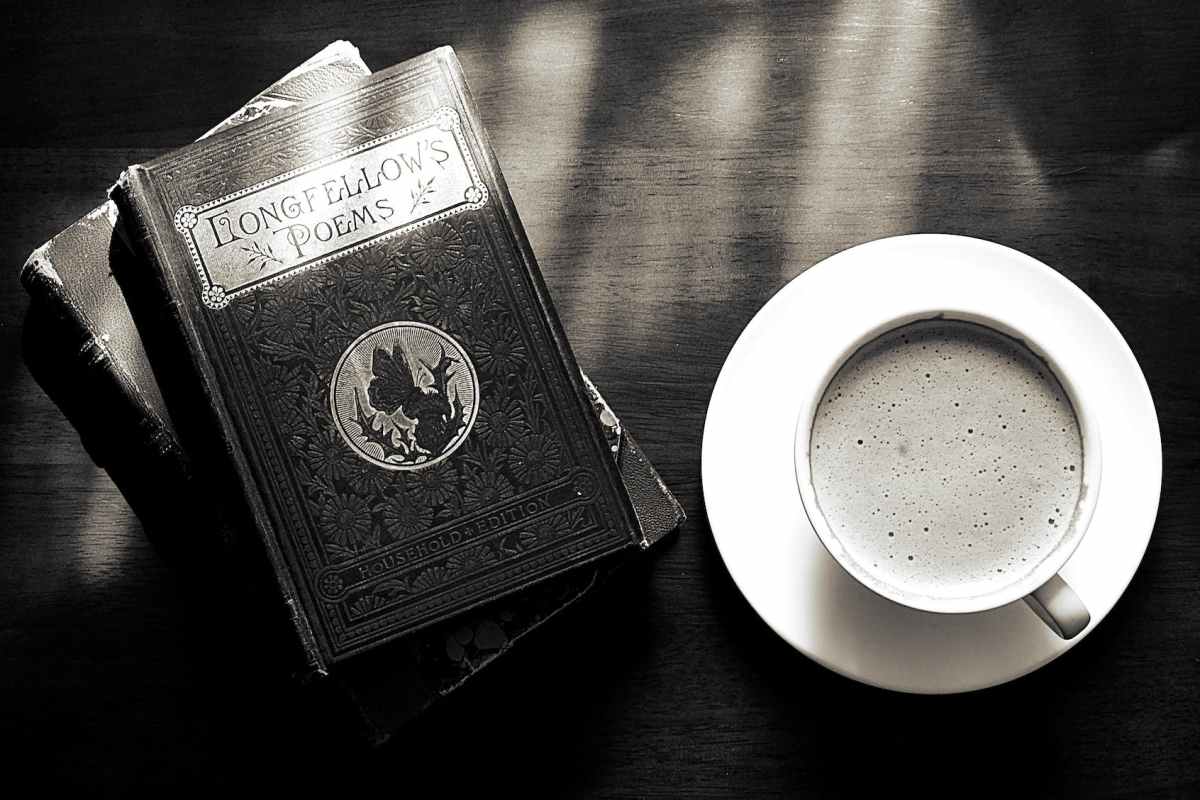
Maybe it’s time we stood by the dusty words in old books—the ones that dared to say things like honor, integrity, and truth. Not just when it’s convenient. But when it’s hard. When it means admitting that the past wasn’t all parades and progress. That some of it—hell, a lot of it—would’ve earned us a solid whoopin’ from our mothers, wooden spoon in hand.
So, excuse me while I go through a stack of biographies on Lincoln.
Because if we’re going to keep telling the story—
Let’s at least try to get it right.
Author’s Note
Forgive the rant—but not the passion. That part, I won’t apologize for. The ranting? Yeah… I might’ve gotten a little carried away.
This piece was written for Reena’s Xploration Challenge #386. I try to jump in when I can remember to pull my head out of a book long enough to notice.
Wait—what page was I on?

 Memoirs of Madness