Chilled to the Bone and Shadow

Groovin’ with Glyn: Week 1

Air of December by Edie Brickell and the New Bohemians


December is a month of conflicting mindsets. On one hand, people get swept up in the season and start doing “Good Things,” as if generosity is something they dust off once a year like ornaments from the attic. Smiles get bigger. Voices get lighter. Folks try to be kinder, cleaner versions of themselves — at least for a few weeks.

But not everyone rises with the cheer.
Some slip the other way — into that deep, cold room December knows how to unlock. The early darkness settles on their shoulders. The empty chairs at the table get louder. They watch the world light up and feel nothing but the distance.

The weather has changed. We felt the shift back in November — a quiet warning — but December carries the truth in its bones. The calendar hints at winter, but nature tells you outright. Woodchucks waddle with purpose, grabbing whatever scraps they need to seal themselves away. Raccoons run their winter reconnaissance, scouting warm corners with criminal determination.

Across the street, after sundown, the trees start speaking. Leaves rustle in patterns the wind doesn’t claim. Then: silence. Then another rustle — heavier this time — followed by a shadow shifting where it shouldn’t. And there it is:
a raccoon the size of a small planet climbing like gravity signed a waiver. Somehow that bandit-faced acrobat is perched on the roof of a three-story house, staring down like it owns the deed.

Meanwhile, Christmas trees bloom behind neighborhood windows — soft glows behind glass, promises of borrowed joy. For the next thirty days, people will act like saints in training, as if kindness has a seasonal password and only December knows it. Christmas carols creep through grocery aisles. Decorations multiply like mushrooms.

This is precisely why you need a strong music collection.
Survival gear.
Armor.

Because there are only so many versions of “Jingle Bells,” “White Christmas,” “Deck the Halls,” and “Frosty the Snowman” a person can take before something in them snaps.
Though Frosty and Rudolph do have their… alternative interpretations — the ones no one plays around polite company. Those versions? Those have some soul to them.

The lights are up on half the streets by now — fake pine needles, borrowed glow, holiday cheer on rotation. But behind windows, in alleys, in empty rooms and quiet corners, the air tastes different. Thinner. Sharper. More honest.

That’s when I slip on “Air of December.”
Soft bass. Careful voice. Shadows tucked into the chords.
This song doesn’t promise warmth, and it sure as hell doesn’t ask you to smile.
It just says: pay attention.

Edie Brickell & New Bohemians were never a mainstream machine. They had one catchy breakout moment, and most people froze them in that era like a photograph in a drawer. Air of December is one of those tracks even longtime fans forget exists. It’s not whispered in corners or held up as a hidden classic. But for the ones who hear it — really hear it — there’s a quiet respect. A recognition of its weight. Its weather. Its staying power.

The song opens like a door easing into colder air — a small shift in pressure you feel more than hear. The guitar stays clean but unsweet; the bass hums low like a steady engine under the floorboards; the drums hold back, giving the track room to breathe. The band understands restraint — they don’t fill the silence; they let the silence carry meaning. There’s distance in the mix as well, not loneliness but space, like the walls of the room are set a little farther apart than usual. It gives the whole track that “cold air in the next room” feeling — a quiet tension humming beneath the melody.

Brickell’s voice moves with deliberate softness.
She doesn’t chase the melody — she circles it.
As if she is dancing alongside it, doing her best not to disturb the melody, but to belong to it.
It’s intimate without being fragile or overbearing — confessional without wandering into theatrics. It respects the moment, and we appreciate that without even realizing we do.
This is the “close-but-not-too-close” mic technique: you feel near her, but not pulled into her chest. You’re listening in, not being performed to.

Her lyrics drift like breath on cold glass — shapes that form, fade, and return slightly altered.
Brickell doesn’t write scenes; she writes impressions.
Smudges.
Moments that land in your body long before your mind explains them.
That’s December — not revelations, just quiet truths catching you in the corner of your eye.

There’s also the emotional sleight of hand: a major-key framework phrased with minor-key honesty. Hopeful chords, weary inflections. Warm instrumentation, cool delivery. A contradiction — just like the month. This isn’t a heartbreak song or a holiday anthem. It’s a temperature. A walking pace. The sound of someone thinking as the sun drops at 4:30 PM.

Some songs become seasonal without meaning to — not because they mention snow or nostalgia, but because they inhabit the emotional weather perfectly.
This one does.

It sounds like a room after the noise has died down and the truth hasn’t found its words yet.
It sounds like someone sitting beside you, matching your breathing.
It sounds like December without the costume.

Most December songs want to wrap you in tinsel and memory.
This one just sits beside you.
Doesn’t judge.
Doesn’t push.
Just listens.

People claim they want authenticity in December — honesty, depth, meaning.
They don’t.
They want distraction wrapped in nostalgia.
They want songs about snow so they don’t have to face the winter inside themselves.

“Air of December” refuses that bargain.
It listens — and listening is dangerous this month.

Give someone a quiet December track and half of them will panic.
They’ll change it before the first truth lands.
Stillness has a way of turning the room into a mirror.

Most December listeners don’t want the real temperature.
They want the thermostat set to everything’s fine.
But winter doesn’t trade in lies.
And neither does this track.

Yet there’s a strange comfort in that kind of honesty.
The song doesn’t shield you from the cold — it invites you into it.
It says, look around, breathe, the truths you’ve been dodging all year are rising — and you’re strong enough now to meet them.

December strips everything down to bone and breath.
This track reminds you that what remains is still yours.


Sometimes Bare Trees Are the Loudest

Groovin’ with Glyn — November, Week 2

Track: “November Trees and Rain” – Marie Dresselhuis

On most November mornings, there’s a chill in the air. Not the kind that grabs you by the collar and shakes you awake, but the subtle kind — the one that lets you know it’s there. It moves slow, almost tender, until your body shivers without asking permission.

I hear the morning before I see it. A woodpecker knocking its code into the trees, winter birds answering in their thin, determined voices. I close my eyes and let the breeze speak for a while — the rustle of fallen leaves, the soft give of the season shifting underfoot. There’s a certain beauty in the bareness of the trees. Something quiet. Something honest. Not something I can describe cleanly in words, but it’s beautiful all the same — the kind of beauty that doesn’t need witnesses.

Then the world shifts again — one of those November moments of return. The air brakes hiss, then squeal, and suddenly the stillness cracks open. Children rush toward the bus, half-awake, half-dressed, somehow always unprepared and always ready. The adventure begins whether they are or not.

I remember my own kids doing the same. I miss those mornings — not with regret, but with that quiet wish a father carries for a different version of himself, a different decision made on a different day.

Guppy’s cry pulls me back. She’s in my chair, staring at me like I’m late. Her way of reminding me that the present is still here, still demanding, still alive. Work waits. Memory wanders. But Guppy doesn’t let me drift too far.

So let us go then, you and I, into this next stop in Groovin’ with Glyn — that mixed music bag I keep rummaging through.

November Trees and Rain” doesn’t try to dazzle you. It doesn’t fight for attention. It just unfolds — steady, slow-water honest. The title alone feels like a location on a map: somewhere between the last red leaf falling and the moment the season exhales. The guitar comes in like breath; the vocals come in like thought; the whole thing feels like watching the world turn the page while you stand there holding the corner.

This is a song for people who know how to sit with themselves.
Not judge. Not fix. Just sit.

The Devil’s Voice in the Back of the Room

Not everyone trusts the quiet. They say they do, but not really. They want to be shocked and awed underneath while saying, “it’s so peaceful.” Some people hear a slow song and panic — like silence might reveal something they’ve worked hard to bury. Give them rain and they’ll close the blinds. Give them bare trees and they’ll look at their phones. Give them a morning like this and they won’t hear anything but their own hurry.

A song like “November Trees and Rain” has no chance with them.
Too inward.
Too honest.
Too close to the bone.

But November isn’t for cowards.
And neither is this track.

The Lift — Why It Belongs Here

Because there’s a moment midway through the month when the noise dies down — not the external noise, the internal one. This song fits right into that pocket. It’s the sound of a thought finally forming. The kind of realization you don’t chase; it arrives on its own timetable.

“November Trees and Rain” is what happens when the world stops performing and just is.
Bare.
Wet.
Cold.
True.

It reminds you that not everything beautiful announces itself — some things just endure.

Week 1 woke us.
Week 2 asks us to stay awake.

Because the trees are bare now, the rain has longer stories to tell.
Are you ready to listen?


Tap, tap, tap … Follow me

Groovin’ with Glyn: November, Week 1

November doesn’t crash in. It slips under the doorframe like it owns the place, tracking in the smell of rain and cold metal. Children rubbing their bellies because they have OD’d on candy. I miss those days. November comes as if it knows we need to exhale. Not long, just a little bit. Something quick to recharge for the next round of madness.

There’s a moment in early November when the world gets quiet enough that you actually hear yourself think — and sometimes you wish you hadn’t. The wind carries that familiar bite as the last of the fall aromas slide along with it. Then something else rides in on the shift — soft, strange, a whisper you almost mistake for memory. You turn your head without meaning to, unsure if you heard anything at all. The wind changes again, closer this time, warm against your ear as it murmurs, “Wake up.”

That’s the space “Wake Up” lives in.

A small Scottish band barely scratching 30K streams, November Lights shouldn’t hit this hard on paper. But the track feels like standing just outside your own life, watching the windows fog over while you debate going back inside. Not regret or clarity. More like the low buzz of a lightbulb that isn’t sure if it wants to live or die.

The vocals don’t beg. They ask. Quietly. Like someone nudging you in the dark, not to startle you, but to keep you from drifting too far away. And the production carries that nocturnal haze — the kind that tells you somebody sat alone longer than they meant to, letting reverb fill the silence they didn’t want to face.

Beneath it all is a steady pulse, the kind that hints at recognition rather than revelation. November has a talent for that — it doesn’t hand you answers; it hands you a mirror. The cold sharpens edges you swore were already smooth. The light changes, and suddenly everything looks closer to the truth.

The Honest Take

This is a quietly beautiful track. Not earth-shattering. Not one that guts you. Not every song is meant to gut you, but all of them should resonate with you on some level. Not every listener — just the ones the track was meant for. Something you won’t know until the needle touches the vinyl. Some songs don’t raise their voice; they settle in beside you and wait. “Wake Up” is exactly that — understated, precise, intentional.

The Devil’s Voice in the Back of the Room

Look, if you’re waiting for grit, you won’t find it here.
If you want broken glass and a voice that sounds like it gargled the night, keep moving.
And yes — someone out there will dismiss this as too clean, too polished, too “indie boy with a synth pad.”

Let them.

Not every November needs a fist.
Some start with a shoulder tap, a soft reminder you can’t ignore.
Besides, honesty hits harder than distortion when you hear it at the right hour.

The Lift — Why It Belongs Here

Because November is a month with its own kind of mercy.
Not loud.
Not generous.
But real.

It doesn’t demand.
It nudges.
Sometimes it’s a hand on your shoulder saying, “You’re slipping. Come back to yourself.”

This song is that hand.
The hush before the confession.
The breath before the descent.
The spark before the month settles in.

Week 1 shouldn’t break you.
It should open the door.

“Wake Up” does that.
Softly.
Deliberately.
Without apology.

November is here.
The lights are on.
Step inside — and enjoy this breath, because winter is coming.


The Ones You Almost Miss

TUNAGE – MMB

I’ll be honest—I almost forgot about July for Kings. Not because they weren’t good (they were damn good), but because the early 2000s alt-rock scene was a crowded highway of hopefuls with radio-friendly grit. Between your Trapt and Trustcompany, Staind and Saliva, it was easy to miss the ones who weren’t screaming at you, but whispering, singing, aching.

July for Kings never blew the doors off the house—they lit a candle in the corner and let you sit with it.

Originally from Middletown, Ohio, July for Kings (formerly known as “Vice”) emerged with the kind of sincerity that was rare for the post-grunge era. Signed to MCA Records, they released their major-label debut, Swim, in 2002, produced by Blumpy (of Nine Inch Nails and Filter fame). Fronted by Joe Hedges, the band didn’t chase chart-topping bangers—they aimed for emotional resonance. They didn’t want the room to jump. They wanted the quiet ones in the back to feel something.

Tucked quietly in the back half of Swim, “Without Wings” is the kind of track you don’t fully appreciate until life slaps you around a bit. It’s not flashy. It’s not trying to be your anthem. But if you’ve ever sat in the middle of a storm you didn’t ask for—emotional, mental, or otherwise—this song knows you.

The intro is soft, a little echoey, almost ambient. Joe’s voice doesn’t come in with bravado. It comes in like someone who’s been quiet for a while and finally found the courage to speak. The lyrics?

“I fell too far, and the ground was hard… I tried to fly without wings.”

That line hits different when you’ve lived a little. When you’ve pushed too far, too fast—maybe to prove something, maybe just to feel alive—and came crashing back down. The song doesn’t judge you for it. It meets you there. It sits with you.

And that’s what makes this track so potent. Where some bands explode into their pain, July for Kings simmers. The tension builds, but it never becomes melodrama. The guitar doesn’t wait; it mourns. The drums don’t march—they pulse like a heartbeat just trying to steady itself again. It’s a reminder that not everything profound has to be loud. Sometimes the real stuff whispers.

Here’s the thing: If I’d gone with my first instinct— “meh, I don’t remember these guys, probably not worth digging into”—I would’ve missed this. Again. And that right there is the sneaky brilliance of music and life: the good stuff often lives just beneath the noise.

It’s easy to dismiss a band because they didn’t make the charts. Or skip a track because it isn’t on the playlist someone curated for you. But if you stay open—if you listen like you’re still learning, you start to find little truths tucked in the folds of forgotten records.

“Without Wings” is one of those truths. And maybe, just maybe, there’s a parallel there: how many people, ideas, places, or moments have we passed over because we didn’t give them the time to speak?

Music, like life, rewards the patient and the curious. Stay open. You never know what you might find.

If “Without Wings” landed with you, don’t stop there. July for Kings may have only brushed against the mainstream, but their catalog’s got depth for days.

Notable Singles:

  • “Normal Life” – Their biggest track, a soaring anthem about finding peace in the chaos.
  • “Believe” – Big chorus, emotional and earnest.
  • “Girlfriend” – Punchy and raw, with early-2000s radio rock bite.

Deep Cuts to Dig Into:

  • “Bed of Ashes” – Brooding and intense, this one simmers with frustration and loss.
  • “Meteor Flower” – A dreamier, more poetic track with subtle power.
  • “Float Away” (Nostalgia) – A post-major-label track soaked in melancholy and reflection.
  • “Blue Eyes” (Nostalgia) – Warm and haunted, one of their best slow-burners.

Without Wings doesn’t beg for your attention. It offers you something deeper: a mirror. A moment. A quiet confession that maybe… just maybe, we’ve all tried to fly before we were ready.

So, here’s your reminder: Don’t sleep on the deep cuts. Don’t skip the last few tracks. And don’t be so quick to write something-or someone—off.

You never know. It might be the song that helps you heal.


Grooving with Glyn: Weekly Finds – June 10

TUNAGE – MMB

Here we are, another week of our musical journey in the month of June.

Today in music history, the blues legend Howlin’ Wolf was born on June 10, 1910. A towering figure in electric blues, his voice was gravel and thunder, his presence unmatched. His influence still echoes through generations of rock and blues musicians.

Also on this day in 1966, Janis Joplin gave her first concert at the Avalon Ballroom in San Francisco. That night lit the fuse on a career that would burn fast, fierce, and unforgettable, cementing her place in the rock and soul pantheon.

Let’s dive into this week’s find and see how today’s sounds connect with yesterday’s legends. Much like Janis and Howlin’ Wolf, Valerie June doesn’t just perform — she inhabits the music.

Today, we’re diving into Valerie June’s cover of the Mazzy Star classic, “Fade Into You.”

Now, let’s get this straight: covering Mazzy Star is no small task. The original is moody, slow-burning, and wrapped in a haze of ‘90s dream-pop melancholy. Hope Sandoval’s vocals practically sigh through the track like she’s floating down a foggy hallway in velvet boots. It’s hypnotic. Intimate. Like someone whispering in your ear from the other side of a memory.

Valerie June? She didn’t just walk into that vibe — she brought her own stardust. The similarities are there: both versions are slow, spacious, and draped in a gentle sadness that doesn’t wallow but wanders. June respects the skeletal structure of the original. She doesn’t try to reinvent the wheel, and thank the musical gods for that. Some songs are temples; you don’t bulldoze them, you light a candle inside.

But here’s where Valerie June makes it unmistakably hers: that voice. Her voice is a peculiar kind of magic — cosmic, earthy, otherworldly. It stretches vowels like taffy and flickers like candlelight. She leans into the vulnerability but sprinkles in this ethereal, Appalachian soul that Mazzy Star never aimed for. It’s less haze and more starlight.

She trades the desert dusk of the original for something a little more astral-folk. June holds true to lines like:

“I want to hold the hand inside you / I want to take a breath that’s true”

— not just in delivery, but in spirit. She breathes them out like a slow exhale across constellations. You still get lost in it, but this time it’s like drifting through a Southern night sky instead of a grungy twilight bedroom.

This cover doesn’t try to outdo the original. It honors it. And then it subtly shifts the lens, showing us the same heartbreak and yearning from a different angle. It’s like hearing an old friend tell you a familiar story in a way you’ve never quite heard before.

Valerie June didn’t just cover “Fade Into You” — she communed with it. And lucky for us, she brought back something beautiful.

Hit play, close your eyes, and let yourself fade. See you next week with another pick that deserves your ears.


Mangus Grooving with Glyn: Weekly Finds

TUNAGE – MMB

Where real music still matters

Each week, Glyn challenges himself to dig and find a track, group, or album worth your time. This year’s been hit or miss for me, but I’m showing up this week. Let’s get into the first band I’d like to discuss.

If you haven’t cranked up Goodbye June’s “Oh No” yet, you’re missing out on one of the purest jolts of modern Southern rock.

Look, there’s no shortage of bands trying to mash up blues, rock, and a touch of gospel, but Goodbye June actually pulls it off without sounding like they’re playing dress-up. “Oh No” — first dropped on their 2016 EP Danger in the Morning and later on the debut album Magic Valley — feels like a punch straight from the pulpit to the mosh pit.

The track doesn’t ease you in. It hits hard from the first beat, what the band calls a “church stomp” — a nod to their Pentecostal roots. You can practically see the sweat flying and feel the pews shaking. The “praise chords” and “shout beats” they grew up on bleed into the intro, but then they let it rip with snarling guitar bursts and Landon Milbourn’s gritty, howling vocals. If you’ve ever wanted to know what it might sound like if AC/DC and Led Zeppelin had a love child in a Tennessee chapel, “Oh No” is your answer.

Lyrically, the song is pure defiance — all about barreling through whatever stands in your way. It’s not trying to get deep or philosophical; it’s a raw, gutsy anthem about survival and momentum. Sometimes you don’t need poetry, you need a rally cry.

And the impact? Massive. Not just because it hit No. 30 on the Billboard Mainstream Rock chart — though that’s no small feat — but because “Oh No” found its way onto Madden NFL 17 and even blared out as the theme for WrestleMania 32. You can’t fake that kind of reach. When a song’s got enough voltage to fire up gamers and wrestling fans alike, you know it’s got legs.

As a fan, “Oh No” feels like a rare moment where a band finds the sweet spot between raw tradition and modern punch. Goodbye June isn’t just recycling Southern rock tropes; they’re electrifying them. It’s gritty. It’s loud. It’s sweaty. And damn, it’s good.

Goodbye June’s energy, grit, soul, and boldness is exactly what so many bands today are missing. They aren’t just playing rock; they’re living it. Crank up “Oh No” and see if it doesn’t shake something loose.

And if you’re hungry for more, their 2022 album See Where the Night Goes is absolutely worth a listen. It’s a thrill to hear a band beginning to find its full voice. The album leans harder into their Southern roots while sharpening their songwriting and tightening their sound — bigger hooks, tougher riffs, and even more soul. Don’t be scared. Go listen to them. Feel what real rock is supposed to sound like.

See you next week with another pick that deserves your ears.


I’ll Remember April, But Not Like This

TUNAGE – MMB (APRIL)


Charles Mingus didn’t just play a jazz standard—he took it apart, set it on fire, and built something unforgettable.


“I’ll Remember April” is one of those jazz standards every musician runs into, eventually. It’s basically a jam session rite of passage—48 bars of twisty harmonic turns masquerading as a wistful ballad about lost love and changing seasons. I’ve been familiar with it for years. Played it, heard it, filed it under “That one tune that’s fun to blow over but nobody remembers the lyrics to.”

Then I heard the Charles Mingus versions.

Someone once told me, “There’s jazz, and then there’s Mingus.” At the time, I thought that sounded like one of those pretentious one-liners people drop in record stores to feel superior. But after diving into his takes on “I’ll Remember April,” I get it. Oh man, do I get it.

Mingus didn’t just cover “April.” He took it apart like a mad scientist, rewired its guts, jolted it with electricity, and dared you to still call it a “standard.”


The Café Bohemia Version (1955): Mingus and Roach Light a Fuse

Let’s start at Café Bohemia, 1955. Picture a packed New York club, cigarette smoke thick enough to chew, and a band that clearly didn’t come to play it safe. Max Roach sits in on drums, and if you’ve ever wanted to hear someone simultaneously keep time and destroy it, this is your moment.

The melody of “April” makes a brief cameo, like it wandered onstage and then realized it was at the wrong gig. What follows is 13 minutes of fearless improvisation, with Mingus, Roach, and pianist Mal Waldron operating on some telepathic groupthink. The horns? They show up, but the rhythm section is driving the bus—and the bus is on fire.

Roach’s drumming is the engine room of this madness. His solo isn’t just technically jaw-dropping—it’s spiritually charged. He plays like he’s pulling sound from some ancient, elemental place. It’s powerful, commanding, and completely locked into the spirit of the tune, even as the band steamrolls past the recognizable parts of it. He doesn’t just support the performance—he embodies it.


The Antibes Version (1960): Bud Powell and the Beautiful Collision

Now fast-forward to 1960 at the Antibes Jazz Festival in France. Mingus is in full mythic form. His band includes avant-garde sorcerer Eric Dolphy, hard-bop bruiser Booker Ervin, and lyrical firebrand Ted Curson. Oh, and just to make things even more surreal—bebop piano legend Bud Powell drops in.

I was hypnotized by Powell’s piano. He doesn’t just comp—he sets the tone for the whole damn piece. His phrasing is gentle but firm, melancholic but insistent. He drove the vibe of the entire take with a calm storm underneath. It was a genius move by Mingus to bring him in. Powell didn’t just play the tune—he channeled it.

And as chaotic as the rest of the band is—Dolphy sounding like he’s melting into the fabric of reality, Ervin breaking every hard bop ceiling—Powell grounds the whole thing with this subtle gravitational pull. It’s stunning.


Same Tune, Two Earthquakes

Each of these versions is radically different, but neither feels careless. Each artist involved—Roach, Powell, Mingus himself—took the time to embody the nature and spirit of this piece. They didn’t just play “I’ll Remember April”; they meditated on it, exploded it, resurrected it.

Here’s the wildest part: I know I was listening to the same song. But these takes? They felt like two completely different pieces of music. That’s not just impressive, it’s disorienting in the most thrilling way.

Café Bohemia is all raw nerve and instinct, like jazz fighting for its life in a boxing ring. Antibes is a theatrical, kaleidoscopic manifesto with solos. Both are driven by Mingus’s refusal to play it safe. Both reveal just how much space one tune can contain if you’ve got the nerve to stretch it.

After hearing these, that old quote—“There’s jazz, and then there’s Mingus”—stopped sounding smug. It started sounding accurate.

Mingus didn’t interpret “I’ll Remember April.” He cracked it open, poured his entire brain into it, and gave us two versions that are less about remembering a month and more about never forgetting the man who dared to redefine it.


Why “Sometimes It Snows in April” Still Hurts So Good

CHALLENGE RESPONSE – MMB

One of my nephews stopped to visit. We talked about philosophy, music, and a bunch of other things. Almost like he knew I needed to get out of my own head for a moment and be reminded of something that’s always been soothing—music.
After he had left, I plugged in the headphones and got to work.


Prince’s music has left a mark on humanity.
However, the music I enjoyed the most was songs seldom played on the radio—the tracks only discussed quietly among the fans who kept searching for the ones that touched them deepest.

For me, “Sometimes It Snows in April” is one of those songs.

It’s not built for the charts. No booming drums or flashy guitar solos. Just a delicate piano, soft guitar, and Prince’s voice—fragile, almost whispering. It’s stripped down in a way that makes you sit still. Makes you feel.

The song was part of the Parade album in 1986, which doubled as the soundtrack to Under the Cherry Moon. Prince played Christopher Tracy in the film—a charming romantic who dies too soon. The song is what comes after: mourning, confusion, and the quiet heartbreak of losing someone who wasn’t supposed to be gone yet.

And Prince didn’t try to clean it up. He kept the raw demo. You can hear creaking chairs and fingers sliding on strings. Those imperfections? They’re what make it real.

The lyrics hit like a conversation you didn’t want to have but needed:
“Sometimes it snows in April / Sometimes I feel so bad, so bad.”
Simple words, but when Prince sings them, they carry weight. It’s not performance—it’s confession.

Then came April 21, 2016. Prince passed away. Suddenly, a song about losing someone too soon became eerily personal. It was recorded in April. He died in April. And just like that, it sounded like he’d written his own farewell without knowing it.

And here’s the part that always gets me—I often wonder why we don’t truly appreciate an artist until after their transition.
Why do we wait?
Why do the tributes flood in only once they’re gone?
It’s a question that’s never been answered—at least not a good one.

Maybe it’s human nature. Maybe we think there’ll always be time. Maybe we don’t realize what someone gave us until we can’t get more of it.

With Prince, we had a genius in real-time. But songs like “Sometimes It Snows in April” remind us that his deepest gifts weren’t always the loudest. They were the quiet truths tucked in between the hits—the kind you don’t hear until you’re really listening.

“Sometimes It Snows in April” isn’t just about death. It’s about love, memory, and the strange ache of time. It’s about the moments we don’t talk about much—but feel the deepest.

And that’s why it still hurts. In the best kind of way.


Mixed Music Bag – Week 51

ARTICLE – TUNAGE – MINI BIO – MMB

The Yellowjackets 

In several previous posts, you’ve heard me yammer on about my musical journey and how different things in my life helped establish my evolving musical tastes. During the 1980s, I became a fan of jazz and the sub-genre of jazz fusion. This was spurred by my introduction to Al Dimeola, legendary guitarist of the Jazz Fusion trio Romantic Warrior. As I drove deeper into jazz fusion, I discovered “The Yellowjackets.” 

The Yellowjackets are a highly influential American jazz fusion band formed in 1977 in Los Angeles. Assembled initially as a backup band for guitarist Robben Ford, they evolved into one of jazz’s most respected groups. Ford left the band to pursue a different musical direction after recording their first album. The track Rush Hour on their 1981 self-titled release is often considered Robben Ford’s best work. 

Original Lineup: 

  • Robben Ford (Guitar)
  • Russell Ferrante (Keyboards)
  • Jimmy Haslip (Bass)
  • Ricky Lawson (Drums)

After Ford’s departure, the band continued as a trio. Despite Ford’s departure, the band maintained the sound band established with Ford. Mirage a Trois (1983) marked the transition of the band’s sound into a direction. They added saxophonist Marc Russo to add in the transition. Their album Shades (1986) cemented their sound, unique to their previous sound. 

Critical Acclaim

  • Shades (1986) reached No. 4 on the Billboard jazz album chart, featuring the Grammy-winning single “And You Know That”
  • Greenhouse (1991) reached No. 1 on the Billboard Contemporary Jazz Album chart.
  • Yellowjackets (1981) – Their debut album reached No. 16 on the Billboard Jazz Albums chart and made serious waves in jazz radio

Grammy Recognition

Their most acclaimed albums include:

  • Politics (1988) – Won Grammy for Jazz Fusion Performance
  • Jackets XL (2020) – Nominated for Best Large Jazz Ensemble Album
  • Parallel Motion (2022) – Their latest Grammy-nominated album

Current Lineup

The band currently consists of:

  • Russell Ferrante (Piano & Synthesizers) – founding member
  • Bob Mintzer (Woodwinds & EWI)
  • Will Kennedy (Drums)
  • Dane Alderson (Bass)

Musical Legacy

Throughout their 43-year history, the Yellowjackets have recorded 25 albums and received 17 Grammy nominations, winning two. Modern rhythms, strong melodies, and innovative jazz fusion compositions characterize their music.


Mixed Music Bag – Week 44

TUNAGE – MINI BIO – MMB

One of the things I enjoy the most about listening to music is finding artists who aren’t part of mainstream popularity. It’s rewarding to watch your discovery become super famous, but sometimes, you want to stay small. It’s having your own secret band in your back pocket. Tenpenny Joke is such a band. 

Tenpenny Joke was an Australian rock band from Melbourne’s Mornington Peninsula in 1997. They made their mark in the melodic rock scene.

Musical Journey

The band achieved a significant milestone in 2004 when they signed with Shock Records/Sing Sing Productions. Their debut album, “Ambush on All Sides,” was released in 2005. It was produced by Matt Voigt, known for his work with The Living End, Kiss, and Aaliyah.

Band Lineup 

  • Craig “Boz” Boswell – drums
  • Anthony Casey – vocals
  • Peter Coon – guitars
  • Tim Kill – bass guitar
  • Brian Rimmer – vocals and guitar

Musical Style and Impact

Their sound was primarily melodic rock, incorporating progressive and alternative elements. The band gained international recognition, receiving airplay across multiple countries, including the US, UK, Europe, New Zealand, and Asia. They were particularly successful in Japan, where their track “Across The Ocean” became highly requested on Yellowbeat radio.

Notable Works

Ambush on All Sides” (2005) – Full-length album

  • Notable Tracks
    • Across the Ocean – An excellent track showcasing the band’s classic rock influences
    • “Evil Things” – A light-hearted composition that highlights their musical range
  • My Favorites
    • Black Satellite 
    • Emergency


Mixed Music Bag – Week 45

TUNAGE – MINI BIO – MMB

Since I’ve been talking about 80s music lately, I figured I would list a rarely known band from that period.

Vandenberg is a Dutch-American hard rock band formed in 1981 in Amsterdam by guitarist Adrian “Adje” van den Berg. The band achieved international success in the 1980s before their guitarist joined Whitesnake and later experienced a revival in recent years.

Notable Achievements

The band’s breakthrough came with their debut album, recorded at Jimmy Page’s studio. This album spawned their biggest hit, “Burning Heart,” which reached #39 on the U.S. Billboard Hot 100. The band toured extensively as opening acts for major artists like Ozzy Osbourne and KISS.

Notable Songs

  • “Burning Heart” – Their most successful single
  • “Different Worlds” – Second major hit from their album “Heading for a Storm”
  • “Thunder And Lightning” – From their 2023 album “Sin”
  • “House On Fire” – Recent single featuring new vocalist Mats Levén

The original 1981 lineup of Vandenberg consisted of:

  • Adrian Vandenberg (guitar)
  • Bert Heerink (vocals)
  • Dick Kemper (bass)
  • Jos Zoomer (drums)

Recent Activity

After a long hiatus, Vandenberg returned in 2020 with a new lineup and released their comeback album “2020”. In 2023, they released their latest album, “Sin,” featuring vocalist Mats Levén, drummer Koen Herfst, and bassist Randy van der Elsen.


Mixed Music Bag and Song Lyric Sunday

TUNAGE ARTICLE

After reading some music posts this morning, I realized I have the opportunity to combine Glyn’s and Jim’s challenges. Let’s get at it…

Here is my response to Glyn’s Mixed Music Bag

In 1998, I was on assignment in Wisconsin, and during my downtime, I attended several music festivals. One night, the fellows and I were captured by a funky bassline. We followed the sound, expecting a black guy jamming on the bass, but that wasn’t what we saw.

We were shocked and later pushed aside our stereotypes and prejudices. We stood listening to a long-haired, tall caucasian male pumping the bass with everything he had. The joyful expression on his face was captivating. Yet, he wasn’t the star of the show. A short-haired woman belted out a bluesy rock rendition of the Aretha Franklin classic Respect.

It was one of the most powerful, energetic, and soulful performances I ever saw from a smaller band. Immediately, I became a fan and grooved the entire set. My musical taste varies depending on my mood, but I wasn’t expecting my companions to enjoy the show. I knew the music they listened to regularly, and it wasn’t anything like this.

“Who are these guys?” we shouted.

They were Tina and the B-Side Movement.

Here are the particulars:

Tina and the B-Side Movement, later known simply as Tina and the B-Sides, emerged as one of Minneapolis’s most influential and beloved rock bands in the late 1980s and 1990s. Led by the charismatic and talented Tina Schlieske, the group carved out a unique space in the Midwest music scene with its blend of bluesy rock, folk-inspired Americana, and raw energy.

Origins and Early Years

The band’s story begins with Tina Schlieske, who caught the music bug early in life. Growing up in the suburb of Apple Valley, Minnesota, Schlieske was drawn to the vibrant Minneapolis music scene of the 1980s. Inspired by a diverse range of artists, including Aretha Franklin, David Bowie, Janis Joplin, and Elvis Presley, Schlieske began sneaking into clubs to perform as early as 1984, well before she was of legal age.

Gradually, Schlieske assembled a band that would become Tina and the B-Side Movement. The group’s name evolved over time, starting as a joke referencing “bowel movement” before settling on the B-Side Movement, a nod to the B-side of records that often contained hidden gems.

Musical Style and Influences

Tina and the B-Sides developed a sound that defied easy categorization. Their music was a tight fusion of bluesy rock, folk-inspired melodies, and roughly hewn Americana[1]. This eclectic mix reflected Schlieske’s diverse musical influences and her desire to avoid being pigeonholed into any one genre.

Schlieske’s powerful vocals were at the heart of the band’s sound. Her sister Laura Schlieske also contributed vocals, creating a dynamic that often evoked the spirit of a tent revival[2]. The band’s lineup evolved over the years but typically included guitars, bass, drums, and keyboards, creating a full, robust sound that could fill any venue, from small clubs to large outdoor amphitheaters.

Rise to Prominence

Tina and the B-Sides built their reputation through relentless touring and energetic live performances. They played every club that would have them, gradually building a devoted following across the Midwest[1]. Their popularity proliferated, particularly in cities like Chicago, Milwaukee, and Madison, as well as throughout their home state of Minnesota.

The band’s DIY ethos was evident in their early releases. Their debut album, “Tina and the B-Side Movement,” was released in 1989 on Schlieske’s own label, Movement Records. This was followed by “Young Americans” in 1992 and “Monster” in 1994, all self-released and promoted through grassroots efforts and constant touring.

Live Performances and Reputation

Throughout the 1990s, Tina and the B-Sides became known for their electrifying live shows. They earned a reputation as one of the best bar bands in America, packing venues wherever they played[2]. The chemistry between band members, particularly between Tina and Laura Schlieske, was a highlight of their performances.

Their popularity in Minneapolis was particularly notable. The band played multiple sold-out shows at the famous First Avenue venue, earning them a coveted star on the club’s exterior wall. This honor placed them alongside Minnesota music legends like Prince, The Replacements, and Hüsker Dü.

Here is one of my favorite tracks…


Song Lyric Sunday

You’re my daughter and my son
You are my chosen one
You will always be
Unconditional love
Lifetime to learn
Maybe somehow
We will learn to love again
You’re my daughter and my son

You’re my daughter and you are my son
Not too hard to understand
You’re my brother and my sister too
All about the point of view
I can see it in your eyes sometimes
You afraid and so am I
Only love will be the only way
One day you will understand
You’re my daughter and my son
We are so out of place
Me you and them
And then all our fears
All hidden tears
Maybe somehow
We will learn to love again
You’re my daughter and my son
You’re my daughter and you are my son
Not too hard to understand
You’re my brother and my sister too
All about the point of view
I can see it in your eyes sometimes
You afraid and so am I
Only love will be the only way
One day you will understand
You’re my daughter and my son
You’re my daughter and you are my son
Not too hard to understand
You’re my brother and my sister too
All about the point of view
I can see it in your eyes sometimes
You afraid and so am I
Only love will be the only way

One day you will understand
You’re my daughter and my son


I’ve hundreds of bands live and witnessed several unforgettable performances. However, I say confidently that Tina and the B-Sides is still one of my favorites.

Mixed Music Bag – Week 23 – Not an Addict

TUNAGE ARTICLE – MMB

Here’s my response to Glyn’s Mixed Music Bag. It’s been awhile since I have participated, so let’s jump right into it. I was stuck in traffic a few years ago, a song on the radio caught my attention. I had never heard before, but it stuck with me. I assumed it was going to be another time where you here a song and don’t hear the artist, but I got lucky. The artist was K’s Choice and the track was Not an Addict

Sarah and Gert Bettens

K’s Choice, a Belgian rock band formed in the early 1990s, has captivated audiences worldwide with their deeply emotional lyrics and haunting melodies. Founded by siblings Sarah and Gert Bettens, the band has navigated the complexities of the music industry with a unique sound that blends rock, folk, and alternative elements.

K’s Choice originated in Antwerp, Belgium, with the Bettens siblings at its core. Their musical journey began in the local music scene, where they quickly gained attention for their distinctive sound and lyrical depth. The band’s breakthrough came with releasing their second album, “Paradise in Me,” in 1995. The album featured the hit single “Not an Addict,” which brought them international recognition. With its powerful lyrics and compelling melody, this song became an anthem for many and solidified K’s Choice as a formidable presence in the alternative rock genre.


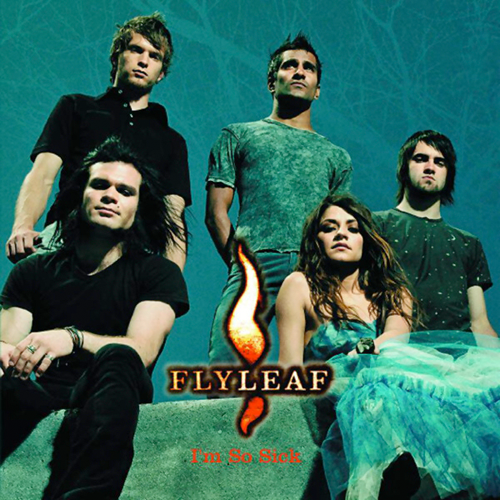
Mixed Music Bag Week 11: Flyleaf

No discussion about rock music over the last twenty years should be had without mentioning the band Flyleaf. Flyleaf emerges as a band with an edgy narrative and an unmistakable sound. Originating from the heart of Texas, their music is a fusion of raw emotion and intense energy, which is what you come to expect from artists from capturing the attention of listeners worldwide.

I was watching Die Hard 4 when I noticed the band playing in the background. The music was bold and gripping. Her voice struck a cord as soon as this booming voice came from this tiny woman. Here is the voice that caught my attention.

I looked high and low for their album but only found a couple videos on YouTube. Finally, I found a Japanese Import of their debut album.

History and Formation

Flyleaf’s story begins in the early 2000s in Belton and Temple, Texas, where passionate musicians came together to form what was initially known as Passerby. With Lacey Sturm leading the vocals with her distinctive booming voice, the band soon rebranded as Flyleaf. Their self-titled debut album, released in 2005, Flyleaf also released a variety of singles over their career, including notable tracks like “Breathe Today,” “I’m So Sick,” “Fully Alive,” “All Around Me,” which is certified Platinum, “Again,” and “Set Me on Fire,” among others. Each of these singles showcases the band’s unique blend of hard rock and alternative music

Musical Style and Influences

Flyleaf is renowned for its dynamic musical style, which blendelements of punk, metal, and hard rock. Lacey’s intense vocals, paired with the band’s compelling instrumentation, create a powerful and poignant sound. The band’s lyrics often delve into pain, hope, and redemption themes, reflecting their personal experiences and spiritual backgrounds. Influences range from grunge bands like Nirvana to the emotive storytelling of groups like The Cranberries, shaping a unique sonic identity for Flyleaf.

Critical Reception and Achievements

The band’s debut album was a launching pad, earning them a platinum certification and solidifying their status in the rock scene. Critics praised Flyleaf for their raw energy and emotional depth, recognizing them as a significant force in alternative rock. Over the years, Flyleaf has garnered a loyal fanbase, captivated by their authenticity and the emotional intensity of their live performances. Their commitment to various causes, including mental health awareness and anti-bullying campaigns, has further endeared them to fans, showcasing their dedication to making a difference.

Band Member Profiles

While Lacey Sturm’s departure in 2012 marked a significant transition for Flyleaf, the band’s essence remained intact with Kristen May stepping in as the lead vocalist until her departure in 2016. Members like guitarist Sameer Bhattacharya and drummer James Culpepper have been instrumental in crafting Flyleaf’s distinctive sound, contributing to the band’s enduring appeal.

Legacy and Future Endeavors

Flyleaf’s influence extends beyond their discography, inspiring a new generation of rock artists with their heartfelt music and unwavering spirit. While the band’s future projects are eagerly anticipated by fans, their legacy is already cemented in the annals of rock history. As Flyleaf continues to evolve, their journey remains a testament to the power of music to connect, heal, and inspire.

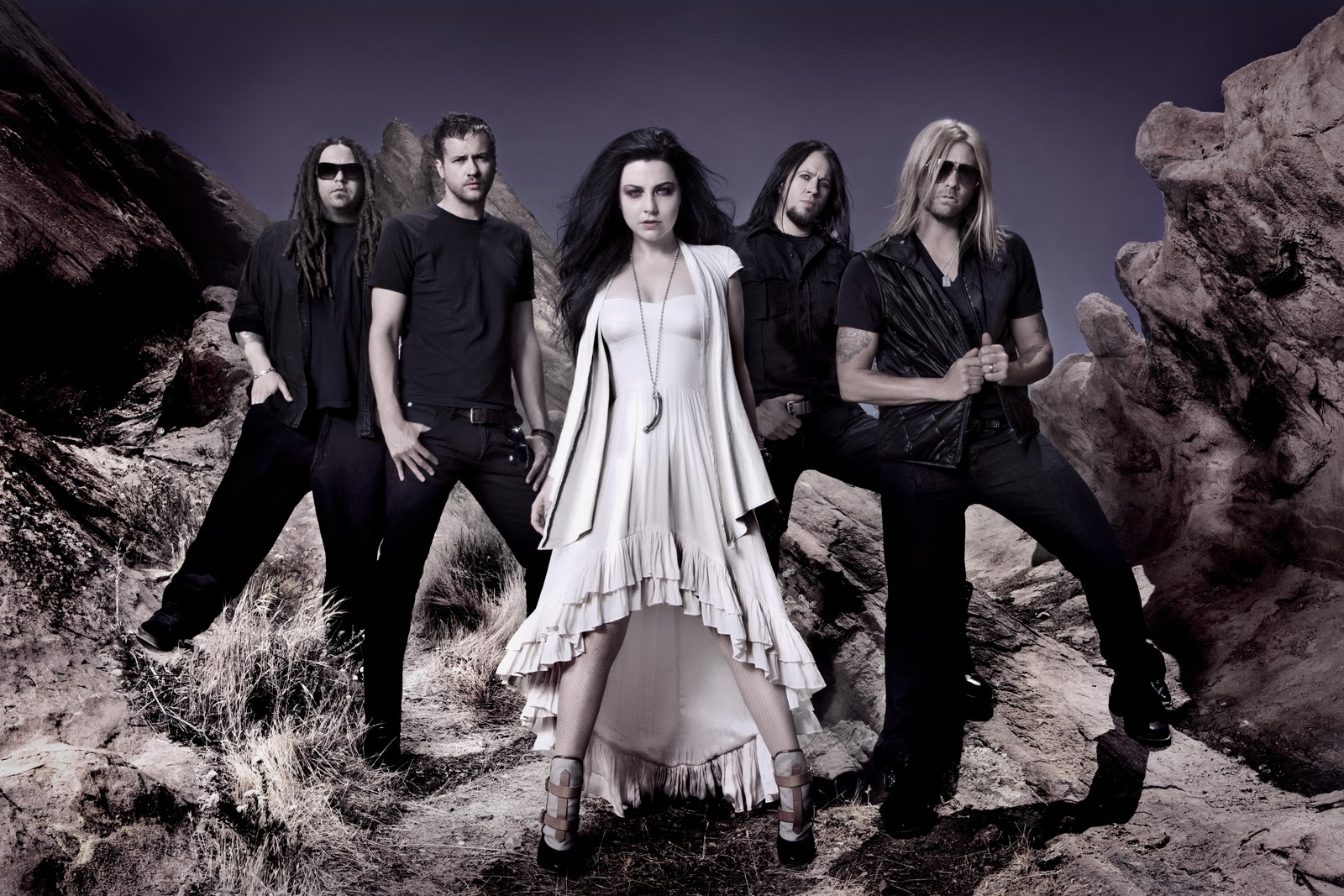
Mixed Music Bag Week 10: Evanescence

CHALLENGE RESPONSE – MMB

With its hauntingly beautiful music that seamlessly blends rock, metal, and classical elements, Evanescence has carved a unique niche in the music world. Which makes them one of my favorite bands in recent yearss. pFormed in the mid-90s, the band achieved massive success early in their career and has maintained a devoted global fanbase. Their sound, characterized by dramatic arrangements and Amy Lee’s powerful vocals, resonates with a sense of depth and emotion that is unmistakably theirs. This blog delves into the journey of Evanescence, exploring their formation, musical evolution, iconic albums, and enduring impact on the music industry.

History and Formation

The story of Evanescence begins in Little Rock, Arkansas, where Amy Lee and Ben Moody met at a youth camp in 1994. Bonded by their love for music, they started writing songs together, laying the foundation for Evanescence. After several lineup changes and years of honing their sound, the band released their debut album, “Fallen,” in 2003. The album catapulted them to international fame, fueled by the success of hit singles like “Bring Me to Life” and “My Immortal.” These tracks dominated the charts and set the tone for the band’s distinctive blend of anguished lyrics, soaring melodies, and robust instrumentation.

Musical Style and Influences

Evanescence’s music defies easy categorization, blending elements of gothic rock, nu-metal, and classical music. Amy Lee’s classically trained voice, capable of conveying profound emotion, stands at the forefront, while the band’s use of piano, strings, and heavy guitars creates a rich, layered sound. Influences range from classical composers like Mozart and Danny Elfman to alternative and metal bands such as Portishead and Soundgarden. This eclectic mix of influences has enabled Evanescence to create a distinctive and broadly appealing sound.

Key Albums and Songs

Beyond “Fallen,” Evanescence has continued to evolve with subsequent albums. “The Open Door” (2006) and “Evanescence” (2011) further explored themes of love, loss, and resilience, while “Synthesis” (2017) reimagined some of their previous work with orchestral and electronic arrangements. Songs like “Lithium” and “Imperfection” showcase the band’s range, from introspective ballads to powerful anthems. Each album reflects a chapter in the band’s journey, marked by introspection, experimentation, and growth.

Impact and Legacy

Evanescence’s impact on the music industry is undeniable. With millions of albums sold worldwide and numerous awards, including two Grammys, the band has solidified its place in the annals of rock music. Moreover, they have inspired a generation of artists across various genres, proving that music can transcend boundaries and resonate with listeners on a deeply personal level. Evanescence’s legacy is one of creativity, resilience, and the relentless pursuit of artistic expression.

Conclusion

From their humble beginnings in Arkansas to their status as rock icons, Evanescence has navigated the music industry with grace and tenacity. Their fusion of rock and classical music has defined their career and enriched the broader musical landscape. As they continue to evolve and inspire, Evanescence’s journey is a testament to the power of authenticity and innovation in music. For fans old and new, their discography offers a treasure trove of emotional, thought-provoking, and utterly captivating music.

Lithium Lyrics:

Lithium, don’t wanna lock me up inside
Lithium, don’t wanna forget how it feels without
Lithium, I wanna stay in love with my sorrow
Oh, but God I wanna let it go

Come to bed, don’t make me sleep alone
Couldn’t hide the emptiness, you let it show
Never wanted it to be so cold
Just didn’t drink enough to say you love me

I can’t hold on to me
Wonder what’s wrong with me?

Lithium, don’t wanna lock me up inside
Lithium, don’t wanna forget how it feels without
Lithium, I wanna stay in love with my sorrow, oh

Don’t wanna let it lay me down this time
Drown my will to fly
Here in the darkness I know myself
Can’t break free until I let it go, let me go

Darling, I forgive you after all
Anything is better than to be alone
And in the end I guess I had to fall
Always find my place among the ashes

I can’t hold on to me
Wonder what’s wrong with me?

Lithium, don’t wanna lock me up inside
Lithium, don’t wanna forget how it feels without
Lithium, in love with you
Oh, I’m gonna let it go

Songwriters: Amy Lee. For non-commercial use only.

Mixed Music Bag: Week 2 – Tori Amos

ARTICLE – MINI BIOGRAPHY – MMB

During most of Tori Amos’ rise to stardom, my face was buried in the used record stacks, looking for classic jazz and blues. Though I collected many treasures, it wreaked havoc on my sinuses. I’m not sure if I ever fully recovered. Despite my obsession, I remember some of the women ranting about the excellent music of Tori Amos. I’m telling you, if it wasn’t Davis, Monk, Parker, Wolf, or Waters, I wasn’t trying to hear it.

As it turned out, I had three female soldiers assigned to my section. Although I had worked with female soldiers before in various limited capacities, I had never had any assigned to my section. Although they were from different backgrounds and musical tastes, they were all fans of Tori Amos. Finally, they talked me into listening. Here’s the particulars. Let’s get started:


Tori Amos, an American singer-songwriter and pianist, has captivated audiences worldwide with her distinctive voice and profound lyrical content. Known for her emotionally intense songs that blend classical music influences with alternative rock, Amos has carved a unique niche in the music industry. This blog post delves into her life, music, activism, and enduring legacy, offering a comprehensive look at one of the most influential artists of her generation.

Early Life and Musical Beginnings

Born Myra Ellen Amos on August 22, 1963, in North Carolina, Tori Amos demonstrated prodigious musical talent from a young age. Encouraged by her Methodist minister father and her mother of Eastern Cherokee descent, Amos began playing the piano at two and composing by age five. Her early exposure to gospel music and classical compositions profoundly influenced her musical style.

Amos’ prodigious talent earned her a scholarship to the prestigious Peabody Institute at Johns Hopkins University when she was five. However, her inclination towards rock and popular music led to her dismissal at 11. Undeterred, she played in bars and clubs in the Washington D.C. area during her teenage years, honing her skills and developing her distinctive style.

Her first professional music endeavor was as the lead singer of the 1980s synth-pop band Y Kant Tori Read, which was not a commercial success. This setback paved the way for Amos to establish her solo career, leading to her breakthrough debut solo album, “Little Earthquakes,” in 1992.

Breakthrough and Mainstream Success

“Little Earthquakes” marked a significant turning point in Amos’ career. The album’s raw, emotional intensity and unconventional songwriting resonated with listeners and critics, establishing her as a unique voice in the music industry. With hit singles like “Silent All These Years” and “Crucify,” Amos gained a devoted following and critical acclaim.

Her subsequent albums, including “Under the Pink” (1994) and “Boys for Pele” (1996), continued to explore complex emotional and social themes while showcasing her virtuosic piano skills and innovative arrangements. Amos’ ability to blend classical music elements with contemporary styles helped her maintain a distinctive identity in the evolving music scene of the 1990s.

Amos has received numerous accolades throughout her career, including multiple Grammy Award nominations. Her fearless approach to addressing personal and societal issues through her music has cemented her status as an influential figure in the industry.

Artistry and Musical Style

Tori Amos’ music defies easy categorization, blending classical, rock, electronica, and folk elements. Her classically trained piano skills are at the forefront of her compositions, often complemented by intricate arrangements and a wide range of instrumentation. Her lyrics are known for their depth, exploring themes such as religion, sexuality, feminism, and personal trauma.

Amos draws inspiration from various sources, including mythology, literature, and personal experiences. Her storytelling ability is evident in her songwriting, where she creates vivid, emotionally charged narratives. Her voice, with its distinctive timbre and dynamic range, adds an additional layer of expressiveness to her music.

Her musical influences are as eclectic as her style, ranging from classical composers like Debussy and Rachmaninoff to rock and folk artists like Led Zeppelin and Joni Mitchell. This blend of influences has helped Amos create a sound that is uniquely her own, resonating with fans across different genres and generations.

Notable Works and Albums

Throughout her career, Tori Amos has released a multitude of albums that have garnered critical and commercial success. “Little Earthquakes” and “Under the Pink” are often cited as her most impactful works, featuring songs that address complex emotions and personal struggles. “Boys for Pele” showcased her experimental side, incorporating harpsichord and brass instruments into her music.

Other significant albums include “From the Choirgirl Hotel” (1998) and “Scarlet’s Walk” (2002), each demonstrating Amos’ evolution as an artist and storyteller. Her ability to adapt and explore different musical landscapes while maintaining her core artistic identity is a testament to her talent and versatility.

Activism and Impact

Beyond her music, Tori Amos is a passionate advocate for various causes, including women’s rights, sexual assault awareness, and LGBTQ+ rights. She co-founded the RAINN (Rape, Abuse & Incest National Network), which has become the largest anti-sexual violence organization in the United States.

Amos’ activism is reflected in her music, where she often tackles challenging and taboo subjects, offering support and solidarity to those who have experienced trauma. Her dedication to these causes has inspired her fans and fellow artists, amplifying her impact beyond the music industry.

Legacy and Influence

Tori Amos’ influence extends far beyond her discography. As a pioneering female artist in the alternative rock and singer-songwriter genres, she has inspired countless musicians with her authenticity, musical innovation, and lyrical depth. Her contributions to music and activism have earned her a dedicated fanbase and a lasting legacy as an influential and respected figure in the industry.


Butterfly Lyrics :

[Verse 1]
Stinky soul, get a little lost in my own
Hey General, need a little love in that hole of yours
So one way’s now and Saturday’s now
And our kittens all wrapped in cement
From cradle to gumdrops got me running girl as fast as I can

[Chorus]
And is it right, Butterfly
They like you better framed and dried?

[Verse 2]
Daddy, dear, if I can kill one man why not two?
Well, nurses smile when you’ve got iron veins
You can’t stain their pretty shoes
And pompoms and cherry blondes
And the kittens still wrapped in cement
From God’s saviors to gumdrops got me running girl as fast as I can

[Chorus]
And is it right, Butterfly
They like you better framed and dried?

[Outro]
Got a pretty pretty garden; pretty garden, yes
You’ll be a pretty pretty garden; pretty garden


A remarkable cover of an REM classic

Mixed Music Bag – Week 1: Alabama Shakes & Adam and the Ants

ARTICLE – MINI BIOGRAPHY – MMB

Here is my response to Glyn’s Mixed Music Bag

Alabama Shakes, a band whose name evokes the southern roots from which they emerged, has captivated audiences around the world with their raw, soulful sound. Since their formation in Athens, Alabama, in 2009, the band has garnered critical acclaim and a dedicated fan base for their electrifying performances and genuine musicality.

At the heart of Alabama Shakes is lead vocalist and guitarist Brittany Howard, whose powerhouse vocals and emotionally charged delivery have become synonymous with the band’s sound. From the moment she belts out the opening notes of a song, Howard effortlessly commands attention, infusing each lyric with a sense of urgency and sincerity that cuts straight to the soul.

Backing Howard is a talented ensemble of musicians including Heath Fogg on guitar, Zac Cockrell on bass, and Steve Johnson on drums, whose collective chemistry and tight instrumentation provide the perfect backdrop for Howard’s powerhouse vocals.

What sets Alabama Shakes apart is their commitment to authenticity. In an age where studio production and auto-tune reign supreme, the band’s stripped-down approach to music feels refreshingly genuine. Their debut album, “Boys & Girls,” released in 2012, is a testament to this authenticity, with its raw, bluesy sound and heartfelt lyrics resonating with listeners deeply and personally.

Tracks like “Hold On” and “I Found You” showcase the band’s ability to blend elements of rock, soul, and blues into a seamless and infectious sound that feels both timeless and contemporary. With each soulful guitar riff and impassioned vocal performance, Alabama Shakes transports listeners to a place where music is not just heard but felt.

The band’s sophomore effort, “Sound & Color,” released in 2015, further solidified their status as musical innovators. From the hauntingly beautiful title track to the raucous energy of “Don’t Wanna Fight,” the album is a sonic experimentation and emotional depth masterclass.

Beyond their recorded music, Alabama Shakes is renowned for their electrifying live performances. Whether performing in an intimate club or headlining a festival stage, the band’s energy and passion are palpable, leaving audiences spellbound and craving more.

As Alabama Shakes continues to evolve and push musical boundaries, one thing remains constant: their unwavering commitment to authenticity. In a world where trends come and go, the band’s timeless sound and genuine spirit remind us of the power of music to move, inspire, and unite us all.


Few bands stand out in the vibrant tapestry of punk rock history quite like Adam and the Ants. With their flamboyant style, infectious energy, and rebellious spirit, they carved out a unique niche in the late 1970s and early 1980s music landscape.

Formed in London in 1977 by frontman Adam Ant (born Stuart Leslie Goddard), Adam and the Ants quickly made a name for themselves with their distinctive blend of punk, glam rock, and new wave. With Ant’s charismatic persona at the forefront, the band’s music became synonymous with theatricality, bravado, and unabashed rebellion.

At the heart of Adam and the Ants’ sound was their innovative use of tribal rhythms and dual drummers, which added a primal, tribal element to their music. Combined with Ant’s swaggering vocals and catchy guitar riffs, the band created an infectious and unmistakably their own sound.

Their breakthrough came with releasing their sophomore album, “Kings of the Wild Frontier,” in 1980. Fueled by hits like “Antmusic” and “Dog Eat Dog,” the album catapulted Adam and the Ants to international fame, earning them a legion of devoted fans and cementing their status as icons of the punk rock movement.

But it wasn’t just their music that set Adam and the Ants apart—their larger-than-life image and fearless sense of style. With their elaborate costumes, tribal face paint, and provocative lyrics, the band embraced a sense of daring and empowering theatricality. They dared to challenge societal norms and push the boundaries of self-expression, inspiring countless fans to embrace their individuality and inner rebellion.

Throughout their career, Adam and the Ants continued to push musical boundaries with albums like “Prince Charming” and “Friend or Foe,” showcasing their versatility and innovation as artists. Tracks like “Stand and Deliver” and “Prince Charming” further solidified their status as cultural icons, earning them critical acclaim and commercial success.

Though the band’s lineup underwent changes over the years, with Ant pursuing a successful solo career in the 1980s, the legacy of Adam and the Ants endures. Their music continues to resonate with audiences old and new, serving as a testament to the enduring power of punk rock to inspire, provoke, and ignite the fires of rebellion.

Adam and the Ants remind us to embrace our inner eccentricities and celebrate our unique identities in a world that often prizes conformity over creativity. With their infectious energy, fearless spirit, and unapologetic attitude, they remain timeless symbols of punk rock swagger and defiant individualism.

Mixed Music Bag Week 8: Daisy Chainsaw & Dorothy

ARTICLE – MINI BIOGRAPHY – MMB

The Brother Jim Edition:

Thanks to Glyn’s MMB for the prompt. I’m still working on the February weeks. My brother Jim inspired me to select the groups for this post during one of our many conversations about music. Jim told a compelling story about when he saw the band Daisy Chainsaw. I’d completely forgotten about them. So, when Glyn’s prompt said groups of C-D, there was no way I could resist mentioning Daisy Chainsaw.


Daisy Chainsaw was an English alternative rock band formed in London in 1989. Led by vocalist KatieJane Garside, the band’s music is characterized by its raw, unapologetic energy, incorporating punk, grunge, and noise rock elements. Daisy Chainsaw gained attention for their confrontational lyrics, aggressive guitar riffs, and Garside’s distinctive vocal style, which ranged from whispered whispers to primal screams.

With their debut album “Eleventeen” (1992), Daisy Chainsaw gained a cult following and critical acclaim, earning comparisons to bands like Sonic Youth and Hole. Hits like “Love Your Money” and “Pink Flower” showcased the band’s irreverent attitude and unique sound. At the same time, Garside’s provocative stage presence solidified their reputation as one of the most exciting acts of the early ’90s alternative rock scene.

Despite their relatively short-lived career, Daisy Chainsaw left a lasting impact on the alternative rock landscape, influencing subsequent generations of musicians with their bold, uncompromising approach to music. While the band disbanded in the mid-’90s, their legacy lives on through their music, which continues to resonate with audiences seeking raw, unfiltered rock and roll.

Lyrics:

We love you yeah
We love what you got and you’ve got it truly
You’re talented kid
We can see it clearly
We love your sound
The way you look so we say sincerely
You’re natural stars and we mean it really
{Chorus}
We love your money(Love your money)
Yes we do
We love you yeah
Place your trust in us completely
You’ll sell worldwide we mean it really
We love your songs
Shape your image and we’ll all be greedy
Sign right here, and we’ll all be wealthy
{Repeat}
We love you so love your demo
We love you so love love love love
All your money
We love your money(love your money)
Love love love love all your money
(Repeat chorus)
Love love love love all your money

Songwriters: C. Gray.


The next group appeared in my text messages from Jim with the simple instructions to listen to it. So, I did and liked what I heard. I enjoyed the band’s sound. It was reminiscent of classic rock but edgy enough to keep me interested. I can’t stand copycats; they are boring. The band was called Dorothy. A couple of years later, Jim informed me that Dorothy would be playing at one of the upcoming shows. My interest was immediately peaked. They put on a decent show with a solid sound. They are worth mentioning for this post as they differ from what I usually discuss. Tell me your thoughts.


Dorothy is an American rock band led by vocalist Dorothy Martin. Formed in Los Angeles in 2014, the band’s sound is characterized by its gritty, blues-infused rock with a modern edge. Drawing inspiration from classic rock acts like Led Zeppelin and Janis Joplin, Dorothy’s music is raw, powerful, and soulful, featuring infectious riffs, soaring vocals, and electrifying performances.

Frontwoman Dorothy Martin’s distinctive voice serves as the focal point of the band’s sound, channeling a mix of vulnerability and strength that captivates listeners. With songs like “Raise Hell,” “Missile,” and “Flawless,” Dorothy delivers anthemic rock tunes that resonate with audiences, evoking a sense of empowerment and rebellion.

Since their debut, Dorothy has toured extensively, building a dedicated fanbase with their high-energy live shows and authentic, no-nonsense approach to rock music. With their dynamic sound and uncompromising attitude, Dorothy continues to make waves in the rock scene, solidifying their place as one of the genre’s most exciting acts.

Lyrics:

You said you loved me but you threw me out in the garbage
Now I’m starting to stink but everyone thinks I’m flawless
Listen to me, I can’t be what you want me to
I just came like this, I’m already black and blue

You said you loved but you put my shit on the sidewalk
You like it when I fall and you laugh when I run into the wall
You gave nothing, I put my heart out on the table
I wasn’t always willing but baby I was always able, yeah

Oh… slipping into some kinda feeling
Got me believing
Oh… coming out of all of the darkness
Now that I’m flawless

You said I was the one but you married someone half your age
She’s a groupie ex-girlfriend with a plastic face
You said you’d never go back to an old flame
Well it’s gonna make you sick when everybody hears my pain, yeah

Oh… slipping into some kinda feeling
Got me believing, baby
Oh… coming out of all of the darkness
Now that I’m flawless

Now that I

Can you feel it
Can you feel it, yeah
Can you feel it
Can you feel it, yeah
Can you feel it
Can you feel it, yeah
Can you feel it
Baby, can you feel it, yeah

Oh, slipping into some kinda feeling
Got me believing, baby, yeah
Oh, coming out of all of the darkness
Now that I’m flawless

Now that I’m
Can you feel it baby?
Now that I’m
Oh can you feel it baby?
Can you feel it, yeah
Oh, now that I’m flawless

Songwriters: Linda Perry, Maria Tynes.

Mixed Music Bag – Week #7: Concrete Blonde

ARTICLE – MINI BIOGRAPHY – MMB

I’m a little behind because of my recent prolonged illness, so please forgive my tardiness. Here is my response to Glyn’s MMB.

From the moment I heard, “There’s a crack in the mirror and bloodstain on the bed,” I was floored. I wondered who the hell was this singing and what band is this? I must have listened to that song back to back for a week straight. I’m sure it wasn’t that long, but I played it repeatedly. Well, the band Concrete Blonde, and the song was Bloodletting

The opening bass line captured my attention, and I was grooving. However, when the vocals arrived mixed with powerful lyrics, I seemed to be teleported into the song. I could feel everything she was singing about. Yeah, yeah, I was young, and everything was so damn serious. It was the best thing I’d ever heard blah, blah. However, Concrete Blonde has remained one of my favorite bands throughout my lifetime. Here are the particulars:


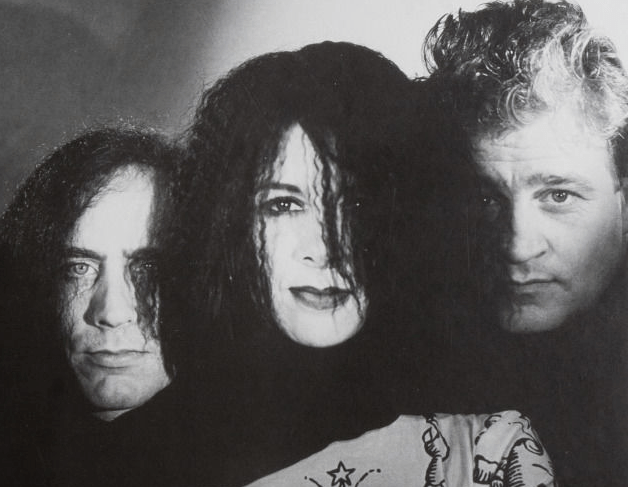
Concrete Blonde occupies a unique and enduring place in the rich tapestry of alternative rock music. Formed in the vibrant musical landscape of Los Angeles in the 1980s, Concrete Blonde emerged as a beacon of emotional depth and musical innovation. Led by the captivating vocals and songwriting prowess of Johnette Napolitano, the band’s distinctive blend of rock, punk, and folk influences captivated audiences and earned them a devoted following. This essay explores Concrete Blonde’s evolution, impact, and enduring legacy, delving into their thematic depth, musical craftsmanship, and cultural significance.

Formation and Early Years:

Concrete Blonde traces its origins to the convergence of talents between vocalist/bassist Johnette Napolitano, guitarist James Mankey, and drummer Harry Rushakoff in the mid-1980s. Drawing inspiration from the eclectic music scene of Los Angeles, the band forged a sound that defied easy categorization, blending elements of punk, rock, folk, and alternative music. Their eponymous debut album, “Concrete Blonde,” released in 1986, showcased their raw energy and emotional intensity, laying the foundation for their subsequent success.

Thematic Depth and Musical Craftsmanship:

At the heart of Concrete Blonde’s music lies a profound exploration of the human condition, infused with love, loss, longing, and redemption themes. Johnette Napolitano’s evocative lyrics and soul-stirring vocals serve as a conduit for raw emotion, resonating with listeners on a deeply personal level. Whether channeling heartache and despair in “Joey” or exuding defiance and resilience in “Bloodletting (The Vampire Song),” Concrete Blonde’s music transcends genre boundaries, inviting listeners into a world of introspection and catharsis.

Musically, Concrete Blonde’s compositions are characterized by their dynamic arrangements, melodic hooks, and rich instrumentation. James Mankey’s masterful guitar work ranges from atmospheric textures to blistering solos, complementing Napolitano’s emotive vocals with nuance and depth. The rhythm section, anchored by Harry Rushakoff’s propulsive drumming, provides a solid foundation for the band’s sonic exploration, while guest musicians add layers of sonic richness to their sound.

Cultural Impact and Enduring Legacy:

Throughout their career, Concrete Blonde left an indelible mark on the alternative rock landscape, influencing subsequent generations of musicians and earning critical acclaim for their distinctive sound and uncompromising vision. Their breakthrough album, “Bloodletting,” released in 1990, propelled them to mainstream success, fueled by the haunting single “Joey” and the atmospheric title track “Bloodletting (The Vampire Song).” Subsequent albums, including “Walking in London” and “Mexican Moon,” further cemented their reputation as one of the preeminent bands of the alternative rock era.

Beyond their musical achievements, Concrete Blonde’s impact extends to their engagement with social and political issues, using their platform to advocate for causes ranging from environmental conservation to LGBTQ rights. Their music resonates with audiences worldwide, providing solace, inspiration, and a sense of connection in an ever-changing world.


The song that made me a fan.

Lyrics: Dance Along the Edge

Sometimes we laugh like children
Go running holding hands
I never felt like this before,
I never will again
Sometimes we cry like babies
I hold you to my heart.
I just can’t stand to see you sad,
It tears me all apart

And we’re so afraid and it’s such a shame,
There is no reason we should doube it.
The things we want to say we’ver never said!
And we look away and it’s all ok and
Never really talk about it
It’s a shame the way we dance along the edge
Dance along the edge.

We always seem so careful,
We’re always so unsure.
Our past mistakes they make us shakey… eyes on the door.
When do we stop searching
For what we’re searching for?
Then when it comes, we question love and try for more!

And we’re happy here, but we live in fear
We’ve seen a lot of temples crumble.
Some of flesh and blood from love under glass.
Will we come undone? Will we turn and run?
And will we know it when we find it?
It’s a game the way we dance along the edge.
And we’ll walk the line and we’ll do our time
For just as long as we’ve been given,
And pretend that we don’t hear the things they’ve said.
Can we promise love? Is it all too much
And do our old souls still believe it?
It’s insane the way we dance along the edge.

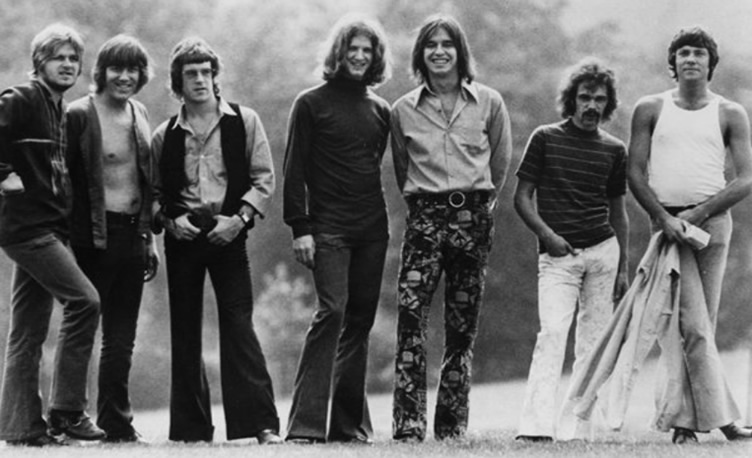
Mixed Music Bag – Week 6 – Chicago

ARTICLE – MINI BIOGRAPHY – MMB TUNAGE

Here is my response to week 6 of Glynn’s Mixed Music Bag

On my birthday in 1983, a back known as Chicago released an album which inadvertenly changed my life. Yes I know, you hear things such as these all the time and they rather rise to the occasion. Yet, I submit you the following; let us stop for a moment and consider that event may in some significant changed the person describing the incident’s life. Though, the event may be small for us it may majestic for them at the time. We have no way of knowing.

However, for me I will never forget the name of the band who meant so much to me, but I didn’t know it at the time. Allow me to explain. In 1983, they had just released to album it was a big deal at the catholic school I attended. One lucky young lady had the album and agreed to play it at our Confirmation. I believe it was Chicago 17 but I’m not sure. Well, I kept bumping into the record player and ended up scratching the album to hell. I was supposed to replace it, but never did. So from that point, I cringed every time I heard someone talking about Peter Cetera and Chicago.

The strange thing was I had several songs by the band recorded on cassette. I had no idea I was listening to Chicago. The songs were from their earlier albums and I love these songs still. So, a little over decade ago, I come across a list of the 1001 albums you need to hear before you die or some nonsense like that. I ran across an album by a band called the Chicago Transit Authority. I listened and it contained several of my favorites. So, finally I knew who recorded these songs. After researching a little further, I discovered Chicago Transit Authority was actually my dreaded Chicago. I looked at my computer screen and silently screamed.

Though, I haven’t listened any of there work from the 80’s, I still jam their earlier with gusto. Yeah, don’t judge me!

Here are the particulars about the band


In the grand tapestry of music history, certain bands stand out for their exceptional talent and profound impact on the cultural landscape. Among these luminaries is the band Chicago, a group that transcended boundaries and defied conventions to etch its name into the annals of musical history. From its humble beginnings in the late 1960s to its enduring presence in the contemporary music scene, Chicago has captivated audiences with its eclectic blend of rock, jazz, and pop, leaving an indelible mark on generations of listeners worldwide.

Origins and Evolution:

Chicago’s journey began in 1967 when a group of young musicians from DePaul University formed a rock band that would soon revolutionize the music industry. Originally known as The Big Thing, the band underwent several transformations before settling on the name Chicago Transit Authority, paying homage to the bustling city that inspired their sound. Led by the visionary partnership of Robert Lamm, Terry Kath, and James Pankow, Chicago quickly distinguished itself with its innovative fusion of rock instrumentation and jazz-inflected arrangements.

The band’s eponymous debut album, released in 1969, served as a bold declaration of their musical prowess, featuring a dynamic blend of brass-heavy compositions and intricate instrumental passages. Tracks like “Beginnings” and “Does Anybody Really Know What Time It Is?” showcased Chicago’s knack for crafting sophisticated arrangements while maintaining an infectious sense of groove. Bolstered by critical acclaim and commercial success, the album laid the foundation for Chicago’s meteoric rise to fame.

In the ensuing years, Chicago continued to push the boundaries of their sound, experimenting with different genres and incorporating diverse influences into their music. Albums such as “Chicago II” and “Chicago V” showcased the band’s versatility, blending rock anthems with soulful ballads and complex jazz compositions. With each new release, Chicago further solidified its reputation as a musical powerhouse, earning accolades and amassing a diverse devoted fan base.

Innovative Fusion:

One of Chicago’s most distinctive features is its innovative use of horns, which became a signature element of the band’s sound. Unlike traditional rock bands that relied solely on guitars and keyboards, Chicago integrated a full brass section into its lineup, comprising saxophones, trumpets, and trombones. This unconventional approach set Chicago apart from its contemporaries and allowed the band to explore new sonic territories, infusing their music with a rich tapestry of textures and colors.

The seamless fusion of rock and jazz elements became a hallmark of Chicago’s style, earning them widespread acclaim and admiration from audiences and critics alike. Tracks like “25 or 6 to 4” and “Make Me Smile” exemplify the band’s ability to marry intricate instrumental arrangements with catchy melodies, creating a sound that is both sophisticated and accessible. Chicago’s innovative approach to songwriting and arranging paved the way for countless artists to explore new avenues of musical expression, leaving an indelible mark on the evolution of popular music.

Enduring Legacy:

Over five decades since its inception, Chicago’s legacy remains as vibrant as ever, with its music continuing to resonate with global audiences. With a discography spanning 25 studio albums and countless hits, the band has left an indelible imprint on the fabric of popular culture, influencing subsequent generations of musicians across genres.

From sold-out concerts to prestigious awards, Chicago’s impact on the music industry is undeniable. Inducted into the Rock and Roll Hall of Fame in 2016, the band has received numerous accolades for its contributions to music, including multiple Grammy Awards and a star on the Hollywood Walk of Fame. Despite facing adversity and tragedy, including the untimely death of guitarist Terry Kath in 1978, Chicago persevered, demonstrating resilience and fortitude in the face of adversity.

Conclusion:

In the ever-changing landscape of popular music, few bands have left as profound a mark as Chicago. Their innovative fusion of rock, jazz, and pop reshaped the musical landscape, inspiring generations of artists and captivating audiences with their timeless melodies and infectious grooves. As they continue to enthrall listeners with their electrifying performances and enduring hits, Chicago stands as a testament to the power of music to transcend boundaries and unite hearts across the globe.

One of my favorites

Music Mixed Bag – Week 5

ARTICLE – TUNAGE

My response to Glyn’s Mixed Music Bag

For this week’s challenge, I couldn’t decide which band to feature, so I chose to feature two bands I had the privilege of watching on the same day. Let’s get to it, shall we?


Band Maid

Band Maid, an all-female rock band hailing from Japan, has been creating a significant impact on the international music scene with their unique fusion of hard rock, pop, and traditional Japanese music. The band is known for their distinctive aesthetic, which blends traditional maid outfits’ visual elements with rock and roll’s edginess.

Their powerful performances and energetic live shows have earned them wide acclaim. Each member of Band Maid is a skilled musician, and their concerts are known to showcase their musical prowess, defying the stereotypical image of a “maid.” The band’s sound, characterized by heavy guitar riffs, powerful drums, and catchy melodies, is familiar and fresh to the listeners.

Their stage presence is charismatic, engaging audiences worldwide and earning them a cult following. Their music and unique aesthetic set them apart in the rock scene, making them stand out.

Band Maid has also made significant strides in spreading their music globally. They have toured extensively, performing in countries like the US, UK, and Germany, and have released several albums that have been well-received by critics and fans alike. Their unique blend of hard rock, pop, and Japanese music, coupled with their distinct aesthetic, has made them a standout act in the world of rock music.

In conclusion, Band Maid is not just a novelty act. They are skilled musicians with a unique sound and look that sets them apart from other bands. Their music is powerful and catchy, and their performances are energetic and engaging. Band Maid’s unique blend of hard rock, pop, and traditional Japanese music is a breath of fresh air in the rock scene, and their increasing popularity worldwide is a testament to their talent and appeal.

Personal Reaction:

I take my metal seriously. I’ve been a metalhead before It was cool. So, I will not be swayed by attractive women dancing around in maid uniforms. I’m not having such foolishness. It’s no different with male bands that bolster some gimmick. However, my brother said they were good, and he hadn’t let me down yet, so I listened. Armed with skepticism by God.

All I can say is those ladies threw down. Totally blown away. If you get a chance, check them out.


Badflower

Badflower, the Los Angeles based American rock band, is making significant strides in redefining the rock genre with their unique and raw sound that resonates deeply with listeners. Their gritty and emotionally resonant music is a stark contrast in an era dominated by synthesized pop and electronic music, reminding listeners of the visceral energy of early punk rock bands, further enriched by the sophistication of modern alternative music.

Their rise to fame was not simply overnight. It resulted from relentless touring, engaging live performances, and their compelling sonic experience. Their debut album, “OK, I’m Sick,” was a turning point, receiving critical acclaim upon its release in 2019. This album propelled them to the forefront of the rock scene. The album’s lead single, “Ghost,” was a commercial success, earning a gold certification from the RIAA and reaching the top of the Billboard Mainstream Rock chart. This success has been consistent with their subsequent releases, solidifying their status as one of the decade’s most exciting new rock bands.

Badflower’s success proves the continued relevance and demand for rock music in an era when pop and hip-hop typically dominate the charts. Their raw and emotive sound and thought-provoking lyrics have resonated with a new generation of rock fans, showing that rock music can still be fresh, innovative, and impactful.

Personal Reaction:

Badflower’s set was after Band-Maid- not directly after, but after. Now, we had seen Badflower previously and were excited to see them again. This show was great, but something happened during the set that sticks with me.

So, the band was playing Ghost, and something was happening in the audience. They stopped the show. They made sure the fan was okay before continuing. I’ve seen that before. Badflower is a definite class act.


Bonus Feature:

Twenty or so years ago, I had the privilege of watching the legendary B.B. King. My late wife was a tremendous fan, and I was like, he got a couple songs I like. I’ve always been more of a John Lee Hooker fan. So, one year, I had just returned from a very long assignment and wanted to do something special for my wife. I had no idea what special would be, but I wanted to do something. I kept looking for something and wasn’t having any luck. Then, one of the soldiers left a newspaper on the desk, and I found what I looking for.

B.B. King was giving a Mother’s Day special concert. So I bought tickets. I told her the three hours before the concert. She didn’t believe me. I produced the tickets, and she got dressed. Mind you, I never saw my wife get dressed that fast the entire time we were married. She even had to lay out some appropriate attire for me. Apparently, jeans, t-shirts, and boots wouldn’t cut it to see B.B. King. I protested and then quickly got dressed.

Did you know B.B. King had a jazz band? His band played a full set of jazz standards before King joined them on the stage. The show was about three hours long. It was one of the best shows I have seen. Yeah, but I’m still more of a John Lee fan.

Here is a version of a classic my wife and I both loved

Glyn’s Mixed Music Bag: Week 3 – Billy Preston

ARTICLE – MINI BIOGRAPHY

Here is my choice for Glyn’s Challenge for January – Week 3

The Musical Journey of Billy Preston

Billy Preston, often dubbed the “Fifth Beatle,” was an American musician whose impact on rock and soul music is immeasurable. His collaborations with some of the most iconic bands and artists of the 20th century, including The Beatles and The Rolling Stones, helped shape the sound of modern music.

Early Life
Born on September 2, 1946, in Houston, Texas, Billy Preston started his musical journey at a young age. He was a prodigy, playing the piano and organ in his church by age three. At ten, he debuted on the big screen, portraying young W.C. Handy in a biographical film about the blues musician. His early exposure to music set the foundation for his future career.

Notable Collaborations
Preston’s first significant collaboration came in 1962 when he joined Little Richard’s band as an organist. During this stint, he met The Beatles in Hamburg, Germany, beginning a long-standing relationship. In 1969, Preston joined the legendary band in the studio, contributing to their final two albums, “Abbey Road” and “Let It Be.” His skill on the keyboard earned him the nickname the ‘Fifth Beatle.’ Preston also worked with The Rolling Stones on several of their albums in the 70s, infusing their music with his unique soulful touch.

Lasting Legacy
Billy Preston’s contributions to music extended beyond his collaborations. As a solo artist, he charted numerous hits, including “Outa-Space” and “Nothing from Nothing.” His work earned him several awards, including a Best Pop Instrumental Performance Grammy. Even after he died in 2006, Preston’s influence can still be heard in modern music. His blend of rock, soul, and funk has inspired countless musicians, testifying to his enduring legacy.

Conclusion
Billy Preston’s life was a testament to his immense talent and musical versatility. From his early start in the church to his collaborations with some of the biggest names in rock and roll, his impact on music is undeniable. His legacy continues to inspire, making him a true icon in music history.


Mixed Music Bag – Wk 38 – Nazareth

I found this challenge during my daily reading.

My response to Glyn’s challenge. N for November

Nazareth is a Scottish hard rock band formed in Dunfermline in 1968. My favorite jam from them is Love Hurts