Beryl Markham – Female Aviator

ARTICLE – MINI BIOGRAPHY

After being raised by a single mom, I’m fully aware of the capabilities of women. I watched my mother face the challenges of raising an oddball son and never seemed to miss a beat. Even as a child, I wondered why they weren’t listed in the annuals of history. Surely, there had to be tough women like my mother throughout history? Of course, there were. I’m glad we have access to the information about these feats done by these amazing women. Will we be able to list them all or discover all the things women had a hand in? Probably not. However, I will use my platform to celebrate the courage of these women.
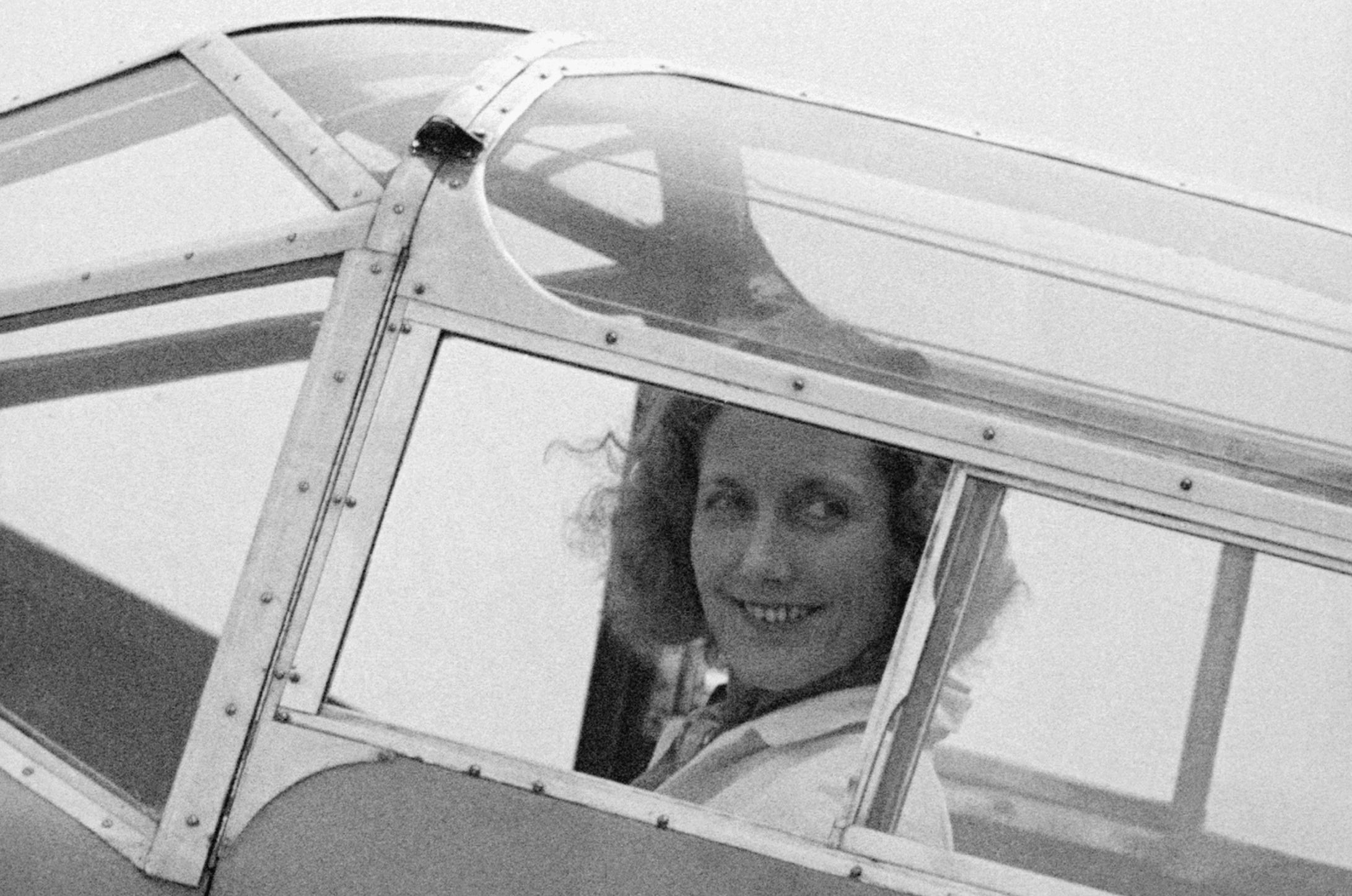

Beryl Markham’s life reads like an adventure novel, filled with groundbreaking achievements, thrilling exploits, and a legacy that transcends time. As the first woman to fly solo across the Atlantic from east to west, Markham shattered the glass ceiling in aviation. Her memoir, “West with the Night,” offers a mesmerizing account of her experiences in early 20th-century Africa and her daring flights, showcasing her indomitable spirit. This blog post seeks to explore the remarkable journey of Beryl Markham, celebrating her contributions to aviation and literature.

Early Life in Kenya

Born in England in 1902, Beryl Clutterbuck moved to Kenya with her family at a young age, igniting her lifelong love affair with Africa. Growing up on her father’s horse farm, she developed an early passion for horses, which later translated into a pioneering career in horse training. Her fascination with flying began in Kenya, where she met Tom Campbell Black, a notable figure in her aviation journey, fostering her aspiration to take to the skies.

Pioneering Aviation Career

Markham’s aviation career was marked by a series of remarkable achievements. She became the first woman to obtain a commercial pilot’s license in Kenya. In 1936, she made history by flying solo across the Atlantic from east to west, facing harsh weather conditions and navigating by stars. This monumental flight secured her place in aviation history, showcasing her courage and skill as a pilot.

Adventures and Challenges

Markham’s life was replete with adventures that stretched beyond the cockpit. Her personal life, marked by several marriages and notable friendships with prominent figures like Denys Finch Hatton and Karen Blixen, added layers to her already complex character. Despite the challenges she faced, including financial struggles and societal constraints on women of her time, Markham’s resilience never waned, driving her to pursue her passions relentlessly.

Literary Contributions

Though primarily known for her aviation feats, Markham was also an accomplished author. Her memoir West with the Night, published in 1942, was praised for its lyrical prose and vivid descriptions of colonial Africa. Despite its initial lukewarm reception, the book was rediscovered and celebrated in the 1980s, heralded as a masterpiece of 20th-century literature and providing a nuanced perspective on Markham’s extraordinary life.

Legacy and Recognition

Beryl Markham’s legacy is multifaceted, influencing the aviation and literary worlds. Her daring spirit and groundbreaking achievements in aviation paved the way for future generations of female pilots. Meanwhile, her literary contributions offer a unique glimpse into a woman’s life who refused to be defined by the era she lived in. Today, Markham is remembered for her historical flights and as a symbol of courage, resilience, and the pursuit of one’s passions against all odds.

Embarking on this detailed exploration of Beryl Markham’s life will allow us to paint a comprehensive picture of her impact on aviation and literature. Starting with her early life in Kenya, we’ll weave through her many accomplishments, adventures, and the legacy she leaves behind.

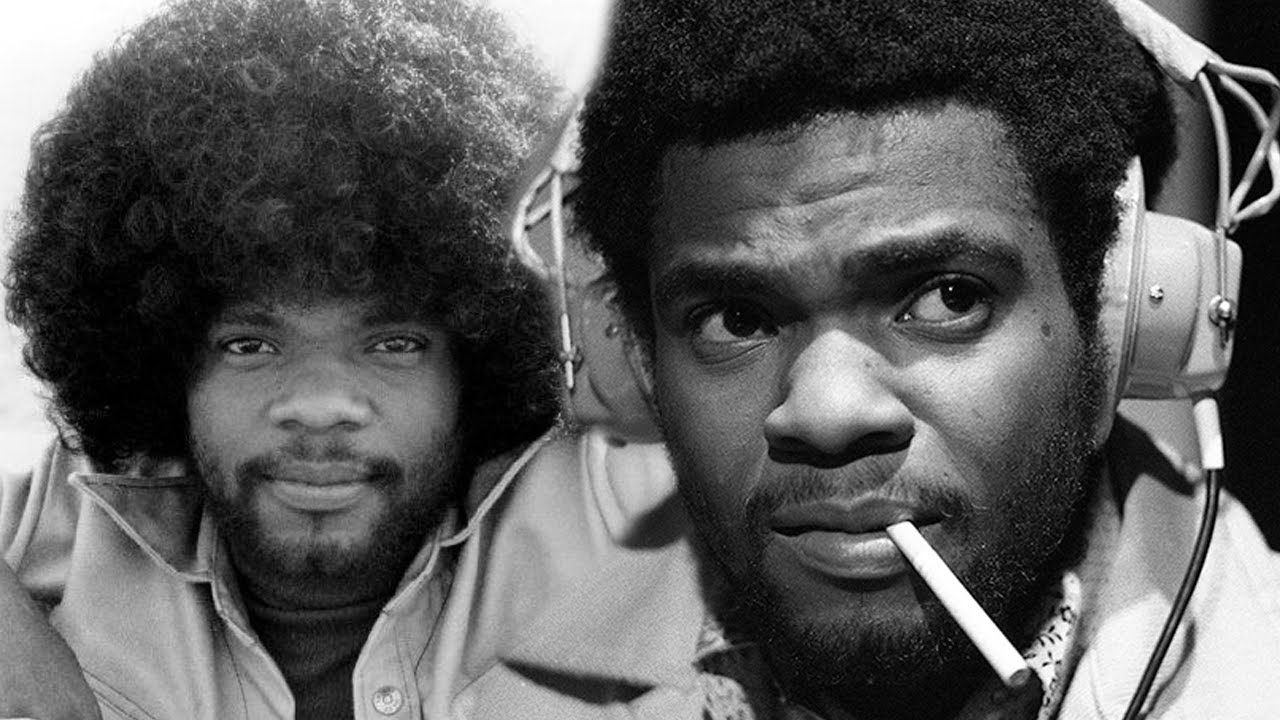
The Legendary Redd Foxx: A Pioneer of Comedy

ARTICLE – MINI BIOGRAPHY

Redd Foxx, born John Elroy Sanford on December 9, 1922, in St. Louis, Missouri, was a trailblazing comedian whose influence on American comedy remains unparalleled. Known for his quick wit, distinctive voice, and unapologetically bold humor, Foxx broke barriers and paved the way for future generations of comedians.

Early Life and Career Beginnings

Redd Foxx’s journey to stardom was anything but straightforward. He grew up in poverty, and his early years were marked by hardship and struggle. However, his natural talent for making people laugh became evident early on. He moved to Chicago in the 1940s and began performing in local nightclubs. During this time, he adopted the stage name Redd Foxx, a combination of his nickname “Redd” due to his complexion and admiration for the great baseball player Jimmie Foxx.

The Rise to Fame

Foxx’s big break came in the 1950s when he began recording a series of “party records.” These were risqué, adult-themed comedy albums that were sold under the counter due to their explicit content. Despite—or perhaps because of—their controversial nature, these records gained immense popularity. They showcased Foxx’s raw comedic talent and fearless approach to humor, earning him a dedicated following.

“Sanford and Son”: A Cultural Phenomenon

In 1972, Foxx’s career skyrocketed with the debut of “Sanford and Son,” a sitcom that would cement his status as a comedy legend. The show, produced by Norman Lear, featured Foxx as Fred G. Sanford, a cantankerous junk dealer with a sharp tongue and a heart of gold. “Sanford and Son” was groundbreaking in portraying African American life, blending humor with social commentary.

Redd Foxx with his older brother Fred G. Sanford Jr.

Most of Redd Foxx fans are unaware that his brother’s real name is Fred G. Sanford. Now wonderfully Redd Foxx made sure that the executives for the hit television show Sanford and Son allowed him to name his character so that he could honor the memory of his brother, Fred, who’d died five years before the show premiered.

Legacy and Impact

Redd Foxx’s impact on comedy and popular culture is profound. He was a pioneer in addressing issues of race and social justice through humor, using his platform to challenge stereotypes and advocate for equality. His style of comedy, characterized by its boldness and honesty, influenced countless comedians, including Richard Pryor, Eddie Murphy, and Chris Rock.

Foxx’s contributions to comedy were recognized with numerous accolades, including an induction into the NAACP Image Awards Hall of Fame. Beyond his professional achievements, he was known for his generosity and willingness to mentor young comedians.

Personal Life and Challenges

Despite his professional success, Foxx’s personal life was marked by financial difficulties and legal troubles. He was known for his lavish lifestyle and generosity, often giving money to friends and family. These habits, coupled with poor financial management, led to several bankruptcies. Yet, through it all, Foxx remained a beloved figure, admired for his resilience and indomitable spirit.

Conclusion

Redd Foxx’s legacy is one of groundbreaking achievements and enduring influence. His fearless approach to comedy and ability to find humor in the most challenging circumstances made him a beloved figure in American culture. As we look back on his life and career, we celebrate Redd Foxx not only as a pioneer of comedy but as a trailblazer who opened doors for future generations of performers. His humor, honesty, and humanity continues to inspire and entertain audiences worldwide.

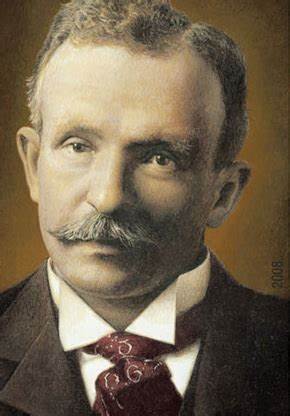
Charles W. Chesnutt: Pioneering African American Literary Voice

ARTICLE – MINI BIOGRAPHY – WRITER

Charles Waddell Chesnutt (1858–1932) was a trailblazing African American writer, essayist, and activist whose literary contributions were crucial in challenging racial stereotypes and advancing the cause of civil rights during the late 19th and early 20th centuries. Chesnutt’s work is celebrated for exploring complex social issues and its keen insight into the African American experience in post-Civil War America.

Born in Cleveland, Ohio, to free African American parents, Chesnutt experienced a unique background that influenced his perspective on race and identity. His family’s relative affluence and mixed-race heritage allowed Chesnutt to receive an education that many African Americans of his time were denied. After completing his education, Chesnutt worked as a teacher and stenographer, developing a strong foundation in language and communication that would later shape his literary career.

Chesnutt’s literary career began with publishing short stories in prominent magazines, earning him recognition for his skillful storytelling and social commentary. His breakthrough came with the publication of “The Conjure Woman” in 1899, a collection of short stories that employed dialect and folklore to explore the complexities of race and power dynamics in the South. This collection established Chesnutt as a prominent voice in American literature, challenging prevailing stereotypes and presenting a nuanced portrayal of African American life.

One of Chesnutt’s most notable novels is “The Marrow of Tradition” (1901), which addresses racial tensions and violence in the South during Reconstruction. Drawing inspiration from historical events such as the Wilmington Insurrection of 1898, Chesnutt’s novel explores the impact of racism on individuals and communities, providing a searing critique of the injustices African Americans faced.

Chesnutt’s literary contributions extended beyond fiction. He also wrote essays and speeches addressing his time’s social and political issues. His advocacy for racial equality and civil rights was evident in his writings and public engagements, making him a respected figure in the African American intellectual community.

Despite his significant contributions to American literature, Chesnutt’s works did not achieve widespread recognition during his lifetime. The prevailing racial attitudes of the era hindered the reception of his writings. However, in the decades following his death in 1932, there has been a renewed appreciation for Chesnutt’s literary achievements and his pioneering role in the African American literary tradition.

Charles W. Chesnutt’s legacy is a testament to his courage in addressing racial injustices through literature. His writings challenged stereotypes and provided a nuanced understanding of the African American experience during a tumultuous period in American history. Today, Chesnutt is celebrated as a pioneer whose work laid the foundation for future generations of African American writers and intellectuals.

Here is a more detailed list of works by Charles W. Chesnutt:

  1. “The Conjure Woman” (1899) is a collection of stories about African American folk magic. The stories revolve around Uncle Julius McAdoo, a former slave who became free after the Civil War.
  2. “The Wife of His Youth and Other Stories of the Color Line” (1899): Another collection of stories, this book focuses on the issues of racial identity and social place in the post-Civil War South.
  3. The House Behind the Cedars” (1900): This is a novel about a mixed-race family that moves to the South after the Civil War. The story revolves around the family’s struggle with racial identity.
  4. “The Marrow of Tradition” (1901): A historical novel, it is based on the events of the Wilmington Insurrection of 1898 in North Carolina.
  5. “The Colonel’s Dream” (1905): This novel follows a New York businessman who retires and moves back to the South, where he attempts to bring about racial and social reform.
  6. The Quarry” (unfinished, posthumously published in 1928): Chesnutt’s last novel, it remained unfinished at his death. It explores racial identity and social place themes in the post-Civil War South.

Chinese Immigration Discrimination II: The Geary Act of 1892

ARTICLE – MINI BIOGRAPHY – HISTORY

The Geary Act, enacted in 1892, represents a significant chapter in the history of American immigration law. Serving as an extension and reinforcement of the Chinese Exclusion Act of 1882, the Geary Act prolonged the era of discriminatory policies targeting Chinese immigrants and added further restrictions, marking a troubling period in U.S. history.

The Geary Act’s origins can be traced back to the growing anti-Chinese sentiment in the late 19th century. Initially enacted as a ten-year measure, the Chinese Exclusion Act faced expiration in 1892. Concerns over the potential influx of Chinese immigrants led to the introduction and passage of the Geary Act by the U.S. Congress. The legislation extended the exclusion period and intensified the restrictions imposed on the Chinese community in the United States.

One of the key provisions of the Geary Act mandated that Chinese immigrants carry identification papers, commonly referred to as “Chinese Exclusion Certificates,” at all times. Failure to produce these certificates upon demand could result in deportation or other penalties. This requirement subjected Chinese individuals to constant scrutiny and harassment, further marginalizing an already vulnerable community.

The Geary Act extended the Chinese Exclusion Act indefinitely, solidifying anti-Chinese sentiments and institutionalizing discriminatory practices. The act also imposed harsher penalties on those who assisted Chinese immigrants in evading the restrictions, including fines and imprisonment. The Chinese community faced increased challenges as the legislation reinforced stereotypes, perpetuated prejudice, and limited opportunities for social and economic advancement.

The enforcement of the Geary Act led to widespread protests and resistance within the Chinese American community. Advocacy groups and individuals worked tirelessly to challenge the discriminatory provisions of the act, asserting that it violated principles of equality and justice. Despite these efforts, the Geary Act remained in force until its eventual repeal in 1943 with the passage of the Magnuson Act.

The Geary Act, like the Chinese Exclusion Act, stands as a testament to a regrettable period in American history when xenophobia and discriminatory attitudes shaped immigration policies. The legislation contributed to the marginalization of the Chinese community and hindered the pursuit of the American Dream for countless individuals. The eventual repeal of such laws reflected a gradual shift toward more inclusive and equitable immigration policies. Still, the scars of these discriminatory practices continue to resonate in the collective memory of Chinese Americans and serve as a reminder of the ongoing struggle for justice and equal treatment.


Discrimination has been a part of my vocabulary longer than I care to admit. Yet, I didn’t know it applies to people. I spent a good portion of my life fighting for freedom and all that it represents. I knew my country wasn’t perfect; I wasn’t that naive. How could I be as an African-American? I wish I had a better idea of the madness I was fighting against. Stay tuned for tomorrow when we conclude the series on Chinese Immigration Discrimination.

John Snow: Pioneer in Epidemiology and the Father of Modern Public Health

ARTICLE – MINI BIOGRAPHY

John Snow – (15 March 1813 – 16 June 1858)

Introduction:

In the annals of medical history, the name John Snow stands as a beacon of innovation and pioneering efforts in epidemiology. Often referred to as the “Father of Modern Public Health,” John Snow’s groundbreaking work during the 19th century laid the foundation for understanding infectious diseases and developing effective public health measures. This article explores the life, contributions, and enduring legacy of John Snow.

Early Life and Medical Career:

John Snow was born in York, England, on March 15, 1813. After studying medicine at the Hunterian School of Medicine in London, he earned his medical degree in 1844. Snow began his medical career as a general practitioner, but his insatiable curiosity and analytical mind soon led him to delve into the emerging field of epidemiology.

Cholera Outbreaks and the Broad Street Pump:

Snow’s seminal work emerged during cholera outbreaks that swept through London in the mid-19th century. In 1854, a particularly devastating attack struck the Soho district, claiming the lives of hundreds of residents. While prevailing theories suggested that “miasma” or foul air caused the spread of cholera, Snow was skeptical and believed in a different transmission mode.

Through meticulous mapping and analysis of cases, Snow identified a common factor: the Broad Street pump. He noticed that individuals who contracted cholera had access to water from this specific pump. Snow’s groundbreaking insight led him to propose that contaminated water, not foul air, was the source of the cholera outbreak.

In a bold move, Snow persuaded authorities to remove the pump handle, rendering it inoperable. Subsequently, cholera cases declined, providing compelling evidence for the disease’s waterborne transmission. This pivotal moment in the Broad Street cholera outbreak is often considered the birth of modern epidemiology.

Cholera and the Broad Street Pump: A Turning Point:

John Snow’s work challenged prevailing medical dogma and laid the groundwork for a paradigm shift in public health. His observations and conclusions about the role of contaminated water in spreading cholera were groundbreaking, and he pioneered the use of epidemiological methods in disease investigation.

Snow’s Legacy and Impact on Public Health:

1. Advancements in Epidemiology: John Snow’s use of maps to visualize disease patterns and his emphasis on meticulous data collection laid the foundation for modern epidemiological methods. His work has influenced countless researchers and epidemiologists, shaping the way we approach the study of disease transmission.

2. Water and Sanitation Improvements: The removal of the Broad Street pump handle was a symbolic act that underscored the importance of clean water in preventing infectious diseases. Snow’s advocacy for improved water and sanitation laid the groundwork for subsequent public health initiatives to provide safe drinking water and sanitation infrastructure.

3. Public Health Policies: Snow’s contributions were pivotal in shaping public health policies, emphasizing preventive measures and evidence-based interventions. His legacy continues to guide public health professionals in addressing infectious diseases and promoting community well-being.

4. Recognition and Commemoration: In recognition of his contributions, a blue plaque was installed at 18 Soho Square, London, commemorating John Snow’s residence and work. Additionally, the John Snow Society, established in 1993, celebrates his legacy and contributions to public health.

Conclusion:

John Snow’s remarkable achievements in epidemiology and public health continue to reverberate through time. His ability to challenge prevailing theories, use data to draw meaningful conclusions, and advocate for evidence-based interventions has left an indelible mark on the field of public health. As we navigate contemporary global health challenges, the principles and methodologies championed by John Snow remain relevant, reminding us of the enduring impact of one individual on the health and well-being of communities worldwide.

Garrett A. Morgan: Innovator and Advocate

ARTICLE – MINI BIOGRAPHY

Introduction:

Garrett Augustus Morgan, born on March 4, 1877, in Paris, Kentucky, was a visionary inventor, entrepreneur, and civil rights advocate whose contributions have left an indelible mark on American history. Despite facing racial prejudices and societal challenges, Morgan’s inventive spirit and determination led to the creation of life-changing innovations and pioneering work promoting safety and equality. Let’s dive into the remarkable life and legacy of Garrett A. Morgan.

Early Life and Entrepreneurship:

Garrett A. Morgan’s early years were marked by his relentless pursuit of knowledge and an entrepreneurial spirit. After moving to Cincinnati in the late 19th century, Morgan began working as a sewing machine repairman. His natural aptitude for machinery and mechanics laid the foundation for his future inventions.

In 1907, Morgan established the G.A. Morgan Hair Refining Company, a business focused on the manufacturing and marketing hair care products. This entrepreneurial endeavor showcased Morgan’s business acumen and provided him with the financial means to pursue his inventive interests.

Innovations in Safety:

One of Morgan’s most notable inventions was the development of the safety hood, a precursor to the modern gas mask. Inspired by a tragic tunnel explosion in 1916 that claimed workers’ lives, including rescue personnel, Morgan designed a device that could filter out harmful gases, allowing individuals to breathe safely in hazardous environments.

In 1914, Morgan patented his safety hood, featuring a hood-like apparatus with a breathing tube and two receptacles for inhaling fresh and exhaling air. This effectively prevented the inhalation of toxic fumes. His invention was widely adopted, particularly by fire departments and rescue teams, and played a crucial role in saving lives in various industries.

Traffic Signal Innovation:

Another groundbreaking invention by Garrett A. Morgan was the automatic traffic signal, patented in 1923. The inspiration for this invention came from Morgan’s observations of chaotic and dangerous intersections. The original traffic signal, the Morgan Traffic Signal, featured a T-shaped pole with three positions – Stop, Go, and an all-way stop, a precursor to the modern yellow caution signal.

Morgan’s traffic signal significantly improved road safety and traffic management, paving the way for developing more advanced and standardized traffic control systems. His invention was pivotal in shaping urban infrastructure and reducing traffic accidents.

Civil Rights Advocacy:

Beyond his significant contributions to technology and safety, Garrett A. Morgan also advocated for civil rights. Living in a time marked by racial segregation and discrimination, Morgan actively challenged societal norms. He co-founded the Cleveland Call, a Black newspaper that aimed to promote racial equality and provide a platform for African American voices.

Morgan’s commitment to social justice extended to his community involvement, where he supported initiatives to uplift African Americans and address racial inequalities. His legacy as a trailblazer in both invention and advocacy inspires future generations, emphasizing the importance of perseverance and innovation in the face of adversity.

Conclusion:

Garrett A. Morgan’s life exemplifies the power of innovation, determination, and social responsibility. His inventions in safety technology and traffic management have had a lasting impact on society, saving lives and shaping the infrastructure of modern urban environments. Additionally, Morgan’s advocacy for civil rights underscores his commitment to creating a more just and equitable world. As we celebrate the legacy of Garrett A. Morgan, we recognize him not only as an ingenious inventor but also as a pioneer who broke barriers and paved the way for progress in multiple facets of American society.

Glyn’s Mixed Music Bag: Week 3 – Billy Preston

ARTICLE – MINI BIOGRAPHY

Here is my choice for Glyn’s Challenge for January – Week 3

The Musical Journey of Billy Preston

Billy Preston, often dubbed the “Fifth Beatle,” was an American musician whose impact on rock and soul music is immeasurable. His collaborations with some of the most iconic bands and artists of the 20th century, including The Beatles and The Rolling Stones, helped shape the sound of modern music.

Early Life
Born on September 2, 1946, in Houston, Texas, Billy Preston started his musical journey at a young age. He was a prodigy, playing the piano and organ in his church by age three. At ten, he debuted on the big screen, portraying young W.C. Handy in a biographical film about the blues musician. His early exposure to music set the foundation for his future career.

Notable Collaborations
Preston’s first significant collaboration came in 1962 when he joined Little Richard’s band as an organist. During this stint, he met The Beatles in Hamburg, Germany, beginning a long-standing relationship. In 1969, Preston joined the legendary band in the studio, contributing to their final two albums, “Abbey Road” and “Let It Be.” His skill on the keyboard earned him the nickname the ‘Fifth Beatle.’ Preston also worked with The Rolling Stones on several of their albums in the 70s, infusing their music with his unique soulful touch.

Lasting Legacy
Billy Preston’s contributions to music extended beyond his collaborations. As a solo artist, he charted numerous hits, including “Outa-Space” and “Nothing from Nothing.” His work earned him several awards, including a Best Pop Instrumental Performance Grammy. Even after he died in 2006, Preston’s influence can still be heard in modern music. His blend of rock, soul, and funk has inspired countless musicians, testifying to his enduring legacy.

Conclusion
Billy Preston’s life was a testament to his immense talent and musical versatility. From his early start in the church to his collaborations with some of the biggest names in rock and roll, his impact on music is undeniable. His legacy continues to inspire, making him a true icon in music history.