That Grown Folk Shit

Song Lyric Sunday • Theme: Rivers, Streams, Creeks, Brooks

We got those Sunday Jazz Vibes going. It’s never intentional, but it’s always right. The slow grooves of Grover Washington Jr. set the tone before the coffee even cools. The things that man does with a sax ought to be illegal in a few states.

“East River Drive” rolls in like a slow-moving tide — smooth on the surface, dangerous underneath. It’s one of those tracks that pretends to be background sound until you realize you’ve stopped whatever you were doing just to follow the way he bends a note. That sly confidence, that river-road swagger. The rhythm section lays back like it’s got nowhere to be, while Grover glides above it all, mapping the emotional coastline of a Sunday morning.

A subtle deep groove — the kind that whispers instead of shouts, trusting you’ll lean in.

And somewhere between those warm horn lines and the long exhale of morning, my mind drifted downstream. That’s when the tonal shift hit — jarring in the best possible way.

Sliding from Grover into Melody Gardot is like stepping out of warm light into cool river air. Grover softens the room; Gardot sharpens it. His sax gives you glide. Her voice gives you gravity. With Grover, the river moves. With Gardot, the river speaks.

She pulls you in with that first line:
“Love me like a river does.”

On paper, it’s simple.
In her mouth, it’s a philosophy.

The river isn’t passion.
It’s not urgency.
It’s not the cinematic love-story nonsense we were raised on.

A river flows.
A river returns.
A river shapes the land without ever raising its voice.

She’s not asking for fireworks.
She’s asking for endurance.

Then the quiet boundary:
“Baby don’t rush, you’re no waterfall.”

That’s the deal-breaker disguised as tenderness.
The waterfall is the crash, the spectacle, the “falling in love” that feels good until you’re pulling yourself out of the wreckage.

She wants none of that.

Her voice is soft, but the boundaries are steel.

Strip away the romance of rivers and waterfalls and what she’s really saying is:

“If you’re going to love me, do it in a way that won’t break me.”

That’s not fear.
That’s experience.

The next verse shifts from river to sea — steady flow to swirling depth. Not for drama. For honesty. Intimacy always disorients you a little.

But even in that turbulence, she returns to her anchor: no rushing, no crashing, no spectacle. Even the sea has tides. Even passion needs rhythm.

Then the lens widens — earth, sky, rotation, gravity. Love as cycle, not event. Love that keeps you grounded without pinning you down.

And then back to the whisper:
“Love me, that is all.”

Simple words.
Colossal meaning.

What I love about this track is that it refuses to lie.

It doesn’t speak of love the way movies do — all gush, sparks, and declarations nobody could sustain after the credits roll. Gardot isn’t chasing fireworks. She’s not interested in romance that burns hot and disappears just as fast.

She’s talking about grown-folk love.

The kind that shows up.
The kind that lasts.
The kind built on years, not moments.

Her metaphors — river, sea, earth — aren’t poetic decoration. They’re durability tests:

Can your love flow?
Can it deepen?
Can it cycle?
Can it stay?

She’s asking for a love that tends a lifetime, not a scene. A love shaped by presence, not passion; by commitment, not chaos.

The kind you don’t stumble into.
The kind you earn.

And maybe that’s why this one gets me every time — there’s a difference between love that excites you and love that holds you. I’ve lived long enough to know which one matters more.

And let me say this plainly: this track comes from Melody Gardot’s debut album. Worrisome Heart was her first offering to the world, and I’ve rarely seen that kind of sophistication and grace appear so fully formed on a debut. Most artists spend years trying to grow into this kind of emotional control — the restraint, the nuance, the quiet authority. Gardot walked in with it from day one. No hesitation. No warm-up laps. Just a young artist already carrying the poise of someone who’s lived a lifetime and managed to distill it into song. Truly a marvel.

Before you watch the performance below, a quick note:
This reflection is based on the studio version of “Love Me Like a River Does,” from Worrisome Heart — the quiet, intimate rendition where she whispers the philosophy of grown-folk love straight into your chest. But in the live version you’re about to hear, she opens with something unexpected: the first verse of Nina Simone’s “Don’t Explain.” It’s a deliberate nod — smoky, weary, full of Simone’s emotional steel — and Gardot weaves it in so seamlessly you barely notice the transition until it’s done. One moment you’re in Nina’s world of bruised truth; the next, Gardot slips into her own song like it was always meant to follow. It turns the piece from a gentle plea into something closer to a declaration.

What makes the song hit is how Gardot never pushes. The arrangement stays minimal. The room stays dim. Every breath has space around it.

It’s intimacy without intrusion.
Truth without theater.

A quiet manifesto from someone who knows the cost of loving too fast and too violently.

She’s asking for love like water — not the kind that drowns you, but the kind that carries you and keeps coming back.

A grown-folk kind of love.
A river kind of love.
The kind that lasts because two people choose the flow over the fall.

And maybe that’s the real Sunday lesson — some songs don’t need volume to be heard. Some just need stillness.
Built on Fault Lines

TUNAGE – SLS

The Hidden Band Origins of Today’s Boldest Solo Artists

The low-key origin stories behind music’s most defining solo careers.

This challenge was tough because I know too many artists to choose from. I didn’t want to go with the obvious ones — you know, Ozzy Osbourne from Black Sabbath, Eric Clapton from Cream, Sting from The Police, or Diana Ross from The Supremes. Legends, sure. But those are basically music history 101.

The real struggle? Picking a genre. Rock? Overflowing. R&B? Stacked. Jazz? Don’t even get me started — half the genre is built on solo careers that started in someone else’s band. There are solid examples everywhere. So instead of narrowing it down, I went wide — and spotlighted the solo artists whose band origins aren’t always part of the conversation.


Herbie Hancock – Miles’ Sideman to Funk Pioneer

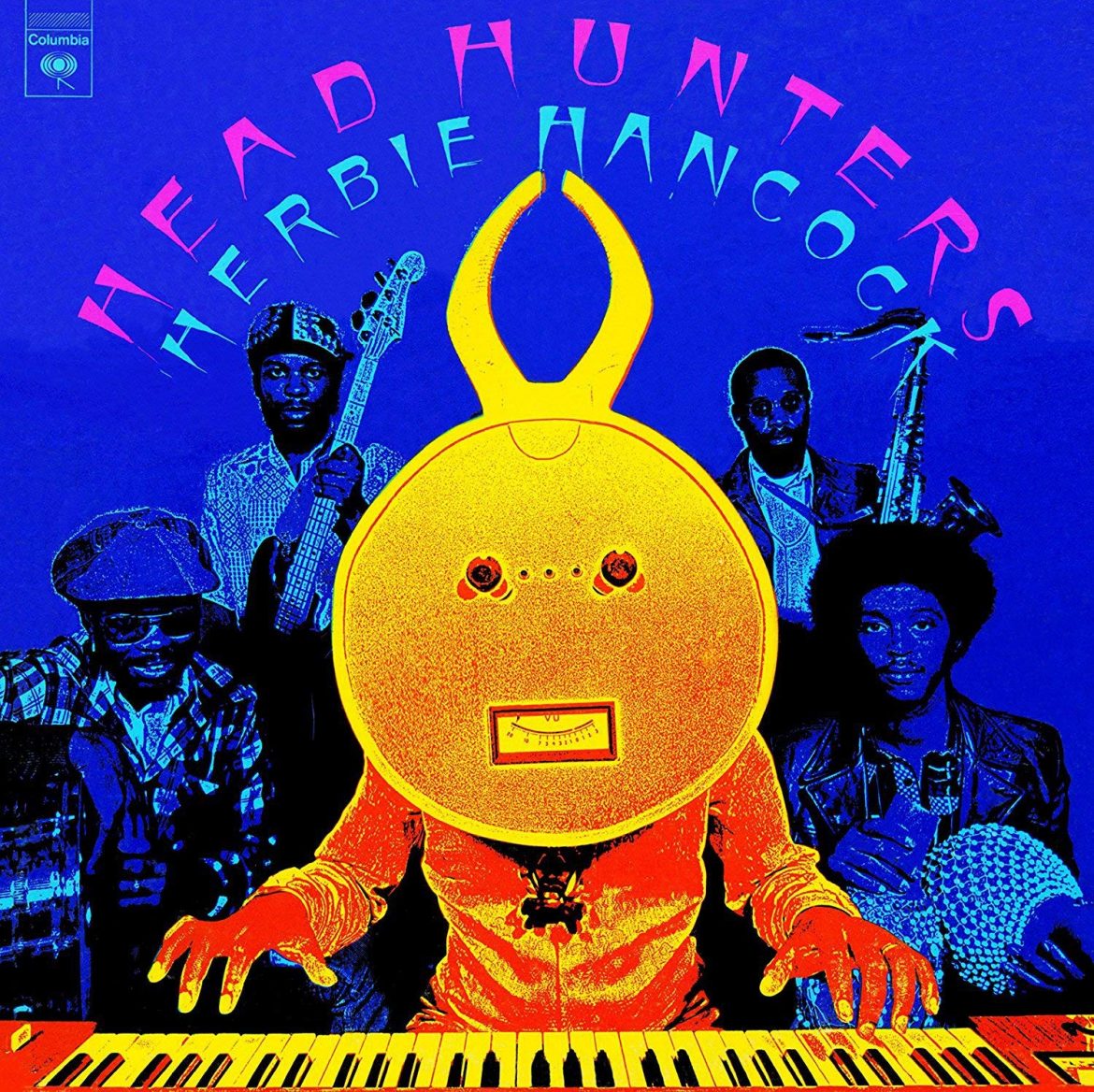
Before blowing minds with Chameleon and Rockit, Herbie Hancock laid down genius in Miles Davis’ Second Great Quintet — one of the most legendary jazz lineups ever. He could’ve coasted on that. Instead, he rewired jazz with funk, synths, and even turntables.

His 1973 album Head Hunters didn’t just move jazz forward — it cracked it open. “Chameleon” became an anthem, and Herbie never looked back. His solo career didn’t just stand out — it helped rewrite what jazz could be.


Teddy Pendergrass – From Group Harmony to Grown-Man Swagger

Teddy didn’t slide into solo stardom — he owned it. But before the robes and roses, he was the voice behind Harold Melvin & the Blue Notes. That’s him on “If You Don’t Know Me By Now.”

He dialed up the heat when he went solo in the late ’70s. Teddy wasn’t just singing love songs — he was setting the blueprint for every smooth, commanding R&B frontman who came after him.

Kenny Rogers – Psychedelic Cowboy?

We remember Kenny Rogers for the beard, the chicken, and “The Gambler.” But in the late ’60s, he fronted The First Edition, a trippy country-rock band. “Just Dropped In (To See What Condition My Condition Was In)” is a psychedelic classic — weird, bold, and nothing like what came after.

He didn’t start as a country icon — he became one. And he brought a little leftover weirdness with him.


Joe Walsh – From Power Trio to Solo Chaos

Before he was shredding with The Eagles, Joe Walsh was the wild force behind James Gang. “Funk #49” still hits like a punch to the chest. Then came his solo years — loose, loud, and hilarious (“Life’s Been Good” is chaos in the best way).

He had the chops, but more importantly, he had that unhinged charisma. And when he joined The Eagles, he didn’t clean up — he brought the madness with him.

Ice Cube – From Ruthless to Relentless

Before the solo albums, movies, and cultural icon status, Ice Cube was the pen behind N.W.A. He wrote most of Straight Outta Compton — then walked away over money and control.

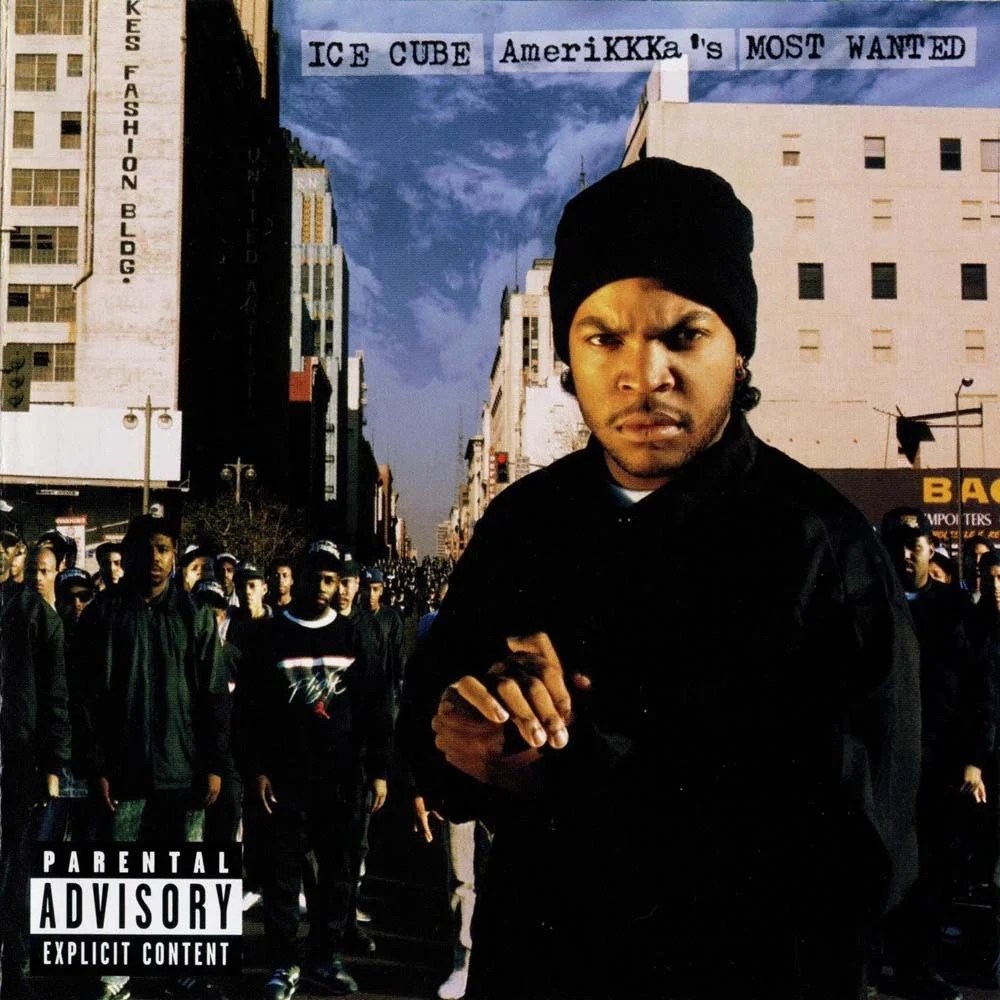
His debut solo album, AmeriKKKa’s Most Wanted, hit like a sledgehammer. He didn’t just survive the breakup — he turned it into fuel and built a solo career that outpaced the group that made him.


Amerikkka’s Most Wanted Album Cover

Then There’s the Whole Bryan Ferry, Morrissey, Annie Lennox Thing…

You know the type. The ones who were technically in a band, but you kind of always knew they were destined to fly solo.

  • Bryan Ferry was Roxy Music—cool, stylish, theatrical. When he went solo, he smoothed out the edges and kept the vibe going with even more elegance.
  • Morrissey? When The Smiths dissolved, he doubled down on his own mythology — neurotic, literary, and unfiltered. Say what you will, but he made being miserable sound iconic.
  • Annie Lennox stepped out of Eurythmics and immediately leveled up. Tracks like “Why” and “No More I Love You’s” didn’t just show off her range — they felt like she was finally making music with no one else in the room.
  • Dave Stewart didn’t vanish. He became a quiet force, producing and writing for legends like Tom Petty and Stevie Nicks. He dropped solo albums, too. No hype, no drama — just intense, melodic work from a guy who knows what to do in a studio.

Natalie Merchant – Quiet Power, Loud Impact

I’ve got all these artists in my library. That’s why this post was hard — every one of them means something to me. Every career shift hit a different note.

But the artist I landed on? Natalie Merchant. Not the biggest name. Not the flashiest. But the one who hit me quietly — and stayed.

I first fell for her voice on 10,000 Maniacs’ version of “Peace Train.” Then I lost track of her — until “Carnival” came out. That song pulled me right back in. Restrained, observational, hypnotic. It led me to Tigerlily. That’s when it clicked. I was in.

She didn’t just go solo — she effortlessly pushed her boundaries, building something slower, wiser, and entirely her own.


Tigerlily Album Cover

 “San Andreas Fault” – A Quiet Warning Disguised as a Lullaby

Though “Carnival” was the standout, I’ve always been partial to “San Andreas Fault.” It opens softly — just piano, some breath between the lines — and stays there. But listen closely, and it’s tense. It’s about chasing dreams on unstable ground, about the illusions of safety and paradise.

It’s a warning, wrapped in a lullaby. A metaphor that doesn’t yell — it just sits with you. That’s Merchant’s power. She doesn’t need volume. She needs space — and she knows how to fill it.


Final Thoughts

Natalie Merchant didn’t just survive leaving 10,000 Maniacs — she defined herself in the process. And that’s the real thread through all these stories: artists stepping away from the comfort of the group, betting on themselves, and making something real.

Sometimes the biggest moves aren’t loud.
They’re quiet.
Intentional.
Built on fault lines — and still, somehow, they hold.


This post was written for Jim Adams’ Song Lyric Sunday

Late Night Grooves #133

Tonight on LNG, I’m featuring one of my favorite jazz artists. I discovered Oscar Peterson by accident in my thirties. He and Ahmad Jamal played in my home for several months as part of my exploration of jazz trios. So, tonight, here is a standard from the Oscar Peterson Trio.

Oscar Peterson‘s rendition of “Have You Met Miss Jones?” appears on his acclaimed 1964 album “We Get Requests.” The song, originally composed by Richard Rodgers with lyrics by Lorenz Hart, was transformed by Peterson’s trio into a masterful jazz interpretation. The piece is set in the key of F Major and is typically performed at a fast tempo3. Peterson’s version is notable for his sophisticated block chords and characteristic virtuosic piano style. The performance builds dramatically, showcasing the trio’s dynamic interplay and Peterson’s remarkable technical facility at the keyboard.


Mixed Music Bag – Week 51

ARTICLE – TUNAGE – MINI BIO – MMB

The Yellowjackets 

In several previous posts, you’ve heard me yammer on about my musical journey and how different things in my life helped establish my evolving musical tastes. During the 1980s, I became a fan of jazz and the sub-genre of jazz fusion. This was spurred by my introduction to Al Dimeola, legendary guitarist of the Jazz Fusion trio Romantic Warrior. As I drove deeper into jazz fusion, I discovered “The Yellowjackets.” 

The Yellowjackets are a highly influential American jazz fusion band formed in 1977 in Los Angeles. Assembled initially as a backup band for guitarist Robben Ford, they evolved into one of jazz’s most respected groups. Ford left the band to pursue a different musical direction after recording their first album. The track Rush Hour on their 1981 self-titled release is often considered Robben Ford’s best work. 

Original Lineup: 

  • Robben Ford (Guitar)
  • Russell Ferrante (Keyboards)
  • Jimmy Haslip (Bass)
  • Ricky Lawson (Drums)

After Ford’s departure, the band continued as a trio. Despite Ford’s departure, the band maintained the sound band established with Ford. Mirage a Trois (1983) marked the transition of the band’s sound into a direction. They added saxophonist Marc Russo to add in the transition. Their album Shades (1986) cemented their sound, unique to their previous sound. 

Critical Acclaim

  • Shades (1986) reached No. 4 on the Billboard jazz album chart, featuring the Grammy-winning single “And You Know That”
  • Greenhouse (1991) reached No. 1 on the Billboard Contemporary Jazz Album chart.
  • Yellowjackets (1981) – Their debut album reached No. 16 on the Billboard Jazz Albums chart and made serious waves in jazz radio

Grammy Recognition

Their most acclaimed albums include:

  • Politics (1988) – Won Grammy for Jazz Fusion Performance
  • Jackets XL (2020) – Nominated for Best Large Jazz Ensemble Album
  • Parallel Motion (2022) – Their latest Grammy-nominated album

Current Lineup

The band currently consists of:

  • Russell Ferrante (Piano & Synthesizers) – founding member
  • Bob Mintzer (Woodwinds & EWI)
  • Will Kennedy (Drums)
  • Dane Alderson (Bass)

Musical Legacy

Throughout their 43-year history, the Yellowjackets have recorded 25 albums and received 17 Grammy nominations, winning two. Modern rhythms, strong melodies, and innovative jazz fusion compositions characterize their music.


It’s Not what you think?

Daily writing prompt
What is your favorite genre of music?

DAILY PROMPT RESPONSE

Most people I meet think my favorite genre of music is rock and roll. Based on the music I play on this blog, those reading this may be inclined to agree with that assessment. The truth is there is entirely too much music out there to be narrowed down or pigeonholed.

However, there are a few genres in which I have a soft spot: jazz, Blues, and old-school R&B. These are the music I grew up listening to. My first concert was a jazz concert. My Madre dragged me to see George Benson. I can’t remember the show, but I’ve spent my life listening to his music. The jazz record I remember listening to was Ramsey Lewis’s Sun Goddess. I didn’t know it was jazz, but I still loved it.

Madre also played Motown, the Philly sound, and other R&B artists, such as Billy Paul, Barry White, and Teddy Pendergrass. My Mother also introduced me to rock and roll. She played Doobie Brothers, Steely Dan, Linda Ronstadt, and others. So, it would seem that I was destined to be eclectic with my music choices.


Late Night Grooves #93

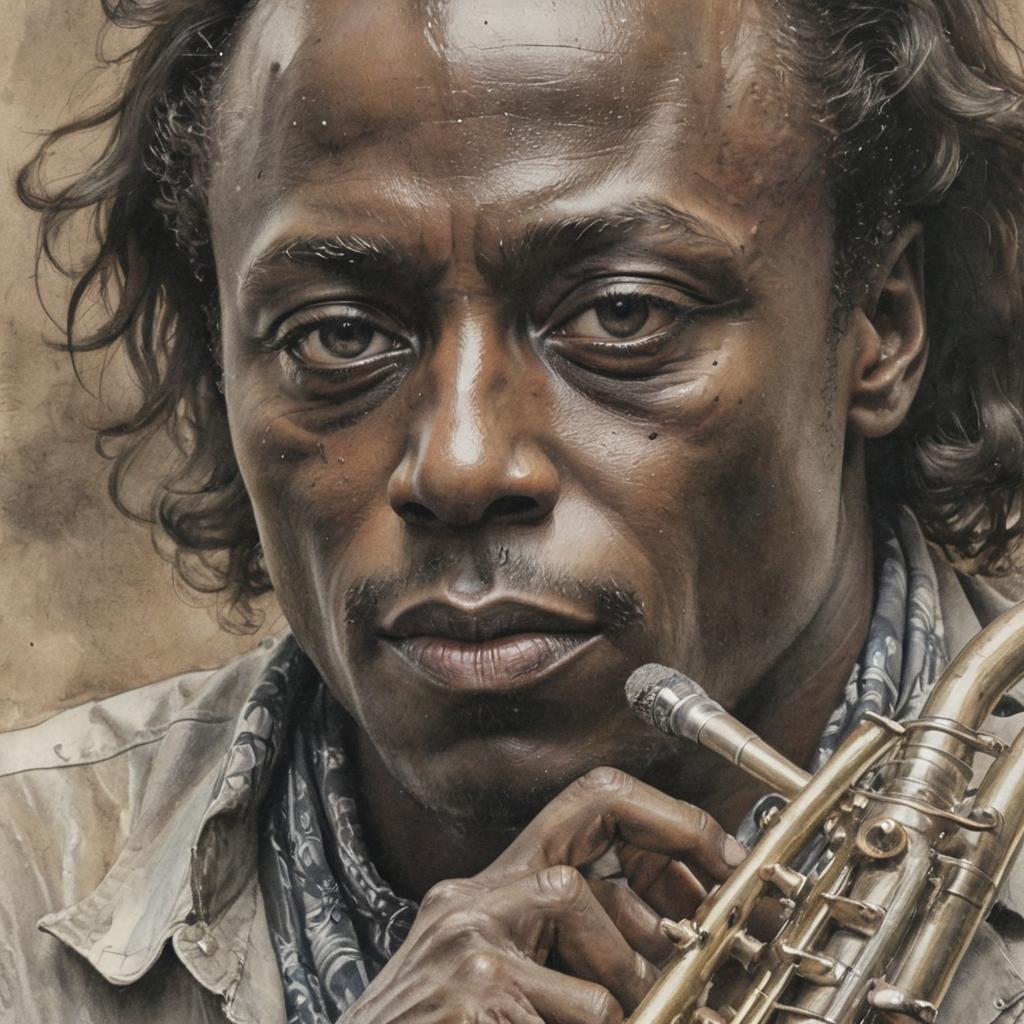
As Jazz week concludes on LNG, we are featuring Jazz Legend Miles Davis, whose career spanned over 4 decades. Here is one of my favorites.

Miles Davis (1926-1991)

Late Night Grooves #92

Tonight on LNG, we’re featuring another classic. In 1942, Dizzy Gillespie recorded the timeless track “A Night in Tunisia.” Here we have that with the Jazz Legend Charlie Parker on saxophone. Enjoy!


Late Night Grooves #91

Jazz week continues with a little Dave Brubeck. It was one of the first jazz tracks I heard in my musical discovery.

Dave Brubeck (1920-2012)

Late Night Grooves #90

We are continuing the jazz groove tonight on LNG with a classic featuring two music legends. One of my favorite collaborations. Ladies and gentlemen, Grover Washington Jr. and Bill Withers.


As a bonus, here is an exciting cover of the classic. I enjoy their interpretation of the classic. Let’s give it a listen, shall we?

Living Room Vinyl

Describe an item you were incredibly attached to as a youth. What became of it?

DAILY PROMPT RESPONSE

The item I was most attached to as a child was my mother’s album collection. I spent hours listening to her music. It was my mother’s love for music that shaped mine. The Madre turned me on to some of the greatest music classics.

My first concert was with George Benson. I had no idea what jazz was, but I liked what I heard. This love led me to explore more of her albums. Stanley Turrentine, Spyro Gyra, and Ramsey Lewis are a few examples.

I found my Madre jamming to Boz Skaggs, The Doobie Brothers, and Steely Dan. None of my friend’s mothers listened to the same music as my mother. As I listened to the radio, I heard many of the songs that played nights in the living room.

Of course, we had the standards playing in the house. Al Green, Billy Paul, Issac Hayes, and Teddy Penderness. As I dug deeper into her collection, I found some gems I wasn’t expecting: Johnnie Taylor, Solomon Burke, and Otis Redding. My taste kept growing. Soon, I discovered Billie Holiday and Nina Simone.

Then, I discovered what I wanted to be as an adult: a radio disc jockey. I had the knowledge of music and the voice, so why not? Like a lot of childhood fantasies, nothing real becomes of it. I deejayed a few parties and even had a pirate radio show with an army buddy, but I realized my talents were more in tune with writing.

What became of the Madre’s collection?

Well, what’s left of it is stored in my living room. The most important part is that I share its influence with you most days. Well, that’s it for this post, but it wouldn’t be right if I didn’t leave you with a little something.

Here’s a little Otis Redding Live

Singing aloud is allowed. Perhaps, even required!