Barbara McNair

ARTICLE – MINI BIOGRAPHY

Barbara McNair was an American singer, actress, and television personality who impacted the entertainment industry with her multifaceted career. Born on March 4, 1934, in Chicago, Illinois, McNair’s journey into the limelight began with her passion for music, nurtured in the choir of her local church. Her pursuit of an entertainment career led her to study at the American Conservatory of Music in Chicago and, later, the prestigious UCLA.

Early Career and Rise to Fame

Barbara McNair’s career took off in the late 1950s when she started recording for the Coral Records label, releasing a series of singles that showcased her versatile vocal range. However, her move to Motown Records in the mid-1960s catapulted her into the spotlight. McNair’s smooth voice and elegant presence made her a favorite among audiences, and she quickly became known for hits like “You’re Gonna Love My Baby.”

Parallel to her singing career, McNair ventured into acting, demonstrating her talent on both the stage and screen. She made notable appearances on Broadway, including roles in “No Strings” and “The Body Beautiful,” showcasing her ability to captivate audiences beyond her music.

Television and Film Success

In the late 1960s, Barbara McNair made significant strides in television, becoming one of the first African American women to host her own variety show, “The Barbara McNair Show” (1969-1972). The show was groundbreaking, featuring a mix of performances and interviews with celebrities, and broke new ground for African American women in entertainment.

McNair’s film career was equally impressive, with roles in films like “If He Hollers, Let Him Go!” (1968), “They Call Me Mister Tibbs!” (1970), and “The Organization” (1971), where she starred alongside Sidney Poitier. Her performances in these films were praised for their depth and demonstrated her versatility as an actress.

Legacy and Later Years

Barbara McNair was a trailblazer who broke racial barriers in the entertainment industry throughout her career. She used her platform to advocate for civil rights and actively participated in charity work, contributing to the betterment of her community.

In her later years, McNair continued to perform, touring the United States and abroad, and remained a beloved figure in the entertainment world. Barbara McNair passed away on February 4, 2007, but her legacy endures. She is remembered for her contributions to music, television, and film and her pioneering role as a woman of color in the entertainment industry.

Barbara McNair’s journey from a church choir in Chicago to the heights of Hollywood is a testament to her talent, determination, and the barriers she broke down along the way. Her life and career continue to inspire aspiring artists around the world.

Mixed Music Bag – Week 1: Alabama Shakes & Adam and the Ants

ARTICLE – MINI BIOGRAPHY – MMB

Here is my response to Glyn’s Mixed Music Bag

Alabama Shakes, a band whose name evokes the southern roots from which they emerged, has captivated audiences around the world with their raw, soulful sound. Since their formation in Athens, Alabama, in 2009, the band has garnered critical acclaim and a dedicated fan base for their electrifying performances and genuine musicality.

At the heart of Alabama Shakes is lead vocalist and guitarist Brittany Howard, whose powerhouse vocals and emotionally charged delivery have become synonymous with the band’s sound. From the moment she belts out the opening notes of a song, Howard effortlessly commands attention, infusing each lyric with a sense of urgency and sincerity that cuts straight to the soul.

Backing Howard is a talented ensemble of musicians including Heath Fogg on guitar, Zac Cockrell on bass, and Steve Johnson on drums, whose collective chemistry and tight instrumentation provide the perfect backdrop for Howard’s powerhouse vocals.

What sets Alabama Shakes apart is their commitment to authenticity. In an age where studio production and auto-tune reign supreme, the band’s stripped-down approach to music feels refreshingly genuine. Their debut album, “Boys & Girls,” released in 2012, is a testament to this authenticity, with its raw, bluesy sound and heartfelt lyrics resonating with listeners deeply and personally.

Tracks like “Hold On” and “I Found You” showcase the band’s ability to blend elements of rock, soul, and blues into a seamless and infectious sound that feels both timeless and contemporary. With each soulful guitar riff and impassioned vocal performance, Alabama Shakes transports listeners to a place where music is not just heard but felt.

The band’s sophomore effort, “Sound & Color,” released in 2015, further solidified their status as musical innovators. From the hauntingly beautiful title track to the raucous energy of “Don’t Wanna Fight,” the album is a sonic experimentation and emotional depth masterclass.

Beyond their recorded music, Alabama Shakes is renowned for their electrifying live performances. Whether performing in an intimate club or headlining a festival stage, the band’s energy and passion are palpable, leaving audiences spellbound and craving more.

As Alabama Shakes continues to evolve and push musical boundaries, one thing remains constant: their unwavering commitment to authenticity. In a world where trends come and go, the band’s timeless sound and genuine spirit remind us of the power of music to move, inspire, and unite us all.


Few bands stand out in the vibrant tapestry of punk rock history quite like Adam and the Ants. With their flamboyant style, infectious energy, and rebellious spirit, they carved out a unique niche in the late 1970s and early 1980s music landscape.

Formed in London in 1977 by frontman Adam Ant (born Stuart Leslie Goddard), Adam and the Ants quickly made a name for themselves with their distinctive blend of punk, glam rock, and new wave. With Ant’s charismatic persona at the forefront, the band’s music became synonymous with theatricality, bravado, and unabashed rebellion.

At the heart of Adam and the Ants’ sound was their innovative use of tribal rhythms and dual drummers, which added a primal, tribal element to their music. Combined with Ant’s swaggering vocals and catchy guitar riffs, the band created an infectious and unmistakably their own sound.

Their breakthrough came with releasing their sophomore album, “Kings of the Wild Frontier,” in 1980. Fueled by hits like “Antmusic” and “Dog Eat Dog,” the album catapulted Adam and the Ants to international fame, earning them a legion of devoted fans and cementing their status as icons of the punk rock movement.

But it wasn’t just their music that set Adam and the Ants apart—their larger-than-life image and fearless sense of style. With their elaborate costumes, tribal face paint, and provocative lyrics, the band embraced a sense of daring and empowering theatricality. They dared to challenge societal norms and push the boundaries of self-expression, inspiring countless fans to embrace their individuality and inner rebellion.

Throughout their career, Adam and the Ants continued to push musical boundaries with albums like “Prince Charming” and “Friend or Foe,” showcasing their versatility and innovation as artists. Tracks like “Stand and Deliver” and “Prince Charming” further solidified their status as cultural icons, earning them critical acclaim and commercial success.

Though the band’s lineup underwent changes over the years, with Ant pursuing a successful solo career in the 1980s, the legacy of Adam and the Ants endures. Their music continues to resonate with audiences old and new, serving as a testament to the enduring power of punk rock to inspire, provoke, and ignite the fires of rebellion.

Adam and the Ants remind us to embrace our inner eccentricities and celebrate our unique identities in a world that often prizes conformity over creativity. With their infectious energy, fearless spirit, and unapologetic attitude, they remain timeless symbols of punk rock swagger and defiant individualism.

Anemia: It’s More Complex than We think.

Initially, Anemia was a condition you had heard of, but you didn’t know what it was or how it affected people. At any rate, it happened to someone else. During, my cancer battle mentioned I had anemia. Immediately, I protested as if it was something to be ashamed of. However, it isn’t and can be managed effectively if you take the time to understand the condition and give it just respect. Here are the particulars.

Here are the different types of Anemia:

Anemia is a condition characterized by a deficiency of red blood cells or hemoglobin in the blood, leading to reduced oxygen-carrying capacity and often resulting in symptoms such as fatigue, weakness, and pale skin. There are several types of anemia, each with different causes and characteristics. Some of the most common types include:

  1. Iron-deficiency anemia: This is the most common type of anemia, caused by a lack of iron in the body. Iron is essential for the production of hemoglobin, which carries oxygen in the blood. Iron-deficiency anemia can occur due to inadequate dietary intake of iron, poor absorption of iron from the diet, or blood loss (such as from menstruation or gastrointestinal bleeding).
  2. Vitamin B12 deficiency anemia: Also known as pernicious anemia, this type of anemia occurs when there is insufficient vitamin B12 in the body. Vitamin B12 is necessary for the production of red blood cells. Deficiency can result from dietary factors (such as a vegan diet lacking in animal products), malabsorption (such as in pernicious anemia), or certain medical conditions affecting the stomach or intestines.
  3. Folate deficiency anemia: Folate (vitamin B9) is another essential nutrient required for red blood cell production. Folate deficiency anemia can occur due to inadequate dietary intake of folate, malabsorption, or increased demand for folate (such as during pregnancy or in certain medical conditions).
  4. Hemolytic anemia: This type of anemia occurs when red blood cells are destroyed or removed from the bloodstream at a faster rate than they can be produced. Hemolytic anemia can be inherited (as in sickle cell anemia or thalassemia) or acquired (due to autoimmune disorders, infections, medications, or toxins).
  5. Aplastic anemia: Aplastic anemia is a rare but serious condition characterized by a failure of the bone marrow to produce an adequate number of red blood cells, white blood cells, and platelets. It can be caused by exposure to toxins, radiation, chemotherapy, certain medications, or autoimmune disorders.
  6. Anemia of chronic disease: Also known as anemia of inflammation, this type of anemia occurs as a result of chronic inflammatory conditions such as chronic infections, autoimmune diseases, or cancer. Inflammation can disrupt the body’s ability to use iron and produce red blood cells.
  7. Sickle cell anemia: Sickle cell anemia is an inherited form of hemolytic anemia caused by a mutation in the gene responsible for producing hemoglobin. This results in the production of abnormal hemoglobin (hemoglobin S), leading to the characteristic sickle-shaped red blood cells that are prone to premature destruction, causing anemia and other complications.

Causes of Anemia:

Various factors can cause anemia. One common cause is a deficiency in essential nutrients such as iron, vitamin B12, or folate. These nutrients are vital for the production of red blood cells, and their deficiency can lead to anemia. Iron deficiency anemia, for example, is the most common type and is often caused by a lack of iron-rich foods in the diet or poor iron absorption. Other causes of anemia include chronic diseases like kidney disease or cancer, genetic disorders like sickle cell anemia, and certain medications that interfere with the production or function of red blood cells.

The primary causes of anemia include:

1. Iron deficiency is the most common cause of anemia globally. It impairs the body’s ability to produce hemoglobin. Insufficient dietary iron, poor absorption, or chronic bleeding (such as in gastrointestinal disorders) can lead to iron-deficiency anemia.

2. Vitamin Deficiencies: Deficiencies in other essential vitamins, such as vitamin B12 and folic acid, can also contribute to anemia. These nutrients play a crucial role in red blood cell production, and their absence can lead to impaired cell development.

3. Chronic Diseases: Certain chronic conditions, such as chronic kidney disease, inflammatory disorders, and autoimmune diseases, can interfere with the production and lifespan of red blood cells, leading to anemia.

4. Hemolytic Anemias: In these conditions, red blood cells are destroyed prematurely due to an inherited genetic defect, autoimmune reactions, or exposure to certain medications or toxins.

5. Genetic Disorders: Some individuals may inherit genetic conditions affecting hemoglobin production, such as thalassemia or sickle cell anemia, which can lead to chronic anemia.

Symptoms of Anemia:

The symptoms of anemia can vary depending on the severity and underlying cause. Anemia reduces the blood’s ability to carry oxygen to the body’s tissues, resulting in a lack of energy and oxygen supply. In addition to these common symptoms, some individuals may experience chest pain, headaches, difficulty concentrating, and an increased risk of infections.

The symptoms of anemia can vary in severity and may include:

1. Fatigue: One of the most common symptoms is persistent fatigue, as reduced oxygen-carrying capacity affects overall energy levels.

2. Pale Skin and Mucous Membranes: Anemic individuals may exhibit pallor in their skin and mucous membranes, such as the inside of the mouth.

3. Shortness of Breath: Insufficient oxygen supply to tissues can lead to shortness of breath and increased heart rate, especially during physical activity.

4. Dizziness and Weakness: Anemia can cause dizziness, weakness, and difficulty concentrating due to reduced blood flow and oxygen delivery to the brain.

5. Cold Hands and Feet: Poor circulation can lead to a sensation of coldness in the extremities.

Treatment Options:

The treatment of anemia depends on the underlying cause and may include:

1. Iron Supplements: Oral or intravenous iron supplements may be prescribed to replenish iron levels for iron deficiency anemia.

2. Vitamin Supplements: Vitamin B12 and folic acid supplements are recommended for anemia caused by deficiencies in these nutrients.

3. Treatment of Underlying Conditions: Addressing chronic diseases or genetic disorders contributing to anemia is crucial for effective management.

4. Blood Transfusions: In severe cases or emergencies, blood transfusions may be necessary to quickly increase red blood cell count.

5. Lifestyle Changes: Adopting a balanced and nutrient-rich diet, particularly one that includes iron-rich foods, can help prevent and manage certain types of anemia.

Conclusion:

Anemia is a widespread health condition with various underlying causes, impacting individuals of all ages and backgrounds. Recognizing the symptoms and seeking timely medical attention is crucial for accurate diagnosis and appropriate treatment. Whether the reason is nutritional deficiencies, chronic diseases, or genetic factors, healthcare professionals can provide tailored interventions to manage anemia effectively and improve the quality of life for those affected. As ongoing research advances our understanding of anemia, continued awareness, and proactive healthcare measures will play a vital role in mitigating its impact on global health.


Sonia Sanchez: A Poetic Voice of Resistance and Empowerment

ARTICLE – MINI BIOGRAPHY – POET

When I started studying poetry, I couldn’t fathom its depth or impact. Most of the people I knew consistently named the same poets. The poets named depended on the group of people. Finally, I received my introduction to the Black Arts movement. Being Black, I was told this should be my area of concentration. This advice met my immediate dismissal. I have never liked to be told how or what to study.

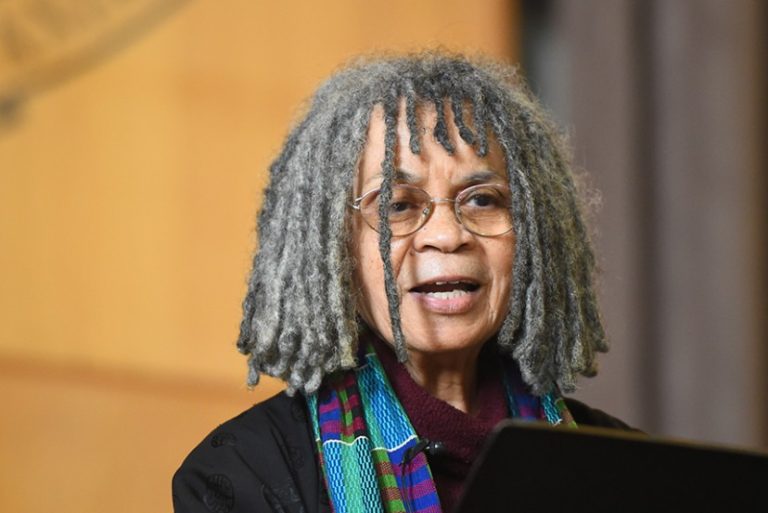
As I studied the Black Arts movement, I discovered many of the same names I’ve always heard. Then I found someone seldom talked about. I found Sonia Sanchez. I read most of her work and instantly became a fan. So, ladies and gentlemen, my first profile for Women’s History Month is Sonia Sanchez. 


Sonia Sanchez stands as one of the most influential poets of the 20th and 21st centuries, renowned for her powerful voice, uncompromising activism, and unyielding commitment to social justice. As a leading figure of the Black Arts Movement and a pioneer of African American literature, Sanchez’s poetry transcends mere words, catalyzing change, healing, and transformation. This essay aims to explore the life, works, and enduring legacy of Sonia Sanchez, illuminating her profound impact on literature, activism, and the collective consciousness of humanity.

Early Life and Influences:

Sonia Sanchez was born Wilsonia Benita Driver on September 9, 1934, in Birmingham, Alabama, during a time of deep-seated racial segregation and oppression in the United States. Raised by her maternal grandmother and deeply influenced by her African heritage, Sanchez developed an early appreciation for storytelling, oral traditions, and the power of language to evoke emotion and effect change. Her formative years in the racially charged environment of the Jim Crow South instilled in her a profound sense of social justice and a determination to resist oppression through her art.

Literary Career and Contributions:

Sanchez’s literary career began to flourish in the 1960s amid the backdrop of the Civil Rights Movement and the emergence of the Black Arts Movement. Her early poetry collections, including “Homecoming” (1969) and “We a BaddDDD People” (1970), captured the spirit of resistance and empowerment, celebrating the resilience and beauty of the African American experience. Grounded in the oral tradition of African griots and jazz improvisation, Sanchez’s poetry pulsated with rhythm, imagery, and urgency, challenging readers to confront the realities of racism, sexism, and injustice.

As a prominent voice of the Black Arts Movement, Sanchez used her poetry to advocate for racial equality, gender liberation, and the empowerment of marginalized communities. Her seminal work “Sister Outsider: Essays and Speeches” (1984) explored intersections of race, gender, and sexuality, challenging prevailing norms and fostering solidarity among oppressed peoples. Through her activism and advocacy, Sanchez inspired generations of writers, activists, and artists to use their platforms for social change and cultural transformation.

Themes and Style:

Sanchez’s poetry is characterized by its lyrical intensity, rhythmic cadence, and evocative imagery, drawing on themes of love, identity, memory, and resistance. Her verses pulse with the heartbeat of humanity, weaving together personal and collective narratives to create a tapestry of empowerment and resilience. Whether exploring the legacy of slavery in America, celebrating the beauty of Black womanhood, or lamenting the violence of racism, Sanchez’s poetry radiates with authenticity, empathy, and hope.

Enduring Legacy:

Sonia Sanchez’s impact extends far beyond the realm of literature, encompassing education, activism, and community engagement. As a distinguished English and Women’s Studies professor at Temple University, Sanchez mentored countless students and scholars, instilling a passion for social justice and critical inquiry. Through her workshops, lectures, and performances, she continues to inspire audiences around the world to confront injustice, embrace diversity, and strive for a more just and equitable society.

Conclusion:

In conclusion, Sonia Sanchez’s life and work exemplify the transformative power of poetry to awaken consciousness, ignite change, and foster healing. As a poet, educator, and activist, she has dedicated her life to amplifying the marginalized’s voices, challenging oppression systems, and nurturing the seeds of hope and resilience. Through her unwavering commitment to justice and her profound empathy for the human experience, Sonia Sanchez has left an indelible mark on literature, activism, and the ongoing struggle for freedom and dignity for all.

The Tulsa Race Massacre: An In-depth Exploration of a Dark Chapter in American History.

ARTICLE – MINI BIOGRAPHY – HISTORY

The Tulsa Race Massacre, which occurred in 1921, remains one of the most horrific instances of racial violence in American history. This tragic event, often overshadowed in the annals of history, resulted in the destruction of a prosperous Black community, fondly known as the “Black Wall Street,” in Tulsa, Oklahoma. This essay aims to delve deeper into the formation of Black Wall Street, the heart-wrenching events of the massacre, and the enduring impacts it had on the community and American society at large.

The Emergence of Black Wall Street

In the first two decades of the 20th century, the Greenwood District in Tulsa, Oklahoma, became a sanctuary for African American business growth and wealth accumulation. This was an era marked by racial segregation and the oppressive Jim Crow laws. Yet, against these odds, a thriving and vibrant community emerged in Greenwood.

The district was home to a plethora of successful businesses, including grocery stores, banks, law offices, and medical services. Elegant homes dotted the landscape, and cultural institutions like churches and schools contributed to a rich social fabric. The area soon earned the moniker “Black Wall Street,” symbolizing the economic power and prosperity of the African American community in the face of racial adversity.

The Tulsa Race Massacre

On May 31, 1921, a series of unfortunate events sparked a violent racial conflagration. A young African American shoe shiner, falsely accused of assaulting a white woman, became the catalyst that ignited racial tensions. A white mob, bolstered by individuals deputized by local law enforcement, launched a brutal attack on the Greenwood District.

Over two harrowing days, the mob pillaged the district, burning down businesses, homes, and churches. The destruction was vast and comprehensive, resulting in the obliteration of 35 city blocks. The violence took the lives of an estimated 300 African Americans, leaving thousands homeless and the community in ruins.

The Aftermath and Legacy

The aftermath of the massacre was nothing short of devastating. The once-thriving Greenwood District was reduced to ashes; its prosperity was swept away in a tidal wave of violence and hatred. Residents who had once enjoyed relative wealth and stability were left impoverished, their dreams and aspirations shattered.

In a further blow to the community, the massacre was covered up for decades. No substantial reparatory actions were taken, and the event was not included in the state’s history curriculum until 2000. The victims and their descendants were left to grapple with the emotional and economic scars of the massacre, devoid of any formal recognition or justice.

However, the dawn of the 21st century brought a renewed push for recognition and reparations. The centennial of the massacre in 2021 brought national attention to the event, sparking calls for justice, racial healing, and reparations. Archaeological investigations have also been initiated, aiming to uncover mass graves and provide a more accurate account of the massacre’s horrific toll.

Conclusion

The Tulsa Race Massacre is a painful and crucial part of America’s racial history. Its legacy serves as a stark reminder of the systemic racism that African Americans have faced and continue to face. Today, as the nation grapples with racial injustices, the story of the massacre and the destruction of the “Black Wall Street” serves as a rallying cry for equality, justice, and reparations. We must remember and learn from this dark chapter to build a more equitable and inclusive future.

Robert Smalls

ARTICLE – MINI BIOGRAPHY – HISTORY

Robert Smalls (1839–1915) emerged from the crucible of slavery to become one of the most remarkable figures in American history, a testament to resilience, courage, and determination. His journey from enslavement to statesmanship reflects not only the indomitable spirit of one man but also the broader struggles for freedom and civil rights during a tumultuous period in the nation’s history.

Born in Beaufort, South Carolina, in 1839, Smalls spent his early years in bondage. However, evidence of his spark of resistance and an unyielding desire for freedom burned within him, accumulated with his daring escape from slavery in 1862, catapulted him into the annals of American heroism and set the stage for a remarkable career in public service.

Smalls’ defining moment occurred on May 13, 1862, when he, along with several enslaved crew members, commandeered the Confederate transport ship, the CSS Planter, in the harbor of Charleston, South Carolina. Under the cover of darkness, Smalls piloted the ship past Confederate checkpoints, even replicating the signals to avoid suspicion. The audacious escape resulted in Smalls delivering the ship, its valuable cargo, and a group of enslaved individuals to Union forces, securing freedom for himself and his fellow escapees.

Smalls’ daring act garnered national attention and earned him the admiration of abolitionists and leaders alike. His story became a symbol of resistance and a powerful narrative that challenged the prevailing racist ideologies of the time.

Following his escape, Robert Smalls dedicated himself to the cause of emancipation and civil rights. He played a pivotal role in recruiting Black soldiers for the Union Army and Navy, recognizing the potential of African-American military service as a catalyst for broader social change.

After the Civil War, Smalls entered the world of politics with the same passion and commitment that characterized his earlier endeavors. He became involved in the Reconstruction-era government of South Carolina, serving as a delegate to the state’s constitutional convention in 1868. Subsequently, he was elected to the South Carolina State Senate and later to the U.S. House of Representatives.

In Congress, Smalls continued his advocacy for civil rights and social justice. He championed legislation that sought to protect the rights of formerly enslaved individuals and worked towards building a more inclusive and equitable society. His efforts included promoting education for Black children and pushing back against the oppressive Black Codes that sought to limit the freedoms of African Americans in the post-war South.

Robert Smalls’ legacy extends far beyond his daring escape from slavery. His contributions to the political landscape of the Reconstruction era underscore the transformative power of resilience and courage. Smalls’ life serves as an enduring example of how one individual, against all odds, can transcend the shackles of oppression and contribute to the ongoing struggle for justice and equality.

As we reflect on Robert Smalls’s life, we are reminded that the fight for civil rights is built on the shoulders of those who dared defy the status quo. His journey from enslavement to statesmanship stands as a beacon of hope and a testament to the enduring spirit of those who strive for freedom and justice for all.

Charles W. Chesnutt: Pioneering African American Literary Voice

ARTICLE – MINI BIOGRAPHY – WRITER

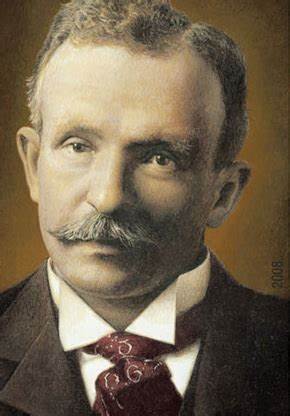
Charles Waddell Chesnutt (1858–1932) was a trailblazing African American writer, essayist, and activist whose literary contributions were crucial in challenging racial stereotypes and advancing the cause of civil rights during the late 19th and early 20th centuries. Chesnutt’s work is celebrated for exploring complex social issues and its keen insight into the African American experience in post-Civil War America.

Born in Cleveland, Ohio, to free African American parents, Chesnutt experienced a unique background that influenced his perspective on race and identity. His family’s relative affluence and mixed-race heritage allowed Chesnutt to receive an education that many African Americans of his time were denied. After completing his education, Chesnutt worked as a teacher and stenographer, developing a strong foundation in language and communication that would later shape his literary career.

Chesnutt’s literary career began with publishing short stories in prominent magazines, earning him recognition for his skillful storytelling and social commentary. His breakthrough came with the publication of “The Conjure Woman” in 1899, a collection of short stories that employed dialect and folklore to explore the complexities of race and power dynamics in the South. This collection established Chesnutt as a prominent voice in American literature, challenging prevailing stereotypes and presenting a nuanced portrayal of African American life.

One of Chesnutt’s most notable novels is “The Marrow of Tradition” (1901), which addresses racial tensions and violence in the South during Reconstruction. Drawing inspiration from historical events such as the Wilmington Insurrection of 1898, Chesnutt’s novel explores the impact of racism on individuals and communities, providing a searing critique of the injustices African Americans faced.

Chesnutt’s literary contributions extended beyond fiction. He also wrote essays and speeches addressing his time’s social and political issues. His advocacy for racial equality and civil rights was evident in his writings and public engagements, making him a respected figure in the African American intellectual community.

Despite his significant contributions to American literature, Chesnutt’s works did not achieve widespread recognition during his lifetime. The prevailing racial attitudes of the era hindered the reception of his writings. However, in the decades following his death in 1932, there has been a renewed appreciation for Chesnutt’s literary achievements and his pioneering role in the African American literary tradition.

Charles W. Chesnutt’s legacy is a testament to his courage in addressing racial injustices through literature. His writings challenged stereotypes and provided a nuanced understanding of the African American experience during a tumultuous period in American history. Today, Chesnutt is celebrated as a pioneer whose work laid the foundation for future generations of African American writers and intellectuals.

Here is a more detailed list of works by Charles W. Chesnutt:

  1. “The Conjure Woman” (1899) is a collection of stories about African American folk magic. The stories revolve around Uncle Julius McAdoo, a former slave who became free after the Civil War.
  2. “The Wife of His Youth and Other Stories of the Color Line” (1899): Another collection of stories, this book focuses on the issues of racial identity and social place in the post-Civil War South.
  3. The House Behind the Cedars” (1900): This is a novel about a mixed-race family that moves to the South after the Civil War. The story revolves around the family’s struggle with racial identity.
  4. “The Marrow of Tradition” (1901): A historical novel, it is based on the events of the Wilmington Insurrection of 1898 in North Carolina.
  5. “The Colonel’s Dream” (1905): This novel follows a New York businessman who retires and moves back to the South, where he attempts to bring about racial and social reform.
  6. The Quarry” (unfinished, posthumously published in 1928): Chesnutt’s last novel, it remained unfinished at his death. It explores racial identity and social place themes in the post-Civil War South.

Percival Prattis: Breaking Barriers as the First Black Reporter in the U.S. Congressional Press Gallery

ARTICLE – MINI BIOGRAPHY – HISTORICAL EVENT

In the annals of American journalism, Percival Prattis stands as a trailblazer, a visionary journalist who shattered racial barriers and paved the way for greater diversity in the press. Born in Trinidad in 1895, Prattis would become a distinguished reporter and the first Black journalist to gain access to the prestigious U.S. Congressional Press Gallery, leaving an indelible mark on the history of American journalism.

Prattis’s journey into journalism began with his early career at the Pittsburgh Courier, a prominent African American newspaper. His exceptional investigative reporting talent and unwavering commitment to social justice quickly garnered attention. In 1925, Prattis made history when he became the first African American Associated Press member (AP) member.

His role at the AP was not just a personal triumph but a significant stride toward breaking down racial barriers in mainstream media. Prattis’s journalistic prowess and determination to challenge systemic racism and inequality positioned him as a pivotal figure in the African American press during a crucial period in American history.

The pinnacle of Prattis’s groundbreaking career occurred when he secured a coveted spot in the U.S. Congressional Press Gallery, making history as the first Black reporter to achieve this milestone. The Congressional Press Gallery, located in the United States Capitol, is a prestigious enclave for journalists covering Congress’s proceedings. Prattis’s presence in this historically exclusive space marked a profound moment in the ongoing struggle for racial equality.

His groundbreaking achievement took place on February 3, 1947, when the United States was grappling with the challenges of post-World War II reconstruction and the burgeoning civil rights movement. Prattis’s reporting from Capitol Hill provided insight into legislative affairs and served as a powerful testament to the capacity of African American journalists to excel in arenas traditionally dominated by their white counterparts.

Prattis’s work in the Congressional Press Gallery was characterized by a commitment to unbiased reporting and a dedication to shedding light on the issues affecting the African American community. He used his platform to advocate for civil rights, using the power of his pen to challenge discriminatory practices and contribute to the ongoing dialogue about racial justice in America.

Beyond his achievements in journalism, Prattis was actively involved in civil rights organizations, including the National Urban League. His multifaceted approach to advocacy exemplified a holistic understanding of the interconnectedness of media, legislation, and societal change.

Percival Prattis’s groundbreaking journey as the first Black reporter in the U.S. Congressional Press Gallery serves as an enduring inspiration for journalists today. His legacy underscores the importance of diverse voices in shaping a nation’s narrative and highlights the transformative power of journalism as a force for social progress. As we celebrate the achievements of pioneers like Prattis, we honor their personal triumphs and their enduring contributions to the evolution of a more inclusive and equitable media landscape.

Chinese Immigration Discrimination II: The Geary Act of 1892

ARTICLE – MINI BIOGRAPHY – HISTORY

The Geary Act, enacted in 1892, represents a significant chapter in the history of American immigration law. Serving as an extension and reinforcement of the Chinese Exclusion Act of 1882, the Geary Act prolonged the era of discriminatory policies targeting Chinese immigrants and added further restrictions, marking a troubling period in U.S. history.

The Geary Act’s origins can be traced back to the growing anti-Chinese sentiment in the late 19th century. Initially enacted as a ten-year measure, the Chinese Exclusion Act faced expiration in 1892. Concerns over the potential influx of Chinese immigrants led to the introduction and passage of the Geary Act by the U.S. Congress. The legislation extended the exclusion period and intensified the restrictions imposed on the Chinese community in the United States.

One of the key provisions of the Geary Act mandated that Chinese immigrants carry identification papers, commonly referred to as “Chinese Exclusion Certificates,” at all times. Failure to produce these certificates upon demand could result in deportation or other penalties. This requirement subjected Chinese individuals to constant scrutiny and harassment, further marginalizing an already vulnerable community.

The Geary Act extended the Chinese Exclusion Act indefinitely, solidifying anti-Chinese sentiments and institutionalizing discriminatory practices. The act also imposed harsher penalties on those who assisted Chinese immigrants in evading the restrictions, including fines and imprisonment. The Chinese community faced increased challenges as the legislation reinforced stereotypes, perpetuated prejudice, and limited opportunities for social and economic advancement.

The enforcement of the Geary Act led to widespread protests and resistance within the Chinese American community. Advocacy groups and individuals worked tirelessly to challenge the discriminatory provisions of the act, asserting that it violated principles of equality and justice. Despite these efforts, the Geary Act remained in force until its eventual repeal in 1943 with the passage of the Magnuson Act.

The Geary Act, like the Chinese Exclusion Act, stands as a testament to a regrettable period in American history when xenophobia and discriminatory attitudes shaped immigration policies. The legislation contributed to the marginalization of the Chinese community and hindered the pursuit of the American Dream for countless individuals. The eventual repeal of such laws reflected a gradual shift toward more inclusive and equitable immigration policies. Still, the scars of these discriminatory practices continue to resonate in the collective memory of Chinese Americans and serve as a reminder of the ongoing struggle for justice and equal treatment.


Discrimination has been a part of my vocabulary longer than I care to admit. Yet, I didn’t know it applies to people. I spent a good portion of my life fighting for freedom and all that it represents. I knew my country wasn’t perfect; I wasn’t that naive. How could I be as an African-American? I wish I had a better idea of the madness I was fighting against. Stay tuned for tomorrow when we conclude the series on Chinese Immigration Discrimination.

Chester Himes: A Pioneering Voice in African American Literature

ARTICLE – MINI BIOGRAPHY – WRITER

Chester Himes, an acclaimed African American writer, carved a distinct niche with his crime novels that explored the experiences of black characters in the United States. Born on July 29, 1909, in Jefferson City, Missouri, Himes was raised in a middle-class home. This upbringing was notably ordinary until a dramatic event altered the course of his life.

At the tender age of 19, Himes was sentenced to prison for armed robbery. This unfortunate event, however, served as the backdrop for the beginning of his writing career. His years in prison became a fertile ground for creativity, and while confined, Himes began writing short stories. His talent and unique voice were showcased, and his stories were published in national magazines such as Esquire, marking the start of his journey as a recognized writer.

Following his release from prison in 1936, Himes did not abandon his newfound passion. Instead, he continued to write and publish, steadily gaining recognition as a significant voice in African American literature. His works, rooted in his personal experiences and observations, painted a vivid picture of the societal realities faced by African Americans.

In the 1950s, Himes made a bold move by relocating to France. There, he began writing detective novels featuring black protagonists, a genre in which he found considerable success. His most famous works from this period are the “Harlem Detective” series. The series features the characters Coffin Ed Johnson and Grave Digger Jones, two Harlem detectives who navigate a world fraught with crime, racism, and social issues. These novels were celebrated for realism, as Himes used his powerful storytelling to explore Harlem’s complex dynamics of race and class.

Throughout his career, Himes used his writing as a tool to explore themes of race, class, and crime. His narratives presented a unique and unflinching perspective on the African American experience. His works did not shy away from the harsh realities of racial inequality and social injustice, making them deeply resonant and thought-provoking.

Chester Himes passed away in Spain in 1984, but his legacy remains. His powerful and thought-provoking works resonate with readers today, and his contribution to African American literature remains undisputed. Himes’ life and works testify to his courage, resilience, and unyielding commitment to shedding light on the African American experience through his writing.

Here is a list of some of his notable works:

  1. If He Hollers Let Him Go (1945) – A novel exploring racism and the experiences of African Americans during World War II.
  2. The Lonely Crusade (1947) – A novel depicting the challenges faced by an African American protagonist in a racially divided society.
  3. Cast the First Stone (1952) – A novel that delves into the complexities of race relations and social justice.
  4. The Third Generation (1954) – A novel addressing race and identity issues.
  5. Cotton Comes to Harlem (1965) – The first book in Himes’ “Harlem Detective” series, featuring detectives “Coffin” Ed Johnson and “Gravedigger” Jones. This novel was later adapted into a film in 1970.
  6. Run Man Run (1966) – A novel exploring crime and social justice themes.
  7. Blind Man with a Pistol (1969) – Another installment in the “Harlem Detective” series, continuing the adventures of Johnson and Jones.
  8. The Quality of Hurt (1972) – An autobiographical work in which Himes reflects on his life, experiences, and the challenges of being a black writer.
  9. Black on Black: Baby Sister and Selected Writings (1973) – A collection of short stories, including the novella “Baby Sister,” exploring various aspects of African American life.
  10. Plan B (1973) – A satirical novel that touches on themes of politics and race.
  11. The Heat’s On (1986) – Published posthumously, this novel is the last installment in the “Harlem Detective” series.

I didn’t hear of Chester Himes until 2011. I was at a book fair when a random shopper approached me and started telling me about this amazing author. Strangely, he handed me a book, but it wasn’t by Chester Himes. Confused, I took the book, hoping he would leave, but he didn’t. The book was entitled Moth by James Sallis. Finally, he got to his point. It turned out that James Sallis wrote a book about Chester Himes.

Oddly enough, since that day, I have read several books by Chester Himes and James Sallis. I managed to collect a few original pulp editions of Himes’s work. Also, I picked up the Drive series by Sallis, which inspired the motion picture Drive, starring Ryan Gosling. What I haven’t done is read the book about Chester Himes written by James Sallis.

The Harlem Hellfighters

ARTICLE – MINI BIOGRAPHY – MILITARY HISTORY

While serving in the military, I never heard of these guys. Once I got out, I started researching military units during wartime. I came across this picture, and it just intrigued me. I have hours of data about this unit and others like it. I thought I would share a very quick overview of this amazing collection of men.

The Harlem Hellfighters, officially known as the 369th Infantry Regiment, were a remarkable group of African American soldiers who served with distinction during World War I. Despite facing racism and segregation in the United States, these courageous men showcased exceptional bravery and resilience on the battlefield, earning respect and admiration from both allies and enemies.

Formed in 1913, the 369th Infantry Regiment was originally a New York National Guard unit. When the United States entered World War I in 1917, the Harlem Hellfighters were among the first African American units to be sent to Europe. However, due to racial prejudices prevailing at the time, they were assigned to the French Army under the command of General Philippe Petain.

The Harlem Hellfighters served on the front lines for 191 days, more time in continuous combat than any other American unit during World War I. They faced intense fighting in the trenches, enduring not only the perils of war but also racism from their fellow citizens. Despite the challenges, they demonstrated exceptional courage in battles such as the Meuse-Argonne Offensive, where they fought tirelessly to overcome the enemy.

One of the most remarkable aspects of the Harlem Hellfighters’ legacy is their introduction of jazz music to Europe. The regiment’s band, led by Lieutenant James Reese Europe, played a significant role in popularizing this uniquely American art form abroad. Their performances entertained both troops and civilians, breaking down cultural barriers and contributing to the global recognition of jazz as a vibrant and influential genre.

The Harlem Hellfighters returned home as heroes, but their fight for equality did not end on the battlefield. Their experiences in World War I played a pivotal role in the broader struggle for civil rights in the United States. The recognition of their sacrifices and achievements contributed to the eventual desegregation of the military and laid the groundwork for the African American soldiers who would follow in their footsteps.

In 2019, a century after their heroic service, the Harlem Hellfighters were posthumously awarded the Congressional Gold Medal, further acknowledging their contributions and sacrifices. Their legacy remains an integral part of American history, serving as a testament to the strength, resilience, and courage of those who fought for justice and equality, both on and off the battlefield.

Origins of Black History Month

ARTICLE – MINI BIOGRAPHY

Black History Month, originally known as Negro History Week, has a profound origin rooted in the efforts of historian Carter G. Woodson. Born in 1875, Woodson dedicated his life to rectifying the historical omission of African Americans’ contributions to the United States.

In 1926, Woodson, along with the Association for the Study of Negro Life and History, established Negro History Week. This week was strategically chosen to coincide with the birthdays of Abraham Lincoln and Frederick Douglass, two individuals who significantly impacted African American history.

The primary objective of Negro History Week was to highlight the achievements, culture, and history of African Americans, which had long been overlooked or distorted in mainstream narratives. Woodson envisioned this observance as a means to foster a deeper understanding of African American heritage among both Black and non-Black communities.

Over time, the celebration gained traction, leading to an increasing recognition of the need for a more extended and dedicated period to explore Black history. In 1976, during the United States Bicentennial, President Gerald Ford officially expanded Negro History Week into Black History Month. This acknowledgment encouraged nationwide reflection on African Americans’ countless contributions throughout American history.

Black History Month has since evolved into a platform for recognizing the achievements and struggles of the Black community, highlighting figures like Martin Luther King Jr., Rosa Parks, Malcolm X, and many others. Educational institutions, community organizations, and cultural institutions across the country actively engage in commemorating Black History Month through various events, exhibits, and programs.

While Black History Month is a crucial time for celebrating and reflecting on African American achievements, it also serves as a reminder of the ongoing need to integrate diverse perspectives into everyday history education. The legacy of Carter G. Woodson’s vision lives on, inspiring continued efforts to ensure that the contributions of African Americans are recognized and appreciated throughout the year.

John Snow: Pioneer in Epidemiology and the Father of Modern Public Health

ARTICLE – MINI BIOGRAPHY

John Snow – (15 March 1813 – 16 June 1858)

Introduction:

In the annals of medical history, the name John Snow stands as a beacon of innovation and pioneering efforts in epidemiology. Often referred to as the “Father of Modern Public Health,” John Snow’s groundbreaking work during the 19th century laid the foundation for understanding infectious diseases and developing effective public health measures. This article explores the life, contributions, and enduring legacy of John Snow.

Early Life and Medical Career:

John Snow was born in York, England, on March 15, 1813. After studying medicine at the Hunterian School of Medicine in London, he earned his medical degree in 1844. Snow began his medical career as a general practitioner, but his insatiable curiosity and analytical mind soon led him to delve into the emerging field of epidemiology.

Cholera Outbreaks and the Broad Street Pump:

Snow’s seminal work emerged during cholera outbreaks that swept through London in the mid-19th century. In 1854, a particularly devastating attack struck the Soho district, claiming the lives of hundreds of residents. While prevailing theories suggested that “miasma” or foul air caused the spread of cholera, Snow was skeptical and believed in a different transmission mode.

Through meticulous mapping and analysis of cases, Snow identified a common factor: the Broad Street pump. He noticed that individuals who contracted cholera had access to water from this specific pump. Snow’s groundbreaking insight led him to propose that contaminated water, not foul air, was the source of the cholera outbreak.

In a bold move, Snow persuaded authorities to remove the pump handle, rendering it inoperable. Subsequently, cholera cases declined, providing compelling evidence for the disease’s waterborne transmission. This pivotal moment in the Broad Street cholera outbreak is often considered the birth of modern epidemiology.

Cholera and the Broad Street Pump: A Turning Point:

John Snow’s work challenged prevailing medical dogma and laid the groundwork for a paradigm shift in public health. His observations and conclusions about the role of contaminated water in spreading cholera were groundbreaking, and he pioneered the use of epidemiological methods in disease investigation.

Snow’s Legacy and Impact on Public Health:

1. Advancements in Epidemiology: John Snow’s use of maps to visualize disease patterns and his emphasis on meticulous data collection laid the foundation for modern epidemiological methods. His work has influenced countless researchers and epidemiologists, shaping the way we approach the study of disease transmission.

2. Water and Sanitation Improvements: The removal of the Broad Street pump handle was a symbolic act that underscored the importance of clean water in preventing infectious diseases. Snow’s advocacy for improved water and sanitation laid the groundwork for subsequent public health initiatives to provide safe drinking water and sanitation infrastructure.

3. Public Health Policies: Snow’s contributions were pivotal in shaping public health policies, emphasizing preventive measures and evidence-based interventions. His legacy continues to guide public health professionals in addressing infectious diseases and promoting community well-being.

4. Recognition and Commemoration: In recognition of his contributions, a blue plaque was installed at 18 Soho Square, London, commemorating John Snow’s residence and work. Additionally, the John Snow Society, established in 1993, celebrates his legacy and contributions to public health.

Conclusion:

John Snow’s remarkable achievements in epidemiology and public health continue to reverberate through time. His ability to challenge prevailing theories, use data to draw meaningful conclusions, and advocate for evidence-based interventions has left an indelible mark on the field of public health. As we navigate contemporary global health challenges, the principles and methodologies championed by John Snow remain relevant, reminding us of the enduring impact of one individual on the health and well-being of communities worldwide.

Garrett A. Morgan: Innovator and Advocate

ARTICLE – MINI BIOGRAPHY

Introduction:

Garrett Augustus Morgan, born on March 4, 1877, in Paris, Kentucky, was a visionary inventor, entrepreneur, and civil rights advocate whose contributions have left an indelible mark on American history. Despite facing racial prejudices and societal challenges, Morgan’s inventive spirit and determination led to the creation of life-changing innovations and pioneering work promoting safety and equality. Let’s dive into the remarkable life and legacy of Garrett A. Morgan.

Early Life and Entrepreneurship:

Garrett A. Morgan’s early years were marked by his relentless pursuit of knowledge and an entrepreneurial spirit. After moving to Cincinnati in the late 19th century, Morgan began working as a sewing machine repairman. His natural aptitude for machinery and mechanics laid the foundation for his future inventions.

In 1907, Morgan established the G.A. Morgan Hair Refining Company, a business focused on the manufacturing and marketing hair care products. This entrepreneurial endeavor showcased Morgan’s business acumen and provided him with the financial means to pursue his inventive interests.

Innovations in Safety:

One of Morgan’s most notable inventions was the development of the safety hood, a precursor to the modern gas mask. Inspired by a tragic tunnel explosion in 1916 that claimed workers’ lives, including rescue personnel, Morgan designed a device that could filter out harmful gases, allowing individuals to breathe safely in hazardous environments.

In 1914, Morgan patented his safety hood, featuring a hood-like apparatus with a breathing tube and two receptacles for inhaling fresh and exhaling air. This effectively prevented the inhalation of toxic fumes. His invention was widely adopted, particularly by fire departments and rescue teams, and played a crucial role in saving lives in various industries.

Traffic Signal Innovation:

Another groundbreaking invention by Garrett A. Morgan was the automatic traffic signal, patented in 1923. The inspiration for this invention came from Morgan’s observations of chaotic and dangerous intersections. The original traffic signal, the Morgan Traffic Signal, featured a T-shaped pole with three positions – Stop, Go, and an all-way stop, a precursor to the modern yellow caution signal.

Morgan’s traffic signal significantly improved road safety and traffic management, paving the way for developing more advanced and standardized traffic control systems. His invention was pivotal in shaping urban infrastructure and reducing traffic accidents.

Civil Rights Advocacy:

Beyond his significant contributions to technology and safety, Garrett A. Morgan also advocated for civil rights. Living in a time marked by racial segregation and discrimination, Morgan actively challenged societal norms. He co-founded the Cleveland Call, a Black newspaper that aimed to promote racial equality and provide a platform for African American voices.

Morgan’s commitment to social justice extended to his community involvement, where he supported initiatives to uplift African Americans and address racial inequalities. His legacy as a trailblazer in both invention and advocacy inspires future generations, emphasizing the importance of perseverance and innovation in the face of adversity.

Conclusion:

Garrett A. Morgan’s life exemplifies the power of innovation, determination, and social responsibility. His inventions in safety technology and traffic management have had a lasting impact on society, saving lives and shaping the infrastructure of modern urban environments. Additionally, Morgan’s advocacy for civil rights underscores his commitment to creating a more just and equitable world. As we celebrate the legacy of Garrett A. Morgan, we recognize him not only as an ingenious inventor but also as a pioneer who broke barriers and paved the way for progress in multiple facets of American society.

Glyn’s Mixed Music Bag: Week 3 – Billy Preston

ARTICLE – MINI BIOGRAPHY

Here is my choice for Glyn’s Challenge for January – Week 3

The Musical Journey of Billy Preston

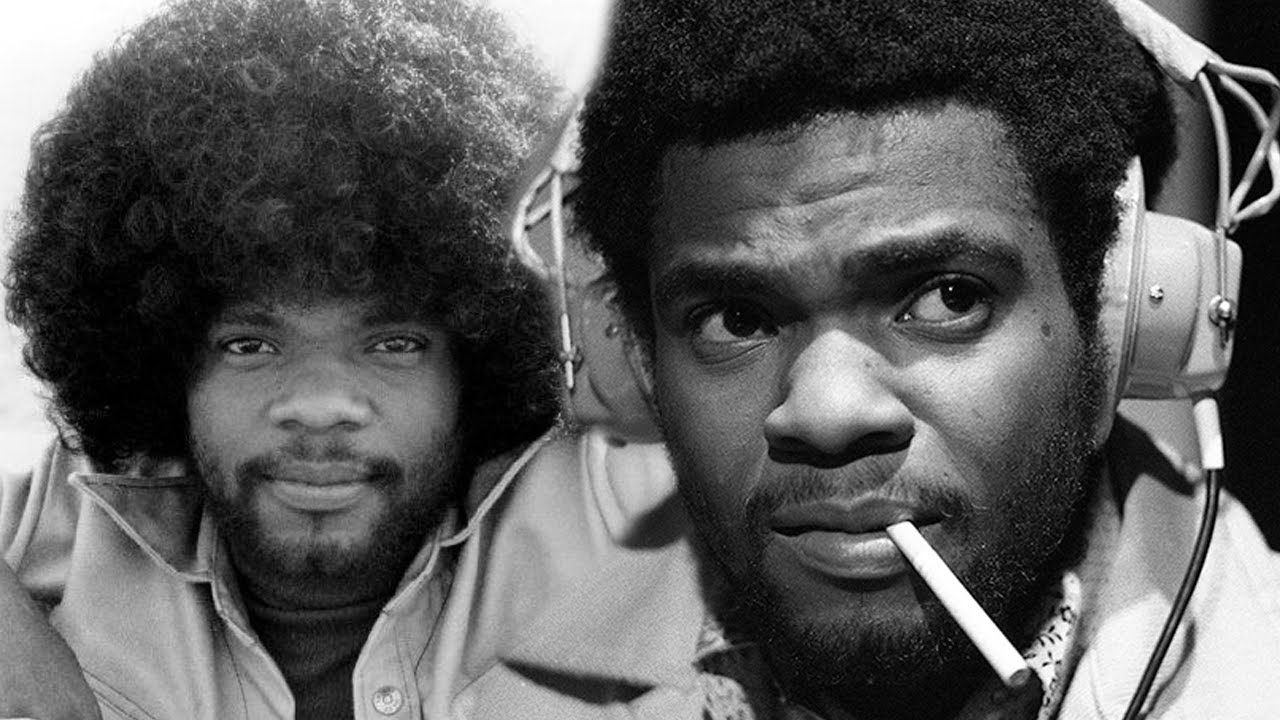
Billy Preston, often dubbed the “Fifth Beatle,” was an American musician whose impact on rock and soul music is immeasurable. His collaborations with some of the most iconic bands and artists of the 20th century, including The Beatles and The Rolling Stones, helped shape the sound of modern music.

Early Life
Born on September 2, 1946, in Houston, Texas, Billy Preston started his musical journey at a young age. He was a prodigy, playing the piano and organ in his church by age three. At ten, he debuted on the big screen, portraying young W.C. Handy in a biographical film about the blues musician. His early exposure to music set the foundation for his future career.

Notable Collaborations
Preston’s first significant collaboration came in 1962 when he joined Little Richard’s band as an organist. During this stint, he met The Beatles in Hamburg, Germany, beginning a long-standing relationship. In 1969, Preston joined the legendary band in the studio, contributing to their final two albums, “Abbey Road” and “Let It Be.” His skill on the keyboard earned him the nickname the ‘Fifth Beatle.’ Preston also worked with The Rolling Stones on several of their albums in the 70s, infusing their music with his unique soulful touch.

Lasting Legacy
Billy Preston’s contributions to music extended beyond his collaborations. As a solo artist, he charted numerous hits, including “Outa-Space” and “Nothing from Nothing.” His work earned him several awards, including a Best Pop Instrumental Performance Grammy. Even after he died in 2006, Preston’s influence can still be heard in modern music. His blend of rock, soul, and funk has inspired countless musicians, testifying to his enduring legacy.

Conclusion
Billy Preston’s life was a testament to his immense talent and musical versatility. From his early start in the church to his collaborations with some of the biggest names in rock and roll, his impact on music is undeniable. His legacy continues to inspire, making him a true icon in music history.