A friend sent this video to me on Instagram. I thought it was powerful enough to share.
What are your thoughts on what this gentleman has to say? Please share them.
A place where I post unscripted, unedited, soulless rants of a insomniac madman
A friend sent this video to me on Instagram. I thought it was powerful enough to share.
What are your thoughts on what this gentleman has to say? Please share them.
Anxiety is a normal part of life, and everyone experiences it at some point. However, when anxiety becomes excessive and starts interfering with daily activities, it can indicate an anxiety disorder. Anxiety disorders are among the most common mental health disorders affecting millions worldwide. The good news is that many coping strategies for anxiety can help individuals manage their symptoms and improve their quality of life.
In this blog post, we’ll discuss some of the most effective coping strategies for anxiety that you can implement today.
Mindfulness is a type of meditation that involves focusing on the present moment and accepting it without judgment. Studies have shown that practicing mindfulness can help reduce anxiety symptoms and improve overall well-being. Mindfulness can be practiced in many ways, including guided meditation, deep breathing exercises, or simply by paying attention to your thoughts and emotions.
One way to practice mindfulness is to set aside a few minutes daily to focus on your breath. Simply sit or lie down in a quiet place and pay attention to your breath as it enters and leaves your body. Whenever your mind starts to wander, gently bring it back to your breath. With regular practice, mindfulness can become a powerful tool for managing anxiety.
Sleep has a significant impact on mental health, and lack of sleep can exacerbate symptoms of anxiety. Getting enough sleep each night is essential to help manage anxiety symptoms. Adults should aim for at least 7-8 hours of sleep each night. Developing a consistent sleep schedule and creating a relaxing bedtime routine can also help improve sleep quality.
If you’re having trouble sleeping, there are several things you can try to help improve your sleep quality. Avoid caffeine and alcohol in the evenings, which can interfere with sleep. Ensure your bedroom is cool, dark, and quiet, and avoid using electronic devices in bed. If you continue having trouble sleeping, ask your doctor for additional guidance.
Exercise is an effective coping strategy for anxiety as it helps to release endorphins, which are natural mood boosters. Regular exercise can also help reduce anxiety symptoms and improve overall physical health. It doesn’t have to be intense exercise; even light activities like walking or yoga can be helpful. Aim for at least 30 minutes of moderate exercise most days of the week.
If you’re new to exercise, start slowly and gradually increasing your workouts’ intensity and duration. Find an activity that you enjoy, such as dancing, hiking, or swimming, and make it a regular part of your routine. You’ll not only feel better physically, but you’ll also benefit mentally by reducing your anxiety symptoms.
While these coping strategies can be effective, they may not be enough for everyone. If you’re struggling with anxiety, it’s important to seek professional help from a mental health professional. They can provide you with additional coping strategies and tools to manage your symptoms and offer support and guidance as you navigate your anxiety.
Several types of therapy may be helpful for anxiety, including cognitive-behavioral therapy (CBT), which focuses on changing negative thought patterns, and exposure therapy, which helps individuals confront their fears in a safe and controlled environment. Your mental health professional can help you determine the type of therapy that is best for you.
Anxiety can be challenging to manage, but with the right coping strategies, it is possible to live a fulfilling and productive life. Mindfulness, sleep, exercise, and seeking professional help are just a few strategies to help individuals manage their anxiety symptoms. It’s essential to remember that everyone’s coping strategies may differ, and finding what works best for you is important. Don’t hesitate to ask for help if needed – remember that help is available, and you are not alone.
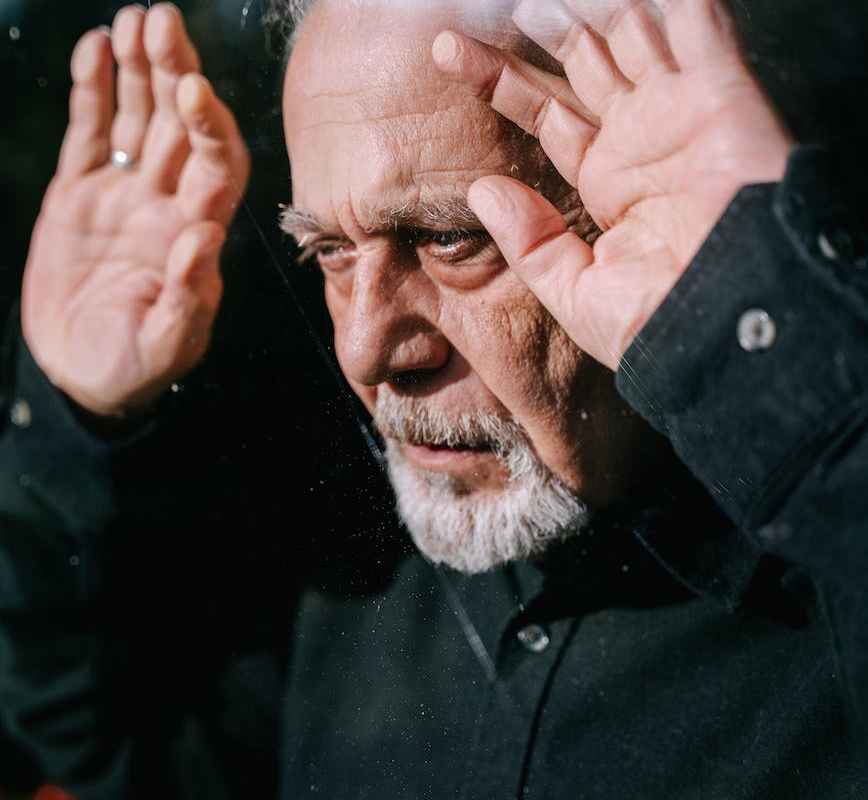
Anxiety is a common mental health issue affecting millions of people worldwide. According to the World Health Organization, anxiety is the most prevalent mental health disorder, with an estimated 1 in 13 people globally suffering from anxiety. Anxiety is a feeling of unease, worry, or fear ranging from mild to severe. The symptoms of anxiety can vary from person to person, and it can affect people from all walks of life.
This blog post aims to provide an understanding of anxiety, its causes, symptoms, and coping strategies.
Anxiety can be caused by a combination of factors, including genetics, brain chemistry, life experiences, and environmental factors. Some people may be more susceptible to anxiety due to their genetic makeup, while others may develop anxiety due to traumatic life events or ongoing stress. Environmental factors such as work-related stress, financial difficulties, and relationship issues may also contribute to anxiety.
Research has shown that anxiety disorders tend to run in families. A person’s genetic makeup may make them more susceptible to developing anxiety disorders.
Imbalances in certain chemicals in the brain, such as serotonin and dopamine, can contribute to the development of anxiety disorders.
Traumatic life experiences, such as abuse, neglect, or the death of a loved one, can trigger anxiety disorders. Chronic stress from work or personal relationships can also contribute to developing anxiety disorders.
Environmental factors such as work-related stress, financial difficulties, and relationship issues may also contribute to anxiety. Exposure to stressful situations or trauma can trigger or worsen anxiety symptoms.
Anxiety can manifest in various ways, and the symptoms can vary from person to person. Some common symptoms of anxiety include:
There are several coping strategies for anxiety that can help manage symptoms. Cognitive-behavioral therapy (CBT) is a type of therapy that can help individuals identify and change negative thought patterns and behaviors that contribute to anxiety. CBT has been shown to be effective in treating anxiety disorders.
Mindfulness meditation, exercise, and relaxation techniques such as deep breathing and progressive muscle relaxation can also help reduce anxiety symptoms. Regular exercise, in particular, has been shown to improve mental health and reduce symptoms of anxiety.
Individuals with anxiety can also benefit from making lifestyle changes such as getting enough sleep, eating a healthy diet, avoiding caffeine and alcohol, and engaging in enjoyable activities. These lifestyle changes can help to reduce stress and improve overall well-being.
It is also important to seek professional help if anxiety symptoms are interfering with daily life or if you are experiencing suicidal thoughts. A mental health professional can provide additional support and guidance in managing anxiety symptoms.
Anxiety is a common mental health issue that can significantly impact a person’s quality of life. However, there are effective coping strategies available to manage symptoms. By identifying the causes of anxiety, recognizing symptoms, and utilizing coping strategies, individuals with anxiety can take steps towards improving their mental health and overall well-being. Remember that seeking professional help is not a sign of weakness, but rather a courageous step towards taking control of your mental health.
 Memoirs of Madness