I have gone by many names.
Mangus Khan is simply the one that stayed.
It fits well enough. It rolls off the tongue with just enough weight to sound like someone who knows what he’s talking about and enough mystery to keep strangers from asking the questions that matter. Most people accept it without hesitation. The rest eventually stop asking. Time has a way of sanding curiosity down to resignation.
Names are funny things. Mortals believe they belong to them forever. Mine have always been temporary, discarded like worn coats after another century left them smelling of smoke, blood, and forgotten languages. Somewhere beneath them all lies the first name my mother whispered into the dark, but I buried that one so long ago I sometimes wonder whether it belonged to someone else.
You may think I’m speaking in metaphor.
I assure you, I’m not.
Father came from ordinary stock. Farmers. Soldiers. Men who believed every problem could be solved with enough sweat and stubbornness. Mother was…more difficult to explain.
Her family never cared much for labels.
If you asked politely, they might tell you our blood reached back to dragons. They never spoke of it with pride or reverence. They mentioned it the way another family might discuss poor eyesight or a troublesome knee. It wasn’t a gift. It wasn’t a curse. It was simply something we carried.
As a boy, I laughed whenever my grandmother warned me, “Never trust a man who doesn’t respect fire.” She would catch my eye across the supper table, smile without showing her teeth, and add, “One day you’ll understand.”
She was right.
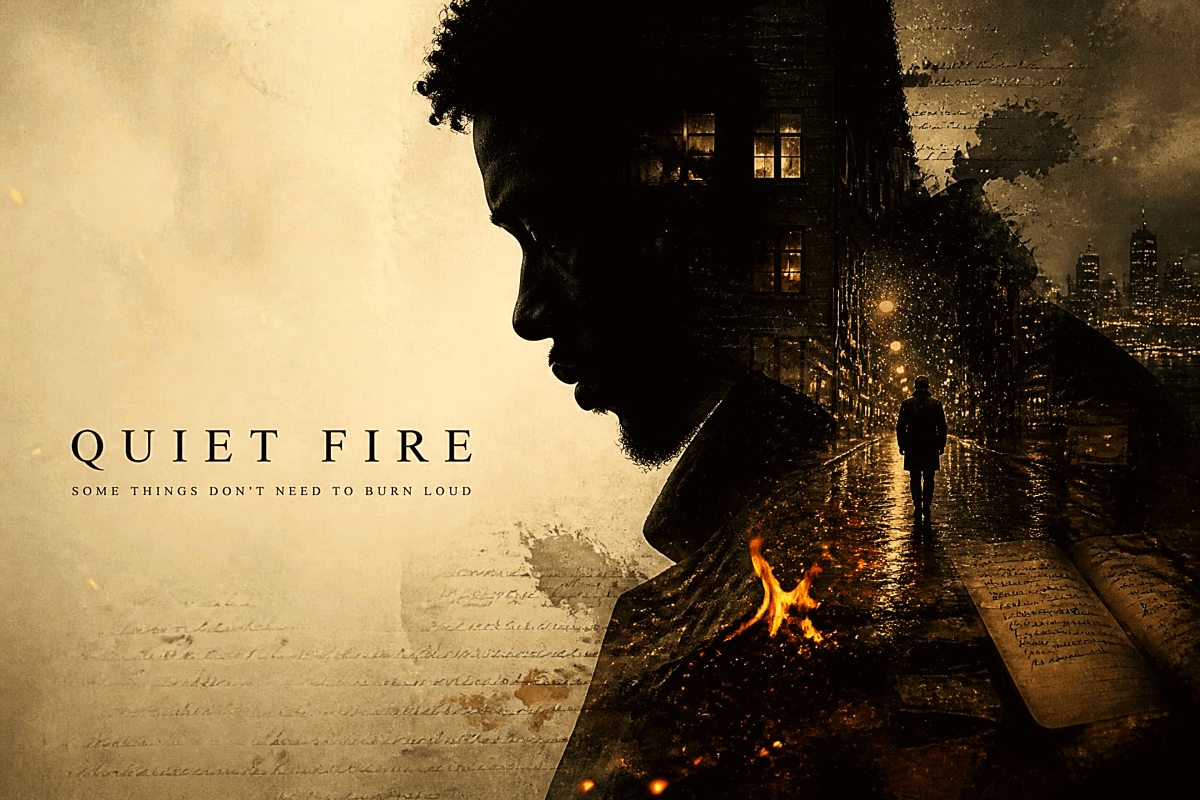
Fire has a language all its own. Sit beside it long enough and you’ll hear it breathe. Most people notice the crackling wood or the dancing flames. They miss the patience. Fire never hurries. It waits. It knows that, eventually, everything becomes ash.
Mother used to tell me our family wasn’t descended from dragons.
“We descend from survivors,” she’d whisper. “People called them dragons because they couldn’t imagine anyone enduring that much loss.”
Perhaps she believed every word.
Perhaps she was simply giving a frightened little boy a story large enough to carry his grief.
After a few centuries, I’ve stopped trying to decide which explanation is true.
Either way, I’ve always felt strangely at home beside a fire.
Immortality sounds glamorous to people who have never attended the funeral of everyone they have ever loved.
The stories tell you about endless youth, impossible strength, and centuries of adventure. They neglect to mention the silence that follows when the last person who remembers your laugh is lowered into the ground. They never tell you what it feels like to wake one morning and realize you’ve forgotten your father’s voice but can still recall the smell of rain that fell on the day he died.
Memory is a cruel archivist.
It preserves the wounds and misplaces the comfort.
There was once a man who walked beside me longer than anyone else ever had. If you’ve read enough of my stories, you’ve already met him, though not by his true name. Writers are thieves that way. We steal from the dead because they rarely complain.
He laughed with his entire body. Even after centuries, he still found reasons to marvel at sunsets, cheap whiskey, stray dogs, and women far too clever to fall for either of us. I envied that about him. Somewhere along the years, wonder had become work for me.
The day he died, the forest smelled of wet pine and fresh earth. The wind carried the metallic scent of blood before I ever saw him. By the time I reached the clearing, the battle was over. His body rested against an old stump as though exhaustion had finally claimed him. His head lay several feet away, staring toward a sky that no longer held any answers.
I died there too.
Not my body.
Only the part of me that still believed eternity meant never being alone.
I met her later that same year.
Perhaps fate felt guilty.
She possessed the dangerous habit of seeing through every disguise I wore. She knew I was older than my face allowed. She never asked how. She simply accepted it the way some people accept thunderstorms or gravity. Loving her was the first foolish thing I had done in centuries.
It was also the easiest.
When illness finally carried her beyond my reach, I sat beside her bed and held a hand that grew colder while mine remained unchanged. Dawn spilled through the window in ribbons of pale gold, warming the room but never her skin. The scent of lavender from the sachet beneath her pillow lingered in the air long after her final breath had escaped. Morning arrived.
Mine always does.
Hers did not.
People often tell me time heals all wounds.
Only people with an expiration date believe that.
Time doesn’t heal.
It layers scar upon scar until you can no longer remember where the first wound began.
So I kept walking.
Empires collapsed into museums. Languages disappeared into dusty dictionaries. Children became grandparents who became photographs tucked inside forgotten drawers. Cities rose where forests once stood, and forests reclaimed places where kings once believed themselves immortal.
Through it all, I watched.
Sometimes I interfered.
Most times I didn’t.
History has never needed my permission to repeat itself.
These days I write instead.
Perhaps that’s another form of interference.
Perhaps stories survive where people cannot.
Or perhaps I’m simply an old man trying to convince himself that remembering still matters.
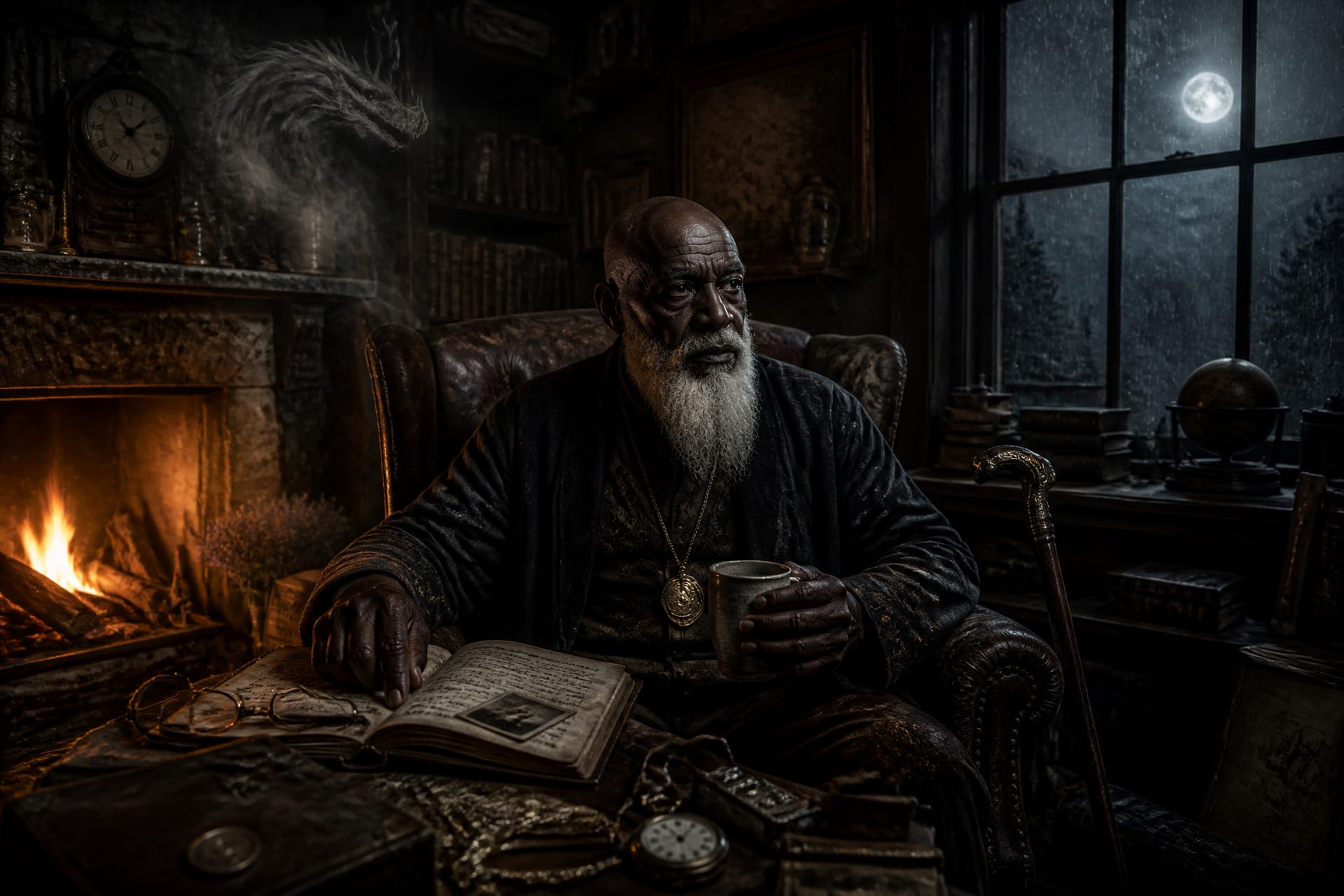
If you’ve found your way here, pull up a chair.
The coffee has gone cold.
The fire still burns.
And I’ve got a few centuries’ worth of stories left to tell.
Discover more from Memoirs of Madness
Subscribe to get the latest posts sent to your email.


Enjoyed this one Mangus.
LikeLike
Excellent writing, Mangus. Tears are streaming.
LikeLike
Indeed, “memory can be a cruel archivist.” Excellent piece!
LikeLike
Can’t wait to hear them.
LikeLike