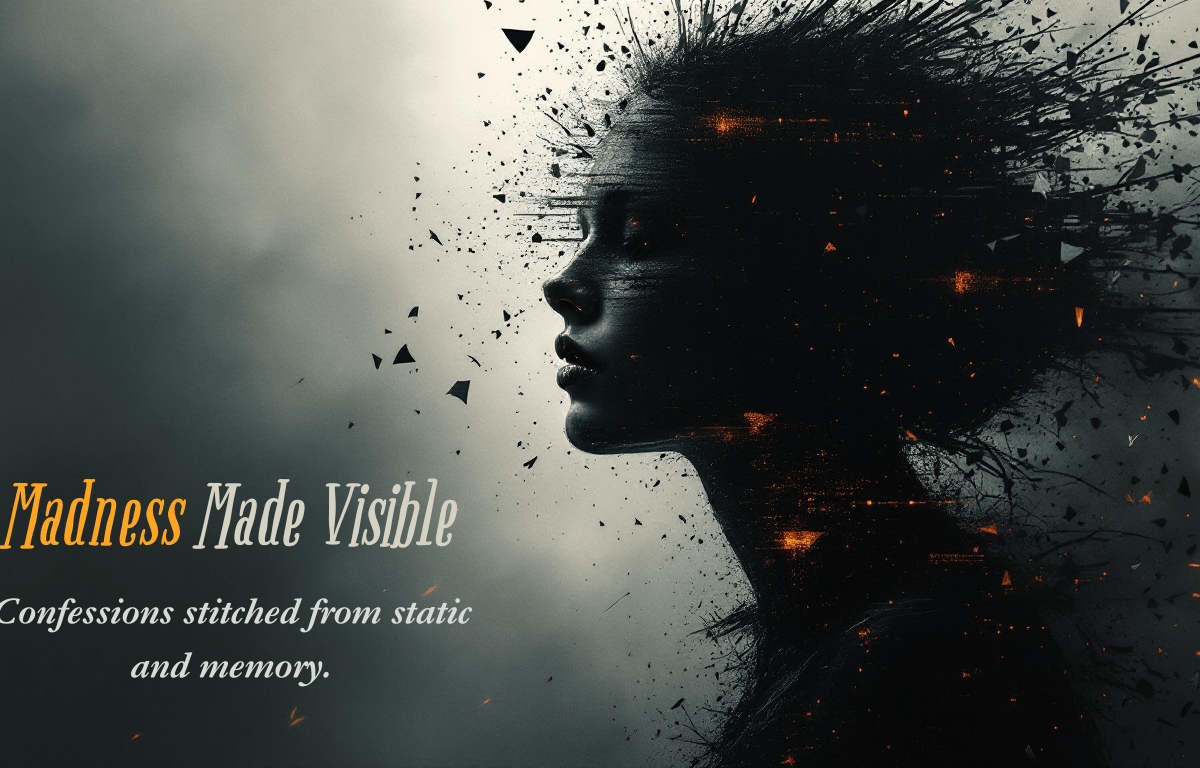

He looked like a man the world had tried to erase in slow, deliberate strokes.
Not violently. Not all at once.
No—this was something quieter. More patient. The kind of erasure that comes from being overlooked just often enough that eventually, you begin to agree with it.
The lines in his face didn’t just mark time—they recorded negotiations. Every crease a compromise. Every shadow a place where something once mattered more than it does now. His eyes held that particular stillness you only see in people who have outlived their expectations. Not dreams—those die easy. Expectations are heavier. They rot slower.
There’s a moment, somewhere between who you were and who you settled into, where the argument ends. Not because you won. Not because you lost. Just… because you got tired of hearing yourself make the case.
He had that look.
Like he once believed in something with both hands. Like he fought for it, maybe even bled for it. And then one day, he realized the fight had gone on without him—or worse, that it never needed him at all.
The world has a way of teaching that lesson without saying a word.
His gaze didn’t accuse you. That’s what made it heavier. No bitterness. No spectacle. Just a quiet acknowledgment: this is how it goes. People come in loud, convinced they’ll bend something. Change something. Leave a mark that matters.
And then time answers back.
Not cruel. Not kind. Just consistent.
What remained in him wasn’t defeat. It was something more unsettling—acceptance without peace. The kind that doesn’t soothe, doesn’t resolve. It simply sits with you. Like an old coat you never throw away because, at some point, it stopped being about warmth.
You could imagine him once laughing. Loud. Unapologetic. The kind of laugh that fills a room and dares anyone to disagree with it.
Now, whatever was left of that laugh lived somewhere behind his eyes, folded into memory, waiting for a reason that would never come again.
And still—he remained.
Not because he had something left to prove.
But because leaving, in its own way, would have required more energy than staying.
Discover more from Memoirs of Madness
Subscribe to get the latest posts sent to your email.
 Memoirs of Madness