SLS – 03032024 – Bye, Bye Miss American Pie

CHALLENGE RESPONSE – SONG LYRIC SUNDAY

Here is my response to Jim Adams’ Song Lyric Sunday

As a child, I can hardly remember when I listened to the radio and didn’t hear this song at least once. I heard so much I memorized the lyrics and sang right along. Yet, as time went on, I found myself growing tired of hearing this song. I remember wondering what was going to be the next big hit? I didn’t realize the song was already several years old. It’s such a timeless classic I had to take a moment and discuss its meaning. This is what I came up with.
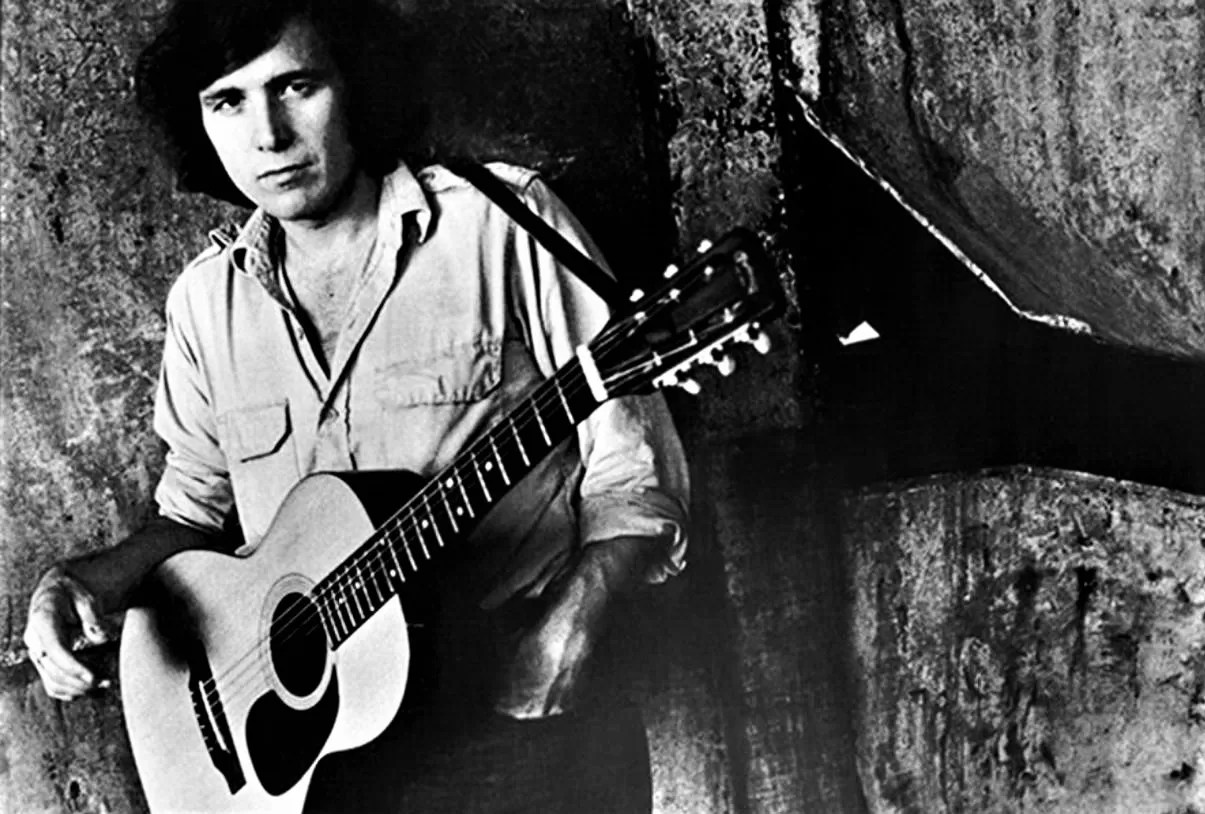

The Layers of Meaning in “American Pie”

Don McLean’s iconic song “American Pie” has captivated audiences for decades with its enigmatic lyrics and haunting melodies. Released in 1971, the eight-and-a-half-minute epic is steeped in cultural references, historical events, and personal reflections, inviting listeners on a journey through the turbulent landscape of American society in the 20th century. As one of the most analyzed and debated songs in popular music history, “American Pie” continues to fascinate and inspire, offering layers of meaning that transcend time and space.

At its core, “American Pie” is a lamentation for the loss of innocence and idealism in American society and a nostalgic homage to the golden era of rock and roll. The song opens with the poignant line, “A long, long time ago, I can still remember how that music used to make me smile,” evoking a longing for the simpler times of youth and the transformative power of music to unite and uplift.

Central to the song’s narrative is the tragic plane crash that claimed the lives of Buddy Holly, Ritchie Valens, and The Big Bopper on February 3, 1959, often referred to as “The Day the Music Died.” This event serves as a metaphor for the loss of innocence and optimism in American society, marking the end of an era of rock and roll idealism and the onset of a more turbulent and uncertain period in history.

McLean weaves a tapestry of cultural references and symbolic imagery throughout the song, drawing on Americana, mythology, and spirituality themes to create a rich and evocative narrative. The lyrics are peppered with allusions to historical figures, events, and symbols, from “the King” (Elvis Presley) to “the jester” (Bob Dylan), from “the sacred store” (the record store) to “the holy dove” (a symbol of peace and spirituality).

One of the most debated aspects of “American Pie” is the interpretation of its cryptic lyrics, which have spawned countless theories and analyses over the years. Some interpretations suggest that the song is a commentary on the decline of American society and the loss of traditional values. In contrast, others see it as reflecting popular culture’s changing landscape and commercialism’s rise.

Yet, amidst the ambiguity and complexity of its lyrics, “American Pie” ultimately serves as a testament to the enduring power of music to transcend boundaries, unite disparate voices, and capture the collective consciousness of a generation. As McLean once said, “American Pie” is “a big song with big themes,” encompassing an entire nation’s hopes, dreams, and aspirations.

In conclusion, “American Pie” is a timeless masterpiece that defies easy categorization and interpretation. Its evocative imagery, poetic lyricism, and haunting melodies resonate with listeners of all ages, inviting them to ponder the mysteries of life, love, and loss. Whether viewed as a nostalgic tribute to the golden age of rock and roll or a poignant lament for the loss of innocence in American society, “American Pie” remains a symbol of hope, resilience, and the enduring power of music to inspire and uplift.


American Pie Lyrics

A long, long time ago
I can still remember how that music
Used to make me smile
And I knew if I had my chance
That I could make those people dance
And maybe they’d be happy for a while

But February made me shiver
With every paper I’d deliver
Bad news on the doorstep
I couldn’t take one more step
I can’t remember if I cried
When I read about his widowed bride
Something touched me deep inside
The day the music died

So, bye-bye, Miss American Pie
Drove my Chevy to the levee, but the levee was dry
And them good ol’ boys were drinkin’ whiskey and rye
Singin’, “This’ll be the day that I die
This’ll be the day that I die”

Did you write the book of love
And do you have faith in God above
If the Bible tells you so?
Now, do you believe in rock ‘n’ roll
Can music save your mortal soul
And can you teach me how to dance real slow?

Well, I know that you’re in love with him
‘Cause I saw you dancin’ in the gym
You both kicked off your shoes
Man, I dig those rhythm and blues
I was a lonely teenage bronckin’ buck
With a pink carnation and a pickup truck
But I knew I was out of luck
The day the music died

I started singin’, bye-bye, Miss American Pie
Drove my Chevy to the levee, but the levee was dry
Them good ol’ boys were drinkin’ whiskey and rye
Singin’, “This’ll be the day that I die
This’ll be the day that I die”

Now, for ten years we’ve been on our own
And moss grows fat on a rollin’ stone
But that’s not how it used to be
When the jester sang for the king and queen
In a coat he borrowed from James Dean
And a voice that came from you and me

Oh, and while the king was looking down
The jester stole his thorny crown
The courtroom was adjourned
No verdict was returned
And while Lenin read a book on Marx
A quartet practiced in the park
And we sang dirges in the dark
The day the music died

We were singin’, bye-bye, Miss American Pie
Drove my Chevy to the levee, but the levee was dry
Them good ol’ boys were drinkin’ whiskey and rye
Singin’, “This’ll be the day that I die
This’ll be the day that I die”

Helter skelter in a summer swelter
The birds flew off with a fallout shelter
Eight miles high and falling fast
It landed foul on the grass
The players tried for a forward pass
With the jester on the sidelines in a cast

Now, the halftime air was sweet perfume
While sergeants played a marching tune
We all got up to dance
Oh, but we never got the chance
‘Cause the players tried to take the field
The marching band refused to yield
Do you recall what was revealed
The day the music died?

We started singin’, bye-bye, Miss American Pie
Drove my Chevy to the levee, but the levee was dry
Them good ol’ boys were drinkin’ whiskey and rye
Singin’, “This’ll be the day that I die
This’ll be the day that I die”

Oh, and there we were all in one place
A generation lost in space
With no time left to start again
So, come on, Jack be nimble, Jack be quick
Jack Flash sat on a candlestick
‘Cause fire is the Devil’s only friend

Oh, and as I watched him on the stage
My hands were clenched in fists of rage
No angel born in Hell
Could break that Satan spell
And as the flames climbed high into the night
To light the sacrificial rite
I saw Satan laughing with delight
The day the music died

He was singin’, bye-bye, Miss American Pie
Drove my Chevy to the levee, but the levee was dry
Them good ol’ boys were drinkin’ whiskey and rye
Singin’, “This’ll be the day that I die
This’ll be the day that I die”

I met a girl who sang the blues
And I asked her for some happy news
But she just smiled and turned away
I went down to the sacred store
Where I’d heard the music years before
But the man there said the music wouldn’t play

And in the streets the children screamed
The lovers cried, and the poets dreamed
But not a word was spoken
The church bells all were broken
And the three men I admire most
The Father, Son and the Holy Ghost
They caught the last train for the coast
The day the music died

And they were singin’, bye-bye, Miss American Pie
Drove my Chevy to the levee, but the levee was dry
And them good ol’ boys were drinkin’ whiskey and rye
Singin’, “This’ll be the day that I die
This’ll be the day that I die”

They were singin’, bye-bye, Miss American Pie
Drove my Chevy to the levee, but the levee was dry
Them good ol’ boys were drinkin’ whiskey and rye
Singin’, “This’ll be the day that I die”

Chinese Immigration Discrimination II: The Geary Act of 1892

ARTICLE – MINI BIOGRAPHY – HISTORY

The Geary Act, enacted in 1892, represents a significant chapter in the history of American immigration law. Serving as an extension and reinforcement of the Chinese Exclusion Act of 1882, the Geary Act prolonged the era of discriminatory policies targeting Chinese immigrants and added further restrictions, marking a troubling period in U.S. history.

The Geary Act’s origins can be traced back to the growing anti-Chinese sentiment in the late 19th century. Initially enacted as a ten-year measure, the Chinese Exclusion Act faced expiration in 1892. Concerns over the potential influx of Chinese immigrants led to the introduction and passage of the Geary Act by the U.S. Congress. The legislation extended the exclusion period and intensified the restrictions imposed on the Chinese community in the United States.

One of the key provisions of the Geary Act mandated that Chinese immigrants carry identification papers, commonly referred to as “Chinese Exclusion Certificates,” at all times. Failure to produce these certificates upon demand could result in deportation or other penalties. This requirement subjected Chinese individuals to constant scrutiny and harassment, further marginalizing an already vulnerable community.

The Geary Act extended the Chinese Exclusion Act indefinitely, solidifying anti-Chinese sentiments and institutionalizing discriminatory practices. The act also imposed harsher penalties on those who assisted Chinese immigrants in evading the restrictions, including fines and imprisonment. The Chinese community faced increased challenges as the legislation reinforced stereotypes, perpetuated prejudice, and limited opportunities for social and economic advancement.

The enforcement of the Geary Act led to widespread protests and resistance within the Chinese American community. Advocacy groups and individuals worked tirelessly to challenge the discriminatory provisions of the act, asserting that it violated principles of equality and justice. Despite these efforts, the Geary Act remained in force until its eventual repeal in 1943 with the passage of the Magnuson Act.

The Geary Act, like the Chinese Exclusion Act, stands as a testament to a regrettable period in American history when xenophobia and discriminatory attitudes shaped immigration policies. The legislation contributed to the marginalization of the Chinese community and hindered the pursuit of the American Dream for countless individuals. The eventual repeal of such laws reflected a gradual shift toward more inclusive and equitable immigration policies. Still, the scars of these discriminatory practices continue to resonate in the collective memory of Chinese Americans and serve as a reminder of the ongoing struggle for justice and equal treatment.


Discrimination has been a part of my vocabulary longer than I care to admit. Yet, I didn’t know it applies to people. I spent a good portion of my life fighting for freedom and all that it represents. I knew my country wasn’t perfect; I wasn’t that naive. How could I be as an African-American? I wish I had a better idea of the madness I was fighting against. Stay tuned for tomorrow when we conclude the series on Chinese Immigration Discrimination.

Chester Himes: A Pioneering Voice in African American Literature

ARTICLE – MINI BIOGRAPHY – WRITER

Chester Himes, an acclaimed African American writer, carved a distinct niche with his crime novels that explored the experiences of black characters in the United States. Born on July 29, 1909, in Jefferson City, Missouri, Himes was raised in a middle-class home. This upbringing was notably ordinary until a dramatic event altered the course of his life.

At the tender age of 19, Himes was sentenced to prison for armed robbery. This unfortunate event, however, served as the backdrop for the beginning of his writing career. His years in prison became a fertile ground for creativity, and while confined, Himes began writing short stories. His talent and unique voice were showcased, and his stories were published in national magazines such as Esquire, marking the start of his journey as a recognized writer.

Following his release from prison in 1936, Himes did not abandon his newfound passion. Instead, he continued to write and publish, steadily gaining recognition as a significant voice in African American literature. His works, rooted in his personal experiences and observations, painted a vivid picture of the societal realities faced by African Americans.

In the 1950s, Himes made a bold move by relocating to France. There, he began writing detective novels featuring black protagonists, a genre in which he found considerable success. His most famous works from this period are the “Harlem Detective” series. The series features the characters Coffin Ed Johnson and Grave Digger Jones, two Harlem detectives who navigate a world fraught with crime, racism, and social issues. These novels were celebrated for realism, as Himes used his powerful storytelling to explore Harlem’s complex dynamics of race and class.

Throughout his career, Himes used his writing as a tool to explore themes of race, class, and crime. His narratives presented a unique and unflinching perspective on the African American experience. His works did not shy away from the harsh realities of racial inequality and social injustice, making them deeply resonant and thought-provoking.

Chester Himes passed away in Spain in 1984, but his legacy remains. His powerful and thought-provoking works resonate with readers today, and his contribution to African American literature remains undisputed. Himes’ life and works testify to his courage, resilience, and unyielding commitment to shedding light on the African American experience through his writing.

Here is a list of some of his notable works:

  1. If He Hollers Let Him Go (1945) – A novel exploring racism and the experiences of African Americans during World War II.
  2. The Lonely Crusade (1947) – A novel depicting the challenges faced by an African American protagonist in a racially divided society.
  3. Cast the First Stone (1952) – A novel that delves into the complexities of race relations and social justice.
  4. The Third Generation (1954) – A novel addressing race and identity issues.
  5. Cotton Comes to Harlem (1965) – The first book in Himes’ “Harlem Detective” series, featuring detectives “Coffin” Ed Johnson and “Gravedigger” Jones. This novel was later adapted into a film in 1970.
  6. Run Man Run (1966) – A novel exploring crime and social justice themes.
  7. Blind Man with a Pistol (1969) – Another installment in the “Harlem Detective” series, continuing the adventures of Johnson and Jones.
  8. The Quality of Hurt (1972) – An autobiographical work in which Himes reflects on his life, experiences, and the challenges of being a black writer.
  9. Black on Black: Baby Sister and Selected Writings (1973) – A collection of short stories, including the novella “Baby Sister,” exploring various aspects of African American life.
  10. Plan B (1973) – A satirical novel that touches on themes of politics and race.
  11. The Heat’s On (1986) – Published posthumously, this novel is the last installment in the “Harlem Detective” series.

I didn’t hear of Chester Himes until 2011. I was at a book fair when a random shopper approached me and started telling me about this amazing author. Strangely, he handed me a book, but it wasn’t by Chester Himes. Confused, I took the book, hoping he would leave, but he didn’t. The book was entitled Moth by James Sallis. Finally, he got to his point. It turned out that James Sallis wrote a book about Chester Himes.

Oddly enough, since that day, I have read several books by Chester Himes and James Sallis. I managed to collect a few original pulp editions of Himes’s work. Also, I picked up the Drive series by Sallis, which inspired the motion picture Drive, starring Ryan Gosling. What I haven’t done is read the book about Chester Himes written by James Sallis.

Chinese Immigration Discrimination: The Chinese Exclusion Act of 1882

ARTICLE – MINI BIOGRAPHY – HISTORY

While researching the Transcontinental Railroad, I discovered the involvement of African American and Chinese immigrants in its construction. Because of the post-Civil War era, I investigated Chinese immigrant involvement further. This is when I discovered how the United States treated the Chinese people. I was taken aback because of how much American culture influences Chinese culture.

This discrimination, which started in 1882 and ended in 1965, paints a dark chapter in American history that has fortunately been rectified to some degree. Over the next few days, I will post mini-articles discussing this discrimination.


The Chinese Exclusion Act:

Enacted in 1882, the Chinese Exclusion Act stands as a stark reminder of a regrettable period in American history when xenophobia and discriminatory policies shaped immigration laws. This legislation marked the first time in the United States that a specific ethnic group was targeted and banned from entering the country, reflecting a troubling trend of prejudice and fear.

The roots of the Chinese Exclusion Act can be traced back to the mid-19th century, when Chinese immigrants arrived in significant numbers, primarily seeking economic opportunities during the California Gold Rush and later contributing to the construction of the transcontinental railroad. As their numbers increased, so did anti-Chinese sentiment among some segments of the American population.

The act, signed into law by President Chester A. Arthur, was ostensibly aimed at addressing economic concerns and protecting American jobs. It prohibited the immigration of Chinese laborers for ten years and explicitly denied Chinese immigrants the opportunity to become naturalized citizens. The Geary Act later extended the act in 1892, making the exclusion indefinite.

The Chinese Exclusion Act had severe consequences for the Chinese community in the United States. Families were separated, and those who left the country faced difficulties returning. The law fueled racial tensions and discrimination against Chinese immigrants, who were often subjected to violence and prejudice. Chinese communities were marginalized and isolated, facing social and economic hardships as a result of discriminatory policies.

The impact of the Chinese Exclusion Act extended beyond its initial enforcement period. The legislation remained in effect until 1943, when the Magnuson Act repealed it, largely due to the geopolitical context of World War II and the alliance between the United States and China against common enemies. The repeal, however, did not immediately eliminate discriminatory practices and attitudes towards Chinese immigrants.

The Chinese Exclusion Act remains a dark chapter in American immigration history, representing a period when fear and prejudice influenced policy decisions. In 2012, the U.S. Congress officially expressed regret for the discriminatory laws against Chinese immigrants, acknowledging the injustice and hardship imposed on the Chinese community during that era.

The legacy of the Chinese Exclusion Act serves as a poignant reminder of the importance of upholding principles of equality, justice, and fairness in shaping immigration policies. As the United States continues to grapple with issues of immigration and diversity, reflecting on the past can provide valuable insights into building a more inclusive and equitable future.

Garrett A. Morgan: Innovator and Advocate

ARTICLE – MINI BIOGRAPHY

Introduction:

Garrett Augustus Morgan, born on March 4, 1877, in Paris, Kentucky, was a visionary inventor, entrepreneur, and civil rights advocate whose contributions have left an indelible mark on American history. Despite facing racial prejudices and societal challenges, Morgan’s inventive spirit and determination led to the creation of life-changing innovations and pioneering work promoting safety and equality. Let’s dive into the remarkable life and legacy of Garrett A. Morgan.

Early Life and Entrepreneurship:

Garrett A. Morgan’s early years were marked by his relentless pursuit of knowledge and an entrepreneurial spirit. After moving to Cincinnati in the late 19th century, Morgan began working as a sewing machine repairman. His natural aptitude for machinery and mechanics laid the foundation for his future inventions.

In 1907, Morgan established the G.A. Morgan Hair Refining Company, a business focused on the manufacturing and marketing hair care products. This entrepreneurial endeavor showcased Morgan’s business acumen and provided him with the financial means to pursue his inventive interests.

Innovations in Safety:

One of Morgan’s most notable inventions was the development of the safety hood, a precursor to the modern gas mask. Inspired by a tragic tunnel explosion in 1916 that claimed workers’ lives, including rescue personnel, Morgan designed a device that could filter out harmful gases, allowing individuals to breathe safely in hazardous environments.

In 1914, Morgan patented his safety hood, featuring a hood-like apparatus with a breathing tube and two receptacles for inhaling fresh and exhaling air. This effectively prevented the inhalation of toxic fumes. His invention was widely adopted, particularly by fire departments and rescue teams, and played a crucial role in saving lives in various industries.

Traffic Signal Innovation:

Another groundbreaking invention by Garrett A. Morgan was the automatic traffic signal, patented in 1923. The inspiration for this invention came from Morgan’s observations of chaotic and dangerous intersections. The original traffic signal, the Morgan Traffic Signal, featured a T-shaped pole with three positions – Stop, Go, and an all-way stop, a precursor to the modern yellow caution signal.

Morgan’s traffic signal significantly improved road safety and traffic management, paving the way for developing more advanced and standardized traffic control systems. His invention was pivotal in shaping urban infrastructure and reducing traffic accidents.

Civil Rights Advocacy:

Beyond his significant contributions to technology and safety, Garrett A. Morgan also advocated for civil rights. Living in a time marked by racial segregation and discrimination, Morgan actively challenged societal norms. He co-founded the Cleveland Call, a Black newspaper that aimed to promote racial equality and provide a platform for African American voices.

Morgan’s commitment to social justice extended to his community involvement, where he supported initiatives to uplift African Americans and address racial inequalities. His legacy as a trailblazer in both invention and advocacy inspires future generations, emphasizing the importance of perseverance and innovation in the face of adversity.

Conclusion:

Garrett A. Morgan’s life exemplifies the power of innovation, determination, and social responsibility. His inventions in safety technology and traffic management have had a lasting impact on society, saving lives and shaping the infrastructure of modern urban environments. Additionally, Morgan’s advocacy for civil rights underscores his commitment to creating a more just and equitable world. As we celebrate the legacy of Garrett A. Morgan, we recognize him not only as an ingenious inventor but also as a pioneer who broke barriers and paved the way for progress in multiple facets of American society.