TUNAGE – SLS
The Hidden Band Origins of Today’s Boldest Solo Artists
The low-key origin stories behind music’s most defining solo careers.
This challenge was tough because I know too many artists to choose from. I didn’t want to go with the obvious ones — you know, Ozzy Osbourne from Black Sabbath, Eric Clapton from Cream, Sting from The Police, or Diana Ross from The Supremes. Legends, sure. But those are basically music history 101.
The real struggle? Picking a genre. Rock? Overflowing. R&B? Stacked. Jazz? Don’t even get me started — half the genre is built on solo careers that started in someone else’s band. There are solid examples everywhere. So instead of narrowing it down, I went wide — and spotlighted the solo artists whose band origins aren’t always part of the conversation.
Herbie Hancock – Miles’ Sideman to Funk Pioneer
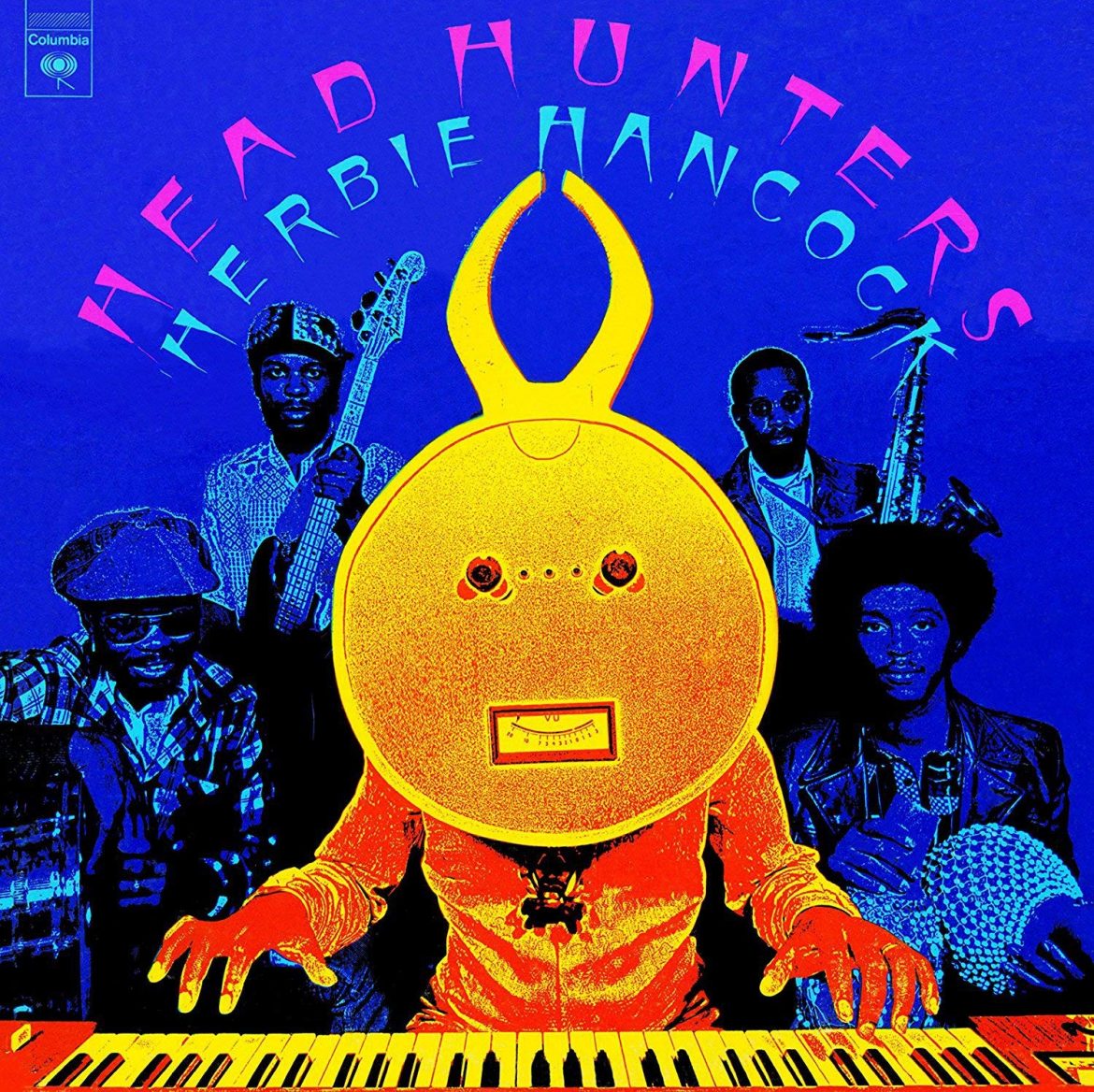
Before blowing minds with Chameleon and Rockit, Herbie Hancock laid down genius in Miles Davis’ Second Great Quintet — one of the most legendary jazz lineups ever. He could’ve coasted on that. Instead, he rewired jazz with funk, synths, and even turntables.
His 1973 album Head Hunters didn’t just move jazz forward — it cracked it open. “Chameleon” became an anthem, and Herbie never looked back. His solo career didn’t just stand out — it helped rewrite what jazz could be.
Teddy Pendergrass – From Group Harmony to Grown-Man Swagger
Teddy didn’t slide into solo stardom — he owned it. But before the robes and roses, he was the voice behind Harold Melvin & the Blue Notes. That’s him on “If You Don’t Know Me By Now.”
He dialed up the heat when he went solo in the late ’70s. Teddy wasn’t just singing love songs — he was setting the blueprint for every smooth, commanding R&B frontman who came after him.
Kenny Rogers – Psychedelic Cowboy?
We remember Kenny Rogers for the beard, the chicken, and “The Gambler.” But in the late ’60s, he fronted The First Edition, a trippy country-rock band. “Just Dropped In (To See What Condition My Condition Was In)” is a psychedelic classic — weird, bold, and nothing like what came after.
He didn’t start as a country icon — he became one. And he brought a little leftover weirdness with him.
Joe Walsh – From Power Trio to Solo Chaos
Before he was shredding with The Eagles, Joe Walsh was the wild force behind James Gang. “Funk #49” still hits like a punch to the chest. Then came his solo years — loose, loud, and hilarious (“Life’s Been Good” is chaos in the best way).
He had the chops, but more importantly, he had that unhinged charisma. And when he joined The Eagles, he didn’t clean up — he brought the madness with him.
Ice Cube – From Ruthless to Relentless
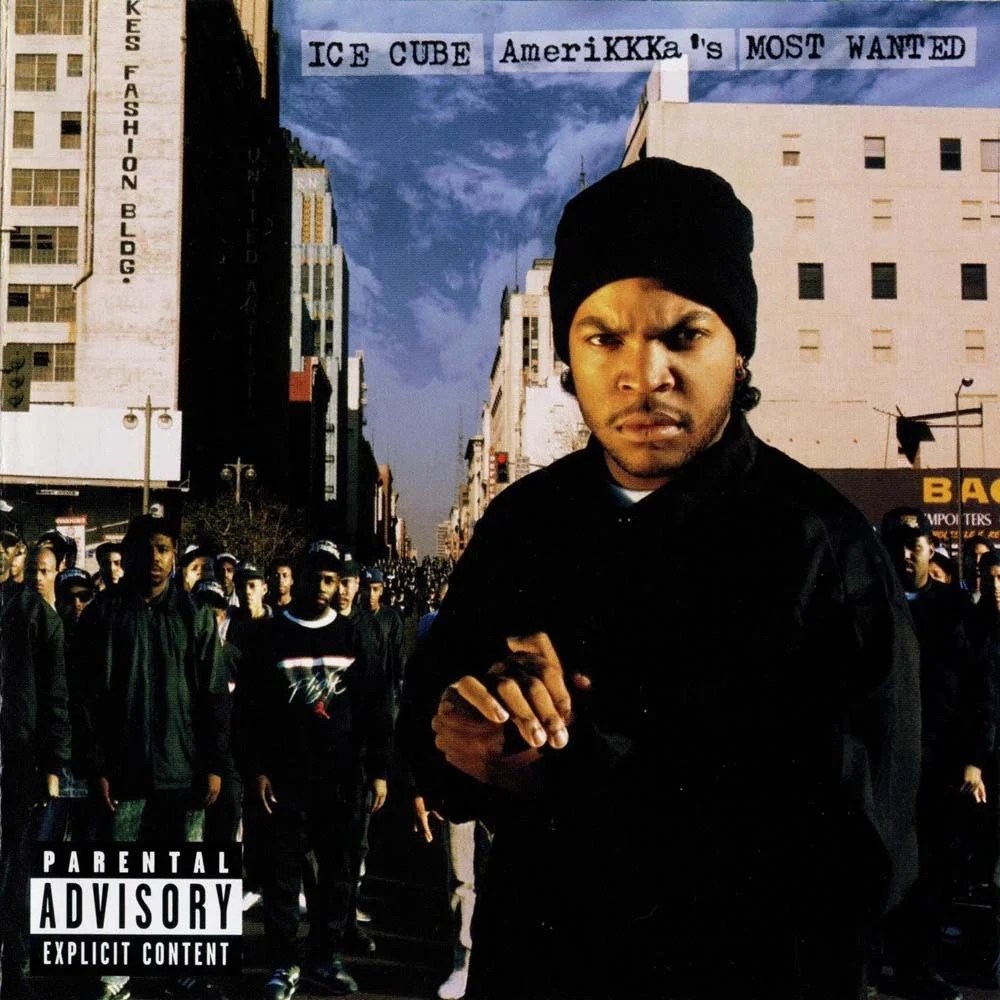
Before the solo albums, movies, and cultural icon status, Ice Cube was the pen behind N.W.A. He wrote most of Straight Outta Compton — then walked away over money and control.
His debut solo album, AmeriKKKa’s Most Wanted, hit like a sledgehammer. He didn’t just survive the breakup — he turned it into fuel and built a solo career that outpaced the group that made him.
Then There’s the Whole Bryan Ferry, Morrissey, Annie Lennox Thing…
You know the type. The ones who were technically in a band, but you kind of always knew they were destined to fly solo.
- Bryan Ferry was Roxy Music—cool, stylish, theatrical. When he went solo, he smoothed out the edges and kept the vibe going with even more elegance.
- Morrissey? When The Smiths dissolved, he doubled down on his own mythology — neurotic, literary, and unfiltered. Say what you will, but he made being miserable sound iconic.
- Annie Lennox stepped out of Eurythmics and immediately leveled up. Tracks like “Why” and “No More I Love You’s” didn’t just show off her range — they felt like she was finally making music with no one else in the room.
- Dave Stewart didn’t vanish. He became a quiet force, producing and writing for legends like Tom Petty and Stevie Nicks. He dropped solo albums, too. No hype, no drama — just intense, melodic work from a guy who knows what to do in a studio.
Natalie Merchant – Quiet Power, Loud Impact
I’ve got all these artists in my library. That’s why this post was hard — every one of them means something to me. Every career shift hit a different note.
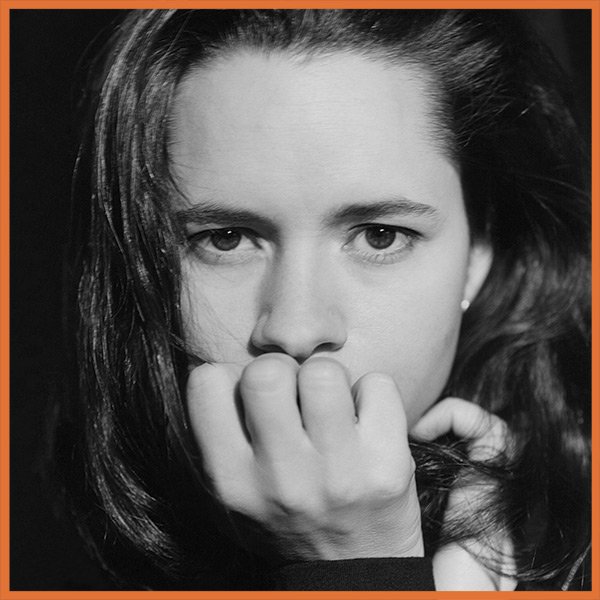
But the artist I landed on? Natalie Merchant. Not the biggest name. Not the flashiest. But the one who hit me quietly — and stayed.
I first fell for her voice on 10,000 Maniacs’ version of “Peace Train.” Then I lost track of her — until “Carnival” came out. That song pulled me right back in. Restrained, observational, hypnotic. It led me to Tigerlily. That’s when it clicked. I was in.
She didn’t just go solo — she effortlessly pushed her boundaries, building something slower, wiser, and entirely her own.
“San Andreas Fault” – A Quiet Warning Disguised as a Lullaby
Though “Carnival” was the standout, I’ve always been partial to “San Andreas Fault.” It opens softly — just piano, some breath between the lines — and stays there. But listen closely, and it’s tense. It’s about chasing dreams on unstable ground, about the illusions of safety and paradise.
It’s a warning, wrapped in a lullaby. A metaphor that doesn’t yell — it just sits with you. That’s Merchant’s power. She doesn’t need volume. She needs space — and she knows how to fill it.
Final Thoughts
Natalie Merchant didn’t just survive leaving 10,000 Maniacs — she defined herself in the process. And that’s the real thread through all these stories: artists stepping away from the comfort of the group, betting on themselves, and making something real.
Sometimes the biggest moves aren’t loud.
They’re quiet.
Intentional.
Built on fault lines — and still, somehow, they hold.
This post was written for Jim Adams’ Song Lyric Sunday
Discover more from Memoirs of Madness
Subscribe to get the latest posts sent to your email.
 Memoirs of Madness
This was not only a walk down memory lane, but a Rock History class as well. I really enjoyed this whole post. Thank you for putting so much into it.
LikeLiked by 1 person
thanks, Violet
LikeLiked by 1 person
Nice post 🎸🎸
LikeLiked by 1 person
thank you
LikeLike
I like the way you took us through your thinking and gave us so much information. And then you chose a favourite of mine to close with: I loved 10,000 Maniacs, and Natalie’s solo albums do indeed take her to another level.
LikeLiked by 1 person
thanks, Clive
LikeLiked by 1 person
This was great! I appreciate all the time this must’ve taken to put together. Awesome post and great music. I did not know that Teddy Pendergrass was with Harold Melvin & the Blue Notes. I loved them! And “if You Don’t Know Me By Now…” Good stuff! Thank you for sharing, Mangus Kahn.
LikeLiked by 1 person
thank you
LikeLike
Mangus you are a wonderful music critic with your strong writing skills, your deep understanding of music, and your ability to analyze and interpret music of every genre thoughtfully. Natalie Merchant was a fabulous choice for today.
LikeLiked by 1 person
thanks, Jim
LikeLiked by 1 person
A fantastic post Mangus. I love where your thoughts took us on that musical journey. Natalie Merchant is a star. She touches us quietly. and the lyrics are left there to resonate with us.
LikeLiked by 2 people
thank you
LikeLike
Perfection. The only thing I enjoyed more than reading your writeup was listening to Natalie Merchant singing thiss song. Thank you for the education and the selection, Mangus.
LikeLiked by 1 person
thanks, Nancy
LikeLiked by 1 person
In depth post Mangus. Love your final choice.
LikeLiked by 1 person
Thanks, Di
LikeLiked by 1 person
Great post and choice of songs
LikeLiked by 1 person
thanks, Glyn
LikeLike
A great Sunday read and your final choice was also perfect 💜
LikeLiked by 2 people
thanks, Willow
LikeLiked by 1 person
“Just Dropped In to See What Condition My Condition is In”-Hello, Mickey Newbury. And “River” off Tigerlily-for River Phoenix, after he OD’d at the Viper Lounge. Plus Natalie does a bad-ass improv “Son of A Preacher Man” on one of the B-sides from this album. Great stuff, man!
LikeLiked by 1 person
thanks, Ted
LikeLiked by 1 person
I’m not much of a Natalie Merchant fan but I could have read another few dozen paragraphs on jazz and Miles and Herbie with a few more on Teddy. I’m putting my money on the first quintet as the best but how anyone, myself included, can make that determination is beyond me. Or really picking any of the quintet over the other guys he worked with. Miles can just stand there and buzz his mouthpiece and I’m going to sit and listen to it. And then listen to it again. Thanks for picking my music list for tomorrow!
LikeLiked by 1 person
Thank you, I can talk jazz and blues all day
LikeLike