


DAILY PROMPT RESPONSE
If I’m honest, I really only wanted to be one thing: a writer. As a child, I told and wrote stories, which landed me in more trouble than I care to admit. It’s something about writing I can’t quite put into words. At least not anything meaningful or moving. So, it is simple: my dream job is to write stories that touch the reader. Provide the reader an opportunity to travel, feel, identify, or enjoy the snippets of life I depict in my stories.
I may never accomplish this dream; it’s one of those ideas we had as children that may be impossible to obtain. However, this doesn’t mean we shouldn’t try to fulfill them- not at all. We keep chipping away at them, and maybe one day, they will come true. Who knows?
During some research I did years ago, I came across the legend of Saint Rita. Here is an overall of the legend.
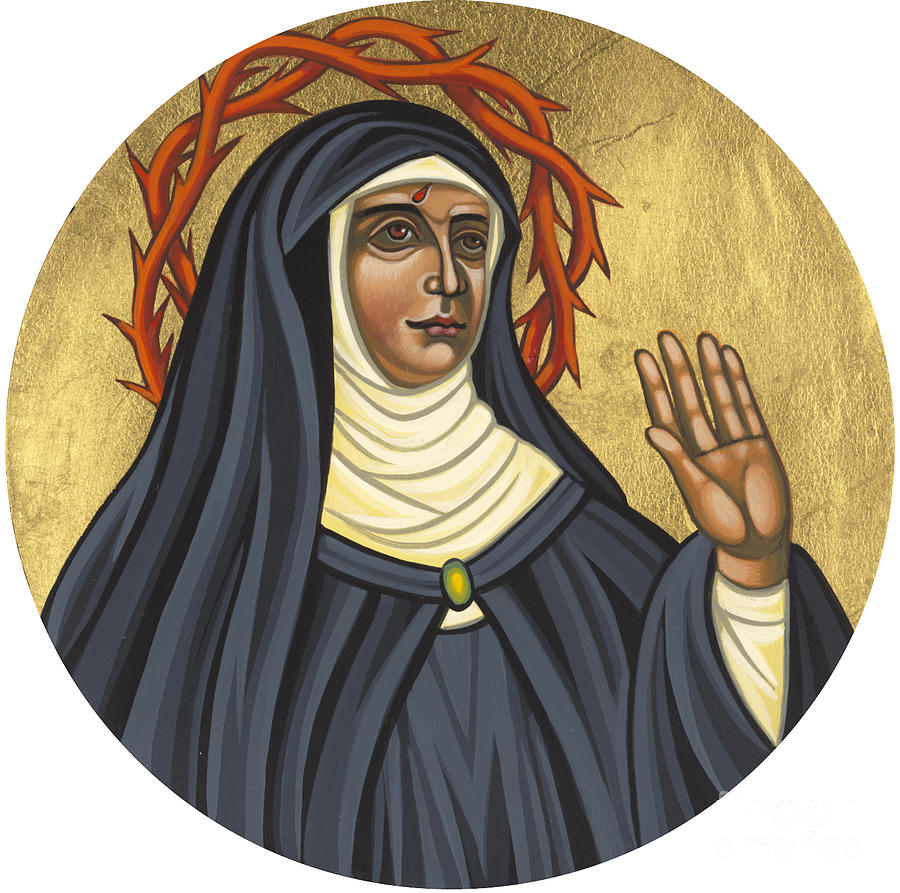
Saint Rita of Cascia, often called the “Saint of the Impossible,” occupies a special place in the hearts of the faithful worldwide. Born Margherita Lotti in the 14th century in Roccaporena, Italy, Saint Rita’s life journey is one of unwavering faith, resilience, and a profound connection with the divine.
Early Life and Marriage:
Margherita Lotti entered the world in 1381 amidst Italy’s political upheaval and social change. At an early age, she expressed a deep desire to dedicate her life to God. However, she obediently followed her parents’ wishes and married Paolo Mancini, a man with a troubled reputation. Despite the challenges in her marriage, Saint Rita remained steadfast in her commitment to her vows and embraced her role as a wife and mother.
Widowhood and Religious Life:
Tragedy struck Saint Rita when both her husband and sons succumbed to a violent end. Widowed and grief-stricken, she sought solace in prayer and contemplation. In a remarkable turn of events, Saint Rita’s sons’ destinies took a divine twist – they died before seeking vengeance for their father’s murder, preventing a cycle of violence.
Following her family’s tragedies, Saint Rita sought entry into the Augustinian convent at Cascia. Her initial request was met with resistance, as the convent had reservations about admitting a widow with a connection to a violent family. However, it is said that Saint Rita’s perseverance and her ability to perform a miraculous feat involving a dried fig tree blossoming out of season convinced the sisters to accept her.
Life in the Convent and Miracles:
Saint Rita’s years in the convent were marked by profound devotion to prayer, penance, and acts of charity. She received the stigmata, wounds similar to those of Christ, a sign of her deep spiritual connection. Saint Rita is also renowned for her devotion to the Passion of Christ and her advocacy for peace and reconciliation.
One of the most famous miracles associated with Saint Rita is the episode of the rose. According to legend, Saint Rita requested a rose from her garden during winter; miraculously, a single rose bloomed in her hands. This act of divine intervention is often cited as a symbol of hope and the miraculous nature of Saint Rita’s intercession.
Canonization and Patronage:
Pope Leo XIII canonized Saint Rita of Cascia on May 24, 1900; her feast day is celebrated on May 22. She is venerated as the patron saint of impossible causes, abused women, and mourning parents. Pilgrims worldwide visit the Shrine of Saint Rita in Cascia, where her relics are enshrined, seeking her intercession for their troubles and tribulations.
Legacy:
Saint Rita’s life and miracles inspire millions of believers, offering a testament to the transformative power of faith and the enduring hope found in times of adversity. Her story serves as a beacon of compassion, forgiveness, and the miraculous, reminding us that the divine can bring about healing and redemption even in the face of seemingly insurmountable challenges.
Conclusion:
In the rich tapestry of Catholic saints, Saint Rita of Cascia stands out as a luminary figure, admired for her unwavering faith, resilience in the face of tragedy, and the miracles attributed to her intercession. Her legacy extends far beyond the boundaries of time and geography, resonating with those seeking solace, hope, and the miraculous in their lives. Saint Rita’s enduring impact underscores the universal human desire for connection with the divine and the belief that faith can light the way even in the most challenging circumstances.
Throughout my life, I’ve heard countless legends about multiple saints. None is less credible than the other. There’s beauty in our beliefs.
So, Saint Rita, can you help me keep the faith?
Discover more from Memoirs of Madness
Subscribe to get the latest posts sent to your email.
 Memoirs of Madness
Nice post ✍️
LikeLiked by 1 person
thank you
LikeLike