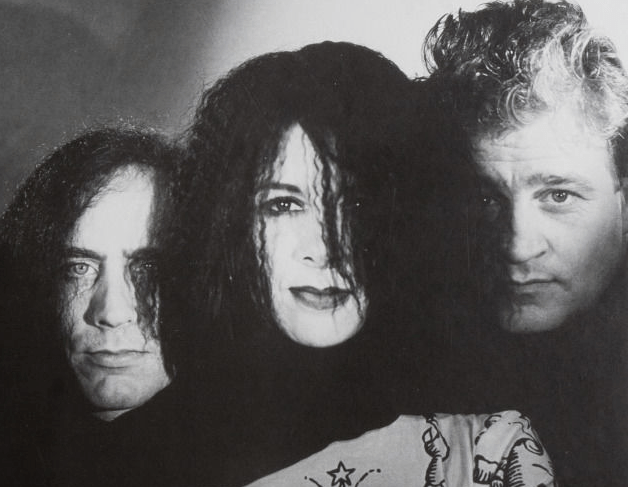
Chilled to the Bone and Shadow

Groovin’ with Glyn: Week 1

Air of December by Edie Brickell and the New Bohemians


December is a month of conflicting mindsets. On one hand, people get swept up in the season and start doing “Good Things,” as if generosity is something they dust off once a year like ornaments from the attic. Smiles get bigger. Voices get lighter. Folks try to be kinder, cleaner versions of themselves — at least for a few weeks.

But not everyone rises with the cheer.
Some slip the other way — into that deep, cold room December knows how to unlock. The early darkness settles on their shoulders. The empty chairs at the table get louder. They watch the world light up and feel nothing but the distance.

The weather has changed. We felt the shift back in November — a quiet warning — but December carries the truth in its bones. The calendar hints at winter, but nature tells you outright. Woodchucks waddle with purpose, grabbing whatever scraps they need to seal themselves away. Raccoons run their winter reconnaissance, scouting warm corners with criminal determination.

Across the street, after sundown, the trees start speaking. Leaves rustle in patterns the wind doesn’t claim. Then: silence. Then another rustle — heavier this time — followed by a shadow shifting where it shouldn’t. And there it is:
a raccoon the size of a small planet climbing like gravity signed a waiver. Somehow that bandit-faced acrobat is perched on the roof of a three-story house, staring down like it owns the deed.

Meanwhile, Christmas trees bloom behind neighborhood windows — soft glows behind glass, promises of borrowed joy. For the next thirty days, people will act like saints in training, as if kindness has a seasonal password and only December knows it. Christmas carols creep through grocery aisles. Decorations multiply like mushrooms.

This is precisely why you need a strong music collection.
Survival gear.
Armor.

Because there are only so many versions of “Jingle Bells,” “White Christmas,” “Deck the Halls,” and “Frosty the Snowman” a person can take before something in them snaps.
Though Frosty and Rudolph do have their… alternative interpretations — the ones no one plays around polite company. Those versions? Those have some soul to them.

The lights are up on half the streets by now — fake pine needles, borrowed glow, holiday cheer on rotation. But behind windows, in alleys, in empty rooms and quiet corners, the air tastes different. Thinner. Sharper. More honest.

That’s when I slip on “Air of December.”
Soft bass. Careful voice. Shadows tucked into the chords.
This song doesn’t promise warmth, and it sure as hell doesn’t ask you to smile.
It just says: pay attention.

Edie Brickell & New Bohemians were never a mainstream machine. They had one catchy breakout moment, and most people froze them in that era like a photograph in a drawer. Air of December is one of those tracks even longtime fans forget exists. It’s not whispered in corners or held up as a hidden classic. But for the ones who hear it — really hear it — there’s a quiet respect. A recognition of its weight. Its weather. Its staying power.

The song opens like a door easing into colder air — a small shift in pressure you feel more than hear. The guitar stays clean but unsweet; the bass hums low like a steady engine under the floorboards; the drums hold back, giving the track room to breathe. The band understands restraint — they don’t fill the silence; they let the silence carry meaning. There’s distance in the mix as well, not loneliness but space, like the walls of the room are set a little farther apart than usual. It gives the whole track that “cold air in the next room” feeling — a quiet tension humming beneath the melody.

Brickell’s voice moves with deliberate softness.
She doesn’t chase the melody — she circles it.
As if she is dancing alongside it, doing her best not to disturb the melody, but to belong to it.
It’s intimate without being fragile or overbearing — confessional without wandering into theatrics. It respects the moment, and we appreciate that without even realizing we do.
This is the “close-but-not-too-close” mic technique: you feel near her, but not pulled into her chest. You’re listening in, not being performed to.

Her lyrics drift like breath on cold glass — shapes that form, fade, and return slightly altered.
Brickell doesn’t write scenes; she writes impressions.
Smudges.
Moments that land in your body long before your mind explains them.
That’s December — not revelations, just quiet truths catching you in the corner of your eye.

There’s also the emotional sleight of hand: a major-key framework phrased with minor-key honesty. Hopeful chords, weary inflections. Warm instrumentation, cool delivery. A contradiction — just like the month. This isn’t a heartbreak song or a holiday anthem. It’s a temperature. A walking pace. The sound of someone thinking as the sun drops at 4:30 PM.

Some songs become seasonal without meaning to — not because they mention snow or nostalgia, but because they inhabit the emotional weather perfectly.
This one does.

It sounds like a room after the noise has died down and the truth hasn’t found its words yet.
It sounds like someone sitting beside you, matching your breathing.
It sounds like December without the costume.

Most December songs want to wrap you in tinsel and memory.
This one just sits beside you.
Doesn’t judge.
Doesn’t push.
Just listens.

People claim they want authenticity in December — honesty, depth, meaning.
They don’t.
They want distraction wrapped in nostalgia.
They want songs about snow so they don’t have to face the winter inside themselves.

“Air of December” refuses that bargain.
It listens — and listening is dangerous this month.

Give someone a quiet December track and half of them will panic.
They’ll change it before the first truth lands.
Stillness has a way of turning the room into a mirror.

Most December listeners don’t want the real temperature.
They want the thermostat set to everything’s fine.
But winter doesn’t trade in lies.
And neither does this track.

Yet there’s a strange comfort in that kind of honesty.
The song doesn’t shield you from the cold — it invites you into it.
It says, look around, breathe, the truths you’ve been dodging all year are rising — and you’re strong enough now to meet them.

December strips everything down to bone and breath.
This track reminds you that what remains is still yours.

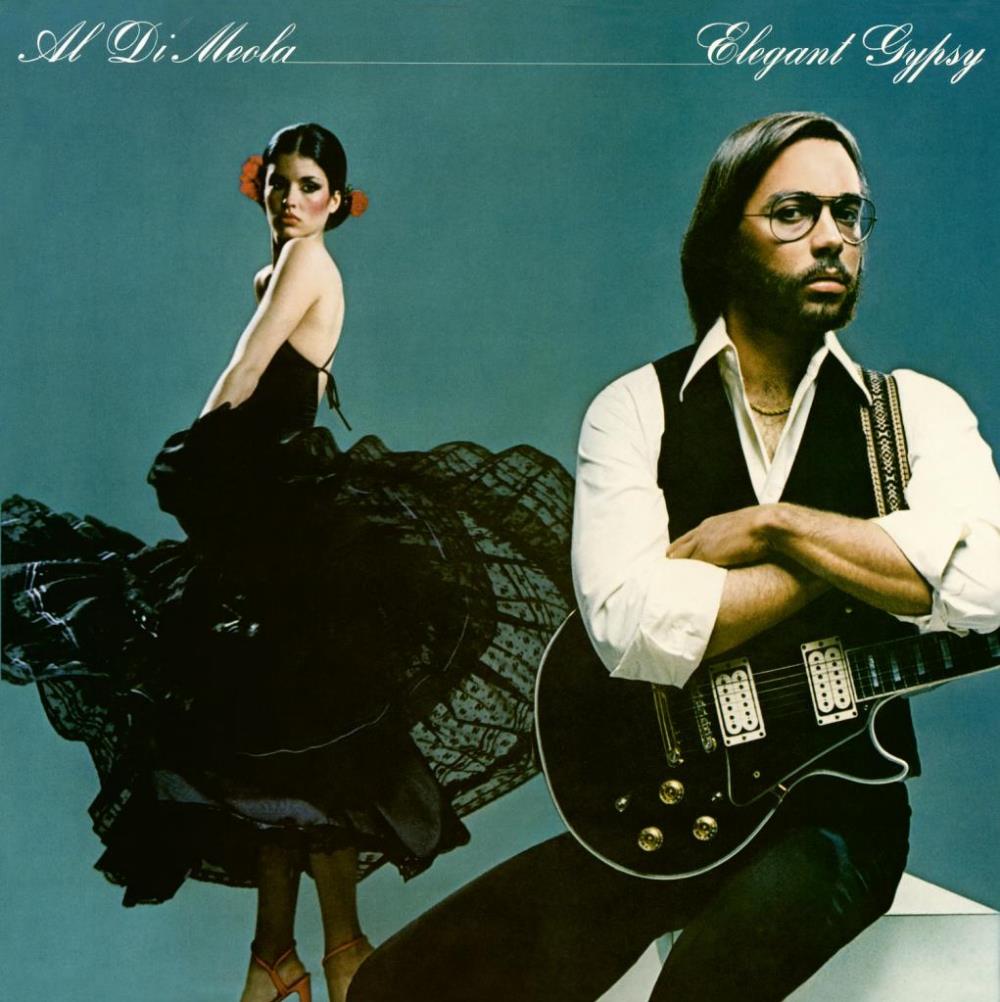
What Elegant Gypsy Taught Me About Sound

TUNAGE – SLS

I never understood what people meant by a “breakout album.” It always sounded like marketing speak, like some suit in a record label office decided a release would be a moment before the music even had a chance to prove it.

But now that I’ve been listening to music for decades—really listening—I get it. A breakout album is the one that changes the game. It’s the moment when an artist stops following the rules and starts rewriting them. It doesn’t just shift their career—it shifts how you hear music and move through the world. What happens when a certain song creeps into your headphones at 2 a.m.

For me, those shifts started showing up most often in the music of the ’70s and ’80s. Maybe because that was the last time I remember feeling invincible. Some of my friends say it’s because we were young, wild, and untouched by the creeping anxiety that comes with growing older and seeing too much. I don’t know. All I know is, back then, the music mattered. It wasn’t background noise—it was a pulse.

Usually, when people write about breakout records, they stick to pop and rock. And sure, I’ve got love for Thriller, Born to Run, and The Dark Side of the Moon. They deserve their place. But when we only look in that direction, we miss a world of records that hit just as hard—and sometimes deeper.

Let’s talk about the blues for a second.

Breakout albums in the blues don’t always come with fireworks. They come with smoke. With mood. With grit. Robert Johnson’s King of the Delta Blues Singers wasn’t even released while he was alive, but when it hit in 1961, it sent shockwaves through every guitar player worth their calluses. That wasn’t just a collection of songs—it was a haunted house tour through American music. And Albert King’s Born Under a Bad Sign? That record is basically the DNA for half of modern rock guitar. You can hear it in Hendrix. You can hear it in Clapton. You can feel it in your spine.

And then Stevie Ray Vaughan’s Texas Flood came along in 1983 and slapped the ’80s awake. In a decade buried in synths and neon, he reminded everyone what raw emotion sounded like. Blues didn’t die—it just needed someone to walk back in with a Strat and a storm.

Still, for me, the blues is the voice of memory. Jazz, though—that’s where I live.

I didn’t even know I was being raised on jazz. My mother had it spinning through the house, soft and steady. There were no lectures, no explanations, just vibes—Miles, Monk, a little Ella, and Louis. It seeped into me without permission.

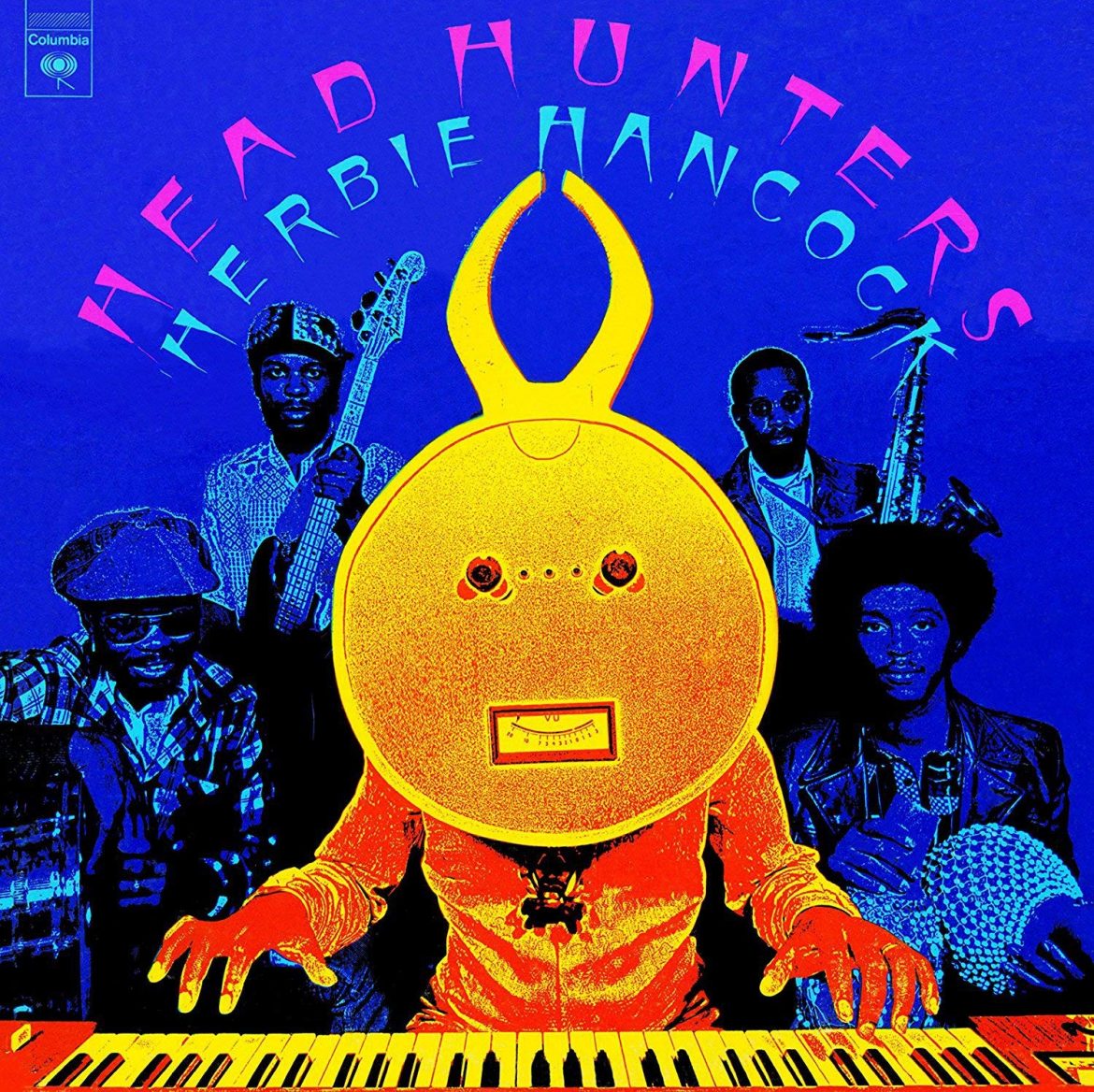
Later, when I started tracing back the music that moved me most, I found myself standing in front of Kind of Blue. I didn’t understand modal jazz or the genius behind its understatement. I just knew it felt like thinking clearly. Coltrane’s A Love Supreme—that one was different. That one burned. It felt like prayer in motion. And Herbie Hancock’s Head Hunters? That album made me question everything I thought jazz could be. It didn’t walk. It didn’t swing. It grooved.

But if you really want to know the moment the floor dropped out from under me—when I realized how deep this rabbit hole could go—it wasn’t a household name that did it. It was a cassette tape. In a barracks. On a night that started like any other.

It was the late ’80s. I had a makeshift pirate radio thing going with a buddy. We were playing Zeppelin, Floyd, Spyro Gyra—the kind of music that made you feel smart and a little dangerous. We were fueled by bad liquor and worse decisions.

Then Good walked into my room, talking slick. “You think you know music?” he said.

I told him to show me something better.

He popped in a tape.

Elegant Gypsy.


I didn’t know the name Al Di Meola. I certainly hadn’t heard of Return to Forever. Chick Corea and Stanley Clarke were familiar, but Al Di… ah, who? But from the moment “Flight Over Rio” exploded out of those half-broken speakers, I was done for.

Here’s the thing: Elegant Gypsy isn’t just fast. It isn’t just technical. It’s alive. This album doesn’t care if you’re ready. It grabs you by the collar, throws you into a hurricane of fusion, flamenco, and Latin rhythm, and dares you to keep up.

Di Meola’s guitar work is blistering—sure. But it’s also delicate when it needs to be. He doesn’t just play fast. He plays intentionally. There’s weight in every note, even when his fingers are moving at light speed. “Mediterranean Sundance,” his duet with Paco de Lucía, isn’t just a highlight—it’s a masterclass. You can feel the heat rising off the strings. You can hear two cultures colliding and dancing at once. It’s the sound of passion pushed through wood and wire—and that little whew at the end hits as hard as any chord.

And then there’s Elegant Gypsy Suite.


This track—more of a journey than a song—feels like the core of the whole album. At nearly ten minutes, it refuses to rush, despite being driven by a guitarist who could break land speed records. Instead, it shifts, morphs, and moves through phases. It opens in a brooding, almost cinematic space—like it’s scoring a Sergio Leone western that got hijacked by an avant-garde flamenco troupe. Then the melodies begin to circle, tighten, and rise. Di Meola slides between electric and acoustic passages without missing a beat, blending precise lines with raw emotion. There’s a section where the rhythm drops out and you’re left with this eerie, floating tension—before it snaps back in and charges forward like a bullfight.

It’s not just a guitar showcase—it’s storytelling. It’s Di Meola proving that speed means nothing without soul, that complexity doesn’t have to come at the cost of clarity. That suite is the reason this album transcends the fusion label. It’s bigger than genre. Its composition. It’s vision.

Critically, Elegant Gypsy did its damage. It went gold. It won Guitar Player magazine’s Album of the Year. It peaked high on the jazz charts. And yet, outside of jazz or guitar nerd circles, you barely hear it mentioned. No Rolling Stone rankings. No VH1 countdowns. It’s not part of the mainstream memory.

But ask any musician. Ask anyone who’s tried to tame six strings into something worth listening to. They’ll tell you: this album is sacred.

That night in the barracks, Elegant Gypsy didn’t just win the argument—it flipped the script. It reminded me why I cared about music in the first place. Not for popularity. Not for nostalgia. But for discovery. For the thrill of being wrong about what you thought music could be.

That’s what a breakout album really is. It doesn’t just launch a career. It launches you into something new.

So I keep listening. I keep digging. Not because I want to be the guy with the deep cuts, but because every now and then, a record still finds me and knocks me flat. When that happens, I stop everything. I pour a drink. I let it play all the way through.

Because sometimes, music doesn’t just break out.

It breaks you open.


Built on Fault Lines

TUNAGE – SLS

The Hidden Band Origins of Today’s Boldest Solo Artists

The low-key origin stories behind music’s most defining solo careers.

This challenge was tough because I know too many artists to choose from. I didn’t want to go with the obvious ones — you know, Ozzy Osbourne from Black Sabbath, Eric Clapton from Cream, Sting from The Police, or Diana Ross from The Supremes. Legends, sure. But those are basically music history 101.

The real struggle? Picking a genre. Rock? Overflowing. R&B? Stacked. Jazz? Don’t even get me started — half the genre is built on solo careers that started in someone else’s band. There are solid examples everywhere. So instead of narrowing it down, I went wide — and spotlighted the solo artists whose band origins aren’t always part of the conversation.


Herbie Hancock – Miles’ Sideman to Funk Pioneer

Before blowing minds with Chameleon and Rockit, Herbie Hancock laid down genius in Miles Davis’ Second Great Quintet — one of the most legendary jazz lineups ever. He could’ve coasted on that. Instead, he rewired jazz with funk, synths, and even turntables.

His 1973 album Head Hunters didn’t just move jazz forward — it cracked it open. “Chameleon” became an anthem, and Herbie never looked back. His solo career didn’t just stand out — it helped rewrite what jazz could be.


Teddy Pendergrass – From Group Harmony to Grown-Man Swagger

Teddy didn’t slide into solo stardom — he owned it. But before the robes and roses, he was the voice behind Harold Melvin & the Blue Notes. That’s him on “If You Don’t Know Me By Now.”

He dialed up the heat when he went solo in the late ’70s. Teddy wasn’t just singing love songs — he was setting the blueprint for every smooth, commanding R&B frontman who came after him.

Kenny Rogers – Psychedelic Cowboy?

We remember Kenny Rogers for the beard, the chicken, and “The Gambler.” But in the late ’60s, he fronted The First Edition, a trippy country-rock band. “Just Dropped In (To See What Condition My Condition Was In)” is a psychedelic classic — weird, bold, and nothing like what came after.

He didn’t start as a country icon — he became one. And he brought a little leftover weirdness with him.


Joe Walsh – From Power Trio to Solo Chaos

Before he was shredding with The Eagles, Joe Walsh was the wild force behind James Gang. “Funk #49” still hits like a punch to the chest. Then came his solo years — loose, loud, and hilarious (“Life’s Been Good” is chaos in the best way).

He had the chops, but more importantly, he had that unhinged charisma. And when he joined The Eagles, he didn’t clean up — he brought the madness with him.

Ice Cube – From Ruthless to Relentless

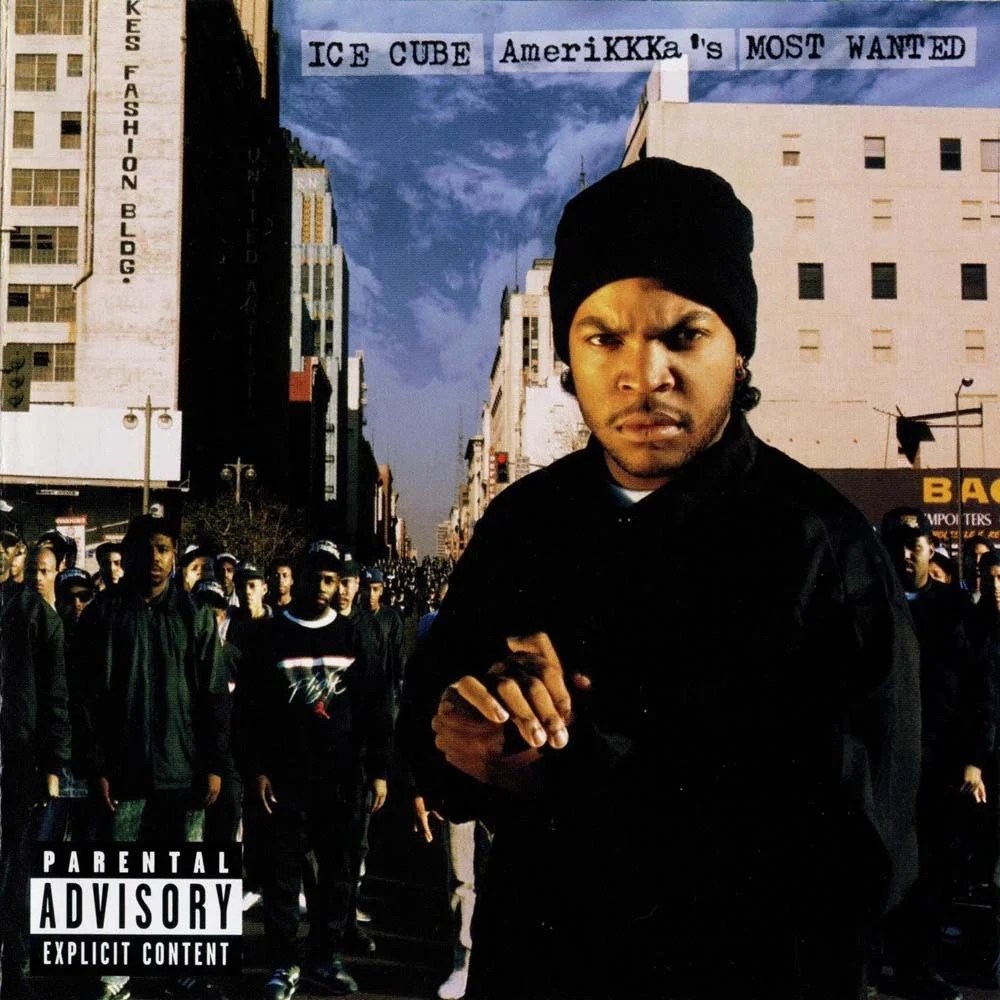
Before the solo albums, movies, and cultural icon status, Ice Cube was the pen behind N.W.A. He wrote most of Straight Outta Compton — then walked away over money and control.

His debut solo album, AmeriKKKa’s Most Wanted, hit like a sledgehammer. He didn’t just survive the breakup — he turned it into fuel and built a solo career that outpaced the group that made him.


Amerikkka’s Most Wanted Album Cover

Then There’s the Whole Bryan Ferry, Morrissey, Annie Lennox Thing…

You know the type. The ones who were technically in a band, but you kind of always knew they were destined to fly solo.

  • Bryan Ferry was Roxy Music—cool, stylish, theatrical. When he went solo, he smoothed out the edges and kept the vibe going with even more elegance.
  • Morrissey? When The Smiths dissolved, he doubled down on his own mythology — neurotic, literary, and unfiltered. Say what you will, but he made being miserable sound iconic.
  • Annie Lennox stepped out of Eurythmics and immediately leveled up. Tracks like “Why” and “No More I Love You’s” didn’t just show off her range — they felt like she was finally making music with no one else in the room.
  • Dave Stewart didn’t vanish. He became a quiet force, producing and writing for legends like Tom Petty and Stevie Nicks. He dropped solo albums, too. No hype, no drama — just intense, melodic work from a guy who knows what to do in a studio.

Natalie Merchant – Quiet Power, Loud Impact

I’ve got all these artists in my library. That’s why this post was hard — every one of them means something to me. Every career shift hit a different note.

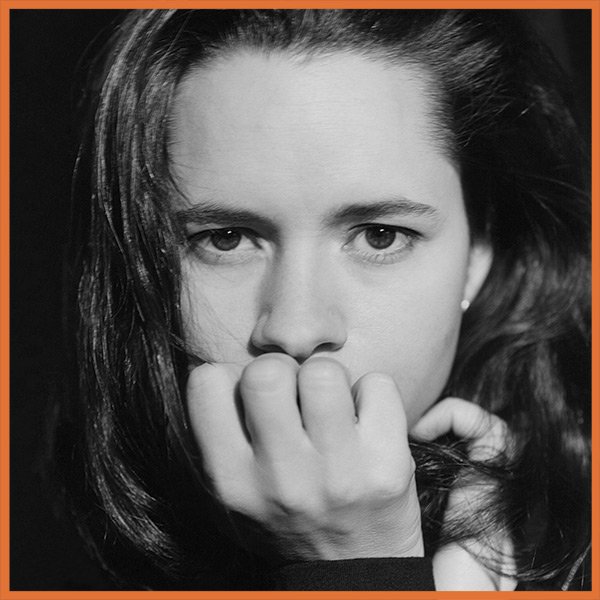
But the artist I landed on? Natalie Merchant. Not the biggest name. Not the flashiest. But the one who hit me quietly — and stayed.

I first fell for her voice on 10,000 Maniacs’ version of “Peace Train.” Then I lost track of her — until “Carnival” came out. That song pulled me right back in. Restrained, observational, hypnotic. It led me to Tigerlily. That’s when it clicked. I was in.

She didn’t just go solo — she effortlessly pushed her boundaries, building something slower, wiser, and entirely her own.


Tigerlily Album Cover

 “San Andreas Fault” – A Quiet Warning Disguised as a Lullaby

Though “Carnival” was the standout, I’ve always been partial to “San Andreas Fault.” It opens softly — just piano, some breath between the lines — and stays there. But listen closely, and it’s tense. It’s about chasing dreams on unstable ground, about the illusions of safety and paradise.

It’s a warning, wrapped in a lullaby. A metaphor that doesn’t yell — it just sits with you. That’s Merchant’s power. She doesn’t need volume. She needs space — and she knows how to fill it.


Final Thoughts

Natalie Merchant didn’t just survive leaving 10,000 Maniacs — she defined herself in the process. And that’s the real thread through all these stories: artists stepping away from the comfort of the group, betting on themselves, and making something real.

Sometimes the biggest moves aren’t loud.
They’re quiet.
Intentional.
Built on fault lines — and still, somehow, they hold.


This post was written for Jim Adams’ Song Lyric Sunday

I’ll Remember April, But Not Like This

TUNAGE – MMB (APRIL)


Charles Mingus didn’t just play a jazz standard—he took it apart, set it on fire, and built something unforgettable.


“I’ll Remember April” is one of those jazz standards every musician runs into, eventually. It’s basically a jam session rite of passage—48 bars of twisty harmonic turns masquerading as a wistful ballad about lost love and changing seasons. I’ve been familiar with it for years. Played it, heard it, filed it under “That one tune that’s fun to blow over but nobody remembers the lyrics to.”

Then I heard the Charles Mingus versions.

Someone once told me, “There’s jazz, and then there’s Mingus.” At the time, I thought that sounded like one of those pretentious one-liners people drop in record stores to feel superior. But after diving into his takes on “I’ll Remember April,” I get it. Oh man, do I get it.

Mingus didn’t just cover “April.” He took it apart like a mad scientist, rewired its guts, jolted it with electricity, and dared you to still call it a “standard.”


The Café Bohemia Version (1955): Mingus and Roach Light a Fuse

Let’s start at Café Bohemia, 1955. Picture a packed New York club, cigarette smoke thick enough to chew, and a band that clearly didn’t come to play it safe. Max Roach sits in on drums, and if you’ve ever wanted to hear someone simultaneously keep time and destroy it, this is your moment.

The melody of “April” makes a brief cameo, like it wandered onstage and then realized it was at the wrong gig. What follows is 13 minutes of fearless improvisation, with Mingus, Roach, and pianist Mal Waldron operating on some telepathic groupthink. The horns? They show up, but the rhythm section is driving the bus—and the bus is on fire.

Roach’s drumming is the engine room of this madness. His solo isn’t just technically jaw-dropping—it’s spiritually charged. He plays like he’s pulling sound from some ancient, elemental place. It’s powerful, commanding, and completely locked into the spirit of the tune, even as the band steamrolls past the recognizable parts of it. He doesn’t just support the performance—he embodies it.


The Antibes Version (1960): Bud Powell and the Beautiful Collision

Now fast-forward to 1960 at the Antibes Jazz Festival in France. Mingus is in full mythic form. His band includes avant-garde sorcerer Eric Dolphy, hard-bop bruiser Booker Ervin, and lyrical firebrand Ted Curson. Oh, and just to make things even more surreal—bebop piano legend Bud Powell drops in.

I was hypnotized by Powell’s piano. He doesn’t just comp—he sets the tone for the whole damn piece. His phrasing is gentle but firm, melancholic but insistent. He drove the vibe of the entire take with a calm storm underneath. It was a genius move by Mingus to bring him in. Powell didn’t just play the tune—he channeled it.

And as chaotic as the rest of the band is—Dolphy sounding like he’s melting into the fabric of reality, Ervin breaking every hard bop ceiling—Powell grounds the whole thing with this subtle gravitational pull. It’s stunning.


Same Tune, Two Earthquakes

Each of these versions is radically different, but neither feels careless. Each artist involved—Roach, Powell, Mingus himself—took the time to embody the nature and spirit of this piece. They didn’t just play “I’ll Remember April”; they meditated on it, exploded it, resurrected it.

Here’s the wildest part: I know I was listening to the same song. But these takes? They felt like two completely different pieces of music. That’s not just impressive, it’s disorienting in the most thrilling way.

Café Bohemia is all raw nerve and instinct, like jazz fighting for its life in a boxing ring. Antibes is a theatrical, kaleidoscopic manifesto with solos. Both are driven by Mingus’s refusal to play it safe. Both reveal just how much space one tune can contain if you’ve got the nerve to stretch it.

After hearing these, that old quote—“There’s jazz, and then there’s Mingus”—stopped sounding smug. It started sounding accurate.

Mingus didn’t interpret “I’ll Remember April.” He cracked it open, poured his entire brain into it, and gave us two versions that are less about remembering a month and more about never forgetting the man who dared to redefine it.


Mingus and Mitchell’s Rebellion

TUNAGE – THROWBACK THURSDAY

A jazz legend. A folk icon. One final act of creative defiance.

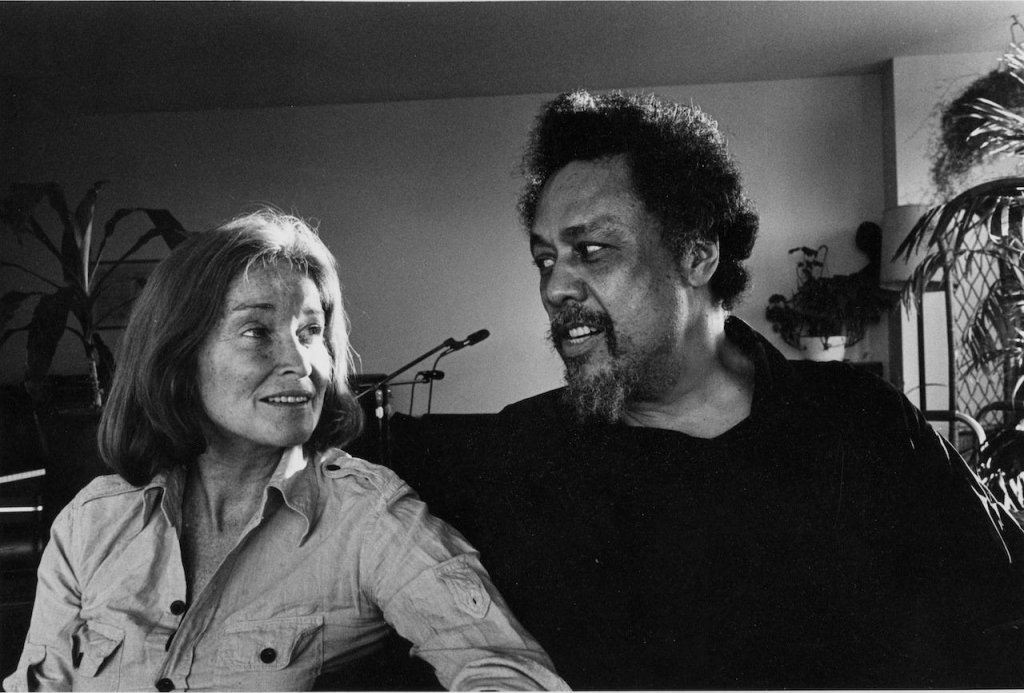
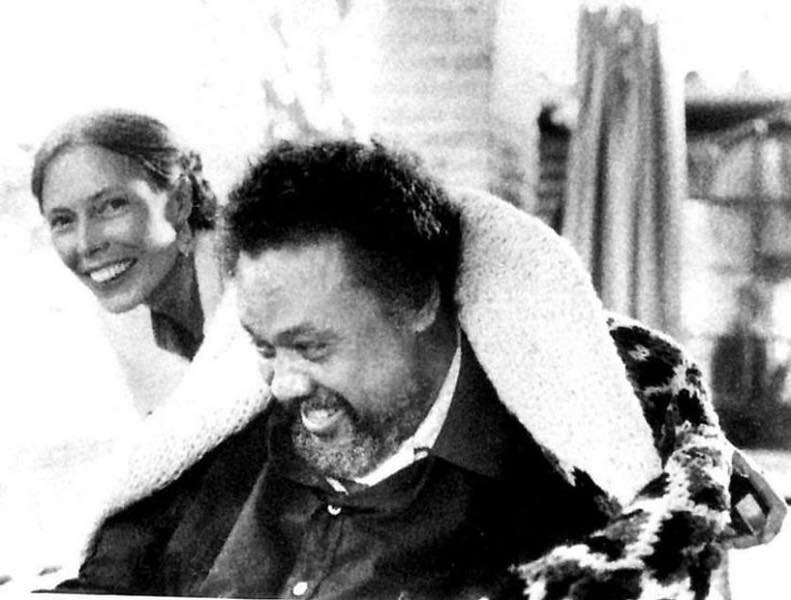
When Joni Mitchell dropped Mingus in 1979, it threw everyone for a loop. Critics scratched their heads; fans wondered where the dulcimer had gone. It didn’t sound like Blue, or Court and Spark, or anything even remotely close to her folk-pop reputation. And honestly? Joni didn’t care.

“This wasn’t just a genre crossover — it was a genre collision.”

This was Charles Mingus’s final project. ALS had stolen his ability to play, but not his impulse to push boundaries. So instead of retreating into legend, he reached out to Joni Mitchell — the queen of tunings, lyrics, and curveballs — and asked her to set words to some of his compositions. She said yes.

The result was a challenging listen — five spoken-word “raps,” interludes pulled from their conversations, woven between rich, angular jazz compositions. It was intimate, raw, and not made for background listening. You don’t just hear music — you hear mortality, mischief, and Mingus grumbling like a jazz prophet in a wheelchair.

“Mingus couldn’t play anymore, but he wasn’t done.”

Mitchell described their first meeting like this:

“The first time I saw his face it shone up at me with a joyous mischief… Charlie came by and pushed me in—‘sink or swim’—him laughing at me dog paddling around in the currents of black classical music.”

Translation: Mingus didn’t want a tribute. He wanted a partner with nerve.

The lineup was no joke:

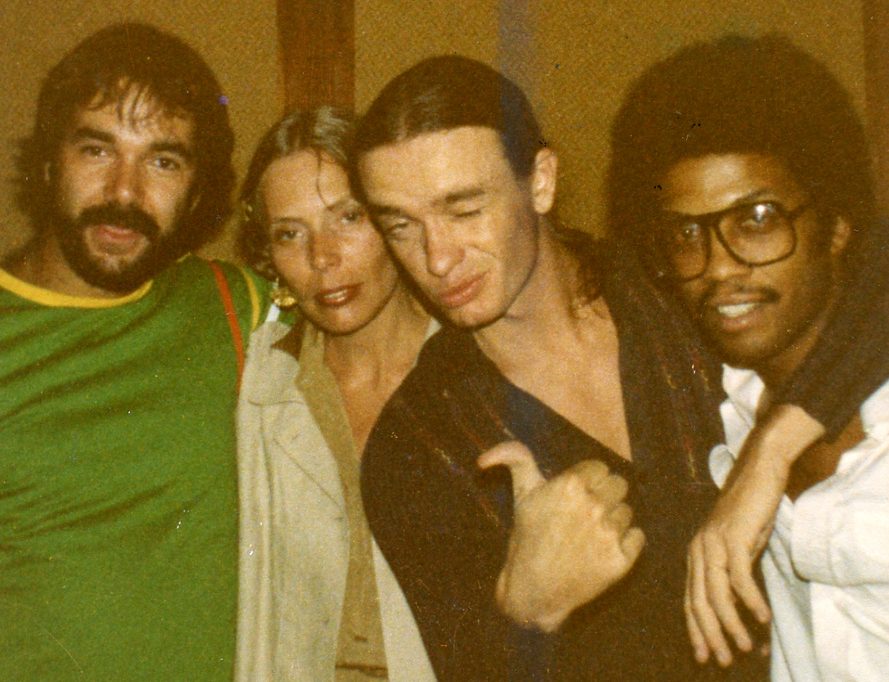
  • Jaco Pastorius on bass (melting frets like butter)
  • Wayne Shorter on sax (bending the air around him)
  • Herbie Hancock on electric piano (tickling the keys like he invented them)
  • Peter Erskine and Don Alias holding down rhythm
  • Plus wolves — yes, wolves — on “The Wolf That Lives in Lindsey”

“She didn’t smooth the edges — she leaned into the mess.”

This isn’t dinner-party jazz. It’s messy, meandering, occasionally maddening. But it has guts. At one point, Mingus told her she was singing the wrong note.
She replied, “That note’s been square so long it’s hip again.”
Mingus, without missing a beat: “Put in your note, my note, and two grace notes too.”

That’s the whole album right there — layered, irreverent, and unbothered by convention.


From Skeptic to Fan

My journey into Joni Mitchell’s world didn’t start with a musical epiphany. It started with a woman — one who casually mentioned that Prince was a fan of Joni Mitchell. I made a face. Possibly several. My inner monologue said: Oh great, another misunderstood-genius folk artist I’m supposed to pretend to like.

But then I saw her vinyl collection.

Not a greatest-hits graveyard. Not recycled top 40 safe bets. Her shelves were full of weird, daring, intentional records — the kind people own because they listen, not just display. I started paying attention.

I got home, looked up Joni’s discography, and there it was: Mingus. Charles Mingus? With her? I hit play.

Then I heard him — the voice. The Maestro. Laughing, breathing, alive. For a second, I thought I’d stumbled onto a secret Mingus record.

Then the bass came in. And I paused.

This isn’t Mingus on bass. But the lines were liquid, wild.
Then the piano hit. I stopped. “Who’s tickling the keys like that?” I muttered. I knew that sound. Herbie Hancock.

This was no crossover fluff. This was a full-on creative risk with real players and real weight.

I stopped the record, called her, and said:
“Okay — what’s the Joni Mitchell starter kit?”

She gave it to me. Blue. Hejira. Court and Spark.

I listened. And suddenly, the whole picture came into focus.

I came back to Mingus later — and this time, I didn’t feel lost. I was ready. I didn’t need it to make sense immediately. I just needed to meet it where it was.


Critical Reception: Then and Now

Upon its release in 1979, Mingus got a lukewarm reception.
Stereo Review said it had “no improvisation.” Robert Christgau gave it a C+, calling it a “brave experiment” that didn’t quite succeed.

Folk fans missed the softness. Jazz critics missed Mingus’s hands. Everyone expected something different — and Mingus gave them none of it.

But over time, things changed. Today, Mingus is respected for what it is: bold, strange, and ahead of its time.

“After four decades, the deeply personal and experimental Mingus has grown into one of the most important titles in the Mitchell catalog.”
— Ron Hart, GRAMMY.com

Even those who played on it are reflecting differently now:

“It was and remains a brave project and statement… an essential piece of not only Joni’s library of music, but of American music in the late 1970s.”
— Peter Erskine, drummer on Mingus

Funny how time — and maybe a little patience — can change everything.


Final Word

Mingus isn’t cozy. It’s not an easy listen. It’s not even especially likable at first.

But it’s real.

Two artists — one dying, one evolving — making something on their own terms. No pandering. No hand-holding. Just music, conversation, and courage.

I started listening to Joni Mitchell because of a woman.
But I kept listening because Mingus didn’t try to win me over.
It made me meet it halfway.

And once I did, I never looked at music — or Mitchell — the same way again.


Mixed Music Bag – Week 51

ARTICLE – TUNAGE – MINI BIO – MMB

The Yellowjackets 

In several previous posts, you’ve heard me yammer on about my musical journey and how different things in my life helped establish my evolving musical tastes. During the 1980s, I became a fan of jazz and the sub-genre of jazz fusion. This was spurred by my introduction to Al Dimeola, legendary guitarist of the Jazz Fusion trio Romantic Warrior. As I drove deeper into jazz fusion, I discovered “The Yellowjackets.” 

The Yellowjackets are a highly influential American jazz fusion band formed in 1977 in Los Angeles. Assembled initially as a backup band for guitarist Robben Ford, they evolved into one of jazz’s most respected groups. Ford left the band to pursue a different musical direction after recording their first album. The track Rush Hour on their 1981 self-titled release is often considered Robben Ford’s best work. 

Original Lineup: 

  • Robben Ford (Guitar)
  • Russell Ferrante (Keyboards)
  • Jimmy Haslip (Bass)
  • Ricky Lawson (Drums)

After Ford’s departure, the band continued as a trio. Despite Ford’s departure, the band maintained the sound band established with Ford. Mirage a Trois (1983) marked the transition of the band’s sound into a direction. They added saxophonist Marc Russo to add in the transition. Their album Shades (1986) cemented their sound, unique to their previous sound. 

Critical Acclaim

  • Shades (1986) reached No. 4 on the Billboard jazz album chart, featuring the Grammy-winning single “And You Know That”
  • Greenhouse (1991) reached No. 1 on the Billboard Contemporary Jazz Album chart.
  • Yellowjackets (1981) – Their debut album reached No. 16 on the Billboard Jazz Albums chart and made serious waves in jazz radio

Grammy Recognition

Their most acclaimed albums include:

  • Politics (1988) – Won Grammy for Jazz Fusion Performance
  • Jackets XL (2020) – Nominated for Best Large Jazz Ensemble Album
  • Parallel Motion (2022) – Their latest Grammy-nominated album

Current Lineup

The band currently consists of:

  • Russell Ferrante (Piano & Synthesizers) – founding member
  • Bob Mintzer (Woodwinds & EWI)
  • Will Kennedy (Drums)
  • Dane Alderson (Bass)

Musical Legacy

Throughout their 43-year history, the Yellowjackets have recorded 25 albums and received 17 Grammy nominations, winning two. Modern rhythms, strong melodies, and innovative jazz fusion compositions characterize their music.


Mixed Music Bag – Week 44

TUNAGE – MINI BIO – MMB

One of the things I enjoy the most about listening to music is finding artists who aren’t part of mainstream popularity. It’s rewarding to watch your discovery become super famous, but sometimes, you want to stay small. It’s having your own secret band in your back pocket. Tenpenny Joke is such a band. 

Tenpenny Joke was an Australian rock band from Melbourne’s Mornington Peninsula in 1997. They made their mark in the melodic rock scene.

Musical Journey

The band achieved a significant milestone in 2004 when they signed with Shock Records/Sing Sing Productions. Their debut album, “Ambush on All Sides,” was released in 2005. It was produced by Matt Voigt, known for his work with The Living End, Kiss, and Aaliyah.

Band Lineup 

  • Craig “Boz” Boswell – drums
  • Anthony Casey – vocals
  • Peter Coon – guitars
  • Tim Kill – bass guitar
  • Brian Rimmer – vocals and guitar

Musical Style and Impact

Their sound was primarily melodic rock, incorporating progressive and alternative elements. The band gained international recognition, receiving airplay across multiple countries, including the US, UK, Europe, New Zealand, and Asia. They were particularly successful in Japan, where their track “Across The Ocean” became highly requested on Yellowbeat radio.

Notable Works

Ambush on All Sides” (2005) – Full-length album

  • Notable Tracks
    • Across the Ocean – An excellent track showcasing the band’s classic rock influences
    • “Evil Things” – A light-hearted composition that highlights their musical range
  • My Favorites
    • Black Satellite 
    • Emergency


Song Lyric Sunday – War and Peace

CHALLENGE RESPONSE – SLS

Here is my response to SLS, hosted by Jim Adams

“Run to the Hills” by Iron Maiden is a powerful track from their 1982 album, “The Number of the Beast.” The song is renowned for its compelling musicality and thought-provoking lyrics, which offer a critical perspective on the historical conflicts between Native Americans and European settlers. Through its driving riffs supplied by Dave Murray and Adrian Smith and Bruce Dickerson’s dynamic vocal range, “Run to the Hills” tells a story from both viewpoints: the indigenous peoples of America and the invading settlers.

The song’s narrative highlights the violence, exploitation, and injustices faced by Native Americans during the colonization period, emphasizing themes of freedom, survival, and the tragic consequences of imperialism. Iron Maiden uses this track to showcase their musical talent and provoke reflection on a dark chapter in history, making it a memorable and impactful piece in the realm of heavy metal.


Lyrics:

White man came across the sea
He brought us pain and misery
He killed our tribes, he killed our creed
He took our game for his own need

We fought him hard, we fought him well
Out on the plains, we gave him hell
But many came, too much for Cree
Oh, will we ever be set free?

Riding through dust clouds and barren wastes
Galloping hard on the plains
Chasing the redskins back to their holes
Fighting them at their own game
Murder for freedom, a stab in the back
Women and children and cowards attack

Run to the hills
Run for your lives
Run to the hills
Run for your lives

Soldier blue in the barren wastes
Hunting and killing’s a game
Raping the women and wasting the men
The only good Indians are tame
Selling them whiskey and taking their gold
Enslaving the young and destroying the old

Run to the hills
Run for your lives
Run to the hills
Run for your lives

Yeah

Run to the hills
Run for your lives
Run to the hills
Run for your lives

Run to the hills
Run for your lives
Run to the hills
Run for your lives

Mixed Music Bag – Week 1: Alabama Shakes & Adam and the Ants

ARTICLE – MINI BIOGRAPHY – MMB

Here is my response to Glyn’s Mixed Music Bag

Alabama Shakes, a band whose name evokes the southern roots from which they emerged, has captivated audiences around the world with their raw, soulful sound. Since their formation in Athens, Alabama, in 2009, the band has garnered critical acclaim and a dedicated fan base for their electrifying performances and genuine musicality.

At the heart of Alabama Shakes is lead vocalist and guitarist Brittany Howard, whose powerhouse vocals and emotionally charged delivery have become synonymous with the band’s sound. From the moment she belts out the opening notes of a song, Howard effortlessly commands attention, infusing each lyric with a sense of urgency and sincerity that cuts straight to the soul.

Backing Howard is a talented ensemble of musicians including Heath Fogg on guitar, Zac Cockrell on bass, and Steve Johnson on drums, whose collective chemistry and tight instrumentation provide the perfect backdrop for Howard’s powerhouse vocals.

What sets Alabama Shakes apart is their commitment to authenticity. In an age where studio production and auto-tune reign supreme, the band’s stripped-down approach to music feels refreshingly genuine. Their debut album, “Boys & Girls,” released in 2012, is a testament to this authenticity, with its raw, bluesy sound and heartfelt lyrics resonating with listeners deeply and personally.

Tracks like “Hold On” and “I Found You” showcase the band’s ability to blend elements of rock, soul, and blues into a seamless and infectious sound that feels both timeless and contemporary. With each soulful guitar riff and impassioned vocal performance, Alabama Shakes transports listeners to a place where music is not just heard but felt.

The band’s sophomore effort, “Sound & Color,” released in 2015, further solidified their status as musical innovators. From the hauntingly beautiful title track to the raucous energy of “Don’t Wanna Fight,” the album is a sonic experimentation and emotional depth masterclass.

Beyond their recorded music, Alabama Shakes is renowned for their electrifying live performances. Whether performing in an intimate club or headlining a festival stage, the band’s energy and passion are palpable, leaving audiences spellbound and craving more.

As Alabama Shakes continues to evolve and push musical boundaries, one thing remains constant: their unwavering commitment to authenticity. In a world where trends come and go, the band’s timeless sound and genuine spirit remind us of the power of music to move, inspire, and unite us all.


Few bands stand out in the vibrant tapestry of punk rock history quite like Adam and the Ants. With their flamboyant style, infectious energy, and rebellious spirit, they carved out a unique niche in the late 1970s and early 1980s music landscape.

Formed in London in 1977 by frontman Adam Ant (born Stuart Leslie Goddard), Adam and the Ants quickly made a name for themselves with their distinctive blend of punk, glam rock, and new wave. With Ant’s charismatic persona at the forefront, the band’s music became synonymous with theatricality, bravado, and unabashed rebellion.

At the heart of Adam and the Ants’ sound was their innovative use of tribal rhythms and dual drummers, which added a primal, tribal element to their music. Combined with Ant’s swaggering vocals and catchy guitar riffs, the band created an infectious and unmistakably their own sound.

Their breakthrough came with releasing their sophomore album, “Kings of the Wild Frontier,” in 1980. Fueled by hits like “Antmusic” and “Dog Eat Dog,” the album catapulted Adam and the Ants to international fame, earning them a legion of devoted fans and cementing their status as icons of the punk rock movement.

But it wasn’t just their music that set Adam and the Ants apart—their larger-than-life image and fearless sense of style. With their elaborate costumes, tribal face paint, and provocative lyrics, the band embraced a sense of daring and empowering theatricality. They dared to challenge societal norms and push the boundaries of self-expression, inspiring countless fans to embrace their individuality and inner rebellion.

Throughout their career, Adam and the Ants continued to push musical boundaries with albums like “Prince Charming” and “Friend or Foe,” showcasing their versatility and innovation as artists. Tracks like “Stand and Deliver” and “Prince Charming” further solidified their status as cultural icons, earning them critical acclaim and commercial success.

Though the band’s lineup underwent changes over the years, with Ant pursuing a successful solo career in the 1980s, the legacy of Adam and the Ants endures. Their music continues to resonate with audiences old and new, serving as a testament to the enduring power of punk rock to inspire, provoke, and ignite the fires of rebellion.

Adam and the Ants remind us to embrace our inner eccentricities and celebrate our unique identities in a world that often prizes conformity over creativity. With their infectious energy, fearless spirit, and unapologetic attitude, they remain timeless symbols of punk rock swagger and defiant individualism.

Mixed Music Bag – Week #7: Concrete Blonde

ARTICLE – MINI BIOGRAPHY – MMB

I’m a little behind because of my recent prolonged illness, so please forgive my tardiness. Here is my response to Glyn’s MMB.

From the moment I heard, “There’s a crack in the mirror and bloodstain on the bed,” I was floored. I wondered who the hell was this singing and what band is this? I must have listened to that song back to back for a week straight. I’m sure it wasn’t that long, but I played it repeatedly. Well, the band Concrete Blonde, and the song was Bloodletting

The opening bass line captured my attention, and I was grooving. However, when the vocals arrived mixed with powerful lyrics, I seemed to be teleported into the song. I could feel everything she was singing about. Yeah, yeah, I was young, and everything was so damn serious. It was the best thing I’d ever heard blah, blah. However, Concrete Blonde has remained one of my favorite bands throughout my lifetime. Here are the particulars:


Concrete Blonde occupies a unique and enduring place in the rich tapestry of alternative rock music. Formed in the vibrant musical landscape of Los Angeles in the 1980s, Concrete Blonde emerged as a beacon of emotional depth and musical innovation. Led by the captivating vocals and songwriting prowess of Johnette Napolitano, the band’s distinctive blend of rock, punk, and folk influences captivated audiences and earned them a devoted following. This essay explores Concrete Blonde’s evolution, impact, and enduring legacy, delving into their thematic depth, musical craftsmanship, and cultural significance.

Formation and Early Years:

Concrete Blonde traces its origins to the convergence of talents between vocalist/bassist Johnette Napolitano, guitarist James Mankey, and drummer Harry Rushakoff in the mid-1980s. Drawing inspiration from the eclectic music scene of Los Angeles, the band forged a sound that defied easy categorization, blending elements of punk, rock, folk, and alternative music. Their eponymous debut album, “Concrete Blonde,” released in 1986, showcased their raw energy and emotional intensity, laying the foundation for their subsequent success.

Thematic Depth and Musical Craftsmanship:

At the heart of Concrete Blonde’s music lies a profound exploration of the human condition, infused with love, loss, longing, and redemption themes. Johnette Napolitano’s evocative lyrics and soul-stirring vocals serve as a conduit for raw emotion, resonating with listeners on a deeply personal level. Whether channeling heartache and despair in “Joey” or exuding defiance and resilience in “Bloodletting (The Vampire Song),” Concrete Blonde’s music transcends genre boundaries, inviting listeners into a world of introspection and catharsis.

Musically, Concrete Blonde’s compositions are characterized by their dynamic arrangements, melodic hooks, and rich instrumentation. James Mankey’s masterful guitar work ranges from atmospheric textures to blistering solos, complementing Napolitano’s emotive vocals with nuance and depth. The rhythm section, anchored by Harry Rushakoff’s propulsive drumming, provides a solid foundation for the band’s sonic exploration, while guest musicians add layers of sonic richness to their sound.

Cultural Impact and Enduring Legacy:

Throughout their career, Concrete Blonde left an indelible mark on the alternative rock landscape, influencing subsequent generations of musicians and earning critical acclaim for their distinctive sound and uncompromising vision. Their breakthrough album, “Bloodletting,” released in 1990, propelled them to mainstream success, fueled by the haunting single “Joey” and the atmospheric title track “Bloodletting (The Vampire Song).” Subsequent albums, including “Walking in London” and “Mexican Moon,” further cemented their reputation as one of the preeminent bands of the alternative rock era.

Beyond their musical achievements, Concrete Blonde’s impact extends to their engagement with social and political issues, using their platform to advocate for causes ranging from environmental conservation to LGBTQ rights. Their music resonates with audiences worldwide, providing solace, inspiration, and a sense of connection in an ever-changing world.


The song that made me a fan.

Lyrics: Dance Along the Edge

Sometimes we laugh like children
Go running holding hands
I never felt like this before,
I never will again
Sometimes we cry like babies
I hold you to my heart.
I just can’t stand to see you sad,
It tears me all apart

And we’re so afraid and it’s such a shame,
There is no reason we should doube it.
The things we want to say we’ver never said!
And we look away and it’s all ok and
Never really talk about it
It’s a shame the way we dance along the edge
Dance along the edge.

We always seem so careful,
We’re always so unsure.
Our past mistakes they make us shakey… eyes on the door.
When do we stop searching
For what we’re searching for?
Then when it comes, we question love and try for more!

And we’re happy here, but we live in fear
We’ve seen a lot of temples crumble.
Some of flesh and blood from love under glass.
Will we come undone? Will we turn and run?
And will we know it when we find it?
It’s a game the way we dance along the edge.
And we’ll walk the line and we’ll do our time
For just as long as we’ve been given,
And pretend that we don’t hear the things they’ve said.
Can we promise love? Is it all too much
And do our old souls still believe it?
It’s insane the way we dance along the edge.