
ARTICLE – MINI BIOGRAPHY – HISTORICAL ERA
As a writer, I often reflect on my inspirations or, more precisely, why I chose to become a writer. I ask myself, was there a thing more than the others that influenced this decision? I never come up with a definitive answer, but I feel compelled to discuss the impact of the Harlem Renaissance.
The Harlem Renaissance is one of American history’s most significant cultural movements, representing a period of profound artistic and intellectual awakening among African Americans in the 1920s and 1930s. Centered in the vibrant neighborhood of Harlem in New York City, this period witnessed an unprecedented surge of creativity and innovation across various artistic disciplines, including literature, music, visual arts, and theater. The Harlem Renaissance not only transformed the cultural landscape of America but also challenged prevailing racial stereotypes and paved the way for greater recognition of African American contributions to society. This essay aims to provide a comprehensive overview of the Harlem Renaissance, exploring its historical context, key figures, artistic achievements, and lasting impact on American culture.
Historical Context:
The Harlem Renaissance emerged against the backdrop of widespread racial discrimination, segregation, and socio-economic inequality faced by African Americans in the early 20th century. The Great Migration, a mass movement of African Americans from the rural South to urban centers in the North, including Harlem, during and after World War I, was pivotal in shaping the period’s cultural milieu. In Harlem, a vibrant community of artists, writers, musicians, intellectuals, and activists converged, seeking refuge from racial oppression and striving to create a space for artistic expression and cultural affirmation.
Key Figures and Literary Contributions:
Central to the Harlem Renaissance were the writers and intellectuals who articulated African Americans’ experiences, aspirations, and struggles through their literary works. Among the most prominent figures of the movement were:
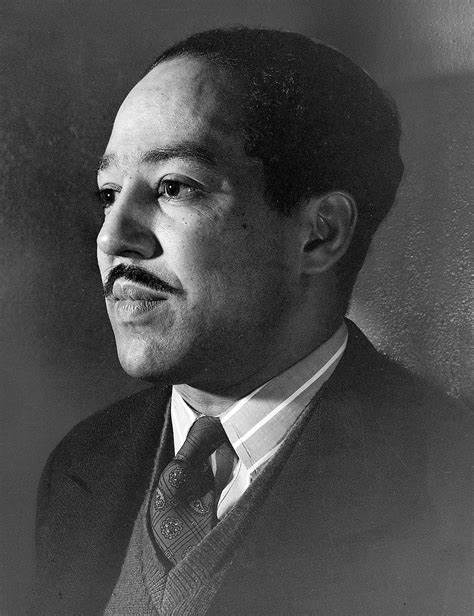
1. Langston Hughes: Renowned for his poetry, fiction, and essays, Hughes captured the rhythms and vernacular of African American life in his works, addressing themes of identity, heritage, and social justice. His seminal poem “The Negro Speaks of Rivers” and his collection “The Weary Blues” are enduring classics of the Harlem Renaissance. Hughes moved so much as a young poet. His work was instrumental in assisting me to develop my style as a writer.
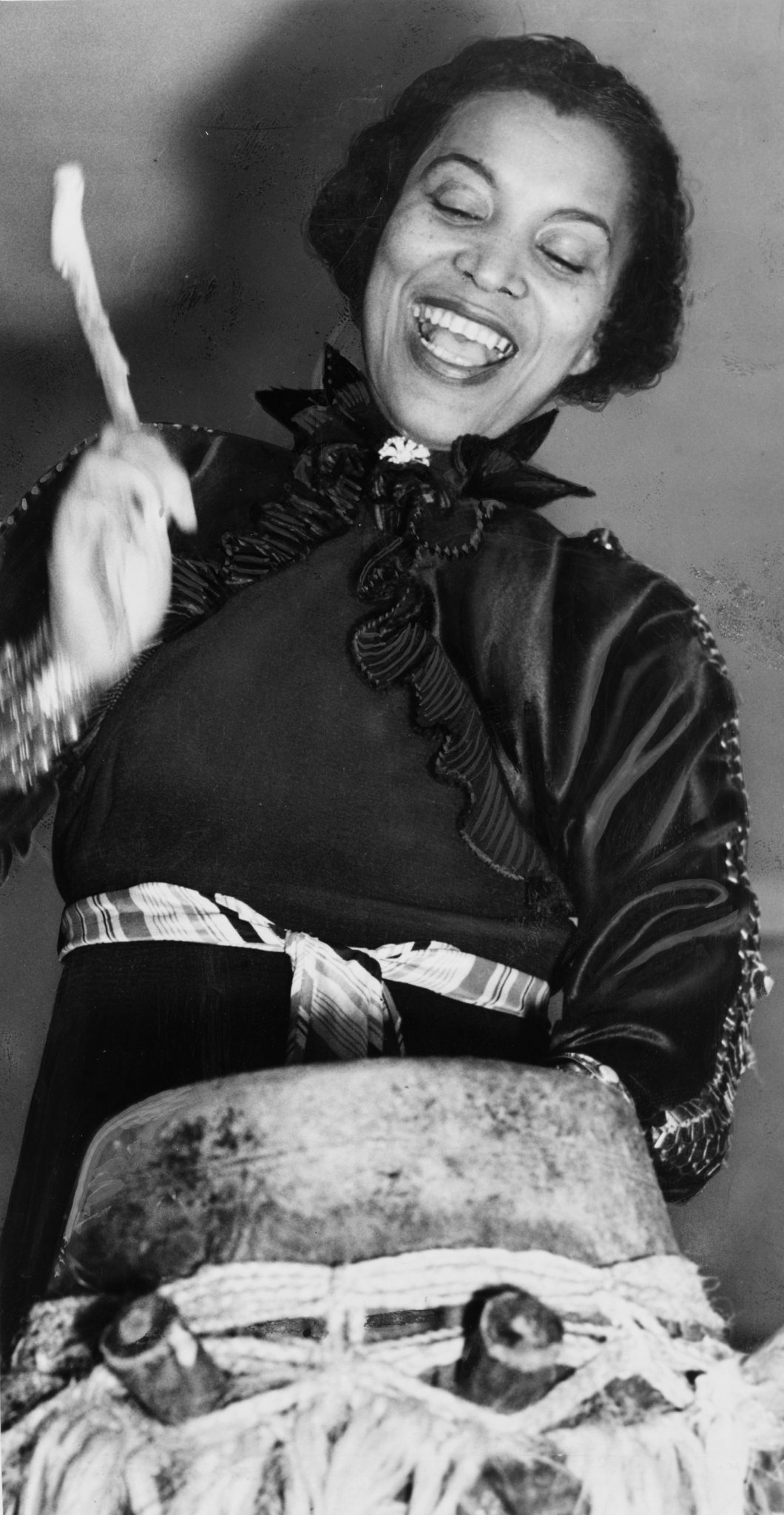
2. Zora Neale Hurston: A pioneering novelist, folklorist, and anthropologist, Hurston celebrated the culture and traditions of the rural South in her writing, challenging stereotypes and portraying the complexity of African American life. Her masterpiece “Their Eyes Were Watching God” remains a cornerstone of African American literature. Before discovering her, I had such a limited glimpse of the power of the period.
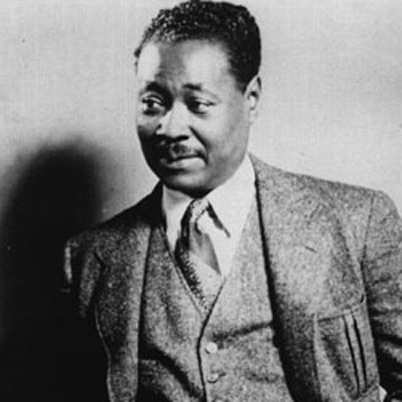
3. Claude McKay: Known for his poetry and novels, McKay explored themes of race, oppression, and resistance in his works, blending elements of traditional English poetry with African American vernacular. His poem “If We Must Die” became a rallying cry against racial violence and injustice. Mckay’s work taught me that I could include hope amidst the verses of pain and despair. He fundamentally affected how I constructed a verse.
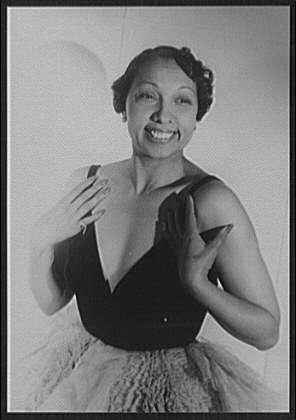
4. Nella Larsen: A gifted novelist, Larsen depicted the complexities of racial identity and social mobility among African Americans in her novels “Quicksand” and “Passing,” shedding light on the psychological and emotional challenges faced by individuals navigating between racial boundaries. Passing took me to a world I seldom acknowledged. She introduced me to the struggles my adoptive grandmother faced. I often wondered about some of Mimi’s beliefs; what were their origins? Passing provided possible answers to my numerous queries.
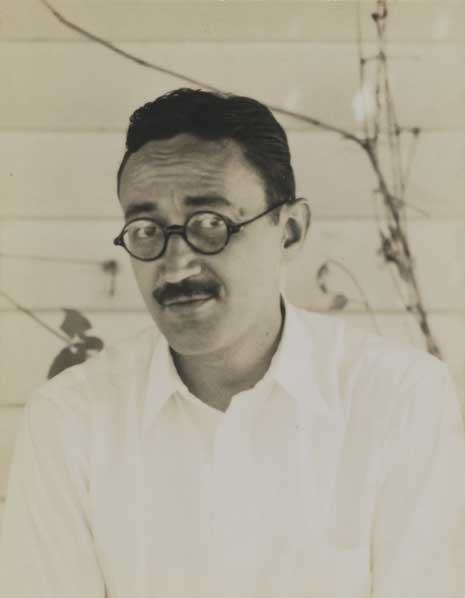
5. Jean Toomer: Influenced by his experiences in the rural South and Harlem, Toomer’s experimental novel “Cane” defied conventional literary genres, blending poetry, prose, and drama to explore the lives of African Americans in the post-Reconstruction era. Often, I experimented with the combination of prose and poetry. For example, I was often ridiculed for my attempts. I knew it could be done. Not only done, but done well. I was introduced to Toomer and his Cane. I ceased doubting myself and continued writing. When I read Jason Reynolds, I am reminded of Toomer.
These writers and many others challenged prevailing literary conventions and redefined the African American literary tradition, enriching American literature with their diverse voices and perspectives. Here are a few more of the notable writers of the period.
- Countee Cullen
- Jessie Redmon Fauset
- James Weldon Johnson
- Alain Locke
- Wallace Thurman
- Arna Bontemps
- Rudolph Fisher
- Angelina Weld Grimké
- Georgia Douglas Johnson
- Helene Johnson
- Alice Dunbar-Nelson
- Anne Spencer
- Gwendolyn Bennett
- Marita Bonner
- Dorothy West
Artistic Achievements and Cultural Impact:
Beyond literature, the Harlem Renaissance encompassed a rich tapestry of artistic expressions, including music, visual arts, theater, and dance. Jazz, with its improvisational style and syncopated rhythms, became the quintessential sound of the era, symbolizing the spirit of cultural innovation and liberation. Musicians such as Duke Ellington, Louis Armstrong, and Bessie Smith rose to prominence, captivating audiences with their electrifying performances and reshaping the landscape of American music.
In the visual arts, African American artists such as Aaron Douglas, Jacob Lawrence, and Romare Bearden explored themes of identity, history, and social justice through their paintings, murals, and collages, contributing to the flourishing of African American artistry and aesthetics.
The Harlem Renaissance also witnessed a resurgence of African American theater, with playwrights such as Langston Hughes, Zora Neale Hurston, and Eugene O’Neill staging productions that reflected the experiences and aspirations of African Americans. The New Negro Movement, as articulated by Alain Locke in his seminal anthology “The New Negro,” sought to challenge racial stereotypes and promote a positive image of African American culture and identity.
The legacy of the Harlem Renaissance extends far beyond its immediate historical context, influencing subsequent generations of artists, writers, and activists and contributing to the ongoing struggle for racial equality and social justice. By reclaiming their cultural heritage and asserting their creative agency, the participants of the Harlem Renaissance paved the way for greater recognition and appreciation of African American contributions to American culture and society.
Conclusion:
The Harlem Renaissance is a testament to the African American community’s resilience, creativity, and cultural vitality in adversity. Through their artistic achievements and intellectual pursuits, the participants of the Harlem Renaissance challenged prevailing racial stereotypes, celebrated the richness of African American culture, and laid the groundwork for a more inclusive and equitable society. As we commemorate the legacy of the Harlem Renaissance, remind us of the enduring power of art and culture to inspire, uplift, and transform lives, transcending barriers of race, ethnicity, and nationality.
Discover more from Memoirs of Madness
Subscribe to get the latest posts sent to your email.
 Memoirs of Madness
Great write up. I am looking for a print of the “A Great Day in Harlem” photo from 1958 that includes the likes of Charles Mingus, Thelonius Monk, Lester Young, and Oscar Pettiford.
LikeLiked by 1 person
I would like to see that print. I love each of those Jazz greats. Nice!
LikeLiked by 1 person