Poem of the Day – 04082026

Let America Be America Again

By Langston Hughes

Let America be America again.

Let it be the dream it used to be.

Let it be the pioneer on the plain

Seeking a home where he himself is free.

(America never was America to me.)

Let America be the dream the dreamers dreamed—

Let it be that great strong land of love

Where never kings connive nor tyrants scheme

That any man be crushed by one above.

(It never was America to me.)

O, let my land be a land where Liberty

Is crowned with no false patriotic wreath,

But opportunity is real, and life is free,

Equality is in the air we breathe.

(There’s never been equality for me,

Nor freedom in this “homeland of the free.”)

Say, who are you that mumbles in the dark?

And who are you that draws your veil across the stars?

I am the poor white, fooled and pushed apart,

I am the Negro bearing slavery’s scars.

I am the red man driven from the land,

I am the immigrant clutching the hope I seek—

And finding only the same old stupid plan

Of dog eat dog, of mighty crush the weak.

I am the young man, full of strength and hope,

Tangled in that ancient endless chain

Of profit, power, gain, of grab the land!

Of grab the gold! Of grab the ways of satisfying need!

Of work the men! Of take the pay!

Of owning everything for one’s own greed!

I am the farmer, bondsman to the soil.

I am the worker sold to the machine.

I am the Negro, servant to you all.

I am the people, humble, hungry, mean—

Hungry yet today despite the dream.

Beaten yet today—O, Pioneers!

I am the man who never got ahead,

The poorest worker bartered through the years.

Yet I’m the one who dreamt our basic dream

In the Old World while still a serf of kings,

Who dreamt a dream so strong, so brave, so true,

That even yet its mighty daring sings

In every brick and stone, in every furrow turned

That’s made America the land it has become.

O, I’m the man who sailed those early seas

In search of what I meant to be my home—

For I’m the one who left dark Ireland’s shore,

And Poland’s plain, and England’s grassy lea,

And torn from Black Africa’s strand I came

To build a “homeland of the free.”

The free?

Who said the free?  Not me?

Surely not me?  The millions on relief today?

The millions shot down when we strike?

The millions who have nothing for our pay?

For all the dreams we’ve dreamed

And all the songs we’ve sung

And all the hopes we’ve held

And all the flags we’ve hung,

The millions who have nothing for our pay—

Except the dream that’s almost dead today.

O, let America be America again—

The land that never has been yet—

And yet must be—the land where every man is free.

The land that’s mine—the poor man’s, Indian’s, Negro’s, ME—

Who made America,

Whose sweat and blood, whose faith and pain,

Whose hand at the foundry, whose plow in the rain,

Must bring back our mighty dream again.

Sure, call me any ugly name you choose—

The steel of freedom does not stain.

From those who live like leeches on the people’s lives,

We must take back our land again,

America!

O, yes,

I say it plain,

America never was America to me,

And yet I swear this oath—

America will be!

Out of the rack and ruin of our gangster death,

The rape and rot of graft, and stealth, and lies,

We, the people, must redeem

The land, the mines, the plants, the rivers.

The mountains and the endless plain—

All, all the stretch of these great green states—

And make America again!
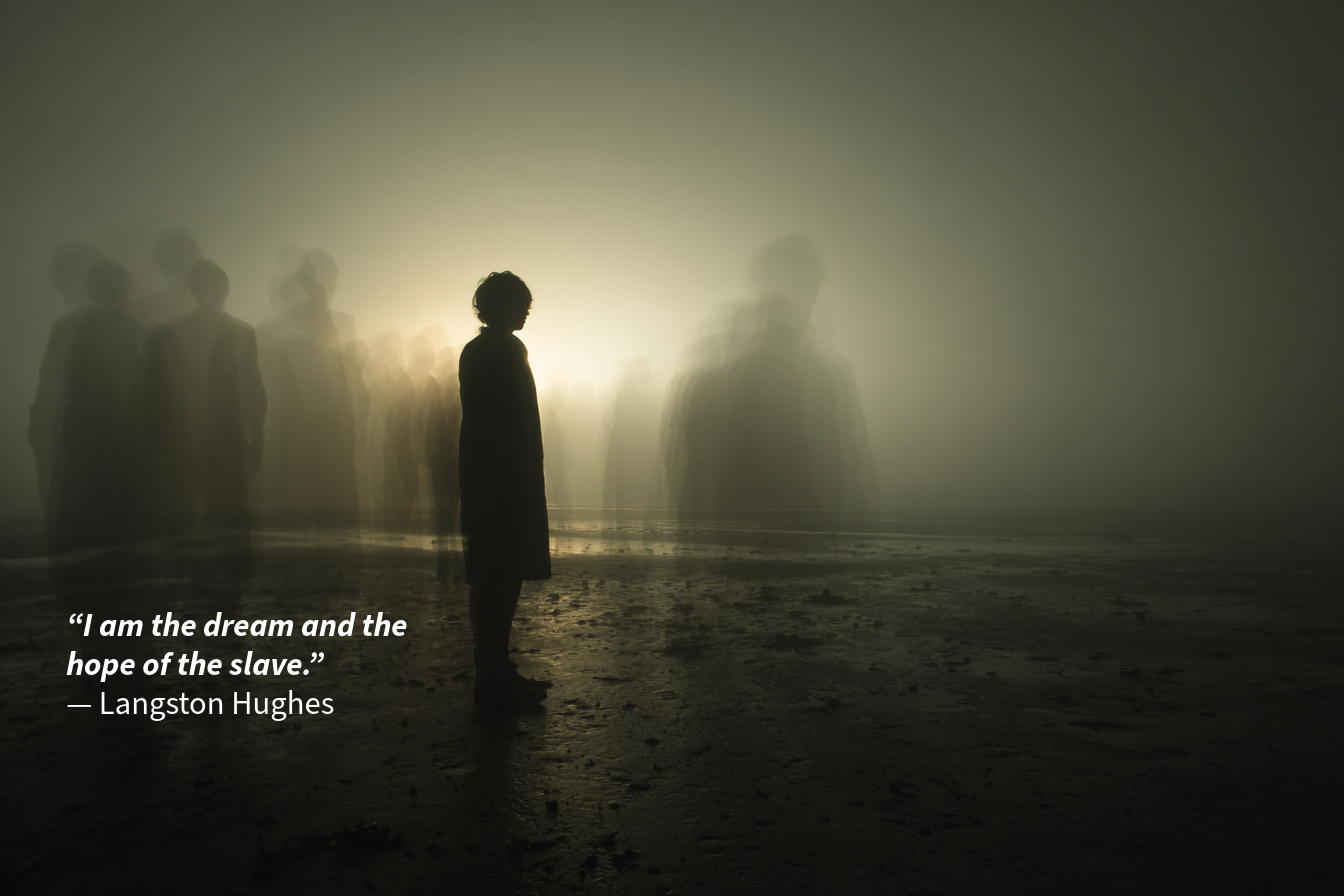
Quote of the Day – 04082026


Personal Reflection

It reads like a declaration—but it carries more than pride. There’s weight behind it. Not just who I am, but what I represent. A continuation. A result.

There’s something heavy about realizing you didn’t start your story where you think you did. That parts of who you are were shaped long before you had a say in any of it.

I’ve felt that in quieter ways—the expectations, the inherited beliefs, the things passed down without ever being spoken out loud. Some of it feels like strength. Some of it feels like pressure.

Hughes’ line doesn’t separate the two. It holds both at the same time. To be the dream means you carry what someone else couldn’t reach. To be the hope means you’re standing where someone else once couldn’t stand.

That’s not light. That’s not abstract.

It means your existence is tied to something unfinished. Something that didn’t end—it just changed form.

And the question becomes whether you recognize it… or move through life thinking you built yourself alone.

Maybe identity isn’t just about who you decide to be. Maybe it’s also about what you choose to carry forward—and what you choose to reshape.

Not out of obligation.
Not out of guilt.

But out of awareness.

Because once you understand where you stand…
you don’t walk the same way anymore.


Reflective Prompt

What part of your life feels inherited—and what are you choosing to do with it?

Quote of the Day – 07242025


Personal Reflection

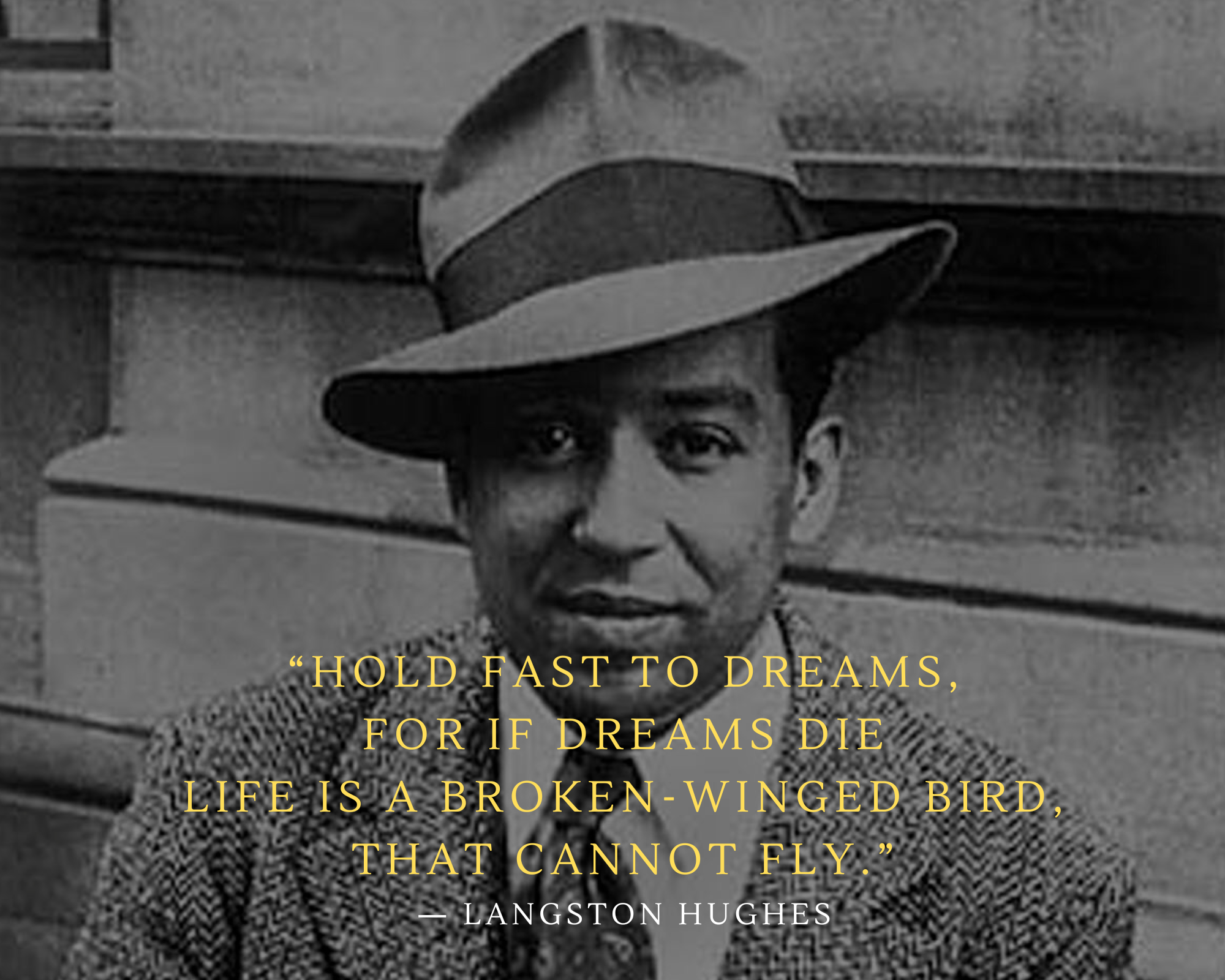
There’s a quiet ache that creeps in when a dream dies — not always dramatic, not always loud. Sometimes it’s just a silence where hope used to be. A stillness where movement once was.

And yet, Langston Hughes doesn’t romanticize the dream. He warns us.
A dream isn’t just inspiration — it’s survival. It’s flight. It’s the direction we point ourselves toward when everything else stops making sense.

But here’s the hard part: holding fast isn’t passive.
It’s active.
It’s holding when your grip is slipping, when your fingers are bloodied, when logic tells you to let go.
It’s believing you still have wings, even when they’re broken.

Dreams don’t always survive untouched.
But sometimes holding fast doesn’t save the dream — it saves you.


Reflective Prompt

What dream have you been tempted to give up on — and what part of your soul still clings to it?

Poem of the Day – 04232024

Mother to Son by Langston Hughes

Well, son, I’ll tell you:
Life for me ain’t been no crystal stair.
It’s had tacks in it,
And splinters,
And boards torn up,
And places with no carpet on the floor—
Bare.
But all the time
I’se been a-climbin’ on,
And reachin’ landin’s,
And turnin’ corners,
And sometimes goin’ in the dark
Where there ain’t been no light.
So boy, don’t you turn back.
Don’t you set down on the steps
’Cause you finds it’s kinder hard.
Don’t you fall now—
For I’se still goin’, honey,
I’se still climbin’,
And life for me ain’t been no crystal stair.

The Harlem Renaissance: A Cultural Flourishing of African American Identity and Creativity

ARTICLE – MINI BIOGRAPHY – HISTORICAL ERA

As a writer, I often reflect on my inspirations or, more precisely, why I chose to become a writer. I ask myself, was there a thing more than the others that influenced this decision? I never come up with a definitive answer, but I feel compelled to discuss the impact of the Harlem Renaissance. 

The Harlem Renaissance is one of American history’s most significant cultural movements, representing a period of profound artistic and intellectual awakening among African Americans in the 1920s and 1930s. Centered in the vibrant neighborhood of Harlem in New York City, this period witnessed an unprecedented surge of creativity and innovation across various artistic disciplines, including literature, music, visual arts, and theater. The Harlem Renaissance not only transformed the cultural landscape of America but also challenged prevailing racial stereotypes and paved the way for greater recognition of African American contributions to society. This essay aims to provide a comprehensive overview of the Harlem Renaissance, exploring its historical context, key figures, artistic achievements, and lasting impact on American culture.

Historical Context:

The Harlem Renaissance emerged against the backdrop of widespread racial discrimination, segregation, and socio-economic inequality faced by African Americans in the early 20th century. The Great Migration, a mass movement of African Americans from the rural South to urban centers in the North, including Harlem, during and after World War I, was pivotal in shaping the period’s cultural milieu. In Harlem, a vibrant community of artists, writers, musicians, intellectuals, and activists converged, seeking refuge from racial oppression and striving to create a space for artistic expression and cultural affirmation.

Key Figures and Literary Contributions:

Central to the Harlem Renaissance were the writers and intellectuals who articulated African Americans’ experiences, aspirations, and struggles through their literary works. Among the most prominent figures of the movement were:

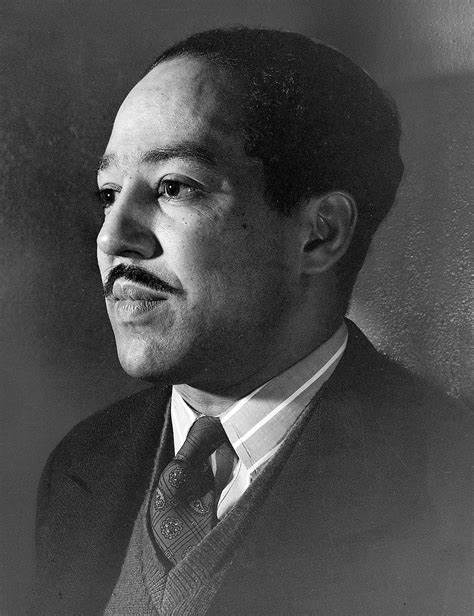
1. Langston Hughes: Renowned for his poetry, fiction, and essays, Hughes captured the rhythms and vernacular of African American life in his works, addressing themes of identity, heritage, and social justice. His seminal poem “The Negro Speaks of Rivers” and his collection “The Weary Blues” are enduring classics of the Harlem Renaissance. Hughes moved so much as a young poet. His work was instrumental in assisting me to develop my style as a writer.

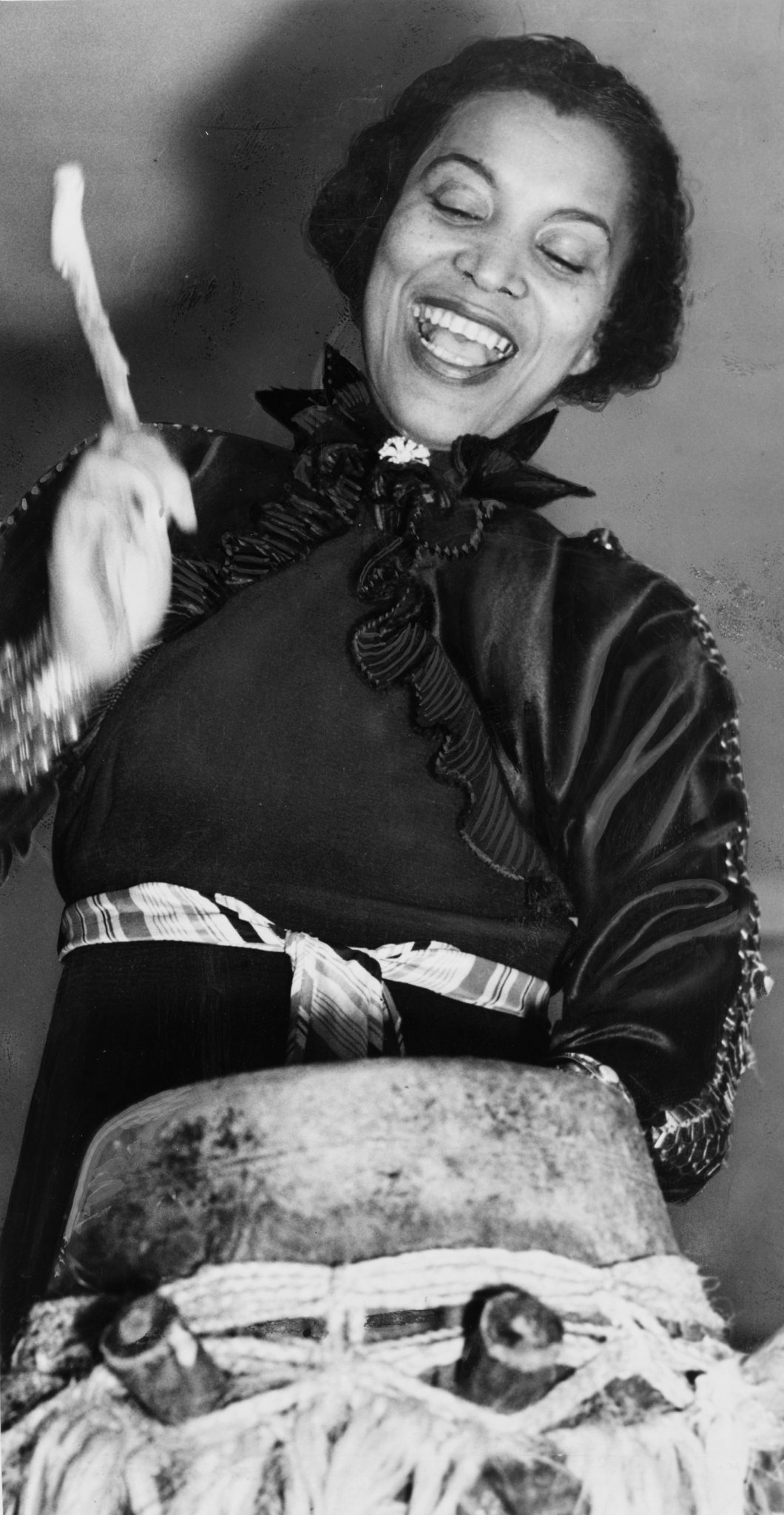
2. Zora Neale Hurston: A pioneering novelist, folklorist, and anthropologist, Hurston celebrated the culture and traditions of the rural South in her writing, challenging stereotypes and portraying the complexity of African American life. Her masterpiece “Their Eyes Were Watching God” remains a cornerstone of African American literature. Before discovering her, I had such a limited glimpse of the power of the period.

3. Claude McKay: Known for his poetry and novels, McKay explored themes of race, oppression, and resistance in his works, blending elements of traditional English poetry with African American vernacular. His poem “If We Must Die” became a rallying cry against racial violence and injustice. Mckay’s work taught me that I could include hope amidst the verses of pain and despair. He fundamentally affected how I constructed a verse.

4. Nella Larsen: A gifted novelist, Larsen depicted the complexities of racial identity and social mobility among African Americans in her novels “Quicksand” and “Passing,” shedding light on the psychological and emotional challenges faced by individuals navigating between racial boundaries. Passing took me to a world I seldom acknowledged. She introduced me to the struggles my adoptive grandmother faced. I often wondered about some of Mimi’s beliefs; what were their origins? Passing provided possible answers to my numerous queries.

5. Jean Toomer: Influenced by his experiences in the rural South and Harlem, Toomer’s experimental novel “Cane” defied conventional literary genres, blending poetry, prose, and drama to explore the lives of African Americans in the post-Reconstruction era. Often, I experimented with the combination of prose and poetry. For example, I was often ridiculed for my attempts. I knew it could be done. Not only done, but done well. I was introduced to Toomer and his Cane. I ceased doubting myself and continued writing. When I read Jason Reynolds, I am reminded of Toomer.

These writers and many others challenged prevailing literary conventions and redefined the African American literary tradition, enriching American literature with their diverse voices and perspectives. Here are a few more of the notable writers of the period. 

  • Countee Cullen
  • Jessie Redmon Fauset
  • James Weldon Johnson
  • Alain Locke
  • Wallace Thurman
  • Arna Bontemps
  • Rudolph Fisher
  • Angelina Weld Grimké
  • Georgia Douglas Johnson
  • Helene Johnson
  • Alice Dunbar-Nelson
  • Anne Spencer
  • Gwendolyn Bennett
  • Marita Bonner
  • Dorothy West

Artistic Achievements and Cultural Impact:

Beyond literature, the Harlem Renaissance encompassed a rich tapestry of artistic expressions, including music, visual arts, theater, and dance. Jazz, with its improvisational style and syncopated rhythms, became the quintessential sound of the era, symbolizing the spirit of cultural innovation and liberation. Musicians such as Duke Ellington, Louis Armstrong, and Bessie Smith rose to prominence, captivating audiences with their electrifying performances and reshaping the landscape of American music.

In the visual arts, African American artists such as Aaron Douglas, Jacob Lawrence, and Romare Bearden explored themes of identity, history, and social justice through their paintings, murals, and collages, contributing to the flourishing of African American artistry and aesthetics.

The Harlem Renaissance also witnessed a resurgence of African American theater, with playwrights such as Langston Hughes, Zora Neale Hurston, and Eugene O’Neill staging productions that reflected the experiences and aspirations of African Americans. The New Negro Movement, as articulated by Alain Locke in his seminal anthology “The New Negro,” sought to challenge racial stereotypes and promote a positive image of African American culture and identity.

The legacy of the Harlem Renaissance extends far beyond its immediate historical context, influencing subsequent generations of artists, writers, and activists and contributing to the ongoing struggle for racial equality and social justice. By reclaiming their cultural heritage and asserting their creative agency, the participants of the Harlem Renaissance paved the way for greater recognition and appreciation of African American contributions to American culture and society.

Conclusion:

The Harlem Renaissance is a testament to the African American community’s resilience, creativity, and cultural vitality in adversity. Through their artistic achievements and intellectual pursuits, the participants of the Harlem Renaissance challenged prevailing racial stereotypes, celebrated the richness of African American culture, and laid the groundwork for a more inclusive and equitable society. As we commemorate the legacy of the Harlem Renaissance, remind us of the enduring power of art and culture to inspire, uplift, and transform lives, transcending barriers of race, ethnicity, and nationality.