
Why This Poem Today
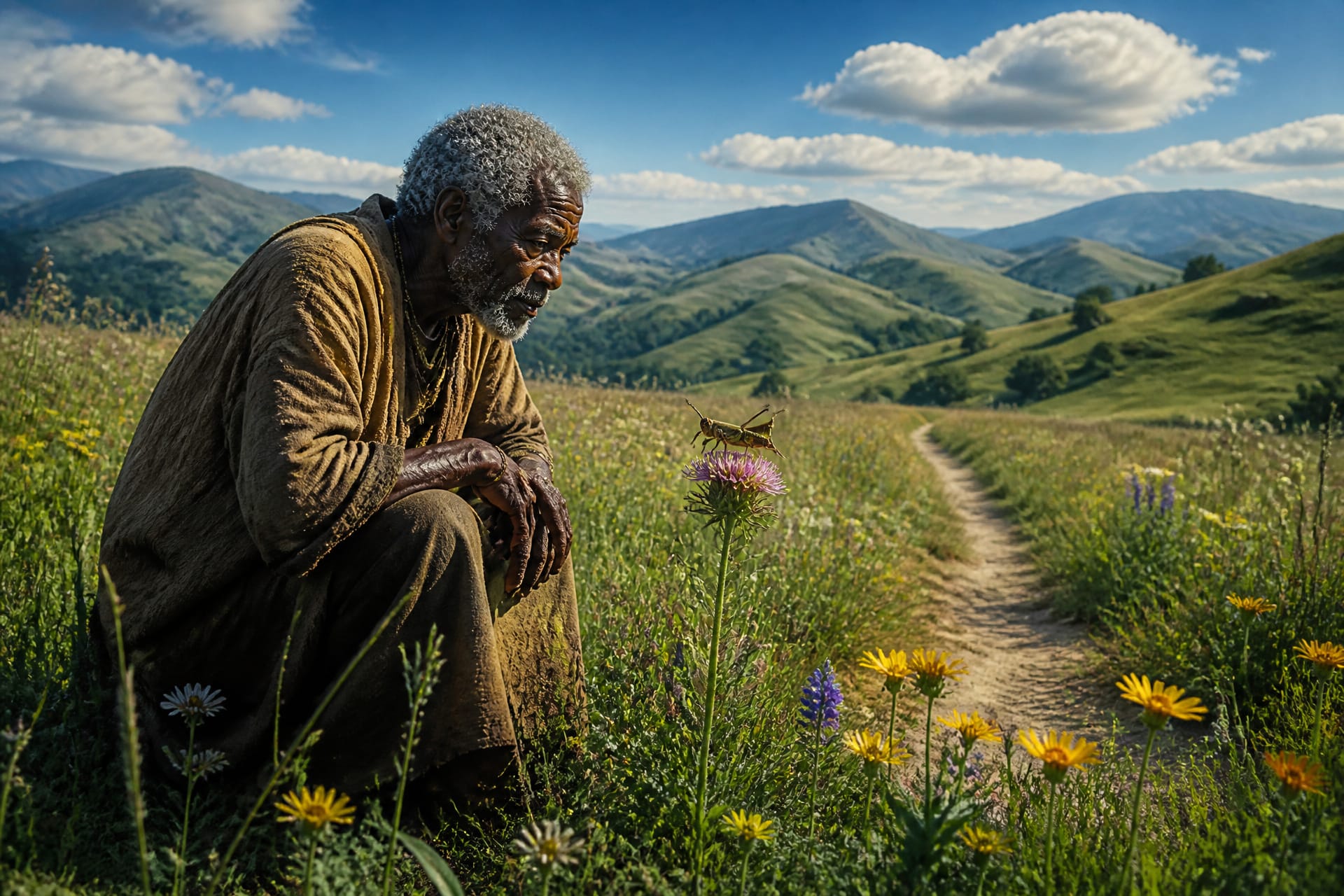
After days spent reflecting on purpose, character, and freedom, today’s poem gently shifts our attention toward something we often overlook: wonder. Mary Oliver’s The Summer Day asks a deceptively simple question that has echoed in the hearts of readers for decades. It reminds us that a meaningful life is not built solely through accomplishment, but also through presence. Before we ask what we hope to achieve, perhaps we should first ask whether we are truly awake to the life unfolding around us.
Today’s Selection
The Summer Day
Poet: Mary Oliver
First Published: 1992
Collection: New and Selected Poems
Literary Movement: Contemporary American Poetry
Country: United States
Reading Time: Approximately 2–3 minutes
Copyright Status: Copyrighted
About the Poet
Mary Oliver (1935–2019) remains one of America’s most beloved contemporary poets. Her work is celebrated for its quiet attentiveness to the natural world and its ability to uncover profound spiritual and philosophical truths within ordinary moments. Rather than presenting nature as an escape from life, Oliver reveals it as one of life’s greatest teachers. Her poems encourage readers to slow down, observe carefully, and rediscover wonder in places they might otherwise overlook. Few modern poets have inspired so many readers to see everyday experiences as opportunities for reflection and gratitude.
Historical Context
Published in New and Selected Poems in 1992, The Summer Day emerged during a period when Mary Oliver had fully developed the contemplative voice that would define her career. Rather than offering answers, the poem invites readers into a conversation about purpose, mortality, and presence. Its closing question has become one of the most recognizable passages in contemporary American poetry, encouraging generations of readers to consider how they wish to live.
The Poem
Because The Summer Day remains under copyright, the complete text will not be displayed here. However, the full poem can be found here
https://poets.org/poem/summer-day
Reflection
Modern life has become remarkably efficient at stealing our attention.
Our calendars fill months in advance. Notifications compete for every quiet moment. Even leisure has become something we schedule, optimize, and document. We rush from one obligation to another, convincing ourselves that we will slow down after the next deadline, the next project, or the next milestone. Yet life has an uncanny way of continuing while we are busy preparing to enjoy it.
Mary Oliver gently interrupts that cycle.
Rather than demanding profound philosophical answers, she begins with observation. She notices the ordinary with extraordinary care. A summer field. A small creature. The simple act of paying attention. What makes the poem powerful is not that something miraculous happens, but that the miracle was present all along.
Wonder rarely announces itself with spectacle. More often, it waits patiently within the ordinary.
A shaft of morning light across the kitchen floor. Rain tapping softly against the window. The laughter of children carried on a summer breeze. The familiar sound of birds greeting another sunrise. These moments often disappear unnoticed because we have trained ourselves to look beyond them toward something bigger.
Oliver suggests that perhaps “bigger” is not always “better.”
Perhaps the deepest questions of life are answered not through constant striving but through careful attention.
Presence is a discipline.
It requires us to set aside distraction long enough to recognize that beauty has been waiting for us all along.
That lesson feels increasingly important. We measure success through productivity, yet fulfillment often arrives through stillness. We celebrate achievement, yet our most treasured memories frequently come from moments that could never be scheduled or repeated. They arrive unexpectedly, ask nothing of us except our attention, and remain with us long after they have passed.
The poem also reminds us that time is finite.
Not in a way that invites fear, but in a way that encourages gratitude.
Every ordinary day is, in its own quiet way, extraordinary. We are given opportunities to love, to learn, to notice, and to grow. Those opportunities are easy to overlook until they become memories.
Perhaps living well begins not with changing the world but with learning to truly see it.
And perhaps, before asking what extraordinary thing we hope to accomplish, we should first ask whether we have fully appreciated the ordinary miracle of today.
Questions for Reflection
- When was the last time you experienced genuine wonder without feeling the need to capture it with a camera?
- What ordinary moments have become some of your most treasured memories?
- How might slowing down change the way you experience today?
Closing Thought
Wonder is not reserved for extraordinary places. It patiently waits within ordinary moments for those willing to truly notice.
Further Reading
More by Mary Oliver
- Wild Geese
- Sleeping in the Forest
- Morning Poem
- When Death Comes
Related Poets
- Wendell Berry
- Jane Hirshfield
- Denise Levertov
- Ada Limón
Discover more from Memoirs of Madness
Subscribe to get the latest posts sent to your email.


Every word do true.
LikeLike
thank you
LikeLike