November has a way of showing you what still weighs on you — the half-finished things, the quiet regrets, the truths you’ve been circling all year without naming. The air feels thinner, the days shorter, the world stripped to bone. And somewhere in that bare landscape, you start to notice what you’ve been carrying without meaning to. This quote steps right into that moment. There are burdens you can’t hand off, no matter how much you want to. And there are truths you can’t ignore, no matter how tired your spirit feels. November doesn’t care about the story you told yourself in June. It cares about what’s still in your hands now.
But this is the month when the hidden weight starts talking back. Not loudly — that would almost be merciful — but in a steady, relentless whisper that threads itself into every quiet space. The things you avoided start showing teeth. The versions of yourself you grew out of linger like ghosts in their old rooms. And the silence you once thought you needed becomes a mirror you can’t turn away from.
This is the part no one warns you about: becoming often means letting go of the lies that kept you upright. The narratives that softened the edges. The masks you perfected. November strips those away with the same casual certainty that trees drop their leaves. And in the cold clarity that follows, you’re left facing truths that aren’t gentle. The ones too heavy to carry gracefully, too essential to abandon without losing your shape.
Some truths don’t break you. They reveal you.
Maybe that’s November’s gift — not clarity, but honesty. Not resolution, but recognition. This month doesn’t ask you to rise. It asks you to stay. To sit with what’s real. To hold your truth without rushing to pretty it up or make it palatable.
Becoming isn’t a transformation montage. It’s the slow, steady acceptance of who you’ve been, who you are, and who you’re trying to grow into — even when those identities don’t agree. It’s learning to carry what matters, set down what doesn’t, and live with the ache of not always knowing the difference.
Maybe today the victory isn’t lightness. Maybe it’s the willingness to stop pretending the weight isn’t there — and the quiet courage it takes not to look away.
Reflective Prompt:
What truth have you carried all year that still refuses to be put down?
Aging isn’t the problem — it’s the reruns. A tongue-in-cheek survival guide for anyone who’s ever looked back and thought, “What the hell was I thinking?”
Daily writing prompt
Is there an age or year of your life you would re-live?
This could be an interesting question, depending on how you look at it. If we’re talking about glory days—back before the gray, before the knees filed for early retirement, before hangovers started needing a recovery plan—then no thanks. I have no time for foolishness and even less to say on the matter.
But if we’re talking time travel—now you’ve got my attention.
I’ve mentioned before that I’ve been building a time machine in my basement. No one believes I’ll ever get the damn thing working. Their “lack of faith in the Force is disturbing.” One woman told me, “It’s not my lack of faith in the Force—it’s my lack of faith in time travel.” I rolled my eyes, of course. Time travel is real—just like dragons. What, don’t look at me in that tone of voice.
So, I decided it was necessary to create a short list of do’s and don’ts. Some of these should be obvious, but you and I both know humans are notorious for dumbshit. What follows is my rough draft of the guide.
Time Travel: A Practical Guide for the Chronologically Curious
DO
Bring humility, not luggage. You can’t pack self-awareness into a carry-on, but it’s the only thing that makes the trip worth it.
Wave, don’t interfere. Watching your younger self screw up is part of the fun—it’s a rerun with better lighting.
Ask the questions you were too proud to ask back then. “What the hell were you thinking?” still counts.
Thank the ghosts. The people who left or broke you were part of the architecture that got you here.
Notice the details—the color of the room, your mother’s voice, the way your laughter used to sound before the world got louder.
Come home. Time travel’s a sightseeing tour, not a place to live.
DON’T
Don’t try to fix anything. You’ll only trade one regret for a newer, shinier model.
Don’t warn your younger self. That idiot needs to learn. You’re living proof they eventually did.
Don’t chase old flames. The girl who didn’t pay you attention the first time still doesn’t give a damn about your ass now.
Don’t drown in the what-ifs. That’s not nostalgia; that’s self-harm in prettier clothes.
Don’t justify your present by rewriting your past. If you’re lost, that’s on today’s version of you.
Don’t forget to bring back souvenirs—perspective, closure, forgiveness. They travel light but change everything.
Once I stop procrastinating and actually finish building the damn time machine, I wouldn’t use it to relive anything. I’d just visit long enough to remember that every mistake had a purpose and every joy had an expiration date. Then I’d come back, pour some coffee, and—I don’t know—maybe write my thoughts on a blog called Memoirs of Madness. Then get on with the business of living whatever version of now I’ve got left.
McCullers was never writing about geography. She was writing about that quiet fracture between who we are and who we ache to become — the homes we build in imagination because the real ones never fit quite right. There’s a particular loneliness in that, a nostalgia not for the past but for the version of ourselves we lost along the way. We crave a place that holds our contradictions without judgment — something both foreign and familiar, like memory speaking in a language we almost remember.
We carry our restlessness like an heirloom. It shows up in the urge to move, to start over, to burn everything and begin again. But what if the places we long for aren’t physical at all? What if they’re the internal landscapes we abandoned — the wonder we traded for control, the softness we sacrificed to survive? Maybe the “foreign and strange” McCullers speaks of isn’t elsewhere — maybe it’s the uninhabited corners of ourselves we’ve been too afraid to enter.
We mistake longing for direction. We chase what’s distant because it feels safer than sitting still with our own ghosts. But the truth is, we’re all homesick for something intangible — the feeling of being entirely known, entirely unhidden. And perhaps the work of living isn’t about finding that home, but creating it — brick by tender brick — inside the ruins we already occupy.
Reflective Prompt
When you trace the map of your own life, what places do you return to — not the ones on any atlas, but the ones that live behind your ribs? Where does your spirit feel most unfinished, most in-between? And if the home you long for has never existed, what would it look like if you began to build it within yourself — from memory, imagination, and the fragments of everything you’ve survived?
Dispatches from the Splinters of My Mind – Entry III
Some storms don’t soak the skin. They reach inside and drown the marrow.
Tonight the rain falls with the weight of a kept promise. It doesn’t descend so much as push down, insist on itself, fill the air until breathing becomes an act of resistance. The umbrella in my hand is a thin, trembling continent; its black fabric funnels water into dark rivers that spill from the ribs and rope to the ground, drawing vertical lines that feel like tally marks. Somewhere I’m being counted.
The street has shrugged off its people. Windows glow, then look away. Streetlights smear halos on the mist like saints who regret their own patience. My coat is heavy enough to qualify as armor but still lets the cold in—through the seams, through that spot between the shoulder blades where water always finds a shortcut. The storm carries the smells I grew up trusting: iron, pavement, the faint algae note of gutters choked with last year’s leaves. Petrichor is what it’s called when rain wakes dust. This isn’t that. This is the breath of basements, of clocks that stopped and never got restarted.
Most people say storms cleanse. They don’t. Storms etch. They score the world and leave grooves for the next one to follow. Memory works the same way. Once a path is cut, the water takes it again and again, deepening it until it becomes a canyon, and you call it fate.
I tell myself I walk for the exercise, for the chill that makes coffee taste better when I get back. The sidewalk knows the truth. Each step lands with a small slap like a hand refusing to be held, and every slap says a name I don’t let my mouth say. I keep the umbrella low. Its edge makes a moving curtain; beyond it the world is a stage I decline to enter.
The rain speaks in small questions, a whisper pressed to the cartilage of my ear. Why carry ghosts in your pockets? Whose absence is shaped so perfectly you keep mistaking it for a lung? How long can you pretend the storm is a sky problem and not an internal climate?
I don’t answer. Some questions aren’t interrogations; they’re companionship. They walk beside you until you forget whose footsteps are whose.
Water beads on my knuckles, then threads down my wrist, finds the cuff, and hides there. My fingers have gone bone-white at the tips; the skin looks borrowed from an antique photograph. I switch the umbrella from one hand to the other, and the frame shivers, a metal insect deciding to live. At the end of the block, a bus sighs at a stop devoid of bodies, doors wheezing open and shut as if practicing a conversation it will never have.
I turn toward the river because storms like edges, and I like to know where mine are. The path down to the water is a sheet of black glass scratched with gravel. Headlights pass behind me; their light arrives a breath late, as if slogging through syrup. I don’t look back. Looking back is a hobby that requires drier weather.
At the railing, the river is all sound—slap and suck, slap and suck—the old mouth of the city learning, forgetting, relearning the same word. I lean the umbrella to the wind, and the rain repositions itself like a cat denied a lap. It finds my cheek. It salts my mouth with a taste like pennies. The umbrella is darker at the seams, as if it has a memory of other storms and the memory is leaking through.
When I was small, thunder meant counting. Lightning was the beginning of a math problem: one-Mississippi, two-Mississippi, the exact distance between flash and sound giving the gloom a measurable spine. The grown-ups said the counting made it less scary. They were wrong. It made it precise. Fear wears a suit better than it wears a costume.
The river throws back a warped copy of the sky and, inside that copy, a copy of me: a shadow under a shadow, face freckled with rain that refuses to choose a direction. The umbrella’s edge drips like ink. If I stared long enough, I’m sure the drips would form letters, and if I read them, they would say the exact sentence I’ve been dodging since the hospital room went quiet. I look away.
A figure moves under a distant awning—just a darker shape tucked against a wall—but the storm has trained my nerves to salute things that might become stories. It’s nothing: a stack of plastic chairs shrink-wrapped for the season, the blue sheen of water making their edges animate. I laugh once at myself, and even the sound is wet.
I walk on, because the body hates stasis more than it hates weather. The umbrella tugs at my shoulder with the low, dull impatience of a dog that knows the route better than you do. The wind changes, and I tilt to keep the edge against it; the whole world follows the same choreography, heads bending in the same direction, rain showing us how obedient we can be. Somewhere a shutter slams, the beat so regular it could be a heart or a metronome or the conversation of two neighbors who never liked each other and never will.
The storm consults its ledger and turns a page.
I remember a kitchen on a morning that wasn’t raining. A mug warm in both hands. The door opened a crack because someone kept promising they were only stepping out for a second, and the air didn’t believe them. I remember the way your umbrella leaned by that door: a black spine, a curved handle, nothing special until it was. I remember how an object becomes a relic without changing its weight.
Thunder rolls itself across the city like a drunk trying to find the couch. I count u—no. I stop. I let it arrive when it arrives. The rain thickens as if consistency can be argued into existence. A seam gives way; a bead becomes a string becomes a thread that refuses to break. Water starts a new river down the inside of my sleeve. I could be angry about it. I let it have me. There are defeats that feel like permission.
Halfway back from the river, a dog materializes from the blur. Yellow eyes, coat the color of soaked cardboard, not close enough to touch or call a breed. It considers the umbrella with the careful contempt of a creature that prefers honest weather. For a second, I think it will fall beside me, become a sentence in this night that makes the ending feel earned. It snorts rain out of its nose and vanishes between parked cars, a ghost that refuses the job.
There’s a scent here I can’t place at first, sweet and wrong. Then the wind angles and the bakery on Third breathes out its late-night hymn: sugar, yeast, something caramelizing into morning. The storm catches it and ruins it to perfection, the way a good sadness ruins a good song. My stomach remembers hunger. My mouth doesn’t.
I pass the pharmacy where the lights never sleep and the aisles are organized into the many ways a human can try to manage a body. A cardboard cutout smiles behind glass, offering discounts to the version of me who believes relief comes with a barcode. I keep moving because the storm makes shoppers into fish, mouths opening and closing on hooks they can’t see.
By the time I reach the long, unclaimed wall that smells like damp chalk, the umbrella has become less a shelter than a prop. The fabric sags. The ribs press through like bones, attempting to confess. The handle is slick between my fingers; each step tightens my grip until I think of all the things I held like this that weren’t designed to be held so hard. Another seam lets go. The drip from the edge becomes a fringe.
I stop. The storm doesn’t.
There’s a moment in every walk where the umbrella becomes the negotiation instead of the weather. Do I keep the pretense? Do I bow to pure utility? Do I admit I was never trying not to get wet—I was trying to look like a person who knows how to behave when the sky loses composure?
I close the umbrella.
The world arrives all at once. Rain tattoos my scalp. It pounds my coat into submission. My breath goes winter in my throat. Without the fabric’s invented horizon, the street expands; space stratifies into layers of falling, and I stand inside the waterfall the city pretends to be. The cold is immediate and honest. For a second, I’m a bell that’s just been struck.
It’s louder without the umbrella’s drum-skin. The storm’s voice loses its mutter and speaks plainly. You are not special, it says, which is not cruel. You are not being punished, which is not comforting. You are weather, which might be both.
I tilt my face up. Raindrops hit the soft parts first: eyelids, lips, the tender seam where nose meets cheek. Each one is a document signed by pressure. They run into my mouth and turn language into an optional feature. I swallow some. I let the rest choose their exit routes.
When I open my eyes, a reflection waits in the blank glass of the office building across the street. It’s me, of course, reduced to two tones and the blur of falling lines. But in the pane beside mine, there’s another me, half a step out of sync, hair pasted against a forehead I don’t admit to, mouth a different shape. We stand together, both of us soaking, both of us looking like a problem that finally stopped pretending it had a solution. When I lift a hand, she doesn’t. We agree to ignore the difference.
The rain thins, not because the storm has decided to be kind but because it has done what it came to do. The grooves are deeper now. The next pass will find them without effort. Water slackens from torrent to conversation. Far away, a siren remembers it is a note and ends like one. I open the umbrella again, not because I need it but because carrying it closed feels like an argument I didn’t mean to win.
I cut back toward home through the block nobody chooses unless they live on it. The shutters have found their rhythm. The bus has given up. The bakery exhales one last sweet breath before morning takes the shift. My shoes report their failures. My coat, relieved of drowning, becomes merely heavy. I am etched, but upright.
At the corner, a streetlight clicks off mid-sentence, and the dark it leaves behind is not empty; it is honest. I stand in it for a count of ten, the way I used to stand behind the door for hide-and-seek, pretending the game wasn’t rigged by the size of the room. When I step out, the light wakes as if I’d taken something from it and it had questions. I don’t answer. I give it my back and my rain and the slow swing of the umbrella’s weight.
Storms end. They always do. The air will be washed, and new people will step into it and call it clean because they weren’t there to feel the drowning. But the grooves remain. Bone remembers. Roads keep secrets in their cracks. The next sky will know where to pour.
By the time my key finds the lock, the rain is a fine whispering. I hang the umbrella by the door, a black spine cured of ambition. It drips politely onto the tray that exists to forgive it. Inside, the room reeks of heat and old paper, and the first thing that comes to mind is dry. I strip the coat, peel off the sleeves that turned river, and stand listening to the last of the storm speaking to the window. It’s only water, it says. It’s only weather. And yet.
I breathe. The breath goes all the way down. It finds the places the rain found and settles there like a treaty.
In the morning, no one will believe the sky ever weighed this much. That’s fine. The street will carry the record for me. The umbrella will remember. My bones have been engraved with tonight’s handwriting, and the next time the ceiling opens, I’ll step outside already fluent.
Author’s Note: Third splinter. Storms don’t absolve; they annotate. If you walk long enough, you learn to read the margins.
When I was in the military, I used P.A.C.E. more times than I can count. We prepared, checked, and rechecked things to the extreme. We did this because we had to — failure wasn’t an option.
Fast forward a few years. I’m out of the service, living civilian life, and a nasty storm rolls through. Most of the city lost power for days. Some parts stayed dark for weeks. Suddenly, all that military planning muscle memory kicked in. I had to reach into my trusty bag of tricks. Yeah, that’s right — I was doing some Felix the Cat shit.
That’s the thing about P.A.C.E. — Primary, Alternate, Contingency, Emergency — it’s not just for the battlefield. It works anywhere you need layered backup plans… like when the lights go out and stay out.
The idea is simple:
Primary – The way you expect it to work.
Alternate – The way you hope you won’t need, but will use if the first fails.
Contingency – The way you grit your teeth and say, “Well, this sucks, but it’ll do.”
Emergency – Last-ditch survival mode when the universe has gone full chaos.
Let’s run it through a blackout scenario — focusing on keeping in touch and keeping the lights (or at least the coffee) on.
Primary – Your Everyday Comfort Zone
Communications: Cell phone + home Wi-Fi. Group texts. Video calls. Social media doomscrolling while you wait for the lights to flicker back on. Power Strategy: Lights work. Outlets work. Your devices are charged without you even thinking about it.
Enjoy it. It’s your baseline. But don’t assume it’ll last forever.
Alternate – When the Obvious Fails
Communications: The Wi-Fi’s dead, and cell towers are overloaded. You switch to a fully charged power bank, use text instead of calls (less bandwidth), and if you’ve got one, a GMRS or FRS radio for local chatter.
Power Strategy:
Portable Power Stations – Bigger than a phone power bank, these can run small appliances, recharge laptops, and keep lights on.
Vehicle Charging – A car inverter can power essentials if you have gas in the tank.
Rechargeable Flashlights & Lanterns – No hunting for batteries in the dark. Just remember: unplug them once they’re fully charged to keep the battery healthy and extend its life. If the device allows, consider buying a spare rechargeable battery so you’re never stuck waiting for one to charge.
Pro Tip: If you’ve got a local battery repair shop, get to know them. I’ve used mine for years to rebuild batteries for gear most people would just toss. Odds are, there’s one in your area too — and they can save you money and keep your kit ready for the next outage.
Question for You: When was the last time you actually checked your power banks or battery supplies? If you had to use them right now, would they be ready — or dead as door knobs?
Contingency – The “We’re Really Doing This” Stage
Communications: Phones are dead. Radios are on low battery. This is where pre-arranged meeting times, printed maps, and low-power radios (kept in reserve) come in. Maybe you’ve even stashed a cheap prepaid phone with a different carrier for coverage overlap.
Power Strategy:
Solar Chargers & Panels – Even small foldable panels can keep radios, lights, and phones alive indefinitely — as long as you have sunlight.
Crank-Powered Gear – Flashlights, radios, and USB chargers that work with a hand crank. No sunshine? No problem.
Rechargeable Lanterns – Longer runtime and more coverage than a flashlight, and most can be topped off from a power bank or solar panel.
This is when people who didn’t plan start borrowing from people who did. Don’t be the borrower.
Question for You: If you have an Emergency Preparedness Plan, when was the last time you actually pulled it out and checked things? Plans don’t work if they live in a drawer collecting dust.
Emergency – Last-Ditch Survival
Communications: Nothing electronic works. You send a neighbor to check on your sister across town. You use whistles or flashlight signals after dark.
Power Strategy: It’s no longer about powering gadgets — it’s about heat, light, and cooking enough to keep going. Fire pit, layered clothing, shared shelter.
For lights inside the house, I’ve used old-school oil lamps. I also keep several candles as backup. Fun fact — in the winter, you can use blankets over windows and doorways to trap heat. You’d be amazed at how much warmth a candle can put off in an enclosed space. You won’t be sweating, but it can prevent you from freezing to death. And remember, even if you have a gas furnace or stove, the ignitors still run on electricity — so I keep long matches on hand to light them manually when the power’s out.
For hot meals, propane stoves and other fuel-based camp stoves are worth their weight in gold. They’re compact, easy to store, and can run even when the grid is completely down. Just store the fuel safely, and rotate your supply so it’s fresh when you need it.
This is where the difference between “prepared” and “in trouble” gets real.
Power Strategies – Keeping the Juice Flowing
The world we know runs on electricity. Our homes, our jobs, our grocery stores, the way we communicate — hell, I can hardly think of anything that doesn’t need power these days. Take it away, and things get interesting real fast.
We all know about portable power packs. You probably even own a few. I do too. The problem? Half the time, they’re as dead as the power grid when you need them. I’ve got a couple of those damn things stuffed in go bags, and when I actually checked them… dead as doorknobs. Might as well have been carrying bricks.
So, let’s talk about rechargeable power sources — the stuff that can keep you going in a blackout without turning you into the neighborhood caveman.
Primary: Keep devices charged, rotate your power banks, and use a small UPS for short-term internet access.
Alternate: Portable power stations, vehicle charging, rechargeable flashlights, and lanterns.
Contingency: Solar chargers, crank-powered gear, rechargeable lanterns.
Emergency: Shared resources and low-power living.
DC Power – The Unsung Hero of Blackouts
Your car’s not just a way to get around — it’s a rolling DC power source. And DC gear skips the waste of converting to AC, meaning more runtime for less juice.
DC Lifesavers:
12V Fridge/Freezers – Sips power, keeps food safe for days.
DC Coffee Pots – The apocalypse should still come with caffeine.
12V Fans – Crucial in hot climates.
LED Work Lights – Long runtime and efficient.
Your Vehicle: More Than a Ride
With a few smart tweaks, your vehicle can be a blackout powerhouse.
Safe, Useful Mods:
Extra 12V outlets.
Heavy-duty battery or dual-battery setup.
Marine Battery + Inverter Combo – A dedicated deep-cycle battery connected to a properly sized inverter for AC gear. Marine batteries handle deep discharges, so you can use their stored energy without killing them. Recharge via your car’s alternator or solar panels.
Roof rack storage box for emergency gear.
Why it matters: It doesn’t hurt the vehicle, supports DC and AC power, and doubles as a camping setup.
Final Word: P.A.C.E. isn’t just military jargon — it’s the difference between sitting in the dark complaining and flipping on your backup light with a grin because you’ve got the next three steps already covered. The lights will go out again. The question is, will you be ready?
In the heart of a creaky old workshop, Reginald the Raccoon, steampunk engineer extraordinaire, adjusted his brass goggles and stared at his latest invention: the Interdimensional Sock Locator 3000. His mission was clear and absurd — recover The Sock. Not just any sock. The one embroidered with tiny mechanical gears and the words “Wrench It Like You Mean It.”
But the sock had vanished into the most feared place in the entire workshop — The Closet.
The Closet wasn’t just a closet. It was a legendary abyss, sealed with a handwritten warning: “ENTER AT OWN RISK — MAY CONTAIN WILD TOASTERS”. Inside were decades of misplaced inventions, rogue gadgets, and sandwiches from questionable eras.
Reginald wasn’t afraid. He was prepared.
He packed his essentials: a grappling hook, a glowing morale-boosting lightbulb, a peanut butter sandwich (for negotiations — mayonnaise had backfired last time), and his trusty spanner. Thus began The Closet Quest.
With a deep breath, he cracked open the door. The closet sucked him in with a WHOOOOOMP — the kind of sound a vacuum cleaner would make if it suddenly gained ambition.
Inside was chaos: umbrellas lunged like javelins, toasters flung shuriken-bread, and an especially grumpy bagpipe band oozed around, playing nothing but angry honks. Reginald ducked and weaved, narrowly avoiding a spatula attack.
Halfway in, he encountered the sandwich kingpin — a towering club sandwich wearing a tiny crown of pickle slices.
“I demand mustard!” it bellowed.
Reginald, calm as ever, offered a jar of peanut butter. The sandwich sniffed, grumbled, and waved him through with a soggy lettuce leaf.
After what felt like three Tuesdays and one awkward staring contest with a unicycle, Reginald spotted it — his sock, perched on the back of a six-legged chair scuttling like a nervous crab.
With a battle cry that sounded suspiciously like “FOR SOCK AND GLORY!” Reginald launched himself through the air, snagging the sock mid-tumble while the chair skittered away, squealing in defeat.
Victorious, Reginald emerged from the closet, slightly scorched, moderately crumbed, but grinning wildly. He slid the sock onto his paw like a puppet and proclaimed, “No sock left behind!”
He celebrated by installing three more clocks — all wrong — and scribbling a new warning on the closet door: “STILL HUNGRY.”
Just as he was polishing his spanner, a tiny scroll slipped out from under the door. It was a ransom note, scrawled in mustard:
“Next time… Dijon. – Sandwich King”
Worse yet, the new clocks he’d installed began to tick backward, forward, and sideways. Time hiccupped, and a second Reginald — equally confused but holding a jelly jar — blinked into existence.
Reginald sighed. “Guess it’s Tuesday again.”
Glossary of Reginald’s Workshop Essentials (coming soon):
Spanner of Questionable Durability — works until it doesn’t.
Sock Locator 3000 — still missing a “find” function.
After the campfire fiasco, Zog decided to try a new tactic: diplomacy.
Earth’s dominant species seemed fickle — maybe he’d start smaller, less threatening. Something furry. Something approachable.
A rustle in the bushes caught his attention. Out waddled a creature wearing a black mask and an air of criminal intent.
Perfect.
Zog approached the raccoon with the careful craft of a seasoned negotiator. He extended a hand in peace, unfurling his long, bony fingers.
The raccoon hissed like a leaky airlock and darted straight up a nearby tree, pausing only to flash what Zog could only interpret as a crude gesture.
Zog stared up at the creature, mildly offended.
Unprovoked hostility, he noted. Earth’s furry diplomats are clearly unschooled in intergalactic protocol.
Next came a squirrel, jittering across the grass like it had double-dosed its caffeine. Zog tried again, this time holding out a shiny object — the universal sign of goodwill. It was a small, sparkling fragment of his ship’s engine shaft — worth at least seven carats in galactic trade markets.
The squirrel paused, staring at him with bug-eyed suspicion.
Gathering himself, Zog attempted verbal communication, channeling what he imagined was a polite, Earth-tone greeting. “Greetings, noble fur-being,” he intoned.
The squirrel froze, twitched twice, and in a burst of panicked energy, grabbed the shaft-fragment and bolted up the nearest tree like Zog had just proposed marriage.
Zog was left holding nothing but air.
Ungrateful cretin, he thought, watching his precious carat-rich peace offering disappear into the branches. And rude.
Finally, salvation appeared in the form of a cat. Sleek, poised, exuding the kind of confidence Zog recognized in high-ranking diplomats. This was it — the breakthrough.
He crouched low, attempting the proper Earth greeting he had seen in a hastily downloaded YouTube video: he slowly extended his hand and blinked once, slowly and respectfully.
The cat blinked back.
Success, Zog thought, feeling a flicker of pride.
The cat sauntered over, tail high. Zog held his breath.
Then, with the precision only Earth’s apex predators possess, the cat let out a sharp, dismissive hiss and slapped Zog’s extended fingers with a level of disdain that transcended species and language.
Zog recoiled in shock, clutching his hand as the cat turned its back on him. He exhaled, defeated — but the humiliation wasn’t complete.
The cat circled back and, in a final act of casual dominance, brushed against Zog’s shin — a lazy, almost bored flick of fur — before trotting away, leaving him officially, cosmically dismissed.
Earth’s furry creatures, Zog thought bitterly, are not merely rude — they are master craftsmen of insult. Their entire culture must be built on the fine craft of disdain.
He sat back down, deflated, watching the raccoon rifle through a trash can, the squirrel hoard his carat-rich offering, and the cat settle under a tree, licking its paw like it hadn’t just shattered Zog’s last shred of dignity.
Mon had definitely left out a few important details.
Earth girls are easy, he’d said. No one mentioned Earth’s animals were savage diplomats with a mean left hook.
Zog sighed and made a mental note.
Zoglog Entry 02221477
Subject: Earth — Diplomatic Mission Findings:
Raccoons: Unprovoked hostility.
Squirrels: Zero negotiation stamina; prone to theft.
Cats: Highly trained insult artisans.
Conclusion: Earth’s furry lifeforms are uncivilized, combative, and suspiciously smug. Recommend caution. Also, recommend gloves.
The things I know about love could be scribbled on a matchbook’s blank side with room left for a bad limerick. Truth is, the original matchstick instructions—strike here, light fuse, watch things burn—hold more practical wisdom. Over years of singed fingers and smoldered hopes, I’ve gathered scraps of survival tactics. Never trust words spoken in dim light or daylight; most folks peddle lies they’ve yet to realize themselves. Study their hands—the way they flutter like trapped moths when spinning tales. Watch for the split-second flicker in their eyes when truth barges in uninvited. But don’t stare too long, or you’ll become the mirror they’re desperate to avoid.
This isn’t some grand philosophy unearthed in a desert monastery. Just rusty tools to patch the hull when the ship’s taking water. Save the “real men don’t cry” bravado for locker rooms—we all drown the ache somehow. A twelve-pack of Bud, a heart-to-heart with Jack Daniel’s, or sobbing into a motel pillow while Springsteen croons about highways on the tinny alarm clock radio. At least tears don’t leave you waking to that look: a woman recoiling under crumpled sheets, eyes wide as a spooked deer’s. She’ll mutter something about quitting gin as she retreats to the bathroom, and you’ll mumble back about swearing off scotch, both knowing neither promise will outlast the coffee brewing in the stained pot.
The real art lies in the exit. You hand her a chipped mug, steam curling like a question mark between you. She sips, eyebrows lifting—not at the bitterness, but at the shock of you still being there. You brace for the verdict: Is the coffee better than the sex? A half-smile. A nod toward the door. No words, just the unspoken script we all memorize by 30. Dignity intact, you slip into the dawn, both already drafting tomorrow’s excuses.
Gypsy—my ‘65 Ford pickup—taught me more about commitment than any human. She’s been my co-conspirator since high school, back when her engine purred and her bench seat fit two (or three, if we got creative). These days, her love language is breaking down at cinematic moments: snowy backroads, midnight escapes from jealous husbands, and that one time outside Tulsa when her transmission gave up just as Margo’s daddy’s headlights crested the hill. The split lip was worth it. Can’t pay child support if you’re always in the rearview, right?
But the road—Christ, the road. It’s a confession booth on wheels. Twenty miles in, the hum of asphalt strips away the bullshit. Past regrets roll by like telephone poles: Lisa’s laugh in ‘08, the stillborn promise to quit smoking, your father’s hands on the steering wheel that last July. By mile 200, you’re raw enough to pull over and let the tears come—not the pretty kind, but the ugly, snot-dripping ones that scald your cheeks. You cry for the man you thought you’d be, for the love letters burned, for the quiet horror of becoming exactly what you mocked at 22. Then you wipe your face on a gas station napkin, buy a lukewarm Dr Pepper and a honeybun, and drive until the road starts making sense again. Or until it doesn’t. Either way, you keep moving.
I faced many challenges during that year. These challenges have reminded me that there are more important things than I ever imagined. It is very easy to get lost in the mayhem of life. One of the most important things we overlook is remaining young at heart. It’s important to remember to enjoy every opportunity.
Throughout my adult life, I have often lost sight of enjoying the little things. But I’ve learned to appreciate them in the past year, and I’ve rediscovered my love for the creative arts. So, “playtime” for me is diving deeper into my creativity. I love to see what I can create. The creative arts have helped me heal and kept me sane during one of the most trying times in my life. So, pick up what you use to enjoy yourself, then go crazy.
Excuse me while I make up a silly story and create bizarre images.
Many years ago, I learned that no one has all the answers. This revelation also led me to discover that wisdom can be found in the oddest places or with the strangest people. As I struggled to answer this prompt, I found an answer that said it all. The truth of this post moved me and helped me find my way to an answer.
I rely on my faith in my journey through the chaos we call life. It has guided me through some of the toughest situations. Without it, I’m not sure who or what I would be. I talked to many people as I’ve walked this journey searching for peace. Only to discover that the peace sought had resided within the entire time. I cannot remember the name of the person who pointed me toward this path, but I’m thankful.
Through my travels, I realize the potential of love resides in each of us, no matter the faith. I’ve seen people of different faiths band together to perform majestic things. It is a wonderful experience to witness and to feel. I don’t have the words to adequately describe its wonder. I’m inspired by people who are steadfast and true in their beliefs and commitment to help their fellow man.
Throughout my journey, I’ve studied several different texts in the hope of gaining a deeper understanding of the world. Though I have stumbled and sometimes questioned certain events, I feel that each step has been worth taking. I remember my father posing a query as he held up his tattered Bible.
One of my favorite parts of writing is the creation of the story. To listen to the story being told to my soul. I know that sounds a little strange, zany even, but this is how I feel whenever I pick up a pen and start writing a story. In this instance, I’m more of a recorder than a writer. Strange, I know, but it is like my pen has a mind of its own. Telling the story in bits and pieces. Sometimes, these fragments make sense, but for others, I have no idea where the fragments come from. It sounds exciting and a blast but isn’t the best part.
Editing is the best part. Once she reads this, my editor will tap into her editor’s magic and send thousands of those dreaded red marks to ensure my happiness. It will bring her joy as I scream in frustration and try to unravel the madness these red marks always bring. I can see her now. Her eyebrow raised, peering over her glasses, muttering something like the following …
“Really?” she says, looking at me bewildered. Which frightens me a bit because she doesn’t do bewilderment.
I look at her with all the confidence I can muster, hoping she buys it. I respond, “Yep!”
She holds my gaze, clearly not buying it. She picks up my latest draft and begins doing her thing. The once-white paper is now red with the faintest glimmers of white remaining. She tosses the draft on the table beside me, smirking, “Have fun!”
“What the f…” I reply
She chuckles harder, “Teaspoon.”
Of course, I don’t find the situation humorous at all. However, I begin the process. I clear the mechanism of doubt and start the next part of the journey.
Editing is the portion where, as writers, we shape our creation into something unexpected and unintended. If we are lucky, we allow it to grow into something magical. So many times, I’ve written things telling one story, but by the time I’m finished editing, it has become something else. Because of this, I’ve been able to reuse concepts to establish foundations or fill in gaps as needed.
There’s something about finding another storyline within a sentence or paragraph or scribbling a note on a napkin. So, excuse me as I prepare to get my butt kicked.
If you were to ask my late wife this question, she would respond that my favorite place to visit was my house. I was never home. It didn’t matter what country we lived in; it seemed like I dropped off her and the kids and then left. In many ways, she would be wrong. Often, I wonder how I didn’t end up a member of statistics concerning service members and the divorce rate. Military life isn’t for everyone. I’ve seen it break some of the nicest people. I watched them become caught in the churn of military life and drown in a slow, miserable death. Both service members and their families. I suppose I was lucky to a degree.
I don’t have a favorite place, per se; I have more like a region I enjoy spending time in, the Pacific Northwest. I have hundreds of stories about my travels in that area, but none accurately convey my feelings about traveling on Highway 101. I’ve traveled up and down that highway more than I could count. Once you start traveling north on that highway, the world changes. Northern California is completely different than Southern California. Once you cross the border into Oregon, the world changes. This magic repeats itself as you enter Washington.
I also enjoy the time I spent traveling through Montana, Wyoming, and even Idaho. The scenery is breathtaking. All one has to do to feel better is just breathe
What alternative career paths have you considered or are interested in?
DAILY PROMPT RESPONSE
I’m satisfied with the career path I chose. Could I have done something different? Definitely! However, the goal was to provide for my family, and I did that. So, in this regard, I’m good. I have always wanted to write, and I’m a writer. I wanted to make a difference or do something that mattered. I was a soldier. The best job ever is being a parent. It doesn’t get any better than that for me.
I’ve retired young, so I could return to work once my health improves if I want. The question is, what would I do? It would be something I enjoy, something that brings joy and meaning to my life and others.
I could play Watermelon Man or Blinded by the Light and get a second. It would be expected, even appreciated.
Here’s a sample of the stuff that would be playing over the loudspeakers …
List three books that have had an impact on you. Why?
DAILY PROMPT RESPONSE
The Green Mile – To be haunted by the actions of your past. To see everything you know and love die. To be left on this earth and witness their demise. One realizes the dead were the lucky ones. To feel the blessing of a long life is a curse. Perhaps, a punishment for a hideous act.
Invisible Man – In this novel, we follow the actions of an unnamed protagonist living in a society that chooses not to recognize him as a man. The winner of the National Book Award in 1953, this novel should depict an outdated social construct, but it doesn’t, sadly.
11/22/63 – This book addresses something we all may have wanted to do from time to time. A chance to go back in time and change something we have done. However, the most powerful part for me, was how it laid out the hazards of time travel. I will continue working on the time machine in my basement.
If you can’t trust yourself, who can you trust? This is the question that comes to mind when I read this prompt. With the social climate of the last few decades, many have made fortunes in the “Doubt” business. I talked to one of these individuals once, and when I questioned their motives, I quickly became a nonbeliever and radiated large amounts of negative energy. I looked around to see if they had some device that measured energy levels. I was asked to leave when I asked them to present this device. I’m still sad about the event, not at all.
My intuition has saved my butt more times than I can count. So, I trust it. However, I must admit there have been times it has stirred me wrong, mainly partly due to my lack of knowledge of the situation. The other part was the person in charge of the situation seemed shady. I don’t do shady people, as a general rule. However, sometimes they can be rather useful. In cases like these, I adjust the settings on my shade – meter. Overexposure can be harmful, and it takes a while to recover from its effects.
Believing in yourself or trusting yourself are useful tools in building self-reliance, developing personal growth, and strengthening one’s emotional intelligence. I’ve heard people mock the use of gut feelings and demand the use of actual data or science. This is funny because when people use their gut feelings, they combine their knowledge, experiences, and science. Yep, I said science. The issue resides in people’s inability to articulate why they feel a particular way. So, continue trusting your instincts.
Let me provide an example; my editor can read something of mine and say something like this.
“I don’t like it. Don’t ask me why, but there’s something not right.”
When we first started working together, this was some frustrating shit. However, I’ve learned to keep my mouth shut and listen over the years. More times than not, there’s, sure enough, something jacked in my draft.
Smart people say gut feelings are like using a muscle; the more you use it, the stronger it becomes. They recommend continuing to gain knowledge and experience and living life. So, believe and trust yourself; you may very be justified in having pause. So, when someone asks me whether or not I trust my gut. My response is always:
My Mom had transferred me to a new school. Not only was I the new kid, but I was also the only Black kid, so things were immediately interesting. The world wasn’t as inclusive then as it is now. Despite these challenges, I made a friend. Most of the children were polite, but this guy was my friend for a while. We’d play after school, shooting baskets, skipping rocks, etc. Well, one day, we found a rabbit’s foot. It was exciting and all that, but I quickly forgot about it.
A few years ago, one of the girls from that school reached out on one of the socials. Once she discovered me, she broadcast to the rest of the class. So, my friend contacted me. He sent me a picture of that same rabbit’s foot we found over 40 years old. That picture officially made that rabbit’s foot cool. This story may not be the coolest thing I have found, but it makes me smile every time I think about it. Our lives are made up of tiny moments like these, and we should cherish them.
I’m sure the first time I answered this question, I probably attempted to say something clever or mildly entertaining. Honestly, I can’t even remember. The school was fine, and I liked the subject well enough. As far as my favorite subject, it probably has something to do with english or history.
The thing I remember most, perhaps for a time the only thing that mattered, were snow days. Winters were winters back then, snow covered every surface. A cold, wet beauty for all to wonder. Our parents dressed us in snowsuits to keep warm. They weren’t worried about fashion or any of that garbage. Our gloves were tied to a string which fed through the arms of our snowsuits. They did this so we wouldn’t lose our gloves or mittens. Our snowsuits were are our armor and we were knights ready for battle.
We were architects, engineers, athletes, and anything we wanted to be. We would spend all day waiting by the radio announcement declaring school was closed. Once we had it, we’d bolt outside and begin building forts and stockpiling snowballs. Within hours, we had everything ready for the battle. We knew only had one day. There were rarely two snow days in a row. The battle would ensue. For the next few hours we battled until our tiny bodies gave out.
We heard our mother’s calling us back inside before we got frostbite or catch your death. They would unthaw us with hot cocoa. I remember so days we got fancy and added marshmellows. Yes, I said add them we didn’t have fancy premade packets. Our mothers made the hot cocoa on the stive and we waited patiencly for each cup. Our wet snowsuits would lay on the back of the chairs. Small puddles forming on the floor. Our boots stuffed with newspaper, because the newspaper absorbs the water out of our boots.
I read this question and wondered what they meant. I’ve said it a thousand times if I’ve said it once.
“I don’t have time”
or
“I need more time.”
In the military, we have said, “We train to standard, not to time.”. One of those really cool sayings doesn’t always apply. However, as I progressed in ranks, I realized that prior planning or proper planning removes most of the anxiety associated with time constraints. We used a system called After Action Reviews (AAR’s) and later became lessons learned. We would evaluate an exercise and make note of things that went well as well as our failures.
The purpose of this action was to devise a plan to achieve a greater degree of success. Ideally, this plan was placed in a binder for review at a later date. The binder also served as a guide in case of a personnel change. The problem with every system isn’t the system itself, although that is sometimes the case. Rather, the lack of personnel utilizing the system results in the utterance of the above-listed questions.
Now, I won’t sit here and say there weren’t instances where we needed to make adjustments on the fly—there were plenty. However, the majority of the situations when we felt a time crunch were due to a lack of planning or learning from previous mistakes. I have developed an expansion of this philosophy as I have aged.
We have the same amount of time today as yesterday and tomorrow. The first time I said this idea about time to someone, I was told that Daylight Saving Time defeats my logic. I laugh because I feel it isn’t true. The key to successful time management is how we utilize the time we have, which is a constant. So, whatever system or techniques you may use, don’t worry about if you have enough time because you do.
Is there an age or year of your life you would re-live?
DAILY PROMPT RESPONSE
Fortunately, I’ve reached the age where the heyday has become a part of the conversation. However, with that age, I also have times when talking to the family and other younger people when I have no idea what the hell they are talking about. especially when they tell you a phrase you have been using before they were born, “Doesn’t mean what you think it means,” as if history has been erased. But, to be fair, I often say things where they are completely clueless. One of my last co-workers used to shake, smile, and shake her head like she understood. I confronted her about it after she didn’t do what I asked. Her response, “I’m not going lie, I heard words, but didn’t know what the hell you were talking about.”
Sure, I can remember some amazing moments and horrific ones. These moments shape us into the people we are. So, when it comes to reliving stuff, why would I want to do that?
Answering this question correctly depends on the definition of artist. Like many Jetpak questions, it fails to be specific. It’s almost like they have a dumb ass question generator or something. However, I like this question well enough to answer with minimal disdain. To do so, I need to provide myself a definition.
noun
a person who produces paintings or drawings as a profession or hobby.
Similar: creator originator, designer producer, old master
A person who practices any of the various creative arts, such as a sculptor, novelist, poet, or filmmaker.
a person skilled at a particular task or occupation: “a surgeon who is an artist with the scalpel.”
Similar: expert, master, maestro, past master, adept
performer, such as a singer, actor, or dancer.
informal
a habitual practitioner of a specified reprehensible activity: “a con artist” · “rip-off artist.”
As you may have guessed, I’m in a bit of a mood today, but now I have something to base my answer on. So here goes.
As a writer, my first thoughts about the creative arts are about works of literature. However, this presents an issue for me. I can rattle on for days about different works of literature and their importance without breaking a sweat. But, for the purposes of this post I will discuss some of my favorites.
Novels
Ralph Ellison
Gordon Weaver
Stephen King
Poetry
Dante Alighieri
Langston Hughes
Adrienne Rich
Painting and such
Francisco Goya
Sandro Botticelli
Jean-Michel Basquiat
Photography
Gordon Parks
Annie Lieberwitz
Vivian Maier
Comic and such
Luis Royo
Tim Bradstreet
Al Jaffee
Here is the short list off the top of my head. Looking back over this post, I chuckle a bit because I remember my wife asking me a question after I had answered her questions. Why can’t you answer a question like a normal question?
When you think of the word “successful,” who’s the first person that comes to mind and why?
DAILY PROMPT RESPONSE
“Successful” can have different meanings depending on the context, but broadly speaking, being successful refers to achieving goals or desired outcomes. Here are some ways success can be defined in different areas:
Personal Success: Achieving personal goals, happiness, fulfillment, or growth. It might involve self-improvement, achieving work-life balance, or cultivating meaningful relationships.
Professional Success: Accomplishing career objectives, such as gaining promotions, excelling in one’s field, building a reputable business, or making significant contributions to a profession.
Financial Success: Attaining financial stability, wealth, or independence, defined by income level, savings, investments, or the ability to support a particular lifestyle.
Creative Success: For artists, writers, and creators, success might involve producing meaningful work, gaining recognition, influencing others, or feeling satisfied with creative expression.
Social Success: This could be defined by having strong relationships, a positive social impact, or being recognized for contributions to a community..
As an administrator, I can provide several definitions of success, as well as examples, plans, and whatever is necessary for a deeper understanding of the meaning of success. However, despite temptation, we must try not to push one’s personal definition on the others around us. I say to myself more than anyone else. As I have gotten older, I’ve learned to appreciate that measuring success is a matter of interpretation.
CHALLENGE RESPONSE – FICTION – FIRST PERSON NARRATIVE
Here’s my response to Debbie’s One Word Sunday – Rain
The monsoon season had come, and I wasn’t ready. I was assigned to a forward position and tasked with repairing the abandoned radio station. Once I got there, all the equipment was in a foreign language. For hours, I tried to figure out how to make the equipment. Finally, I could contact my unit. I attached my handheld to the terminal and informed them of my status. They told me a soldier was arriving to assist me. I wasn’t thrilled, but I needed help. I barely put the mic down when the door flew open, and my help had arrived.
She was as soaked as I was. It would have been a miracle if there was a dry spot on her. Rain gear was no match for the monsoon. She introduced herself and put on some fancy music. We worked side by side until the darkness began to swallow the light. The radio station was up, and everything was fine. She removed her wet clothing, placing it by the vent. She motioned for me to do the same. I sat there, not sure what to do. I could see the steam rising from her clothes. She looked at me and started to undress. I have to admit there’s nothing worse than wearing wet clothes. Well, maybe wearing wet clothes in the middle of the winter, but I didn’t find that out until years later.
We stuffed newspaper in our boots and sat them by the heater. The newspaper draws moisture from the boots. We sat there, strangers, eating our rations in our underwear. After we finished eating, she walked out in the rain. This woman was insane. She stood there, her head tilted back, letting the rain wash over her. It was as if she was letting the rain wash away her demons. Watching her, I began to understand why women were so beautiful. She was the perfect blend of beauty and nature. Before then, women were beautiful; that’s just how it was. But it meant more; I can’t really explain it. They just did.
I found myself standing in the rain next to her. She turned and looked at me momentarily and then said,
Now that I’m retired, there is so much to do. I find myself making up shit to do. However, recently, I decided to put my free time to better use. While convalescing, I explored different ways to explore my creative outlets. Many of you probably noticed I’ve been posting AI images. I learned digital art skills. However, my education isn’t complete. I’d like to learn more about the digital world. I’ve spent years existing within it. I thought I knew how it worked, but it has changed. My grandchildren have taught me.
“Peepaw, you aren’t current with stuff.”
I’ve gone from being the in-house IT guy to the guy who tells them stories about his precious memories of them when they were young. So, I need to update my skills to figure out what they are talking about half the time. I’ve got nothing better to do.
I’ve lived by a simple code not my own. Despite this truth, this code has served me well. Provided me a strength to develop my own. My parents worked hard their whole lives. Somehow, they didn’t seem to be tainted by this devotion. I’ve seen many succumb to the strain. If I’m honest, it’s easier than I’d like it to be. I’ve been choked by the tentacles of temptation from time to time.
Many of the elders, worked their whole lives to accomplish their individual goals. Each family having their own. I watched them in amazement. I wondered if they would make it. As I got older, I asked how they stayed focused and not lose hope.
“You focused on wrong thing. You can’t worry about that. All you can do is work hard and live right.”
This was code I subscribed to. The code based my entire life on. My personal code isn’t much different than the one I grew up with. The elder who taught me his code, hadn’t lived the life I have. I’ve had too make some adjustments over time. However, I always feel good if I work hard and live right.
For the past few months, I have been looking over how I handle things, and they totally screwed up. What upsets me is that they have broken for quite some time. Things that should not have broken in the first place. First, I must acknowledge that despite my best efforts, I am still just human. I used to think I was a cybernetic being, but then I went through the part-dragon phase. Alas, I’m just human. The last year’s health issues taught me that lesson tenfold.
I’ve never felt weakness like this before. It’s hard to wrap my head around it. Being in this state blows, to say the least. There were times when I wasn’t sure how things would turn out. I had to rely on the strength of my brothers as well as my own. I’m not used to this, but my people reminded me that my fight isn’t over. I will do well to pay more attention to that.
PROSE – RANDOM THOUGHTS/REFLECTION – THE STATE OF THINGS
Hello everyone,
You may have noticed that things here at the Memoirs of Madness have been a little spotty. I apologize for that; I really do. It’s been a rough year for me health-wise, and though I’m much better, I’ve been dealing with the emotional side of things. I’ve been wondering how the hell I made it through all this and other questions that arise when dealing with health issues as one ages.
So, in the next few weeks, I will be making some changes to the blog. More precisely, I will focus on cleaning up dead links, adding new pages, removing old pages, and such. This is an attempt to improve the blog’s UI/UX. I will announce the changes as they happen; please let me know if I muck something up. Any suggestions are welcome. Until next time … wish me luck.
I’m not sure if I know what the word really means. I know the definition and how it’s used, but I haven’t been able to relax for most of my life. I’ve always had a vivid imagination, so I tend to retreat inside my mind when I need to take a break. However, you can probably see the problem with this technique. As a writer, I think of various scenes in my mind. I can tell you many of them aren’t rather relaxing. I discussed the concept of relaxation with my editor, and she laughed. When she regained her composure, she provided me some advice. She talked about the avenues of my creative expression and how I should not create content for my blog, portfolio, or anything else I’m into. So, I thought about the places that make me happy.
Here’s what I came up with:
I’ve always found gardening really relaxing, so I can imagine my idea of relaxation involving some sort of garden. I’d have to keep my brain out of it, though. I can see myself trying to figure out the soil composition to plan which flowers grew best in my region.
I’ve also felt at home in the mountains.
However, the activity requiring the least amount of preparation is reading.
Within the pages of a book, I imagine different lands, worlds, and periods of time. After which, a nap is appropriate.
You’re going on a cross-country trip. Airplane, train, bus, car, or bike?
DAILY PROMPT RESPONSE
I’ve more time behind the wheel than any other mode of transportation. Driving has always relaxed me. I prefer driving alone to think in peace, but I’m not opposed to traveling with someone else. I’ve developed some of my best storylines driving. There’s nothing like working out a difficult scene while gliding across the asphalt sea. The only problem is that I never seem to have a device to capture my thoughts as they come. Yes, yes, I’ve tried the microcassette recorder thing, but I never seem to remember to bring spare tapes. When the digital ones hit the market, the problem is solved, right? Nope, I forget to download to my computer, and when I do, I forget where the hell I put them.
The essentials for a proper road trip: This list varies based on your individual needs, but here are a few suggestions to help you consider what you might need.
Two coolers – one for beverages and the other for food. Truck stop or gas station food is not kind to your digestive system. This may not affect you now, but you will understand what I mean as you age. Not to mention, the prices are ridiculous.
Thermos – coffee or tea. Most thermos can hold up to 10 -12 cups.
A go bag—the contents are at your discretion. However, I suggest a complete change of clothes and a spare pill box for current medications if you take any. Have enough undergarments for at least a week. Also, having somecash and a burner may be a good idea. The cash is handy; not every place is set up for debit or credit cards. I discovered this on my last road trip. The burner; cellphones break all the time.
Emergency Kit – Standard items include flares, first-aid kit, reflective triangles, and blankets. However, emergency food may come in handy. Examples include tuna or chicken pouches, bottles of water, and mayonnaise packets; these items keep pretty well. Also, I almost forgot that you need a good flashlight. Preferably, a rechargeable one; alkaline batteries tend to leak or are dead when you needed.
A small toolkit—Even if you aren’t mechanically inclined, you’d be surprised at what you can fix with a pair of pliers or a screwdriver.
A road atlas – I know I risk sounding like a weirdo, but GPS is NOT the truth. That shit be wonky. Just saying.
The most important thing
Whether you listen to music, podcasts, audiobooks, or talk radio, some items are saved locally on your device for times when you don’t have cell coverage.
If not, you may be forced to listen to stuff like this:
Some of you may enjoy these tracks, so you look at me strangely. However, on one of my road trips, before streaming services were a thing, I found myself listening to a Juice Newton marathon. Now, I ask you, how is this even a thing? It was that day. Some DJ, apparently a huge Juice Newton fan, played all her music. To make matters worse, he had a booming radio station that blasted for miles.
However, you get lucky and get some fun songs like these:
Play that shit Norman
An Anthem for every frustrated worker
This was my jam
By answering this post when I’m supposed to be sleeping, I’m subject to say anything. I couldn’t resist!
Despite the title, the rain is my favorite type of weather. I never understood why people ran from the rain but spent hours in the shower over a lifetime. They swim laps, surf, and waterski, yet the first raindrops they beat feet for shelter. Trust me, I’m not making fun of anyone. I was just like everyone else until I joined the military.
If it ain’t raining, we ain’t training
If it ain’t raining, ain’t, training became our mantra after just a few weeks in service. At my first duty station in Korea, I survived the monsoon season. Trust me, you will stop worrying about the rain after surviving monsoon season. We are soaked to the epidermis, which was wrinkled by the time you were able to put on dry clothes. I can’t remember the last time I ran from the rain.
At any rate, I love the rain. Its something about it I never could put my finger on. Here are some of my favorite songs with rain in the title. I know, it’s Eddie Rabbit’s fault.
This is one of the easiest questions I’ve answered in a while. The answer is YES. I love it. However, it feels odd to say so when that hasn’t been the case. For decades, I had this thing where I wanted to be older than my age. Almost like I was born during the wrong era or something. The problem I could never settle on a period I really wanted to be from.
Then was the whole “you’re just a kid. You’ll understand when you get older.” I hated being treated like a kid. I refused to believe that age possessed this fountain of wisdom that eluded my entire youth. Often, I wondered what age or day I was going to understand the mysteries of the world suddenly. Would it be on a weekday? Or on the weekends? I hoped for sometime during the week because, let’s face it, on the weekends, there was beer and women to be ignored by. Disgusted or disapproving looks from members of the opposite sex while standing obnoxious with the fellas is a rite of passage.
However, I would like to be on a Monday if it was during the week. Many complain about Monday’s, but I don’t mind so much. Over the years, I found several to be rather pleasant. Tuesdays would be alright, too, yet it doesn’t pop off on Mondays. Any day after is a negative ghost rider. There to much preparation from the pending weekend. You can’t be bogged down with a complex thought. I can see it now, sitting there tugging on your peach fuzz chins, saying, “Hmm.” For those fellas who could grow full beards in high school, I am jealous.
I enjoy my age now because all I have to do is sit around looking at people like they’re crazy. Who needs cable? Have you ever looked at the younger folks when you get older? They are hilarious, aren’t they? It’s alright. You can admit it. The only drawback is the random, unprovoked ailments that surface periodically. Yes, I said unprovoked. This is my story, and I’m sticking with it. I can speak my mind. I’m old enough to know better but too old to give a shit. After all this crap of wishing I was older, I’m finally in the winter of life. It gets a little chilly at times, but hey. Excuse me while I slip on a sweater.
I’ve been fortunate to have received some amazing gifts throughout my life. However, that depends on how the word “gift” is defined. Most of the time, when talking to others, I find gifts to be defined as something tangible. Something one can display on a desk or show someone. I would define these sorts of gifts as awesome, wonderful, or cool; maybe? Yet, neither rise up to the occasion of the “greatest.” I think if you take a moment and think about it, you may agree with me or not.
However, the greatest gift to me is when someone gives you their time. Time is a precious commodity, something you can’t get back. Well, at least not right now; give me another ten years; the machine I’m building should be thoroughly tested and ready for the public. Until then, I view the time people choose to spend with us as special and intimate. I know I may be a little bent on this point, but it seems to be working.
In a previous post, I discussed autodidactic learning. It’s this method of education I’m most familiar with. However, I always wanted to obtain a college degree of some sort. For whatever reason, I convinced myself I wasn’t smart enough to achieve my goal. As I was torn between my beliefs and desires, I spent considerable time trying to further my education. Throughout the years, I attended several colleges utilizing distance learning platforms.
I attended schools located in the following states:
Illinois
Maryland
Virginia
Texas
Minnesota
Florida
Tennessee
In most cases, I wasn’t anywhere near the campus. Eventually, I got over my fear and finished my undergraduate degree. I consider my education journey as “The School of Hard Knocks.” If I had believed in myself earlier, achieving the first step of my goal wouldn’t have been so challenging. Throughout my journey, I learned much about life, the world, and, most importantly, myself. Let’s take a moment to explore some of the benefits of distance learning.
Distance learning, also known as online education, has become increasingly popular in recent years. With advancements in technology, more and more people are turning to distance learning as a convenient and flexible way to further their education. Recently, we see online education being used to educate our children. Technology has made online learning a viable option for achieving an education.
Flexibility
One of the most significant advantages of distance learning is its flexibility. Distance learning allows students to conveniently access course materials and lectures, unlike traditional classroom settings. This flexibility is particularly beneficial for individuals with other commitments, such as work or family responsibilities. Distance learning allows students to create their study schedules and learn at their own pace, making it easier to balance their personal and professional lives.
Moreover, distance learning allows students to study from anywhere in the world. The constraints of a physical classroom do not bind them, and they can access their coursework from their homes or while traveling. This level of flexibility allows learners to adapt their education to their individual needs and circumstances.
Accessibility
Another advantage of distance learning is its accessibility. In traditional education, individuals who live in remote areas or have physical disabilities may face challenges in accessing educational institutions. Distance learning eliminates these barriers by providing access to education regardless of geographical location or physical abilities.
Through online platforms, students can participate in classes, submit assignments, and interact with instructors and fellow students from anywhere in the world. This accessibility opens up opportunities for individuals who may not have had access to education otherwise. It also fosters a diverse and inclusive learning environment where students from different backgrounds and cultures can exchange ideas and perspectives.
Furthermore, distance learning allows individuals to pursue their education while juggling other responsibilities. Many students who are working full-time or taking care of their families find it difficult to attend traditional on-campus classes. Distance learning allows them to continue their education without compromising their other commitments.
Cost-Effectiveness
Distance learning can also be a cost-effective option for many students. Traditional education often involves additional expenses such as commuting, accommodation, and textbooks. Students can save on these costs by studying from their homes with distance learning.
Additionally, many online courses and programs are more affordable than their on-campus counterparts. This affordability makes education more accessible to a broader range of individuals, regardless of their financial circumstances. It also allows students to explore a variety of courses and programs without worrying about the financial burden.
What are your favorite physical activities or exercises?
DAILY PROMPT RESPONSE
There is nothing like taking a walk. I would add cigarettes and coffee to the mi, but that would only dimish the benefits. I was poor as a child, we had two ways to get anywhere; walking or riding your bike. In some cases, you ended up doing both. So I learned early to enjoy the journey. To freely allow the thoughts in my head to run wild. No one there sticking their opinion mudding up the process.
Even now, I walk with headphones on. The music provides a blanket shielding me from the outside. I hear my thoughts exhale, clear their throats, and call the rest of my body to order. My arms and legs are moving in unison to a subconscious rhythm. Yet, I realize my breathing is setting the tempo. My thoughts and ideas line up to me counted.
Next, I exclaim, not looking up at the next idea waiting to have their say.
“Good day, Mr. Khan”
“Good day.” I reply, waiting for them to get on with it. They take a moment to gather themselves to ensure not to waste my time. I’m thankful for the gesture actually. I can’t count the numerous times progress has been striflield by a ridiculous idea.
‘“Well get on with it,” I nudge.
“You see Sir, I been thinking the story needs a bit of restructuring.” Idea stated.
“How so?” I questioned. The idea went on to explain its opinion in great deal. I have to admit I like the idea. But I couldn’t let this go unchallenged. It was the principle of the thing. I can’t be having ideas rushing up to me at hours of the night thinking they’re to get their say. The other day I saw a wanna-be Picasso paint his cat pink.
Uncle Willie told me a story about a fella who had an idea to impress a woman. We all know the lengths men go to impress women. It’s ridiculous the things we come up with. Well this fella, got the idea that the women of his dreams was worth it. He met her at the local bowling alley. The story goes, she liked him well enough, but she always wanted to see what a kangaroo looked like up close. For months, they’d meet at the bowling alley and talk, but she kept bringing up the kangaroo thing. Finally, the fella invited her to fly with him to Australia to see a kangaroo. Her reply was that she didn’t know him well enough to go on a trip like that. What kind of woman did he think she was?
Cedric, the fella, was determined to have Gretchen, the woman, by any means necessary. So, he contacted a navy buddy who owed him a favor and got a damn kangaroo. Christmas Day 1966, when the bowling alley was closed, arranged for the place to open and convinced Gretchen to meet him there. So, Gretchen’s Christmas present was a kangaroo, named Rocky. Of course, Gretchen didn’t have any place to keep Rocky, so he lived with Cedric. Christmas 1967, they were married. The marriage lasted five years. Gretchen got the house and Rocky in the settlement. I know this may be hard to believe, but here is a photo from the day Gretchen and Rocky met.
Aunt Willie, on my father’s side, a bit touched if you listen to Nana. Despite this, Aunt Willie, was the most successful pig farmer in the state. A winter’s back, Aunt Willie got a notion that Charlene and Jessup, her pet pigs didn’t want to spend the winter in the cold. So, she pack them up and took them to the beach. The local took exception to the pigs at the beach and made a big ruckus. However, Aunt Willie was to snap a picture of Charlene and Jessup before things got out of hand.
I have to admit I’m a bit jealous, they look rather peaceful.
There’s nothing like a good stroll to clear your mind and you get a little exercise to boot.
I’ve been pretty fortunate in my life, for the most part. I’ve done a great deal of traveling in my lifetime. I found myself in places I didn’t know existed and places I thought you only read about in travel books that lay on the coffee tables of most of my friend’s living rooms. I remember several mothers sitting in their chairs, thumbing through the magazines, sporadically mentioning something that caught their eye. Honestly, I never imagined leaving the state, let alone leaving the country.
Despite my travels, there are a few cities I wouldn’t mind visiting. Crete, Milan, and Sydney.
While I was stationed in Korea, a few friends of mine got the notion that we wanted to spend Christmas in Australia. This is the same crew that participated in the high jinxes of I Got Drunk in Korea and Woke Up in Japan. Not familiar with that story? Click here. Now, we intended to have a relatively tame experience in comparison to the previously mentioned adventure, but no fun is for suckers. At least, that was the favorite saying of one of the members of the crew.
The unit we assigned was constantly on alert status. So, I was on call 70 percent of the time I was there. Another specialist was assigned to the unit about a couple of months before the holidays, and he finally had enough training to take a shift. This meant I got a much needed break. My plans were to drink and drink some more. I had never been one to plan anything special. I just kind of went with the flow. The crew suggested the Australia trip. I thought about it and responded with why not. We didn’t have much money, so we couldn’t afford plane tickets. This is where I came in. I was the idea guy. So I made a call, and there was a Hop over to Australia.
I couldn’t believe it. Christmas in Sydney. I got all excited, so the fever had got to us all. We put in for passes and packed our bags. We rode the bus as far south as possible, then took a cab. There we were at the airport, congratulating one another. The only problem was on a Hop it was space available. You could get bumped for several reasons. So, we sat anxiously waiting to see if we could catch the flight. One of the guys flirted with a female Airmen, and she assured us we would be good to go. I wasn’t paying it, but who knows it might work out.
As it turned out, the Airmen was true to her word; we got seats. We were heading to the plane and heard an announcement over the intercom. I didn’t hear what was said initially, but the guys grabbed me and said come on. The announcement had called for us by name, which only meant one thing: our unit was on alert. So, the plan was to pretend we didn’t hear the announcement and get on the flight. We could deal with any punishment when we got back, So we hid and waited for an opening to board the plane.
The opening we had been waiting for had finally arrived. We were making our move towards the plane when I heard a soft voice behind me.
“You gonna make me chase you, soldier?”
Sydney was 100 feet away. I could make it. However, I turned around to look into the eyes of one of the most beautiful women I had seen. I tried not to react, but apparently, my expression gave me away.
The MP sergeant stepped to me and said softly,” Let me guess, you think I’m cute and don’t take me seriously?” I swallowed and presumed the position of parade rest. Three extremely large MPs joined her, bearing no-nonsense expressions. She studied me momentarily with her emerald eyes and then nodded.
“Follow us, soldiers,” she ordered.
She and another soldier drove us back to our unit. Defeated, we exited the van and were met by our boss. He looked relieved at the sight of us, which meant things were bad. I turned to look back at the van and gazed right into the eyes of the Sergeant again. We held each other gaze momentarily, and then they drove off. For the next three days, I didn’t sleep. I worked on what seemed like every system we had. The chatter was they would strike us from multiple fronts, but it turned out to be nothing but smoke.
I finally made it to my rack late in the morning, Christmas day. The scratchy wool blanket and worn out pillow never felt so good.
“Wiz….Wiz!” my boss woke me from my coma. “Step lively … free booze,” he continued. I jumped into a pair of jeans and a sweater. We got the NCO Club, and there was an amazing spread. The crew was already there slipping on wine. I instantly perked up. It was a lovely dinner, and after a couple, only a few of us left drinking and telling stories. Then I heard a familiar soft voice.
“May we join you?” the voice asked, I looked up into the eyes of the MP sergeant. She had three other women with her. “These are my friends; I hope you don’t mind?” she asked. I looked at my friends, who were grinning like schoolboys. I nodded, and they all sat down. Each of them took their pick. The sergeant sat next to me.
“I’m Fiona, and you are?” she asked, smiling. She knew exactly who I was. We chuckled and enjoyed the rest of the night with our friends.
It wasn’t Sydney, but that Christmas turned out okay.
If you could live anywhere in the world, where would it be?
DAILY PROMPT RESPONSE
This isn’t a hard question for me. I would love to live somewhere in the woods. As long as I had wifi. The first places that come to mind are Montana & Wyoming. I spent time in both of these places and I loved it.
It would seem my idiocracy has no bounds. It’s like I’ve become the type of person I never wanted to be. The kind of person I typically avoid at all costs. There are those among us who refuse to look at things thoroughly. They have a slanted view of the world and the events that occur within it. They refuse to accept certain truths and live in an alternate reality. It’s not even a cool one where there are flying cars and no sick people. It is a place where we live in harmonic lives, and “Rex,” the family golden retriever, always brings the ball back.
Now, life isn’t that way. There aren’t any flying cars yet, people get sick and sometimes die, and Rex, even though he still has the heart, doesn’t bring the ball back because he doesn’t have the legs for it anymore. In this reality, we face what comes: we laugh, we love, we cry, and most importantly, we fight. We do this for no other reason than to prove our time here mattered. Even if it only matters to ourselves. Trust me, it’s enough.
For the past several weeks, I’ve been ignoring the obvious. I’ve been ignoring; there’s a price to pay for my arrogance. When my health went into the toilet, I made several lifestyle changes and figured I would be good from there as long as I continued on the right track. Well, it didn’t quite work out that way. Yes, I must stay the course with the changes I made, but the negligence that caused the changes in the first place has done more than I had anticipated.
In short, pay attention to your body. Please don’t dismiss certain things as testaments of getting older. Yes, some things are due to age, but others aren’t. This isn’t something I read somewhere but something I learned the hard way.
Stay strong…Be Blessed…
Image Credit: by Mangus Khan. Last year when my body was talking to me, but I wasn’t listening.



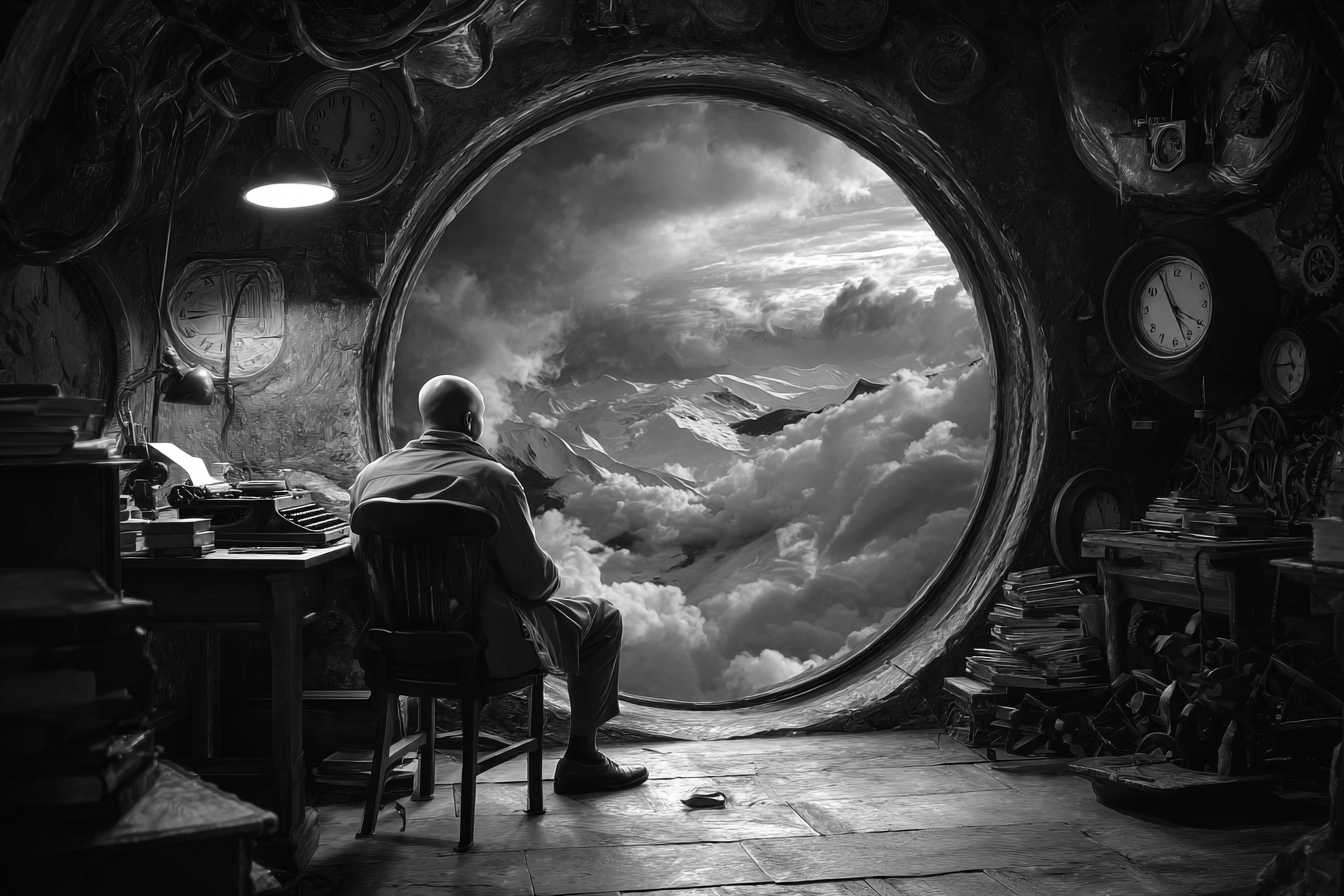
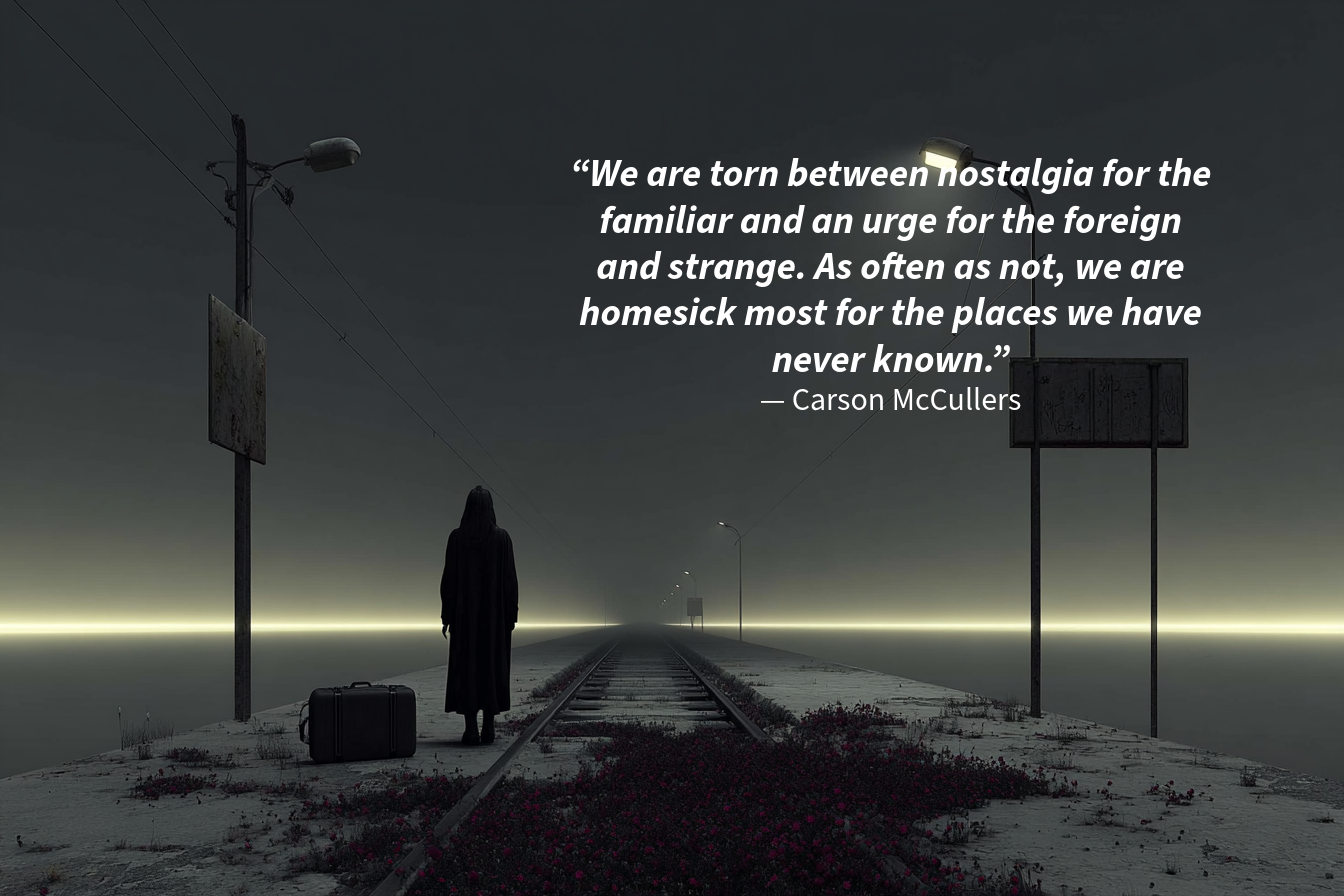









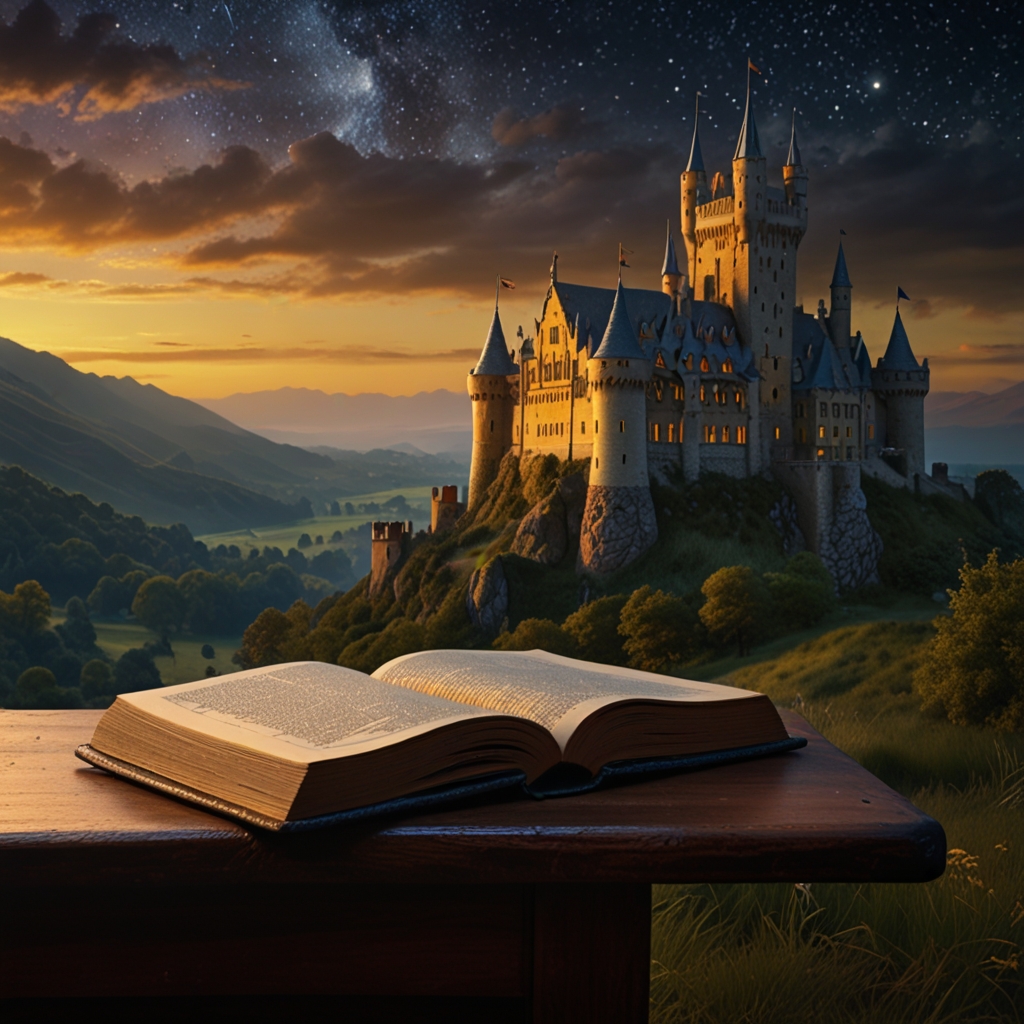




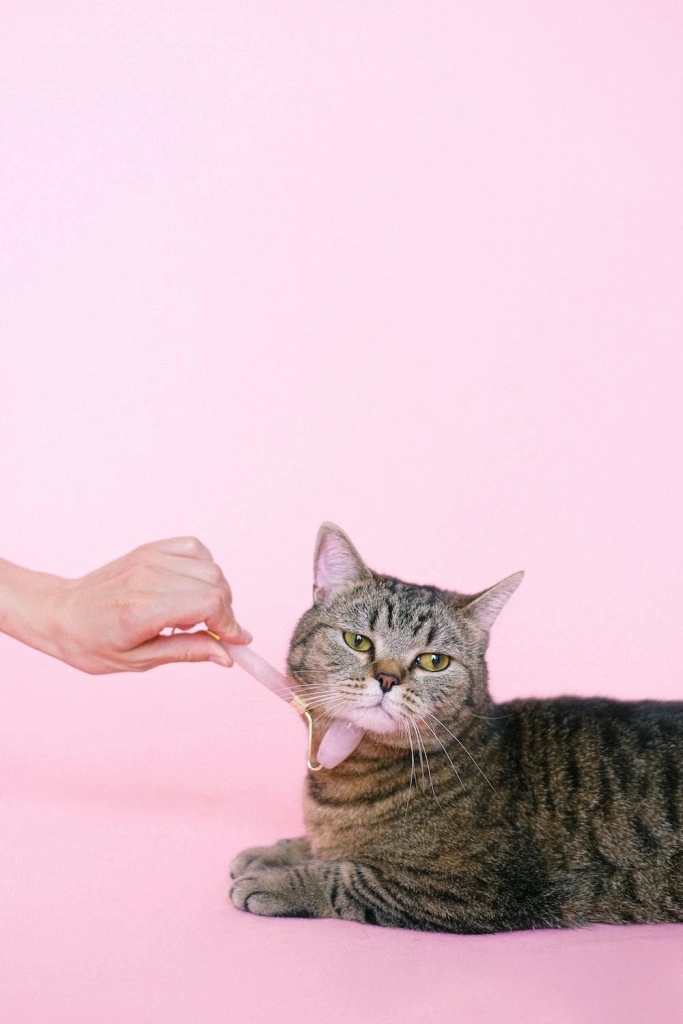
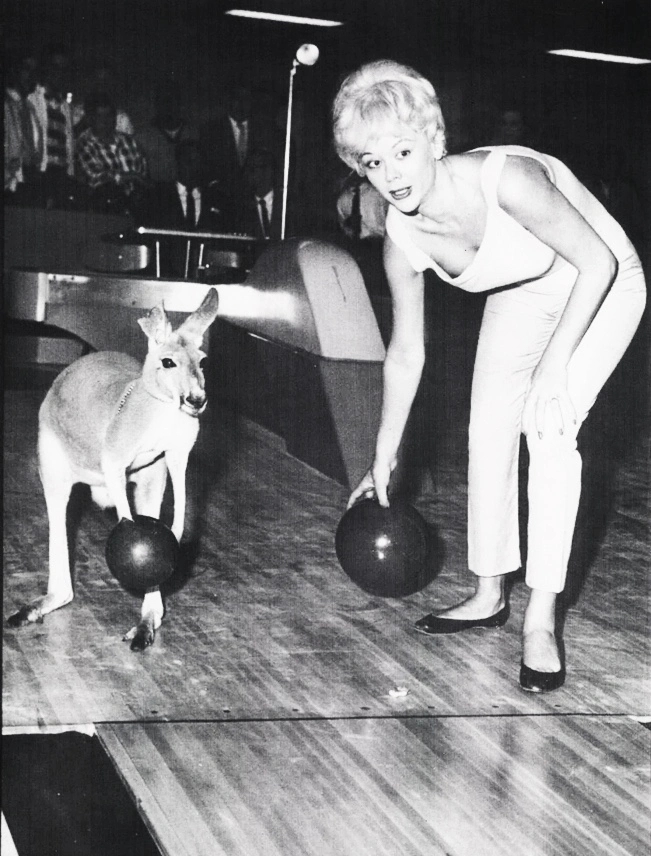


 Memoirs of Madness