She walked the shoreline like a fading echo, her reflection trailing behind her in the shallow water, unsure if it still qualified to be hers. Time had stretched her thin. Not just in years, but in identity—pulled apart by choices she had to make, and those made for her.
Everyone said she wasn’t eligible.
Not for the kind of life that lives in whispers and instinct. Not for the kind of happiness you don’t need to prove. They said you need a plan, a structure, a timeline, a box. Dreams, they told her, had to fit within a budget—not just of money, but of reason, of patience, of what the world deems acceptable.
But deep down, she knew the rules they played by weren’t written for her.
There had always been this undercurrent—soft, persistent, impossible to ignore—that tugged at her ribs like tidewater. A voice not quite hers, but always with her. A silent, steady reminder that she came from something more than survival. That she wasn’t lost; she was just unclaimed.
It wasn’t ambition she was chasing.
It was the prophecy of her becoming.
Not some ancient foretelling, but the quiet, sacred promise she made to herself when she was younger: that she would not shrink. She would not trade her fire for comfort. She would not let her story be rewritten just to make others feel safe.
She had tried being the replacement—fitting into other people’s molds, echoing voices that weren’t hers. But there was always a price. Always a fracture. Always a hunger that imitation couldn’t fill.
Now, walking into the pale light where sky and sea dissolved into one another, she realized: she had nothing left to prove.
It was career day, and the children were excited to present their family members. You see some sat with their chest popped out, beaming with pride. While others did their best to appear innocent. They terrorize one another in the classroom or on the playground. Spitwads, mudballs, and name-calling are weapons in their arsenal. Yet, today, they are the perfect little angels their parents and grandparents believe them to be. I looked around the classroom, making sure all the children were present. The presentation was going to start at any moment.
Echo came bursting through the door, water splashing from his bucket. Echo Gibbons was the only child who didn’t have anyone here for the presentation. Echo lived in foster care with Lida Jefferies, a local legend in town. She had helped so many children in their time of need, providing a stable and loving environment for them to strive in. Echo was no different.
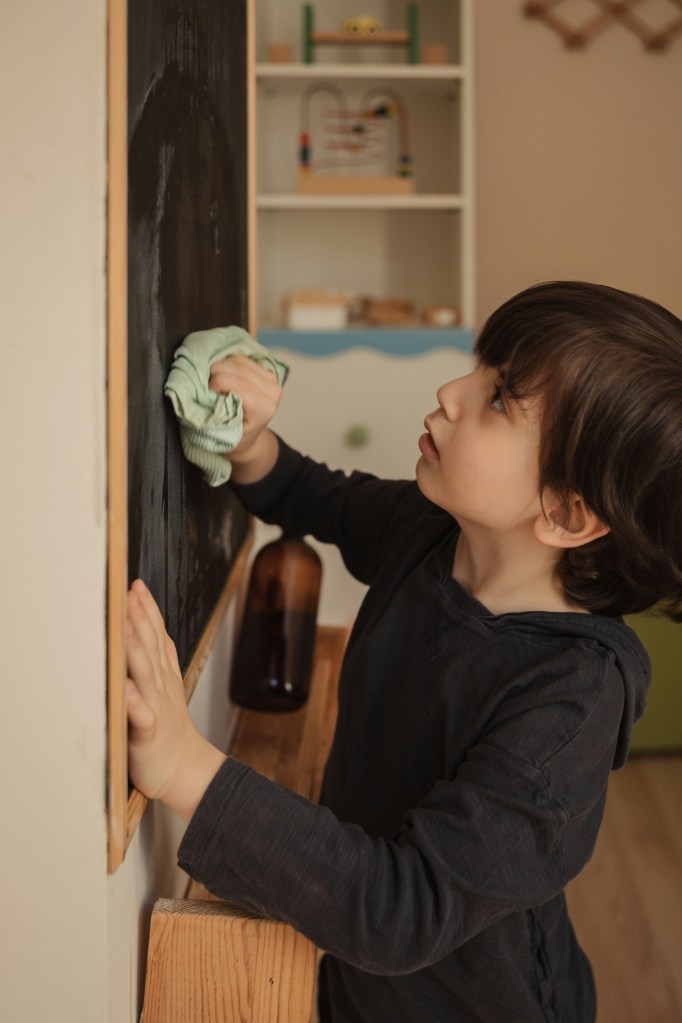
Echo went to the blackboard and began cleaning it. I heard the rumblings of some of his classmates calling him a brown noser under their breath. Their parents hushed them and then looked at me apologetically. I nodded and turned to watch Echo expertly clean the blackboards. He stood back and examined his work, dropping his rag in the bucket. He adjusted his hoodie and looked at me.
“What do you think, Mr. Green?” he asked, I smiled and nodded.
”It looks perfect, Echo,” I replied, a slight smile crept up on his face. He grabbed his bucket and walked out of the room. Echo returned a few moments and sat in the corner by the window. There were some wonderful presentations. The children sat there listening with all smiles until Mr. Hill started talking about being a banker. I had never seen children fall asleep so fast. He brought charts and didn’t notice the kids napping. When he did, his face reddened, and he grabbed his things. He sat down in a huff.
There was an aroma that filled the room. Lida Jeffries stood in the doorway with a pan of freshly baked croissants. The children gathered around her. Echo slipped past them and sat on her lap. She held him affectionately; it was the first time I saw the young man at peace. She told stories about the children she’d helped and even more stories about life. I learned something: if you want to hold the children’s attention, it’s all about the baked goods.
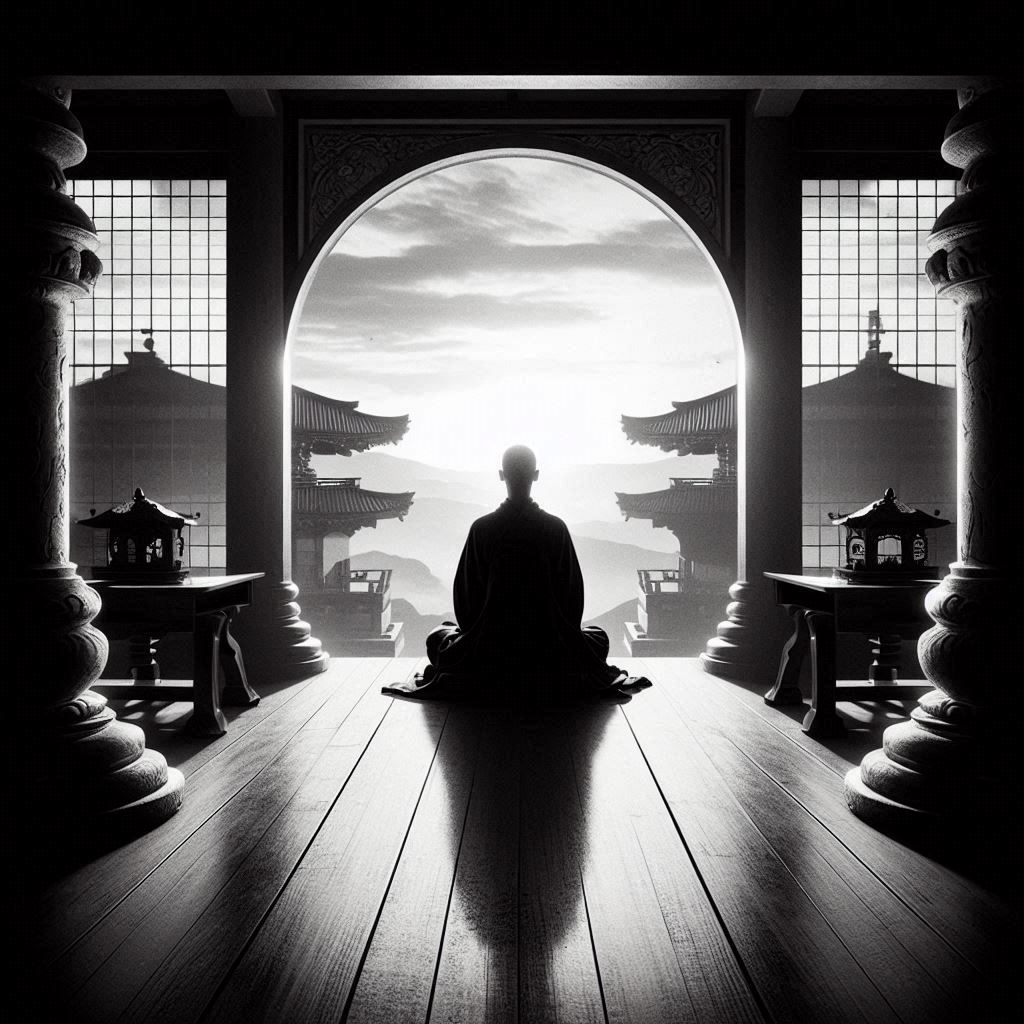
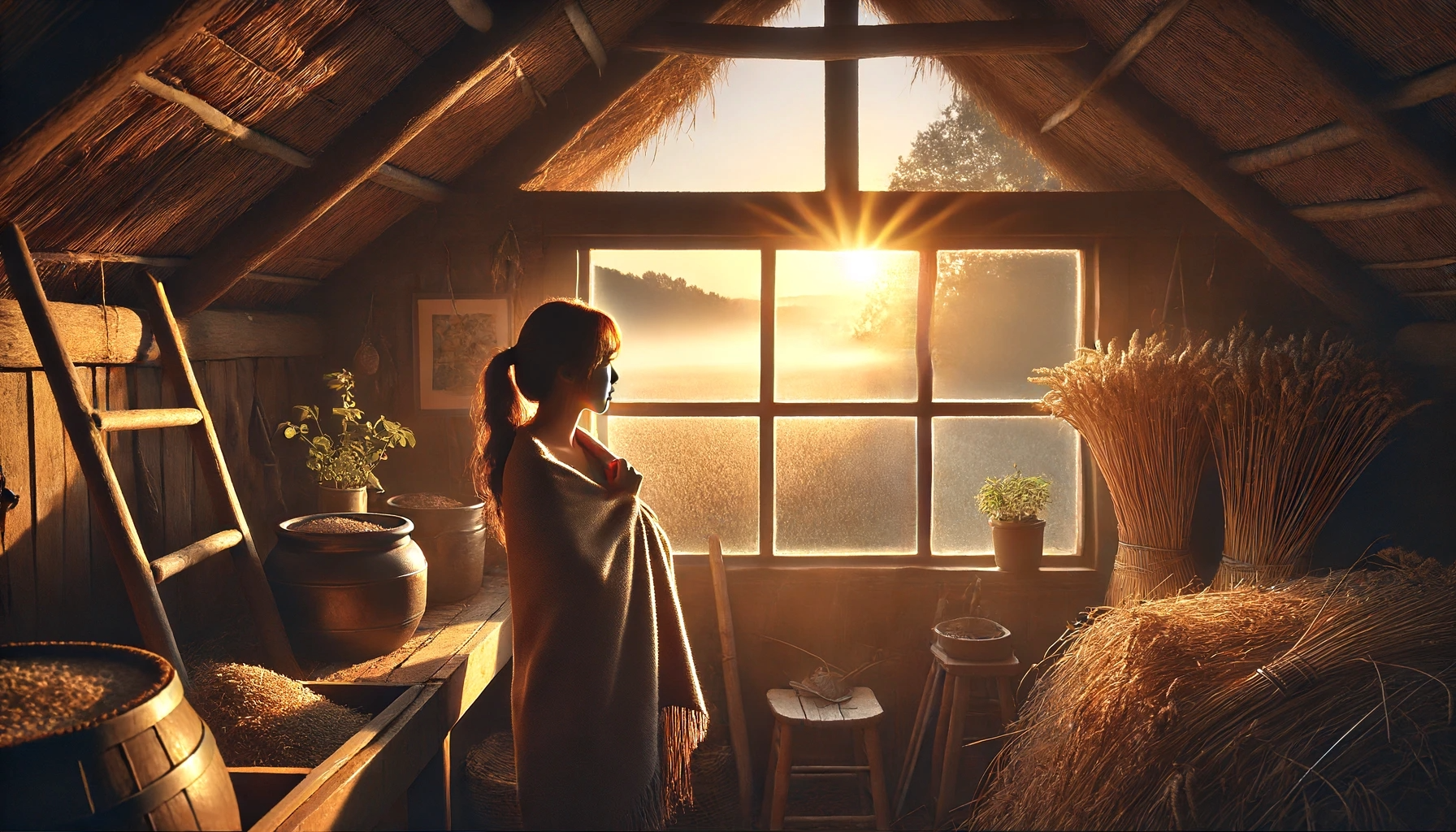
I walked in and pulled over the metal chair by a sliding door. I slid the door back and walked to the window. I sat down and leaned back in the chair, staring into the night sky. Closing my eyes and slowing my breathing, I prepared myself to see the possible scenarios I would face. I picked up something from a Tibetan. I cleared my mind of all the distractions. It wasn’t easy; it never was. The amount of baggage we carry around day to day is staggering. We cling to things we deem essential but are quite trivial in the larger scheme of things. The idea was to picture myself in a peaceful place. This place is different for everyone. Once you achieve the mediative state, the mind and spirit are in harmony, and the visions will come. Images flashed in my mind, displaying the different challenges that I might face. For each challenge, I came up with a possible solution. It wasn’t like I could see the future or anything, but I had been in this game long enough to know most of the problems I would face.
Author’s Note:
I’ve been working on a large writing project for the last month, and I wrote a portion of a larger scene in which the protagonist meditates. When taking a break earlier this week, I saw the above image, which stood out for some reason. I couldn’t place it at the time. I put the image on a separate scene, sat back, and let it talk to me. Then, it occurred to me why the picture was critical. I opened Scrivener, and sure enough, there was a note for me to work on that scene. So, I began to play with the scene using the picture. I decided to post this excerpt as I continued playing with the scene. Most likely, it will end up much different than what you see, but this sketch provides a good placeholder.
The forest stood still, ancient and unyielding as if defying time itself. But now, a strange silence hung in the air—not the serene quiet of life breathing gently, but the uneasy hush of something amiss. The once-crystal stream that wound through the heart of the woods, a lifeline to countless creatures, was no longer clear. Its waters, tainted with an oily sheen, seemed to pollute the very essence of the forest’s soul.
A deer approached hesitantly, its hooves crunching softly on the brittle grass. It bent to drink but recoiled, sensing something wrong. The poison ran deeper than just the water; it was in the air, the earth, the whispers of the leaves. Who had done this? Who could destroy something so pure, so vital?
Perhaps it was the folly of man, always reaching, always taking. It was greed that sought to conquer instead of coexist. Or perhaps—just perhaps—it was the forest itself, tired of centuries of neglect, silently fighting back in ways no one yet understood.
The trees shivered as if sharing a secret, their shadows casting long and mournful patterns across the poisoned ground. And as the sun dipped below the horizon, the forest seemed to sigh, wondering if salvation was still possible in a world so carelessly polluted by those who claimed to love it.
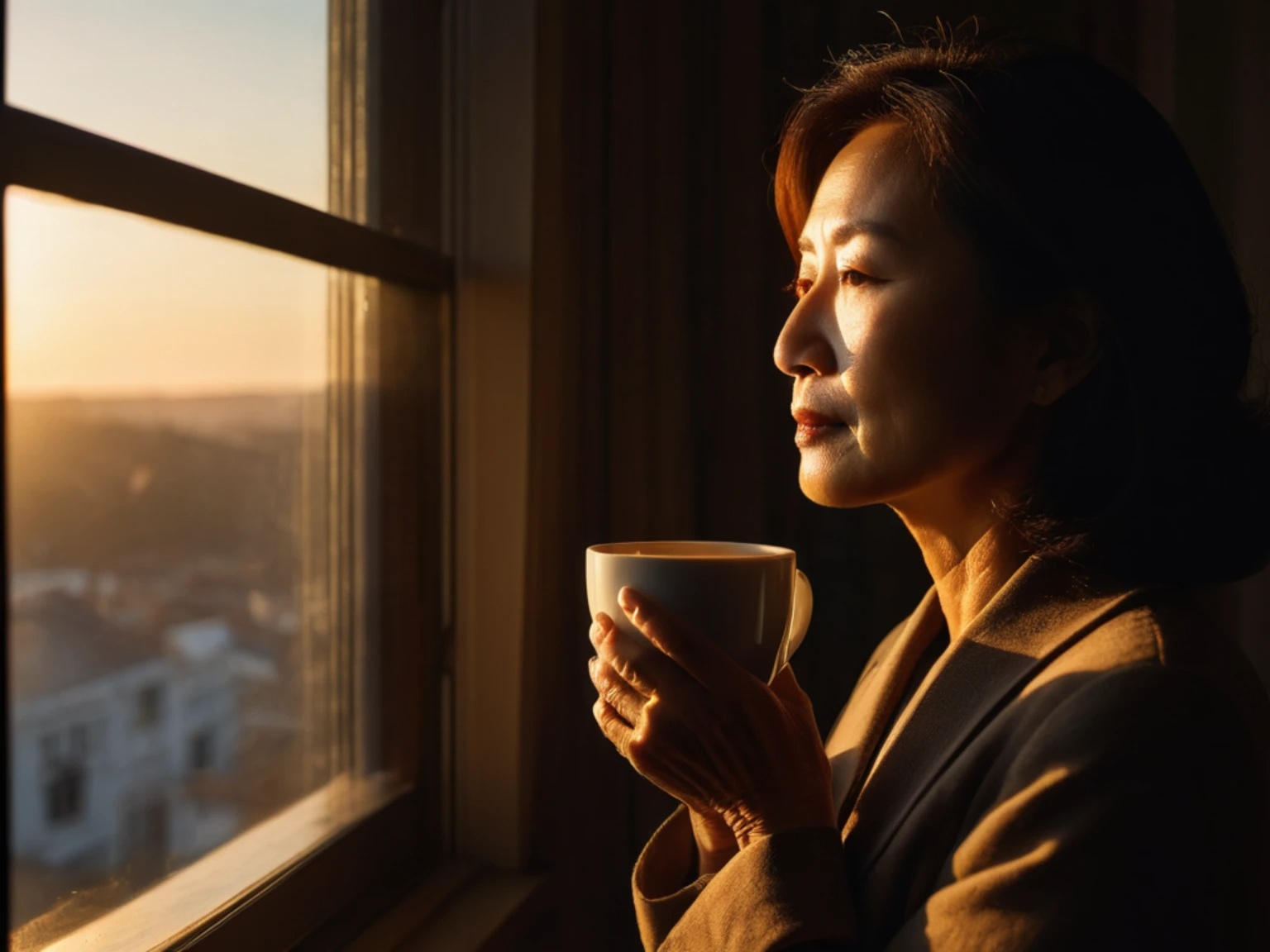
She sips her coffee, thinking about her first great love—that love she could never talk about—the love that fills her with joy and pain all at once. The joy is knowing what love truly is, not that stuff you read in romance novels or movies. Pain, well, if you know love, you know pain.
There were throwaways—well, that’s what folks called them back then. It meant no one wanted them. She felt that way until she met the woman who changed her life. She also fell in love with a boy who lived with the woman. He was like her, a throwaway. She knew she shouldn’t love him but couldn’t help herself. They spent one night together before he left for the war, and the war took him.
She’ll never forget how she felt the next morning. It felt like she was glowing from the inside. For it was the first day she felt whole.
I surveyed my kingdom and the lush gardens before me from my perch on the railing. There’s a sign by the gate with a picture of me. It says something below it. They call me Stanley. I wonder which one came up with that name. The humans often walked these paths, marveling at the beauty of nature, but none could truly appreciate it as I did. I am the peacock, the jewel of this realm, and my feathers are the crown jewels.
I strut through the gardens daily, tail feathers trailing behind me like a royal train. The sun catches the iridescent blues and greens, making them shimmer like the waters of a hidden lagoon. Today, I decided to take a break and observe my domain from this higher vantage point.
The air was fresh with the scent of blooming flowers, and the trees whispered secrets to each other in the gentle breeze. I watched as a family strolled by, their eyes widening in awe as they noticed me. The little ones pointed and gasped, tugging at their parents’ sleeves to share their discovery. I preened, feeling a surge of pride. Even the youngest humans recognized my magnificence.
Beyond the garden’s edge, the world seemed a distant dream. Within the bounds of my green paradise, life moved peacefully. Birds flitted from tree to tree, and the occasional squirrel scurried past, always keeping a respectful distance. They knew, without a doubt, who reigned here.
The sun began to dip lower in the sky as the day wore on, casting a golden glow over the garden. I could hear the murmurs of the visitors growing softer as they made their way to the exits, reluctant to leave this haven of beauty. Soon, the garden would be mine again, a quiet sanctuary where I could rest and dream of new ways to dazzle my audience come morning.
For now, I stood still, a statue of elegance and grace, soaking in the admiration of those who lingered. I am the peacock, guardian of this garden, and in my feathers, the world sees the magic of nature.
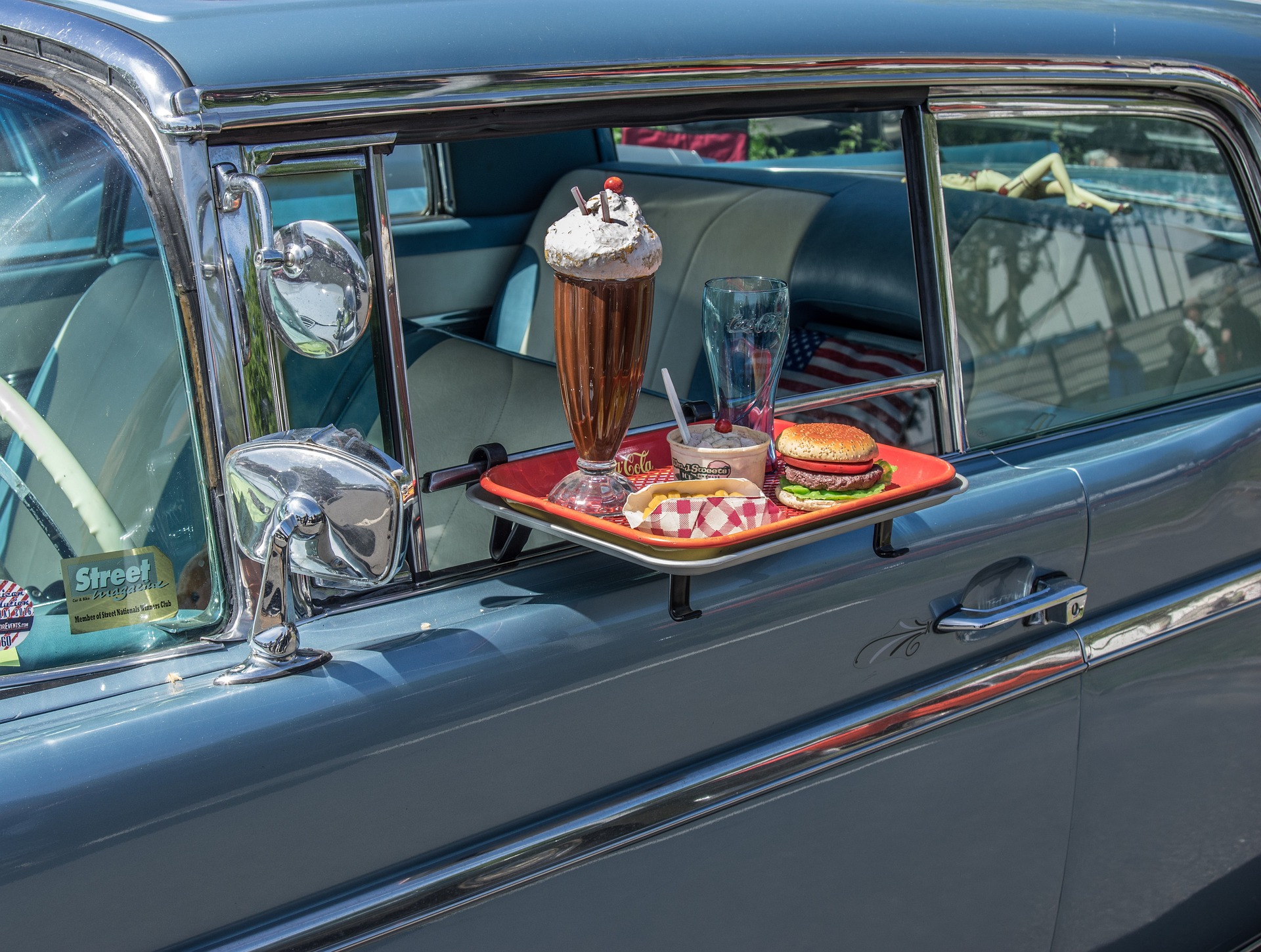
Manu Jenkins and Maury Lawrance faced off back in the 1950s. This face-off changed how things were at The Paradise drive-in. Manu Jenkins, “Jinxy” people called him, and Maury weren’t gang members, just guys who couldn’t back down. Only to find themselves in a situation that lasted a lifetime. This face-off leads to the development of the neutral zone. The neutral zone is no gang activity at the drive-in. Anyone caught fighting at the Paradise was banned for life. That was the law of the land for as long as anyone could remember.
According to Jinxy, “The Paradise” was the only place in town where you could walk around without anyone beating you senseless. Old Lonnie Lawrence, Maury’s father, had everything: swings, slides, cotton candy, and make-out spots. Jinxy nudged me with his elbow, smiling. “That’s where I met my sweet Pearl.” He said, staring off as if trapped inside a memory. Then, finally, he leaned back and smiled. I wondered if he was watching the movie from that night. Praline Madsen “Pearl” was his wife of forty years before going home to glory. Jinxy didn’t make it to the following fall. Jinxy and Pearl, PaPa and Nanna, seemed to me to be a love story, exactly like one that played at “The Paradise.”
Forty years later, My little brother, Trey, wanted to see a double feature playing there this weekend. Bruce Lee’s Chinese Connection and The Game of Death. I was 17, and hanging out with your 12-year-old little brother when you were supposed to be chasing tail wasn’t ideal, but I loved Bruce Lee just as much as he did. To get to the “Paradise,” we had to cross enemy territory. The Paradise may have been the neutral zone, but the surrounding neighborhood wasn’t. I knew the 6th Ave boys owed me a few beatings for jumping a couple of them when they got caught in my neighborhood. Trey didn’t know anything about my part in the beating, but he had witnessed a few as they happened.
“Moe?”
“Yeah, Trey.”
“Why are they beating that man? What did he do?”
“Nothing, Trey … Just in the wrong place; wrong time…you know?”
It’s Saturday morning, and I’m sleeping in, although I really need it after waiting until the last minute to write an article. I squeeze my eyes shut and try to go back to sleep, but the aroma of freshly brewed Colombian coffee and blueberry pancakes tickles my nostrils. I smile, feeling content. I love blueberry pancakes so much that it’s almost criminal. If I were on death row, my last meal would definitely be blueberry pancakes and chewy chocolate chip cookies. I’d wash it down with a satisfying mug of Colombian coffee. Just thinking about it makes me want to moan with delight.
Then it hit me: I live alone. Who the heck is in my house? So, I armed myself. My bed linen had swallowed my sidearm, so I grabbed a whiffle ball bat. You may wonder why a grown man would have a whiffle ball bat in a word: grandkids. You may also be wondering how a plastic bat would do any damage. It will, I assure you. Let me explain.
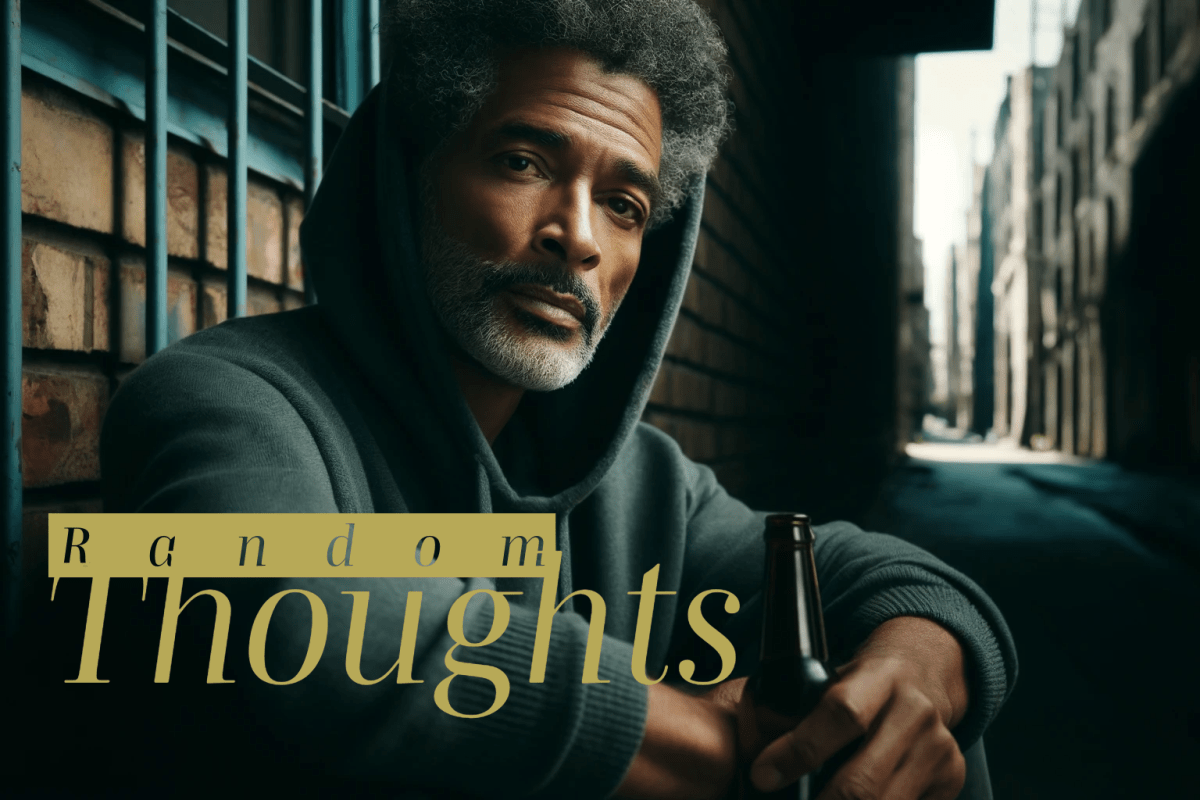
I concede that you may not have heard of anyone getting the beatdown with a whiffle ball bat. Simply put, no one would ever admit to this happening to them. Imagine the shame and ridicule they would receive from peers and family. The victims would go to extreme lengths to come up with a backstory to explain their faces being covered in welts. They could even enlist the genius of their cousin, who spun ridiculously plausible stories to get them out of troublesome situations. However, when the cousin looks at them blankly for a moment, they state, “I got nothing.” The victims respond, “Really?” Their cousin hands them a beer and says, “Looks like you need this.” They nod and take a swig.
I walked into the kitchen, ready to do damage, thinking of all the houses on the block and how dare they pick mine. I couldn’t believe my eyes. It was Ursula. Ursula was my muse, who had seen me since the illness. She seemed to disappear without any explanation.
“Hey, what are you doing here?” I asked.
She shot me a puzzled look. “You’re writing again; you need me.”
I leaned against the counter, folding my arms. “Really? I do. It’s not like you’ve been around to know,” I replied.
She paused momentarily before answering; her expression hurt. “Hun, you got sick and started babbling about quitting the game. I didn’t know how to handle it. With Aunt Harry covering the bar, I figured it was a good time to take a holiday.”
“What’s this?” I asked, pointing to the skillet.
She smiled. “Your favorite,” she said, lifting a plate of blueberry pancakes. I took the plate and headed towards the office, but then stopped as I realized something.
“Why do you have a beard?” I asked.
“Hun, you know beards are in fashion now. Don’t be silly,” she remarked.
I stared at her, considering her logic. “But you’re a girl, so go shave,” I demanded, pointing my finger toward the bathroom.
She scoffed as she turned off the skillet, then stormed towards the bathroom, yelling, “Fine…go put some pants on!” over her shoulder as she closed the door.
I stood puzzled momentarily, then realized I was standing in my boxers. I poured myself a cup of coffee and then put the coffee and the pancakes in the office. I slipped on a pair of shorts and began eating my breakfast. I was on my second helping of pancakes when Ursula finally emerged from the bathroom. She was freshly showered, sporting a blank tank top and khaki shorts. Though it had been a while since I had seen her, she still had a banging body and would be considered attractive by most men. However, she had a minor setback. Ursula had lime green skin and crimson eyes that sparkled when her ideas flowed. They were on fire now.
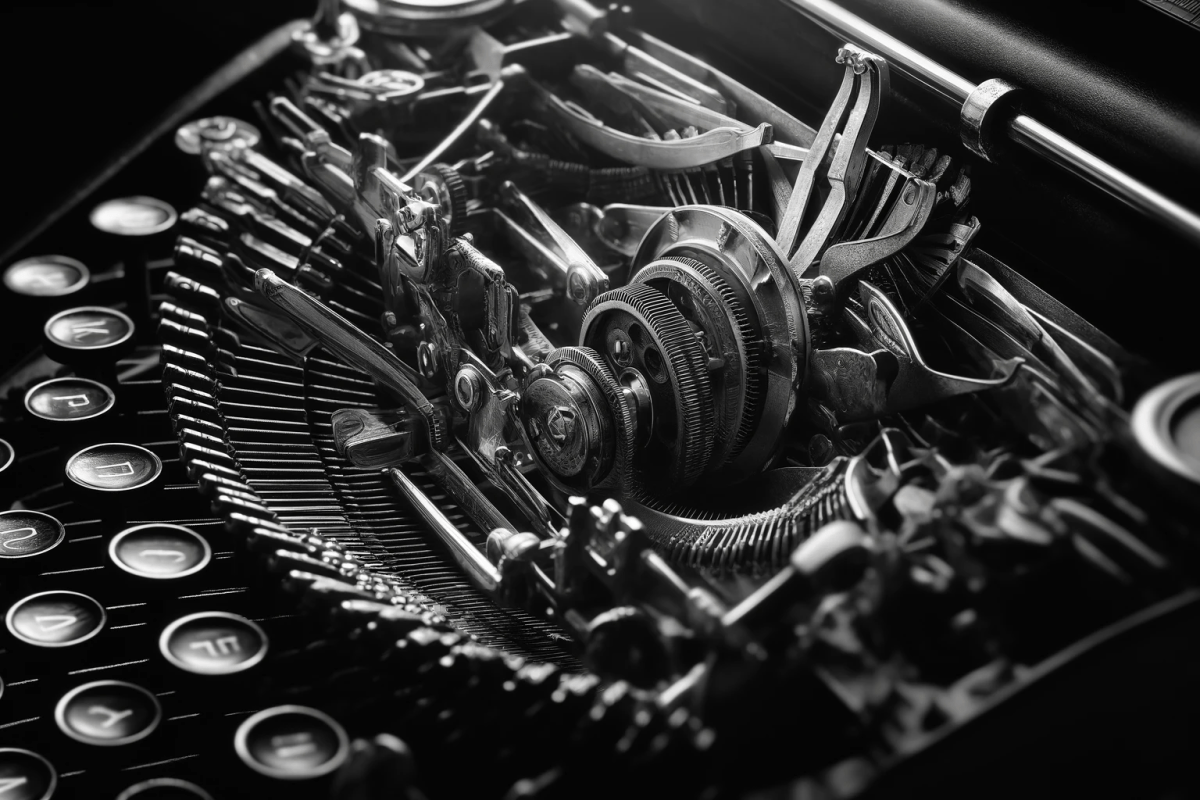
Ursula began explaining her ideas on how we could succeed with the magazine. As she spoke, I stopped eating and started taking notes. I don’t particularly appreciate taking notes on a story but I haven’t found a way to avoid it yet. The more I wrote, the more she spoke. Ursula was typically a pain in the butt and a bit of a slave driver, but it felt good to be working again. So, I groaned inwardly. We were almost done with the layout for the next few months when there was a knock at the door.
I opened the door to find my cousin standing there. Like most family members, he assumed he had an open invitation to my home, arriving unannounced and expecting to be welcomed. He lifted his head, sniffed the air, smacked his lips as if tasting the air, and headed to the kitchen without saying a word. Then, he fixed himself a plate and returned to the front porch, where we typically sit when the weather permits. I brought him a cup of coffee and placed it beside him. As he ate, he occasionally mumbled about how delicious the pancakes were. Ursula sat on the railing and lit a Cohiba, her preferred cigar. Eventually, my cousin finished his pancakes, and we began our usual banter, reminiscing about our mothers and the good old days.
Right on cue, my cousin starts reciting some Don L. Lee. He hits me with, “But He Has Cool,” or “He even stopped for green lights.” My cousin’s rhythm and cadence are second to none. I found myself leaning back in the chair, swaying as he went straight into his rendition of “Big Momma,” another Don L. Lee standard. Ursula also felt him and nearly fell off the banister; I chuckled. I hit him with a medley consisting of “The Poet” by Dunbar and a bit of “The Backlash Blues” by Hughes, capping it off with a dash of “I Know My Soul” by Mckay.
My cousin responds, “Boy, you think you’re bad, don’t you.” “I learned from you; I ought to be!” I remark.
He smiles and hits me with Hayden’s “The Ballad of Nat Turner.” I’m floored; I wasn’t expecting that one. Though Ursula is smiling, she taps her wrist, signaling that we must return to work. I pretend not to notice. My cousin starts reciting “Black Jam for Dr. Negro” by Mari Evans. I wave my hands in defeat but deliver Jean Toomer’s “Georgia Dusk” to make it sting. He’s on fire today, and I need to do something. I think for a moment; then it hits me. I hit him with a double dose of Rilke, starting with “Going Blind” and following up with the prose piece “Faces.” And just for good measure, I slide into the opening sequence of the prologue of Ellison’s “Invisible Man.”
He sat back in the chair and shot me a stern look. “There you go cheating… you know this is poetry only!”
I chuckled with a wide grin. “Oops, my bad.” We burst into laughter.
“Hun, we really need to get back to work!” Ursula exclaims.
I lift my arms in surrender. “Okay… okay, we’re finished, girl… hold on a minute.”
My cousin shoots me a strange look after he looks around the porch. “Cuz, who are you talking to?”
“Ursula, that lime green pain in the butt sitting on the banister,” I state as I point in her direction.
My cousin slowly turns around and looks back at me. “Lime green, huh?”
“Uh-huh… yep.”
His eyes dart in that direction, then back to me. “I don’t see anybody… and you don’t either! What do you have in that cup?”
With a shy smile, I lift my cup. “Colombian,” and take a sip.
Photo by u041eu043bu044cu0433u0430 u041du0443u0440u0443u0442u0434u0438u043du043eu0432u0430 on Pexels.com







 Memoirs of Madness