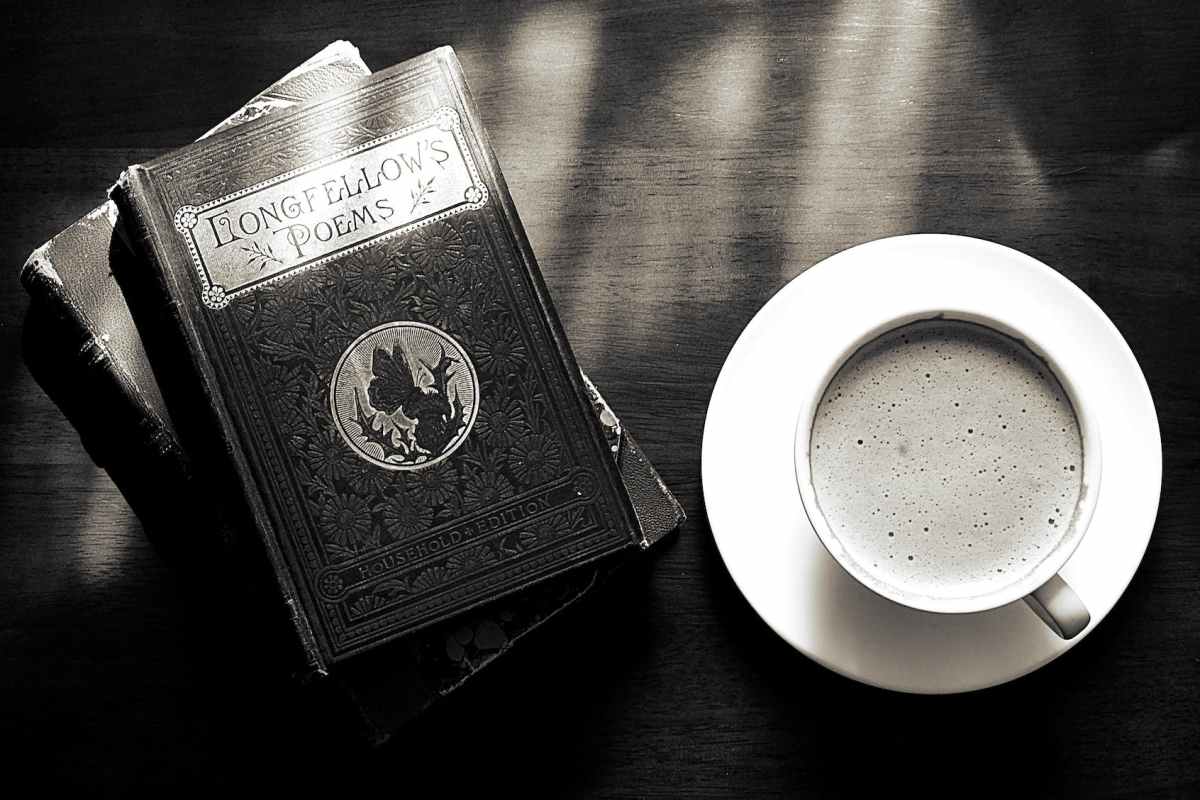
Reading That Shaped My World

List three books that have had an impact on you. Why?

DAILY PROMPT RESPONSE

  • The Green Mile – To be haunted by the actions of your past. To see everything you know and love die. To be left on this earth and witness their demise. One realizes the dead were the lucky ones. To feel the blessing of a long life is a curse. Perhaps, a punishment for a hideous act.
  • Invisible Man – In this novel, we follow the actions of an unnamed protagonist living in a society that chooses not to recognize him as a man. The winner of the National Book Award in 1953, this novel should depict an outdated social construct, but it doesn’t, sadly.
  • 11/22/63 – This book addresses something we all may have wanted to do from time to time. A chance to go back in time and change something we have done. However, the most powerful part for me, was how it laid out the hazards of time travel. I will continue working on the time machine in my basement.

REBLOG: The Writer’s Path – On The Necessity of Flawed Characters

I reblogged this post last year, and it is still relevant.

On The Necessity of Flawed Characters

I’ve gotten super into podcasts in this past year (file under #latetotheparty). Why? I think I thought they were all nonfictional musings on things. …

On The Necessity of Flawed Characters

Yeah, I heard you, but what is CBT?

Introduction

When I first started therapy, my therapist began discussing the different courses of treatment. Then she mentioned we would be starting with CBT. Now, I always enjoy when experts talk to you using their jargon as if the entire world speaks this way. My therapist must have noticed my expression and immediately clarified things by stating, “Cognitive Behavioral Therapy.” I nodded, reassuring her I understood what she was referring to. However, in mind, a mini-rant formed.

“What? Is talking about mind control?”

“Hold on, I don’t quake like a duck for nobody!”

“Nah, ya’ll ain’t getting me with MK-Ultran, secret squirrel, CIA guinea pig … bullshit! Fuck that!”

As I stood up, preparing to walk out, she stared at me momentarily and asked, “MK-Ultra? or “Vulcan mind meld?” and pointed at the chair, inviting me to sit.

I assure you it’s nothing like that at all. Below I’ve provided some general information about the treatment.

Let’s take a look, shall we?

Cognitive Behavioral Therapy (CBT)

Mental health issues are a common occurrence in today’s world, and they can manifest in a variety of ways. Fortunately, there are effective methods to manage these conditions, one of which is cognitive-behavioral therapy (CBT). CBT is a therapeutic approach that focuses on the connection between our thoughts, behaviors, and emotions and how changing them can positively impact our mental health.

Understanding CBT

CBT is a talk therapy that aims to help individuals identify and modify negative thought patterns and behaviors that contribute to mental health problems such as anxiety, depression, and PTSD. It is a short-term treatment option typically done in weekly sessions with a licensed therapist. During these sessions, the therapist works with the patient to identify negative thought patterns and behaviors and develop strategies to overcome them.

One of the fundamental principles of CBT is that our thoughts and beliefs have a powerful impact on our emotions and behaviors. This principle is based on the idea that our thoughts create our reality, and by changing our thoughts and beliefs, we can change how we feel and behave in various situations. CBT also emphasizes the development of practical coping strategies that patients can use to manage their symptoms outside of therapy sessions.

Benefits of CBT

There are many benefits to using CBT to manage mental health issues. One of the main advantages is that it can be highly effective in helping patients overcome negative thought patterns and behaviors. Studies have shown that CBT can be just as effective as medication in treating conditions like anxiety and depression and more effective in the long term.

Another benefit of CBT is that it is a relatively short-term treatment option. While some other forms of therapy can take years to complete, most patients can complete a course of CBT in just a few months. This can make it a more practical option for people who are looking for a quick and effective way to manage their mental health.

CBT is also a versatile therapy that can be used to treat a variety of mental health conditions. In addition to anxiety, depression, and PTSD, CBT has been shown to be effective in treating conditions like obsessive-compulsive disorder (OCD), eating disorders, and substance abuse.

The Bottom Line

If you are struggling with mental health issues like anxiety, depression, or PTSD, CBT can effectively manage your symptoms and improve your overall well-being. By working with a licensed therapist, you can learn to identify and change negative thought patterns and behaviors, develop practical coping strategies, and achieve greater control over your emotions and behaviors.

It is important to note that CBT may not be the best option for everyone. Some people may benefit more from other types of therapy or a combination of treatments. However, CBT is definitely worth considering if you are looking for a proven and practical way to improve your mental health.

Conclusion

CBT is a powerful tool to help people overcome negative thought patterns and behaviors contributing to mental health issues. By working with a licensed therapist, patients can develop practical coping strategies and achieve greater control over their emotions and behaviors. If you are looking for a proven and practical way to improve your mental health, CBT may be the right choice for you.

Mental health issues are a common occurrence in today’s world, and they can manifest in a variety of ways. Fortunately, there are effective methods to manage these conditions, one of which is cognitive-behavioral therapy (CBT). CBT is a therapeutic approach that focuses on the connection between our thoughts, behaviors, and emotions and how changing them can positively impact our mental health.

This is hard work. You have to face things you would rather forget but in the long run. I believe you be the better for it. I know I have been.

~thank you for reading~

PTSD is Wicked Scary

Introduction

Post-traumatic Stress Disorder (PTSD) is a mental health condition that can occur after going through or witnessing a traumatic event. PTSD can have a significant impact on a person’s daily life, relationships, and overall well-being. However, there are many effective treatments available for PTSD, that actually help. I know its scary and you probably have been through a few therapies treatments that didn’t help or made things worse. Please don’t give up. Recovery is a real possibility.

After, my diagnosis, I didn’t know what to do. I knew I didn’t want to stigmatized or labeled. So, I tried to hide it. Of course, that didn’t help, but the following are methods I used to assist in moving forward with the condition.

Psychotherapy

Psychotherapy, also known as talk therapy, is a widely used and effective treatment for PTSD. It involves speaking with a mental health professional about your thoughts, feelings, and experiences related to the traumatic event. There are several types of psychotherapy that are effective for treating PTSD, including cognitive behavioral therapy (CBT) and Eye Movement Desensitization and Reprocessing (EMDR).

Cognitive behavioral therapy (CBT) is a type of therapy that helps individuals identify and change negative thought patterns and behaviors that are associated with PTSD. CBT focuses on helping the individual become more aware of the thoughts and feelings that contribute to their PTSD symptoms and teaches them how to challenge and change those thoughts and behaviors.

Eye Movement Desensitization and Reprocessing (EMDR) is another type of psychotherapy that uses eye movements to help individuals process traumatic memories and reduce the severity of PTSD symptoms. During EMDR therapy, the individual is asked to recall the traumatic event and then follow a therapist’s hand movements with their eyes. This process is believed to help the individual process and reframe the traumatic memory in a less distressing way.

Medications

Medications can also be helpful in treating PTSD symptoms. Antidepressants are commonly prescribed to individuals with PTSD. They can help reduce symptoms such as anxiety, depression, and insomnia. Selective serotonin reuptake inhibitors (SSRIs) and serotonin-norepinephrine reuptake inhibitors (SNRIs) are the most commonly prescribed antidepressants for PTSD.

Other medications such as anti-anxiety medications and sleep aids may also be prescribed to individuals with PTSD. These medications can help individuals manage symptoms such as anxiety, nightmares, and sleep disturbances.

It is important to note that while medications can be helpful in managing PTSD symptoms, they should always be used in conjunction with psychotherapy.

Complementary Therapies

Complementary therapies, such as yoga, meditation, and acupuncture, can be valuable tools in managing and reducing symptoms of post-traumatic stress disorder (PTSD). While psychotherapy and medication are considered the most effective treatments, these alternative therapies can provide additional benefits to individuals struggling with PTSD.

For instance, yoga has been shown to reduce stress and anxiety, which are common symptoms of PTSD. It can also improve sleep quality and increase feelings of relaxation and well-being. Meditation, on the other hand, can help individuals develop mindfulness, which can be helpful in managing intrusive thoughts and memories associated with traumatic experiences. Similarly, acupuncture has been found to reduce symptoms of anxiety and depression, as well as improve sleep quality.

While these complementary therapies may not be as effective as psychotherapy or medication, they can be used in conjunction with other treatments to help individuals better manage their symptoms. It is important to note that these therapies should only be used under the guidance of a qualified healthcare professional and should not be used as a substitute for evidence-based treatments.

Conclusion

PTSD can be a debilitating condition, but there are many effective treatments available. Seeking help from a mental health professional is the first step towards recovery. Psychotherapy, medications, and complementary therapies are all effective treatments that can help individuals manage their symptoms and improve their overall quality of life. If you or someone you know is struggling with PTSD, do not hesitate to seek help. Remember, recovery is possible.

~thank you for reading~

It’s a long list …

What book could you read over and over again?

Several books fall into this category. For me, the requirements to reread a book are simple, but they seem to evolve each time I read it. It’s almost like the book in question casts a spell on me, or a post-hypnotic suggestion is cleverly placed within the crevasses of my mind. Whereby I become the book’s slave, hopelessly doing its bidding. Despite the throws of my addiction, I’ve narrowed the list to only a few, but I’ll try to speak about one. Please be mindful that I did say try in case I fail at this endeavor.

So, the book I can and have read on multiple occasions is “The Green Mile” by Stephen King. This book isn’t the only book I have read multiple times and would read again without provocation, but it isn’t my favorite in this category. However, I have several reasons why I reread this book, but I will only list the main ones.

What draws me to The Green Mile is the idea this could actually happen. To me, King outdid himself in telling this story. Its structure and style is some of his best work. The themes tackled in this novel moved me. Some are subtle, while others slap you in the face. Lastly, I think this novel is just damn good. If I said I read this novel five times, it would be low.

Java & Verse #1

Gwendolyn Brooks (1917 – 2000)

In honor of the writing community we know and love. I wanted to point out one of its legends for a few moments.

Gwendolyn Brooks in the poetry room at the Library of Congress in November 1985. (Bettmann, Getty Images)

She was the first ethnic minority to win the Pulitzer Prize on May 1, 1950. In school, when it came to black writers, Langston Hughes, Richard Wright, and James Baldwin were familiar names. I can’t say that my school overlooked Brooks, but she seemed overshadowed by more popular poets. I discovered her body of work much later in life after I started attempting to write poetry. After several phone calls to the poetry clan announcing my discovery, most laughed and asked, “What rock did you crawl out from under?” They reminded me that Maya Angelou and Nikki Giovanni were the “really important” African American poets. I couldn’t believe my discovery and continued my research into the body of her work, finally getting my hands on an autographed copy of one of her books. After that, she became one of my literary heroes.

Gwendolyn Brooks was born in 1917 in Topeka, Kansas, and she published her first poem at 13 years old. When I think about what I was doing at 13, though I was writing stories back then, I lacked the courage to publish my work. Brooks has written over twenty books of poetry.

I would have never written a poetic line if it hadn’t been for the work of Gwendolyn Brooks. of course, many could argue that Brooks had nothing to do with my talent or ability. This opinion may be accurate, but the crazy part, I did not know. However, if Brooks hadn’t made her accomplishments within the poetry community and society, she wouldn’t have changed the establishment’s mindset. She made poetry cool. By the time I discovered and understood the magic of her work, a published poet, I also taught workshops. With a blown mind and new respect for writing, I immersed myself in reading everything I could get my hands on.

Here’s an interview I found online that tells an interesting story about when she discovered she had won the Pulitzer Prize.

American poet Gwendolyn Brooks sat down in 1986 to talk with Alan Jabbour, director of the Library of Congress’ American Folklore division.

How remarkable is this woman? I remember staring at the screen, thinking I would never be that good. Forget winning the Pulitzer Prize or any other award. I might as well roll up my quills and clean out my inkwell. Yes, I wrote with a quill and had an inkwell on my writing table. I was feeling myself with a few poems published, and radio shows in the works. I turned down everything and went to my former profession. Then, one day, a former student appeared out of nowhere and asked me a question.

“Are you going to finish what you started?” She asked, straight-faced and unapologetically.

I didn’t answer her at that moment. She turned and walked away, leaving me spellbound and speechless. Then, while preparing dinner, I exclaimed, “How dare she call me out like that? Rolling up on me like I’m soft or something!” The class started in an hour. If I left then, I could make it. Walking into class, I rocked a “Free verse rules!” T-shirt and a raggedy pair of closed-toed Tevas. Absent the salutations and idle chitchat, I launched straight into an analysis of Rilke’s “Faces” with no notes, guide, or any of the traditional materials I usually had for class. I lectured like that for the next six weeks.

I ended that workshop with, “One must be bold to matter, yet humble to make a difference.”

Thank you, Ms. Brooks, for inspiring one of my favorite lines in my career. Teaching that lesson to all the writers I’ve helped has been an absolute honor.

Listen to her legendary poem read by her!.

Thank you for your support I truly appreciate it.