
Eastbound and Down

How do you practice self-care?

PROSE – RANDOM THOUGHT

There is something about taking a drive. A full tank of gas packed lunch, and your camera and notebook. It’s a sense of freedom; at least, that’s the phrase I’ll use as I sit here talking to you. I suppose it’s as good as any, to really explain this feeling I get when taking a drive. It’s a chance to explore, clear your mind, and, just for a moment, set aside the stresses of everyday life. And having your camera and notebook with you allows you to capture the magic.

There’s no better way to appreciate the beauty of nature and the world around you than to take a leisurely drive, at least I don’t know if any. Maybe one or two others come to mind if I think on it a spell. But, nothing beats a drive. Whether through winding country roads, along the coast, or through the mountains, a scenic drive can be a truly unforgettable experience. Let us not forget, a drive through the city after dark. Another side of life seems to come alive in the night; after dark. One must be careful you may see things you may never have known existed.

But it’s not just about the destination; it’s also about the journey. Taking a drive can be a chance to reflect on your life, think about your goals and dreams, and enjoy the present moment. It’s a form of self-care that can help reduce stress, improve your mood, and boost your creativity.

In fact, many writers, artists, and photographers have used driving to inspire their work. The freedom of the open road allows them to escape the distractions of everyday life and focus on their craft. And with a camera and notebook, they can capture their thoughts and ideas as they come to them.

But even if you’re not a writer or artist, taking a drive can still be a valuable experience. It’s a chance to unplug from technology, connect with nature, and appreciate the simple pleasures in life. And with the flexibility of driving, you can make the experience your own. You can stop at a roadside diner for a classic burger and fries, take a detour to visit a local attraction, or simply park by a scenic overlook and watch the world go by.

So next time you’re feeling stressed or overwhelmed, why not take a drive and see where the road takes you? You never know what new experiences, sights, and insights you may discover. Perhaps, a fond memory or recollection will be unlocked evoking a smile.

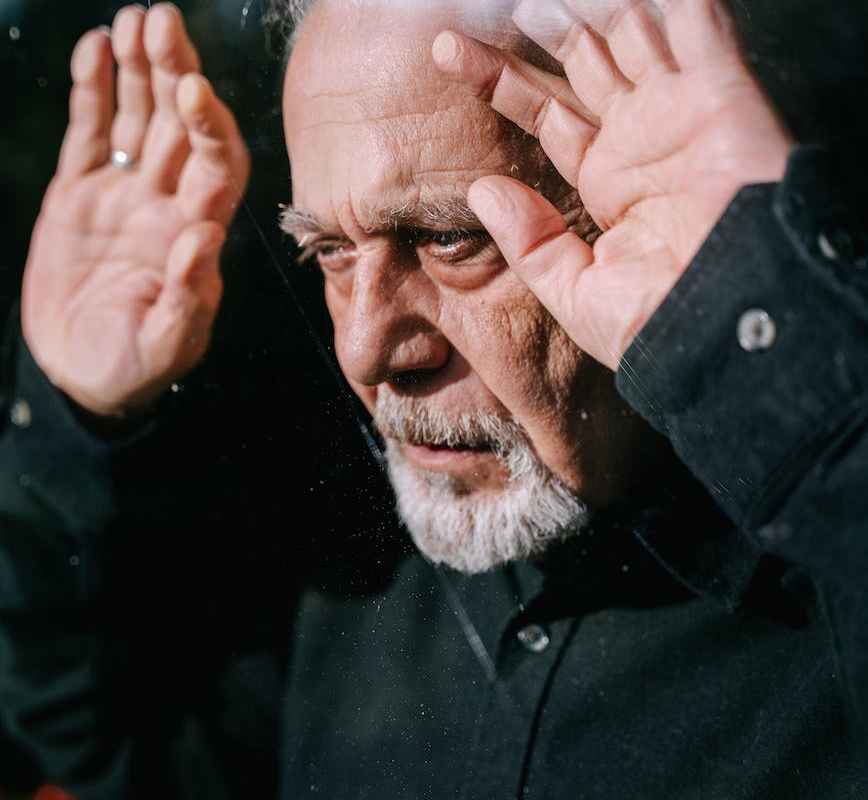
So it goes…

What personal belongings do you hold most dear?

The consequences of rum and bad decisions. These consequences are both endearing and fester. Their existence is personal, and they belong to me. I bear the weight of them alone. I’m happy to do it.

Now that’s the end of it

So it goes …

Understanding Anxiety: Causes, Symptoms, and Coping Strategies

Anxiety is a common mental health issue affecting millions of people worldwide. According to the World Health Organization, anxiety is the most prevalent mental health disorder, with an estimated 1 in 13 people globally suffering from anxiety. Anxiety is a feeling of unease, worry, or fear ranging from mild to severe. The symptoms of anxiety can vary from person to person, and it can affect people from all walks of life.

This blog post aims to provide an understanding of anxiety, its causes, symptoms, and coping strategies.

Causes of Anxiety

Anxiety can be caused by a combination of factors, including genetics, brain chemistry, life experiences, and environmental factors. Some people may be more susceptible to anxiety due to their genetic makeup, while others may develop anxiety due to traumatic life events or ongoing stress. Environmental factors such as work-related stress, financial difficulties, and relationship issues may also contribute to anxiety.

Genetics

Research has shown that anxiety disorders tend to run in families. A person’s genetic makeup may make them more susceptible to developing anxiety disorders.

Brain Chemistry

Imbalances in certain chemicals in the brain, such as serotonin and dopamine, can contribute to the development of anxiety disorders.

Life Experiences

Traumatic life experiences, such as abuse, neglect, or the death of a loved one, can trigger anxiety disorders. Chronic stress from work or personal relationships can also contribute to developing anxiety disorders.

Environmental Factors

Environmental factors such as work-related stress, financial difficulties, and relationship issues may also contribute to anxiety. Exposure to stressful situations or trauma can trigger or worsen anxiety symptoms.

Symptoms of Anxiety

Anxiety can manifest in various ways, and the symptoms can vary from person to person. Some common symptoms of anxiety include:

  • Excessive worrying
  • Restlessness
  • Irritability
  • Difficulty concentrating
  • Muscle tension
  • Insomnia
  • Panic attacks
  • Avoidance behaviors
  • Physical symptoms such as sweating, trembling, and heart palpitations

Coping Strategies for Anxiety

There are several coping strategies for anxiety that can help manage symptoms. Cognitive-behavioral therapy (CBT) is a type of therapy that can help individuals identify and change negative thought patterns and behaviors that contribute to anxiety. CBT has been shown to be effective in treating anxiety disorders.

Mindfulness meditation, exercise, and relaxation techniques such as deep breathing and progressive muscle relaxation can also help reduce anxiety symptoms. Regular exercise, in particular, has been shown to improve mental health and reduce symptoms of anxiety.

Individuals with anxiety can also benefit from making lifestyle changes such as getting enough sleep, eating a healthy diet, avoiding caffeine and alcohol, and engaging in enjoyable activities. These lifestyle changes can help to reduce stress and improve overall well-being.

It is also important to seek professional help if anxiety symptoms are interfering with daily life or if you are experiencing suicidal thoughts. A mental health professional can provide additional support and guidance in managing anxiety symptoms.

Conclusion

Anxiety is a common mental health issue that can significantly impact a person’s quality of life. However, there are effective coping strategies available to manage symptoms. By identifying the causes of anxiety, recognizing symptoms, and utilizing coping strategies, individuals with anxiety can take steps towards improving their mental health and overall well-being. Remember that seeking professional help is not a sign of weakness, but rather a courageous step towards taking control of your mental health.

The Essence of Morning

POETRY – WEEKLY PROMPT #141; RDP – FILM

Slumber releases me as the glow of the serene sun caresses my face.
Let us lay back for a while longer before we have to move.
Gently, I stroke your hair, listening to the city’s awakening commotion
Your head on my chest, your breathing lures me to the edge of slumber

I’m careful not to move, not to wake you

Your head falls to your favorite spot; the space between
my chest and stomach as you pull the blanket tight.
Your breathing shallows; Your sleep deepens
I exhale this one of those moments you see in film.

~thank you for reading~