Mixed Music Bag and Song Lyric Sunday

TUNAGE ARTICLE

After reading some music posts this morning, I realized I have the opportunity to combine Glyn’s and Jim’s challenges. Let’s get at it…

Here is my response to Glyn’s Mixed Music Bag

In 1998, I was on assignment in Wisconsin, and during my downtime, I attended several music festivals. One night, the fellows and I were captured by a funky bassline. We followed the sound, expecting a black guy jamming on the bass, but that wasn’t what we saw.

We were shocked and later pushed aside our stereotypes and prejudices. We stood listening to a long-haired, tall caucasian male pumping the bass with everything he had. The joyful expression on his face was captivating. Yet, he wasn’t the star of the show. A short-haired woman belted out a bluesy rock rendition of the Aretha Franklin classic Respect.

It was one of the most powerful, energetic, and soulful performances I ever saw from a smaller band. Immediately, I became a fan and grooved the entire set. My musical taste varies depending on my mood, but I wasn’t expecting my companions to enjoy the show. I knew the music they listened to regularly, and it wasn’t anything like this.

“Who are these guys?” we shouted.

They were Tina and the B-Side Movement.

Here are the particulars:

Tina and the B-Side Movement, later known simply as Tina and the B-Sides, emerged as one of Minneapolis’s most influential and beloved rock bands in the late 1980s and 1990s. Led by the charismatic and talented Tina Schlieske, the group carved out a unique space in the Midwest music scene with its blend of bluesy rock, folk-inspired Americana, and raw energy.

Origins and Early Years

The band’s story begins with Tina Schlieske, who caught the music bug early in life. Growing up in the suburb of Apple Valley, Minnesota, Schlieske was drawn to the vibrant Minneapolis music scene of the 1980s. Inspired by a diverse range of artists, including Aretha Franklin, David Bowie, Janis Joplin, and Elvis Presley, Schlieske began sneaking into clubs to perform as early as 1984, well before she was of legal age.

Gradually, Schlieske assembled a band that would become Tina and the B-Side Movement. The group’s name evolved over time, starting as a joke referencing “bowel movement” before settling on the B-Side Movement, a nod to the B-side of records that often contained hidden gems.

Musical Style and Influences

Tina and the B-Sides developed a sound that defied easy categorization. Their music was a tight fusion of bluesy rock, folk-inspired melodies, and roughly hewn Americana[1]. This eclectic mix reflected Schlieske’s diverse musical influences and her desire to avoid being pigeonholed into any one genre.

Schlieske’s powerful vocals were at the heart of the band’s sound. Her sister Laura Schlieske also contributed vocals, creating a dynamic that often evoked the spirit of a tent revival[2]. The band’s lineup evolved over the years but typically included guitars, bass, drums, and keyboards, creating a full, robust sound that could fill any venue, from small clubs to large outdoor amphitheaters.

Rise to Prominence

Tina and the B-Sides built their reputation through relentless touring and energetic live performances. They played every club that would have them, gradually building a devoted following across the Midwest[1]. Their popularity proliferated, particularly in cities like Chicago, Milwaukee, and Madison, as well as throughout their home state of Minnesota.

The band’s DIY ethos was evident in their early releases. Their debut album, “Tina and the B-Side Movement,” was released in 1989 on Schlieske’s own label, Movement Records. This was followed by “Young Americans” in 1992 and “Monster” in 1994, all self-released and promoted through grassroots efforts and constant touring.

Live Performances and Reputation

Throughout the 1990s, Tina and the B-Sides became known for their electrifying live shows. They earned a reputation as one of the best bar bands in America, packing venues wherever they played[2]. The chemistry between band members, particularly between Tina and Laura Schlieske, was a highlight of their performances.

Their popularity in Minneapolis was particularly notable. The band played multiple sold-out shows at the famous First Avenue venue, earning them a coveted star on the club’s exterior wall. This honor placed them alongside Minnesota music legends like Prince, The Replacements, and Hüsker Dü.

Here is one of my favorite tracks…


Song Lyric Sunday

You’re my daughter and my son
You are my chosen one
You will always be
Unconditional love
Lifetime to learn
Maybe somehow
We will learn to love again
You’re my daughter and my son

You’re my daughter and you are my son
Not too hard to understand
You’re my brother and my sister too
All about the point of view
I can see it in your eyes sometimes
You afraid and so am I
Only love will be the only way
One day you will understand
You’re my daughter and my son
We are so out of place
Me you and them
And then all our fears
All hidden tears
Maybe somehow
We will learn to love again
You’re my daughter and my son
You’re my daughter and you are my son
Not too hard to understand
You’re my brother and my sister too
All about the point of view
I can see it in your eyes sometimes
You afraid and so am I
Only love will be the only way
One day you will understand
You’re my daughter and my son
You’re my daughter and you are my son
Not too hard to understand
You’re my brother and my sister too
All about the point of view
I can see it in your eyes sometimes
You afraid and so am I
Only love will be the only way

One day you will understand
You’re my daughter and my son


I’ve hundreds of bands live and witnessed several unforgettable performances. However, I say confidently that Tina and the B-Sides is still one of my favorites.

Mixed Music Bag – Week 23 – Not an Addict

TUNAGE ARTICLE – MMB

Here’s my response to Glyn’s Mixed Music Bag. It’s been awhile since I have participated, so let’s jump right into it. I was stuck in traffic a few years ago, a song on the radio caught my attention. I had never heard before, but it stuck with me. I assumed it was going to be another time where you here a song and don’t hear the artist, but I got lucky. The artist was K’s Choice and the track was Not an Addict

Sarah and Gert Bettens

K’s Choice, a Belgian rock band formed in the early 1990s, has captivated audiences worldwide with their deeply emotional lyrics and haunting melodies. Founded by siblings Sarah and Gert Bettens, the band has navigated the complexities of the music industry with a unique sound that blends rock, folk, and alternative elements.

K’s Choice originated in Antwerp, Belgium, with the Bettens siblings at its core. Their musical journey began in the local music scene, where they quickly gained attention for their distinctive sound and lyrical depth. The band’s breakthrough came with releasing their second album, “Paradise in Me,” in 1995. The album featured the hit single “Not an Addict,” which brought them international recognition. With its powerful lyrics and compelling melody, this song became an anthem for many and solidified K’s Choice as a formidable presence in the alternative rock genre.


Beryl Markham – Female Aviator

ARTICLE – MINI BIOGRAPHY

After being raised by a single mom, I’m fully aware of the capabilities of women. I watched my mother face the challenges of raising an oddball son and never seemed to miss a beat. Even as a child, I wondered why they weren’t listed in the annuals of history. Surely, there had to be tough women like my mother throughout history? Of course, there were. I’m glad we have access to the information about these feats done by these amazing women. Will we be able to list them all or discover all the things women had a hand in? Probably not. However, I will use my platform to celebrate the courage of these women.


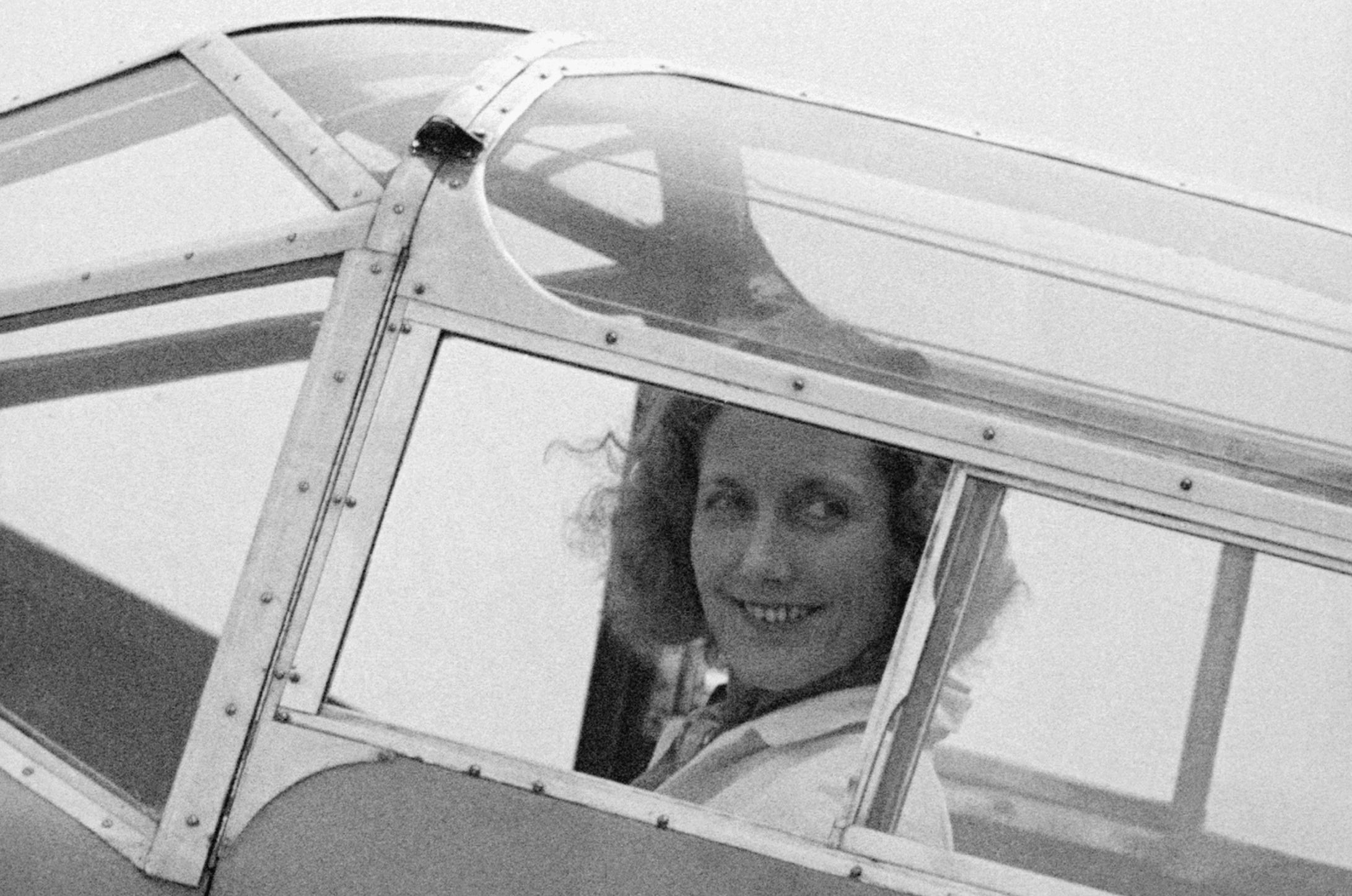
Beryl Markham’s life reads like an adventure novel, filled with groundbreaking achievements, thrilling exploits, and a legacy that transcends time. As the first woman to fly solo across the Atlantic from east to west, Markham shattered the glass ceiling in aviation. Her memoir, “West with the Night,” offers a mesmerizing account of her experiences in early 20th-century Africa and her daring flights, showcasing her indomitable spirit. This blog post seeks to explore the remarkable journey of Beryl Markham, celebrating her contributions to aviation and literature.

Early Life in Kenya

Born in England in 1902, Beryl Clutterbuck moved to Kenya with her family at a young age, igniting her lifelong love affair with Africa. Growing up on her father’s horse farm, she developed an early passion for horses, which later translated into a pioneering career in horse training. Her fascination with flying began in Kenya, where she met Tom Campbell Black, a notable figure in her aviation journey, fostering her aspiration to take to the skies.

Pioneering Aviation Career

Markham’s aviation career was marked by a series of remarkable achievements. She became the first woman to obtain a commercial pilot’s license in Kenya. In 1936, she made history by flying solo across the Atlantic from east to west, facing harsh weather conditions and navigating by stars. This monumental flight secured her place in aviation history, showcasing her courage and skill as a pilot.

Adventures and Challenges

Markham’s life was replete with adventures that stretched beyond the cockpit. Her personal life, marked by several marriages and notable friendships with prominent figures like Denys Finch Hatton and Karen Blixen, added layers to her already complex character. Despite the challenges she faced, including financial struggles and societal constraints on women of her time, Markham’s resilience never waned, driving her to pursue her passions relentlessly.

Literary Contributions

Though primarily known for her aviation feats, Markham was also an accomplished author. Her memoir West with the Night, published in 1942, was praised for its lyrical prose and vivid descriptions of colonial Africa. Despite its initial lukewarm reception, the book was rediscovered and celebrated in the 1980s, heralded as a masterpiece of 20th-century literature and providing a nuanced perspective on Markham’s extraordinary life.

Legacy and Recognition

Beryl Markham’s legacy is multifaceted, influencing the aviation and literary worlds. Her daring spirit and groundbreaking achievements in aviation paved the way for future generations of female pilots. Meanwhile, her literary contributions offer a unique glimpse into a woman’s life who refused to be defined by the era she lived in. Today, Markham is remembered for her historical flights and as a symbol of courage, resilience, and the pursuit of one’s passions against all odds.

Embarking on this detailed exploration of Beryl Markham’s life will allow us to paint a comprehensive picture of her impact on aviation and literature. Starting with her early life in Kenya, we’ll weave through her many accomplishments, adventures, and the legacy she leaves behind.

The Legendary Redd Foxx: A Pioneer of Comedy

ARTICLE – MINI BIOGRAPHY

Redd Foxx, born John Elroy Sanford on December 9, 1922, in St. Louis, Missouri, was a trailblazing comedian whose influence on American comedy remains unparalleled. Known for his quick wit, distinctive voice, and unapologetically bold humor, Foxx broke barriers and paved the way for future generations of comedians.

Early Life and Career Beginnings

Redd Foxx’s journey to stardom was anything but straightforward. He grew up in poverty, and his early years were marked by hardship and struggle. However, his natural talent for making people laugh became evident early on. He moved to Chicago in the 1940s and began performing in local nightclubs. During this time, he adopted the stage name Redd Foxx, a combination of his nickname “Redd” due to his complexion and admiration for the great baseball player Jimmie Foxx.

The Rise to Fame

Foxx’s big break came in the 1950s when he began recording a series of “party records.” These were risqué, adult-themed comedy albums that were sold under the counter due to their explicit content. Despite—or perhaps because of—their controversial nature, these records gained immense popularity. They showcased Foxx’s raw comedic talent and fearless approach to humor, earning him a dedicated following.

“Sanford and Son”: A Cultural Phenomenon

In 1972, Foxx’s career skyrocketed with the debut of “Sanford and Son,” a sitcom that would cement his status as a comedy legend. The show, produced by Norman Lear, featured Foxx as Fred G. Sanford, a cantankerous junk dealer with a sharp tongue and a heart of gold. “Sanford and Son” was groundbreaking in portraying African American life, blending humor with social commentary.

Redd Foxx with his older brother Fred G. Sanford Jr.

Most of Redd Foxx fans are unaware that his brother’s real name is Fred G. Sanford. Now wonderfully Redd Foxx made sure that the executives for the hit television show Sanford and Son allowed him to name his character so that he could honor the memory of his brother, Fred, who’d died five years before the show premiered.

Legacy and Impact

Redd Foxx’s impact on comedy and popular culture is profound. He was a pioneer in addressing issues of race and social justice through humor, using his platform to challenge stereotypes and advocate for equality. His style of comedy, characterized by its boldness and honesty, influenced countless comedians, including Richard Pryor, Eddie Murphy, and Chris Rock.

Foxx’s contributions to comedy were recognized with numerous accolades, including an induction into the NAACP Image Awards Hall of Fame. Beyond his professional achievements, he was known for his generosity and willingness to mentor young comedians.

Personal Life and Challenges

Despite his professional success, Foxx’s personal life was marked by financial difficulties and legal troubles. He was known for his lavish lifestyle and generosity, often giving money to friends and family. These habits, coupled with poor financial management, led to several bankruptcies. Yet, through it all, Foxx remained a beloved figure, admired for his resilience and indomitable spirit.

Conclusion

Redd Foxx’s legacy is one of groundbreaking achievements and enduring influence. His fearless approach to comedy and ability to find humor in the most challenging circumstances made him a beloved figure in American culture. As we look back on his life and career, we celebrate Redd Foxx not only as a pioneer of comedy but as a trailblazer who opened doors for future generations of performers. His humor, honesty, and humanity continues to inspire and entertain audiences worldwide.

Sister Rosetta Tharpe: Music Icon

ARTICLE – MINI BIOGRAPHY – MUSIC

I discovered Sister Rosetta Tharpe by accident. I was working on my novel and let my Blues playlist play on. I found myself stuck between my prose and the music. It’s one of my favorite places while I’m writing. I found myself lost in an ole’ blues standard. However, the more I listened, the more I realized the tune was different. I stopped and looked at the artist’s name. It was Sister Rosetta Tharpe. I wasn’t familiar with the name, but her sound was familiar.

As I investigated her music, I realized why her sound was so familiar. I remember hearing her music playing in the kitchen of my grandmother. My grandmother would clap, dance, and sing along with her music while she prepared different meals.

Sister Rosetta Tharpe was a pioneering figure in the history of American music. With her distinctive blend of gospel, blues, and rock and roll, Tharpe had a far-reaching impact that continues to be felt to this day. Her unique sound and style were not just revolutionary in terms of music, but also in terms of the societal norms of her time, adding another layer to her legacy.

Born on March 20, 1915, in Cotton Plant, Arkansas, Tharpe displayed musical talent from a very young age. She was raised in a family where religious music was a fundamental part of life, and this early exposure set the stage for her eventual career. She began performing at church services when she was just four years old, accompanied by her mother on guitar. By the age of six, Tharpe was a featured performer in a traveling evangelical troupe, demonstrating her prodigious talent and the power of her voice.

As a teenager, Tharpe moved to Chicago, a city known for its vibrant music scene. She quickly became a sensation in the city’s thriving gospel scene. Her powerful voice and unique guitar playing style set her apart from other artists, and she was soon performing to packed houses throughout the city. This was just the beginning of an illustrious career that would see her reach phenomenal heights.

In 1938, Tharpe took another major step in her career when she moved to New York City and signed with Decca Records. Her first record was an instant success, and she quickly became one of the most popular gospel artists in the country. Tharpe’s style was unique and groundbreaking; she combined the raw emotion of gospel with the driving rhythms of blues and rock and roll, creating entirely her own sound.

Even though Tharpe was a gospel artist, her music transcended the genre and appealed widely. She performed at nightclubs and theaters, breaking down barriers between sacred and secular music. Tharpe was a trailblazer in many ways – she was one of the first black women to perform with a white orchestra, and she was also one of the first artists to use heavy distortion on her electric guitar. This technique would later become a staple in rock music.

Tharpe’s influence extended far beyond her own career. She was a major influence on artists like Elvis Presley, Chuck Berry, and Johnny Cash. Her distinctive guitar-playing style paved the way for the development of rock and roll, and her powerful voice continues to inspire singers to this day. It is a testament to her talent and impact that she influenced such iconic figures in music.

Sister Rosetta Tharpe passed away on October 9, 1973, but her legacy remains. She was posthumously inducted into the Rock and Roll Hall of Fame in 2018, a fitting tribute to a woman who did so much to shape the course of American music. Her impact is not only seen in the music of those who came after her, but also in the way she broke down racial and gender barriers in her lifetime. Her life and career serve as an inspiring example of the power of music and the strength of individuality.

The Memory Palace

Photo by Suzy Hazelwood on Pexels.com

As we get older, we often find we don’t remember things the way we used to. I asked a doctor once about my failing memory, and his response was less than gratifying. I’ve never been one who took sweeping generalizations seriously. Despite aging, several conditions have an impact on memory. I’ve listed a few.

  • Alzheimer’s disease is a progressive brain disorder that affects memory, thinking, and behavior.
  • Dementia is a general term for a decline in cognitive ability severe enough to interfere with daily life.
  • Mild cognitive impairment is a condition that involves a slight decline in cognitive abilities but is not severe enough to interfere with daily functioning.
  • Stroke occurs when the blood supply is disrupted to the brain, leading to damage in brain function, including memory.
  • Traumatic brain injury is a brain injury that occurs as a result of a blow or jolt to the head and can lead to various cognitive impairments, including memory problems.
  • Depression is a mood disorder that can affect memory and cognitive functioning.
  • Anxiety disorders are mental health conditions that can contribute to memory difficulties.

As a person living with PTSD, I have issues with my short-term memory. Through researching the different conditions that affect my memory, I discovered several techniques that can assist with any memory issues one may be experiencing. One of the techniques I found that sounded sort of cool was a technique called a Memory Palace. Let’s take a look at an overview of the technique.

AI-Generated by Author

Memory Palace, also known as the Method of Loci, is a powerful technique used for centuries to enhance memory and recall. This technique involves creating a mental map or imaginary location, such as a house or a palace, and associating each piece of information with a specific location within that space. Individuals can effectively store and retrieve vast amounts of data by visualizing and navigating through this memory palace.

History of the Memory Palace Technique

The Memory Palace technique dates back to ancient Greece and Rome, where orators and scholars widely used it to memorize speeches, poems, and other important information. The Roman orator Cicero popularized the method, who believed associating ideas with vivid mental images created a lasting impression in the mind. This technique has been employed by many notable figures throughout history, including Aristotle, Sherlock Holmes, and even modern memory champions. Understanding the historical roots of the Memory Palace technique provides insight into its longevity and effectiveness as a memory enhancement tool.

How the Memory Palace Technique Works

The Memory Palace technique leverages the brain’s ability to remember spatial information. It capitalizes on the fact that our minds are naturally adept at recalling physical locations and their details. By mentally placing pieces of information in specific locations within a familiar or imagined space, we create a structured and organized system for storing and retrieving information. The process involves choosing a memory palace, mentally walking through it, and associating data with different locations. This technique allows readily recalling stored information by navigating through the memory palace. Understanding the inner workings of the Memory Palace technique helps individuals grasp its effectiveness and apply it to their own memory improvement goals.

Applications of the Memory Palace Technique

The Memory Palace technique has a wide range of applications and can enhance memory in various areas of life. Students can utilize this technique to remember complex subjects, such as history timelines or scientific formulas. Professionals can employ it to remember important details for presentations or speeches, ensuring a confident and accurate delivery. The Memory Palace technique can also improve language learning, memorizing scripts for acting or public speaking, or even remembering a grocery list. The versatility of the Memory Palace technique makes it applicable to various fields and everyday life scenarios.

Benefits of the Memory Palace Technique

The Memory Palace technique offers several benefits for memory improvement. Firstly, it provides a structured and organized system for storing and retrieving information, making it easier to recall. Individuals create strong mental connections that aid in memory retention by associating information with specific locations within a memory palace. Additionally, the visualization and navigation involved in the Memory Palace technique engage multiple senses, further enhancing memory and recall. This technique also promotes creativity and imagination, as individuals create vivid mental images to associate with the information they want to remember. Lastly, the Memory Palace technique is a practical and effective approach to enhancing cognitive abilities, regardless of age or educational background.

Conclusion

In conclusion, the Memory Palace technique is powerful for enhancing memory and recall. Its historical roots, working principles, applications, and benefits highlight its effectiveness as a memory enhancement technique. By leveraging the brain’s natural ability to remember spatial information, individuals can create a mental map that serves as a structured system for storing and retrieving information. Whether you are a student, professional, or simply looking to improve your memory, the Memory Palace technique offers a practical and effective approach to enhancing your cognitive abilities. Embrace the power of the Memory Palace and unlock your full memory potential.

If you find yourself or someone close to you experiencing cognitive issues, please seek assistance from a healthcare professional.

Java & Verse #6

One of my favorite forms of writing is poetry. For years I have been trying to figure why? Perhaps, in it’s many forms it represents the truth of us. The truth that is only told within the lines we write. There’s something majestic about poetry that can’t be explained in words no matter how hard we try. But at least we can do is highlight one of its many forms.

Acrostic Poems

Acrostic poems are a unique and creative expression used for centuries to captivate readers and convey profound messages. In this article, we will delve into the format of acrostic poems, exploring their structure, techniques, and the power they hold in making meaning come alive.

What is an Acrostic Poem?

An acrostic poem is a type of poetry where the first letter of each line when read vertically, spell out a word, phrase, or name. This format adds depth and meaning to the poem, as the chosen word or phrase often serves as a theme or central idea.

The Structure of Acrostic Poems:

Acrostic poems typically consist of multiple stanzas, with each line beginning with a letter that contributes to the hidden word or phrase. The number of lines in each stanza can vary, depending on the poet’s preference and the length of the word or phrase used.

Techniques for Crafting Acrostic Poems:

Choosing the central word or phrase: The first and most crucial step in creating an acrostic poem is selecting the word or phrase that will be spelled out vertically. This choice sets the tone and theme of the poem. Brainstorming: Once the central word or phrase is chosen, the poet can brainstorm words, phrases, or ideas associated with each letter. This helps in constructing meaningful and coherent lines for the poem. Wordplay and creativity: Acrostic poems allow for wordplay and creativity, as poets can experiment with different ways to express their thoughts and emotions within the constraints of the format.

The Power of Acrostic Poems:

Expressing hidden meanings: Acrostic poems provide an opportunity to subtly convey hidden meanings or messages within the poem. This adds an element of intrigue and depth to the reading experience. Engaging the reader: The format of acrostic poems engages the reader’s curiosity and encourages them to actively participate in deciphering the hidden word or phrase. It creates a sense of interaction between the poet and the reader. Enhancing memorability: Acrostic poems have a unique quality that makes them memorable. The deliberate arrangement of letters and the challenge of uncovering the hidden word or phrase leaves a lasting impression on the reader.

Example

Wailing
Howls
Incongruity
Solitude’s
Perdurable
Exemplary
Resolve

The Transcontinental Railroad: Connecting a Nation

Photo by Pixabay on Pexels.com

Introduction

I’ve been a history buff my whole life. I can quite literally spend emerged in the annals of time. Who, what, and why, the unsolved mysteries, or trying to separate truth from legend. My first love affair started with the Old West: the hats, the six-shooters strapped to them, and the steadfast sense of justice. 

One can’t talk about the Old West without talking about the trains. I remember as a boy walking the tracks; my arms outstretched while I tried rather unsuccessfully to keep my balance on the track. When I got older, I would jump from car to car. I still have an extreme fascination with trains. Let’s take a few moments to discuss the creation of the railroad. 

The Transcontinental Railroad stands as a monumental achievement in American history, forever changing the landscape of transportation and communication. Completed in 1869, this groundbreaking project connected the eastern and western coasts of the United States, spanning nearly 2,000 miles. In this post, we will explore the significance of the Transcontinental Railroad and its impact on the nation’s development.

A Triumph of Engineering

The construction of the Transcontinental Railroad was no small feat. The task of laying tracks across vast terrains, including rugged mountains and scorching deserts, required incredible engineering skills and determination. Thousands of workers, including Chinese immigrants, Irish immigrants, and Civil War veterans, toiled under harsh conditions to make this vision a reality. They faced numerous challenges, from blasting through mountains to traversing treacherous landscapes. The railroad’s completion shortened travel time from coast to coast from several months to just a matter of days, revolutionizing trade and commerce.

Uniting a Divided Nation

One of the most remarkable aspects of the Transcontinental Railroad was its role in unifying a divided nation. At its completion, the United States was still recovering from the wounds of the Civil War. The railroad acted as a symbol of progress and reconciliation, connecting the once-disparate regions of the country. It fostered economic growth, encouraged migration, and strengthened ties between communities. People from different backgrounds and walks of life came together to work on the railroad, forging new connections and friendships. The Transcontinental Railroad became a powerful force in promoting a sense of national identity and solidarity among Americans.

Revolutionizing Trade and Commerce

The Transcontinental Railroad had a profound impact on the nation’s economy. It opened up new markets and facilitated the transportation of goods across the country faster and more efficiently. Farmers and manufacturers now had access to larger consumer bases, leading to increased production and prosperity. The railroad also played a crucial role in the growth of urban centers along its route, stimulating the development of industries and creating new job opportunities. The Transcontinental Railroad transformed the United States into a global economic powerhouse, with goods flowing seamlessly from coast to coast.

Cultural Exchange and Innovation

The construction of the Transcontinental Railroad brought together people from diverse backgrounds and cultures. Former Slaves and Chinese immigrants played a significant role in building the railroad, contributing their expertise and labor. Their presence and contributions had a lasting impact on American society, shaping its cultural landscape. The Transcontinental Railroad spurred innovation and technological advancements. Engineers and inventors developed new methods and technologies to overcome the challenges of building the railroad, leading to advances in engineering, communication, and transportation that had far-reaching effects beyond the railroad itself.

Legacy and Impact

The completion of the Transcontinental Railroad was a monumental achievement that forever changed the course of American history. It not only connected the nation physically but also symbolized unity and progress. The railroad revolutionized transportation, fostered economic growth, and played a crucial role in the nation’s development. The impact of this extraordinary engineering feat can still be felt today, reminding us of the power of human ingenuity and the boundless possibilities of collaboration. The Transcontinental Railroad is a testament to the vision, dedication, and hard work of countless individuals who came together to connect a nation.

Dyslexia: Understanding and Overcoming Challenges

When I first heard the word Dyslexia, I didn’t understand what it meant. Oh, I’ve always been able to define the term. Yet, my understanding was rudimentary. It wasn’t until I had a conversation with someone who lives with the condition that I gained a better undestanding of the condition. As I researched the content of this article I still found my understanding to be lacking. There are so many different dynamics to the condition. Let’s get into it.

Dyslexia is a complex learning disorder affecting individuals’ reading, writing, and spelling ability. It is important to note that Dyslexia is not a reflection of intelligence or effort but rather a neurological condition requiring support and understanding. Dyslexia can be hereditary, making recognizing and supporting those with it important. They may also need help with memory, time management, and understanding jokes and idioms. Today, I want to examine the signs and symptoms, the diagnosis process, available support, effective coping strategies, and types of the condition. This information is only an overview and not meant to replace professional assistance.

Signs and Symptoms

Recognizing the signs and symptoms of Dyslexia is crucial for early identification and intervention. Some common indicators of Dyslexia include:

  • Difficulty in Reading: Individuals with Dyslexia often struggle with word recognition and decoding. They may need help reading fluently and require extra time to process written information.
  • Spelling Difficulties: Dyslexia can also manifest as spelling difficulties. Individuals may need help spelling words correctly and may rely on phonetic spelling or guesswork.
  • Writing and Organizational Challenges: Expressing thoughts and ideas in writing can be challenging for people with Dyslexia. They may struggle with organizing their thoughts on paper and find it difficult to write coherently.
  • Understanding and Following Instructions: Dyslexia can impact an individual’s ability to understand and follow instructions. Impairing their ability to perform daily tasks that require following directions.
  • Sequencing and Memory Difficulties: Individuals with Dyslexia may struggle with sequencing and remembering information, affecting their ability to comprehend and recall details in academic and everyday settings.

Diagnosis and Support

Diagnosing Dyslexia involves comprehensive evaluations conducted by professionals trained in learning disabilities. These evaluations assess reading and writing abilities and cognitive processes related to language and literacy skills. Early diagnosis and intervention are crucial for providing appropriate support and strategies to help individuals with Dyslexia succeed academically and in other areas of life.

Support for individuals with Dyslexia may include:

  • Multisensory Instruction Techniques: These techniques engage multiple senses, such as sight, sound, and touch, to reinforce learning and improve reading and writing skills.
  • Assistive Technologies: Various assistive technologies, such as text-to-speech software or speech recognition tools, can assist individuals with Dyslexia in accessing and processing written information.
  • Individualized Education Plans: Individualized education plans (IEPs) are customized objectives outlining specific accommodations, modifications, and goals for students.
  • Reading Intervention Programs: Reading intervention programs focus on improving reading skills, comprehension, and fluency. These programs may include specialized techniques and strategies tailored to the needs of individuals with Dyslexia.

Coping Strategies

While Dyslexia presents challenges, individuals with Dyslexia can develop various coping strategies to manage their difficulties and enhance their reading and writing skills. Some effective coping strategies include:

  • Breaking Down Words: Breaking down words into smaller parts can make them more manageable for individuals with Dyslexia. This technique helps improve word recognition and decoding abilities.
  • Visual Aids and Color-Coding: Visual aids, such as charts, diagrams, and color-coding, can enhance understanding and retention of information. Using colors to highlight important concepts or organize ideas can be particularly helpful.
  • Practicing Reading Aloud: Reading aloud helps individuals with Dyslexia improve their reading fluency and comprehension. This practice allows them to hear the words and sentences, reinforcing their understanding.
  • Utilizing Assistive Technology Tools: Assistive technology tools, such as speech-to-text software or digital spell-checkers, can assist individuals with Dyslexia in writing and editing tasks.
  • Seeking Support: Seeking support from teachers, peers, and family members is essential for individuals with Dyslexia. Encouragement, understanding, and assistance can create a supportive environment that fosters growth and success.

Types of Dyslexia

Dyslexia can manifest in different ways, and there are various types of Dyslexia that individuals may experience.

  • Phonological Dyslexia is the most common type of Dyslexia. Individuals with this type of Dyslexia have difficulty connecting sounds to letters or groups of letters. They may struggle with phonemic awareness, which is the ability to identify and manipulate individual sounds in words. Phonological Dyslexia can make it challenging for individuals to sound out words, decode unfamiliar terms, and spell accurately.
  • Surface Dyslexia involves individuals having difficulty recognizing words as whole units. Individuals with this type of Dyslexia may struggle with sight word recognition, which can impact reading fluency. They may rely heavily on decoding strategies and work with irregularly spelled words. Surface dyslexia often coexists with phonological Dyslexia.
  • Rapid Naming Dyslexia, or rapid automatized naming deficit, involves difficulties in quickly naming or retrieving familiar objects or symbols. Individuals with this type of Dyslexia may have trouble with fluency and speed in reading and writing tasks. They may experience delays in processing visual information and struggle with word retrieval.
  • Visual Dyslexia, also called visual processing disorder, relates to difficulties in processing and interpreting visual information. Individuals with visual Dyslexia may experience challenges in recognizing and differentiating letters, numbers, or symbols. They may have trouble with visual tracking, affecting reading comprehension and fluency.
  • Attentional Dyslexia is associated with difficulties sustaining attention and focus during reading tasks. Individuals with this type of Dyslexia may find it challenging to stay engaged while reading, leading to decreased comprehension and slower reading speed. Attentional Dyslexia is often seen in individuals with attention deficit hyperactivity disorder (ADHD).It is important to remember that these types of Dyslexia are not mutually exclusive, and individuals with Dyslexia may exhibit a combination of these difficulties. Additionally, the severity of Dyslexia can vary from person to person.Understanding the different types of Dyslexia can help educators, parents, and individuals with Dyslexia develop appropriate strategies and interventions to support reading and learning. By recognizing individuals’ specific challenges, we can create an inclusive and supportive environment that empowers individuals with Dyslexia to reach their full potential.If you or someone you know struggles with Dyslexia, remember that resources, support networks, and interventions are available to help. Together, we can break down barriers and promote a more inclusive society for individuals with Dyslexia.

Related Articles:

Dyslexia in Adults: Symptoms, Treatments, and More

Dyslexia and ADHD: Know What to Do When They Happen Together

Conclusion

Dyslexia is a unique learning disorder requiring understanding and support. By raising awareness about Dyslexia and providing the necessary resources, we can empower individuals with Dyslexia to reach their full potential. Remember, Dyslexia doesn’t define a person’s intelligence or capabilities. With the proper support, interventions, and strategies, individuals with Dyslexia can succeed in various areas of life and contribute their unique talents to the world.

Afternoon Reading

I found this article while browsing the web today … Check it out

www.thisiscalmer.com/blog/7-books-to-read-if-you-need-a-mental-health-boost

Complementary Therapies

Complementary therapies have been used for centuries to help manage various health conditions, and their popularity has increased significantly in recent years. Traditional medicine often uses these therapies to help manage symptoms and improve overall well-being. Complementary therapies aim to treat the whole person, not just the symptoms of a particular condition.

Some examples of complementary therapies include:

  • Acupuncture: This involves the use of thin needles inserted into specific points on the body to stimulate the body’s natural healing processes.
  • Massage therapy involves manipulating soft tissues in the body to help reduce muscle tension, improve circulation, and promote relaxation.
  • Herbal medicine: This involves the use of plants or plant extracts to help treat various health conditions.
  • Meditation: This involves the practice of focusing the mind on a particular object, thought, or activity to promote relaxation and reduce stress.

While some complementary therapies have been extensively studied and are supported by scientific evidence, others are not. It’s important to talk to a healthcare professional before trying new treatments to ensure they are safe and appropriate for your specific situation.

One of the benefits of complementary therapies is that they can help manage symptoms and improve overall well-being without medication or invasive procedures. For example, massage therapy can help reduce muscle tension and improve circulation, while meditation can help reduce stress and promote relaxation.

Complementary therapies can be a valuable addition to a comprehensive healthcare plan. However, it’s important to approach them cautiously and do your research before trying new treatments. Some complementary therapies may interact with medications or have side effects, so talking to a healthcare professional before incorporating them into your healthcare plan is important.

In summary, complementary therapies can be a helpful tool in managing various health conditions and improving overall well-being. However, it’s important to approach them cautiously, talk to a healthcare professional before trying new treatments, and do your research to ensure that they are safe and appropriate for your specific situation.

~thank you for reading~

Yeah, I heard you, but what is CBT?

Introduction

When I first started therapy, my therapist began discussing the different courses of treatment. Then she mentioned we would be starting with CBT. Now, I always enjoy when experts talk to you using their jargon as if the entire world speaks this way. My therapist must have noticed my expression and immediately clarified things by stating, “Cognitive Behavioral Therapy.” I nodded, reassuring her I understood what she was referring to. However, in mind, a mini-rant formed.

“What? Is talking about mind control?”

“Hold on, I don’t quake like a duck for nobody!”

“Nah, ya’ll ain’t getting me with MK-Ultran, secret squirrel, CIA guinea pig … bullshit! Fuck that!”

As I stood up, preparing to walk out, she stared at me momentarily and asked, “MK-Ultra? or “Vulcan mind meld?” and pointed at the chair, inviting me to sit.

I assure you it’s nothing like that at all. Below I’ve provided some general information about the treatment.

Let’s take a look, shall we?

Cognitive Behavioral Therapy (CBT)

Mental health issues are a common occurrence in today’s world, and they can manifest in a variety of ways. Fortunately, there are effective methods to manage these conditions, one of which is cognitive-behavioral therapy (CBT). CBT is a therapeutic approach that focuses on the connection between our thoughts, behaviors, and emotions and how changing them can positively impact our mental health.

Understanding CBT

CBT is a talk therapy that aims to help individuals identify and modify negative thought patterns and behaviors that contribute to mental health problems such as anxiety, depression, and PTSD. It is a short-term treatment option typically done in weekly sessions with a licensed therapist. During these sessions, the therapist works with the patient to identify negative thought patterns and behaviors and develop strategies to overcome them.

One of the fundamental principles of CBT is that our thoughts and beliefs have a powerful impact on our emotions and behaviors. This principle is based on the idea that our thoughts create our reality, and by changing our thoughts and beliefs, we can change how we feel and behave in various situations. CBT also emphasizes the development of practical coping strategies that patients can use to manage their symptoms outside of therapy sessions.

Benefits of CBT

There are many benefits to using CBT to manage mental health issues. One of the main advantages is that it can be highly effective in helping patients overcome negative thought patterns and behaviors. Studies have shown that CBT can be just as effective as medication in treating conditions like anxiety and depression and more effective in the long term.

Another benefit of CBT is that it is a relatively short-term treatment option. While some other forms of therapy can take years to complete, most patients can complete a course of CBT in just a few months. This can make it a more practical option for people who are looking for a quick and effective way to manage their mental health.

CBT is also a versatile therapy that can be used to treat a variety of mental health conditions. In addition to anxiety, depression, and PTSD, CBT has been shown to be effective in treating conditions like obsessive-compulsive disorder (OCD), eating disorders, and substance abuse.

The Bottom Line

If you are struggling with mental health issues like anxiety, depression, or PTSD, CBT can effectively manage your symptoms and improve your overall well-being. By working with a licensed therapist, you can learn to identify and change negative thought patterns and behaviors, develop practical coping strategies, and achieve greater control over your emotions and behaviors.

It is important to note that CBT may not be the best option for everyone. Some people may benefit more from other types of therapy or a combination of treatments. However, CBT is definitely worth considering if you are looking for a proven and practical way to improve your mental health.

Conclusion

CBT is a powerful tool to help people overcome negative thought patterns and behaviors contributing to mental health issues. By working with a licensed therapist, patients can develop practical coping strategies and achieve greater control over their emotions and behaviors. If you are looking for a proven and practical way to improve your mental health, CBT may be the right choice for you.

Mental health issues are a common occurrence in today’s world, and they can manifest in a variety of ways. Fortunately, there are effective methods to manage these conditions, one of which is cognitive-behavioral therapy (CBT). CBT is a therapeutic approach that focuses on the connection between our thoughts, behaviors, and emotions and how changing them can positively impact our mental health.

This is hard work. You have to face things you would rather forget but in the long run. I believe you be the better for it. I know I have been.

~thank you for reading~

PTSD is Wicked Scary

Introduction

Post-traumatic Stress Disorder (PTSD) is a mental health condition that can occur after going through or witnessing a traumatic event. PTSD can have a significant impact on a person’s daily life, relationships, and overall well-being. However, there are many effective treatments available for PTSD, that actually help. I know its scary and you probably have been through a few therapies treatments that didn’t help or made things worse. Please don’t give up. Recovery is a real possibility.

After, my diagnosis, I didn’t know what to do. I knew I didn’t want to stigmatized or labeled. So, I tried to hide it. Of course, that didn’t help, but the following are methods I used to assist in moving forward with the condition.

Psychotherapy

Psychotherapy, also known as talk therapy, is a widely used and effective treatment for PTSD. It involves speaking with a mental health professional about your thoughts, feelings, and experiences related to the traumatic event. There are several types of psychotherapy that are effective for treating PTSD, including cognitive behavioral therapy (CBT) and Eye Movement Desensitization and Reprocessing (EMDR).

Cognitive behavioral therapy (CBT) is a type of therapy that helps individuals identify and change negative thought patterns and behaviors that are associated with PTSD. CBT focuses on helping the individual become more aware of the thoughts and feelings that contribute to their PTSD symptoms and teaches them how to challenge and change those thoughts and behaviors.

Eye Movement Desensitization and Reprocessing (EMDR) is another type of psychotherapy that uses eye movements to help individuals process traumatic memories and reduce the severity of PTSD symptoms. During EMDR therapy, the individual is asked to recall the traumatic event and then follow a therapist’s hand movements with their eyes. This process is believed to help the individual process and reframe the traumatic memory in a less distressing way.

Medications

Medications can also be helpful in treating PTSD symptoms. Antidepressants are commonly prescribed to individuals with PTSD. They can help reduce symptoms such as anxiety, depression, and insomnia. Selective serotonin reuptake inhibitors (SSRIs) and serotonin-norepinephrine reuptake inhibitors (SNRIs) are the most commonly prescribed antidepressants for PTSD.

Other medications such as anti-anxiety medications and sleep aids may also be prescribed to individuals with PTSD. These medications can help individuals manage symptoms such as anxiety, nightmares, and sleep disturbances.

It is important to note that while medications can be helpful in managing PTSD symptoms, they should always be used in conjunction with psychotherapy.

Complementary Therapies

Complementary therapies, such as yoga, meditation, and acupuncture, can be valuable tools in managing and reducing symptoms of post-traumatic stress disorder (PTSD). While psychotherapy and medication are considered the most effective treatments, these alternative therapies can provide additional benefits to individuals struggling with PTSD.

For instance, yoga has been shown to reduce stress and anxiety, which are common symptoms of PTSD. It can also improve sleep quality and increase feelings of relaxation and well-being. Meditation, on the other hand, can help individuals develop mindfulness, which can be helpful in managing intrusive thoughts and memories associated with traumatic experiences. Similarly, acupuncture has been found to reduce symptoms of anxiety and depression, as well as improve sleep quality.

While these complementary therapies may not be as effective as psychotherapy or medication, they can be used in conjunction with other treatments to help individuals better manage their symptoms. It is important to note that these therapies should only be used under the guidance of a qualified healthcare professional and should not be used as a substitute for evidence-based treatments.

Conclusion

PTSD can be a debilitating condition, but there are many effective treatments available. Seeking help from a mental health professional is the first step towards recovery. Psychotherapy, medications, and complementary therapies are all effective treatments that can help individuals manage their symptoms and improve their overall quality of life. If you or someone you know is struggling with PTSD, do not hesitate to seek help. Remember, recovery is possible.

~thank you for reading~

The Measure of Oneself

Do you have a quote you live your life by or think of often?

I immediately refer to this quote whenever I consider conversations such as these. Due to the current social climate, this quote is a little dated. However, with a few modifications, it fits quite nicely within the current climate. Let’s take a look.

Original

“Waste no more time arguing what a good man should be. Be one.” – Marcus Aurelius

https://dailystoic.com/waste-no-time-arguing-good-man-one/

Alternate version

“Waste no more time arguing what a good person should be. Be one.”

Now, that’s a little better; let’s get on with the conversation.

I look at this quote as a personal challenge. To dismiss the unwritten standards, for they change depending on region or person, and attempt to conduct myself in a manner befitting how I was raised. From this, I formed the code I live by. The difficulty lies in changes that occur within the individual. Put simply, I don’t feel the same way about things as I mature—circumstances of life change, whether you realize them or not. Nevertheless, I attempt to be the best person I can be within societal limitations or guidelines. Forever cognizant I may fail. Failure is acceptable as long as you retain the wisdom that accompanies it. I must be clear here wisdom accompanies both success and failure.

I also realize someone other than me determines whether I’m a good person. My conduct will be weighed and measured by the people interacting with me. They described what kind of person I am in their description of me to others. If I’m considered a bad person, then I’m as such. If they refer to me as a good person, then I’m a good person. I have no control over their opinion of me. I’m who I am. So, I waste no more time arguing—this action I can control.


Better to write for yourself and have no public, than to write for the public and have no self.”

[The New Statesman, February 25, 1933]”,,-― Cyril Connolly

As a writer, I feel this quote should be the standard for writing everything. What am I doing if I’m true to myself in my writing? I can only fulfill the first quote if I’m true to my writing.

This is how I measure myself; no one else. You are who you are and I respect that.

~thank you for reading~