
ARTICLE – MINI BIOGRAPHY – MMB
I’m a little behind because of my recent prolonged illness, so please forgive my tardiness. Here is my response to Glyn’s MMB.
From the moment I heard, “There’s a crack in the mirror and bloodstain on the bed,” I was floored. I wondered who the hell was this singing and what band is this? I must have listened to that song back to back for a week straight. I’m sure it wasn’t that long, but I played it repeatedly. Well, the band Concrete Blonde, and the song was Bloodletting
The opening bass line captured my attention, and I was grooving. However, when the vocals arrived mixed with powerful lyrics, I seemed to be teleported into the song. I could feel everything she was singing about. Yeah, yeah, I was young, and everything was so damn serious. It was the best thing I’d ever heard blah, blah. However, Concrete Blonde has remained one of my favorite bands throughout my lifetime. Here are the particulars:
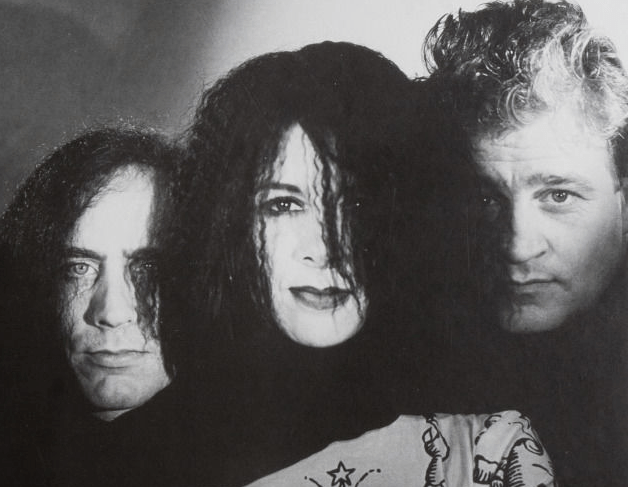
Concrete Blonde occupies a unique and enduring place in the rich tapestry of alternative rock music. Formed in the vibrant musical landscape of Los Angeles in the 1980s, Concrete Blonde emerged as a beacon of emotional depth and musical innovation. Led by the captivating vocals and songwriting prowess of Johnette Napolitano, the band’s distinctive blend of rock, punk, and folk influences captivated audiences and earned them a devoted following. This essay explores Concrete Blonde’s evolution, impact, and enduring legacy, delving into their thematic depth, musical craftsmanship, and cultural significance.
Formation and Early Years:
Concrete Blonde traces its origins to the convergence of talents between vocalist/bassist Johnette Napolitano, guitarist James Mankey, and drummer Harry Rushakoff in the mid-1980s. Drawing inspiration from the eclectic music scene of Los Angeles, the band forged a sound that defied easy categorization, blending elements of punk, rock, folk, and alternative music. Their eponymous debut album, “Concrete Blonde,” released in 1986, showcased their raw energy and emotional intensity, laying the foundation for their subsequent success.
Thematic Depth and Musical Craftsmanship:
At the heart of Concrete Blonde’s music lies a profound exploration of the human condition, infused with love, loss, longing, and redemption themes. Johnette Napolitano’s evocative lyrics and soul-stirring vocals serve as a conduit for raw emotion, resonating with listeners on a deeply personal level. Whether channeling heartache and despair in “Joey” or exuding defiance and resilience in “Bloodletting (The Vampire Song),” Concrete Blonde’s music transcends genre boundaries, inviting listeners into a world of introspection and catharsis.
Musically, Concrete Blonde’s compositions are characterized by their dynamic arrangements, melodic hooks, and rich instrumentation. James Mankey’s masterful guitar work ranges from atmospheric textures to blistering solos, complementing Napolitano’s emotive vocals with nuance and depth. The rhythm section, anchored by Harry Rushakoff’s propulsive drumming, provides a solid foundation for the band’s sonic exploration, while guest musicians add layers of sonic richness to their sound.
Cultural Impact and Enduring Legacy:
Throughout their career, Concrete Blonde left an indelible mark on the alternative rock landscape, influencing subsequent generations of musicians and earning critical acclaim for their distinctive sound and uncompromising vision. Their breakthrough album, “Bloodletting,” released in 1990, propelled them to mainstream success, fueled by the haunting single “Joey” and the atmospheric title track “Bloodletting (The Vampire Song).” Subsequent albums, including “Walking in London” and “Mexican Moon,” further cemented their reputation as one of the preeminent bands of the alternative rock era.
Beyond their musical achievements, Concrete Blonde’s impact extends to their engagement with social and political issues, using their platform to advocate for causes ranging from environmental conservation to LGBTQ rights. Their music resonates with audiences worldwide, providing solace, inspiration, and a sense of connection in an ever-changing world.
Lyrics: Dance Along the Edge
Sometimes we laugh like children
Go running holding hands
I never felt like this before,
I never will again
Sometimes we cry like babies
I hold you to my heart.
I just can’t stand to see you sad,
It tears me all apart
And we’re so afraid and it’s such a shame,
There is no reason we should doube it.
The things we want to say we’ver never said!
And we look away and it’s all ok and
Never really talk about it
It’s a shame the way we dance along the edge
Dance along the edge.
We always seem so careful,
We’re always so unsure.
Our past mistakes they make us shakey… eyes on the door.
When do we stop searching
For what we’re searching for?
Then when it comes, we question love and try for more!
And we’re happy here, but we live in fear
We’ve seen a lot of temples crumble.
Some of flesh and blood from love under glass.
Will we come undone? Will we turn and run?
And will we know it when we find it?
It’s a game the way we dance along the edge.
And we’ll walk the line and we’ll do our time
For just as long as we’ve been given,
And pretend that we don’t hear the things they’ve said.
Can we promise love? Is it all too much
And do our old souls still believe it?
It’s insane the way we dance along the edge.
Discover more from Memoirs of Madness
Subscribe to get the latest posts sent to your email.
 Memoirs of Madness
I think the song ‘Tomorrow Wendy’ that Johnette recorded with Andy Prieboy and then put at the end of Bloodletting is probably the saddest song (and one of the best) ever recorded. Nice post.
LikeLiked by 1 person
Johnette has a way of ripping out your soul while she’s singing and handing it back to you when she’s done.
LikeLiked by 1 person
The Vampire Song has some biting guitar riffs
LikeLiked by 2 people
I’m such a fan of the band as a whole, but yes biting riffs
LikeLiked by 1 person