
ARTICLE – MINI BIOGRAPHY – POET
When I started studying poetry, I couldn’t fathom its depth or impact. Most of the people I knew consistently named the same poets. The poets named depended on the group of people. Finally, I received my introduction to the Black Arts movement. Being Black, I was told this should be my area of concentration. This advice met my immediate dismissal. I have never liked to be told how or what to study.
As I studied the Black Arts movement, I discovered many of the same names I’ve always heard. Then I found someone seldom talked about. I found Sonia Sanchez. I read most of her work and instantly became a fan. So, ladies and gentlemen, my first profile for Women’s History Month is Sonia Sanchez.
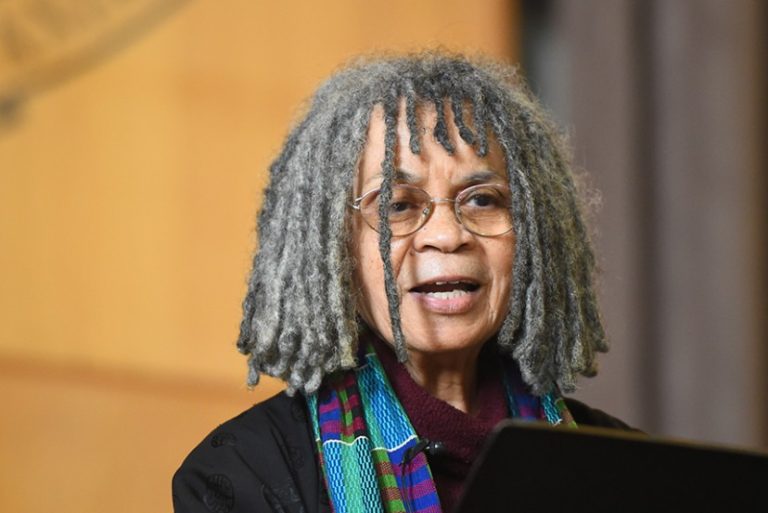
Sonia Sanchez stands as one of the most influential poets of the 20th and 21st centuries, renowned for her powerful voice, uncompromising activism, and unyielding commitment to social justice. As a leading figure of the Black Arts Movement and a pioneer of African American literature, Sanchez’s poetry transcends mere words, catalyzing change, healing, and transformation. This essay aims to explore the life, works, and enduring legacy of Sonia Sanchez, illuminating her profound impact on literature, activism, and the collective consciousness of humanity.
Early Life and Influences:
Sonia Sanchez was born Wilsonia Benita Driver on September 9, 1934, in Birmingham, Alabama, during a time of deep-seated racial segregation and oppression in the United States. Raised by her maternal grandmother and deeply influenced by her African heritage, Sanchez developed an early appreciation for storytelling, oral traditions, and the power of language to evoke emotion and effect change. Her formative years in the racially charged environment of the Jim Crow South instilled in her a profound sense of social justice and a determination to resist oppression through her art.
Literary Career and Contributions:
Sanchez’s literary career began to flourish in the 1960s amid the backdrop of the Civil Rights Movement and the emergence of the Black Arts Movement. Her early poetry collections, including “Homecoming” (1969) and “We a BaddDDD People” (1970), captured the spirit of resistance and empowerment, celebrating the resilience and beauty of the African American experience. Grounded in the oral tradition of African griots and jazz improvisation, Sanchez’s poetry pulsated with rhythm, imagery, and urgency, challenging readers to confront the realities of racism, sexism, and injustice.
As a prominent voice of the Black Arts Movement, Sanchez used her poetry to advocate for racial equality, gender liberation, and the empowerment of marginalized communities. Her seminal work “Sister Outsider: Essays and Speeches” (1984) explored intersections of race, gender, and sexuality, challenging prevailing norms and fostering solidarity among oppressed peoples. Through her activism and advocacy, Sanchez inspired generations of writers, activists, and artists to use their platforms for social change and cultural transformation.
Themes and Style:
Sanchez’s poetry is characterized by its lyrical intensity, rhythmic cadence, and evocative imagery, drawing on themes of love, identity, memory, and resistance. Her verses pulse with the heartbeat of humanity, weaving together personal and collective narratives to create a tapestry of empowerment and resilience. Whether exploring the legacy of slavery in America, celebrating the beauty of Black womanhood, or lamenting the violence of racism, Sanchez’s poetry radiates with authenticity, empathy, and hope.
Enduring Legacy:
Sonia Sanchez’s impact extends far beyond the realm of literature, encompassing education, activism, and community engagement. As a distinguished English and Women’s Studies professor at Temple University, Sanchez mentored countless students and scholars, instilling a passion for social justice and critical inquiry. Through her workshops, lectures, and performances, she continues to inspire audiences around the world to confront injustice, embrace diversity, and strive for a more just and equitable society.
Conclusion:
In conclusion, Sonia Sanchez’s life and work exemplify the transformative power of poetry to awaken consciousness, ignite change, and foster healing. As a poet, educator, and activist, she has dedicated her life to amplifying the marginalized’s voices, challenging oppression systems, and nurturing the seeds of hope and resilience. Through her unwavering commitment to justice and her profound empathy for the human experience, Sonia Sanchez has left an indelible mark on literature, activism, and the ongoing struggle for freedom and dignity for all.
Discover more from Memoirs of Madness
Subscribe to get the latest posts sent to your email.
 Memoirs of Madness