
ARTICLE – MINI BIOGRAPHY – WRITER
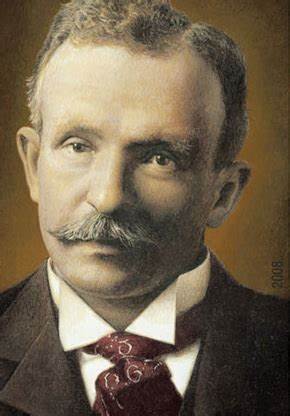
Charles Waddell Chesnutt (1858–1932) was a trailblazing African American writer, essayist, and activist whose literary contributions were crucial in challenging racial stereotypes and advancing the cause of civil rights during the late 19th and early 20th centuries. Chesnutt’s work is celebrated for exploring complex social issues and its keen insight into the African American experience in post-Civil War America.
Born in Cleveland, Ohio, to free African American parents, Chesnutt experienced a unique background that influenced his perspective on race and identity. His family’s relative affluence and mixed-race heritage allowed Chesnutt to receive an education that many African Americans of his time were denied. After completing his education, Chesnutt worked as a teacher and stenographer, developing a strong foundation in language and communication that would later shape his literary career.
Chesnutt’s literary career began with publishing short stories in prominent magazines, earning him recognition for his skillful storytelling and social commentary. His breakthrough came with the publication of “The Conjure Woman” in 1899, a collection of short stories that employed dialect and folklore to explore the complexities of race and power dynamics in the South. This collection established Chesnutt as a prominent voice in American literature, challenging prevailing stereotypes and presenting a nuanced portrayal of African American life.
One of Chesnutt’s most notable novels is “The Marrow of Tradition” (1901), which addresses racial tensions and violence in the South during Reconstruction. Drawing inspiration from historical events such as the Wilmington Insurrection of 1898, Chesnutt’s novel explores the impact of racism on individuals and communities, providing a searing critique of the injustices African Americans faced.
Chesnutt’s literary contributions extended beyond fiction. He also wrote essays and speeches addressing his time’s social and political issues. His advocacy for racial equality and civil rights was evident in his writings and public engagements, making him a respected figure in the African American intellectual community.
Despite his significant contributions to American literature, Chesnutt’s works did not achieve widespread recognition during his lifetime. The prevailing racial attitudes of the era hindered the reception of his writings. However, in the decades following his death in 1932, there has been a renewed appreciation for Chesnutt’s literary achievements and his pioneering role in the African American literary tradition.
Charles W. Chesnutt’s legacy is a testament to his courage in addressing racial injustices through literature. His writings challenged stereotypes and provided a nuanced understanding of the African American experience during a tumultuous period in American history. Today, Chesnutt is celebrated as a pioneer whose work laid the foundation for future generations of African American writers and intellectuals.
Here is a more detailed list of works by Charles W. Chesnutt:
- “The Conjure Woman” (1899) is a collection of stories about African American folk magic. The stories revolve around Uncle Julius McAdoo, a former slave who became free after the Civil War.
- “The Wife of His Youth and Other Stories of the Color Line” (1899): Another collection of stories, this book focuses on the issues of racial identity and social place in the post-Civil War South.
- “The House Behind the Cedars” (1900): This is a novel about a mixed-race family that moves to the South after the Civil War. The story revolves around the family’s struggle with racial identity.
- “The Marrow of Tradition” (1901): A historical novel, it is based on the events of the Wilmington Insurrection of 1898 in North Carolina.
- “The Colonel’s Dream” (1905): This novel follows a New York businessman who retires and moves back to the South, where he attempts to bring about racial and social reform.
- “The Quarry” (unfinished, posthumously published in 1928): Chesnutt’s last novel, it remained unfinished at his death. It explores racial identity and social place themes in the post-Civil War South.
Discover more from Memoirs of Madness
Subscribe to get the latest posts sent to your email.
 Memoirs of Madness